Film Journal: February 2018

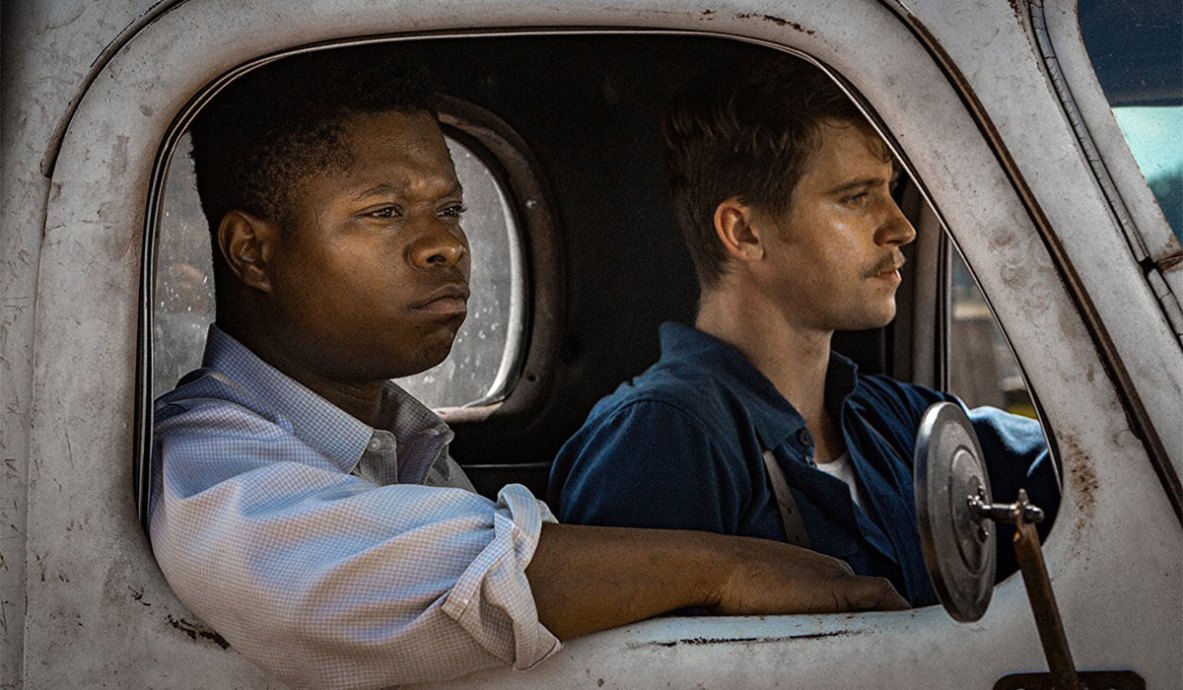
Mudbound

I’m making an effort to write about every movie I see – an average of 100 words per title, sometimes more, often less. Reviews will appear on Letterboxd as I write them, and then get posted here monthly with starred ratings. Titles with a star next to them are movies I’ve re-watched.

There Will Be Blood*
Still one of my favorite films of the previous decade—revisiting it for the first time in over six years was like returning to a beloved novel, anticipating certain passages, but also feeling the brisk rush of joy in rediscovering others I’d totally forgotten, like the second restaurant scene with Plainview’s exquisite sourpuss expression at first sight of his rivals, or when he discloses more of his soul to Henry than he ever will to anyone else, or even “drrraiiinage!” Paul Thomas Anderson has made three features since—at least two are brilliant, but neither of ‘em sweeps up the viewer’s consciousness and embeds it within a fully realized world as seamlessly this one does. Rating: *****

Into The Inferno
The first Werner Herzog documentary I’ve seen since Cave Of Forgotten Dreams (2010) (which left me cold, perhaps because I didn’t see it in the intended 3-D format.) Naturally, you get all the opera-and chorale-accompanied staring-into-a-volcano’s-fiery-maw you’d expect, which Herzog renders as both startling and meditative. Even more startling is his undiminished knack for finding and showcasing odd, intriguing personalities, from a positively Owen Wilson-esque paleoanthropologist to volcanologist and co-director Clive Oppenheimer, who is more friend than foil. Encompassing Indonesia to Iceland, Ethiopia to North Korea, it’s a mirror-image, globe-trotting companion to his great Antarctica film from a decade before in which he just happened to visit a volcano. ****

Mudbound
Much as I’d prefer a Dee Rees film to receive a theatrical release, who knows how buried it could have ended up if it did? Along with Okja, it’s a key title in getting cineastes (myself included) used to the idea that essential cinema isn’t solely available in one. For a narrative about neighboring Mississippi families (one black, one white), after years of post-Civil War settings, the 1940s feels refreshing, particularly in how in sets in motion a change in perception for one black character. The cast, from Garrett Hedlund and Carey Mulligan to a near-unrecognizable Mary J. Blige is excellent, and the multiple narrator device is deftly employed. Rees’ trickiest feat, however, is in her graceful depiction of an unlikely but authentic friendship that develops between two men, which sounds commonplace until you remember how rarely you actually see it onscreen. ****1/2

I, Tonya
I admit to being entertained—how could I dislike an ideally-cast Alison Janney with those ginormous eyeglass frames and live-bird-on-shoulder? And Margot Robbie with her nails-on-chalkboard voice is everything you’d want from a Tonya (even if she’s a tad old for the teen years). And yet, as much as this strives to and at times succeeds in making Harding sympathetic, that it does so at the expense of doing pretty much the same for her abusers is just a bit problematic. The overbearing soundtrack choices and unbecoming pacing (this could’ve easily been 90 minutes long) do the film few favors, either. **1/2

The Insult
As a primer on the decades-long clash between Lebanese Christian nationalists and that country’s Palestinian refugees, this is great, and given the current worldwide refugee crisis, exceedingly timely. As drama, however, despite all good intentions, it comes off a little hackneyed. It believably constructs the initial conflicts that snowball into national turmoil, but the subsequent legal stuff (which includes a twist best kept secret here) sacrifices the film’s realism for soap opera. Still, the idea that words carry consequences is most pertinent right now—has any recent American film explored such a topic with this much depth? ***1/2

Beach Rats
Much has been made of Eliza Hittman’s second feature being directed by a woman, even though the protagonist is a Brooklyn male teen who, when not hanging out at Coney Island with his loutish buddies, visits gay chat sites in private, meeting men he has sex with. Also, he’s trying to date a girl, and his father is in home hospice care for terminal cancer. It’s a lot to unpack, but the beauty of Beach Rats is in Hittman’s direction—she approaches the tale with enough care and generosity as if it were her own, even if it’s obviously not. Her feel for lived-in intimacy and everyday (but potentially transcendent) poetry reminds me a little of Andrew Haigh (Weekend, 45 Years); also, she coaxes a stirring lead performance from British (!) actor Harris Dickinson. ****

Lucky
No denying that the late Harry Dean Stanton was a rare breed of actor or that few nonagenarians are as deserving of an end-of-life vehicle than him. And this is full of unforgettable images and moments, from Stanton’s around-the-house wardrobe to his impromptu and utterly moving performance at a child’s birthday party. David Lynch, Beth Grant, Tom Skerritt and Ron Livingston are all also in this movie, and despite limited screen time, they each leave just as much an impression. John Carroll Lynch (Marge’s husband in Fargo) directs like an actor, which is to say, not all of the story scans as well as it could, nor does it cohere as much as you wish it would. But most actors would be so fortunate to receive such a fine, if a tad romantic farewell. ***1/2

Grizzly Man*
Genuine oddball Timothy Treadwell was the type of figure who could all too easily be made sport of, or, worse, cast in a sentimental light. And though you can’t help but both laugh at and feel for him, Herzog immediately sets the right balance of tone, knowing he has no use for reducing his found subject to cartoon or saint. His narration plays like the most incisive DVD (this is 2005, after all) commentary you’ll ever hear, and his selection from over 100 hours of found footage constructs a sharp but fair critical portrait containing multitudes—the most anyone really deserves, oddballs included. *****

Nellie McKay, “Get Away From Me”

(My 100 favorite albums in chronological order: #78 – released February 10, 2004)

Track listing: David / Manhattan Avenue / Sari / Ding Dong / Baby Watch Your Back / The Dog Song / Waiter / I Wanna Get Married / Change The World / It’s A Pose / Toto Dies / Won’t U Please B Nice / Inner Peace / Suitcase Song / Work Song / Clonie / Respectable / Really

“The debut of the year, possibly the decade,” is what I wrote about Get Away From Me when it placed #4 on my 2004 year-end albums list. I stand by those words today, even if Nellie McKay’s subsequent career hasn’t lived up to those expectations. Despite the considerable media attention accompanying Columbia’s release of her debut, this 22-year-old singer-songwriter was never going to pose anything resembling a commercial threat to the likes of Norah Jones (the title parodies Jones’ own massive 2002 debut Come Away With Me.) Still, so dazzling and fully-formed was McKay’s talent right from the start, I did not expect her to sink into relative obscurity so quickly.

Perhaps this exchange I had with a record store clerk (at the late, lamented Disc Diggers in Somerville) anticipated her fate. As I picked up a copy of the album weeks after its release, he asked me, “Have you heard this? She’s talented but man, she is precocious.” He wasn’t exaggerating, for much of McKay’s initial appeal stemmed from her audacity to mix and match genres at the drop of a hat and do so with an impeccable confidence (and considerable profanity.) Early on, she received comparisons to both Doris Day and Eminem; although only “Sari” and maybe “Work Song” come close to such a mashup, the tag stuck in part because it aptly summarized what made McKay so unique. Young, blonde and wholesome-looking, she’s physically a dead ringer for Day and her obvious affection for jazz and torch balladry syncs up well (so much that her fourth album would be a Day tribute.) But don’t be fooled, for she can be nearly as much of an irreverent, confrontational wiseass as Marshall Mathers (minus the misogyny and homophobia, of course.)

Still, enough of Get Away From Me falls so completely outside even that spectrum, leaving one ill-advised to reduce McKay to a descriptive soundbite. “Ding Dong”, for instance, really has no precedent: it’s like a jazzy novelty song on the order of Lambert, Hendricks and Ross’ “Twisted”, only sui generis—she expertly uses the “show, don’t tell” narrative rule here, expressing her burgeoning lunacy not only via a peculiar point of view (“My cat died / so I quickly poured myself some gin / Did he die of old age / or was it for my sins?”) but also in her idiosyncratic, often legato or drunken delivery (“died” becomes “di-i-ied”, “lighter” rendered as “LIE-ter”) with ample help from an arrangement crisp with staccato piano and whimsical chimes.

After I placed the song on a mix for my friend Bruce, he amiably referred to McKay as a “delightful nutjob”, two words that capture her appeal more fully than any artist comparison could. Only someone of that exact description would ever insist on releasing her hour-long major label debut that could easily fit onto one disc as a double CD (and really, a half hour of McKay at a time is easier to digest), or rhyme “God, I’m so German” with “Ethel Merman”, or kick things off with catchy, scat-and-sound-effect-enhanced reggae-pop (“David”) and immediately follow with a smoky jazz ballad (“Manhattan Avenue”), a wonky, ultra-modern rap seething with spat-out, rapid-fire phrases (“Sari”) and, well, “Ding Dong”!

Before one accuses McKay of showing off, however, note that she’s neither a dilettante nor an opportunist (you think she thought these tunes would ever crack top 40 radio?) Get Away From Me still endures and excites not only for showcasing the unfurling of a considerable talent but also for seemingly not imposing any boundaries on it. More often than not, you come away from these peculiar little songs, their nagging melodies and detail-rich arrangements lodged in your brain, wondering where they came from and how you ever lived without them and why the rest of the world has next-to-no knowledge that they exist.

If unconvinced, start with the most traditional jazz ballad stuff. Sure, “Manhattan Avenue” and its musical cousins “Really” and “I Wanna Get Married” could pass for Doris Day with flying colors in a blind test from a musical standpoint. Of course, Day in her day would never sing a lyric such as “What strange a vice / that a mugger and a child / should share the same paradise,” much less get across the irony of wanting to “pack lunches for my Brady Bunches”—as a young woman in 2004, you expect, nay, demand McKay to do both. But she takes the knowing charade a couple steps further. Sure, when she sings “that’s why I was born” as the inevitable punch line to “I Wanna Get Married”, it’s all good postmodern fun, but what about when she unexpectedly, if sweetly discloses, “I’m such a shiiiiiiitttt,” in “Really” (remarkably similar to how Rufus Wainwright claimed he didn’t want to be “John Llllithgow” in “Want”)? Is she playing a part, having a laugh, or actually revealing something deeper about herself? Her poker-faced conviction is solid enough to leave one guessing and intrigued.

Next, consider songs where she’s a little more upfront about where she stands. “It’s a Pose” rousingly opens the second disc in upbeat, boogie-woogie swing mode (another thing she shares with Wainwright—nearly every track here is, to quote Nina Simone, a “show tune for a show that hasn’t been written yet”), but it’s just a heaping spoonful of sugar to help the medicine of calling out faux male feminists smoothly go down. “Sari” (just another word for “sorry”, which, she emphatically, repeatedly claims, she’s not) might rush by in a blur of swagger and tongue-twisting wordplay (“When you’re female and you’re fenced in and / Phen-phened to no end”) but overall, you’re left with more than a glimpse of the singer’s motivations and ideology, even as she argues, “You can hear what’s on my lips but you don’t know what’s in my mind!”

As a manifesto, “Respectable” is more clear-cut. After a melodic up-and-down carousel of an intro (like “The Windmills of Your Mind” at warp speed), the music briefly, almost entirely drops out for McKay to deliver a cautionary tale of “a rich boy” who “wants to do right” but “has to subscribe to the rules of the tribe.” The arrangement gradually builds back up, reaching full flower in the brilliant chorus of “You’re the respectable member of society / but you don’t have nothin’ on me.” From there, McKay never wavers, nimbly shifting to a flamenco bridge (complete with castanets!) without breaking a sweat, embedding a message within a catchy melody without being preachy.

Still, the less McKay dilutes her oddness or relinquishes her ambiguity, the better. By the time “Waiter” arrives, the last thing any listener expects from her is a stab at Eurodisco, but that’s exactly what it is, and it’s spectacular. Instantly, you recognize both the genre tropes (an insistent drum machine rhythm, sighing strings, drawn out, Bee Gees-worthy “ahhh’s”) and how well they mesh with McKay’s by-now-familiar vocal affectations. Also, that crescendo she builds from the bridge to the chorus packs a mighty wallop, actually sending this ditty about dining out amidst hearing about the “end” of the Iraq War into euphoric overdrive (and that’s before her sudden, equally ridiculous and sublime quoting of the Tin Pan Alley standard “Carolina In The Morning” surfaces over the song’s outro.)

On that note, would another singer-songwriter dare risk resembling the funkier, more frenzied music Joe Raposo composed for vintage Sesame Street (“Baby Watch Your Back”) or ever think to alternate martial beats with a pea-soup, pea-soup shuffle, sing “Okay, Dr. Phil, / Ready, for my pill,” and call the whole thing “Change The World” (as in, “Does it really matter if I…”)? Who else could credibly survive the shift from “That’s what it’s all about,” to “bow-wow-wou-out,” in “The Dog Song” or inject the iconic “OH-WEEE-OH” from The Wizard Of Oz into a driving mélange of tango rhythms, pizzicato piano and strings and call it “Toto Dies”? Or come off like a goofier (and still scarier) younger sister to Fiona Apple on “Inner Peace”? Or further sweeten the altogether daft bubblegum of “Clonie” with flutes and plonking xylophones and conclude on that most stereotypical of “Chinese” melodic cues?

McKay threads a fine line—rarely more precariously or marvelously than on “Won’t U Please B Nice” (note the Prince-inspired spelling.) Another jazzy throwback a la “I Wanna Get Married”, the music could’ve been recorded anytime since 1955. Although McKay sings coquettishly like Blossom Dearie or, better yet, Marilyn Monroe, what comes out of her mouth is an entirely different matter. She begins by beckoning her fella to sit close to her, only to warn him on descendant notes, “If you don’t / I’ll slit your throat,” before kindly asking the titular question. As she continues, her threats grow more… severe (“If you go / I’ll get your dough,” “Give me head / or you’ll be dead.”) And yet, she plays it all straight enough that, if you had no knowledge of her or her other music, the song could convincingly scan as either satire or the subversive musings of a damaged mind. That she goes out by quoting Chopin’s Funeral March (over which she lets out a gleeful “whee!”) is just the cherry on top.

Delightful Nutjobs, however, tend to become problematic whenever they seem less than charming and thus, merely nuts. Any career momentum McKay established with Get Away From Me was derailed a year later after her label delayed her second album, Pretty Little Head, because they wanted its 23 tracks over two discs pared down to a single. It was eventually released independently, uncut, in 2006; although it’s occasionally great (complete with kd lang and Cyndi Lauper duets), in this case the label was right—the 16-track version currently available for streaming is a much tighter, more rewarding listen.

Regardless, it pushed McKay back to the margins, where she’s since put out records both inspired (2007’s confounding, near-brilliant, and unusually concise political song cycle Obligatory Villagers) and indifferent (2010’s Home Sweet Mobile Home drones on by in a Lithium haze.) As of late, she’s mostly eschewed songwriting for interpretation with cover albums of 1960s pop (2015’s My Weekly Reader) and 3:00 AM torch ballads (the upcoming Sister Orchid.) Even though she never became a household name, you actually can hear her influence in everything from your finer YouTube song parodies to the lovably demented musical comedy TV series Crazy Ex-Girlfriend (if co-creator/star Rachel Bloom, herself a likely precocious teen when Get Away From Me dropped, is unfamiliar with McKay, I’ll eat my CDs.) But forget about being ahead of (or behind) her time—McKay’s sensibility is decidedly outside time, forever, and all the better for it.

Up next: Mysteries of Love.

“Ding Dong”:

“Waiter”:

Favorite Films of 2017

1. CALL ME BY YOUR NAME
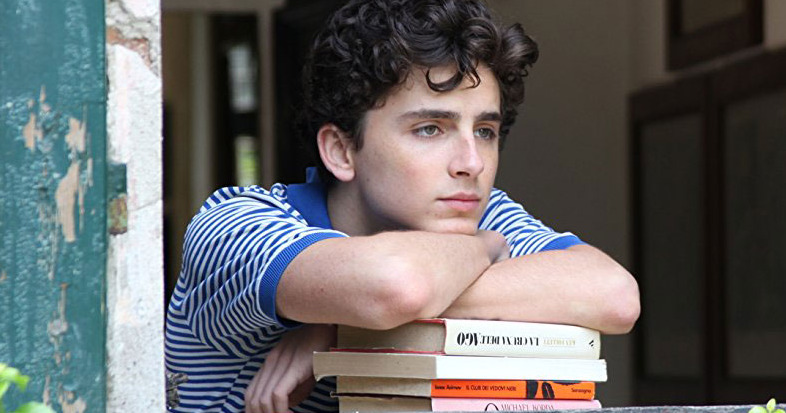
Indifferent to much of what I saw this year, this film’s late December arrival felt like a small miracle. Reining in the excesses that sometimes cheapened his earlier work while retaining his passion and drive, director Luca Guadagnino crafts almost an embarrassment of riches: Armie Hammer and his alternately swooning and dorky physicality… a monologue for the ages for the great character actor Michael Stuhlbarg… the exquisite modern classical/Sufjan Stevens score… and most of all, Timothée Chalamet, whose breakthrough may prove as iconic as, if nothing at all like Dustin Hoffman’s in The Graduate. No piece of art is absolutely flawless, but I’d not change a single thing about this beautiful, devastating love story—my favorite new film in at least a decade.

2. FACES PLACES
We’re just lucky at all to get one more major work from the 89-year-old Agnès Varda, but there’s a twist in the form of her co-director: 34-year-old performance artist JR, whose giant portraits plastered onto buildings drive this essay film’s narrative. As the duo travel around France, we see them for the kindred spirits they actually are. Varda charts her friendship with this younger co-conspirator while ruminating on her illustrious past and contemplating her own mortality. It’s this last facet that provides an elegiac undercurrent in step with her affection for both art and the human spirit, and it makes for a fond farewell.

3. PATERSON
Jim Jarmusch appears to have entered his twilight renaissance phase, first with the surprisingly sturdy Only Lovers Left Alive and now with this endearing, understated character study of a bus driver/poet with the same last name as the titular New Jersey city he lives in. Adam Driver has never been more attuned to a director’s sensibilities than Jarmusch’s but don’t overlook the film’s supporting cast: everyone from real find Golshifteh Farahani (as his wife) to William Jackson Harper (Chidi from The Good Place!) leaves deep traces that fortify an honest-to-god community. This late-January-in-Boston release proved a touch too quiet for last year’s Oscars, so call it an ideal future cult classic.

4. A QUIET PASSION
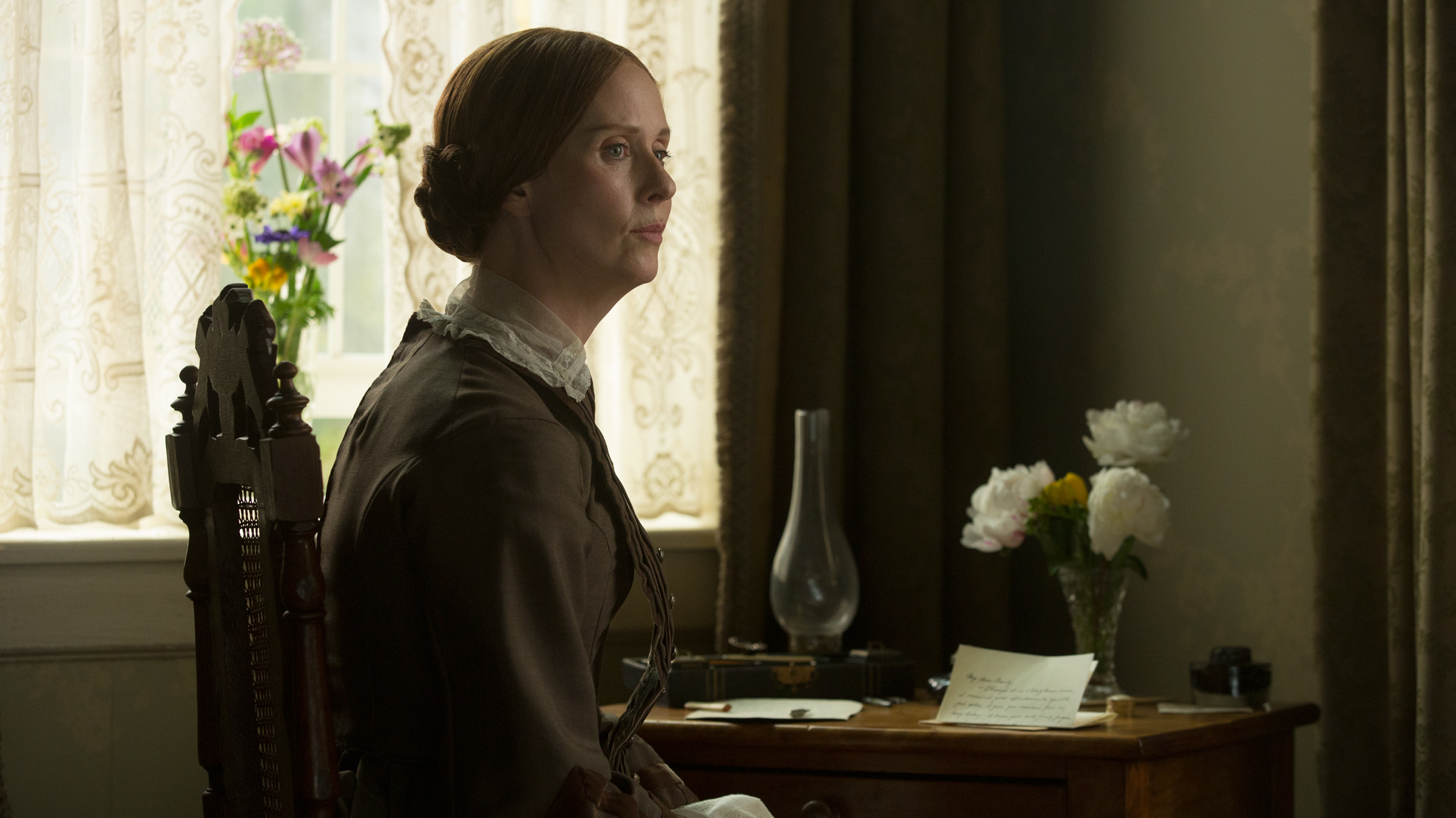
With director Terence Davies, you’d expect an unconventional biopic, and with Cynthia Nixon as Emily Dickinson, you sure as hell get one—bet you never thought you’d see ol’ Emily impulsively smashing a dinner plate. Still, as he did with Wharton’s prose in his razor sharp adaptation of The House of Mirth, Davies does his subject proud while, with considerable help from Nixon, also humanizing her. They allow this venerated artist to be something of a mess, but an intriguing one, illuminating both her professional and personal struggles, most eloquently in conversations with her sister (a stunning Jennifer Ehle) and Nixon’s daringly agile, all-out performance.

5. PHANTOM THREAD
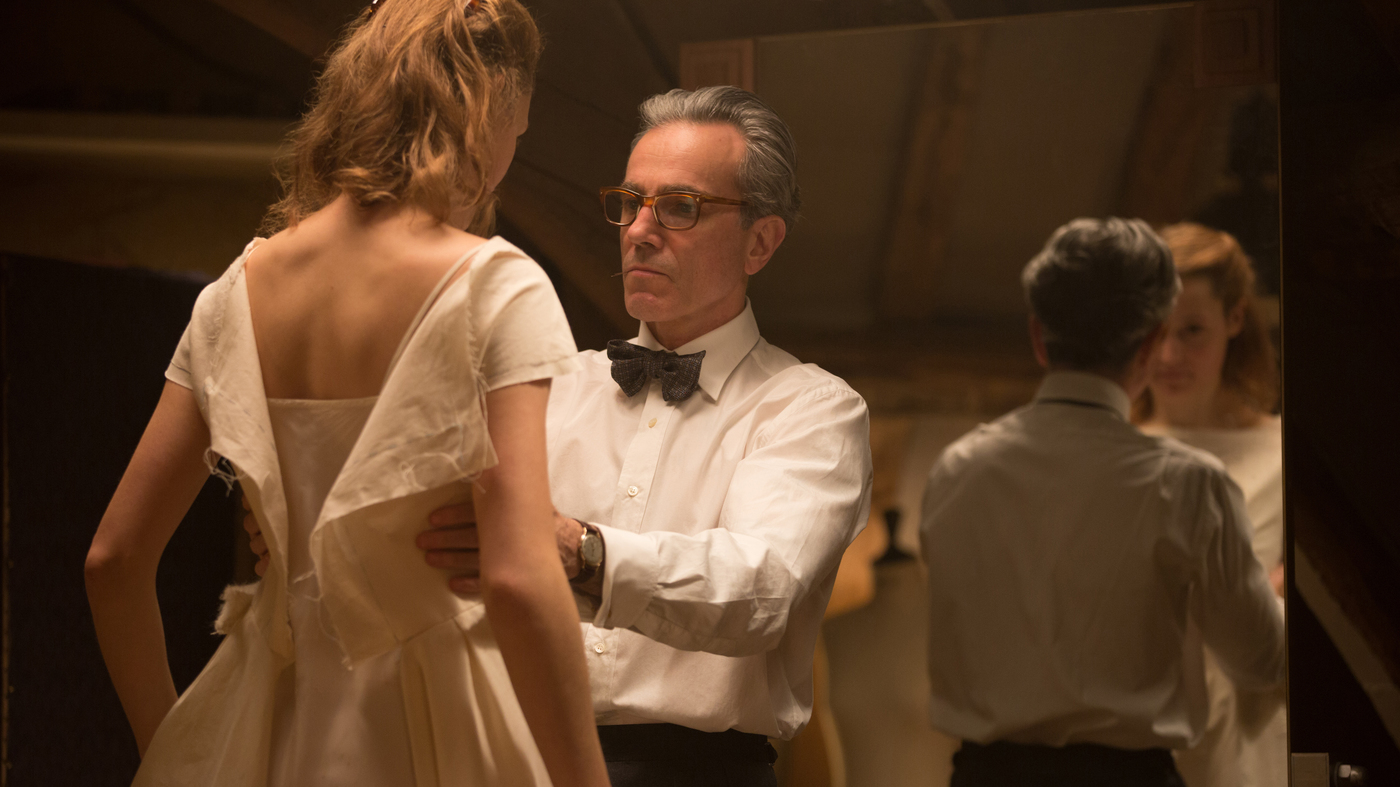
Yes, the retiring (we’ll see) Daniel Day-Lewis is predictably great (as is Mike Leigh-ster Lesley Manville), Jonny Greenwood may be only second to Mica Levi in innovative modern film scoring and the attention-to-detail, from costuming to period breakfast food is impeccable. And yet, it’s two other unexpected things that launch this into the upper echelon of Paul Thomas Anderson’s work. First, the odd confluence of tones he absolutely masters, particularly from the midpoint on. Second, the arresting Vicky Krieps, who is every bit DDL’s equal, her Alma shrewder and smarter than a Hitchcock heroine—expect more great things to come from her.

6. STAYING VERTICAL
Alain Guiraudie’s enigmatic follow-up to Stranger By The Lake follows a drifter (Damien Bonnard, hypnotic in his laconic befuddlement) who stumbles into a variety of not-so-pithy (and sometimes life-altering) situations, among them cruising, fatherhood, screenwriting and holistic medicine. Destitution, sheepherding and loud, vintage progressive rock also play into it, along with a birth, a death and a whole lot of sex (after those three things, what more could one want?) It occasionally feels like an Antonioni film scripted by Hal Hartley, but for all its quirks and unusual left turns, it builds towards a conclusion that’s powerful in its sobriety.

7. GOOD TIME
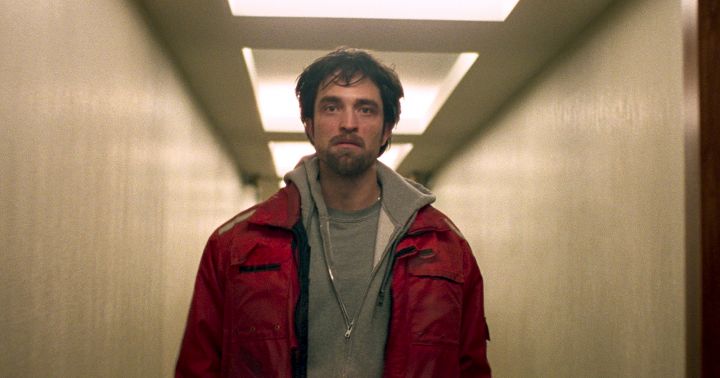
Wipes away any doubts you ever had about Robert Pattinson as a good actor—in accent, haircut and overall demeanor here, he’s scarcely the Edward he once was, and good on him. But the Safdie Brothers, whose work I’ve admired since their not-mumblecore debut The Pleasure of Being Robbed, have also evolved in sensibility and scope, drawing as much from Scorsese as they do from Cassavettes, only making it all their own thing (with ample help from Oneohtrix Point Never’s dense, thrilling score.) A slice of life far more nuanced than the somewhat overrated The Florida Project.

8. THE SHAPE OF WATER
I get that whether you find the fish-man arresting or disgusting is a possible make-or-break in enjoying Guillermo Del Toro’s ambitious spectacle; still, I immediately surrendered myself to all of it—the mid-century period design, the subversion of and alliance to classic Hollywood tropes, the great Richard Jenkins in his finest role since The Visitor, Michael Shannon’s most intense (and that’s saying a lot) villain ever and of course, Sally Hawkins, whom in a less competitive and politically charged year would win all the awards for her lovely turn as a mute cleaning lady consumed and redeemed by love.

9. WONDERSTRUCK
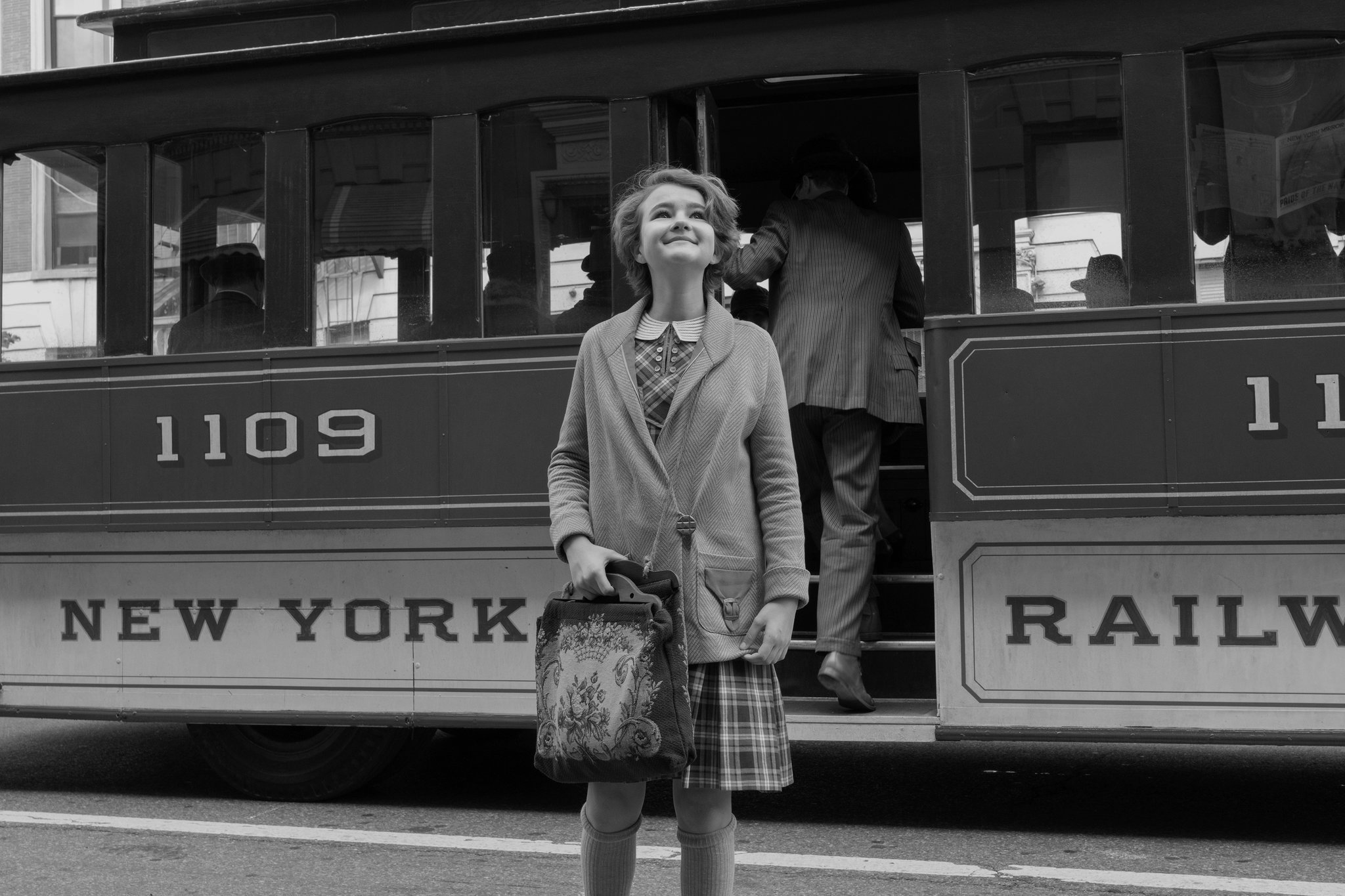
As Todd Haynes films go, I’d rate this below most others, but second-tier Todd is still pretty great, especially in how flawlessly he utilizes the dual structure narrative. Both the 1927 sequences, which pay close-but-not-fawning tribute to F.W. Murnau’s Sunrise, and the 1977 stuff, which nails that particular New York minute far better than Spike Lee’s Summer of Sam ever did could each make a compelling film on their own. Still, it takes a master like Haynes to convincingly thread them together and an actress like the young Millicent Simmonds to push through all the conceptual stuff to express this tale’s heart.

10. LEMON
I can’t resist squeezing this curious little indie into my top ten. Falling somewhere between Todd Solondz and Quentin Dupieux, director Janicza Bravo’s aesthetic is certainly not for everyone (if anything, Michael Cera’s more deliberately mannered here than he was in Twin Peaks: The Return!) But, you couldn’t ask for a better showcase for Bravo’s husband Brett Gelman, who infuses his schmuck-everyman with a fearless, vanity-deficient gusto. Although it often plays like a series of absurd sketches (family sing-along “A Million Matzo Balls!” is my fave), his continued presence lets it coalesce into something more.

TIED FOR 11TH PLACE:

After The Storm
Columbus
Dunkirk
Get Out
I Am Not Your Negro
Lady Bird
Little Boxes
Strange Weather
Three Billboards Outside Ebbing Missouri
Untold Tales of Armistead Maupin

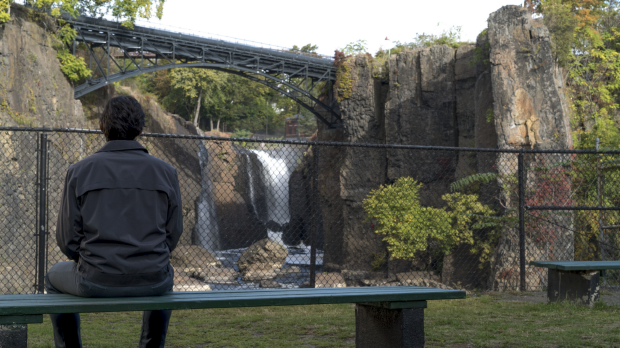
I don’t really need to say anything more about the four titles Oscar-nominated for Best Picture (or I Am Not Your Negro, a Documentary-nominated holdover from last year that opened theatrically in February here.) Strange Weather and Little Boxes (pictured above) are indie festival titles now streaming on Netflix, featuring great performances from Holly Hunter and the late Nelsan Ellis, respectively. Hirokazu Koreeda’s After The Storm is nearly up there with Our Little Sister (if not Still Walking); I hope that Jennifer Kroot’s delightful Maupin doc hits a streaming platform near you in 2018.

ALSO RECOMMENDED:

Abacus: Small Enough To Jail, Baby Driver, The Big Sick, A Ghost Story, God’s Own Country, Handsome Devil, The Hero, Joan Didion: The Center Will Not Hold, Kedi, Nocturama, Okja, The Red Turtle, The Salesman, T2: Trainspotting, Tom of Finland, Wind River, Your Name

Rufus Wainwright, “Want One”

(My 100 favorite albums in chronological order: #77 – released September 23, 2003)

Track listing: Oh What A World / I Don’t Know What It Is / Vicious World / Movies of Myself / Pretty Things / Go or Go Ahead / My Phone’s On Vibrate For You / 14th Street / Natasha / Harvester of Hearts / Beautiful Child / Want / 11:11 / Dinner at Eight

We tend to associate particular albums and songs with times in our lives when we first heard them, and they imprint on us memories we recall as we hear them again. From my early childhood, it’s the soft rock chestnuts that played incessantly on my parents’ car radio: “Baker Street”, “Sailing”, “Eye in the Sky” and the like. From my teens, it’s the somewhat bent modern rock hits that crossed over to top 40, among them “Love Shack”, “Chains of Love”, “Enjoy the Silence” and “Losing My Religion”, the latter leading to Automatic for the People, which I forever link with my senior year of high school. The golden age of commercial alt-rock radio summarizes my college years, while an unlikely but thrilling fusion of turn-of-the-millennium dance-pop and indie rock represents that most hectic of ages, my mid-20s, all too well.

By my late 20’s, having long since cultivated my own voracious taste (like a spider web forever expanding off in different directions), I listened to more music than ever. I consumed discs I was assigned to review for a music website (more on that in a few entries), endless discoveries made via libraries and used CD stores and of course, anticipated new releases from artists I already loved. Whenever I look back on that era and in particular, late 2003, it’s one of the latter that’s still definitive for me: Rufus Wainwright’s third album Want One. Even then, I knew well enough to place it at number one on my year-end list (the only other entry that made it to 100 Albums is Phantom Power (down at #10), which goes to show how much one’s taste changes and mutates over time.)

When his self-titled debut dropped and generated considerable buzz five years before, I didn’t really know anything about this singer/songwriter just three years my senior. Had only faint awareness of his famous musician parents (Loudon Wainwright III and Kate McGarrigle), had no clue that he was openly gay (until I saw an MTV interview where he was so flamboyant I can’t fathom staying in the closet was ever an option for him), a rarity among young aspiring pop stars. Still, his debut single, “April Fools” was an instant earworm, and, with its gently baroque Jon Brion production, right up my alley. Rufus Wainwright did indeed herald a new, original talent, but little of its piano-heavy chamber pop was as memorable as the single. Second album Poses (2001) was more promising and idiosyncratic, bursting with hooks (“California”, “Grey Gardens”) and also growing confidence to experiment with various styles, even attempting an audacious, re-contextualized cover of his dad’s song “One Man Guy”.

He resurfaced more than two years later with his third album, and 9/11 wasn’t the only major change reflected within. An infamous New York Times article weeks before its release found Wainwright speaking frankly of going to “gay hell” and back in the interim, his descent into rampant drug use and promiscuous sex followed by a stint in rehab and eventual recovery. He had written and recorded enough songs for a double album originally called Want, but decided to split it into two separate releases cheekily titled Want One and Want Two (the latter arriving some 14 months later.) If you listen to the two back-to-back, it’s a no-brainer as to why he split them apart. With each one clocking in at nearly an hour, even one disc at a time is a lot to take in; the two together would’ve been overkill for all but his most ardent fans.

One immediately notices how much bigger and bolder Want One feels than its predecessors. “Oh What A World” opens not with the lone piano-and-voice of the debut’s “Foolish Love” or Poses’ “Cigarettes and Chocolate Milk” but a coliseum of multi-tracked humming Rufuses, followed by gargantuan, lone notes from what appears to be a synthesized tuba. “Men reading fashion magazines,” he inimitably brays, kicking off a state-of-affairs preamble that grows increasingly thick and loud until, near the 2:45 mark it borrows nothing less than the brass fanfare from Ravel’s “Bolero”! In producer Marius de Vries, whose prior credits include albums for Massive Attack and Madonna (with partner Nellie Hooper), he’s found a kindred spirit fully attuned to providing an aural canvas large enough for all of his operatic and melodramatic pretensions.

If anything, the next song sports even more layers upon layers. “I Don’t Know What It Is” has a jaunty piano-pounding rhythm and a sanguine melody that wouldn’t feel out of place on Wainwright’s earlier work; however, like “Oh What A World”, it just keeps building and expanding, piling on vocals and instrumental parts and orchestral flourishes, not to mention such characteristically playful touches as a lyric or two borrowed from the Three’s Company theme song. The average listener might find it all a bit too much, but to Wainwright’s credit, the song never falters or collapses—it even elegantly simmers down to a close as its layers gracefully float away against a descendant melody, softly ending on a question mark of an augmented chord.

Having established such a luxuriant soundscape in two tracks flat, Wainwright spends the rest of Want One sustaining its tone over a variety of other arrangements. He makes room for Lindsey Buckingham-like power pop (“Movies of Myself”), a gentle, shuffling jazz ballad complete with a Bacharach-ian trumpet solo (“Harvester of Hearts”), plucky, Noel Coward-esque social commentary (“My Phone’s On Vibrate For You”), more grand symphonic fanfare (“Beautiful Child”) and yes, even some tried-and-true, stripped-down piano-and-voice stuff (“Pretty Things”). What unifies them all is Wainwright’s rare blend of confessional songwriter, literary mettle and boundless theatricality. To paraphrase Nina Simone, as she once noted to her audience in her famous live recording of “Mississippi Goddam”, these are show tunes, but the show for them hasn’t been written yet.

Of course, one could say the same thing for just about any Wainwright composition. Still, Want One is his best album not only for its stylistic advances but also for the newfound candor and introspection in his lyrics and indeed, his overall demeanor. Perhaps fearlessness is a more precise signifier—having gone through addiction and recovery, and having also turned thirty, he predictably sounds wiser and more world weary than before, but also as if he’s reached a turning point where former vices like “Cigarettes and Chocolate Milk” no longer provide ample satisfaction. Desire is still omnipresent (the word “want” is in the title, after all), but he shows more caution and contemplation in his pursuit of it—you could even argue he’s become an adult, even if he can’t resist musing on how he’d rather not be John Lennon or Leonard Cohen in one verse of the title track, only to replace those names with John Lithgow and Jane Curtin (outing himself as a Third Rock From the Sun fan) in the next verse.

Still, maturity alone does not make for great art—it also needs inspiration and ambition, both of which Want One has plenty of. Coming right after those first two tracks, “Vicious World” seems slight and subdued in comparison, but its treated, almost circular electric piano (in an odd time signature, no less) and nimble melody leave an impression. “14th Street” initially screams throwback with its slowly swinging, vintage rock-and-roll beat and chord changes, yet other things such as backing vocals from his mom and sister Martha, occasional blasts of brass on top and the lone banjo on the outro defy such easy categorization. “Movies of Myself” replaces its opening electronic feedback loop with what resembles an insistent Motown beat turned sideways but scans neither like electronica nor Motown thanks to all of its acoustic and electric guitar interplay. And somber closer “Dinner at Eight” tempers its rather traditional orchestral balladry with remarkably cutting words detailing a fracas between him and his father, complete with confrontational phrases like, “So put up your fists / and I’ll put up mine.”

Wainwright’s lyrical prowess and expertise at constructing a song to be an all-encompassing experience most fully coalesces on “Go or Go Ahead”. It begins with softly strummed guitar, soon joined by barely audible vocals—you almost have to strain to hear them at first. Over three verses, the volume and intensity both gradually build as new elements appear, like a slowly skittering electric guitar melody or a brief burst of “do-do-do-do-do” backing vocals. As the third verse ends, everything including the now ascendant melody thrillingly ramps up to full volume for the chorus, which he sings as if his life depends on it: “Go or go ahead / and surprise me,” he wails, followed by a majestic, piercing guitar solo and iterations of a repeated lyric from the verses, “What has happened to love.”

What happens next is a tried-and-true pop music trope, but one Wainwright uses most effectively. Everything quiets back down for another brief verse before it all startlingly swerves back to full volume with a spine-tingling, multi-tracked cry of “AHHHHHHHH!” that leads into the bridge (“Look in her eyes, look in her eyes / forget about the one who’s crying”), itself punctuated by more of those exquisite cries. You can practically feel the entire song swelling and sighing as it carefully spools out over its six-minute duration. “Go or Go Ahead” appealed to me so effusively at 28 (and continues to do so at 42) because it’s exactly the type of song that would’ve been in sync with my hormonal, sensory overloaded teenage self, but with an eloquence and refinement that only an adult who has lived, loved and had their heart broken could adeptly express.

Such lucidity rematerializes on Want One’s penultimate track, “11:11”. One of many obligatory 9/11 songs artists composed in the immediate years after, it finds Wainwright applying his personal account of the day as the basis for an epiphany. “Woke up this morning at 11:11 / Wasn’t in Portland and I wasn’t in heaven / Could have been either by the way I was feeling, / but I was alive, I was alive,” he sings, and it’s his emphasis on those last three words that resonate so deeply over crisply strummed guitars and august but not overpowering timpani drum fills. Rufus being Rufus, he also flashes a little ironic gallows humor (“Realized that everything really does happen in Manhattan”) before offering a way forward, vowing to make up for “precious time we’ve wasted.” Sure, it’s a simple sentiment, but an attainable, meaningful one given its context.

Want One arrived in my life at a time when I myself was searching for a way forward, having come out the other side of a few tumultuous years of essentially learning how to be an adult. Want Two didn’t make nearly the same impact—good as its numerous highlights were, its further-down-the-rabbit-hole dive into its creator’s psyche proved far less cohesive. By then, I was on the cusp of turning thirty and headed towards epiphanies of my own. Wainwright would cultivate a discography touching upon opera, Shakespeare, Judy Garland, Neil Tennant and even a live album recorded in my hometown. 2012’s Out Of The Game, perhaps his warmest, most accessible effort remains my favorite of his post-Want career, but I know which record to put on if I ever want to remember the joy and chaos of this now-distant, ultra-specific glimpse in time.

Up next: What to do about a Delightful Nutjob.

“Go Or Go Ahead”:

“11:11”:


The Weakerthans, “Reconstruction Site”

(My 100 favorite albums in chronological order: #76 – released August 26, 2003)

Track listing: (Manifest) / The Reasons / Reconstruction Site / Psalm For The Elks Lodge Last Call / Plea From A Cat Named Virtute / Our Retired Explorer (Dines With Michel Foucault In Paris, 1961) / Time’s Arrow / (Hospital Vespers) / Uncorrected Proofs / A New Name For Everything / One Great City! / Benediction / The Prescience of Dawn / (Past Due)

The Weakerthans are a band as defined by and emblematic of where they come from as Calexico. Granted, Winnipeg, Manitoba is by nature a far less exotic locale than Southern Arizona; the difference immediately surfaces in the former band’s sound, which is your basic guitar-bass-drums (and very occasional keyboards) rock quartet setup—a far cry from Feast of Wire’s melange of mariachi horns, pedal steel, accordion and likeminded regional elements. Still, in terms of subject matter and sensibility, The Weakerthans are unquestionably Winnipeg-ian to the core, which may explain why they only ever generated a cult following south of the border.

Formed in 1997, the band’s breakthrough beyond Canada occurred six years later with their third album Reconstruction Site. I’d like to think this happened simply because it was so damn good, although signing to notable American indie punk record label Epitaph surely had something to do with expanding the band’s reach. While no one would ever in their right mind call The Weakerthans “punk” (although a majority of this album’s songs clock in at under three minutes), at least three of their four members had roots in Winnipeg’s punk scene, with vocalist/lyricist John K. Samson playing bass in the long-running punk band Propagandhi in the early-mid ’90s. A few of this album’s more uptempo numbers, like “Plea From A Cat Named Virtute” and “The Reasons” could even almost be punk if they weren’t so polished and, well, pop.

Still, Samson conceived the band as an outlet for more introspective songwriting than punk as a genre could ever allow. Keeping this in mind, Reconstruction Site discloses its ambition from its very first track, “(Manifest)”, a brief preamble that opens on the couplet, “I want to call requests through heating vents / and hear them answered with a whisper, ‘No.’” It turns out those words are the first two lines of a sonnet, a poem of strict rhyme scheme and specific structure popularized by Dante and Shakespeare but not widely found in Rock music. Later, at the album’s exact midpoint and end, two other tracks, “(Hospital Vespers)” and “(Past Due)” repeat the same melody and sonnet structure, forming a trilogy with “(Manifest)”. The only variable between the segments (apart from different lyrics) is the music, which changes from a martial thrum-and-strum complete with a concluding trumpet fanfare (“(Manifest)”) to a rhythm-less crawl through backwards tape loops and other fancy production effects (“(Hospital Vespers)”) to, finally, clanging percussion enveloped in synths, closing out with a bit of electronic effluvia (“(Past-Due)”).

Just as ambitious is Samson’s literary/intellectual bent. On one song, he imagines an inebriated conversation between an eminent French philosopher and a fellow traveler of Ernest Shackleton’s Antarctica expedition (with the wordy title “Our Retired Explorer (Dines With Michel Foucault in Paris, 1961)”); on another, he sings from the point of view of a disgruntled pet (“Plea From A Cat Named Virtute”.) And yet, the former never feels obscure or impenetrable thanks to its brisk pace and sing-along worthy cries of “Oh, Antarctica!” Likewise, the latter never turns overly twee, greatly enhanced by a monster of a guitar riff, but also such first-person feline observations as “So, we should open up the house / invite the tabby two doors down. / You could ask your sister, if / she doesn’t bring her Basset Hound.”

Virtute” also reveals perhaps the most vital component of Samson’s persona—a mile-wide empathy streak befitting of someone from an underdog metropolis like Winnipeg. The song’s titular narrator may pity its depressed owner for holding on to such ephemera as “tape-hiss” and “Card Catalogues” and even lash out, threatening, “I swear I’m going to bite you hard and taste your tinny blood.” The music comes to as dramatic pause at this moment, before Samson concludes the thought, “…if you don’t stop the self-defeating lies you’ve been repeating since the day you brought me home.” Samson concludes on the phrase, “I know you’re strong,” and his vulnerable, near-wobbly reading of it reveals everything you need to know about his capacity for and belief in human nature.

Empathy bleeds out of the edges of a majority of The Weakerthans’ tunes, and Reconstruction Site features some of their most intricately observed and deeply felt expressions of it. “Psalm For The Elks Lodge Last Call” depicts its milieu as an object not to be satirized or sainted, but as a collection of ultra-specific details—the crackling “Golden Oldies station”, the “secret handshake” that needs safeguarding, how small talk about “the ballgame and the weather” conveys its own respect for the social contract. And the repeated phrase, “Before we say goodnight,” resoundingly renders it all a pop song, not only for the Elks members to sing with each other, but as something any listener can partake in and relate to.

Psalm” is but one of many examples here. The title track is itself kind of a “Card Catalogue” of precise recollections such as “I’m afloat. A float in a summer parade, / up the street in the town you were born in,” and “I broke like a bad joke / somebody’s uncle told at a wedding reception in 1972.” “Time’s Arrow” similarly depicts “a mirror you will find at your parents’ house in 1989” as a place to keep promises to yourself. Rather than lapse into solipsism, Samson remains congenial and approachable, his words enhanced by a poignant melody and a gorgeous guitar riff that resembles something close to a less-corporate Gin Blossoms. “A New Name For Everything” admirably resists the urge to make light of both gentrification and redundancy—while not humorless (“So put on the clothes you never grew into / and smile like you mean it for once”), it thoughtfully considers such common problems as “When you can’t save cash or conviction,” or when “the threads of your fear are unfurled with the tiniest pull.”

The album’s anthemic single “The Reasons” finds Samson at his most direct and immediate. It kicks off with him confessing, “I don’t know how to sing. / I can barely play this thing.” The unnamed person he’s addressing doesn’t mind, but he or she tells him to “fuck off” whenever he needs someone to say it to him. He sings of “how the time is never now / and we know who we should love / but we’re never certain how,” conveying sentiments most of us have had at one time or another, while the song’s opening melodic guitar riff returns in the bridge to a chorus as simple and heartfelt and perfect as anything ever written: “I know, you might roll your eyes at this / but I’m so glad that you exist.”

However, another song on the album’s second half even more fully encapsulates why anyone should be glad The Weakerthans exist. “One Great City!” is a standout alone for its spare, acoustic guitar-and-voice arrangement, but that’s not what makes it special. Over three verses, Samson depicts a most particular and vivid portrait of his hometown, a place where “Another day is nearly done / A darker grey is breaking through a lighter one.” It’s a city full of Dollar Stores, “that hallowed, hurried sound of feet on polished floor,” and such dubious homegrown celebrities such as The Guess Who (bluntly, they “suck”.) Each verse ends with him singing, “I Hate Winnipeg.” The first two times, it comes off almost sardonically, as if Samson’s taunting the town and its euphemistically optimistic tourism slogan (which provides the song’s title.) And yet, there’s a crucial tonal shift in the truncated third verse: “Our Golden Business Boy will watch the North End die, / and sing, ‘I love this town,’ / and let his arcing wrecking ball proclaim, ‘I… Hate… Winnipeg.’” On those last three words, Samson sounds utterly remorseful and almost defeated. What previously edged towards mocking celebration is now an elegy, quietly devastating in its plainspokenness.

The Weakerthans would release one more album, 2007’s nearly-as-good Reunion Tour, before officially splitting in 2015. “One Great City!” would find new life in 2008 as a theme song for a Canadian TV series, Less Than Kind. Samson eventually forged a solo career with Provincial (2012) and Winter Wheat (2016); the latter features extensive contributions from two of the three other Weakerthans and works as an older-and-wiser, predominantly acoustic brother to Reconstruction Site, with Samson’s enduring empathy fully intact (one lyric from “PostDoc Blues” goes, “I believe in you and your PowerPoints.”) As for myself, I probably won’t ever visit Winnipeg, but between this band’s greatest songs and the films of fellow denizen Guy Maddin, I feel like I already know it well.

Up next: I’m An Adult Now.

“One Great City!”:

“The Reasons”:

2017 Booklist

In the past, I’ve singled out my ten favorite reads of the year, either in alphabetical order by author, or in the order I finished reading them. This year, I’m actually ranking them by preference.

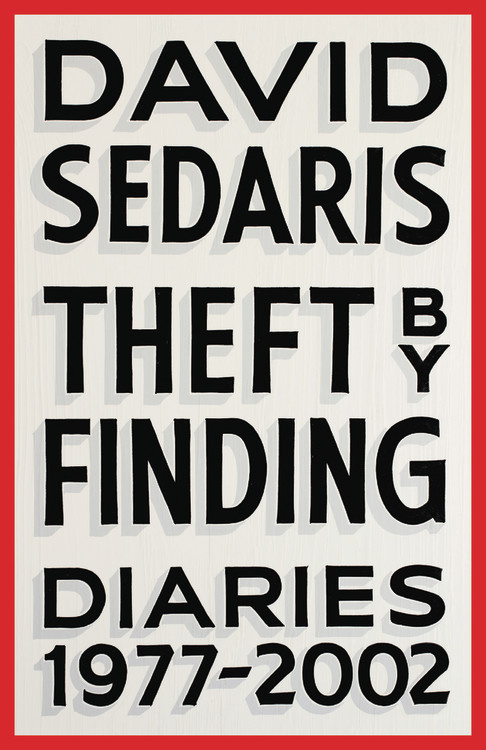
10 – David Sedaris, Theft By Finding: Diaries 1977-2002
You’d expect selections from a personal essayist’s diaries to be worth reading and Sedaris doesn’t disappoint—particularly from the mid-80s on, as he attends the Art Institute of Chicago and develops his true voice as an observer of exceptionally absurd conversations, many of them overheard at his local IHOP.

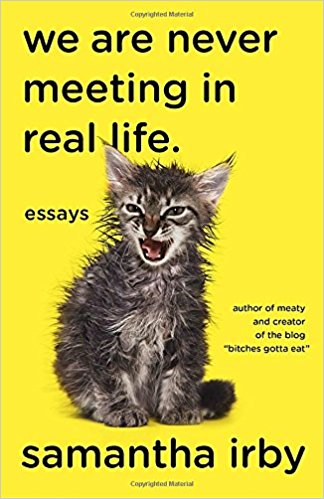
9 – Samantha Irby, We Are Never Meeting in Real Life
I’ve rarely laughed so ravenously as I have at Irby’s oft-raunchy but bracingly real writing, whether she’s cataloging a love/hate relationship with a rescue-cat named Helen Keller, or constructing a play-by-play account of a suburban Chicago wedding.

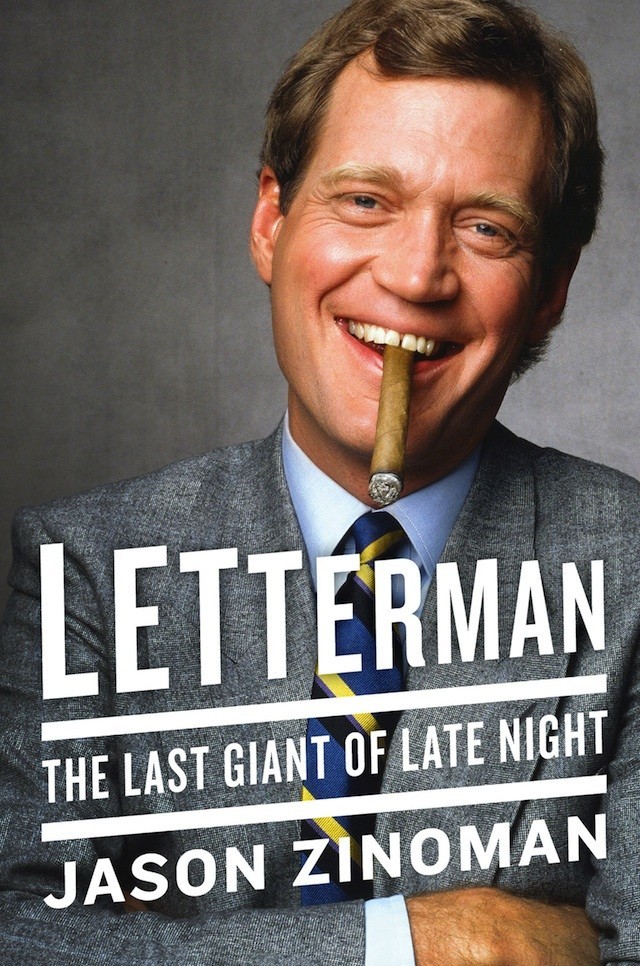
8 – Jason Zinoman, Letterman: The Last Giant of Late Night
If it feels a little too concise for a biography of so iconic a humorist of his time, note that Zinoman’s less interested in the enigma that is Letterman’s personality and more on the man’s contributions to television and comedy and how he completely reshaped and forever altered both.

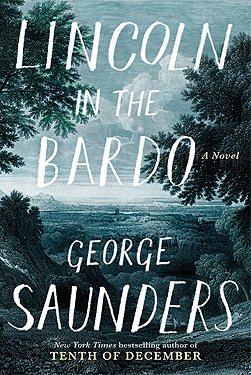
7 – George Saunders, Lincoln In The Bardo
A searing, ambitious novel with so many intricate moving parts, I’m sure I missed a few along the way. Still, what matters most is the shimmering whole, which utilizes the tragic death of Abraham Lincoln’s young son as stage for a phantasmagoric chorus teetering between our world and the beyond. Looking forward to eventually hearing the audiobook of this.

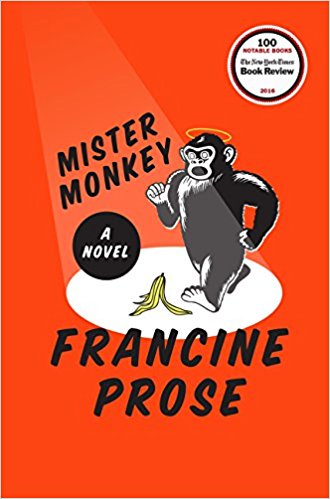
6 – Francine Prose, Mister Monkey
Prose’s best novel in over a decade transforms an unlikely premise—a kiddie musical, performed off-off-off-Broadway unto perpetuity—into a multi-faceted circular narrative that depicts worlds within worlds while remaining within a tight, ordered frame. It’s almost Waiting For Guffman crossed with Pulp Fiction.

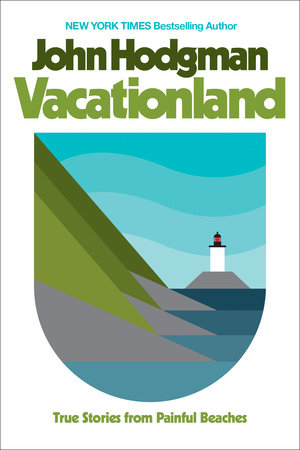
5 – John Hodgman, Vacationland
Having found Hodgman’s previous books of deliberately fake “facts” much easier to admire than love, it was delightful to discover what talent he has for memoir, not to mention a knack for detailing the peculiarities of Western Massachusetts and coastal Maine, particularly in relation to his own encroaching middle age.

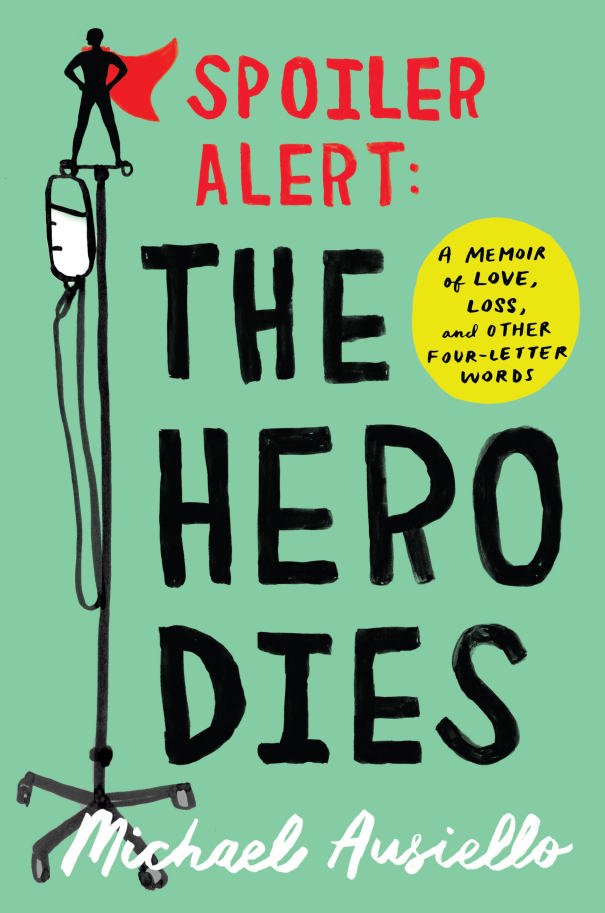
4 – Michael Ausiello, Spoiler Alert: The Hero Dies
Longtime TV industry journalist Ausiello’s account of losing his husband to cancer is wrenching, for sure—and also remarkably candid in how it depicts the ins and outs of a loving, long-term relationship. It’s also self-deprecating and often funny as hell, without at all obscuring the real hell life occasionally throws at you.

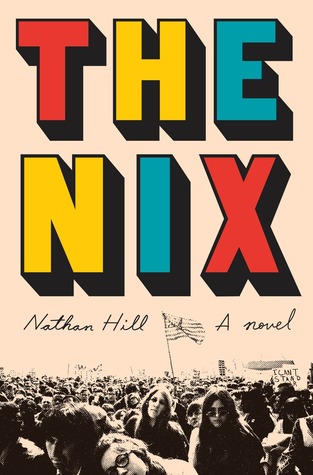
3 – Nathan Hill, The Nix
This epic, John Irving-esque debut novel surfaced on a lot of best-of lists in 2016; unlike a few other doorstoppers I’ve picked up recently, it earns all of its pages. At its center are a struggling author/professor and the radical activist mother who walked out on his family two decades earlier. From there, narrative threads effortlessly expand into a tapestry that feels both inclusive and singular.

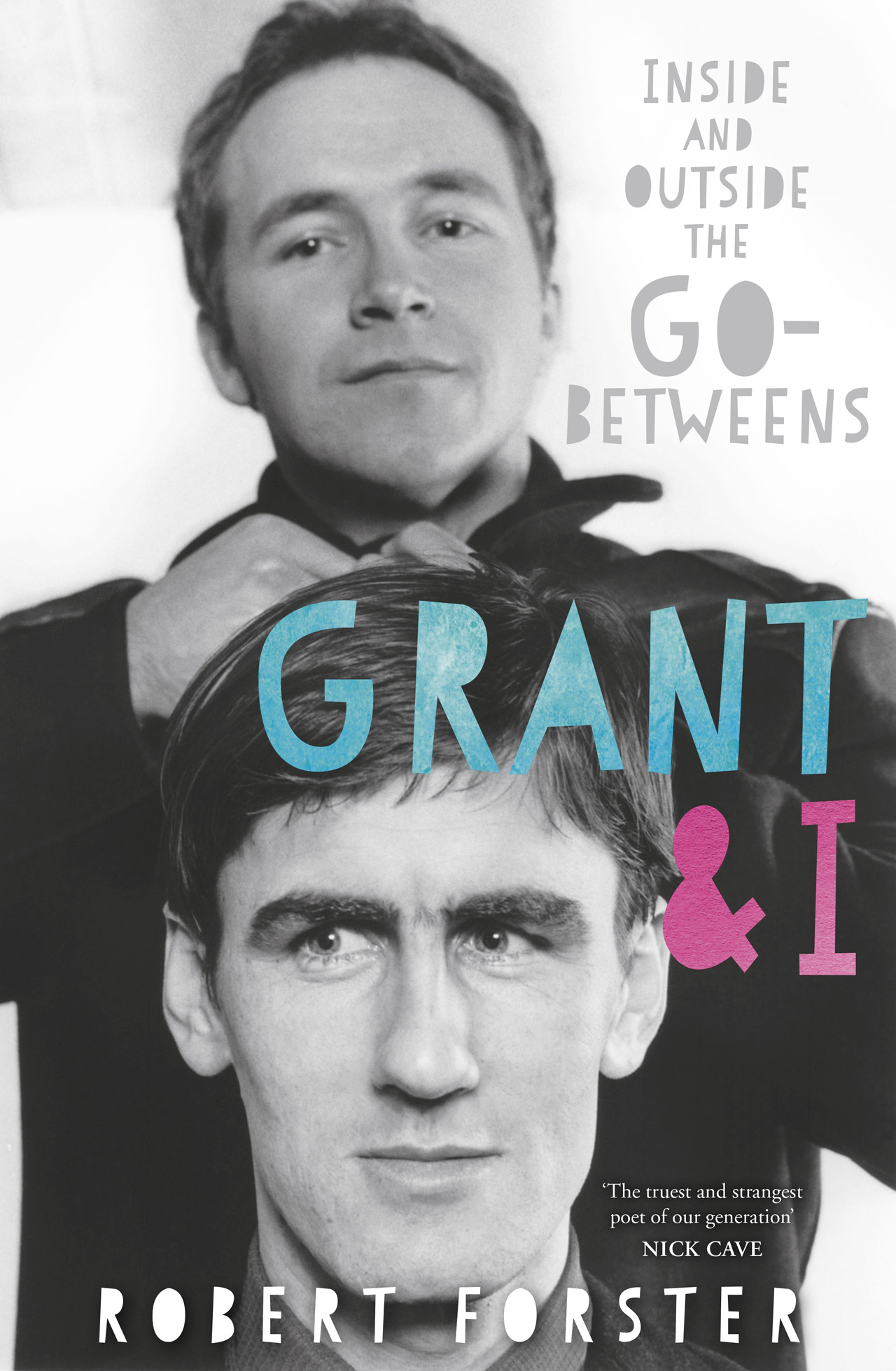
2 – Robert Forster, Grant and I
Forster’s memoir is simply an account of The Go-Betweens, the seminal Australian cult band he formed in the late ’70s with friend Grant McLennan up until the latter’s death at age 48 in 2006. And yet, The Go-Betweens were like no other band, and this book, brimming with complex emotions and eloquent, vibrant prose, is far from your average rock and roll memoir.

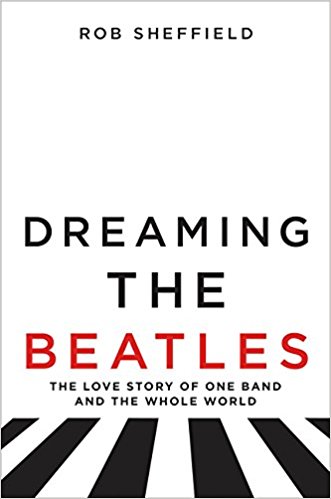
1 – Rob Sheffield, Dreaming The Beatles
Music journalist Sheffield put out his own great debut memoir about losing a spouse to an early death a decade ago—so good, in fact, that everything else he’s written since pales in comparison, until now. The world didn’t really need another book about The Beatles (Sheffield recognizes as much), but it did need this compulsively readable rethink of an outfit too often lazily taken for granted. By exploring how much the band remains part of the collective unconscious fifty years after their heyday, Sheffield conveys, with his usual warm, clever wit, how such totems of pop culture endure, even as the culture itself shifts and evolves.

My complete 2017 Booklist, with titles in chronological order of when I finished reading them (starred entries are books I’ve re-read):

1 – Peter Heller, The Painter
2 – Grace Jones and Paul Morley, I’ll Never Write My Memoirs
3 – Jonathan Ames, The Extra Man
4 – David Nicholls, Us
5 – John Irving, Avenue of Mysteries
6 – Michael Chabon, Moonglow
7 – Kliph Nesteroff, The Comedians
8 – Margaret Atwood, The Handmaid’s Tale
9 – Chris Smith, The Daily Show: The Book
10 – Stanley Elkin, The Dick Gibson Show*
11 – David Bianculli, The Platinum Age of Television
12 – Caitlin Moran, Moranifesto
13 – George Saunders, Lincoln In The Bardo
14 – Jon Savage, 1966: The Year the Decade Exploded
15 – Don Breithaupt, Aja (33 1/3 series)
16 – Mark Harris, Pictures At A Revolution*
17 – Francine Prose, Mister Monkey
18 – Rob Sheffield, Dreaming The Beatles
19 – Sean L. Maloney, Modern Lovers (33 1/3 series)
20 – Jason Zinoman, Letterman: The Last Giant of Late Night
21 – Lauren Graham, Talking As Fast As I Can
22 – John Semley, This is a Book About The Kids In The Hall
23 – David Sedaris, Theft By Finding: Diaries 1977-2002
24 – Karl Ove Knausgard, My Struggle, Book Four
25 – Geoff Dyer, Zona*
26 – Nathan Hill, The Nix
27 – Jeffrey Tambor, Are You Anybody?
28 – David Rakoff, Fraud*
29 – Jonathan Bernstein and Lori Majewski, Mad World
30 – Jeremiah Moss, Vanishing New York
31 – Samantha Irby, We Are Never Meeting in Real Life
32 – Derek Jarman, Smiling In Slow Motion
33 – Robert Forster, Grant and I
34 – Michael Ausiello, Spoiler Alert: The Hero Dies
35 – Norman Lear, Even This I Get To Remember
36 – Kurt Vonnegut, Breakfast of Champions*
37 – Alice Munro, Family Furnishings: Selected Stories, 1995-2014
38 – Curtis Sittenfeld, Eligible
39 – Robert Hofler, Party Animals*
40 – John Hodgman, Vacationland
41 – Amy Schumer, The Girl With the Lower Back Tattoo
42 – Judd Apatow, Sick In The Head
43 – Peter Heller, Celine
44 – David Yaffe, Reckless Daughter: A Portrait of Joni Mitchell
45 – Gore Vidal, Lincoln
46 – Jenny Lawson, Let’s Pretend This Never Happened
47 – Zadie Smith, Swing Time

Best Albums of 2017: # 3, 2, 1

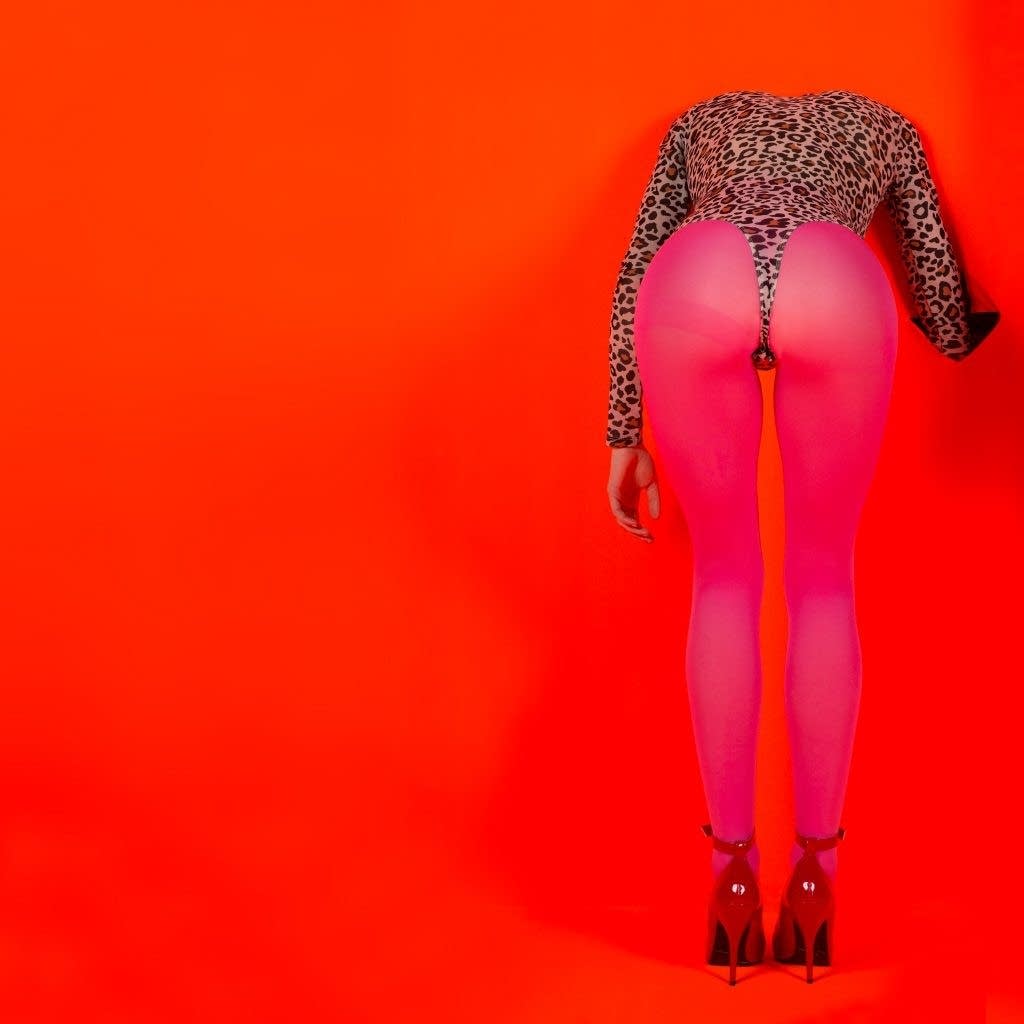
3. St. Vincent, “MASSeduction”
“One of our great female eccentrics,” I wrote about Annie Clark on her last album—a handle she still maintains, even if it now feels like a reduction. She promised a game-changer of a fifth album, and she makes good on that claim, though not in the way I expected, which is of course exactly why she clinches it. More accessible and outgoing, yes, but also just as arch and in control, MASSeduction (only she could get away with that title) features a seven-song sequence (from “Pills” to “New York”) as breathless as anything I’ve heard, a Prince pastiche that nearly outdoes him (the title track), an euphoric rush of a sexual conquest where she nearly outdoes herself (“Sugarboy”) and a bold closer (“Smoking Section”) that suggests she’s far from done pushing her own artistic boundaries.

“MASSeduction”:

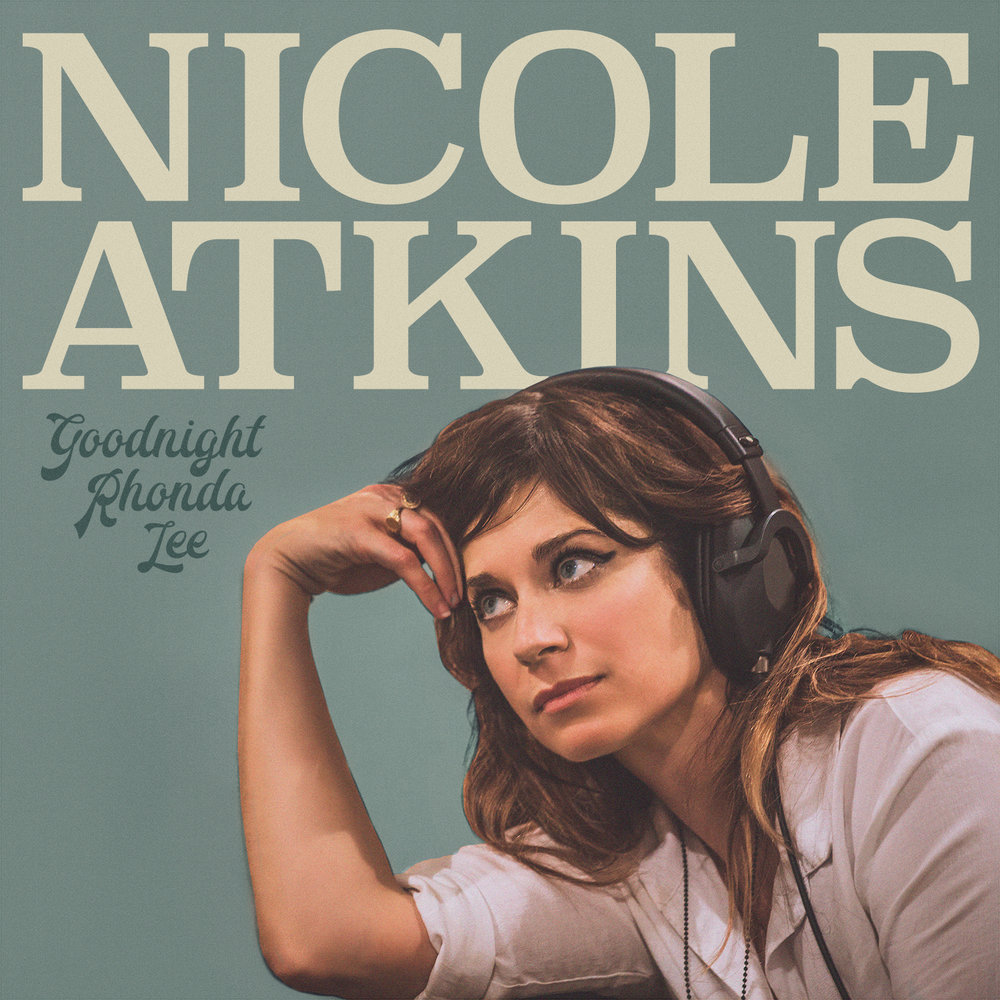
2. Nicole Atkins, “Goodnight Rhonda Lee”
Previously, Atkins struck me as an incredible, tremulous singer in search of a voice, capable of an occasional great song (“Maybe Tonight”, “Girl You Look Amazing”) but nothing more. Oh, how her fourth album proves me wrong—deliberately, unfashionably out-of-time, it successfully repositions her as a genre-inclusive torch songstress as likely to co-write retro-rock laments with Chris Isaak (“A Little Crazy”, the title track) as she is to evoke the likes of Dusty In Memphis (“Darkness Falls So Quiet”) and Make Way For Dionne Warwick (“If I Could”). What’s more, Goodnight Rhonda Lee smoothly sprints from high to high, its eleven songs all of a piece. Still, I would be remiss not to single out “I Love Living Here (Even When I Don’t)”, a smart, ultimately devastating expression of how miserable and simultaneously content one can feel.

“I Love Living Here (Even When I Don’t):

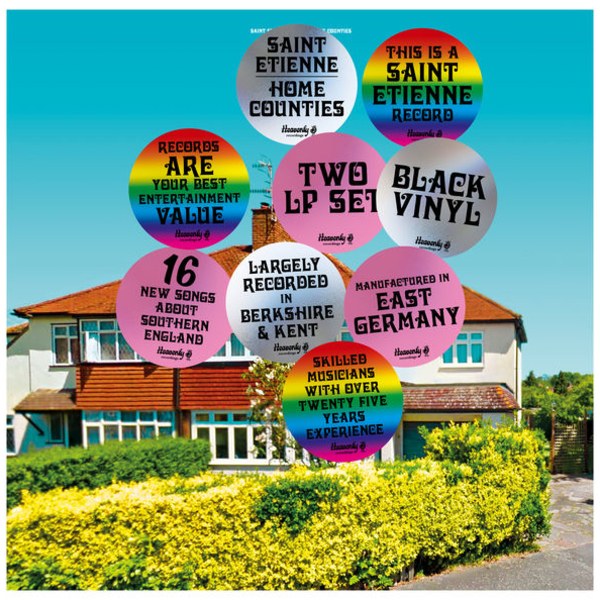
1. Saint Etienne, “Home Counties”
At 19 tracks in just under an hour, it’s their longest long player; also their most musically diverse since Finisterre (if not So Tough.) Citing Brexit as a jumping-off point, Bob, Pete and Sarah present a concept album about the London suburbs they grew up in and continue to have a love/hate relationship with. Even more deeply felt than the pop-timism of 2012’s Words and Music, this one instantly locates that sweet spot the band’s always depended on, finding great inspiration in the mundane. Proceeding from typically immaculate three-minute singles (“Magpie Eyes”, “Out of My Mind”) and AM radio gold (“Underneath the Apple Tree”, “Take It All In”) to moodier stuff like instrumental “Breakneck Hill” and the beguiling, ominous “Heather”, all its disparate parts eventually form a gestalt, culminating in “Sweet Arcadia”: another in a series of Saint Etienne epics going back to “Avenue”, it evokes this world in exquisite detail via time, memory and such talismans as its gorgeous, watery electric piano straight out of 10cc’s “I’m Not In Love”. Home Counties is easily my record of the year, and one of this venerable trio’s very best.

“Magpie Eyes”:

“Sweet Arcadia”:

Best Albums of 2017: # 6, 5, 4

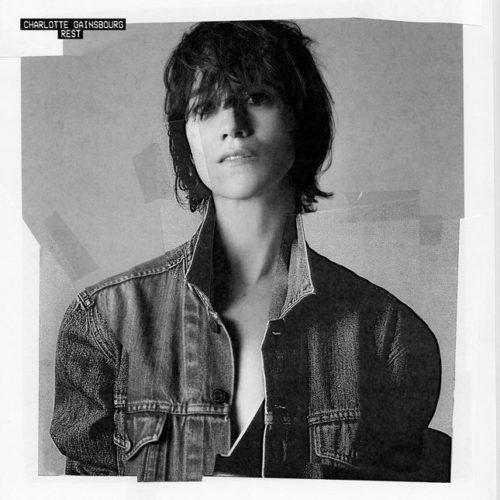
6. Charlotte Gainsbourg, “Rest”
Under the impression that Gainsbourg had all but given up her putative music career to become Lars von Trier’s muse, I wasn’t expecting a new album from her in 2017; nor did I imagine she’d release anything like the lead-off single “Deadly Valentine”, a perfectly formed, sleazy disco epic to which my immediate response was, “More of this, please.” Well, readers, rest assured Rest delivers, and in spades: from “Lying To You” to “I’m A Lie”, it’s less a stunning return-to-form than a total about-face. Writing her own songs for the first time and no longer giving a damn as to whether or not she resembles her titanic father, Gainsbourg readily shows she is every bit the musician as she is an actress.

“Deadly Valentine”:

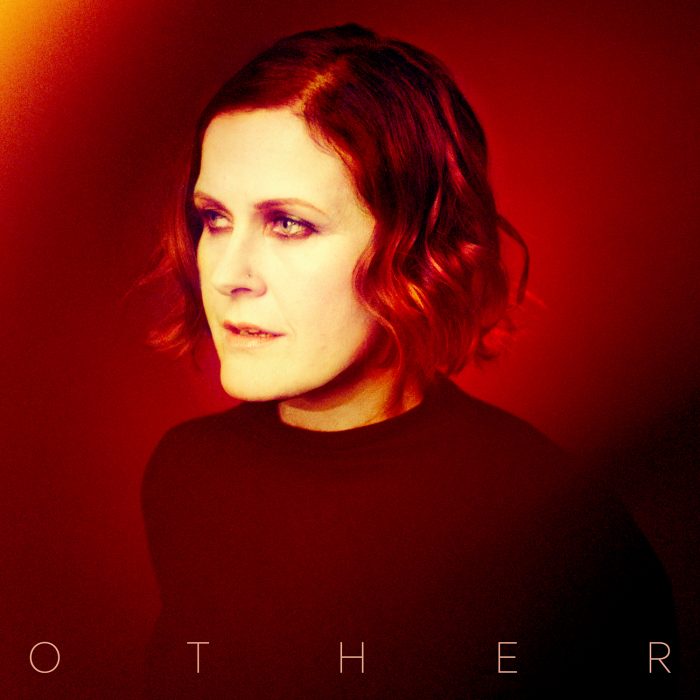
5. Alison Moyet, “Other”
A sequel to her own 2013 return-to-form The Minutes, but also more musically diverse and a little riskier. A fearlessness pervades throughout—there’s a spoken word piece (“April 10th”), a curt kiss-off (“Lover, Go”), stripped-down piano balladry (the title track) and even a few naggingly catchy Yaz similes (“Reassuring Pinches”, “Giddy Happy”). Yet, despite having made peace with her electro-pop past, Moyet’s mindset is fervently of the moment. In an essay earlier this year, I noted in concert she still sounds remarkably comfortable in her own skin, but not at all complacent. Other as a whole wrings just the right amount tension from this harder-to-pull-off-than-it-looks contrast. Also, she hasn’t written such an impassioned anthem as “The Rarest Birds” in many years.

“The Rarest Birds”:


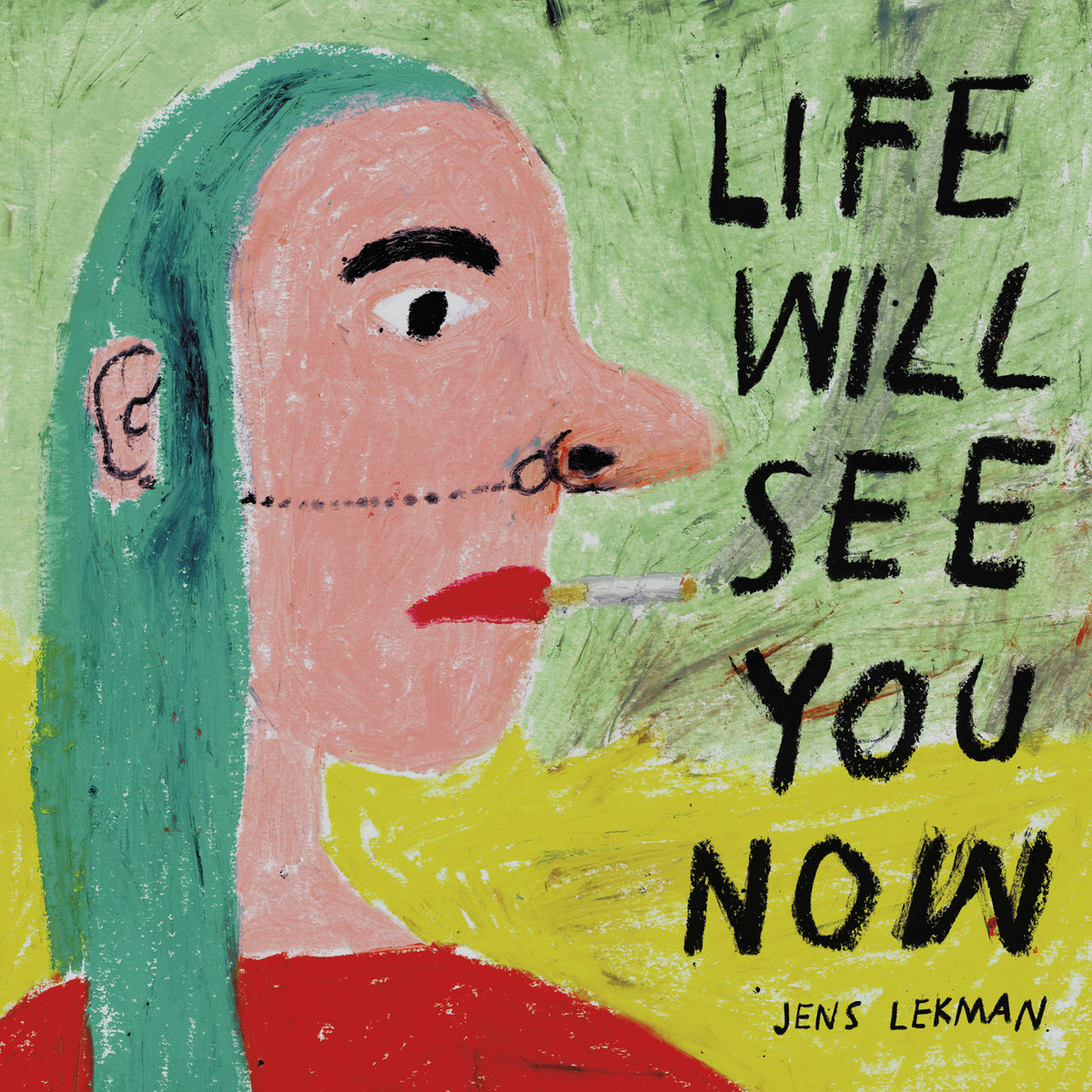
4. Jens Lekman, “Life Will See You Now”
As much as I wish Lekman wouldn’t take five years between albums, if it’s necessary for his through-the-roof quality control, then so be it. He’s lightened up a little in the last interim, whether he’s borrowing musical cues from “All I Want For Christmas Is You” (on “To Know Your Mission”) or sampling Jackie Stoudemire on “How Me Met, the Long Version”. Still, he remains most effective as a fountain of empathy—he duets with kindred spirit Tracey Thorn (“Hotwire The Ferris Wheel”) and keenly struggles with how to express platonic love for a male friend (“How Can I Tell Him”). On the superlative “Evening Prayer”, about another friend who has just had a tumor removed, he sings, “It’s been a long hard year,” and I never fail to melt at its resonance in these challenging times.

“Evening Prayer”:

Best Albums of 2017: # 9, 8, 7

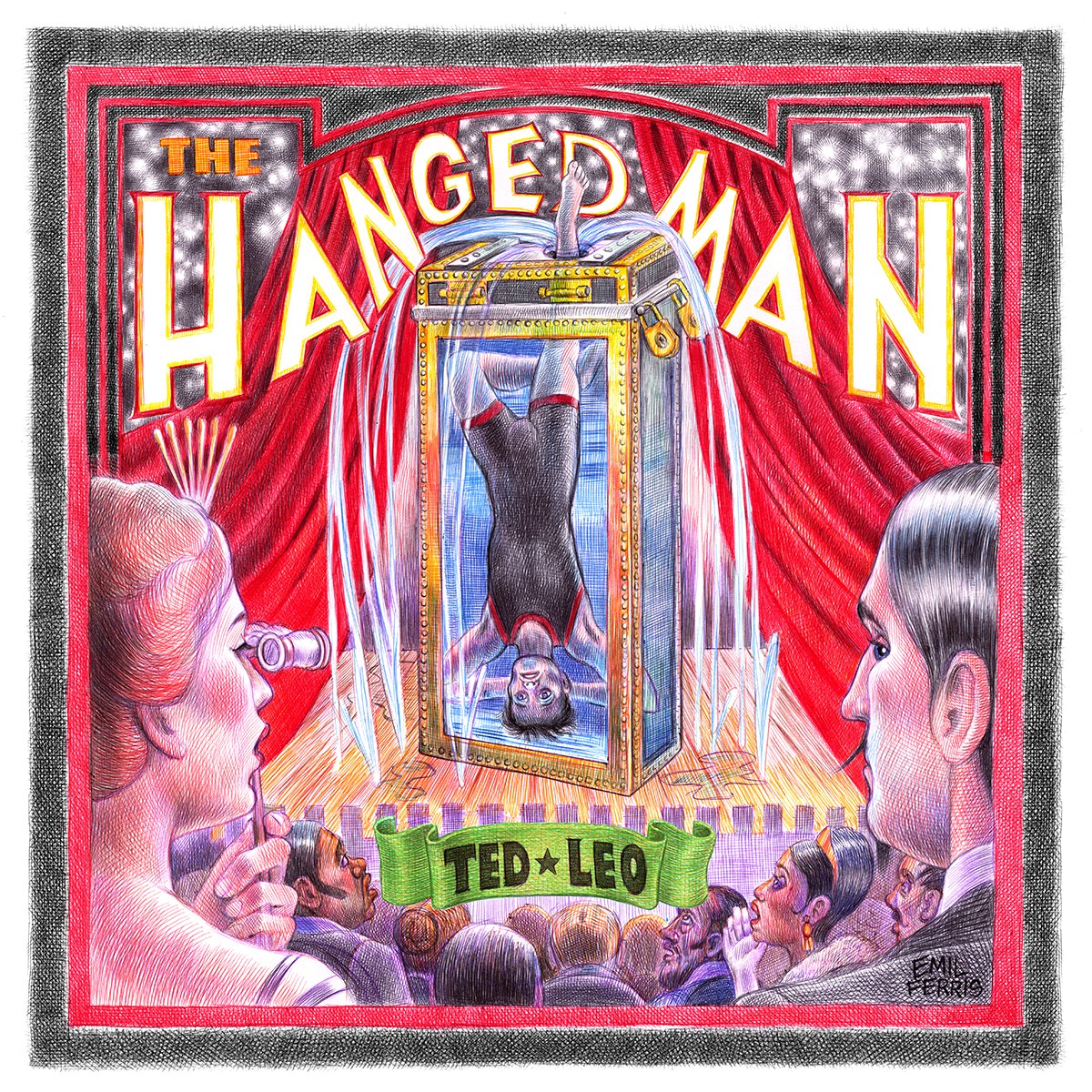
9. Ted Leo, “The Hanged Man”
Leo kept us sane during the George W. Bush years, so it’s fitting that he chooses to make a full-throttle return now. Not counting The Both, this is his first album since 2010, and also the first credited solely to him without The Pharmacists, which is key. While always personable, his lyrics have rarely been so personal. He opens up about being abused as a child and his wife’s miscarriage, but he doesn’t let exorcising his demons get in the way of the defiant exuberance one always expects from him. Plus, there are enough new wrinkles here, like the overlapping vocals at the close of “Used To Believe” or the wisdom and warmth of “William Weld In the 21st Century” to suggest that this album is not a retread, but a way forward.

“Used To Believe”:

8. Emm Gryner, “Only Of Earth”
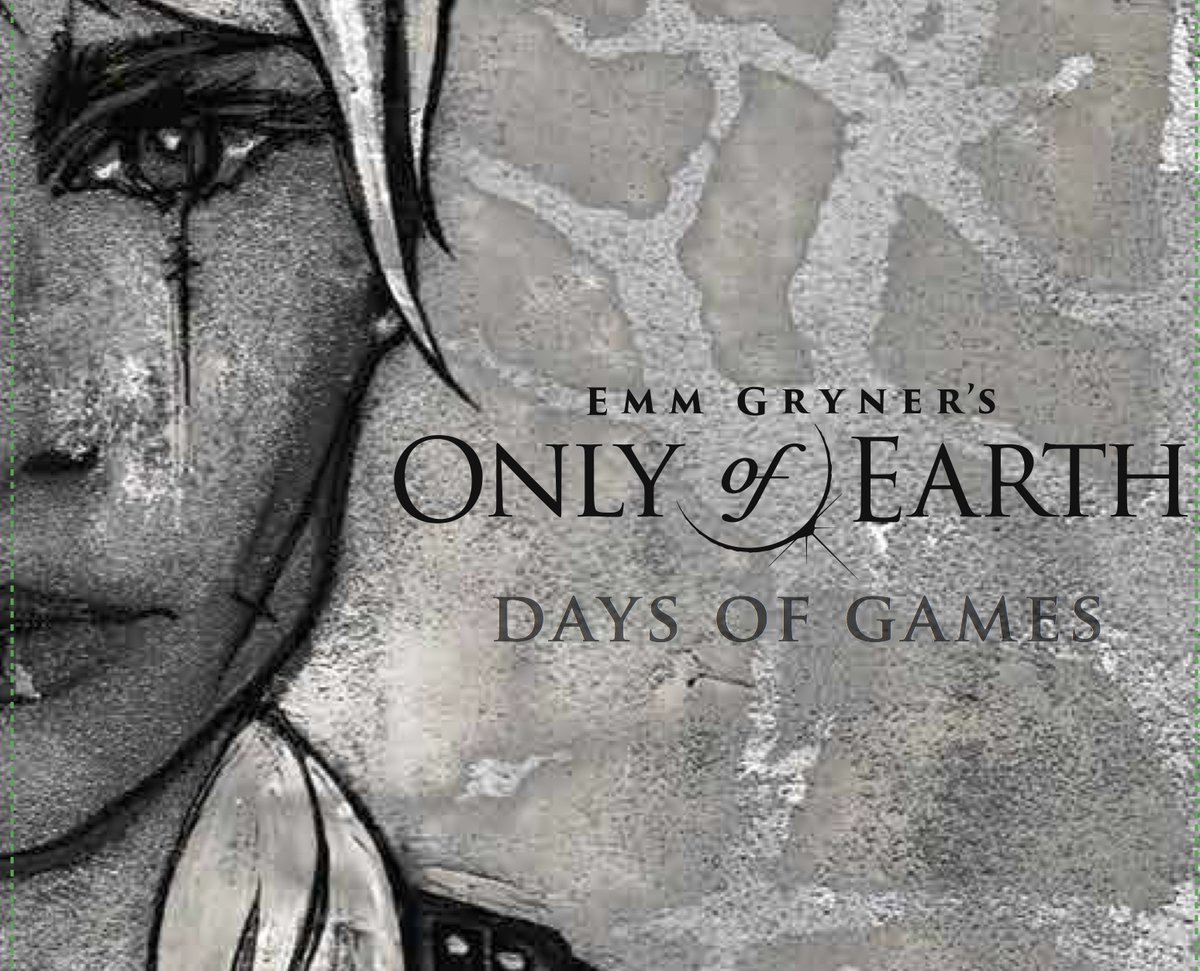
Gryner’s career longevity comes from both remaining fiercely independent and maintaining an inclusiveness that only someone with her caliber of talent can pull off. Her latest contains everything from piano balladry (“Comets Call”, alternate-world AOR standard “A Mission”) and Wendy and Lisa style psych-pop (the utterly charming “Imagination”) to Hammond organ-drenched, tempo-shifting prog (“The Passing of Ayro”) and late ’80s vintage synth-pop (“Blood Balloons”). She attempts to tie it all together as a sort of autobiographical concept album, with echoing melodies and lyrical callbacks strategically placed throughout. Although I still prefer 2011’s absolutely perfect Northern Gospel, this ambitious collection is her best since and another solid effort in an oeuvre full of ‘em. (No YouTube clips yet; to find out more, go to her PledgeMusic page.)

7. The Magnetic Fields, “50 Song Memoir”
Not in the same league as 69 Love Songs—with Stephin Merritt (understandably) singing on every last track, the earlier set’s four supplementary vocalists are much missed. Still, as autobiographical albums go, this one’s essential. Never say that Merritt doesn’t commit to a concept, and returning to one not solely defined by an aural aesthetic gives him an ideal platform for his encyclopedic pop knowledge. The set’s saving grace, however, is the ten-songs-per-disc format, which renders it all digestible, and the highlights, ranging from odes to “Judy Garland” and disco on the radio (“Hustle ‘76”) to clever ditties about roommates (“Me and Fred and Dave and Ted”) and favorite watering holes (“Be True To Your Bar’) are delicious indeed.

“Me and Fred and Dave and Ted”:

Best Albums of 2017: # 12, 11, 10

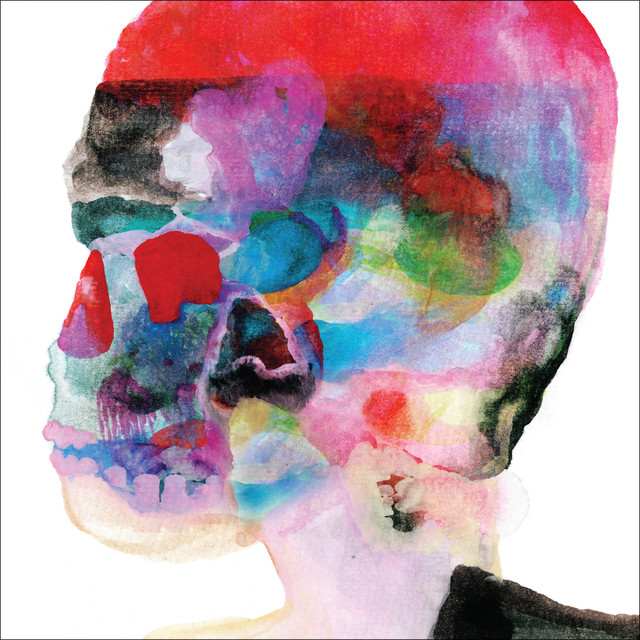
12. Spoon, “Hot Thoughts”
Curious how I really like exactly every other album this most consistent indie-rock combo has put out since Girls Can Tell—the rest aren’t shabby either, but, as with Gimme Fiction and Transference, this one’s just a little more solid than its predecessor. Chalk it up to leader Britt Daniels (Christgau once said of him, “Boy – what a tight-ass”) to exhibiting some newfound looseness and warmth while his songwriting instincts remain ever so snug. Not for nothing was the INXS-like title track their biggest radio hit ever, but it don’t let it overshadow the likes of the ultra-melodic, piano-pounding “Tear It Down”, hypnotic groove piece “Pink Up” or airy, sax-drenched (maybe they really do want to be INXS?) instrumental closer “Us”.

“Tear It Down”:

11. The Dream Syndicate, “How Did I Find Myself Here?”
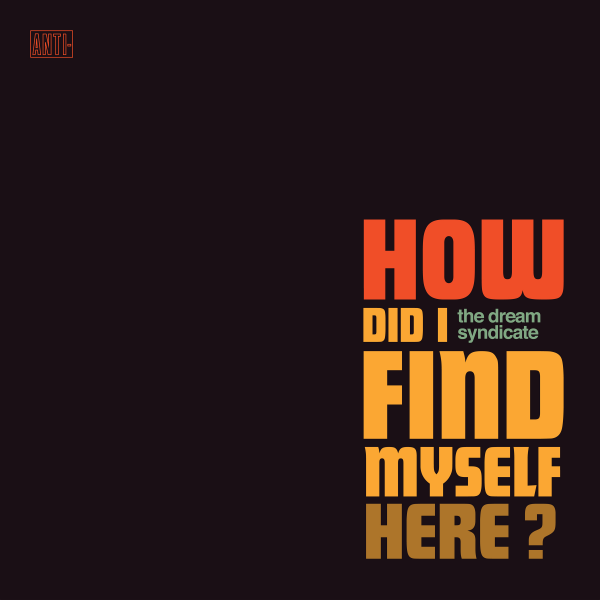
The mere notion of Steve Wynn reviving his old band nearly thirty years after their last album seems unnecessary on paper (especially without long retired original guitarist Karl Precoda), but consider this—not only did it turn out his best album in well over a decade, it’s also… pretty vital. Go past expected barnburners “80 West” and “Glide” and you’ll find stuff that sounds like nothing Wynn or the band has done before, such as the title track, an eleven-minute jazz-rock opus that miraculously never wears out its welcome, or stirring, mid-tempo sigh “Like Mary”. And fellow long-lost band member Kendra Smith’s unexpected return on “Kendra’s Dream” is just icing on what turns out to be a very sturdy confection.

“Kendra’s Dream”:

10. Goldfrapp, “Silver Eye”
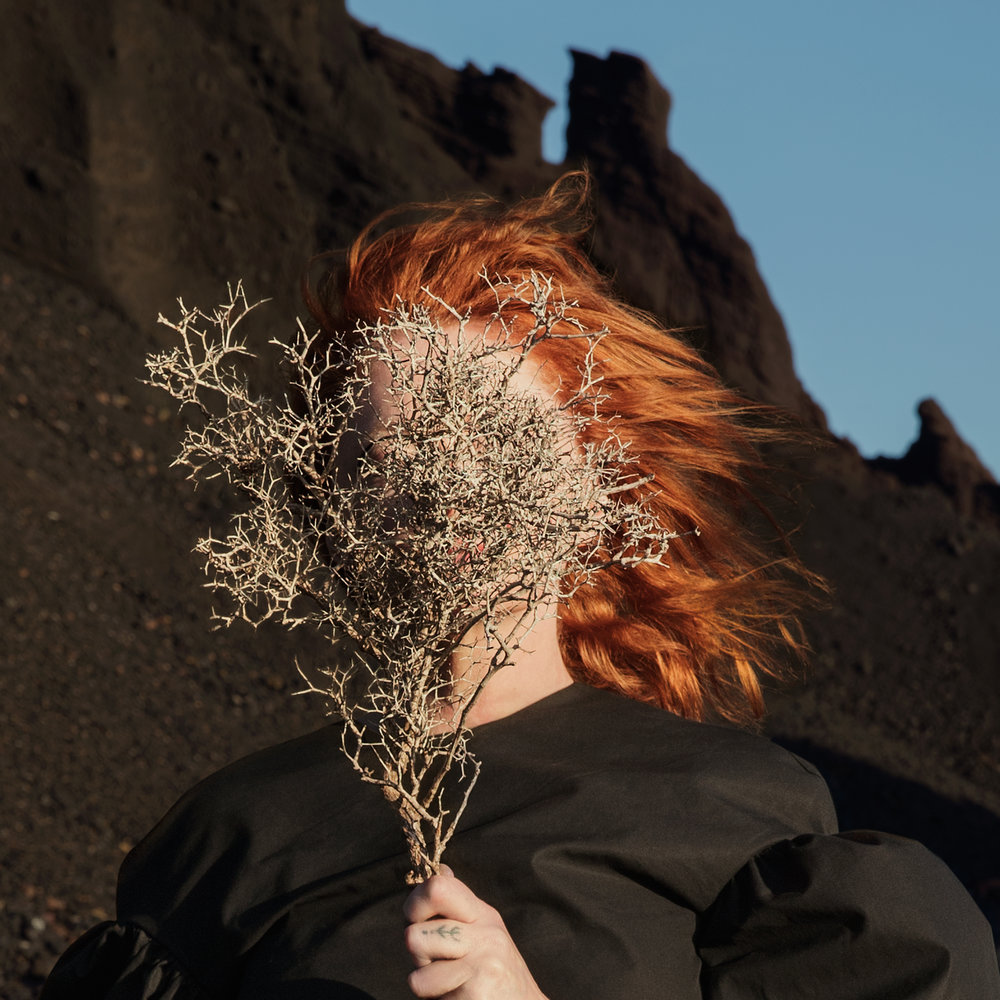
Celebrated for never making the same album twice, Goldfrapp at first seems to be reliving their Supernature-era electro-glam glory days on opener and three-chord-wonder “Anymore”. However, all bets are off after that as Silver Eye gradually slithers off in another direction. Unlike the elegant, predominantly acoustic settings of Tales of Us, this opts for an equally atmospheric but darker, overtly synthetic tone. Apart from the occasional pick-me-up like “Everything Is Never Enough”, these songs mostly blur together, forming a distinct sonic whole—and this is not a bad thing. Rarely have Alison and Will stitched together such a consistent set of songs that seem to echo off each other, barreling towards a truly exciting finish on the tremendous “Ocean”.

“Ocean”: