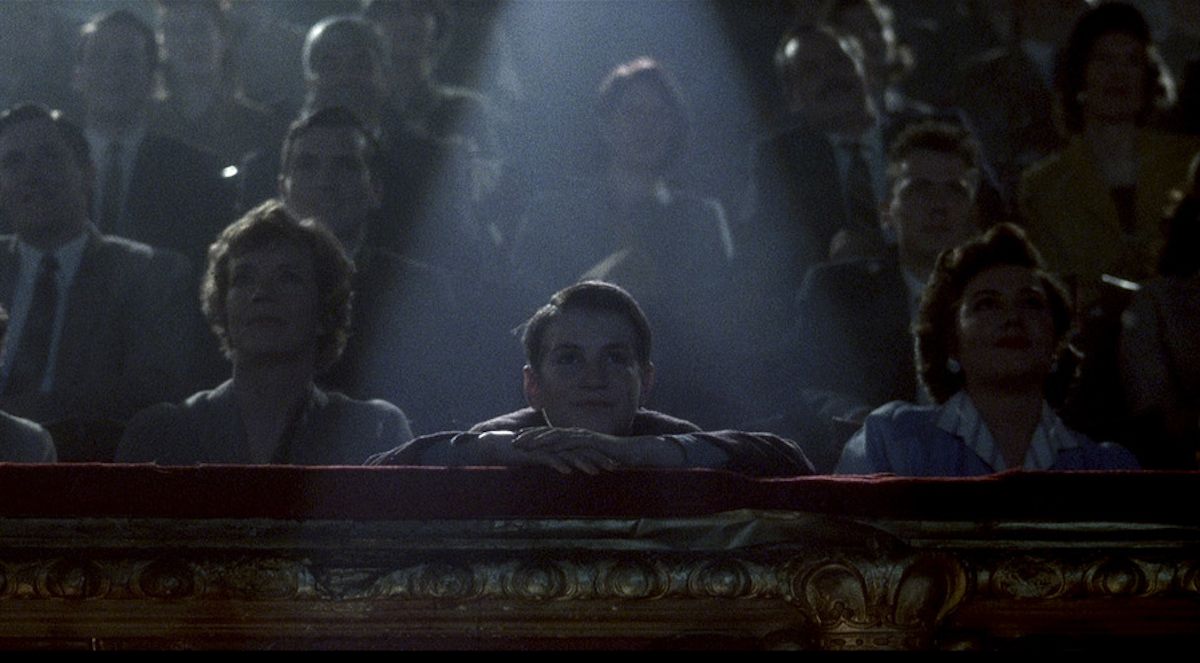
25 Funniest Films

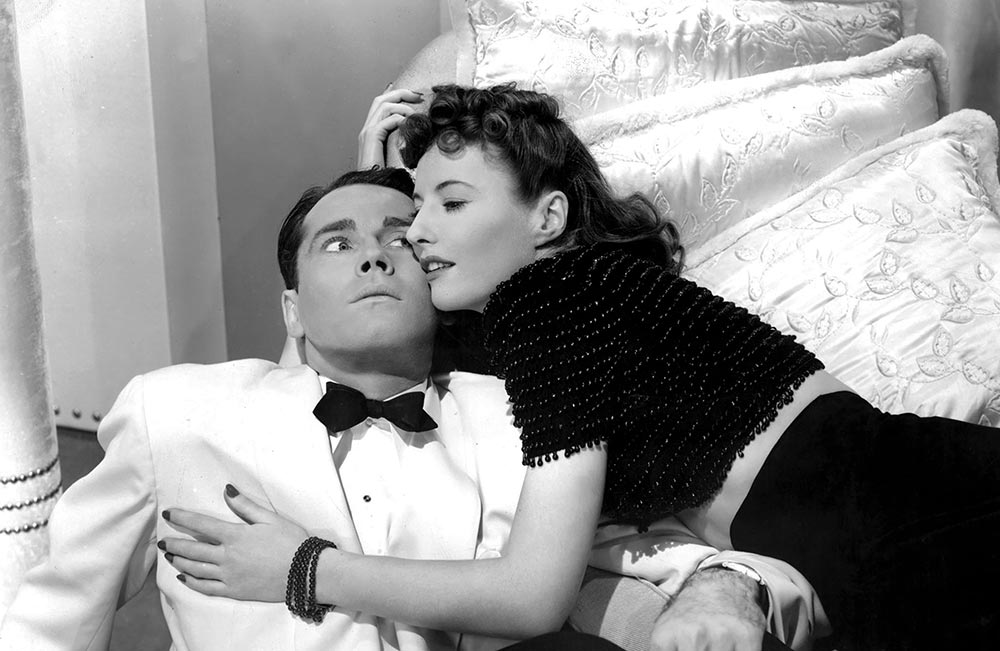
The Lady Eve

In 2007, I posted a list of my 25 favorite funniest films; since we need humor more than ever, here’s an updated version with a few new entries.

1. YOUNG FRANKENSTEIN (director: Mel Brooks, 1974): As if anything else could be on top. A gifted cast (from Gene Wilder’s virtuoso, operatic comic performance to Madeline Kahn’s divine, sordid brilliance) and a hilarious, stoopid-cerebral screenplay (from “walk this way… no, this way” to “He… vas… my… BOYFRIEND!”) come together in a service of an irreverent but sympathetic genre tribute.

2. BRINGING UP BABY (Howard Hawks, 1938): Anyone crafting a romantic comedy today should study this smart, breezy one and take note of Cary Grant’s and Katharine Hepburn’s giddy, contagious chemistry, which arguably no pair has topped since.

3. MONTY PYTHON AND THE HOLY GRAIL (Terry Gilliam and Terry Jones, 1974): I loved it for the laughs as a teenager. Now, I just can’t get over how conceptually weird and formally absurd it is–a crowd pleasing, sublimely silly avant-garde comedy.

4. A CHRISTMAS STORY (Bob Clark, 1983): This pitch-perfect adaptation of various essays from master humorist Jean Shepherd endures because of how easily recognizable he made his childhood without diluting its sting.

5. THIS IS SPINAL TAP (Rob Reiner, 1984): Although ALL YOU NEED IS CASH preceded it, this is the grandaddy of most mockumentaries. It works because it gets inside its targets’ skins all too well, and you’ll never see more finely tuned deadpan delivery elsewhere. So good I’m actually hesitant to watch this year’s long-belated sequel.

6. AIRPLANE! (Zucker/Abrahams/Zucker, 1980): This beats anything else on the list for laughs-per-second: no other film comes close. A fine balance of playing it straight and total anarchy, it throws every gag it can possibly think of up on the screen, and it’s remarkable how many of ’em stick.

7. THE LADY EVE (Preston Sturges, 1941): Essential classic slapstick-heavy screwball romantic comedy written and directed by the perfector of it. Fonda and Stanwyck were never funnier and the scenes at the Pike family home are as inspired as anything by the Marx Brothers (see #19 below).

8. NINE TO FIVE (Colin Higgins, 1980): A deliciously dark feminist office comedy, it briefly revived screwball in the irony deficient 80’s, showed that Dolly Parton could hold her own as a comedienne with Lily Tomlin and Jane Fonda, and makes the top ten chiefly for its gleefully wicked fantasy sequences.

9. BEST IN SHOW (Christopher Guest, 2000): I’ve wavered between this and WAITING FOR GUFFMAN as Guest’s quintessential mock-doc (the latter was on this list’s first iteration) but as far as funny goes, for me, his dog show satire now eclipses his community theater one because you expect weirdoes in the latter, not so much here. Lynch, Coolidge, Willard, Levy, Posey—all of them doing hall-of-fame level work.

10. ELECTION (Alexander Payne, 1999): This sharp, nasty, Preston Sturges-worthy comic fable has aged extremely well, wringing laughs from the very painful realization that high school isn’t all that different from adulthood. Matthew Broderick and Reese Witherspoon have never been better.

11. SLEEPER (Woody Allen, 1973): Not his “best” film but certainly the craziest and quickest-paced. Only Allen could get away with a throwaway line about getting beaten up by Quakers or something as wonderfully insane as the climatic cloning (croning?) sequence (and Diane Keaton proves his equal in the funny department.)

12. HAIRSPRAY (John Waters, 1988): Leave it to the risqué Waters to nearly achieve household name status with this PG-rated satire, which features a star turn from a pre-tabloid talk show Ricki Lake, an odd, odd cast (Debbie Harry and Jerry Stiller!), and a sweet, if slightly warped sensibility.

13. THE ROYAL TENENBAUMS (Wes Anderson, 2001): Perhaps more moving a “comedy” than any other film on this list, the comic stuff tempers but never obscures the tragic stuff in Anderson’s endearingly quirky family portrait.

14. FLIRTING WITH DISASTER (David O. Russell, 1996): The closest the 90’s came to a true screwball comedy, it’s a riot packed with armpit licking, baby naming, last name-mispronunciation, and a surprisingly, successfully acidic Mary Tyler Moore.

15. HAROLD AND MAUDE (Hal Ashby, 1971): “Has all the fun and gaiety of a burning orphanage” went one of the original reviews and while not always a laugh riot, the film’s shaggy, disarming (and at times exceedingly black) humor never fails to make me smile.

16. A SERIOUS MAN (Joel and Ethan Coen, 2009): From RAISING ARIZONA to THE BIG LEBOWSKI, the Coens earned their comedy stripes but this is their funniest effort, not to mention their most personal and possibly darkest film. It takes chutzpah to present a fully-formed philosophy summed up as “YOU CAN’T WIN” and find the hilarity in that.

17. OFFICE SPACE (Mike Judge, 1999): Taping into the slacker-cum-office drone zeitgeist, this cult classic would be only a wish fulfillment fantasy if it didn’t hit so uncomfortably close to home for so many.

18. TOOTSIE (Sydney Pollack, 1982): An insightful comedy that transcends its concept (and inevitable datedness), since it evokes a world of issues and ideas that encompasses more than the words, “Dustin Hoffman does drag.”

19. DUCK SOUP (Leo McCarey, 1933): For an act that came from the vaudeville tradition, The Marx Brothers must have seemed incredibly subversive in their cinematic heyday, and they still do today.

20. A NEW LEAF (Elaine May, 1971): Brilliant, not only for casting Walter Matthau as a priggish, trust fund cad or Elaine May directing herself as a proto-Shelley Duvall character, but also for May convincing Matthau to get so thoroughly soaked in the film’s outrageous finale.

21. ALL ABOUT EVE (Joseph L. Mankiewicz, 1950): Packed with at least four iconic characters/performances and endlessly quotable, it’s possibly the funniest Best Picture Academy Award winner ever (and also one of the best, period.)

22. ALL OF ME (Carl Reiner, 1984): Lily Tomlin always brings her A-Game (see #8, #14, THE LATE SHOW, etc.) but here even she’s nearly outshined by Steve Martin whose graceful and deliriously silly physical dexterity practically invents Jim Carrey’s entire shtick on the spot.

23. THE TRIPLETS OF BELLEVILLE (Sylvain Chomet, 2003): This very French animated feature is heavily indebted to silent silver screen clowns from Chaplin and Keaton to Tati, yet it’s one-of-a-kind: rarely has humor derived from the surreal or the grotesque seemed so charming.

24. THE IN-LAWS (Arthur Hiller, 1979): You wouldn’t think so on paper, but Peter Falk and Alan Arkin are an ideal mismatched duo to the point where they could’ve easily starred on a reboot of THE ODD COUPLE. Also, the Richard Libertini sequence makes me laugh harder than anything else I’ve ever seen (even AIRPLANE!)

25. HUNDREDS OF BEAVERS (Mike Cheslik, 2022): I’ve used the trope “like a live-action Warner Bros cartoon” many, many times, but no film has so fully lived up to such a description as this demented effort that, to quote and old tourism campaign, is truly Something Special from Wisconsin.
My Top 100 Albums of the 21st Century

Since coming up with my own list of 100 favorite films of this century to date, it’s inevitable I’d want to do the same for albums. During my 100 Albums project some years back, I said I’d never rank them, but those were all-time favorites to date; I can handle ranking a quarter century. Either way, I’ve included links to the 37 titles that were part of that project.

As for these rankings, like the film list, the top 30 or so is based on how I feel about each album right now—how much I return to it, how much I want to return to it. My number one in 2025 would have been the same in 2020, 2015 or 2010; the rest of the top ten is aligned with those periods as well, obviously apart from the entry that came out in 2023 and maybe Hometime, which I’ve always loved but whose presence in my life has grown exponentially in recent years (as did Riot On An Empty Street roughly a decade ago.) Rankings below #30 or so are even more intuitive although I was surprised to see Local Valley so high as it came in at a mere #7 on my top albums list of 2021.

As for metrics, four artists appear with three albums each (Sam Phillips, Saint Etienne, Kings of Convenience, Tracey Thorn—four for her if you count Fuse) and an additional thirteen have more than one slot. The most common years to appear are 2003 and 2004 when I was in my late 20s, writing for a music website and absorbing so much stuff. That more than half of these entries are from the 2000’s I can only chalk up to my age or perhaps having had more time to live with and retain them. Ideally, if I did this exercise in another 25 years for a half-century of music, the 2010’s and 2020’s would have just as much representation. Also, ask me to formulate another list like this in a year or two and don’t be surprised if it shifts all over the place.

  1. Since I Left You (The Avalanches, 2000)
  2. Fan Dance (Sam Phillips, 2001)
  3. Aerial (Kate Bush, 2005)
  4. Tales From Turnpike House (Saint Etienne, 2005)
  5. Black Rainbows (Corinne Bailey Rae, 2023)
  6. Oceans Apart (The Go-Betweens, 2005)
  7. Riot On An Empty Street (Kings of Convenience, 2004)
  8. Feast of Wire (Calexico, 2003)
  9. Kaputt (Destroyer, 2011)
  10. Hometime (Alison Moyet, 2002)
  11. Music For The Age of Miracles (The Clientele, 2017)
  12. Northern Gospel (Emm Gryner, 2011)
  13. Here Come The Miracles (Steve Wynn, 2001)
  14. Home Counties (Saint Etienne, 2017)
  15. Out Of The Woods (Tracey Thorn, 2007)
  16. Queens Of The Summer Hotel (Aimee Mann, 2021)
  17. What’s Your Pleasure? (Jessie Ware, 2020)
  18. Record (Tracey Thorn, 2018)
  19. 5:55 (Charlotte Gainsbourg, 2006)
  20. Edge Of The Sun (Calexico, 2015)
  21. Random Access Memories (Daft Punk, 2013)
  22. Seven Swans (Sufjan Stevens, 2004)
  23. Bachelor No. 2 (Aimee Mann, 2000)
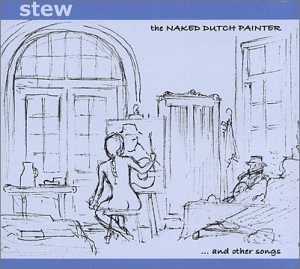
  24. The Naked Dutch Painter and Other Songs (Stew, 2002)
  25. Get Away From Me! (Nellie McKay, 2004)
  26. The Facts of Life (Black Box Recorder, 2001)
  27. Phantom Power (Super Furry Animals, 2003)
  28. Lil’ Beethoven (Sparks, 2002)
  29. Don’t Do Anything (Sam Phillips, 2008)
  30. Fuse (Everything But The Girl, 2023)
  31. My Finest Work Yet (Andrew Bird, 2019)
  32. Tales Of Us (Goldfrapp, 2016)
  33. Reconstruction Site (Weakerthans, 2003)
  34. Want One (Rufus Wainwright, 2003)
  35. Local Valley (Jose Gonzalez, 2021)
  36. The Hair, The TV, The Baby and The Band (Imperial Teen, 2007)
  37. Guest Host (Stew, 2000)
  38. New Pagan Love Song (Paul Brill, 2004)
  39. Weather Alive (Beth Orton, 2022)
  40. Everything Was Beautiful and Nothing Hurt (Tompaulin, 2004)
  41. I Speak Because I Can (Laura Marling, 2010)
  42. Lungs (Florence + the Machine, 2009)
  43. OOOH! (Out of Our Heads) (Mekons, 2002)
  44. Chutes Too Narrow (Shins, 2003)
  45. Dragon New Warm Mountain I Believe In You (Big Thief, 2022)
  46. Running Out of Love (The Radio Dept., 2016)
  47. I Know What Love Isn’t (Jens Lekman, 2012)
  48. Froot (Marina and The Diamonds, 2015)
  49. Declaration of Dependence (Kings of Convenience, 2009)
  50. Overpowered (Roisin Murphy, 2007)
  51. One Beat (Sleater-Kinney, 2002)
  52. Christine and the Queens (Christine and the Queens, 2015)
  53. Words and Music By Saint Etienne (Saint Etienne, 2012)
  54. A Girl Called Eddy (A Girl Called Eddy, 2004)
  55. Thirteen Tales From Urban Bohemia (The Dandy Warhols, 2000)
  56. I Am Not There Anymore (The Clientele, 2023)
  57. Singles (Future Islands, 2014)
  58. Stories From The City, Stories From The Sea (PJ Harvey, 2000)
  59. Twin Cinema (New Pornographers, 2005)
  60. Time (The Revelator) (Gillian Welch, 2001)
  61. Island (Owen Pallett, 2020)
  62. So This Is Goodbye (Junior Boys, 2006)
  63. Business & Pleasure (Emm Gryner, 2023)
  64. My Light, My Destroyer (Cassandra Jenkins, 2024)
  65. Armchair Apocrypha (Andrew Bird, 2007)
  66. In Our Heads (Hot Chip, 2012)
  67. Obligatory Villagers (Nellie McKay, 2007)
  68. The ArchAndroid (Janelle Monae, 2010)
  69. Beauty & Crime (Suzanne Vega, 2007)
  70. Stone Rollin’ (Raphael Saadiq, 2011)
  71. Mid Air (Romy, 2023)
  72. Scarlet’s Walk (Tori Amos, 2002)
  73. Behind The Music (The Soundtrack Of Our Lives, 2001)
  74. Songs Of A Lost World (The Cure, 2024)
  75. Love & Hate (Michael Kiwanuka, 2016)
  76. Dottie’s Charms (Jill Sobule, 2014)
  77. Love and Its Opposite (Tracey Thorn, 2010)
  78. Stand For Myself (Yola, 2021)
  79. Bebel Gilberto (Bebel Gilberto, 2004)
  80. Dear Catastrophe Waitress  (Belle & Sebastian, 2003)
  81. Faded Seaside Glamour (Delays, 2004)
  82. (My Morning Jacket, 2005)
  83. Hairless Toys (Roisin Murphy, 2015)
  84. Modern Vampires of the City (Vampire Weekend, 2013)
  85. Goodnight Rhonda Lee (Nicole Atkins, 2017)
  86. E*MO*TION (Carly Rae Jepsen, 2015)
  87. Quiet Is The New Loud (Kings of Convenience, 2001)
  88. D-D-Don’t Stop The Beat (Junior Senior, 2003)
  89. One Life Stand (Hot Chip, 2010)
  90. A Boot And A Shoe (Sam Phillips, 2004)
  91. Blackstar (David Bowie, 2016)
  92. Girls In Peacetime Want To Dance (Belle & Sebastian, 2015)
  93. Come On Feel The Illinoise! (Sufjan Stevens, 2005)
  94. Heartthrob (Tegan & Sara, 2013)
  95. Poses (Rufus Wainwright, 2001)
  96. The Idler Wheel… (Fiona Apple, 2012)
  97. Transatlanticism (Death Cab For Cutie, 2003)
  98. The Evangelist (Robert Forster, 2008)
  99. Night Falls Over Kortedala (Jens Lekman, 2007)
  100. The Slow Wonder (A.C. Newman, 2004)

My Top 100 Films of the 21st Century

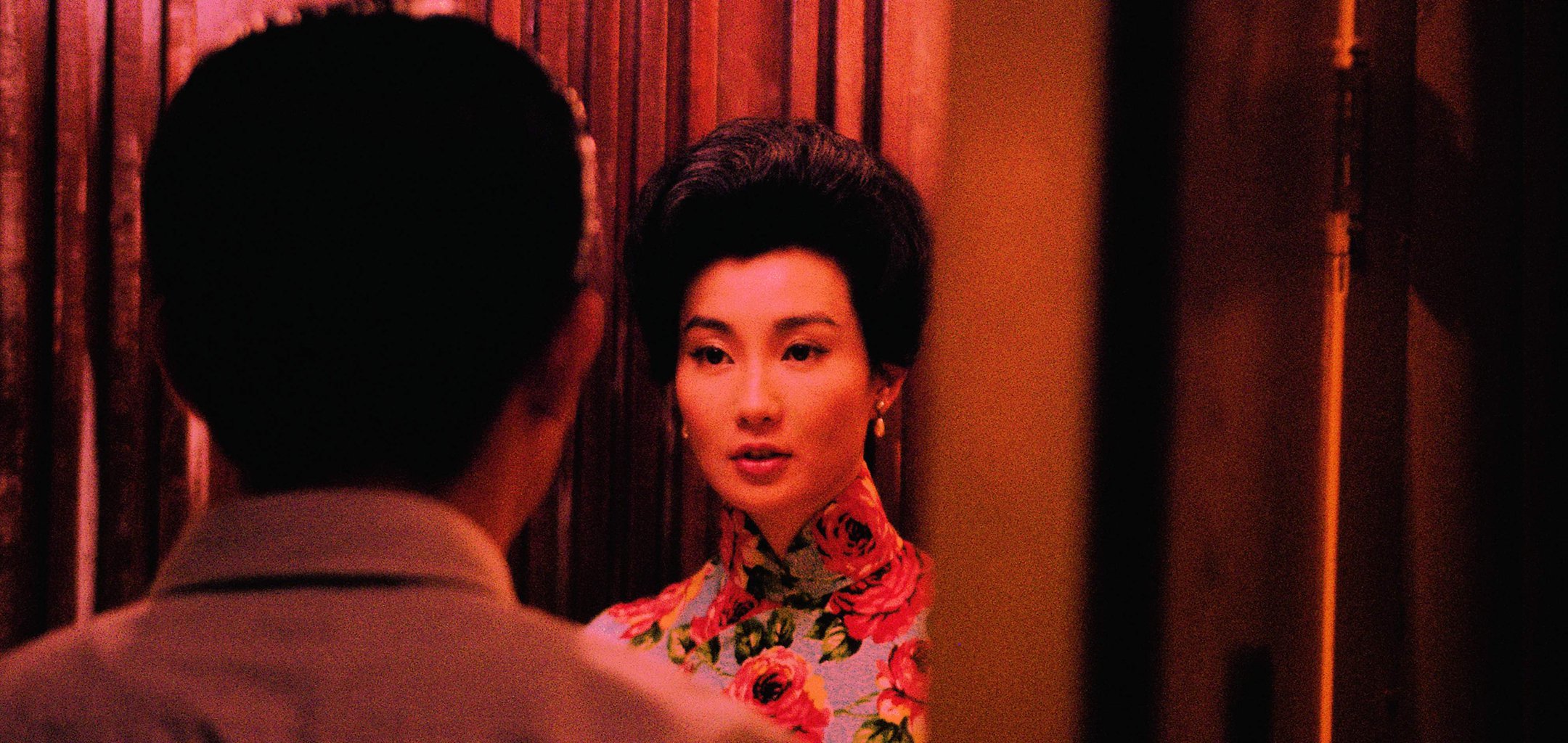
In The Mood For Love

I could not resist submitting my own unranked top ten ballot to New York Times’ Top 100 Films of the 21st Century poll last month. Below is that top ten ranked, along with ninety other titles I would place in my own canon for the past 25 years. Below #30 or so, the ranking’s less important and subject to change (as anything ranked is, really.) I will say the order of the top three is also always in flux; given the widespread love for #2 and #3, I went with something more obscure but dear to my heart for #1.

Paul Thomas Anderson has three titles in the top 40; the only other filmmakers with as many in the top 100 are Hirokazu Kore-eda and Richard Linklater, though Wes Anderson came close (The Grand Budapest Hotel perhaps tied for #101 with a few other titles I couldn’t fit on.) I wish I had more female directors on this list (at least four made the top 20) although it speaks volumes about my current taste and interest that half of the top ten comes from Asian directors (with a few more not far behind.)

It might be risky to put the film at #4 so high since it’s so recent, but a second viewing earlier this year confirmed my initial thought that nothing else I’ve seen captures the time we live in so vividly and completely, except arguably the film at #12 which topped the NY Times poll.

I’ve included links for the movies that were part of my 24 Frames project.

  1. Cemetery of Splendour (Apichatpong Weerasethakul, 2015)
  2. Mulholland Drive (David Lynch, 2001)
  3. The Royal Tenenbaums (Wes Anderson, 2001)
  4. Do Not Expect Too Much from the End of the World (Radu Jude, 2023)
  5. In The Mood For Love (Wong Kar-wai, 2000)
  6. Before Sunset (Richard Linklater, 2004)
  7. What Time Is It There? (Tsai Ming-liang, 2001)
  8. Yi Yi (Edward Yang, 2000)
  9. Stories We Tell (Sarah Polley, 2012)
  10. Still Walking (Hirokazu Kore-eda, 2008)
  11. 35 Shots of Rum (Claire Denis, 2008)
  12. Parasite (Bong Joon-ho, 2019)
  13. There Will Be Blood (Paul Thomas Anderson, 2007)
  14. Y Tu Mama Tambien (Alfonso Cuaron, 2001)
  15. Happy Hour (Ryusuke Hamaguchi, 2015)
  16. My Winnipeg (Guy Maddin, 2007)
  17. Aftersun (Charlotte Wells, 2022)
  18. Spirited Away (Hayao Miyazaki, 2001)
  19. Me And You And Everyone We Know (Miranda July, 2005)
  20. Cache (Michael Haneke, 2005)
  21. Ghost World (Terry Zwigoff, 2001)
  22. Memoria (Apichatpong Weerasethakul, 2021)
  23. Shoplifters (Hirokazu Kore-eda, 2018)
  24. The Master (Paul Thomas Anderson, 2012)
  25. C.R.A.Z.Y. (Jean-Marc Vallee, 2005)
  26. Best In Show (Christopher Guest, 2000)
  27. Frances Ha (Noah Baumbach, 2012)
  28. Moonrise Kingdom (Wes Anderson, 2012)
  29. The Duke of Burgundy (Peter Strickland, 2014)
  30. Under The Skin (Jonathan Glazer, 2013)
  31. Staying Vertical (Alain Guiraudie, 2016)
  32. A Serious Man (Ethan Coen, Joel Coen, 2009)
  33. Waking Life (Richard Linklater, 2001)
  34. Carol (Todd Haynes, 2015)
  35. Phantom Thread (Paul Thomas Anderson, 2017)
  36. Tár (Todd Field, 2022)
  37. Portrait Of A Lady On Fire (Celine Sciamma, 2019)
  38. Gosford Park (Robert Altman, 2001)
  39. Aquarius (Kleber Mendonça Filho, 2016)
  40. Los Angeles Plays Itself (Thom Andersen, 2003)
  41. Holy Motors (Leos Carax, 2012)
  42. Paterson (Jim Jarmusch, 2015)
  43. Far From Heaven (Todd Haynes, 2022)
  44. Marwencol (Jeff Malmberg, 2010)
  45. Clean (Olivier Assayas, 2004)
  46. Duck Season (Fernando Eimbcke, 2004)
  47. Burning (Lee Chang-dong, 2018)
  48. The Return (Andrey Zvyagintsev, 2003)
  49. The Act of Killing (Joshua Oppenheimer, 2012)
  50. A Bread Factory (Patrick Wang, 2018)
  51. Oslo, August 31st (Joachim Trier, 2011)
  52. Grizzly Man (Werner Herzog, 2005)
  53. Synecdoche, New York (Charlie Kaufman, 2008)
  54. Volver (Pedro Almodovar, 2006)
  55. Dig! (Ondi Timoner, 2004)
  56. Morvern Callar (Lynne Ramsay, 2002)
  57. Exit Through The Gift Shop (Banksy, 2010)
  58. Kumiko, The Treasure Hunter (David Zellner, 2014)
  59. Man On Wire (James Marsh, 2008)
  60. Hedwig and The Angry Inch (John Cameron Mitchell, 2001)
  61. The Case Of The Grinning Cat (Chris Marker, 2004)
  62. After Yang (Kogonada, 2021)
  63. Amelie (Jean-Pierre Jeunet, 2001)
  64. Call Me By Your Name (Luca Guadagnino, 2017)
  65. Drive My Car (Ryusuke Hamaguchi, 2021)
  66. The Heart of The World (Guy Maddin, 2000)
  67. Quo Vadis, Aida? (Jasmila Žbanić, 2020)
  68. Let The Right One In (Tomas Alfredson, 2008)
  69. Our Song (Jim McKay, 2000)
  70. Away From Her (Sarah Polley, 2006)
  71. May December (Todd Haynes, 2023)
  72. First Reformed (Paul Schrader, 2017)
  73. How To Survive A Plague (David France, 2012)
  74. Minding The Gap (Bing Liu, 2018)
  75. Donnie Darko (Richard Kelly, 2001)
  76. Pictures of Ghosts (Kleber Mendonça Filho, 2023)
  77. Can You Ever Forgive Me? (Marielle Heller, 2018)
  78. The Holdovers (Alexander Payne, 2023)
  79. 4 Months, 3 Weeks and 2 Days (Cristian Mungiu, 2007)
  80. Lost In Translation (Sofia Coppola, 2003)
  81. Talk To Her (Pedro Almodovar, 2002)
  82. Boyhood (Richard Linklater, 2014)
  83. Moonlight (Barry Jenkins, 2016)
  84. All Of Us Strangers (Andrew Haigh, 2023)
  85. Dogville (Lars Von Trier, 2003)
  86. The Power of The Dog (Jane Campion, 2021)
  87. In The Loop (Armando Iannucci, 2009)
  88. Bad Lieutenant: Port of Call New Orleans (Werner Herzog, 2009)
  89. Sword of Trust (Lynn Shelton, 2019)
  90. Ham On Rye (Tyler Taormina, 2019)
  91. Mysterious Skin (Gregg Araki, 2005)
  92. Reprise (Joachim Trier, 2006)
  93. First Cow (Kelly Reichardt, 2019)
  94. Fish Tank (Andrea Arnold, 2009)
  95. Songs from the Second Floor (Roy Andersson, 2000)
  96. Perfect Days (Wim Wenders, 2023)
  97. The Happiness Of The Katikuris (Takashi Miike, 2001)
  98. Monster (Hirokazu Kore-eda, 2023)
  99. Limbo (Ben Sharrock, 2020)
  100. The Beast (Bertrand Bonello, 2023)

On Christmas Movies

Growing up, my parents and I revisited a canon of classic Christmas movies every year: The Bishop’s Wife featuring Cary Grant at the peak of his ineffable charm; Miracle on 34th Street with Edmund Gwenn’s archetypical Santa Claus and nine-year-old Natalie Wood giving her contemporary child actors a run for their money; Going My Way and The Bells of St. Mary’s, both starring Bing Crosby as a cool priest and in the latter sequel, Ingrid Bergman as his nun counterpart; It’s A Wonderful Life, its first three-quarters seemingly interminable to a child until George Bailey wishes he’d never been born and the rest is pure magic that director Frank Capra, James Stewart and Henry Travers (as Clarence the Angel) all sell the heck out of.

The three of us found a new holiday classic via A Christmas Story during its original 1983 theatrical run. In witnessing little Ralphie’s exhaustive efforts to ask for a Red Ryder BB Gun in 1940s Indiana (including the frozen pole licking, copious Bumpus hounds, an alarming department store Santa and his cranky helper elves, etc.), I don’t think my parents or I had ever laughed so much at the movies. An adaptation of humorist Jean Shepherd’s book In God We Trust, All Others Pay Cash, the film was only a minor box office hit (although I recall many commercials for it airing at the time.) The following year, we saw it again at the second-run Times Cinema on Vliet St. It was as riotously funny to us as the first time. A year later, after cable TV finally came to Milwaukee, seemingly everyone had seen the film. At a holiday party that year, numerous kids remarked to bespectacled me, “You look just like that kid from A Christmas Story!”

I can credit Ralphie and company for a newfound desire to find more holiday films to love. When I was 9, my mom and I attempted to watch every version of Charles Dickens’ A Christmas Carol we could see, from the 1938 edition with Reginald Owen to the then-new, made-for-TV one starring George C. Scott (I wonder if I could watch it today without thinking of his performances in Dr. Strangelove or Hardcore.) At the time, I enjoyed the novelty of 1970’s Scrooge, a musical adaptation with Albert Finney; revisiting it last year, it’s still a fizzy take on the oft-told legend with a terrific score, even if the Christmas Future sequence where Scrooge essentially goes to Hell is trippy, cheesy and very much of its time. The 1951 version still has the best Ebenezer, Alistair Sim even if his partial resemblance to Klaus Kinski makes me long for the Werner Herzog version of this story that never was.

Of all of my parents’ beloved holiday perennials, their favorite, 1942’s Holiday Inn, pairs Crosby with Fred Astaire. The former plays a New York City entertainer who retreats to the Connecticut countryside, opening a hotel/nightclub that only operates on holidays; it primarily exists as a vehicle for a selection of seasonally themed Irving Berlin compositions including the debut of what is often cited as the best-selling single of all time, “White Christmas”. My folks usually waited to watch it on Christmas Eve after I had gone to bed. By my teenage years, I began accompanying them, first viewing it on a VHS tape recorded from an airing on local independent WVTV Channel 18, then on a store-bought cassette and eventually on DVD. It soon became one of my favorites, seen so many times that I could probably recite all of its dialogue today. It hasn’t aged entirely well (gratuitous blackface number alert!) and some of the holidays celebrated are a stretch (George Washington’s Birthday?) but those Christmas (and New Year’s Eve) scenes are evergreens. The 1954 sequel titled White Christmas (duh) substitutes an absent Astaire with Danny Kaye; it’s fine but not nearly as affecting as its predecessor.

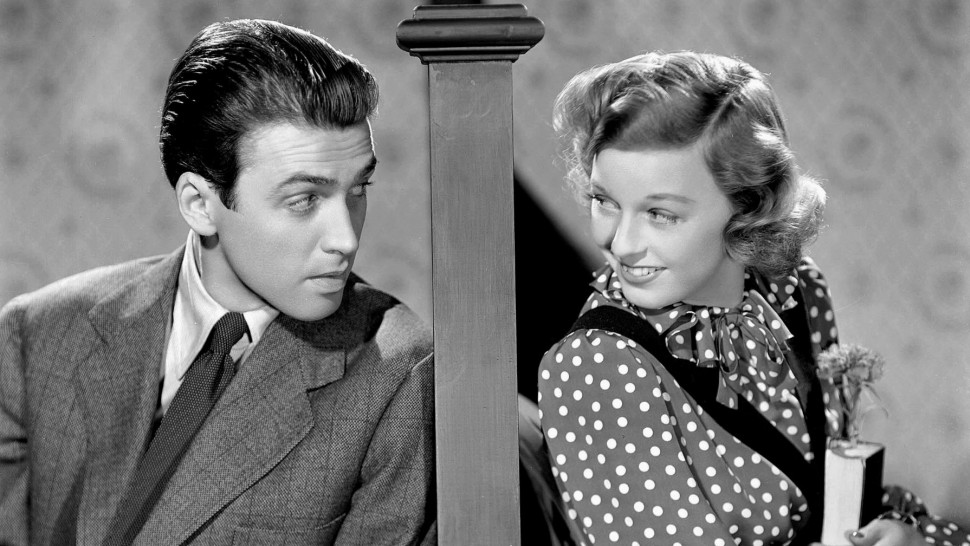
Apart from National Lampoon’s Christmas Vacation (one of my husband’s favorites), Tim Burton’s and Henry Selick’s The Nightmare Before Christmas (not a Halloween film!) and It Happened On Fifth Avenue (a hidden gem from 1947 about a benevolent bum and the kindness of strangers), as an adult I didn’t much seek out other holiday classics (despite no shortage of new ones via The Hallmark Channel) until the pandemic hit three years ago. With time on our hands and the world of streaming at our fingertips, we found a few worthy new candidates for the canon: Remember The Night, written by Preston Sturges and teaming up Fred MacMurray and Barbara Stanwyck (a few years before Double Indemnity) and Holiday Affair, a sort-of-comic noir with Robert Mitchum and a young Janet Leigh. However, the Christmas film I’ve grown to love most in the past decade is Ernst Lubitsch’s The Shop Around The Corner from 1940 with Stewart and Margaret Sullavan as two employees in a Budapest gift shop. Sharp and tender in equal measures, its stellar last twenty minutes is what all romances, comedies and romantic comedies should aspire to be.

In putting together the list below, I considered some excellent Christmas-adjacent titles like The ApartmentCarolHolidayTangerine and Catch Me If You Can. In the end, I selected only films that I felt compelled to actually watch at Christmas and not any other time of year. I did make room for this year’s The Holdovers, which doesn’t entirely comply to these rules (I first saw it in September at TIFF and the time of year did not alter my enjoyment of it); still, it already exudes enough of that elemental seasonal spirit to earn its place here.

15 Favorite Christmas Films:

  1. The Shop Around The Corner
  2. A Christmas Story
  3. The Bishop’s Wife
  4. Holiday Inn
  5. It Happened On Fifth Avenue
  6. It’s A Wonderful Life
  7. Remember The Night
  8. Miracle On 34th Street
  9. National Lampoon’s Christmas Vacation
  10. A Christmas Carol (1951 version)
  11. The Bells of St. Mary’s
  12. The Holdovers
  13. White Christmas
  14. The Nightmare Before Christmas
  15. Holiday Affair

Favorite Debut Albums

Debut albums come in all flavors. Some barely hint at the artistry to come; others are solid first salvos only to be eclipsed by stronger and/or further refined efforts. Below, I’ve chosen perhaps that rarest breed: the fully-formed release that kicked off careers both fleeting and venerable and were also arguably never topped by anything else the artist would make. To be eligible, they must have recorded at least more than one follow-up. Here are ten favorites in chronological order:

Leonard Cohen, Songs of Leonard Cohen (1968)

Probably this list’s most contentious choice given I’m Your Man (1988), the first Cohen I ever heard (and loved) is its equal and fully holds up despite radically different and deliberately dinky period production. Alas, this debut plays more like a greatest hits compilation than the one he’d release seven years later: credit the three songs later brilliantly used in McCabe & Ms. Miller, but there’s also “Suzanne”, “Master Song”, “So Long Marianne”, “Hey, That’s No Way To Say Goodbye”—even Lenny’s off-key bleating at the end of “One of Us Cannot Be Wrong” still charms me.

Violent Femmes, Violent Femmes (1983)

Maybe the most obvious choice here but this is a textbook example of a debut so definitive, so iconic that Gordon Gano and co. arguably haven’t tried to top it. I don’t know how many officially released singles there were from this, but at least five of its ten tracks are undeniable standards (“Blister In the Sun”, “Kiss Off”, “Add It Up”, “Prove My Love”, “Gone Daddy Gone”) and most nonfans would likely struggle to name more than two or three songs from the rest of their catalog.

Deee-Lite, World Clique (1990)

“Groove Is In The Heart” remains one of a handful of songs I wholly fell in love with on first listen and it’s aged beautifully compared to most hits of its era. To a lesser extent, one could say the same of its parent album. Whether skewed towards Italo-house (“Good Beat”, “Power of Love”) retro-funk (“Who Was That?”, “Try Me On, I’m Very You”) or electro-pop (“What Is Love”, “E.S.P.”), World Clique is exuberant party music with substance that also doesn’t take itself too seriously (unlike their next two albums.) 

Liz Phair, Exile In Guyville (1993)

An eighteen-track manifesto seemingly untouched by the outside world, it’s a pure distillation of Phair’s raw talent. Few first albums have expressed such palpable perspective, much less a feminine one so unapologetically, frankly sexual and forthcoming. It either came out at exactly the right time or it ended up shaping the times even if it didn’t trouble the monoculture much. When Phair did exactly that on Whip-Smart (1994) and the much-maligned Liz Phair (2003), the effect wasn’t as novel or powerful.

Soul Coughing, Ruby Vroom (1994)

A truly strange band that could’ve only ended up on a major label at the height of alt-rock, Soul Coughing’s mélange of beat poetry-derived vocals, jazz rhythm section and sample-heavy soundscapes was both instantly recognizable and really like nothing else. So inspired was their debut that it gave off the impression they could be the 90s answer to Talking Heads. Instead, they ran out of gas after three increasingly conventional albums, suggesting such a notion was too good to be true even if for a brief shining moment it might have been.

Eric Matthews, It’s Heavy In Here (1995)

Whereas most 90s singer-songwriters took inspiration from John Lennon or Neil Young, breathy-voiced Matthews learned his stuff from Burt Bacharach and The Zombies’ Colin Blunstone, crafting intricate, opaque chamber-pop miniatures with guitars as prominent as the trumpet solos, cathedral organ, string quartets, etc. Call it an anachronism, but perhaps Matthews was (however unwittingly) playing the long game as, nearly thirty years on, this debut sounds as out-of-time as it ever did and also as fresh, brimming with little details and nuances ripe for discovery.

Morcheeba, Who Can You Trust? (1996)

The breaking point where “trip-hop” was not yet a genre to emulate but more of a happy accident, a sound stumbled upon when a DJ, a blues guitarist and a one-of-a-kind vocalist with a sweet but alluringly hazy tone all came together and their seemingly disparate contributions somehow gelled like smoothed-out alchemy. From the catchy, loping “Trigger Hippie” to the somber, hypnotic title track, it’s overall more of a sustained groove than a collection of discernible songs—a potency that they only intermittently recaptured when they later mostly eschewed grooves for songs.

The Avalanches, Since I Left You (2000)

Speaking of DJs and sampling, it took nearly sixteen years for this Australian collective to record a second album and a relatively scant four more years to release a third; whenever I listen to the first one, I can fathom why—a triumph of plunderphonics and fin de siècle attitude of “here’s where we’ve been, and here’s what’s next”, Since I Left You remains a singular point continually reverberating and a miracle of reappropriation so far-reaching it feels impossible to improve on—I don’t listen to it as much, but it’s still my favorite album of the 00’s.

Nellie McKay, Get Away From Me (2004)

This “delightful nutcase” (as a friend once correctly described her) released a debut so audacious, precocious, declarative and altogether stunning that I suspected it would be her Bottle Rocket or Reservoir Dogs (a great first effort in a career full of ‘em); unfortunately it ended up more of a Donnie Darko—one great glimpse of promise, followed by weird left turns and outright disappointments to the point where she’s settled for interpreting other people’s work, which she’s often gifted at doing. But I remember how much potential she once had.

Florence + The Machine, Lungs (2009)

Talk about the voice of a generation—Florence Welch, then in her early twenties made that very rare accomplishment of coming off as a *star* from the get-go with excellent tunes (“Dog Days Are Over”, “Rabbit Heart (Raise It Up)”) and an arresting, bold sound entirely worthy of and complimentary to that voice. Welch remains the most promising heir apparent to succeeding Kate Bush at the High Alter of Eccentric Female Divas,  even if none of her subsequent work startles or transcends like Lungs (although 2015’s How Big, How Blue, How Beautiful comes close.)

#MWE February 2023

My second year participating in #MWE (Music Writers Exercise) where for the month of February, I listen to an album for the first time every day and tweet about it. A productive way to go through all the albums I’ve added to my Spotify library but haven’t yet made the time to listen to, but if I do it next year, it won’t be on Twitter, which has devolved into a ghost town/shit show since its unfortunate Musk-ification. These days, tweeting almost anything feels like flinging thoughts into a void and I didn’t experience nearly as much engagement as I did last year. Perhaps in 2024 I’ll try Facebook or Instagram or just save everything for here.

Here’s what I posted for February 2023:

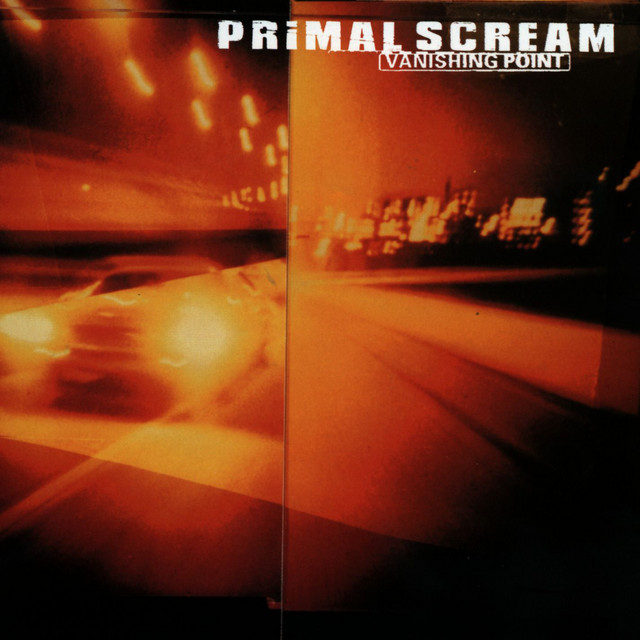
1. Primal Scream, Vanishing Point (1997): Not as highly regarded as Screamadelica but maybe it should be for its sample-heavy, everything-but-the-kitchen-sink approach actually coheres. A close companion to Morcheeba’s debut from the year before, if not exactly trip-hop.

2. Peggy Lee, Sea Shells (1958): In stark contrast to the era’s maximalism, this is simply Lee trilling folk songs over harp and occasional harpsichord. Her readings of “Chinese Love Poems” anticipate the verses of “Is That All There Is?” minus the droll detachment.

3. Broken Social Scene, You Forgot It In People (2002): Harder to get a handle on than that other Canadian supergroup The New Pornographers, call it scrappy “Indie-rock” (for lack of a better term) with unflashy hooks even if “Pacific Theme” could almost be 1970s Chicago.

4. The Wild Tchoupitoulas, S/T (1976): A glorious one-off: Mardi Gras Indians performing Allen Toussaint-produced funk-rock. With songs primary about how much fun it is to be them, it emanates so much pure bliss, deserving a place on the shelf next to Dr. John’s Gris-Gris.

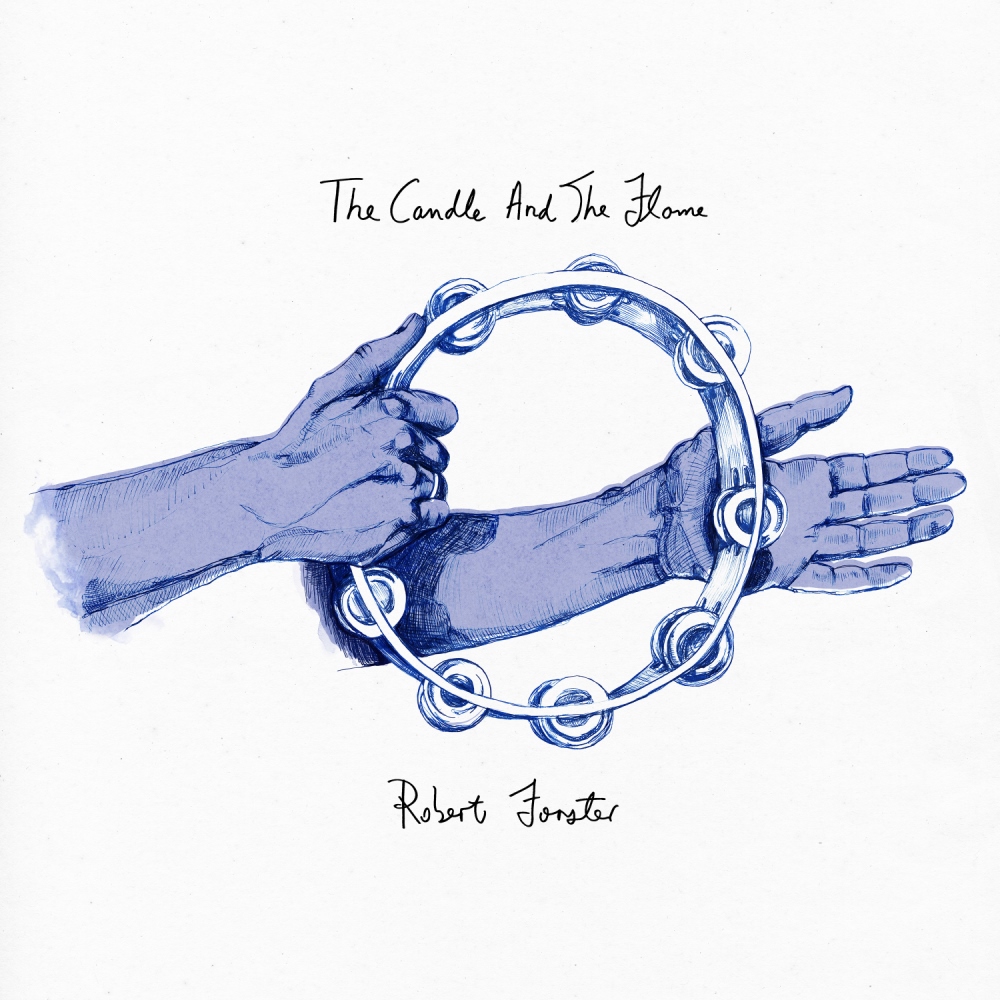
5. Robert Forster, The Candle and The Flame (2023): A beacon of solace in a world we have can’t control. Intimate and direct but rarely ever obvious. Might take weeks or months for some of these hooks to resonate but they’re there and just one facet of the grand design. 

6. Charles Mingus, East Coasting (1957): Less formally radical than what he’d record in the following years but that doesn’t mean less effective or interesting. As always with Mingus, he constructs a nimble but solid foundation that encourages all the players on top to shine.

7. Gem Club, In Roses (2014): Could’ve been recorded in a bedroom or a cathedral. Near-ambient pop that probably needs more than one listen to sink in for all I can recall are the legato, echoing piano chords, occasional strings and Christopher Barnes’ ethereal sigh. 

8. Meshell Ndegeocello, The World Has Made Me The Man Of My Dreams (2007): A groove record that, after caffeinated near-drum-and-bass salvo “The Sloganeer” drifts unpredictably but languorously like an ultra-chill George Clinton. Most revealing song title: “Elliptical”.

9. Neu!, S/T (1972): Today, I learned that Negativland named themselves after a track off this; also learned that (last track aside) this is far more accessible than what I expected of krautrock, so either it seems less radical than it did fifty years ago or I’m just a weirdo. 

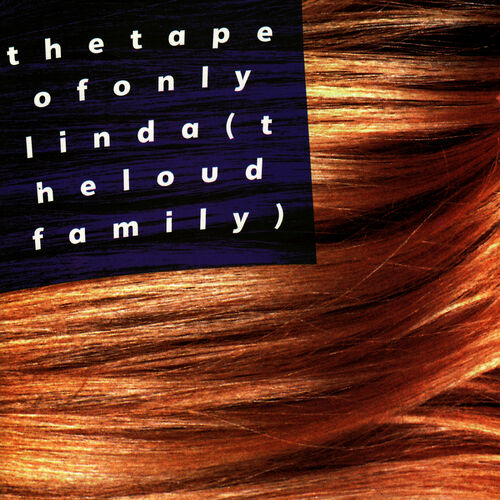
10. The Loud Family, The Tape Of Only Linda (1994): Okay, now I get why Aimee Mann liked Scott Miller enough to make an (unreleased) LP with him. This proves he did have a tight ten-track pop record in him; not that it would ever cross over like even Mann occasionally could.

11. Leonard Cohen, Recent Songs (1979): His only pre-2000 LP I hadn’t heard; coming off his Phil Spector disaster, it’s a model of restraint and consequently a tad boring until the Mariachi horns appear and one can safely resume questioning whether he’s being serious or not.

12. Yo La Tengo, This Stupid World (2023): Could be titled Death, Taxes and Yo La Tengo for all the consistency/dependability it emits. Not much stands out but everything coheres and gently sparkles like a vast starry night. Easy to take them for granted, so listen closely.

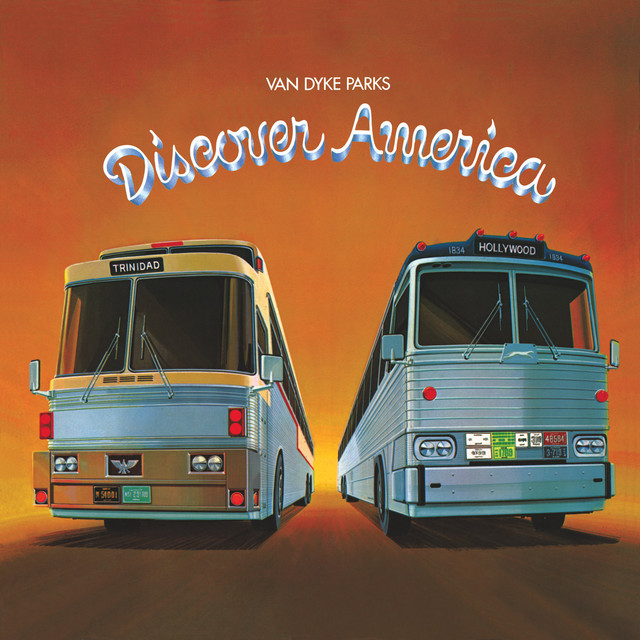
13. Van Dyke Parks, Discover America (1972): One of my more delightful first listens in months. Public domain tunes with a little whimsy, a lot of personality and as usual with Parks, ingenuous arrangements, anticipating those he’d compose with Nilsson for Altman’s Popeye.

14. Various Artists, One Kiss Can Lead To Another (2005): I thought this 52-minute digital distillation of an out-of-print, vintage girl group box set would be sufficient but now I wish I had access to the whole thing. An underrated genre from a not-so-innocent era, really.

15. FKA Twigs, MAGDALENE (2019): Obvious comparisons aside, I can’t get a handle on who she is which I suppose is the point. Acting unknowable can run the risk of obscurity but the production’s so striking it serves partially as a way in rather than just fancy window dressing.

16. Caroline Polachek, Desire, I Want To Turn Into You (2023): Likening her to Dido didn’t occur to me until she popped up on “Fly To You”; actually, this is near-worthy of early, edgier Sarah McLachlan, buffed and shined to a cool gleam other guest Grimes should aspire to.

17. Tennis, Pollen (2023): This couple/duo has raised “staying in one’s lane” to an art form but such interchangeability works when there’s consistency and ample hooks. Might sound better over retail loudspeakers than headphones but that comes down to one’s own preference.

18. Curtis Mayfield, Super Fly (1972): The joy in doing this exercise is to find a classic record you can’t believe you’ve never heard before. I don’t need to tell the world how sublime and definitive this soundtrack is, only to give it another chance if you’re unconvinced.

19. The Teardrop Explodes, Kilimanjaro (1980): On the basis of some of Cope’s solo work, not as wild and surely poppier than contemporaries such as Echo and The Bunnymen or The Soft Boys. Sirius XM’s “First Wave” could stand to play them (and so many other artists) more often.

20. The Upsetters, Blackboard Jungle Dub (1973): Knowing very little about dub reggae, this was exactly what I expected until it quoted both “Pop Goes The Weasel” and “Tijuana Taxi” in the same track. Such mischief broke up the repetition but was it more than just a goof?

21. Tame Impala, “Lonerism” (2012): The real test of a supposed stoner-friendly album is how well it holds up when listened to while sober. Even when favoring texture over melody, this makes the grade, though as a one-man band he might be better off revering Eno than Rundgren.

22. Life Without Buildings, Any Other City (2001): I spent years looking for this in used CD stores based on hype and hearsay; while it lives up to its postpunk-with-quirky-spoken-vocals description, not even that prepared me for Sue Tompkins’ cadences and fizzy demeanor.

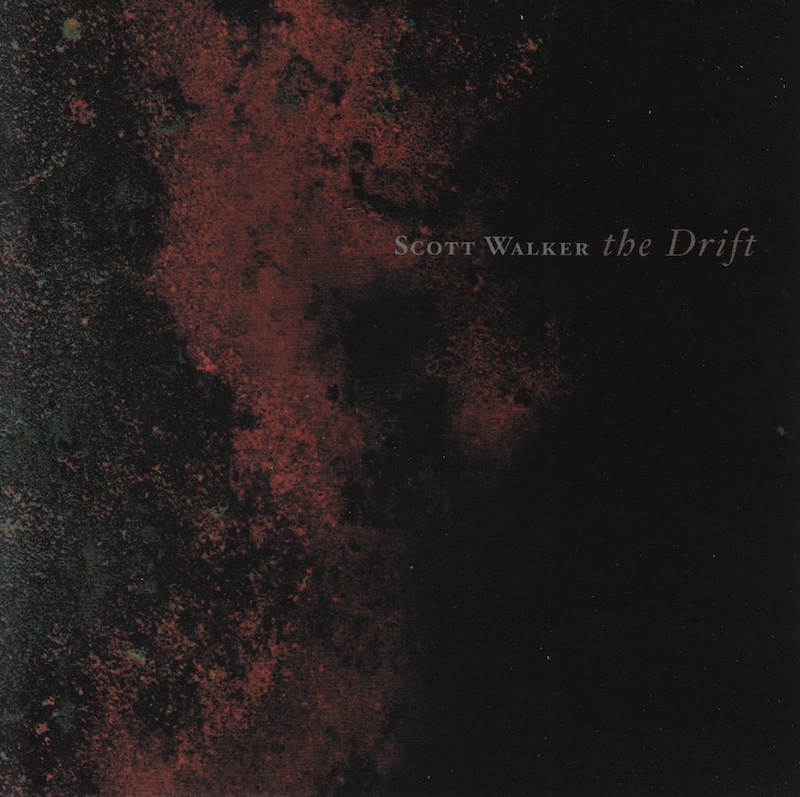
23. Scott Walker, The Drift (2006): Sure, I prefer Walker’s more accessible earlier work, but there’s enough of it and this is purposely something else, pushing beyond accepted parameters of song structure toward a sound that’s compelling and confounding in equal measure.

24. Al Stewart, Past, Present and Future (1973): Of course he’s so much more than his two big hits even if those wistful, mealy vocals all but define him. Unlike fellow 70s art-poppers Supertramp, his wispy Anglo-quirk endures because he leans closer to folk-rock than prog.

25. Phish, The Story of The Ghost (1998): Got off the bus just prior to this one and I might’ve liked it more back then. Same issues as usual with them: heartfelt but patchy (and dorky), dexterous but diminished by studio confinement, insular despite all the genre-blending.

26. U.S. Girls, Bless This Mess (2023): “Fonky” as opposed to funky. Emulates Steely Dan, quotes from Jimi Hendrix and sounds like Daft Punk. Best songs are about monkey suits and the color spectrum. Increasingly slick and exceedingly weird (and enough to hold my attention.)

27. Destroyer, Trouble In Dreams (2008): Barely hints at the big pivot Bejar would make three years later on Kaputt but I’ll give him this: over time, I’ve pivoted from him as that guy w/the annoying voice in The New Pornographers to someone incapable of making a bad record.

28. Robert Wyatt, Shleep (1997): Tuneful and dissonant (often simultaneously), he seems as versed in and enticed by classic rock tropes as with free-floating, sing-song poetic improvisation. Challenging but rarely boring, not one second of it feels wasted or redundant.

Favorite Albums of Every Year Since 1975

Years ago, possibly even before I began my 100 Albums project, I participated in a then-popular meme where one would pick their favorite albums of each year since birth. Now that I’ve recently completed another trip around the sun, here is an update along with links to all the albums I wrote about in that project and elsewhere. Not too many changes, although Grace Jones’ Nightclubbing is one of my best discoveries in the past decade (checked it out after reading her memoir, I’ll Never Write My Memoirs which quotes the album track “Art Groupie”); other records such as Bad GirlsPurple Rain and Cosmic Thing continue to grow in my estimation and endure, even if I didn’t originally include them among my 100 favorite albums:

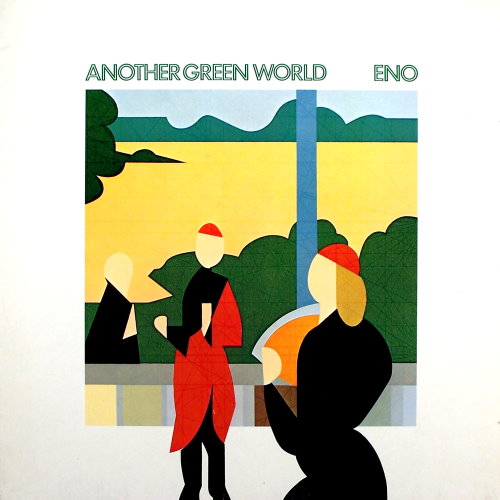
1975: Brian Eno, Another Green World

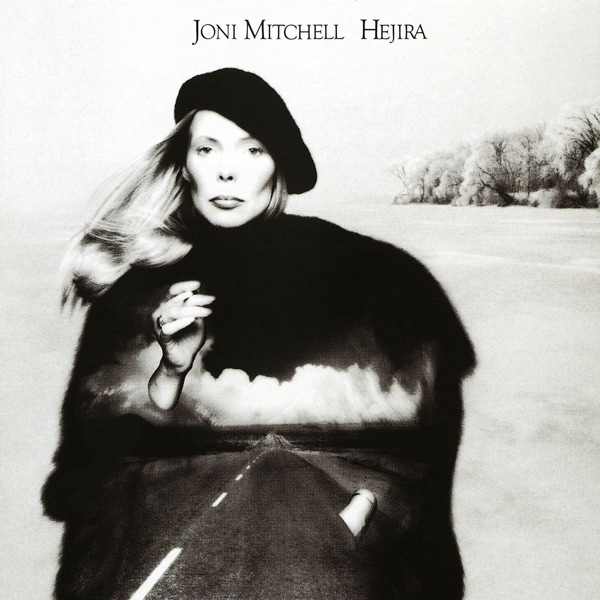
1976: Joni Mitchell, Hejira

1977: Brian Eno, Before and After Science

1978: Blondie, Parallel Lines

1979: Donna Summer, Bad Girls

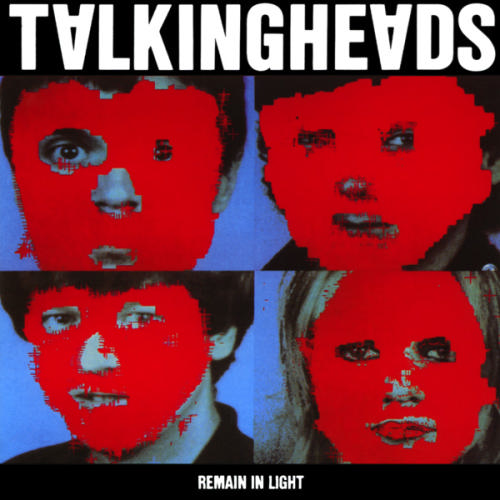
1980: Talking Heads, Remain In Light

1981: Grace Jones, Nightclubbing

1982: Kate Bush, The Dreaming

1983: Violent Femmes, Violent Femmes

1984: Prince and the Revolution, Purple Rain

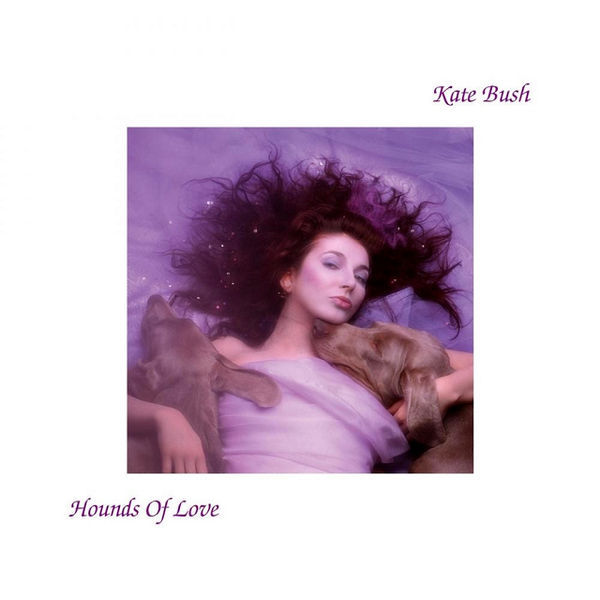
1985: Kate Bush, Hounds of Love

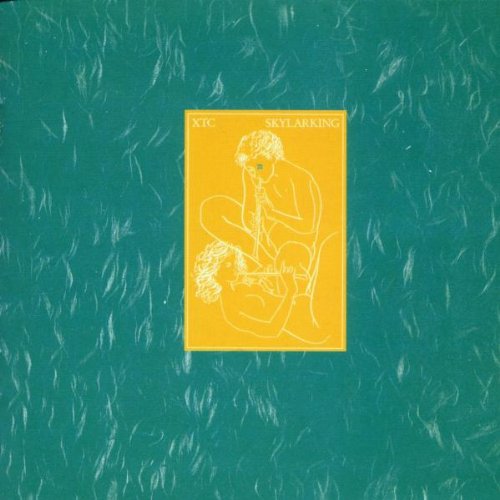
1986: XTC, Skylarking

1987: Prince, Sign O’ The Times

1988: The Go-Betweens, 16 Lovers Lane

1989: The B-52’s, Cosmic Thing

1990: Concrete Blonde, Bloodletting

1991: Seal, Seal

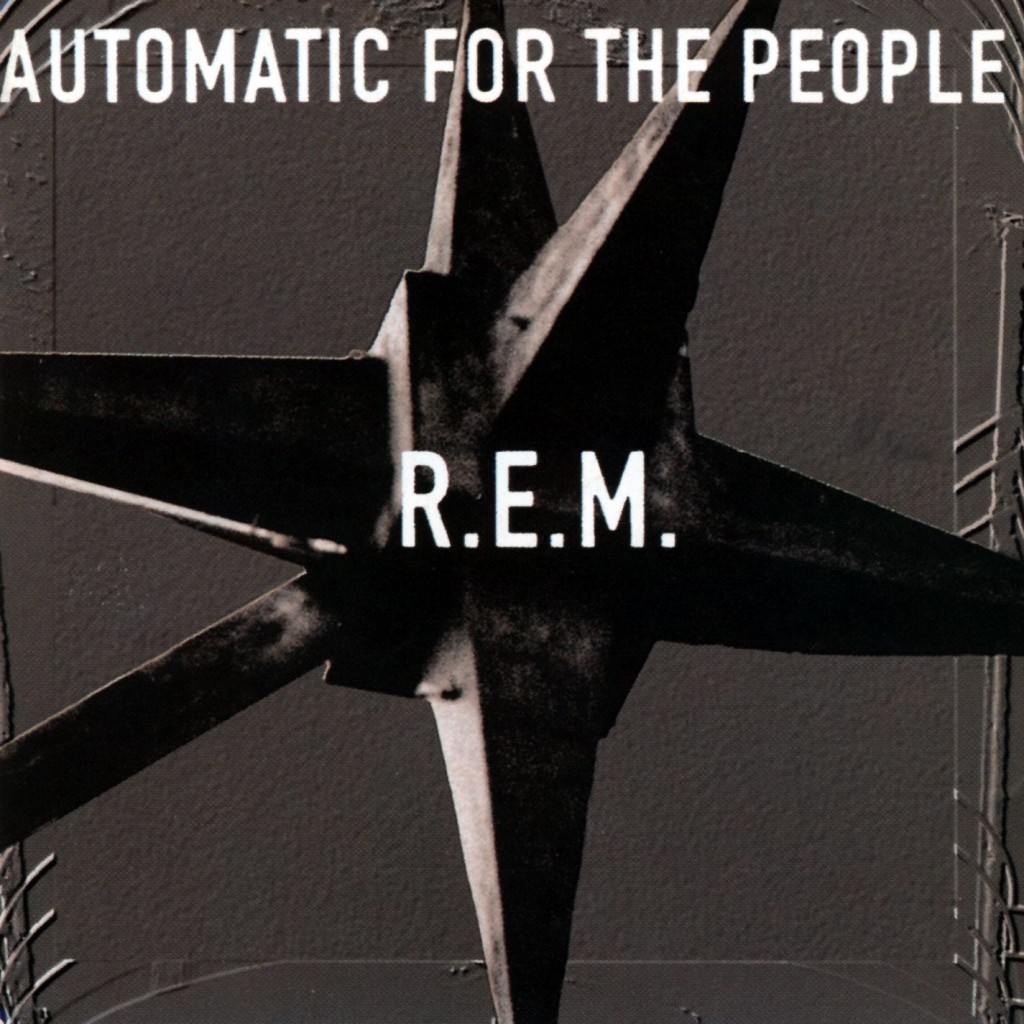
1992: R.E.M., Automatic For The People

1993: Pet Shop Boys, Very

1994: Everything But The Girl, Amplified Heart

1995: Pizzicato Five, The Sound of Music By Pizzicato Five

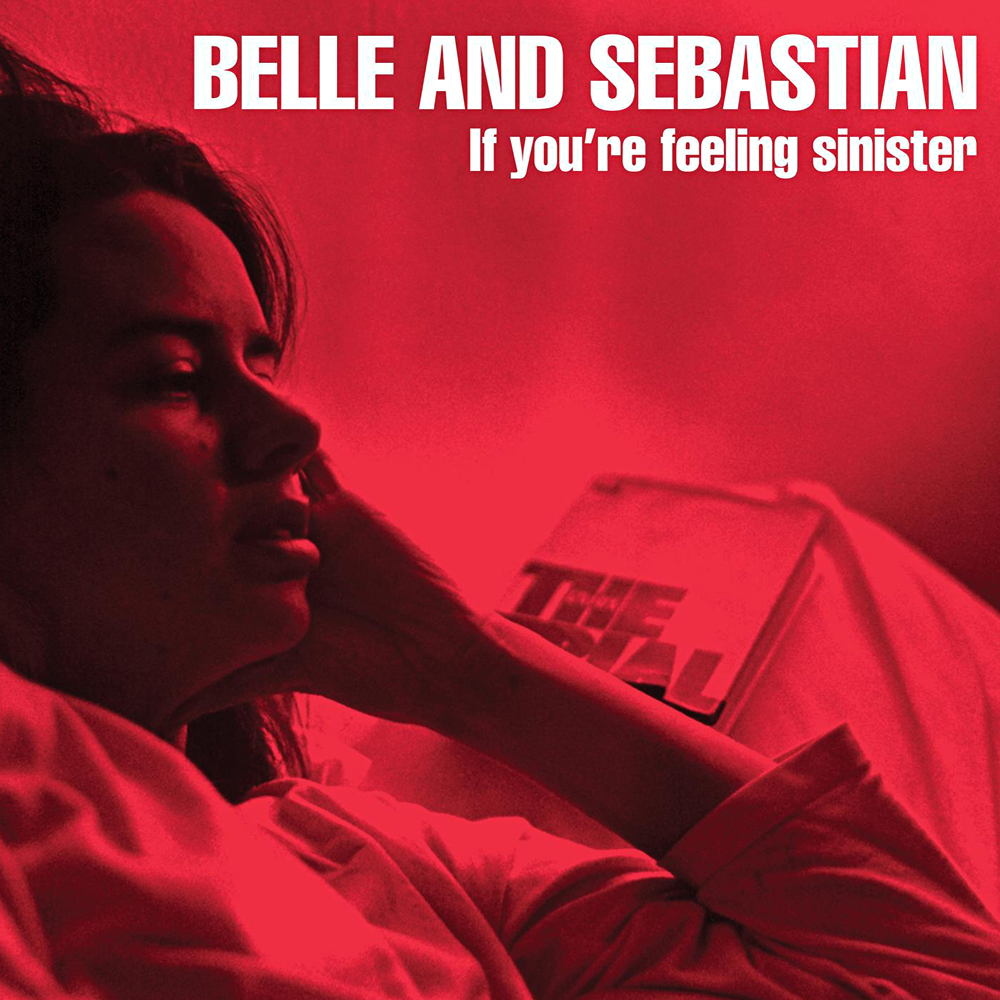
1996: Belle and Sebastian, If You’re Feeling Sinister

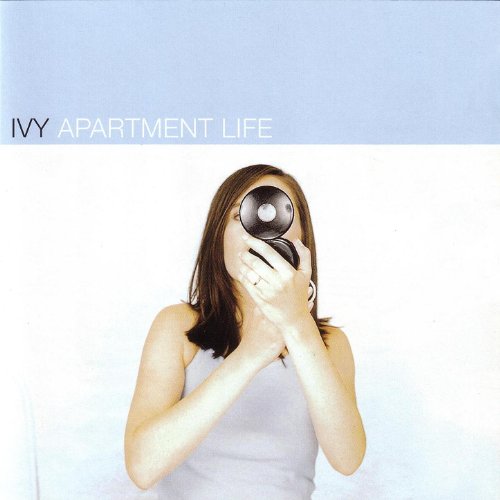
1997: Ivy, Apartment Life

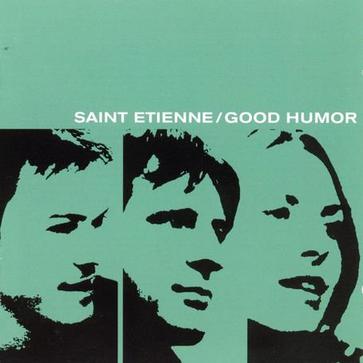
1998: Saint Etienne, Good Humor / Fairfax High

1999: The Magnetic Fields, 69 Love Songs

2000: The Avalanches, Since I Left You

2001: Sam Phillips, Fan Dance

2002: Stew, The Naked Dutch Painter (…and Other Songs)

2003: Calexico, Feast of Wire

2004: Kings of Convenience, Riot On An Empty Street

2005: Saint Etienne, Tales From Turnpike House

2006: Charlotte Gainsbourg, 5:55

2007: Imperial Teen, The Hair, The TV, The Baby and The Band

2008: Sam Phillips, Don’t Do Anything

2009: Florence + The Machine, Lungs

2010: Laura Marling, I Speak Because I Can

2011: Emm Gryner, Northern Gospel

2012: Jens Lekman, I Know What Love Isn’t

2013: Daft Punk, Random Access Memories

2014: Future Islands, Singles

2015: Roisin Murphy, Hairless Toys

2016: The Radio Dept., Running Out of Love

2017: Saint Etienne, Home Counties

2018: Tracy Thorn, Record

2019: Andrew Bird, My Finest Work Yet

2020: Jessie Ware, What’s Your Pleasure?

2021: Aimee Mann, Queens of the Summer Hotel

2022: Beth Orton, Weather Alive

Favorite Directors

Most years, my film group conducts a poll amongst its members. In the past, we’ve determined our all-time favorite films of a particular genre (horror, documentary, animation) or other categorical distinction (remakes and sequels, foreign language, black-and-white.) For the first time, this year’s list is centered on people rather than films. One would think it a breeze to curate a list of just 25 or 50 directors; my original long list ended up past the 150-mark. We were allowed to include up to 100, which is what my ballot below has. The first 30 or so are the most important; the placement of almost anyone beneath is a little more arbitrary.

In curating my list, I thought about whom I’d most like to see on the group’s list which is chiefly why Agnes Varda ended up at #3 – French, female, equally adept at documentary and fiction, she’s the sort of revered talent (that might not necessarily be a household name) that the group was created to promote and highlight. I also wanted to talk up my favorite LGBT directors which accounts for half of my top ten. My first draft placed the ever-dependable, ever-unique Tsai Ming-liang at top but in the end, I couldn’t deny giving it to the artist I wrote my Master’s thesis in Film Studies on.

The thing with all-time-best-of lists is that they could credibly go on for days. What favorite filmmakers of yours missing from the 100 below would you have included?

  1. Derek Jarman
  2. Tsai Ming-liang
  3. Agnes Varda
  4. Paul Thomas Anderson
  5. Wes Anderson
  6. Robert Altman
  7. Apichatpong Weerasethakul
  8. David Lynch
  9. Todd Haynes
  10. Pedro Almodovar
  11. Michael Powell
  12. Guy Maddin
  13. Mike Leigh
  14. Atom Egoyan
  15. Claire Denis
  16. Hirokazu Kore-eda
  17. Sarah Polley
  18. Yasujiro Ozu
  19. Terence Davies
  20. Celine Sciamma
  21. Wong Kar-wai
  22. Rainer Werner Fassbinder
  23. Alfonso Cuaron
  24. Richard Linklater
  25. John Cassavetes
  26. Jane Campion
  27. Martin Scorsese
  28. Chris Marker
  29. Kelly Reichardt
  30. Zhang Yimou
  31. Joanna Hogg
  32. Andrey Zvyagintsev
  33. Jonathan Demme
  34. Werner Herzog
  35. Bob Fosse
  36. Abbas Kiarostami
  37. Andrea Arnold
  38. Spike Lee
  39. Jacques Tati
  40. Bong Joon-ho
  41. Edward Yang
  42. Joel Coen
  43. Andrei Tarkovsky
  44. Douglas Sirk
  45. Jean-Pierre Melville
  46. Hou Hsaio-hsien
  47. Michael Haneke
  48. Maya Deren
  49. Hayao Miyazaki
  50. Orson Welles
  51. Albert Maysles
  52. Jean-Luc Godard
  53. Michelangelo Antonioni
  54. Jim Jarmusch
  55. Kogonada
  56. Andrew Haigh
  57. Lee Chang-dong
  58. John Waters
  59. Jafar Panahi
  60. Buster Keaton
  61. Frederick Wiseman
  62. F.W. Murnau
  63. Nicholas Ray
  64. Sofia Coppola
  65. Joachim Trier
  66. Alfred Hitchcock
  67. Jean Renoir
  68. Ingmar Bergman
  69. Yorgos Lanthimos
  70. Krzysztof Kieslowski
  71. Whit Stillman
  72. Wiebke von Carolsfeld
  73. Xavier Dolan
  74. Fernando Eimbcke
  75. Marielle Heller
  76. Olivier Assayas
  77. Jia Zhangke
  78. Andrew Bujalski
  79. Josh and Benny Safdie
  80. Peter Strickland
  81. Lynne Ramsay
  82. Miranda July
  83. Roy Andersson
  84. Woody Allen
  85. Francis Ford Coppola
  86. Alexander Payne
  87. Leos Carax
  88. Robert Bresson
  89. Francois Truffaut
  90. Debra Granik
  91. Satoshi Kon
  92. Greta Gerwig
  93. Billy Wilder
  94. Preston Sturges
  95. David Cronenberg
  96. Ernst Lubitsch
  97. Stanley Kubrick
  98. Nicole Holofcener
  99. Howard Hawks
  100. Nuri Bilge Ceylan

Sight and Sound 2022: My (fake) Ballot

The Long Day Closes

It’s nearly time for British film magazine Sight and Sound to publish their once-every-decade critic’s poll of all-time greatest films. Ten years ago, I presented my own hypothetical ballot; for this latest edition, here’s another one with ten different films. My only criteria was to not repeat anything from my 24 Frames project—a relatively easy task because there is an almost overwhelming amount of movies to pick from for a list like this.

In chronological order:

THE PASSION OF JOAN OF ARC (Director: Carl Dreyer, France, 1928)

My silent-era pick. Wholly radical when it was made, it still feels as such today—I can’t name another film that utilizes faces and close-ups with such candor. As with SUNRISE: A SONG OF TWO HUMANS, I remain uncertain whether an alternate universe where the invention of sync sound was decades away would’ve been a good thing, but this film’s rare achievement makes me wonder.

THE SHOP AROUND THE CORNER (Ernst Lubitsch, USA, 1940)

This is the oft-described “Lubitsch Touch” at its most graceful and lithe. The epiphanous, empathetic last twenty minutes or so is what all romances, comedies and rom-coms should aspire to; Stewart (in arguably his most complex performance until VERTIGO) puts it best: “You know, people seldom go to the trouble of scratching the surface of things to find the inner truth.”

A MATTER OF LIFE AND DEATH (Michael Powell and Emeric Pressburger, UK, 1946)

I could’ve gone with any one of this duo’s efforts from this period; this has the most innovative use of switching back and forth between black-and-white and glorious color (even more so than THE WIZARD OF OZ). Still, as with the best of Powell and Pressburger, the technical spectacle is always in service of a fable full of heart and substance.

THE APARTMENT (Billy Wilder, USA, 1960)

I didn’t appreciate this when I first tried watching it in my twenties, but I fully get it now (being a major influence on MAD MEN helps.) No other filmmaker besides Billy Wilder ever achieved such a tricky balance of humor and melancholia as he did here. Also, how in the world did a rarely-better Shirley MacLaine lose the Academy Award for Lead Actress to Liz Taylor???

BRING ME THE HEAD OF ALFREDO GARCIA (Sam Peckinpah, Mexico/USA, 1974)

I first saw this neglected classic five years ago at a screening in conjunction with Charles Taylor’s indispensable book on ‘70s genre cinema, OPENING WEDNESDAY AT A THEATER OR DRIVE-IN NEAR YOU and fell for it instantly: Peckinpah’s scabrous take on the human condition feels entirely undiluted and yet so… humane. Warren Oates very well may also be the original anti-hero (or at least the template for those of modern prestige-TV.)

LOVE STREAMS (John Cassavetes, USA, 1984)

Cassavetes’ final film is almost a beautiful mess, and one by design. Knowing he had not much longer left to live, he made something people might’ve deemed elegiac if his philosophy would’ve allowed for such sentimentality (it mostly did not.) To put so much of oneself onscreen warts and all was his specialty whether in the guise of his ensemble players (including wife Gena Rowlands) or, in this case, himself; arguably, no one did so with more blistering honesty.

THE LONG DAY CLOSES (Terence Davies, UK, 1992)

Davies’ personal, idiosyncratic style refashions memories as a stream-of-consciousness rush, although perhaps rush is the wrong word for a film that lovingly takes its time. The rare period piece to revel in nostalgia without letting it obscure the mundaneness of everyday life, it’s also pure poetry in how it orchestrates all of its cinematic elements, especially its bold use of light and darkness.

IN THE MOOD FOR LOVE (Wong Kar-wai, Hong Kong, 2000)

Last year, I rewatched all of Wong’s films included in the new Criterion Collection box set and this one’s still his best. A deceptively simple tale of a romance that’s never acted upon, it sounds like the stuff of a prime Douglas Sirk melodrama. Instead, it plays out with such nuance and restraint that it achieves an almost unbearable intimacy, leaving the viewer both swooned and devastated.

35 SHOTS OF RUM (Claire Denis, France, 2008)

I included another Denis film on my 2012 ballot; here’s one nearly its equal. Less formally adventurous, this account of a single father and his adult daughter communicates less through words than glances and evocative stylistic choices such as hypnotic point-of-view shots taken from commuter trains in motion. Also, what a sublime soundtrack, not only for the Tindersticks score but also its unexpected use of a certain Commodores song.

PARASITE (Bong Joon-ho, South Korea, 2019)

Haven’t rewatched this since right before the pandemic, but I imagine it holds up brilliantly—so well-constructed, you believe every facet of it even as it threatens to spiral out of control. As usual with Bong, it’s tough to classify or define: is it a class-conscious satire, a race-against-the-clock thriller or a revenge-driven horror film? Bong seems to be asking, “Why not all of these things, and simultaneously at that?”

300 Songs

When this blog reached its 250th post a little over a year ago, I put together a list of 250 films that I love. Likewise, for post #300, here’s a Spotify playlist of 300 songs I’ll rarely skip over whenever they appear on shuffle or the radio. Obviously, this has more than a few selections you’ll likely never hear on the radio, from the inspired lunacy of Adriano Celentano and Esquivel to relatively obscure artists like Tompaulin, Komeda and Os Mutantes. Conversely, many artists here are known and beloved by millions (Oasis, Fleetwood Mac, The Smiths, Ella Fitzgerald) while others retain devoted cult followings without ever having fully broken into the mainstream (Calexico, Jose Gonzalez, Morcheeba, Saint Etienne.)

As with 250 Films, this is by no means a definitive list of my favorite 300 songs, although tracks from nearly half of my 100 favorite albums are represented. Unlike most of my annual playlists, this one is meant to be listened to on shuffle. Pick a song you love or one that you haven’t heard but sounds intriguing to you and dive right in.