In addition to TIFF and the first weekend of Fall Focus, I’ve managed to catch ten more new movies since the start of September (more than that, actually! Expect another set of these before year’s end). Here they are in descending order of preference as usual.
Fjord
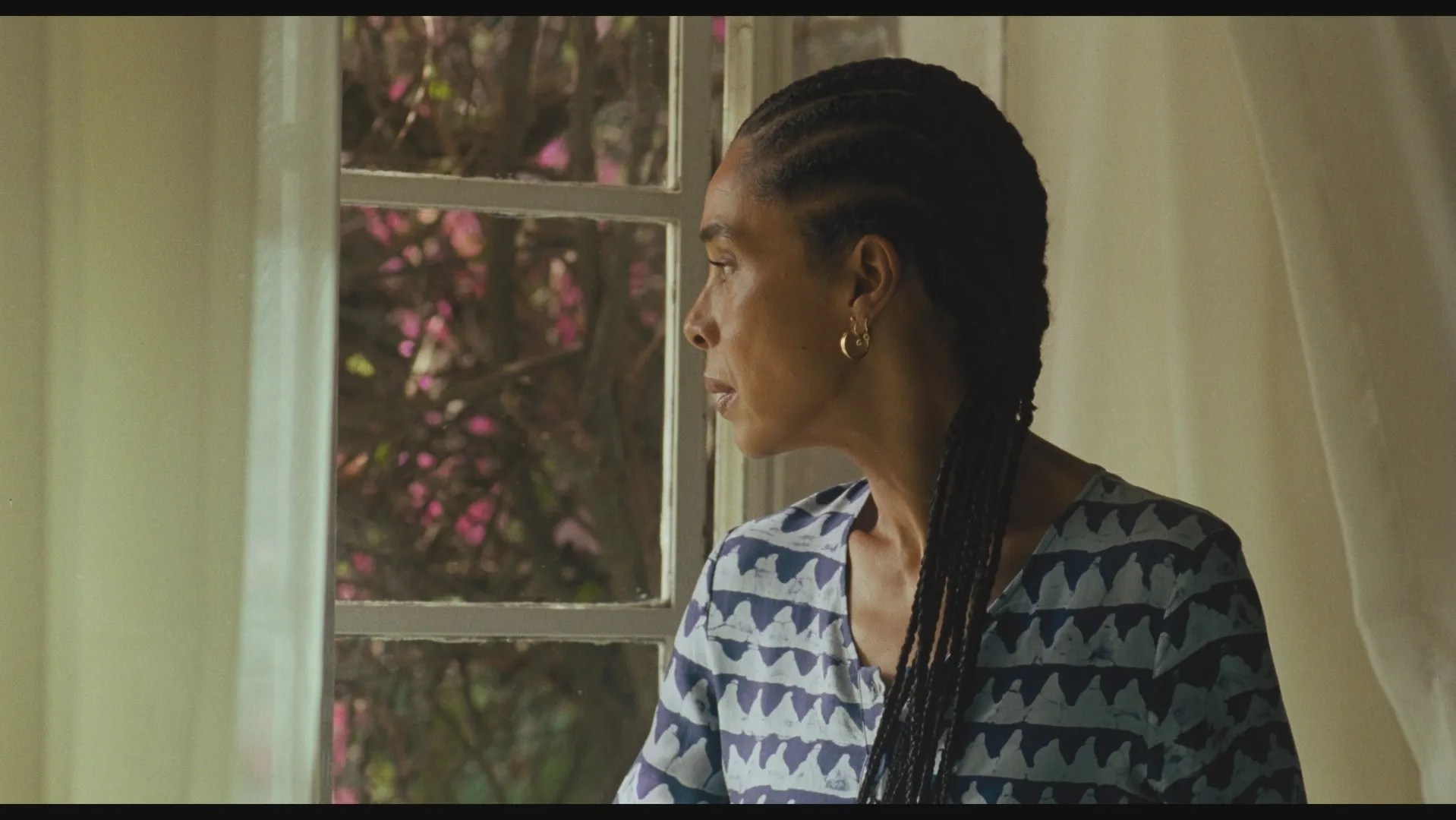
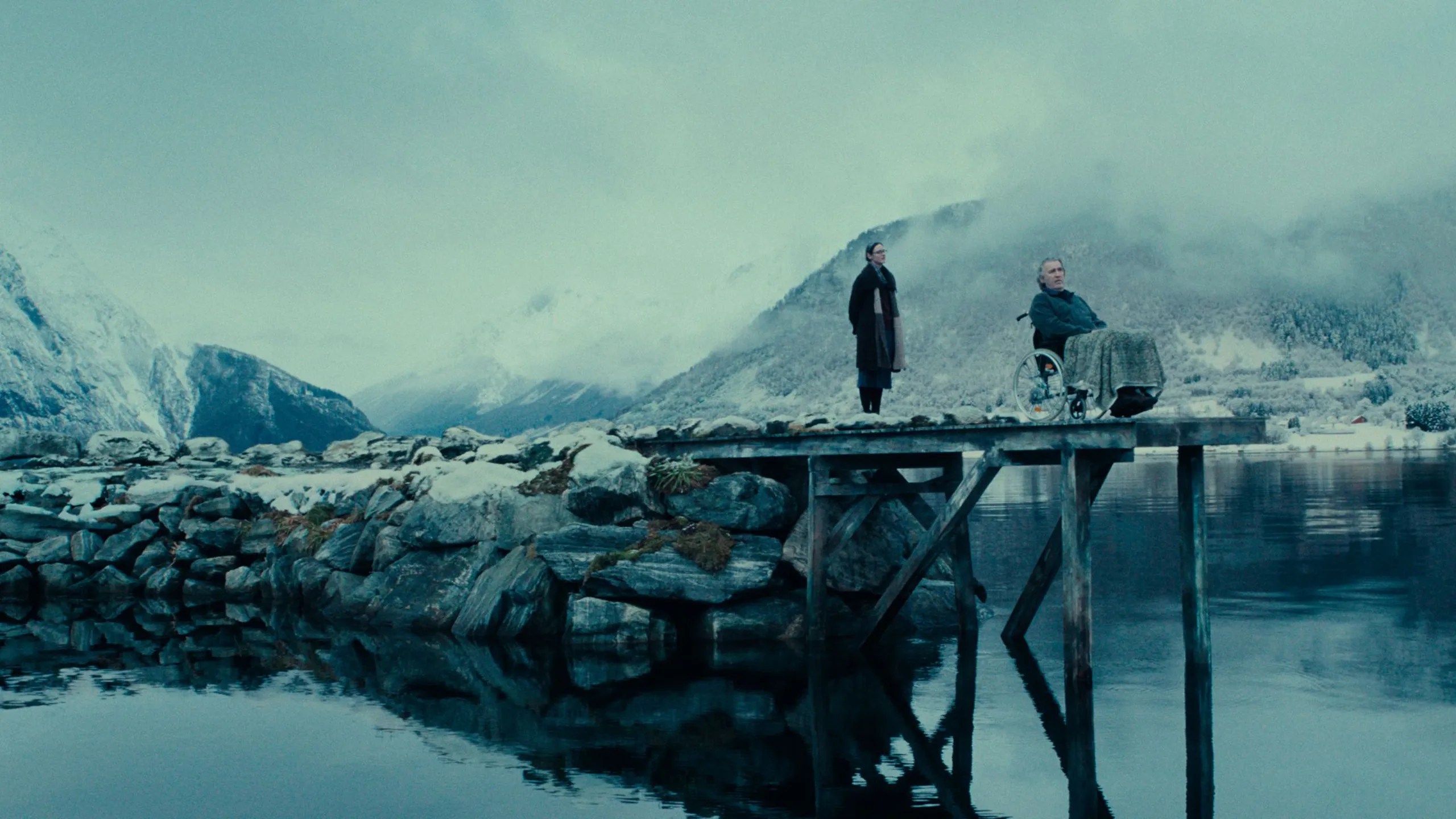
In the hands of a lesser director than Cristian Mungiu, this Palme d’Or winner could’ve ended up didactic or one-sided (and some viewers find it so.) To my relief, his aim is actually to spark communication, conversation, and the notion that the world is larger than our backdoor. Disappearing into their characters, Sebastian Stan and Renate Reinsve both deliver some of their best work-to-date.
The History of Concrete
As you’d expect from the forever inquisitive John Wilson, it’s about so much more than concrete, but also, it’s about concrete. This aptly passes the test where it doesn’t simply feel like three episodes of his old show stitched together but another even-more-sustained essay on the absurdity of humanity. Long Live Termite Art!
Teenage Sex and Death at Camp Miasma
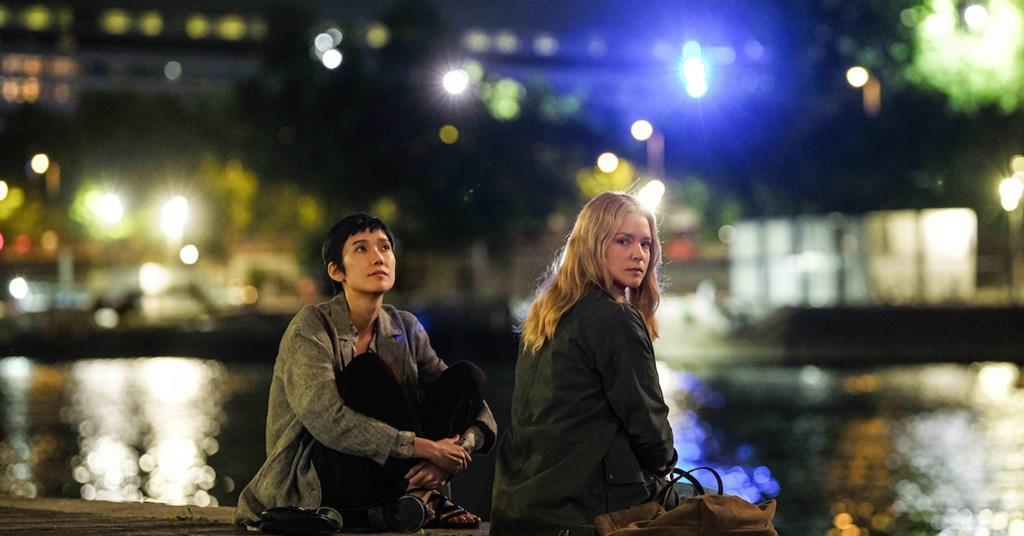
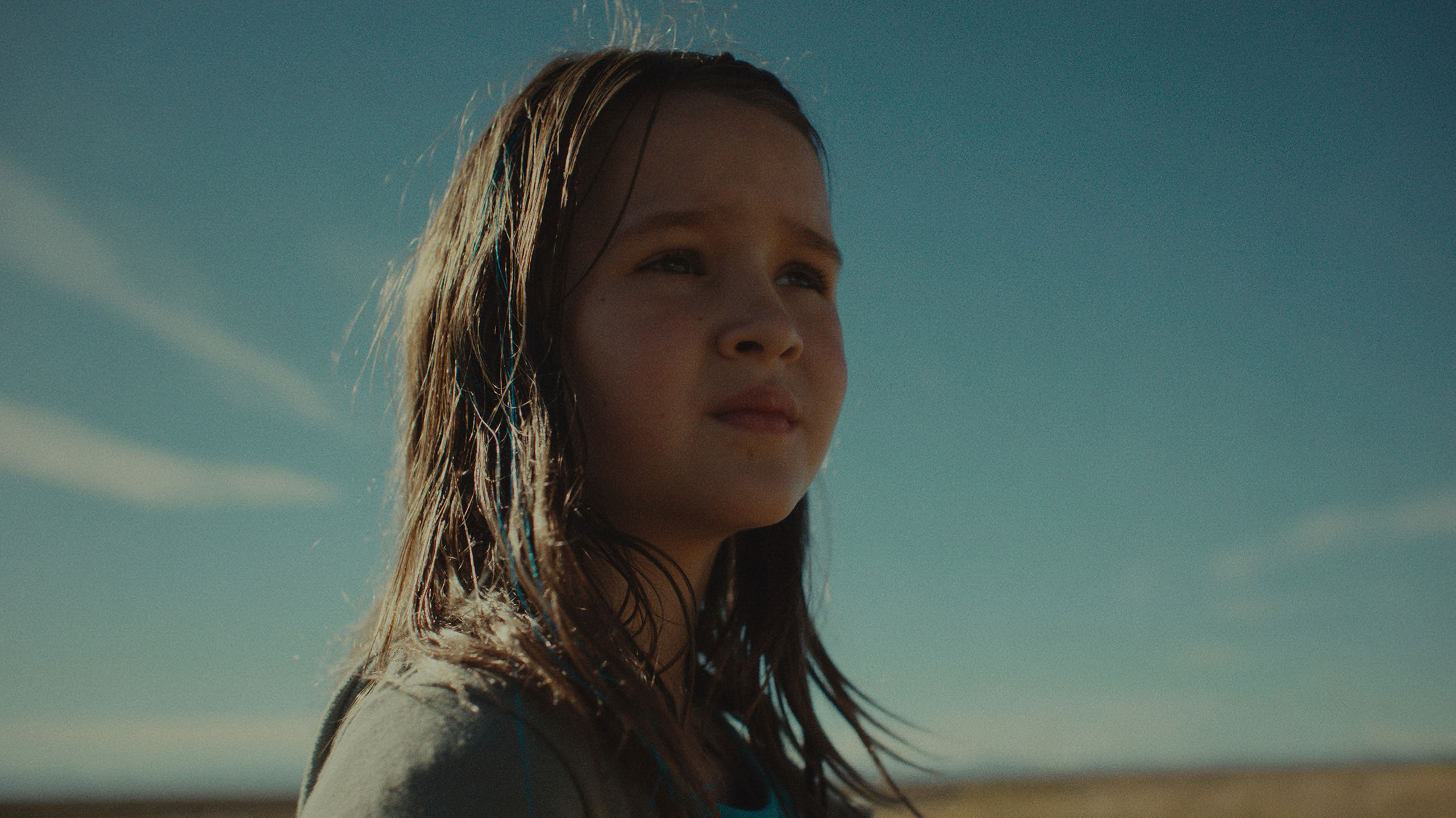
Both intrigued and perplexed by Jane Shoenbrun’s first two features, this third one takes the Rocky Horror adage, “Don’t dream it, be it” to heart in the best possible ways. It feels more like an opening than the previous films’ sealed-off worlds. I still balk at some of their choices (Counting Crows?) but the idea of becoming the best version of yourself is suffused with more joy than pain—an encouraging development.
Miroirs No. 3
Christian Petzold’s latest is far more fascinating on this rewatch: one knowing what the family knows but what Laura (Paula Beers) does not changes the film from a puzzle to a disturbing and at times darkly humorous psychological study of concealment and working through one’s grief via ethically dubious (if somewhat therapeutic) means.
Who Is Martin Mull?
Post-Gene Parmesan, I felt comedian/musician/painter/actor/weirdo Mull and his unique talent was in danger of being forgotten but this lovingly assembled portrait passionately argues that this was never an issue. His relationship with Wendy Haas was what the kids call Couples Goals.
Coyote vs. Acme
It’s no Who Framed Roger Rabbit but it makes the most of its live action/cartoon hybrid, the human casting is divine (droopy Martha Kelly a no-brainer in this universe) and it exhumes the spirit of classic Looney Tunes far better than any other post-1970 product (should probably see Back In Action though to confirm.)
The Christophers
Steven Soderbergh continues to do fine if inessential work (post-retirement, ha!) but this art-forgery tale remains a star vehicle for Ian McKellan (don’t take him for granted, he’s getting pretty old!) and Michaela Coel (perhaps her best film work so far although her performance doesn’t fully come alive until the second half.)
Paying For It
Often plays like an indie film from the time period it’s set in (low-budget, late 90s/early 00s shot-in-Toronto) and that’s a compliment. Someone given filmmaker Sook-Yin Lee some of that Shoenbrun money.
Jimpa
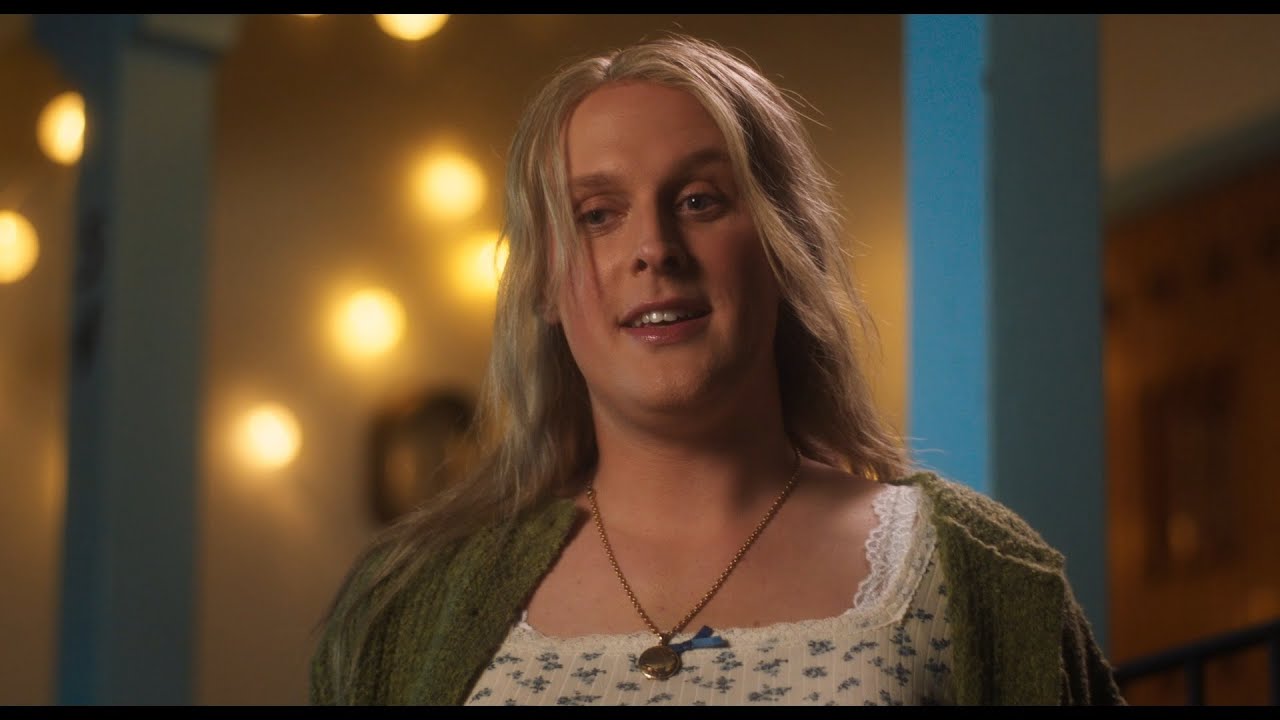
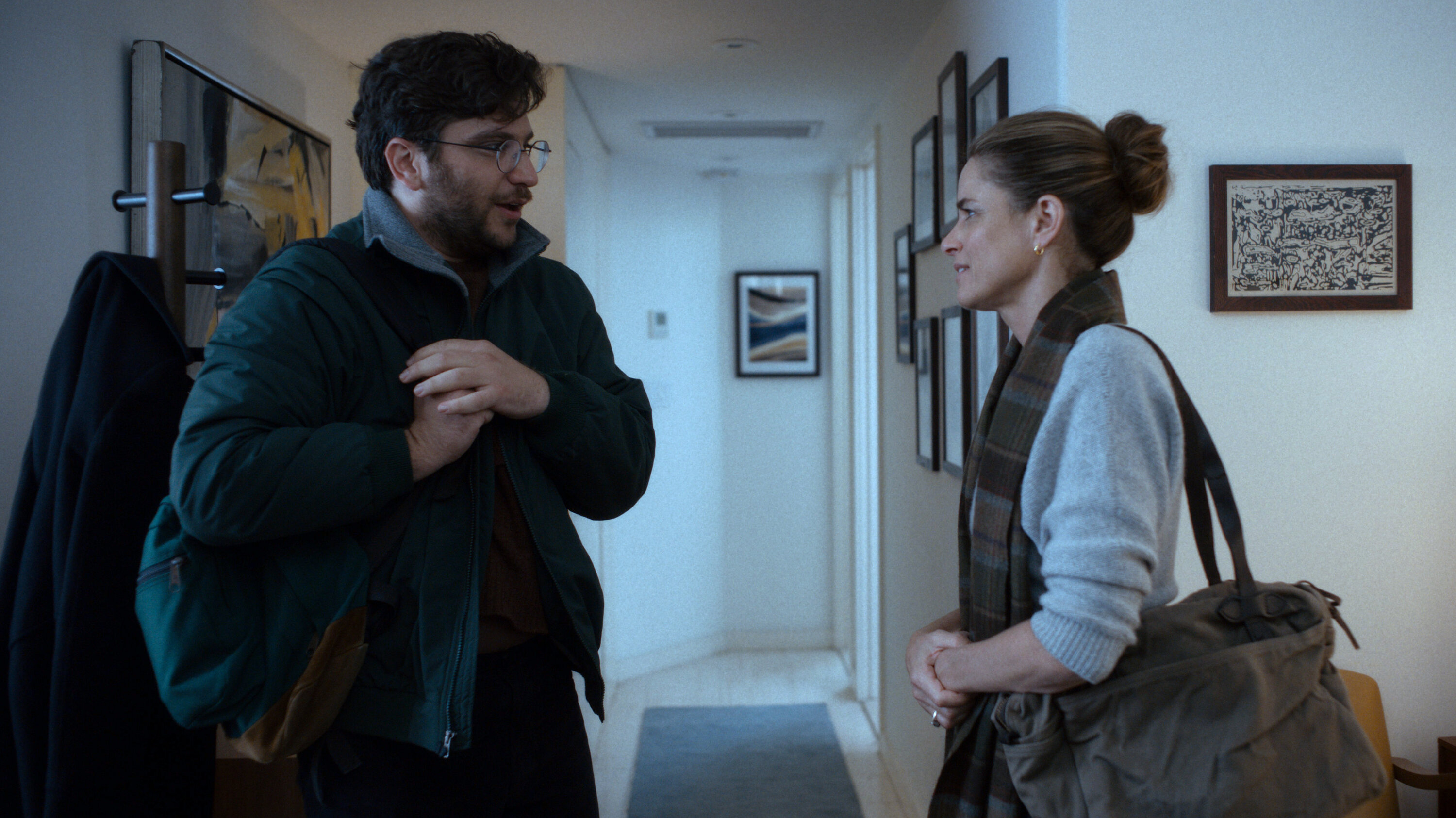
One can’t ask for better anchors than Olivia Colman and John Lithgow (enjoy him now before he gets swept up in the unnecessary Harry Potter extension) and Aud Mason-Hyde is a find, nepo-baby or not. Heart’s in the right place, but it’s a bit overstuffed, which was not a problem for the enviably concise Good Luck to You, Leo Grande.
La Bola Negra
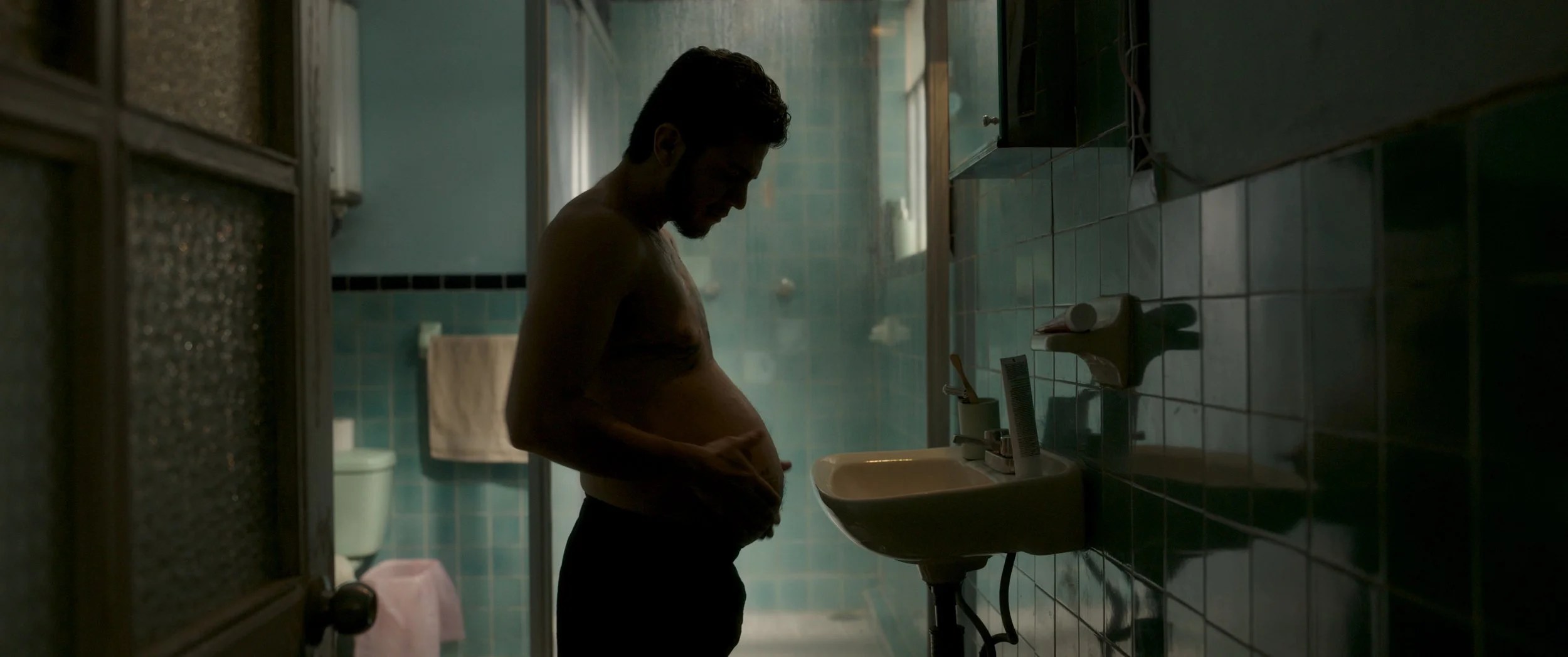
Impressed by its visceral sweep, much less so by its sentimental pull. Good old-fashioned awards bait any way you slice or redress it but I’ve seen so many new movies more deserving of such attention. Penelope Cruz’s all too brief appearance suggests a lustier, more encouragingly vulgar film.