TIFF 2026: Day 2

My second day at TIFF consisted of my favorite and least favorite films of the festival!

I AM MARIO

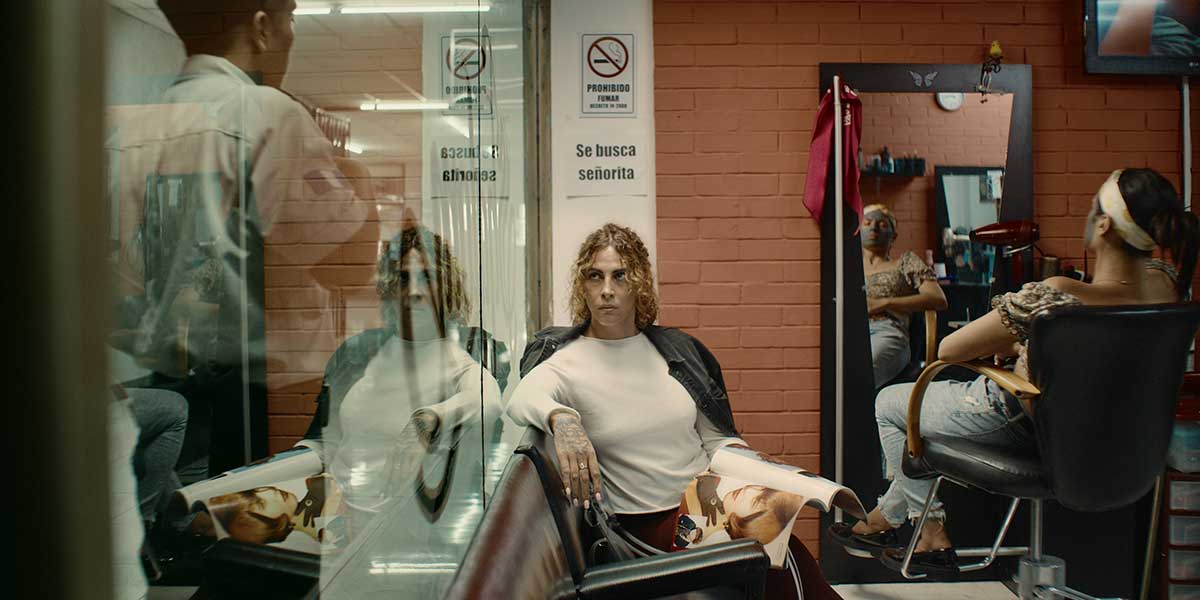
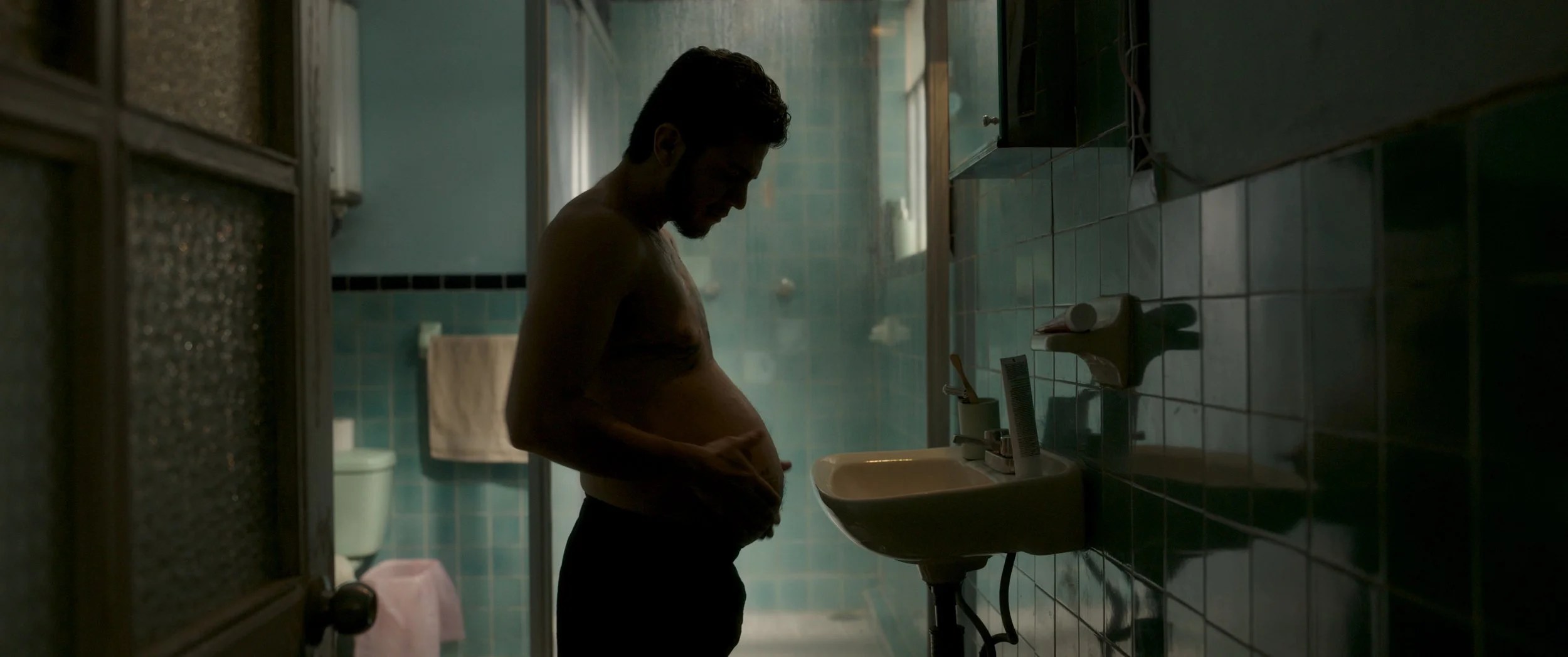
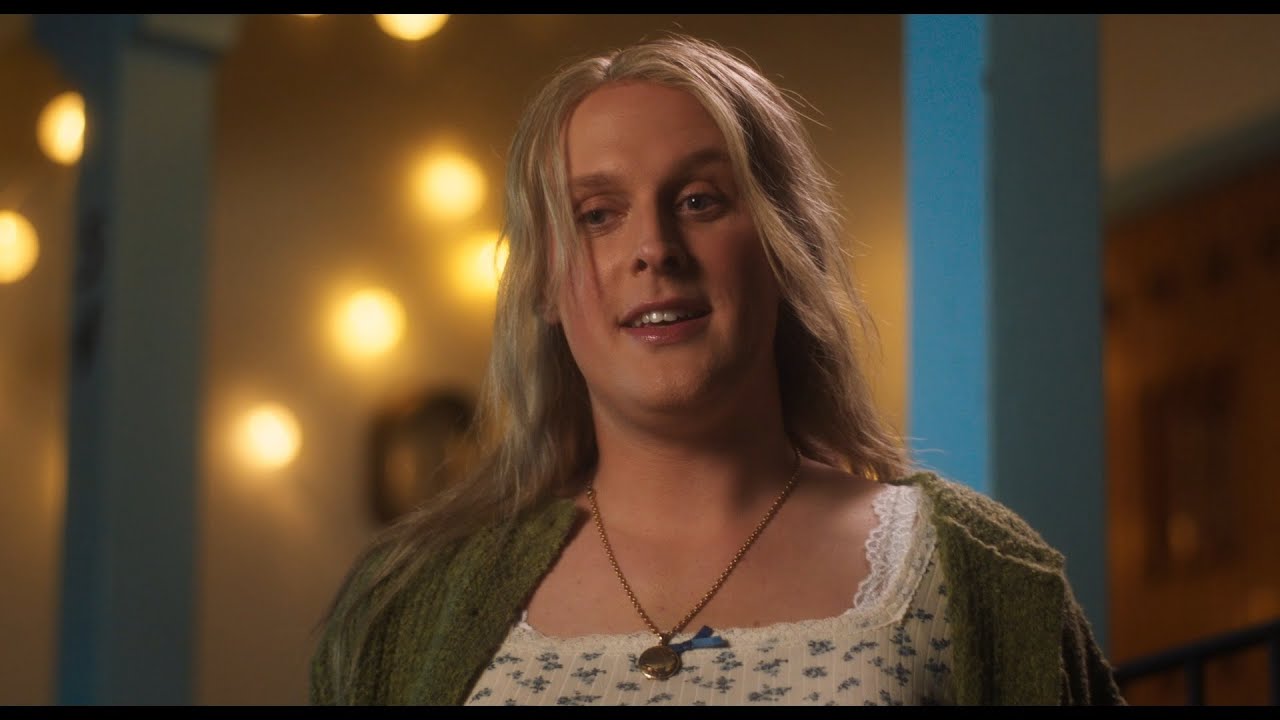
“Trans man becomes pregnant” sounds like a tabloid headline on the page but for a film high-concept enough for this corker of a one-line premise, the potentially risky I Am Mario turns out to be an unexpectedly tender and nuanced character study. It was easily my biggest surprise at this year’s TIFF.

To understand such a premise, one has to establish that Mario (Oustin León) is in the middle of his transition when this occurs. A Mexico City cabdriver already masculine enough to pass, he’s been going through hormonal treatments but had to temporarily pause them (and put off gender-reassignment surgery) due to medical complications. Following a tryst with a male co-worker shot ambiguously enough to question whether the act was entirely consensual, Mario discovers he’s pregnant; his reaction is suitably conflicted as he does want to have children, just not in this way. Further complicating matters is Jessica (Ruth Ramos), a spirited taxi customer-turned-lover who accepts him being trans but has no interest in becoming a mother (this early in his pregnancy, she has no idea.)

Director/writer Sharon Kleinberg isn’t trans but her sensitive, non-sensationalist approach to the material is partially what makes the film work. Much time is spent exploring the complex dynamic between Mario and his family (whom he’s out to) and his coworkers (whom he’s not.) Still, for a premise like this to excel, one needs a strong lead performance. Leon, who appears in nearly every frame delivers just that; astonishingly, this is his first professional acting role. His contributed input to the screenplay based on his own experiences is also deeply felt. 

Just a decade or two ago, someone might have misguidedly attempted to make a wacky comedy out of such a premise. I Am Mario meets the current moment beautifully. One hopes enough people will see it so that it becomes a talisman for future generations of trans stories yet to be told. 

EVERYBODY WANTS TO F*CK ME

It’s the sort of title that makes one want to reply, “Cool story, bro.” Admittedly, I had some expectations for this to be good since it stars the normally likable Taron Egerton (who was sublime as Elton John in Rocketman) and it has a potentially amusing premise (soft and sensitive but secretly persistent lothario wakes up one day to find himself irresistible to all women.) The first fifteen minutes suggest the type of witty, battle-of-the-sexes rom-com/satire that’s been in short supply lately. Then, it gradually goes off the rails and not even in an entertaining way. As it veers towards (and then completely into) horror, whatever goodwill has been established quickly sours, leaving one wondering whether writer/director Jonathan Schey has ever had anything resembling a functional relationship. Along with fellow cast members Jessica Henwick (Glass Onion) and Charley Clive (TV’s Rooster), Egerton is completely wasted here; all three of them are far deserving of a better vehicle. I suppose I should’ve known better after seeing that lame asterisk in the title.

TIFF 2026: Day 1

Returned to the Toronto International Film Festival for the first time since 2023 and saw a dozen flicks over five days. The first included two literary adaptations.

CLARISSA

I kicked off my TIFF with Nigerian filmmakers/twin brothers Arie and Chuko Esiri’s follow-up to their feature debut Eyifome (This is My Desire) which I had coincidentally seen five years ago to the date (it was also my first cinema screening since the Covid shutdowns eighteen months before.) Eyimofe was eye-catching and unique, a diptych regarding a man and a woman in Lagos each confronting a hardship related to another family member.

For their second feature, they’ve chosen to adapt Virginia Woolf’s Mrs. Dalloway of all things. Given a closer look, the text’s domestic drama and interpersonal relationships have some precedent in the earlier film. Working with a larger budget and international actors portends a sellout move but no fear—for a Woolf adaptation, Clarissa retains the vivid sense of place and attention present in the minute gestures of their previous film but on a vaster scale.

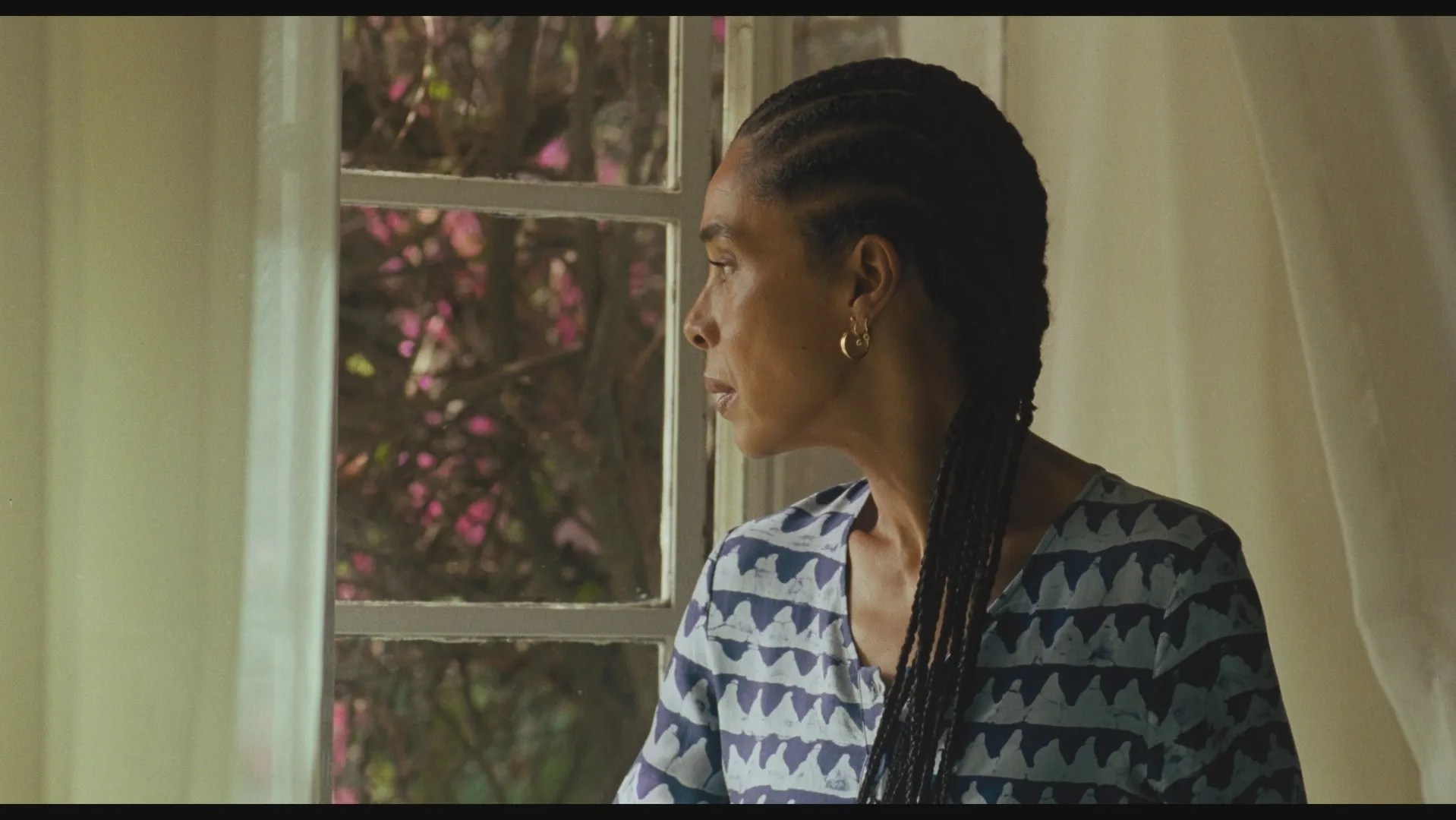
Not too familiar with Woolf’s novel apart from its interpolation in The Hours, the film’s first half was a bit hard to follow, shifting between two time periods and devoting ample time a seemingly ancillary character. Fortunately, these strands come together in the second half with said character not so much galvanizing the narrative as he does enable us to more closely understand Clarissa (played by a dazzling Sophie Okonedo as older and by promising newcomer India Ria Amarteifo as younger.) Transporting this story to Lagos also opens it up substantially while still targeting the universality of Woolf’s construct of a middle-aged woman throwing a big party for herself, reflecting on a live lived and pondering what it all means.

While David Oyelowo and Ted Lasso actor Toheeb Jimoh are both good as respectively older and younger versions of Clarissa’s ex-lover Peter, the arguably highest profile cast member steals the show. As Clarissa’s tart young friend Sally, Ayo Edebiri is relatable and charismatic as ever, reminding one of her defining work in The Bear and Bottoms rather than her subsequent string of film flops. Whenever Clarissa occasionally drifts or risks pathos from its tragedies, she fully lights up the screen—a stirring contrast to Okonedo, whose gimlet-eyed gaze is more of a chiaroscuro effect.

GLAXO

The second literary adaptation of the day was of Hernán Ronsino’s 2009 novel about four young men in a backwater Argentine town not long after the Juan Peron-disposing military coup. Beginning and ending in 1984 (with a few sly nods to then-contemporary film The Terminator), the bulk is centered in the late 1950s where Miguelito (Joaquin Bonadeo) suddenly finds a mentor in Ramon, a retired policeman (Marco Subiotto) new to town (whose chief industry is the pharmaceutical company of the title). His glamorous young wife, La Negra Miranda (Lali Espósito) is the envy of Miguelito and his friends as she often shows up their youth dances looking for a partner to share the floor with (and occasionally much more.) Miguelito is blissfully unaware of Ramon’s past involvement in the coup, so it does not bode well for the former when he forges a friendship with Miranda (and soon, much more.)

Director Benjamín Naishtat transfers the narrative well from page to screen, holding one’s attention as the story gradually clicks into place across time periods (visually delineated by their own aspect ratios) and gets good-to-nearly-great work from his ensemble (especially Bonadeo, who hadn’t acted before and Esteban Bigliardi as the older version of Miguelito’s friend Flaco. Still, given Esposito’s flair of a presence, I was anticipating something wilder and more florid like Almodovar who would’ve really had fun with (and queered up) this material. As is, however, Glaxo resonates as a period piece, a betrayal fable and possibly a Mormon revenge fantasy.

2026 Movie Review Capsules, #4

This round contains three contenders for my year-end top ten and we haven’t even hit the incoming glut of Fall prestige releases yet. As usual, placement is from best to worst.

Maddie’s Secret

Both uproarious and unexpectedly sincere–a tricky balance to fully pull off (only John Water’s original Hairspray arguably does this as well) and it probably would not have worked without Early playing the main character. It helps to know Lifetime Movie and Afterschool Special aesthetics but Early has crafted such a palpable universe (shot on an iPhone, no less!) that it’s not required. A future cult classic.

Nirvanna the Band the Show the Movie

The act of discovery has always served a movie well when done convincingly, even when seemingly hand-stitched and taped-together like this, possibly the best series-to-feature-length adaptation I can think of (and I’ve never even seen the series, though I will now.) Go in blind even if you already know what classic movie it references/apes/pays genial tribute to (as I did.)

EPiC: Elvis Presley in Concert

Never much of an Elvis fan, it turns out the visual presentation is key to understanding his brilliance. Baz Luhrman’s best film and one of the most visceral and compelling performance documentaries (that editing between rehearsal and concert footage of the same song!) I’ve seen. Too bad I had to dock half a star for Bono.

Case 137

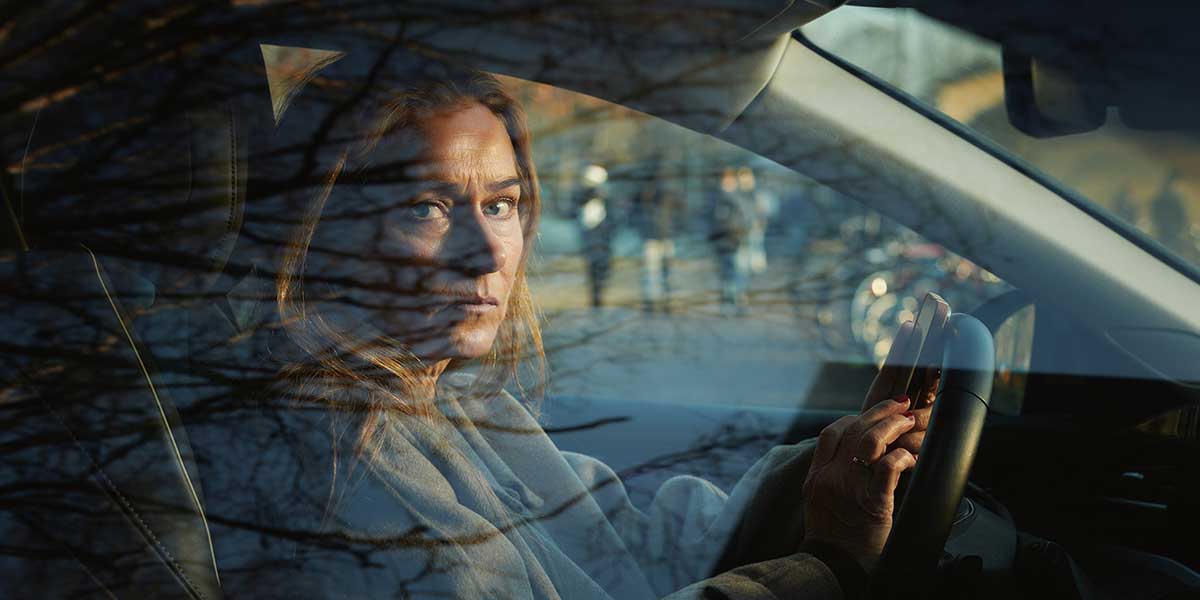
Screened at the Boston French Film Festival, this is simply a strong police brutality procedural made sharper by Lea Drucker’s inquisitive, rarely showy performance. Could conceivably be remade in America but would it retain its subtlety?

Earth, Wind & Fire (To Be Celestial vs. That’s the Weight of the World)

What, no mention of the movie Sgt. Pepper’s Lonely Hearts Club Band, which they appeared in performing their hit cover of “Got to Get You Into My Life”? All kidding aside, this was fun and maybe more accomplished than Questlove’s Sly Stone doc if only because the filmmaker’s celebratory slant doesn’t fully lend itself to tragic figures. But I’m still waiting on him to make an advance on the rare promise of Summer of Soul.

Two Prosecutors

Alternate title: No Good Deed Goes Unpunished. Moves slowly and deliberately yet I was on the edge of my seat in the last twenty minutes. Also tartly nails the relentless bureaucracy of Communism.

A. Rimbaud

A portrait of the titular poet with one actor and a shifting, black-box stage set is not what I expected from Patrick Wang after A Bread Factory; it’s also not enough to sustain nearly three hours. Many flashes of brilliance mixed with copious, impenetrable monologues. The Derek Jarman influence on this (particularly Wittgenstein) brings to mind an alternate version with Tilda Swinton, which might have been great.

The Drama

Discomforting, which I suppose was the point even if the pleasure extracted from it wasn’t fully worth the pain one had to sift through. However, this might be my favorite Robert Pattinson performance to date and Zendaya’s not far behind.

Time and Water

Weaving together a personal history and a study of Iceland’s disappearing glaciers, it packs in a lot even if it often strains to cohere. I’ve could’ve watched an entire film consisting of the gorgeous nature shots but I guess that’s what IMAX is for.

Mile End Kicks

Some nice moments between Barbie Ferreira and Devon Bostick and a sturdy reminder that yes, twentysomethings do tend to make one bad decision after another. Generic (and excessively messy) compared to director Chandler Levack’s I Like Movies although if I were 7-10 years younger this 2011-set film might’ve hit harder for me.

2026 Movie Review Capsules, #3

Another ten 2026 released films, roughly in order of preference from best to worst, all of them streamed at home apart from Backrooms and Sheep In The Box, the latter with a brief in-person intro from Kore-eda himself.

Omaha

Not one minute wasted in this impressive, well-constructed debut feature. The reliable John Magaro is outstanding here and this makes one want to gift him Josh O’Connor-level ubiquity.

Dead Man’s Wire

Solid for-hire work from Van Sant recreating a time and place (Indianapolis, 1977) with pinpoint accuracy. I just wish they hadn’t shown archival footage of the real guys at the end for Skarsgard and Montgomery are just too pretty in comparison, exceptional as the former’s performance may be (Elwes’ gruff, grizzled cop is far more believable.)

The President’s Cake

Revives the tradition of kids having to complete ridiculous tasks in an adult world going back to Kiarostami and further still to The 400 Blows. Looking forward to more from this director (and more Iraqi cinema in general.)

Magellan

What better way to celebrate the 250th birthday of my home country than with this damnation of colonialism as I did? One of the more visually striking and composed films I’ve seen of late, and I can only imagine its impact doubling when viewed in a cinema.

Backrooms

Deeply unnerving more than explicitly horrific and at times, better for that. Chiwetel Ejiofor and Renate Reinsve are both essential to this film’s surprise success although the suitably eerie production design (is this how Gen Z perceives the aesthetics of my high school years?) contributes just as much.

Bang My Box: The Robin Byrd Story

Sex-positive pioneer Byrd is a national treasure which makes this hard to fault for being essentially a hagiography. Still, the excess of archival footage is a reminder that we need more documentaries about cable access TV before memories of it completely ebb from our collective consciousness.

Sheep In The Box

Hirokazu Kore-eda’s inessential but pleasant sci-fi/AI fable is perhaps the highest concept he’s forged since After Life but he doesn’t do enough with it, utilizing it as a catalyst for a family drama without fully realizing its potential. If the story overall lacks urgency (or coherence), at least his directorial prowess makes this an engaging watch. The production design’s nearly as striking as, say, Almodovar’s (though more Japanese, obv.) and the references to The Little Prince lending the film its title are thoughtful. Also, as the father, Daigo Yamamoto exhibits just the right blend of pragmatism, snark and genuine feeling.

Project Hail Mary

What a peculiar mashup of 2001: A Space Odyssey and E.T. Makes smart use of Ryan Gosling for his comedic talents and also of Sandra Huller for her nimble gravitas. Rocky proves a tad too much of a good thing as the film wears on. Mostly deserving of its success even though it’s clearly Made For Schoolchildren (to quote a phrase an old friend often used in his film criticism.)

Andre Is An Idiot

Sincere if somewhat banal but its candidness in talking about death and dying is admirable. Can we please get Jason Mantzoukas to play him in the biopic?

She’s The He!

Raunchy teen sex comedies just aren’t for me but co-lead Misha Osherovich has some potential—hook them up with Jane Schoenbrun (or any good director, really.)

2026 Movie Capsule Reviews, #2

Reviews for ten more 2026 released films, roughly in order of preference from best to worst (though there are no masterpieces or any real duds.)

Blue Film

Between this and his cameo nervously copping a feel (!) in Martha Coolidge’s Not a Pretty Picture fifty years ago, Reed Birney’s had quite the career. On the basis of his work here, Kieron Moore should have a notable one as well. A nuanced, thoughtful film regarding sex and identity and we can never have enough of those.

Fantasy Life

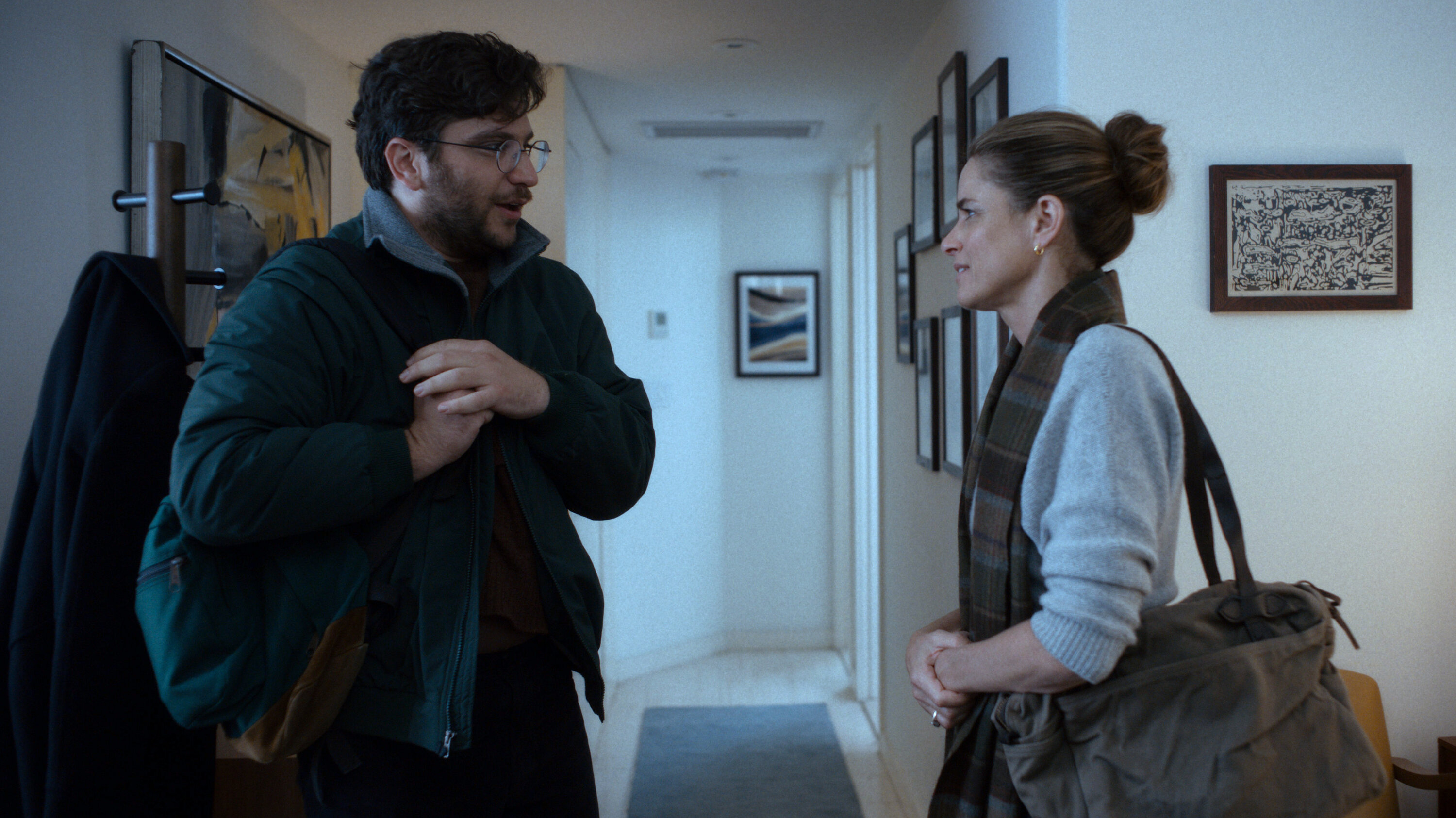
A solid feature debut from actor/director Matthew Shear with excellent work from Amanda Peet, playing a washed-up actress with wisdom and familiarity. Also, it’s the rare affluent NYC film that nakedly acknowledges its characters’ privilege rather than treating it as a given. If that’s not enough, Bob Balaban plays an asshole and does so with much of the finesse of his stock meek beta-males.

Yes

Presenting a crazy and cruel world where it’s okay to laugh at the insanity and simultaneously feel utterly conflicted about doing so. Nadav Lapid really Goes For It here, but he comes out the other side in an earned state of redemptive catharsis, maybe even some enlightenment. Who’s up for making an American equivalent of this about the state and culture of its dubious government?

Mr. Nobody Against Putin

One person can’t necessarily change the world, but they can make enough of an impact to encourage others to support them. Where the film makes its impact is in showing how the personal is political. Not sure I would’ve given this the best documentary feature Oscar, but I’m not mad it won.

The Ozu Diaries

The literal diaries actually elevate this beyond your standard narrated/talking heads/film clips documentary overview; it also helps that the calm, measured style is like a cousin to Ozu’s own.

Islands

“Some of them want to use you, Some of them want to get used by you.” Annie Lennox may have sung these words 40+ years ago, but they’re forever relevant. Here, the used is an ex-pat tennis instructor in the Canary Islands and the users are a wealthy vacationing couple, or is it the other way around? Little here resembles director Jan-Ole Gerster’s earlier character study A Coffee In Berlin but this understated Hitchcockian thriller shows he’s not a one-trick pony.

Disclosure Day

Notable for Spielberg attempting to capture the magic of Close Encounters and E.T. and very nearly getting there at the end, even if it means a lengthy buildup that occasionally relies on too much spectacle and not enough exposition. Also, I’ve rarely liked Emily Blunt more. Colman Domingo’s in every single film now and that isn’t a complaint.

OBEX

As with Computer Chess, it’s a kick to see (even with the sci-fi elements on display) the 1980s closer to what they actually were (darker apartments, analog equipment) than the usual neon color-accented redo. Was hoping for something more novel than the immersive video game it becomes from director/star Albert Birney (Reed’s nephew!); still, I couldn’t argue with the final takeaway which confirms the value of getting out of the house once in a while.

The Stranger

Not fully convinced of the necessity of Ozon’s Camus adaptation which too often veers towards the aesthetics of those pretentious Calvin Klein Eternity ads; I wasn’t too keen on Voisin either until he revealed the long game he played with his performance in that alarming, purgative moment near the end.

Stop! That! Train!

Almost grudgingly giving this purposely silly RuPaul-meets-Airplane! thing a pass because it’s fun, the cast is superb and it’s slightly better than The Bitch Who Stole Christmas (if not by much; same screenwriters after all.)

Halfway Through 2026

The Love That Remains

To list favorite films and albums at a year’s midpoint is to assess what I’ve consumed and what’s sticking; it’s also a speculative game of sorts—which titles will remain near the top of my eventual year-end lists?

Since prestige films both big and small tend to surface during the year’s last quarter (i.e. Awards Season), this is somewhat a lopsided exercise. Occasionally, I’ve seen my top film early in the year (Do Not Expect Too Much From The End of The World, Quo Vadis, Aida?); four films I listed at last year’s midpoint made it into my year-end top ten. Half of the 2026 releases below were seen at IFF Boston in April plus two more at that organization’s Fall Focus last October (The Love That Remains, Sound of Falling). Silent Friend also played the latter but even a recent viewing in one of the Coolidge’s smallest theaters didn’t diminish its impact for me. That leaves surprise hit (by indie standards, anyway) Pillion and Nadav Lapid’s hilarious and incendiary Yes, which I just watched and may write about at another date.

As release schedules go, albums are more luck-of-the-draw situations. At last year’s midpoint, I had already heard what would end up my year-end number one (Doves’ Constellations For The Lonely) and very much expected it to end up in that place (or close to it). Still, most of my other midyear selections ended up honorable mentions outside the top ten, so you never know. Six months in, 2026 seems pretty average for new albums; most of what’s included below are the latest efforts from artists I already love—many of them good (Gonzalez, Ware, Parks, Robyn) rather than great (the Orton just came out but I’m already feeling strongly about it.) I need to spend more time with Lu’s first release in seven years and Harding’s latest, but the key is I want to keep listening to them. The closest to a standout here is the second album from Brit RAYE (and its irresistible single “Where Is My Husband!”), which positively gives off Janelle Monae-circa-The ArchAndroid-theater-kid–vibes minus the sci-fi pretensions. With new releases to come from beabadoobee, Nicole Atkins, The Tubs, Carly Rae Jepsen and more, as usual, we’ll see where things measure up in another six months.

Favorite Films of 2026 so far (alphabetical by title):

  • Blue Heron
  • Cookie Queens
  • I Love Boosters
  • The Invite
  • The Love That Remains
  • Pillion
  • Remake
  • Silent Friend
  • Sound of Falling
  • Yes

Favorite Albums of 2026 so far (alphabetical by artist):

  • Aldous Harding, Train On The Island
  • Arlo Parks, Ambiguous Desire
  • Beth Orton, The Ground Above
  • Boards of Canada, Inferno
  • Jessie Ware, Superbloom
  • Jose Gonzalez, Against The Dying Of The Light
  • Kelsey Lu, So Help Me God
  • RAYE, This Music May Contain Hope.
  • Robyn, Sexistential
  • Tori Amos, In Times of Dragons

Silent Friend

I love cities and have never not lived in one; however, reasonable proximity to a botanical garden, natural reserve or even a leafy neighborhood park is essential. To spend an hour or the better part of an afternoon soundtracked by birdsong and surrounded by a spacious weeping willow or paths lined with flowers and other plants is a serene, near-meditative reminder of a planet populated by species other than us dominating mammals.

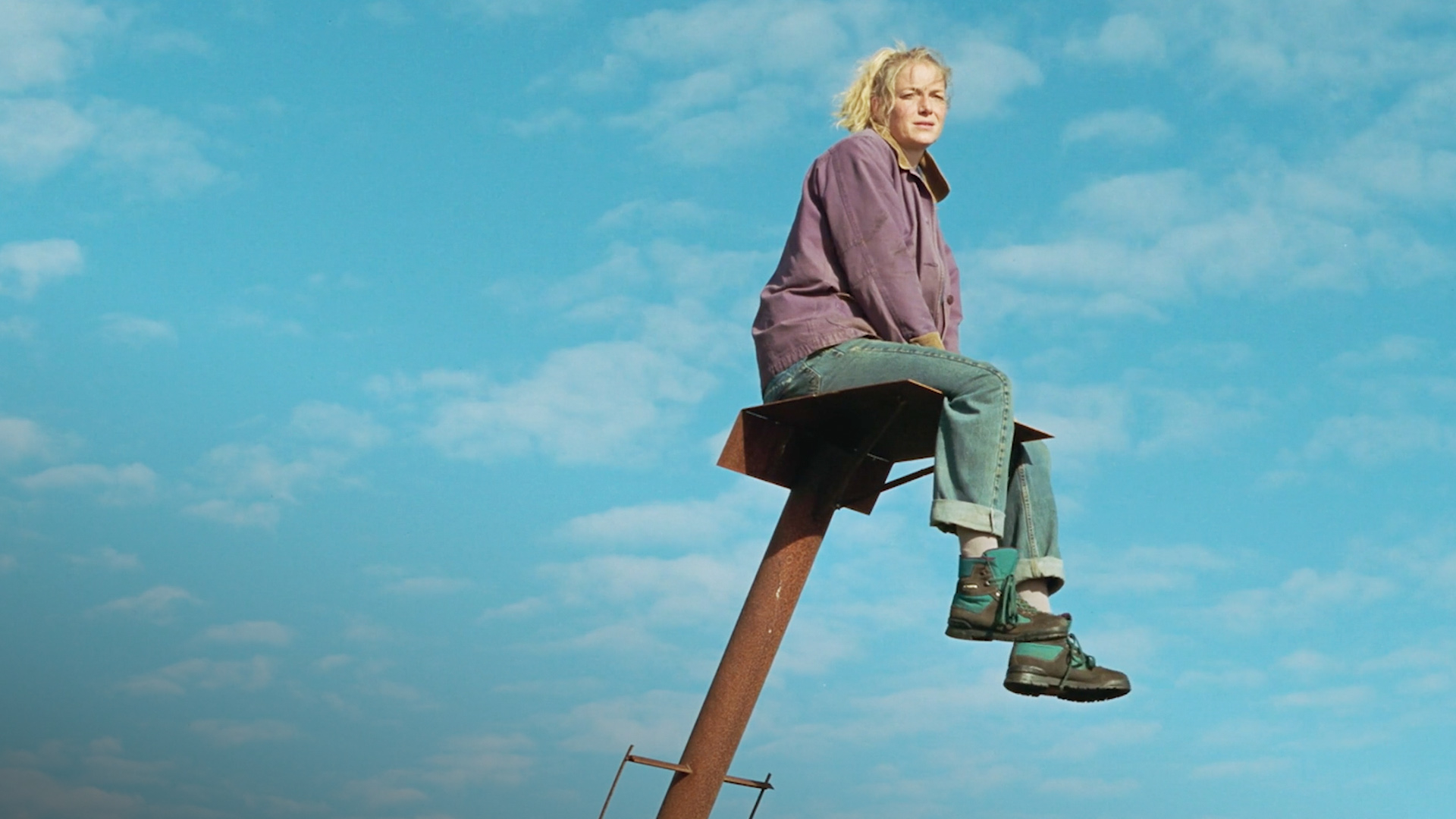
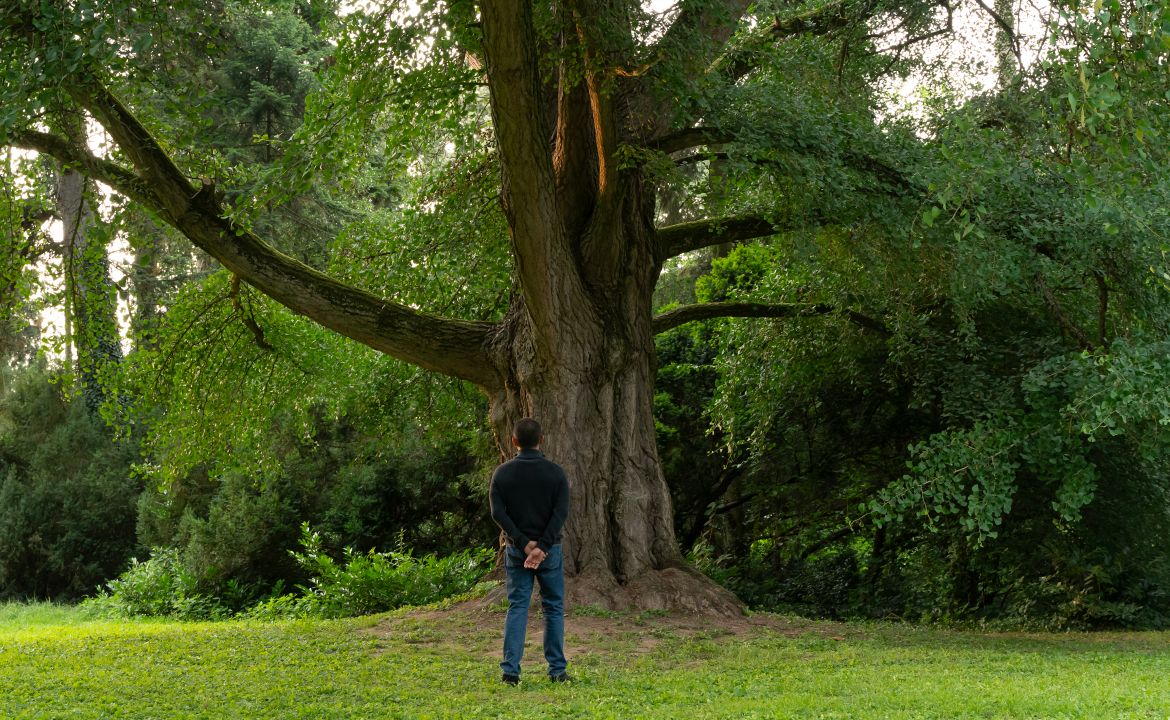
I suspect Hungarian writer/director Ildikó Enyedi had this in mind when she conceived of Silent Friend. Its main “character” is a voluminous ginkgo tree in a garden in the University town of Marburg, Germany—a constant presence across three time periods. The first follows visiting Hong Kong neurologist Tony Wong (In The Mood For Love’s Tony Leung in his first European film) who’s stranded on campus during COVID-19 lockdown in 2020. The second centers on Grete (Luna Wedler) whom in 1908 becomes the first female student accepted to the University. Set in 1972, the third story features Hannes (Enzo Brumm), a young male student from a rural background. Introduced in this order, the three narratives soon overlap, their narratives eventually bouncing off each other, often in obvious ways (the settings), occasionally only gradually surfacing (all three characters come off as likable misfits in terms of how others perceive them.)

While all three form attachments to the ginkgo tree, the common motivator extends more to how plant life transforms their understanding of their world. Wong, whose research involves tracking newborn brain activity via a digital scanner, is moved to perform a similar experiment on the gingko tree with assistance via Zoom from French botanist Alice Sauvage (Lea Seydoux); this is much to the bewilderment of the only other person on campus, janitor Anton (Sylvester Groth). Grete, who faces sexism at nearly every turn due to her pioneering presence at the university, finds solace in studying botany before stumbling into an apprenticeship as a photographer’s assistant where she soon combines her two budding (so to speak) interests. Hannes befriends a female classmate, Gundula (Marlene Burow), who, like Wong, tracks the development and behavior of plant life (in this case, a sole geranium’s activity recorded via an analog printer.) Hannes steps in for her when she leaves town for a long camping trip and also has a breakthrough from attending to the plant (his actions mostly scoffed at by his male, would-be-radicals classmates.) 

At two-and-a-half hours, Silent Friend is slow cinema in the most palatable sense: immersive, thoughtful, deliberate and occasionally surprising (I’ve surely never been so invested in a geranium’s well-being before.) The digital scans in Wong’s narrative first serve as a transition to the beginning of Grete’s story; then, they become a motif: gorgeous, hypnotic, swirling strands of color adding texture, working in tandem with the film’s soothing electronic score. It requires patience—in particular, the Hannes sections, which feel somewhat less profound than the other two until Gundula leaves town and Hannes more or less finds himself. Rather than escalate each narrative to a conclusive, triumphant end, Enyedi cumulatively arrives at something more metaphysical and resounding—a connection between us and the natural world that, if so inclined, carries an emotional charge and perhaps a spiritual one as well. Not for nothing is Goethe’s Metamorphosis of Plants a key text utilized here.

IFFBoston 2026: The Invite

Any resemblance between The Invite and Who’s Afraid of Virginia Woolf is not coincidental. From a screenplay written by Will McCormack and Rashida Jones and directed by and starring Olivia Wilde as Martha surrogate Angela, it is almost entirely set in her and Joe’s (Seth Rogen) San Francisco apartment.  One night, Joe returns from his job as a music teacher to learn that Angela has invited a neighboring couple, Pína (Penelope Cruz) and Hawk (Edward Norton) over to dinner within the next hour. Their bickering-cum-full-out-arguing hits a wild crescendo just as the doorbell rings announcing Pína and Hawk’s arrival.

While it roughly follows the trajectory of Mike Nichols’ classic film of the Edward Albee play, this is not a remake of it (actually, it’s a remake of the Spanish film The People Upstairs.) For one thing, despite the earlier film’s gallows humor, The Invite is unashamedly hilarious (the words “screwball cringe” came to mind early on) with its rat-a-tat-tat dialogue, one-liners and sight gags (Rogen struggling to bike up the city’s infamously hilly streets is a highlight of the latter.) It’s not long before sex-therapist Pína and ex-firefighter Hawk feel like near-kindred spirits to Angela and Joe, especially in their own neuroses. All four actors are a delight to watch with a reminder of still-otherworldly Cruz’s often obscured talent for comedy.

As the night lingers on, events become more outrageous before the film pulls back for pathos and some catharsis. The shifting tone is handled elegantly even as it slows the built-up momentum to a crawl. As for Wilde, this makes the misguided Don’t Worry Darling feel like an aberration in her filmmaking career. While more fun than profound, The Invite is worth sitting through to arrive at an affecting if ambiguous détente of a conclusion between two of its four characters.

IFFBoston 2026: Blue Heron

“Write what you know” has become a cliché but it’s still valuable advice for anyone telling a story no matter how fantastical or accurately reflective of one’s own experience. At IFFBoston this year, I saw at least two features falling under this category: Romeria and Blue Heron. Both begin steeped in realism before unexpectedly shifting into dream sequences. The former imagines a meeting between the main character and her parents from before her birth; the latter, however, presents something more complex, using a sort of psychodrama to reinterpret a defining incident from one’s past.

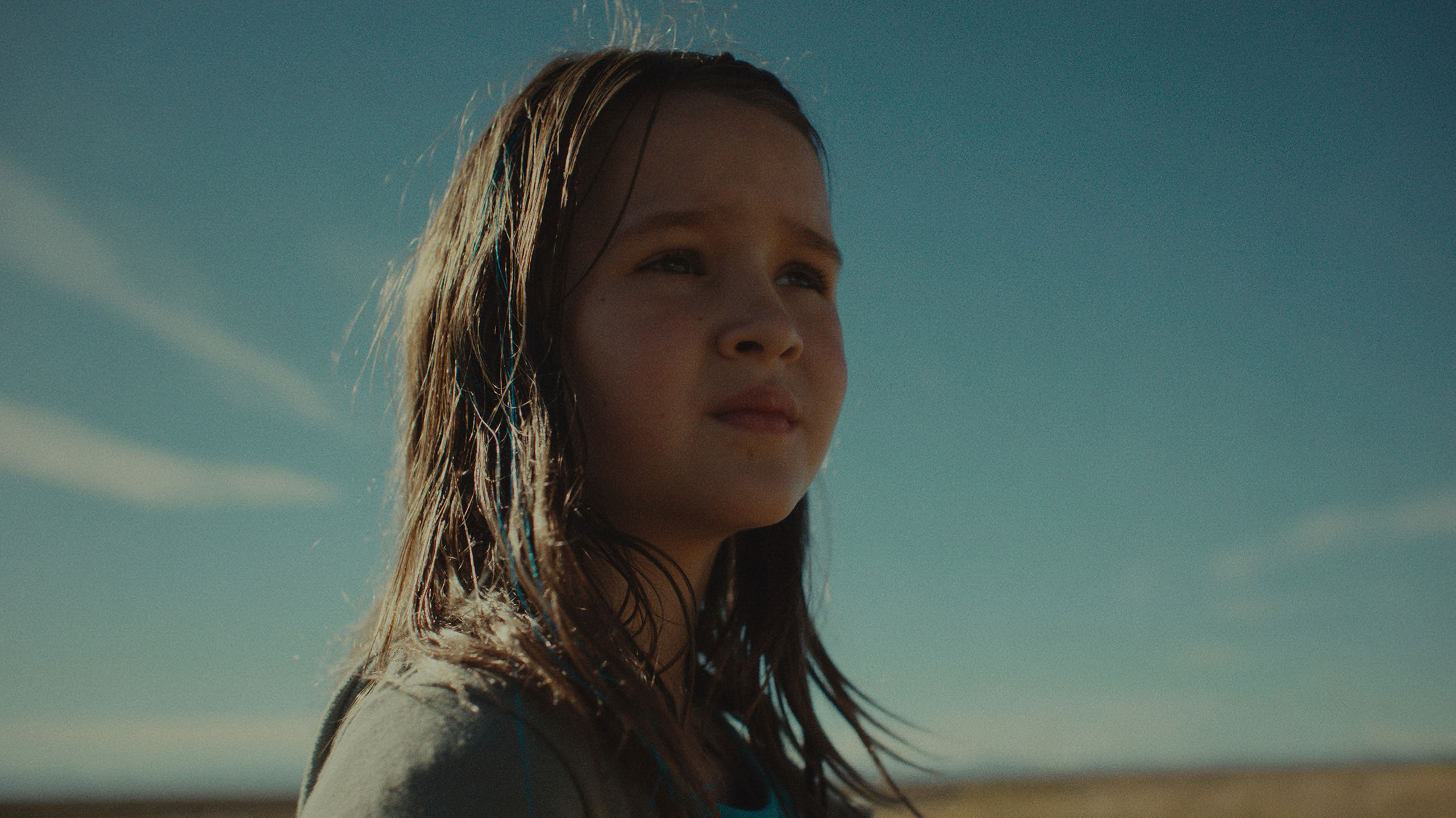
In Blue Heron, filmmaker Sophy Romvari’s 1990s childhood comes to life in the form of a Hungarian family settling into a new home on Vancouver Island. Her surrogate, Sasha (Eylul Guven) is the youngest of four children and the only one to be born in Canada. Her oldest brother, Jeremy (Erik Beddoes) blatantly doesn’t resemble any of his siblings, much less his parents (his actual father was someone whom his mother previously dated; he didn’t have any involvement in raising him.) As the rest of the family studiously works on assimilating into this new environment, Jeremy acts out. At first, his behavior is that of your average frustrated teen (moody, argumentative). Then, it escalates. He gets caught shoplifting. He climbs on his home’s roof, refusing to come down. He smashes his hand through a window. He refuses to communicate, at all. His family becomes worried for his safety, and also their own.

The shift from a near-neorealism to a far more dreamlike scenario occurs when Sasha as an adult (played by Amy Zimmer) appears and attempts piecing together the decisive actions her parents took to deal with Jeremy. I don’t want to spoil exactly what happens, for it unfolds as an act of discovery but also one of analysis, sifting through facts to arrive at some conclusion even if it’s a subjective truth. Romvari paints as an impressionist, dotting her frames with cultural signifiers both shared (pop songs, ambient sounds, suburban talismans such as freshly cut grass) and singular (the elaborate fake maps Jeremy draws which are actual ones from Romvari’s own brother.) As a filmmaker/storyteller, Romvari fully grasps the slipperiness of memory. Following a series of acclaimed shorts, Blue Heron is a remarkable first feature due to such an understanding and her ingenuity in expressing it.

IFFBoston 2026: Romería

In 2004, 18-year-old orphan Marina (Llúcia Garcia) visits the port city of Vigo, Spain. She’s meeting with her paternal grandparents to obtain a notarized signature for her to be recognized on her father’s death certificate so that she can attend university. Until now, she’s never met any of her blood relatives. They seem eager and welcoming to her—perhaps overly so as her grandparents want to shower her with money out of guilt or maybe as encouragement for her to keep silent about what little she knows of her parents, along with scattered clues she picks up on from her similarly-aged cousin Nuno (the single-monikered Mitch).

She gradually pieces together a version of what happened between her parents that varies slightly from what she’s officially told. Then, the film shifts into magical realism at the initially casual appearance of a stray cat, an impetus for Marina and the audience to discover the truth, or at least a version of it (maybe Marina’s idealized one?). As with previous feature Alcarràs, director Carla Simón has a keen eye for composition and framing naturally beautiful landscapes with more depth than your average pretty picture. Despite that, Romería is pleasant but sometimes dramatically static until that shift in the third act. Apparently based on Simón’s own experiences, it didn’t entirely express the urgency of why it was being told or how it may have shaped her adulthood and career. However, the post-cat material nearly saved it; I would not have minded seeing an entire feature (or at least a short) squarely focused on that story.