24 Frames: Before Sunset

Despite their ubiquity, movies sequels rarely match their predecessors and almost never better them. Critics and fans alike may go to bat for The Godfather, Part II as the superior entry in that trilogy (I finally saw it last year—surely the gold standard for what a sequel should be, but I still prefer The Godfather) and The Empire Strikes Back arguably refines and deepens the universe introduced in Star Wars, as does Sam Raimi’s Spider-Man 2 for its previous entry. Still, most sequels fall short if just by a hair (Austin Powers: The Spy That Shagged Me) or more often, a country mile (City Slickers 2: The Legend of Curly’s Gold, anyone?)

Even arthouse cinema is not immune, though its filmmakers may try dressing up their sequels in other guises. Francois Truffaut’s Antoine Doinel series revisits the same character (played by Jean-Pierre Leaud) five times over two decades though The 400 Blows, which introduces him is so widely revered (deservedly so, since it’s more or less ground zero for the French New Wave) one can imagine only the most contrarian critic wasting the effort to extol Stolen Kisses or Love On The Run in favor of it. The most successful sequels are often stumbled upon for artistic rather than commercial reasons, like Abbas Kiarostami’s Life, and Nothing More… where he dramatizes seeking out the child actors from his earlier film Where Is My Friend’s Home following an earthquake ravaging the remote village where it was shot. Rather than feeling forced, it’s a meta-commentary on how life and art intersect more than a continuation of its story.

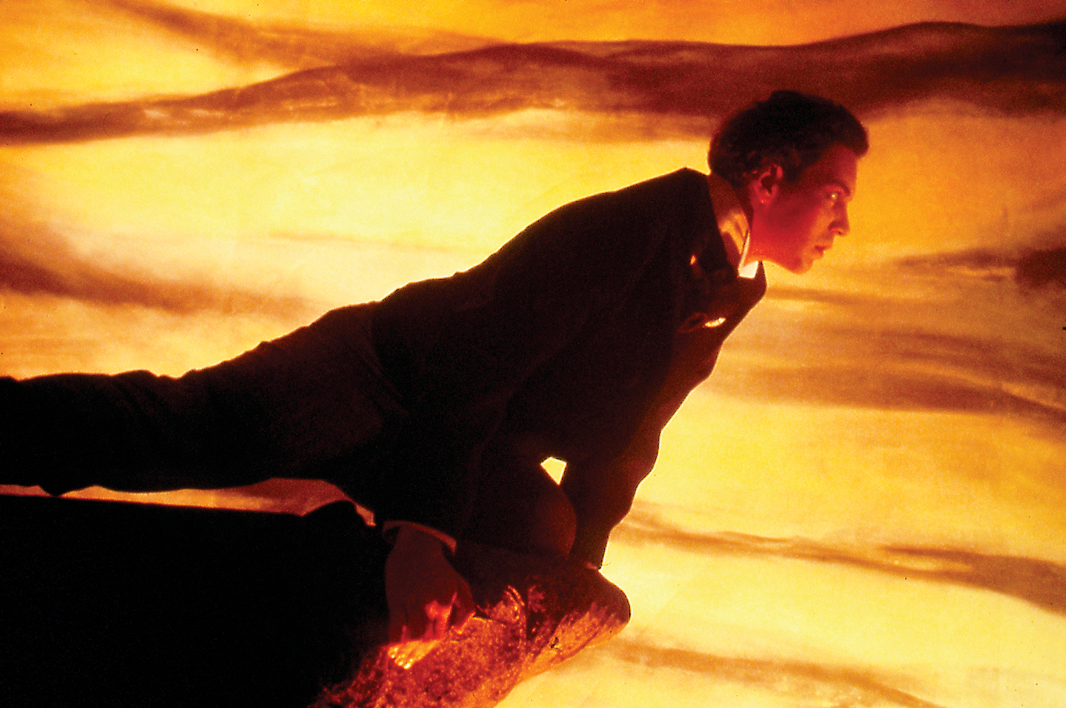
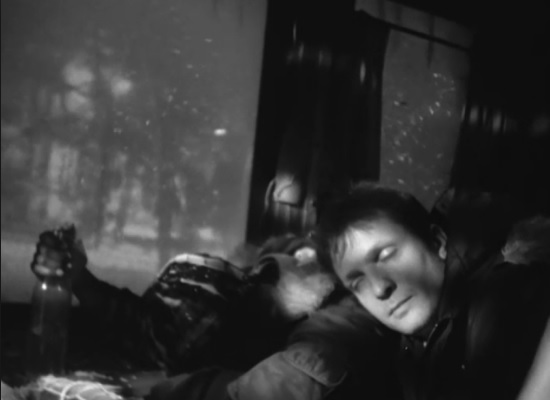
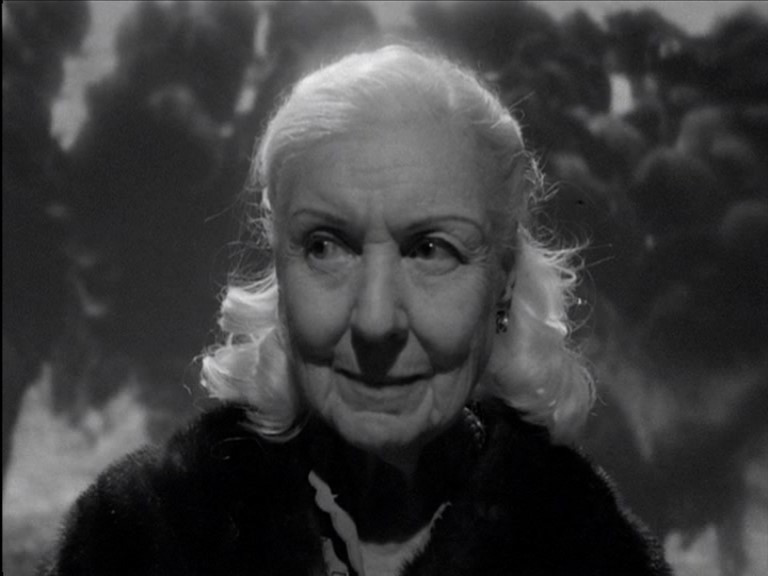
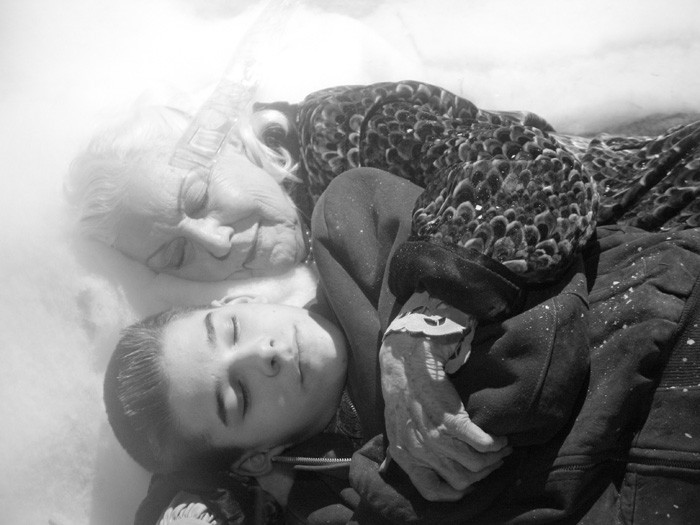
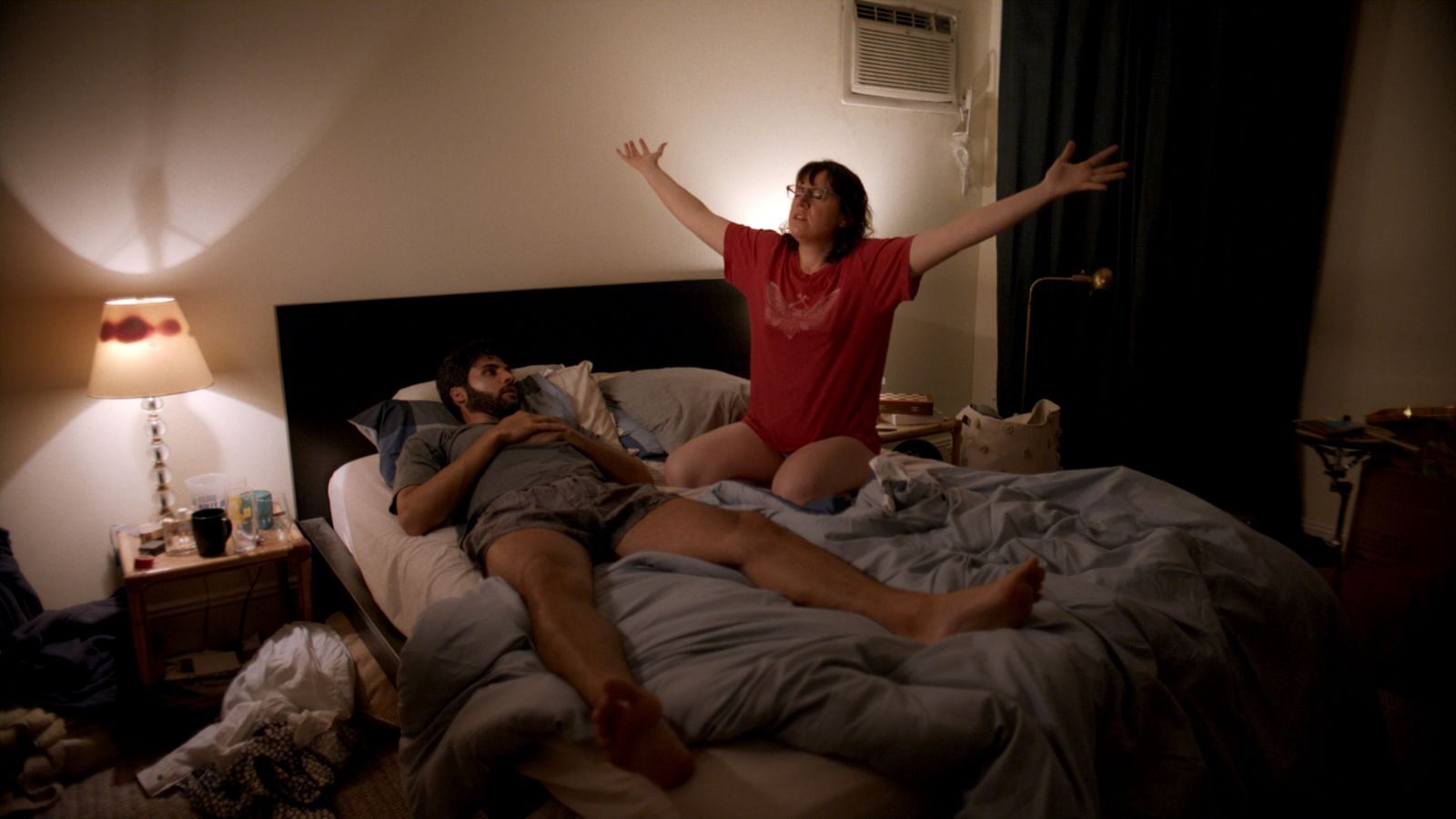
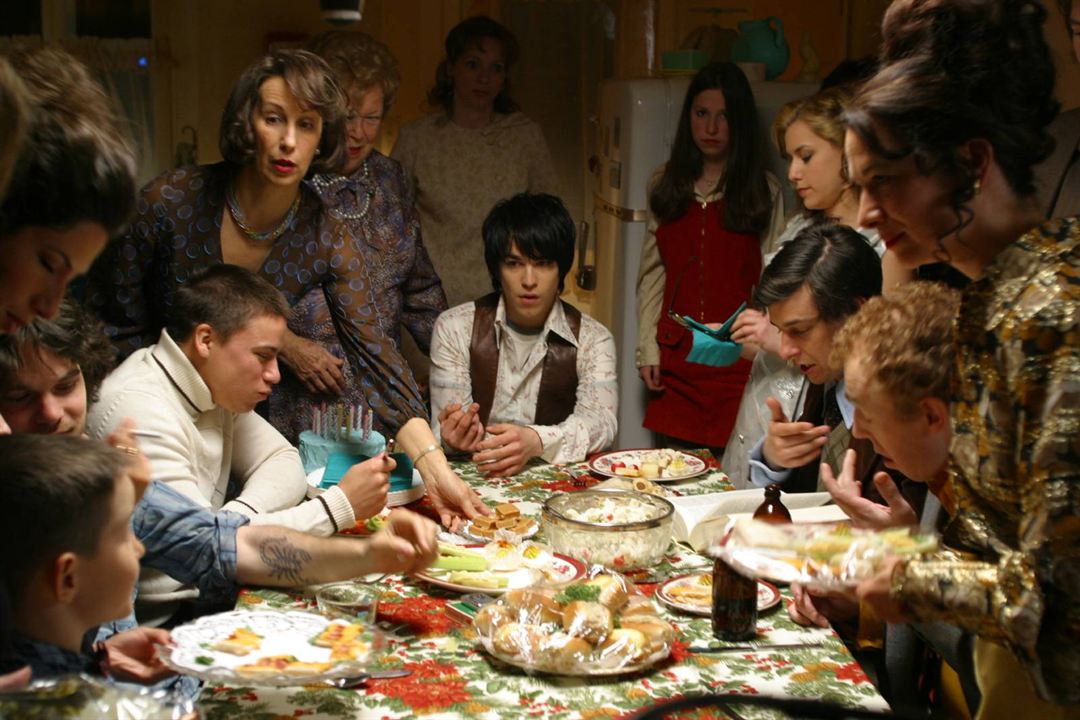
After The Godfather Part II won six Academy Awards (three more than The Godfather) and Airport 1975 became the seventh highest grossing film of its year, the floodgates opened: now, multiple sequels to such blockbusters as Jaws and Rocky were not only inevitable but also practically expected. If anything, sequel-itis has spread exponentially in the 21stcentury (see the Marvel Cinematic Universe among other mega-franchises) to the point where it’s hardly worth getting worked up at a multiplex sign where a majority of the films screening have a “2”, “3” or an “X” after their titles. Artful or not, they’re here to stay which is why in 2004, that year of Spider-Man 2Shrek 2 and the more creatively titled Meet The Fockers (the only creative thing about it, really), I was skeptical when I first heard of Before Sunset, a sequel to Before Sunrise from nine years before reuniting director Richard Linklater with actors Ethan Hawke and Julie Delpy. In the earlier film, American Jesse (Hawke) and French Celine (Delpy) meet on a train travelling across Austria and impulsively spend 24 hours together walking around Vienna before each of them must return to their native countries. A wistful, short-term romance with the loquaciousness of an Eric Rohmer film (perhaps crossed with one of Billy Wilder’s less satirical efforts), it did what it set out to do fully and enchantingly thanks to its stars’ innate chemistry and Linklater’s characteristic humaneness and nimble, attentive camerawork. With such a perfectly executed film, why try to recapture that seemingly once-in-a-lifetime magic again?

Before Sunrise

What immediately sets Before Sunset apart from other sequels is that it never resembles a cash-grab or a product its creators felt obligated to make, even if Before Sunrise was widely beloved and a modest hit. Linklater, Delpy and Hawke (all of them contributing to the screenplay) began working on a larger-budgeted sequel (with locations in four countries!) shortly after the first film came out but failed to secure funding. They only resumed work on it in 2003 albeit at a much smaller scale. One can easily comprehend the desire to revisit Jesse and Celine a decade (or even a year or two) after their passing meet-cute but to actually make good on that challenge and create something that recaptures the essence and insight of the original is a tall order. Happily, if nearly improbably, Before Sunset not only accomplishes this but ends up one of the rare sequels that arguably improves upon its predecessor, retaining its spirit while also extending its narrative in ways that feel less like a rehash than a reunion gradually revealing itself as a reassessment: what would it be like for Jesse and Celine to meet again and more importantly, what would that mean for them?

As previously noted, Before Sunset picks up nine years after that chance meeting on a train in Austria. The new setting is Paris and Jesse is on the last stop of a European tour for his first novel, This Time, a roman à clef inspired by his whirlwind romance with Celine. During the Q&A portion after his reading at famed English language bookstore Shakespeare and Company, he spots Celine herself standing near the back of the audience. Unlike the earlier film, her presence here is not random; she’s there (in the city where she resides) to purposely see Jesse read from his book about their fling. The moment he and the audience become aware of her presence carries a jolt of recognition which Hawke, often a more subtle actor than he’s given credit for conveys beautifully. As they say hello and embrace, one can detect an instant spark but also the hesitancy one would expect from a situation orchestrated by one participant and unexpected by the other.

Jesse has a plane to catch, leaving him and Celine with barely an hour to spend together. As they did in Before Sunrise’s Vienna, they walk through the streets of Paris, stopping in a café here, a park there, getting caught up and getting to know each other (again) as their dynamic and particular rhythms gradually fall back into place. Celine, however, now has a hometown advantage, directing where the two them will go. As they catch up, they each reveal more about themselves than they might initially mean to. They answer whether either of them made good on their parting pact of showing up at the Vienna train platform six months after their first meeting (Jesse did, Celine didn’t—she was at her grandmother’s funeral.) They also debate on whether they had sex (off camera) in the Vienna park (Jesse argues that they did twice; Celine doesn’t recall it, positing, “Memory is a wonderful thing if you don’t have to deal with the past.”)

All the while, the question “Does anyone change?” lingers in their pauses between conservation; as much as either one would like to deny it, their body language often says otherwise: at different times, one of them tentatively reaches out to touch or comfort the other, only to pull away, sensing the recuperations of such a gesture. They may be recognizable as the Jesse and Celine of the first film, but they’re also noticeably older (especially early on when Linklater silently cuts back to brief shots from the first film) and also perhaps… wiser? Now an environmental activist, Celine’s as impassioned as her younger self, but more caustic, a little angrier and maybe a bit jaded. Jesse, who is married and has a young child is still something of a wanderer/dreamer but he carries with him a newfound pragmatism and stronger sense of maturity compared to his younger self.

Eventually, catching up and small talk gives way to abrupt, messy emotional disclosures. Midway through, Jesse can’t help but moan in resentment and regret at Celine not showing up again in Vienna while she later snaps at him, “I was fine until I read your fucking book!” They each muse on what might have been, realizing that for a small period they both lived in New York City at the same time but never ran into each other (or even sought each other out.) Jesse confesses that his marriage is falling apart (perhaps inspired by Hawke’s then-recent divorce from Uma Thurman) while Celine considers their past, referring to it as “That moment in time that is forever gone.” All the while, tension mounts for the clock is running out—Jesse still has that plane to catch, a fact both of them repeatedly acknowledge, recalculating what diminishing amount of time they have left while also figuring out ways to prolong it. After they hug each other for a presumably final time, Jesse asks his car service to the airport to instead drive him and Celine to her apartment. He then walks her through the building’s vast courtyard to her front door. She invites him inside for a cup of tea; he accepts.

Before Sunset might be one of the most suspenseful romances ever made because it plays out in real time: its eighty minutes covers that exact, unbroken period in the lives of these characters. As much a narrative-driver as the single day was in Before Sunrise, this duration almost feels as if time itself has collapsed since we’re not used to seeing it play out so meticulously. Even more so than the earlier film, this one is composed of long takes as the camera follows and tracks Jesse and Celine’s journey (the late-in-the-day sun-kissed cityscapes add to the overall allure.) Their temporal space, by being fully synced up with our own creates an intense, almost unbearable sense of intimacy, like we’re right there with them accompanying their every move. By the time Jesse and Celine are slowly walking up the stairs to her apartment, the tension is off the charts—it’s exhilarating to watch them take each step wondering how much further they will go together. Actually, how much further can they take this? Jesse still has a plane to catch! (Not to mention a family waiting for him back in America.)

Once inside Celine’s exquisitely bohemian apartment, he asks her to play one tune for him on acoustic guitar (she earlier mentioned that she had been writing songs as a hobby.) She chooses “A Waltz For A Night” which is her side of their story, a three-minute folk/pop song equivalent to Jesse’s novel. Breathily, lovingly, she sings, “I just want another try, I just want another night” before almost coyly adding, “One single night with you, little Jesse / is worth a thousand with anybody,” (the cut to Hawke’s face when she sings “Jesse” is as startled and ebullient as his first view of her at the bookstore.) She makes tea, he puts on a Nina Simone CD. She tells him of when she saw Simone in concert before her death, swaying like her to the music. She says to him, “Baby, you’re going to miss that plane.” He responds, “I know.” No reasonable viewer can wait to see what happens next but wait they must, for the screen fades to black and the end credits roll. When I first saw the film in a theater, the audience let out a reaction that was equal parts relief, bemusement and slight frustration at this ending, but it’s perfection in how it exhibits grace and restraint after all that wish fulfillment tempered by built-up and sustained stimulation and uncertainty. Sure, it could’ve been satisfying to see Jesse and Celine kiss or embrace but here, just the process of their reconnection and how witnessing it playing out in real time makes it feel earned provides what’s needed for their arc to resonate.

I rewatched Before Sunset a year later in a theater as part of a double feature with Before Sunrise but didn’t view it again for another nine years (coincidentally, the same period of time separating the two films.) Now past the age of Celine and Jesse in Before Sunset, the film hit me even harder: that slooow walk up the stairs proved more effective, even when knowing what would happen next. The intimacy established between the two leads was rare in that it seemed to come from a real place rather than a storybook construction. I wanted Jesse and Celine to be together, I saw that they wanted it too but I didn’t know if it would be just for a night or longer than that or even at all. This notion remained true to the spirit of Before Sunrise while enticingly pushing it further—I was offered another mere glimpse into the lives of these two people but this time, the possibilities seemed limitless as the spark was reignited.

Nearly two decades on, as sequels go, Before Sunset remains an anomaly more than a precedent. Some recent film sequels are perfectly respectable: The Incredibles 2, Paddington 2, the John Wick films (haven’t seen any but I suspect many would argue for them.) Once in a blue moon, one will emerge that’s arguably stronger as its predecessor (Cedric Klapisch’s Russian Dolls, which I remember liking more than L’Auberge Espagnole.) However, most sequels still suck or are at the very least an inferior product.

Thus, Linklater, Delpy and Hawke faced a unique challenge when they decided to revisit Jesse and Celine another nine years on in Before Midnight. Without spoiling too much, the film drops in on another specific and brief period of time in the characters’ lives, gradually revealing all that has happened since the ambiguous ending of Before Sunset. It is a thornier film by design, going deep into how time influences perception of self and others and what consequences such familiarity portends. The tone is much different from the first two films without losing sight of who the characters are or obscuring their spirit—there are still lengthy conversations and an exotic setting but also an acknowledgement of early middle-age as a period fully distinct from one’s early thirties or twenties. It also ends on an ambiguous note that could easily serve as an invitation for another sequel or a conclusion.

Although Delpy nixed the idea of a fourth film in 2021 (nine years after the production of Before Midnight), a year later Hawke suggested the potential is still there for the three principals to come together and continue the story. I liked Before Midnight but wouldn’t rate it as highly as Before Sunset—something about the latter’s unexpectedness added so much to its appeal. For a fourth film (maybe After Sunrise?) to work, Linklater, Delpy and Hawke would need to be in sync with an inspired idea that builds on the previous entries, favoring a deepening of the story and not serving as mere fan service. Before Sunset did that brilliantly and as long as sequels aren’t going away, more filmmakers should study it.

Essay #15 of 24 Frames.

Go back to #14: What Time Is It There?

Go ahead to #16: Me And You And Everyone We Know.

Return to Santa Fe

Three weeks ago, I returned to Santa Fe for my first visit in nearly seven years.

I took enough pix for at least five or six essays; this first one is set in and around the famed Santa Fe Plaza.

On past visits, the Plaza Cafe did not have outdoor seating; like many other businesses, it has adapted, although far more beautifully than most.

Santa Fe’s distinct desert/adobe/Spanish-style architecture is reason alone to visit.

Adobe and turquoise paint almost always go well together.

Some buildings near the Plaza are more baroque and elaborate than others.

When there, I occasionally feel like I’ve stepped into a different country.

Charming little roads such as Burro Alley further enhance this idea of not being in Kansas anymore.

A few blocks from the Plaza, this elaborate garden was like something out of a storybook.

There are no shortage of scenic views from Downtown Santa Fe, like this one from my hotel room of Cross of the Martyrs.

Or this one from Sandoval Street of the mountain range east of town.

Stay tuned for more photos from Santa Fe and beyond.

We Can Play The Part: Halfway Through 2023

Below you’ll find many of the usual suspects when it comes to my favorite albums of the year (so far): Jessie Ware’s looser, wilder (and perhaps slapdash by design) follow-up to the best album of 2020, Robert Forster’s song cycle about aging and resilience, Emm Gryner’s triumphant yacht rock-influenced return and Alex Lahey’s long-awaited third full-length. Others I couldn’t have predicted a year ago: Sparks’ most compelling release since 2006’s Hello Young Lovers, Jake Shears back in action with a second solo album that nearly ranks with the best of his former band Scissor Sisters, supergroup Boygenius reemerging with a record that sounds better with each spin and most of all, a reformed Everything But The Girl, 24 years on from Temperamental and it’s like they haven’t missed a day (or a beat.)

New to me is Yves Tumor’s unclassifiable art-pop, their laboriously-titled fifth album stuffed with vivid neo-psychedelia and chewy (if twisted) hooks (see onomatopoeic earworm “Echolalia”.) Nowhere near ready to claim a favorite of these twelve yet, but Christine and the Queens’ ultra-recent triple(!) album is the one I feel has the most room for exploration and growth.

Favorite 2023 Albums So Far (in alphabetical order by artist):

Alex Lahey, The Answer Is Always Yes

Boygenius, The Record

Christine and The Queens, Paranoia, Angels, True Love

Emm Gryner, Business & Pleasure

Everything But The Girl, Fuse

Fever Ray, Radical Romantics

Jake Shears, Last Man Dancing

Jessie Ware, That! Feels Good!

The National, First Two Pages of Frankenstein

Robert Forster, The Candle and The Flame

Sparks, The Girl Is Crying In Her Latte

Yves Tumor, Praise a Lord Who Chews but Which Does Not Consume; (Or Simply, Hot Between Worlds) 

Rye Lane

So many movies I have yet to see (Asteroid City and Past Lives among them) and a good chunk below are technically 2022 titles that didn’t play Boston or hit streaming until this year (Laura Poitras’ best film to date and Jafar Panahi’s most accomplished in years) or titles I saw at IFF Boston (watch out for Christian Petzold’s amazing Afire.) Perhaps the most obscure title below, Give Me Pity! is the one I’d most encourage people to see, although British rom-com Rye Lane is right there on Hulu and a exquisite way to spend 82 minutes.

Favorite 2023 Films So Far (Alphabetical by title):

Afire

All That Breathes

All The Beauty and the Bloodshed

Give Me Pity!

Godland

Hummingbirds

No Bears

Of An Age

Pacifiction

The Quiet Girl

Return to Seoul

Rye Lane

Salem in Springtime

October may be an ideal time to visit Salem, Mass., but only if you adore navigating your way through the massive throng of tourists descending upon “Witch City” in the weeks leading up to Halloween. Myself, I prefer this town (less than 20 miles north of Boston) just about any other time of year (that’s not bone-chillingly cold outside.)

One Memorial Day in the mid-00’s, I took the commuter rail from North Station to Salem primarily to visit the Peabody Essex Museum (PEM). This newer wing above was completed a few years before.

However, PEM dates back much further. This 19th Century structure houses a Maritime Art exhibition, one of my favorite sections of the museum mostly because where else are you going find so much of this stuff?

After PEM, I walked a few blocks over to the long and narrow Derby Wharf.

Although a modest square tower lighthouse sits at the end of the wharf, its chief attraction is the Friendship of Salem.

It may be a 1996-built replica of a 1797 vessel (one can view a model of the original at PEM), but it’s still a beautiful ship.

As one walks along Derby Wharf, signs of Salem’s industrial past and present are apparent.

This coal-powered station would be demolished and replaced by a new natural gas-fired one a decade after this was taken. Perhaps the small but colorful sailboat perched in front of it here was a premonition of sorts.

In addition to all of its witch-related culture, Salem has its share of historic buildings, like the 1815-built Custom House, located across the street from Derby Wharf.

Also spotted from Derby Wharf: while not as old, the pink house above is just as interesting a structure to me.

I could post a separate essay entirely devoted to Salem signage. For now, I give you the Russian Aid Society which I can’t find much about online. Salemites, does it still exist?

I know this business still exists–it might be the city’s most infamous and posted-on-social-media landmark, even if a “bunghole” is, according to Wikipedia, “a hole bored in a liquid-tight barrel to remove contents” and “not to be confused with Bumhole.” Still funny if you know the Beavis and Butthead reference, obv.

Closer to the center of town, the Pequot House is, alas, another recreation, built in 1930 to represent life in the Colonial era. It no longer seems to be open to the public.

So, if you do go to Salem in October, plan ahead and take the commuter rail but remember that spring is just as nice of a time to visit (and far less hectic to boot.)

Mix: Let’s Break Out The Lancers!

When I was young, my parents weren’t particularly fancy in regard to what they drank (at least before I got them into vodka martinis in my mid-late 20s.) After work, my dad often enjoyed a bottle of Michelob poured into the tall, narrow glass while on holidays and other special occasions, my mom favored an inexpensive table wine—most often, Lancers Rosé, a Portuguese variety which came in an opaque, slightly chunky, burgundy-colored bottle. I recall this as a ubiquitous presence in our house up through the ‘90s when I was considered old enough to imbibe along with my folks. Still, given its classic design, Lancers felt more like a 1970s remnant; I suspect it accompanied many a fondue pot or a helping of Steak Diane sautéed in an electric skillet.

This mix could provide the soundtrack for a Lancers-soaked dinner party my parents or their friends might’ve thrown in the years immediately before my birth. Roughly spanning 1967 to 1973, it conjures a comfortably bourgeoisie, non-rock (or at least soft rock) vibe—unhip, if you’re less charitable, if not positively square. Without fully lapsing into Muzak territory, some of these smooth sounds are directly from my parents’ record collection of the time: Sergio Mendes and Brasil ‘66 (crafting a magic carpet ride out of a Simon and Garfunkel folk-rock standard), The Fifth Dimension (somewhat forgotten gem “Last Night I Didn’t Get To Sleep At All”) and of course Burt Bacharach, both as a solo artist (“Pacific Coast Highway”) and on tunes written with Hal David and made famous by Dusty Springfield (“The Look of Love”), Herb Alpert (“This Guy’s In Love With You”) and Dionne Warwick (“Amanda” from The Love Machine soundtrack is a bit of a deep cut but its arrangement is Burt at his baroque best.) 

Other selections I remember hearing on the radio (in particular, Milwaukee’s still-on-the-air WMYX-FM), albeit a decade or so after their heyday include Mason Williams’ groovy symphonic rock instrumental “Classical Gas”; Todd Rundgren’s “Hello It’s Me” (the classiest singer-songwriter crossover hit this side of vocal-soundalike Carole King); “We’ve Only Just Begun”, arguably The Carpenters’ best, most melodically complex single (written by 1970s mascot Paul Williams); The Spinners’ syncopated-yet-still-like-buttah “I’ll Be Around”.

The title references a lyric in Peggy Lee’s novelty hit “Is That All There Is” which I do not recall hearing in my youth; other selections fit the overall vibe but were likely too quirky (Julie London’s unlikely Ohio Express cover, Minnie Riperton’s psychedelic folk hymn), obscure (Harry Nilsson pre-“Everybody’s Talkin’”, Laura Nyro’s original version of an eventual hit for The Fifth Dimension) or ephemeral (Lalo Schifrin’s soundtrack music) to encounter in the wild back then. By the mid-70s, sophistication of this sort was quickly becoming passe in pop music—Barry White’s breakthrough single “I’m Gonna Love You Just A Little More Baby” is the pivot, anticipating disco excess but not above lacing its seven-minute-long seduction suite with flutes and harpsichord. It’s placed near the end of this mix, late in the evening after the Lancers ran out with a mysterious glass bowl of all the guests’ keyrings perhaps surfacing (though not at one of my parents’ gatherings as far as I know.)

Haunted Jukebox Mix #4: Let’s Break Out The Lancers!

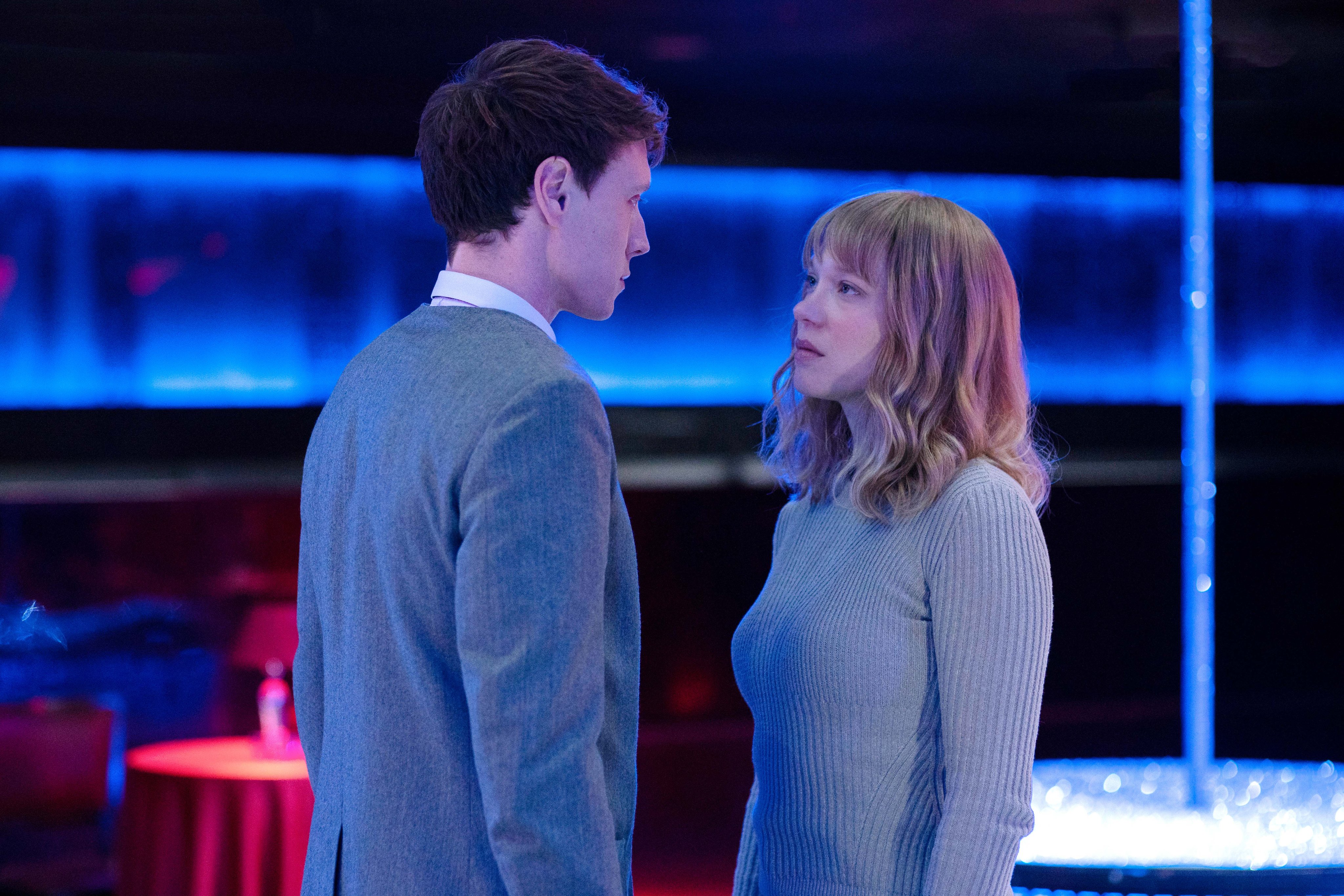
IFFBoston 2023: 3 Narratives

Afire

Reviews for the three narrative features I saw at IFFBoston 2023. Go here for reviews of the three documentaries I saw there.

AFIRE

Two young Berliners, Leon (Thomas Schubert), a writer struggling to finish his novel and his friend Felix (Langston Uibel), a photographer, take a trip to a cabin in the woods near the Baltic Sea owned by Felix’s mother. Upon arrival, they discover the cabin’s already been rented to Nadja (Paula Beer), whom they first hear having loud sex in the other bedroom with Devid (Enno Trebs), a hunky lifeguard. As they all get to know each other, Leon’s the only one of the four not having much fun. Easily irritated and often unable to see what’s going on (even when—especially when it’s apparent to everyone else including the viewer), he’s fixated on his book. Meanwhile, persistent wildfires threaten to spread closer to their neck of the woods.

Purportedly the second film in a loose trilogy from writer/director Christian Petzold beginning with 2020’s Undine, this seemingly has little in common with it apart from casting some of the same actors (most notably Beer.) Obviously, this is a “fire” film whereas Undine was a “water” film; however, while the earlier film had some humor threaded throughout its sci-fi/magical realism frame, this one might be Petzold’s most explicitly comedic effort to date. Schubert’s Leon is a bumbling, near-exasperating protagonist, but still a protagonist because he ultimately has a good heart (even if his self-sabotaging behavior often obscures this nature.) His chemistry with Beer is palpable as well, even when it feels like they’re sparring partners. Actually, the whole ensemble is strong, with Uibel and Trebs evolving from second chorus members to the leads in their own story. Matthias Brandt rounds out the cast late in the film as Leon’s older, long-suffering (in multiple senses of the word) editor.

Apart from some ambiguous roughhousing between Leon and Felix, Afire starts off unassumingly, slowly building its relationships and character arcs as the wildfires remain a background threat heard about but only seen via glowing, burnished, distant skies. Like those fires, it’s a slow burn until, all at once, it encompasses everything in its path with dire consequences for some and narrow escapes for others. It’s reminiscent of a Gary Shteyngart novel in that it’s expertly constructed, caustically funny and in the end, tinged with tragedy and the possibility of transformation. Petzold’s built up a noteworthy filmography since 2012’s Barbara and Undine is a dazzling addition to it.

THE EIGHT MOUNTAINS

Pietro and Bruno befriend each other as boys in an isolated region of the Italian Alps. For Pietro and his family, it’s a rustic summer vacation spot, a getaway from Turin; for Bruno, it’s the only home he knows. The boys become close but when Pietro’s family attempts (and fails) to provide Bruno with loftier opportunities, they grow apart. Years later, as adults, they meet again following a death, reconnecting over the construction of a home in the mountains. Over time though, it’s increasingly apparent that the two men are on alternate paths. Their class differences and contrasting approaches to overcoming them inevitably leads towards fractures in their relationship.

This Cannes Jury Prize winner, adapted from a novel and co-directed by the filmmaker of The Broken Circle Breakdown benefits greatly from its natural settings, breathtaking cinematography, evocative sound design and as the adult Pietro, Martin Eden star Luca Marinelli (unrecognizable until he shaves off his beard.) Strip all of this away, however, and you’re left with a standard coming-of-age parable. As the adult Bruno, Alessandro Borghi’s performance is far less dynamic than Marinelli’s and the many bluesy rock songs on its soundtrack by Daniel Norgren blur together before long. Still, some of its set pieces are inspired—the nail-biting mountain hike with the boys and Pietro’s father, the change-of-pace Nepal sequences, the sinister splendor of the Alps in the dead of winter. The Eight Mountains is ostensibly about a friendship but its gradually slanted focus on Pietro’s trajectory rather than Bruno’s is what resonates in the end.

MASTER GARDENER

Paul Schrader has long established a reputation for going there, which is a major component of his sensibility and thus his peculiar appeal. Consequently, his movies work best when centered on a performance that understands how nutso the material is and can bring it across convincingly anyway (definitely Ethan Hawke in First Reformed, not so much Willem Dafoe in Light Sleeper.) As impassioned horticulturist Narval Roth, Australian actor Joel Edgerton is a strong choice because he’s so adept at disappearing into a part. As he did in Loving, he convincingly adopts a specific physical appearance and voice (a plebeian, nearly Noo Yawk accent) that immediately defines his character which makes the eventual reveals about him all the more potent and shocking.

Still, Master Gardener can be more than a little silly and calculated. For a while, after the big reveal occurs, there is a jolt in that it could go in a number of directions. The one it chooses is a redemption-for-an-abhorrent-past narrative, which has been done to death although Edgerton’s commitment to the story and the part does some heavy lifting. Quintessa Swindell is adequate as his young mentee, but as her great-aunt and his employer, Sigourney Weaver is something else: a prickly, wealthy matron out of a classic Hollywood picture that might come off as a caricature without Weaver’s authoritative take on and comfort with the role. Ultimately, it’s her and Edgerton’s presence and ease with being a little nuts keeping Schrader afoot on the tightrope he’s walking (if barely.)

IFFBoston 2023: 3 Documentaries

Love To Love You, Donna Summer

I saw three documentaries and three narrative features at the 20th(!) Independent Film Festival Boston; here are reviews of the former; check back here in one week for the latter.

LOVE TO LOVE YOU, DONNA SUMMER

She’s rightly remembered as “The Queen of Disco” but even that royal moniker only hints at Donna Summer’s talent and star-power. Blessed with a stellar voice and physical beauty to match, one could assume her success as a singer was also a case of “right time, right place”, adapting to and then defining a dominant musical genre of her era. This documentary, co-directed by her daughter Brooklyn Sudano celebrates Summer but also works diligently to present her as the multifaceted person she was. Most recall her as the woman who orgiastically moaned “Love to Love You Baby” and belted “Last Dance”, but she was also an innovative artist whose contributions to her hit singles and elaborate concept albums far exceeded that primary impression—cue the footage of her vocally coming up with the mechanical electronic rhythm that would define her seminal synth-pop opus “I Feel Love” or the many transformative live performances which she often approached with the meticulousness of a serious actor.

Constructing the film with an extensive assortment of archival footage (both visual and aural), first-time filmmaker Sudano runs the risk of incoherence; at times, the final product does feel a little scattered, stuffing so much content into a feature-length frame. I suspect her co-director, Roger Ross Williams (an Academy Award winner for Life, Animated) provides crucial support in shaping it into a mostly satisfying trajectory. One of their most distinct and effective decisions is to relegate all modern-day interviews to audio only (similar to the recent docuseries 1971: The Year that Music Changed Everything) which keeps the focus laser-sharp on Summer and also preserves the audience firmly in her own time frame (she passed away from lung cancer in 2012.) The only real glimpses of the present are shots of Sudano sifting through all of her mother’s artifacts—less an indulgence than a loose framing device expressing her personal connection to the material.

In the Q&A after this screening, Sudano mentioned that she didn’t want to make a puff piece or a Behind The Music-style overview; the film certainly doesn’t shy away from darker moments of Summer’s life, nor does it gloss over such controversies as her becoming a born-again Christian at the dawn of the 1980s. Also addressed is the backlash she received from the gay community over homophobic song lyrics that spiraled into rumors distressing not only her fanbase but also herself. But that self was alternately (and often simultaneously) a glitzy, commandeering diva, a campy goofball, a devoted but visibly exhausted mother, an introspective wanderer. Similarly, this ambitious, near-exhaustive portrait is a love letter, a critical assessment, a fanciful but also far-reaching collage. Like its subject, it leaves a mark. (Premieres on HBO May 20.)

HUMMINGBIRDS

Best friends Silva and Estefania (nicknamed “Beba”) are two teenagers in Laredo, Texas. They engage in typical activities for their age: hanging out at the convenience store parking lot, sneaking past the gates of vacant or abandoned homes, sitting at the Rio Grande peering across the border to Mexico. Beba, an aspiring musician, is an illegal immigrant, so the view is bittersweet; if she and Silva were to cross the border it would jeopardize her attempts at getting her work papers. The girls’ pro-abortion activism is also poignant once their personal experience regarding it comes into view.

Co-directed by its subjects, Hummingbirds is purposely casual—lackadaisical, even. Sections of it nearly resemble a video diary, yet the subjects rarely break the fourth wall so it’s closer to cinema verité, albeit a self-reflexive take on that non-narrative subgenre. It took me some time to process how substantial this approach actually was (I wasn’t surprised at this screening when two boomers sitting in front of me walked out early on), but I think I get it—anyone can turn a camera on themselves (now more than ever) and call it “art”, but this approach allows one to observe and absorb specifics of community, camaraderie and causes where the personal and political are deeply linked without getting spoon-fed their implications. With considerable candor and charm (and some open-endedness), Silva and Beba could make a sequel in a few years, potentially turning this into their own take on Michael Apted’s Up series if they so desire.

THE ORDER OF THINGS

Watch repair requires a steady hand and infinitesimal patience; this documentary exudes the latter in spades and also requires it from the viewer. Alexandru, a 90-year-old Romanian clock maker, recalls his time as a political prisoner in forced labor camps of that country’s Soviet and Communist regimes. Scenes of him speaking openly about his harrowing past alternate with nearly meditative footage of him at work, a survivor whose old age is positively bucolic compared to what came before. This mostly plays out in lengthy still shots meant to emphasize a sense of place and the value of time being deeply considered rather than glossed over. It’s a beautiful, admirable documentary, but also a challenging one that I had difficulty fully connecting with. It aims for a sense of the sublime but sometimes (such as when it aspires to Jeanne Dielman-like rigidity), it comes off as pretentious.

Peggy’s Cove, Nova Scotia

Peggy’s Cove is a small community 43 kilometers (26 miles) south of Halifax, Nova Scotia.

I was there on a bright, clear and crisp Saturday morning in October 2018.

Lobstering seems to be one of the chief industries there (next to tourism.)

You have to walk a bit from the municipal parking lot to reach the coast.

It’s well worth the walk (and the drive.)

The community sits on the eastern shore of St. Margaret’s Bay.

Many travel here to see the lighthouse, along with these expansive, scenic views.

In the years since my visit, a 1,300-square-meter accessible viewing platform has been installed, although apparently people are still allowed to walk across the rocks. If I ever return, I kind of hope to see this accordion player perched right up against the lighthouse again.

Another great edge of the world. To quote Kate Bush, “We stand in The Atlantic, We become panoramic.”

Favorite Debut Albums

Debut albums come in all flavors. Some barely hint at the artistry to come; others are solid first salvos only to be eclipsed by stronger and/or further refined efforts. Below, I’ve chosen perhaps that rarest breed: the fully-formed release that kicked off careers both fleeting and venerable and were also arguably never topped by anything else the artist would make. To be eligible, they must have recorded at least more than one follow-up. Here are ten favorites in chronological order:

Leonard Cohen, Songs of Leonard Cohen (1968)

Probably this list’s most contentious choice given I’m Your Man (1988), the first Cohen I ever heard (and loved) is its equal and fully holds up despite radically different and deliberately dinky period production. Alas, this debut plays more like a greatest hits compilation than the one he’d release seven years later: credit the three songs later brilliantly used in McCabe & Ms. Miller, but there’s also “Suzanne”, “Master Song”, “So Long Marianne”, “Hey, That’s No Way To Say Goodbye”—even Lenny’s off-key bleating at the end of “One of Us Cannot Be Wrong” still charms me.

Violent Femmes, Violent Femmes (1983)

Maybe the most obvious choice here but this is a textbook example of a debut so definitive, so iconic that Gordon Gano and co. arguably haven’t tried to top it. I don’t know how many officially released singles there were from this, but at least five of its ten tracks are undeniable standards (“Blister In the Sun”, “Kiss Off”, “Add It Up”, “Prove My Love”, “Gone Daddy Gone”) and most nonfans would likely struggle to name more than two or three songs from the rest of their catalog.

Deee-Lite, World Clique (1990)

“Groove Is In The Heart” remains one of a handful of songs I wholly fell in love with on first listen and it’s aged beautifully compared to most hits of its era. To a lesser extent, one could say the same of its parent album. Whether skewed towards Italo-house (“Good Beat”, “Power of Love”) retro-funk (“Who Was That?”, “Try Me On, I’m Very You”) or electro-pop (“What Is Love”, “E.S.P.”), World Clique is exuberant party music with substance that also doesn’t take itself too seriously (unlike their next two albums.) 

Liz Phair, Exile In Guyville (1993)

An eighteen-track manifesto seemingly untouched by the outside world, it’s a pure distillation of Phair’s raw talent. Few first albums have expressed such palpable perspective, much less a feminine one so unapologetically, frankly sexual and forthcoming. It either came out at exactly the right time or it ended up shaping the times even if it didn’t trouble the monoculture much. When Phair did exactly that on Whip-Smart (1994) and the much-maligned Liz Phair (2003), the effect wasn’t as novel or powerful.

Soul Coughing, Ruby Vroom (1994)

A truly strange band that could’ve only ended up on a major label at the height of alt-rock, Soul Coughing’s mélange of beat poetry-derived vocals, jazz rhythm section and sample-heavy soundscapes was both instantly recognizable and really like nothing else. So inspired was their debut that it gave off the impression they could be the 90s answer to Talking Heads. Instead, they ran out of gas after three increasingly conventional albums, suggesting such a notion was too good to be true even if for a brief shining moment it might have been.

Eric Matthews, It’s Heavy In Here (1995)

Whereas most 90s singer-songwriters took inspiration from John Lennon or Neil Young, breathy-voiced Matthews learned his stuff from Burt Bacharach and The Zombies’ Colin Blunstone, crafting intricate, opaque chamber-pop miniatures with guitars as prominent as the trumpet solos, cathedral organ, string quartets, etc. Call it an anachronism, but perhaps Matthews was (however unwittingly) playing the long game as, nearly thirty years on, this debut sounds as out-of-time as it ever did and also as fresh, brimming with little details and nuances ripe for discovery.

Morcheeba, Who Can You Trust? (1996)

The breaking point where “trip-hop” was not yet a genre to emulate but more of a happy accident, a sound stumbled upon when a DJ, a blues guitarist and a one-of-a-kind vocalist with a sweet but alluringly hazy tone all came together and their seemingly disparate contributions somehow gelled like smoothed-out alchemy. From the catchy, loping “Trigger Hippie” to the somber, hypnotic title track, it’s overall more of a sustained groove than a collection of discernible songs—a potency that they only intermittently recaptured when they later mostly eschewed grooves for songs.

The Avalanches, Since I Left You (2000)

Speaking of DJs and sampling, it took nearly sixteen years for this Australian collective to record a second album and a relatively scant four more years to release a third; whenever I listen to the first one, I can fathom why—a triumph of plunderphonics and fin de siècle attitude of “here’s where we’ve been, and here’s what’s next”, Since I Left You remains a singular point continually reverberating and a miracle of reappropriation so far-reaching it feels impossible to improve on—I don’t listen to it as much, but it’s still my favorite album of the 00’s.

Nellie McKay, Get Away From Me (2004)

This “delightful nutcase” (as a friend once correctly described her) released a debut so audacious, precocious, declarative and altogether stunning that I suspected it would be her Bottle Rocket or Reservoir Dogs (a great first effort in a career full of ‘em); unfortunately it ended up more of a Donnie Darko—one great glimpse of promise, followed by weird left turns and outright disappointments to the point where she’s settled for interpreting other people’s work, which she’s often gifted at doing. But I remember how much potential she once had.

Florence + The Machine, Lungs (2009)

Talk about the voice of a generation—Florence Welch, then in her early twenties made that very rare accomplishment of coming off as a *star* from the get-go with excellent tunes (“Dog Days Are Over”, “Rabbit Heart (Raise It Up)”) and an arresting, bold sound entirely worthy of and complimentary to that voice. Welch remains the most promising heir apparent to succeeding Kate Bush at the High Alter of Eccentric Female Divas,  even if none of her subsequent work startles or transcends like Lungs (although 2015’s How Big, How Blue, How Beautiful comes close.)