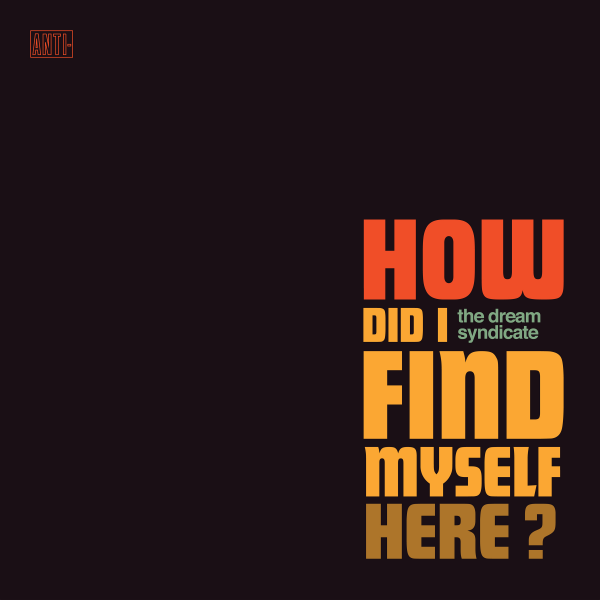
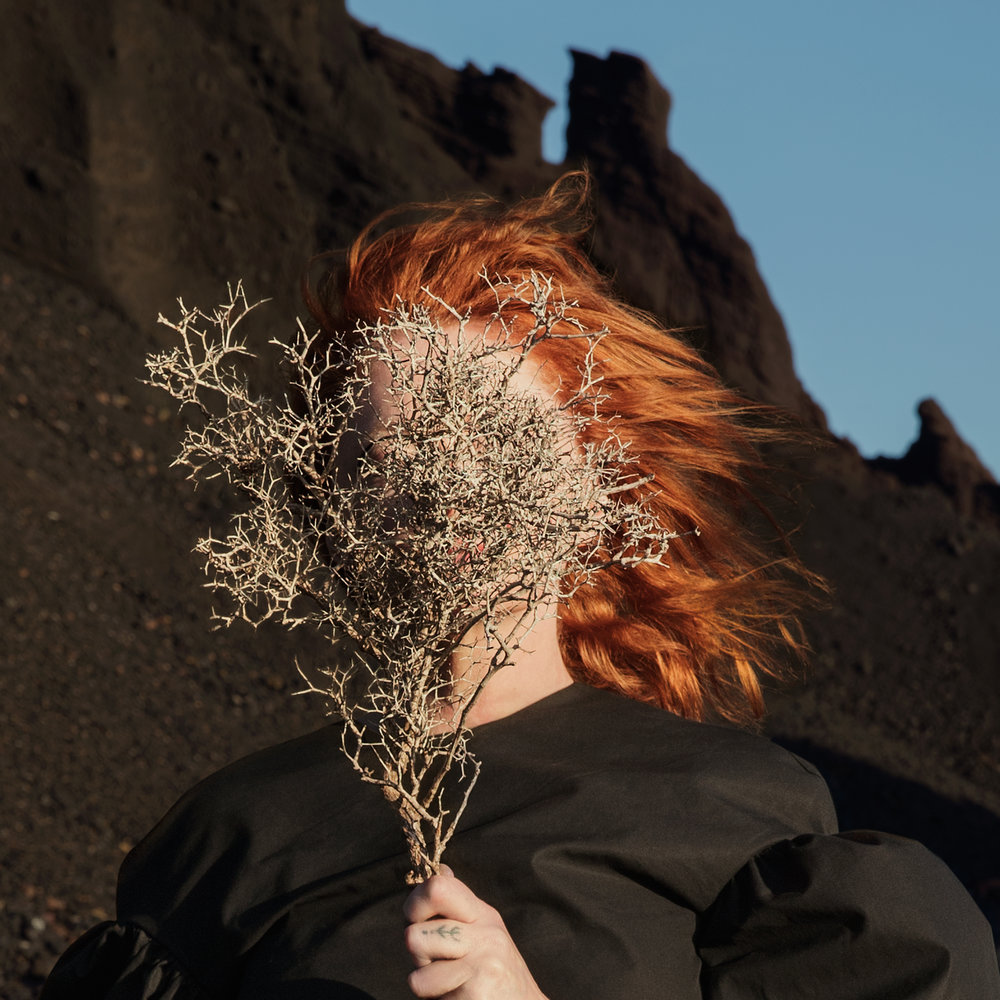
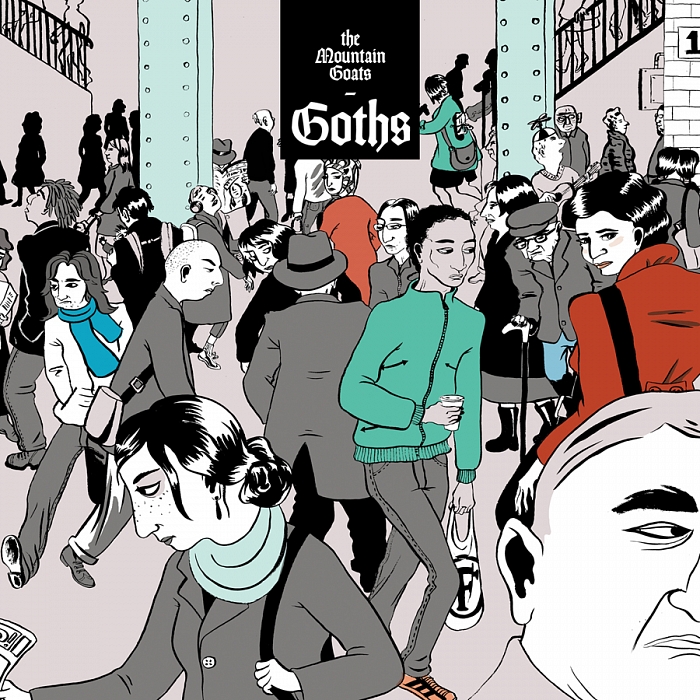
Say what you want about 2017 being shit so far, âcause it decidedly is not where music’s concerned (or TV, for that matterâconsider Twin Peaks, Legion and The Americans, just for starters.) In the unlikely event that I come across no other good new albums between now and December, the ones listed below from the yearâs first half would make for a pretty darn tootinâ top ten.
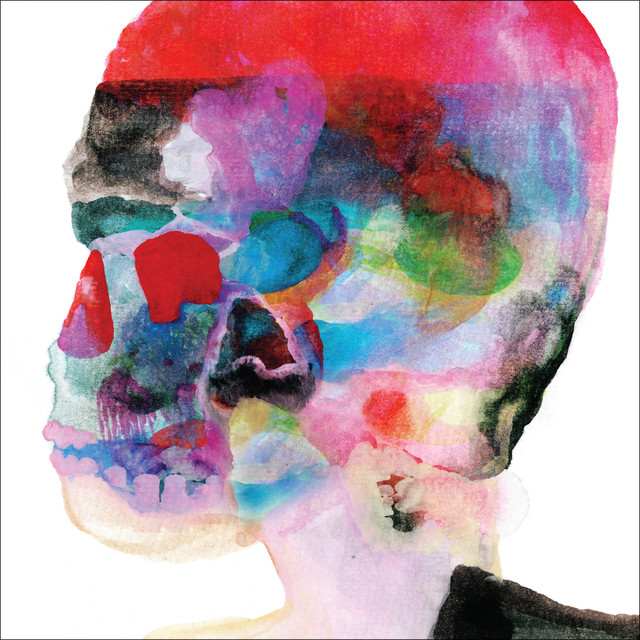
Of course, some gurls are better than others. I admire Stephin Merrittâs quintuple-LP opus more than I ever get around to playing the damn thing, and while the Mann record is easily her best since Bachelor # 2, I have to be in a certain mood for it. Iâm genuinely surprised at how much I enjoy Goths (perhaps because itâs far more Donald Fagen than Robert Smith?) and Hot Thoughts, although I shouldnât be because I tend to love exactly every other Spoon LP for some reason (see: Transference, Gimme Fiction and Girls Can Tell.)
Predictably, the Saint Etienne is my favorite so far. Even though Iâve had less than a month to live with their growing-up-in-suburban-London opus Home Counties, my god, what a month⌠Not only is it already better than the very good Words and Music, Iâm thinking this might end up… their best yet? Will this ultimately ring true or will I eventually burn out on it? Check back in six monthsâin the meantime, enjoy the sublime âOut of My Mindâ, which at the very least deserves more than only 300+ YouTube views.
My favorite 2017 albums so far, in alphabetical order:
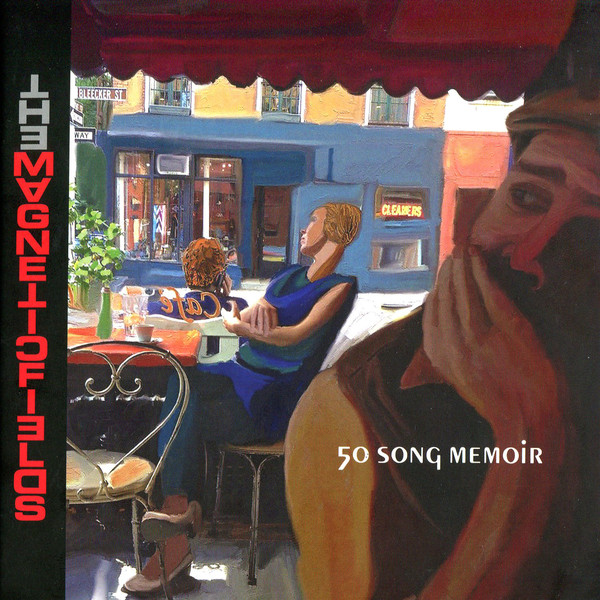
Aimee Mann, Mental Illness Alison Moyet, Other Future Islands, The Far Field Goldfrapp, Silver Eye Jens Lekman, Life Will See You Now Laura Marling, Semper Femina The Magnetic Fields, 50 Song Memoir The Mountain Goats, Goths Saint Etienne, Home Counties Spoon, Hot Thoughts
(My 100 favorite albums in chronological order:Â #67Â â released March 21, 2001 (U.S. edition))
Track listing:Â The Art of Driving / Weekend / The English Motorway System / May Queen / Sex Life / French Rock ‘N’ Roll / The Facts of Life / Straight Life / Â Gift Horse / The Deverell Twins / Goodnight Kiss / Start As You Mean To Go On / Brutality
A British trio consisting of a breathy, slightly posh-sounding female vocalist backed by two nondescript male musicians, you canât help but liken Black Box Recorder to Saint Etienne. Ah, but itâs only a superficial resemblance: in nearly every other way, the former were emphatically the latterâs negative mirror image, their evil twins. If Saint Etienne were (and still are) the cuddliest band in postmodern electro-pop, BBR were decidedly more sardonic and cuttingââChild Psychologyâ, the catchiest track from their 1998 debut England Made Me has a chorus that goes, âLife is unfair; kill yourself or get over it.â
BBR was the brainchild of Luke Haines, who had led mid-90s band The Auteurs and John Moore, a former drummer with The Jesus and Mary Chain. Their idea, in a nutshell, was to, a la Steely Dan and The Beautiful South wed smooth, polished, nearly antiseptic pop with cynical, pointed and often mordantly funny lyrics. Haines had the latter element down pat in his songs for The Auteurs, but his vocals and the bandâs guitar-heavy palette smacked of a less sneering, intellectually-inclined Oasis (a combo that made for a more consistent oeuvre than post-âWonderwallâ Oasis, anyway.) However, in finding chanteuse Sarah Nixey, Haines and Moore hit pay dirt. Although pretty, proper and pitch-perfect, her utter disaffectedness served as an ideal vessel for BBRâs caustic, vaguely sinister pop. Like Saint Etienneâs own Sarah (Cracknell), her voice never manipulated or overpoweredâit simply, impeccably emitted the words written for it to sing (or in many cases, speak) with sparkling, if artless precision.
Although England Made Me lays out all the cards in this musical approach, follow-up The Facts of Life most fully realizes it, adding layers of icy synths and gently haunting strings and placing Nixey front and center. It sounds a lot like French electro-lounge male duo Air (the stately, loping âFrench Rock âNâ Rollâ pays explicit tribute to them) crossed with the socio-conscious commentary of Britpop stalwarts like Pulp. Occasionally, Haines will nod to The Auteurs by bringing in a loud guitar riff (like the perfectly mocking one on the bridge of âStraight Lifeâ); otherwise, the album basks in an ultra-pristine glow, Nixey trilling exactly like Olivia Newton-John circa âHave You Never Been Mellowâ, dutifully singing curt la la laâs and trading spoken word sections with Haines, imbuing her words with sort of a dispassionate directness that manages to both cut to the bone and just evocatively hang there in the air.
The Facts of Life opens with a triptych that seems to concern travel in modern England, but of course, thatâs not all itâs about. In âThe Art of Drivingâ, Haines says, âWe can get a hood down / Throw away those learner plates,â while Nixey coolly responds, âYou got the hang of steering / Now try stepping on the brakes.â Using such innuendo has consequences, however, as she detachedly sings on the chorus, âYouâve been driving way too fast / Youâve been pushing way too hard / Youâve been taking things too far / Who do you think you are?â This âjourneyâ of sorts continues with âWeekendâ as Nixey and her âbest friendâ escape boredom with a âdrive out of the city.â The ultra-catchy chorus of âFriday night / Saturday morning,â seems innocent enough, yet her isolated asides (âTake your bank account / was it worth it?â and âKeep you guessing where weâre goingâ) have an ever-so-slight ominous undercurrent to them. Not as much, however, as âThe English Motorway Systemâ has: While the titular network of roads is âbeautiful and strange,â it also âeliminates all diversions⌠and emotions,â and later, âitâs an accident waiting to happen.â And as easy as it is to zone out while zooming along it, something else is needling Nixey. Eventually, she comes out with it, revealing the road as synonymous with a relationship, at one point speaking plainly but incisively, âDo you really want to break up?â
âSex Lifeâ leaves metaphor behind for a laundry list of sexual configurations. In a singsong-y cadence, Nixey recites, âBoy on boy / boys on top / boys together / boys donât stop / being boys / in your dreamsâ (and she also devotes a stanza to âGirl on girl.â) Her titillating suggestions, however, are a mere prelude to a chorus where she turns the inquiry back on herself, revealing, âCanât stop thinking about you, in your dreams,â languidly extending that last word across multiple syllables. A few tracks later, âStraight Lifeâ presents a similar bait-and-switch. With lush opening harmonies (âItâs a beautiful morning / in our dream homeâ) giving way to mechanical intonation of the songâs title, it all feels deliciously ironic. Still, as guitars howl over the synth-pop beats and Nixey goes on about such things as âhome improvementsâ, she also notes, âWeâre never movingâ with just a hint of defiance, perhaps even advocating for this lifestyle instead of lazily mocking it.
The title track even makes the case that BBR mean it, man. The tightest and most inviting (wouldnât necessarily call it warm) song in their catalog (and not coincidentally their only UK Top 40 hit), it opens with a simple, gradually, very nearly chill but refreshingly crisp hip-hop beat that could almost be Soul II Soul. Itâs tempting to say Nixey ârapsâ the verses, but her deliberate monotone is neither quite that nor spoken-word poetry. âWhen boys are just eleven / they begin to grow in height / at a faster rate / than they have done before,â she starts off, going on to offer advice on how to call a girl on the telephone or where to socialize (and have sex) in a small town. Her professorial tone brings to mind someone whoâs been there, done that and is not prone to romanticism (locales suggested for S-E-X include a disused coal mine and a bicycle shed), yet she also offers deeper asides like, âNo one gets through life without being hurt,â and âExperimentation, familiarizationâitâs all a nature walk.â Then, thereâs the sincere, almost cuddly sung chorus: âYouâre getting ideas / when you sleep at night / they develop into sweet dreams / itâs just the facts of life.â No irony, no snark, just good, heartfelt guidance and observation.
Such is the fine balancing act this band expertly walks that they can get away with it all: indulging in the Wicker Man-like freak folk fantasies of âThe Deverell Twinsâ and the delectably wispy âMay Queenâ, injecting uncommon pathos into the la, la, la chorus of âFrench Rock âNâ Rollâ, even Nixey concluding âGift Horseâ by repeating the lyric, âI just want to be loved,â sixteen times and holding your attention through to the very last one. On âGoodnight Kissâ, she expertly vacillates between being caring (âIâll cradle your head in my handsâ) and creepy (âcheck that youâre still aliveâ) while also managing to eke out a credibly moving love song. âGoodbye, good-niiiight,â she sweetly sings, âIt’s just a goodnight kiss,â and yet her composure and near-blankness keeps it all from becoming too sweet or overtly sentimental. It’s the perfect end to a lovely night and an exceptional album.
Or at least, it was on the original UK release in May 2000. When The Facts of Life finally arrived stateside ten months later, it did so with two former B-sides added as bonus tracks. âBrutalityâ is a brief, laundry list of âWhat ever happened to…â inquiries (among them, âthe fear of Godâ and âthe South of Franceâ) before practically praising âGood old fashioned brutality / everything in its placeâ with something resembling a yearning for it. âStart As You Mean To Go Onâ, however, is the real prize: A glam-tastic trot that kicks off with a pert, âBe My Babyâ drumroll, it positions Nixey as a young woman who âlearnt to be a secretaryâ and desires to get married with kids and then âsplit up when we’re twenty-two.â Of course, it’s all buildup to the glorious chorus: âIf I can’t have it, NOBODY CAN! / You follow the instructions, it’s all part of the plan / when you start / as you mean / to go on.â Nixey declares these daggers over charging guitars and icy synths, supplemented by unerringly sung doo-doo-doo’s. An irresistible anti-anthem for the young go-getter who really can’t be bothered, it’s the absolute essence of BBR’s serious flippancy (or, if you will, flippant seriousness); for me, The Facts of Life is unimaginable without it.
If there’s a drawback to this band’s tightrope trick, it’s that it’s awfully hard to sustain over time. After this album, Nixey and Moore married and BBR put out two more recordsâ2001’s odds-and-sods comp The Worst of Black Box Recorder and 2003’s Passionoiaâthe latter’s not bad, but it altogether plays like a lesser, if lusher retread of the first two LPs (at the very least it has amusing track titles like âAndrew Ridgeleyâ and âThe New Dianaâ.) Then, Nixey and Moore divorced not long after. Despite playing some shows with sarcastic punk pop outfit Art Brut following a multi-year hiatus, BBR was officially kaput by 2010. By then, their moment had long since passed, but The Facts of Life remains one of those half-forgotten about, perfectly-formed gems awaiting rediscovery.
Up next: Return of the (career-defining) Double Album.
(My 100 favorite albums in chronological order: #66 â released November 27, 2000)
Track listing:Â Since I Left You / Stay Another Season / Radio / Two Hearts In 3/4 Time / Avalanche Rock / Flight Tonight / Close To You / Diners Only / A Different Feeling / Electricity / Tonight / Pablo’s Cruise / Frontier Psychiatrist / Etoh / Summer Crane / Â Little Journey / Live at Dominoes / Extra Kings
It begins with the words, âSince I left you / I never felt so blue,â on a loop; an hour later, it all ends on another repeated couplet: âGirl, I just canât get you / since the day I left you.â Both vocals are actually sampled from other recordsârespectively, The Main Attraction’s âEverydayâ and The Osmondsâ âLet Me Inâ. Between those bookends lies a universe of sound, including but not limited to a horse whinnying, thick grooves pilfered off â70s and â80s soul and R&B deep tracks, various string-section fanfares, the all-encompassing blare of a big boatâs horn, flamenco guitar riffs, the Cabaret soundtrack, dialogue from John Watersâ Polyester (!), fluttering female la-de-daâs and ba-bap-baâs and more.
A whole lot more, in fact: Since I Left You is almost entirely crafted from literally hundreds of samples off existing records; it would not surprise me if there were actually thousands imbedded within, given the albumâs vast density and near complete lack of silence or open space. An Australian DJ collective whom at the time boasted six members, The Avalanches were hardly the first artists to make a record this way. Plunderphonics, or any music constructed from altering existing audio recordings into new compositions, was a term coined by experimental composer John Oswald in the mid-80s, but its practice goes further back than that, from Saint Etienne chopping up and reassembling â60s pop in the early â90s to the hip-hop sample collages of Grandmaster Flash and Steinski (not to mention hip-hop as an entire sampling culture, really) to even Dickie Goodmanâs novelty âbreak-inâ records of the â50s.
However, to go beyond novelty and collage and merely using samples for backing tracks, youâd have to consider DJ Shadowâs Endtroducing⌠(1996), the first widely recognized attempt to create an entire, unified pop album chiefly made up of found sounds. Itâs a rightly acknowledged classic of tone and mood and humor and grace, but SILY is something else: although it has eighteen discernible tracks, itâs far better played, understood and absorbed as a shimmering, complete whole from beginning to end. To start listening to it in the middle or (gasp) play it on shuffle would diminish its impact and power. Only one track arguably stands on its own, although itâs less an outlier than a fully realized song (of sorts) that manages to somehow fit into the albumâs entire framework (more on it later). Still, the beauty and brilliance of SILY is that itâs less an entertaining collection of deftly deployed samples and more an orchestrated, sustained work, taking the listener on an aural journey through decades of recorded sounds and cultural signifiers, expertly building momentum by altering tempos, conjuring emotions and forever emitting a sense of exploration and adventure.
And I do mean adventureâon first listen, you have absolutely no idea where SILY will go next. The sheer amount of soundsâvocals, hooks, motifs, basslines, riffsâcan easily overwhelm. It doesnât work at all as background noise unless youâre willing to let it subliminally sink it over ten or twenty spins; the best way to approach it is to immerse yourself completely in its world by listening to it on headphones, bestowing it your full attention. Even better, listen to it at least two or three times this wayâit not only begins taking on recognizable shapes, but on each spin, you can hear new things in it; Iâve heard it over one hundred times and details still occasionally surface that I hadnât detected before. More so than any other album Iâve written about here, SILY requires ample time and patience, but as it gains familiarity and resonates, it emits the unadorned thrill of continual, satisfying discovery. I canât remember exactly how many spins it took, but within a year of first hearing it, SILY firmly entrenched itself in my ongoing mental list of Favorite Albums of All Time.
Itâs a work that easily lends itself to a myriad of interpretations, but I want to avoid taking an overtly technical, music composition-heavy approach, in part because my acumen in that area is limited, but primarily because it would not be much fun for me to reduce this record to an academic exercise. While SILY is exceptional from a purely technical angle, as with the very best pop music, itâs more remarkable for how it makes you feel: the mere breadth of the samples utilized not only creates an aural sensory overload, but the manner in which theyâre employed and sequenced turns the whole listening experience into an emotional journey as well. Often, it resembles a series of symphonic movements more than a collection of pop songs through its use of recurring motifs (both vocal and instrumental), cross-fading between adjacent tracks and the sense that an ongoing story is unfolding: itâs a Frankensteinâs monster of samples that more often glides gracefully than it lumbers about due to how seamlessly its disparate parts are expertly, inventively sewn together.
The title track/opener practically invites you into this narrative, as nimble guitar filigrees, sweet flutes, onomatopoeic backing vocals and a friendly guide announcing âGet a drink, have a good time now, welcome to paradise!â all coalesce into a blissful Philly soul groove that buttresses the looped sample mentioned at the top of this essay. It continues this way for a few minutes, until the beat (but not the tempo) shifts into a slightly funkier bassline that appears to be submerged in shallow water. As it surfaces and guitar chords and percussion become audible, it reveals itself as one of SILYâs most recognizable and iconic samples, Madonnaâs âHolidayâ, only pitched down a few beats per minute. The âHolidayâ sample officially kicks off track two, âStay Another Seasonâ, but you wouldnât necessarily notice that unless you were watching the track’s running time on your CD or mp3 player. Also, the main vocal melody of âSince I Left Youâ soon reappears and repeats itself, only over a minor key. Additional samples keep popping up, most prominently a looped horse whinny, but so far it feels more like a medley than two individual songs.
This changes as âStay Another Seasonâ diminishes and âRadioâ fades in, suitably like a transmission from distant airwaves. It sports a similar tempo to what proceeded it but also a much tougher groove, which provides the foundation for a series of looped vocal samples all over the tonal spectrum, from the fluttering âSometimes you donât / understandâ to the slinkier, telegraphic âSending Out Signalsâ to the abrupt interjections of people shouting âWAH!â The samples are interwoven together to create hooks, but at a level of proficiency and activity that elevates it all far beyond the remedial nature of, say, Sugar Hill Gang building a rap around the rhythm track from Chicâs âGood Timesâ.
Near the end of âRadioâ, the groove comes to an abrupt stop, replaced by a bleary-eyed voice repeatedly asking, âCanât you hear it? Oh, canât you hear it?â Other vocal samples immediately enter the mix, most notably two from Cabaret (Joel Greyâs iconic Master of Ceremonies purring âMoneyâ and what can best be described as a coarse trombone fart) before âTwo Hearts in ž Timeâ materializes via a series of clipped, sinus-clearing sampled exclamations (OOH! / YEAH! / OH! / YEAH!â). It careens on and on like a faltering merry-go-round, ending with a âWHEE!,â then mutates into a placid, soulful waltz that spools out almost effortlessly, a woman blissfully trilling la-de-daâs over electric piano comp (as if slipping off an early â70s Stevie Wonder record.) The track languorously twirls on and on until the beat is subsumed by a purely electronic rhythm, setting up the transition into âAvalanche Rockâ.
In just those first four tracks, thatâs a lot to unpack and absorb. This relentless pace continues throughout the rest of SILYâs first half; in fact, with âAvalanche Rockâ serving as a brief link utterly transforming the mood from light to dark, âFlight Tonightâ then pushes it to extreme, in-the-red levels. The electro-rap backing is positively fierce compared to what came before, the vocal samples (âWicked, she wicked, she wickedâ and âI booked a flight tonightâ) repetitively ping all over the song like ricochet gun shots and it all climaxes in a frenzied, unintelligible rap (which could be in English, French or just nonsense words). It manages to be intimidating, exhilarating and just plain weird all at once, but importantly, it doesnât stop the album in its tracks. The momentum, greatly aided by the beat forever surges ahead.
Such force perhaps reaches its most sublime expression and release over the next three tracks. âClose To Youâ deftly shifts from electro to disco, while a looped flute sample builds like a Steve Reich or Philip Glass piece. After it drops out, samples ranging from the familiar (Kid Creole and the Coconutsâ early 80s hit âStool Pigeonâ) to the painfully obscure (â70s whistle-heavy electronic British TV show theme âQuillerâ) get layered on top of one anotherâthe sensation of hearing them blend into a wall of sound provides a heady rush. However, before it begins to overwhelm, âDiners Onlyâ uses the well-worn DJ tactic of inserting a breakdown in its opening seconds: the beat retreats to the background, and a snippet of women laughing (one of them saying, âSusie, heâs looking at you!â) sits in the foreground. A male lothario briefly raps about champagne and then the beat starts building itself back up. That flute arpeggio from âClose To Youâ returns with a vengeance, incessantly repeating itself, forcibly growing louder and louder and deeper and stronger until your brain feels like it could just EXPLODE.
And it very nearly seems like it does with the stop-on-a-dime shift into âA Different Feelingâ via a massive, four-on-the-floor beat, big rhythm guitar funk chords and siren noises. The volume rapidly lowers, only to BLAM! hit you at full force again. If this wasnât already delirious enough, as the song grows quiet again, The Avalanches play their trump card with the unlikeliest of famous vocal samples: Debbie Reynoldsâ anodyne â50s hit âTammyâ. Itâs damn near unrecognizable in this setting, but sure enough, thatâs her dreamily warbling, âTammy, Tammy, Tammyâs in loveâ over the disco beat. It works in and of itself as catchy, hook-laden, danceable music, but the real pleasure comes out of identifying that it is, in fact, âTammyâ you’re hearing. The joy emanating from that kind of discovery is where plunderphonics approaches the sublime.
âElectricityâ opens SILYâs second half with an exquisite, almost baroque female chorale and soon settles into a wickedly comfortable mid-tempo strut, utilizing as its chief hook the shouted exclamation âRap Dirty!â (sampled from an X-rated comedy album, of all things). After maintaining such a relentless energy level throughout, the album only really calms down at the next track, âTonightâ. Its slower tempo and relatively sparse use of samples (a wonky, treated piano riff and Nancy Wilson silkily singing, âTonight / may have to last me / all my lifeâ) provides much needed space to catch oneâs breath, as does âPabloâs Cruiseâ, the brief, nautical themed interlude that follows (fans of late ’70s soft rock will recognize the titular pun.)
It clears the air for âFrontier Psychiatristâ, one of the albumâs three singles (along with the title track and âElectricityâ) and arguably the only track on SILY that can easily stand alone. An ideal gateway into the band, it also fits comfortably into the album’s framework, for it does best what SILY as a whole sets out to do: cleverly, expertly stringing together a disparate, symphonic array of vocal and instrumental samples, shrewdly manipulating them to sound like they all belong in the same room. It opens with a callback (the return of the horse whinny from âStay Another Seasonâ) and a conversation lifted directly from Polyester, where straight-laced high school principal Mr. Kirk breaks the news to flustered Mrs. Fishpaw (drag diva Divine, of course) that her teenaged son Dexter is âCriminally Insane!â, setting the scene for a madcap narrative underscored by an overtly dramatic Enoch Light orchestral sample.
Like much of SILY, the track re-appropriates unironic sounds as camp, and vice-versa. Some of the vocal samples are looped until they become big, fat hooks (âThat boy needs therapyâ) while others are strung together to push the story forward (a woman exclaims, âHe was as white as a sheet!â followed by a man who matter-of-factly notes, âAnd, he also made false teeth.â) At one point, they pilfer a childâs educational record about animal sounds and convert both a hacking crow and a verbose parrot into freestyle rappers via a flurry of turntable scratching. Still, even though it’s the most accessible track here (in part because it’s also the funniest), âFrontier Psychiatristâ draws to an abrupt end on an extended snippet of the Italian pop standard âEl Negro Zumbon (Anna)â in order to once again reset the decks for the album’s fourth quarter.
Speeding up and modulating the dit-dit-dit’s from The Five Americans’ 1967 hit âWestern Unionâ is the first but hardly the last sample âEtohâ loops unto oblivion; thereâs also an underlying flute melody, vocal gibberish that lends the track its title (âeet-oh-eet-eet-eetâ), falsetto do-do-do’s, a funky robotic scat and what resembles a ringing phone. It builds momentum like the incongruent layers of âClose To Youâ did, and some of its samples stick around for âSummer Craneâ, which sustains the tempo but adds even more samples: a cooing Francoise Hardy, the positively glowing backing of a War song (not âLow Riderâ), da-da-da’s from the Fifth Dimension, the instantly recognizable, swirling orchestral fanfare from âLove’s Themeâ by Love Unlimited Orchestra, an ascending Theremin, etc.
The nautical theme implied by SILY’s lifeboat-infested album cover (and in tracks like âPablo’s Cruiseâ) reaches its fullest expression in this sequence. Both âEtohâ and âSummer Craneâ seem to practically float or undulate, echoing like dub reggae as opposed to swaying like a sea shanty. Although âLittle Journeyâ is another brief interlude, it’s a crucial one, beginning with a literal SPLASH! (signaled by a Gabor-like starlet announcing, âWell, I would say, âBon Voyage!â). Its title comes from a Mamas and The Papas sample which soon gives way to another callbackâMadonna’s âHolidayâ from âStay Another Seasonâ, only this time thrillingly sped up. It leads into another orchestral fanfare, only this one’s accented by a stirring, rumbling beat straight out of South Pacific (or perhaps a mid-century documentary on Hawaii.)
A swift crescendo of horns then leads into a looped, decades-old recording of peppy voices announcing, âFLIGHT 22 IS OFF TO HONOLULU!â and âLive At Dominoesâ takes SILY into its home stretch. More so than even âA Different Feelingâ, it’s the album’s climactic banger, swiping its floor-filling groove from Boney M’s 1977 Eurodisco hit âMa Bakerâ, with a Daft-Punk style vocoder spouting nonsense syllables on top along with strings launching the song towards the stratosphere. It releases some of the tension that has been stored up since âEtohâ while also continuing to build momentum, gradually attaining a euphoric high as the beat turns all techno, totally drops out and the strings gracefully sigh into the ether.
âLive at Dominoesâ conceivably sounds like a natural ending to SILY, but âExtra Kingsâ is a more effective one. It presumably wraps a neat bow on the album with its numerous callbacksâthe Francoise Hardy and War samples return (at the opening and closing, respectively), plus there’s a lyrical callback I noted at the top of this essay. But this only tells part of the story, for it also collects all that forward-surging momentum and tension and pushes it to the absolute breaking point. The track’s midsection loops a flute-led melody while first piling on orchestral filigrees, then a growing, sinus-clearing electronic noiseâthe harshest sound on the entire album. That noise eventually subsumes nearly everything, resembling the aural equivalent of an atomic meltdown. It dissipates all that tension on contact, carrying the sensation that your brain is dissolving, rather than about to explode. And yet, although barely audible, that melodic flute-loop is still thereâitâs buried under a tonnage of ugly noise, but it persists, âdo-de-do-do, do, do-de-do-doâ ad infinitum, just as that final lyrical callback repeats, gradually fading to black.
Arriving in Australia in November 2000 and approximately a year later in the US (the delay mostly due to required sample clearances), SILY was born out of what increasingly seems like a crucial time in pop music’s development. A new century, millennium, even, encouraged many to take stock of what had come before, while also looking ahead to new configurations and technologies. After all, digital formats and file sharing had just begun significantly altering the ways we were obtaining and consuming music. Even at the time, SILY felt like it bridged both the end of an era and the beginning of a new one. By cherry-picking through the past and reshaping it for the present, The Avalanches couldnât help but point towards the future, reminding us that art does not exist in a vacuum or always appear out of thin air; instead, it bespeaks multitudes of references and influencesâin this case, modifying and re-contextualizing the sources, rather than merely emulating or entirely re-creating them.
Although SILY would go on to influence a large swath of DJ culture and mash-up artists like Girl Talk (or whoeverâs trending on YouTube this week), it didn’t exactly breed longevity for the men who created it. The Avalanches all but disappeared in the following years, apart from a few commissioned remixes and occasional updates that they were working on new material. As time passed and the album’s cult following swelled to the point of becoming legend, it seemed less likely a follow-up would ever surface, for how could anything possibly top, let alone live up to the first one? In an age increasingly beholden to remakes and reboots, The Avalanches finally did return in 2016 with Wildflower. Reduced to a core duo, they opted for a far less unified structure and employed guest rappers (Biz Markie, Danny Brown) and vocalists (Mercury Rev’s David Baker, Father John Misty) alike. It doesn’t even try to equal its predecessor, which ends up working in its favor. Although it falls apart somewhat in its last stretch, it does feature a great eight or ten track sequence of perfectly pleasant psychedelic pop.
But it’s not SILY, and thatâs fine. More than 15 years on, The Avalanchesâ first album remains a singular endeavor, a high water mark in re-appropriation, its encyclopedic summation of late 20th Century Pop a cultural crossroads forever etched in vinyl. SILY stands as a reminder of where we came from and how we arrived at that pivotal moment in time, but also what it felt like to look ahead towards an undefined, potentially limitless future.
Up next: âExperimentation, familiarizationâitâs all a nature walk.â
(My 100 favorite albums in chronological order:Â #65Â â released September 12, 2000)
Track listing:Â Cavity / She’s Really Daddy Feelgood / Essence / Re-Hab / Into Me /Â Ordinary Love / Man In a Dress / The Stepford Lives / Bijou / Sister/Mother / C’mon Everybody
Best known for his 2008 Tony Award-winning musical Passing Strange, Stew doesnât neatly fit into one particular genre or category. Born Mark Stewart in Los Angeles in 1961, he spent his 20s in Amsterdam and Berlin (as the autobiographical Passing Strange documents). By the mid-90s, he had returned to his hometown and formed a band called The Negro Problemâthe mere name tips you off to his irreverence and quirkiness and also forever requires one to immediately mention to others that itâs inoffensive because Stew is black. He doesnât especially sound black, in part because his music gravitates more towards rock and roll and musical theatre than R&B. His gruff baritone can be suitably soulful when needed, but it usually falls somewhere between Van Morrison and Burl Ives. Psych-pop, folk rock, new wave, krautrock, chanson, lounge, bubblegum, progâall of these (and various permutations of such) are fair game for a Stew song.
Before work on Passing Strange altered his career course, he put out six albums between 1997 and 2003: three under The Negro Problem, the other three as âsoloâ Stew records (although the distinction between the two monikers is ephemeral at best). TNPâs debut, Post Minstrel Syndrome (another pun!) was rather messy but totally by design, in its more rambunctious moments resembling XTC if they had actually taken Ecstasy. Its follow-up, Joys and Concerns made a far better case for his talent, reeling off a dozen hummable, near-perfect pop miniatures about everything from Monday mornings to a sexually-confused Ken doll. Its sharpened musical focus was the result of him reigning in the band from a sprawling collective to a core trio including bassist Heidi Rodewald, who became his chief songwriting collaborator (and for a time, romantic partner) through Passing Strange and beyond.
Like all but the most obsessive record buyers, I never heard of Stew or TNP until his first solo album, Guest Host (perhaps simply named for how pleasing the words sound out loud?) ended up at number one on Entertainment Weekly music critic Tom Sinclairâs year-end list of favorite albums. At the exact moment the likes of U2, Eminem and Outkast all dominated such lists (okay, PJ Harvey too), it was intriguing to see one headlined by someone so relatively obscure, recording on tiny indie label Smile Records, no less. The following year, I found a cheap used copy of it; as second-hand record store finds go, itâs nearly up there with Apartment Life, which came into my life at roughly the same time.
Given Rodewaldâs extensive involvement on Guest Host, the real difference between it and a TNP record obviously has less to do with personnel and more with approach. Whereas those two TNP albums (particularly the debut) often feel like the work of a full band, Guest Host comfortably slips into singer/songwriter territory, favoring stripped-down acoustic arrangements over Big Pop Spectacle set-pieces. Although quieter TNP songs like âBleedâ, âKenâ and âDoubting Uncle Tomâ couldâve easily fit on it, none of its tracks wouldâve fully worked on those preceding records. Even the most traditionally soulful (âSheâs Really Daddy Feelgoodâ) or poppiest (âCâmon Everybodyâ) selections exhibit a newfound maturity and intimacy.
âCavityâ opens Guest Host on a bed of lovely Bacharach-esque piano and languorous, breezy major-7th chords. âSister, there’s a cavity in me / Your sugar causes me such endless pain,â Stew announces in his inimitable bellow; he develops the song’s central metaphor through multiple verses, switching from the song’s title to, in the second verse, âBrother, there’s a comedy in thee.â He introduces various wordplay (âSugar goes to Cainâ instead of âcaneâ), then finally arrives at a chorus where he repeats the lyric, âI was blind till I ate your sweet thing.â At that moment, we first hear Rodewald’s sweet, wordless backing vocalsâthe secret weapon in this album’s arsenal. As subsequent verses make use of imagery both religious (name-dropping John the Baptist and Lazarus) and psychedelic (âNobody even noticed when I floated down Mainâ), the song builds in complexity while remaining gently, agreeably hazy, its unfussy pop hooks wrapped in understated mystique.
Guest Host retains this vibe throughout its more acoustic, pastoral tunes. âEssenceâ is nimble folk-pop, ringing with an acoustic 12-string guitar and Stew’s hypnotic reading of the repeated phrase, âAnd I found her / everywhere,â elongating the âwhereâ until it becomes completely embedded in all the prettiness surrounding it. âSister/Motherâ similarly ekes out considerable beauty in its gentility, with Rodewald adding lush, multi-tracked harmonies all over the song, most effectively in the final thirty seconds when a jumble of repeated phrases take on a mantra-like presence. Coming at the album’s exact mid-point, the swooning âOrdinary Loveâ reprises all of these qualities, enhancing them with gorgeous strings, but also with such unorthodox touches as Stew’s soulful melodic vamp on the second verse, or that effective pause when the piano drops out and the strings remain lurking in the background.
As lovely and accomplished as these songs are, if the album contained nothing else, then I might not be writing about it here. If Stew’s only ambition was to be the next Bill Withers (or Gordon Lightfoot, perhaps), he could’ve made a perfectly fine career doing so, but he’s far too original to limit himself to that. Thus, when he writes a folk-pop tune, it occasionally comes out like âRe-Habâ. After a Joan Baez-ish classical guitar slowly fades in, he begins relaying a tale of a woman who was âvery, very, very optimisticâ after she left re-hab for the first, then second, then âthird or fourthâ time. The verses teem with a bounty of lyrical puns and witty observations (âShe traded mainline for online / and she took up web designâ) but each one ends on the âvery optimisticâ lyric, with Stew repeating the word âveryâ up to eleven times, followed by a chorus of slightly off-key children immediately echoing that lyricâboth a gesture of inspired lunacy and something of a sick joke. Still, it dissects the potential futility of rehabilitation with cutting precision, as does Stew’s revelation in the final verse (âWhen she got out of re-hab for the 22nd timeâ), wryly noting, âFunny how the maniacs who took the time to sob / seem to not mind a junkie with a well-paying job.â
This slightly warped, or if you’re so inclined, unconventional but utterly sane worldview is a vital part of Stew’s persona. At his most inspired, he takes a recognizable song form and makes it his own. Heâs not a parodist or satirist, but much of his work conveys a rather wicked sense of humor filtered through an encyclopedic knowledge of popular music. âMan in a Dressâ (as in, âBaby what you need is aâŚâ) plays like a 1930s pop song complete with 4/4 swing rhythm but itâs also put through a scratchy filter that makes it actually sound like a song recorded in the 1930s (and does so not for just the first verse and chorus, but for the whole damn thing.) âInto Meâ is musically such anodyne bubblegum pop (dig that fake perky flute!), youâd never expect it to be about consensual, heterosexual sodomy with a manly, unapologetic Stew on the receiving end (the chorus hook: âShe got into me!â), but thatâs exactly what it is. âThe Stepford Livesâ aims for full-on baroque psych-pop on the order of The Zombies or The Association, piling on oboes, harmonica and chime-like keyboards while remaining melodic and approachable. Still, it’s not above getting a little weird in the middle-eight, where Rodewaldâs heavily filtered, echo-y, unintelligible spoken word interjections vie for space with a few unexpected sci-fi synths.
Still, just as Stew could’ve easily forged an alternate path devoted to Syd Barrett and Frank Zappa-esque freakouts, it’s his obvious love of pop that renders the bulk of his output accessible and inviting. Even when he’s playing the smartypants (dropping lyrical puns like âLaGuardian Angelâ) or being deliberately ornate (the quietly beguiling âBijouâ, which could be a Fairport Convention folk hymn narrated by Shel Silverstein), he still stacks his songs with ample hooks. He saves a few of the juiciest ones for Guest Host’s final track, âC’mon Everybodyâ: exuberant doo-doo-doo’s, a bright-eyed, call-and-response chorus between himself and Rodewald and Technicolor strings that gloriously flare up at just the right momentâthey all make for cheery, sunshine-y power pop of the highest order.
We will return to Stew in another few entriesânot with Passing Strange, but another record he made prior to it that did nothing less than redefine what an album can all contain.
(My 100 favorite albums in chronological order:Â #64Â â released March 7, 2000)
Track listing:Â How Am I Different / Nothing Is Good Enough / Red Vines / The Fall of the World’s Own Optimist / Satellite / Deathly / Ghost World / Calling it Quits / Driving Sideways / Just Like Anyone / Susan / It Takes All Kinds / You Do
How many artists or bands (beyond The Beatles) can you name whose first three albums are all great? One could reasonably make a case for anyone from Talking Heads to Tori Amos (not counting YÂ Kant Tori Read, of course), but in this canon of 100 favorite albums, only Aimee Mann makes the grade. And yes, she did record three earlier albums as leader of the band âTil Tuesday, but the break between them and her solo debut, Whatever is definiteâyou would never confuse the latter as the product of the former. That 1993 album wholly re-established Mannâs career, knocking everyone who heard it sideways with its mature sound and scope; its follow-up, Iâm With Stupid(1996) further expanded and fine-tuned her persona as a literate, occasionally acerbic singer/songwriter rightfully staking her claim as the alt-rock queen of the kiss-off, not to mention an endearing underdog when it came to navigating her way through major record label politics.
Speaking of which, after Interscope rejected her third album in 1999 for not having sufficient âcommercial appealâ, Mann bought back the rights and released it herself the following year on her own label, SuperEgo. In hindsight, Bachelor No. 2 (or, The Last Remains of the Dodo) feels no less commercial than either of the two preceding albums, but the very late ’90s wasn’t a stellar time to be a female artist unless your first name was Britney or Christina. Just a few years before, alt-rock-friendly women from Sheryl Crow to Paula Cole regularly crossed over to the pop charts, but closer to decade’s end, they couldn’t even get widespread radio airplay on alt-rock radio, which had devolved into a more male-dominated format heavy with rap-rock and nu metal. Then pushing 40, Mann was less likely than ever to get a radio or MTV hit even as fleeting as âThat’s Just What You Areâ.
Bachelor No. 2’s opening salvo addresses this conundrum straight away. As âHow Am I Differentâ proceeds at a slow, deliberate swagger, Mann repeats the song’s titular question at its chorus, stretching out the word âHowâ to nine+ syllables, the guitars swelling like a steady pressure cooker almost ready to blowâand it does, at the subsequent bridge when she sings, with controlled but deeply felt vitriol, âJust one question before I pack / When you fuck it up later, do I get my money back?â As many a Mann song before it, one could interpret it as relating to either a personal or professional relationship; however, her recent history and the mere mention of a monetary transaction firmly nudges the song into the latter category. Although it reprises sentiments voiced on earlier tunes such as âLong Shotâ, âI Should’ve Knownâ and âSugarcoatedâ, it feels as if something really vital hereâs at stake, perhaps because after all this time, it keeps on happening.
Such subject matter resurfaces throughout Bachelor No. 2âshe’s simultaneously sharpening her attack and refining her late-Beatles derived sound. âRed Vinesâ picks up right where âThat’s Just What You Areâ left off, laying a shuffling drum loop under a warm bed of guitars (including slide played by her husband, Michael âNo Mythâ Penn) and a gorgeous melody; it also has some of her most enigmatic lyrics to date, alluding to catching lightning bugs, âpunching some pinholes / in the lid of a jar / while we wait in the car,â all the while âsitting on the sidelines / with my hands tied / watching the show.â Similar accusations of being held back or deemed inferior return in the catchy âGhost Worldâ. Inspired by, but never directly referencing Daniel Clowes’ comic except for its shared title (about a year before Terry Zwigoffâs film adaptation), it’s self-deprecating (âI’m bailing this town / or tearing it down / or probably more like hanging around,â) yet also proudly defiant, concluding with her asking, âSo tell me what I want, anyhow.â
Jon Brion, who produced Mann’s last two albums, only helms two tracks here. âThe Fall of the World’s Own Optimistâ heavily bears his stamp with layers of guitars, antique keyboards and Lennon-esque backing vocals (Mann also co-wrote it with Elvis Costello, whom one can easily imagine mastering its chewy lyrics and melody); the other, âDeathlyâ, is a big, bold-strokes, nearly anthem-like ballad that harkens back to other Brion productions (most notably âStupid Thingâ via its guitar solo and âAmateurâ, which also had backing vocals from Juliana Hatfield). It’s also one of four songs that, months prior to this album’s release, appeared on the soundtrack to Paul Thomas Anderson’s Magnoliaâa film almost entirely made up of Mann’s songs and very much inspired by them as well. One character onscreen even quotes the first line of âDeathlyâ verbatim: âNow that I’ve met you / would you object to / never seeing each other again?â
Another Magnolia cut is one of Bachelor No. 2’s highlights: âDriving Sidewaysâ follows a four-chord progression that’s comfortably familiar but not derivative. Mann’s vocal carries nearly the entire piano-heavy song, never pausing for a significant instrumental break until the brief, guitar solo-besotted coda. Although the lyrics are as barbed as ever (âAt least you know / you were taken by a proâ), Brendan O’Brien’s clear-eyed production casts a warm glow over it that suits Mann’s somewhat retro, power-pop aesthetic while also feeling not entirely like anything else she’s previously done, emitting a ’70s (rather than a late ’60s) Los Angeles rock vibe.
On the two remaining Magnolia holdovers, Mann dips into other uncharted territories. Uncommonly gentle and quiet, âYou Doâ musically nearly resembles ’70s MOR a la The Carpenters (!), complete with creamy guitars and such outdated instrumental touches as a chiming celeste and, as the liner notes describe it, âcheesy keyboardsâ; fortunately, her knowingly delicate vocal and cut-to-the-bone lyrics (âand I’m the one who tells you / he’s another jerk,â) are just a tad acerbic to be mistaken for Karen and Richard. âNothing is Good Enoughâ (which appeared on Magnolia as an instrumental), on the other hand, is much closer to Bacharach/David, especially in its tap-tap-tapping piano lines and agile melodic cadences; it also fully retains Mann’s proficiency for let’s-get-to-the-point dressing-down, as witnessed in lyrics such as, âNo, there’s no one else, I find / to undermine or dash a hope / quite like you.â
The wistful, laid-back âIt Takes All Kindsâ travels further down this path, even making an explicit reference to its primary inspiration with the couplet, âI would like to keep this vision of you intact / When we sat around and listened to Bacharach,â not to mention the very Dionne Warwick-esque âdo-do-do-do-do-wee-oooâ that immediately follows. Fortunately, it’s a lovingly crafted pastiche; âSatelliteâ is an even better one. From an exquisite piano intro to graceful melodic vocal swoops on the chorus, it has an intricate arrangement where each part individually shines (timpani, bell-like keyboards, shimmering cymbals) but together makes a splendidly orchestrated whole. It exudes class and, more crucially, awe and wonderment, especially at the silent pause after she finishes each chorus of, âBaby, it’s clear, from here / you’re losing your atmosphere / from here, you’re losing it.â
As her third great album in a row, it’s tempting to view Bachelor No. 2 as the final part of a trilogy, but it feels more transitional than anything. Brion’s limited role here is telling, along with the way it vacillates from track to track between Beatles and Bacharach-derived ends of the ’60s musical spectrum. Throughout, it takes other detours as well, such as âCalling It Quitsâ, a gauzy, spacious attempt at trip-hop with plenty of drum programming, compressed trumpet blasts on the chorus and loads of reverb. It sounds more of-its-time than anything else here but it retains Mann’s cleverness and bite (âWith Monopoly money / we’ll be buying the funny farmâ) and anticipates her later experiments with (even) moodier tempos and electronic textures. In direct contrast, âJust Like Anyoneâ, her requiem for recently departed singer/songwriter Jeff Buckley is a simple acoustic guitar, accordion and violin ballad that clocks in at a concise 83 seconds. Yet, to her credit, like the Bacharach pastiches, neither song feels at all out of place.
While one can now view Bachelor No. 2 as an album Mann wrote and recorded when her career was in flux (the Magnolia soundtrack, which resulted in an Academy Award nomination for âSave Meâ for Best Original Song, exposed her to a wider audience), it worked for the exact same reason its two predecessors didâas a songwriter, Mann was at the top of her game, and as an album, itâs remarkably consistent. It plays like any great collection of songs should; one can sense the craft that went into and easily hum along with each one. Heck, even the pleasant, radio-friendly âSusanâ (the most comparably rote song here) would be an absolute highlight on a Crow or Cole LP.
Neither Magnolia nor this album exactly made Mann a household name, but sheâs forged a more venerable career than many of her â80s new wave or â90s alt-rock peers. Her subsequent discography contains plenty of gems, from âVideoâ to âLabradorâ to âMilwaukeeâ (that last one from The Both, a collaborative LP with Ted Leo); none of her later albums, however, are in quite the same league as those first three. Lost In Space lacks their sonic lucidity and tonal sharpness, The Forgotten Arm treads over well-worn musical tropes with diminishing results, @#%&! Smilers has too many distracting squelchy keyboards, etc. But those are all quibblesâwhen sheâs on, sheâs in the running for one of the best songwriters of her generation. Although itâs still too soon to tell (having come out a week ago at this writing), her latest album, the somber, acoustic, impeccably titled Mental Illness is mighty promisingâmaybe even her best since Bachelor No. 2.
Up next: maybe the best obscure singer/songwriter of his generation.
(My 100 favorite albums in chronological order:Â #63Â â released November 9, 1999)
Track listing:Â On The Bound / To Your Love / Limp / Love Ridden / Paper Bag / A Mistake / Fast As You Can / The Way Things Are / Get Gone / I Know
The full album title: “When the Pawn Hits the Conflicts He Thinks like a King What He Knows Throws the Blows When He Goes to the Fight and He’ll Win the Whole Thing ‘fore He Enters the Ring There’s No Body to Batter When Your Mind Is Your Might so When You Go Solo, You Hold Your Own Hand and Remember That Depth Is the Greatest of Heights and If You Know Where You Stand, Then You Know Where to Land and If You Fall It Won’t Matter, Cuz You’ll Know That You’re Right.”
***
Readers may recall how I nearly pulled my car over in astonishment the first time I heard Portisheadâs âSour Timesâ; Fiona Appleâs âShadowboxerâ incited a similar reaction on first listen, only in this case I was not driving (perhaps thankfully so for other motorists), but at home when the video came on MTV. In late â96, the channel wasnât playing anything remotely like it: a bluesy, spacious piano ballad (although to reduce it to just that would significantly lessen its toughness, its grit), sung by a frickinâ teenager in a low, agile, commanding growl/wail far, far beyond her 18 years. Despite this disparity between her age and presence, nothing about her screamed novelty or even precociousâitâs one of the few times Iâve ever immediately thought, âMy god, what an original, genuine talent.â
Her debut album Tidal proved that âShadowboxerâ was no fluke: many other songs on it nearly matched that single in hooks, lyrics and beguiling atmosphere, and a few, like âSleep To Dreamâ and âCriminalâ arguably exceeded it. Months later, the latter became a top 40 hit, aided by a suitably creepy and controversial video that led to a Best New Artist win at the 1997 MTV Video Music Awards. Apple, then just shy of 20, delivered a shockingly candid acceptance speech for the ages (at one point infamously saying, âThis world is bullshit!â) Some claimed it destroyed her career, limiting her commercial prospects (indeed, she never graced the pop singles charts again); others, however, recognized in her both a ballsy iconoclast and a weird genius at an exact moment when there were no likely candidates to fill those voids (you were expecting Alanis? Third-Eye Blind?)
Tidal was nearly strong enough to make the cut for this project, but Appleâs second album was such a big leap forward that it almost dwarfed its predecessor. First and foremost, consider the 90-word album title (commonly shortened to When The Pawn⌠for sanityâs sake), an attention-grabbing ploy of a sort not even a musician as utterly stubborn as Joni Mitchell or Stephin Merritt has ever attempted. Next, cue the first single, âFast As You Canâ: note how it sounds absolutely nothing like âCriminalâ or âShadowboxerâ, skittering by at a rapid, disjointed pace, the piano more indebted to then-trendy UK-based Drum and Bass electronica than singer/songwriter stuff. Then, it radically changes to a more classic, rock ballad tempo midway through, only to return to the previous clatter a minute later. As with âShadowboxerâ, I first heard the song through its video, although this one baffled rather than seduced.
Still, when I finally heard WTP… in full three months later, it resonated beautifully, despite on the whole feeling nearly as intricate and ambitious as that lead single. âOn The Boundâ opens with the mechanical whirr of a drum machine and other unusual, antiquated, Mellotron-like electronics falling into place, a signature of its producer, Jon Brion (who also helmed Tidal and Aimee Mann’s firsttwo albums.) It soon resolves these disparate parts into a two-chord, piano-pounding vamp, with Apple’s jazzy phrasing on the verses solidifying into a manifesto on the chorus: the words âYou’re all I need,â repeated over and over, followed by the punchline, âand maybe some faith would do me good.â It then concludes with an instrumental outro nearly two minutes long, as if Apple and Brion have absolutely no interest in getting this damn thing on the radio, instead opting to explore expansive, shifting tones and song structures.
The remainder of WTP…’s first half, however, is far more concise. After the minor-key âTo Your Loveâ (which resembles PJ Harvey attempting to write a Beatles tune but having it turn out like a femme-fatale cabaret number instead), the album’s first great song arrives. So much happens so quickly in âLimpâ that you can barely believe it’s only three-and-a-half minutes long. Beginning with an ascending, five-note piano-and-vibes hook and a weird, squishy percussive noise burbling quietly underneath, Apple softly launches into the first verse (âYou wanna make me sick / you wanna lick my wounds / Don’t you, baby?â) Then, Matt Chamberlin’s propulsive drums kick in at 0:35 and a mere twelve seconds later, the chorus arrives at full volume, Apple rapidly spitting out a lyrical kiss-off with such fierce, head-spinning precision (and brevity) you barely have a second to catch your breath. After the second verse and chorus, there’s a nearly minute-long drum solo, entirely eschewing the song’s melody but not any of its intensity or momentum. When it’s over, the quiet intro of the song returns, only to directly surge into one last, brief, sinus-clearing chorus before abruptly ending, not wasting a single note.
âLove Riddenâ, which follows, is all the more shocking for sporting a far more traditional arrangement of just piano, voice and strings, a throwback to Tidal’s more austere moments. Still, Apple does so much with those simple elementsâthe piano and strings complement each other but also expertly weave in and out of the song’s frame, while her elastic vocals give the oft-dreaded term âmelismaâ (think Whitney or Mariah) a good name. âPaper Bagâ, which follows, could have almost come from Paul McCartney’s pen (the one he used for âMartha, My Dearâ, in particular) but sports a decidedly wickeder edge. âI thought / he was / a man / but he / was just / a lit- / tle boy,â Apple jauntily vamps right before the second chorus, and the whole song swings and sighs like the most perfect pop; it also comes off as a little too eccentric and miniaturist to ever imagine anyone covering it on American Idol or The Voice.
That last observation also applies to âA Mistakeâ, which is just as defiant (âWhy can’t I make a mistake, / I wanna make a mistake,â) but also venomous with a hint of self-deprecation (âCuz I’m FULL as a TICK / and I’m scratching at the surface.â) It’s also more contemporary-sounding than anything preceding it, squirming with fuzztone guitars and backed by a slinky beat that’s almost P-Funk. Nearly five minutes in length, the song has plenty of room for Apple and Brion to stretch out and breathe again, her wordlessly sighing along with the guitars and him deploying his usual wall-of-sound production without feeling overstuffed.
At this point, âFast As You Canâ appears, playing just a little more smoothly in this context. After it dribbles to a chaotic, tambourine-shaken close, âThe Way Things Areâ then gradually fades in, restoring equilibrium via a deep, bluesy yet ridiculously catchy melody (almost Todd Rundgren-like!) and a glorious, key-changing chorus (âSo keep on calling me names, / keep on, keep on.â) As usual, Apple’s vocal acrobatics serve the song and melody (and not the other way around); I can’t help but think had it come out a few years earlier or perhaps five years later (and not at the height of teen pop and nu-metal), it could have been a radio hit.
Same thing goes for âGet Goneâ, whose elegance in the piano-led, triangle-tinged intro could be Bacharach/David before it shifts into something closer to musical theater. However, as Apple glides towards the incensed, wordy but fully registerable chorus, rhyming âbenefitingâ with âsittingâ and furiously concluding, âIt’s time the truth was out / that he don’t give a / shit about me,â delivering each word gutturally but intelligibly, she doesnât resemble anyone else but herself: a woman containing multitudes thatâs just as often the protagonist of her songs as she is her own worst enemy (as she noted so directly back in âPaper Bagâ, âOh, he knows Iâm a mess that he donât wanna clean up.â)
WTP⌠concludes with âI Knowâ, another piano-and-strings ballad of the sort that Nina Simone couldâve performed in an earlier era (just picture her singing the quirky first line, âSo be it, Iâm your crowbar.â) As with most Apple songs, it alternately heaves and sighs, transforming a raw bundle of neuroses into a lament brimming with metaphor (âAnd you can use my skin / to bury your secrets in,â) and frank vulnerability, singing the songâs title as both a matter-of-fact and as a hard truth thatâs a struggle to get out.
Since then, Apple has only put out two more albums. Extraordinary Machine (2005) exists in both a Brion-produced demo version that was first leaked online and a revised, completed version with Dr. Dre/Eminem-producer Mike Elizondo that favors a more modern-sounding approach. Neither take is entirely satisfying, although the title track (preserved in its Brion version for the final album) is a delightfully demented score for an alternate-world vintage Disney cartoon short. Fortunately, The Idler Wheel⌠(2012) (another long title, but only 23 words this time!) was a real advanceâas idiosyncratic and cathartic as WTP⌠but radically stripped-down (at the time, I deemed it âconfessional swing music for people desperately trying to escape their dance partners.â) Even if Apple only releases two more records in the next fifteen years, you can bet at the very least, theyâll be worth hearing and dissecting.
(My 100 favorite albums in chronological order:Â #62Â â released September 7, 1999)
Track listing: Absolutely Cuckoo / I Don’t Believe In The Sun / All My Little Words / A Chicken With its Head Cut Off / Reno Dakota / I Don’t Want to Get Over You / Come Back From San Francisco / The Luckiest Guy on The Lower East Side / Let’s Pretend We’re Bunny Rabbits / The Cactus Where Your Heart Should Be / I Think I Need A New Heart / The Book of Love / Fido, Your Leash is Too Long / How Fucking Romantic / The One You Really Love / Punk Love / Parades Go By / Boa Constrictor / A Pretty Girl is Like… / My Sentimental Melody / Nothing Matters When We’re Dancing / Sweet-Lovin’ Man / The Things We Did and Didn’t Do / Roses / Love is Like Jazz / When My Boy Walks Down the Street / Time Enough For Rocking When We’re Old / Very Funny / Grand Canyon / No One Will Ever Love You / If You Don’t Cry / You’re My Only Home / (Crazy For You But) Not That Crazy / My Only Friend / Promises of Eternity / World Love / Washington, D.C. / Long-Forgotten Fairytale / Kiss Me Like You Mean It / Papa Was a Rodeo / Epitaph For My Heart / Asleep and Dreaming / The Sun Goes Down and The World Goes Dancing / The Way You Say Good-Night / Abigail, Belle of Kilronan / I Shatter / Underwear / It’s a Crime / Busby Berkeley Dreams / I’m Sorry I Love You / Acoustic Guitar / The Death of Ferdinand De Saussure / Love In the Shadows / Bitter Tears / Wi’ Nae Wee Bairn Ye’ll Me Beget / Yeah! Oh, Yeah! / Experiment Music Love / Meaningless / Love is Like a Bottle of Gin / Queen of the Savages / Blue You / I Can’t Touch You Anymore / Two Kinds of People / How To Say Goodbye / The Night You Can’t Remember / For We Are the King of The Boudoir / Strange Eyes / Xylophone / Zebra
69 Love Songs is exactly what its title promisesâan honest-to-god triple album, with said number of tracks spread evenly across three CDs, clocking in at just under three hours. And yes, all of them feature lyrics related periodically to the literal and/or figurative meanings of the word âloveâ. Such a concept all but dares you to love or loathe it, depending on whether you see it as an encyclopedic stab at creating a personal song canon or just an astonishing, annoying act of chutzpah. Its mere breadth requires far more time and dedication than your average LP; its do-it-yourself aesthetic and occasional outsider art vibe will test many listeners’ patience.
For me, 69LS has special significance as the first album that I pretty much discovered through the internet, about 18 months after its release. I had read a few think-pieces that circulated when it placed high on many year-end criticâs lists in late â99, but as a cash-deprived recent college graduate, I was hesitant to blind-purchase what was essentially a box set. You didnât hear these songs on the radio (maybe on a college station if you were really lucky) and, as for trying to hear them online, neither YouTube nor iTunes yet existed. Still, I was increasingly curious about it. After finally locating a few thirty-second samples (probably on Amazon with now-prehistoric-seeming sound quality), I took the plunge and acquired it. Over the next month or two, it rarely left my three-disc tabletop stereo system.
Wildly ambitious, stubbornly insular and frequently breathtaking, there’s really nothing else like 69LS.That includes the five previous full-length LPs released by The Magnetic Fields between 1991 and 1995. Essentially the ongoing project of singer/songwriter Stephin Merritt, it started out as an ultra-low budget, American indie version of The Eurythmics, with vocalist Susan Anway trilling over Merritt’s cheapo, cereal-box synthesizers. On album number three, Anway left and Merritt fully assumed vocal duties, his morose baritone falling somewhere between a more disaffected Morrissey and Jonathan Richman on ‘ludes. With The Charm of the Highway Strip (1994) and Get Lost (1995), Merritt attempted concept albums centering on, respectively, country music/road songs and travel/escape while slowly beginning to beef up his sound with a core group of musicians, including Sam Davol (cello, flute), John Woo (guitar, banjo) and Claudia Gonson (drums, backing vocals).
Although some selections on the years-in-the-making 69LS could have comfortably fit on those earlier recordings, it altogether feels more expansive. Much of it features people playing ârealâ instruments such as those listed above (and also ukulele, accordion, autoharp, piano, violin, etc.) Such an array of sounds naturally keeps such a long album from seeming monochromatic; it also successfully reframes Merritt as something other than a one-trick-pony, while retaining a fully discernible, singular sensibility throughout.
Such cohesiveness is all the more impressive when you consider that Merritt employs four other lead vocalists throughout 69LS. Naturally, he does so schematically: two men (LD Beghtol, Dudley Klute) and two women (Gonson, Shirley Simms), all of them assigned two lead vocals a piece on each of the albumâs three discs. The multiple singers add variety and texture and of course prevent listeners from having to endure Merritt’s voice for up to three hours straight; that none of them are exactly âtraditionalâ-sounding vocalists also expands the central idea behind The Magnetic Fields’ aestheticâthese are people making music with Merritt in his one-bedroom New York apartment, as opposed to a slickly professional, in-the-studio supersession. One of the album’s most endearing qualities is in how undeniably handmade it comes across.
Of the four vocalists, Beghtol arguably has the most striking presence. Lyrically and melodically, âAll My Little Wordsâ is one of 69LS’ most immediate tracks (it’s very nearly Simon and Garfunkel!), but Beghtol’s tender, almost androgynous croon obviously takes it to a level Merritt could never reach himself. Gonson’s simple backing harmonies on the chorus add even more to the song’s plainspoken grandeurâthe sort of little subtle touch heard throughout the album, continually revealing new dimensions in its overall deliberate, stripped-down approach.
Having contributed extensively to past releases from the band, Gonson, with her untrained, unflashy voice comes off as Merritt’s female equivalent while also serving as both his confidant and foilâthe latter particularly shines through in their duet âYeah! Oh Yeah!â (which Merritt describes in the liner notes as âa lethal version of ‘I’ve Got You Babe’â.) One could almost go as far to say that, along with Merritt, she’s the glue binding 69LS together: her steady presence is a constant, whether she’s deadpanning her way through Merritt’s more acidic (âIf You Don’t Cryâ) or sillier (âReno Dakotaâ) lyrics ordutifully bringing to life one of the album’s most stirring melodies (the epic-at-nearly-five-minutes âSweet Lovin’ Manâ.)
As with Beghtol, the other two guest vocalists are ringers brought in to accomplish things Merritt vocally cannot. Klute initially sounds like a raspier, slightly more fey, higher octave version of Merritt, but proves capable of such unexpected moments as his charismatic phrasing throughout the New Order-esque âLong Forgotten Fairytaleâ or that spectacular high note he holds for fifteen-plus seconds at the end of âThe Luckiest Guy on the Lower East Sideâ. Simms, on the other hand, is by far the most expressive and versatile of the five vocalists, equally adept at small-scale folk balladry (âCome Back from San Franciscoâ), Carter Family-friendly gospel (âKiss Me Like You Mean Itâ) and percussion-driven protest-pop (lending an irresistible energy to âI’m Sorry I Love Youâ.)
Together, this project’s immense scope, along with the wealth of voices beyond Merritt’s gives him seemingly limitless opportunity to experiment with genre. 69LS perpetually, stylistically swerves, from pastiches of Tusk-era Fleetwood Mac (âNo One Will Ever Love Youâ) and Graceland-era Paul Simon (âWorld Loveâ) to emulating The Jesus and Mary Chain (âWhen My Boy Walks Down the Streetâ), OMD (âLet’s Pretend We’re Bunny Rabbitsâ) and even Gilbert and Sullivan (âFor We Are the King of the Boudoirâ). He takes on recognizable genres by directly referencing them in the song titles while keeping in line with the album’s overarching theme (âLove Is Like Jazzâ, âExperimental Music Loveâ, âPunk Loveâ); he also makes ample room for such frightfully specific subgenres as country punk lament (the delectably droll âA Chicken With Its Head Cut Offâ), sleazy smut-rock (âUnderwearâ), self-described âSwedish reggaeâ (âIt’s a Crimeâ), lachrymose piano balladry (âVery Funnyâ) and even a peppy cheerleader chant (âWashington, DCâ).
Just as often, 69LS also liberally experiments with gender. It’s tempting and not inaccurate to call The Magnetic Fields a queer bandâafter all, Merritt publishes his songs under the imprint âGay and Loud Musicâ and a majority of the album’s vocalists identify as gay or at least gay-leaning. It’s clearly an inextricable component of his aesthetic, but Merritt’s too clever to leave it at that. The most explicit âgayâ lyric on 69LS is when he sings, âAnd he’s going to be my wife,â on âWhen My Boy Walks Down the Streetâ, which itself presents a more complex blurring of genders than one would expect. Often, Merritt will have a woman sing lyrics apparently written for a man (and vice-versa), such as the hook, âBring me back my girlâ in the Gonson-sung âAcoustic Guitarâ, yet the fun comes in questioning whether or not he actually meant it to be a lesbian love song in the first place.
Still, just as sexual fluidity in Merrittâs lyrics is worth pondering over at length, so is the albumâs variability in relation to song structure. 69LS might have worked just as well if it contained 69 three-minute pop tunes, but such a vast canvas practically cries out for the cornucopia of forms Merritt dabbles in here. Opener âAbsolutely Cuckooâ is the first of many tracks (âWorld Loveâ, âPunk Loveâ, âI Shatterâ) that are actually built on a loop, with the melody, lyrics and rhythm deliberately repeating themselves until Merritt decides to bring them to a full stop. On the opposite end of the spectrum, âLove is Like Jazzâ is totally free-form (almost painfully so), while âEpitaph for My Heartâ unsympathetically smashes two noticeably separate short songs together. âRosesâ is simply Beghtol a Capella for less than thirty seconds (whereas âHow Fucking Romanticâ is entirely Klute + finger snaps for twice that amount of time); eight other tracks all clock in at less than 90 seconds (the longest, by the way, is a still relatively short 5:02.)
Perhaps whatâs most unique and enduring about 69LS is its unusual malleability. When I first heard it back in 2001, this didnât factor in as much. Without an MP3 player or even a home computer at my disposal, I always listened to the album on CD players in chronological order, usually one disc at a time (and occasionally all three together when I had hours to kill). To its credit, it all plays wonderfully in sequenceââAbsolutely Cuckooâ is an ideal opener/intro, the dinky little synths at the opening of âParades Go Byâ are a perfectly funny palette cleanser after the all-out sonic assault of âPunk Loveâ and the oompah-pah âZebraâ succinctly, unpretentiously brings it all to a close (while also literally taking us from A to Z, song title-wise.)
Thus, it may surprise you to hear Merrittâs claim that at least the first disc was sequenced randomly (in the liner notes, heâs coy about any additional information regarding how he determined the running order). And the thing is, if you listen to  69LS entirely on shuffle, it works nearly as well as a complete, listenable, whole-seeming album. In preparation for this piece, I did just that, randomly beginning with âXylophoneâ and concluding, about three hours later, with âThe Night You Canât Rememberâ. Yes, there was the occasional odd, whiplash-inducing transition (the delicate âMy Sentimental Melodyâ into the in-your-face âWashington, DCâ), but then, is that so much rougher than parts of the actual sequence, such as placing the classical-sounding showtune âFor We Are the King of the Boudoirâ right next to the spazzy synth-pop of âStrange Eyesâ?
More so than all the gender-bending and genre-bending and playing with song forms, the idea of 69LS as both structured and yet potentially fluid within that structure renders it the most postmodern album Iâll probably be writing about in this project. If the running order is as fungible as Merritt claims, then one can presumably construct their own favorite version of 69LS without losing much in the process. Given the rise of the iPod in the years immediately following the albumâs release, itâs as if Merritt anticipated these new approaches of listening to music on shuffle or creating your own curated, able-to-reorder-at-will playlist of favorite tracks (and you can even conveniently weed out any that you donât personally care for!)
On that note, if 69LS has its share of songs that, in isolation, range from forgettable to subpar to unlistenable, then why deem it worthy of Favorite Album status? Well, for starters, consider that most great albums are on average 10-12 tracks long, and that 69LS has at least up to twice as many truly great songs scattered throughout it. Although I could write a 10,000+ word behemoth of a piece detailing every last track, for brevityâs (and my sanityâs) sake, hereâs a dozen or so favorite moments:
The droll asides (âWoah, nelly!â, âIt ainât prettyâ) woven into âA Chicken With His Head Cut Offâ.
Gonsonâs final high note (âIt makes me drink MOOORE!â) on âReno Dakotaâ.
The fairly ridiculous âLetâs Pretend Weâre Bunny Rabbitsâ ending with the impossibly poignant and sad final line ââŚuntil we pass away.”
The innate stillness and sense of purpose Merritt gives âThe Book of Loveâ (probably the closest to a standard here, given Peter Gabrielâs cover).
Merrittâs deliberately hoary delivery on âA Pretty Girl is LikeâŚâ.
âI pretended you were Jesus, you were just dying to save me; I stood beneath your window with my ukulele,â from â(Crazy For You But) Not That Crazy”.
How âPapa Was a Rodeoâ opens with the lyric, âI like your twisted point of view, Mike,â and masterfully extends a metaphor until it achieves the gravitas of a classic poem.
The awesome combination of Beghtolâs higher-pitched than usual tone and Davolâs staccato cello on âThe Way You Say Good-Nightâ.
âBusby Berkeley Dreamsâ evoking watching one of Berkeleyâs famed opulent musical numbers but in slow-motion with the sound off.
âAcoustic Guitarâ not only namedropping Charo and GWAR but also Steve Earle.
The unsentimental coziness of âLove is Like a Bottle of Ginâ.
The groaning puns repeatedly preventing âFido, Your Leash Is Too Longâ from lapsing into obscenities.
The crystalline hooks and handclaps of âThe Death of Ferdinand de Saussureâ, where Merritt gets away with rhyming âcomposureâ, âclosureâ and âDozierâ (as in Motown tunesmiths Holland-Dozier-Holland).
I could go on and name dozens more, but they wouldnât add much to my argument for 69LSâ greatness. You can catalog a complete, itemized list of all the album’s triumphs (and clunkers), but in the end, the proverbial whole matters so much more than the sum of its parts. Look, Merritt set out to write and record 69 love songs, and he did exactly that. Not every one of them is of the same sterling quality as âAll My Little Wordsâ, but Iâd argue that none at all sound tossed offâyou can detect on even the basest level the craft that went into making each one. And while it would be a stretch to say all of his lyrics are sincere (as Robert Christgau wrote in his review about Merritt, âIf he’d lived all 69 songs himself, he’d be dead alreadyâ), you never doubt the sincerity he put into recording all these songs. Over time, 69LS feels like less than just a supersized album and more an expansive, comprehensive compendium of a singer/songwriterâs sensibility at one moment in time, captured for posterity.
Post 69LS, Merritt has kept The Magnetic Fields an ongoing concern, releasing multiple single-length albums driven by overarching concepts ranging from feedback noise (Distortion) and acoustic psych-folk (Realism) to songs beginning with the letter I (i). Additionally, there’s a slew of equally concept-driven side projects such as the self-described The Gothic Archies and The 6ths, where Merritt invites everyone from Sarah Cracknell to Odetta to act as guest vocalists. Perhaps none of these are in quite the same league as 69LS, but it’s hard not to remain intrigued as to what Merritt will try next.* His catalog could very well end up the Great (if Obscure and Secret) American Songbook of its era, with 69LS as its centerpiece.
Next: â’Cause I know I’m a mess he don’t wanna clean up.â
*As I write this, heâs days away from releasing 50 Song Memoir, a five-disc, supposedly autobiographical Magnetic Fields album containing one song for each of Merrittâs first fifty years on Earth.
(My 100 favorite albums in chronological order:Â #61Â â released February 9, 1999)
Track listing: Tear Me Down / The Origin of Love / Random Number Generation / Sugar Daddy / Angry Inch / Wig In a Box / Wicked Little Town / The Long Grift / Hedwig’s Lament / Exquisite Corpse / Wicked Little Town (Reprise) / Midnight Radio
Rock and Roll and Musical Theater: two genres that have always co-existed somewhat uneasily. Even the most successful ârockâ musicals from Hair to Rent (with some assorted Andrew Lloyd Webber works in between) rarely, well, rock. Part of the problem is that musicals require a suspension of disbeliefâyou just have to accept that the characters would suddenly break into song. Rock, on the other hand, strives for authenticity, even at its most fantastic or grandiose. Mashing the two approaches together becomes like trying to fit a square peg into a round hole.
Keeping in mind my admittedly limited knowledge of musical theater, I can name two shows that successfully rock: The Rocky Horror Picture Show and Hedwig and The Angry Inch. In my college years, I was obsessed with the soundtrack for the former(more so than going to midnight screenings of it), which worked by threading that fine line between parody and tribute of classic rock and roll with utmost precision. Although nearly a quarter century separates it, Hedwig is in many ways its next-generation successor, although it’s less a satire on retro rock tropes (exchanging Rocky Horror’s ’50s pastiches for ’70s glam and punk) and more its own thing. Both musicals subvert genres and gender, but only Hedwig delves into the psychology of identity politics while conflating them with sociopolitical events.
Hedwig’s story centers on its titular character, a German born as Hansel on the day the Berlin Wall was erected who grows up with a passion for rock music. As a young man, he falls in love with Luther, an American soldier whom moves him to Junction City, Kansas and convinces him to get a sex change operation and become Hedwig. The operation âgot botchedâ, leaving him with neither male nor female genitalia but an âangry inchâ of flesh. Luther then leaves Hedwig for another man while Hedwig begins to write songs and soon mentors and falls for young Tommy, whom becomes her protĂŠgĂŠe. However, Tommy leaves Hedwig, runs off with the songs they co-wrote together and becomes a huge star. Hedwig and the Angry Inch documents, cabaret style, her life story as she and her band follow Tommy on tour, usually performing in smaller venues next to the larger ones he’s playing.
Much of the show’s triumph is due to the talent and vision of creator John Cameron Mitchell, who stars as Hansel/Hedwig/Tommy. He constructs a persona that borrows as heavily from classic film actresses and androgynous 1970s male rock stars as it does from drag queens from Divine to RuPaul, but it subsists somewhere in between all those cultural signifiers. He’s equally likable and bitchy, both the consummate diva and comedian, but what really puts him and the show over is his prowess as a singer/performer and the songs, all of them written and composed by Stephen Trask (who performs onstage with his/Hedwigâs band). While it’s tricky to eke every nuance of the narrative from them alone (seeing the 2001 film adaptation cleared a few things up), the show’s original Off-Broadway cast recording is well-crafted and compelling enough to stand on its own.
After a spoken introduction from manager Yitzhak (in keeping with the showâs gender-bending, a male character usually played by a woman, in this case Miriam Shor), Hedwig opens with âTear Me Downâ, a piano-pounding rocker with plenty of âwhooooâs!â thatâs two-parts âThe Bitch is Backâ-era Elton John to one-part Meatloaf (who covered the song a few years later). It exuberantly sets up the narrativeâs Berlin Wall metaphor without too much strain. The first of multiple likeminded rockers on Hedwigâs first half, itâs followed by the Shor-sung âRandom Number Generationâ (a Liz Phair-esque rave-up not actually in the show but recorded just for this album) and the raucous âAngry Inchâ, where, in a purposely flattened, bratty sneer, Hedwig tells of her fateful operation. The indelible, punky chorus shouts, âSix inches forward and five inches back / Iâve got an angry inch!â while Mitchell goes all out, recounting this ordeal in shock-rock cadences and muttering such spoken asides as, âMy first day as a woman, and already itâs that time of the month!â*
A whole LP of this stuff would probably work fine in a Ramones-y sort of way, but Hedwig proves far more dynamic than that. Those three aforementioned rockers alternate with songs that smoothly delve into other tempos, moods and genres. âThe Origin of Loveâ, likely the closest thing to a standard here, immediately follows âTear Me Downâ with gentle acoustic guitars and understated vocals. It slowly builds in volume and power (the percussion plays a huge part in this) as Mitchell delivers an epic, myth-establishing song whose talky lyrics (he seems to be relaying as much backstory as he can in just over five minutes) get over on the lasting strength of the melody.
The album swerves again, two tracks later, with âSugar Daddyâ, a rockabilly-inflected, country and western-flavored, mostly acoustic stomp that concisely recounts Hedwig and Lutherâs entire relationship (a spoken interlude in the middle sows the seeds for the formerâs operation). It fits into Hedwigâs framework because itâs both catchy (the chorus could sell breakfast cereal) and irrepressibly slyâMs. Hedwig wants her lover to lavish her with such ultra-specific luxuries as âWhiskey and French cigarettes / a motorbike with high-speed jets / a Waterpik, a Cuisinart and a hypo-allergenic dog.â
Immediately following âAngry Inchâ, âWig in a Boxâ nicely slots into its position as the first act showstopper. A thrilling ode to redemption via reinvention, it kicks off as a voice-and-piano, Freddie Mercury-style sketch, depicting Hedwig as a bored, suburban, jilted housewife who finds temporary escape by putting on a wig and transforming herself into âMiss Midwest Midnight Checkout Queenâ or âMiss Beehive 1963ââthat is, âUntil I wake up, and turn back into myself.â The song slowly builds with each verse, becoming an agreeably fey, jaunty sing-along rocker complete with a sped-up, key-changing middle-eight that looks ahead to the empowered Hedwig of âTear Me Downâ and also provides this songâs triumphant outro where she concludes, âIâm never turning back!â
In relating the arc of Hedwig and Tommyâs relationship, much of the albumâs second half plays out like a song suite, beginning and ending with alternate versions of its best composition. âWicked Little Townâ is nominally a piano ballad sung by Hedwig about Tommyâs life as a two-bit hustler and, in its first version, one of the showâs quieter, gentler tracks. Everything about it feels remarkably intimate, from the hand percussion and Mitchellâs Marc Bolan-esque croon to the backing female vocals at the bridge and how all drops out right after them except for that gorgeous piano melody that serves as the songâs poignant foundation.
The slightly languorous power-pop of âThe Long Griftâ follows, layering Hedwigâs glam touchstones with Beatles-esque âohâsâ and âdo-do-doâsâ. As sung by Hedwig to (or about) Tommy, itâs as much a delicate love song as it is a withering kiss-off. Next comes the brief âHedwigâs Lamentâ, a minor key, piano-and-voice torch song that is the first (and only) track here entirely removed rock and roll; however, itâs brief, more of a link than anything else, leading right into the albumâs loudest, angriest number, âExquisite Corpseâ. A shepherdâs pie of a song, it shifts from punk/thrash at full throttle to the brief, softer respite of Shorâs vocal to a âBe My Babyâ-like backbeat and back to a noise-skronk explosion. What better way to detail Hedwigâs life and identity (both the wig and makeup literally come off in this scene) coming apart at the seams?
As âExquisite Corpseâ concludes in a scrawl of feedback, a familiar piano riff returns, announcing âWicked Little Town (Reprise)â. It brings things full circle but this is less a simple return and more an answer song from Tommy. âOh, lady luck has led you hereâ, sung by Hedwig in the first version turns into âYou think that luck has left you there,â sung by Tommy here. It retains the same tempo but sounds far less delicate, more suited to the stadium stage than the singer/songwriter open mic. This reprise mirrors the original almost perfectly, but its slight modulations in tone and melody effectively bring forth closure and resolve to this part of the narrative, and are all the more affecting for that.
The original stage show concluded with Hedwig performing Patti Smithâs cover of âYou Light Up My Lifeâ; not able to continue shelling out the rights to cover it, Mitchell and Trask wrote a new song to replace it. Today, Hedwig seems unimaginable without âMidnight Radioâ: it not only serves as a stirring, emotional conclusion to the tale, but also lets the showâs central thesisâthe idea that we are whole, that whatever it is weâre looking for is ultimately within ourselvesâblast off into the stratosphere. A power ballad in every sense of the term, like so many of Hedwigâs songs, it gradually builds from a slow, quiet intro to a majestic, shimmering, loud wall of sound. Midway through, Mitchell and Trask list a parade of female rock icons by their first names (Patti, Yoko, Tina, Aretha, etc.) before concluding, âAnd me,â and by then, theyâve fully earned the right to say it. âMidnight Radioâ is a tribute to discovering the creative spark both within and around us; the goodwill it exudes lingers long after its two-minute, âHey Judeâ like coda repeating the phrase, âLift up your handsâ fades away.
Since its premiere almost two decades ago, Hedwig has unexpectedly sustained a spot in the pop culture firmament, thanks to that pretty great film adaptation (Mitchellâs directorial debut, establishing a career beyond his most famous creation that has included three more features to date), a 2014 Broadway revival starring Neil Patrick Harris (who won a Tony award for the role) and countless other productions around the globe. While the film soundtrack is pretty faithful (if a tad glossier), this original cast recording is still the one to hear, for it pulls off that rare trick of sounding as much of a credible cast album as it does a convincing rock album.
Next: 50+ Ways to Leave Your Lover (or Not.)
*This is even funnier when spoken by the inimitable Fred Schneider of The B-52âs covering the song (with Sleater-Kinney) on the 2003 Hedwig tribute album Wig in a Box.
1. CEMETERY OF SPLENDOR
Iâve loved all of Apichatpong Weerasethakulâs films since Tropical Malady from over a decade ago, but none have stayed with me like this one has since first seeing it last spring. Set in a military hospital in the directorâs rural hometown, which he positions as a sort of purgatorial waystation for sleep-prone soldiers, itâs another magical realist mood piece. This time, he draws connections between psychic mediums, ghosts, mythic sites and dreams, feeling both familiar and otherworldly. The film practically glides from scene to scene, concerned with such ephemera as the light in the sky or the unusual therapy provided by symmetrical rows of glowing neon tubes at the foot of the soldierâs beds. Seductive and inscrutable in equal measure, itâs like nothing else I saw this year.
2. AQUARIUS
Retired music critic Clara (Sonia Braga) has lived in the two-story Recife, Brazil apartment building that gives this film its title for most of her life after inheriting it from her aunt; currently its sole tenant, sheâs pressured by developers trying to force her out so they can replace it with a commercial high rise structure. While Aquarius is yet another story of one person determinedly holding on to a way of life in the face of change and gentrification, itâs more elegiac than nostalgic and driven by mystique instead of melodrama. Itâs no overstatement to say Braga delivers a monumental, career-best performance, but the rest of the film is very much up to her level, from its diverse, playful soundtrack to how masterfully it builds up to its shocking, gloriously cathartic finale.
3. OUR LITTLE SISTER
The latest from longtime favorite director Hirokazu Kore-eda (Still Walking, Nobody Knows) is a Japanese manga adaptation about three grown sisters who take in their teenage half-sister after meeting her at their shared fatherâs funeral. One of the most admirable things about the film is how naturally compassionate the women are towards their newly discovered sibling, not seeing her as a rival or an unwanted surprise, but simply as family. Like all of Kore-edaâs best work, it focuses on our capacity to be humane, on how well we treat each other. The charming, unfussy narrative that unfolds rises to the same level as Yasujiro Ozuâs great mid-century domestic dramas; itâs all enough to make one wish a major American filmmaker could achieve something both so simple and profound (leading us to…)
4. MOONLIGHT
Barry Jenkinsâ (Medicine for Melancholy) almost wholly unexpected second feature has garnered the acclaim and the audience you wish most films of its ilk could achieve. In following three life stages (child, teen and adult) of a black man from a rough Miami neighborhood, Moonlight could have easily succumbed to its potentially gimmicky structure or turned out an Issue Picture about how an outsider never truly escapes his confining environment. Instead, the end result is uncommonly lyrical in its fluid pace (and camera movement), often gorgeous imagery and narrative/structural leaps. However, what’s most admirable is the rare intimacy it achievesâparticularly in those wonderfully observed and executed scenes at the neighborhood park, the beach at night, and the diner.
5. THE LOBSTER
When news surfaced of the premise of Yorgos Lanthimosâ (Dogtooth) first English language film, I thought it sounded nothing less absolutely crazy and thank god, he didnât disappoint. In fact, as English language debuts go, nothing about The Lobster feels compromised or diluted. A pitch-dark satire about the necessity to find oneâs âsoulmateâ (or be turned into the animal of your choosing), it features an unrecognizable Colin Farrell (playing a schlub so convincingly that itâs revelatory) and a typically terrific Rachel Weisz, plus an inspired cast of weirdoes populating a narrative that sharply critiques two worlds that would seem to be wildly at odds but actually end up mirroring each other in their enforcement of conformity. And that ending is more brilliant (if not more grotesque) than anything Kubrick couldâve come up with.
6. FREE IN DEED
Abe, a minister at a storefront Pentecostal church in Memphis attempts to help out recent convert and single mother Melva, whose mentally ill young child Benny is subject to terrifying fits of rage. It doesnât go all that well as his attempts to spiritually heal the child test not only the motherâs faith but also his own. Exploring the controversial subject of faith healing without judgement, Jake Mahaffayâs film enables the worshippersâ actions and their consequences to speak for themselves. Featuring a trio of excellent performances (David Harewood, Edwina Findley and RaJay Chandler (a real find as Benny), Free In Deed is intense and unforgettableâit shook me to the core. Here’s hoping that it finds distribution beyond the festival circuit.
7. MOUNTAINS MAY DEPART
Unless I missed something by not seeing A Touch of Sin, this feels like a considerable leap forward for Chinese filmmaker Jia Zhangke. Set over three time periods (the third one is too good to give away), it follows Shen Tao (his longtime muse Zhao Tao in perhaps her best role to date), a woman coming of age at the end of the 20th century whose choices create consequences both good and bad for those closest to her. A character-driven epic thatâs more confident and efficient than Zhangkeâs earlier work, it recalls the Zhang Yimou of To Live, while also coming off as more subtle and poignant; it also makes inspired use of a certain Pet Shop Boys song, of all things.
8. MANCHESTER BY THE SEA
Writer/director Kenneth Lonergan is one of the more honest filmmakers working today, both in the natural dialogue he writes and in his tendency not to sugarcoat absolutely anything. Iâve been telling people that this coastal Massachusetts-set drama is a tough watch, because it doesnât shy away from the horrible thing that forever alters his protagonistâs (a never-better Casey Affleck) life, and even worse, reveals what happened when you least expect it. But Iâm just as comfortable relaying how funny parts of this film are. Mournful, sweet, a little acerbic and moving without being outwardly manipulative, Manchester By The Sea both soothes and stings because it is so close to life as we recognize it. All I could ask for from this near-perfect picture is a less bombastic musical score.
9. AMERICAN HONEY
A two-and-a-half-hour-plus road movie about teenagers selling magazine subscriptions door-to-door (in 2016?), with a first-time actress (Sasha Lane, another real find) expected to carry almost every scene and a rat-tailed Shia LaBeouf (of all people) credibly playing the romantic lead? Only Andrea Arnold, the great British director behind Red Road and Fish Tank could have pulled this off. That she did gives American Honey some novelty, but its continuous momentum lends it its spirit and spark. You watch this film just waiting for it to take a wrong turn and go off the rails, but it doesnât and youâre left with a rare, illuminating view about what a huge mid-section of this country really looks and feels like at the present moment.
10. DEMON
It seems the simplest way to describe this film is âunclassifiableâ, but let me try a little harder. Demon is about a wedding between a Polish woman and an Israeli man in the formerâs home village; it is also about ghosts and an exorcism, with ties to Catholicism, World War II and the Jewish dybbuk legend. The tone wavers between kitchen sink realism, slapstick-like hilarity and all-out horror. Itâs close to the best-looking film Iâve seen this year, but itâs not like anything else Iâve ever seen, or possibly ever will see againâits director, 32-year-old Marcin Wrona committed suicide days after the filmâs Toronto International Film Festival premiere.
11. WEINER
Immensely entertained by this, Schadenfreude!: The Motion Picture when I saw it last summer; would probably have a more complicated, possibly chilling response revisiting it post-election. Either way, fascinating for its very New York political point-of-view and unfiltered access, even in the social media age.
12. LOVE & FRIENDSHIP
Whit Stillman was made to adapt Jane Austen. Sticking to one her less overly familiar works was a smart choice, as was realizing Tom Bennettâs comic potential by casting him as Sir James Martin (Kate, Chloe, Stephen, etc. are also very welcome); it’s all much to do about nothing, of course, but splendidly executed.
13. MISS SHARON JONES!
As essential as director Barbara Koppleâs Dixie Chicks doc from a decade ago. With a personality as massive as her talent, charismatic soul singer Jones and her struggle with pancreatic cancer was genuinely inspirational when this premiered at TIFF over a year ago. Now, following her death last November, itâs also a joyous tribute to an exceptional life.
14. BEING 17
Just when you thought the gay coming-of-age genre was dead, Andre Techine, whom arguably perfected it two decades ago with Wild Reeds, breathes new life into it by relegating it to the filmâs subtext for its first half, all the while establishing a lived-in environment full of equally compelling stories to tell.
15. KRISHA
It goes somewhat bonkers at the end, but Trey Edward Shultsâ film is still one of the yearâs best and most original debutsâespecially in its claustrophobic sound and production design, but also for the great lead performance from his own aunt, Krisha Fairchild, who has the unhinged yet oddly relatable intensity of a boomer Gena Rowlands.
16. THE SAVER
Wiebke von Carolsfeld’s Montreal microindie is nearly the gem her earlier picture, Marion Bridge was, with good work from Imajyn Cardinal as its teen protagonist, an indigent orphan forced to crafty measures in order to care for herself. While it scrapes away at the miserablism of a Dardennes Brothers picture, it ultimately comes off as more hopeful than that.
17. CAMERAPERSON
Kirsten Johnson has worked as a cinematographer on documentaries for 25 years; in this experimental essay piece, she assembles footage sheâs shot for these works along with that of her family and friends. More stream of consciousness than linear, it nonetheless sings due to her eye as a photographer and, almost more importantly, as an editor.
18. CERTAIN WOMEN
Not all parts of Kelly Reichardtâs Montana triptych work as beautifully as say, Meekâs Cutoff does as a whole (I thought the midsection with Michele Williams was a little slight). But the first third with Laura Dern and Jared Harris scans like a nifty true crime short story, and the last part soars thanks to Lily Gladstoneâs unadorned and eventually heartbreaking sincerity.
19. 20TH CENTURY WOMEN
If anything, Mike Mills honors his mother more fruitfully here than Beginners did his dad. Anchored by another expansive Annette Bening performance, this is an affable character study set in 1979 whose structure and purpose resembles an indie film from 1999 but feels thrillingly relevant. I havenât liked Greta Gerwig so much since Frances Ha, or Billy Crudup since⌠1999?
20. LOVING
Jeff Nichols’ film proves too subtle for awards-bait as it focuses on the character’s ordinariness just as much as the social issues. However, thereâs often beauty in subtlety and Joel Edgertonâs underrated work here clinches itâas do the conclusions one comes to draw between interracial marriage in the â60s and same-sex marriage in the past decade.
ALSO RECOMMENDED:
Chevalier, Chicken People, City of Gold, The Club, The Dying of the Light, The Handmaiden, Hell or High Water, Hunt For the Wilderpeople, The Innocents, Life Animated, Little Men, Morris From America, Neon Bull, Nuts!, Rams, Sing Street, Tickled
(My 100 favorite albums in chronological order:Â #60Â â released September 8, 1998)
Track listing: Woodcabin / Sylvie / Split Screen / Mr. Donut / Goodnight Jack / Lose That Girl / The Bad Photographer / Been So Long / Postman / Erica America / Dutch TV / Hill Street Connection / Hit the Brakes / Madeleine / Swim Swam Swim / 4:35 In The Morning / Clark County Record Fair / Zipcode / My Name Is Vlaovic / Afraid to Go Home / La La La / Cat Nap
After putting out three studio albums in as many years, another four would pass before Saint Etienne finally released their next one. That’s not to say they were entirely inactive during this sabbatical; they did release numerous compilations including a greatest hits album (which featured âHeâs On The Phoneâ, their recent one-off, highest-charting UK single), a Japanese-only odds-and-sods collection and a pretty great solo effort from vocalist Sarah Cracknell (even more tracks from this period eventually surfaced on various fan club-only releases.)
One doesn’t necessarily have to hear the bulk of this output in order to understand how the band redefined its sound between Tiger Bay and Good Humor (for the most part, it’s not readily available to download or stream, particularly in the US), although for fans, it fills in the gaps between the former’s cinematic, genre-bending soundscapes and the latter’s more refined approach. Better to view the relatively stripped-down Good Humor as a back-to-basics record, a homage to the late ’60s/early ’70s AM radio pop group members Bob Stanley, Pete Wiggs and Cracknell cut their teeth on. With producer Tore Johansson, best known for his work for Swedish lounge-poppers The Cardigans, Saint Etienne made an album not too far away from the likes of âLovefoolâ, that other group’s big hit from the previous year.
Good Humor generally opts for a live band sound, which stands in direct contrast to their past studio-centric output. Opener âWoodcabinâ eases into this style with an isolated, mechanical-like rhythm that may or may not be a drum machine. Then, a funk bassline kicks in, followed by jazzy Fender Rhodes electric piano, acoustic guitar and muted trumpet filigrees. However, it no longer resembles a Cardigans song once Cracknell’s inimitable vocals appear. She elongates syllables to their breaking points on the verses (rendering âA beauty queen from Idaho,â as âa beauuu-tee queeeen (pause) from Iiii-da-hoeâ) before arriving at the chilled-out chorus: âNever write a ballad / got to get a grip now / cause nothing ever matters / if you hide away from it all.â That last phrase, along with the overall laid-back vibe, places them in a far cozier setting than ever before.
The album’s lead single âSylvieâ promptly returns them to the dancefloor. An ABBA-worthy Eurodisco anthem, it falls comfortably in line with such past uptempo hits as âJoin Our Clubâ and âPale Movieâ and yet, it’s different. None of those past hits, for instance, had a minute-plus long instrumental intro, with nearly thirty seconds of solo piano previewing the song’s entire melody before being replaced by frenetic congas. The piano then shifts to an enticing samba-like rhythm, and the drum machines and synths soon kick in. When Cracknell’s vocals finally appear, you’re immersed in such a peculiar way that you feel you know the song, but that there’s also more yet to be revealed.
Cracknell sings to the titular woman who has just stolen her man, âSylvie, girl, Iâm a very patient person / but I’ll have to shut you down / if you don’t give up your flirting.â She follows this with one of the song’s many hooks, the taunting but knowing âYou know he’s mine, you know he’s mine.â It’s not until the final verse that she reveals Sylvie is no mere schoolyard rival, but rather poignantly her own little sister. âGive it all up ’cause I know you’ve been trying / over and over and over and over again,â she sings, blissfully repeating those last words unto infinity as the song swells and sighs. I remember either Stanley or Wiggs once called âSylvieâ a ’90s update of Yvonne Elliman’s Saturday Night Fever chestnut âIf I Can’t Have Youâ; I can’t think of a more apt comparison.
Although Good Humor is unfathomable without âSylvieâ, it’s an outlier here; âSplit Screenâ is more what the album’s about. Coming off like an upbeat, ultra-groovy ’70s sitcom theme, complete with horns and shimmering vibes, the song sounds tailor-made for swanky cocktail parties and suburban backyard picnics, but it’s no background musicânot with Cracknell breaking free from a staid relationship, singing with glee on the breathtaking, key-changing bridge, âNow I really don’t care / ’cause I’m dying to get the sun in my hair.â
While on their earlier records the contrast between her vocals and the mashed-up soundscapes enveloping them was a key part of the band’s appeal, Good Humorâs more organic arrangements fit Cracknell like a hand-knit glove. On âLose That Girlâ (musically a very close cousin to Rumors-era Christine McVie), she’s delectably catty, picking apart a friend’s recent ex-lover with savage but fair precision (âShe thought she’d look good in purple jeans from Santa Feâ, she observes), making perhaps the most damning accusation one could in the world of Saint Etienne: âOn her radio, she turned the disco down.â (!) Conversely, she’s just as convincingly wistful on âBeen So Longâ and melancholy on the gorgeously downbeat âPostmanâ, where her âba, ba, ba’sâ speak as much about her emotional well-being as lyrics such as, âI was only lonely / only thinking of you.â
Much of Good Humor plays like an extended K-Tel compilation of some of the band’s greatest and not necessarily hippest influences. With its luxuriant Barry White wah-wah guitar hook and hypnotic hi-hats, âErica Americaâ would fit right at home on a Soul Train couples dance segment. âBeen So Longâ is as well-constructed as Radio City-era Big Star and as winsome as The Carpenters (although a tad less syrupy) to almost resemble contemporaries Belle and Sebastian. âDutch TVâ lovingly emulates Vince Guaraldiâs Charlie Brown music (although no Peanuts special would ever include the lyric, âTurn the TV down, kick the TV in.â) In addition to being a perfect snapshot of an indie British band on tour in the USA, âMr. Donutâ is a blatant late-Beatles pastiche, all âStrawberry Fields Foreverâ-esque Mellotron and âYour Mother Should Knowâ-like fat fingers piano. Still, not even McCartney could come up with lyrics as endearingly daft as the song’s opening lines: âChecked into the airport half an hour late / Jackie caused a scene when we reached the gate / Sorry, Mr. Pilot, but you’ll have to wait / cause Paul’s still in the duty-free.â
Although the bandâs most approachable record to date, itâs also occasionally as adventurous as their past efforts. Itâs not hard to see why âThe Bad Photographerâ was picked as the albumâs second singleâfrom how it opens with an instrumental version of its bridge to the indelible âAll for youâ vocal hook in the chorus, itâs instantly hummable. The lyrics, on the other hand, are Saint Etienne at their most fascinatingly inscrutable, detailing a photo shoot and its aftermath, but observing it both in the first-person and at a distance. âSome secret / must keep it /hey, I wouldnât know who to tell,â goes one verse; later, Cracknell sings, âDays later / saw the paper / how did I fall for you?â Some vital information is left out between that gap (perhaps the secret?) and half the fun is trying to figure it out (while the other half is finding yourself singing along with her every word.)
âGoodnight Jackâ could almost have fit in on Tiger Bay with its striking intro of cascading lone guitar notes eventually subsumed by an almost symphonic backing slowly building in volume. Although the lyrics are somewhat more lucid than those on âThe Bad Photographerâ (âCan I take this once again / You know Iâd like to be a friend,â), the structure is anything but. After a few verses, the song shifts into an extended coda spiced with flutes and faux-harpsichord and Cracknell singing âSheâs got to run / run away from home,â over and over again. For all of Good Humorâs tendency towards three-minute potential radio hits, it doesnât completely obscure the leftfield experiments and studio-as-playground logic of their back catalog.
Regardless, Good Humor was enough of a departure that a chunk of the bandâs UK fanbase was left cold by what was a warmer and, to many ears, more American-sounding album. Accordingly, it managed the none-too-grave task of reestablishing Saint Etienne in the US, where it likely remains their best-selling release. While their first three albums came out here on Capitol (who botched Tiger Bayâs release with an alternate tracklisting and poor promotion), this one was released by Sub Pop, the famous indie label home at one time to Nirvana, Sonic Youth and The Shins. The mere idea of this very British pop trio being signed to a label heavily associated with grunge and alt-rock is a bit droll, but Sub Popâs boutique size and independent ethos was far closer in spirit to their likeminded British label, Creation.
Still, Good Humorâs eleven songs only tell part of the albumâs story in the US. Having arrived a few months after the UK release, the first 10,000 copies on Sub Pop came with a bonus disc, Fairfax High, which collected eleven more tracks, mostly B-sides from the âSylvieâ and âThe Bad Photographerâ UK singles. While very few would argue they comprise as sturdy a selection as whatâs on the main album, itâs strong enough to suggest that, perhaps, given a little more fine-tuning, Good Humor could have very well ended up a decent double album.
While nothing on Fairfax High comes close to the effervescent rush of âSylvieâ, thatâs okay. Apart from isolated uptempo numbers like âZipcodeâ and âHit the Brakesâ, this is more music to put on after coming home from the party. Two of the best songs are acoustic ballads one could reasonably describe as twee: âMadeleineâ has one of the prettiest melodies of any Saint Etienne song, with Cracknell backed by little more than acoustic piano and guitar, while the disarming âClark County Record Fairâ is the sort of love song only two record-collecting nerds like Stanley and Wiggs would ever write. Surely good enough to have fit on Good Humor, the gentle trip-hop of â4:35 In The Morningâ was probably relegated here due to its evocative title; âLa La Laâ doesnât reach quite such heights (as one can surmise by its title) although itâs not much lesser than Ivyâs comparable âBa Ba Baâ.
If anything, Fairfax High was instrumental in encouraging me to appreciate, well, instrumentals, of which it has four. Opener âHill Street Connectionâ (named for its brief interpolation of Mike Postâs Hill Street Blues theme) mists over you like a lush, refreshing summer rain; closer âCat Napâ, heavily reminiscent of the â60s instrumental piano hit âLast Dateâ has the opposite effect, gently, agreeably lulling one to sleep. âSwim Swam Swimâ floats on by with irresistible ease on a raft of piano chords, flutes, âba, ba, baâsâ and a simple shuffling rhythm; âMy Name is Vlaovicâ similarly lopes along a repeated, circular melody, only with an air of intrigue straight out of a â60s spy film. They all work as background music (or even Muzak, if you prefer) and yet the craft and attention to detail in each one enables the listener to curiously remain absorbedâa trick the band might have learned from Brian Eno.
Good Humor is one of those records that registered with me instantly (that I had just discovered the band the previous year and anticipated it madly certainly helped), but it didnât take long for me to love Fairfax High as well. For a time, this combo was my favorite Saint Etienne album. It remains in my top five of their voluminous catalog and is a solid entry point for newcomers to the band; if it lacks the ambition and forever-pushing-forward momentum of the bandâs greatest works (So Tough, Tiger Bay, and one other album to come in this project), itâs no less delightful a listen. Make yourself a cup of ginger tea, curl up on a comfortable seat, and enjoy.