Then and Now: Best Albums of 1999

Then:

  1. XTC, Apple Venus, Volume 1
  2. Everything But The Girl, Temperamental
  3. Soundtrack, Magnolia
  4. Indigo Girls, Come On Now Social
  5. Pet Shop Boys, Nightlife
  6. Belle and Sebastian, Tigermilk
  7. Steve Wynn, My Midnight
  8. Pizzicato Five, Playboy & Playgirl
  9. Jason Falkner, Can You Still Feel?
  10. Ben Folds Five, The Unauthorized Biography of Reinhold Messner

British oddball alt-pop trio XTC became one of my favorite bands five years earlier after I borrowed Oranges and Lemons from the library and quickly consumed the rest of their back catalog, aliases and all (see their fab psychedelic side project Dukes of Stratosphear). At this time, their most recent album was 1992’s Nonsuch. Disappointed with their major label’s lack of promotion and nonexistent royalties, they went on a seven-year strike, finally freed up to independently put out some long-gestating new music in 1999. This wait explains why Apple Venus, Volume 1 was likely my most-anticipated release ever. Happily, it fully lived up to the prose written about each song-in-demo-form in Neville Farmer’s book XTC: Song Stories published six months before. Predominantly orchestral and acoustic, it endures as an intriguing next step for a band that could’ve taken this mature direction much further had they not split up after 2000’s more trad-rock Wasp Star (originally conceived of as Apple Venus Volume 2.)

This year, I also finished grad school. Without anything so much resembling a job lined up, I lived off my savings for a few months while I got my shit together; in turn, this limited my ability to buy much new music (I was borrowing from libraries a lot.) Viewing the top ten I cobbled together at year’s end (by then I was temping and had at least some income), there’s mostly new music by favorite artists (the new Aimee Mann songs on Magnolia held as much currency for me as the XTC album) and one library discovery (Falkner’s superlative power-pop.) Tigermilk was technically a 1996 album but it had a limited release of 1,000 copies at the time and wasn’t heard by mostly anyone until its CD release three years later. (Still, I’ve left it out of the below list.)

Now:

  1. The Magnetic Fields, 69 Love Songs
  2. Fiona Apple, When The Pawn…
  3. Original Cast, Hedwig and the Angry Inch
  4. XTC, Apple Venus, Volume 1
  5. Fountains of Wayne, Utopia Parkway
  6. The Negro Problem, Joys & Concerns
  7. Everything But The Girl, Temperamental
  8. Steve Wynn, My Midnight
  9. Super Furry Animals, Guerilla
  10. Jason Falkner, Can You Still Feel?

Given how little new music I heard in 1999, it’s inevitable that my revised list today contains ample stuff I had yet to encounter then. Beloved by music critics, 69 Love Songs wasn’t exactly a bestseller on arrival but when I listened to 30-second snippets of some of its tracks online in Spring 2001, I knew I had to fork over the cash for the 3-CD set. It’s still one of my all-time faves even if I rarely listen to it as an album anymore (a half-dozen or so beloved tracks often surface on shuffle play.) As for Fiona Apple’s second album (not reproducing the 90+ word title here), I acquired it in the new year. Although her debut and her three subsequent records are all good-to-great, this is the one I play most often, not to mention the one whose style I wish she’d revisit if she were the sort of artist who did such things. Hedwig and the Angry Inch came into my life around the same time; had I owned a physical copy, it might’ve rarely left my CD player.

Temperamental, My Midnight and Can You Still Feel? all remain in regular rotation, as does Nightlife and Playboy & Playgirl to a lesser degree; they just miss the top ten here. Second albums from Fountains of Wayne and The Negro Problem are both the ones to get for each artist (though for the latter, frontman Stew’s solo work is even better), whereas Super Furry Animals’ arrestingly brain damaged third album is more of an advanced studies course, albeit a densely rewarding one. I now limit my Indigo Girls intake to comp Retrospective, while Ben Folds Five’s not uninteresting third album feels like a big step down from their first two.
Then and Now: Best Albums of 1998

Then:

  1. Saint Etienne, Good Humor/Fairfax High
  2. R.E.M., Up
  3. Ani DiFranco, Little Plastic Castle
  4. Tori Amos, From The Choirgirl Hotel
  5. Liz Phair, Whitechocolatespaceegg
  6. Soundtrack, Velvet Goldmine
  7. Madonna, Ray of Light
  8. Sheryl Crow, The Globe Sessions
  9. Billy Bragg and Wilco, Mermaid Avenue
  10. Morcheeba, Big Calm

I’d gotten into British indie pop trio Saint Etienne near the end of 1997 after picking up a used cassette of their second album So Tough at a thrift shop. Straightaway listening to it on a walk through Boston’s North End left me a fan for life, avidly anticipating their fourth album Good Humor (and its essential, limited edition B-sides bonus disc Fairfax High) when it received a domestic release the following September. While I still rank So Tough and at least one subsequent release above it, this winsome homage to AM radio gold of the 60s/70s remains a key text in describing my musical taste.

During my first full year in Boston with limited funds for CD purchases, I mostly stuck to what I knew, similarly lapping up new releases from longtime favorites (R.E.M., Liz Phair, Tori Amos, Madonna) and newer-to-me artists then in heavy rotation (Ani DiFranco at her commercial peak, Morcheeba expanding upon (if not surpassing) the template set in place with their 1996 debut.) Sheryl Crow’s third album demonstrated how to do mainstream rock and roll right while Billy Bragg and Wilco suggested a future for folk-rock by reaching into the past (Woody Guthrie lyrics) and translating it for the present. Velvet Goldmine took a similar path regarding 70s glam rock and proved the most innovative, impact-making soundtrack (for me, anyway) since Trainspotting.

Now:

  1. Saint Etienne, Good Humor/Fairfax High
  2. Massive Attack, Mezzanine
  3. Madonna, Ray of Light
  4. Mary Lou Lord, Got No Shadow
  5. Billy Bragg and Wilco, Mermaid Avenue
  6. Calexico, The Black Light
  7. Belle and Sebastian, The Boy With The Arab Strap
  8. PJ Harvey, Is This Desire?
  9. Tori Amos, From The Choirgirl Hotel
  10. Soundtrack, Velvet Goldmine

Five in, five out. I heard many more 1998 albums over the next few years but none have elicited as much affection as Good Humor does to this day. Massive Attack’s masterpiece, however, comes awfully close. A highwater mark for trip-hop as a genre, Mezzanine feels spun out of disparate parts (Liz Fraser of Cocteau Twins? Why not?) almost magically cohering into a sonically distinct whole, as definitive and far-reaching of an aesthetic as Remain in Light or Steve McQueen. Boston busker Mary Lou Lord’s major label effort is a most accessible, palatable introduction that fully captures her essence. Although technically their second album, Calexico’s The Black Light is essentially where they became Calexico, a smorgasbord of instrumentals and lovesick laments, twangy guitars and mariachi horns, tunes for road trips and desert noirs.

While Ray of Light, Mermaid Avenue and (to a lesser extent) Velvet Goldmine and From The Choirgirl Hotel have endured, other 1998 records have not. A fascinating puzzle when it came out, time has diminished Up by revealing its flaws, most notably the Bill Berry-sized hole that mars the band’s output from there on (though it remains their most interesting post-Berry full-length.) I’d still pull Little Plastic Castle off the shelf before any other Ani DiFranco album apart from Dilate or Living in Clip, but that doesn’t happen often. Same thing for Liz Phair (Exile in Guyville is still her best) and Morcheeba (ditto for Who Can You Trust?); I didn’t hear The Boy With The Arab Strap or Is This Desire? until 1999 and while both are solid, I’d almost always rather once again return to If You’re Feeling Sinister and To Bring You My Love, respectively.

Then and Now: Best Albums of 1997

Then:

  1. Ben Folds Five, Whatever & Ever Amen
  2. Blur, Blur
  3. Jill Sobule, Happy Town
  4. Pizzicato Five, Happy End of The World
  5. Depeche Mode, Ultra
  6. Steve Wynn, Sweetness and Light
  7. Morphine, Like Swimming
  8. Sarah McLachlan, Surfacing
  9. Indigo Girls, Shaming Of The Sun
  10. Paul McCartney, Flaming Pie

Snarky American alt-rock and Britpop were my mainstays in the 1990s, so it scans that my top two albums of 1997 were from Ben Folds Five and Blur. As with 1996’s I’m With Stupid, Whatever & Ever Amen hit instantly upon its release early in the year, the soundtrack to a life in transition as I graduated from Marquette University in my hometown and moved across country to Boston to pursue a master’s in film studies at BU. Weeks before this sojourn, I saw Morphine at the H.O.R.D.E. Festival’s stop at Alpine Valley and bought their latest CD Like Swimming the next week. Incidentally, Ben Folds Five also played that festival, focusing heavily on some odd new songs that would surface on their divisive next record in 1999.

As an Anglophile deep into the Beatles, XTC and (to a lesser extent) the Kinks, Blur were ostensibly crafted in a lab specifically for me. Compared to Parklife three years before, their self-titled fifth album was a departure, throwing aside past homegrown influences for American indie bands like Pavement and Guided By Voices. Riding high on a surprise US hit (“Song 2”), I saw them with a friend live at The Rave in Milwaukee early that summer which might’ve elevated my initial, somewhat confused impression of Blur.

Weeks after arriving in Boston that September, my first purchases from Newbury Comics were the just-released Happy End of The World and Sweetness and Light. I played Sarah McLachlan’s “Angel” on repeat long before it became a hit or forever associated with sad animal shelter ads. Jill Sobule’s Happy Town was a continual background presence, revealing her as a strong voice in it for the long haul even if it wasn’t as immediate as her  1995 self-titled breakthrough, home to the immortal “I Kissed A Girl”.

Now:

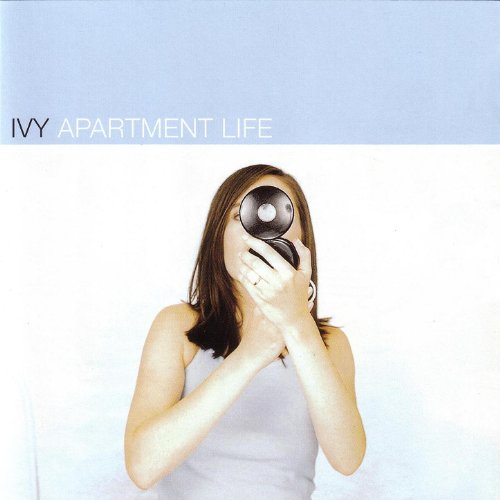
  1. Ivy, Apartment Life
  2. Ben Folds Five, Whatever & Ever Amen
  3. Jen Trynin, Gun Shy Trigger Happy
  4. Ani DiFranco, Living In Clip
  5. Beth Orton, Trailer Park
  6. Sleater-Kinney, Dig Me Out
  7. K.D. Lang, Drag
  8. Morphine, Like Swimming
  9. Pizzicato Five, Happy End of The World
  10. Steve Wynn, Sweetness and Light

As with 1996, another 1997 album eventually surpassed my original number one although I didn’t hear it until years later. It’s a testament to the solidity of Whatever & Ever Amen (and I’m With Stupid) that both remain in second place of their respective years to this day but picking up a used copy of Apartment Life weeks after 9/11 was a revelation; it’s also one of the few records I’ve ever purchased the demos of (on vinyl, no less), a 2023 Record Store Day release.

Although one of their better records, Blur wasn’t as enduring. Lead track “Beetlebum” remains their greatest Beatles rip, but I don’t ever have to hear “Song 2” again (save for Emm Gryner’s version) and the rest is uneven compared to Parklife. I’d also now rather play many Jill Sobule and Depeche Mode LPs other than Happy Town or Ultra. Surfacing proved the beginning of the end for McLachlan, a real drop after the genuine mystery of Fumbling Towards Ecstasy and its predecessors.

Throughout 1998, as Ani DiFranco’s Dilate and Little Plastic Castle became the soundtrack to my new life, double LP Living in Clip completed the triumvirate and served as a neat primer of highlights from her first five records, rendered in definitive live power-trio versions. Early that year, I also picked up a used copy of Jen Trynin’s second (and final) record, now a lost gem from the start of an era far less welcoming to female singer-songwriters from the electro-folk genius Beth Orton to the riot-grrl adjacent Sleater-Kinney who weren’t popping on commercial alt-rock radio anytime soon.

Go here to read about my 1997 playlist.

Then and Now: Best Albums of 1996

I’ve always looking back on my own best-x-of-the-year/decade/etc. lists and thinking about what changes I’d make if I were to compile the same list today. I began making album-of-the-year lists at the end of 1996 and posted them annually online as of my first blog in 2002. Thirty years on, I’m looking back at what I liked then vs. now.

One caveat: until streaming and the adoption of Friday as a global release day in 2015, the occasional record release would often fall by country in different dates and in some cases, years. A few beloved albums on my lists were not available in the U.S. until the calendar year after their original UK/European release. For the most part, I’m sticking with those US release years for point of comparison, only using original release dates on the rare occasion when I bought the import instead of waiting for a release here.

My pre-blog best-of lists were always recorded in handwritten journals I kept as of 1995. No list for that first year, so we begin with ’96.

Then:

  1. Aimee Mann, I’m With Stupid
  2. Cibo Matto, Viva! La Woman
  3. Everything But The Girl, Walking Wounded
  4. Soundtrack, Trainspotting
  5. R.E.M., New Adventures In Hi-Fi
  6. Pet Shop Boys, Bilingual
  7. Luscious Jackson, Fever In Fever Out
  8. Cowboy Junkies, Lay It Down
  9. Suzanne Vega, Nine Objects of Desire
  10. Beck, Odelay

I’m With Stupid defined my 1996. A UK release the previous summer, it was delayed here until January. Not long after finally getting my hands on it, I wrote a review of it for my Critical Writing class at Marquette; the professor liked it enough to make copies and share it with the entire class (are teachers still allowed to do this w/out the author’s permission?) We didn’t have iTunes or Spotify back then and thus no easy means of keeping track of spins but I’m almost positive I listened to it more than anything else at the time.

Kooky Japanese-America duo Cibo Matto I discovered via their video of “Know Your Chicken” on MTV’s 120 Minutes. A week later, I found a freshly used promo CD of it at my regular used-record store, Second Hand Tunes. Along with Everything But The Girl’s full-on dive into club music shortly after the success of the remixed “Missing”, it was my soundtrack going into summer between Junior and Senior years; the Trainspotting soundtrack, R.E.M.’s final classic lineup release and late-in-the-year additions from Pet Shop Boys and Luscious Jackson would take over for the fall and winter.

Now:

  1. Belle and Sebastian, If You’re Feeling Sinister
  2. Aimee Mann, I’m With Stupid
  3. Morcheeba, Who Can You Trust?
  4. Tori Amos, Boys For Pele
  5. Soundtrack, Trainspotting
  6. Cibo Matto, Viva! La Woman
  7. Ani DiFranco, Dilate
  8. Amy Rigby, Diary of a Mod Housewife
  9. Luscious Jackson, Fever In Fever Out
  10. Fiona Apple, Tidal

Only something I hadn’t heard at the time could possibly knock Mann off the top spot; I’ve written at length about Belle and Sebastian’s near-perfect record here. Morcheeba and Ani DiFranco would become favorites in 1997 (and the former still gets plenty of spins from me in 2026.) I also bought Boys for Pele when it came out (two weeks before I’m With Stupid) but had difficulty absorbing all 70+ minutes of it, returning to some tracks often (“Hey Jupiter”, “Putting The Damage On”) while ignoring others altogether (“In The Springtime of His Voodoo”?) Only after a decade or two did I come to love it nearly as much as Little Earthquakes. A dense, demanding labyrinth, Pele is worth living with for the long haul as was 2002’s similarly sprawling Scarlet’s Walk (and, though too soon to tell, potentially this year’s In Times of Dragons.)

The only post-2000 discovery here is Rigby’s now-classic debut, as accomplished an introduction as Little Earthquakes (or perhaps Fiona Apple’s Tidal, which I also likely first heard in ’97.) I hemmed and hawed over including Diary of a Mod Housewife and/or Viva! La Woman in my 100 Albums project but already had six entries for 1996 and wanted to spread the wealth around to adjacent years. I still listen to Nine Objects of Desire and Bilingual regularly; Odelay, not so much. Walked Wounded is a good EBTG album but perhaps not one of the greatest in a fairly stacked discography.

Speaking of which, is 1996 one of the *best* years for music? I haven’t even mentioned Stereolab’s Emperor Tomato Ketchup, Pulp’s Different Class, Gillian Welch’s Revival, DJ Shadow’s Endtroducing…, George Michael’s Older or Fishmans’ Long Season. We’ll see if even 1997 measures up to it.

Go here to read about my 1996 playlist.