Films Watched, January 2021

Housekeeping

For me, January is usually a mad rush of consuming recent titles from my watchlist before submitting my Chlotrudis Awards nominations; despite the pandemic, this year was no exception. In fact, my number of eligible films seen was the highest it has been since 2006, which makes sense given I’ve viewed over 300 titles at home since things first shut down last March.

The best of this year’s recently-watched bounty: Kajillionaire (Miranda July, Richard Jenkins, Evan Rachel Wood playing a character named “Old Dolio”—what’s not to like?), Sorry We Missed You (never thought Ken Loach would seem more essential than Mike Leigh at this phase of their careers), Beanpole (Russian miserabilism, beautifully shot and not without humor), The Planters (Wes Anderson-ian in the best ways) and She Dies Tomorrow, which, while imperfect, is at least an original (and timely) take on apocalyptic dread. Also, two titles worth subscribing to Apple TV for: Wolfwalkers, a stirring Irish animated epic and Boys State, an engrossing doc that’s a complete microcosm of modern American politics in male teen Texan form.

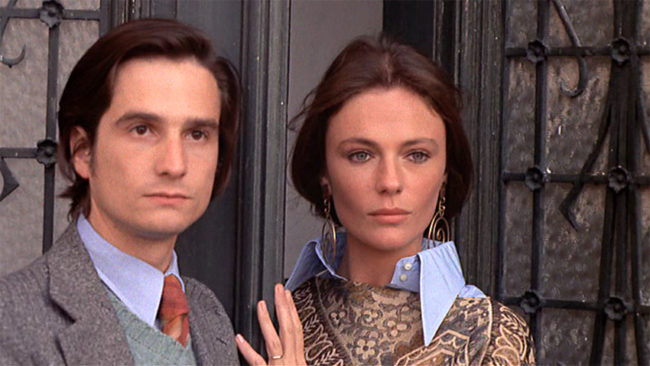
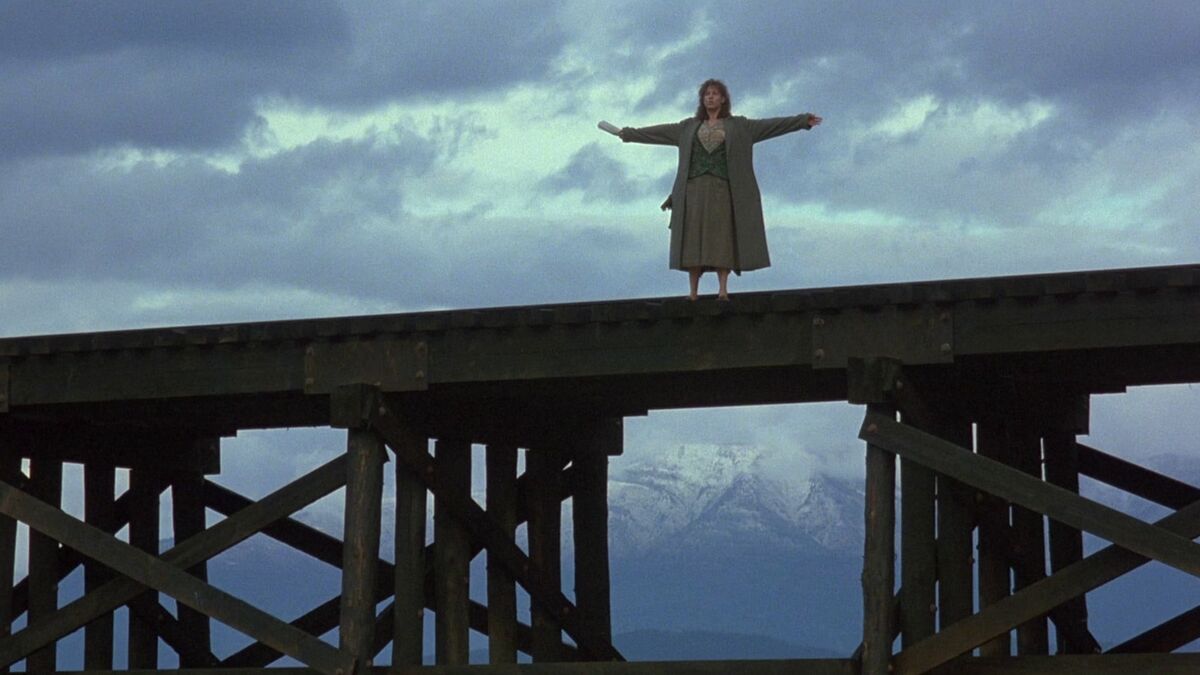
A subscription to HBO Max (for Wonder Woman 1984, natch) enabled me to catch Bad Education (if this is the template for Hugh Jackman’s post-Wolverine career, more, please) and much buzzed-about docs on The Bee Gees and Jane Fonda; meanwhile, a deal on a subscription to MUBI, a very different streaming service, gave me an excuse to finally watch The Holy Mountain (exhausting but often inspired madness) and Terrorizers (an Edward Yang film that’s more technically accomplished but less emotionally satisfying than Taipei Story from the previous year) and revisit Terence Davies’ Distant Voices, Still Lives. The latter, which I hadn’t seen in over 20 years, naturally led to breaking out my Blu-ray of The Long Day Closes (last watched about 7 years ago.) One of the most groundbreaking filmmakers of the last half-century, and a reminder that I want to revisit his third feature, The Neon Bible, also on MUBI.

Revisited an above-average amount of films this month, most notably two mid-70s features from John Cassavetes: A Woman Under The Influence (still his masterwork) and The Killing of a Chinese Bookie, a deep-dive into a very particular Sunset Strip sleaze, tempered by the director’s most heartfelt and elaborate commentary on being part of a cast and putting on a show. From roughly the same period, also watched Chinatown for the first time this century, which holds up nicely as a blend of classic and New Hollywood sensibilities. Gillian Armstrong’s inexplicable New Wave musical Starstruck remains a curio, while Bill Forsyth’s good, underseen adaptation of Marilynne Robinson’s great novel Housekeeping should be as renown and beloved as Local Hero.

Films viewed in January in chronological order, with director, year of release and my rating (out of 10); starred titles are re-watches.

Midnight Family (Luke Lorentzen, 2019) 6
Death to 2020 (Al Campbell, Alice Mathias, 2020) 3
A Woman Under The Influence (John Cassavetes, 1974)* 10
Bridesmaids (Paul Feig, 2011)* 8
Sorry We Missed You (Ken Loach, 2019) 8
Princess Mononoke (Hayao Miyazaki, 1997) 8
She Dies Tomorrow (Amy Seimetz, 2020) 7
The Bee Gees: How Can You Mend A Broken Heart (Frank Marshall, 2020) 7
Vitalina Varela (Pedro Costa, 2019) 6
Make Way For Tomorrow (Leo McCarey, 1937) 8
Kajillionaire (Miranda July, 2020) 8
Chinatown (Roman Polanski, 1974)* 10
Mamma Mia!: Here We Go Again (Ol Parker, 2018) 3
Ma Rainey’s Black Bottom (George C. Wolfe, 2020) 6
Beanpole (Kantemir Balagov, 2019) 8
Un Flic (Jean-Pierre Melville, 1972) 6
Wolfwalkers (Tomm Moore, Ross Stewart, 2020) 8
The Killing of a Chinese Bookie (Cassavetes, 1976)* 8
Time (Garrett Bradley, 2020) 7
The Holy Mountain (Alejandro Jodorowsky, 1973) 8
Gordon Lightfoot: If You Could Read My Mind (Martha Kehoe, Joan Tosoni, 2019) 6
Boys State (Amanda McBaine, Jesse Moss, 2020) 8
Housekeeping (Bill Forsyth, 1987)* 9
Cuties (Maimouna Doucoure, 2020) 6
Bad Education (Cory Finley, 2019) 8
The Forty-Year-Old Version (Radha Blank, 2020) 6
The Planters (Alexandra Kotcheff, Hannah Leder, 2019) 8
Red, White and Blue (Steve McQueen, 2020) 8
Terrorizers (Edward Yang, 1986) 6
Starstruck (Gillian Armstrong, 1982)* 7
Distant Voices, Still Lives (Terence Davies, 1988)* 8
The Long Day Closes (Davies, 1992)* 10
Jane Fonda In Five Acts (Susan Lacy, 2018) 7
Let Them All Talk (Steven Soderbergh, 2020) 6
Favorite Films of 2020

As always, “2020” is relative. Many of these titles have a copyright date of 2019 (a few even go back to 2018!) My #1 film received its initial theatrical release in 2019 but did not play my town until last February; likewise, most people won’t get to see my #3 film until it hits VOD and Hulu this February, although I had the fortune to view it at virtual TIFF last September. With exhibition presently and continually being redefined due to COVID, think of this as a list of the best new movies of the past year, including those that I could not have seen any earlier.

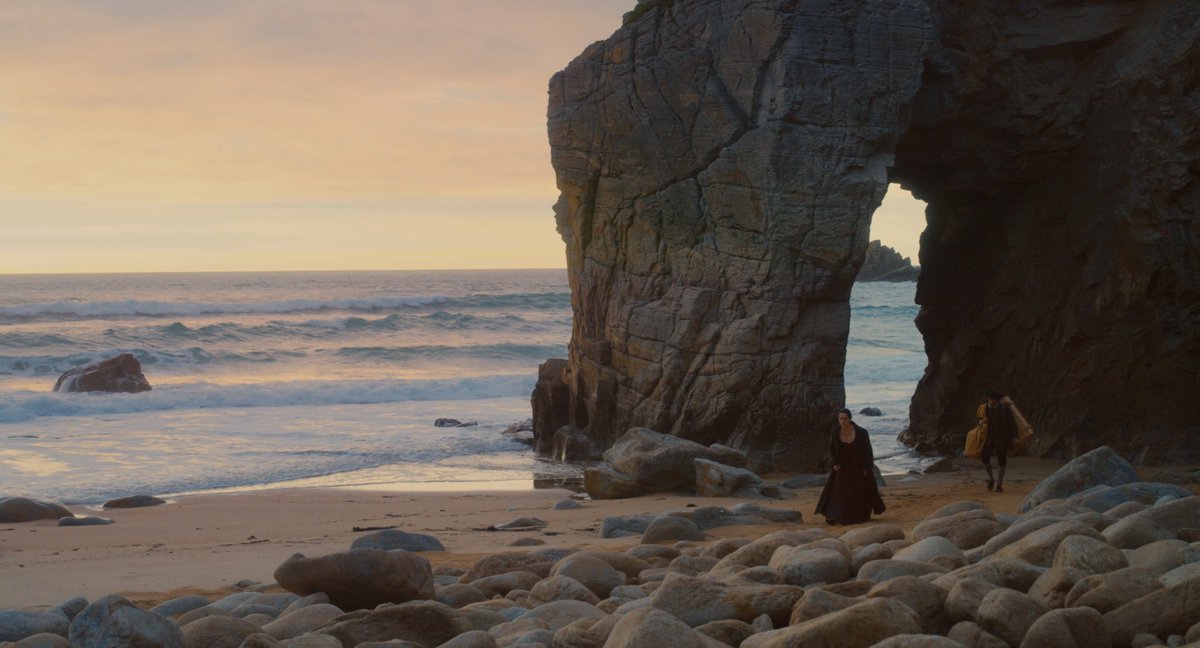
1. PORTRAIT OF A LADY ON FIRE
Celine Sciamma’s exquisite 18th century romance between two women, an artist (Noémie Merlant) and her subject (Adèle Haenel) gains so much power from taking the slow burn route, deploying all of its accoutrements sparingly, letting the connection between its two leads develop organically so that when it first reaches a crescendo in the astonishing feast scene midway through, one can’t help but be fully engaged in their fate. And, as that actual fate becomes apparent, it’s near-impossible not to feel and absorb the mad rush of emotions practically emanating from the screen, culminating in a simple but profound, powerful final shot.

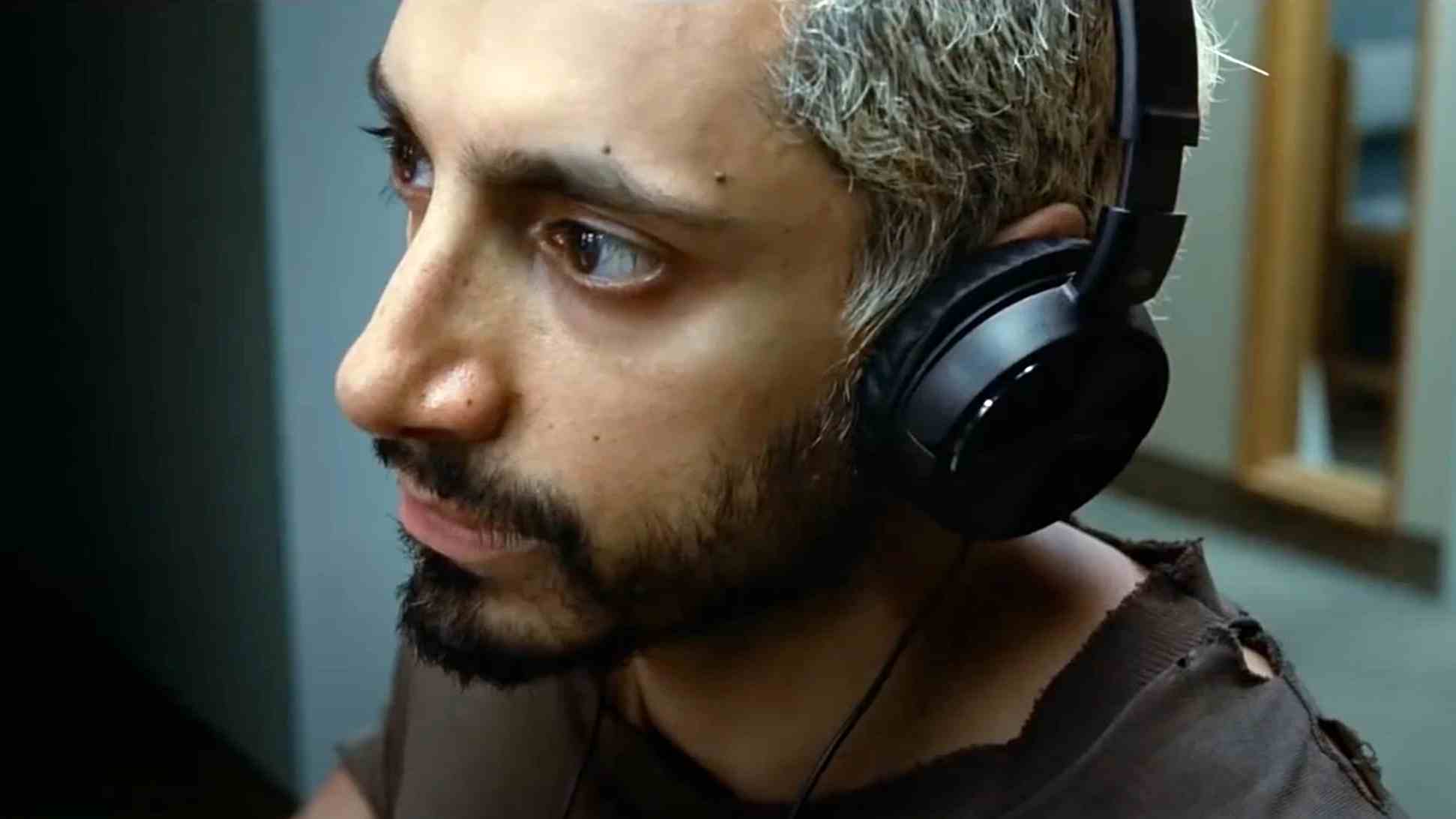
2. SOUND OF METAL
Ruben, a noise-rock drummer (Riz Ahmed) loses his hearing—a succinct, seemingly clear-cut premise that director/co-writer Darius Marder (in an astonishing feature debut) expands and permutates into a far-reaching but compellingly interior study of losing control and the lengths we’ll go in order to retain it. Anchored by Ahmed’s terrific, immersive performance and buoyed by Paul Raci as his unsentimental counselor, Sound of Metal is a journey whose depth you would rarely find in a studio film; it’s also one of the best ever movies about addiction.

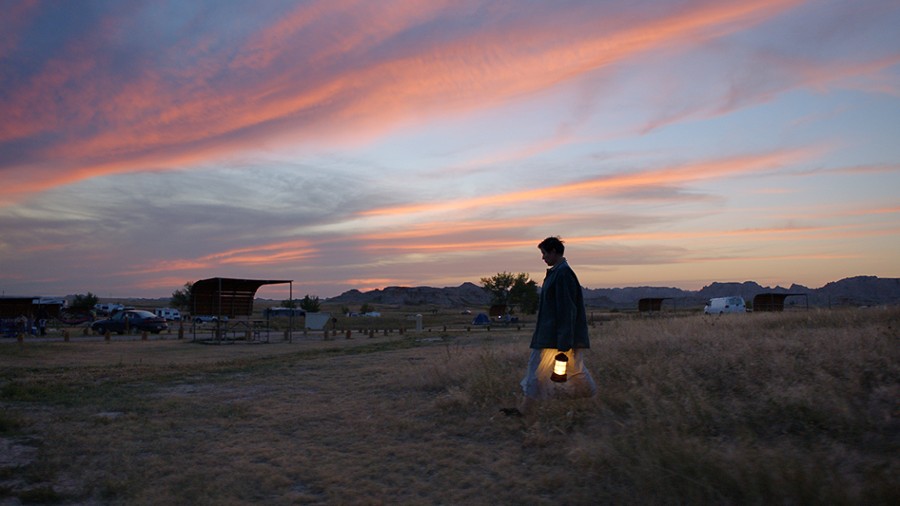
3. NOMADLAND
If anything, an advance on Chloe Zhao’s last film, The Rider, and not necessarily because she’s now working with an Oscar-winning actress (though McDormand is the best possible one for this type of project.) Nomadland retains the earlier film’s willingness to observe and illuminate rather than judge or persuade. Lyrical but not pretty, sorrowful but not miserable, reflective but not static, it may take place in 2012, but it fully embodies an era of American life that’s still with us and continues to unfold.

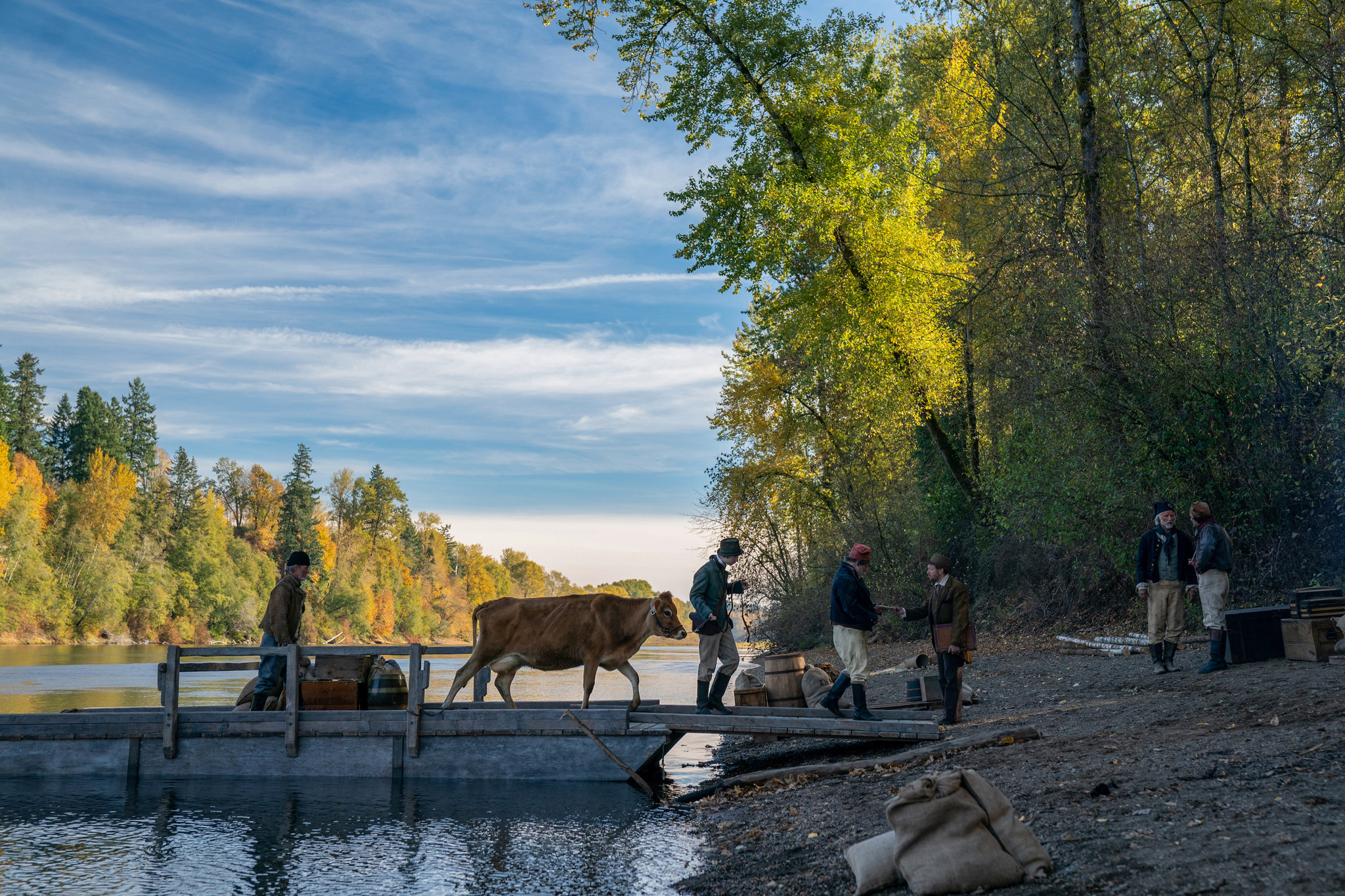
4. FIRST COW
This has a gentle, gestating narrative that requires patience, but it also rewards those who become invested in the fate of a 19th century cook (John Magaro) and a Chinese immigrant (Orion Lee) as they become unlikely friends and form an impromptu business partnership. What they build is forever precariously hanging by a string due to the titular animal that makes their potential fortune possible. By applying such high stakes to such richly detailed “slow” cinema, First Cow ends up filmmaker Kelly Reichardt’s most fully realized effort in years, possibly ever.

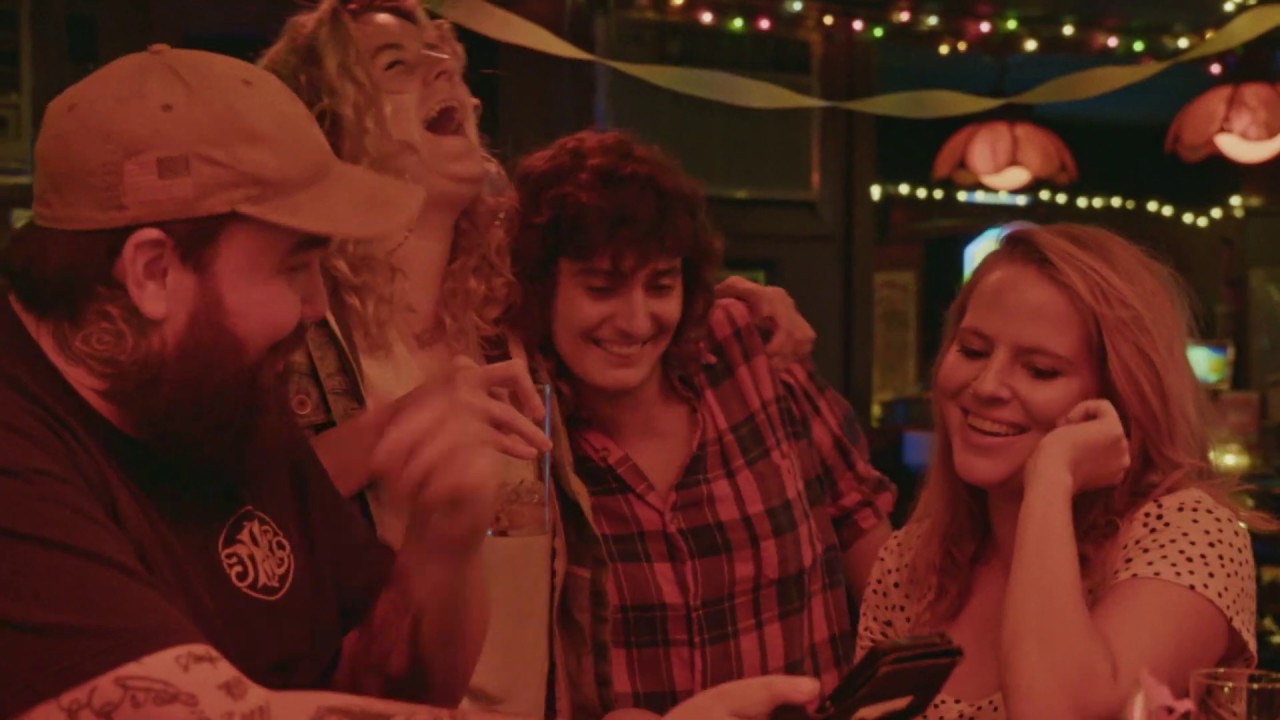
5. BLOODY NOSE, EMPTY POCKETS
The Ross Brothers nearly outdo themselves with their latest documentary, a fly-on-the-wall account of the last day of business for a Las Vegas dive bar. Initially resembling a Frederick Wiseman-directed, much seedier version of Cheers, it eventually reveals the all-too-human behavior of the bar’s assorted patrons, for good and for ill. To divulge anything more would spoil what the Ross’s are actually up to here; I will note that, watching this on November 3rd, it confirmed for me the character and compassion that I know my country is capable of.

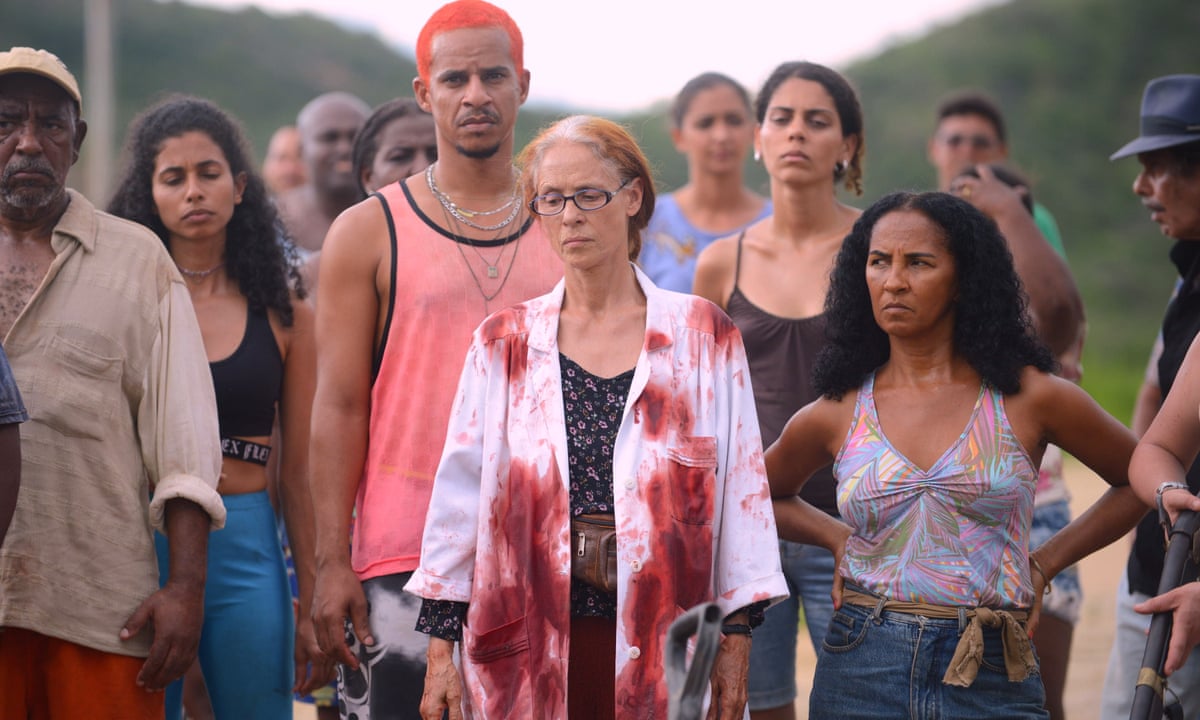
6. BACURAU
Defying categorization, this references a variety of classic films but gradually reveals itself as a neo-take on one particular genre (it’s best to come into it not knowing what that is.) A fervent chaos surfaces in often thrilling ways–a drunken speech at a funeral, an unexpectedly brutal death, a certain 80s pop song on the soundtrack (also too good to give away here.) Bold, slightly erratic, gorgeous and, of all things, nearly as tuned into the modern world and its growing social-economic divide as Parasite.

7. AND THEN WE DANCED
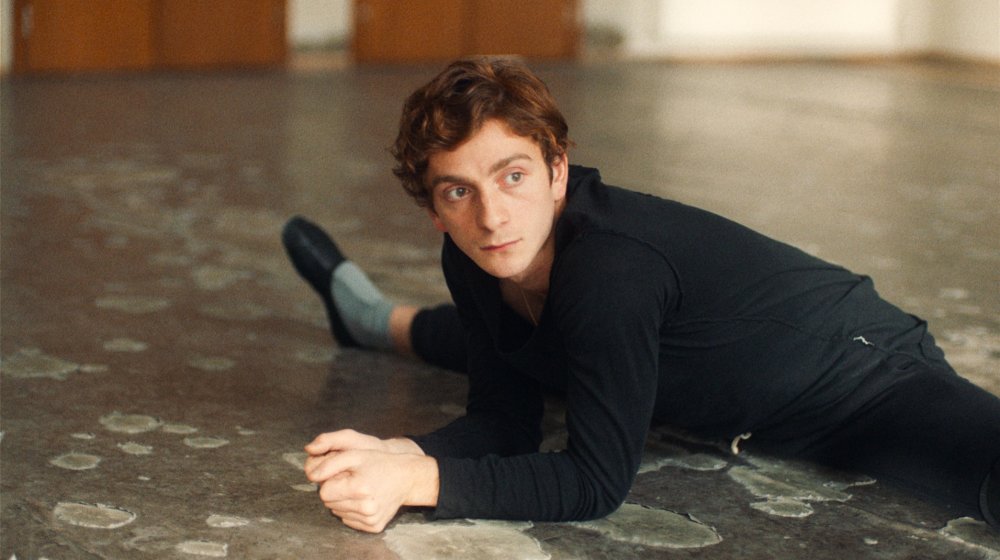
This Georgian import focuses on Merab (Levan Gelbakhiani), an aspiring competitive dancer who falls for a new nonconformist male member of his troupe. It owes a lot to Call Me By Your Name, from the intense flirtation that develops between the two to Merab’s sympathetic faux-girlfriend. Fortunately, And Then We Danced easily transcends homage, not only by nature of telling its particular story in a culture where it is still highly taboo, but also in its Georgian dance sequences and in particular, that rapturous finale.

8. DAVID BYRNE’S AMERICAN UTOPIA
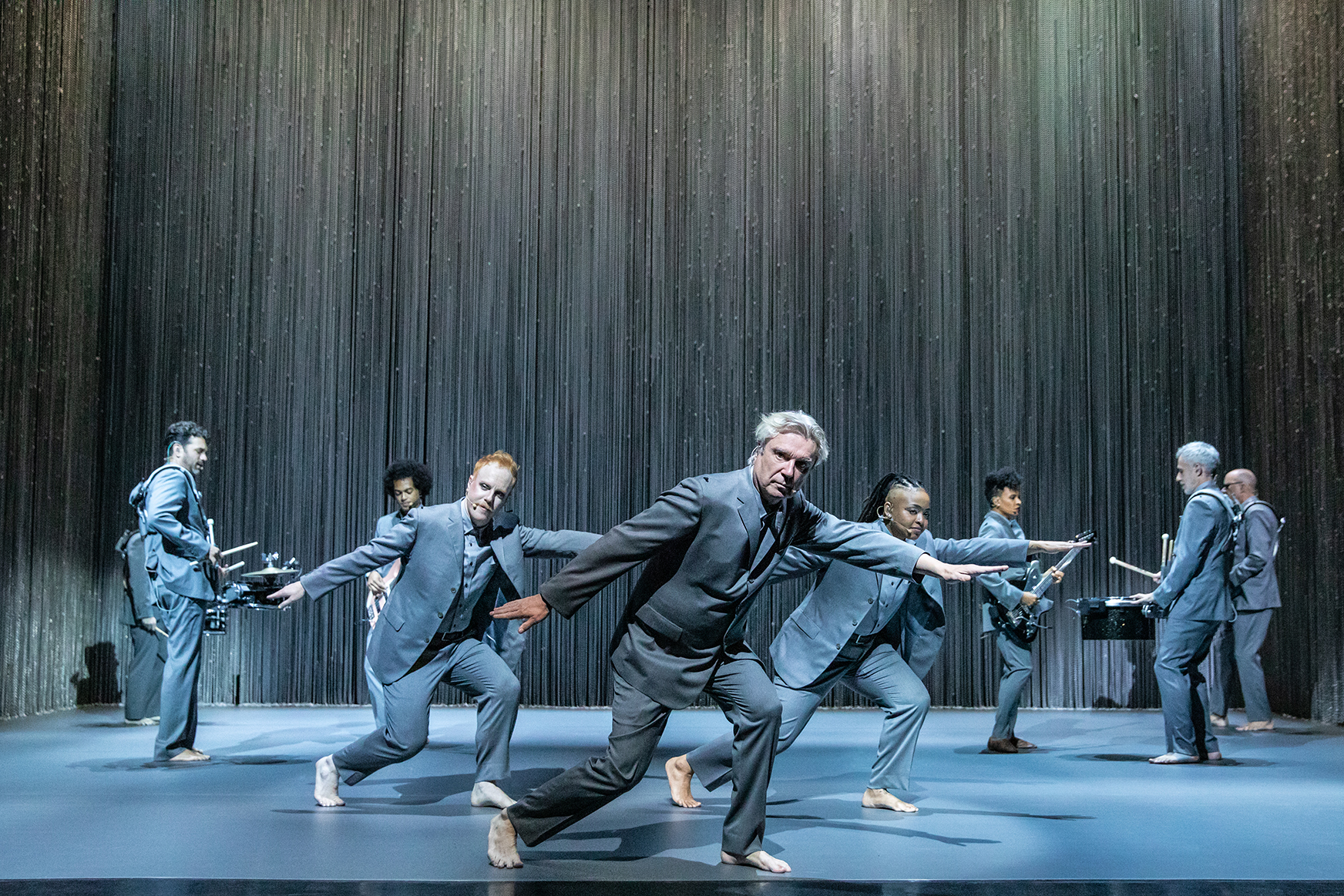
Initially thought this was going to be a lesser Stop Making Sense; while any kind of concert ex-Talking Heads frontman Byrne attempts will always live in its shadow, by the end of this, I was overcome by the same adrenaline rush I felt the first time I saw the Demme film. The humaneness and goodwill on display here may or may not resonate as effectively when viewed ten or twenty years from now; presently, it feels immense, a celebration of rhythm as the great unifier.

9. HAM ON RYE
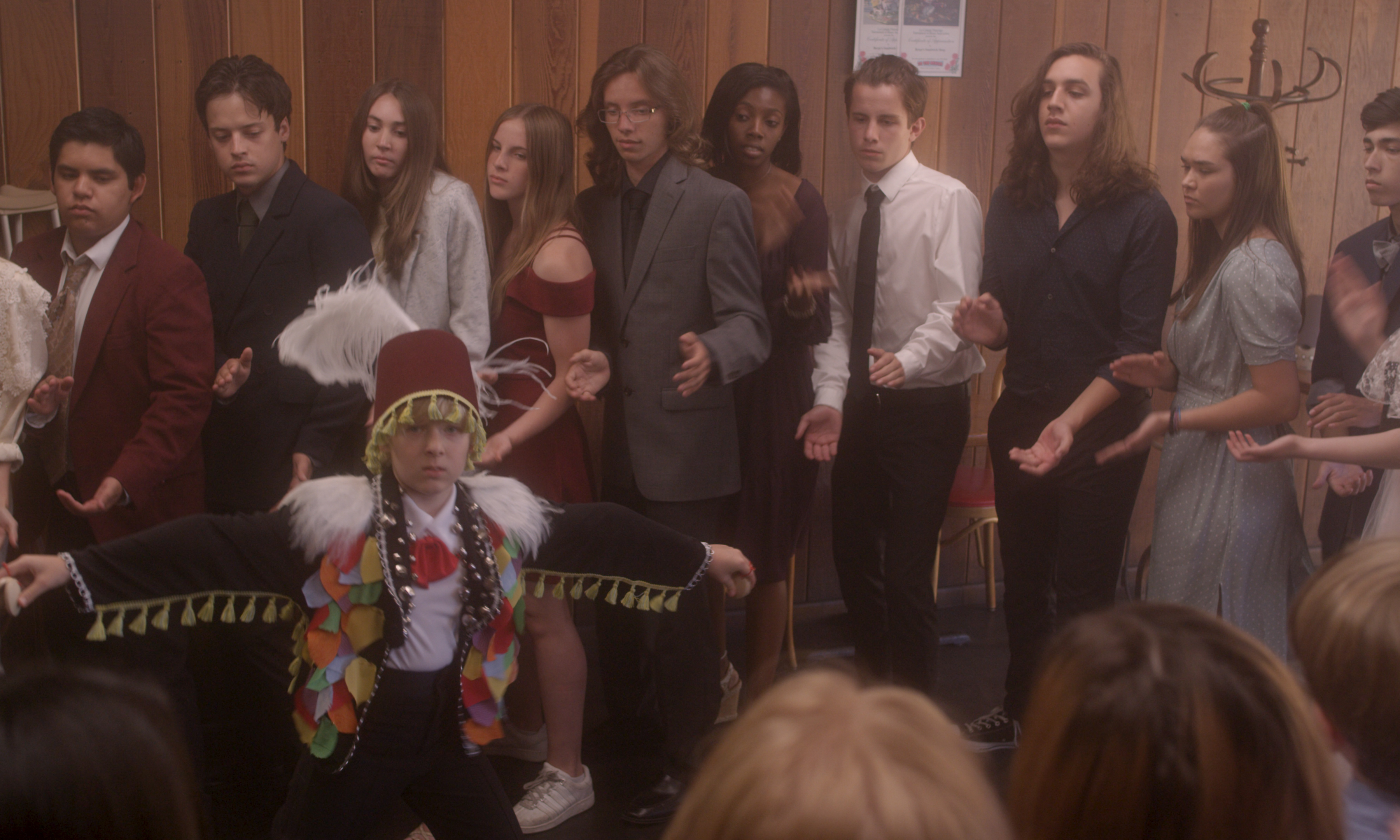
A group of teens converge for a party at a local deli, and that’s arguably the only conventional aspect of Tyler Taormina’s auspicious debut feature. Simultaneously comforting and unnerving, it’s a fully-formed world both carefully resembling and greatly diverging from our own. Nearly as unique as (and far less upsetting than), say, Blue Velvet, it builds towards a ritualistic sequence that filled me with joy while also leaving me with so many questions (What was in those sandwiches? Is this what happens to Mormons?)

10. HOUSE OF HUMMINGBIRD
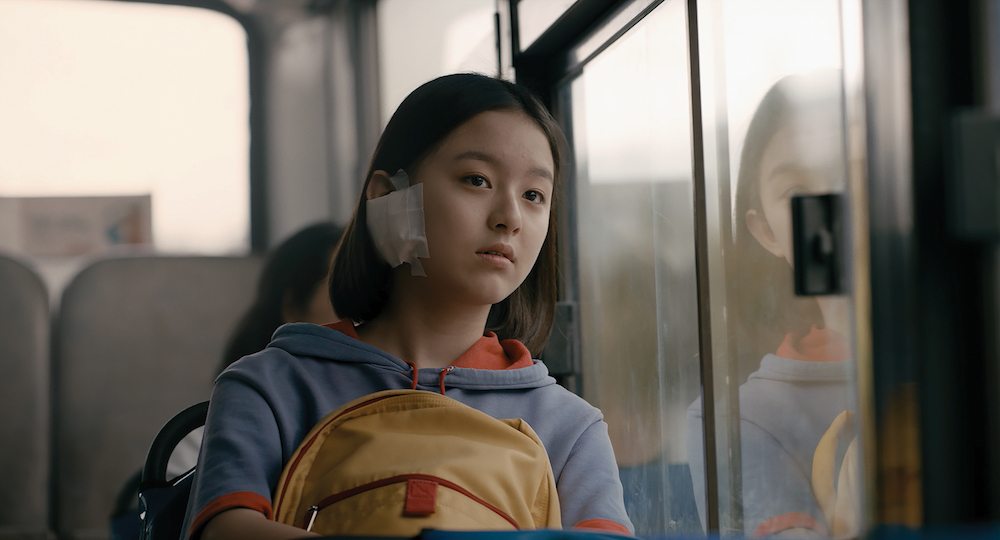
A working class study blessed by both a great lead performance from Ji-hu Park and writer/director Bora Kim’s nuanced, humanistic approach. Set in the ‘90s, it follows a teenage girl going through some ordinary but substantial issues with her family, friends and school—kind of like a South Korean Eighth Grade, only set in pre-internet/social media times. Mixing Mike Leigh-style class critique and Ozu-esque domestic drama with great finesse, this belongs on a short list of essential coming-of-age films.

11. BOYS STATE
This documentary about a conference of a thousand teenage boys from Texas who come together in state capital Austin to build a mock government complete with elected officials is thrillingly a total microcosm of the current American political climate.

12. COLLECTIVE
Can’t remember the last film (or documentary, no less) where I gasped or whispered “wow…” out loud so many times. This alarming level of corruption took place in Romania, but it could also all too easily happen here (and arguably has.)

13. NEVER RARELY SOMETIMES ALWAYS
As for scenes that explain the title of a curiously-titled film, this is one of the best–certainly the most harrowing and effective in recent memory.

14. WOLFWALKERS
A gorgeous, 2D-drawn fantasy set in 17th century Kilkenny, centered around a conflict between the townspeople and a wolfpack. Forgive me for being sappy, but it genuinely warmed my heart like little else I’ve seen in the past year.

15. KAJILLIONAIRE
Give Miranda July credit for continuing to follow her own peculiar path and not succumb to working-for-hire or diluting her quirks for a mass audience. With a novel hook and a great ensemble, it even resonates in ways one can hardly predict at the onset.

16. STRAIGHT UP
Name-dropping Gilmore Girls in the first fifteen minutes reveals director/writer/actor James Sweeney’s core aesthetic, but he both conceives of and (with his cast) delivers the rapid-fire dialogue superbly without it coming off as secondhand.

17. ANOTHER ROUND
This latest Vinterberg/Mikkelsen pairing nimbly shifts between humor, satire and despair—a funny, sad, engaging and fully dimensional study of male mid-life crises.

18. BLACK BEAR
Aubrey Plaza in this film is not as amazing as Naomi Watts in Mulholland Dr, but she’s really, really close.

19. LOVERS ROCK
So much pure, unadulterated joy in this–certainly more than in any other McQueen film I’ve seen.

20. MR. SOUL!
Stellar, entertaining doc about an old public television show you probably don’t know but should. Ellis Haizlip is an unsung hero of his time; this gives him his due.

ALSO RECOMMENDED:

76 DAYS
BAD EDUCATION
BEANPOLE
CAT IN THE WALL
CITY HALL
CRIP CAMP
DICK JOHNSON IS DEAD
DRIVEWAYS
I’M THINKING OF ENDING THINGS
MOUTHPIECE
THE PAINTER AND THE THIEF
THE PLANTERS
RED, WHITE & BLUE
SORRY WE MISSED YOU
TIME
THE VAST OF NIGHT

Ten Tropical Trips

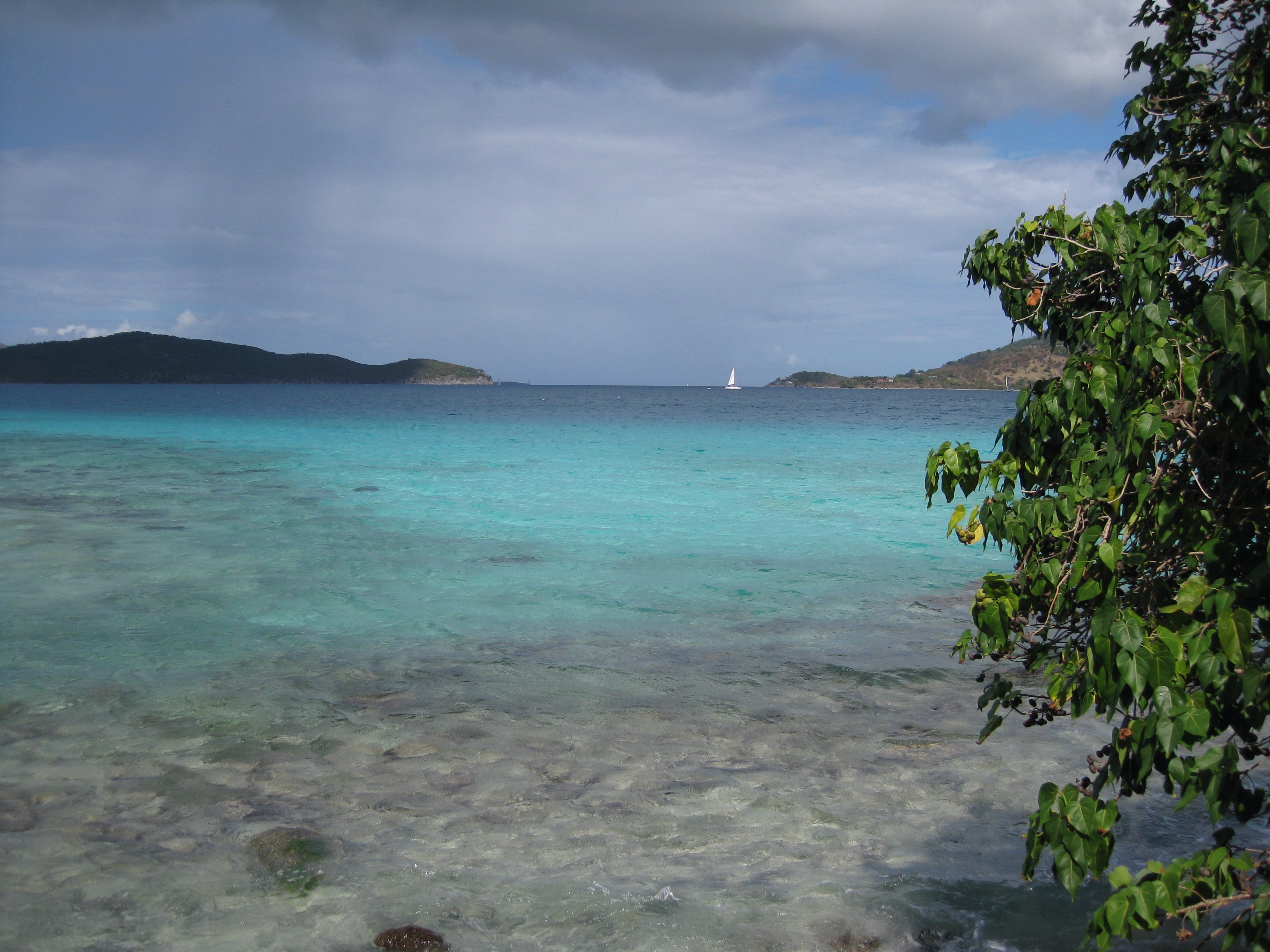
2011 – St. John

Ten years ago this month, I took my first trip to the Caribbean. Steve, whom I would marry in 2013, suggested it for a winter vacation. I’d never been outside continental North America at that point; the Virgin Islands (and in particular, St. John) were a revelation.

2012 – Curaçao

The following year, we went further south to Curaçao, in the Lesser Antilles, 65 km north of Venezuela. The snorkeling and beaches weren’t as fine as St. John’s, but being in the Dutch Caribbean felt even more exotic than the US Virgin Islands.

2013 – Key West

Seven months before our wedding, we stayed within the continental US, but just barely, driving from the Miami airport all the way to the edge of the Florida Keys.

2014 – Naples, Florida

Having honeymooned in Santa Fe, we resumed our annual winter vacation in the more affordable locale of Sanibel Island, Florida, with day trips to nearby Naples and Fort Myers.

2015 – Turks and Caicos, Chalk Sound

However, we longed to return to the Caribbean, so the following year brought us to Turks and Caicos, where we spent a week on the island of Providenciales, featuring the otherworldly hues of Chalk Sound.

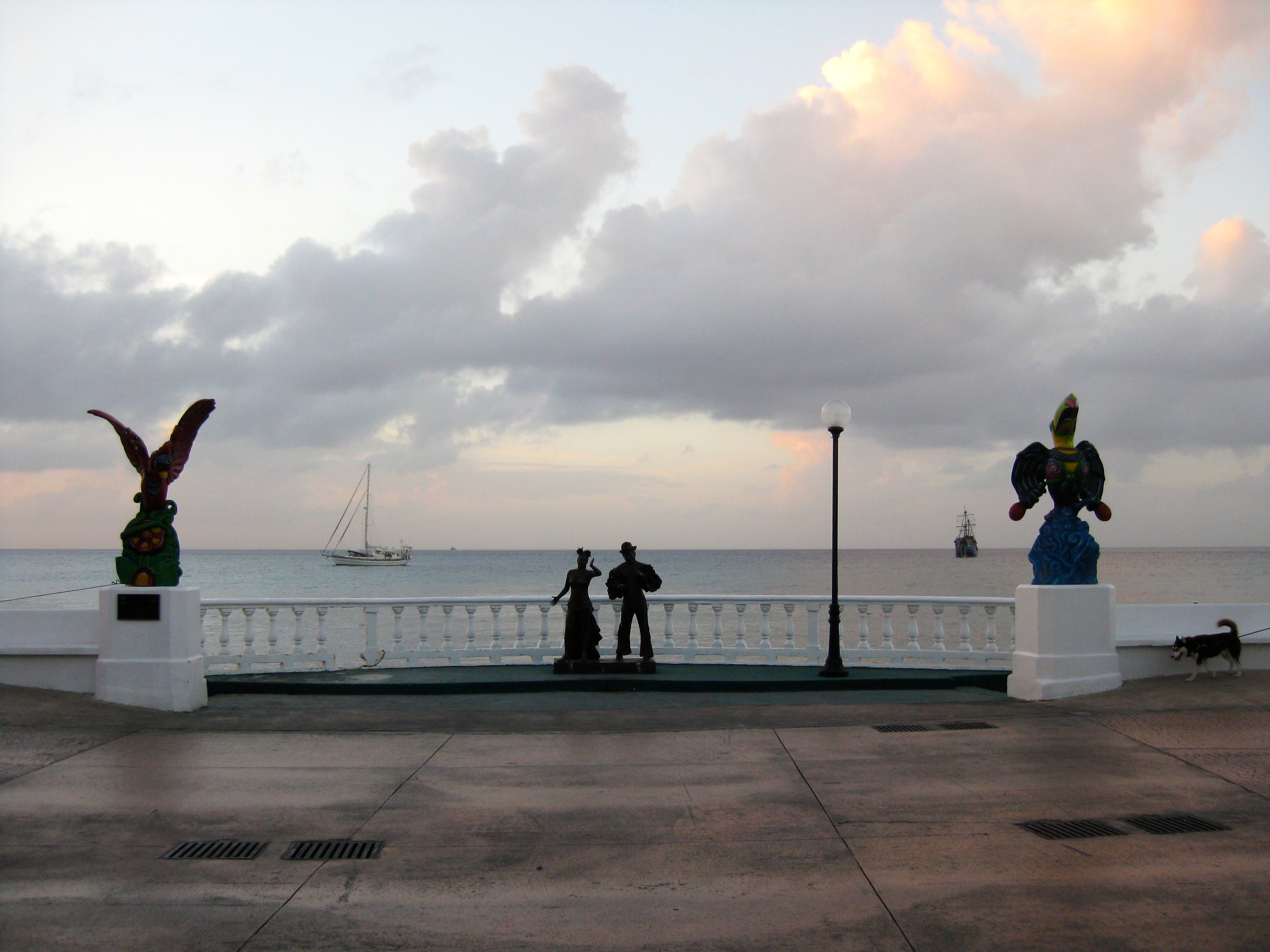
2016 – Cozumel, Mexico

We’d been wanting to check out Mexico for some time; the week we spent in Playa Del Carmen was crowded, noisy and burnt by the sun, but the afternoon boat ride to Cozumel Island was pretty chill.

2017 – Punta Cana, Dominican Republic

Always seeking out new locales to explore in the Caribbean, we made it to the Dominican Republic a week after the 2017 Presidential Inauguration–dark times temporarily alleviated by Punta Cana’s beaches.

2018 – Aruba

We went to another of the Lesser Antilles, Aruba, in 2018. Steve had gone there with his folks a few times as a child; it was pretty (particularly the beaches and the trade winds soaring through them) but a little overdeveloped for our tastes.

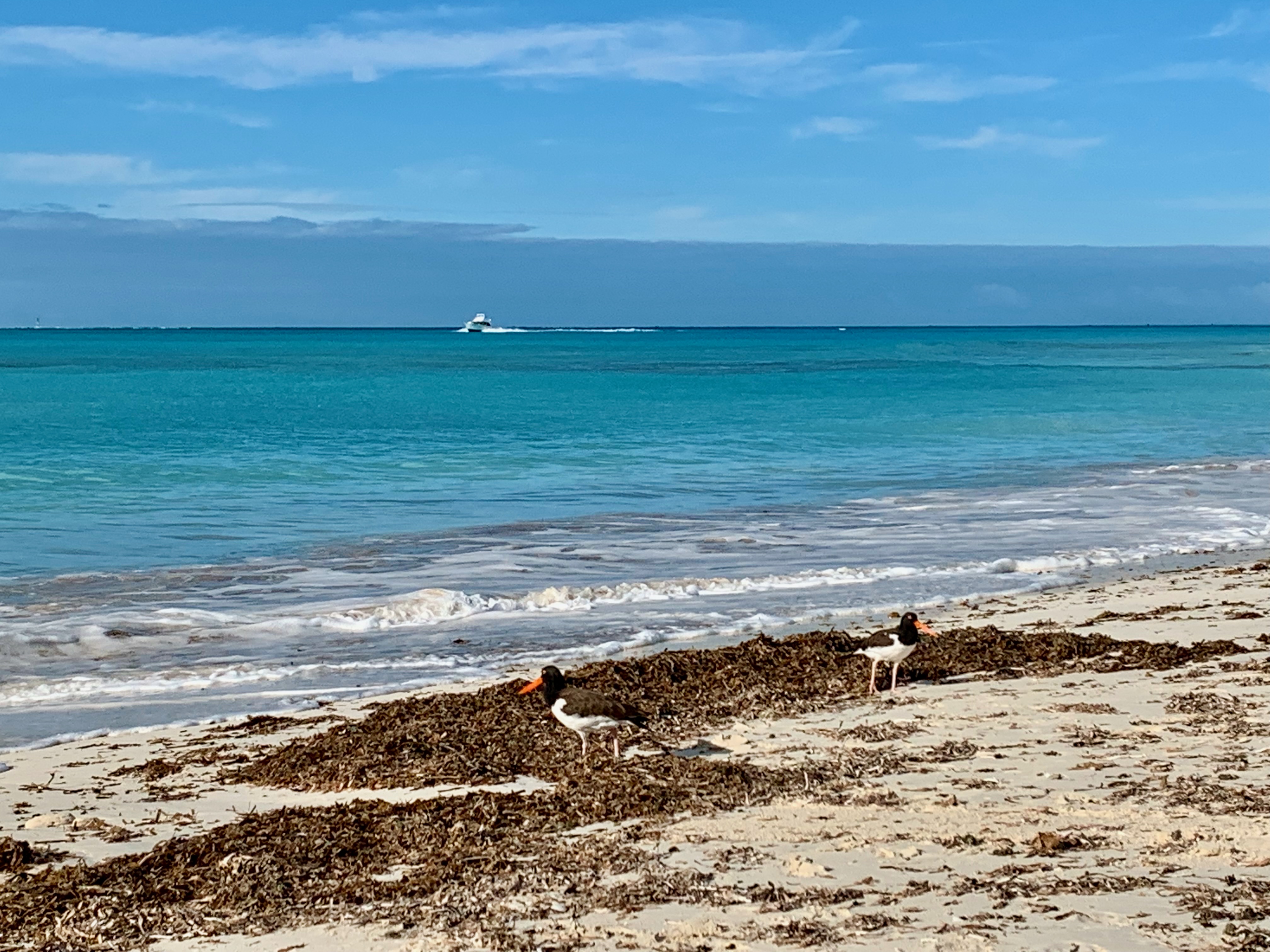
2019 – Turks and Caicos, Iguana Island

We had such a great time in Turks and Caicos that we returned four years later; this second trip’s highlight was a snorkeling expedition to Iguana Island (which indeed did have quite a few of its namesake, though not in this pic.)

2020 – Punta Cana, Dominican Republic

Last year, before the pandemic shut everything down, we went back to Punta Cana, this time to Bavaro Beach. Obviously, we are staying put in frozen New England this January. Although I long for another tropical excursion, I feel lucky I’ve been able to have ten of ’em so far. In the meantime, I can always turn up the heat at home, craft a few frozen cocktails and dream.

Favorite First Viewings of Older Films in 2020

Thanks to the pandemic, I watched more movies in 2020 than in any other year since… maybe 1998, when I was a Film Studies grad student? (I didn’t log my watched films back then.) Here are the top ten older films (pre-2019) that I saw for the first time.

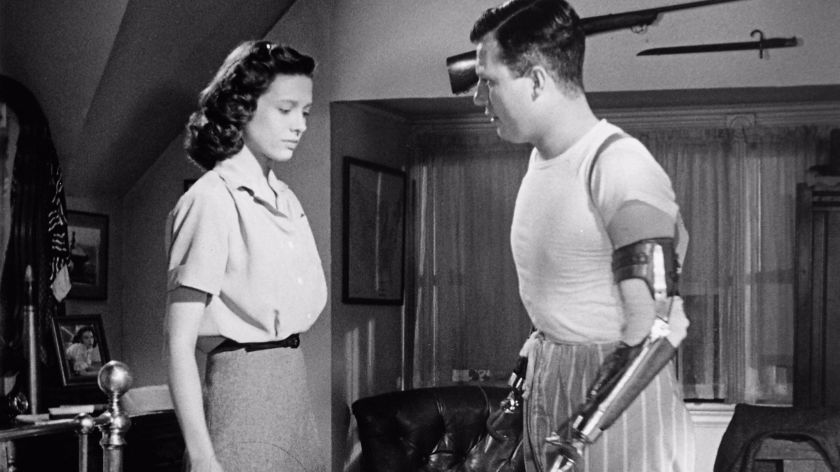
1. THE BEST YEARS OF OUR LIVES
While I’m not one to see every last Academy Award for Best Picture winner, I always meant to get to this one from 1946; turns out it’s extraordinary, both as classic Hollywood cinema and also as a relatively nuanced record of a particular moment as it was occurring.  I couldn’t name a contemporary equivalent (maybe Parasite, although it comes from a very different place) and don’t expect to anytime soon.

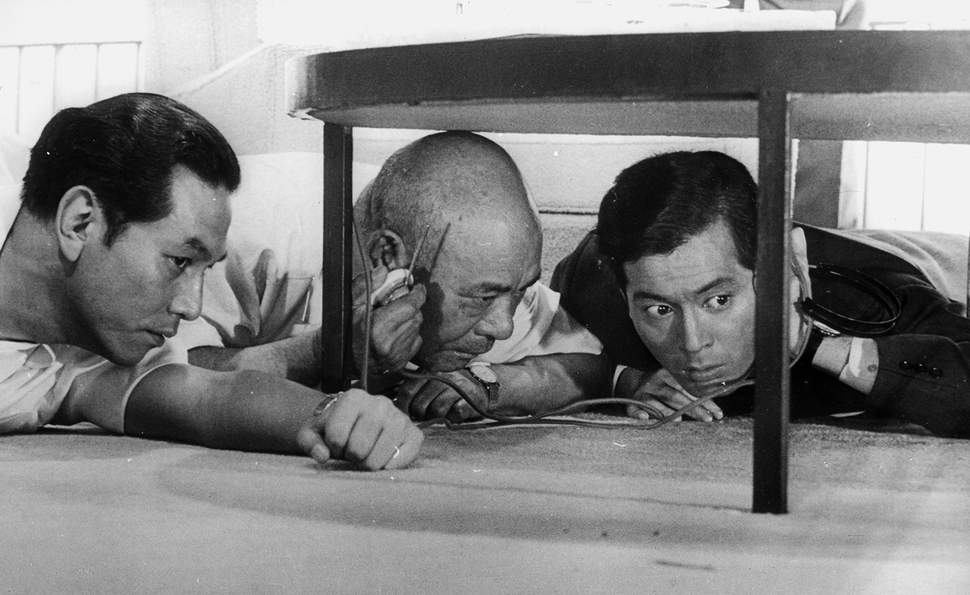
2. HIGH AND LOW
I was worried during the first hour that the film would never leave Gondo’s house, but now see how shrewdly it sets up a slow burn that reverberates as it expands towards other settings. That late bravura sequence in the nightclub/flophouse is one of the most meticulous and thrilling I’ve ever seen (and the final scene one of the more brutally honest ones as well.)

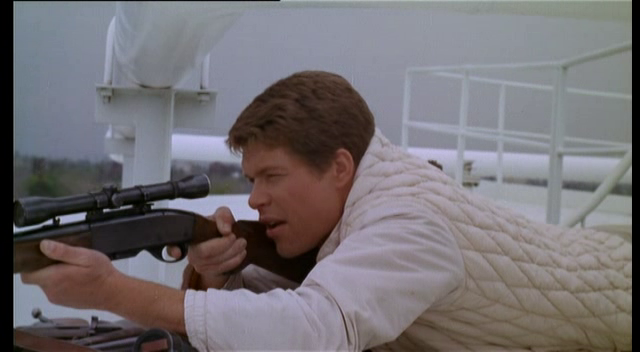
3. TARGETS
Was not expecting this as the first feature from the director of The Last Picture Show. Bracingly ahead of its time while also possibly one of the most incisive records of it. A flop upon its release, I can understand why lead Tim O’Kelly didn’t have much of a career afterwards; his stoic, controlled performance should be more celebrated.

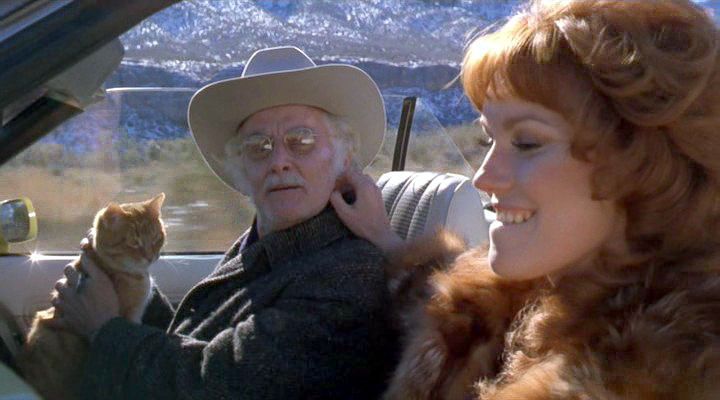
4. HARRY AND TONTO
Art Carney fully deserved his Oscar for his work in this lovely little road movie which feels like the best Hal Ashby picture Ashby never directed. Also, the first of two titles in this top ten featuring a young Melanie Mayron!

5. DAY FOR NIGHT
Previously, I’d seen no Truffaut beyond Jules and Jim, so this was a revelation – can spot traces to come of everyone from Robert Altman to Wes Anderson, and yet there’s little precedent for what he achieved at the time: a meta-comment on his profession that’s equal parts love letter and sharp critique.

6. THE FILMS OF MARLON RIGGS
All his works are essential, but I’ll single out Tongues Untied (he had me at “The Institute of Snap!Thology”), and Black Is… Black Ain’t, which, like everything else of his explores cultural identity through a personal lens, made more urgent by his oncoming death (with multiple scenes filmed from his hospital bed.) Over a quarter century later, Riggs’ messages, thoughts, yearnings and assessments retain their vitality.

7. GIRLFRIENDS
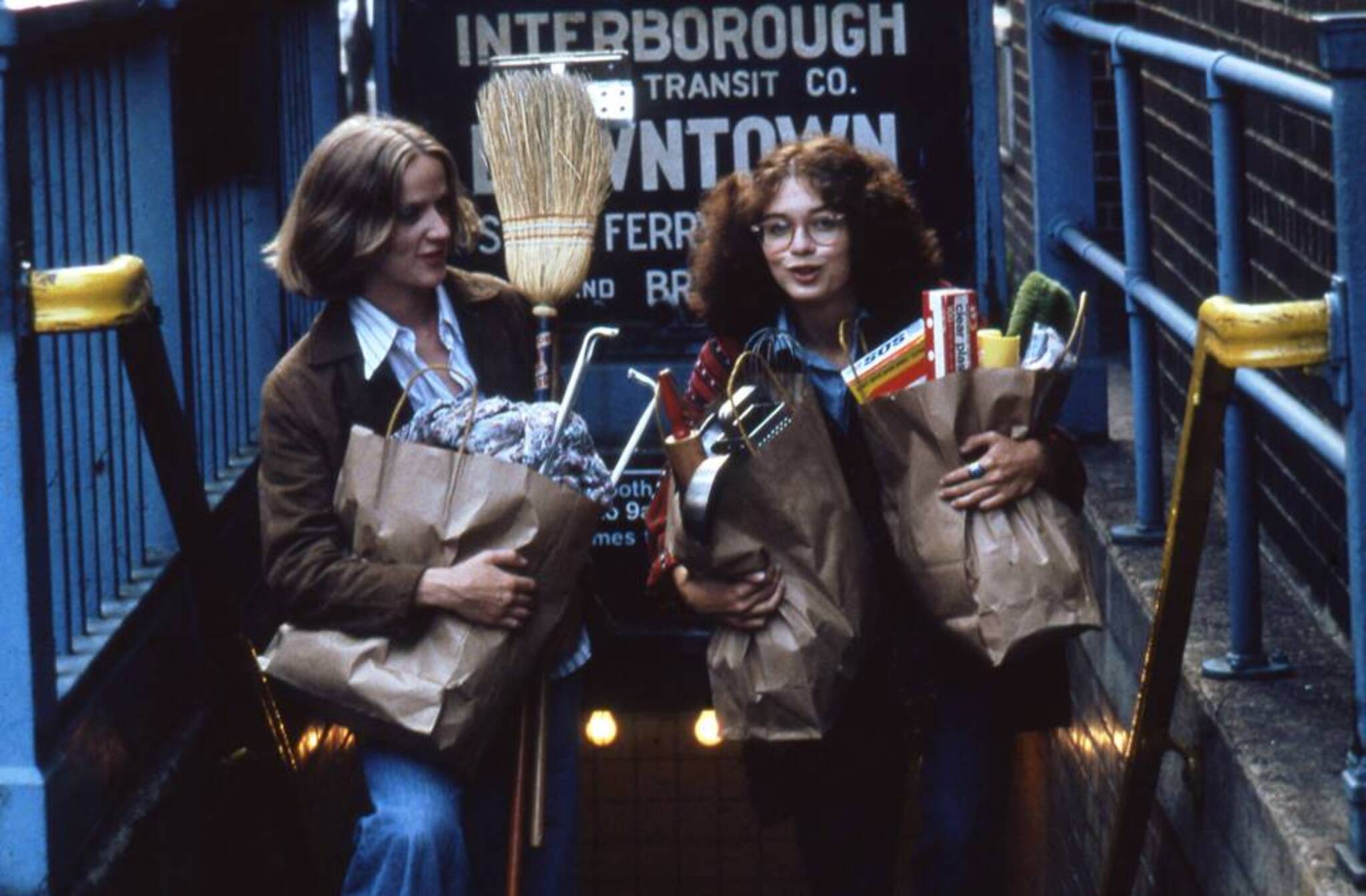
The other film featuring young Melanie Mayron; here, as the lead in Claudia Weill’s trailblazing cult indie gem, she’s the anti-Manic Pixie Dream Girl and I love her for it; also, look out for bearded Bob Balaban and young Christopher Guest (whom I can’t watch without thinking of the Nigel Tufnel to come.)

8. IT’S ALWAYS FAIR WEATHER
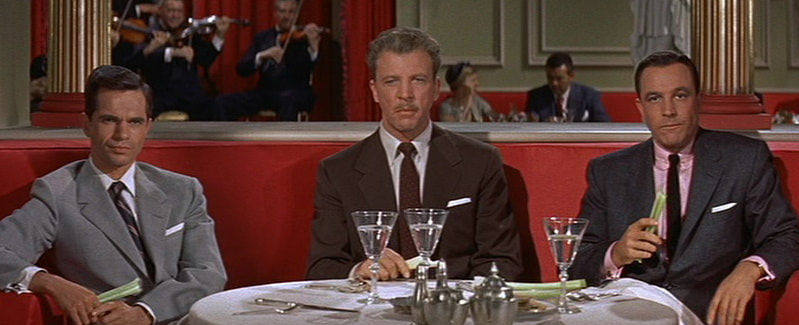
Not as essential as Singin’ In The Rain, but what is? My god, there’s so much to love here: the tour de force opening sequence, a splendid Cyd Charisse (given a real juicy role, as opposed to her Singin’ cameo), a dollop of early live television satire and a climactic slapstick brawl, among other delights.

9. COCO
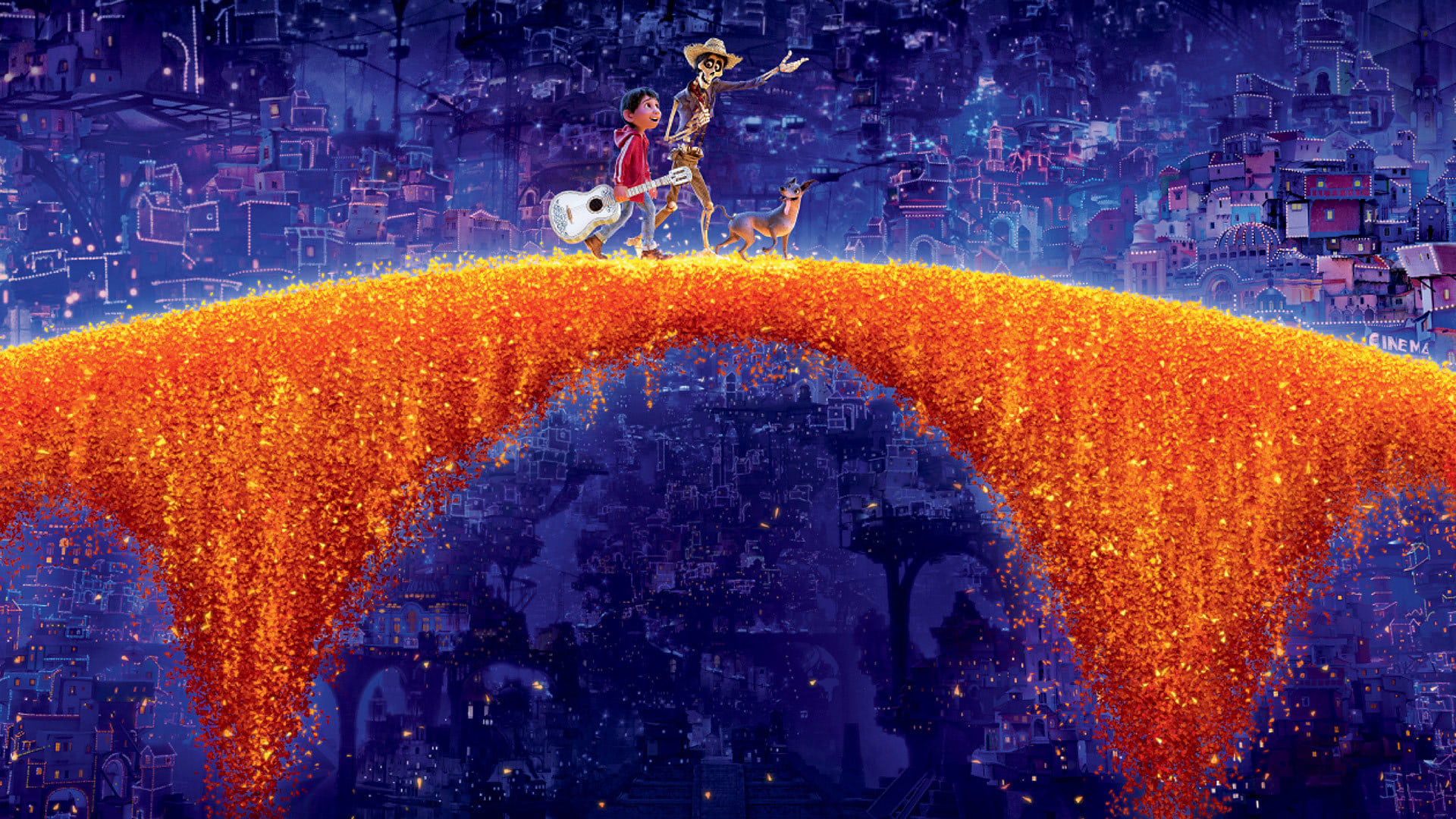
Might be my favorite animated feature since The Incredibles or even Spirited Away. Visually stunning (the world’s been waiting for a family-friendly Day of the Dead-themed film) and emotionally satisfying to boot.

10. DAISIES
Delightful chaotic/anarchic nonsense from 1960s Czechoslovakia and, at 76 minutes, totally digestible even if you’re not well-versed in experimental cinema. Not that someone would ever be foolish enough to attempt a remake, but casting Natasha Leggero and Riki Lindhome in one could be perfection.

HONORABLE MENTIONS:
Atlantic City, Autumn Leaves, Bad Day At Black Rock, Diva, The Forest For The Trees, Golden Eighties, Glitterbug, The Green Fog, Italianamerican, Le Bonheur, Losing Ground, Mad Max: Fury Road, Mississippi Grind, Model Shop, Modern Romance, The Other Side Of The Wind, A Place In The Sun, Remember The Night, The Sheltering Sky, Shirley Valentine, Smooth Talk, Taipei Story, Taxi, Things To Come, Totally Fucked Up, Urban Rashomon

BEST RE-WATCHES:
Ali: Fear Eats The Soul, Beau Travail, Close Encounters Of The Third Kind, The Duke of Burgundy, Frances Ha, The Garden, The Gleaners and I, Holiday, Johnny Guitar, Moonrise Kingdom, Oslo August 31, Scenes From a Marriage, Staying Vertical, Stories We Tell, Young Frankenstein

Film Journal: December 2020

Tesla

Normally, we’d be at the height of Awards Season; instead, the cinema landscape’s still in limbo, with a selective assortment of VOD and streaming titles battling it out. Sound of Metal, one of my favorites of the year, would’ve surely received a buzz-building theatrical release in any other year instead of going straight to Amazon Prime, right? (Right?) Well, as the past few years of Netflix interference have shown, no matter the venue, Riz Ahmed’s intuitive, elaborate performance would still receive deserved across-the-board critical accolades.

Small Axe is a different story, as it further blurs the movie/TV line as an anthology series made for Amazon but with each of its five feature-length installments standing on their own. I made a point to see Lovers Rock because it’s by far the most acclaimed (and also the shortest), and I’ll get to the other four, if not within the next few weeks before I post my year-end list—even without cinemas, there’s no shortage of good stuff to watch, from the alarming, mesmerizing Romanian doc Collective to Brexit-informed London immigrant drama Cat In The Wall, plus titles that played VOD earlier in the year like the superlative Georgian Call Me By Your Name-inspired And Then We Danced or the Mexican subculture study I’m No Longer Here.

As usual for the season, I spent the week leading up to Christmas watching holiday-themed flicks, including the month’s only two re-watches, Going My Way and Holiday, the latter more of a New Year’s Eve film that excels chiefly by the charm of its cast. Among the discoveries, The Holly and The Ivy, a 1952 British film that anticipates the kitchen sink realism later in the decade more than it revels in the romanticism of the prior one and Remember The Night, a Preston Sturges-written, pre-Double Indemnity pairing up of Fred MacMurray and Barbara Stanwyck that’s far less cookie-cutter than you’d expect for the era.

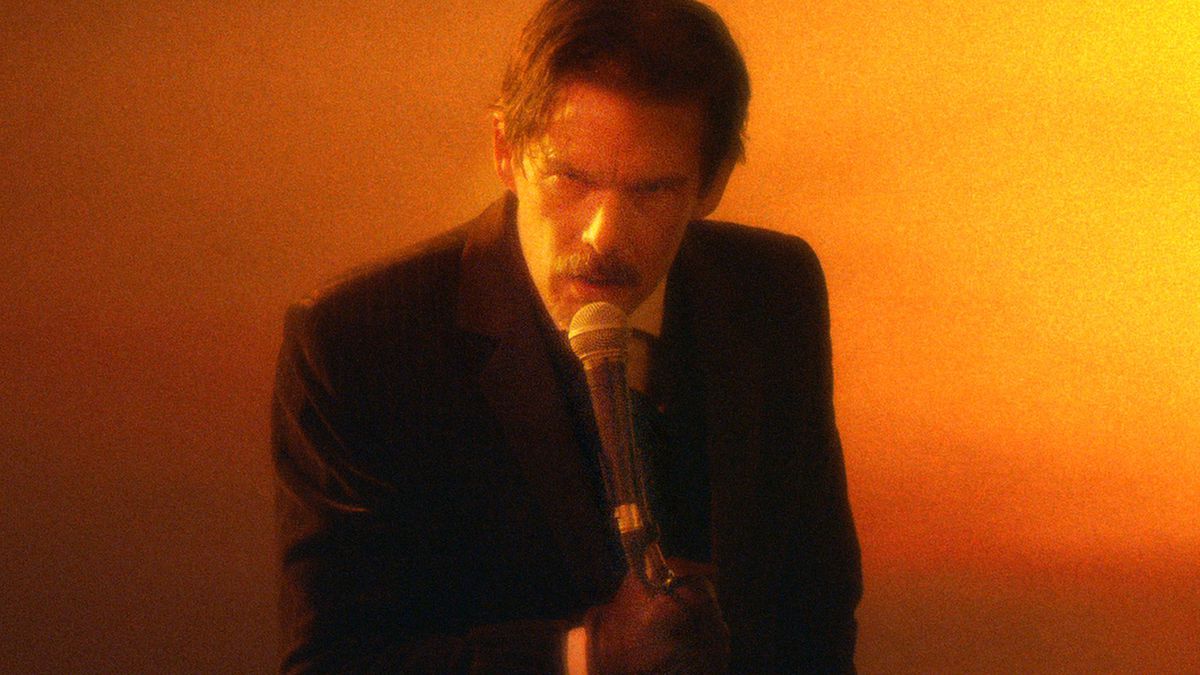
Biggest misses included the almost universally reviled Wonder Woman 1984 (which makes Stranger Things look like Blue Velvet) and David Lynch’s Lost Highway, the first of his films to leave me cold. On the other hand, a few pleasant surprises: legendary new wave rock flop Times Square, which feels more like a butchered-by-its-studio art film than an exploitation film; Coco, easily my favorite Pixar since Ratatouille and The Incredibles; Possessed, more proof of Joan Crawford’s acting prowess; Family Plot, more evidence as to why Barbara Harris should’ve been a far more prominent ‘70s screwball icon; and Tesla, which didn’t go as far as it could’ve in the revisionist/deliberately anachronistic department, but I will not soon forget an insular, deeply in character Ethan Hawke-as-Tesla performing a karaoke version of a certain Tears For Fears song.

Films viewed in December in chronological order, with director, year of release and my rating (out of 10); starred titles are re-watches.

The Twentieth Century (Matthew Rankin, 2019) 7
Bad Day at Black Rock (John Sturges, 1955) 8
I’m No Longer Here (Fernando Frias, 2019) 7
Ryuichi Sakamoto: Coda (Stephen Nomura Schible, 2017) 6
Sound of Metal (Darius Marder, 2019) 10
Collective (Alexander Nanau, 2019) 9
Dressed to Kill (Brian De Palma, 1980) 7
Family Plot (Alfred Hitchcock, 1976) 7
The Social Dilemma (Jeff Orlowski, 2020) 5
Guest of Honour (Atom Egoyan, 2019) 7
Lost Highway (David Lynch, 1997) 5
Wander Darkly (Tara Miele, 2020) 6
Tesla (Michael Almereyda, 2020) 7
Christmas Survival (James Dearden, 2018) 4
Small Axe: Lovers Rock (Steve McQueen, 2020) 8
Words on Bathroom Walls (Thor Freudenthal, 2020) 7
Remember the Night (Mitchell Leisen, 1940) 8
Sleepless in Seattle (Nora Ephron, 1993) 6
The Holly and the Ivy (George More O’Ferrall, 1952) 7
Possessed (Curtis Bernhardt, 1947) 7
Holiday (George Cukor, 1938)* 9
Holiday Affair (Don Hartman, 1949) 7
Going My Way (Leo McCarey, 1944)* 6
Wonder Woman 1984 (Patty Jenkins, 2020) 4
Coco (Lee Unkrich, 2017) 8
Hot Fuzz (Edgar Wright, 2007) 8
And Then We Danced (Levan Akin, 2019) 9
Times Square (Allan Moyle, 1980) 7
Cat In The Wall (Vesela Kazakova, Mina Mileva, 2019) 8

2020 Booklist

My eleven favorite books I read in 2020 (in alphabetical order by author’s last name):


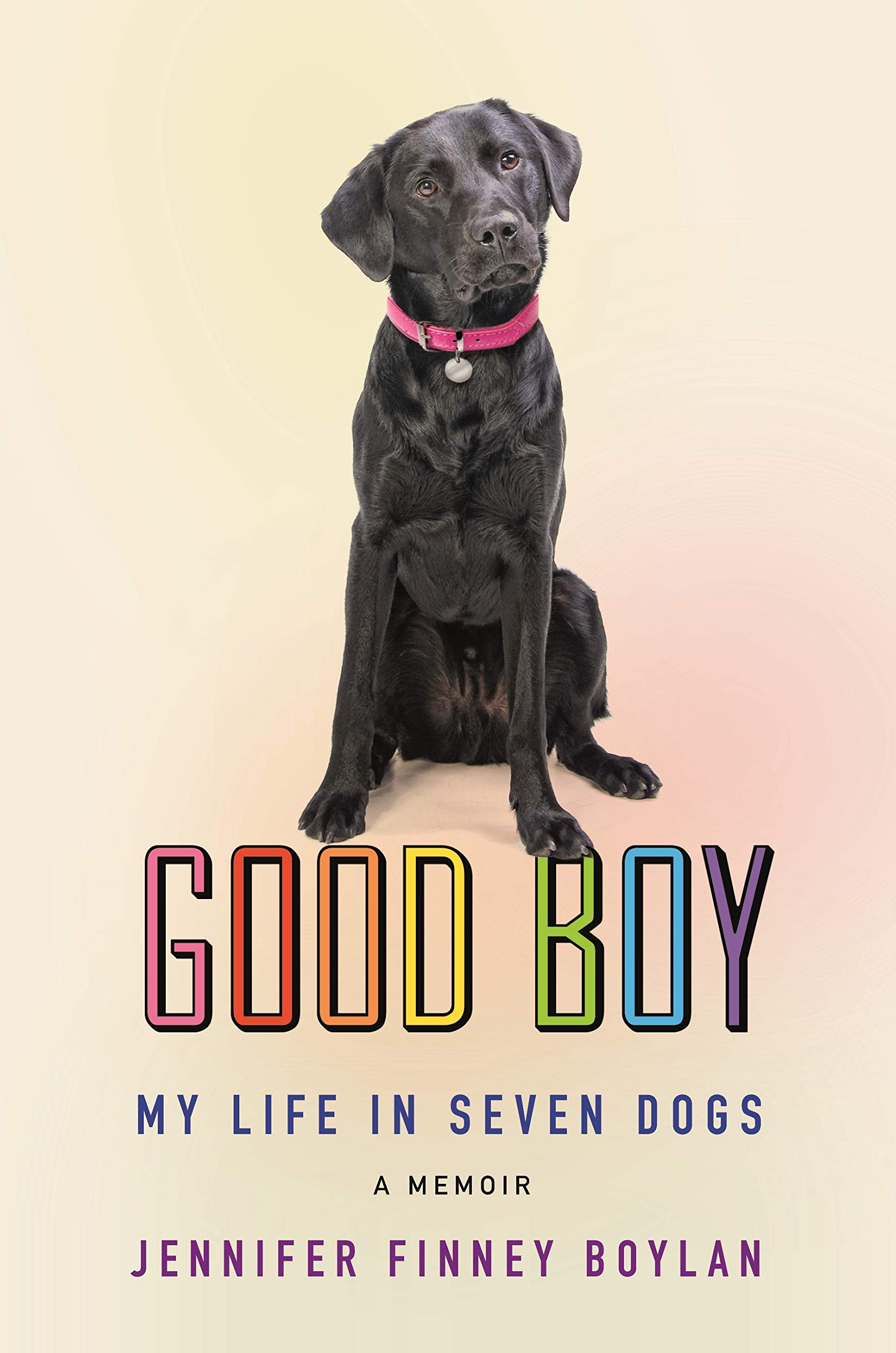
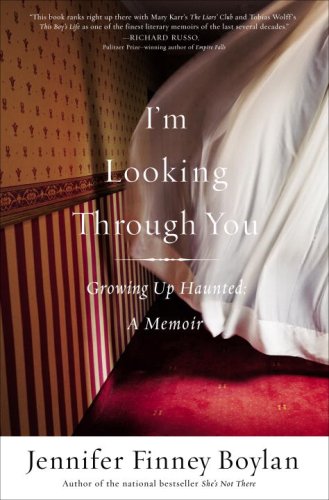
Jennifer Finney Boylan, Good Boy: My Life In Seven Dogs and I’m Looking Through You

I’m highlighting eleven books instead of the usual ten in order to include both of Boylan’s that I read this year: her latest (and fourth) memoir, in which she reflects on different phases of her life by way of her canine companions for each one, and her second memoir, an arguably superior, immersive account of growing up as a boy in a haunted house and how it fortified an extensive search for her true self.


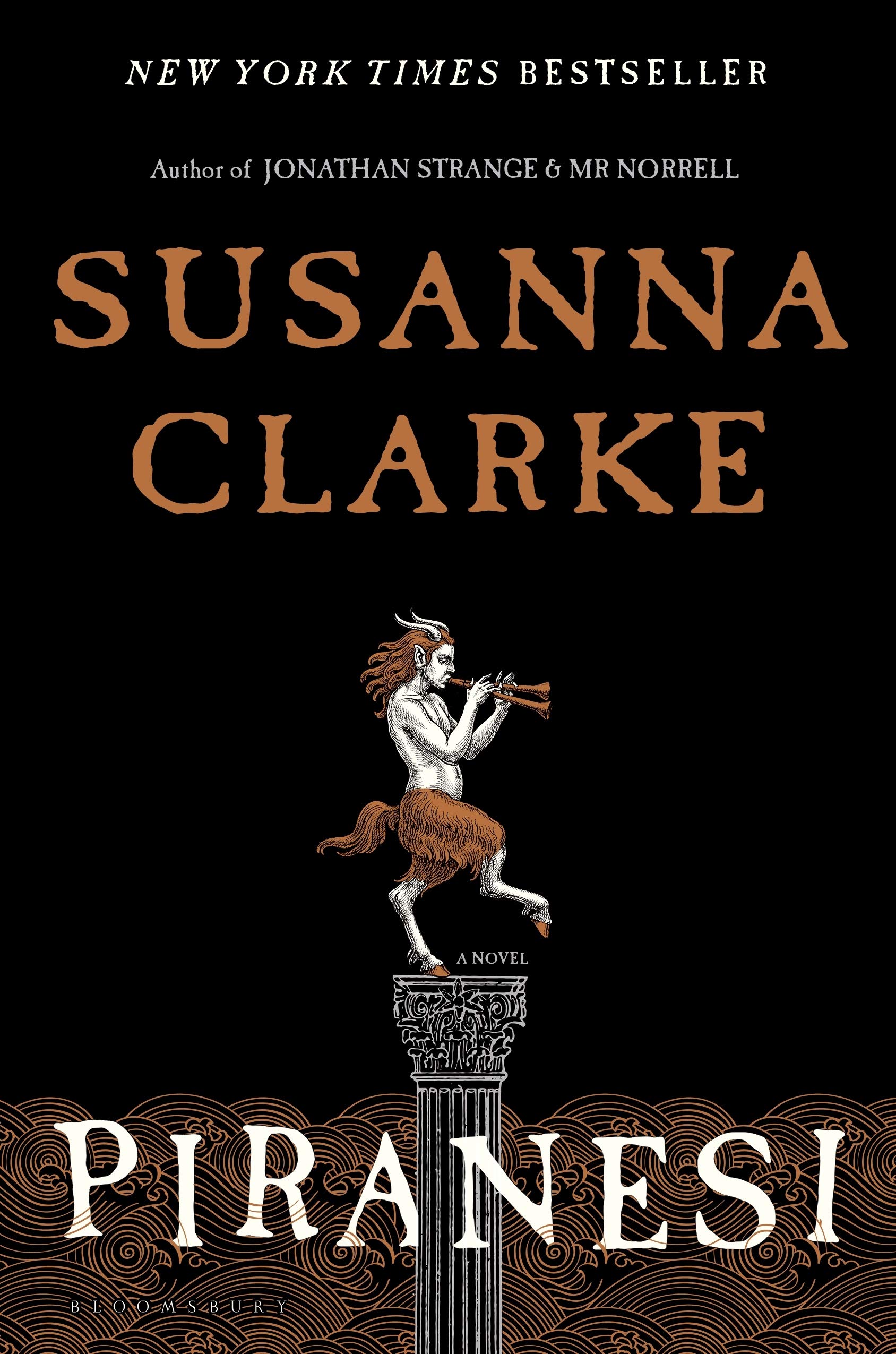
Susanna Clarke, Piranesi

Chiefly known for her great historical fantasy epic Jonathan Strange & Mr. Norrell, Clarke reemerges after a long absence with a far more condensed tale than nonetheless contains multitudes. A narrative that initially presents as one thing but gradually reveals itself as entirely something else, it’s the most original novel I read this year; in this case, the act of piecing together what was actually going on was a real thrill.


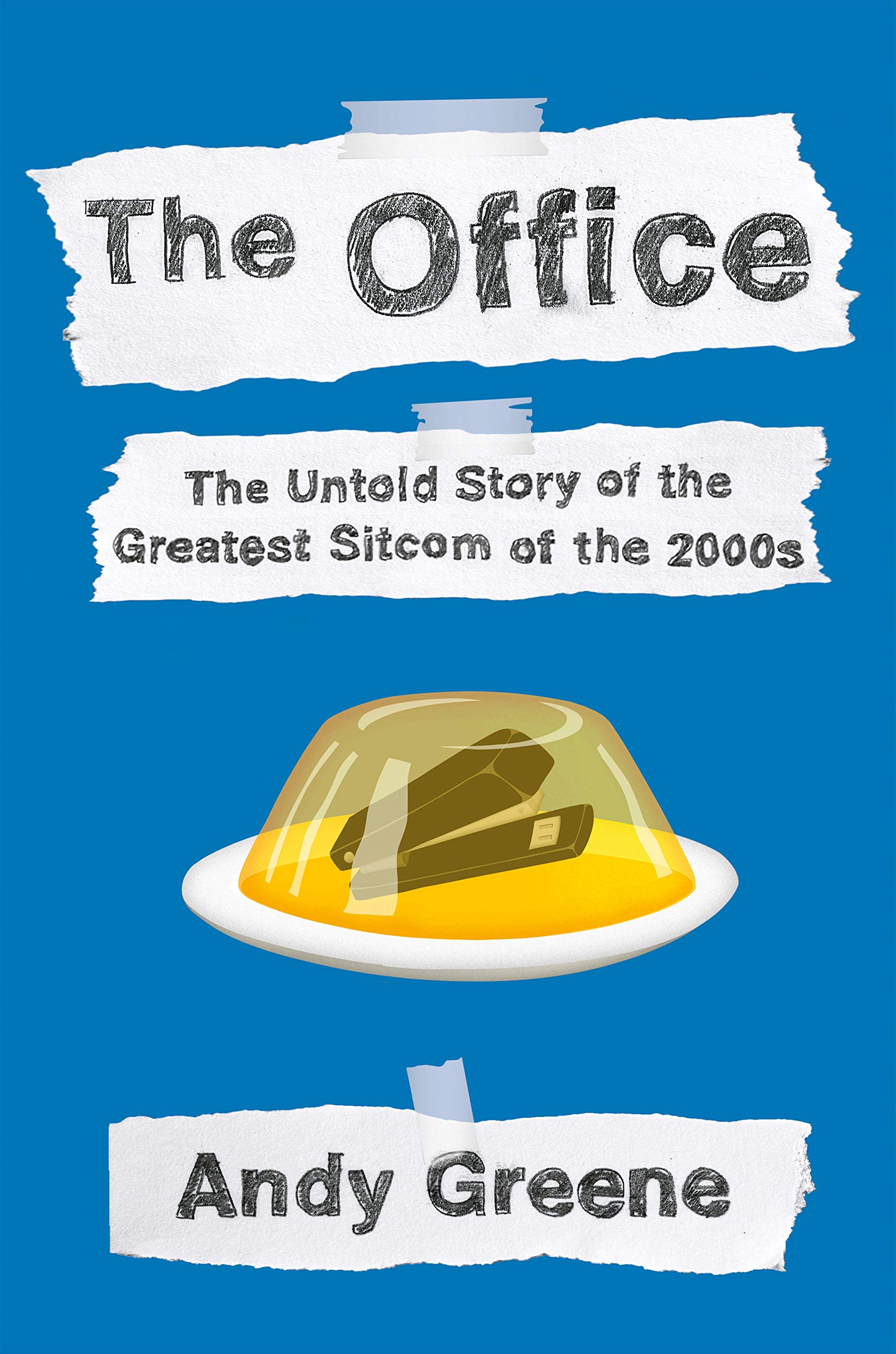
Andy Greene (ed.), The Office: The Untold Story of the Greatest Sitcom of the 2000s

Having watched the entire series mostly in real time and even after breezing through this oral history, I’m still not convinced the US version of The Office is the greatest sitcom of its decade (the original UK series might be); however, I can’t deny that it’s the most influential and perhaps emblematic TV show of that time, not to mention a blast to read about, even in such intense, nerdy detail.


A.S. Hamrah, The Earth Dies Streaming

I’d never read Hamrah’s film criticism until someone shared his latest annual summation of the year’s Academy Award-nominated titles, upon which I purchased and devoured this collection of pieces from 2002-2018. One of the last books I finished before the shutdowns began, I now remember it as something from another time—especially in Hamrah’s devotion to seeing movies on a big screen and as part of a communal experience.


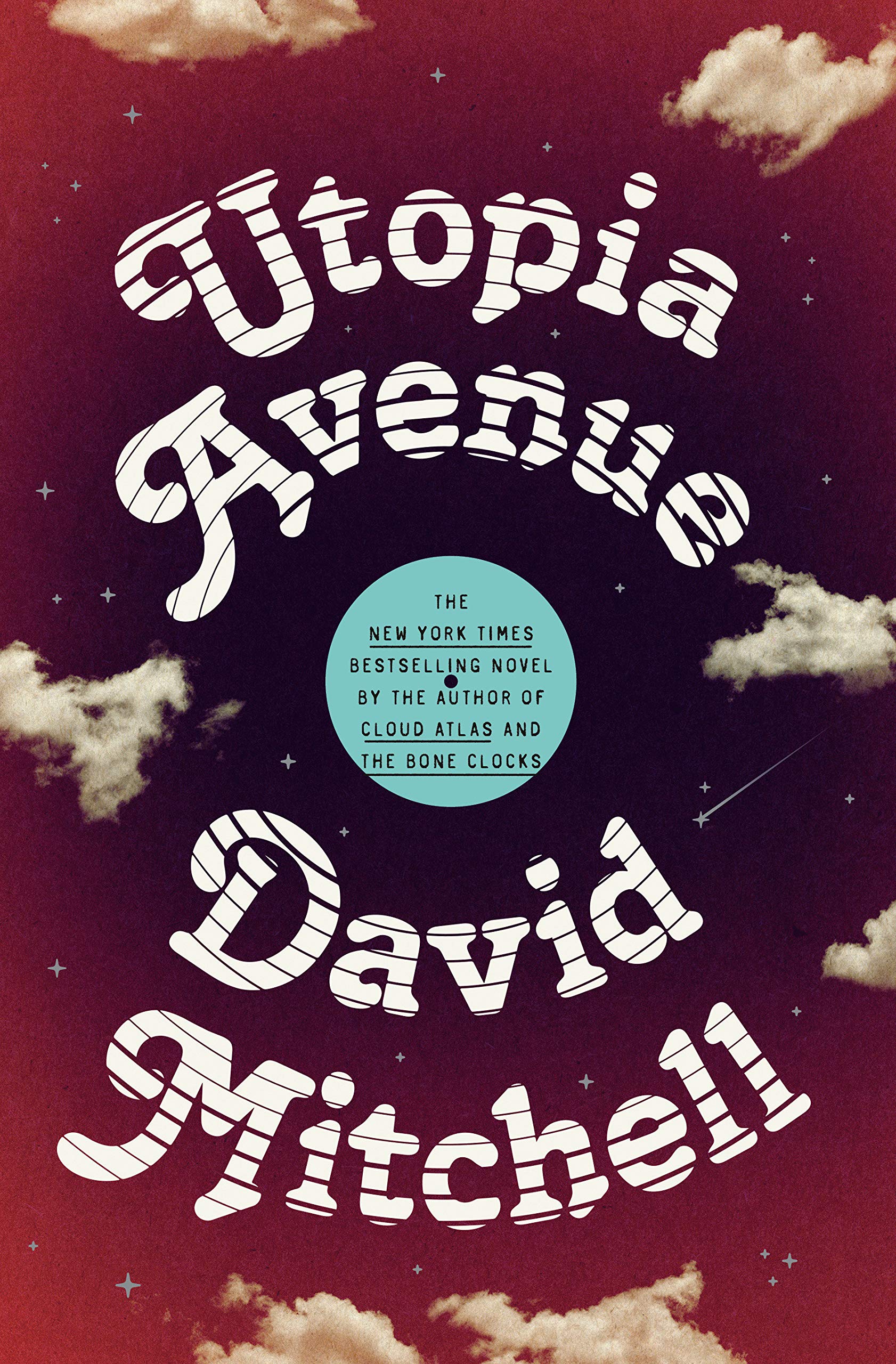
David Mitchell, Utopia Avenue

I’m not ranking my top books this year, but if I had to single out a clear favorite, it might be this ambitious alternate-history portrait of a short-lived British psych-rock quartet in the late 1960s. Backing away from the sci-fi elements of The Bone Clocks, this is easily my favorite novel of Mitchell’s since Black Swan Green, if not Cloud Atlas. Not everyone will love the imagined interactions with now-deceased real-life celebrities, but Mitchell’s willingness to go there, unironically is an endearing feat in itself.


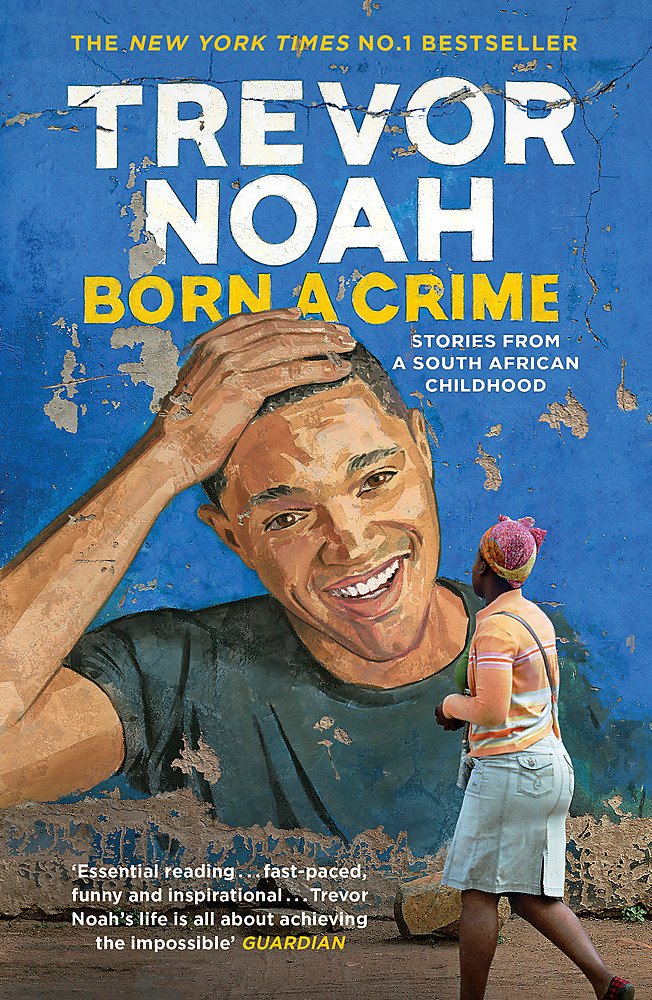
Trevor Noah, Born A Crime: Stories From A South African Childhood

I was skeptical of Noah when he took over for Jon Stewart on The Daily Show—who wouldn’t be with such an iconic role? But he’s proved himself a worthy and wholly different successor, and the disarming straightforwardness in which he tells his extraordinary life story is a testament as to why. He makes what is often a horrific upbringing sound as harrowing as it needs to be, but also utterly human as he injects humor and wry commentary whenever appropriate.


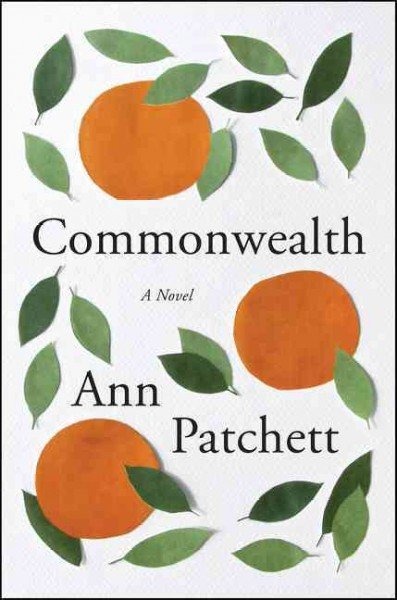
Ann Patchett, Commonwealth

The first book I read after everything shut down in March and one I can imagine returning to every five years or so. Spanning decades and coasts, Patchett’s mosaic of two families who become forever intertwined when the father of one sleeps with the mother of the other, Commonwealth updates the conceit of The Great American Novel for post-JFK assassination culture, packing a lot into its 300+ pages but never feeling bloated or boring.


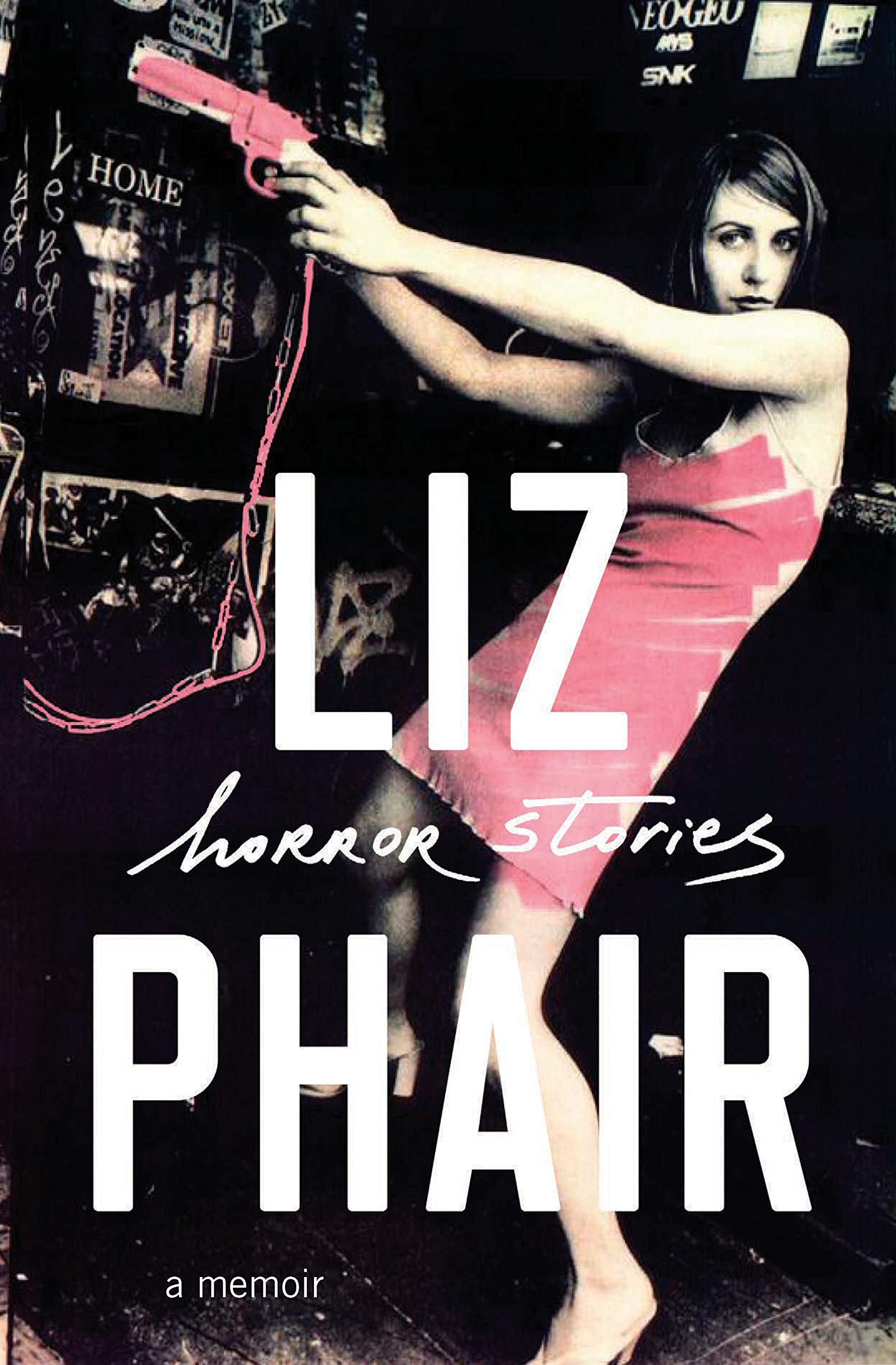
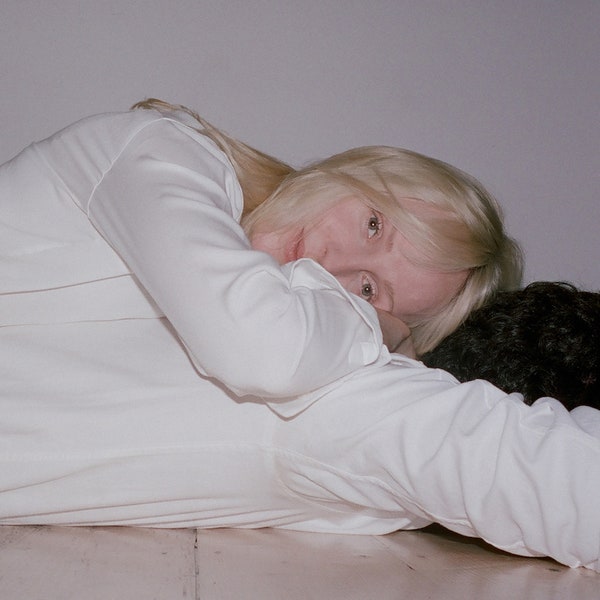
Liz Phair, Horror Stories

I’m not surprised that Phair, as far as musicians go, has written a great memoir; however, I didn’t expect such an original and finely executed take on the format. Picking and choosing various anecdotes from her life and career in non-chronological order, the one common thread is an almost literal interpretation of the book’s title: horrible things happen in each tale, but Phair has the wisdom and talent to put them in perspective so that horror is far from the only emotion she’s eliciting.


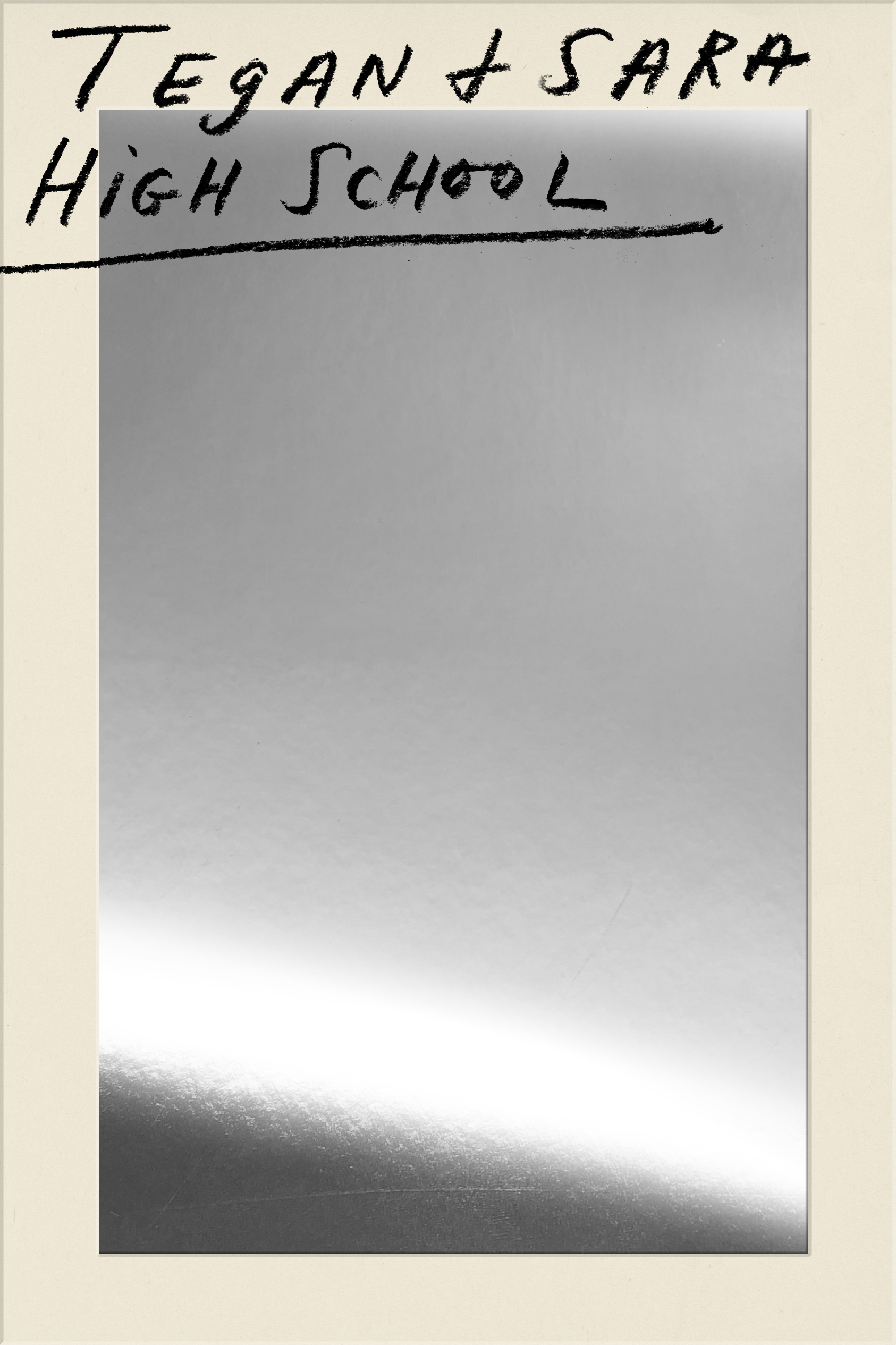
Tegan and Sara Quin, High School

As for this musical memoir, the Quin twins have co-written a warts-and-all account of being teenagers in mid-90s Alberta. Each one’s discovery of their homosexuality is mirrored by their unearthing of a talent for making music together. By alternating chapters between the two, they also often mirror their experiences and struggles, but it’s even more fun when they diverge, allowing for a unique overview of two lives coming of age both together and apart.


Stephen Rebello, Dolls! Dolls! Dolls!

Rebello co-wrote Bad Movies We Love (1993), one of the all-time best (and bitchiest) books on cinema; while this extensive behind-the-scenes account of the making of the exquisitely campy pill-popping 1967 melodrama Valley of the Dolls is only half as bitchy, it’s still a fizzy read in how meticulously it charts everything from the film’s troubled production to why it genuinely endures as a cult classic today.


Here’s my complete 2020 Booklist, with titles in chronological order of when I finished reading them (starred entries are books I’ve re-read):

  1. Stephen McCauley, My Ex-Life
  2. Liz Phair, Horror Stories
  3. Alex Prud’homme, The French Chef In America: Julia Child’s Second Act
  4. Dylan Jones (ed.), David Bowie: The Oral History
  5. Haruki Murakami, Killing Commendatore
  6. Tegan and Sara Quin, High School
  7. Augusten Burroughs, Toil and Trouble
  8. Brian Rea, Death Wins A Goldfish
  9. S. Hamrah, The Earth Dies Streaming
  10. Richard Russo, Nobody’s Fool*
  11. Ann Patchett, Commonwealth
  12. Tom Fitzgerald and Lorenzo Marquez, Legendary Children
  13. Kate Atkinson, A God In Ruins
  14. Simon Reynolds, Rip It Up And Start Again*
  15. Min Jin Lee, Pachinko
  16. Stanley Elkin, The Franchiser
  17. Zadie Smith, Feel Free
  18. Dale Peck, Now It’s Time to Say Goodbye*
  19. Carol Burnett, In Such Good Company
  20. Samantha Irby, Wow, No Thank You
  21. Jean Shepherd, A Fistful of Fig Newtons*
  22. Bill Bryson, The Body
  23. Derek Jarman, At Your Own Risk: A Saint’s Testament*
  24. Trevor Noah, Born A Crime: Stories From A South African Childhood
  25. Jia Tolentino, Trick Mirror
  26. Dorothy Parker, The Portable Dorothy Parker
  27. Paul Murray, Skippy Dies*
  28. Stephen Rebello, Dolls! Dolls! Dolls!
  29. Jennifer Finney Boylan, Good Boy: My Life In Seven Dogs
  30. David Mitchell, Utopia Avenue
  31. Sam Wasson, The Big Goodbye
  32. Kurt Vonnegut, Jailbird
  33. Peter Biskind, Easy Riders, Raging Bulls*
  34. Richard Russo, Everybody’s Fool
  35. Andy Greene (ed.), The Office: The Untold Story of the Greatest Sitcom of the 2000s
  36. Jennifer Finney Boylan, I’m Looking Through You
  37. Brian Eno, A Year With Swollen Appendices
  38. David Rakoff, Half Empty*
  39. Debbie Harry, Face It: A Memoir
  40. Billy Bragg, Roots, Radicals and Rockers: How Skiffle Changed The World
  41. Tom Spanbauer, I Loved You More*
  42. Marilynne Robinson, Home
  43. Jeffrey Eugenides, Fresh Complaint: Stories
  44. Russ Giguere and Ashley Wren Collins, Along Comes The Association
  45. Lindy West, Shit, Actually
  46. Soseki Natsume, I Am A Cat
  47. MFK Fisher, The Art of Eating
  48. Shirley Jackson, The Lottery and Other Stories
  49. Susanna Clarke, Piranesi
  50. Caitlin Moran, More Than A Woman
  51. David Sedaris, When You Are Engulfed in Flames*

Christmas Night Lights

One of my favorite childhood Christmas activities was the annual ride Bob and Barb (my parents) and I took to view lights and other outdoor decorations on Milwaukee’s tony East Side. After Christmas Day dinner, we’d get in the car and head across town to Lake Drive to see all of its coastal mansions done up in displays spanning from the chaste and tasteful (a single spotlight, a mighty fir dressed in a single red bow) to those so gloriously ostentatious that the electricity bill for one night would’ve likely exceeded what my parents paid to keep our entire house illuminated the entire year. All the while, EZ 104 (actually WEZW-FM 103.7) would soundtrack our sojourn, piping nonstop holiday songs from “The Little Drummer Boy” to “It’s The Most Wonderful Time Of The Year” into our Mercury Monarch.

The ride enabled us to get out of our South Side bungalow and escape into a prettier and certainly more upscale world, if only for an hour. Truthfully, however, we didn’t have to travel all that far to partake in the electric beauty of the season. Heck, we could even experience it from our very own living room via the gorgeous, gigantic white metallic star lit with fat multicolored bulbs our neighbor across the street exhibited every year. Whereas most homes up and down the block strung up their holiday light displays the day after Thanksgiving, this elderly woman who lived alone would wait to decorate until about a week before December 25. One night, the star would suddenly, magically appear; I looked forward to its materialization every year.

Naturally, we did our part to make our own home look festive. Our tree, usually covered in simple white lights would sit in the living room, smack dab in the center of the four windows that faced our street. The windows themselves were decked out in crisscrossing strings of multi-colored lights. Scores of blue lights would dot the three roomy bushes below the front porch, while a wreath sporting older, fatter colored bulbs was always hung on the front door. Next to it, we often replaced the porch light’s white fluorescent bulb with a red or green one, just to be extra festive.

Our display was relatively average, anodyne, even, compared to other homes in the neighborhood. Here and there, one would spot the usual assortment of illuminated, life-sized angels, reindeer, snowmen, Nativity sets and Santa Clauses, both in sturdy concrete and inflated, plastic and more malleable forms. People lucky enough to sport giant conifers in their front yards would cover them with endless strings of lights. Occasionally, a homeowner would go above and beyond to present something unique, like the square, squat one-story home a few blocks away that, without fail, always put up a rather impressive giant neon martini glass (complete with green olive!) on top of their roof—it really stood out among all the other two-story structures surrounding it.

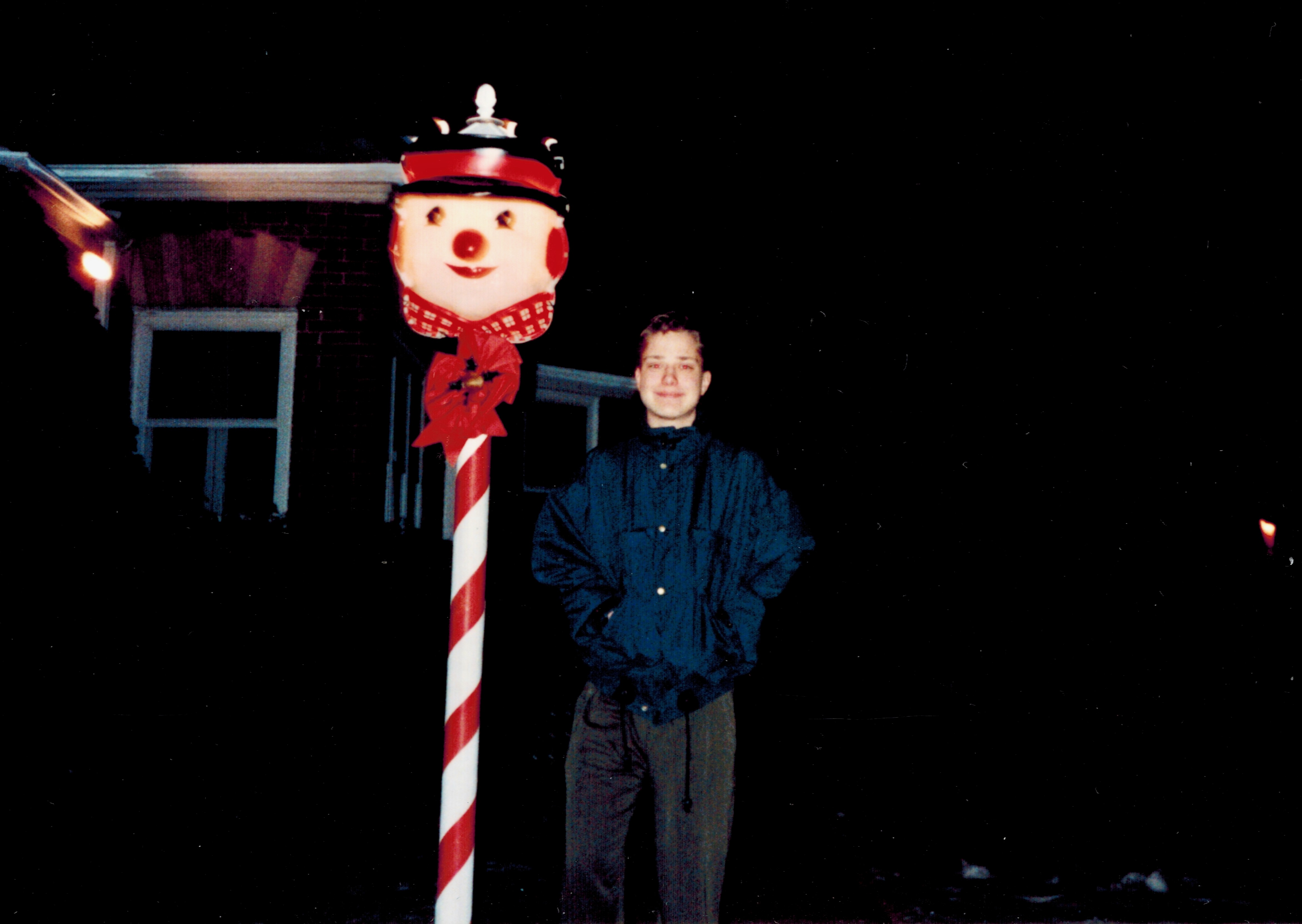
The neighborhood holiday decoration I most fondly recall, however, sat two-and-a-half blocks up our street. In front of a brick house with a terraced roof was a plastic snowman head placed over a lamppost. Painted to include a brimmed hat, red earmuffs, a big red nose and matching patterned scarf, it completely covered the lamp, while the white post was wrapped diagonally with a red ribbon and topped off with a shiny red bow. Simple, cheap and utterly basic, it nonetheless achieved legendary status in my family when I was ten or twelve and Bob first said, “Hey look, it’s Chris-on-a-Stick” once as we passed it.

Every subsequent December, whenever we’d drive by the house, the presence of Chris-on-a-Stick was something he rarely failed to acknowledge. For the first few years, this teasing made me furious which of course only encouraged him to do it more. As I entered High School and put the initial indignities of puberty behind me, I came to accept and embrace the nickname. I even grew to anticipate having a reason to drive past Chris-on-a-Stick, to revel in the joke, comprehending how silly and yet sublime it was to see what had become my namesake—a ridiculous Frosty-the-Snowman-head-on-a-post that would only appear one month out of the year.

When I was 17, I detected a subtle change in Chris-on-a-Stick—he looked a little less faded and possibly a tad jollier. After driving by a few times, I began to think something was awry; upon closer inspection, I discovered I was right—there was a new snowman head on the lamp this year. To the layperson or casual onlooker, it was almost indiscernibly similar, but those aforementioned changes, along with the fact that the plastic head was now two-faced, with an identical visage on its opposite side pitched at the house, confirmed that it was indeed a replacement. “That’s not the real Chris-on-a-Stick”, I’d scoff, adding yet another layer to this seasonal plastic mythology.

That year, Bob and Barb somehow convinced me to pose for a picture standing next to Chris-on-a-Stick (I can imagine its owners’ bewilderment if they were home), even if it wasn’t the real one. Decades on, I’m so thankful they did, if only because I have photographic evidence that it really existed. As for my dad, I got my revenge the following year when, one block over, I noticed a fat plastic snowman placed in someone’s front yard on the ground right in front of a towering flagpole.

“Hey look, it’s Bob-on-a-Pole”, I casually announced as we drove past it one night. Barb burst out laughing and Bob enjoyed the joke as well, knowing that it’s good to both give and receive, not only during the holiday season but throughout the year.

Chris-on-a-Stick and yours truly, 1992.

Favorite Albums of 2020

Opting for a single post rather than a prolonged countdown this year. Also limiting it to a top 10, although I could’ve eked out a list of 15 or possibly even 20 (see “Also Recommended” at the end.)

10. Katie Pruitt, “Expectations”

Debut of the year comes from this 26-year-old singer-songwriter. A kindred spirit of Brandi Carlisle and Kacey Musgraves, she injects ample personality and a powerful voice into a recognizable but ever-shifting folk-rock template. The title track’s Fleetwood Mac-isms are what initially caught my attention, but it’s her lyrical prowess and point of view that really impress: “If loving her is wrong and it’s not right to write this song / Then I’m still not gonna stop and you can shut the damn thing off,” she sings, reigniting a flame for all the queer musicians who couldn’t get away with such lyrics in their mid-20s.

9. Laura Marling, “Song For Our Daughter”

So proficient and consistent throughout her twenties, it became too easy to take this British folkie for granted. On her first LP in her thirties (and first release in three years), she doesn’t much alter her sound or style and thus doesn’t produce anything as striking as past triumphs like “Master Hunter” or “Short Movie”. However, on this collection of tunes written for a daughter she hopes to one day have, her wise-beyond-her-years persona now bespeaks an actual, palpable maturity and an ease insinuating introspection rather than complacency. She’s consistently good, which is no small task to sustain for over a decade and counting.

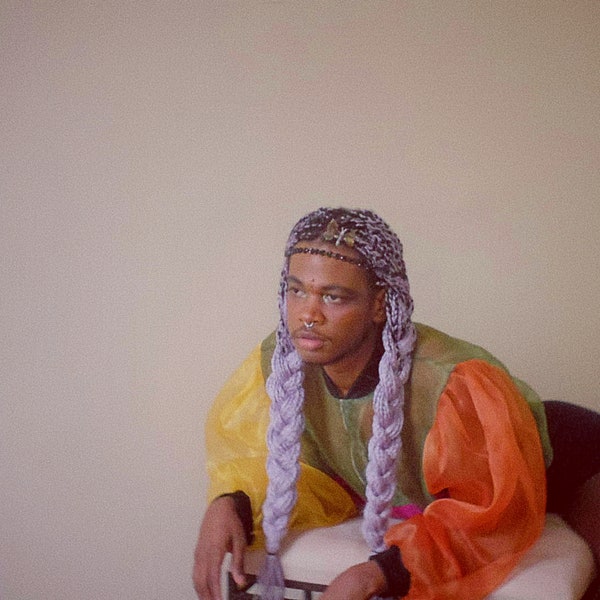
8. Shamir, “Shamir”

Self-titling your seventh album is an undeniable statement and Shamir sure sounds like it could be a confident, solid debut (I admittedly haven’t heard any of his previous work); trilling in a falsetto occasionally threatening to ascend into Tiny Tim territory, this non-binary DIY-er mashes up Prince with The Who (“On My Own”, delectable power-pop anthem “Diet”), does the 80s with more insight and finesse than even The Weeknd (“Running”), attempts some neo-rockabilly (“Other Side” angling for an Orville Peck duet?) and indulges in genuinely majestic dream pop (“I Wonder”). Perhaps my New Year’s resolution should be to check out those other six LPs?

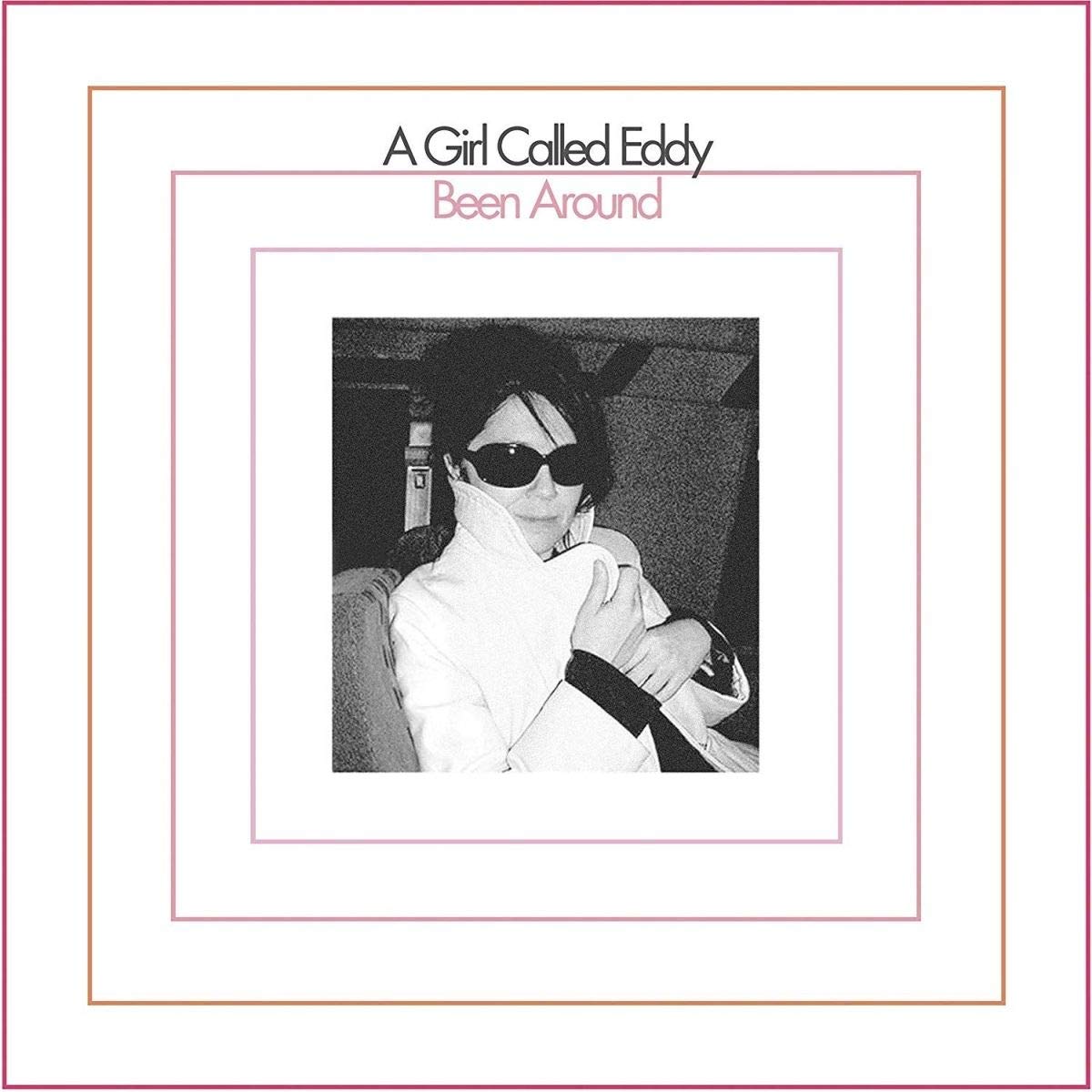
7. A Girl Called Eddy, “Been Around”

It’s been sixteen years since Erin Moran’s last (and debut) record under this moniker, but from the very first spin it feels like no time has passed at all. That’s not to say Been Around is cut entirely from the same cloth, as it trades in a few of A Girl Called Eddy’s Bacharach touches for insouciant Steely Dan-like jazz rock (the title track, “Jody”) and also sports a nifty Chrissie Hynde homage (“Someone’s Gonna Break Your Heart”) and a lovely Paul Williams co-write (“Charity Shop Window”). The constant, of course, remains Moran’s deep, gorgeous, melancholy tone, falling somewhere between Karen Carpenter and Aimee Mann.

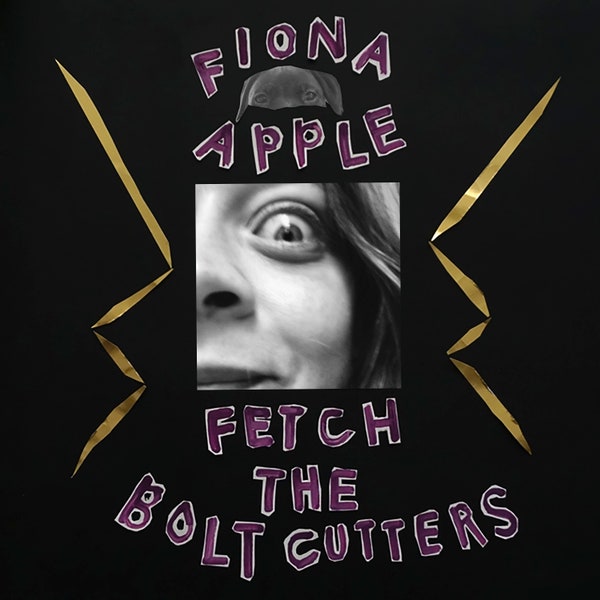
6. Fiona Apple, “Fetch The Bolt Cutters”

Speaking as a longtime fan, you bet this was a rare gift upon its surprise release in April—that is, until the claustrophobic-by-design nature became too much for me within this pandemic. Fortunately, upon revisiting, I can confirm it’s as built to last as Apple’s other four albums—in part because she continues to push her sound forward combined with the feeling that it still resembles nothing else. Although she can still shift from playful (“Under The Table”) to incendiary (“For Her”) on the turn of a dime, it’s difficult to name highlights for the whole thing is of a singular, maddening yet satisfying piece.

5. Nicole Atkins, “Italian Ice”

Atkins follows her great Goodnight Rhonda Lee with another worthy, genre-defying assortment cementing her status as one of the era’s best underheard singer-songwriters. There’s slinky, somewhat sinister rock (“Domino”, “Mind Eraser”), country-ish balladry (“Captain”, “Far From Home”), Bobbie Gentry-style Americana (“Never Going Home Again”), breathlessly surging pop (“Forever”) and of course, plenty of torch songs (“These Old Roses”, “St Dymphna”). Going out on the wailing, cathartic “In The Splinters” like Rufus Wainwright circa Want One, Atkins graciously exudes timelessness even as she remains in thrall to the pleasures (and a few peculiarities) of “AM Gold”.

4. Owen Pallett, “Island”

Another surprise release (weeks after # 6 came out), Pallett’s first LP in six years is a sonic departure from its electronic-oriented predecessors. An orchestral/acoustic song cycle recorded at Abbey Road Studios, Island is simultaneously beautiful and chilling, pastoral and anxious, swelling and sighing. Brief instrumental passages punctuate a set of melodies within arrangements that are alternately intimate and contained (the Nick Drake-ish “Polar Vortex”) and convincingly grandiose: “A Bloody Morning”, with its pounding momentum and lyrics referencing drowning could almost slot into “The Ninth Wave” on Hounds of Love. Like that LP and Fetch The Bolt Cutters, it’s a challenging but altogether rewarding work.

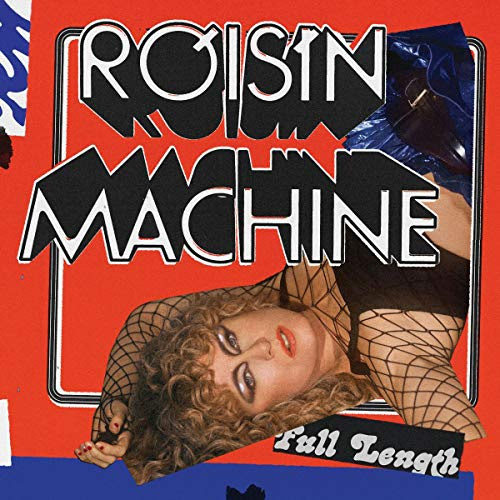
3. Róisín Murphy, “Róisín Machine”

With six of its ten tracks previously released as standalone singles (one going back to 2012!), you’d expect this to resemble a greatest hits album. While an actual Róisín Murphy singles compilation would be sublime, this totally excels as a studio album with new mixes of those six songs coalescing into a DJ-friendly playlist. And while none of the four new tracks are necessarily better than the singles, you can’t argue with an album containing the likes of minimalist wonder “Incapable” or declaration of purpose “Something More”. Marvel at how motifs from epic opener “Simulation” reappear in entrancing theme song “Murphy’s Law” or how masterful disco vamp “Narcissus” builds up to absolute banger of a finale “Jealousy”. Sure, the album title is a bit of a pun, but it’s also perfection.

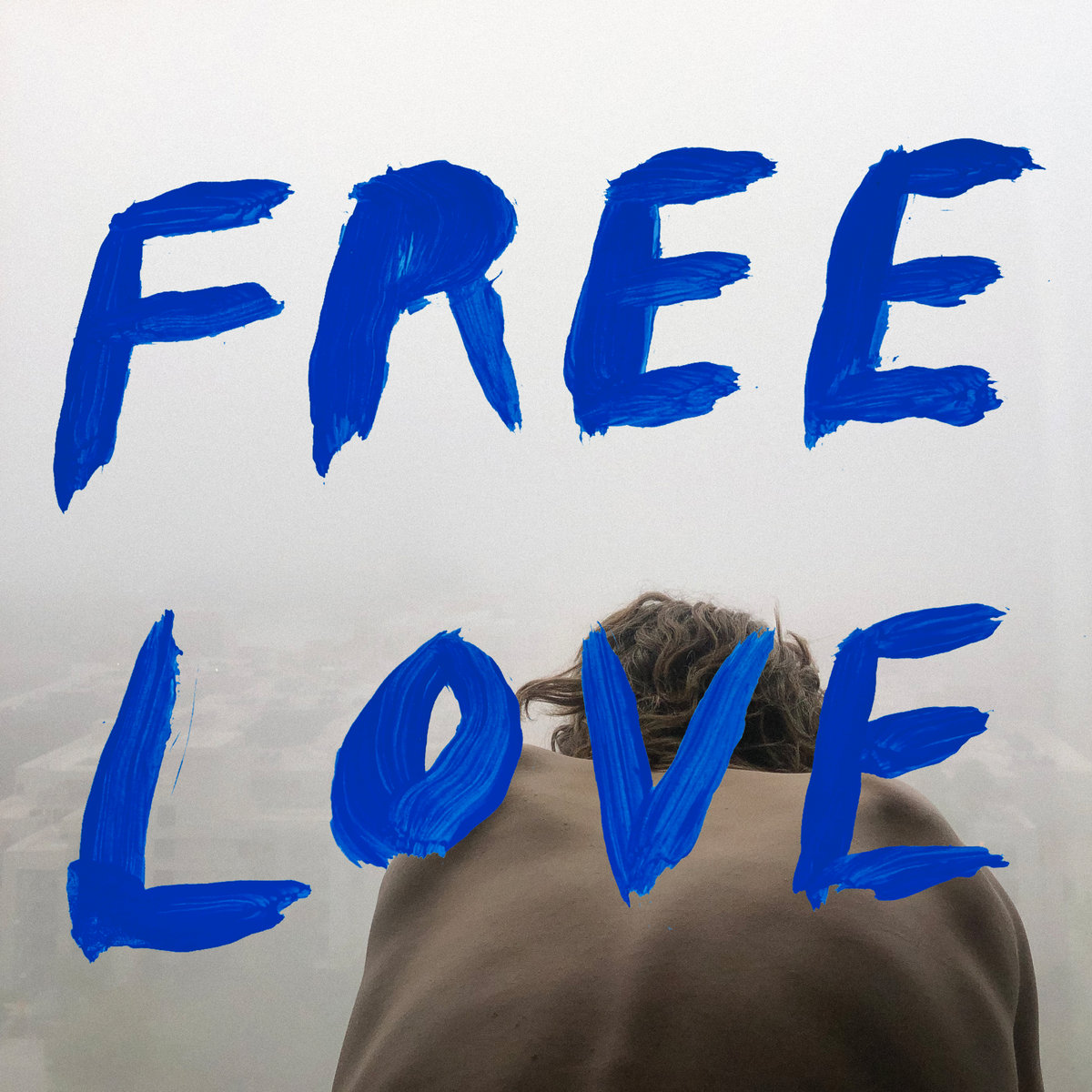
2. Sylvan Esso, “Free Love”

The third studio album from this husband-and-wife electropop duo brings to mind Yaz updated for the laptop age, which is to say sonically, it’s very similar to their first two albums. As for the songwriting however, it’s a big leap forward. Even though half these tunes are under three minutes and the whole thing’s over in less than half an hour, it’s never undeveloped or slight, in part because everything feels like it belongs, whether it’s an invitation to dance (“Runaway”), reflect (“Rooftop Dancing”) or express how it feels to love and be loved (“Free”). With each listen, the melodies sharpen and the songs’ dynamics become more pronounced to the point where even the simple, zen-like lyrics on closer “Make It Easy” accumulate a rare power.

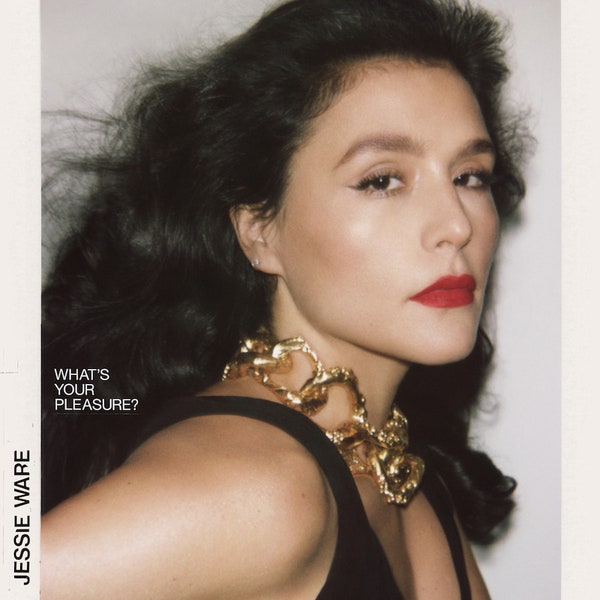
1.  Jessie Ware, “What’s Your Pleasure?”

Like Róisín Machine, multiple tracks preceded this album as standalone singles, only here, each one of these twelve songs sound like they should be singles. On her fourth album, this British diva finally transcends all those Sade comparisons by returning to the dancefloor and indulging in her love for ‘70s disco (elegant opener “Spotlight”, “Mirage (Don’t Stop)”), ‘80s freestyle (“Soul Control”, “Ooh La La”), ‘90s neo-soul (“Step Inside My Life”) and 21st Century Europop (the irresistible “Save A Kiss”.) What’s more, it all segues together almost effortlessly, expertly leading up towards the one-two punch of the dramatic, searing “The Kill” and “Remember Where You Are”, a closing track as expansive and resonant as any by Stevie Wonder, Prince, Radiohead, etc. Simply put, What’s Your Pleasure is the great album I’d always hoped Ware had in her.

Also Recommended:

Ben Watt, “Storm Damage”
Destroyer, “Have We Met”
Erasure, “The Neon”
Fleet Foxes, “Shore”
Haim, “Women In Music, Pt. III”
Kate NV, “Room For The Moon”
Perfume Genius, “Set My Heart On Fire Immediately”
Phoebe Bridgers, “Punisher”
Rolling Blackouts Coastal Fever, “Sideways To New Italy”
Rufus Wainwright, “Unfollow The Rules”
Waxahatchee, “Saint Cloud”

Film Journal: November 2020

Bloody Nose, Empty Pockets

Two new movies this month that will likely make my year-end top ten: Bloody Nose, Empty Pockets, which “captures” the last day of business at a Las Vegas dive bar, and David Byrne’s American Utopia, Spike Lee’s filmed concert that can’t avoid comparisons to Stop Making Sense but in the end transforms into its own thing. Each one represents the spirit of contemporary America in vastly different ways, but both strive to depict the best versions of ourselves—a welcome necessity in these challenging times.

As for the other fourteen new titles viewed, they run the gamut from pleasantly average (Happiest Season, Uncle Frank, Fire Will Come) to pretty-but-disappointing (The Sunlit Night, Little Fish, Coming Home Again) to forgettable (Freeland) and godawful (Holidate, no thank you.) Martin Eden and Monsoon are intriguing if imperfect character studies; Crip Camp is an above-average Netflix doc; at 275(!) minutes, Wiseman’s latest marathon doc City Hall is at least 100 minutes too long, but the remaining 175 are essential.

Begun in October, my “Marlon Mondays” continued through the very end of this month, with the prizes being Riggs’ swan song, Black Is…Black Ain’t and eight-minute music video Anthem, where not one second is wasted within that slender frame. The posthumous documentary on him is a solid overview but no substitution for the work itself, of course.

Only two re-watches, both of them titles expiring on Criterion Channel: Red Road remains a stunning debut feature for Andrea Arnold (with superb work from lead Kate Dickie), who would nonetheless surpass it with Fish Tank; Parting Glances, which I last saw 20+ years ago, is a true curiosity, a pre-New Queer Cinema queer indie (starring a young Steve Buscemi, improbably) whose director, Bill Sherwood, would sadly not live to make another one.

Also, I finally got around to watching Variety, another ‘80s NYC curiosity (co-starring a young Luis Guzman!), Modern Romance (now my favorite Brooks film after Defending Your Life), Smooth Talk (Laura Dern brilliant even as a teenager), Girlfriends (young Melanie Mayron is the anti-Manic Pixie Dream Girl and I love her for it) and Autumn Leaves, which has one of Joan Crawford’s best late-career performances—proof she was good for more than camp at that age.

Films viewed in November in chronological order, with director, year of release and my rating (out of 10); starred titles are re-watches.

Little Fish (Chad Hartigan, 2020) 6
Freeland (Kate McLean, Mario Furloni, 2020) 4
Anthem (Marlon Riggs, 1991) 8
Bloody Nose, Empty Pockets (Turner Ross Bill Ross IV, 2020) 9
Variety (Bette Gordon, 1983) 7
Crip Camp: A Disability Revolution (Nicole Newnham, James Lebrecht, 2020) 8
Borat Subsequent Moviefilm (Jason Woliner, 2020) 7
Long Train Running: A History of the Oakland Blues (Riggs, Peter Webster, 1981) 6
Modern Romance (Albert Brooks, 1981) 8
Coming Home Again (Wayne Wang, 2019) 5
Martin Eden (Pietro Marcello, 2019) 7
Autumn Leaves (Robert Aldrich, 1956) 8
Saving Mr. Banks (John Lee Hancock, 2013) 5
Fisherman’s Friends (Chris Foggin, 2019) 6
Holidate (John Whitesell, 2020) 3
Black Is… Black Ain’t (Riggs, 1994) 9
City Hall (Frederick Wiseman, 2020) 8
Parting Glances (Bill Sherwood, 1986)* 8
Monsoon (Hong Khaou, 2019) 7
Girlfriends (Claudia Weill, 1978) 9
The Sunlit Night (David Wnendt, 2019) 4
Smooth Talk (Joyce Chopra, 1985) 8
I-94 (Gordon, James Benning, 1974) 5
No Regret (Riggs, 1993) 7
Red Road (Andrea Arnold, 2006)* 8
Happiest Season (Clea DuVall, 2020) 6
Uncle Frank (Alan Ball, 2020) 6
Fire Will Come (Oliver Laxe, 2019) 6
David Byrne’s American Utopia (Spike Lee, 2020) 9
I Shall Not Be Removed: The Life Of Marlon Riggs (Karen Everett, 1996) 7

December Will Be Magic Again

This seasonal playlist is for anyone who just can’t bear another round of “All I Want For Christmas Is You” or “Feliz Navidad” or (horrors) “The Chipmunk Song” or even Nat King Cole’s genuinely lovely “The Christmas Song”. It’s not entirely made up of obscurities—in the age of satellite radio and ever-expansive piped-in music to shop to, such tunes as Elton’s “Step Into Christmas”, Eurythmics’ gloriously synthetic “Winter Wonderland”, Saint Etienne’s ‘90s Eurodance “I Was Born On Christmas Day” and The Three Wise Men’s “Thanks For Christmas” (actually XTC in disguise, and surely now their second most-played song after “Dear God”) get much more airplay than they did when they first came out, thanks to your local J. Crew, Whole Foods or Anthropologie.

Instead, this is a selection of personal favorites I keep in rotation every December that some but not all listeners will know. Naturally, there’s a few beloved songs from my childhood like John Denver and The Muppet’s definitive version of “The Twelve Days of Christmas” (Beeker’s verse sums up everything weird and great about Jim Henson) and of course a track from the Best Christmas Album of All Time. However, many of the older recordings here are 21st century discoveries for me, with multiple cuts from a nifty jazz compilation, Jingle Bell Swing, including Duke Ellington’s wry rendition of Tchaikovsky and Lambert, Hendricks and Ross’ insane take on “Deck The Halls”; jazz also surfaces in Art Carney’s (!) be-bop version of “’Twas The Night Before Christmas” and Billie Holiday warbling a song that has nothing specific to do with the holidays but fits anyway.

Plenty of stuff from this century, too. In addition to Pink Martini’s take on a beloved standard (“Do You Hear What I Hear”), you’ll find new original songs that fit right in with all the perennials: the ease and warmth of Rufus Wainwright’s “Spotlight On Christmas”, Aimee Mann’s Bachelor No. 2 worthy “Calling On Mary”, Sufjan Stevens’ epic, shimmering “Star Of Wonder”, Calexico’s new-for-2020 majestic New Year’s anthem “Hear The Bells” and Tracey Thorn’s gorgeous ballad “Joy”.

Also, don’t forget those one-offs by artists you would never expect to delve into holiday music such as Kate Bush, Erasure, John Cale and best of all, The Staple Singers, whose supremely funky “Who Took The Merry Out Of Christmas” never fails to lift my spirits.

Go here to listen to some of my favorite holiday songs – it is meant to be played on shuffle.

  1. Aimee Mann, “Calling On Mary”
  2. Art Carney, “’Twas The Night Before Christmas”
  3. Billie Holiday, “I’ve Got My Love To Keep Me Warm”
  4. Bing Crosby and The Andrews Sisters, “Mele Kalikimaka”
  5. Calexico, “Hear The Bells”
  6. Claudine Longet, ““I Don’t Intend To Spend Christmas Without You”
  7. Duke Ellington, “Sugar Rum Cherry”
  8. Eartha Kitt, “Santa Baby”
  9. Elton John, “Step Into Christmas”
  10. Erasure, “She Won’t Be Home”
  11. Eurythmics, “Winter Wonderland”
  12. Frank Sinatra, “Mistletoe and Holly”
  13. John Cale, “A Child’s Christmas In Wales”
  14. John Denver and the Muppets, “The Twelve Days Of Christmas”
  15. Kate Bush, “December Will Be Magic Again”*
  16. Lambert, Hendricks & Ross, “Deck Us All With Boston Charlie”
  17. Louis Armstrong & The Commanders, “Cool Yule”
  18. Louis Prima, “Shake Hands With Santa Claus”
  19. Peggy Lee, “I Like A Sleighride (Jingle Bells)”
  20. Pink Martini, “Do You Hear What I Hear”
  21. Rufus Wainwright, “Spotlight On Christmas”
  22. Saint Etienne, “I Was Born On Christmas Day”
  23. The Staple Singers, “Who Took The Merry Out Of Christmas”
  24. Sufjan Stevens, “Star Of Wonder”
  25. Teo Macero and His Orchestra, “Deck The Halls”
  26. Tex Beneke and The Glenn Miller Orchestra, “Snowfall”
  27. The Three Wise Men, “Thanks For Christmas”*
  28. Tony Bennett, “My Favourite Things”
  29. Tracey Thorn, “Joy”
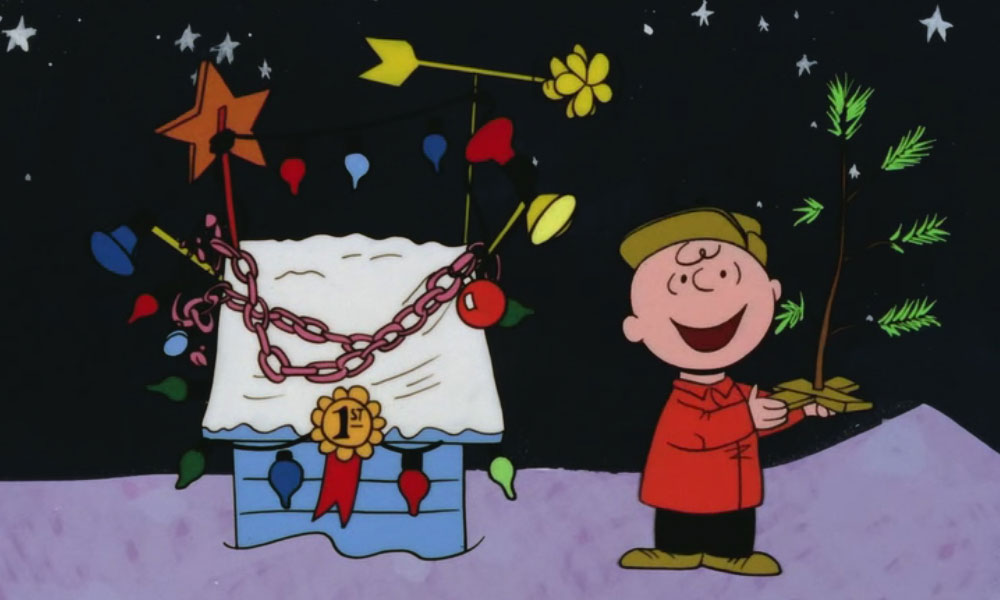
  30. Vince Guaraldi Trio, “Christmas Is Coming”

*not available on Spotify in the US at this writing, so here they are below!