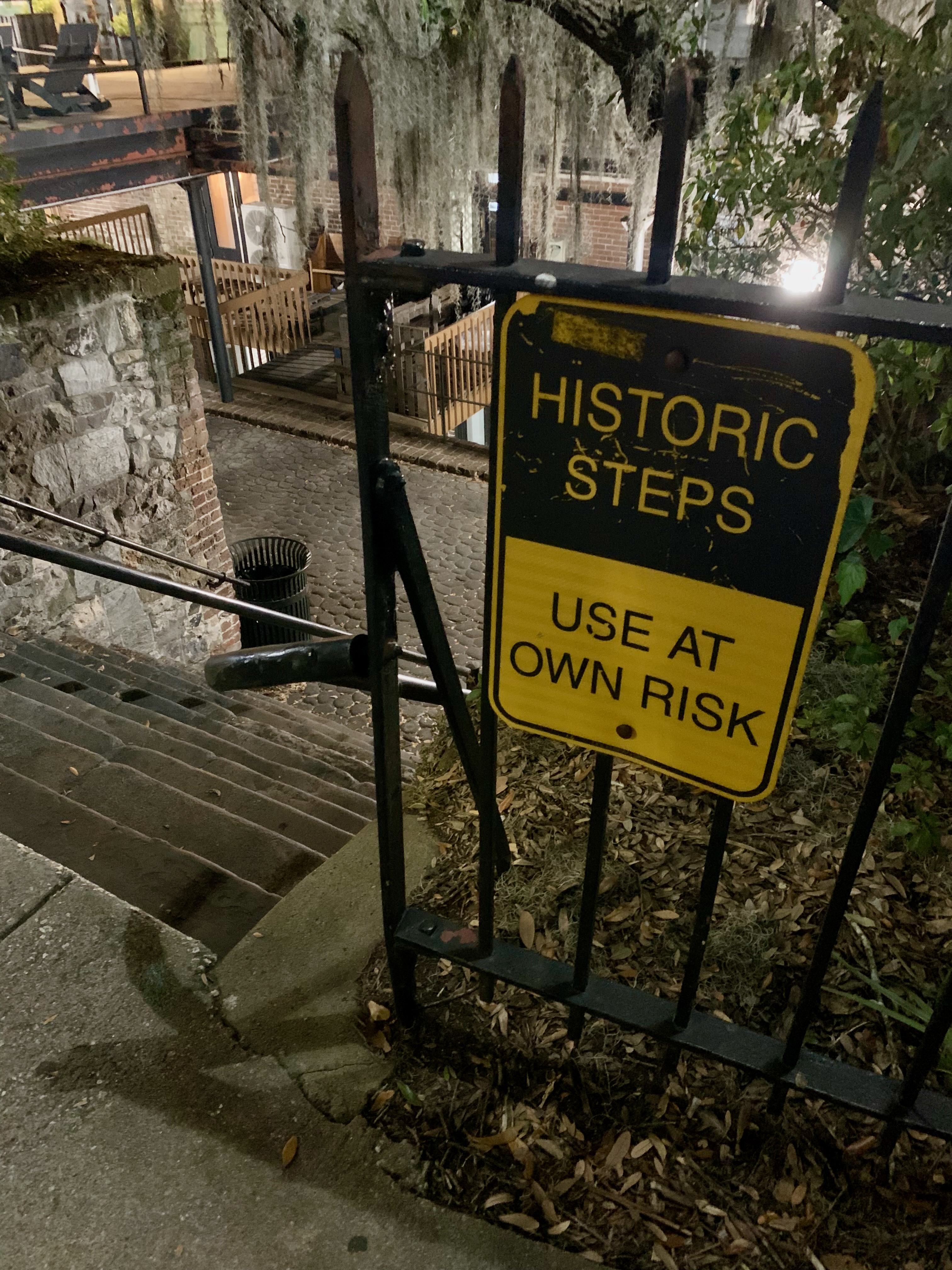
On my first trip to Savannah in two decades, I had forgotten about these “Use at Your Own Risk” stairs leading down to River Street (one of many sets of them, by the way.)
However, I remembered this awesome vintage motel sign the moment it came into view after exiting the Talmadge Memorial Bridge.
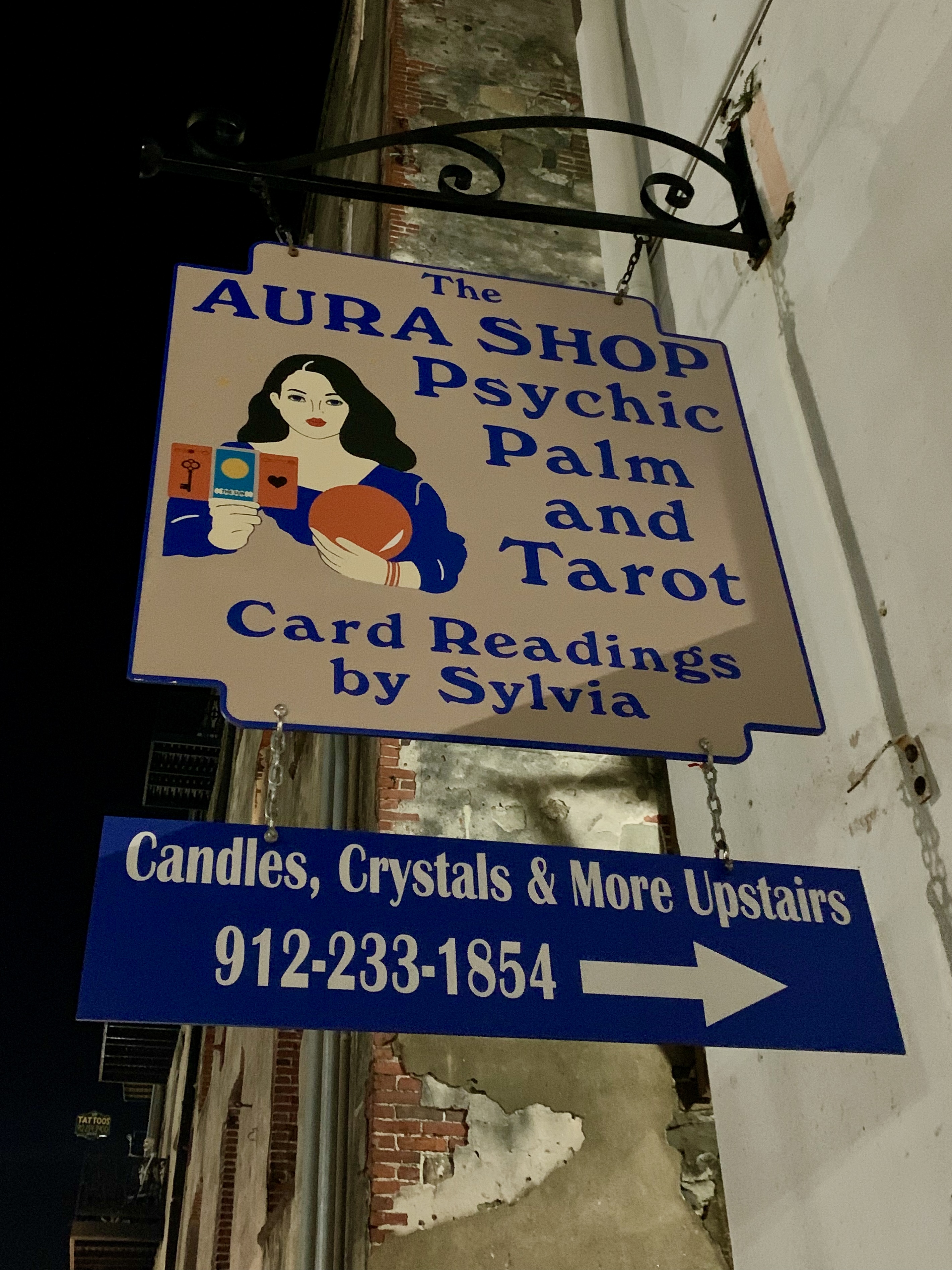
It’s comforting to see Sylvia the Psychic has endured among all the old and new tourist destinations along River Street.
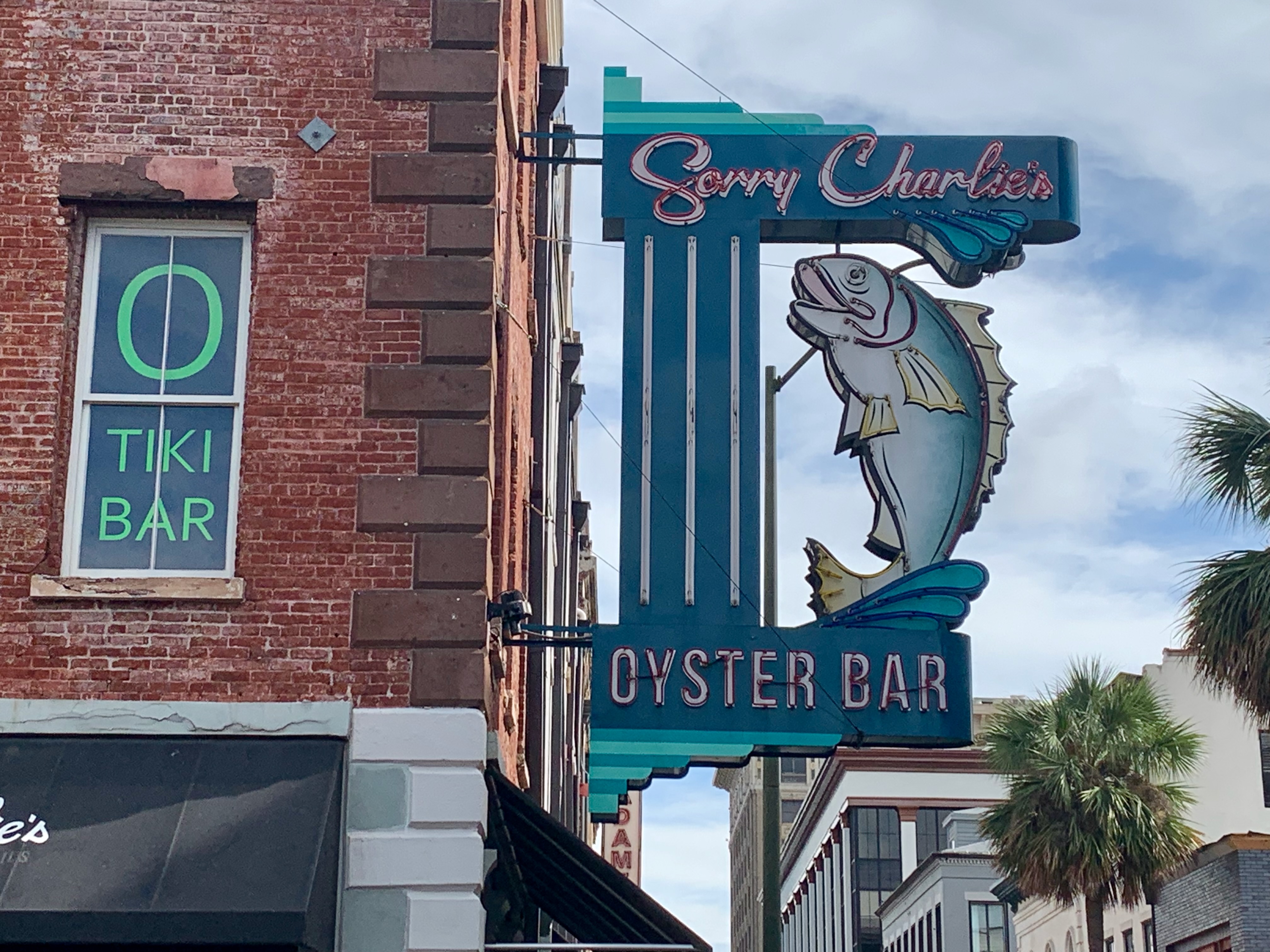
An Oyster Bar and a Tiki Bar? Both high on my list of places to visit the next time I’m in town.
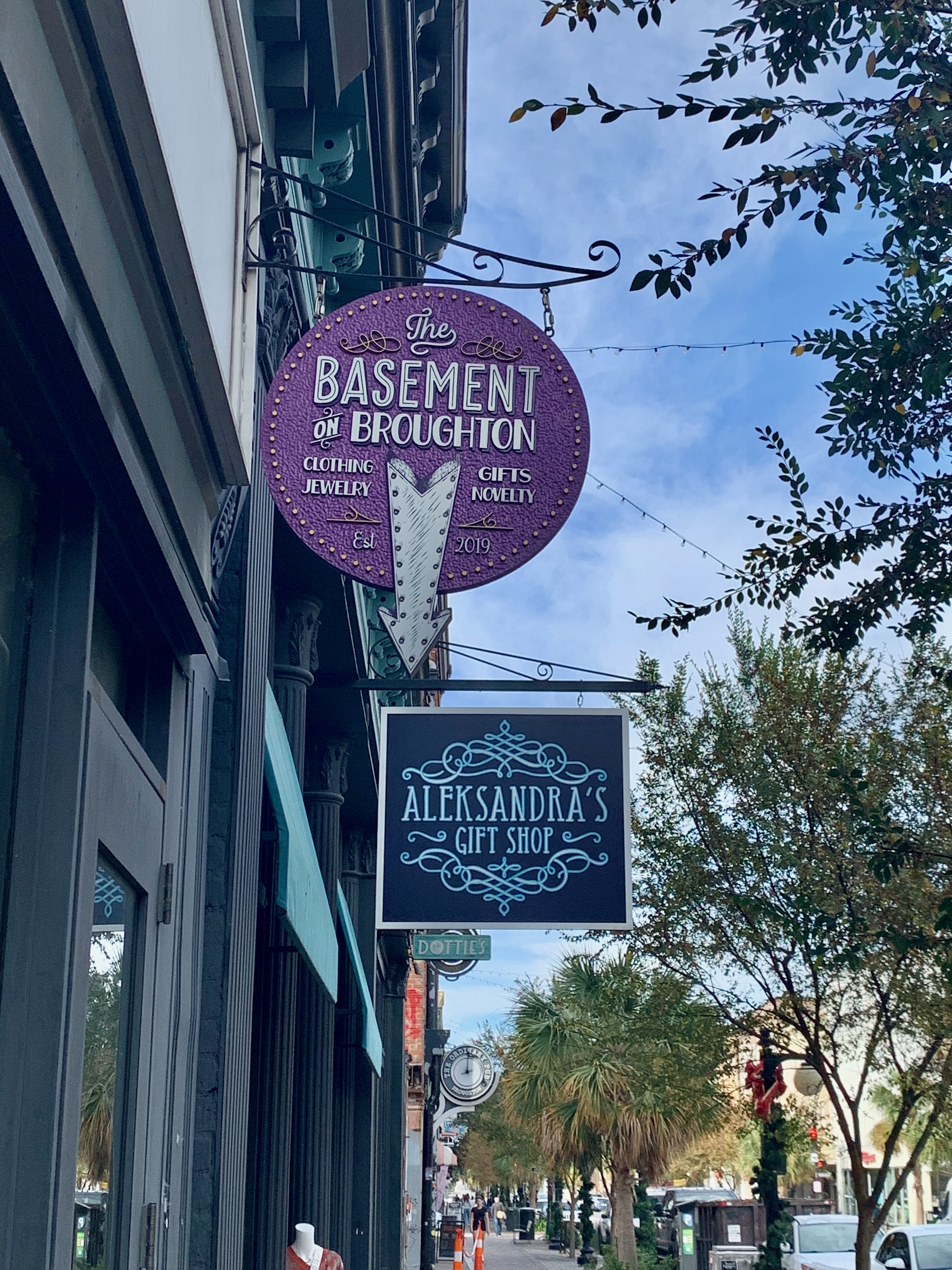
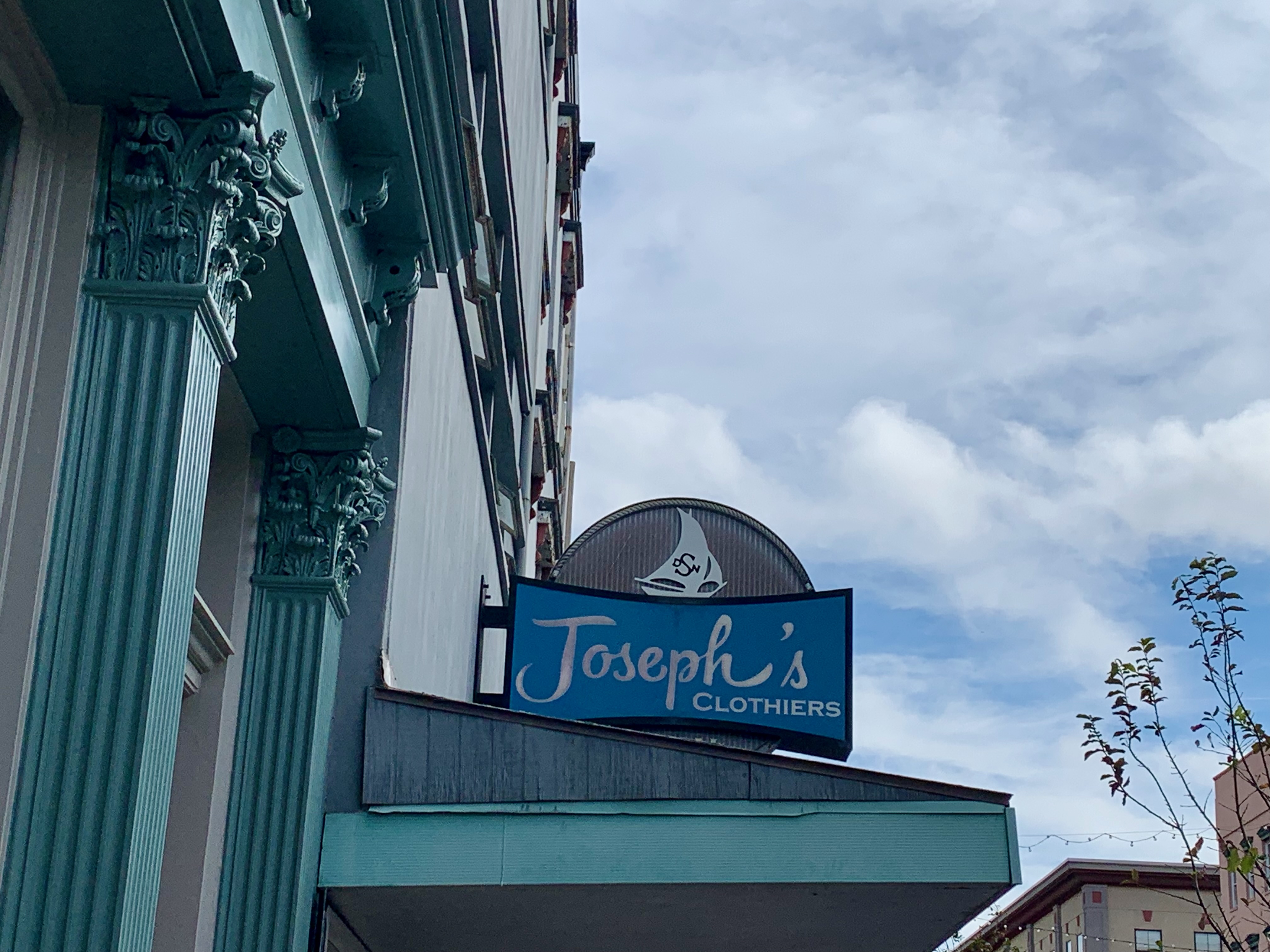
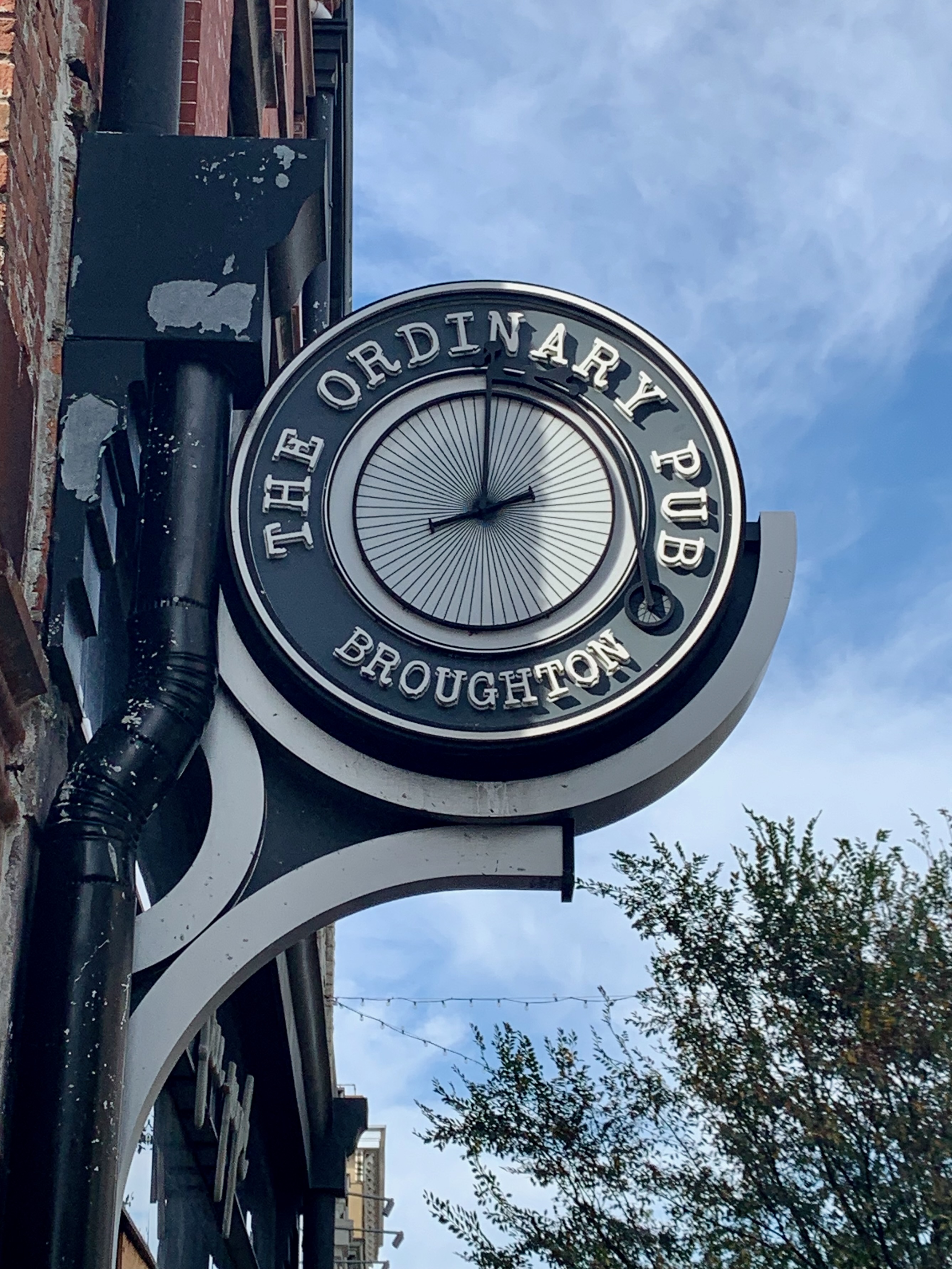
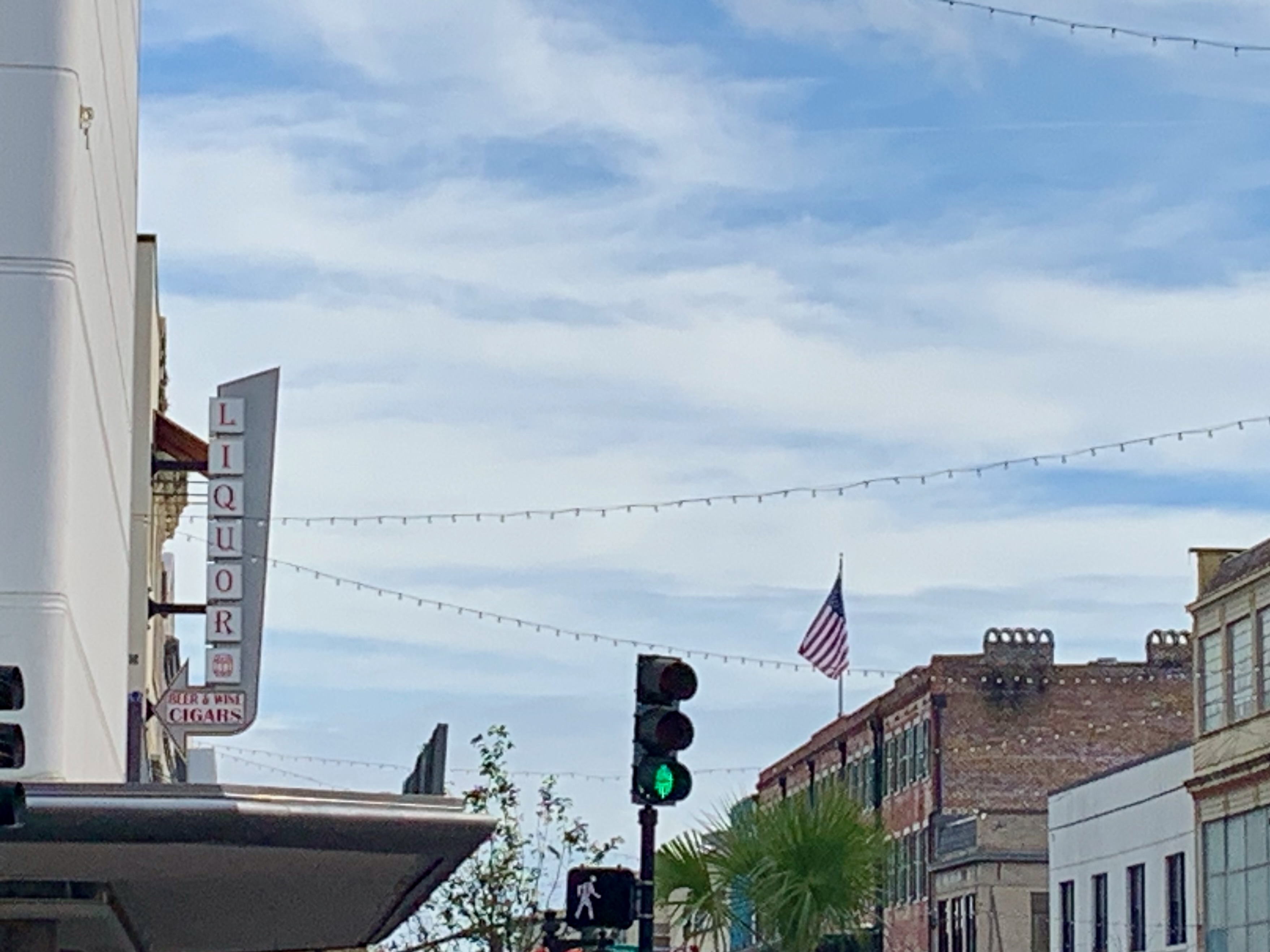
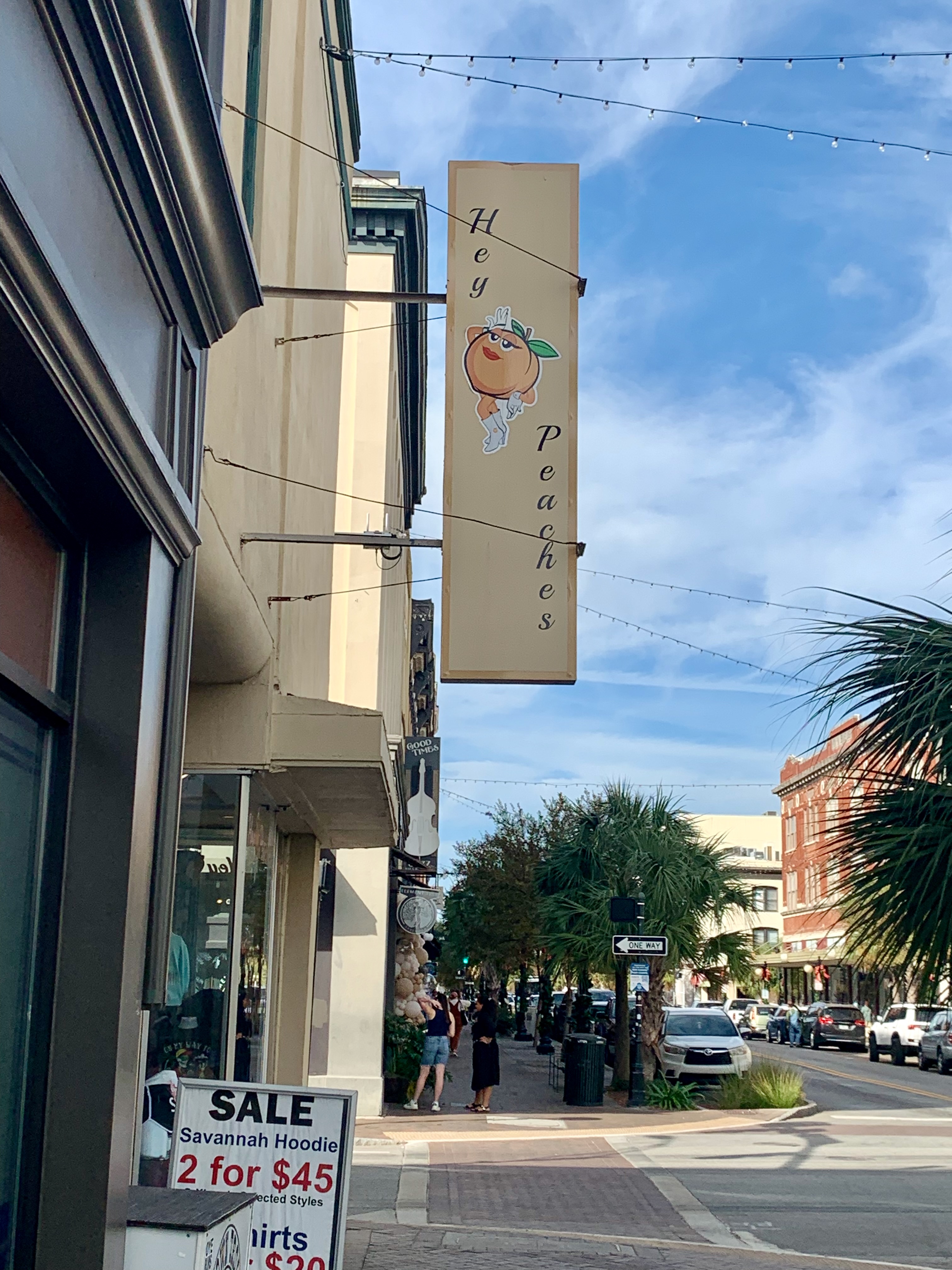
Broughton Street, downtown’s main shopping thoroughfare is resplendent with cool signage.
The ratio of vintage-to-modern (or made-to-look-vintage) nearly favors the former here.
I appreciate some of the modern signs, particularly the more whimsical ones.
We need to bring back vertical signage, whether it’s genuinely vintage…
…or contemporary but playful in spirit (if you’re in Georgia, you will see peaches.)
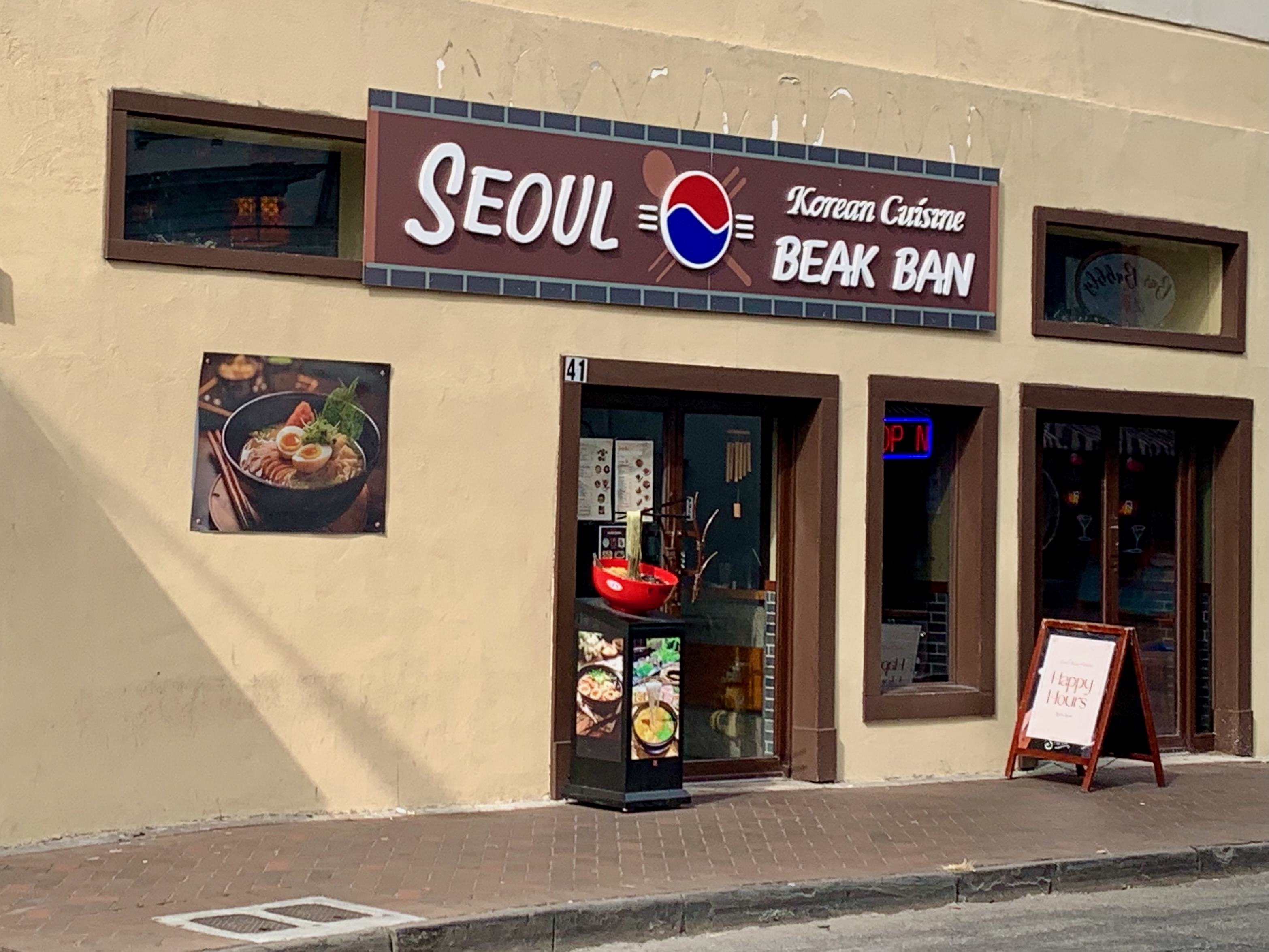
Just off Broughton on Whitaker Street, this Korean restaurant fits in aesthetically while also standing out.
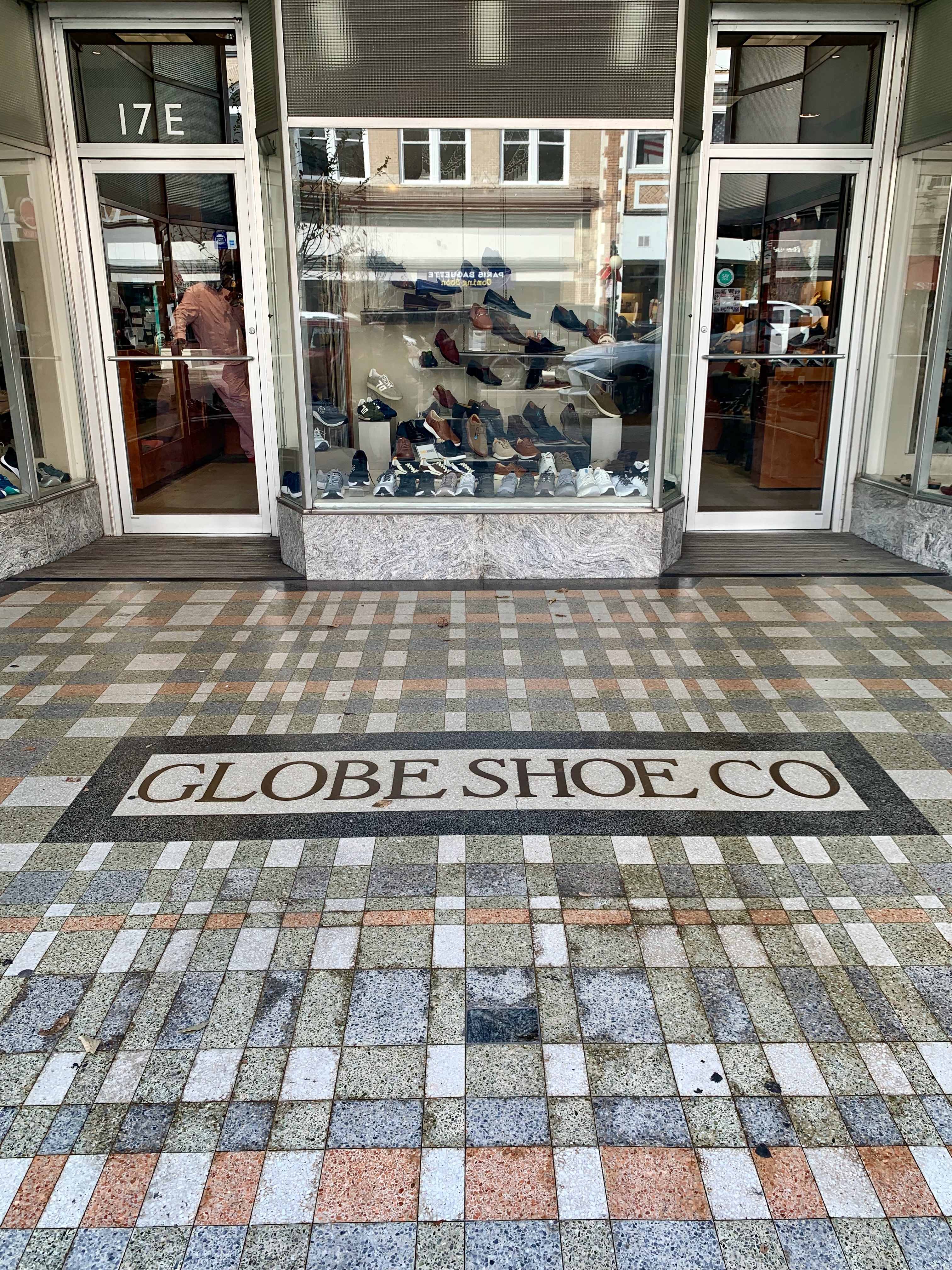
Many storefronts along Broughton contain remnants of historic tenants in their tiled floor entrances. In this case, happily, the Globe Shoe Company still occupies this space.
Fifth and final round of this music library listening exercise finds solace in bop-jazz, goth, power-pop and weirdos from France, UK and even Bulgaria.
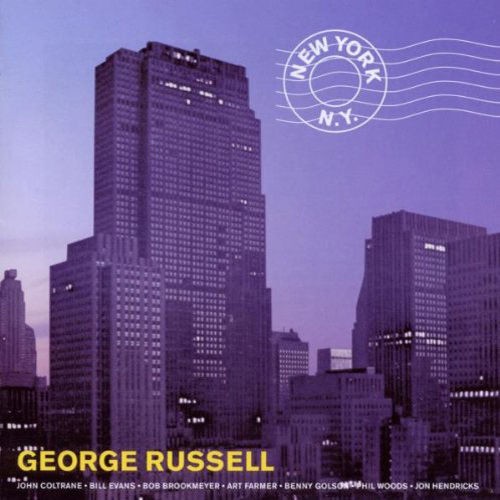
81. George Russell, “New York, N.Y.” (1959): Cool east coast orchestral jazz with peppy spoken interludes from Jon Hendricks, Rodgers’ &Hart’s “Manhattan” fitting in seamlessly alongside the “East Side Medley” (“Autumn In New York/How About You”), ideal for cocktails or strolling through any city.
82. Kendra Smith, “Five Ways of Disappearing” (1995): This surveys the hypnotic drone you’d expect from an ex-Dream Syndicate member so the relatively jaunty stuff (“In Your Head”, “Maggots”) are welcome surprises. Has a bit of that mid-90s CD-era bloat but given her absence since, I’ll take it.
83. Siouxsie and The Banshees, “A Kiss In The Dreamhouse” (1982): They’re more of a singles-than-albums band than even The Cure. This one’s fine but it’s the only place to easily find the great “Fireworks” (as a bonus track) which led off the now deleted singles comp that was my introduction.
84. The Chills, “Kaleidoscope World” (2016): 24-track version. Early singles comp runs the gamut from DIY postpunk (“Bite”) to lush janglepop (“Doledrums”) and occasional nods to kindred spirits the Soft Boys (“Dream By Dream”) and Go-Betweens (“Pink Frost”). In other words, essential 80’s indie.
85. Bob Dylan, “Rough and Rowdy Ways” (2020): After years of wheezing his way through the standards, he drops this about-face as if to say, “I’m still Dylan, and you’re not.” He does, in fact, contain multitudes & even has something worth saying about JFK. Does he have another one of these in him?
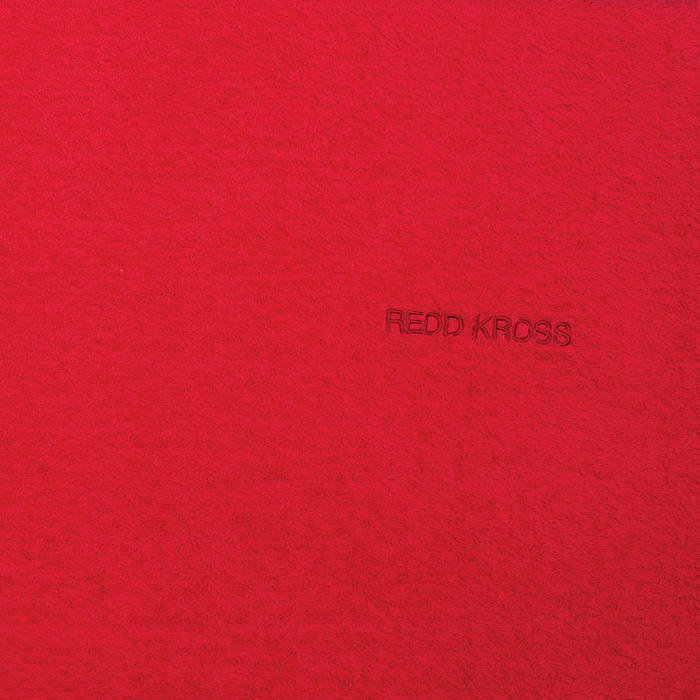
86. Redd Kross, “Redd Kross” (2024): Endearing sloppy, impassioned power pop’s what they’ve always excelled at; a self-titled 18-track edition of it risks being seen as calculated, but whatever, it works to a degree where by the time it reaches “Born Innocent” most listeners should be all grins.
87. Mel Torme, “Mel Torme’s California Suite” (1957): Mel’s in excellent voice here & the whole thing emits a dry-martini cool that renders its earnestness even more palatable. Gets a little snoozy in the second half, perhaps, but I’ll play it whenever I think of Palm Springs & cruising on the PCH.
88. Trio Bulgarka, “Best Of” (2008): They collaborated with Kate Bush & their appearance in Leah Kardos’ 33 1/3 book on Hounds of Love moved me to hear more. The a cappella tracks best display how unique their voices blend but the rest is unobtrusive until going too heavy on synths near the end.
89. Beyonce, “Cowboy Carter” (2024): I long for the restraint of a super-tight single album instead of this CD-length behemoth, but it showcases her range arguably better than “Renaissance” did with inspired covers & at least a half-dozen classic originals (why wasn’t the zippy “Ya Ya” a single?)
90. Gruff Rhys, “The Almond and The Seahorse” (2023): Was expecting a primarily instrumental/orchestral soundtrack (there’s plenty of the former stuff at the end) but the excess of songs w/vocals renders this not far off from yer usual LP from the guy, only flabbier (it’s a soundtrack, after all.)
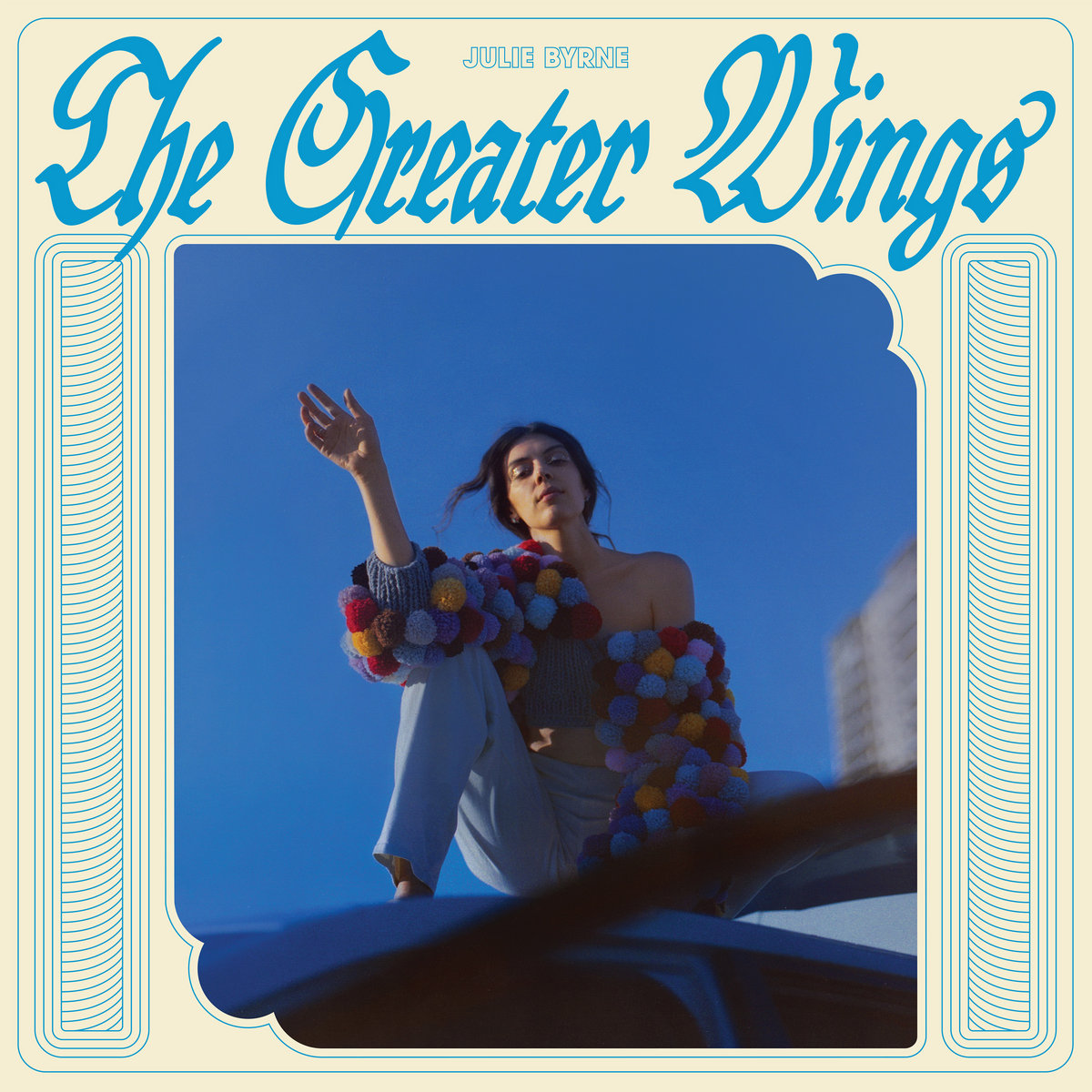
91. Julie Byrne, “The Greater Wings” (2023): Takes as much strength to sing quietly, like another instrument within the arrangement as it does to be the engine powering the song. She’s understated by nature but never overpowered by the music even if it takes a few spins for the whole to connect.
92. Miles Davis, “A Tribute to Jack Johnson” (1971): More compact, accessible & fun than “Bitches Brew” (which I do love.) I tend to pick rock over jazz given the choice but this suggests one doesn’t need to choose just one. Also liked the snippet of “In A Silent Way” from my most listened to Miles LP.
93. Michel Polnareff, “Polnareff’s” (1971): My kind of weirdo: psychedelia w/out trying to be “trippy”, sudden shifts in tempo, many out-of-nowhere diversions (galloping “…Mais Encore” could’ve been arranged for Tom Jones.) He’s nearly a French Os Mutantes & if that odd combo appeals, jump on this.
94. Marine Girls, “Lazy Ways/Beach Party” (1983/1981): Best known as Tracey Thorn’s pre-EBTG band, their two albums of skeletal DIY pop startle for their effort & ingenuity: amateurish but charming, not linked to a scene, emulating the Ramones’ approach w/out sounding like anyone but themselves.
95. Mark Hollis, “S/T” (1998): As with the last two Talk Talk LPs, this defies categorization & discourages casual listening; it follows that a solo project would feel even sparer although the quantity of ideas present doesn’t render it minimalist. An inevitable farewell but I wish he’d done more.
96. Ghost of Vroom, “Ghost of Vroom 1” (2021): This Mike Doughty project’s the Soul Coughing equivalent of “Garfield w/out Garfield”. A novelty for longtime fans even if so much of it could’ve come out 30 years ago, though towards the end (“John Jesus Angleton”) it begins transcending such confines.
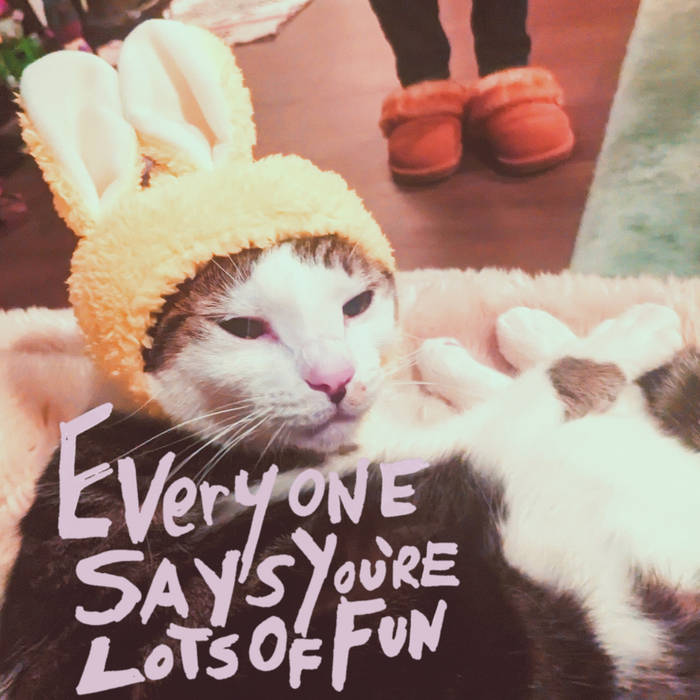
97. Oranger, “Everyone Says You’re A Lot of Fun” (2023): Twenty years after the great “Shutdown The Sun” (I was assigned to review it for a website), their uber-melodic power-pop’s still intact but less dynamic & driven as if to say, “We can still do this (if not as robustly as we once did.”)
98. The Dandy Warhols, “Odditorium Or Warlords of Mars” (2005): Tailored (Taylor-Taylor-ed?) to appease hardcore fans & repulse everyone else. I’m more a periodic admirer & might’ve hated it 20 years ago, but it’s solid except for the lengthy closer & the one where Courtney emulates Robert Smith.
99. Scritti Politti, “Early” (2005): The process of finding one’s self in their art as compiled juvenilia. Skanking bass, angular guitars, a snatch of glockenspiel and Gartside pre-falsetto vocally resembling a post-punk George Harrison. Fairly rough whereas his later output seems endlessly smooth.
100. Flat Duo Jets, “Introducing” (1993): Neko Case raved about ‘em in her memoir, the White Stripes arguably wouldn’t exist w/out ‘em & admittedly, 20 tracks in 40 minutes is pretty punk. I can get with their reverb-heavy garage rockabilly though I prefer it was wilder & much weirder than this.
Honorable Mentions: 12 and Holding*, Brothers Of The Head, Eve and The Fire Horse*, L’Enfant (The Child), The Secret Life Of Words, Three Times*, The Wayward Cloud
For My Watchlist: Lady Vengeance, Leonard Cohen: I’m Your Man, The New World, Takeshis’,Zizek!
*
I created this series with pre-2000 cinema in mind; since beginning to compile annual lists in real time around the turn of the century, I assumed post-2000 stuff didn’t need revisiting. However, something’s drawing me back to 2005 and it’s not just because of the current anniversary. Two decades ago, my moviegoing was at its peak (125 films seen in theaters!); it was also the first Toronto International Film Festival (TIFF) I attended. Among the 16 titles seen there, four of them make my top ten above: Jean-Marc Vallee’s Quebecois coming-of-age chronicle, Michael Haneke’s psychological thriller, Noah Baumbach’s best film until Frances Ha and Wang Xiaoshaui’s own coming of age story: a Cannes Jury Prize winner, the first film I ever saw at TIFF (it set a high bar) and one that’s been difficult to see ever since, not receiving any U.S. distribution. (*Three of my other screenings from that TIFF also make the honorable mentions, all of them relatively obscure today.)
In addition to A History of Violence and Brokeback Mountain (both of which I’d catch later in their theatrical releases days apart; could stand to revisit each of them as their DVDs sit on my shelves), TIFF also screened Linda Linda Linda from Japan, which I would see at the Brattle a little over a year later and revisit at the same theater upon its 20th anniversary re-release last month. One of the all-time best films about being a teenager, its contemplative, day-to-day rhythms are never disingenuous or not relatable, just one moment after another that rewards the viewer’s patience as they gradually add up to an earned triumph.
I watched Grizzly Man at the theater I worked at days before that TIFF; it remains my favorite Herzog film of this century. 49 Up I’d see a year later when it received its U.S. release: one day, I plan on sitting down and watching all the Up films in order (still haven’t seen the last one) but I recall this edition standing out for how it delved deeper into the philosophical implications and psychological effects its subjects experienced by having their lives put on display since childhood.
Just as in 2005, Miranda July’s debut feature remains at the top (I wrote about it extensively here) while C.R.A.Z.Y. (like Shanghai Dreams, it also never got a US theatrical release) is a close second. Since I wrote more about that one here, I’ve chosen to spotlight Cache, which left my friends and I dumbfounded (or at least speechless) after the TIFF screening. Viewing it again two years ago (also at the Brattle!), I noted how Haneke was making movies about White privilege (and guilt) years before it was fashionable. Naturally, there’s more to the film than that—less a puzzle box to solve than another reminder from the director that the past is still present even if we can’t always recognize it as such.
Given the volume of what I’ve viewed from this year, I knew I’d struggle to come up with five unseen titles for my watchlist; honestly, the one I want to see most (Takeshi Kitano’s Takeshis’) is the hardest to find. Somehow, I’ve never gotten around to the Cohen doc despite being a perennial fan or the Park Chan-wook film (although I’ve enjoyed his recent efforts.) The only allure of the Malick film for me is, of course, Malick. As for Zizek!, I should first research whether that or The Pervert’s Guide To Cinema is the best place to begin with the guy.
One has to pass through Glenwood Springs, Colorado to reach points south like Aspen and Maroon Bells.
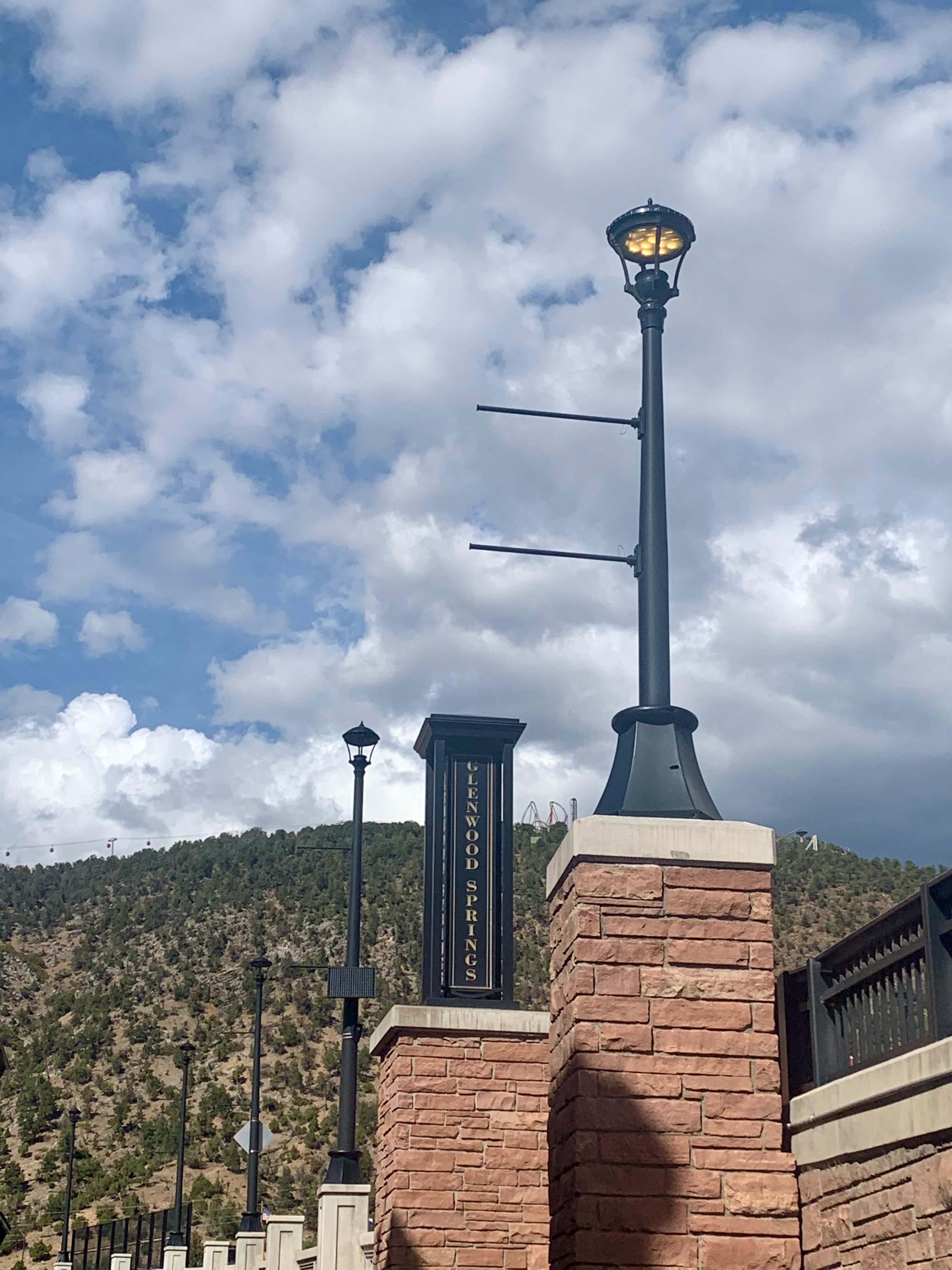
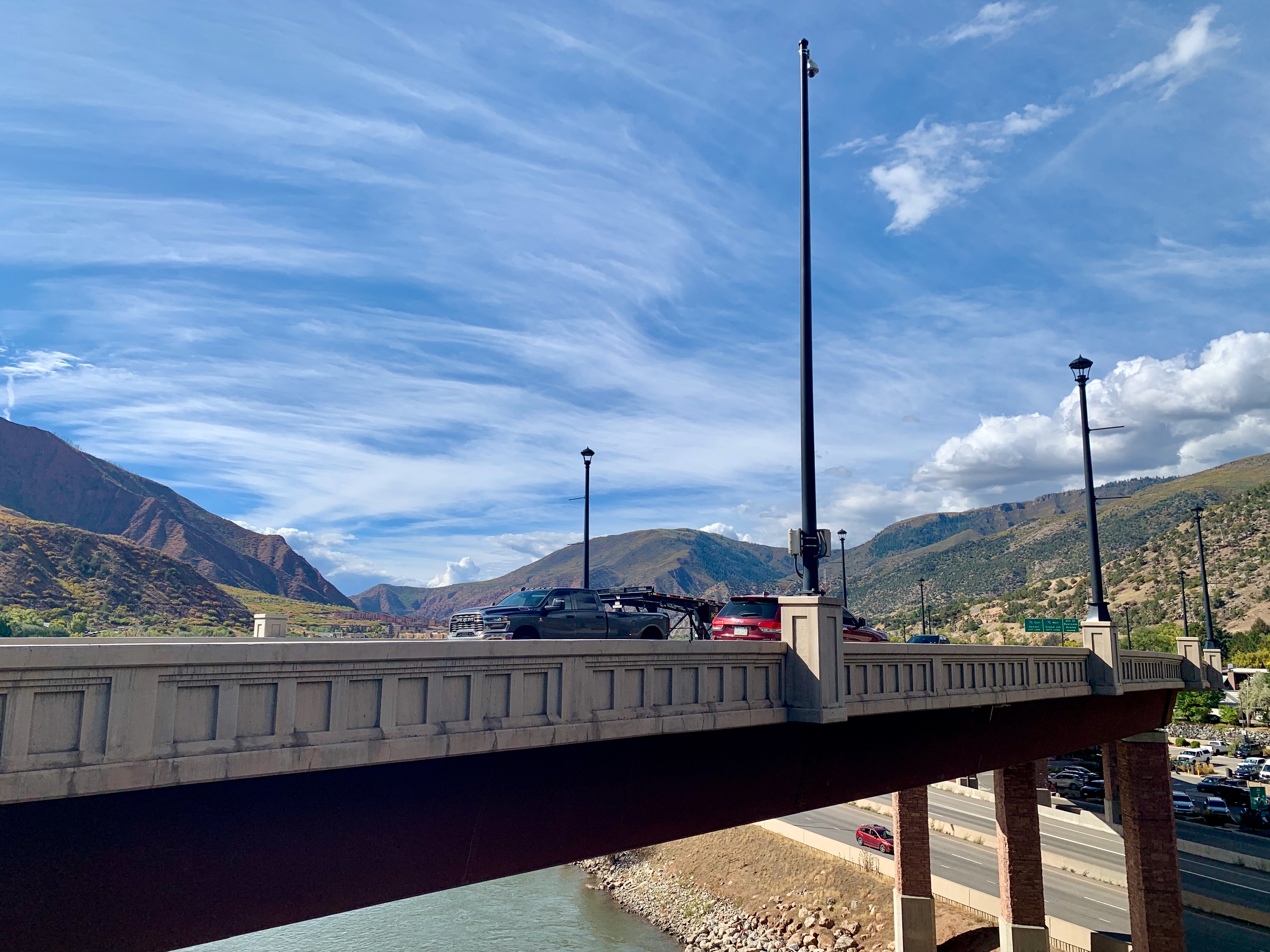
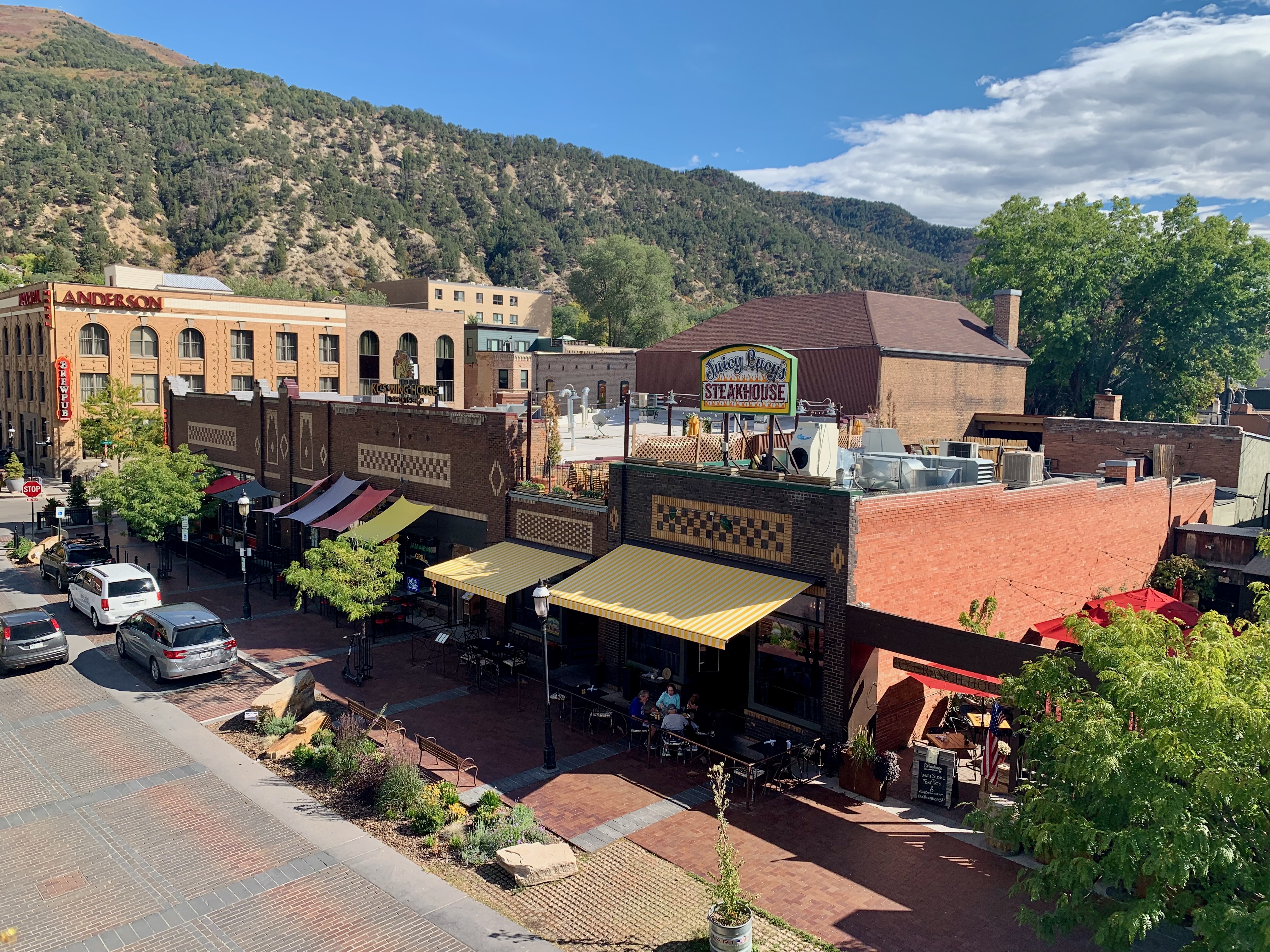
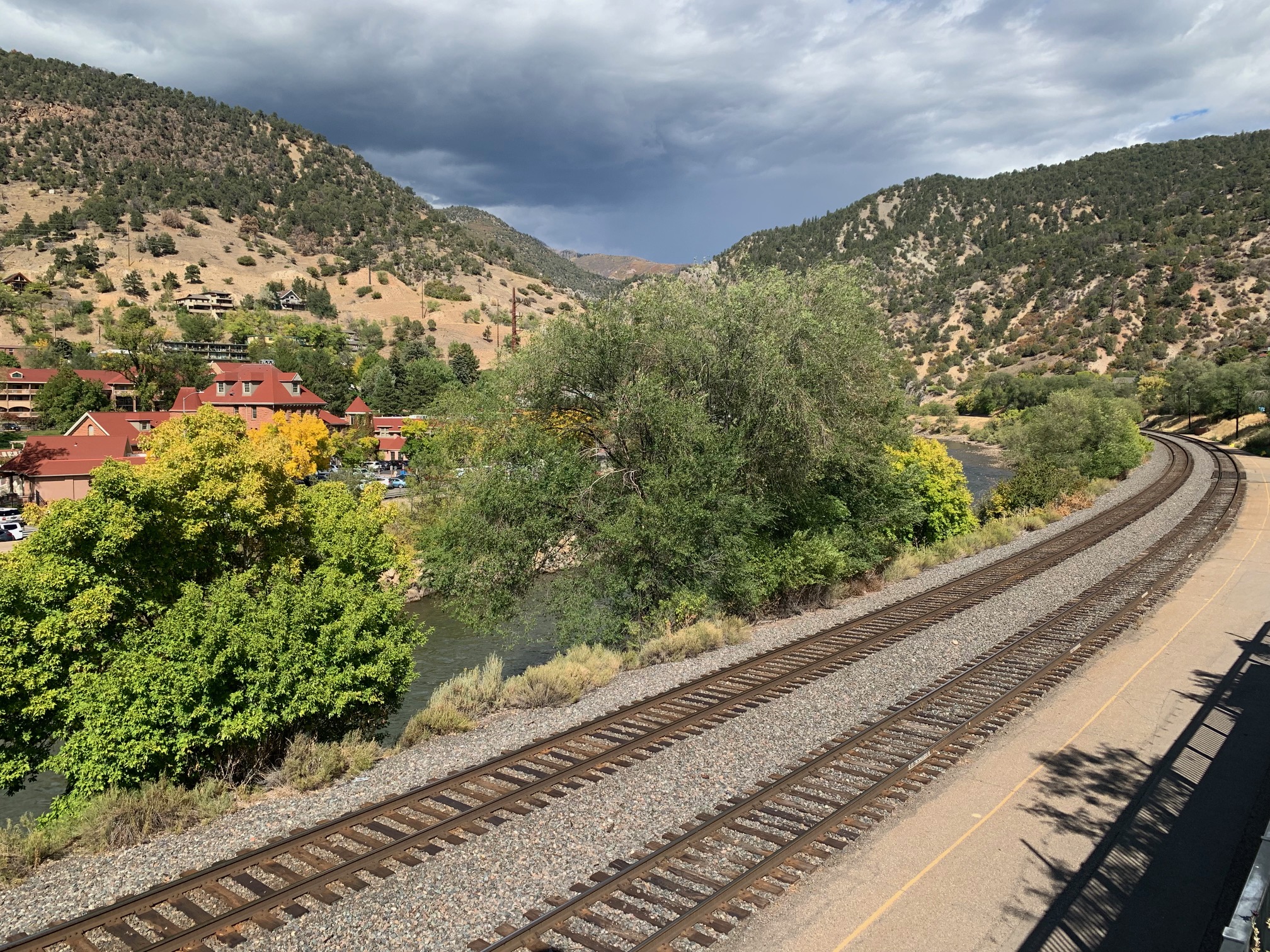
A city of just under 10,000 people, Glenwood Springs sits at a crossroads. The Colorado River and I-70 cut through it from east to west, while Highway 82 South leads one into its downtown via an overpass bridge. This was taken from an adjacent pedestrian bridge.
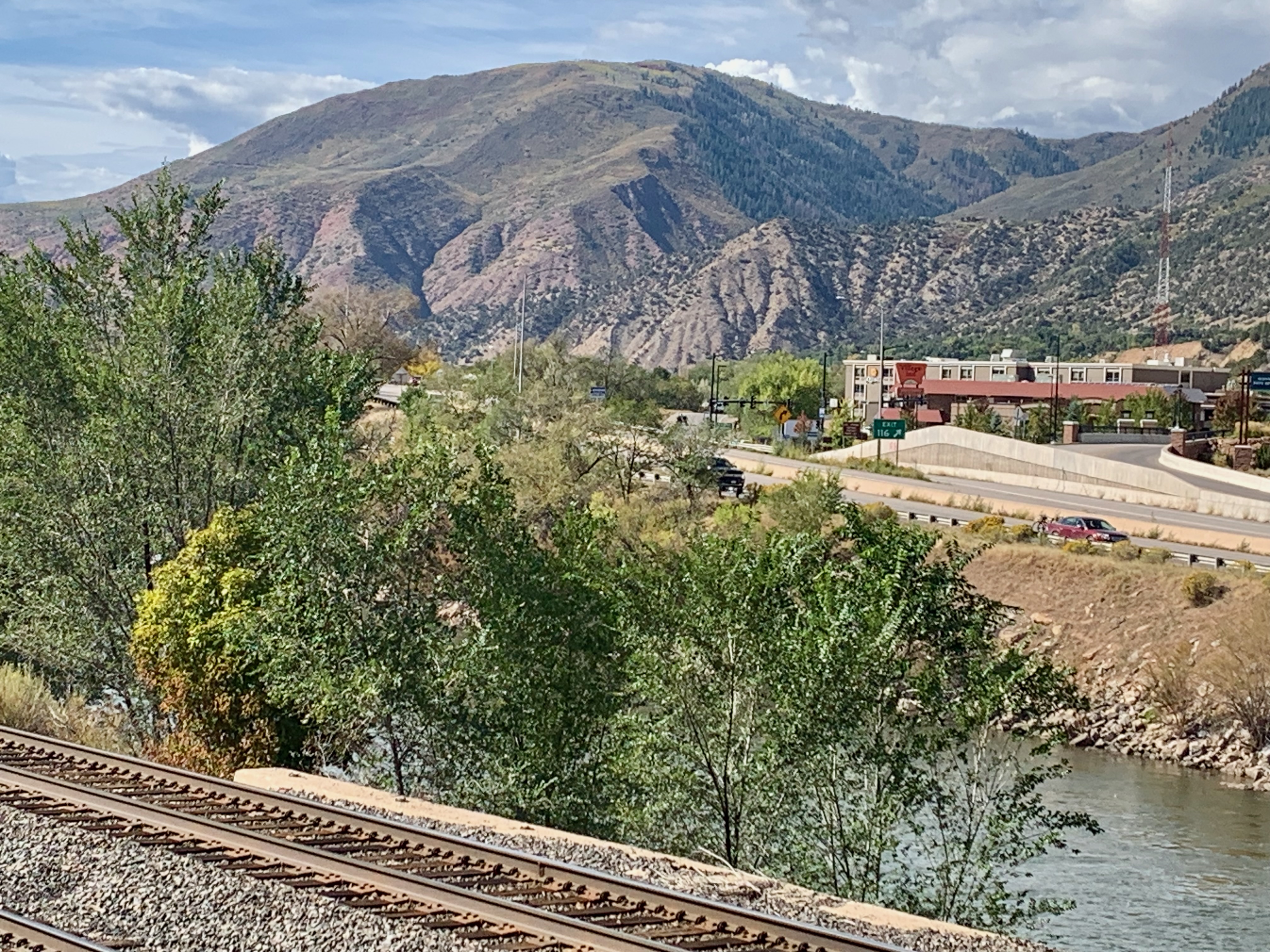
To the west, an expanse of motels, radio towers and nearly monochrome mountainous terrain.
To the east, comparatively much more color and texture. On I-70, one must pass through the thrilling, precarious Glenwood Canyon to arrive here.
The town is mostly renown for the Glenwood Hot Springs which sprawl to the north of the river and interstate. We briefly considered checking them out but they were a little expensive for our taste.
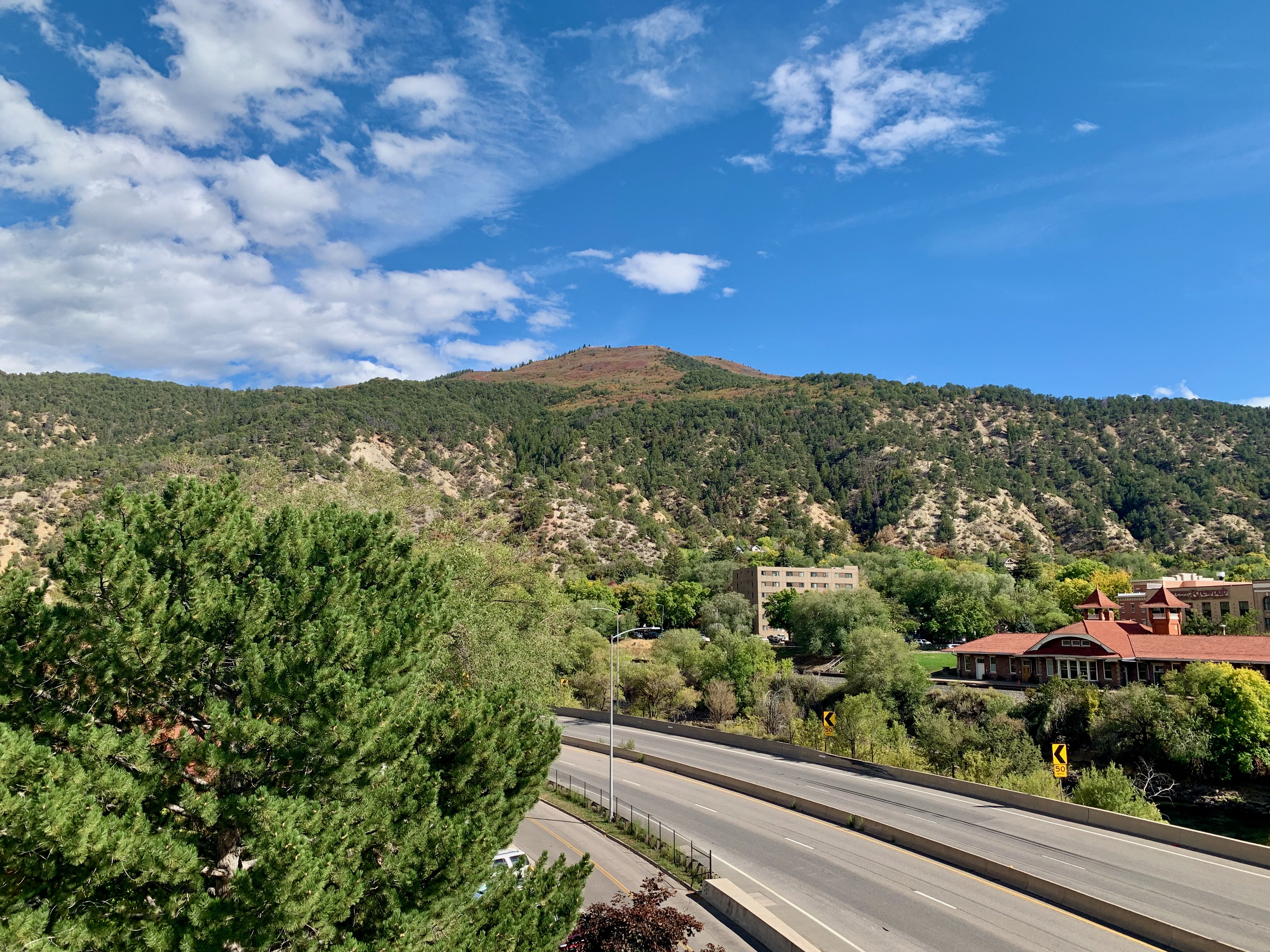
More lush greenery to the east along I-70, but something red stands out to the right.
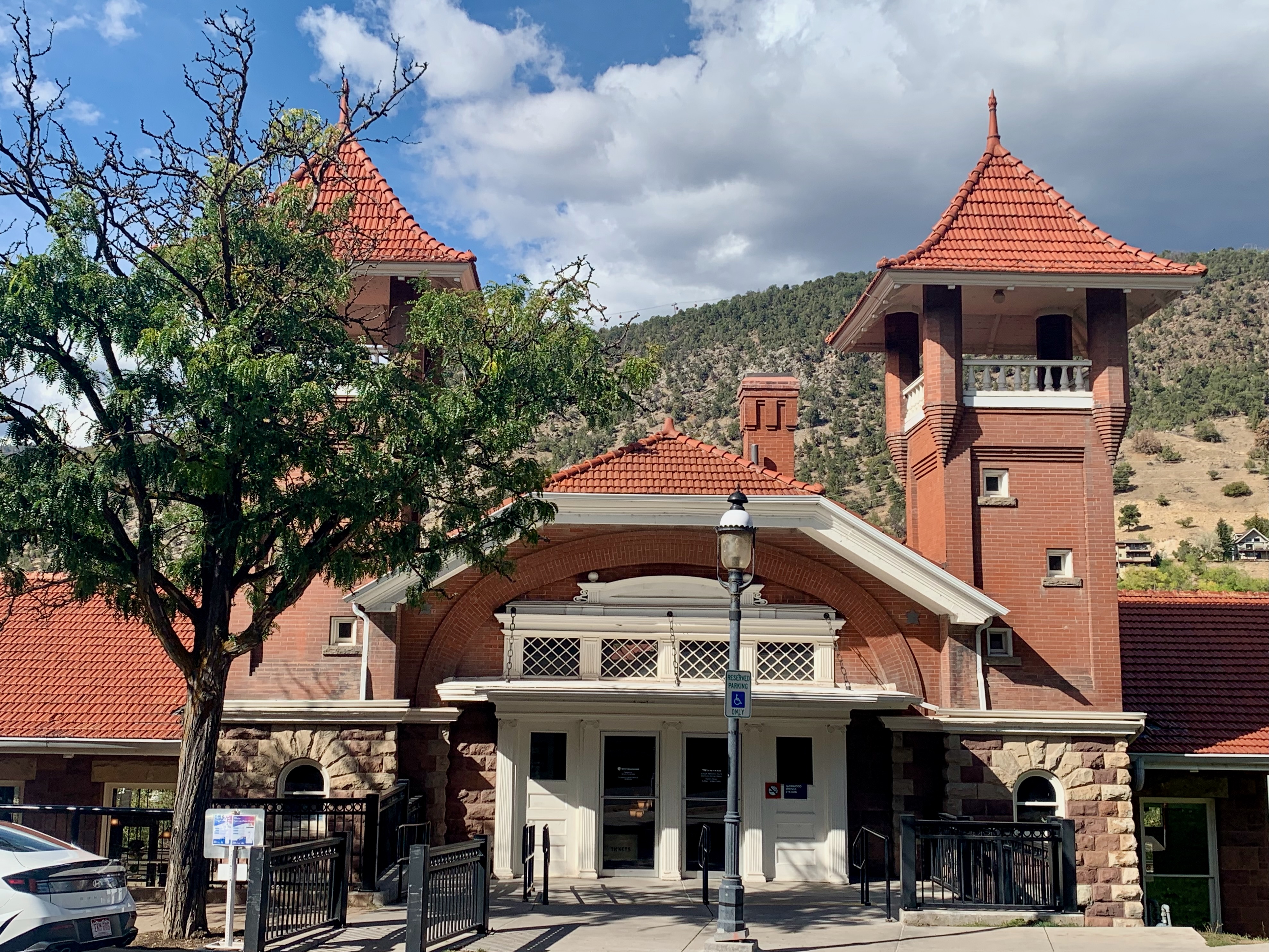
The town’s historic train station where Amtrak’s California Zephyr line still stops.
Initially, we feared the town itself was nothing more than a tourist trap given its proximity to the Hot Springs.
While ideally positioned to attract out-of-towners like us, the town also has an agreeable laid-back homey vibe nestled within all of its scenic beauty.
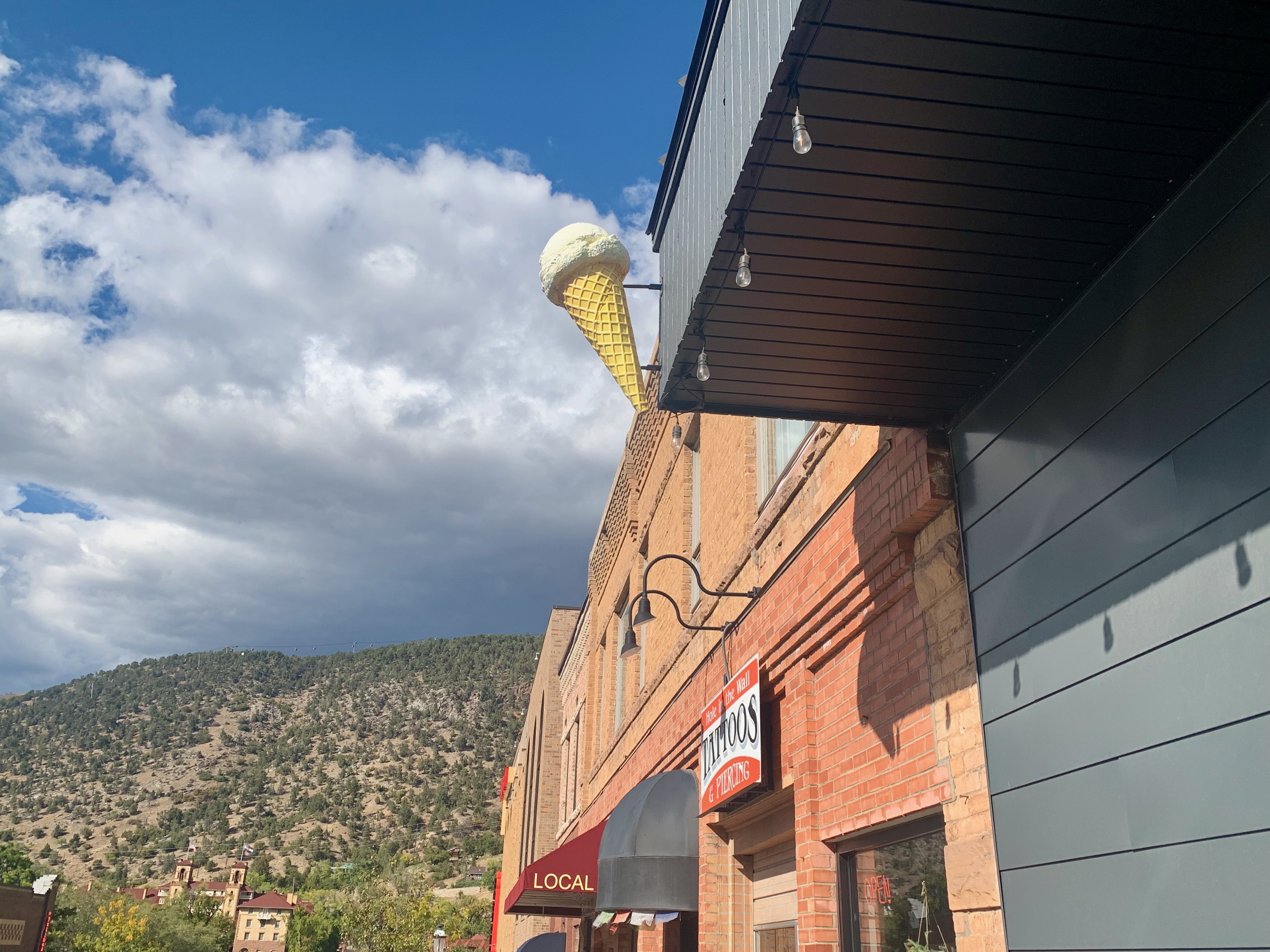
Not to mention a little whimsy here and there like this oversized ice cream cone.
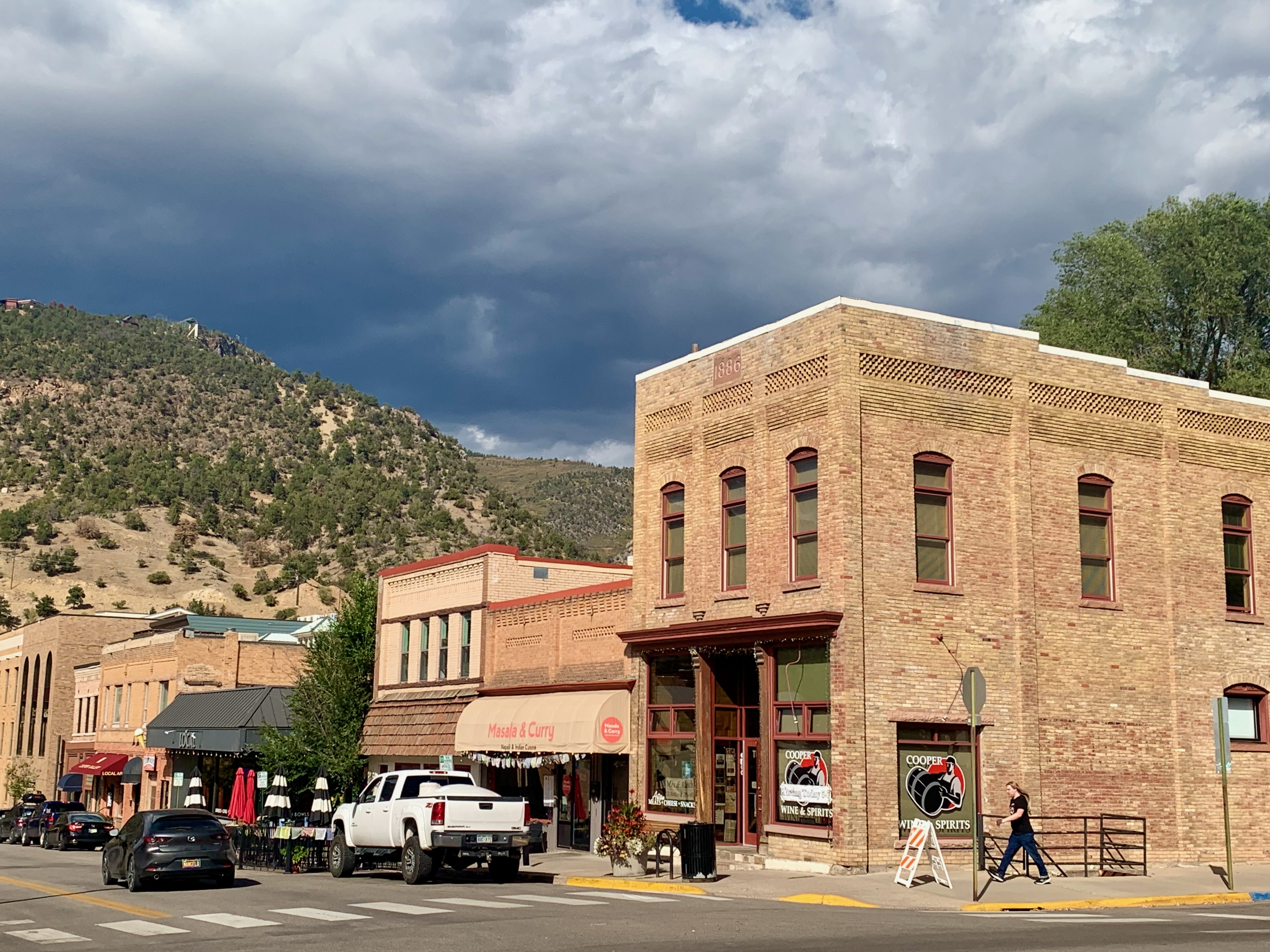
Downtown has an excess of vintage architecture; I could’ve spend an entire day walking around taking photos.
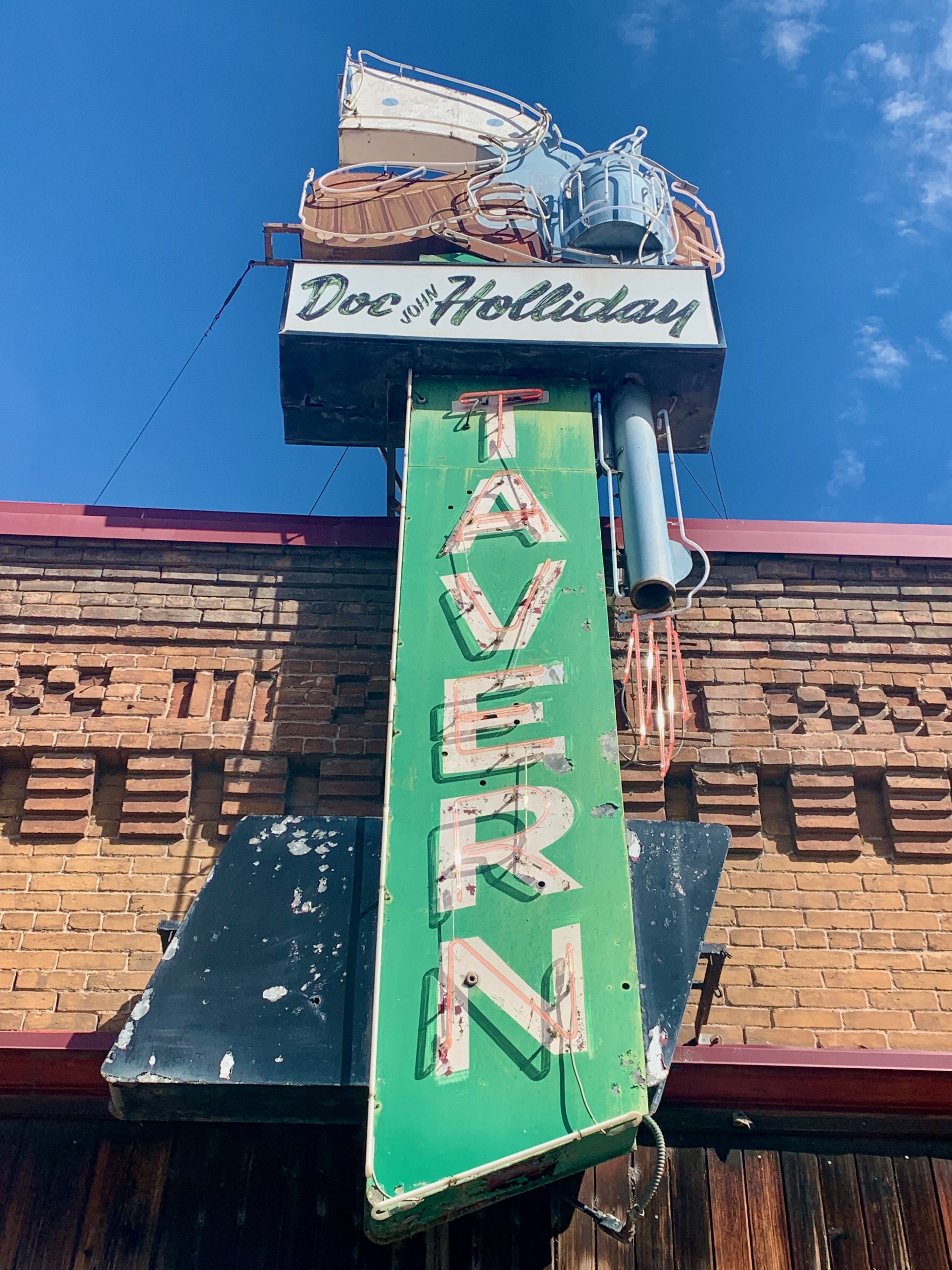
Perhaps its other claim to fame (besides the Hot Springs) is that it’s where Doc Holliday died. I’d recently watched Tombstone (featuring Val Kilmer’s justly celebrated performance as Holliday) without knowing I’d end up here just a few months later.
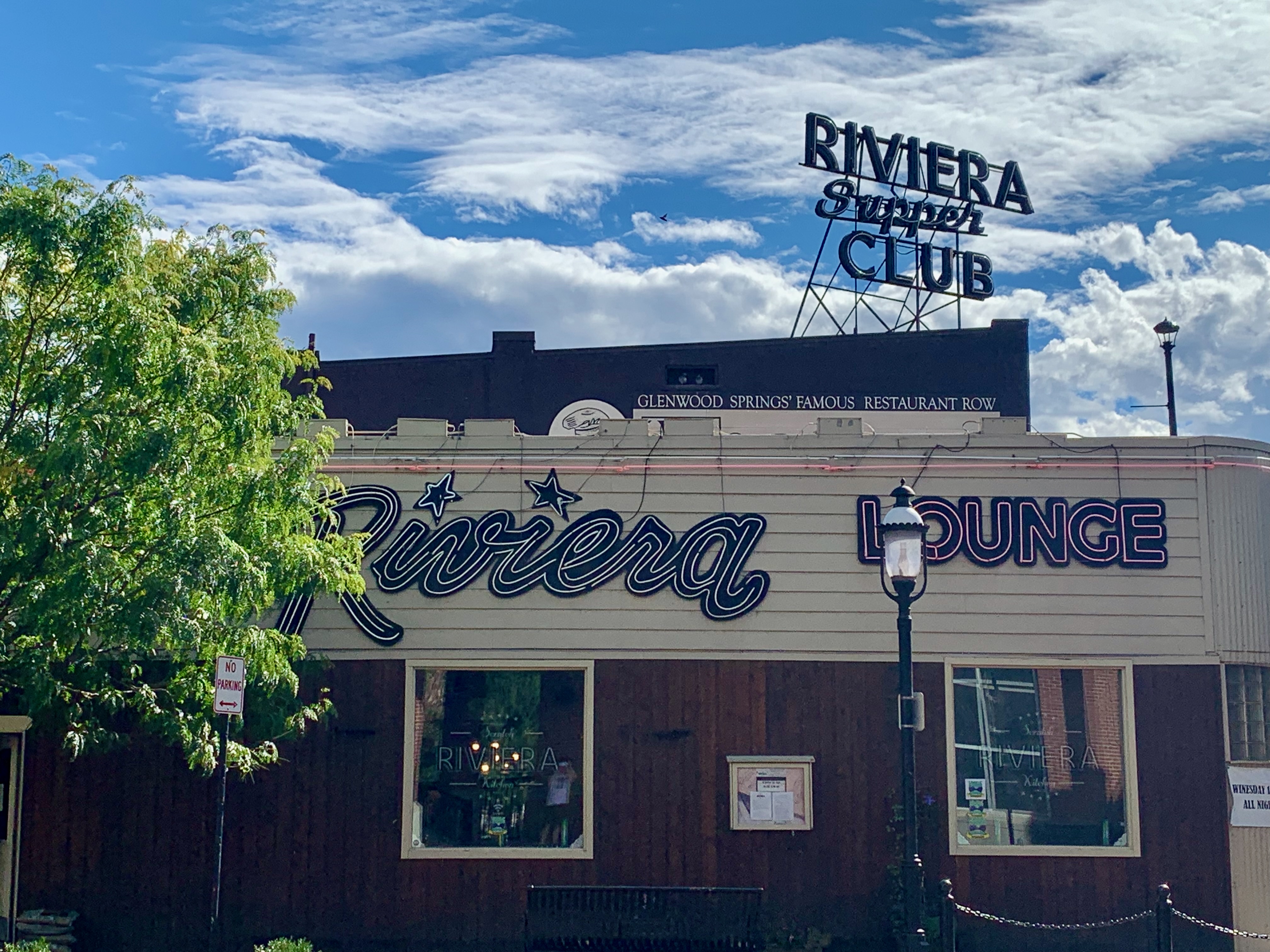
I’m not sure how vintage this Riviera Lounge signage actually is, but I love it regardless.
A few blocks from downtown, I walked through a residential neighborhood on a lovely, warm September afternoon. The sign (and architectural design) of Gene’s Lock & Key immediately caught my eye.
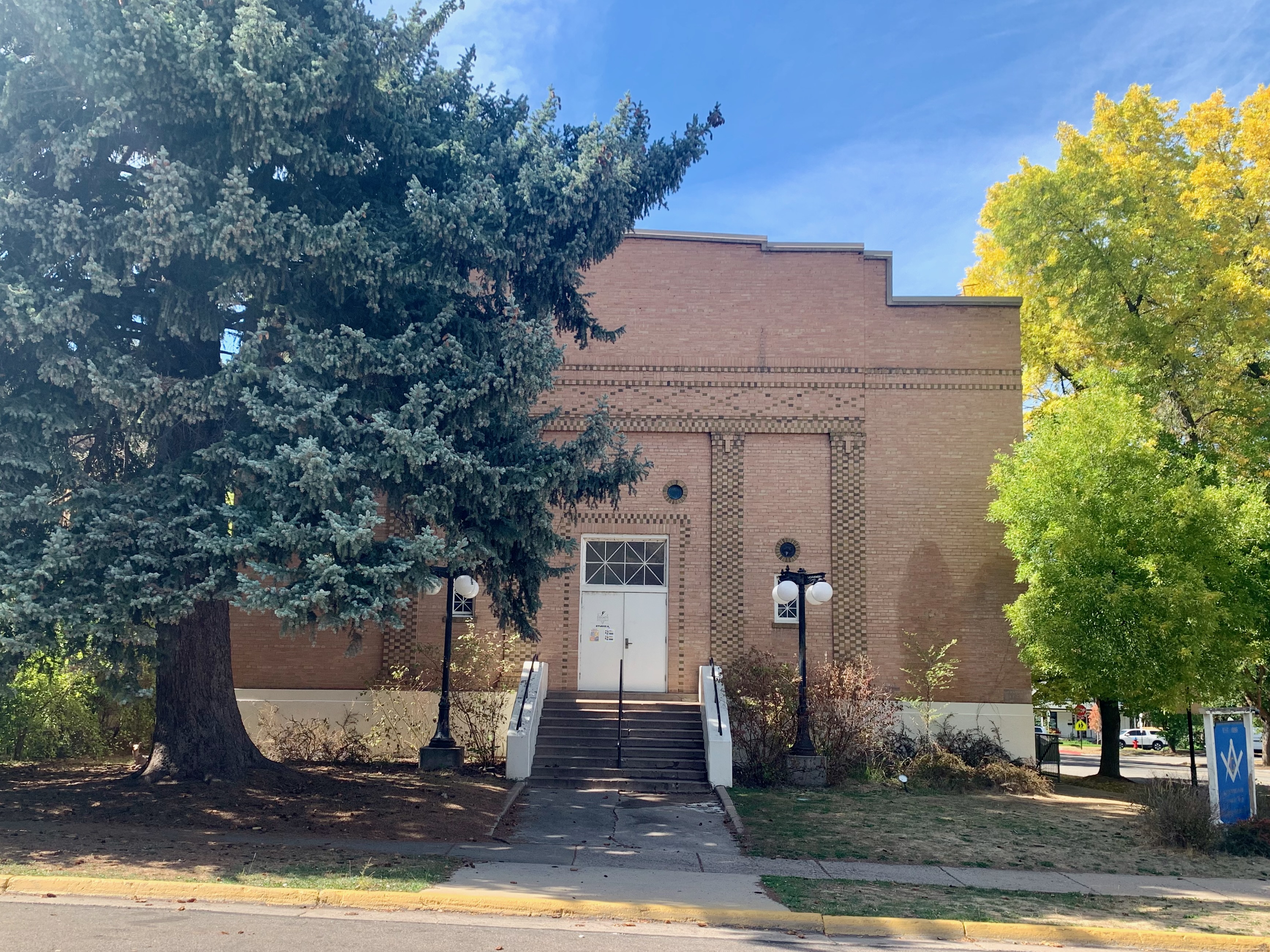
As did this Masonic Lodge down the block, likely appearing exactly as it did 50 or 70 years ago.
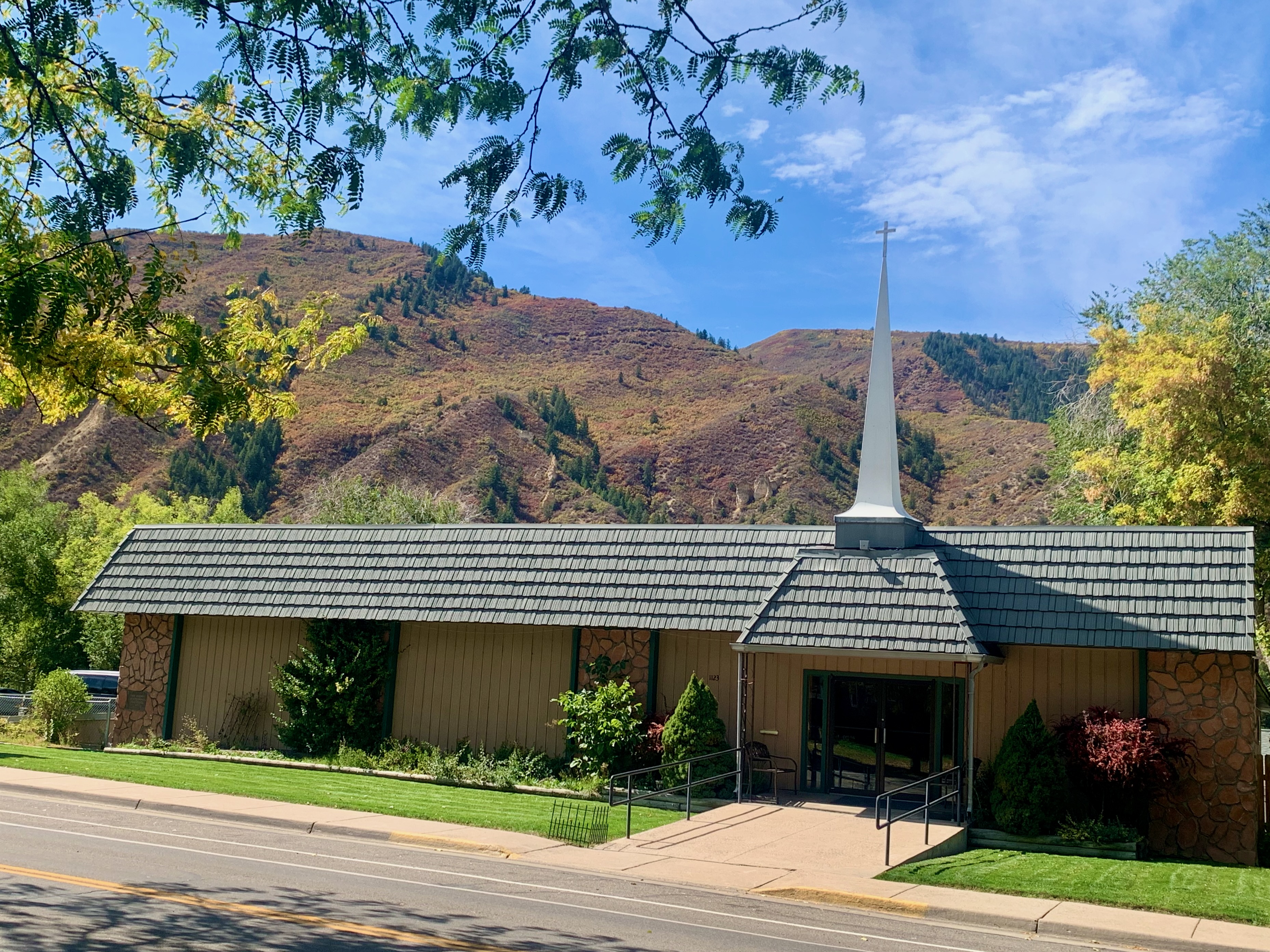
One doesn’t see many mid-century structures anymore where I live like this church. Here, it looks picture-postcard perfect against the mountains to the west.
As I strolled through this neighborhood, I increasingly thought what a nice place it would be to live in if I ever grow weary of being in a big city.
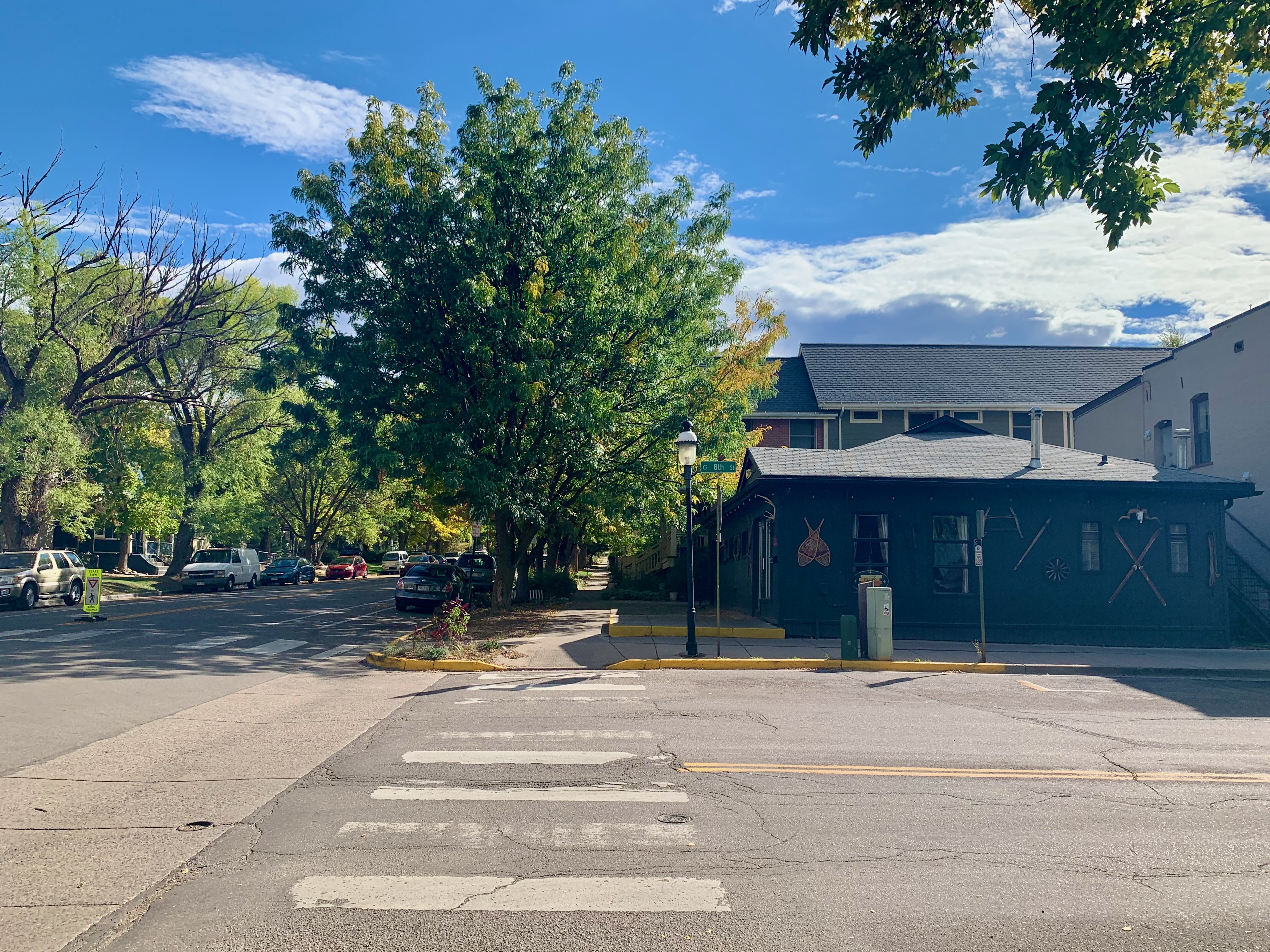
There’s something odd but also charming about coming across a house displaying skis and snowshoes along its side exterior.
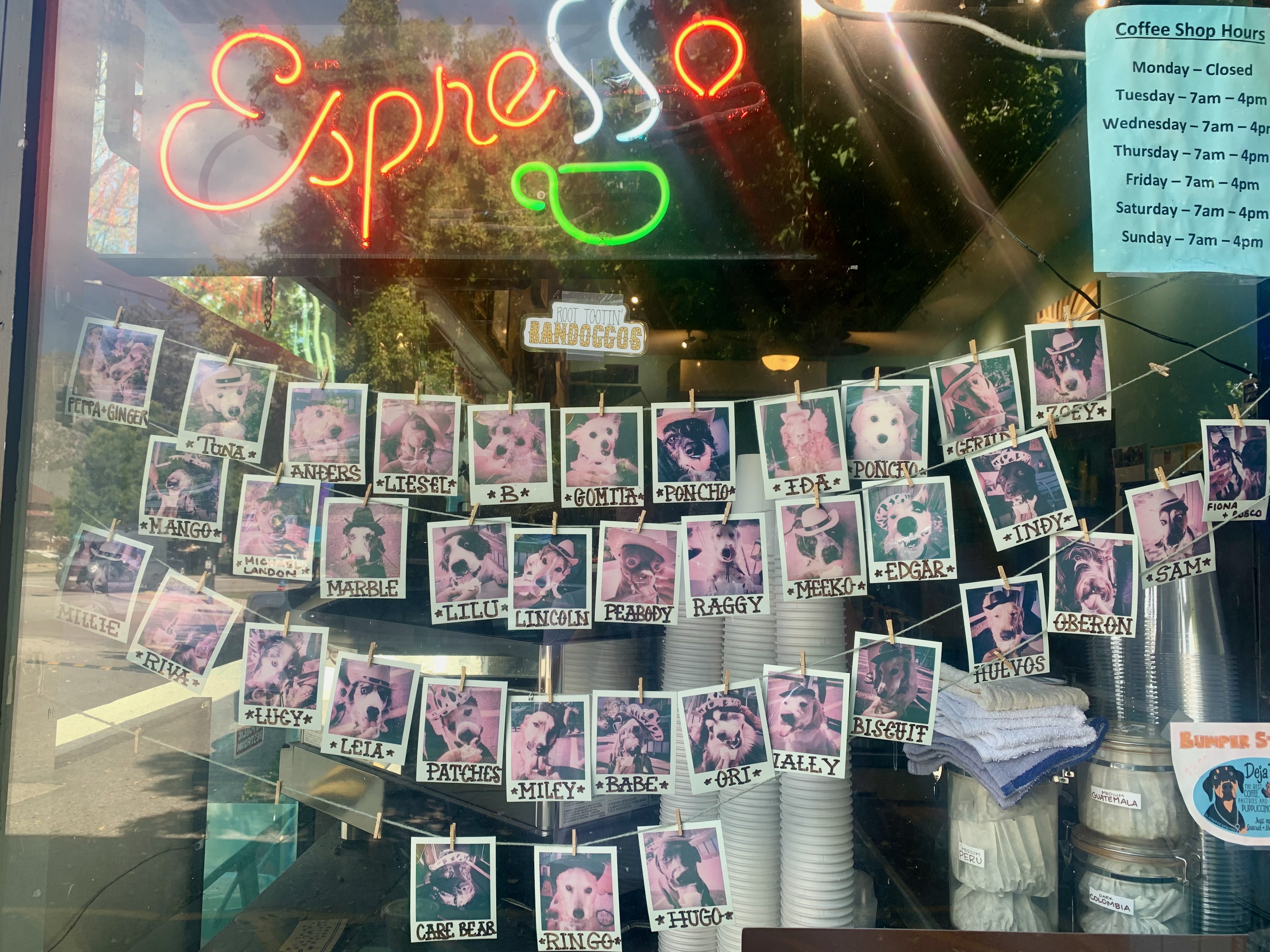
These strings of dog polaroids in the window at Deja Brew coffeehouse on Highway 82 are nothing but charming.
Downtown sports colorful signs with this slogan all over the place. Between stuff like this, the unexpected number of rainbow flags I saw in assorted businesses and the natural beauty surrounding it all, Glenwood Springs was a gem of a place to spend an afternoon.
Round Four includes the usual blend of indie pop, classic jazz and disco camp, plus an album from over 50 years ago that may end up my favorite discovery of 2025.
61. The Felice Brothers, “From Dreams to Dust” (2021): I’ve played the heck out of the sly “Jazz on the Autobahn” but never checked out the rest & it’s strong, nearly an American Weakerthans more influenced by folk than punk. Dry humor & wordplay are also constants from “To-Do List” to “Celebrity X”.
62. Duke Ellington, “The Ellington Suites” (1976): Of the three (rather loosely-themed) suites this collects, The Queen’s Suite (1959), made just for QEII is the warmest and most realized (esp. “The Single Petal of a Rose”); the others, recorded in the 70s are fine but decidedly post-peak Duke.
63. Kid Creole & The Coconuts, “Fresh Fruit In Foreign Places” (1981): I suppose the best 8 (out of 12) songs here are as good as the 8 (out of 8) on their next album even if this is more varied. August Darnell sure pivoted from disco to new wave without diluting his essence or breaking a sweat.
64. Roger Nichols & The Small Circle Of Friends, “S/T” (1968): Always a sucker for late ‘60s sunshine pop so of course I was won over by the first trumpet solo (on track one!) A flop at the time, this studio project has enough nifty hooks and harmonies to render the two Beatles covers superfluous.
65. Jason Falkner, “All Quiet On the Noise Floor” (2009): A Japan-only release, it nearly rivals “Can You Still Feel” (1999), at least until peters out a little near the end. Still, Falkner should be a national treasure for having an identifiable sound and executing it better than anyone else.
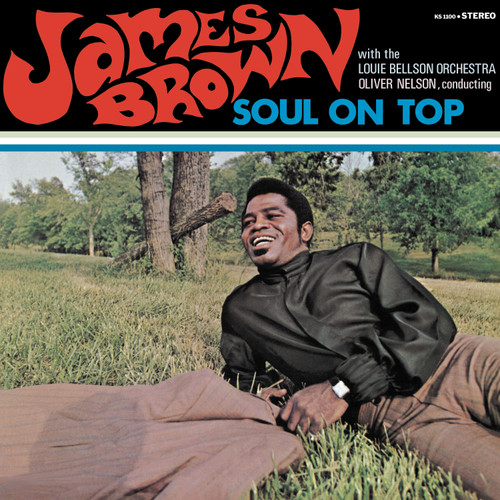
66. James Brown, “Soul on Top” (1970): If it’s perverse for him reverting to big-band arrangements while he was made career-defining vamp-heavy funk, note that this came out the year he began work with the JB’s. Being at his peak, the music’s secondary to Brown himself (though it’s still great.)
67. Susanne Sundfor, “Blomi” (2023): Was expecting far less English (after glancing over the song titles) and weirder song structures as well. We know she’s capable of bangers but by continuing withholding them she offers something unexpected and perhaps more novel in a world of Robyn wannabees.
68. Bill Callahan, “Gold Record” (2020): Spotify’s algorithms kept throwing his stuff my way and I see why although he’s more a personality-and-vibes guy than a man with hooks to spare. Rhymes Mel Torme with Kid and Play & that’s clever but his character sketches (“Ry Cooder”) are actually smart.
69. The Czars, “Best Of” (2014): Less goofy & synthy than his solo work, John Grant’s old band’s still defined by his baritone & lyrics. “Killjoy” & “Paint The Moon” might’ve been fluke hits like “Float On” & “Stacy’s Mom” in an alternate universe; all one could ask of this comp is a better title.
70. Thee Headcoats, “The Kids Are All Square, This Is Hip!” (1990): I’ve nothing against & mostly embrace garage punk of all stripes even as I can detect all the obvious influences from Kinks to Cramps. This could use more feminine energy so I’ll have to put Thee Headcoatees in my listening queue.
71. Daniel Rossen, “You Belong There” (2022): Did not realize how much Rossen contributed vocally to Grizzly Bear; isolated, his Garfunkel resemblance is unignorable but Garfunkel rarely had such heady material to sing over. I suspect this requires dedication and patience to unlock its secrets.
72. Madvillain, “Madvillainy” (2004): Sampledelic hip-hop that’s lean & economical (only 3 of 21 tracks exceed 3 minutes) while also exuding a limitless range of ideas & possibilities. Closer to Since I Left You than Operation: Doomsday although a deeper dive down the rabbit hole than either.
73. Silver Convention, “Madhouse” (1976): Christgau designated this “Protest Disco” but it’s not far from “Fly, Robin, Fly” (“Magic Mountain” affably recalls it). Pales a bit compared to Donna Summer’s concept LPs of the time, except when it’s transcendent camp (“Breakfast In Bed”, not a cover).
74. Terry Callier, “What Color Is Love” (1972): Turns out soul-folk is completely my thing (his resembling a male Dionne Warwick at times also helps.) Everything here is a marvel of warmth, grace and urgency, genuine instead of a grand statement and hopefully a portal to similar records/sounds.
75. The Coral, “The Coral” (2002): Only familiar with this decade’s output, their debut’s far rougher than expected, more beholden to primal boogie than the Beatles-esque touches of Super Furry Animals & their ilk. I guess one had to be there for it didn’t register much on this side of the pond.
76. Sofia Kourtesis, “Madres” (2023): Deep into the night at the club, everything’s kicking in, the music’s a bit of a blur but still registers if only as background noise, it only feels secondary yet you can’t imagine it not being there, it adds something vital even if you can’t articulate it.
77. Laurie Anderson, “Amelia” (2024): A typically idiosyncratic spin on Earhart’s story, embodying both the external & internal chaos that has remained her specialty since “O Superman”. ANONHI’s a welcome addition even if relegated to the mix; still prefer Joni Mitchell’s *song* of the same name.
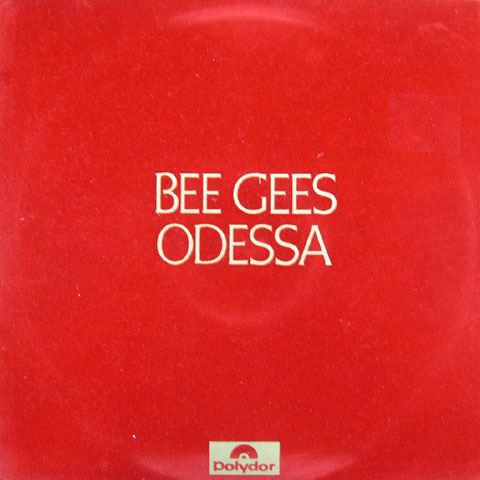
78. Bee Gees, “Odessa” (1969): Long-praised as their pre-disco magnum opus, I was relieved it turned out to be more than lachrymose ballads like single “First of May”. The orchestral stuff conjures up a Beatles trying to top Sgt Pepper’s while a dozen other left turns legitimize their weirdness.
79. Matt Berry, “Gather Up (Ten Years On Acid Jazz)” (2021): He’d be better known for his music if he sang as well as he spoke but at least he doesn’t half-ass it (as L. Cravensworth might remark.) A magpie devoted to post-Beatles, pre-Nirvana pop & this comp’s enough to make me want to hear more.
80. AHI, “The Light Behind The Sun” (2025): If his rousing 2021 single “Danger” was reminiscent of prime Seal, this is closer to the later, adult-contemporary version: tasteful, understated & sadly, bland. The simple song titles also don’t help distinguish this pleasant but unmemorable product.
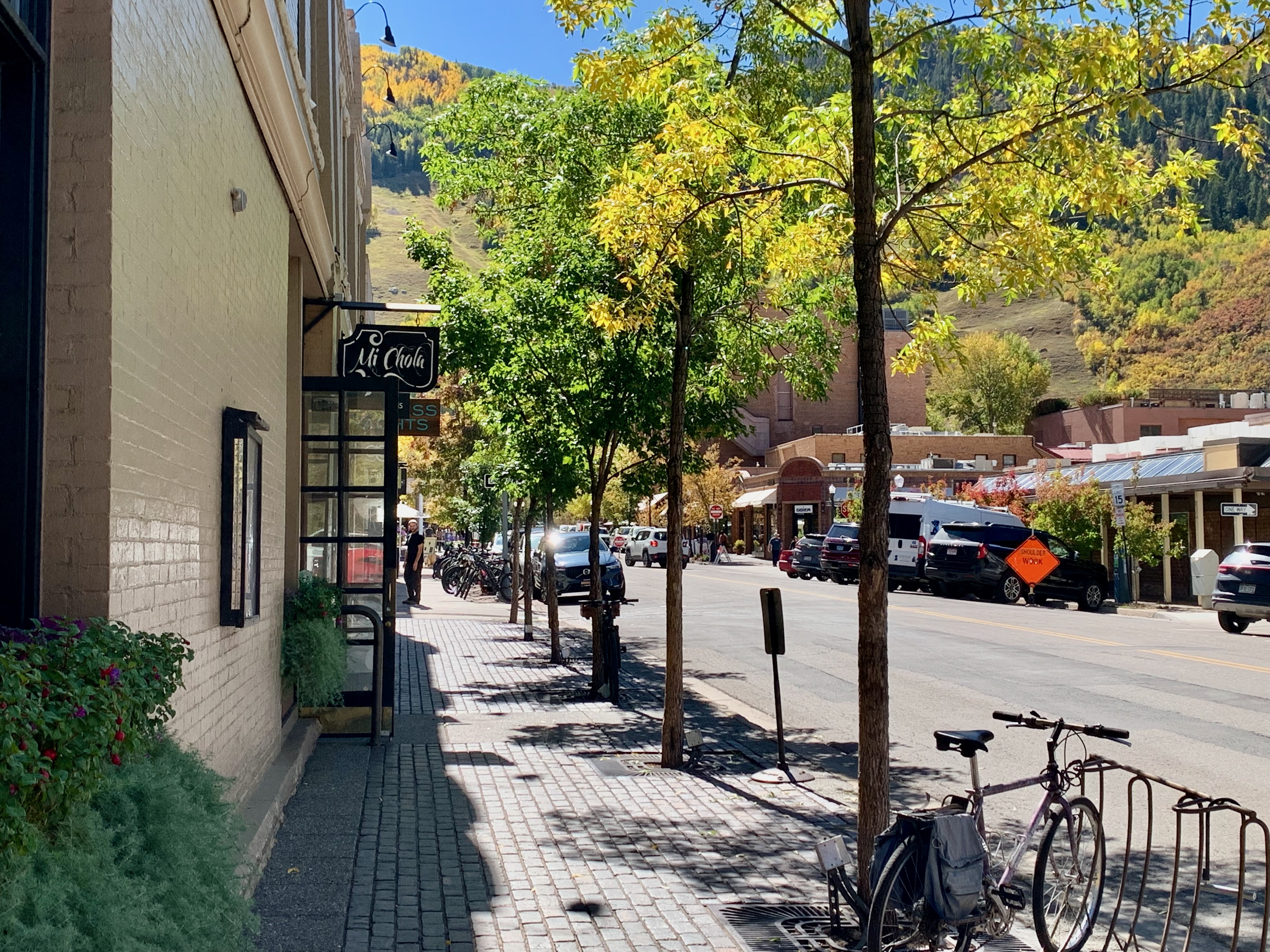
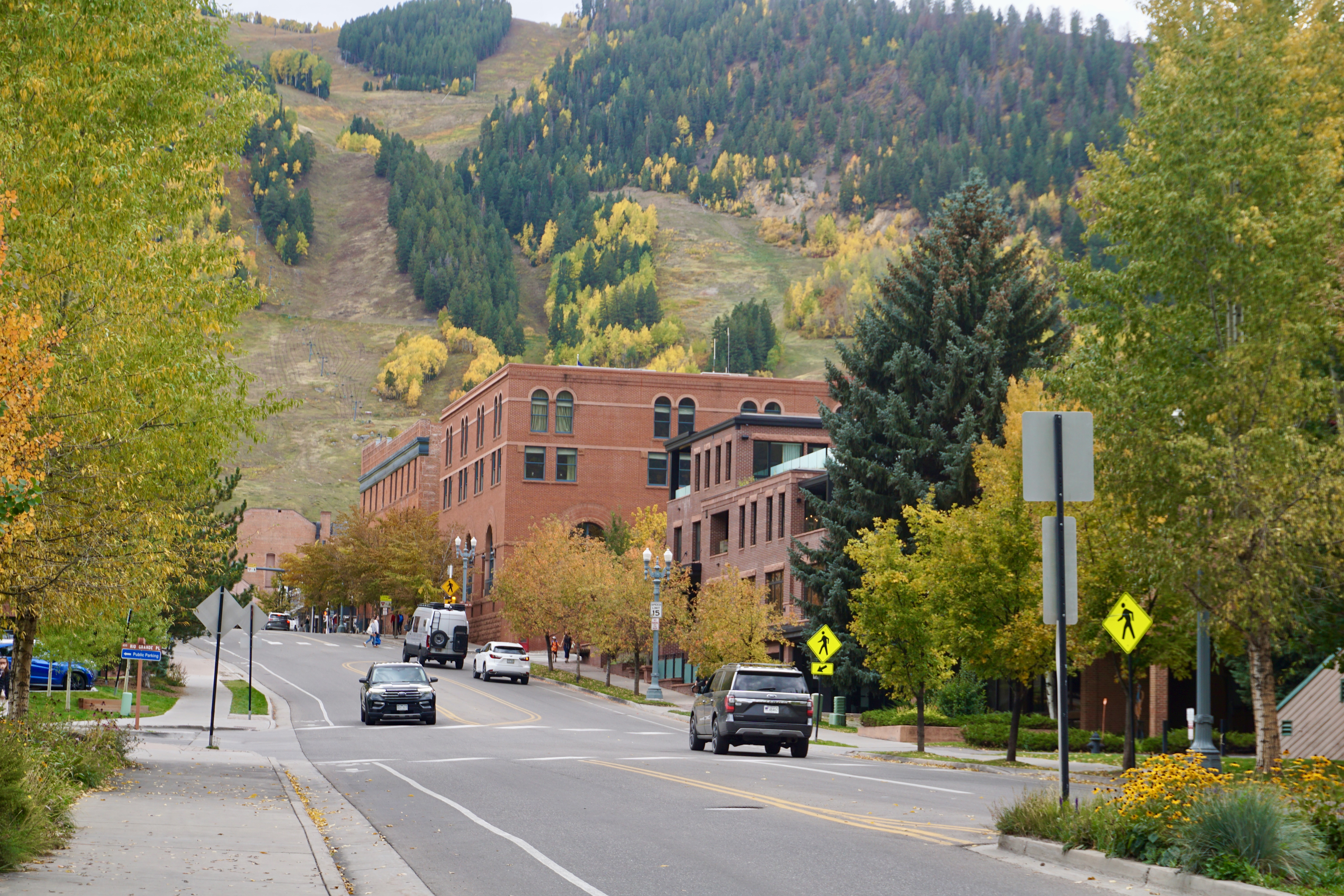
Aspen, Colorado has a reputation as a wealthy ski resort town and it’s not unearned.
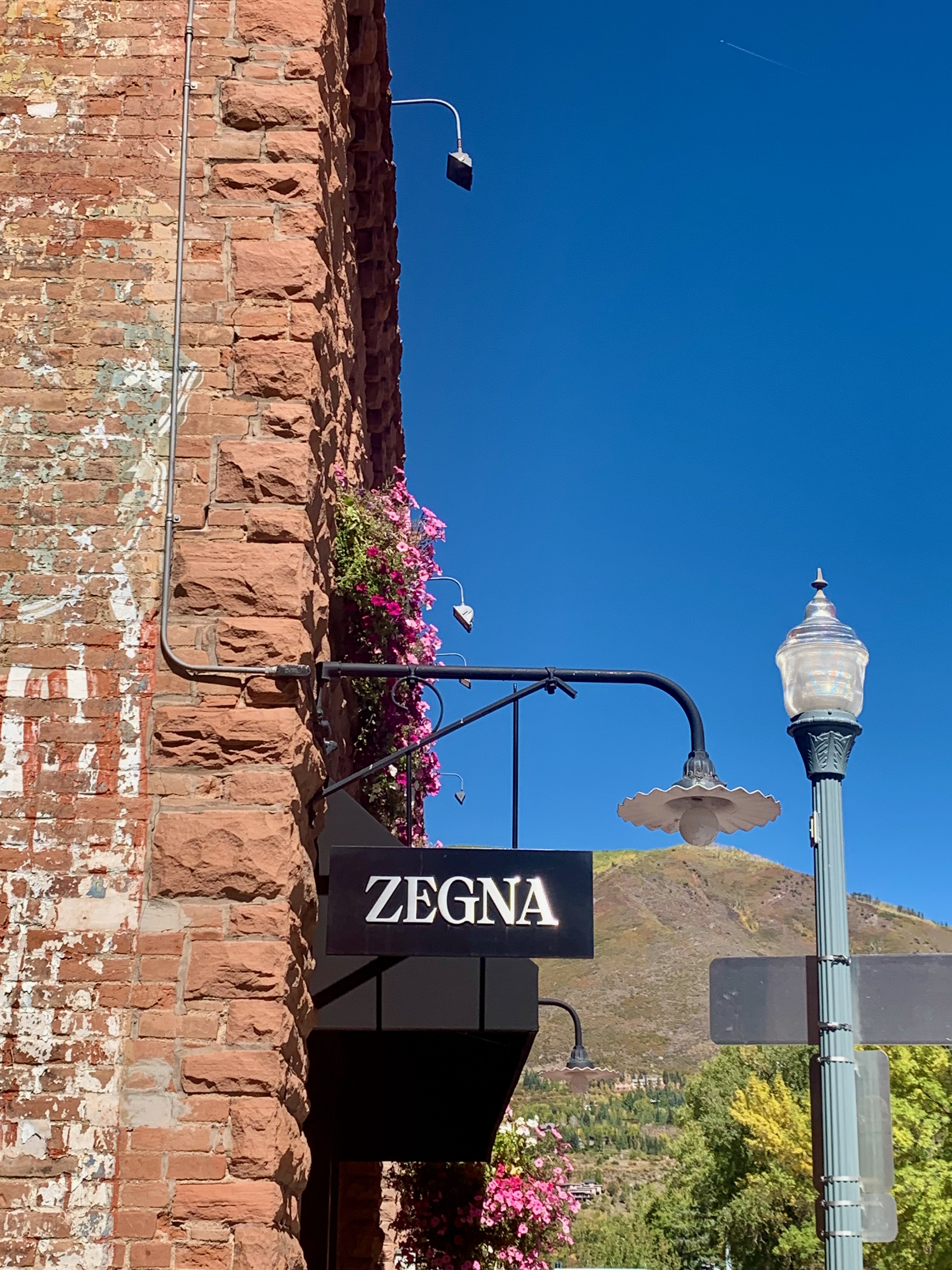
The high-end boutique count on most blocks is likely close to that of Boston’s Newbury Street.
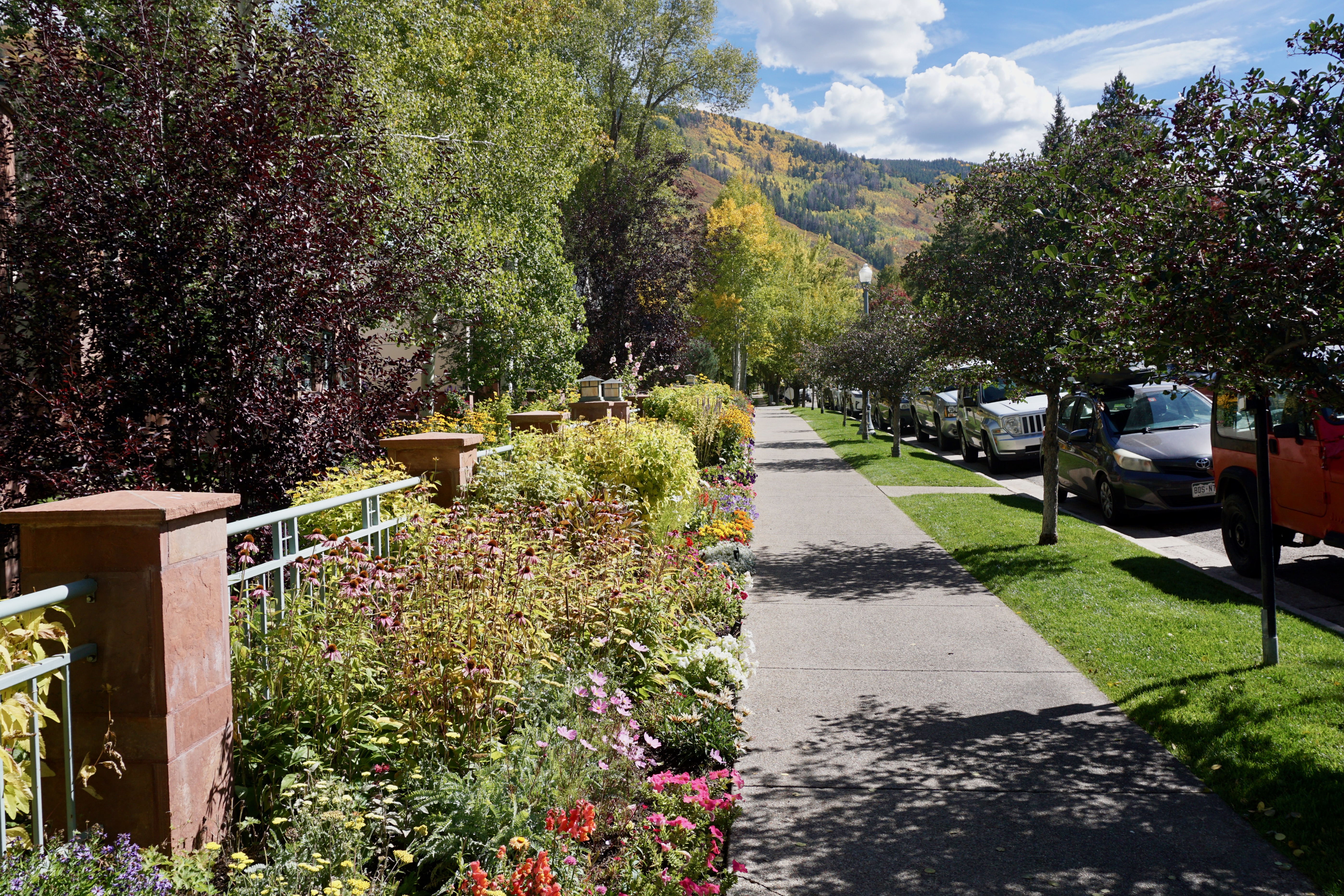
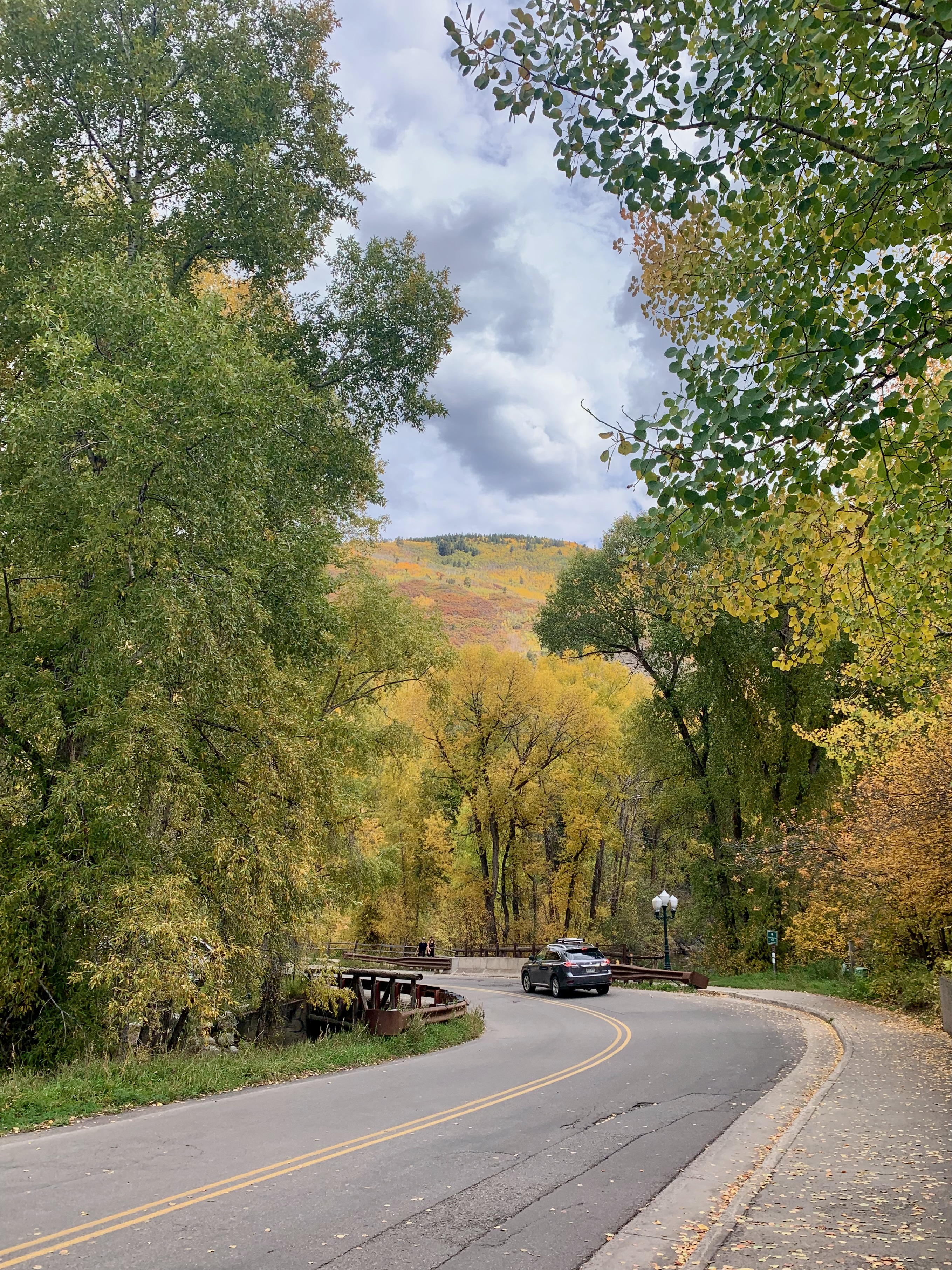
However, if you walk away from the town center through flower-lined residential blocks, there remains a constant in the landscape.
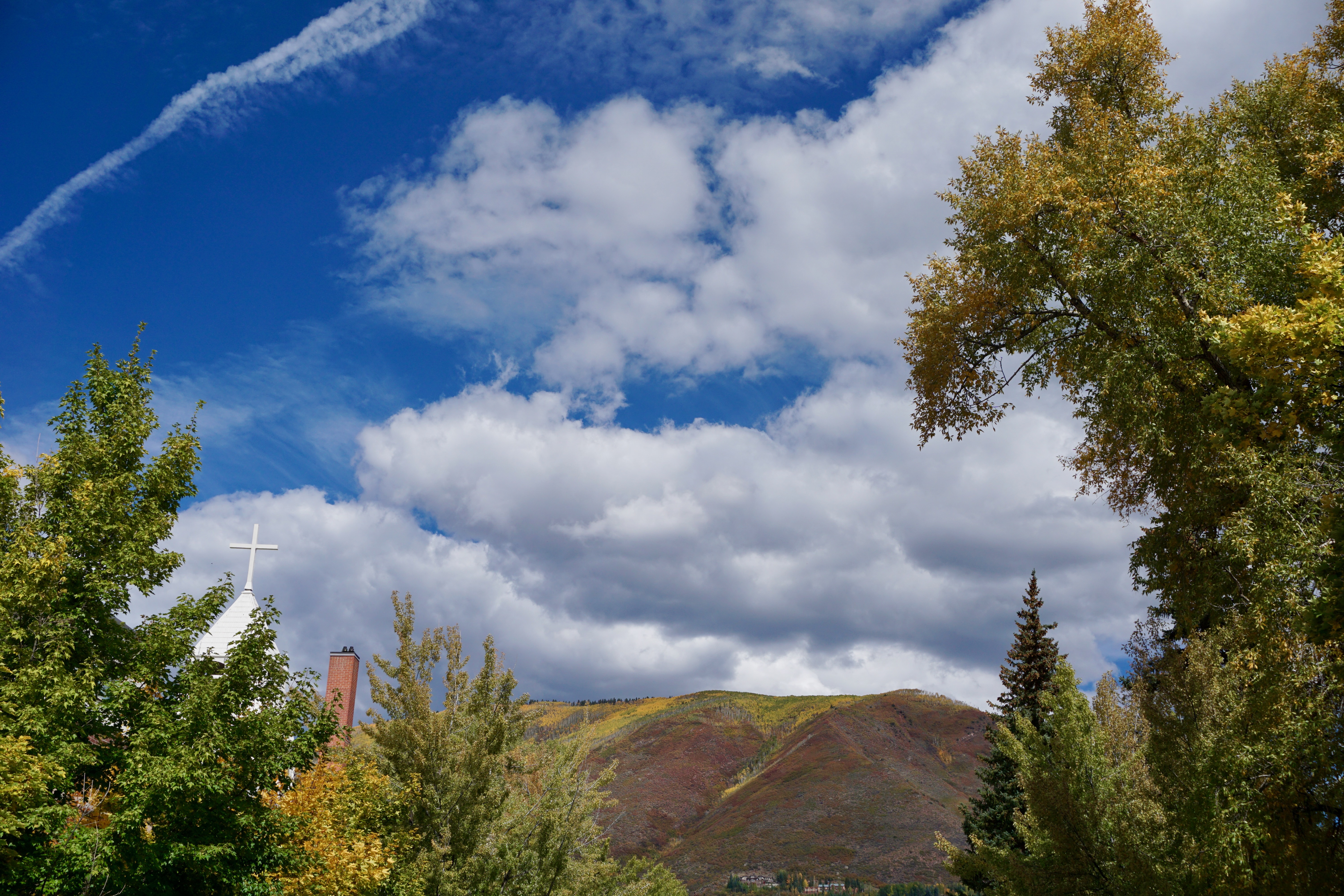
Beyond steeples, chimneys and treetops, Aspen is surrounded (engulfed, even) by mountains.
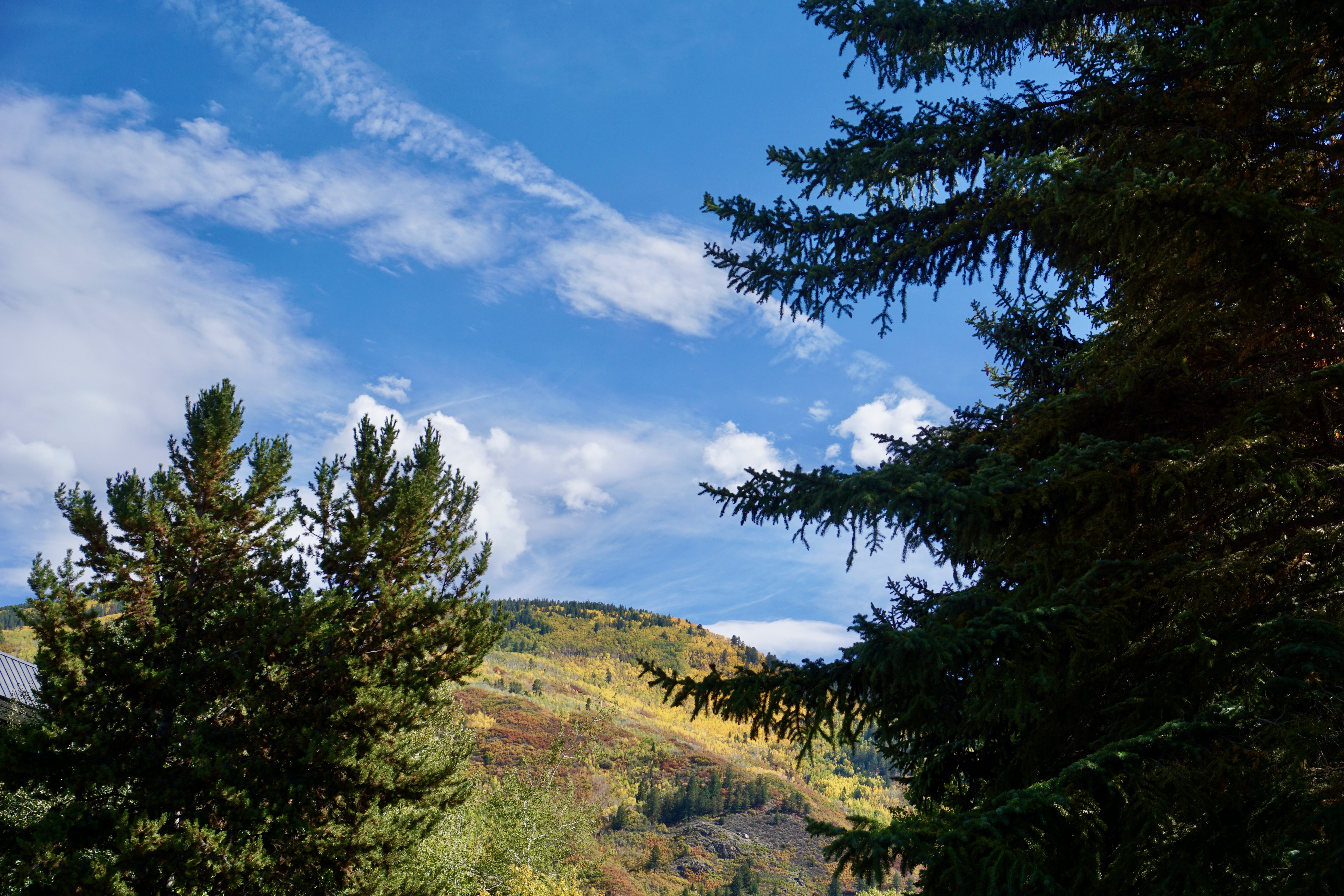
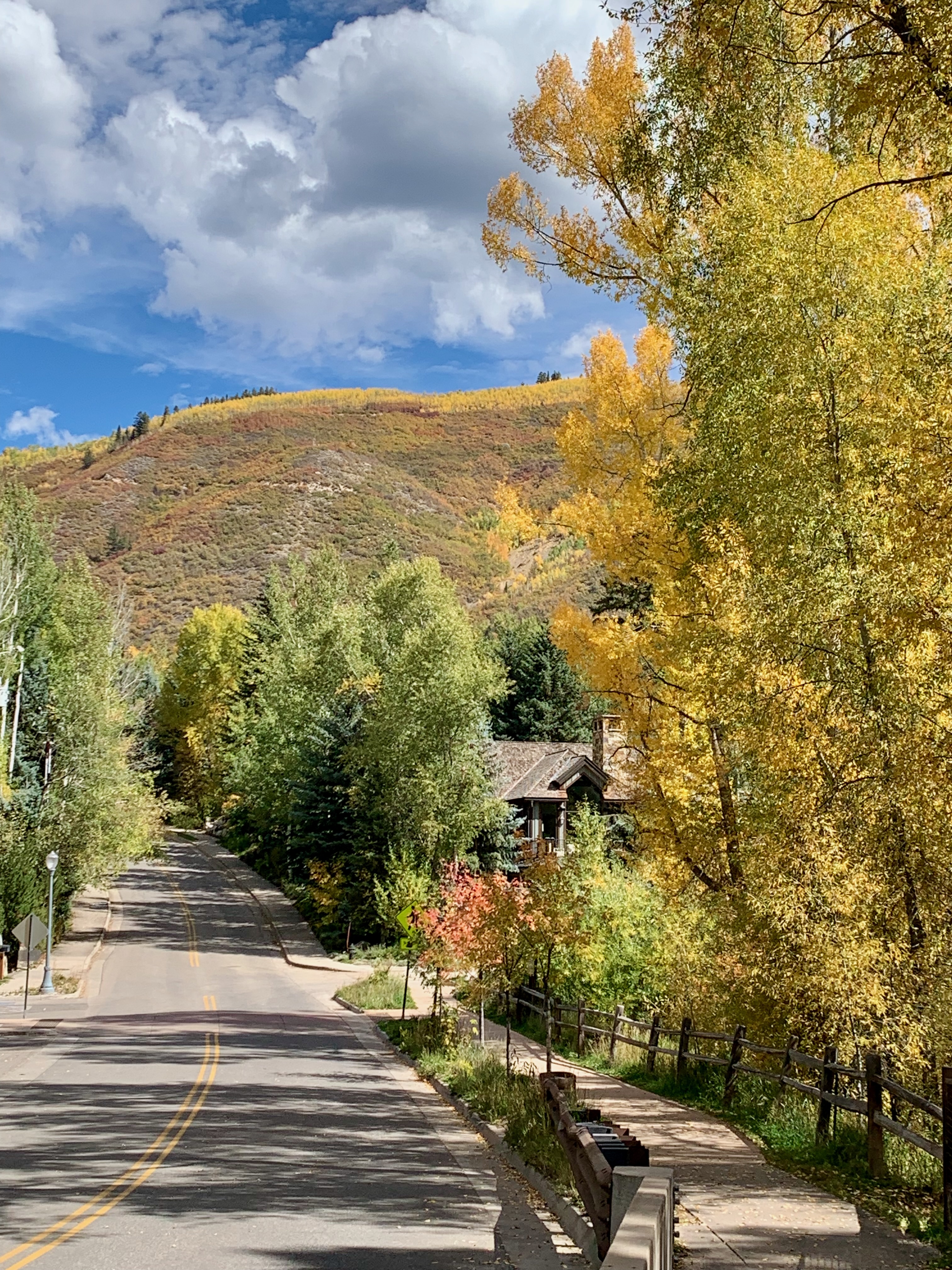
It’s especially striking in late September near peak Autumn foliage.
Looking down Neale Avenue as it crosses the Roaring Fork River is almost akin to witnessing a real-life painting.
Walking further north on Neale crossing the river, one sees nothing but blue skies (and mountains) ahead.
Steve and I could have taken the “No Problem Joe”, a short dirt connector path that runs along the river and seems more notable for its quirky name than anything else.
Instead, we opted for the well-travelled Rio Grande Trail, which begins at Herron Park off Neale and runs for 19 miles all the way to the town of Emma (not far from Basalt, which is where we stayed.)
We didn’t take the trail nearly that far but did have one destination in mind, which we located from its unofficial back entrance near the river.
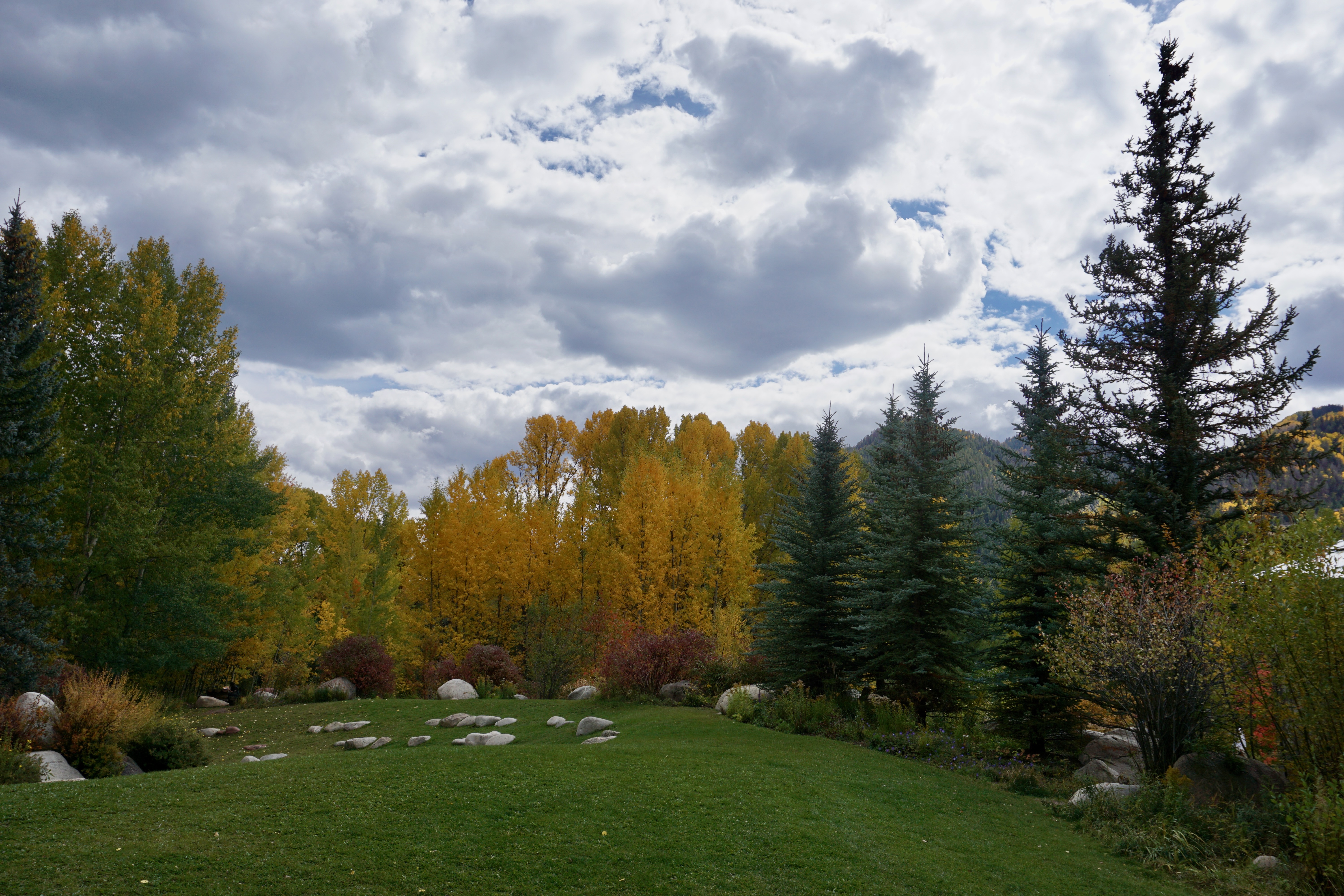
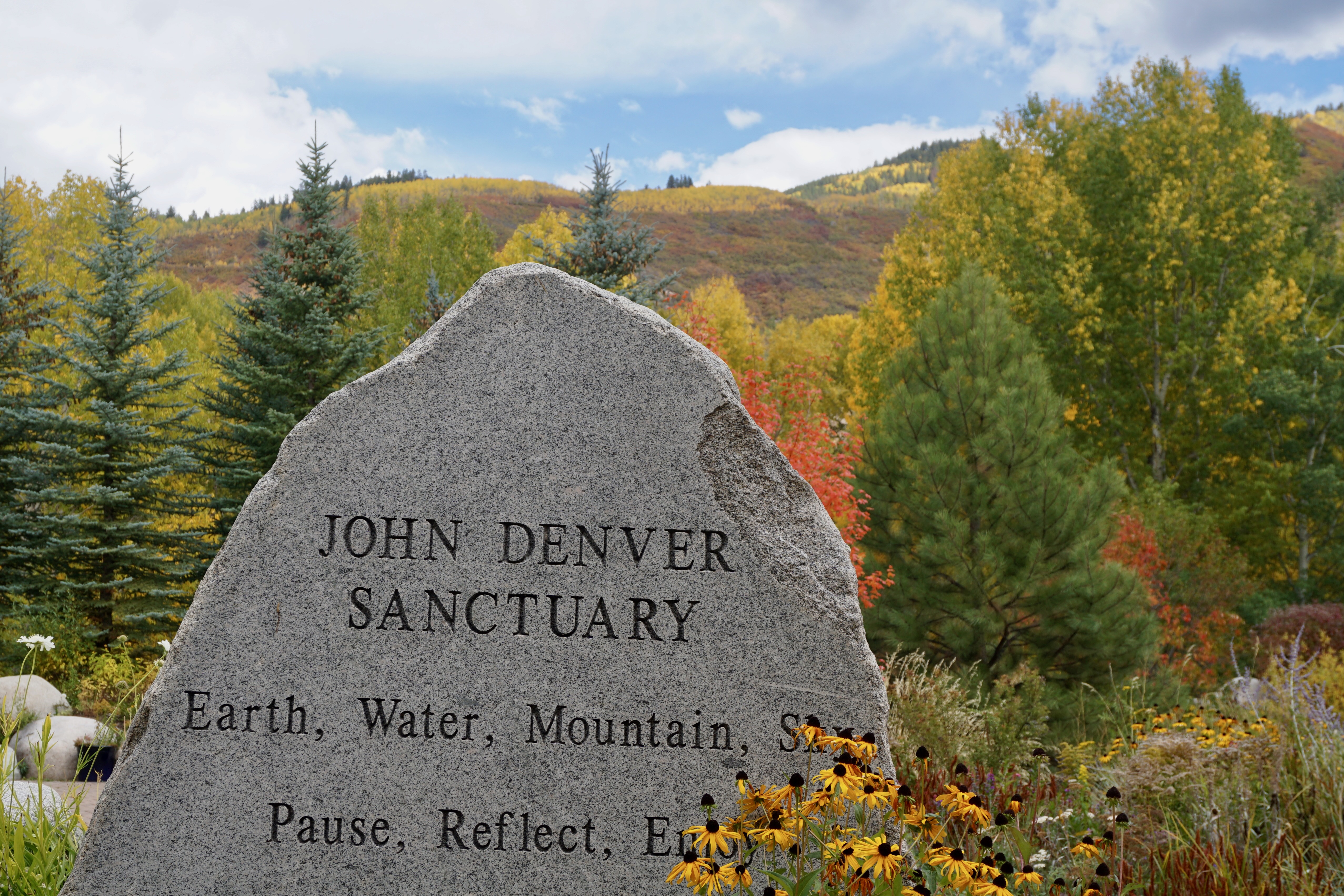
If Maroon Bells was the most beautiful place we visited in Colorado, the John Denver Sanctuary in Aspen was a close second. I don’t know how well Denver is now remembered by Millennials and generations younger than that, but he was a big presence in my early childhood, especially through his collaborations with Jim Henson (I’ve barely forgiven my parents for not hanging onto my vinyl copy of 1979’s immortal John Denver and The Muppets: A Christmas Together.)
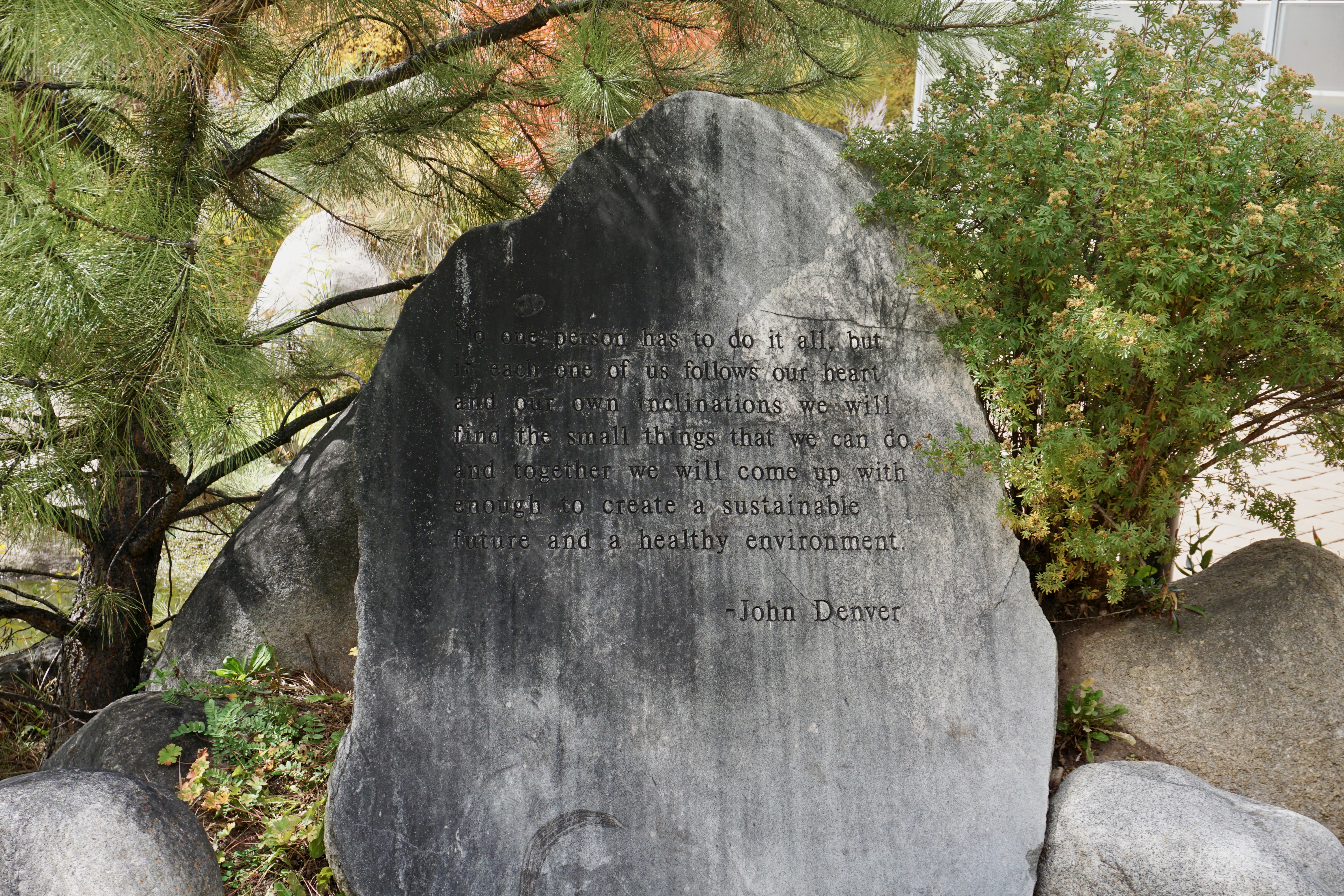
Officially dedicated a year after Denver’s 1997 death, it features a “song garden” full of small boulders inscribed with his lyrics.
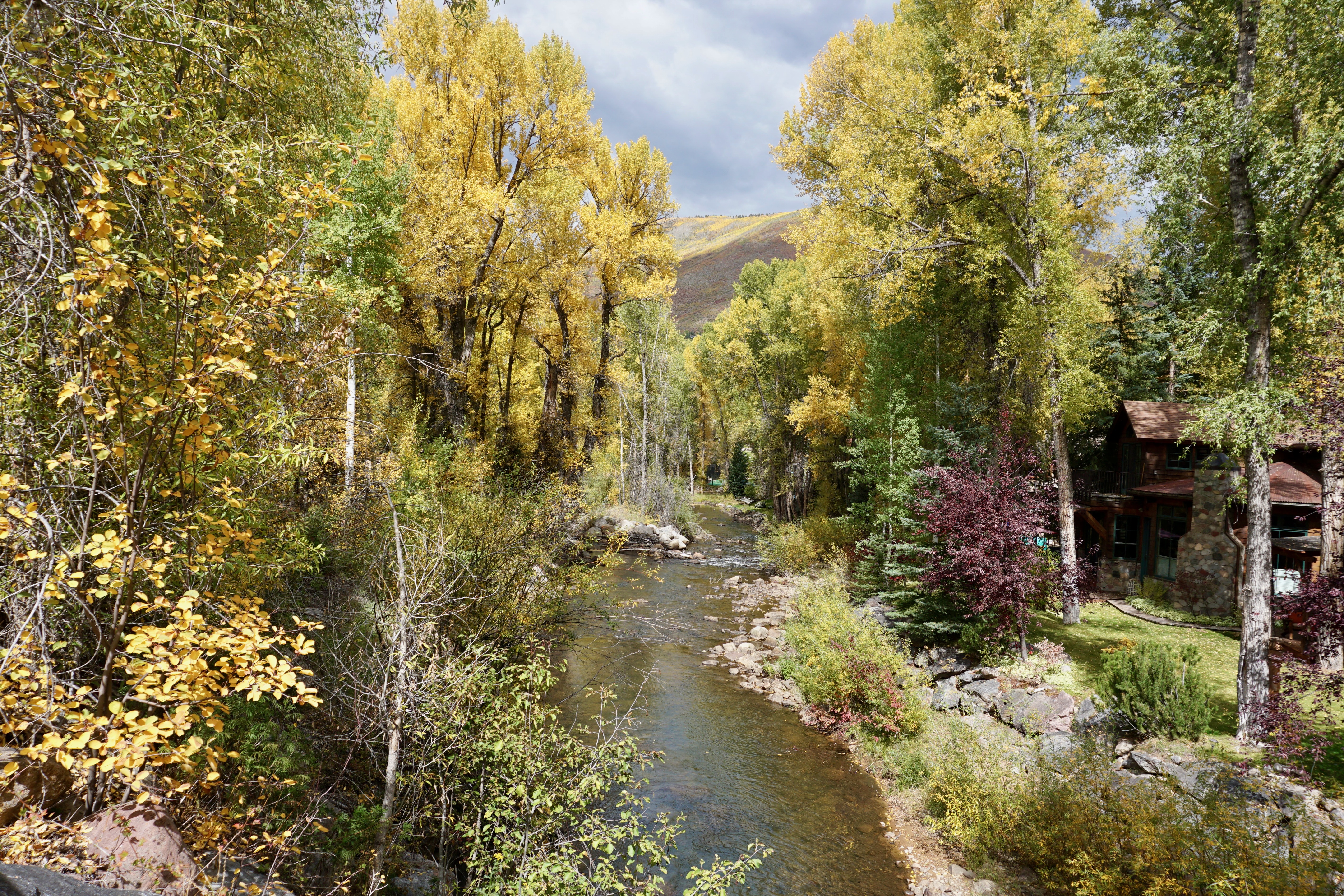
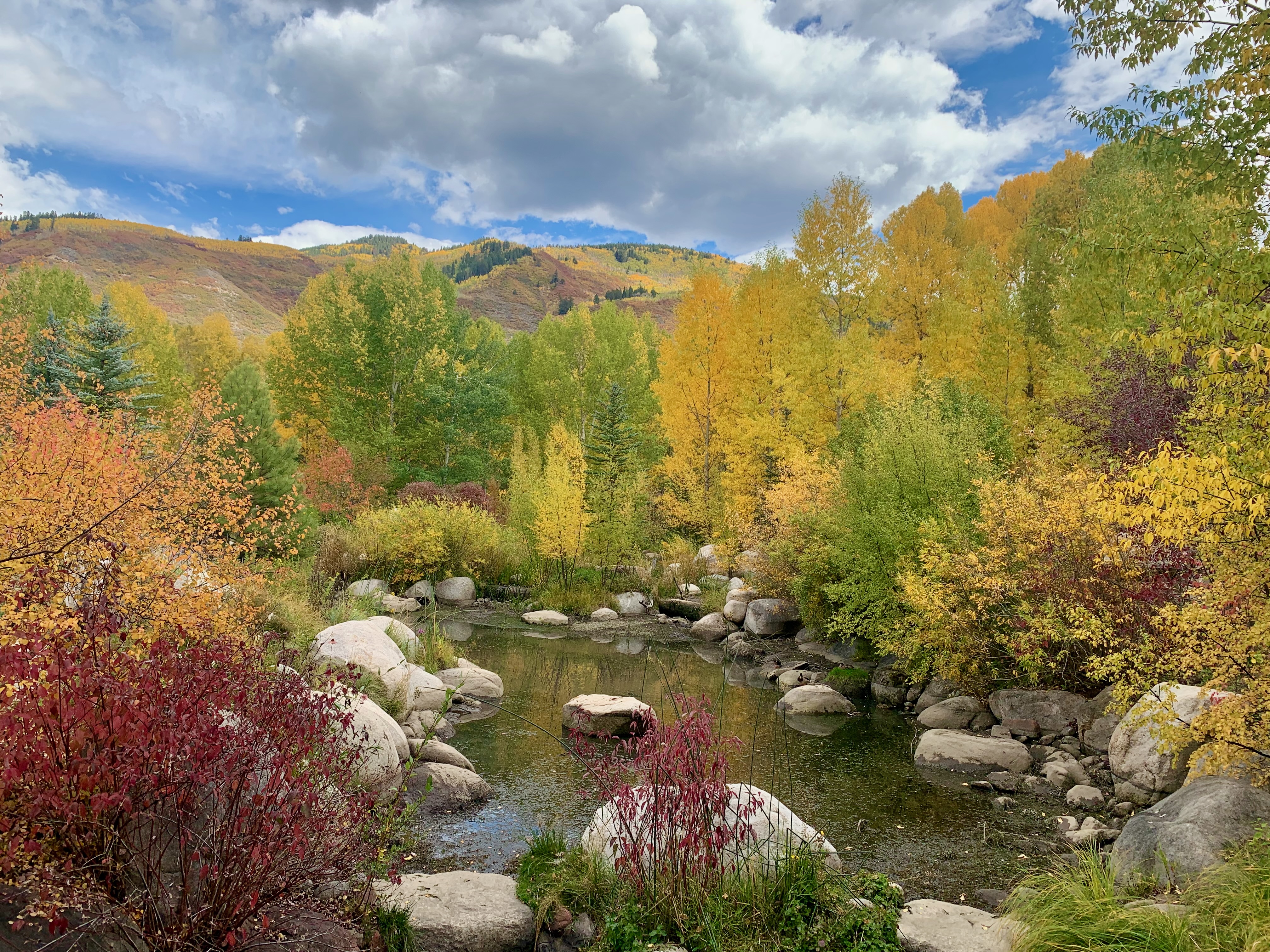
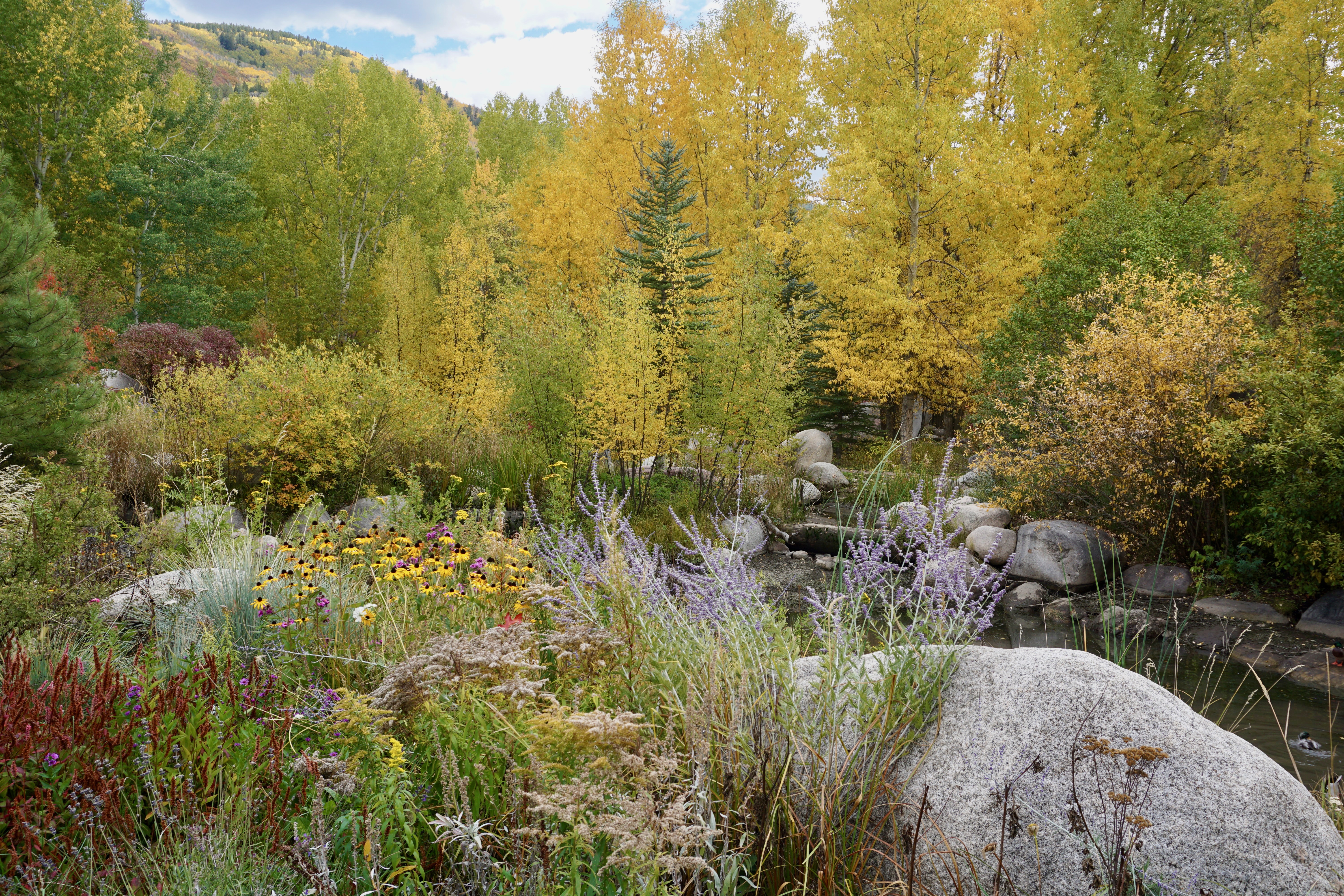
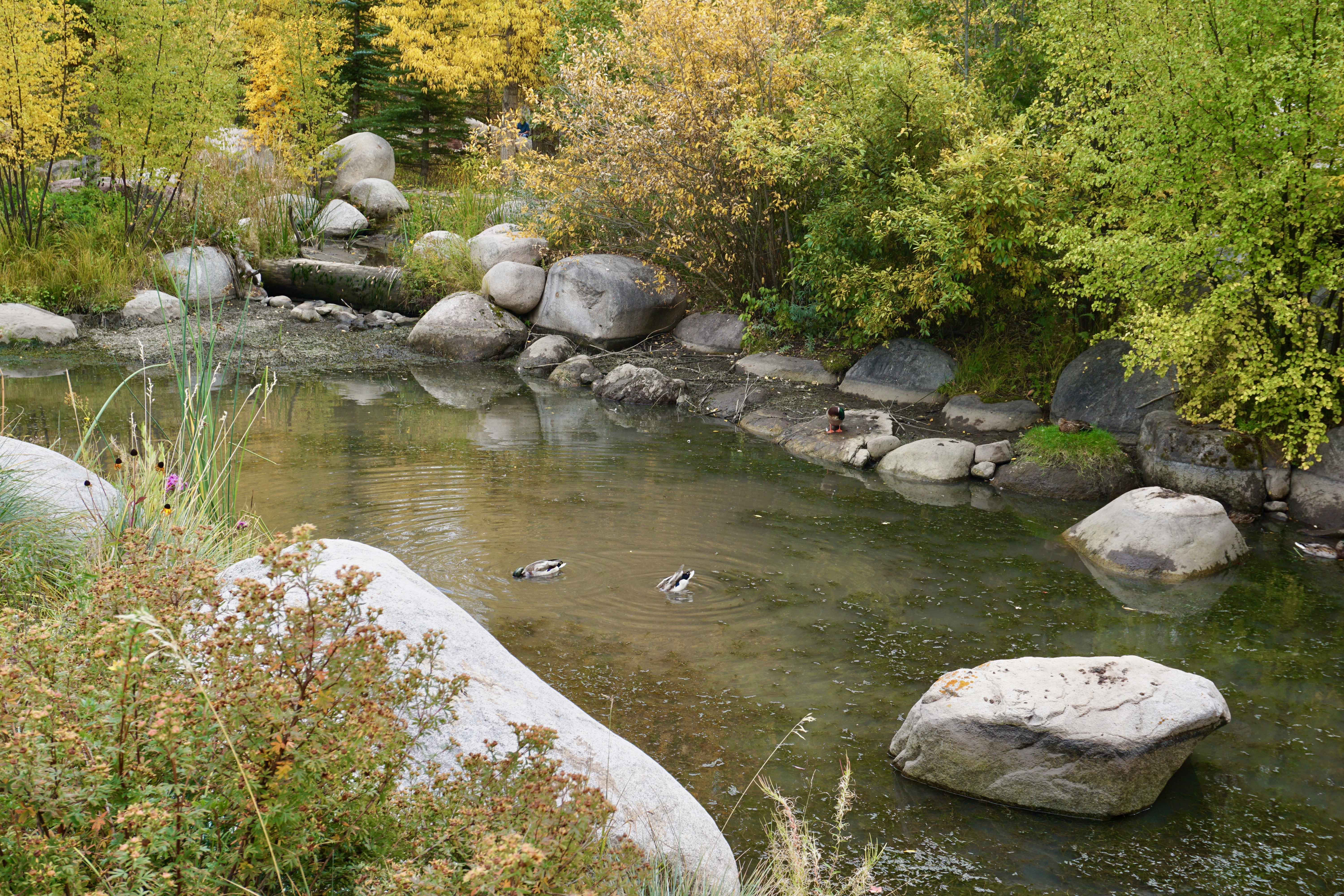
My favorite part of the sanctuary was this wetland area–as gorgeous and serene as anything I’ve ever seen.
You don’t even need to bring along a recording of “Rocky Mountain High” or “Annie’s Song”: you’ll likely end up humming them to yourself.
One of the best features of any sanctuary is the wildlife drawn to it like these drinking ducks.
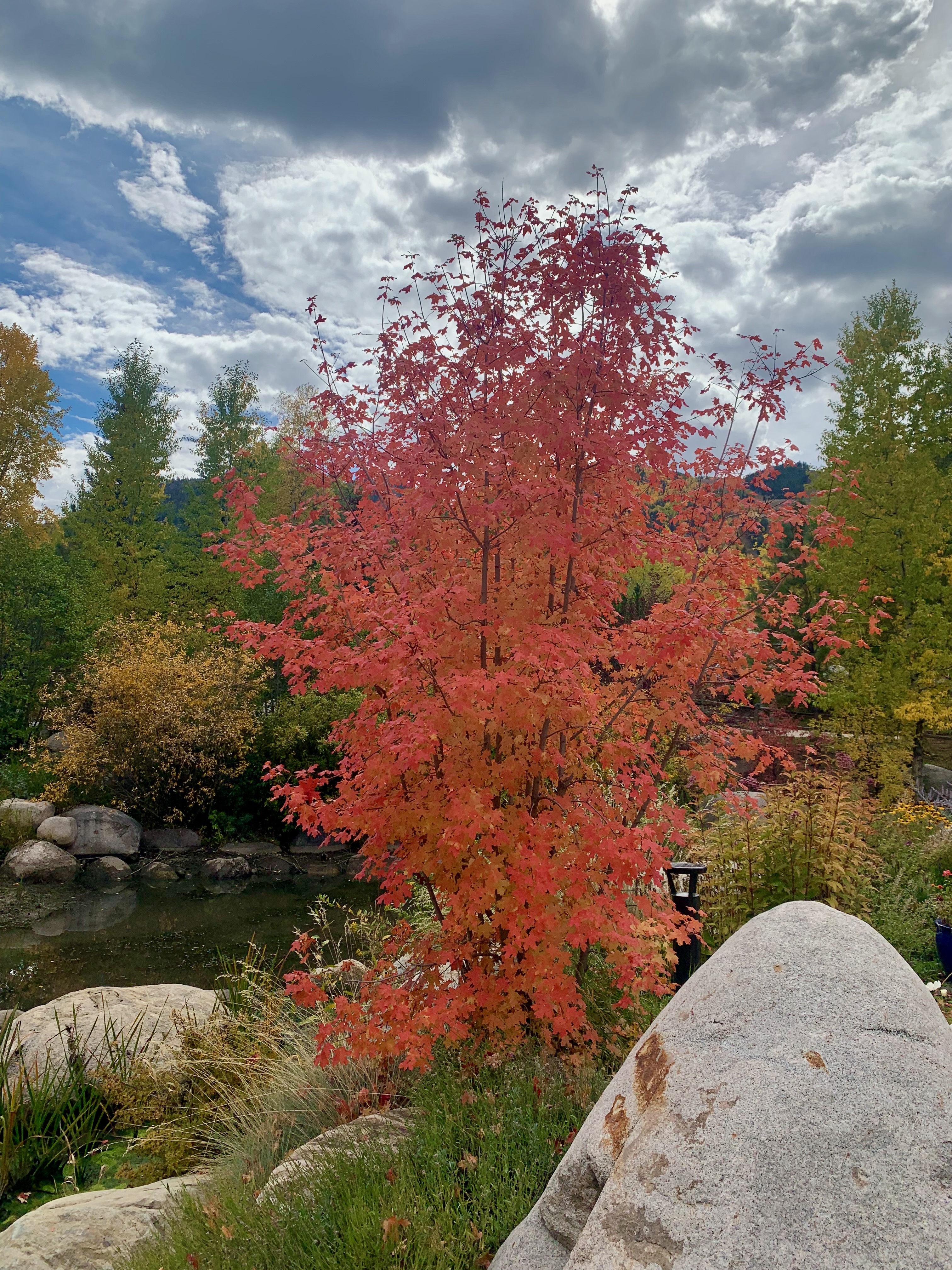
We didn’t see a ton of bright reds like this amongst the Colorado foliage, so it appeared more vividly whenever we spotted some.
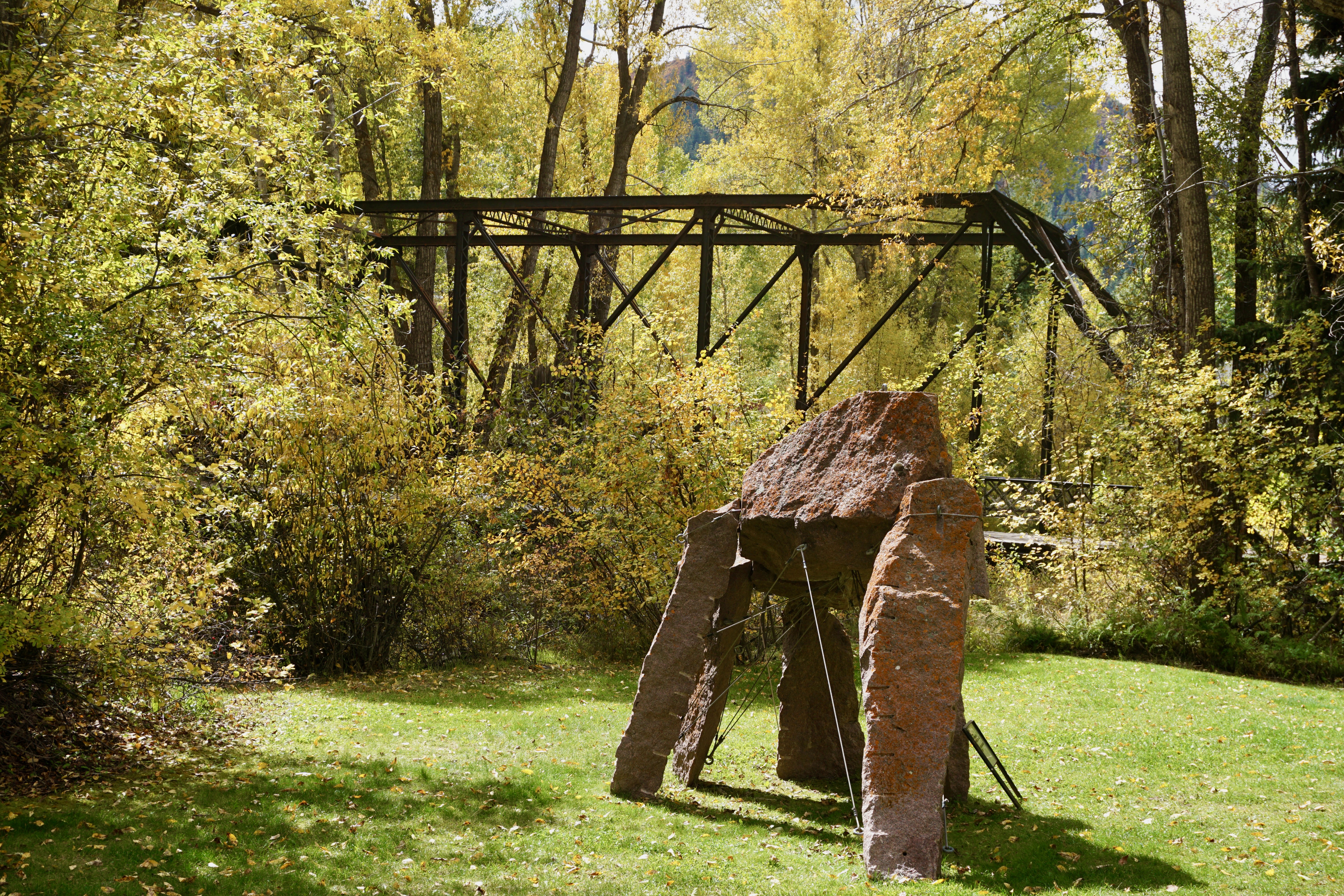
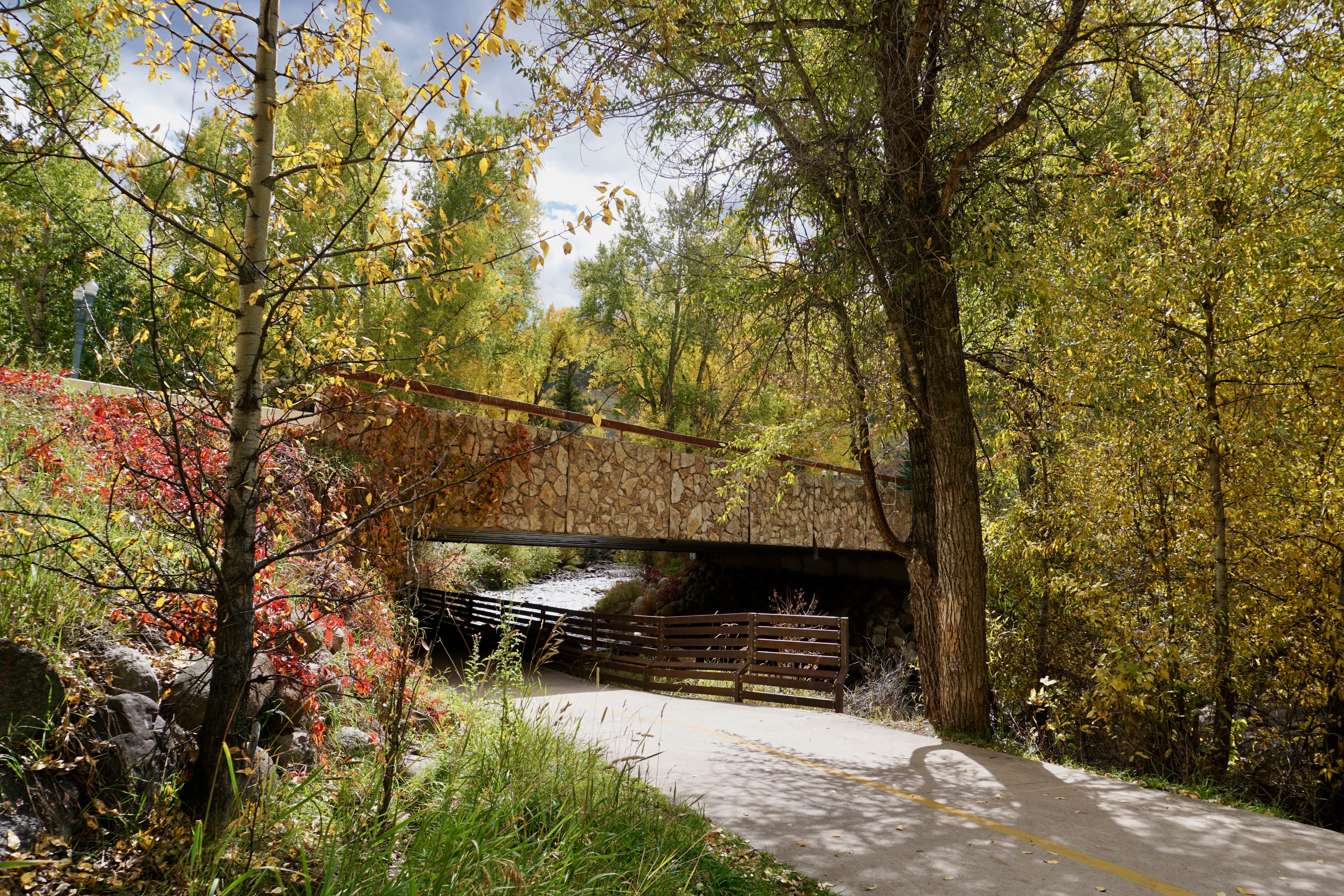
Walking further down the Rio Grande Trail, we came across many bridges and some public art.
Many bikers use this path and if I had access to one in Aspen, I surely would’ve ridden along it.
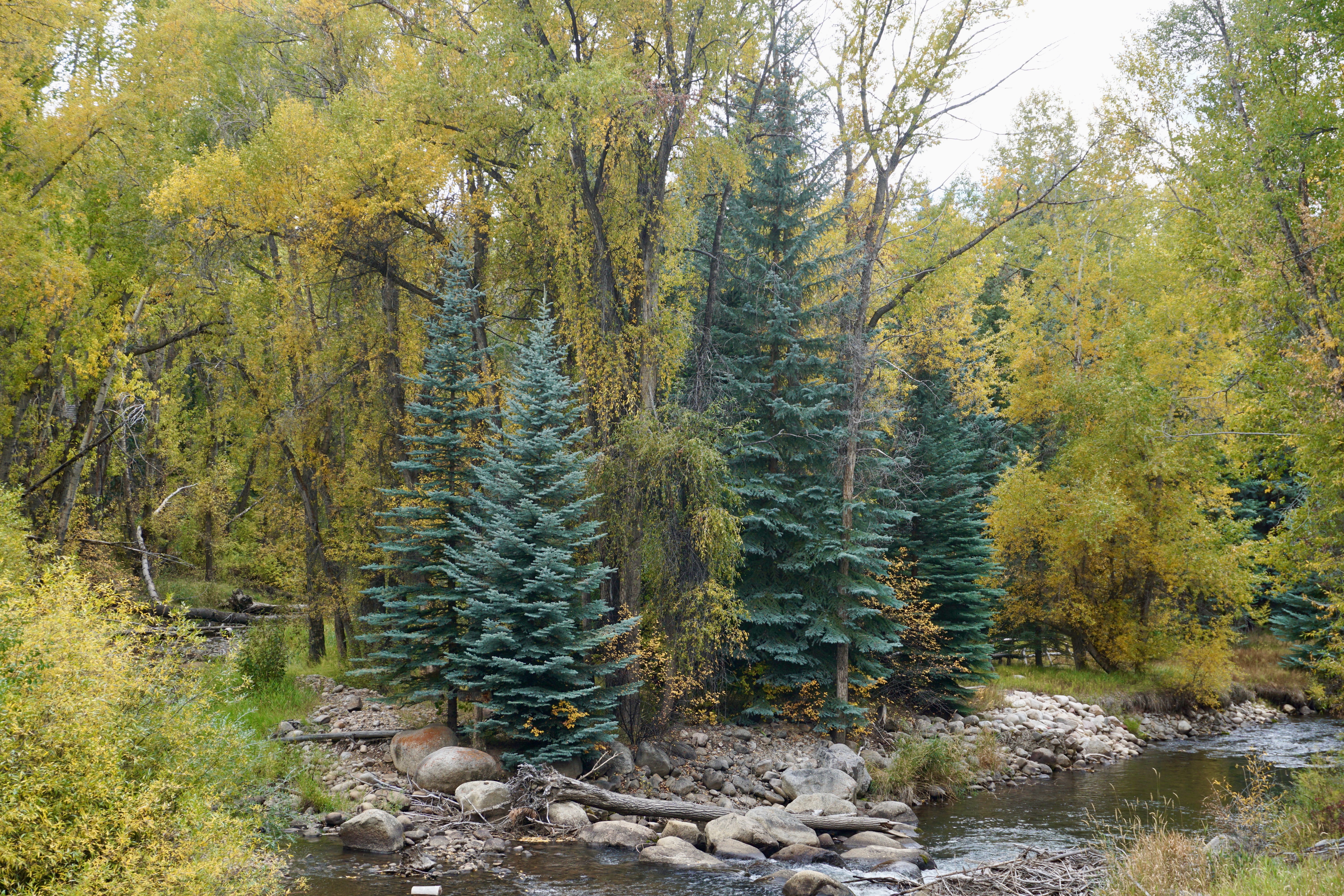
The trail is full of beautiful scenes such as this family of blue spruces among the river and rocks.
We could have taken the trail further to Hallam Lake and Aspen Institute but were ready for rest. We ended up back on North Mill Street towards the town center where we parked. I suspect Aspen can be pretty in the Winter but I’m grateful we were able to see it in early Autumn.
A quarter-century ago this month, I returned to my hometown for a friend’s wedding and, for the first time, felt like a stranger there. Since relocating to Boston three years earlier, my parents and a few good friends had moved to other states, so I no choice but to rent a car and a hotel room for a weekend.
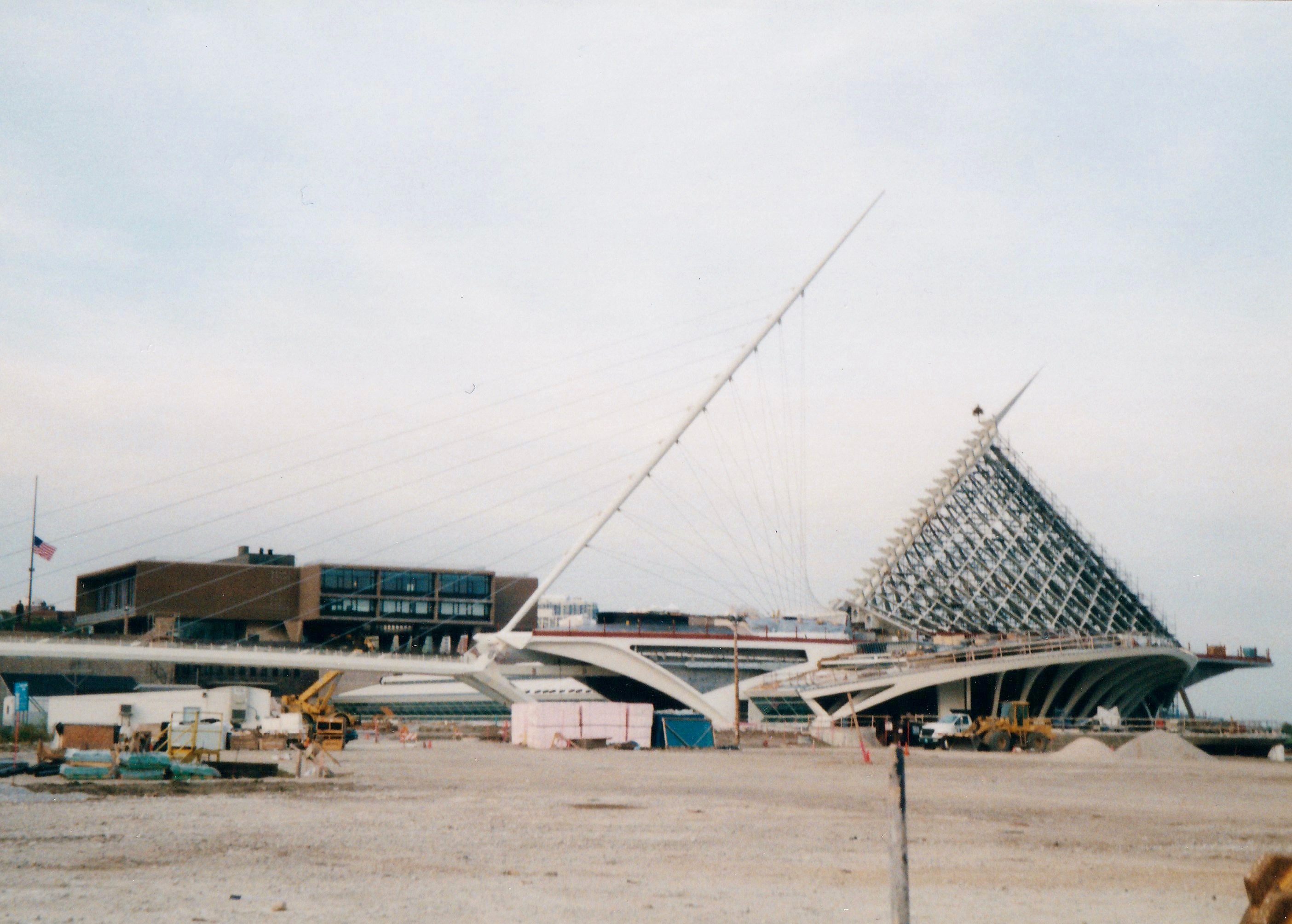
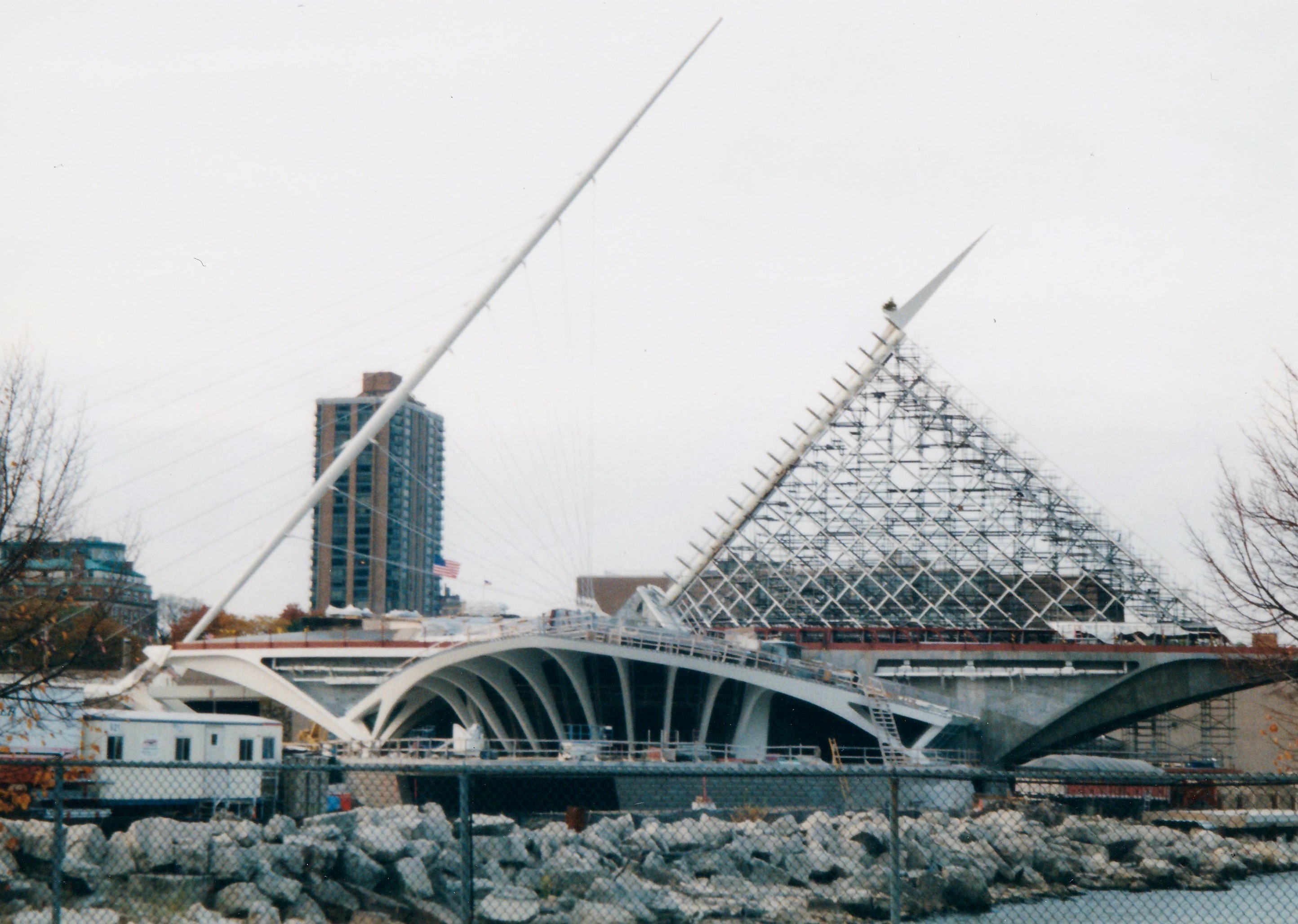
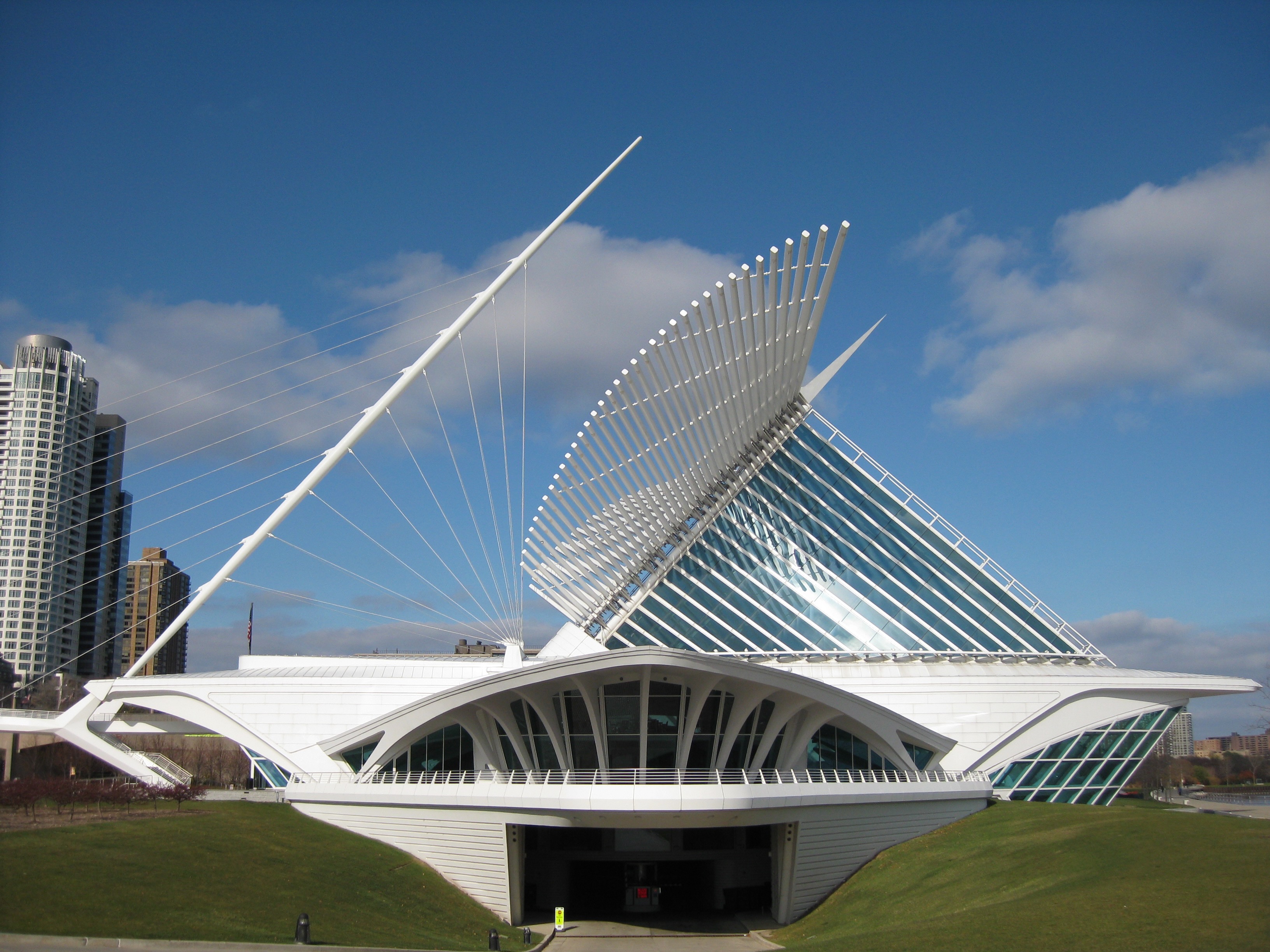
I feel there’s a long essay here but I’m still piecing it together. In the meantime, I came across some photos I took during this trip of the Milwaukee Art Museum as its Santiago Calatrava-designed addition was under construction. It was a big deal for the city, having been announced back when I was still living there. It was originally expected to be completed the year before my visit but this had been pushed back to 2001.
Upon my arrival downtown, I stopped by the construction site to see what progress there was. Behind a chain-link fence, the new Quadracci Pavilion with its retractable wing-shaped roof was far from finished. One can just make out the Eero Saarinen-designed War Memorial Center in the background (which sits atop the bulk of the original museum) beyond the rubble and the new architectural touchstone rising from its ashes.
My next trip back was two years later. I visited the museum and its completed addition with an old friend who herself had moved back to town. Whenever someone asks me, ‘What is there to do in Milwaukee?”, I tell them to get a Friday fish fry at Kegel’s Inn, some frozen custard from Kopp’s and to spend an afternoon at the Milwaukee Art Museum.
Quadracci Pavilion under construction, October 2000Quadracci Pavilion, November 2008
We returned to Colorado for the first time in a decade. One highlight of our trip was a visit to Maroon Bells-Snowmass Wilderness, which is located in the White River National Forest.
It’s easiest to get to this remote locale by a shuttle bus near Aspen; we booked our tickets for the bus two months in advance given that we’d be there close to peak fall foliage.
For near-optimal viewing conditions (and to avoid large crowds), our bus was at 7:30 on a Thursday morning. Even for late September, it was so cold that there was some frost on our rental car; I’d also wished I brought mittens along for my freezing fingers.
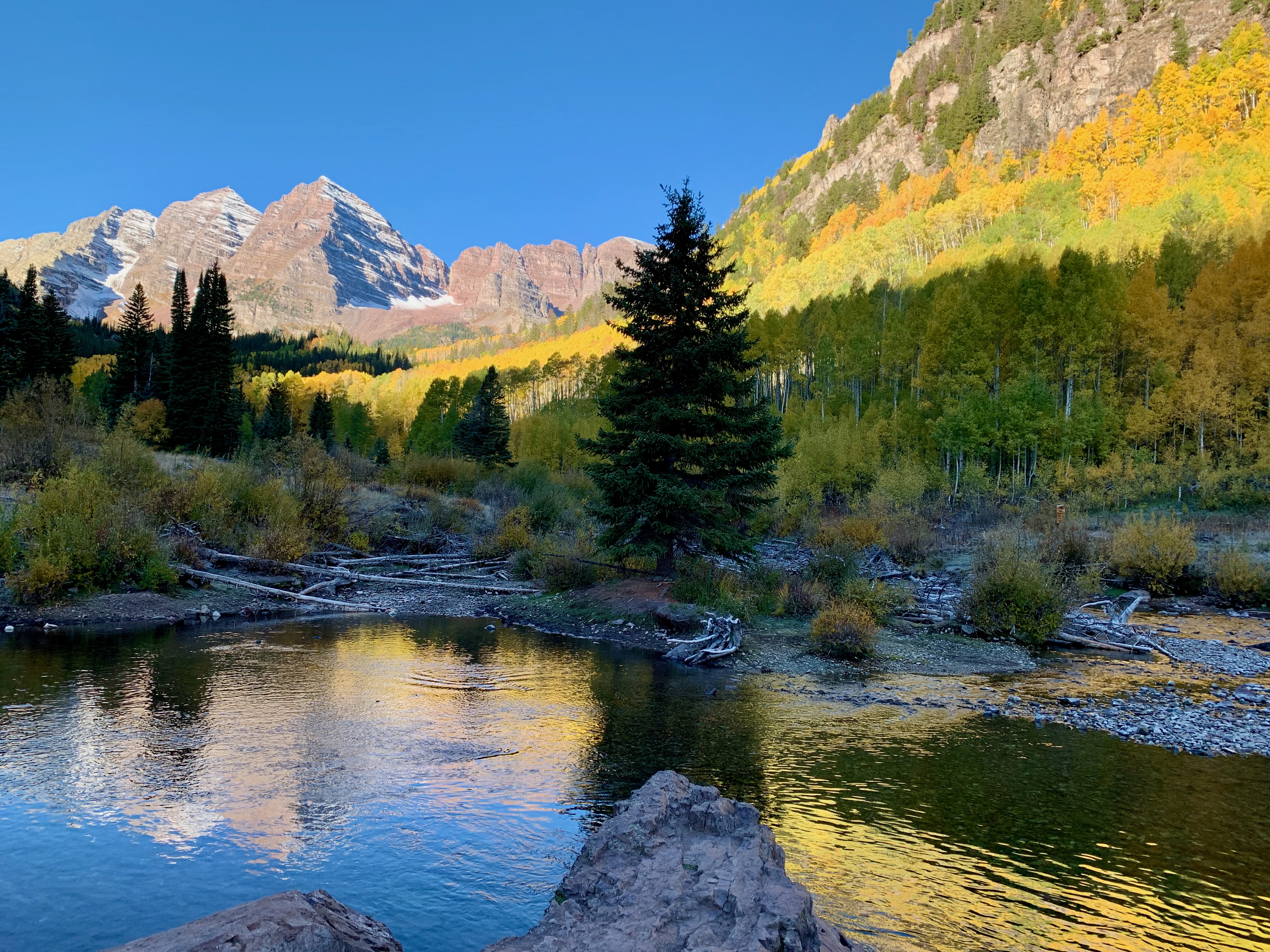
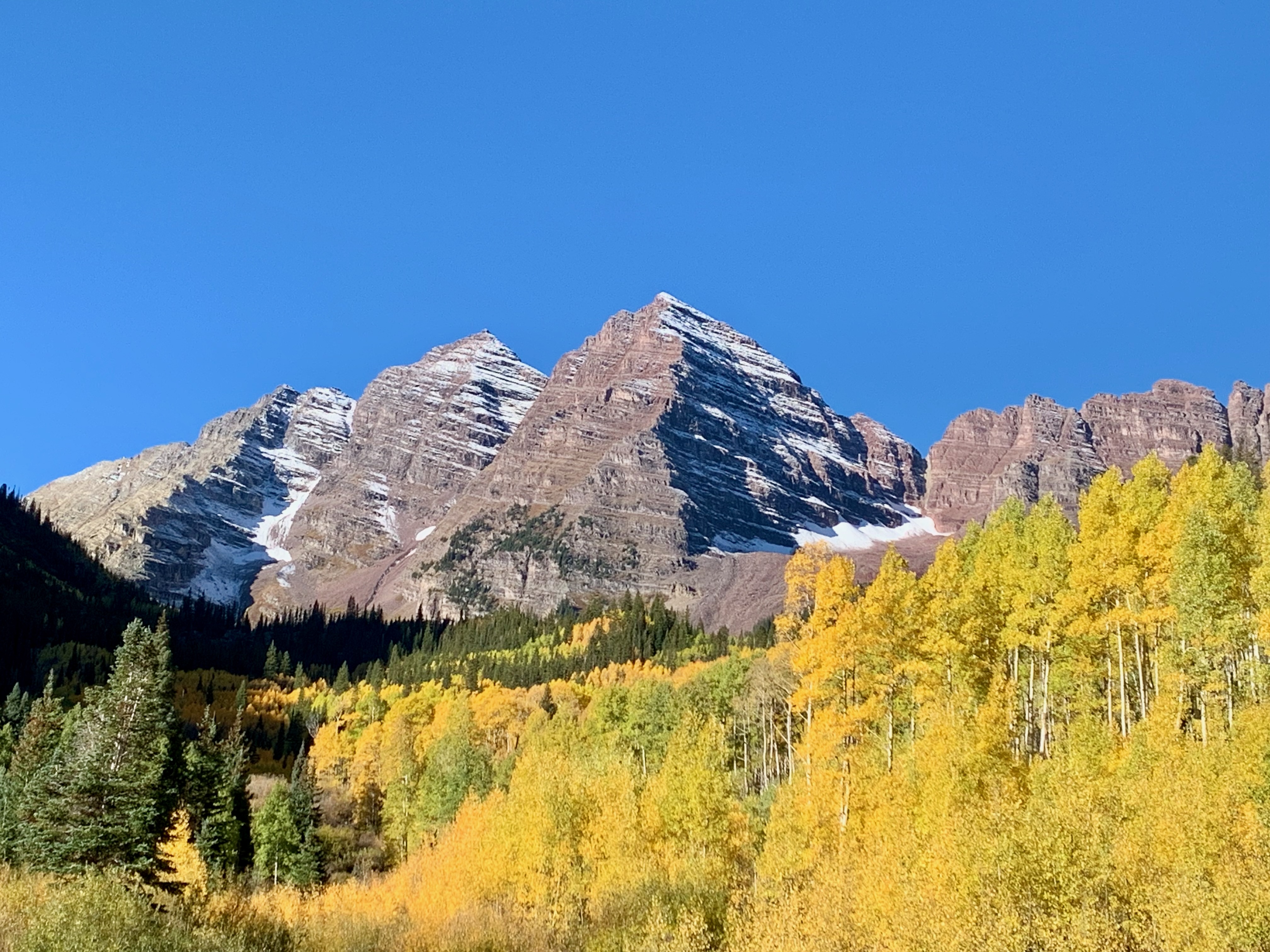
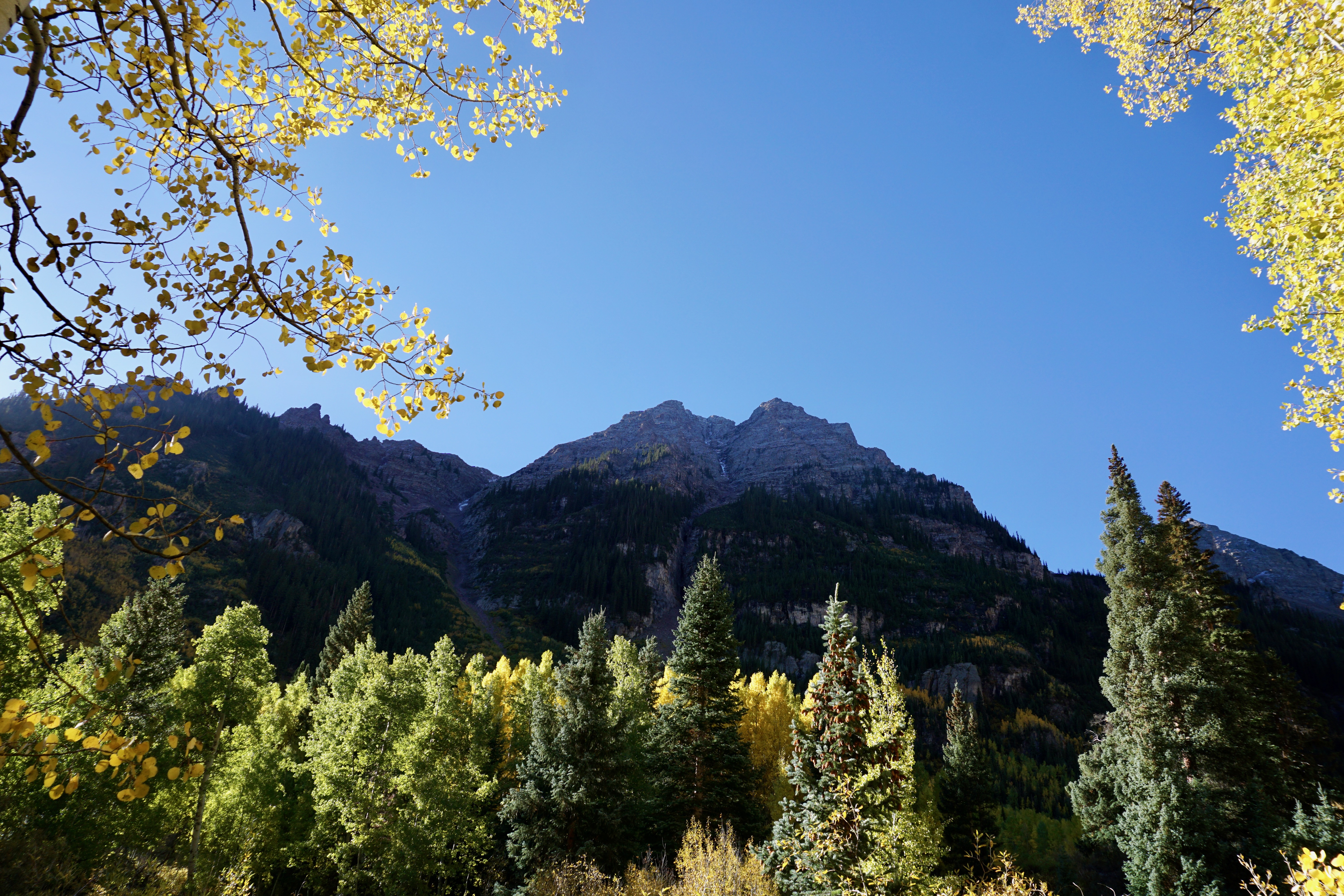
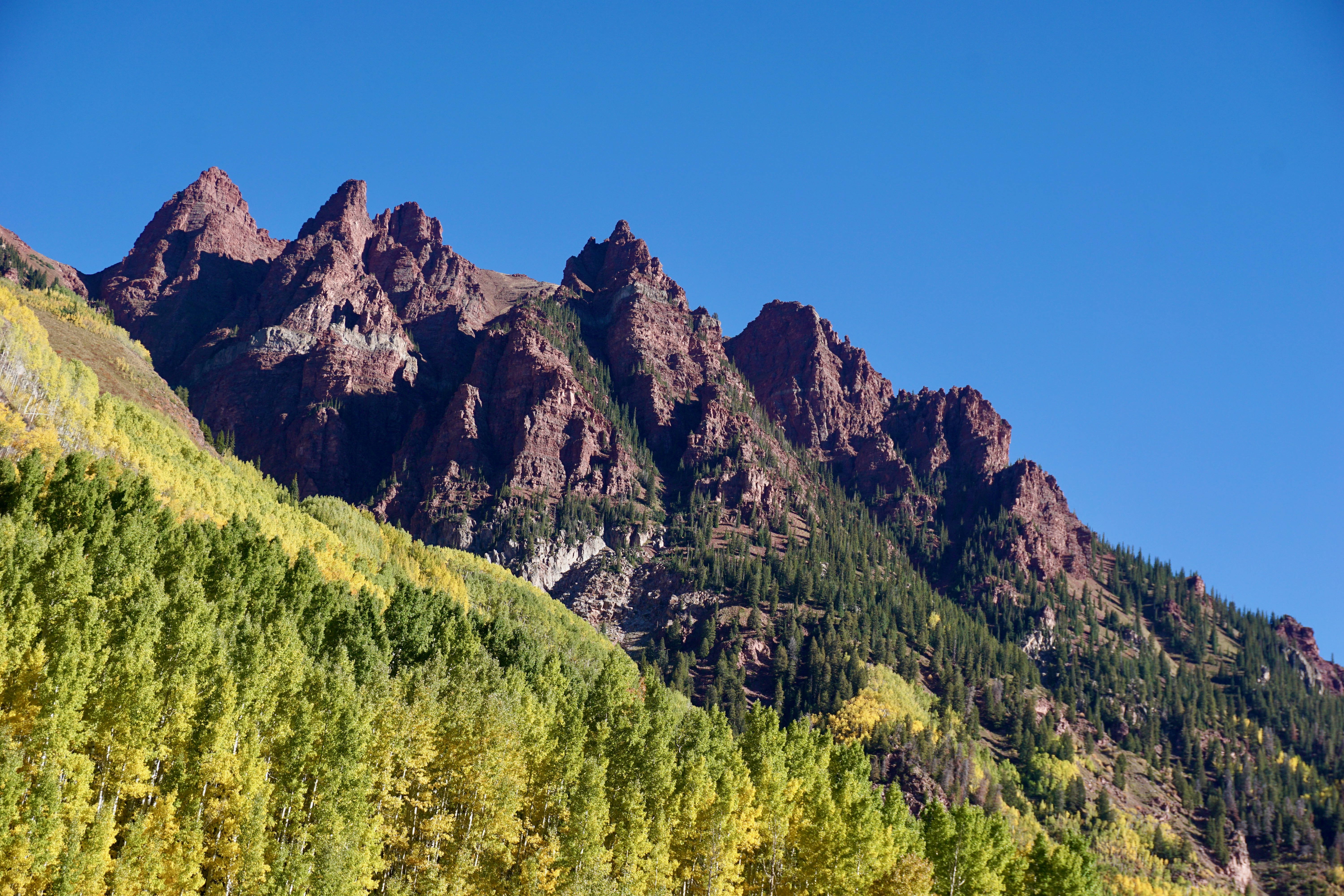
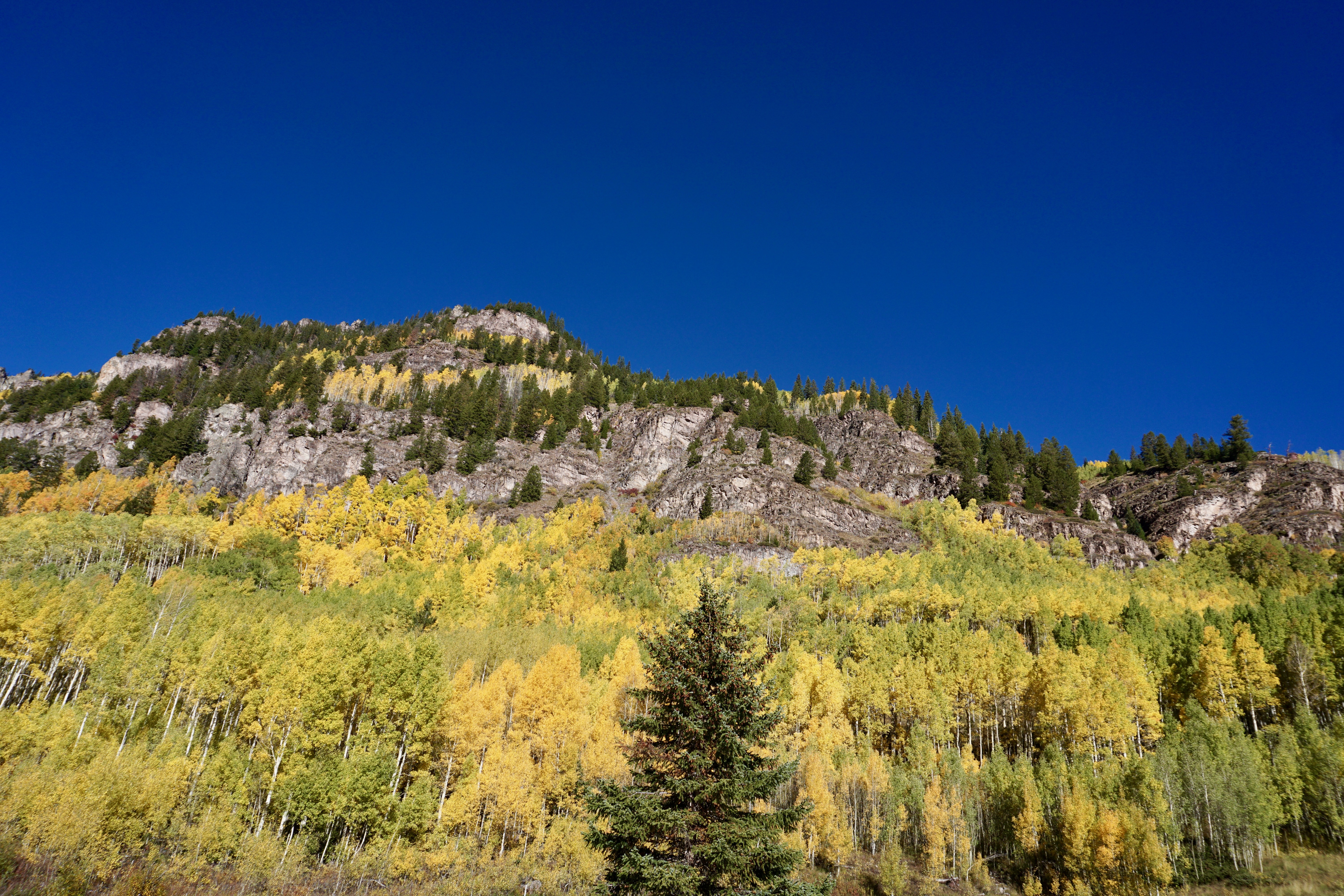
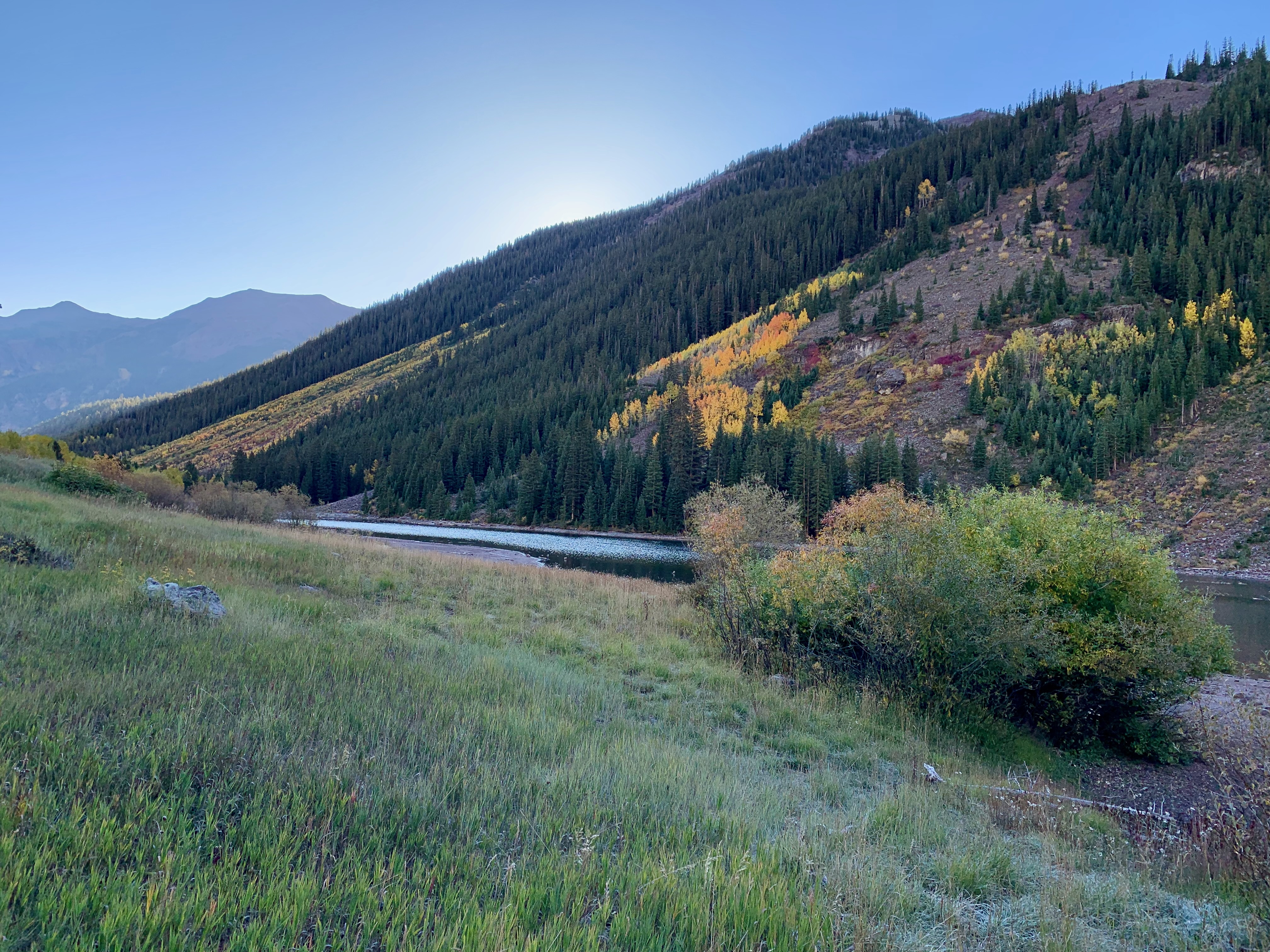
It was all worth it. So named for their shape, the two peaks that make up Maroon Bells were gorgeous, especially against all the yellows of the surrounding aspen trees.
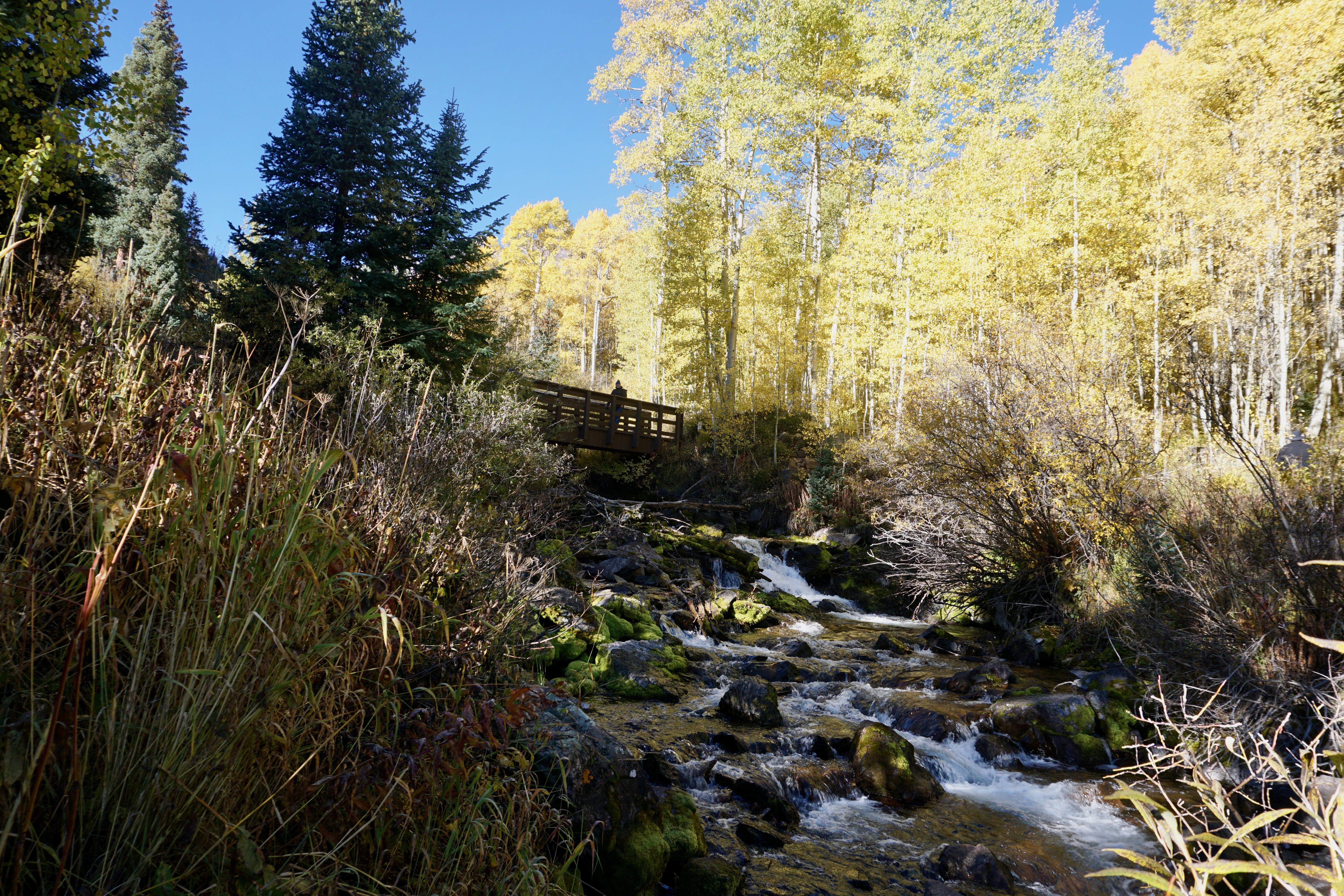
Rather than attempt a more strenuous hike deeper into the woods, we stuck to the basic “scenic” path, a loop whose furthest point is the bridge pictured above.
Viewed from that bridge, the tableau is straight out of a painting.
I could stare at this view in person all day (and luckily, the temperatures rose considerably throughout the morning.)
I’m sure this would’ve looked perfectly lovely without the changing leaf colors, but still–this was a treat to see.
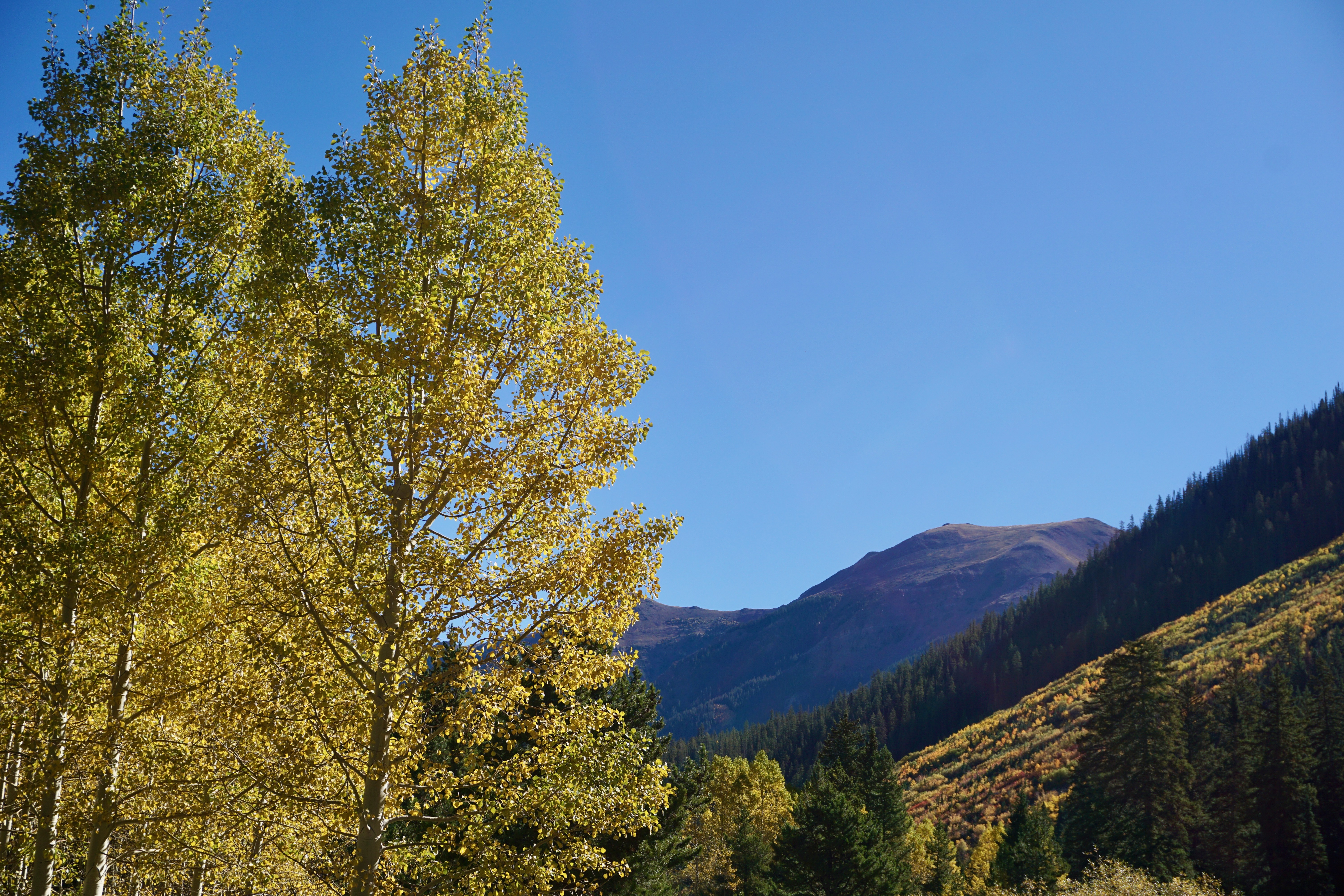
The two peaks are the park’s main attraction, but other mountain ranges are visible in most directions.
We lucked out with such bold, blue skies.
Back towards the loop’s beginning later in the morning, the foliage practically popped against the tall pines and the rocks and dirt of the mountains.
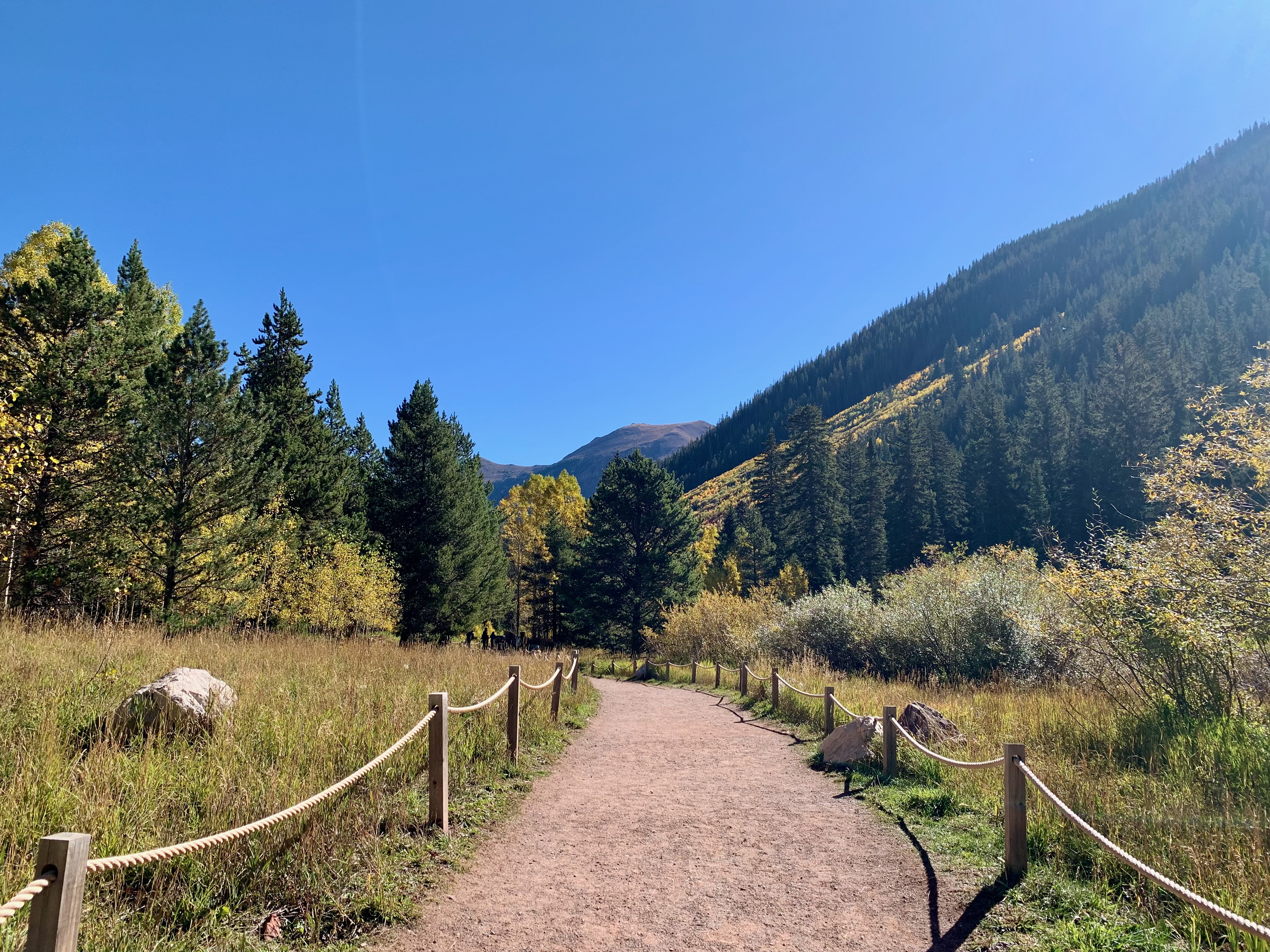
The trail back to the starting point, around 10 AM. A full day of possibilities awaited us.
In 2007, I posted a list of my 25 favorite funniest films; since we need humor more than ever, here’s an updated version with a few new entries.
1. YOUNG FRANKENSTEIN (director: Mel Brooks, 1974): As if anything else could be on top. A gifted cast (from Gene Wilder’s virtuoso, operatic comic performance to Madeline Kahn’s divine, sordid brilliance) and a hilarious, stoopid-cerebral screenplay (from “walk this way… no, this way” to “He… vas… my… BOYFRIEND!”) come together in a service of an irreverent but sympathetic genre tribute.
2. BRINGING UP BABY (Howard Hawks, 1938): Anyone crafting a romantic comedy today should study this smart, breezy one and take note of Cary Grant’s and Katharine Hepburn’s giddy, contagious chemistry, which arguably no pair has topped since.
3. MONTY PYTHON AND THE HOLY GRAIL (Terry Gilliam and Terry Jones, 1974): I loved it for the laughs as a teenager. Now, I just can’t get over how conceptually weird and formally absurd it is–a crowd pleasing, sublimely silly avant-garde comedy.
4. A CHRISTMAS STORY (Bob Clark, 1983): This pitch-perfect adaptation of various essays from master humorist Jean Shepherd endures because of how easily recognizable he made his childhood without diluting its sting.
5. THIS IS SPINAL TAP (Rob Reiner, 1984): Although ALL YOU NEED IS CASH preceded it, this is the grandaddy of most mockumentaries. It works because it gets inside its targets’ skins all too well, and you’ll never see more finely tuned deadpan delivery elsewhere. So good I’m actually hesitant to watch this year’s long-belated sequel.
6. AIRPLANE! (Zucker/Abrahams/Zucker, 1980): This beats anything else on the list for laughs-per-second: no other film comes close. A fine balance of playing it straight and total anarchy, it throws every gag it can possibly think of up on the screen, and it’s remarkable how many of ’em stick.
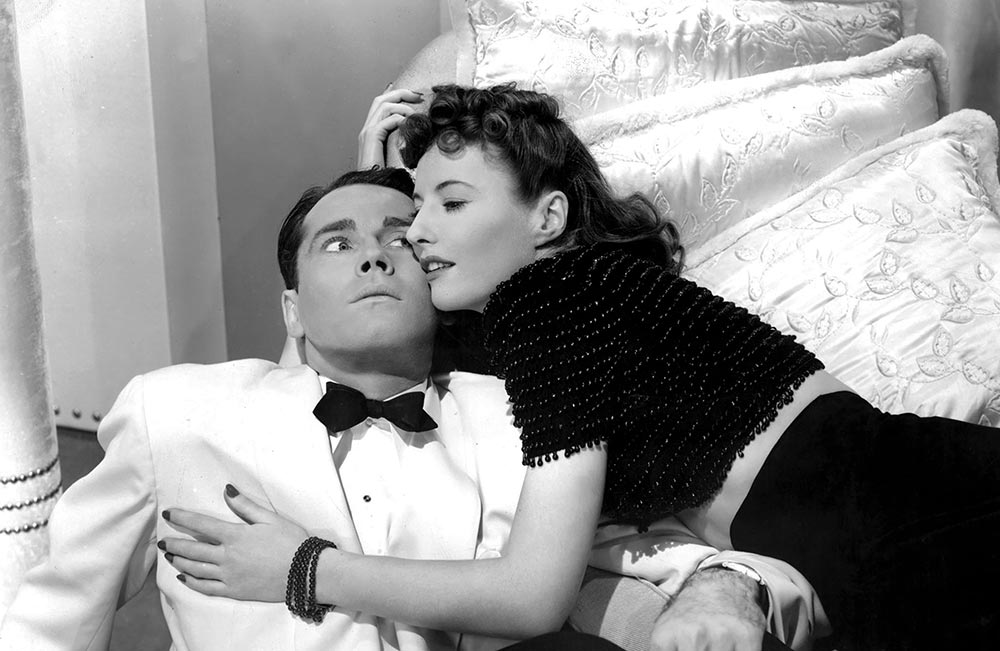
7. THE LADY EVE (Preston Sturges, 1941): Essential classic slapstick-heavy screwball romantic comedy written and directed by the perfector of it. Fonda and Stanwyck were never funnier and the scenes at the Pike family home are as inspired as anything by the Marx Brothers (see #19 below).
8. NINE TO FIVE (Colin Higgins, 1980): A deliciously dark feminist office comedy, it briefly revived screwball in the irony deficient 80’s, showed that Dolly Parton could hold her own as a comedienne with Lily Tomlin and Jane Fonda, and makes the top ten chiefly for its gleefully wicked fantasy sequences.
9. BEST IN SHOW (Christopher Guest, 2000): I’ve wavered between this and WAITING FOR GUFFMAN as Guest’s quintessential mock-doc (the latter was on this list’s first iteration) but as far as funny goes, for me, his dog show satire now eclipses his community theater one because you expect weirdoes in the latter, not so much here. Lynch, Coolidge, Willard, Levy, Posey—all of them doing hall-of-fame level work.
10. ELECTION (Alexander Payne, 1999): This sharp, nasty, Preston Sturges-worthy comic fable has aged extremely well, wringing laughs from the very painful realization that high school isn’t all that different from adulthood. Matthew Broderick and Reese Witherspoon have never been better.
11. SLEEPER (Woody Allen, 1973): Not his “best” film but certainly the craziest and quickest-paced. Only Allen could get away with a throwaway line about getting beaten up by Quakers or something as wonderfully insane as the climatic cloning (croning?) sequence (and Diane Keaton proves his equal in the funny department.)
12. HAIRSPRAY (John Waters, 1988): Leave it to the risqué Waters to nearly achieve household name status with this PG-rated satire, which features a star turn from a pre-tabloid talk show Ricki Lake, an odd, odd cast (Debbie Harry and Jerry Stiller!), and a sweet, if slightly warped sensibility.
13. THE ROYAL TENENBAUMS (Wes Anderson, 2001): Perhaps more moving a “comedy” than any other film on this list, the comic stuff tempers but never obscures the tragic stuff in Anderson’s endearingly quirky family portrait.
14. FLIRTING WITH DISASTER (David O. Russell, 1996): The closest the 90’s came to a true screwball comedy, it’s a riot packed with armpit licking, baby naming, last name-mispronunciation, and a surprisingly, successfully acidic Mary Tyler Moore.
15. HAROLD AND MAUDE (Hal Ashby, 1971): “Has all the fun and gaiety of a burning orphanage” went one of the original reviews and while not always a laugh riot, the film’s shaggy, disarming (and at times exceedingly black) humor never fails to make me smile.
16. A SERIOUS MAN (Joel and Ethan Coen, 2009): From RAISING ARIZONA to THE BIG LEBOWSKI, the Coens earned their comedy stripes but this is their funniest effort, not to mention their most personal and possibly darkest film. It takes chutzpah to present a fully-formed philosophy summed up as “YOU CAN’T WIN” and find the hilarity in that.
17. OFFICE SPACE (Mike Judge, 1999): Taping into the slacker-cum-office drone zeitgeist, this cult classic would be only a wish fulfillment fantasy if it didn’t hit so uncomfortably close to home for so many.
18. TOOTSIE (Sydney Pollack, 1982): An insightful comedy that transcends its concept (and inevitable datedness), since it evokes a world of issues and ideas that encompasses more than the words, “Dustin Hoffman does drag.”
19. DUCK SOUP (Leo McCarey, 1933): For an act that came from the vaudeville tradition, The Marx Brothers must have seemed incredibly subversive in their cinematic heyday, and they still do today.
20. A NEW LEAF (Elaine May, 1971): Brilliant, not only for casting Walter Matthau as a priggish, trust fund cad or Elaine May directing herself as a proto-Shelley Duvall character, but also for May convincing Matthau to get so thoroughly soaked in the film’s outrageous finale.
21. ALL ABOUT EVE (Joseph L. Mankiewicz, 1950): Packed with at least four iconic characters/performances and endlessly quotable, it’s possibly the funniest Best Picture Academy Award winner ever (and also one of the best, period.)
22. ALL OF ME (Carl Reiner, 1984): Lily Tomlin always brings her A-Game (see #8, #14, THE LATE SHOW, etc.) but here even she’s nearly outshined by Steve Martin whose graceful and deliriously silly physical dexterity practically invents Jim Carrey’s entire shtick on the spot.
23. THE TRIPLETS OF BELLEVILLE (Sylvain Chomet, 2003): This very French animated feature is heavily indebted to silent silver screen clowns from Chaplin and Keaton to Tati, yet it’s one-of-a-kind: rarely has humor derived from the surreal or the grotesque seemed so charming.
24. THE IN-LAWS (Arthur Hiller, 1979): You wouldn’t think so on paper, but Peter Falk and Alan Arkin are an ideal mismatched duo to the point where they could’ve easily starred on a reboot of THE ODD COUPLE. Also, the Richard Libertini sequence makes me laugh harder than anything else I’ve ever seen (even AIRPLANE!)
25. HUNDREDS OF BEAVERS (Mike Cheslik, 2022): I’ve used the trope “like a live-action Warner Bros cartoon” many, many times, but no film has so fully lived up to such a description as this demented effort that, to quote and old tourism campaign, is truly Something Special from Wisconsin.