Top Ten Films: 1955

My Top Ten Films of 1955:

  1. The Night Of The Hunter
  2. Pather Panchali
  3. All That Heaven Allows
  4. It’s Always Fair Weather
  5. Rebel Without a Cause
  6. The Phenix City Story
  7. Les Diaboliques
  8. The Trouble With Harry
  9. Kiss Me Deadly
  10. Lola Montes

Honorable Mentions: Bad Day At Black Rock, The Desperate Hours, Marty, Ordet, Rififi

For My Watchlist: Floating Clouds, Mr. Arkadin, Picnic, The Seven Year Itch, To Catch A Thief

*

Going back to the year of Back To The Future and it feels as transitional a time as it was for music, with cinema from all corners of the globe increasingly giving Hollywood product a run for its money. I’ve previously written about recent discoveries of the former (a revelatory 35mm screening of Pather Panchali late last year) and the latter (a viewing of It’s Always Fair Weather at home during peak lockdown when a scheduled screening was supposed to have occurred in normal times.)

Still, masterpiece that Satyajit Ray’s film is, the pole position goes to actor Charles Laughton’s sole directorial effort, a gothic thriller that flopped upon release but is now rightfully revered. Robert Mitchum’s “Preacher” (note quotation marks) is a delectably sinister and chilling character and performance. One could easily imagine a version of this made by Alfred Hitchcock, but Laughton imbues a tenderness that often seems beyond the former’s grasp (though his mordant comedy from the same year, The Trouble With Harry has faint traces of it); the film’s expressionistic style (particularly the high contrast black-and-white cinematography) also sets it apart from Hitch’s contemporaneous efforts (though I can’t say why To Catch A Thief is one of the few peak-period Hitchcocks I have yet to see.)

All That Heaven Allows is my second-favorite Sirk (my number one will likely top its year’s list) and perhaps his most quintessential Rock Hudson melodrama. The Phenix City Story is a startling obscurity that feels all too relevant seventy years on. It’s been too long since I revisited Rebel Without a Cause or Kiss Me Deadly but I firmly recall how iconic they are as, respectively, a teen angst character study and the hardest boiled of film noirs. Les Diaboliques could also use a revisit given my renewed appreciation of Henri-Georges Clouzot since seeing The Wages of Fear for the first time in 2023.

Given what it was competing with, I’m not mad at Marty winning the Best Picture Oscar, though it feels decidedly minor now. Not sure how high my hopes are for Picnic, though it has the enticing prospect of Kim Novak and William Holden as anchors. The Seven Year Itch is one of the few major Marilyn Monroe films I have yet to see, Mr. Arkadin one of the few minor Orson Welles ones. As for Floating Clouds, the only Naruse I’ve watched is Ugetsu which I should rewatch as well—unlike Ozu or Kurosawa, I don’t have a strong impression of him yet.

Sunnylands

On the last full day of our Palm Springs trip in April, we visited Sunnylands.

Located in nearby Rancho Mirage, the property houses the former Annenberg Estate. While we didn’t buy tickets to tour the entire estate (including a historic house), we did spend an hour or so walking around the gardens which are free to the public.

As a longtime fan and supporter of botanical gardens, I hadn’t seen one quite like this.

Given the Southern California desert climate, these gardens are heavily succulent-oriented. Here are an array of cacti:

Good Morning!

Watch where you sit.

At the time of our visit, as part of Desert X, the gardens housed an outdoor art commission, Agnes Denes’ The Living Pyramid.

“A monumental step pyramid planted with rows of vegetation native to the region,” it cut a striking figure against the mountains to the east.

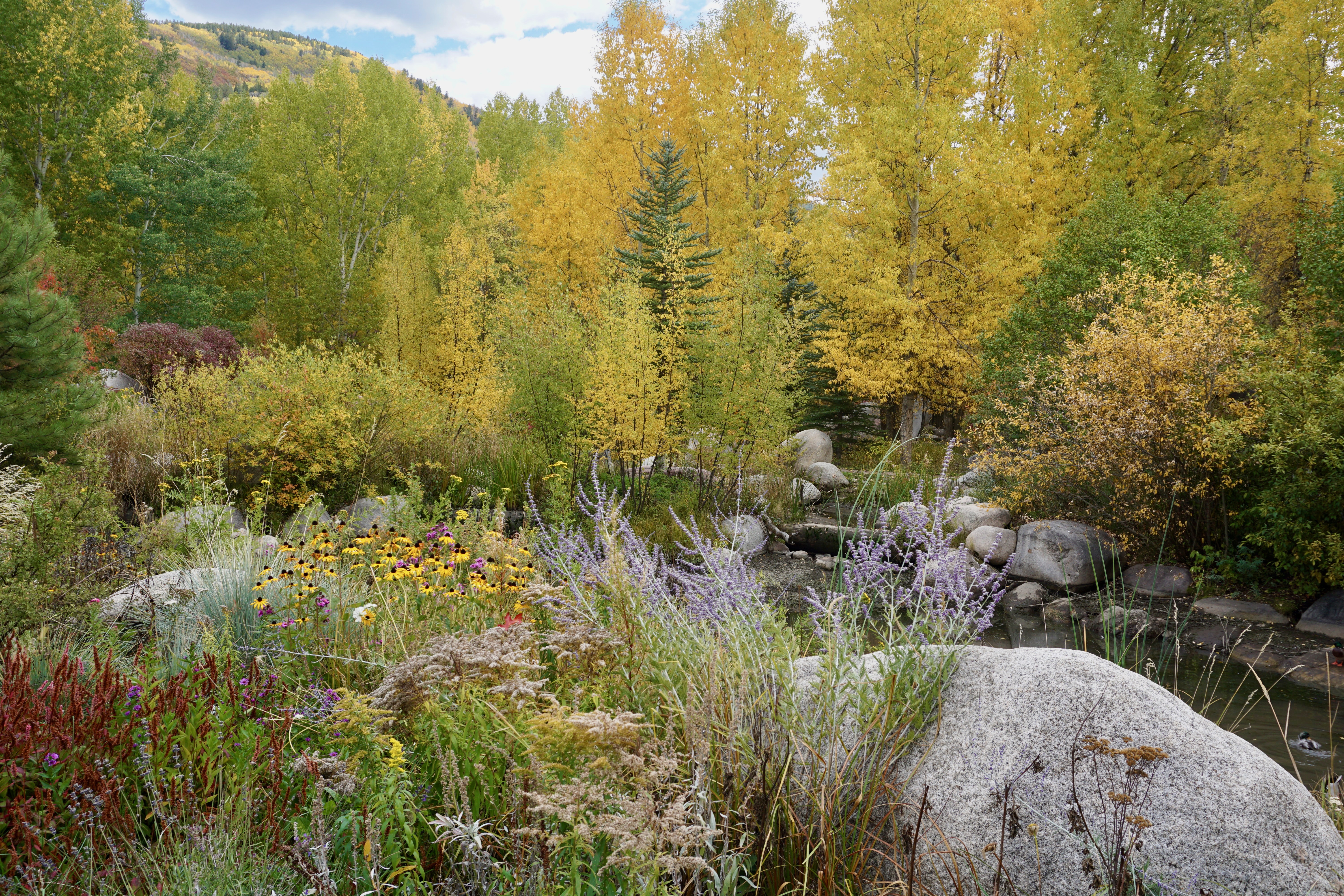
In this arid environment, purple flowers practically glow against all of the surrounding earth tones.

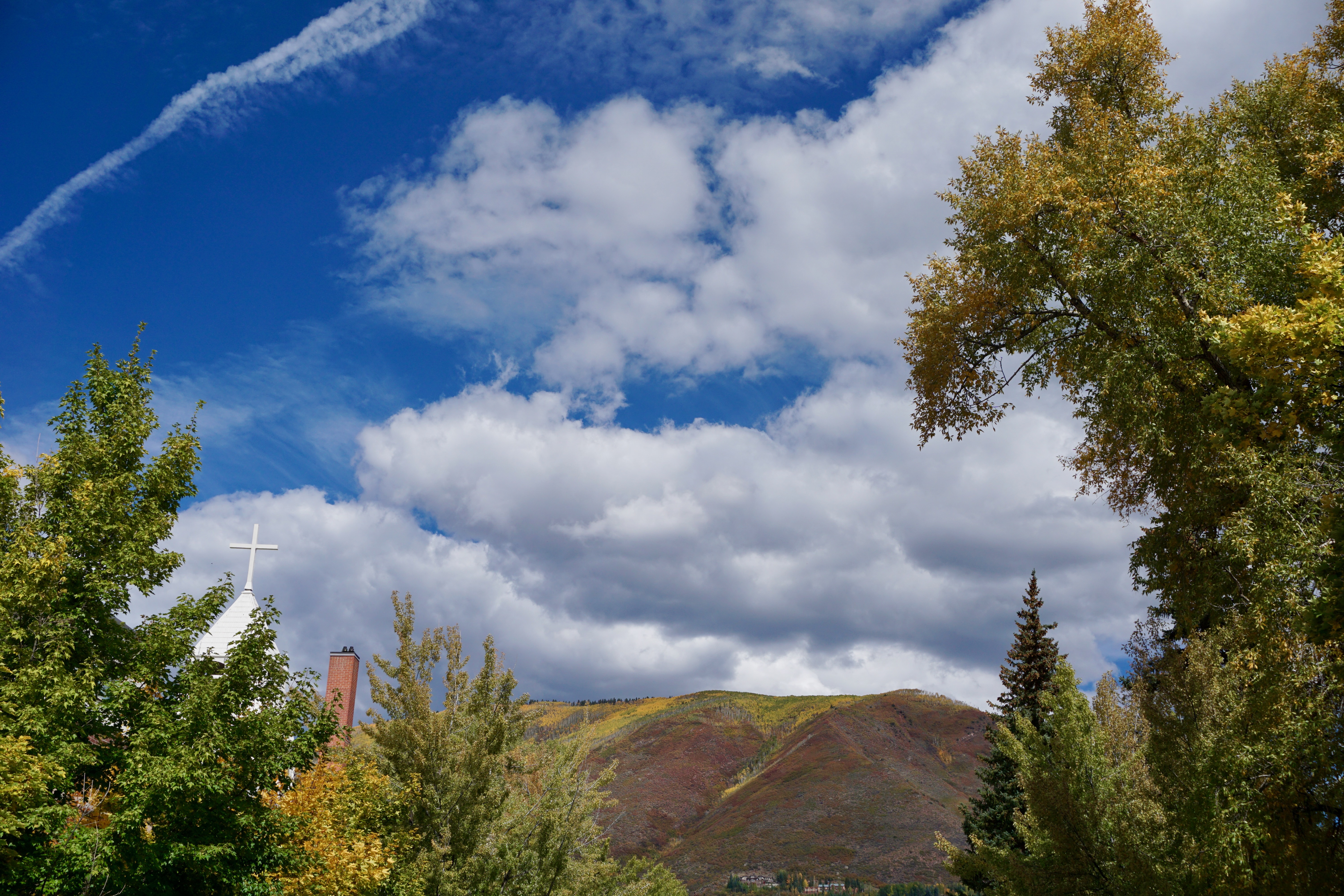
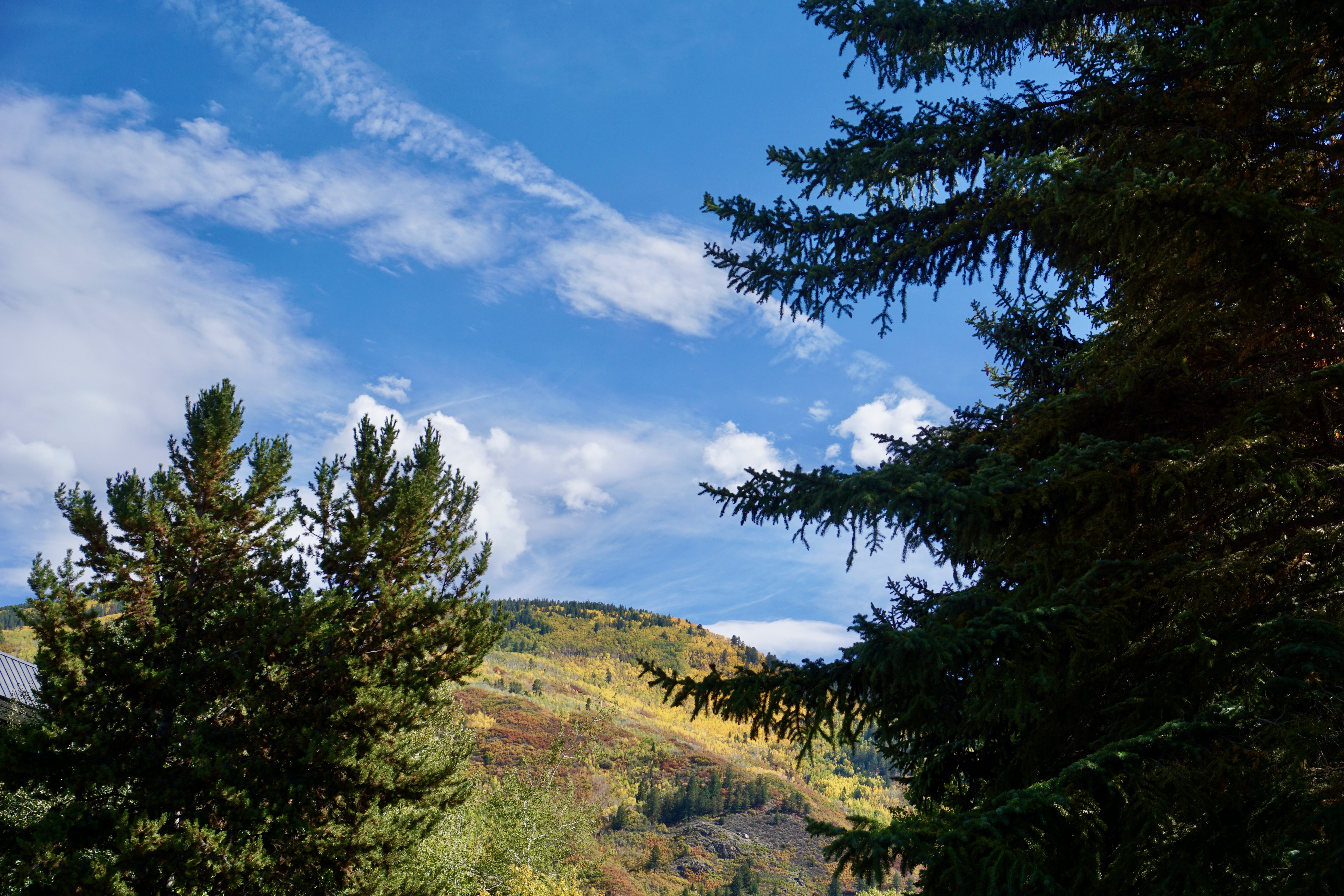
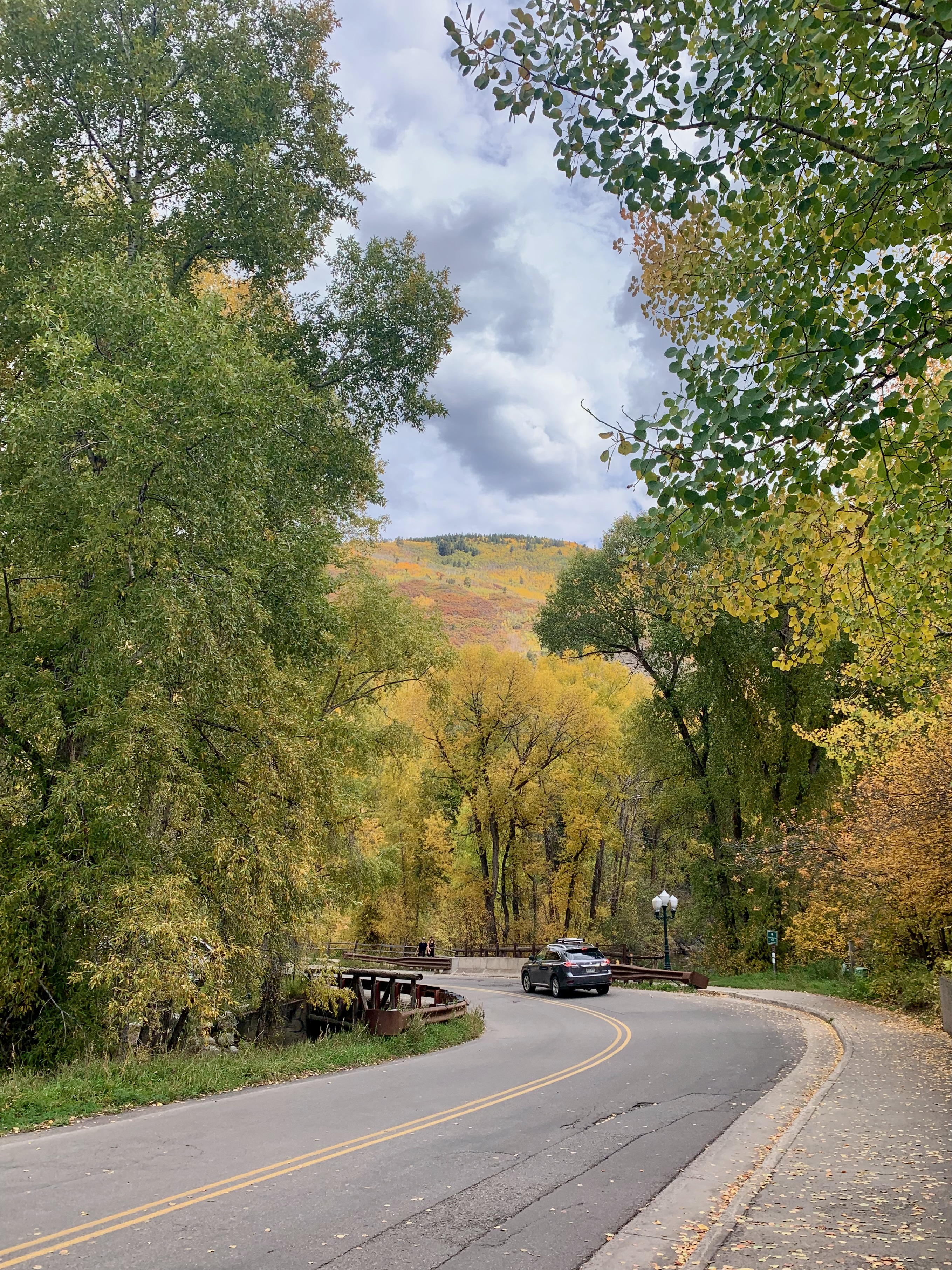
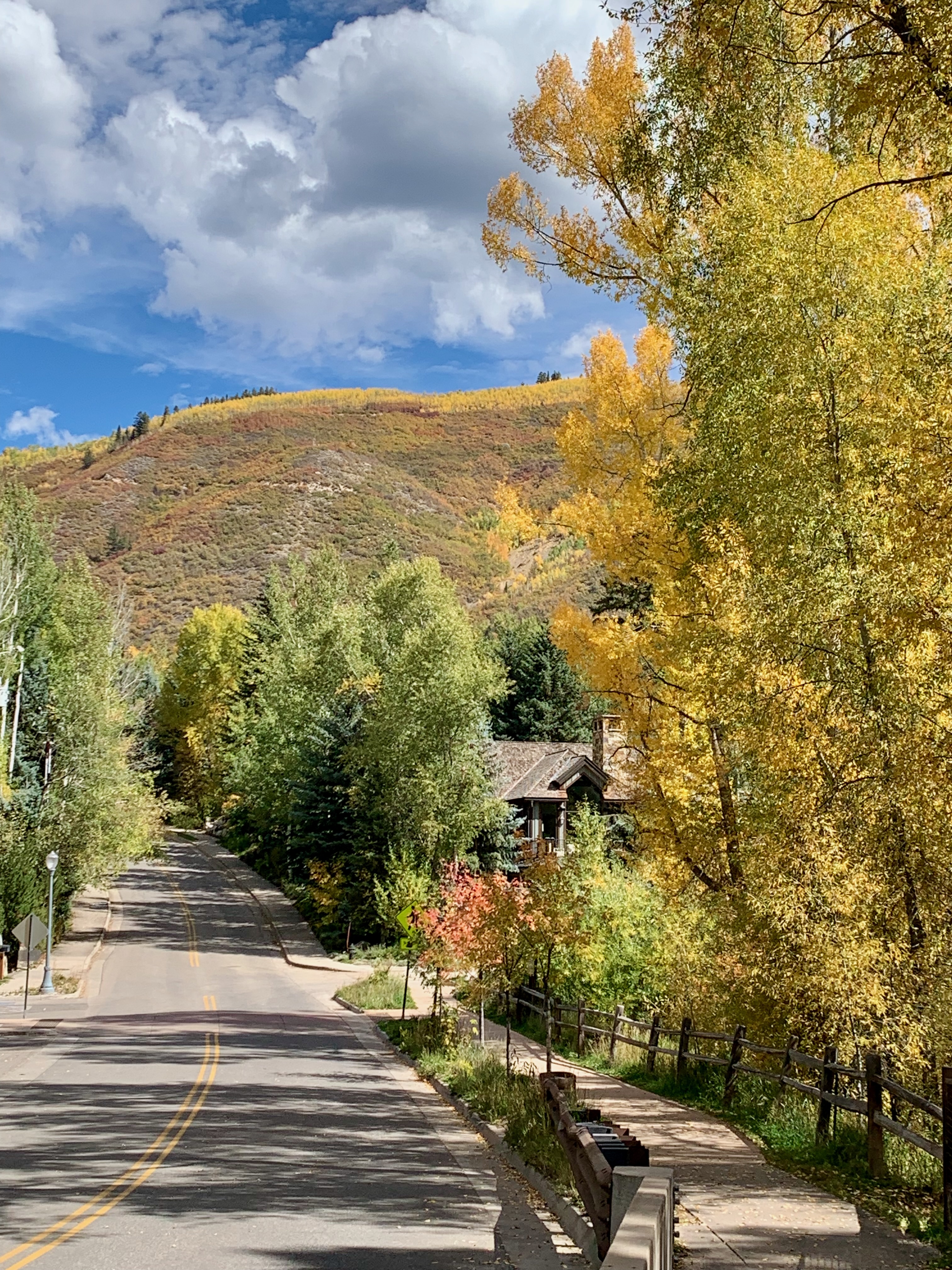
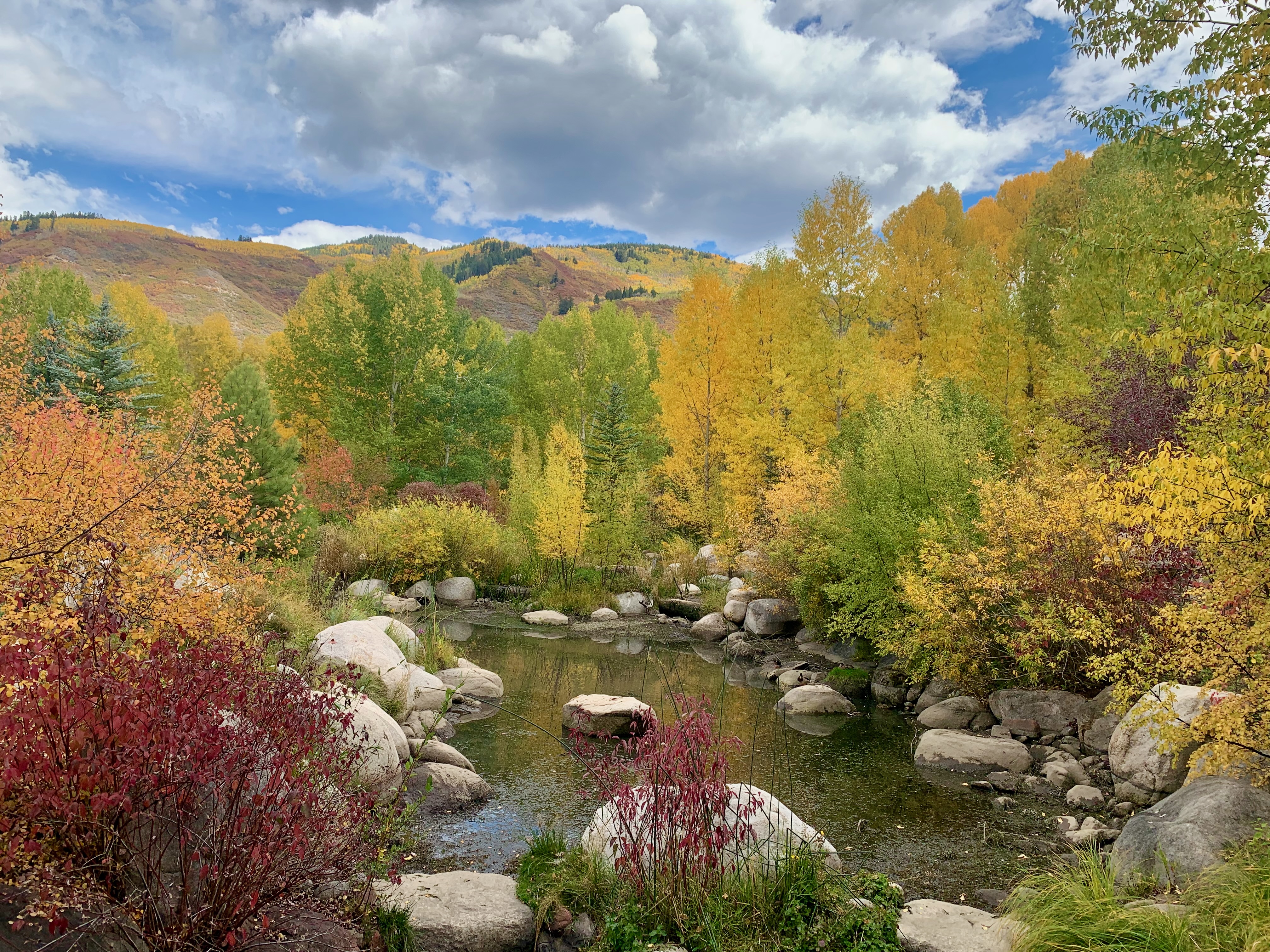
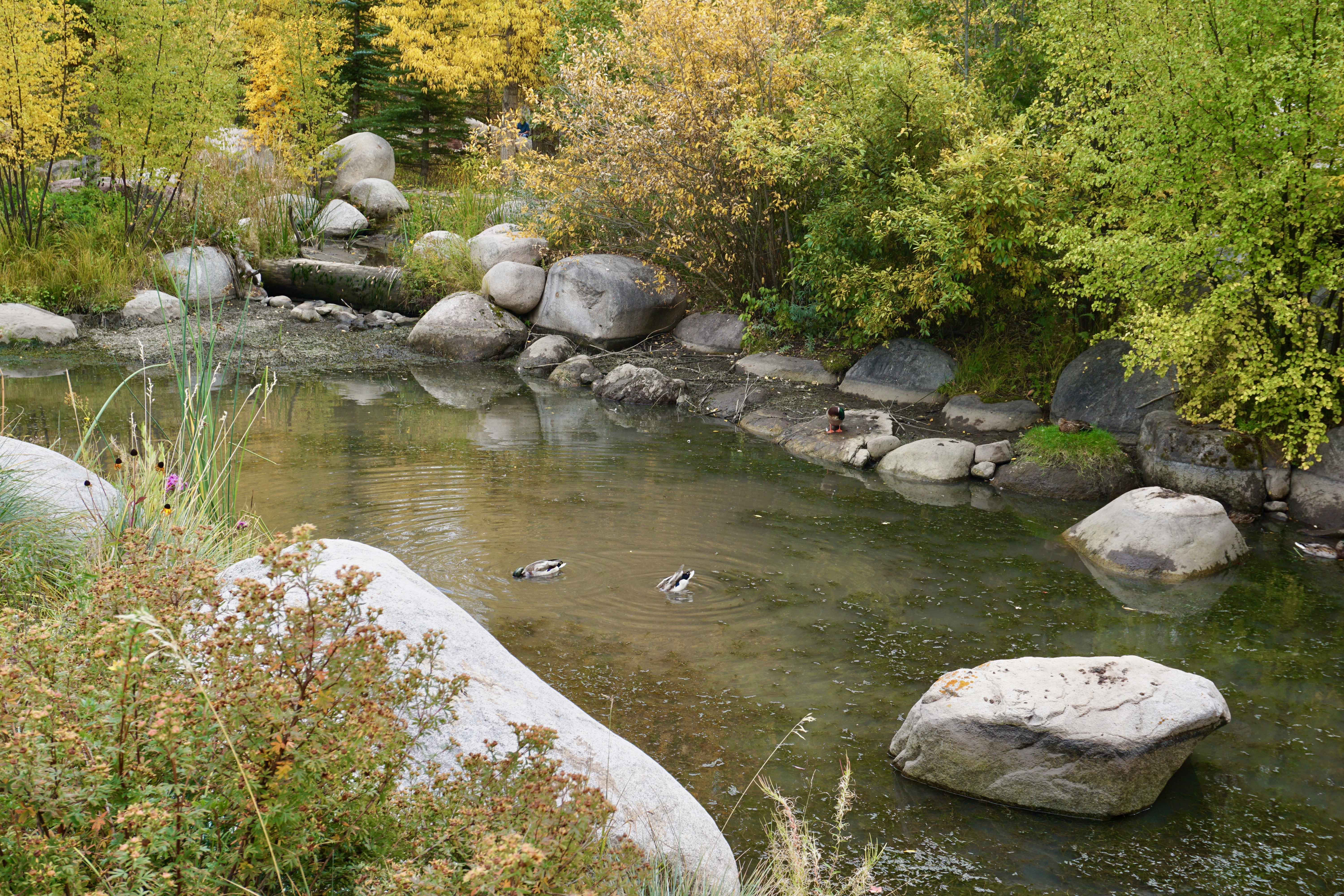
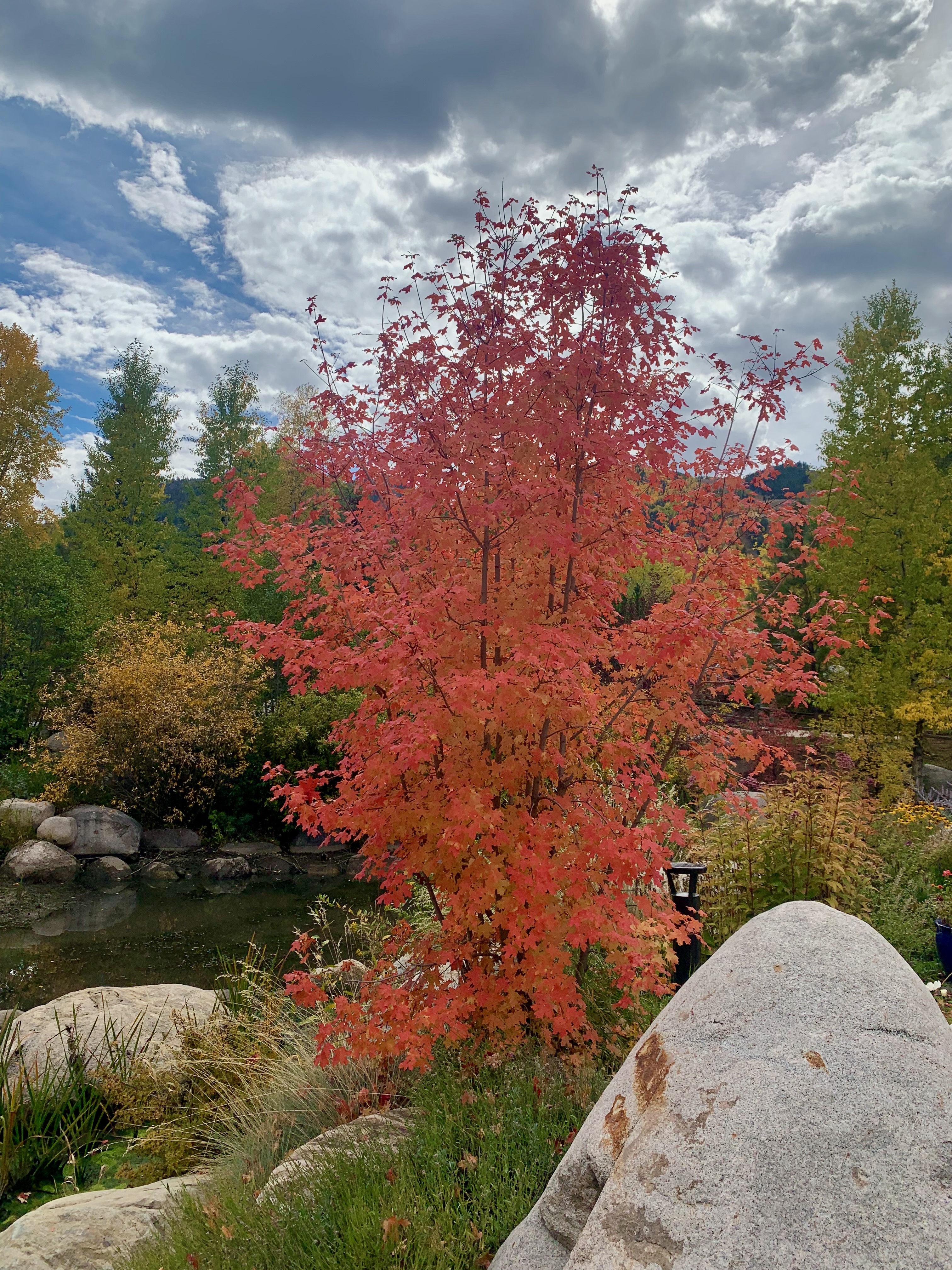
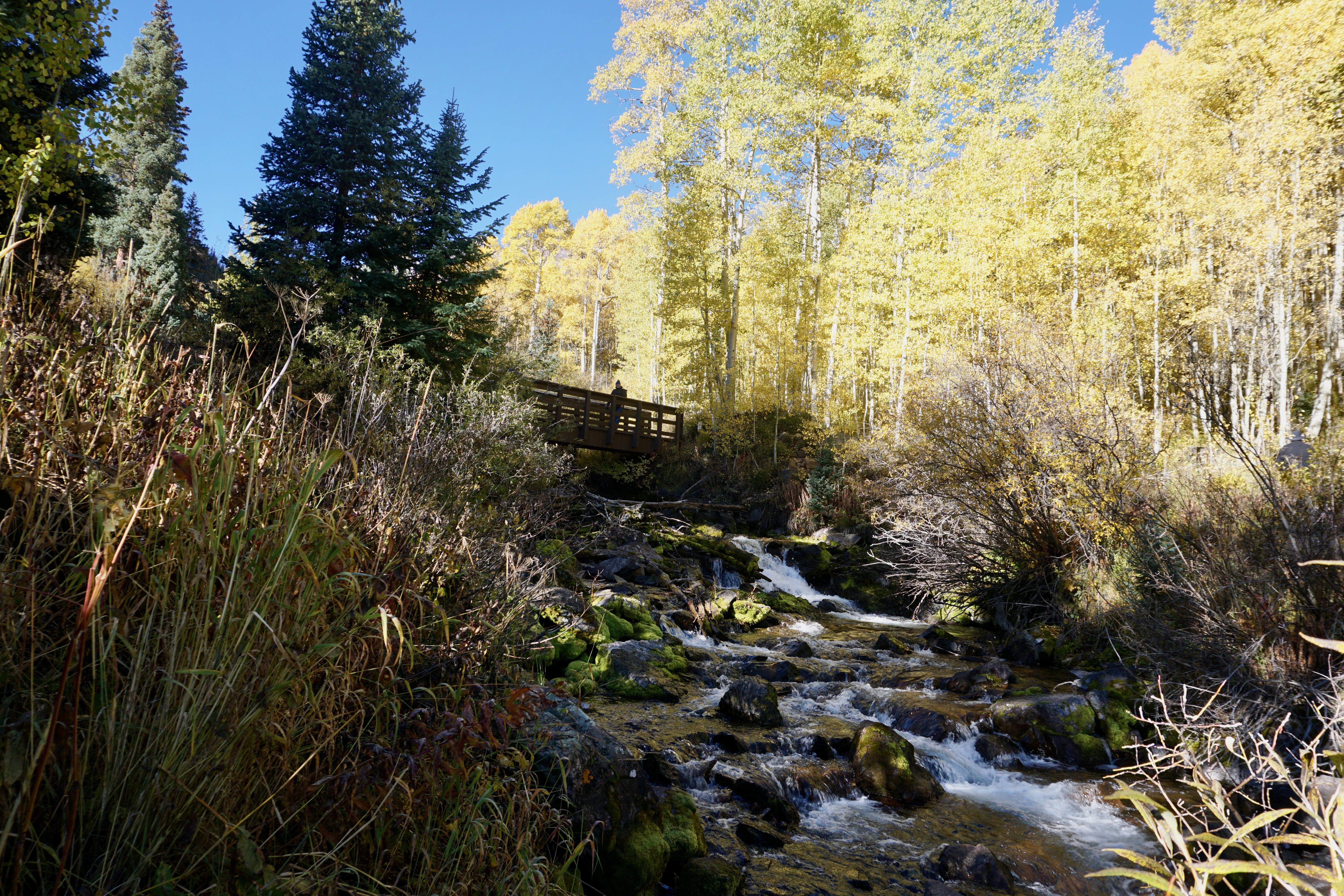
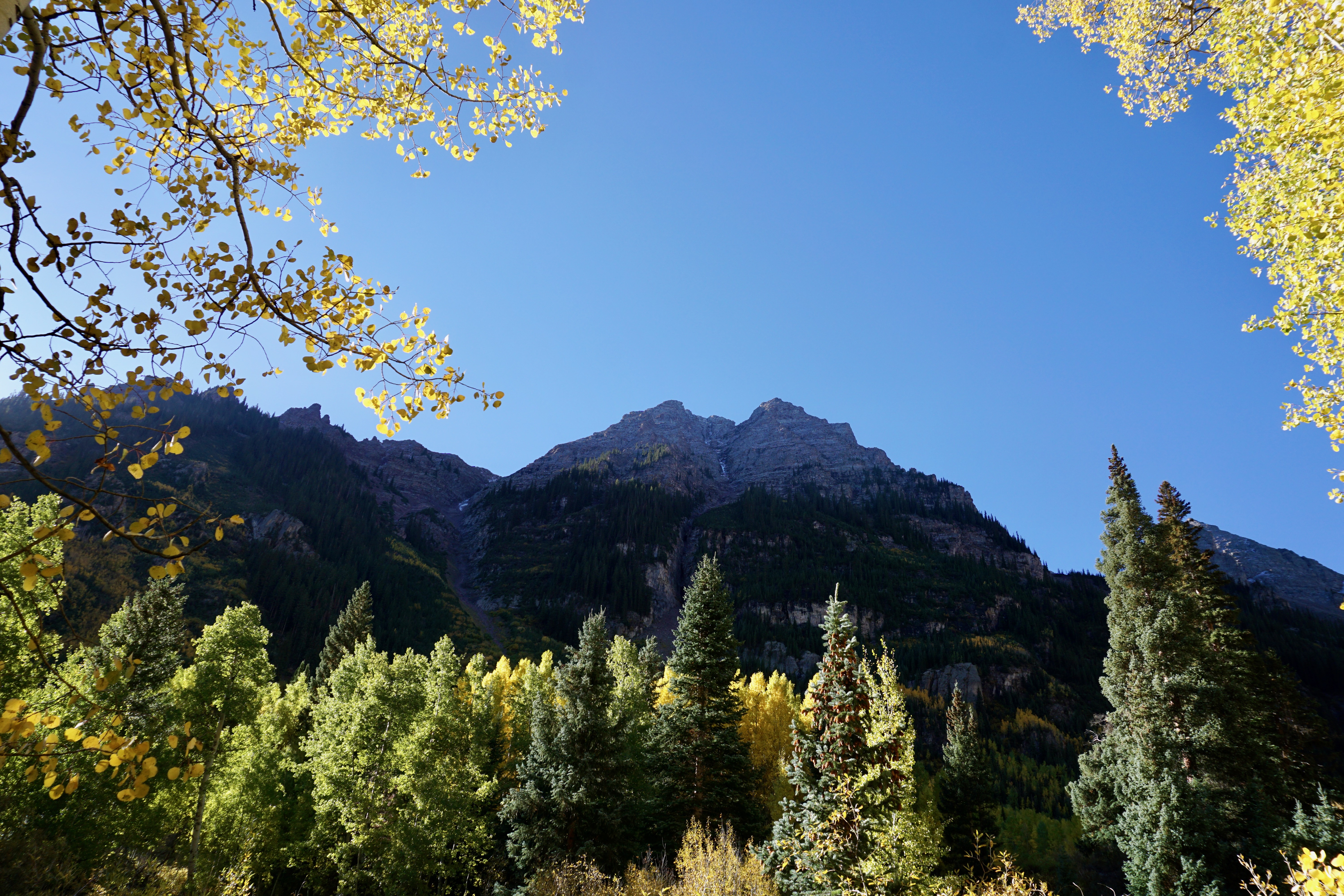
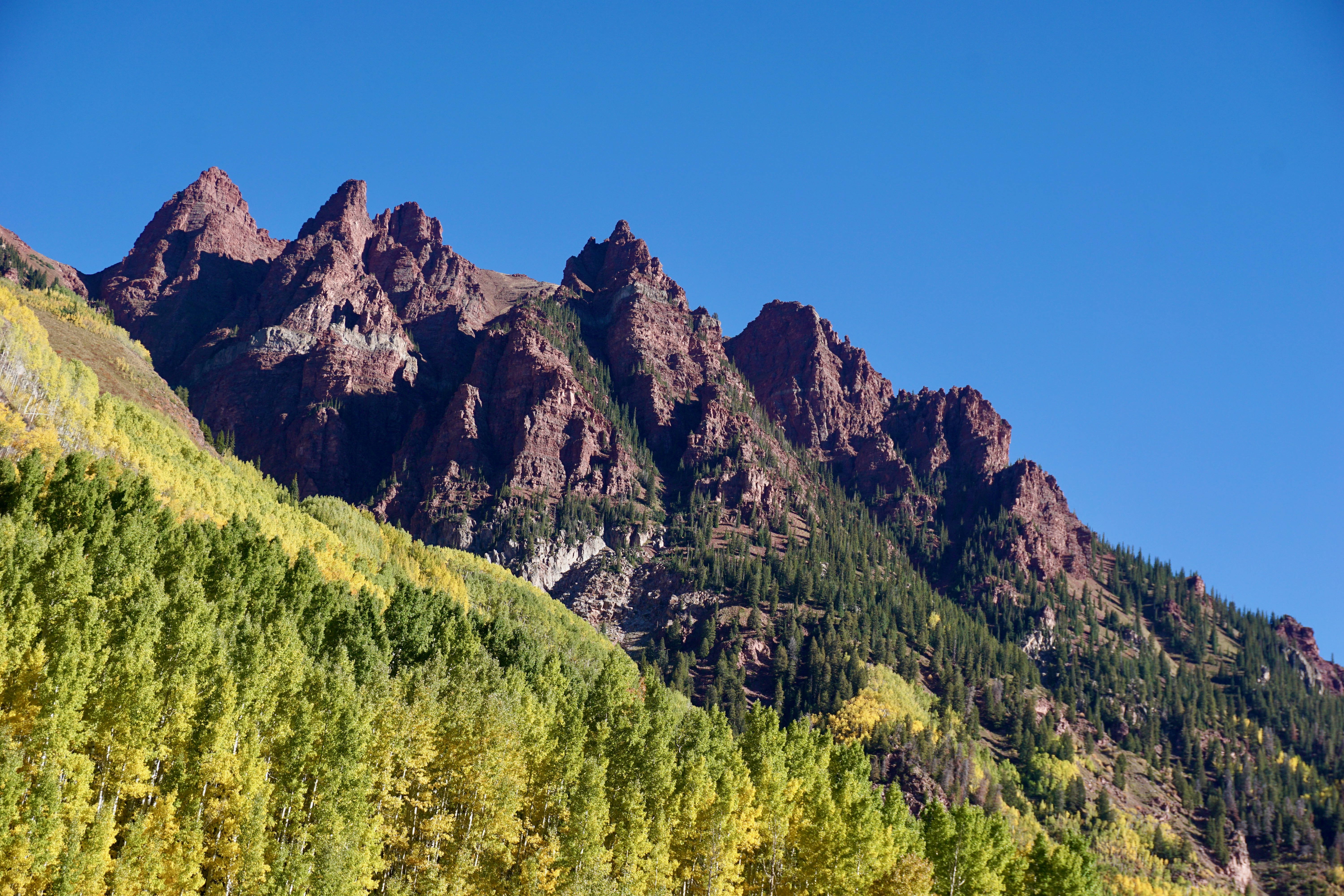
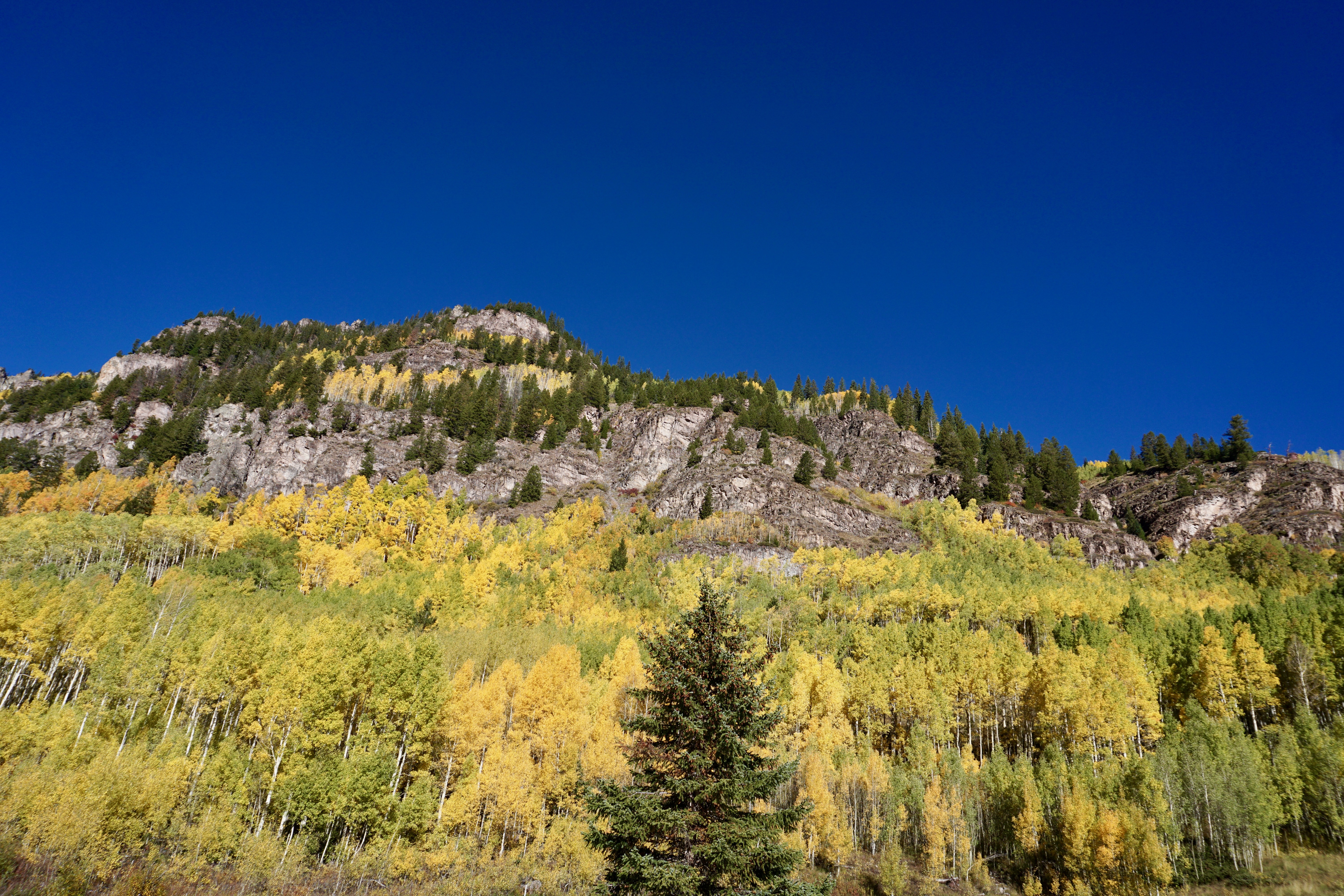
After a week of copious palms, it was almost a palette cleanser to see these trees, the yellows popping next to the greens and the clear blue skies. As much as I loved Palm Springs for its architecture, it was sublime to see some of the area’s natural beauty as well.

Halfway Through 2025

Universal Language

Taking assessment of my favorite films and albums so far at a year’s midpoint might seem like an irrelevant if not entirely futile exercise, although I’ve done so annually for as long as I can remember. While often interesting and occasionally amusing to look back and see what did or did not eventually make the cut at year’s end six months later, this is above all an opportunity to take stock (and an excuse for another blog post.)

I usually see a few films at local (and sometimes international) festivals that make this cut: I’ve already written on three from this spring’s IFF Boston (see links below); On Becoming A Guinea Fowl I viewed at IFF’s Fall Focus last November and I appreciated it more after a second viewing earlier this month. Thank You Very Much is an underrated Andy Kaufman documentary that could have benefited from a wider release; Grand Tour and Universal Language are both admirably unique concoctions that I won’t forget about come year-end.

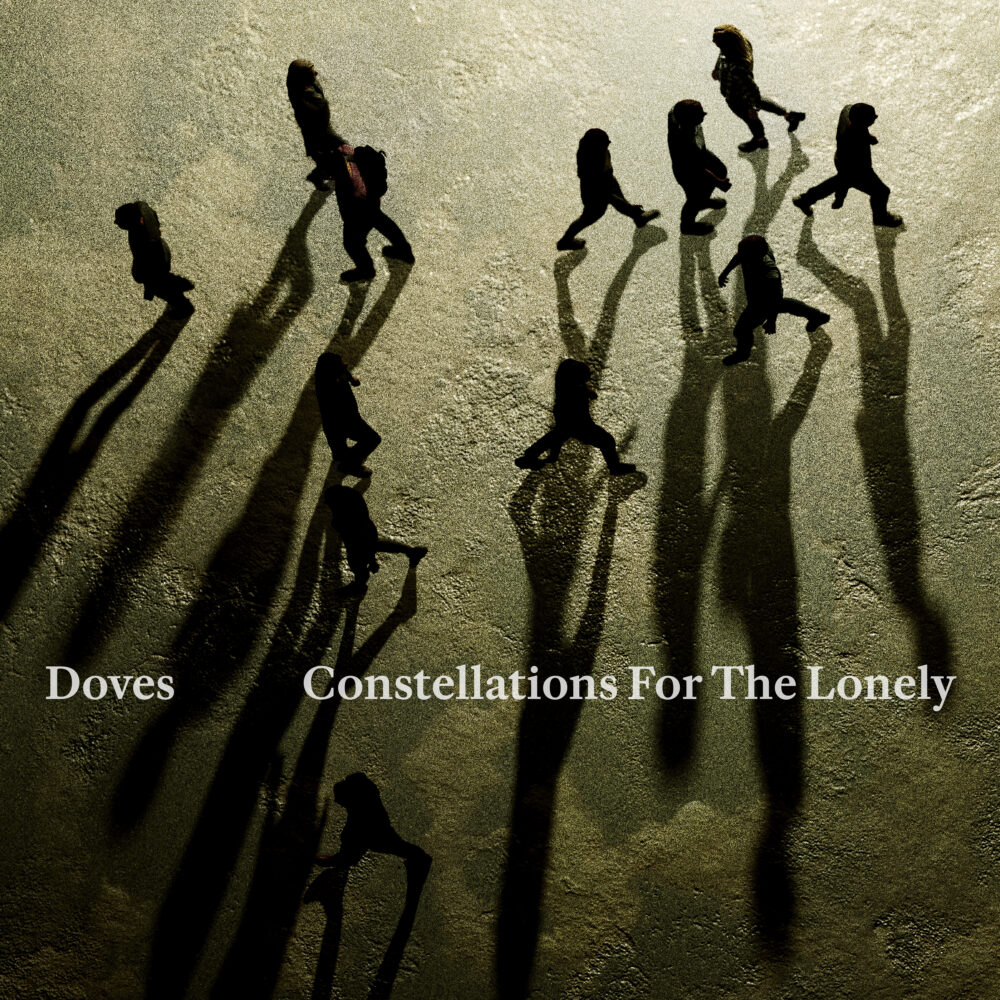
As for albums, it shouldn’t come as a surprise that at 50, many of my current faves are from artists my age or older (British jangle-pop quartet The Tubs are the youngest here by a considerable margin.) I would argue that most of these “legacy” acts are churning out some of their best work, a few of which I alluded to in the mix I posted last week. I’ll add that Doves’ Constellations For The Lonely might end up my favorite single new album since my number one of 2023. Even though following their debut Haim has made a stronger case as a singles than albums act, after two full spins, I Quit is cohering better than I anticipated it to.

Favorite Films of 2025 so far (alphabetical by title):

Favorite Albums of 2025 so far (alphabetical by artist):

  • Destroyer, Dan’s Boogie
  • Doves, Constellations For The Lonely
  • Haim, I Quit
  • Mekons, Horror
  • Perfume Genius, Glory
  • Pulp, More
  • Robert Forster, Strawberries
  • Stereolab, Instant Holograms On Metal Film
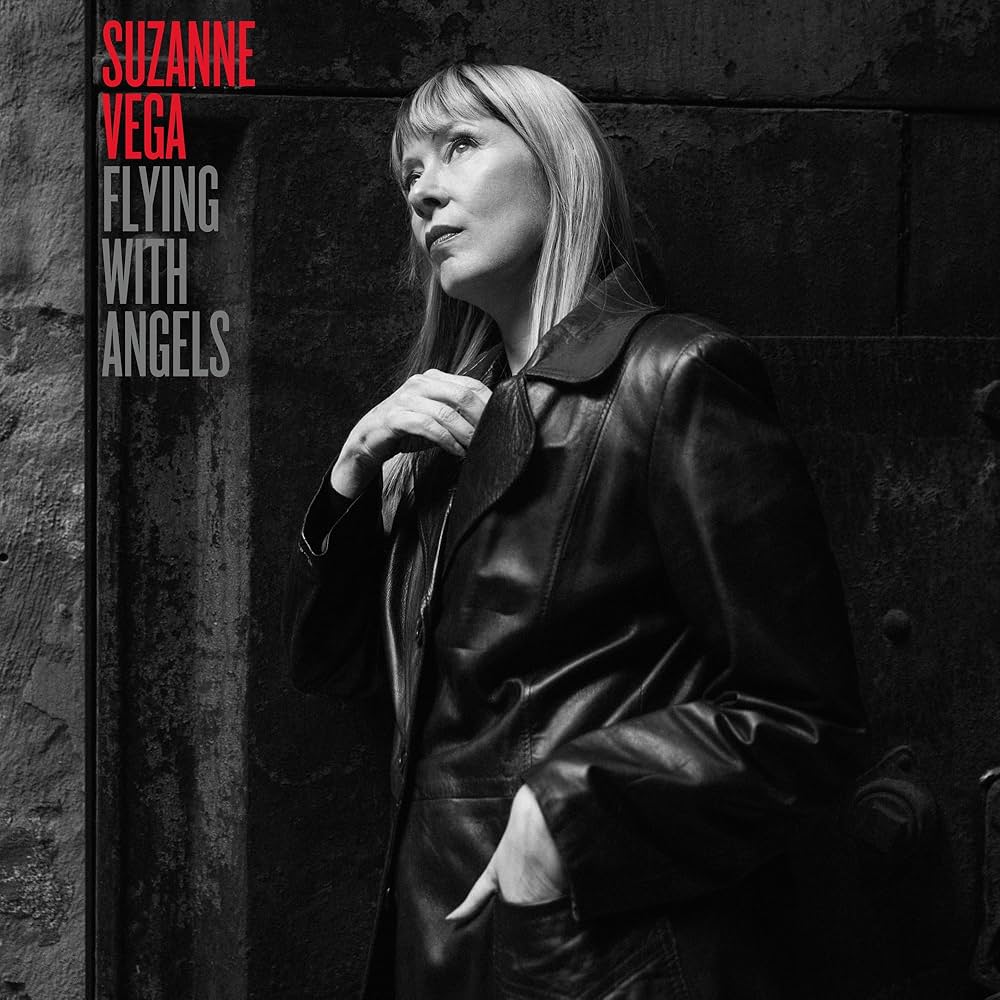
  • Suzanne Vega, Flying With Angels
  • The Tubs, Cotton Crown

Mix: Glad

At quick glance, this mix of new songs from the past three months might appear to have come from the 1990s if one only noticed the artists included: Pulp with a glorious disco banger from their first album in 20+ years, Suzanne Vega with her strongest single in nearly that long, Stereolab back from the dead sounding as if no time has passed and the inimitable Sparks still going strong on their 28th album. 

Fellow 90s stalwarts Saint Etienne announced their new single “Glad” a few months back; when it finally dropped in late May, it fulfilled all expectations of them crafting scintillatingly blissful pop again for the first time since 2017’s Home Counties, albeit with the bittersweet reveal that their upcoming album International will be their last (they’re not breaking up but will not make any more new albums—hold out hope for an occasional standalone single.) Also nearly as much of a shock: the return of Ivy whose last new music came out in 2011. Adam Schlesinger’s 2020 death from Covid seemed to put a definitive end to the trio but the surviving members have compiled Traces of You, a new album with every track featuring instrumental contributions Schlesinger recorded over the years. It comes out September 5 (the same day as International); as for “Say You Will”, it certainly sounds like an Ivy song (and a decent one at that.)

Beloved female voices dominate this playlist from Maggie Rogers (with Sylvan Esso) covering Broken Social Scene and the ever-droll Cate Le Bon to the ever-cheeky ladies in Wet Leg (“Catch These Fists” is no “Chaise Longue” but sharp enough to stoke interest in their soon-to-be-released second album Moisturizer) and even Emm Gryner via her new hair metal (!) band Ovary Axe. To prove I haven’t lost track of actual newer artists, I’ve also included Natalie Bergman whose magnetic and vaguely sinister “Gunslinger” from her upcoming second album My Home Is Not In This World resembles a modern day Nancy Sinatra with traces of Shelby Lynne.

Glad:

  1. Saint Etienne, “Glad”
  2. Natalie Bergman, “Gunslinger”
  3. Ivy, “Say You Will”
  4. Wolf Alice, “Bloom Baby Bloom”
  5. Wet Leg, “Catch These Fists”
  6. Cerrone/Christine and the Queens, “Catching Feelings”
  7. Cate Le Bon, “Heaven Is No Feeling”
  8. Alison Goldfrapp, “Find Xanadu”
  9. Stereolab, “Melodie is a Wound – Edit”
  10. Pulp, “Got To Have Love”
  11. Matt Berninger, “Inland Ocean”
  12. Suzanne Vega, “Flying With Angels”
  13. The Beths, “Metal”
  14. Ovary Axe “Rise Up To Fall”
  15. Alex Lahey, “Don’t Wanna Know”
  16. Big Thief, “Incomprehensible”
  17. Sparks, “Drowned In A Sea Of Tears”
  18. Maggie Rogers/Sylvan Esso, “Anthems For A Seventeen Year-Old Girl”
  19. CMAT, “Running/Planning”
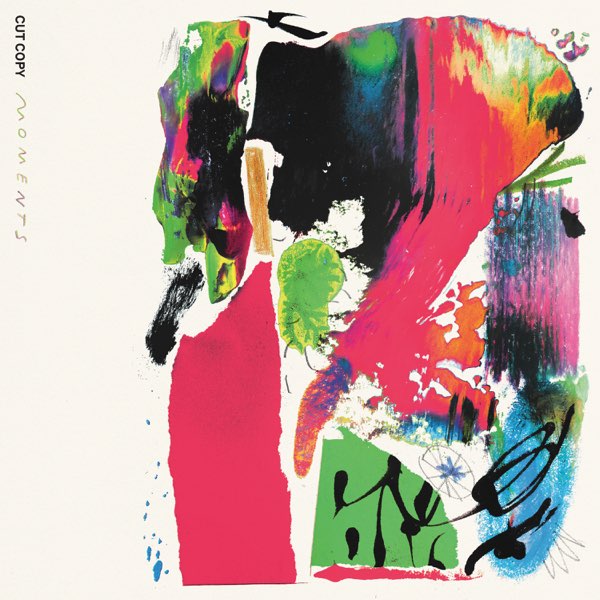
  20. Cut Copy, “A Decade Long Sunset”

Palm Springs Mod

One motivation for visiting Palms Springs was its famous Mid-Century Modern architecture.

It’s as essential to the landscape as palm trees and mountain ranges.

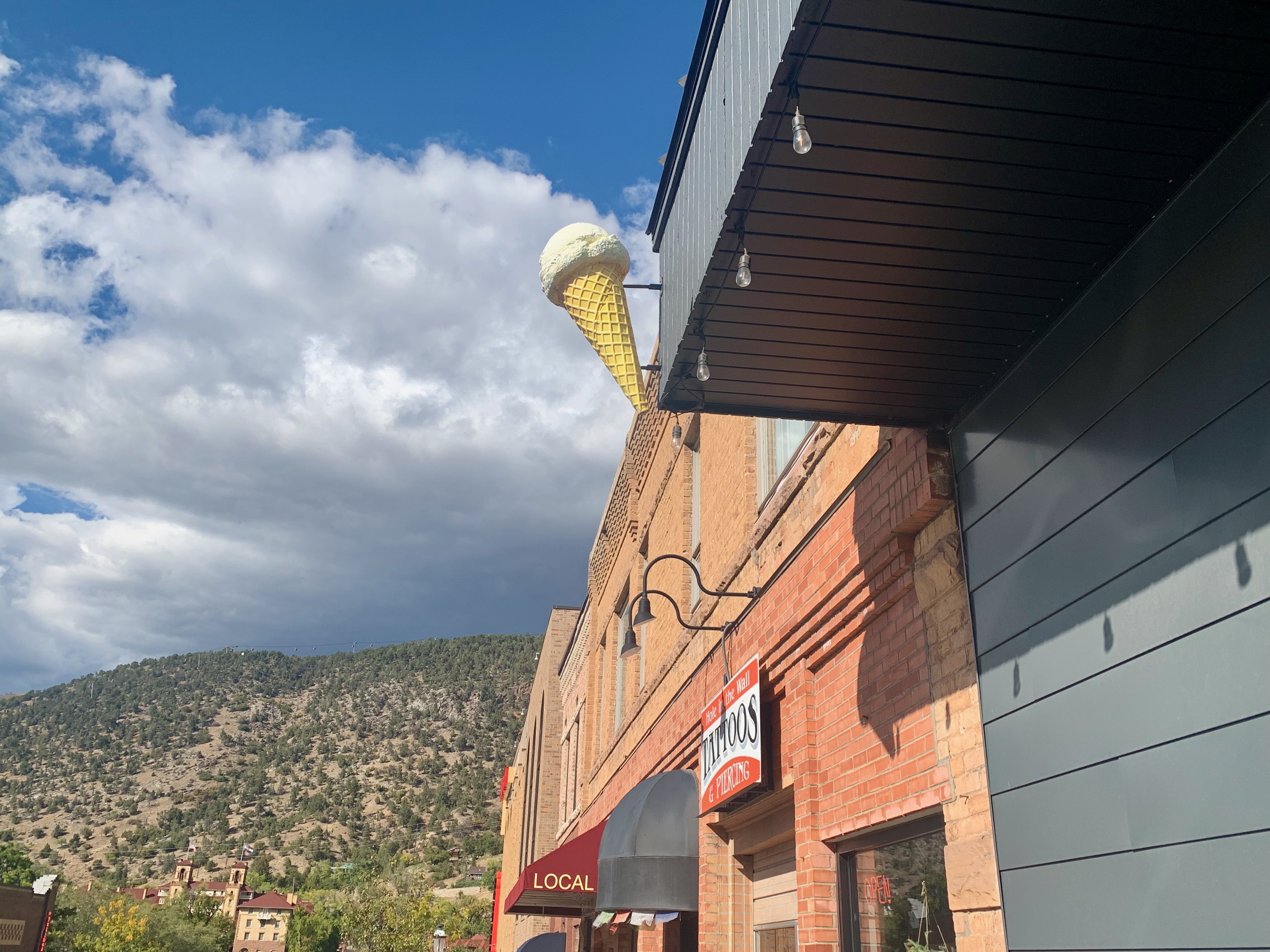
The only other place I’ve seen buildings like this defunct ice cream parlor is Miami Beach.

The pastel colors and block glass also remind me of Southeastern Florida.

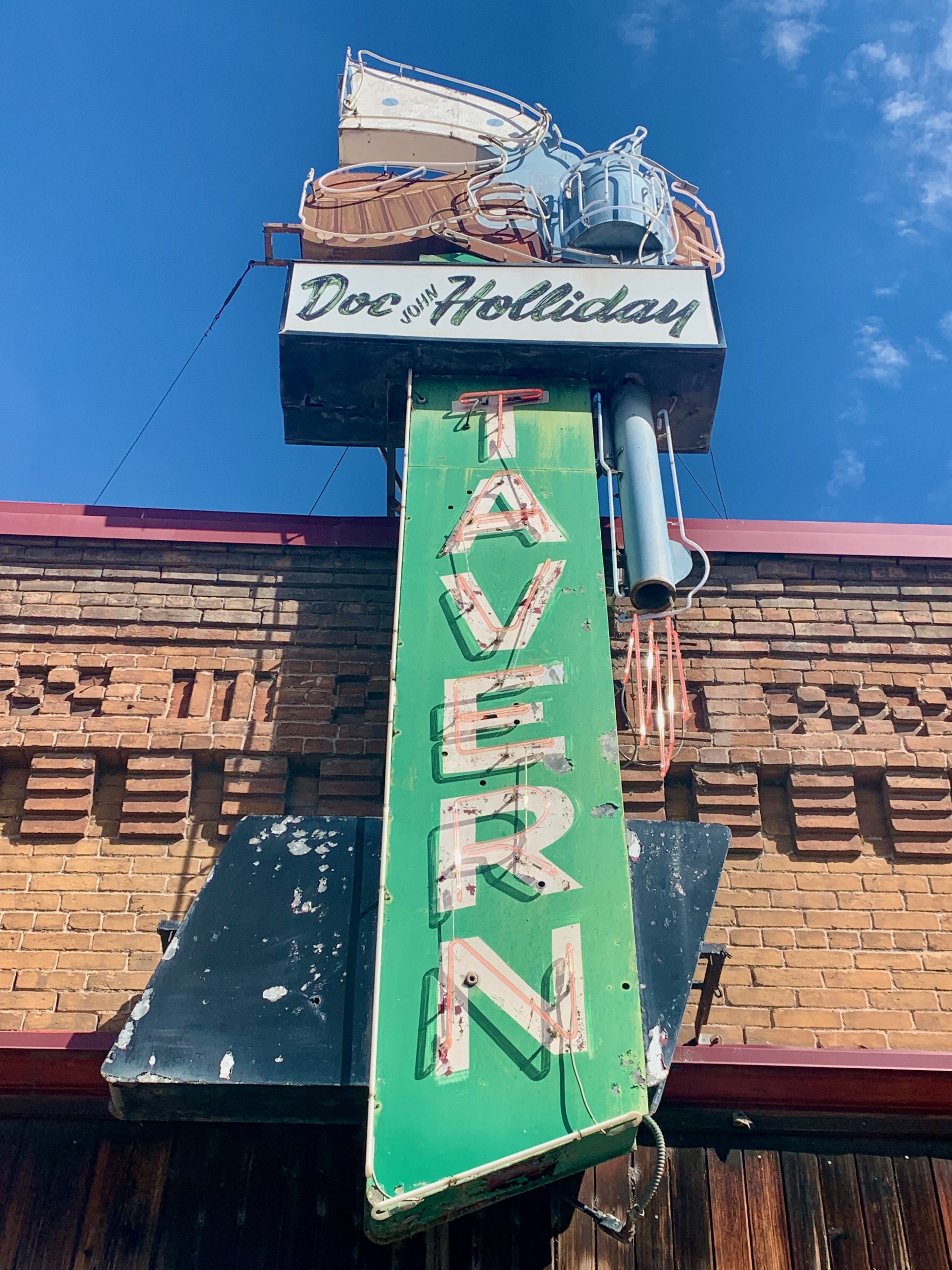
We stopped in a residential neighborhood to get some photos of the mountains; if we hadn’t, I never would have spotted this cool vintage-looking neon sign.

On the same block as the Copa above–another essential Mod-style pastel.

Although Downtown Palm Springs has its share of Mod buildings, the Uptown Design District feels more like totally stepping into a groovy past era.

When I think of “Shag” it’s the Carolina-style partner dance; on this coast, it refers to an artist.

Facing North on Palm Canyon Drive in the Design District, which would not be complete without an art deco florist (or a row of cacti.)

Down the block from the florist–I should’ve just led the essay with this photo which is Palm Springs Mod in a nutshell.

Though not as aesthetically pleasing, this fulfills the same criteria as the above picture.

We bought a map to seek out Mod residences. Predictably, most where further away from the roads or camouflaged for privacy, but we did spot a few striking homes; check out the oversized front doors on this one.

The southern part of town tends to specialize in a more suburban kitsch take on the architectural style. While this shopping plaza isn’t strictly Mod, it did remind us of a kind of tableau one would see on the 1970s Wonder Woman TV series.

However, this resort complex is more the real Mod deal brimming with faux exotic splendor.

The Reef was one of two tiki bars we checked out. The other, Tonga Hut, is in Downtown and most notable for its neon sign.

The Reef’s patio which faces the adjacent resort’s pool. Lots of reggae on the soundsystem here.

I couldn’t resist of shot of The Reef’s delectably retro (no matter how faux) bathroom lighting fixtures.

Back to Downtown after dark. If you’re looking for a “ModMansion”, what better place to find one than at this art deco wonder that almost could’ve been a vintage White Castle (or maybe a White Tower)?

Not entirely Mod, but come on, I wasn’t not going to take a shot of this unusual establishment. Do people still want beepers (even at a discount price?)

We end with this lovely hotel sign on Indian Canyon Road just after sunset. The globe lights, their whimsical placement, the font, the brick-like wall textures, the cacti–together, they practically sum up what I love about Palm Springs Mod (and the town in general.)

Top Ten Films: 1997

  1. The Sweet Hereafter
  2. Boogie Nights
  3. Happy Together
  4. Jackie Brown
  5. Grosse Pointe Blank
  6. Taste of Cherry
  7. L.A. Confidential
  8. Fireworks
  9. Henry Fool
  10. The River

Honorable Mentions: The Hanging Garden, The Ice Storm, Nowhere, Princess Mononoke, Romy and Michele’s High School Reunion

For My Watchlist: The Butcher Boy, Gattaca, The Life of Jesus, Public Housing, Xiao Wu

*

During this great transitional year (got my BA from Marquette, moved across the country to attend grad school at Boston University), The Sweet Hereafter was a revelation. Already drawn in by all of its glowing reviews, I saw at the Oriental Theatre in Milwaukee when home for Christmas break with a friend whose motivation to watch it with me was solely due to its enigmatic poster. As eye-opening as anything I’d seen in my first semester of studying film, I watched all of Atom Egoyan’s previous six features within the next six months. Briefly a candidate for 24 Frames (I ended up writing a little about it in my essay on star Sarah Polley’s own film Stories We Tell), it still stands (along with 1994’s Exotica) as Egoyan’s peak, the place where all of his obsessions coalesced into one of the best book-to-film adaptations of all time.

Paul Thomas Anderson went on to direct at least five features I’d rank above his second one, Boogie Nights, but what a breakthrough, the real fulfillment of auteur-driven studio pictures that Pulp Fiction promised a few years earlier. To express the visceral charge of being in love with cinema and also being able to back that up with the level of your craft is still a rare accomplishment; perhaps due to its length, I don’t revisit it as often as I should (speaking of Tarantino, Jackie Brown, in my mind his last great film until Once Upon A Time in Hollywood, also applies here.)

While making my way through the Wong Kar-wai box set a few years ago, Happy Together, which I hadn’t seen since its original release was the nicest surprise, intriguingly looking forward to his masterpiece In The Mood For LoveHenry Fool, rewatched in late 2023 when nearly all of Hal Hartley’s work was streaming on the Criterion Channel is by far the best of that trilogy (and maybe his last great work?) Grosse Pointe Blank and Romy and Michele remain solid comfort-food watches (I suspect L.A. Confidential would as well); I should also revisit Taste of Cherry since I now understand its cryptic ending (on first watch, my reaction was, “Wait, what did I miss? It just… ends, like that?”) As for Tsai Ming-liang’s long-unavailable The River, at this writing it’s streaming (with commercials!) on something called Plex which may be my best option to see it again (not holding out for hope for a public screening on 35mm anytime soon.)

Somehow, I never got around to The Butcher Boy or Public Housing despite having numerous opportunities to do so (I might’ve taped the latter, one of Frederick Wiseman’s marathon-length documentaries off of PBS at one point.) Hoping to see Xiao Wu soon in kicking off a chronological watch of Jia Zhangke’s back catalog inspired by his latest, Caught By The Tides.

La Plaza

In my last photo essay, I alluded to the unexpected passageways one tends to find in Palm Springs.

While not fully “hidden”, this courtyard in La Plaza is the kind of place one is more likely to stumble upon than actively seek out (or at least this was the case for me.)

Built in 1936, La Plaza was one of the earliest outdoor shopping centers although it doesn’t really resemble what we think of when hearing that term today.

While some of La Plaza is street-facing (particularly the titular block linking Palm Canyon and Indian Canyon Drives), I was more fascinated by the interior section of its southern half.
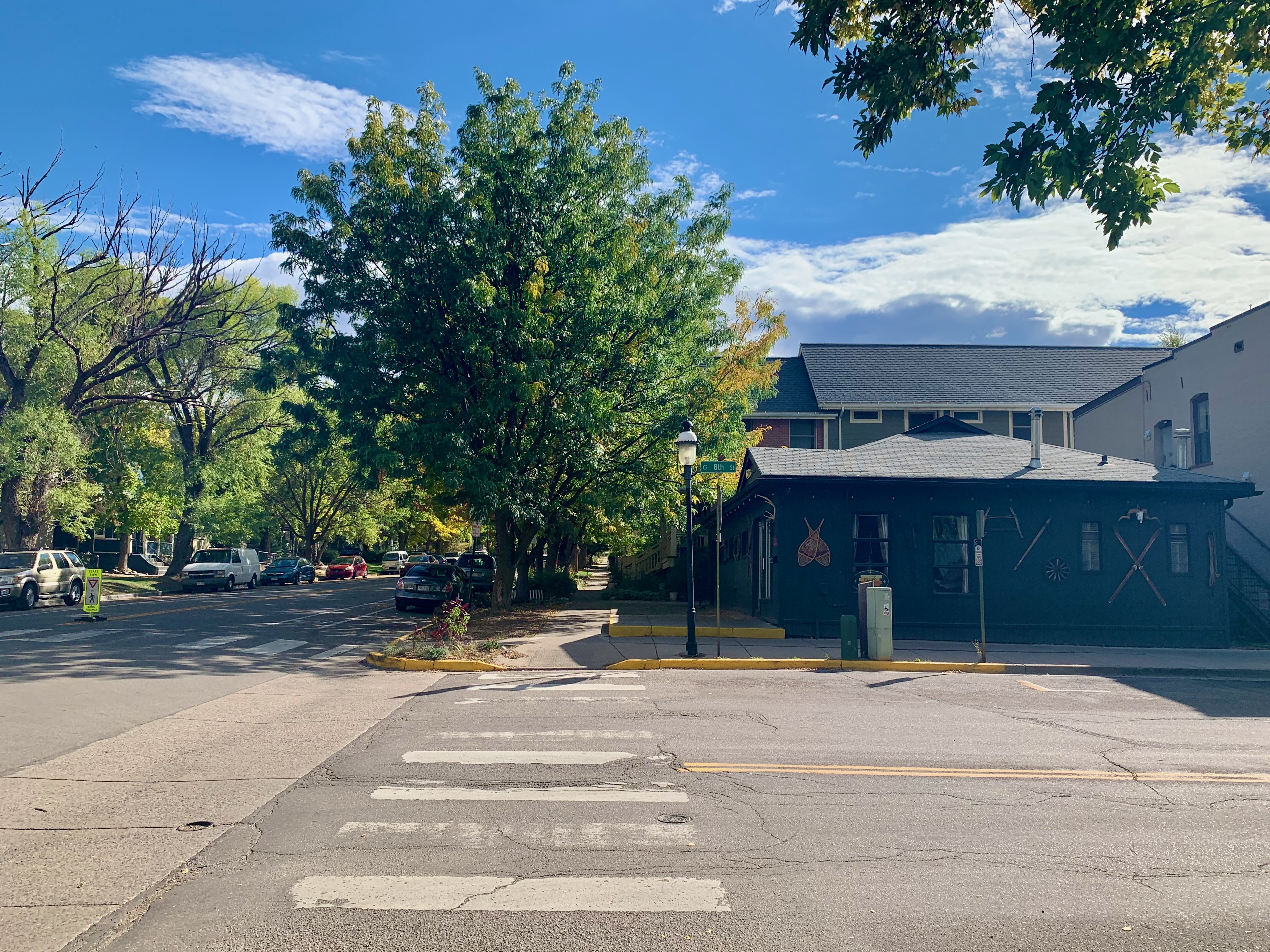
Along this corridor sits both commercial businesses and residences housed in white stucco buildings flanked by cascading pink flowers.

No chains at La Plaza; only homespun establishments.

Perhaps its most distinctive architectural features are these pine green, cut-out palm shutters.

Walking through here is like traveling back in time to a set from a classic Hollywood film or at least Ann Miller’s art-deco apartment complex in Mulholland Drive.

The L-shaped corridor as seen from its entrance opposite from the one in this essay’s first photo.

Walking along the street-facing section of La Plaza itself one can’t help but notice this giant rooster parked near L’Atelier Café.

Near the northern half of La Plaza sits The Plaza Theatre, which is currently closed for renovations.

A partial birds-eye view of La Plaza from the top of an adjacent parking garage–those shutters are a dead giveaway.

Top Ten Films: 1975

Dog Day Afternoon

Time for a new occasional feature! Enhanced by the increase in movie watching at home I’ve undergone in the past five years, I’ll pick a year from the last century (not in chronological order), list my ten favorite films, a few honorable mentions and five titles I haven’t seen but want to watch. Kicking this off by turning back the clock to my birth year—1975’s often seen as a nadir of pop culture, but as a possible refutation, look at this list:

  1. Monty Python and The Holy Grail
  2. Dog Day Afternoon
  3. Nashville
  4. Grey Gardens
  5. Night Moves
  6. The Passenger
  7. Picnic At Hanging Rock
  8. Fox and His Friends
  9. The Rocky Horror Picture Show
  10. Smile

Honorable Mentions: Jaws, Jeanne Dielman, Mirror, Mother Kusters Goes To Heaven, One Flew Over The Cuckoo’s Nest

For My Watchlist: The Adventure of Sherlock Holmes’ Smarter Brother, At Long Last Love, A Boy and His Dog, Cooley High, The Story of Adele H.

*

Of course Monty Python and The Holy Grail would always end up my number one given the impact it had on my film vocabulary but Dog Day Afternoon is a close second. I revisited it about two years ago and noted that anyone looking to make a heist picture or a character study should retain all of it for future reference. Al Pacino should have also won the Oscar that year (Jack Nicholson, winner for One Flew Over The Cuckoo’s Nest arguably gave a worthier performance in The Passenger, possibly my favorite Antonioni after Red Desert) and the film’s handling of his character’s fluid sexuality is decades ahead of its time.

Nashville could’ve also been a serious contender for #2 but unlike Dog Day Afternoon, I haven’t seen it in nearly two decades. I could also stand to revisit Grey Gardens although I’m staunch (S-T-A-U-N-C-H!) in the feeling that I could remember it by heart. Night Moves, a more recent first-time watch was nearly Royal Tenenbaum, PI and I hope it’s becoming more widely seen given Gene Hackman’s recent passing. May Michael Ritchie’s perceptive beauty pageant satire Smile achieve the same status once Bruce Dern inevitably kicks the bucket.

Some may scoff at Rocky Horror’s inclusion but I’ve come to appreciate it as a genuinely good film with great music and iconic performances whose only sin is that it can’t sustain such more-ness all the way through to its somewhat ridiculous final act. It’s certainly classier than the two go-for-broke stinkers Ken Russell (whose other work from this period will likely make some of my top tens!) released this year: the overrated kitsch-fest Tommy and the justly obscure Lisztomania.

Someday I’ll give Sight and Sound grande dame Jeanne Dielman another viewing; I’ve recognized its worth but have also struggled with its endurance-test construction;  I’ll likely check out Francois Truffaut’s The Story of Adele H. first or even Gene Wilder’s directorial debut which I have measured expectations for despite his singularity as a performer.

Downtown Palm Springs

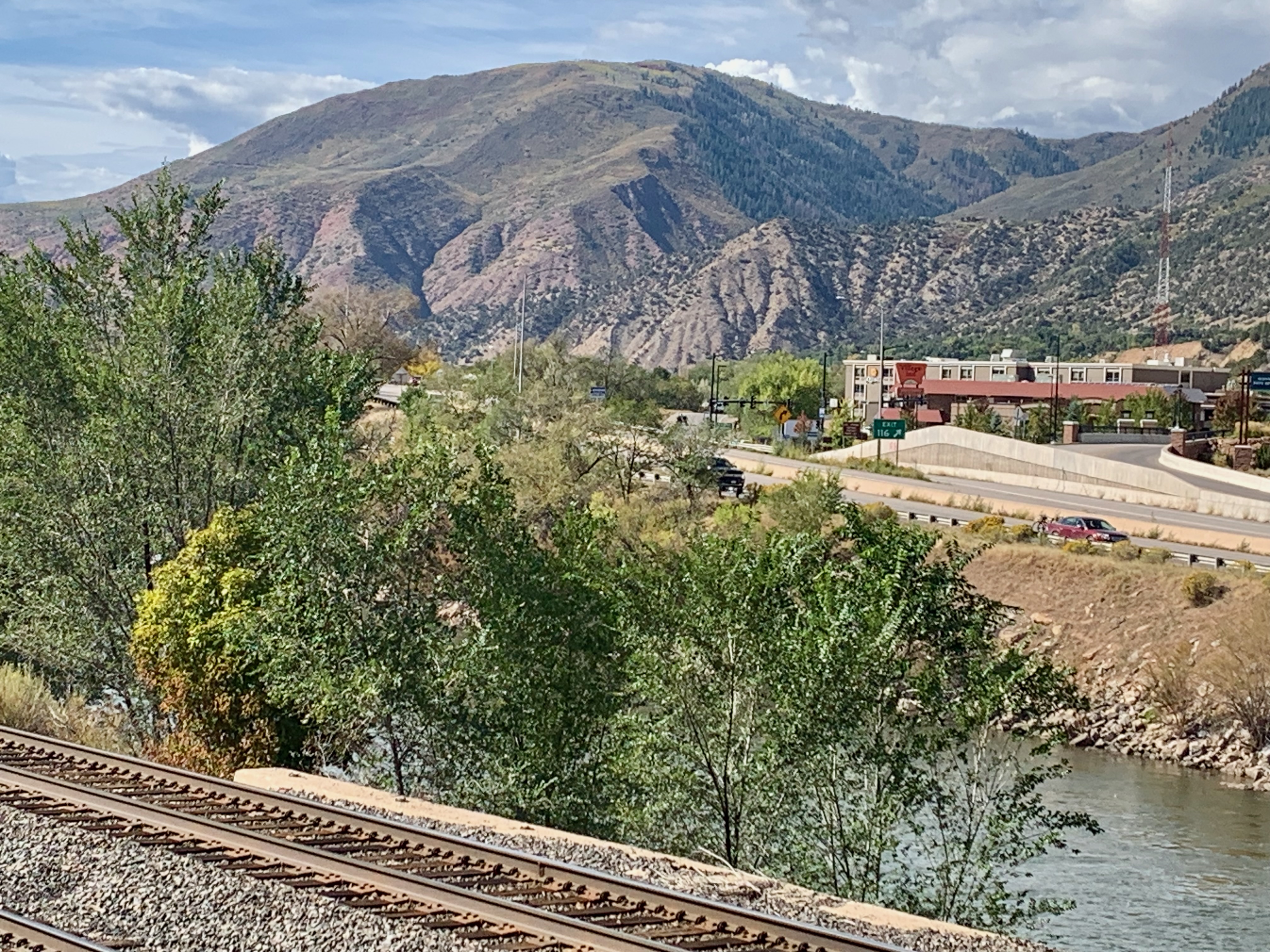
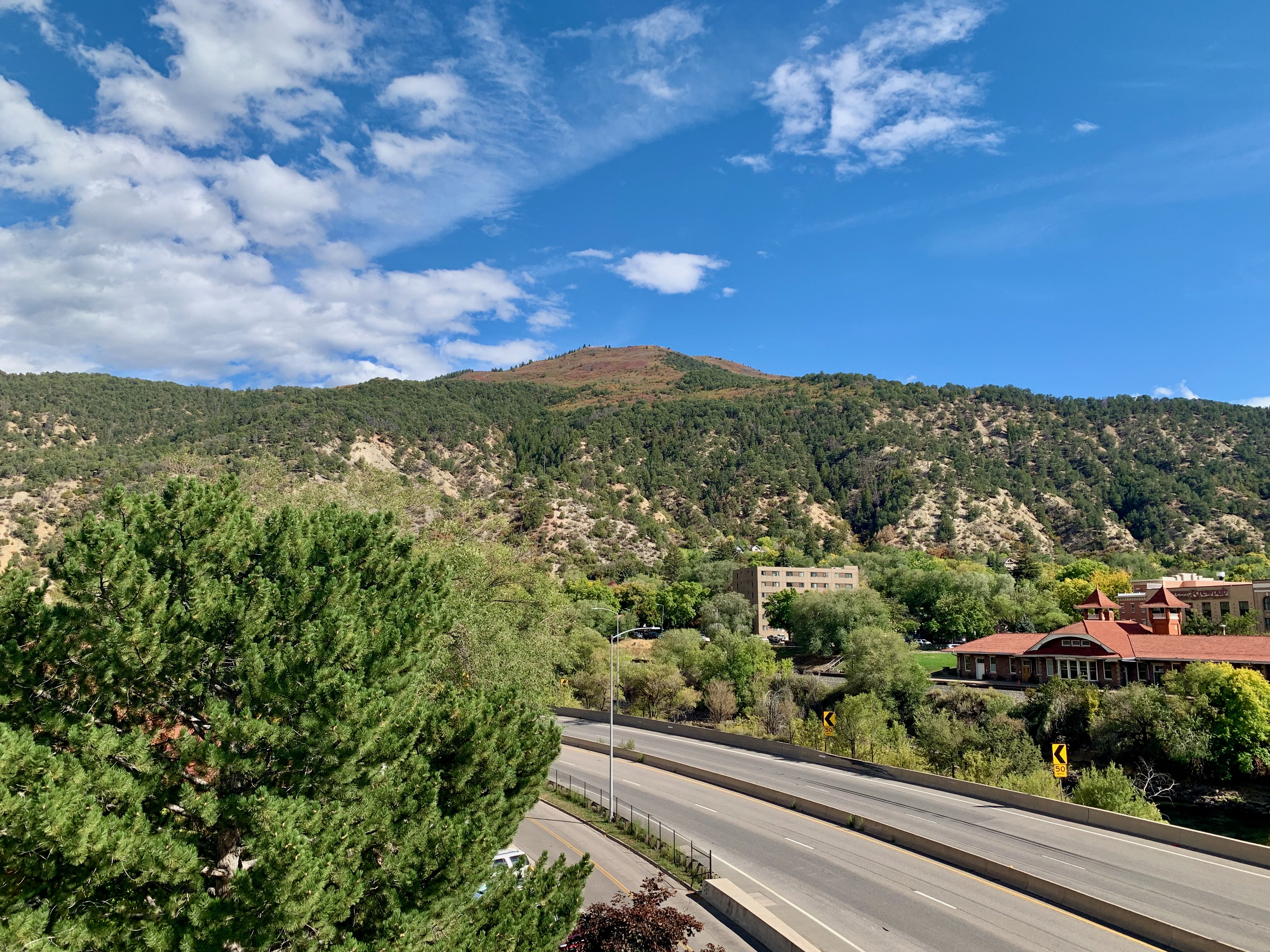
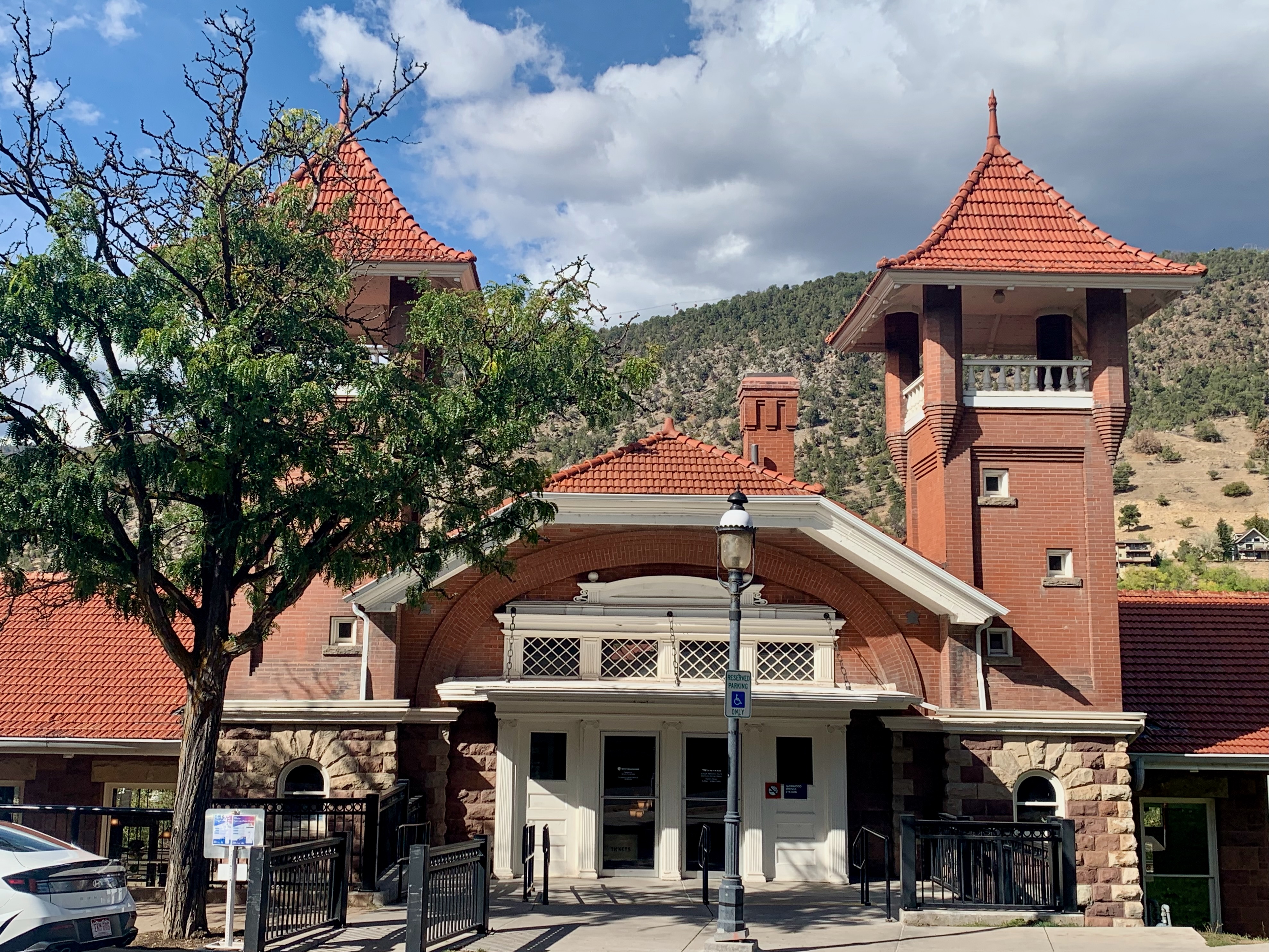
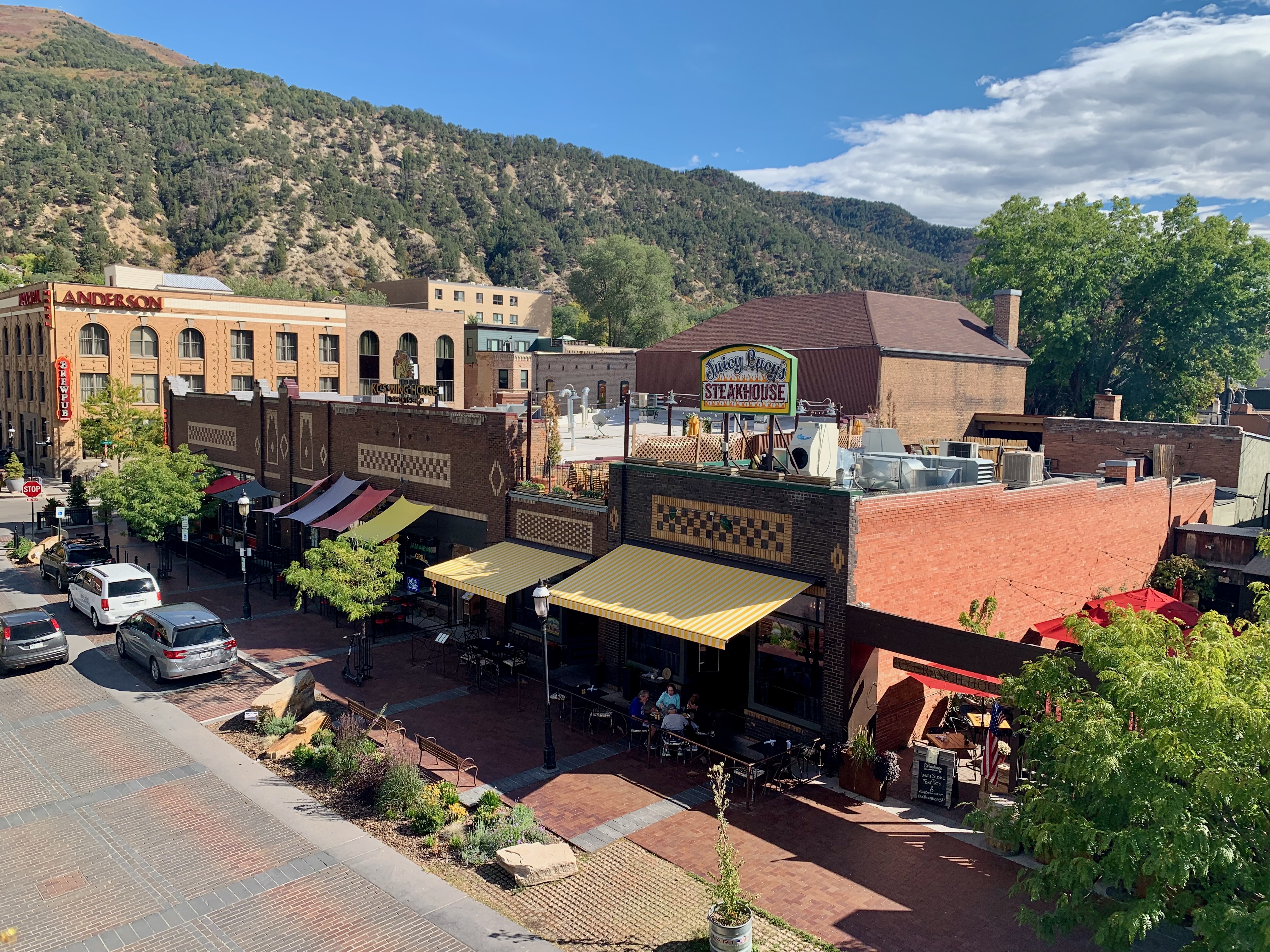
Last month, I took my first ever trip to Palm Springs, California; it was also my first visit to the state in over 20 years.

The city lives up to its name, although I wasn’t entirely expecting the mountain range right up against its Western border.

I was delighted to see bright pink bougainvillea of the type I’ve only previously encountered in Caribbean locales such as Turks and Caicos.

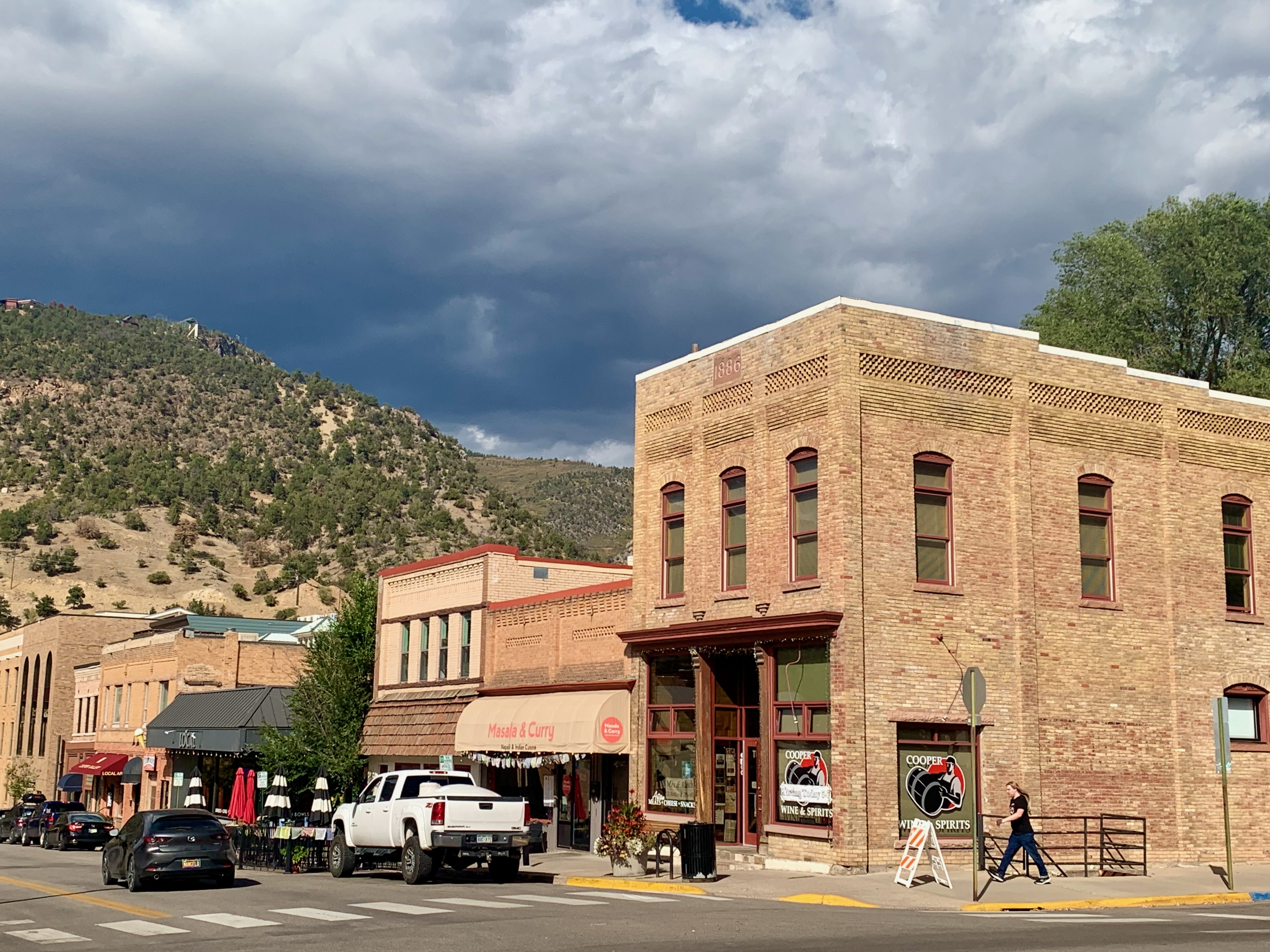
The city’s downtown has two main streets running parallel; this one is Palm Canyon Drive where a majority of the shops and restaurants are.

The central part of Palm Canyon Drive is dotted with giant, skirted palms.

I was happy to see the city’s support for our Northern neighbors.

The main drag features plenty of mid-century modern architecture along with just as many pricey chain boutiques.

It also has its share of public art; I did not get a picture of the Sonny Bono statue (the city’s mayor from 1988 to 1992) but I did snap one of this pride-themed tribute to former resident Lucille Ball (there’s also a statue of her and at least it’s not an abomination like the one that used to be in her hometown.)

Downtown has its own walk of fame; one that reserves a space for this beloved character actor best known for work in 1940s Preston Sturges comedies (and also for playing “Uncle Charley” on My Three Sons) is my kind of walk of fame.

The other main thoroughfare running parallel to Palm Canyon Drive through the city is Indian Canyon Drive.

It’s less flashy than Palm Canyon Drive, consisting of scattered businesses and hotels but still offering expansive mountain views to the West.

We stayed at a hotel near Downtown off of Indian Canyon Drive and even had great views to the East from there.

Downtown after dark is often as gorgeous as it is by day. Built in 1941, the Welwood Murray Memorial Library is currently a research library for the Palm Springs Historical Society and I couldn’t imagine a more appropriate building physically.

One evening, we walked through this public corridor behind Palm Canyon Drive and stumbled across some more striking public art.

One can stroll down Palm Canyon Drive itself and spot the most unexpected passageways between buildings.

Palm Springs at twilight. Stay tuned for more photos focusing on architecture and other hidden delights around the city.

IFFBoston 2025: Part Two

DEAF PRESIDENT NOW!

I knew nothing about Gallaudet University, a liberal arts college in Washington DC for the deaf and hard of hearing; nor was I familiar with the 1988 eight-day, student-led protest against the appointment of a non-deaf president instead of two other deaf candidates. Going in cold to a story like this is obviously the most effective way to experience it but the retelling of this incident is so well-crafted that it has that rare potential to enlighten possibly even those who lived it first-hand.

Co-directed by model/activist Nyle DiMarco, who is deaf and David Guggenheim (WAITING FOR SUPERMAN), who is not, DEAF PRESIDENT NOW! similarly feels like a bridge made to represent the deaf community and educate everyone else. While the filmmakers are privy to and make good use of an excess of archival footage of the protest (which occurred at a time when camcorders made such widespread documentation possible), it’s the modern-day interviews with the four student protest leaders that add context and resonance. Some may question the addition of voiceovers accompanying the subjects’ signing to the camera when subtitles are also present for a non-signing audience but as a concession to making a more accessible film for that very audience, it’s not a distraction; neither is the elaborate put-a-hearing-person-in-a-deaf-person’s-ears sound design. More important is how the film details this community coming together, especially viewed at an age this removed from an era in which said community was viewed much differently and often detrimentally from the outside.

This is the rare feel-good documentary that’s genuinely inspiring without coming off as cloying while also being informative and entertaining. I don’t often give films 5/5 but by successfully achieving what it wants to do and also through sheer goodwill, this one earns it.

SORRY, BABY

Movies about trauma are tricky to pull off for obvious reasons: how does one express such discomfort, anger, sadness and fear to an audience without alienating them or coming off as a weight that’s too much to bear? Eva Victor, a 30-year-old actress best known for the TV series BILLIONS takes on this challenge not only as a writer/director in her feature debut but also as its star. She plays Agnes, a college professor in a small Maine town (but mostly filmed near Ipswich, Mass.) recovering from a traumatic event whose details are only gradually disclosed. To make such a scenario digestible, Victor infuses the film with a near-caustic humor, dividing in into sections with whimsical titles, gently satirizing such events as an HR meeting with deadpan punchlines and overall gifting Agnes with a persona that leans towards the comedic self-deprecation of a humorist writer like Sloane Crosley or Jessi Klein.

As an actor-turned-filmmaker, Victor is not a revelatory talent such as Greta Gerwig or even the Jesse Eisenberg of A REAL PAIN. Her use of humor doesn’t shy away from the pain Agnes experiences but the muted tone with which she often approaches it doesn’t fully register at times. SORRY, BABY works best when she has a simpatico screen partner to play off of, particularly Naomi Ackie who as best friend Lydie brings warmth but also energy whenever she’s onscreen or the great character actor John Carroll Lynch whose one sequence in the film leaves such an impact one can sense the potential of an entire ancillary feature about his character. The missing-in-action-as-of-late Lucas Hedges also has a small role seemingly crafted to display his natural charm as Agnes’ neighbor. As for Victor, this is a good first effort that mostly works but maybe doesn’t fully live up to the buzz it has received so far. 3.5/5

PEACOCK

Matthias (handsome beanpole Albrecht Schuch) has a most unusual job “renting” himself out to temporarily be whomever one needs him to: whether a friend, son, father or dinner-date companion, he’s a willing blank slate, a cipher who can fulfill any need or role. A great idea in theory but one that has serious complications for his personal life as he can’t stop being whomever anyone wants him to be even when he’s not being asked to perform.

As a zany comedy by design, PEACOCK works best whenever it’s funny; when it tries to aim for something deeper such as pathos, it’s a little wobbly, not fully pulling off the tonal shifts needed to add depth and nuance to Matthias’ plight. Happily, it just ramps up the absurdity in its final act, arriving in a place not far off from Ruben Ostlund’s THE SQUARE, only arguably more inspired (give this to Schuch, he totally commits to the bit.) This won the audience award for Best Narrative feature at IFFBoston this year, which I did not expect but can see why: for all it does to explore the consequences that come from being a likable cipher, the film’s likability (and humor) is perhaps its greatest asset.  3.5/5

HAPPYEND

A terrific sight gag and a newfangled high concept alone do not make for a wholly satisfying narrative from writer/director Neo Sora (RYUICHI SAKAMOTO: AN OPUS). Set in the near-future (though low budget enough that one may not discern this from sight alone), high school students are subject to a Big Brother-esque AI surveillance following a prank that happens to coincide with a series of minor earthquakes portending fears of an upcoming major one. The quieter, more casual moments between childhood best friends Yuta and Kuo suggest Sora has at least learned something from the films of Kore-eda, if not how to economically tell a story. Albeit an interesting mix of humanist drama and slightly absurdist satire, HAPPYEND is less notable for its accomplishments (the sight gag is pretty inspired, after all) and more for what it could have been. 3/5