On David Lynch

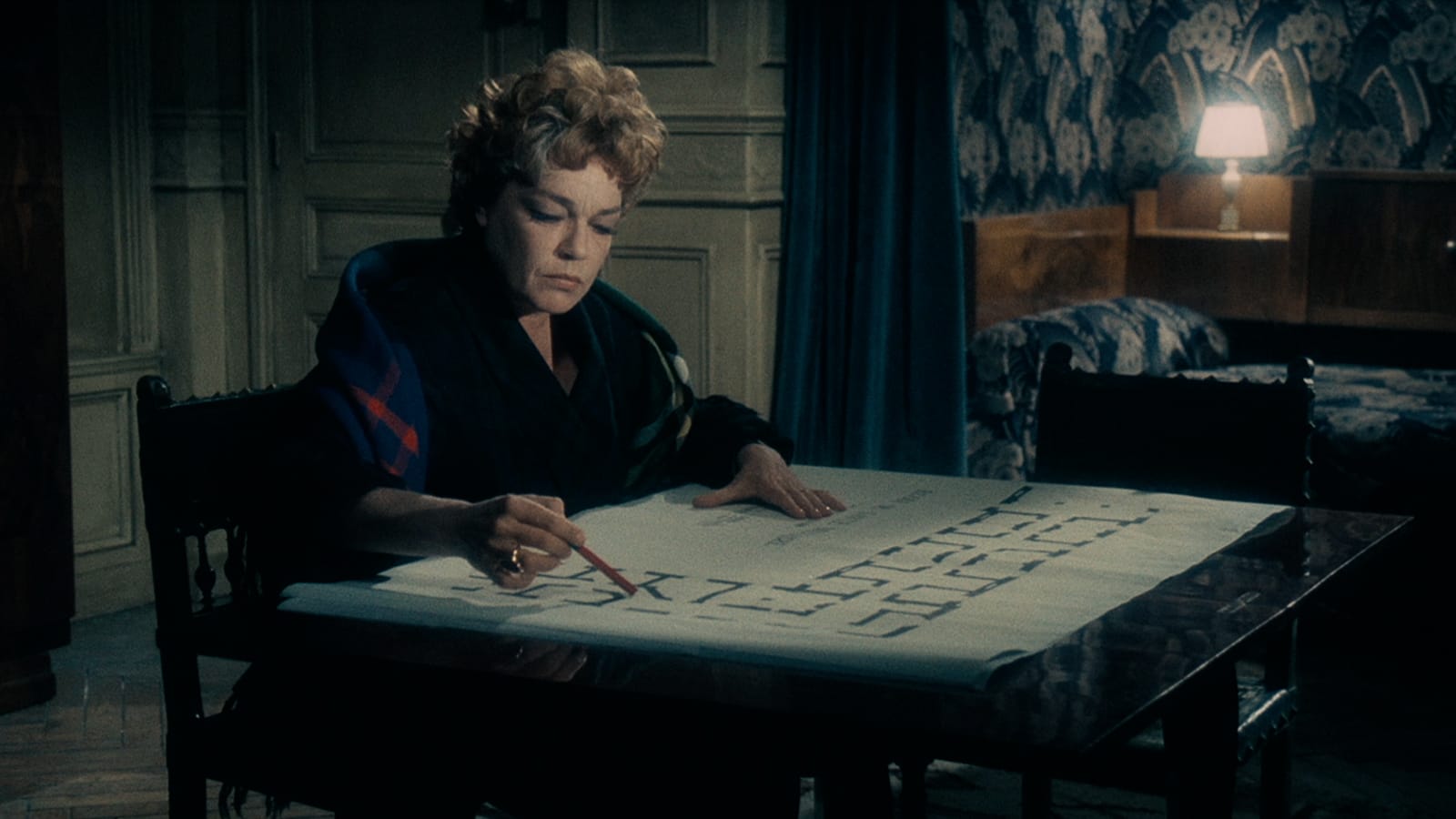
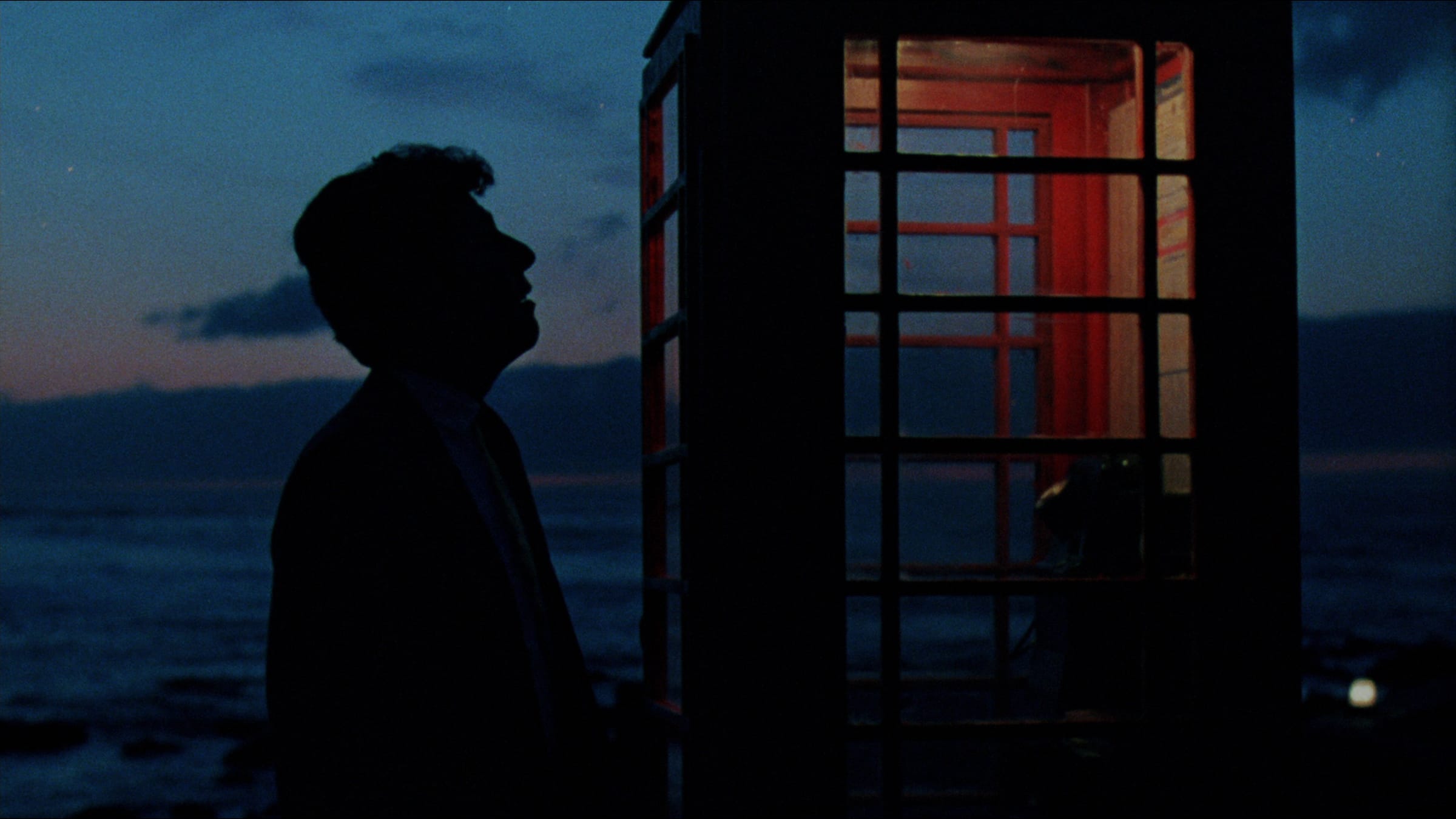
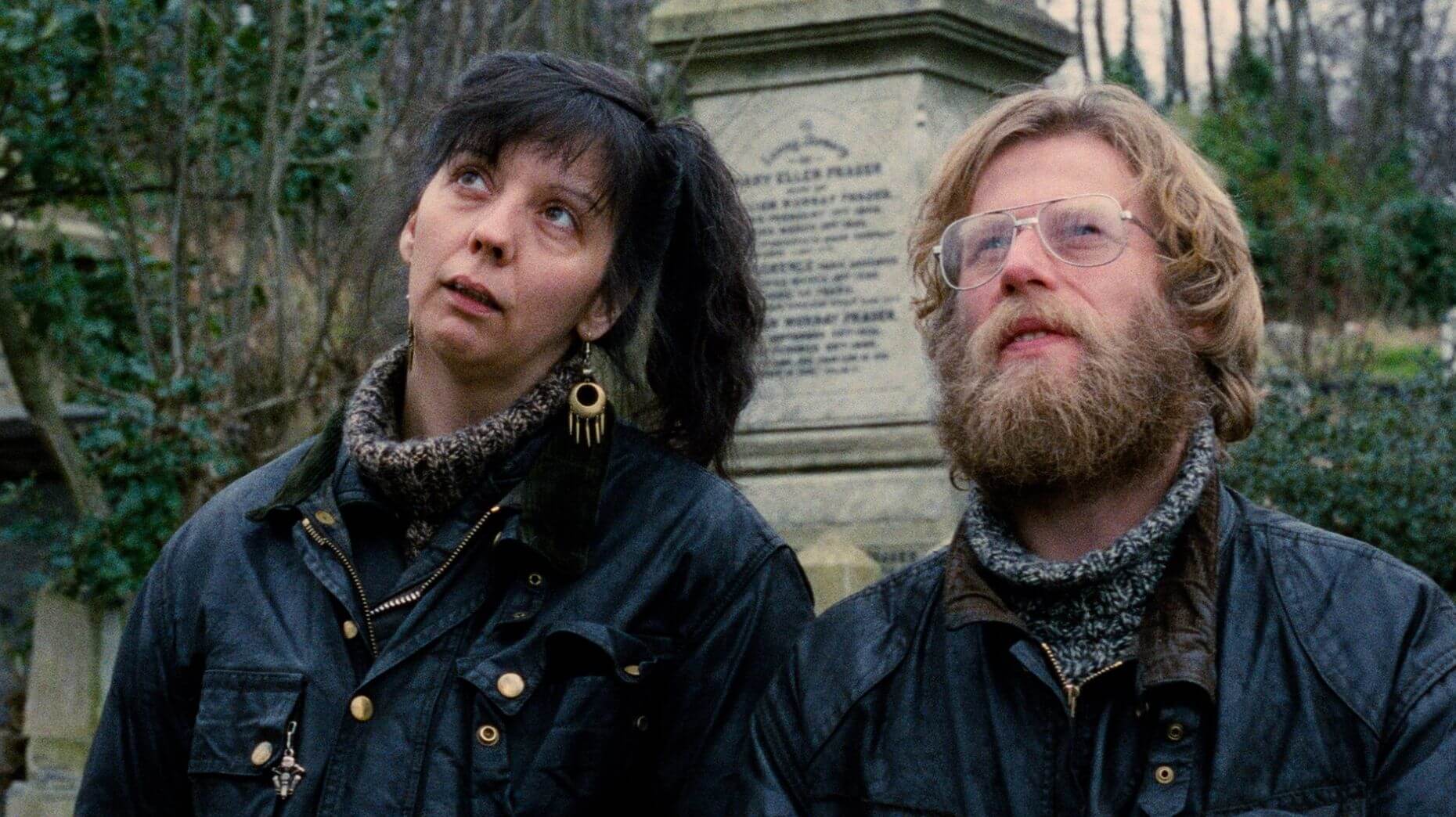
At 15, I wasn’t ready for David Lynch, who passed away at age 78 last week. Forced to watch The Elephant Man in an English class called “Modes of Literature” (film I suppose being one of the “modes”), it thoroughly freaked me out, not in a scary-horror way but as art then-waaaay beyond my comprehension. My response was that of an average adolescent: condescending disbelief to its merit, later earning easy laughs at a party with my lazy John Merrick impression. Twin Peaks first aired the same year; maybe I knew that it was co-created by the same person who directed The Elephant Man, but it was off my radar, only witnessed through media sound bites and Kyle McLachlan’s hosting stint on Saturday Night Live featuring the obligatory parody of the show.

Twin Peaks: Fire Walk With Me would end up the second Lynch feature I saw at the urging of a girlfriend; having not seen the show, it didn’t resonate with me at all. That same year, when Lynch appeared on the cover of Rolling Stone to promote Lost Highway, I had no idea who this odd, middle-aged, wavy-haired man was standing off to the side and behind a particularly dopey-looking Trent Reznor, composer of the film’s score (the latter would go on to do much, much better work of this sort.)

I moved to Boston for film school later that year and finally saw Blue Velvet on a rented VHS tape. By then, I was ready. While not as life-changing as other cinema masterworks I was regularly exposed to at the time, this was the first Lynch I appreciated and at least thought I understood even as it exposed me to ideas and types of characters I hadn’t seen before (I mean, where did Dennis Hopper’s unhinged but also ultra-specific monster come from?) Two years later, I also rented The Straight Story—perhaps the most anomalous Lynch feature, but effective in conveying how many different shades he could paint in while still resembling no one else.

Another two years after that, Mulholland Drive cracked open my world. The first Lynch I saw in a theater, it was such a visceral, spellbinding experience that I watched it again at a second-run house three months later and bought the DVD upon release. I’ve written extensively about it here and will add that it not only transformed the way I viewed Lynch’s art, it was also one of those “life-changing” movies I referred to earlier; some days, it is my favorite film of this still-young century.

Viewings of Eraserhead and the first season of Twin Peaks followed (like many, I drifted through the second season save for the startling finale), along with a rewatch of The Elephant Man at age 30 (this time in a cinema) which moved me profoundly. Not everything Lynch made was golden (Lost Highway feels like a failed attempt at what he’d perfect with Mulholland Drive), but my increasing familiarity with his oddball perspective, the sometimes-bizarre cadences his characters would speak in, and his use of the surreal not as a means to an end but a portal into the previously unimaginable all rendered him more essential in my mind. His work was the artistic expression of a mind that had little precedent, which is what all great, groundbreaking art aspires to.

He kept pushing boundaries: Inland Empire, a deep (and deeply weird) down-the-rabbit role psychodrama and a vehicle for everything Laura Dern could do as an actress and a muse; and Twin Peaks: The Return, a radical reboot that subverted expectations and further expanded the original series’ mythology while also wildly turning it inside out. Most of us hoped Lynch would make another feature or perhaps even more Twin Peaks, but The Return is almost a perfect career apotheosis, its final words (“What year is it?”) a question one could apply to the ever-shifting worlds his art delved into.

I did see Lynch in person at the Boston premiere of Inland Empire at the Brattle Theater. During a Q&A following the screening, Lynch was sui generis, refusing to provide concrete A’s to any of the audience’s Q’s. Towards the end, while conversing back-and-forth with a woman unable to clearly articulate what she wanted to ask him, he affably but firmly (and loudly) asked her in his inimitable, flat near-drawl, “WHAT’S YOUR PROBLEM?” Regardless of whether one loved or hated Inland Empire that night, those three words in that voice made the evening transcendent.

2024 in 12 Photos

Kicked off the year with a real vacation to Punta Cana, Dominican Republic. From the balcony of our resort, I spotted this odd, castle-like structure next door.

Late Winter, late in the day: A walk along Fort Point Channel in Boston, the imposing Post Office a monolith against a waning, if still piercing sun.

Spring: A familiar sight to anyone who has ever walked across the Commonwealth Ave. overpass on Mass Ave. (we love our “Aves” in Boston, no “Avenues” for us!)

A stroll near Davis Square in Somerville before attending Independent Film Festival Boston; somewhat gentrified since I lived walking distance from here a quarter-century ago but still quirky in a few corners.

I work right near the Charles River; one afternoon, I caught a glimpse of one of many rowing crews that train there in warmer months, along with a waterfowl companion (and a view of the new Parcel 12 over-the-Mass-Pike-high-rise development on the right.)

Stopped at Allandale Farm in Jamaica Plain near the Summer solstice to pick up some plants and was not expecting to see this lilypad-heavy pond in the back.

An outtake from my Northern Vermont photo essay, this rather imposing Optometrist graphic was one of many unique signs adding color to downtown Montpelier (and yes, I just noticed the guy sitting inside looking towards my camera.)

In Portland, Maine for an early Autumn visit: one couldn’t ask for a better Old Port tableaux, seabird and all.

Initially, lack of rain made for earlier-than-usual, somewhat diminished foliage but by late October, it seemed more vibrant than any other Autumn in recent memory.

Millennium Park, mid-November: taking solace in nature as I tend to do, this path providing encouragement to keep moving forward.

Back to the Charles, taken one morning days after the previous photo near the corner of Memorial Drive and Massachusetts Avenue from the Harvard Bridge on my way into work.

Closed out the year visiting family in South Carolina. We took a walk on Christmas Day near Fort Moultrie on Sullivan’s Island; here’s another path leading somewhere potentially treacherous (no wheelchair access, indeed) but also possibly sublime.

2024 Booklist

I read Robert A. Caro’s The Power Broker this year; I admit I did not know it existed until late 2023 when I saw Turn Every Page, the insightful documentary about Caro and his longtime editor Robert Gottlieb. Along with news that the 99% Invisible podcast would be spending all of 2024 reading the book and discussing it in monthly installments, there was no better time to tackle this 1100+ page biography of city planner Robert Moses. I began it in mid-January, consuming anywhere from 20 to 120 pages at a time, roughly keeping pace with the podcast until October, when I hunkered down and finished the last 250 or so pages.

It’s a great book provided one is actually into learning about city planning and receptive to lengthy reads. Although Caro (very) occasionally drives deep into the minutiae of government law and procedure, The Power Broker endures mostly because of its readability (I know, what a concept) which for Caro translates into a beautiful command of language and pacing, even structuring chapters to end on cliffhangers (no matter how mild.) Fifty years after publication, his thesis—that power not only corrupts but has an often negative effect on all those coming into contact with the corrupted remains relevant, particularly in the past decade where politics and power are concerned.

Still, I read 54 other books this year! Here are ten newish favorites in alphabetical order by the author’s last name.

Hanif Abdurraqib, There’s Always This Year: On Basketball and Ascension

Abudrraqib’s stunning track record places him in that rarefied air of seemingly being able to write and publish anything he pleases no matter how oblique or unlikely a premise. This latest memoir utilizes basketball (and, in particular his own cultural relationship to the sport) as a jumping off point for a myriad of subjects that, no matter how far-reaching or intensely personal never scans as oblique.

Charles Busch, Leading Lady

Drag performer extraordinaire Busch is a figure one always hoped for a memoir from and this one doesn’t disappoint. In addition to relaying a fascinating life story and career, the camp auteur behind Die, Mommie Die! lovingly dissects his origins and development as an actor. Coming from someone who has always taken his craft seriously, this is invaluable both as a drag testimonial and as a performer’s manual.

Carrie Courogen, Miss May Does Not Exist

An essential companion to Mark Harris’ Mike Nichols: A Life that, like its infamous, iconoclast subject stands apart on its own. One would think Elaine May’s elusiveness would prove challenging for any biographer, but Courogen approaches it from a more-critical-than-celebratory perspective that is exactly right (even if it didn’t make me further appreciate Ishtar.) May contained multitudes (and continues to do so) in service of an ultra-specific talent.

John S. Garrison, Red Hot + Blue (33 1/3 series)

I’ve loved Red Hot + Blue, a compilation of modern artists covering Cole Porter songs since it came out in 1990; Garrison’s entry in this ever-valuable series of mini-books about a single album highlights the project’s AIDS-charitable origins and purpose, recognizing it as a cultural bellwether of queer-friendly art and expression across generations. With him examining how it fit into the culture of its time (the height of the AIDS epidemic) it also reminded me of how profoundly it impacted my own taste and nascent identity.

Will Hermes, Lou Reed: The King of New York

Lou Reed warrants a biography that captures him at his best and his worst; Hermes’ immensely entertaining attempt, with chapter headings chronologically referencing all the places its subject lived and worked mostly within New York itself is buoyed by not shying away from Reed’s inconsistencies and faults; it also gradually builds enough momentum to make a solid case for his genius in his spite of (and often because of) all that. 

Nathan Hill, Wellness

Hill’s long-anticipated follow-up to The Nix proves it was no fluke, adding new hues and an innovative structure to one of the novel’s most-used scenarios, the gradual dissolution but also potential endurance of a marriage. He writes as wittily and perceptively about the early 90s (when his protagonists first meet) as the near-present where they confront/attempt to make sense of midlife, to a point where this 600+ page epic rarely ever drags or falters.

Miranda July, All Fours

As July approaches fifty, her particular aesthetic feels anything but tired. One can track palpable growth and change through her film and literary works and her latest of the latter emits a bold willingness to go out on a limb and into the unknown. It begins as a deceptively simple story about an artist headed off on a solo road trip and then takes a hard left swerve… and then another, and another, with the reader ending up nearly as transformed as the story’s heroine.

Ann Powers, Travelling: On The Path of Joni Mitchell

It’s not the first book about Joni Mitchell I’ve read, but it’s likely the best. Instead of the usual chronological biography/career assessment, Powers takes a more personal approach. Less a of throughline than an intricate echo chamber, she confronts the music and myth of Mitchell like Rob Sheffield did in his great Beatles book, but Powers is less generous, more skeptical. The tension she creates wrestling with both admiration and criticism of her subject is nearly as sustaining a journey as the one Mitchell documented on her album Hejira.

Jonathan Rosenbaum, In Dreams Begin Responsibilities

If the collected writings of Roger Ebert and Pauline Kael are decent starter kits in understanding how film criticism works, Rosenbaum’s prose is the advanced, graduate level text. Collecting essays on film, music and literature across his career (but with an emphasis on work since his retirement from The Chicago Reader in 2007), these essays are reminders of his openness, his idiosyncrasy and his mastery of forgoing academic jargon, writing for a would-be mass audience without pandering or dumbing it down.

Bob Stanley, The Story of The Bee Gees: Children of the World

Following his two doorstop-sized summations of pop music both rock-era (Yeah Yeah Yeah) and what came before (Let’s Do It), this music journalist/musician (co-founder of Saint Etienne) tackles a single band with one of the richest and most unusual backstories and career trajectories. With the focus of a critic and the enthusiasm of a fan, his relaying of the Gibb Brothers’ accomplishments and quirks (they really were weirdos) ends up a nifty companion and supplement to the fine 2020 documentary The Bee Gees: How Can You Mend a Broken Heart.

Here’s my complete 2024 Booklist, with titles in chronological order of when I finished reading them:

  1. Celeste Ng, Our Missing Hearts
  2. Charles Busch, Leading Lady
  3. Karl Ove Knausgaard, Winter
  4. Derek Jarman, Chroma*
  5. Nathan Hill, Wellness
  6. Michael Cunningham, Day
  7. James Harvey, Movie Love In The Fifties
  8. Michael Palin, Diaries 1969-1979: The Python Years
  9. Barbra Streisand, My Name Is Barbra**
  10. Chris Molanphy, Old Town Road
  11. Will Hermes, Lou Reed: The King of New York
  12. David Thomson, Remotely
  13. Marcello Carlin, The Blue In The Air*
  14. Alan Bennett, Keeping On Keeping On
  15. RuPaul, The House of Hidden Meanings**
  16. Bob Stanley, The Story of The Bee Gees: Children of the World
  17. Ann Patchett, The Patron Saint of Liars
  18. Hanif Abdurraqib, There’s Always This Year: On Basketball and Ascension
  19. Peter Heller, The Dog Stars*
  20. Kurt Vonnegut, Bluebeard
  21. Sloane Crosley, Grief Is For People
  22. Karl Ove Knausgaard, Spring
  23. Justin Torres, Blackouts
  24. Elizabeth Strout, Olive, Again
  25. Jessica Max Stein, Funny Boy: The Richard Hunt Biography
  26. Chuck Klosterman, Sex, Drugs and Cocoa Puffs*
  27. Simon Reynolds, Futuromania
  28. Miranda July, All Fours
  29. Daniel Clowes, Monica
  30. Ann Powers, Travelling: On The Path of Joni Mitchell
  31. Richard Russo, The Risk Pool*
  32. Ruth Reichl, The Paris Novel
  33. Alexander Chee, How To Write an Autobiographical Novel
  34. Jodi Picoult and Jennifer Finney Boylan, Mad Honey
  35. Kate Atkinson, Shrines of Gaiety
  36. Sylvie Simmons, I’m Your Man: The Life of Leonard Cohen*
  37. Haruki Murakami, Novelist As a Vocation
  38. Sarah Thankam Mathews, All This Could Be Different
  39. Carrie Courogen, Miss May Does Not Exist
  40. Steve Wynn, I Wouldn’t Say It If It Wasn’t True
  41. Robyn Hitchcock, 1967: How I Got There and Why I Never Left
  42. Haruki Murakami, The Wind-Up Bird Chronicle*
  43. Matt Foy and Christopher J. Olson, Mystery Science Theater 3000: A Cultural History
  44. Robert A. Caro, The Power Broker
  45. Colson Whitehead, Nickel Boys
  46. Lili Anolik, Hollywood’s Eve
  47. Mary Karr, The Art of Memoir
  48. Rachel Kushner, Creation Lake
  49. Paul Scheer, Joyful Recollections of Trauma
  50. Cheryl Strayed, Wild
  51. Jonathan Rosenbaum, In Dreams Begin Responsibilities
  52. Andy Cowan, B-Side: A Flipsided History of Pop
  53. Dave Hickey, Air Guitar
  54. John S. Garrison, Red Hot + Blue (33 1/3 series)
  55. Barbara Kingsolver, Demon Copperhead

*Re-read. **Audiobook.

2024: Abandon The Crowd

We’ve reached the end of this year-long project where I posted an annual playlist every week in chronological order. I kicked it off acknowledging my uncertainty as to how comprehensively one could sum up a single year in 30 or 40 songs; 50+ weeks later, I don’t have a definitive answer to that question, only confirmation that each year produces a wealth of great tunes—it’s all a matter of seeking them out or, more specifically, remaining open to discovering them.

As noted in my Best Albums of 2024, this year was a particularly taxing and chaotic one (as will most national election years be going forward, I fear.) Music (and art in general) provides, if not a reason to endure it all, at least some comfort and enjoyment. The power of a song you want to play over and over again is not to be denied or underestimated. Thus, the return of simple but utterly transcendental pop music (Sabrina Carpenter, Chappell Roan, even the first Billie Eilish song I’ve unabashedly loved) felt as inevitable as the disco/dance revival from four years before. If some artists couldn’t sustain such a vibe over an entire album, bite-sized highlights such as Jamie xx’s Robyn-starring sonic whirlwind or Aussie jangle-pop outfit Quivers’ precise, invigorating 1980s pastiche provided abundant nourishment.

Increasingly and (given the times) predictably I gravitated towards music that offered relief and a sense of blissful escape: Real Estate expertly channeling Big Star and The Go-Betweens, Kacey Musgraves edging further into folk-rock worthy of prime Sheryl Crow, Michael Kiwanuka reemerging after a five-year absence on a bed of lush and gently effervescent soul. Still, there’s tension in the gap between the pillow-soft soundscapes of Cigarettes After Sex, Hurray For The Riff Raff and Arooj Aftab and the spikier dissonance of Nilufer Yanya, Father John Misty and an ever-musically-evolving Yola. Splitting the difference between these poles is another returning veteran: while Alison Moyet’s reimagining-tracks-from-her-past-catalog project Key yielded enough varied results for it to just miss my top ten albums list, “Such Small Ale”, one of its two new songs offered solace in its arresting melody and Moyet’s undiminished voice but also urgency in its rejection of complacency, compelling us to think about where and how we find (and remain open to finding) meaning and purpose in this crazy, frustrating and occasionally sublime world.

2024: Abandon The Crowd

  1. Hurray For The Riff Raff, “Alibi”
  2. Sabrina Carpenter, “Espresso”
  3. The Last Dinner Party, “The Feminine Urge”
  4. Father John Misty, “She Cleans Up”
  5. The Cure, “A Fragile Thing”
  6. Gossip, “Real Power”
  7. Jamie xx/Robyn, “Life”
  8. Yola, “Future Enemies”
  9. Tindersticks, “New World”
  10. Arooj Aftab, “Raat Ki Rani”
  11. Gillian Welch & David Rawlings, “The Bells and The Birds”
  12. Andrew Bird & Madison Cunningham, “Crying In The Night”
  13. Pernice Brothers, “Who Will You Believe”
  14. Gruff Rhys, “Peace Signs”
  15. Quivers, “Never Be Lonely”
  16. Beabadoobee, “Take a Bite”
  17. Alison Moyet, “Such Small Ale”
  18. Kacey Musgraves, “Cardinal”
  19. Nilufer Yanya, “Like I Say (I Runaway)”
  20. Camera Obscura, “Big Love”
  21. Cigarettes After Sex, “Baby Blue Movie”
  22. Beth Gibbons, “Floating On A Moment”
  23. Laura Marling, “The Shadows”
  24. The The, “Cognitive Dissident”
  25. Cassandra Jenkins, “Clams Casino”
  26. Julia Holter, “These Morning”
  27. Michael Kiwanuka, “Floating Parade”
  28. Waxahatchee, “Bored”
  29. Another Sky, “Playground”
  30. Pet Shop Boys, “Feel”
  31. Billie Eilish, “Birds Of A Feather”
  32. Vampire Weekend, “Prep-School Gangsters”
  33. Brittany Howard, “Prove It To You”
  34. Suzanne Vega, “Rats”
  35. Orville Peck, Kylie Minogue & Diplo, “Midnight Ride”
  36. Real Estate, “Flowers”
  37. Pond, “(I’m) Stung”
  38. Chappell Roan, “Good Luck, Babe!”
  39. Jessica Pratt, “Life Is”
  40. Maggie Rogers, “Don’t Forget Me”

2023: We Won’t Go Quietly

Like the previous year, 2023 was one of returning, seeking some resemblance of “normal”, navigating a post-pandemic world with caution but also hope. A number of artists made literal returns as well, none more spectacularly than Everything But The Girl—on hiatus since the turn of the century, Tracey Thorn and Ben Watt had both foraged solo careers worthy of their past work together. Fuse, their reunion as a duo triumphed by picking off where 1999’s Temperamental left off while also feeling fully attenuated to this moment. Its third single, “Run A Red Light”, was its most striking with an enthralling sense of space and reverberating piano chords, conveying wisdom and maturity without coming off as stodgy.

Other veterans adjusted to the times by either translating past sounds into the present (Christine and the Queens’ channeling trip-hop; Emm Gryner (along with relative newbies Molly Burch and U.S. Girls) finding solace and also inspiration in “yacht-rock”) or taking adventurous leaps into the unknown (PJ Harvey, who hasn’t ever made the same kind of album twice; The Clientele crafting an indie-pop cantata of sorts; Kylie Minogue, genuinely in sync with the latest club culture enough to put Madonna to shame.) Depeche Mode, Ben Folds, Sparks and Blur released their sharpest singles in decades while Robert Forster offered up a late-career gem that could easily serve as an epitaph: “See how far we’ve come,” he concluded in “Tender Years”, rendering it with more resonance and depth than one would ever expect from such a potential cliché.

In trying to remain an active listener, I am still devoted to finding new sounds: Yves Tumor’s hooky, onomatopoeic experimental pop, Bar Italia’s moody-yet-catchy, post-punk/college rock hybrid, Jungle’s postmodern retro-soul, Meg Baird’s dreamy, lingering, sighing extended instrumental, Gabriels’ gender-queer slant on gospel and funk and The Tubs making good old jangle-pop that’s uncommonly crisp and fresh. Corinne Bailey Rae’s Black Rainbows (here represented by the hypnotic, loping “Red Horse”) is a major advance, a challenging, far-reaching collection with a scope her previous work barely hinted at; it’s currently in the running for my favorite album of the decade. Also revelatory: Romy’s “She’s On My Mind”, its house piano hook and samba rhythm an irresistible match for her dancefloor yearning which blossoms, builds and gradually turns euphoric in the end.

2023: We Won’t Go Quietly

  1. Yves Tumor, “Echolalia”
  2. Jamila Woods/duendita, “Tiny Garden”
  3. Robert Forster, “Tender Years”
  4. Gabriels, “Offering”
  5. ANONHI, “It Must Change”
  6. Christine and the Queens, “Tears Can Be So Soft”
  7. The National, “Tropic Morning News”
  8. Bar Italia, “Changer”
  9. Alex Lahey, “The Sky is Melting”
  10. Sparks, “Nothing Is As Good As They Say It Is”
  11. Shamir, “Wandering Through”
  12. Emm Gryner, “Loose Wig”
  13. Jenny Lewis, “Psychos”
  14. Ben Folds, “Winslow Gardens”
  15. Romy, “She’s On My Mind”
  16. Everything But The Girl, “Run A Red Light”
  17. Meg Baird, “Ashes, Ashes”
  18. Slowdive, “Kisses”
  19. Molly Burch, “Heartburn”
  20. The Clientele, “Blue Over Blue”:
  21. Depeche Mode, “Ghosts Again”
  22. Caroline Polachek, “Welcome To My Island”
  23. Lana Del Rey/SYML, “Paris, Texas”
  24. Mitski, “My Love Mine All Mine”
  25. The Tubs, “I Don’t Know How It Works”
  26. Sufjan Stevens, “Will Anybody Ever Love Me?”
  27. Wilco, “Evicted”
  28. U.S. Girls, “Only Daedalus”
  29. PJ Harvey, “Prayer At The Gate”
  30. Jungle, “Back on 74”
  31. Jessie Ware, “Begin Again”
  32. Boygenius, “Not Strong Enough”
  33. CMAT/John Grant, “Where Are Your Kids Tonight?”
  34. Jason Isbell and the 400 Unit, “When We Were Close”
  35. Blur, “The Narcissist”
  36. Arlo Parks, “Purple Phase”
  37. Corinne Bailey Rae, “Red Horse”
  38. Tennis, “Let’s Make a Mistake Tonight”
  39. Kylie Minogue, “Padam Padam”
  40. Jake Shears, “Last Man Dancing”

Best Albums of 2024

Limiting this to a top ten, although I’ve included eighteen more recommended albums at the end (in alphabetical order by artist); as these things tend to shift over time, a few may end up on a future iteration of this list.

10. Gillian Welch and David Rawlings, Woodland

One advantage of creating timeless-sounding music is that as long as the songwriting remains sharp and inspired, a venerable career is nearly guaranteed. Granted, this is Welch’s first new album under her own name in well over a decade (and also the first to co-credit longtime partner/collaborator Rawlings) but it’s also the most vital she’s come across since 2001’s Time (The Revelator). It doesn’t reinvent the wheel but it doesn’t necessarily have to as Welch and Rawling’s acoustic folk feels both as out-of-time and relevant as ever.

9. Jessica Pratt, Here In The Pitch

Similarly out-of-time, Pratt’s fourth album (and the first of hers I’ve heard) sonically resembles a world securely preserved in amber (in this case, one from the mid-1960s) but here’s the catch—I wouldn’t go so far to call it retro. Rather than trying to fully recreate a past aesthetic (such as a Bacharach/David pastiche), she crafts songs that resemble transmissions from an interior plane or at least something only known to her. Never musty nor obscure, her miniatures, like the disarming, haunting “Life Is” are occasionally striking enough to stop one in one’s tracks.

8. Julia Holter, Something In The Room She Moves

More than five years on from her ambitious, often intimidating double-LP Aviary, Holter re-emerges with something seemingly crafted for these uncertain times, a gentle fever dream serving as a balm but also as a stimulant. “Celestial” feels like an apt description of the vibe it often goes for (the less charitable might say “spacy” or just plain “strange”.) If one gravitates towards music that’s by nature obscure or unknown, Holter’s your god and while I have trouble retaining her melodies (“These Morning” a notable exception), there’s enough going on in her sonic palette to hold my interest.

7. Hurray For The Riff Raff, The Past Is Still Alive

Having spent years confused and intrigued by the moniker of Alynda Segarra’s long-running project, they first captured my attention with the propulsive, anthemic “Pierced Arrows” from 2022’s Life On Earth; this follow-up is a different proposition, a concept/road trip album centered on Segarra’s recently deceased father that delves into an Americana as vivid as it is divergent from what Welch and Rawlings offered this year. Despite the immediacy of opener “Alibis”, it’s a slow-grower of a record, kind of like the last Big Thief album only arguably more focused. 

6. Beth Gibbons, Lives Outgrown

Sixteen years after Portishead’s third (and apparently last) record, vocalist Gibbons’ first solo album is a totally unexpected gift: apart from her ever-distinct vocals, it’s like little her band ever did, opting for acoustic and/or orchestral arrangements that sometimes recall Out of Season (her 2002 collaboration with Rustin Man), but only slightly. As one would hope for from such an iconoclast, this feels nearly as fresh as Dummy did in 1994 in how it often surprises the listener: the not-cloying child’s choir in “Floating On A Moment” for instance, or the percussive momentum driving the thunderous “Reaching Out”. 

5. Gruff Rhys, Sadness Sets Me Free

Fifteen years after their last album, I no longer pine for a Super Furry Animals reunion as vocalist Gruff Rhys has produced a back catalog as nourishing as his old band’s. Sonically, this is not wildly different from 2021’s Seeking New Gods, carrying on that record’s orchestral sweep and pastoral climate. What’s new is a melancholia that Rhys communicates eloquently and defends convincingly, from the opener title track to closer “I’ll Keep Singing” (which cunningly reprises the former.) Also, delicately soaring non-single and hidden gem “Peace Signs” is (for what it’s worth) one of my most-played songs on Spotify this year.

4. Laura Marling, Patterns In Repeat

Arriving four years after Songs For Our Daughter which was crafted in anticipation of having a child, Marling’s latest is about actually becoming a mother. While such a concept risks preciousness, her gimlet-eyed view has only softened slightly. With her arrangements stripped down to percussion-less, near Fan Dance-levels, the resultant song cycle is her most complete-sounding album since 2015’s Short Movie or maybe even 2010’s landmark I Speak Because I Can. “Child of Mine” could be a future standard, while the extraordinary “The Shadows” relays Marling’s rare talent as beautifully as anything she’s done since her first recordings as a teenager.

3. Arooj Aftab, Night Reign

As with Jessica Pratt above, this Pakistani-American vocalist’s fourth album snuck up on me and offered considerable solace during an exhausting year. With a deep tone occasionally reminiscent of Sade, one could categorize her music (much of it sung in her native tongue) as a jazz/world music fusion, maybe a cross between Natacha Atlas and Cassandra Wilson. Still, Aftab’s unique blend of genres and cultures is arguably her own. “Raat Ki Rani” even has something approaching a hook but much of Night Reign scans like a velvet-smooth burrowing into a subterranean, way-after hours dreamscape—an enchanting place to let go and get lost in.

2. The Cure, Songs Of A Lost World

Long-anticipated, The Cure’s first release in sixteen years fully lives up to the promise suggested by hearing at least half of these songs in concert eighteen months ago. Remembering most of his strengths and qualities that no one else could ever hope to replicate, Robert Smith makes it sound so easy (even though the last four Cure albums would suggest otherwise.) Perhaps adhering to a rather narrow aesthetic this time (there’s nothing like “Friday I’m In Love” here) helped center him to make such a commonly focused, solid work. It won’t replace Disintegration or even Wish as anyone’s favorite Cure LP, but like the shockingly strong Tears For Fears reunion album two years ago, this is, against all odds or good reason, a “legacy artist” at the top of their game.

1. Cassandra Jenkins, My Light, My Destroyer

In large part because of her brilliant single “Hard Drive”, Jenkin’s previous album nearly ended up my favorite of 2021 before Aimee Mann unexpectedly dropped her own return-to-form. It was for the best as Jenkins’ follow-up is a real advance. Not that she could ever top “Hard Drive”, a singular creation that first appeared at a crucial moment, but My Light, My Destroyer makes an altogether more persuasive case for her as an artist. On paper, it appears to be a jumble, mixing catchy rockers (“Clams Casino”, “Petco”) with introspective ballads (“Only One”, “Omakase”), short instrumentals and conversational snippets (“Shatner’s Theme”, “Betelgeuse”) and unclassifiable combinations of some or all of the above (the gorgeous, mysterious “Delphinium Blue”.) And yet, I’m enchanted every time I put it on, compelled to consume all 37 minutes of it at once—not an easy feat in an age where there’s just so much music to pick from and pay close attention to. Happily, spending ample time with Jenkins reaps considerable rewards.

ALSO RECOMMENDED:

  • Alison Moyet, Key
  • Andrew Bird & Madison Cunningham, Cunningham Bird
  • Another Sky, Beach Day
  • Brittany Howard, What Now
  • Father John Misty, Mahashmashana
  • High Llamas, Hey Panda
  • Katie Pruitt, Mantras
  • Maggie Rogers, Don’t Forget Me
  • Michael Kiwanuka, Small Changes
  • Nilufer Yanya, My Method Actor
  • Pet Shop Boys, Nonetheless
  • Quivers, Oyster Cuts
  • Real Estate, Daniel
  • SUSS, Birds & Beasts
  • The The, Ensoulment
  • Tindersticks, Soft Tissue
  • Wand, Vertigo
  • Waxahatchee, Tigers Blood

2022: Extraordinary Colors

The year I came back, heck, we all came back from the dead even if the pandemic wasn’t technically over. Still, with such irrevocable change, all we could do was go forward. In that regard, Jessie Ware’s “Free Yourself” best summed up 2022: an invitation to the dancefloor (among other activities), a commandment more than a request, it pleaded for renewal, self-expression and cathartic release. An advance preview of her 2023 album That! Feels Good!, it was also a natural progression from 2021’s best song, “Like I Used To”: “Keep on moving up that mountaintop,” indeed.

Even if their albums didn’t crack my top ten, a number of veteran acts put out exceptional singles this year: Beach House fine-tuning their dream-pop gauze with “Superstar”, Alison Goldfrapp returning as a guest on Royksopp’s burbling epic “Impossible”, Hurray For The Riff Raff’s searing, anthemic “Pierced Arrows”, Regina Spektor still a delightful weirdo on the tip-top whimsy of “Up The Mountain”, even The Dream Syndicate, having now released as many albums in the past decade as in their original 1980s incarnation proving their continued worth with “Damian”—as brisk and cool as an evening wind.

Among artists new to me in 2022: Hatchie, whose “Quicksand” pays homage to late Cocteau Twins and gets away with it for being as precise and pleasurable as late Siouxsie and the Banshees; Alex G, an indie weirdo crafting jingle-worthy jangle pop on “Runner” while managing to turn the lyric, “Load it up, know your trigger like the back of my hand” into a sing-along hook; Anais Mitchell, composer of Broadway smash Hadestown returning to her roots as an incisive yet ethereal folk-pop singer-songwriter, and The xx’s Oliver Sim in his solo debut, a sly, queer commentary too jaunty and droll to fit in his band’s discography (and presented to best effect in Yann Gonzalez’s short film Hideous.)

Also: Tears For Fears reunited and made an album that didn’t suck, Yeah Yeah Yeahs reunited and made an album that was at best inconsequential save for the dramatic, searing “Burning”, Junior Boys returned with Waiting Game which lacked actual tunes expect for the evocative closer of a title track and First Aid Kit showed they’re ready for world domination even if the Fleetwood Mac-worthy “Out of My Head” wouldn’t actually accomplish it. Both venerable Canadians (Alvvays, Stars, Destroyer) and Australians (Rolling Blackouts Coastal Fever, Darren Hayes) alike contributed solid additions to their catalogues, as did American Father John Misty whose “The Next 20th Century” posited the flipside of Ware’s rejuvenation—a quietly sinister, panoramic and prescient view of a radically changed world.

2022: Extraordinary Colors

  1. Jessie Ware, “Free Yourself”
  2. Hurray For The Riff Raff, “Pierced Arrows”
  3. The Dream Syndicate, “Damian”
  4. First Aid Kit, “Out of My Head”
  5. Alvvays, “Belinda Says”
  6. Hatchie, “Quicksand”
  7. Beth Orton, “Fractals”
  8. Destroyer, “June”
  9. Beabadoobee, “Talk”
  10. Andrew Bird, “Inside Problems”
  11. Stars, “Capelton Hill”
  12. Big Thief, “Simulation Swarm”
  13. Alex G, “Runner”
  14. Cate Le Bon, “Remembering Me”
  15. Regina Spektor, “Up The Mountain”
  16. Arctic Monkeys, “Body Paint”
  17. Jenny Hval, “Year of Love”
  18. Yeah Yeah Yeahs, “Burning”
  19. Orville Peck, “C’mon Baby, Cry”
  20. Carly Rae Jepsen, “Talking To Yourself”
  21. Tears For Fears, “The Tipping Point”
  22. Calexico, “Harness The Wind”
  23. Hot Chip, “Guilty”
  24. FKA Twigs, “Killer”
  25. Wet Leg, “Wet Dream”
  26. Sylvan Esso, “Alarm”
  27. Sharon Van Etten, “Mistakes”
  28. Royksopp/Alison Goldfrapp, “Impossible”
  29. Angel Olsen, “Go Home”
  30. Father John Misty, “The Next 20th Century”
  31. Steve Lacy, “Bad Habit”
  32. Rolling Blackouts Coastal Fever, “Bounce Off The Bottom”
  33. Florence + The Machine, “My Love”
  34. Beach House, “Superstar”
  35. Junior Boys, “Waiting Game”
  36. Spoon, “Lucifer On The Sofa”
  37. Darren Hayes, “Let’s Try Being In Love”
  38. Metric, “All Comes Crashing”
  39. Anais Mitchell, “Brooklyn Bridge”
  40. Oliver Sim, “Run The Credits”

2021: Take A Deep Breath, Count With Me

You could be forgiven for thinking of 2021, then labelled a year of “languishing” by the New York Times as one of stasis where music was concerned. We took comfort in artists making unexpected returns—most miraculously, ABBA with their first album in forty years, the patchy but true-to-form Voyage (with its legitimately great single “Don’t Shut Me Down”) but also long-awaited new stuff from Kings of Convenience (after an absence of 12 years), Arab Strap (15), Liz Phair (11), Jose Gonzalez (6) and other acts adhering to the usual 3-5 year cycle between releases, from Aimee Mann and Martha Wainwright to Tori Amos and Twin Shadow.

Fortunately, many of my favorite tracks came from out of the blue: Mia Doi Todd’s loving yet sharp boho paean to the “Music Life”, The Felice Brothers keeping in check with the gallows humor of the times on “Jazz On The Autobahn”, Emm Gryner (with help from Rob Wells) going giddy EDM-pop with “All Love All The Time”, Rufus Wainwright also taking to the dancefloor with his Ampersounds collaboration “Technopera”, The War on Drugs perfecting their anthemic retroisms on “I Don’t Live Here Anymore” and Middle Kids offering up their own anthem for the ages with the bighearted “Stacking Chairs”.

I want to single out three more songs. First and foremost, resembling Jane Siberry speaking/singing over Kaputt-era Destroyer, Cassandra Jenkins’ breakthrough single “Hard Drive” emerged as both a wonder and a turning point. Arriving when I (and many other people) needed it the most, it beautifully conveyed renewal and resilience following such an extreme period of turbulence and loss. 

When I first heard “Chaise Longue”, I immediately pictured Wet Leg as Brit versions of the disaffected teens played by Anya Taylor-Joy and Olivia Cooke in the 2017 film Thoroughbreds. Thankfully, Rhian Teasdale and Hester Chambers were far droller than that, their mostly spoken post-punk a prospect both familiar and, in this climate, totally refreshing. Strung together with quotable, cheeky lyrics (“I went to school, and I got the big D”), their debut single was a gas and a tonic to all of this year’s troubles.

In the past, I’ve casually admired both Sharon Van Etten and Angel Olsen but never would’ve guessed how sinuously their voices would blend together. In this standalone duet, against a Springsteen/Spector-like wall of sound, they sang of a will to survive that many of us could relate to following a year-plus of crisis, heartbreak and uncertainty. “Like I Used To” was both a lament and a promise, the yearning in Van Etten’s and Olsen’s voices deeply resonant as we looked to the future.

2021: Take a Deep Breath, Count With Me

  1. Wet Leg, “Chaise Longue”
  2. Liz Phair, “Spanish Doors”
  3. ABBA, “Don’t Shut Me Down”
  4. Emm Gryner/Rob Wells, “All Love All The Time”
  5. Cassandra Jenkins, “Hard Drive”
  6. Japanese Breakfast, “Be Sweet”
  7. Gruff Rhys, “Mausoleum of My Former Self”
  8. Lindsey Buckingham, “On The Wrong Side”
  9. Rostam, “4 Runner”
  10. Sharon Van Etten & Angel Olsen, “Like I Used To”
  11. Ampersounds feat. Rufus Wainwright, “Technopera”
  12. LUMP, “We Cannot Resist”
  13. Quivers, “Gutters of Love”
  14. Kings of Convenience, “Fever”
  15. Field Music, “No Pressure”
  16. Aimee Mann, “At The Frick Museum”
  17. Mia Doi Todd, “Music Life”
  18. Arlo Parks, “Black Dog”
  19. Yola, “Stand For Myself”
  20. Arab Strap, “Here Comes Comus!”
  21. Julie Doiron, “You Gave Me The Key”
  22. Caroline Polachek, “Bunny Is a Rider”
  23. John Grant, “Billy”
  24. Tori Amos, “Flowers Turn to Gold”
  25. Molly Burch, “Control”
  26. Sufjan Stevens & Angelo De Augustine, “Back To Oz”
  27. Middle Kids, “Stacking Chairs”
  28. The Coral, “Lover Undiscovered”
  29. Virna Lindt, “Once”
  30. Lord Huron, “Not Dead Yet”
  31. The War On Drugs, “I Don’t Live Here Anymore”
  32. Twin Shadow, “Alemania”
  33. Martha Wainwright, “Hole In My Heart”
  34. Pearl Charles, “What I Need”
  35. The Weather Station, “Tried To Tell You”
  36. Another Sky, “It Keeps Coming”
  37. Jose Gonzalez, “Visions”
  38. Saint Etienne, “Penlop”
  39. Fruit Bats, “The Balcony”
  40. The Felice Brothers, “Jazz on the Autobahn”

24 Frames: Epilogue

My life at the movies in 24 Frames:

1. I had to go beyond the local multiplexes or, in fact, any theater to stumble across a movie that, for the first time, expanded my idea of what one could be and also feel like it was somehow made just for me.

2. A glimpse into another world: a bridge between what I liked in my youth and what I would love as a grownup when I eventually worked at a cinema myself.

3. I left the movie feeling blown away by the story, thinking I had never seen anything like it before; now I understand that it was the depiction of a foreign culture that was new to me.

4. It made a seismic impact on my taste and notion of what the world had to offer to someone my age. I was getting closer to leaving those suburban multiplexes and my heretofore provincial worldview (mostly) behind.

5. This notion of a fine line separating life and art was on my mind as I prepared for a major change in my own life and the role art would play in it.

6. It was a film asking its viewers to consider whether the desire to be “safe” was to simply crave comfort or inevitably give oneself over to fear.

7. The thrill of discovery, of opening those new doors encouraging me to pursue Film Studies, vindicating that leap of faith I took in making film central in my life.

8. No matter who or what we are, we look for representation in popular art, to see people onscreen who are recognizable, even similar to us, finding someone we can relate to and that the rest of the culture can also see.

9. I still fondly recall how I got to see it for the first time, but what’s important is not how I saw it, but that I saw it and can still watch it again and again, no matter where I can find it.

10. What if, like real life with all of its nuances and contradictions, a work of art subsisted somewhere in between fiction and nonfiction? What about those filmmakers whose work tends to fall into such margins?

11. How nearly overstimulated yet satiated I felt while piecing together images and sounds, the ways they informed and occasionally contrasted against each other and how tension accumulated throughout, reaching a breaking point only to find an unlikely release at the end.

12. A panorama to fearlessly explore connections between dreams, reality and the movies, not to mention all of the wicked, sublime and terrifying possibilities that surface as they overlap.

13. We revisit films for the pleasure they provide. Occasionally, we also have a sixth sense, an inclination that there’s more to glean from them than what we can discern after a single viewing.

14. For those receptive to such stillness, it can be like sitting on a bench or standing next to a wall, simply observing life play out before one’s own eyes no matter how little action occurs.

15. The question “Does anyone change?” lingers in their pauses between conservation; as much as either one would like to deny it, their body language often says otherwise.

16. That sense of camaraderie and support is really what the film is all about; it’s also what I craved and then experienced once I found my people at the movies—on both sides of the screen.

17. This past as remembered from adulthood is so colorful, vibrant and real one could almost step into the frame and feel what’s it like to be an active part of it.

18. “What is a city without its ghosts?” the director’s narration asks and it’s the film’s central thesis, lending weight to what simply could have been a kooky look at a quirky childhood.

19. Whenever I watch a film for the first time, I keep in mind how it makes me feel; the best films, however, also form a deeper connection, one that not only changes our literal view of the world but also challenges it.

20. It’s deeply affecting for it reminds us not what the story is or necessarily how it was relayed, but why it was told.

21. Whatever our aspirations may be, humans as individuals are subject to a continual evolution without end; as couples, an end only arrives when one participant or in some cases, both are no longer willing to evolve.

22. Have you ever left a movie in a daze, almost as if your entire world has shifted? Often, when the lead character has been through something over the course of the film, so have we.

23. Through all of this previously unfathomable change, films remained my refuge, my constant, my church. None of us had any idea when or even if theatres would ever reopen; streaming and physical media would have to suffice until they did.

24. Some of the best films tend to recognize this sense of a world in flux no matter how contained the narrative; the very best of them also offer new ways of viewing and comprehending it.

2020: Follow The Light

What more can one say about this most abnormal year? That, like any other, there was still an abundance of good new music? So many songs did their part in keeping me as sane as they reasonably could: droll, clever wordplay from Rufus Wainwright and The Radio Dept., neo-disco from Kylie Minogue, Dua Lipa, Jessie Ware, Roisin Murphy etc., sharp ‘80s revivalism from Future Islands and Of Monsters and Men and comeback singles from actual ’80s acts like Erasure, Pet Shop Boys, and the Pretenders whose distinct sound proved as durable as the expert pastiche of it A Girl Called Eddy essayed on “Someone’s Gonna Break Your Heart” (this artist picked a heck of a time to finally release a follow up to her 2004 self-titled debut.)

Still, Covid unquestionably cast a pall over so much, from surprise early drops of long-awaited albums from Fiona Apple, Fleet Foxes and Owen Pallett to records from this period that can’t help but feel like remnants of it. The acclaimed but incredibly anxiety-ridden music Apple put out seemed almost too prescient for such a stressful time while Phoebe Bridgers’ melancholic, quietly apocalyptic sketches (I nearly included “I Know The End” instead of what remains her most crystalline melody) ended up a definitive shared musical experience for indie-pop listeners of that time. Personally, I was even more enthralled by such left-field discoveries as Kate NV’s loopy, experimental Russo-pop and Shamir’s unprecedented hybrid of The Who as if fronted by Tiny Tim.

Three more singles that kept me afloat, in the order of first hearing them: U.S. Girls’ obscenely catchy and tongue-twisting “4 American Dollars” (all together now: “I don’t believe in pennies, and nickels, and dimes, and dollars, and pesos, and pounds, and rupees, and yen, and rubles, no dinero”), Christine and the Queens’ triumphant and euphoric title track to their La Vita Nuova EP and, with help from vocalist Leon Bridges, The Avalanches’ “Interstellar Love”: wrapped around an ingenious sample of the Alan Parson Project’s “Eye In The Sky”, it was, if not exactly the sort of the magic this group trafficked in on Since I Left You twenty years before, just as effective as that touchstone of 21st century pop.

2020: Follow The Light

  1. Haim, “The Steps”
  2. Kylie Minogue, “Magic”
  3. Jessie Ware, “Save A Kiss”
  4. A Girl Called Eddy, “Someone’s Gonna Break Your Heart”
  5. Lianne La Havas, “Can’t Fight”
  6. Perfume Genius, “On The Floor”
  7. Pet Shop Boys, “Will-O-The-Wisp”
  8. Erasure, “Nerves of Steel”
  9. Real Estate feat. Sylvan Esso, “Paper Cup”
  10. Waxahatchee, “Lilacs”
  11. Laura Marling, “Held Down”
  12. Ivan & Alyosha, “Wired”
  13. Rufus Wainwright, “You Ain’t Big”
  14. Ben Watt, “Figures In The Landscape”
  15. Future Islands, “For Sure”
  16. The Radio Dept., “You Fear The Wrong Thing Baby”
  17. Katie Pruitt, “Expectations”
  18. Troye Sivan, “Easy”
  19. The Avalanches feat. Leon Bridges, “Interstellar Love”
  20. U.S. Girls, “4 American Dollars”
  21. Calexico, “Hear The Bells”
  22. Rolling Blackouts Coastal Fever, “She’s There”
  23. Fiona Apple, “Cosmonauts”
  24. Destroyer, “It Just Doesn’t Happen”
  25. Phoebe Bridgers, “Chinese Satellite”
  26. Kate NV, “Plans”
  27. Pretenders, “The Buzz”
  28. Dubstar, “Hygiene Strip”
  29. Washed Out, “Too Late”
  30. Nicole Atkins, “Forever”
  31. Fleet Foxes, “Sunblind”
  32. Shamir, “Diet”
  33. Dua Lipa, “Physical”
  34. The Beths, “Jump Rope Glazers”
  35. Sylvan Esso, “Runaway”
  36. Cut Copy, “Like Breaking Glass”
  37. Owen Pallett, “A Bloody Morning”
  38. Christine and The Queens feat. Caroline Polachek, “La Vita Nuova”
  39. Roisin Murphy, “Something More”
  40. Of Monsters and Men, “Visitor”