Requiem For A Used Record Store (Revisited)

Will be posting some old essays from former blogs of mine over the next few weeks as I take a hiatus from new writing; this piece was fun to revisit two decades on.
On January 1, 2005, another used-record store bit the dust: Disc Diggers in Davis Square, Somerville, Mass. While never my favorite recycled music shop, I’d pop in once every couple of months (grudgingly handing over my backpack to someone behind the counter) and occasionally find just what I was looking for.

I made my last Disc Diggers purchase on the last Saturday of the previous September. I had taken my bike across town on the T to ride the Minuteman Trail from Alewife Station to Bedford Depot and back. Exhausted and sweaty, I entered the store thinking, “OK, I’ll only buy something if they have Sally Timms’ In the World of Him or Tegan and Sara’s So Jealous.” When I spotted the former after running my fingers through racks and racks of new releases, dust-covered castaways and pitiable also-rans, I felt a rush of adrenalin–maybe not enough to take another ride on the Minuteman, but a sufficient reminder as to why I obsessively rummaged through one used-record store after another. It’s not just the goal of finding that particular CD I didn’t want to pay full price for or potentially unearth a buried treasure that could change my life. The challenge, the chase, the pursuit was just as essential.

The prototypical used-record store straight out of Nick Hornby’s novel High Fidelity endured for decades. I wasn’t aware of them until I turned eighteen. That year, CD Exchange, a three-store chain opened in the Milwaukee suburbs. As the name suggested, they didn’t traffic in vinyl or cassettes. The whole concept was foreign and questionable to me–selling CDs you no longer wanted… and buying other CDs someone no longer wanted… and hearing them right there in the store, at one of eight personal listening stations! It seemed too good to be true, and I approached the establishment with timid adolescent caution. However, the burgeoning bargain hunter in me (spurred on by working at a detestable, low-wage food service job) soon conceded, and I eventually made the rounds at the CD Exchange near Southridge Mall more often than Best Buy or local indie chain The Exclusive Company.

Alas, CD Exchange was an anomaly, a young upstart, a business perfectly suited for a mini-mall; nothing at all like Second Hand Tunes, my first real used-record store. Nestled on the corner of Murray and Thomas in Milwaukee’s East Side (and technically part of a chain that included a few Chicago locations), it was exactly like the store in High Fidelity only smaller, more condensed. At both windows sat wooden bins jammed with rows of plastic slipcases holding hundreds (thousands?) of CD booklets–all discs were kept behind the counter to discourage/prevent shoplifting. Tall, vertical see-through cases of cassette tapes made up the elevated employee counter at the other two ends of the square-shaped room, and in the store’s center, a giant, double-decker, C-shaped bin held most of the vinyl. Naturally, the windows and walls were plastered with cultish film and music posters of the Jimi Hendrix/A Clockwork Orange variety.

I spent many a Saturday afternoon in the mid-90s at that place, often flipping through every last slipcase, picking up used copies of stuff like They Might Be Giants’ Apollo 18, The Clash’s London Calling, and the Dukes of Stratosphear’s Chips From the Chocolate Fireball. Given their immense selection and my tenacity and dedication, I always found at least one thing to buy, if not two or five. I regularly saw guys (customers at these places were predominantly male) with teetering stacks of fifteen or twenty discs in their hands, and I couldn’t imagine getting together the funds to make such a weighty purchase.

Before long, I began thumbing through the neglected dollar vinyl that sat in a wooden crate on the floor beneath the CDs. At that point, it had been four or five years since you could find any vinyl in most new record stores. At the height of my wannabe urban hipster phase, vinyl was uncool in most mainstream circles, thus cool to me. I loved the comparatively life-sized cover art and the cheap thrill of picking up something I’d been secretly itching to hear (like Missing Persons’ Spring Session M) for only a buck.

I acquired a cheap-ass table-top stereo with turntable and amassed a collection of about 50 or so vinyl records with a year. I drove all over the city and the outlying ‘burbs, habitually visiting likeminded businesses such as Rush-Mor, Prospect Music and national chain Half-Price Books (they sold music, too.) Between that and continuing to buy new CDs at the big stores and through at least three of those “Buy 12 CDs for the price of one!” deals you used to always find inserted in Rolling Stone, for the first time in my life, I had more stuff to listen to than I knew what to do with.

Whenever people ask me (sometimes contemptuously) how in the world I’ve ever heard of band X or know of singer Y, I guess this partially explains how I became such a music geek. Kinda like a chain reaction, really: you discover something you like, and then it encourages you to check out something else (or, if you’re as fervent as I am, five or ten other things) and so on.

I had nearly as much difficulty leaving Second Hand Tunes behind as I did my family and friends when I moved to Boston in 1997. You’d expect to find an adequate replacement in every other neighborhood in the most college-friendly metropolis on the East Coast, but I’m not sure I fully did. The closest I came was Record Hog, a triangular corner shop steps away from the Cambridge/Somerville town line near Porter Square. They didn’t carry cassette tapes (by 1999, precious few places did) but everything else was perfectly, warmly familiar. More often than not, two cats sprawled their lazy selves across the centerpiece CD case and you’d have to gently lift them off the row of the discs you wanted to look through. This was where I made my greatest on-a-whim purchase ever (Ivy’s Apartment Life), in addition to fabulous buys like a promo copy of Stew’s The Naked Dutch Painter… and Other Songs (stumbled upon a week before you could buy it at Newbury Comics!), Gordon Gano’s Hitting the Ground and Bellavista Terrace: The Best of the Go-Betweens, among many others.

Alas, Record Hog closed in early 2003 and supposedly moved to a small town in Western Mass (I can’t remember which town and a Google search for “Record Hog” brings up little but costly pork prices). I continued acquiring a lot of used CDs every year, most of them from the local chain CD Spins, a true successor to CD Exchange. In each location, discs literally lined the walls from ceiling to floor. A CD Spins visit more or less satisfied my used-music jones, but it was like trying to get high off a pack of Marlboro Lights. I couldn’t possibly ever take in each store’s massive stock at once (at least half of it obscure $1.99 crap), so I skimmed through a mental list of stuff I’d like to get, which made it shopping with a goal in mind instead of a free-form stress-relieving act of discovery. A few used-music establishments with potential still lurked within various corners of Boston and Cambridge (and a handful even carried vinyl), but most of them were either too expensive or limited in their selection.

My last visit to Second Hand Tunes was in October 2000. In town briefly for a friend’s wedding, I had an extra day to visit a few hangouts that were once so dear to me: Kopp’s Frozen Custard, Klode Park in Whitefish Bay, and Second Hand Tunes. I hadn’t set foot in the store in more than two years and was surprised to find it haphazardly rearranged. The discs sat where the vinyl used to be, and they now even carried DVDs. Two employees I didn’t know talked loudly to each other behind the counter, watching clips of a training video for the Bronx police department. I made a customary run through the slipcases, briefly considered purchasing Bebel Gilberto’s Tanto Tempo, and then left without doing so. On my next trip two years later, the windows were papered up and a pitiful “Office Space for Lease” sign sat in one of them. Around the time I moved out East, one of the store’s old managers opened up his own used-vinyl/CD haven two blocks away. I made an effort to visit it every time I was back in town.

I missed Second Hand Tunes, Record Hog and all the rest. I no longer bought vinyl but still had enough disposable income to justify the hours I spent feeding my used CD fix. I wasn’t against buying music on Amazon or iTunes, although I knew that to an extent, both were doing their part to put the oldfangled High Fidelity stores out of business. I’d just about given up on finding a replacement that captured the personable, homey feel of those places. Thankfully, none of that distracted from the pleasure I still received from a newly acquired album, particularly one that resonated on the first spin.

2025 POSTSCRIPT:

Most remaining used CD stores went kaputt in the five-to-ten years after I wrote the above essay. I’ll never forget a depressing visit to an on-its-last-legs CD Spins which seemed packed to the gills with dozens of copies of the same, unloved used product, a far cry from when I spotted a rare copy of the import-only The Misadventures of Saint Etienne for thirteen bucks there a few months after posting this piece. Overall, I dealt with the demise of used CDs miserably, reduced to downloading entire albums from iTunes, patiently awaiting the convenience (if not the same sort of thrill) that streaming music would provide.

I certainly did not see the vinyl revival coming. By late 2016, I said fuck it and purchased an affordable but not cheap-sounding Audio-Technica turntable, hooked it up to my Bose stereo (with CD player!) and learned to love vinyl again—not always an affordable pastime in its own right (especially given the hike in pricing since Covid). Fortunately, it does scratch that music-purchasing itch, especially at such fine stores as Sonic Boom in Toronto, Irving Place Records in Milwaukee (owned by a former associate of the guy who managed Second Hand Tunes) and Lost Padre Records in Santa Fe, where on a visit in 2023 I picked up used, reasonably-priced vinyl copies of both the Starstruck soundtrack and Stevie Wonder’s Journey Through The Secret Life of Plants.

Fifty for 50

As I reach another milestone birthday this coming week, I’ve added a postscript to the annual playlists I posted throughout 2024, selecting one song from each for a Franken-Mix that spans my entire life to date. I often included the track originally featured with a YouTube link in each playlist, but made the occasional substitution (starting off the entire mix with ideal album closer “Just Another High” just felt wrong).

Taken together, there’s no rhyme or reason apart from the concept itself. Even by not repeating any artists, I still couldn’t find room for *all* of my favorites (apologies to Sam Phillips, Leonard Cohen, Pet Shop Boys, Concrete Blonde, Erasure, Emm Gryner, Donna Summer, etc.) If anything emerges, it’s a rough snapshot of my taste in music cultivated over a half century. One could argue “Upside Down” sort of anticipates “Poor Fake” or that “Don’t Leave Me This Way” and “Free Yourself” are kindred spirits, but that was not the intention of including them here.

From the landmark Mermaid Avenue, an album where Billy Bragg and Wilco crafted music for Woody Guthrie lyrics, enjoy “California Stars”, a song my husband and I have bonded over and a tune that stands the test of time, not sounding exactly like 1998, 1968 or potentially 2028 for that matter.

Fifty for 50:

  1. 1975: Bee Gees, “Jive Talkin’”
  2. 1976: ABBA, “Knowing Me, Knowing You”
  3. 1977: Thelma Houston, “Don’t Leave Me This Way”
  4. 1978: Kate Bush, “Wuthering Heights”
  5. 1979: Supertramp, “The Logical Song”
  6. 1980: Diana Ross, “Upside Down”
  7. 1981: Grace Jones, “Walking In The Rain”
  8. 1982: The B-52s, “Mesopotamia”
  9. 1983: The The, “This Is The Day”
  10. 1984: Rubber Rodeo, “Anywhere With You”
  11. 1985: Kirsty MacColl, “He’s On The Beach”
  12. 1986: Prince, “Kiss”
  13. 1987: New Order, “Temptation (Substance version)”
  14. 1988: Sade, “Paradise”
  15. 1989: Neneh Cherry, “Buffalo Stance”
  16. 1990: Deee-Lite, “Groove Is In The Heart”
  17. 1991: The KLF Feat. Tammy Wynette, “Justified and Ancient”
  18. 1992: 10,000 Maniacs, “Noah’s Dove”
  19. 1993: The Judybats, “Ugly On The Outside”
  20. 1994: Freedy Johnston, “Bad Reputation”
  21. 1995: Jen Trynin, “Better Than Nothing”
  22. 1996: Cibo Matto, “Know Your Chicken”
  23. 1997: Catherine Wheel, “Satellite”
  24. 1998: Billy Bragg & Wilco, “California Stars”
  25. 1999: Fiona Apple, “Paper Bag”
  26. 2000: The Avalanches, “Frontier Psychiatrist”
  27. 2001: Ivy, “Edge of the Ocean”
  28. 2002: Sleater-Kinney, “Step Aside”
  29. 2003: Stars, “Elevator Love Letter”
  30. 2004: Sufjan Stevens, “To Be Alone With You”
  31. 2005: Saint Etienne, “Stars Above Us”
  32. 2006: Marit Bergman, “No Party”
  33. 2007: The Shins, “Australia”
  34. 2008: Martha Wainwright, “You Cheated Me”
  35. 2009: Florence + The Machine, “Rabbit Heart (Raise It Up)
  36. 2010: Robyn, “Dancing On My Own”
  37. 2011: Destroyer, “Kaputt”
  38. 2012: Of Monsters and Men, “Dirty Paws”
  39. 2013: John Grant, “GMF”
  40. 2014: Future Islands, “Seasons (Waiting On You)”
  41. 2015: Belle and Sebastian, “Nobody’s Empire”
  42. 2016: The Radio Dept., “Committed To The Cause”
  43. 2017: Jens Lekman, “Evening Prayer”
  44. 2018: Twin Shadow, “Too Many Colors”
  45. 2019: Kelsey Lu, “Poor Fake”
  46. 2020: Christine and the Queens with Caroline Polachek, “La Vita Nuova”
  47. 2021: Cassandra Jenkins, “Hard Drive”
  48. 2022: Jessie Ware, “Free Yourself”
  49. 2023: Everything But The Girl, “Run A Red Light”
  50. 2024: Alison Moyet, “Such Small Ale”

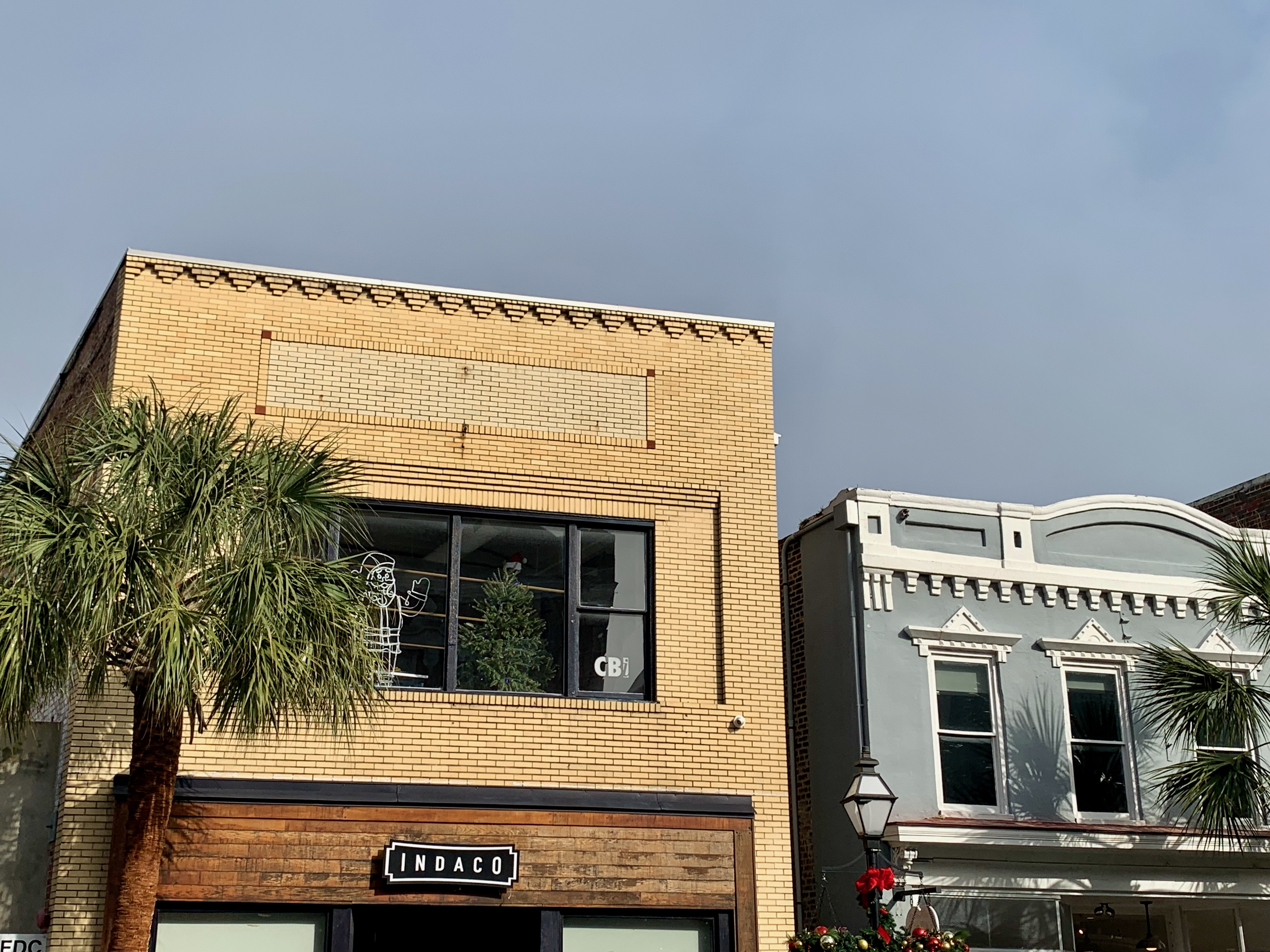
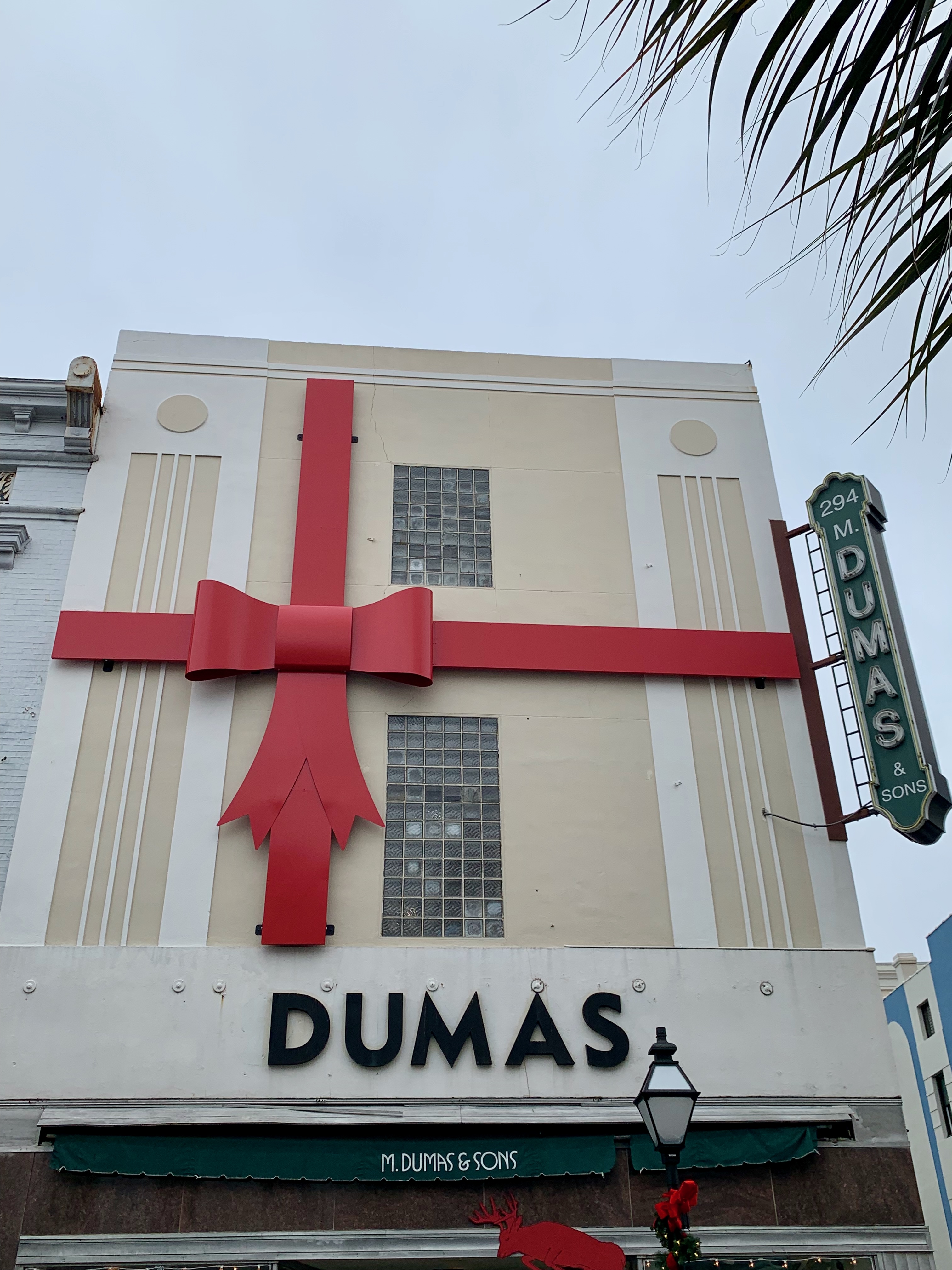
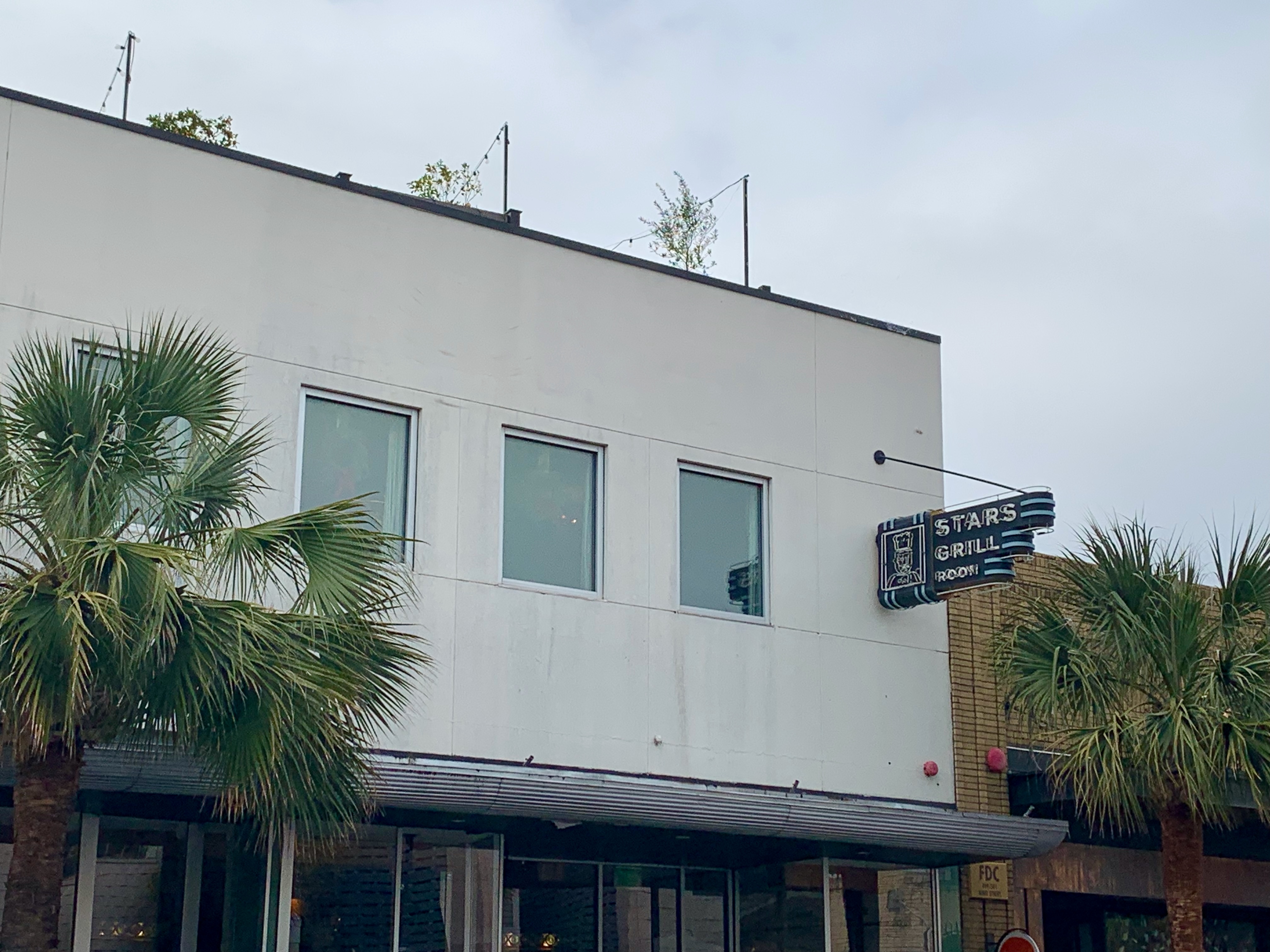
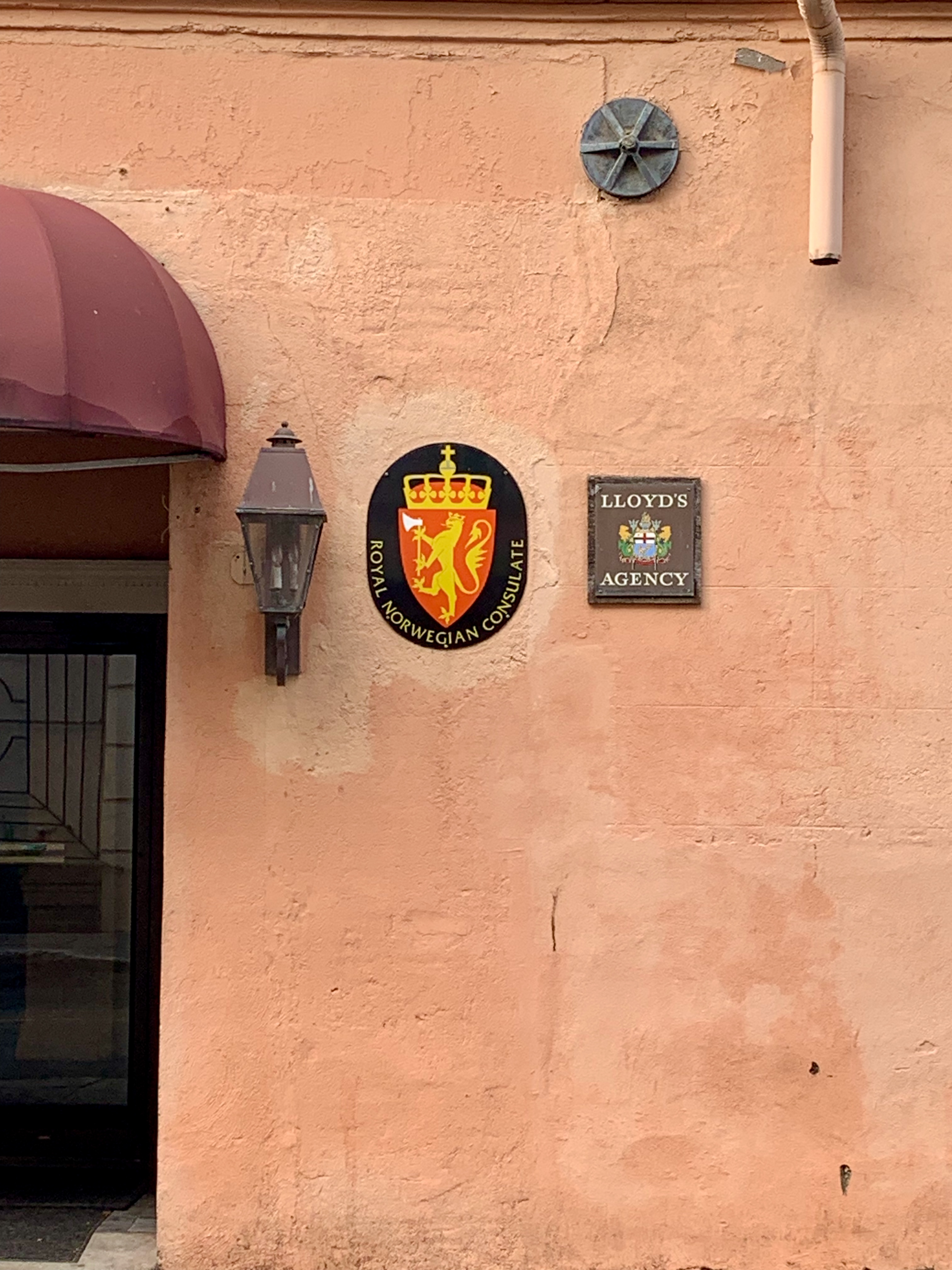
Signs of Charleston

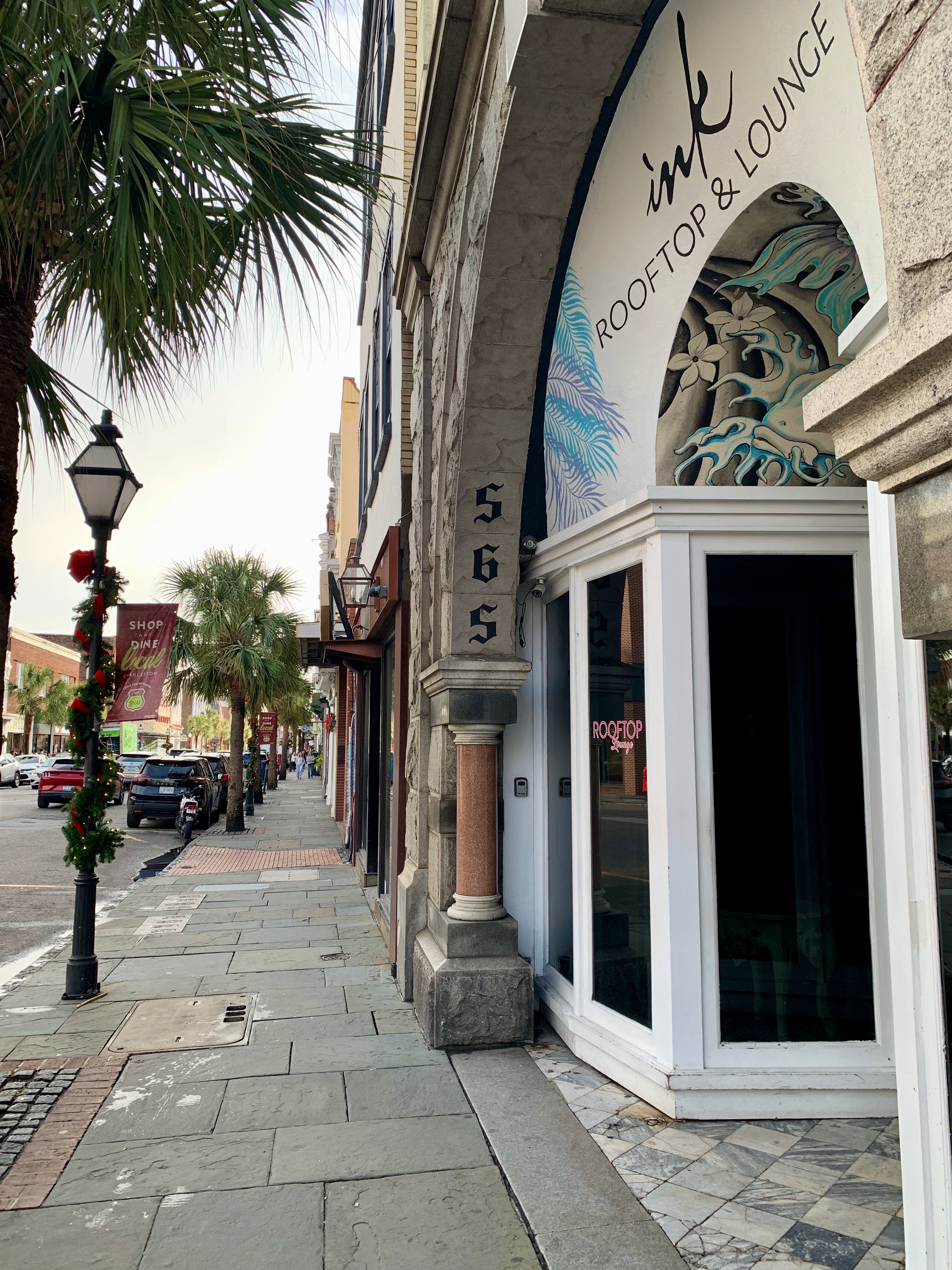
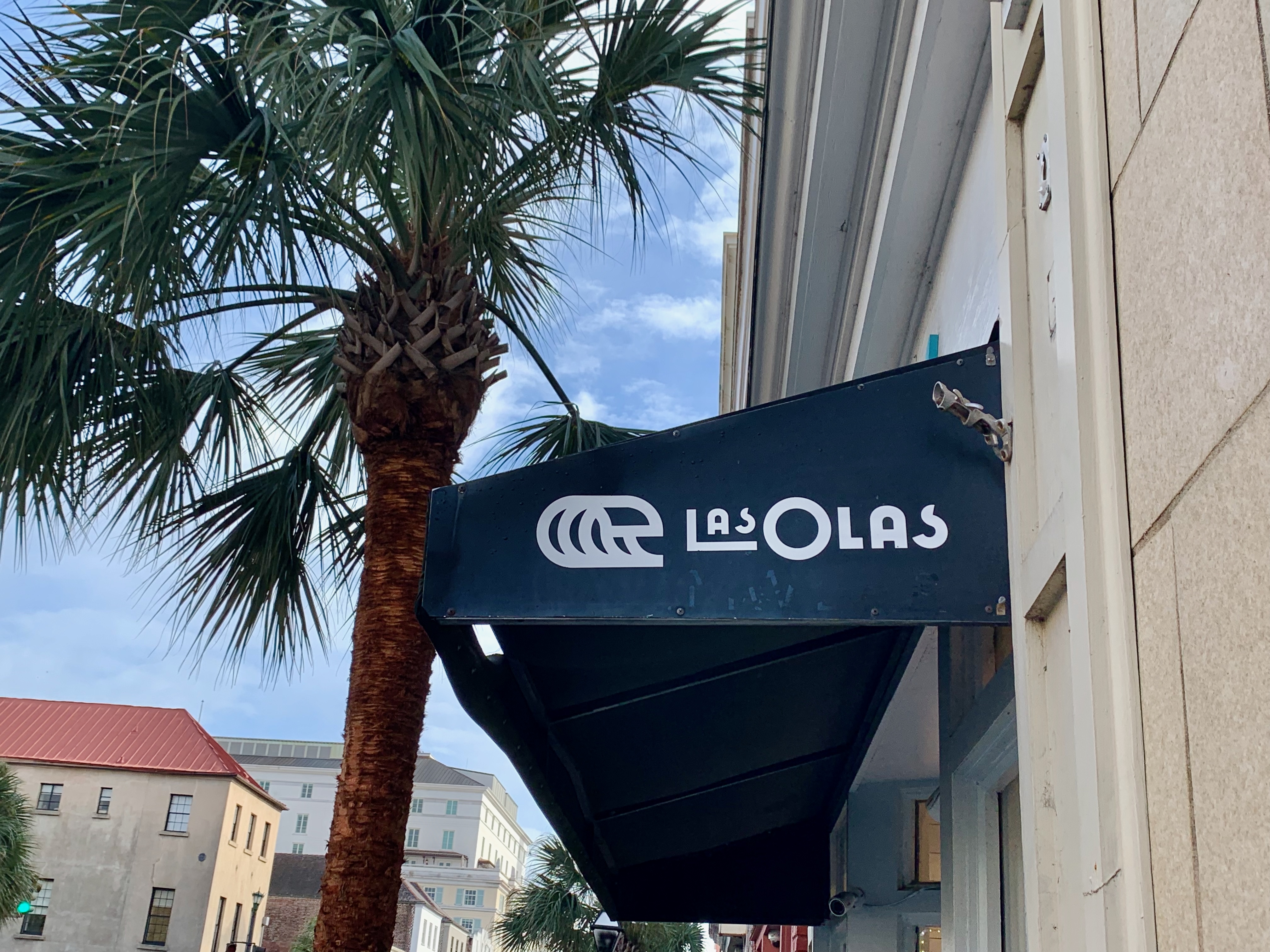
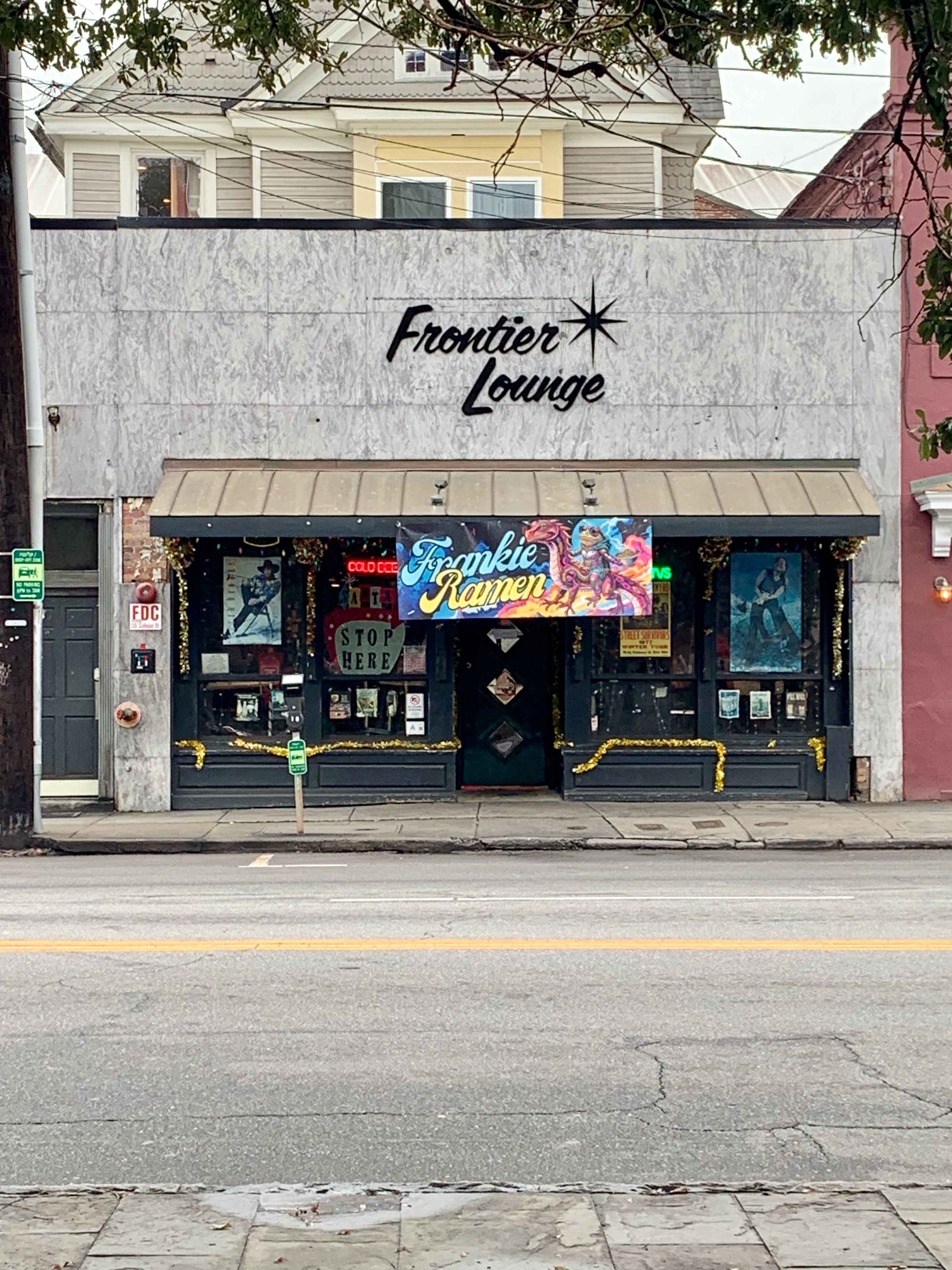
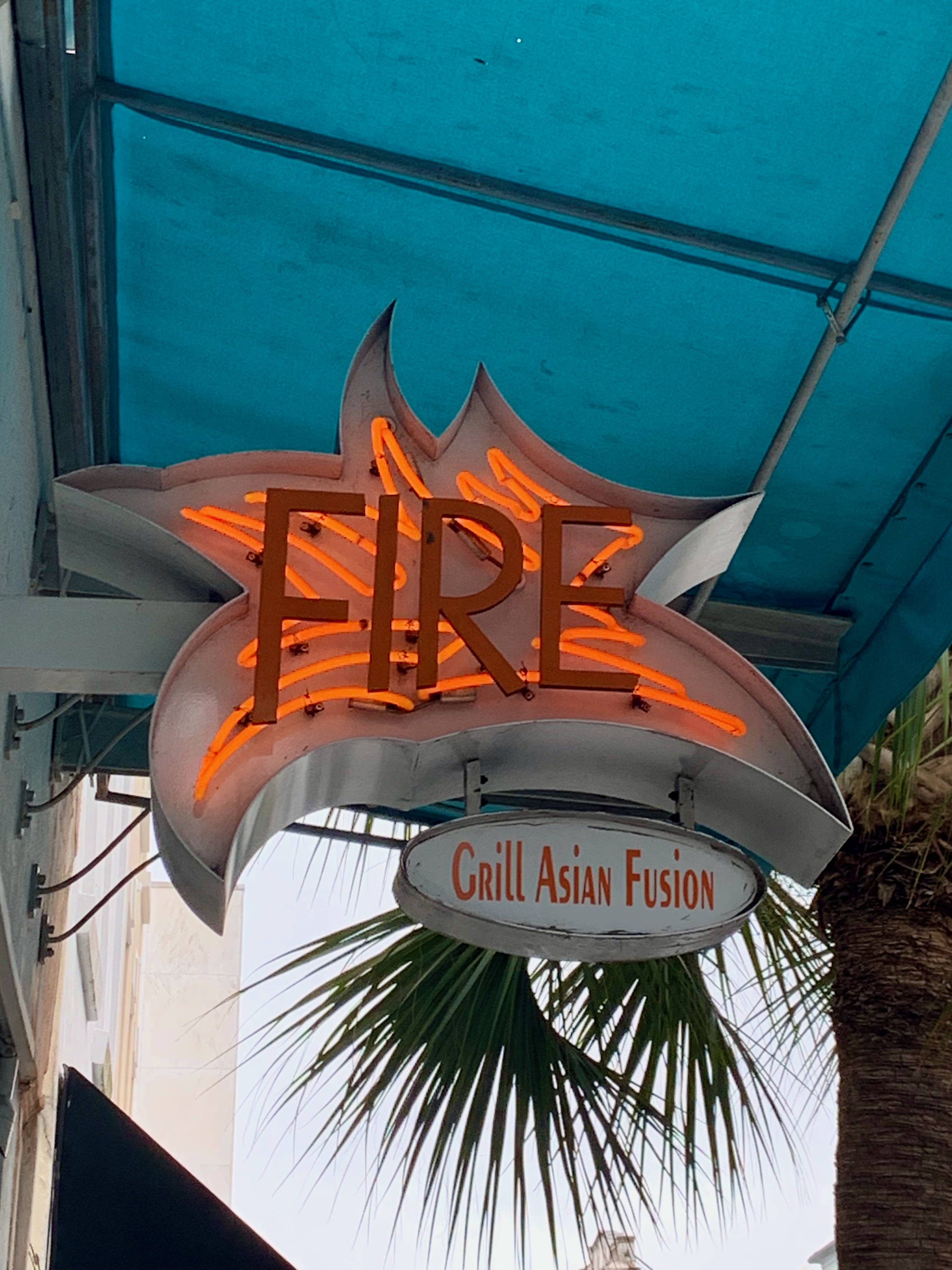
Visiting family for the holidays, I spent an hour walking up and down King Street in Charleston; I could’ve easily spent four more hours taking photos of everything, especially the signage.

Much of this signage was quirky and unique.

Some of it was lovingly faux-retro.

Occasionally, it was genuinely old.

Other times, it was difficult to tell exactly how old it was.

Sometimes, it was tiny with other items discernible in the frame if you looked closely enough.

Given the time of year, occasionally it was adorned by seasonal touches.

This being South Carolina, it was often flanked by palms.

And, moving a little further away from King Street, it even served a purpose one just doesn’t see in, say, Des Moines.

Favorite Films of 2024

As usual, I go by what was released theatrically in Boston and/or made available to stream in the US in 2024 even if I saw at least two of my top ten at TIFF 2023 (which also played at least four others that I couldn’t score tickets to then.)

1. DO NOT EXPECT TOO MUCH FROM THE END OF THE WORLD

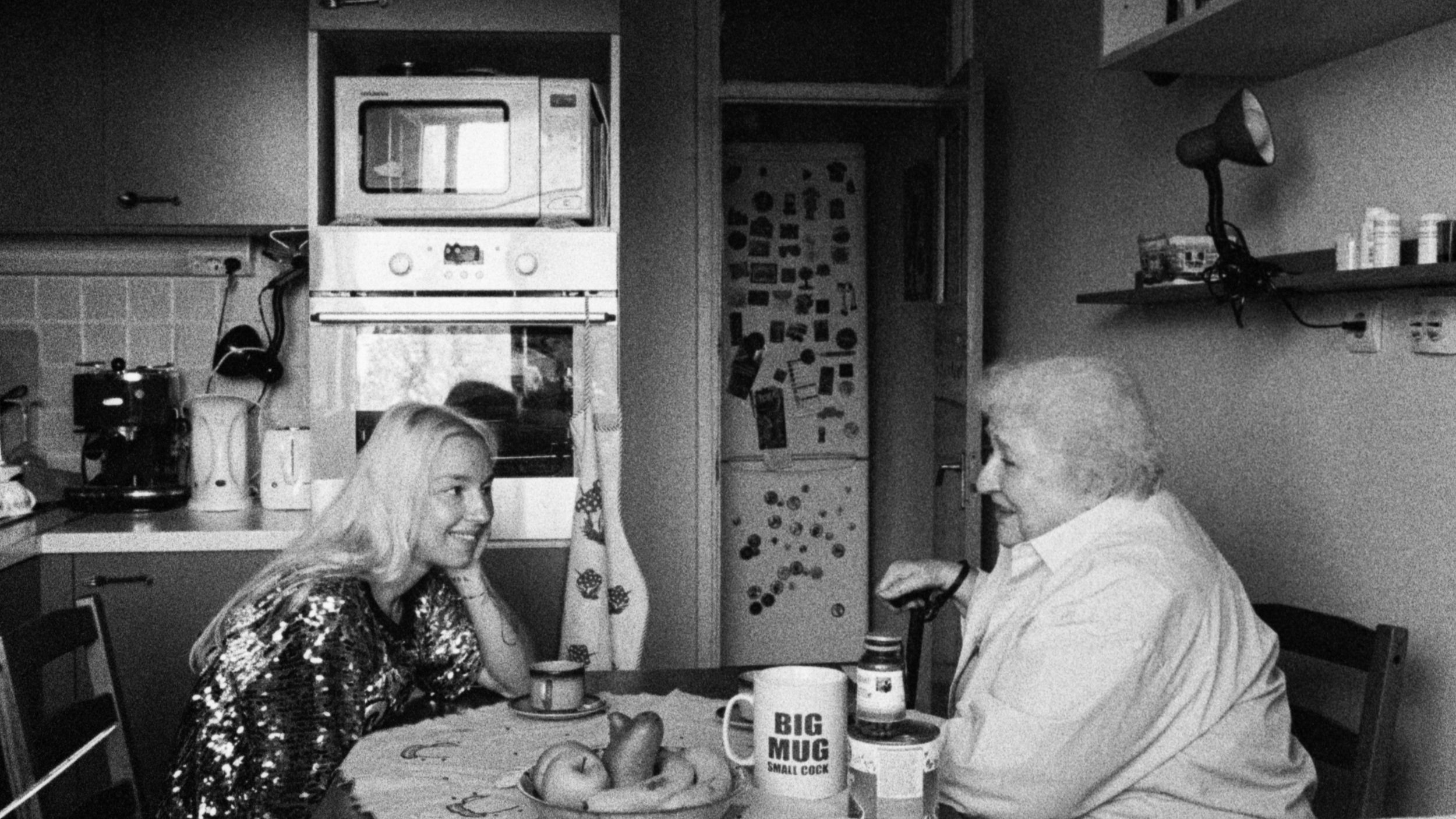
I know, most viewers might not have the patience for a 163-minute, mostly black-and-white Romanian film about a production assistant (Ilinca Manolache) expending copious effort on a myriad of lowly tasks for what amounts to a public service announcement, spliced in with scenes of a 1981 film about a female Budapest taxi driver. But you should—a satire and a critique of film production, social media and Romania itself, Radu Jude’s singular achievement (and this is the man whose previous feature was called BAD LUCK BANGING, OR LOONY PORN) is to wickedly utilize humor as a balm in expressing outrage at a world gone off the rails.

2. PICTURES OF GHOSTS

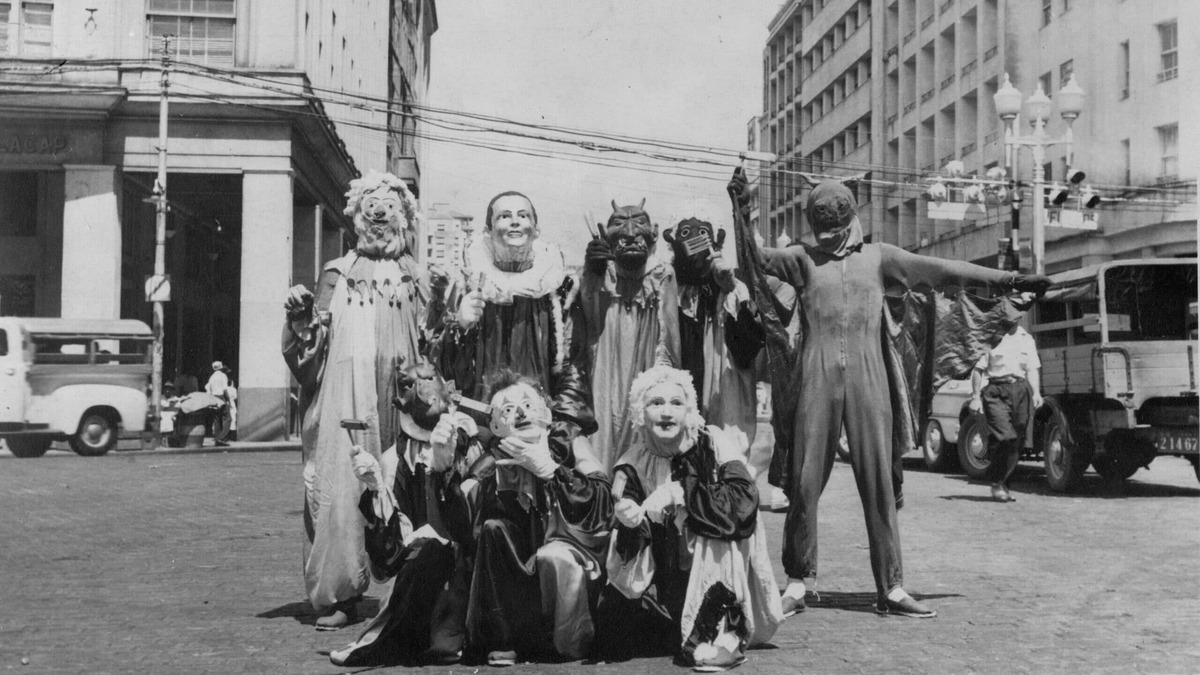
Kleber Mendonça Filho (BACURAU) utilizes the essay film to both celebrate and scrutinize his coastal hometown of Recife, Brazil. Abetted by his own narration, the film is a marvel of editing as the present day often mirrors and occasionally contrasts with archival footage he and his family shot of his home, the cinemas he once worked in as a projectionist and other imagery of Recife throughout the past five decades from a cornucopia of sources—all the way to a playful finale that not only re-emphasizes the meaning of the film’s title but also comes to life with an unlikely but evocative needle drop for the ages.

3. ROBOT DREAMS

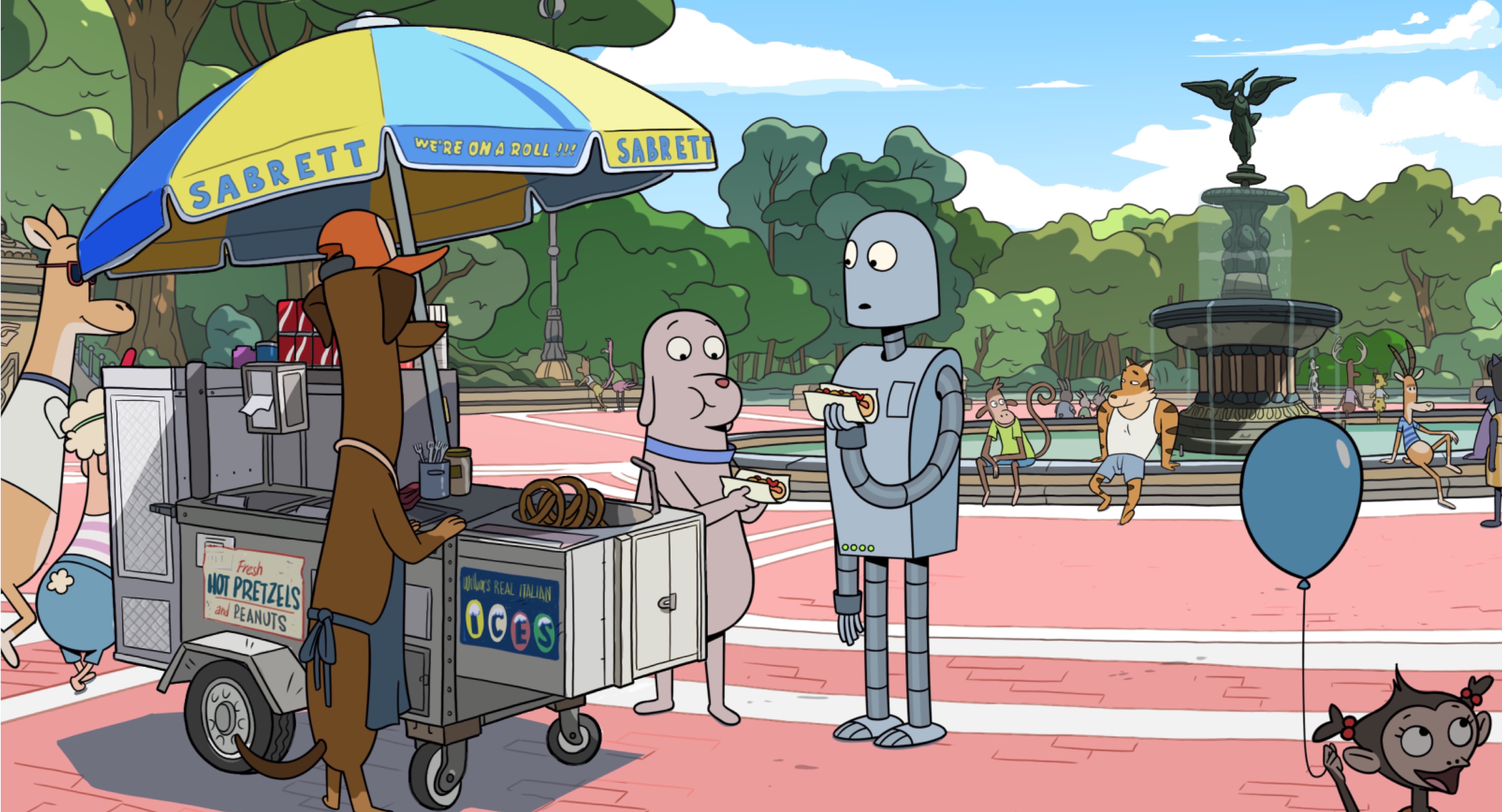
From the Spanish director of TORREMOLINOS 73 (of all people), this animated feature adapted from a graphic novel is an unexpected gem. Telling of the fractured friendship between a Dog and a Robot (no other names are given and/or needed), its whimsy and warmth is sharpened by real emotional stakes and conflict, offering up a fun-house mirror version of the world where animals and machines are able to form deep, vulnerable connections. Sweet, funny and unexpectedly one of the best ever films about friendship (and New York City), I can’t even imagine a feature-length version of BOJACK HORSEMAN turning out this well.

4. PERFECT DAYS

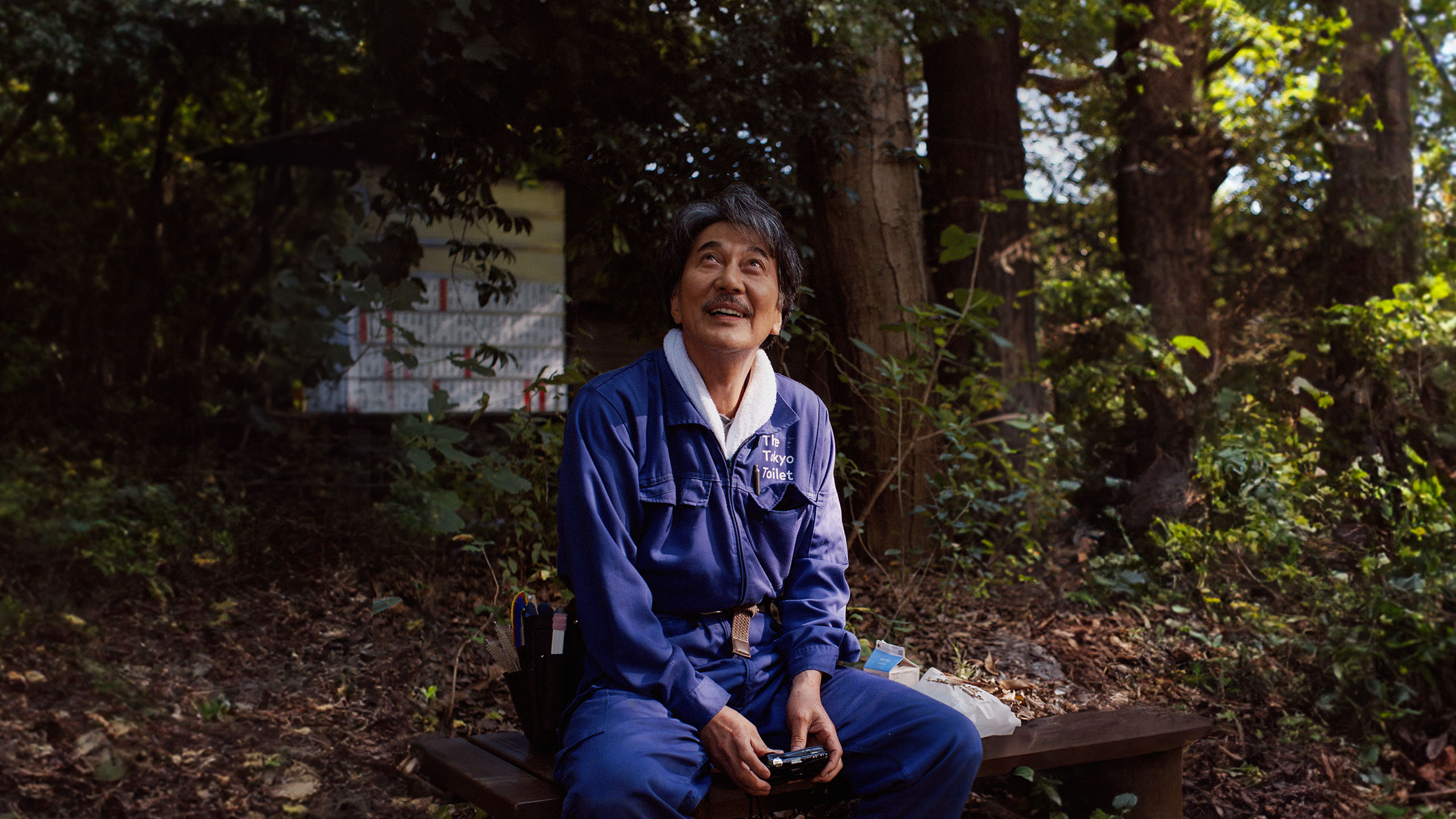
An unexpected late-career triumph from Wim Wenders; that it’s simply a character study about Hirayama (a superb Kōji Yakusho), an aging man who cleans Tokyo public toilets for a living only adds to its allure. This might be the closest Wenders has come to successfully making “slow cinema” with scene after scene of Hirayama methodically doing his work with pauses for bicycling, picking up paperbacks from his favorite bookstore, and listening to music on cassette tapes while driving through greater Tokyo. I’ve rarely seen such an extensive depiction of a character’s relationship to music and how it informs and fortifies his well-being and also his environment. 

5. HARD TRUTHS

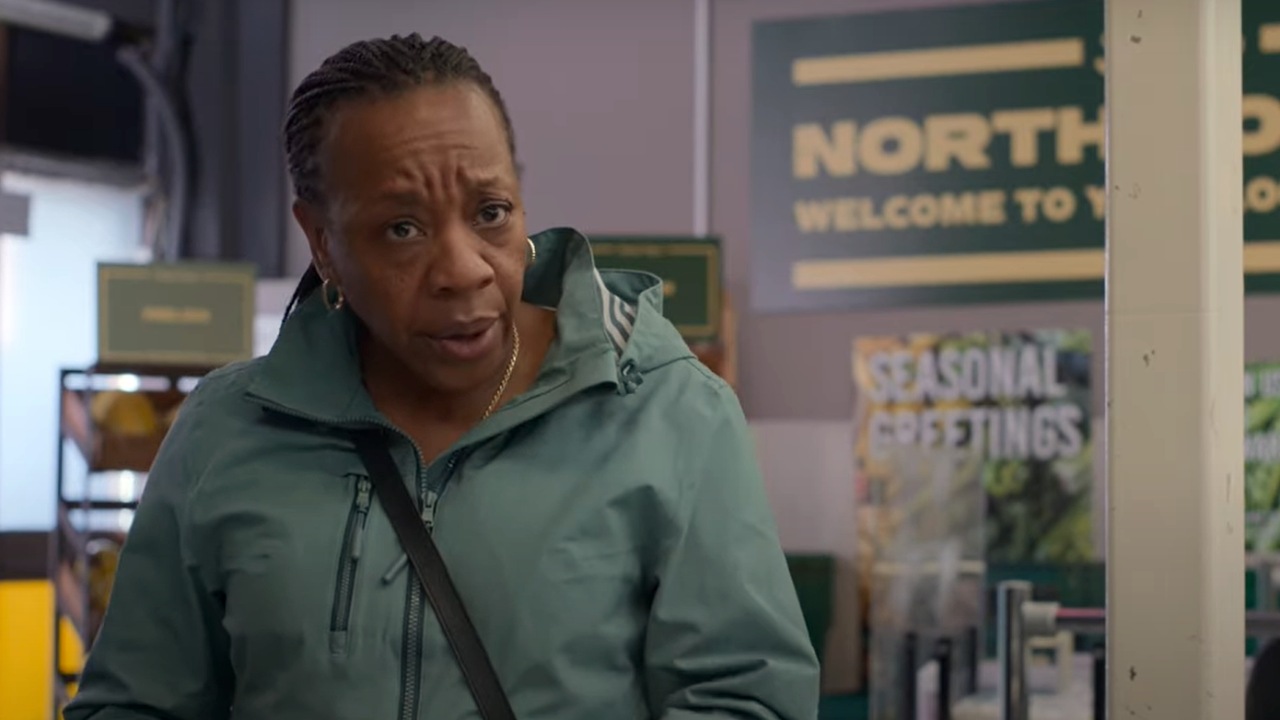
Welcome back, Mike Leigh. His first contemporary film since 2010’s ANOTHER YEAR is also his most brutal since ALL OR NOTHING and maybe his most aptly titled since BLEAK MOMENTS. Marianne Jean-Baptiste, rudely snubbed of an Academy Award nomination gives a towering performance as one of the rudest, most irritable, broken and heartbreaking characters since maybe Jane Fonda in THEY SHOOT HORSES, DON’T THEY? It’s hilarious, then harrowing; when it nearly gets to be all too much, it offers not so much relief as it does perspective and something approaching grace without pulling any punches. 

6. THE BEAST

The first Bertrand Bonello film I’ve loved is very loosely adapted from a Henry James novella pairing Gabrielle (Lea Seydoux) with Louis (George MacKay) across three time periods: 1904 France, 2014 Los Angeles and a near-future heavily shaped by artificial intelligence. They inhabit different personas (Mackay especially effective as he transforms from a European aristocrat to a 21st Century incel) but can never fully connect with each other for reasons not fully apparent until the end of the film. A real strange trip rewarded by multiple viewings, I would’ve never previously thought to compare Bonello to David Lynch (RIP) but here we are.

7. JANET PLANET

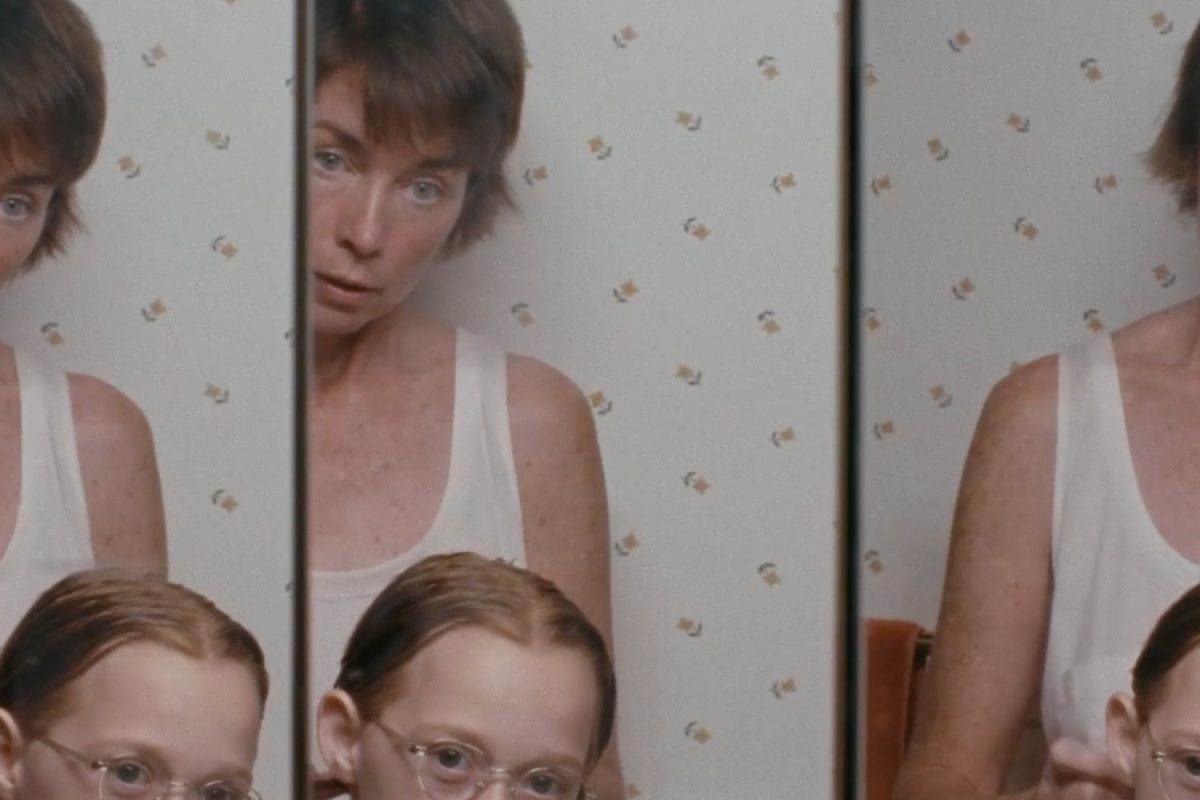
Pre-teen angst has served bespectacled, mousy 11-year-old Lacy (Zoe Zeigler) well, or at least to the point where she has her single mother (Julianne Nicholson) delicately wrapped around her finger during a pivotal summer in her life. Set in 1991, esteemed playwright Annie Baker’s directorial debut inevitably feels like it could be autobiographical but what’s striking is how it uncovers so much nuance in its internal, seeking, near-deadpan approach. Little about the film feels forced or false and yet it doesn’t feel like many other films, allowing for hints of magical realism deployed with an unusually subtle touch.

8. FLOW

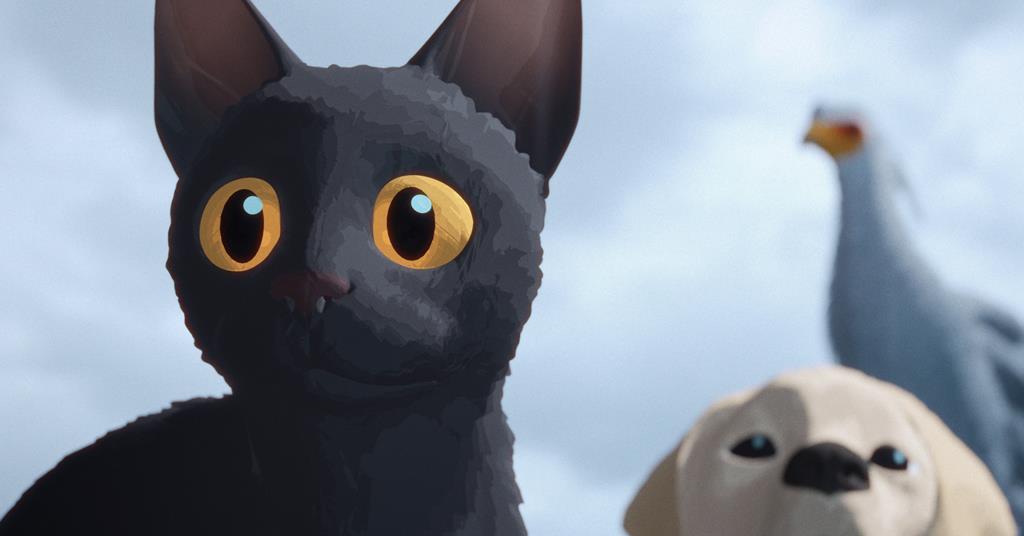
I don’t recall having two animated features in a year-end top ten before (although ROBOT DREAMS, a 2023 film received a delayed release); like #3, this Latvian production has no dialogue, conjuring a world out of movement, facial expressions and textured sound. Still, I was not expecting the full, expansive and wonderfully bizarre journey this goes on. As a flood sweeps through the landscape, a lone cat and various other animals fight to survive and encounter near-spiritual and metaphysical realms. Stirring and just a little trippy, it deserves to become this generation’s FANTASTIC PLANET.

9. BIRD

Andrea Arnold (AMERICAN HONEY) returns with what feels like an ideal of homegrown, personal cinema: searching, dreamlike, wild, a world in perpetual motion that’s chaotic and sometimes dangerous yet yearning for and occasionally capable of beauty. Brashly combining kitchen-sink realism with that of the magical kind is a new wrinkle for Arnold; some would argue she really goes for it and not all will know what to make of the Franz Rogowski’s character. Fortunately, her cast is up to that challenge—in particular, real find Nykiya Adams, as idiosyncratic and fully developed as Katie Jarvis was in Arnold’s FISH TANK.

10. EVIL DOES NOT EXIST

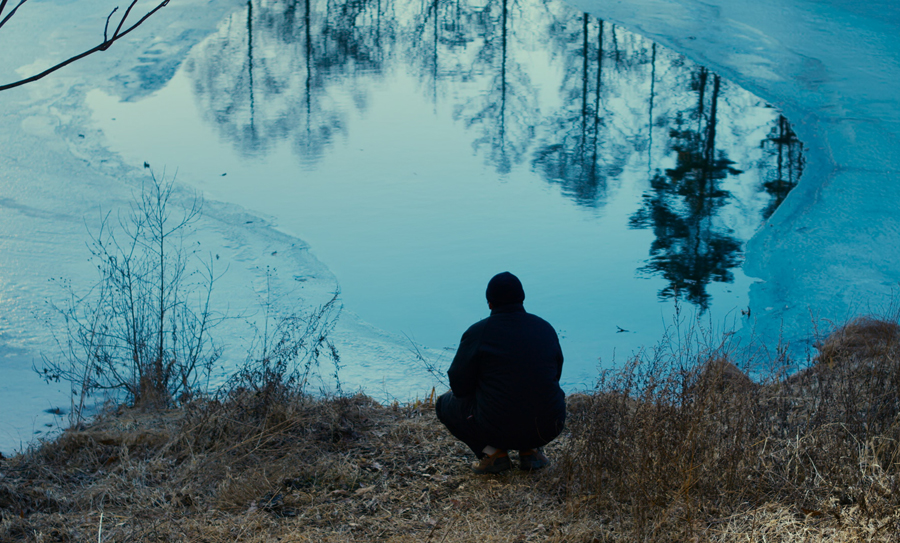
So, Ryusuke Hamaguchi, what are you doing now after all that acclaim for DRIVE MY CAR? A study of an environmental threat towards a remote community where a corporation wants to open a glamping (i.e., glamorous camping) site, you say? Far more Tarkovsky than Kore-eda, this is leisurely paced, visually stunning and in the end, near-impenetrable. Still, arguably no other filmmaker would so totally depict the utter futility of “information meetings” where the concerns of said community are both heard and blithely dismissed or take two characters who initially seem buffoonish and unexpectedly flesh them out until they’re nearly as sympathetic as the two protagonists.

11. THE FEELING THAT THE TIME FOR DOING SOMETHING HAS PASSED

The peculiar way writer/director/often-naked star Joanna Arnow views the world will inevitably seem off-putting to some but enchanting to others for how she finds the humor in absurdities and indignities without taking herself too seriously or losing focus of what makes them seem so real. After all, who can’t relate to the mounting pressure of being asked to bring an unwanted piece of fruit home with them?

12. THE OLD OAK

Ken Loach’s supposed final film is one of the more socio-politically relevant titles you’ll see in these challenging times, taking a fairly straightforward premise (clash between natives and Syrian immigrants on the eve of the Brexit vote) and suffusing it warmth and pain and seemingly every other emotion in-between.

13. BETWEEN THE TEMPLES

Although firmly set in the present, this feels more like a throwback to shaggy ’70s New Hollywood style but the humanity with which Nathan Silver depicts his two main characters (Jason Schwartzman and national treasure Carol Kane) is lived-in and not hackneyed (which also goes for their chemistry).

14. HERE

In Belgium, as a Romanian construction worker and a Chinese doctoral student (specializing in the study of moss) circle around each other, it’s not so much a trajectory of gaining momentum as it is becoming attuned to one’s environment, going with the flow and savoring each step at a time.

15. THE BRUTALIST

A Great American Epic like no one makes anymore, only it’s about weirdos, probably made by a weirdo himself. When you consider all the art that reflects the triumphant, the noble, the mainstream, it’s thrilling to see something so deeply felt and also transgressive in its furthest-reaching moments when it continually threatens to come undone.

16. INSIDE THE YELLOW COCOON SHELL

Chill-out Cinema: beautiful, languorous, not altogether impenetrable but mysterious, serene without seeming blank. Seven months later, I can’t entirely recall everything that happened within its 179 minutes but I would gladly watch it again.

17. HIS THREE DAUGHTERS

This evolves from pretty ordinary to something unexpected and deep but not without lightness or lyricism. A real breakthrough for filmmaker Azazel Jacobs, though he might not have pulled it off without such a strong cast, especially Natasha Lyonne in a role both seemingly written for her and in the end, unexpected.

18. ANORA

Sean Baker’s films tend to thrive on his direction and the performances rather than the screenplays, so ignoring a few structural faults is easy enough. Reserve most praise, however, for Mikey Madison who not only tackles a challenging role, her gloriously profane, full-bodied bravura turn has nearly no precedent.

19. CHALLENGERS

Welcome back, Luca Guadagnino, though I don’t think this audacious, excessively entertaining triangle film might’ve worked as well with anyone other than Zendaya.

20. CROSSING

Levan Akin showing that AND THEN WE DANCED was no fluke with Mzia Arabuli giving off some rare, prime Suzanne Pleshette energy here.

ALSO RECOMMENDED:

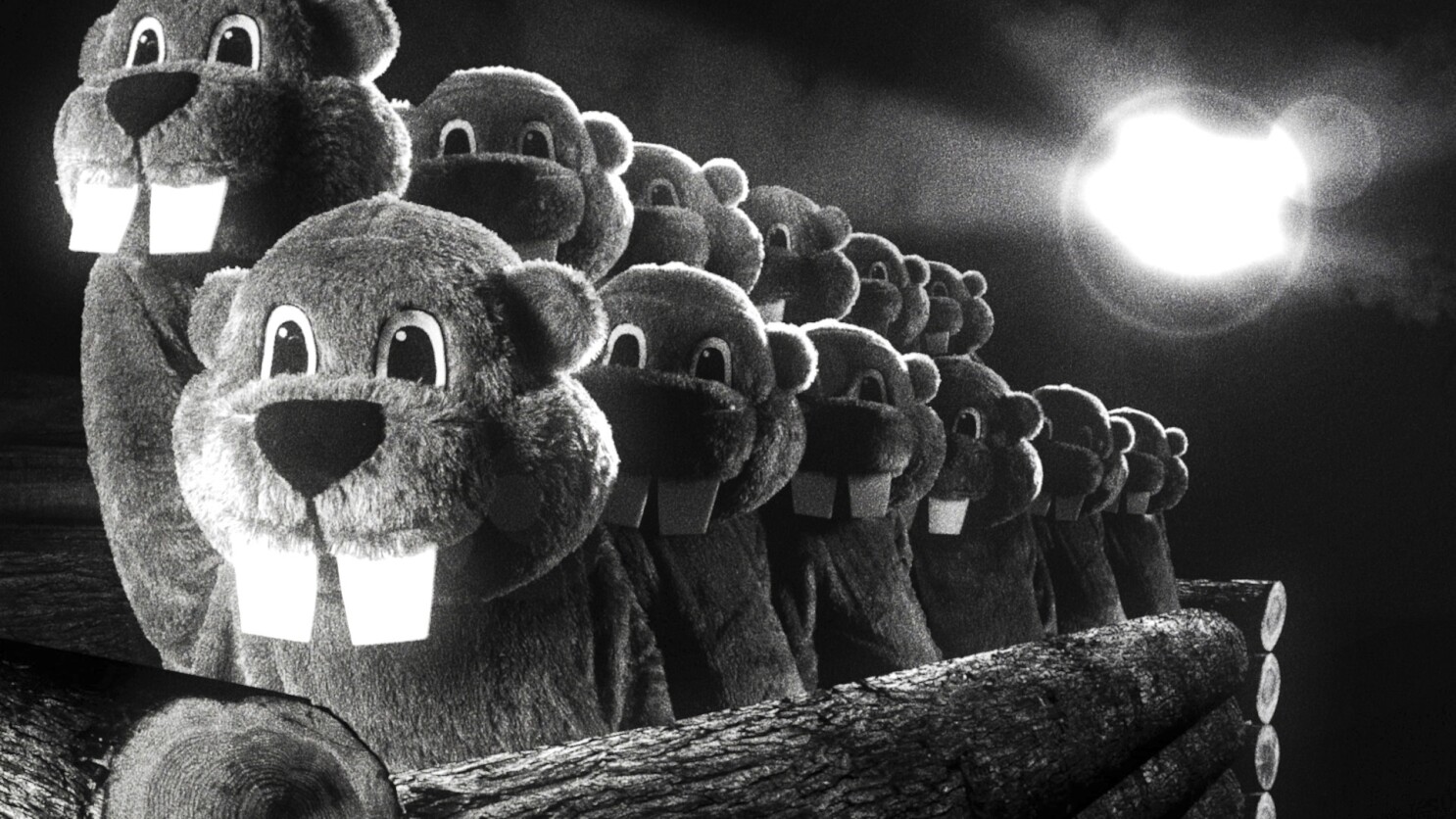
A Real Pain, About Dry Grasses, Beetlejuice Beetlejuice, Christmas Eve In Miller’s Point, Close Your Eyes, Flipside, Ghostlight, Good One, Hundreds of Beavers, Indigo Girls: It’s Only Life After All, La Chimera, Late Night With The Devil, Mother Couch, Rumors, Seagrass, Soundtrack to a Coup d’Etat, Sugarcane, The Bikeriders, The Remarkable Life of Ibelin, The Seed of The Sacred Fig, The Teachers’ Lounge, The Taste of Things, Thelma, This Closeness

Favorite Older Films Seen In 2024

Seconds

Of the hundred-plus older films I watched last year, the two standouts were titles I hadn’t viewed in over two decades. Seconds, John Frankenheimer’s 1966 oddity about a middle-aged businessman who undergoes mysterious reconstructive surgery and wakes up in the younger, glamorous body of Rock Hudson now scans like something Charlie Kaufman might’ve written had he been a member of that generation (and an early partaker of LSD.) Rewatched on The Criterion Channel, I’d clearly forgotten how INSANE it was, as much a middle-finger to middle-class conformity as The Swimmer two years later only zanier regarding the genres it attempted to deconstruct (horror and absurdism in contrast to the later film’s melodrama.) Featuring dialogue-free sections as expressive and engrossing as the best silents, Seconds is also notable for Hudson’s out-on-a-limb turn—there’s a reason why nearly every clip reel for the man includes the incredible final scene of this.

The year’s other eye-opening rewatch was a 35mm print of the 1955 film Pather Panchali at the Harvard Film Archive (my first visit there since pre-pandemic.) I previously saw it in a film class in the late 1990s, but it made little of an impression, blurring together with all the other cinema I was consuming then. Now, I can appreciate how special and genuine it is. While rural India in the early-20th century remains as foreign a place imaginable to me, director Satyajit Ray’s humanism marks such barriers as irrelevant. Anyone tuned into what it means to be alive should relate to his depiction and understanding of family dynamics, community and how we all contain multitudes—Ray even allows the petty, antagonistic neighbor woman to later exude a hidden depth and empathy for others.

Happy Hour

Ten Favorite First Time Watches:

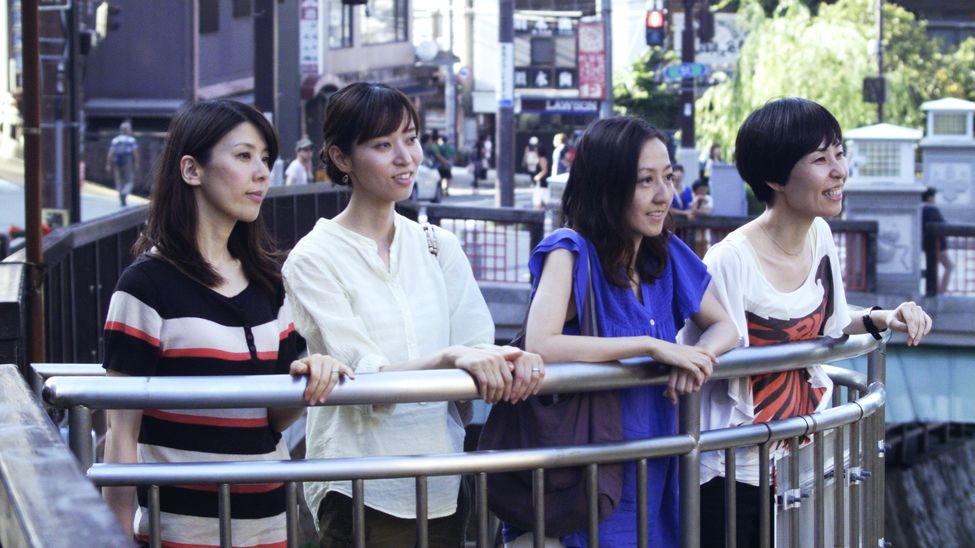
1. HAPPY HOUR – This 2015 feature from Ryusuke Hamaguchi (Drive My Car) about a quartet of thirtysomething female friends stood out—not just for being over five hours long (I watched it over three nights) although that length is key, for the amount of time spent with the characters is crucial as we witness their mundane lives and gradually comprehend how much they are like our own.

2. VENGEANCE IS MINE – An unearthed 1984 made-for-television production from Michael Roemer (Nothing But a Man) was particularly notable for how its messiness nearly felt like a Cassavetes film in spots, with Brooke Adams’ lead performance as complex and iconic as any she ever gave.

3. AMADEUS – In my attempt to watch every Academy Award winner for Best Picture, this is possibly the best one of the 1980s; rarely has the opulence and spectacle of it all had such a solid, nay, sobering philosophical foundation: What makes art great is that not everyone is capable of such greatness.

4. MAHLER – My recent Ken Russell kick led to his typically bonkers and visually beautiful revisionist biopic of the composer which, as an added bonus portrays the wackiest conversion to Catholicism ever.

5. WERCKMEISTER HARMONIES – I still may never watch Satantango, but I finally saw my first Bela Tarr film, which lived up to its hype of this director rewriting the language of cinema and also provided this takeaway: It’s the end of the world as we know it, and János is decidedly not fine.

6. POSSESSION – This inexplicable psychological horror still invades my thoughts three months on. That subway corridor scene is like a Cassavetes joint if Gena Rowlands (RIP) had literally gone stark raving mad and John decided to film it.

7. THE PHENIX CITY STORY – Surely a seedier and more believable view of small town 1950s Americana than anything else I’ve encountered. Also, it felt far less like a time capsule than it should have.

8. THE GO-BETWEEN – I admittedly watched this to see if I recognized the score pilfered from it for May December (and boy did I ever); however, talk about a slow burn that absolutely sears once it reaches its boiling point (Margaret Leighton’s determined frenzy here makes for one of the most visceral scenes, ever.)

9. TWO LOVERS – Flush with lyricism in constructing a realistic love story, this is the first James Gray picture I’ve unreservedly loved. Perhaps he was at his best when not-so-high-concept, or maybe just Joaquin Phoenix and Gwyneth Paltrow were unexpectedly, perfectly cast together.

10. SHOCK TREATMENT – Thrillingly anticipates this century’s escalation of consumerism and access-to-instant-stardom, not to mention Richard O’Brien’s songs which nearly rival the more iconic ones of its predecessor The Rocky Horror Picture Show.

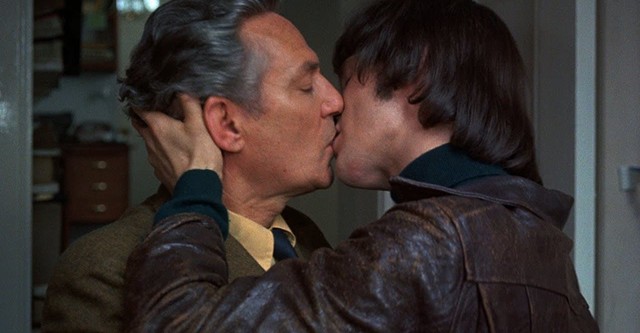
Sunday Bloody Sunday

Honorable Mentions:

Crossing Delancey, Fear of Fear, A Master Builder, My Life As A Zucchini, The Plot Against Harry, The Selfish Giant, Starship Troopers, Sunday Bloody Sunday, The Tales of Hoffman, Twentieth Century (1934), The Verdict, Young Soul Rebels

Favorite Re-Watches*:

All of Me, The Devils, The Lady Eve, The Last Detail, The Life Aquatic With Steve Zissou, Opening Night, Pather Panchali, Ratcatcher, Seconds, Still Walking, Times Square, The Virgin Suicides

(*not counting anything for 24 Frames)

On David Lynch

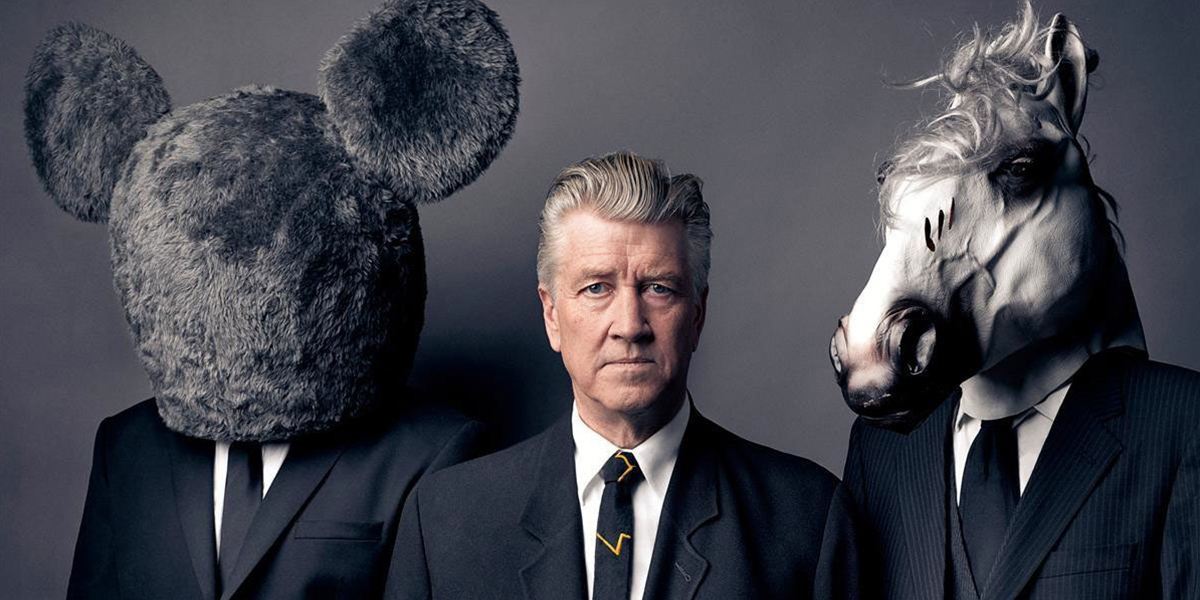
At 15, I wasn’t ready for David Lynch, who passed away at age 78 last week. Forced to watch The Elephant Man in an English class called “Modes of Literature” (film I suppose being one of the “modes”), it thoroughly freaked me out, not in a scary-horror way but as art then-waaaay beyond my comprehension. My response was that of an average adolescent: condescending disbelief to its merit, later earning easy laughs at a party with my lazy John Merrick impression. Twin Peaks first aired the same year; maybe I knew that it was co-created by the same person who directed The Elephant Man, but it was off my radar, only witnessed through media sound bites and Kyle McLachlan’s hosting stint on Saturday Night Live featuring the obligatory parody of the show.

Twin Peaks: Fire Walk With Me would end up the second Lynch feature I saw at the urging of a girlfriend; having not seen the show, it didn’t resonate with me at all. That same year, when Lynch appeared on the cover of Rolling Stone to promote Lost Highway, I had no idea who this odd, middle-aged, wavy-haired man was standing off to the side and behind a particularly dopey-looking Trent Reznor, composer of the film’s score (the latter would go on to do much, much better work of this sort.)

I moved to Boston for film school later that year and finally saw Blue Velvet on a rented VHS tape. By then, I was ready. While not as life-changing as other cinema masterworks I was regularly exposed to at the time, this was the first Lynch I appreciated and at least thought I understood even as it exposed me to ideas and types of characters I hadn’t seen before (I mean, where did Dennis Hopper’s unhinged but also ultra-specific monster come from?) Two years later, I also rented The Straight Story—perhaps the most anomalous Lynch feature, but effective in conveying how many different shades he could paint in while still resembling no one else.

Another two years after that, Mulholland Drive cracked open my world. The first Lynch I saw in a theater, it was such a visceral, spellbinding experience that I watched it again at a second-run house three months later and bought the DVD upon release. I’ve written extensively about it here and will add that it not only transformed the way I viewed Lynch’s art, it was also one of those “life-changing” movies I referred to earlier; some days, it is my favorite film of this still-young century.

Viewings of Eraserhead and the first season of Twin Peaks followed (like many, I drifted through the second season save for the startling finale), along with a rewatch of The Elephant Man at age 30 (this time in a cinema) which moved me profoundly. Not everything Lynch made was golden (Lost Highway feels like a failed attempt at what he’d perfect with Mulholland Drive), but my increasing familiarity with his oddball perspective, the sometimes-bizarre cadences his characters would speak in, and his use of the surreal not as a means to an end but a portal into the previously unimaginable all rendered him more essential in my mind. His work was the artistic expression of a mind that had little precedent, which is what all great, groundbreaking art aspires to.

He kept pushing boundaries: Inland Empire, a deep (and deeply weird) down-the-rabbit role psychodrama and a vehicle for everything Laura Dern could do as an actress and a muse; and Twin Peaks: The Return, a radical reboot that subverted expectations and further expanded the original series’ mythology while also wildly turning it inside out. Most of us hoped Lynch would make another feature or perhaps even more Twin Peaks, but The Return is almost a perfect career apotheosis, its final words (“What year is it?”) a question one could apply to the ever-shifting worlds his art delved into.

I did see Lynch in person at the Boston premiere of Inland Empire at the Brattle Theater. During a Q&A following the screening, Lynch was sui generis, refusing to provide concrete A’s to any of the audience’s Q’s. Towards the end, while conversing back-and-forth with a woman unable to clearly articulate what she wanted to ask him, he affably but firmly (and loudly) asked her in his inimitable, flat near-drawl, “WHAT’S YOUR PROBLEM?” Regardless of whether one loved or hated Inland Empire that night, those three words in that voice made the evening transcendent.

2024 in 12 Photos

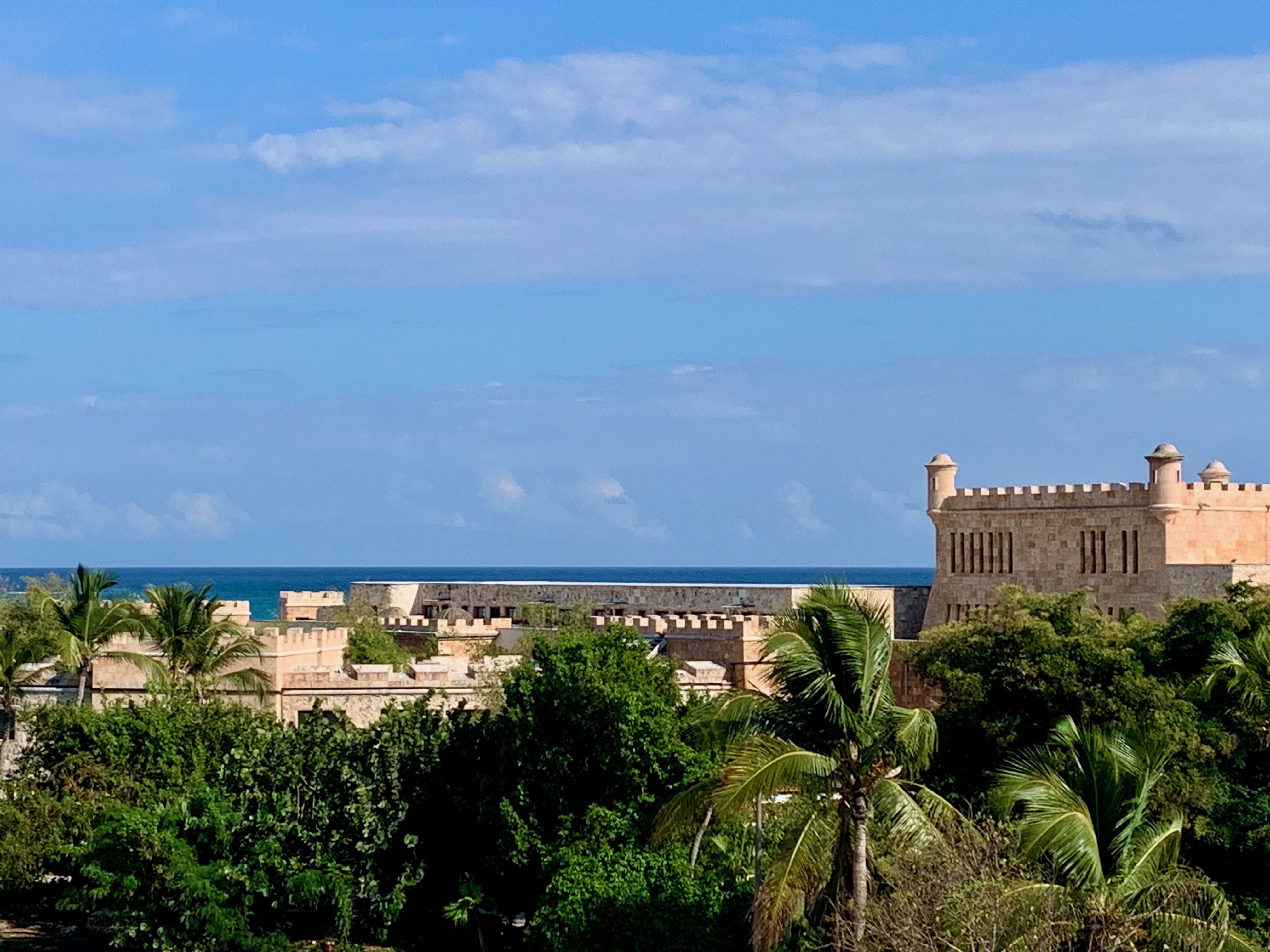
Kicked off the year with a real vacation to Punta Cana, Dominican Republic. From the balcony of our resort, I spotted this odd, castle-like structure next door.

Late Winter, late in the day: A walk along Fort Point Channel in Boston, the imposing Post Office a monolith against a waning, if still piercing sun.

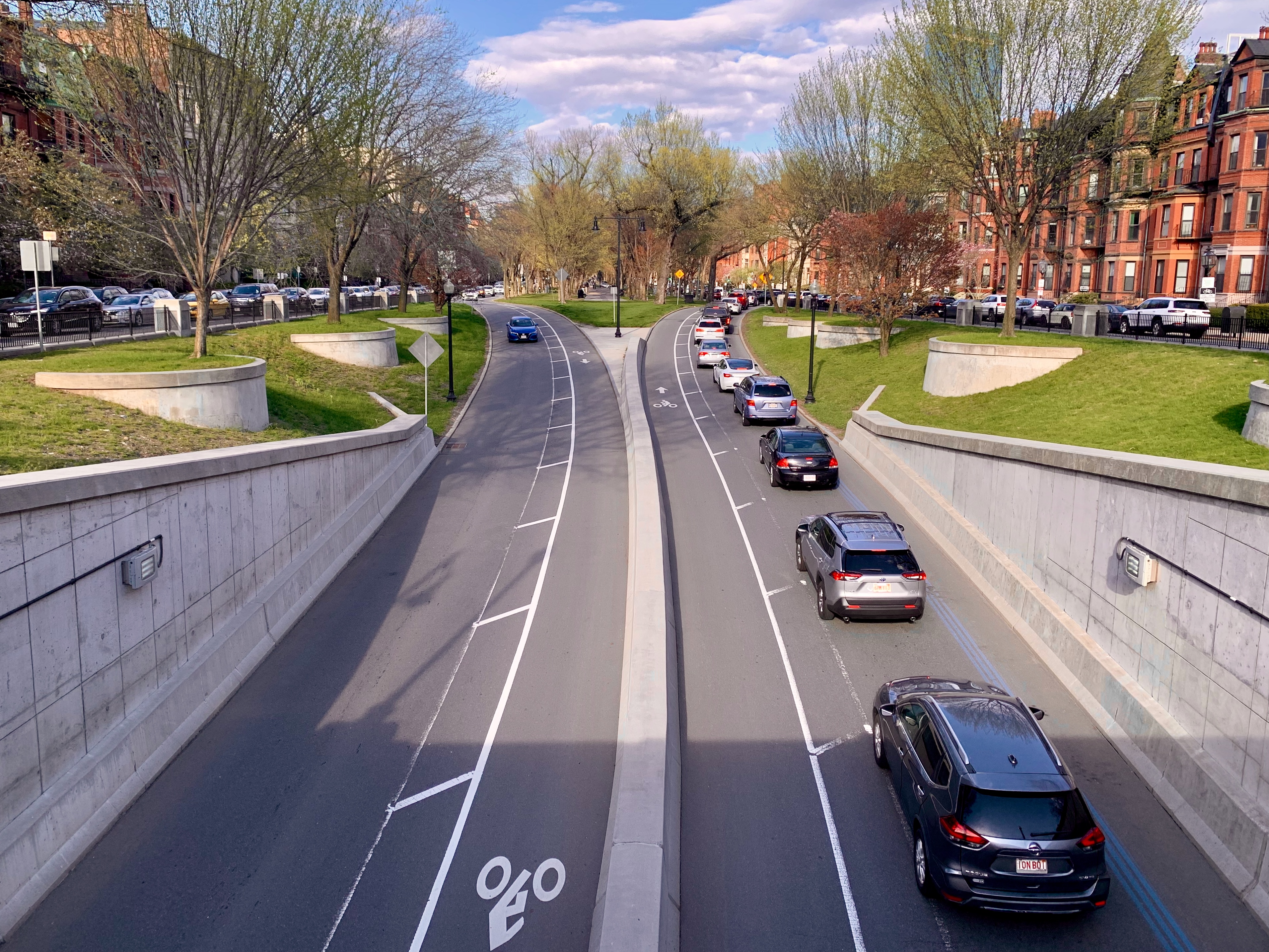
Spring: A familiar sight to anyone who has ever walked across the Commonwealth Ave. overpass on Mass Ave. (we love our “Aves” in Boston, no “Avenues” for us!)

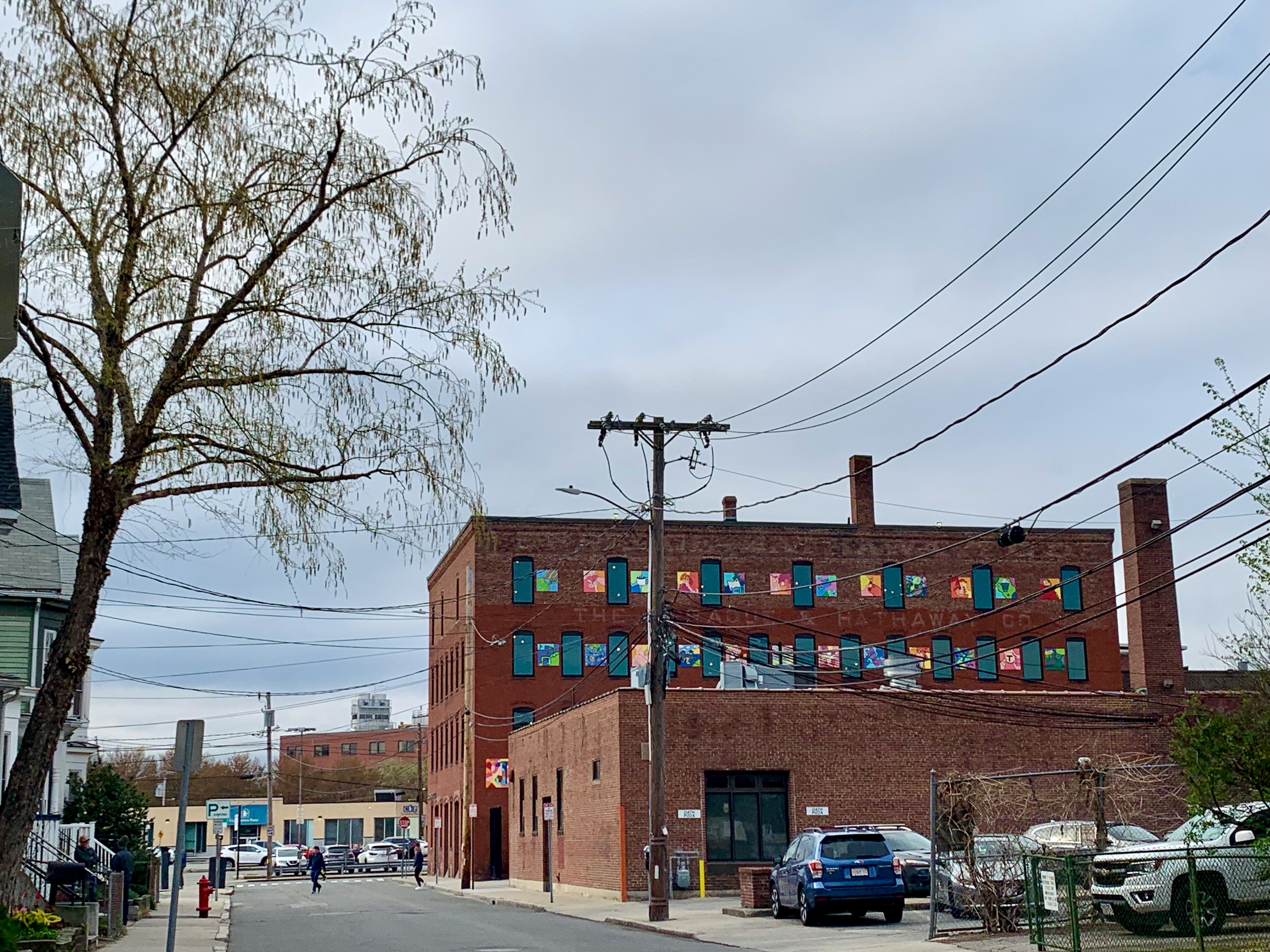
A stroll near Davis Square in Somerville before attending Independent Film Festival Boston; somewhat gentrified since I lived walking distance from here a quarter-century ago but still quirky in a few corners.

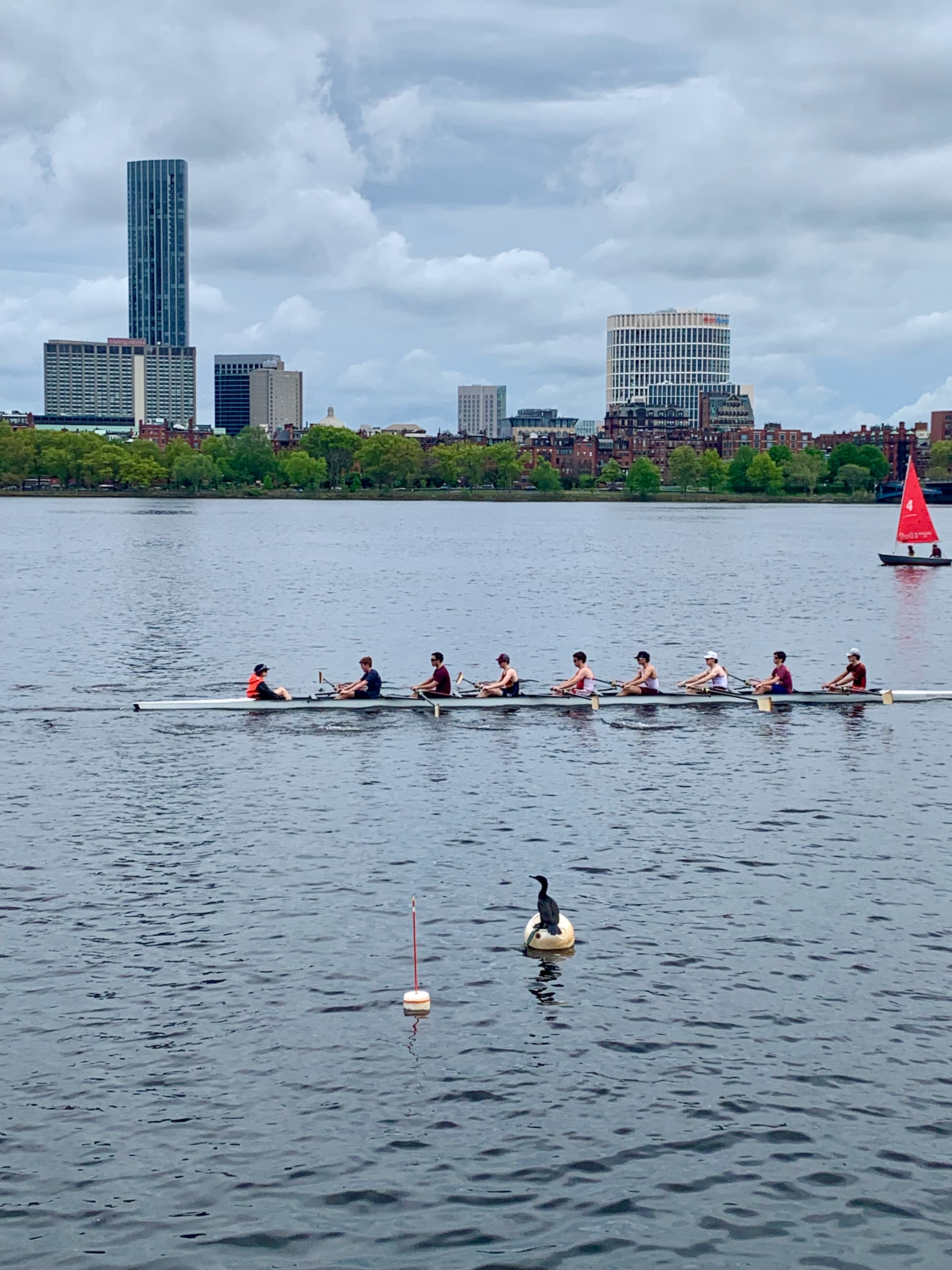
I work right near the Charles River; one afternoon, I caught a glimpse of one of many rowing crews that train there in warmer months, along with a waterfowl companion (and a view of the new Parcel 12 over-the-Mass-Pike-high-rise development on the right.)

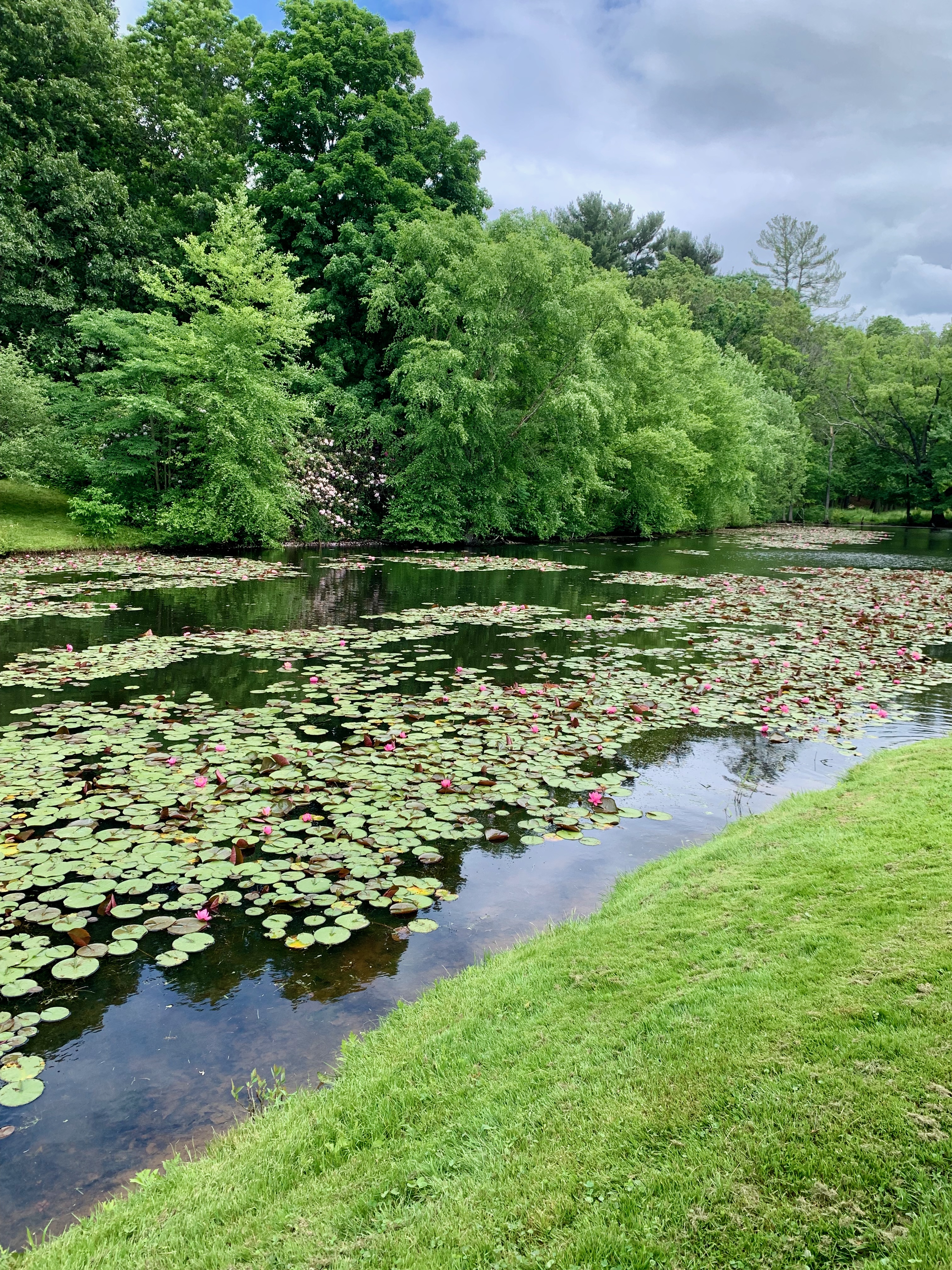
Stopped at Allandale Farm in Jamaica Plain near the Summer solstice to pick up some plants and was not expecting to see this lilypad-heavy pond in the back.

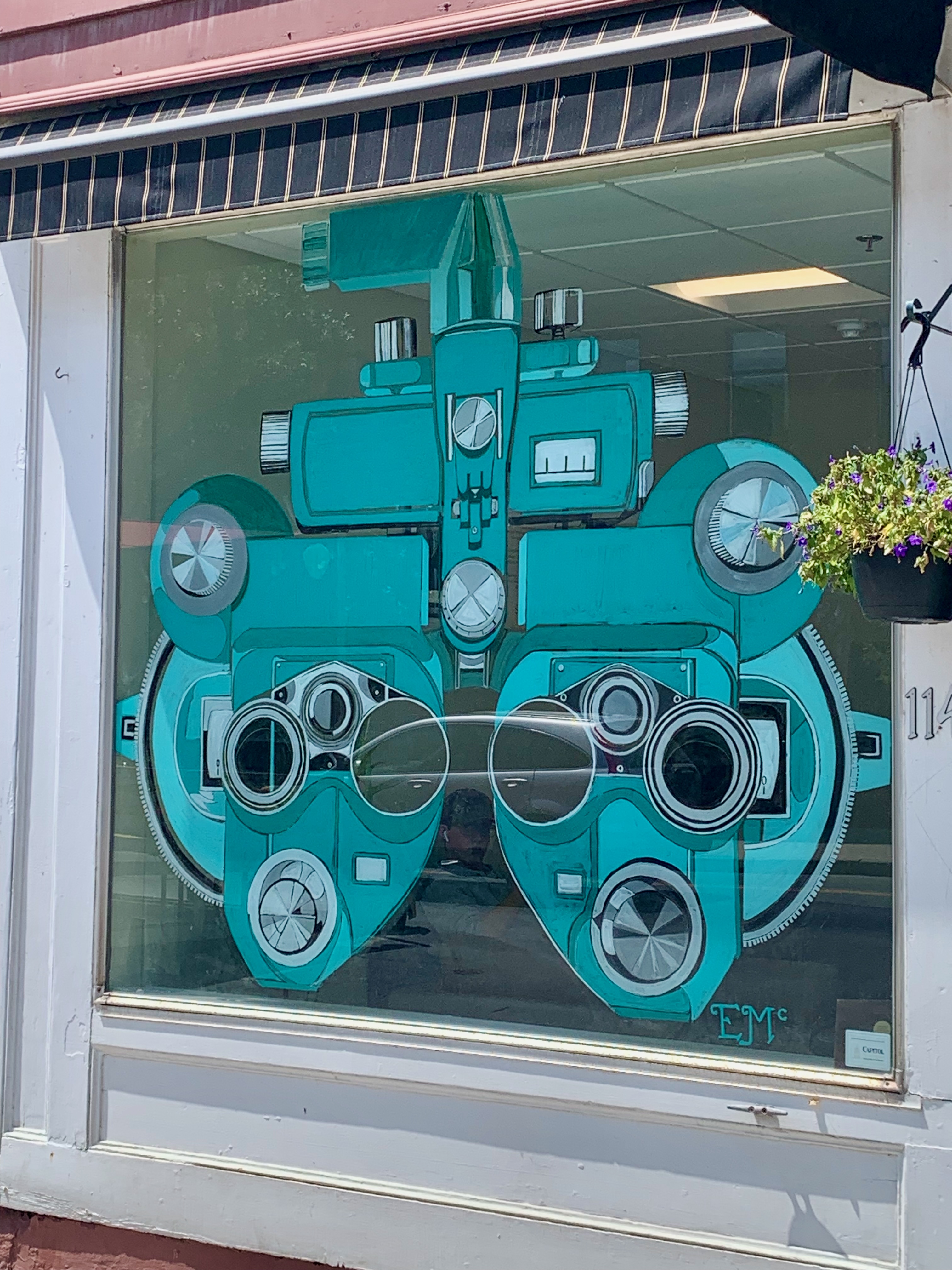
An outtake from my Northern Vermont photo essay, this rather imposing Optometrist graphic was one of many unique signs adding color to downtown Montpelier (and yes, I just noticed the guy sitting inside looking towards my camera.)

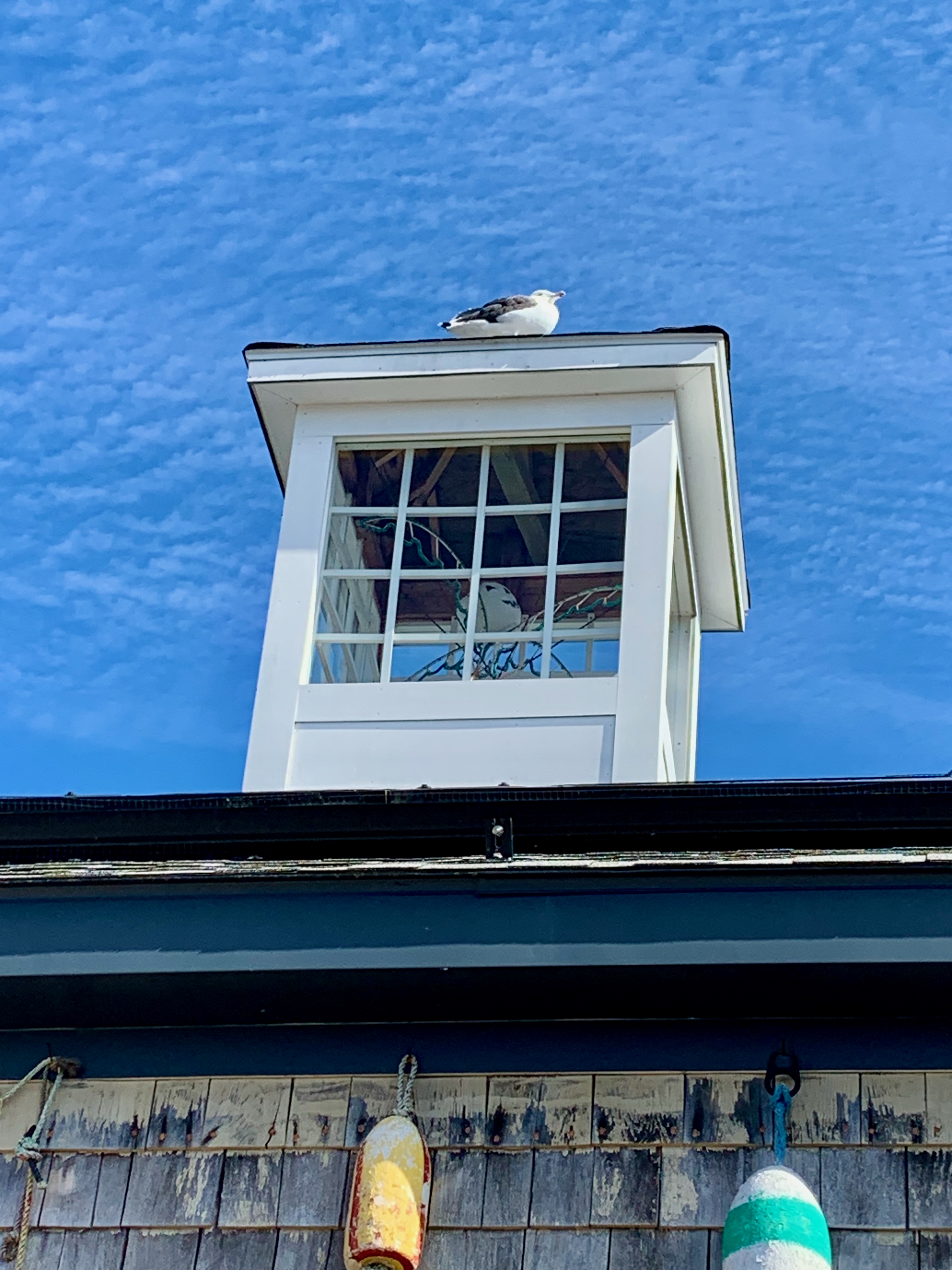
In Portland, Maine for an early Autumn visit: one couldn’t ask for a better Old Port tableaux, seabird and all.

Initially, lack of rain made for earlier-than-usual, somewhat diminished foliage but by late October, it seemed more vibrant than any other Autumn in recent memory.

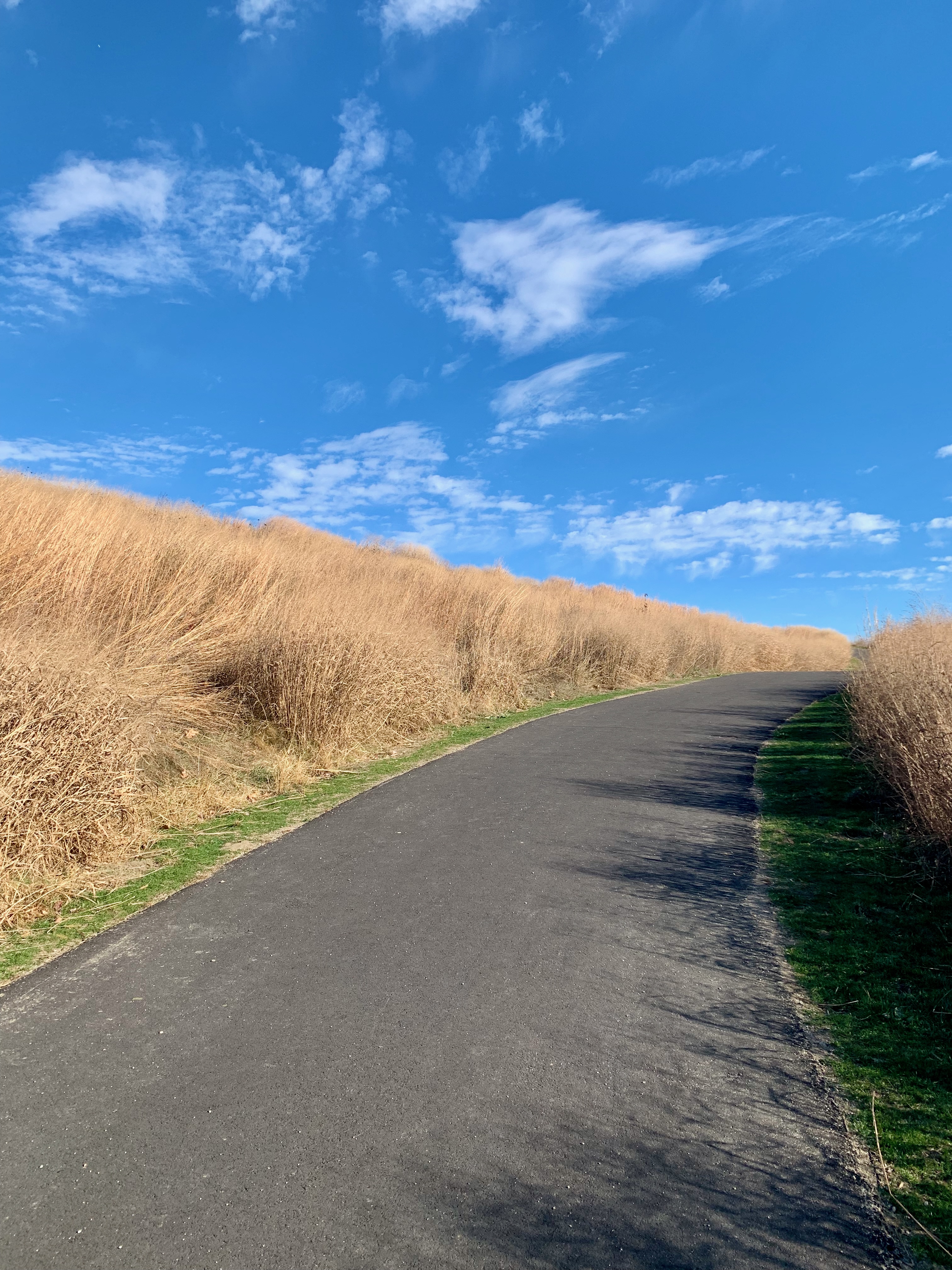
Millennium Park, mid-November: taking solace in nature as I tend to do, this path providing encouragement to keep moving forward.

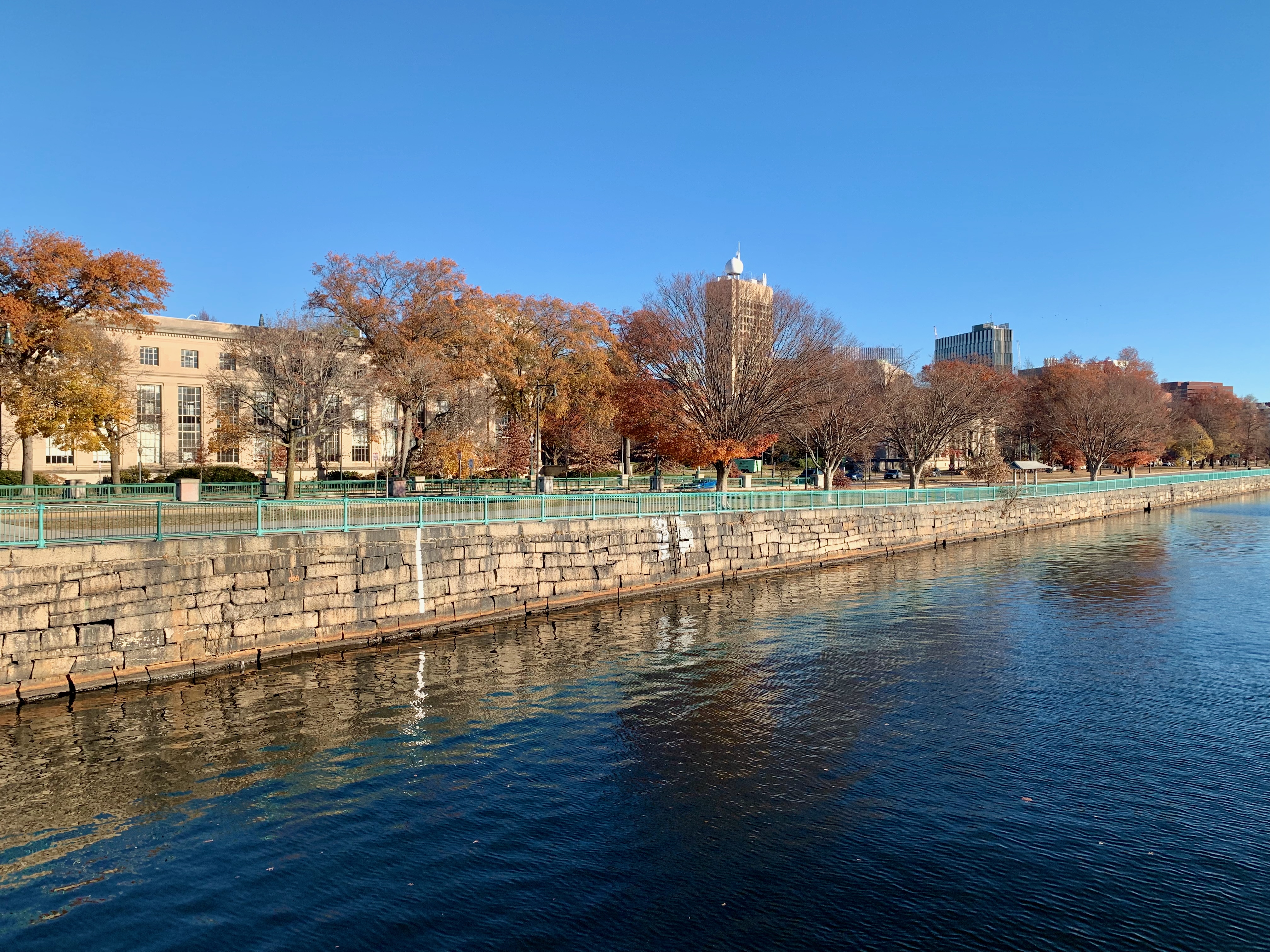
Back to the Charles, taken one morning days after the previous photo near the corner of Memorial Drive and Massachusetts Avenue from the Harvard Bridge on my way into work.

Closed out the year visiting family in South Carolina. We took a walk on Christmas Day near Fort Moultrie on Sullivan’s Island; here’s another path leading somewhere potentially treacherous (no wheelchair access, indeed) but also possibly sublime.

2024 Booklist

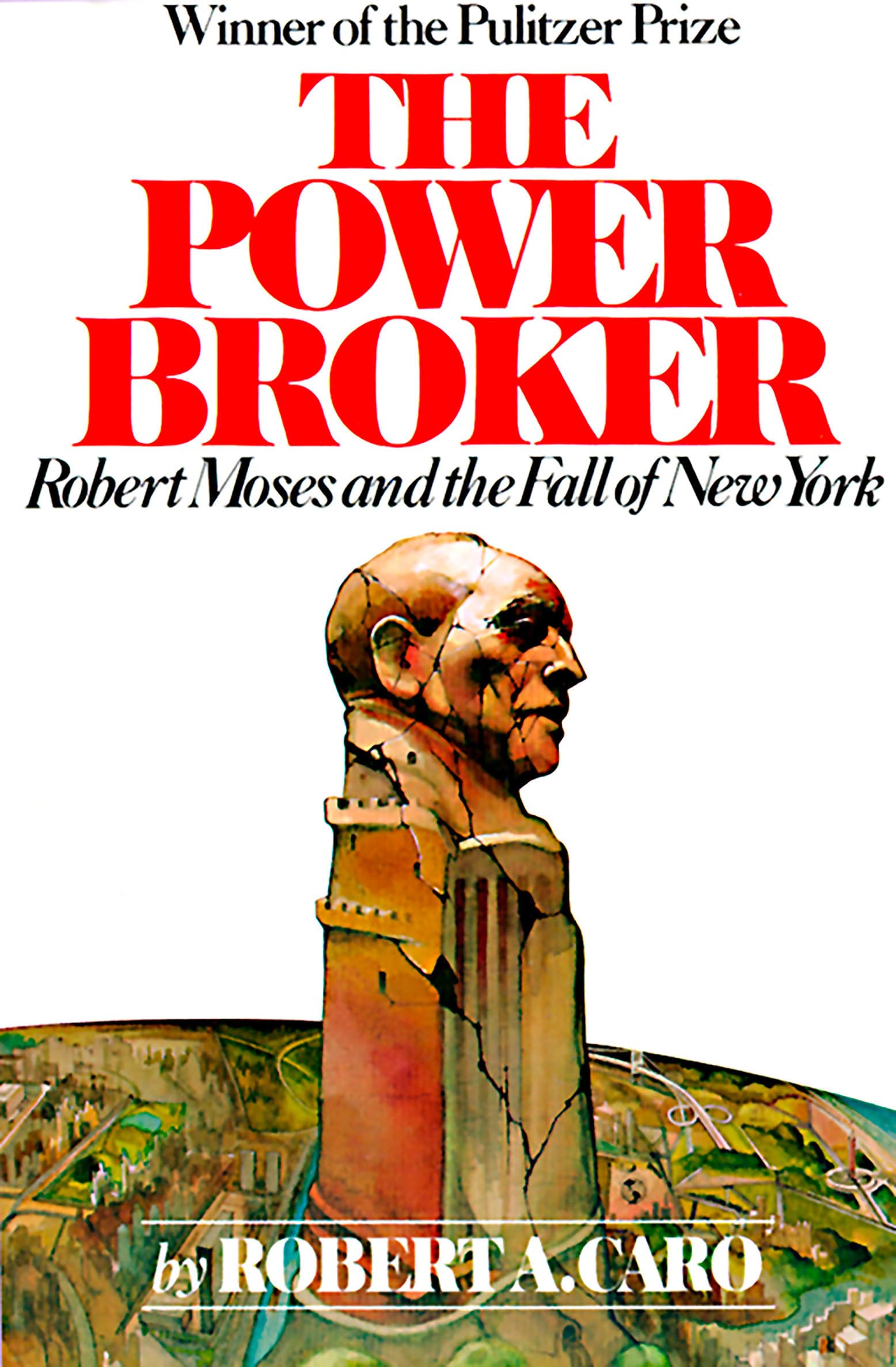
I read Robert A. Caro’s The Power Broker this year; I admit I did not know it existed until late 2023 when I saw Turn Every Page, the insightful documentary about Caro and his longtime editor Robert Gottlieb. Along with news that the 99% Invisible podcast would be spending all of 2024 reading the book and discussing it in monthly installments, there was no better time to tackle this 1100+ page biography of city planner Robert Moses. I began it in mid-January, consuming anywhere from 20 to 120 pages at a time, roughly keeping pace with the podcast until October, when I hunkered down and finished the last 250 or so pages.

It’s a great book provided one is actually into learning about city planning and receptive to lengthy reads. Although Caro (very) occasionally drives deep into the minutiae of government law and procedure, The Power Broker endures mostly because of its readability (I know, what a concept) which for Caro translates into a beautiful command of language and pacing, even structuring chapters to end on cliffhangers (no matter how mild.) Fifty years after publication, his thesis—that power not only corrupts but has an often negative effect on all those coming into contact with the corrupted remains relevant, particularly in the past decade where politics and power are concerned.

Still, I read 54 other books this year! Here are ten newish favorites in alphabetical order by the author’s last name.

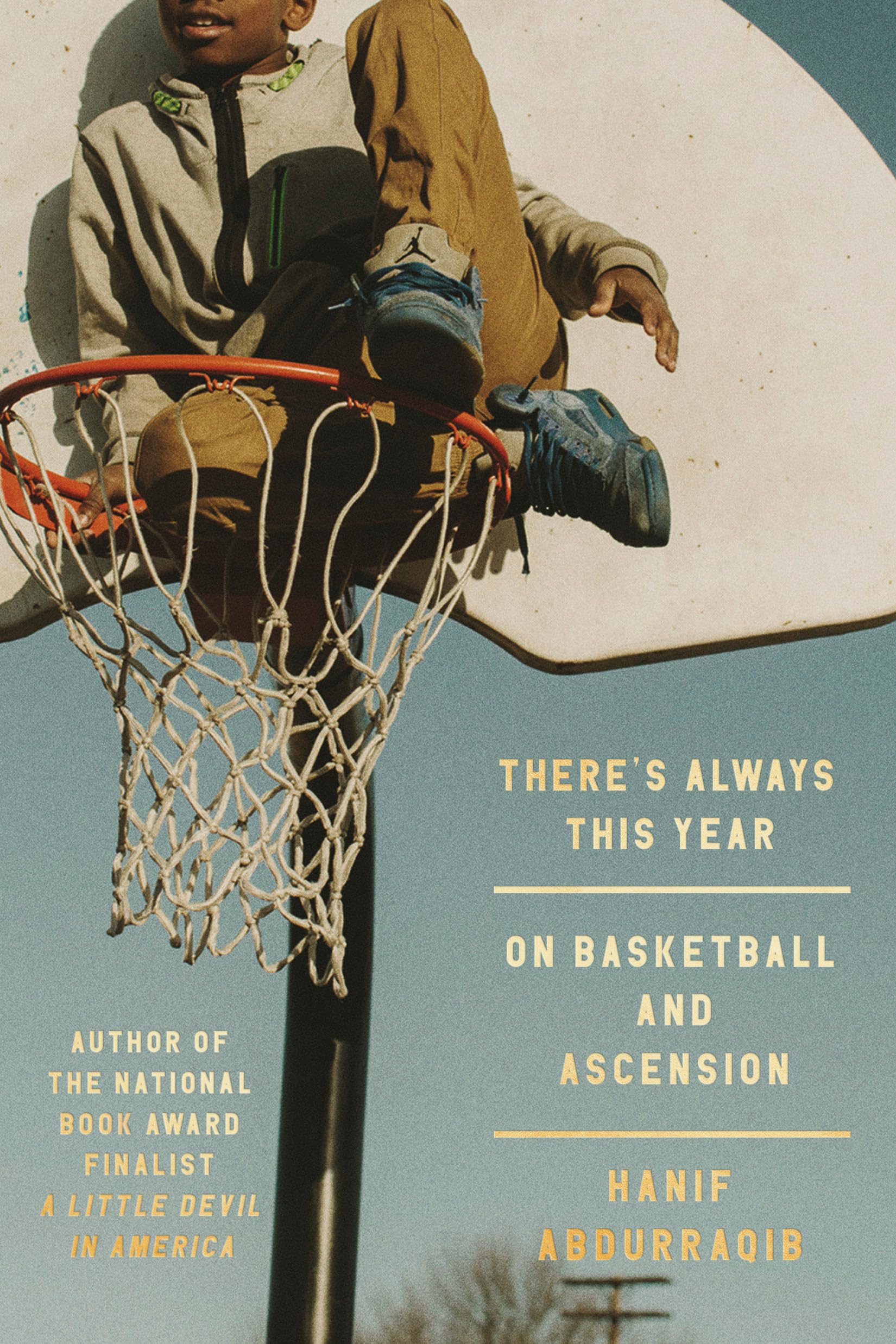
Hanif Abdurraqib, There’s Always This Year: On Basketball and Ascension

Abudrraqib’s stunning track record places him in that rarefied air of seemingly being able to write and publish anything he pleases no matter how oblique or unlikely a premise. This latest memoir utilizes basketball (and, in particular his own cultural relationship to the sport) as a jumping off point for a myriad of subjects that, no matter how far-reaching or intensely personal never scans as oblique.

Charles Busch, Leading Lady

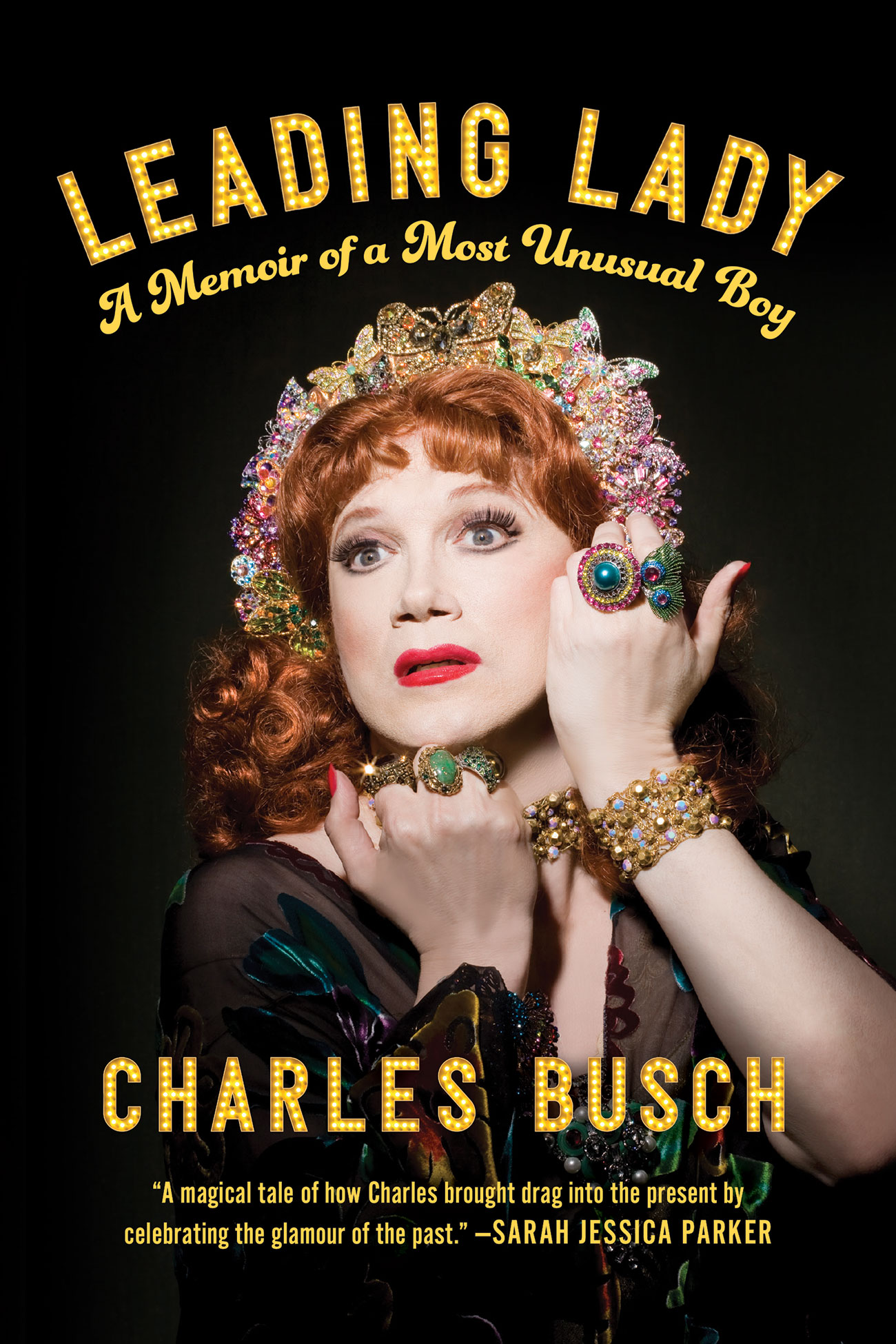
Drag performer extraordinaire Busch is a figure one always hoped for a memoir from and this one doesn’t disappoint. In addition to relaying a fascinating life story and career, the camp auteur behind Die, Mommie Die! lovingly dissects his origins and development as an actor. Coming from someone who has always taken his craft seriously, this is invaluable both as a drag testimonial and as a performer’s manual.

Carrie Courogen, Miss May Does Not Exist

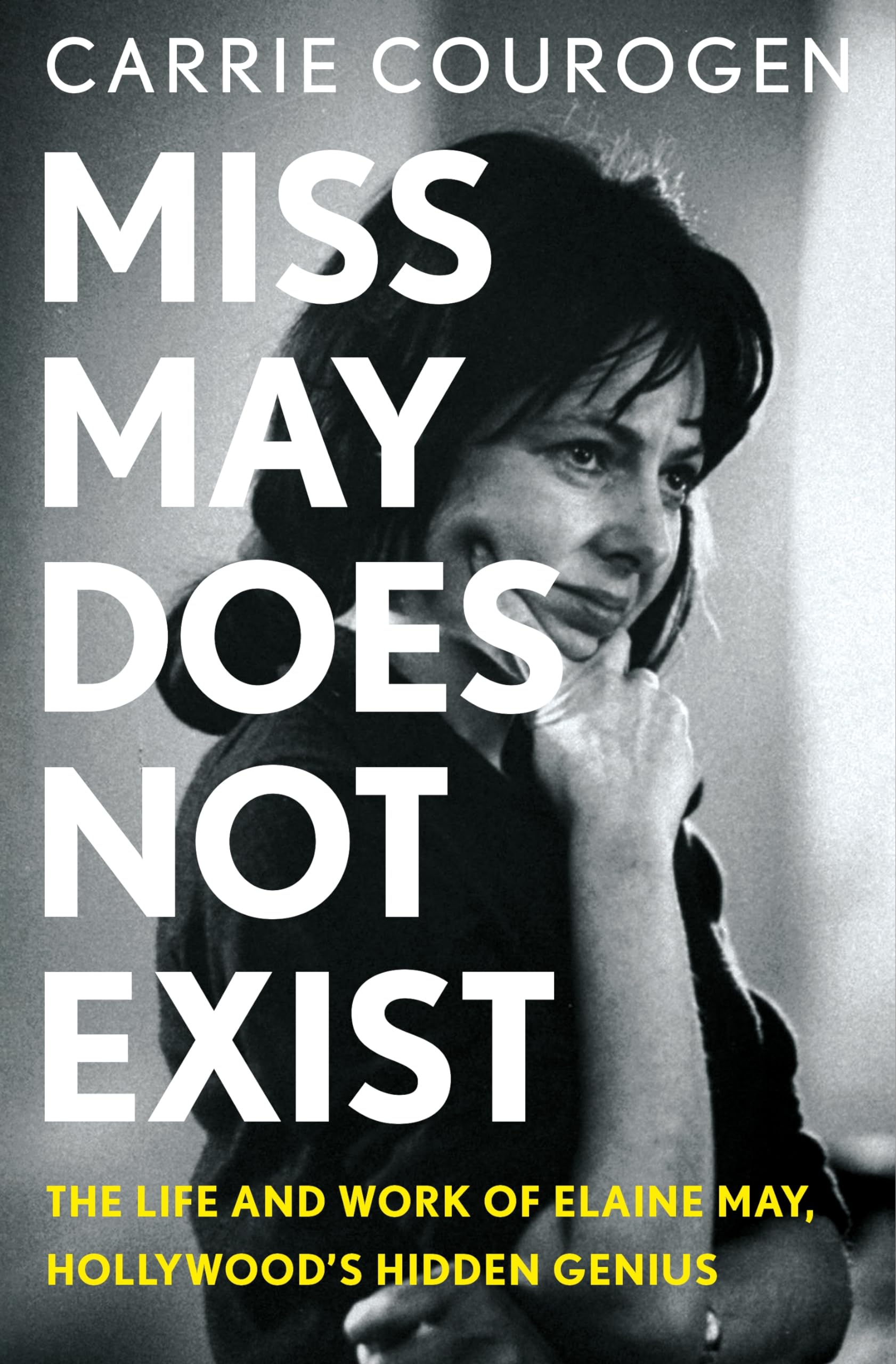
An essential companion to Mark Harris’ Mike Nichols: A Life that, like its infamous, iconoclast subject stands apart on its own. One would think Elaine May’s elusiveness would prove challenging for any biographer, but Courogen approaches it from a more-critical-than-celebratory perspective that is exactly right (even if it didn’t make me further appreciate Ishtar.) May contained multitudes (and continues to do so) in service of an ultra-specific talent.

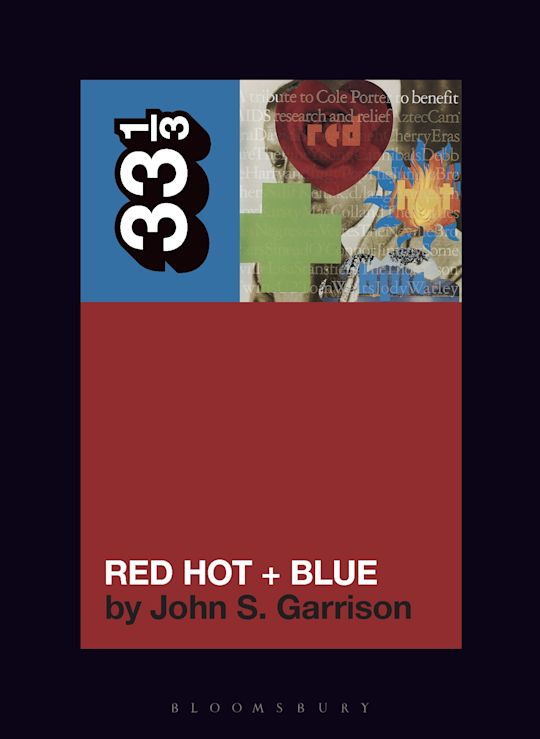
John S. Garrison, Red Hot + Blue (33 1/3 series)

I’ve loved Red Hot + Blue, a compilation of modern artists covering Cole Porter songs since it came out in 1990; Garrison’s entry in this ever-valuable series of mini-books about a single album highlights the project’s AIDS-charitable origins and purpose, recognizing it as a cultural bellwether of queer-friendly art and expression across generations. With him examining how it fit into the culture of its time (the height of the AIDS epidemic) it also reminded me of how profoundly it impacted my own taste and nascent identity.

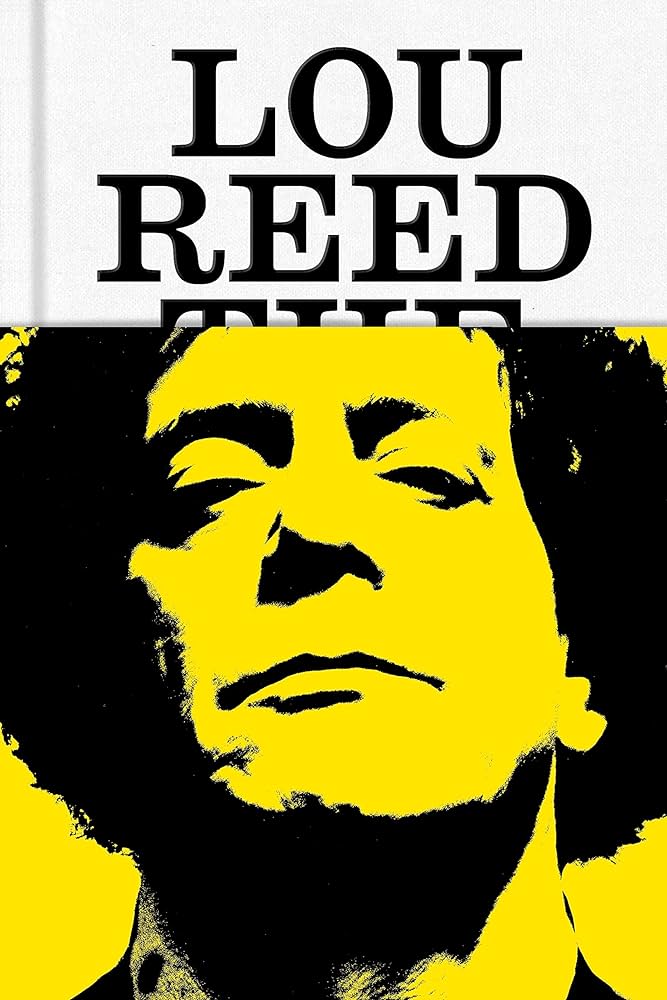
Will Hermes, Lou Reed: The King of New York

Lou Reed warrants a biography that captures him at his best and his worst; Hermes’ immensely entertaining attempt, with chapter headings chronologically referencing all the places its subject lived and worked mostly within New York itself is buoyed by not shying away from Reed’s inconsistencies and faults; it also gradually builds enough momentum to make a solid case for his genius in his spite of (and often because of) all that. 

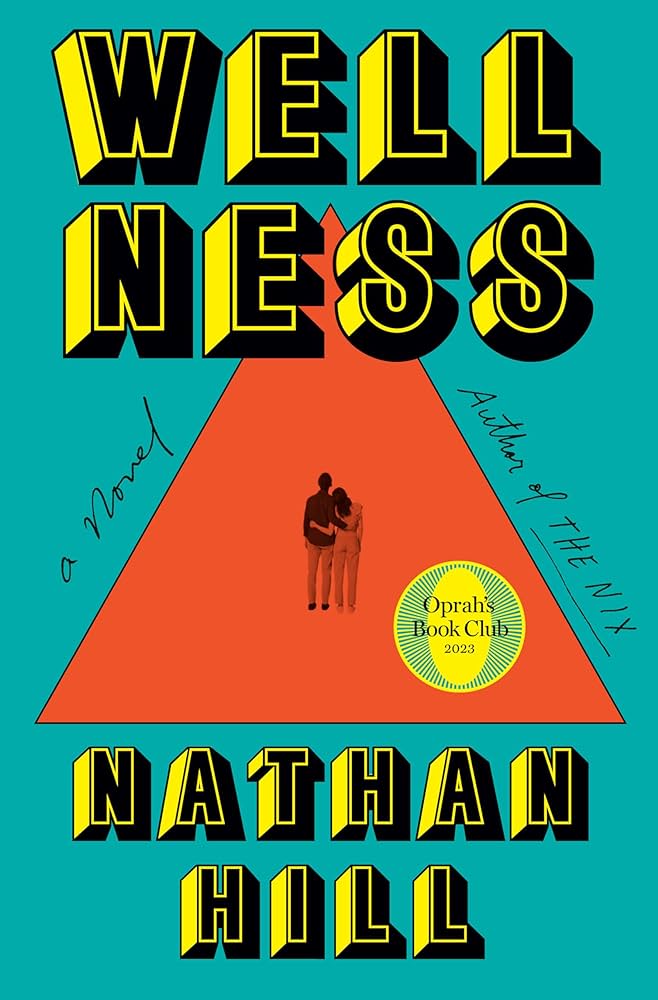
Nathan Hill, Wellness

Hill’s long-anticipated follow-up to The Nix proves it was no fluke, adding new hues and an innovative structure to one of the novel’s most-used scenarios, the gradual dissolution but also potential endurance of a marriage. He writes as wittily and perceptively about the early 90s (when his protagonists first meet) as the near-present where they confront/attempt to make sense of midlife, to a point where this 600+ page epic rarely ever drags or falters.

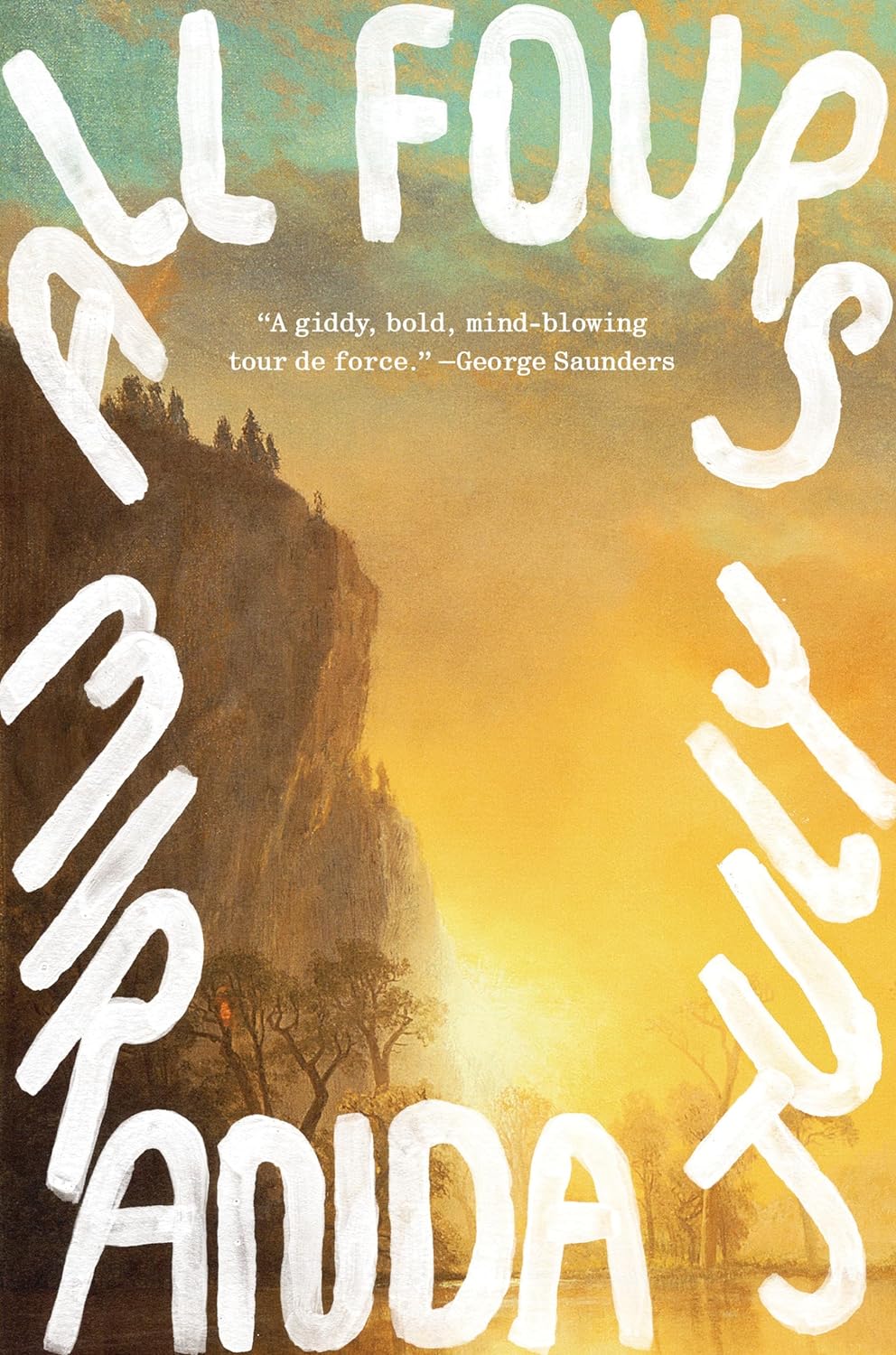
Miranda July, All Fours

As July approaches fifty, her particular aesthetic feels anything but tired. One can track palpable growth and change through her film and literary works and her latest of the latter emits a bold willingness to go out on a limb and into the unknown. It begins as a deceptively simple story about an artist headed off on a solo road trip and then takes a hard left swerve… and then another, and another, with the reader ending up nearly as transformed as the story’s heroine.

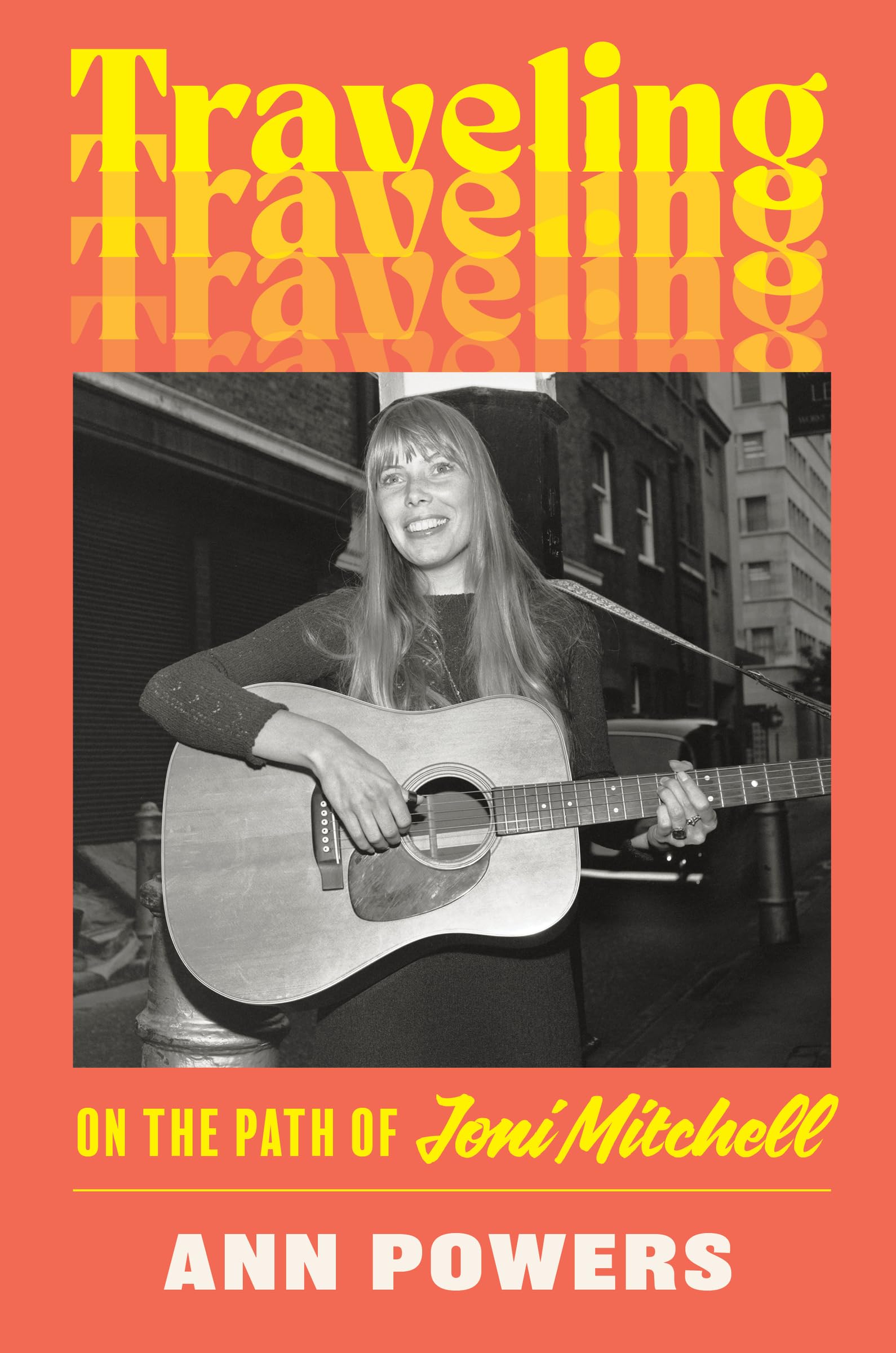
Ann Powers, Travelling: On The Path of Joni Mitchell

It’s not the first book about Joni Mitchell I’ve read, but it’s likely the best. Instead of the usual chronological biography/career assessment, Powers takes a more personal approach. Less a of throughline than an intricate echo chamber, she confronts the music and myth of Mitchell like Rob Sheffield did in his great Beatles book, but Powers is less generous, more skeptical. The tension she creates wrestling with both admiration and criticism of her subject is nearly as sustaining a journey as the one Mitchell documented on her album Hejira.

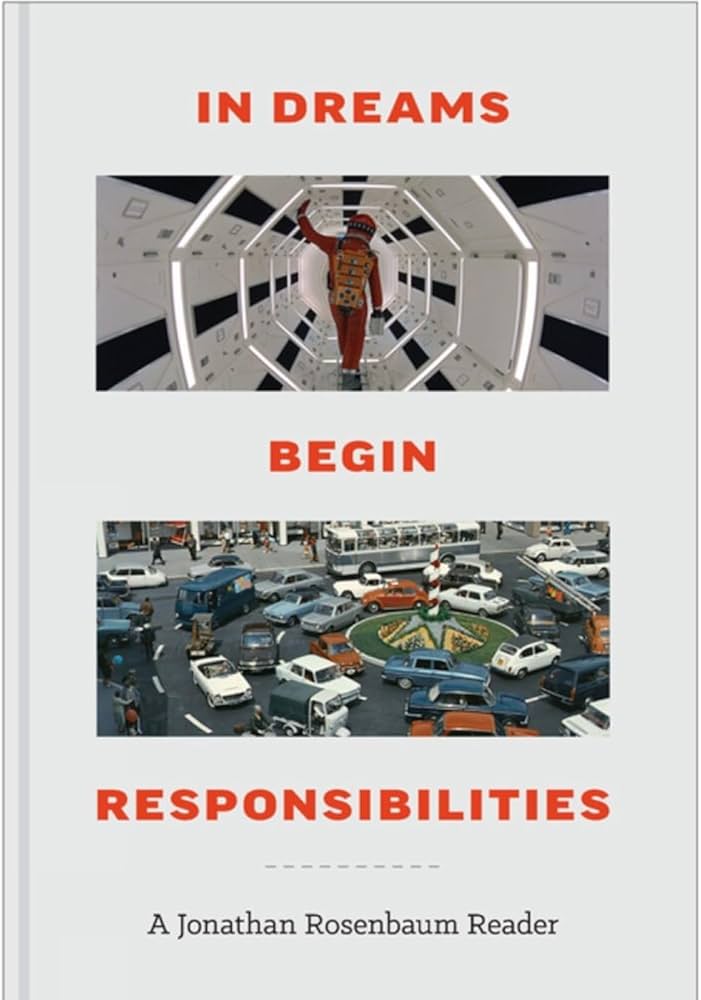
Jonathan Rosenbaum, In Dreams Begin Responsibilities

If the collected writings of Roger Ebert and Pauline Kael are decent starter kits in understanding how film criticism works, Rosenbaum’s prose is the advanced, graduate level text. Collecting essays on film, music and literature across his career (but with an emphasis on work since his retirement from The Chicago Reader in 2007), these essays are reminders of his openness, his idiosyncrasy and his mastery of forgoing academic jargon, writing for a would-be mass audience without pandering or dumbing it down.

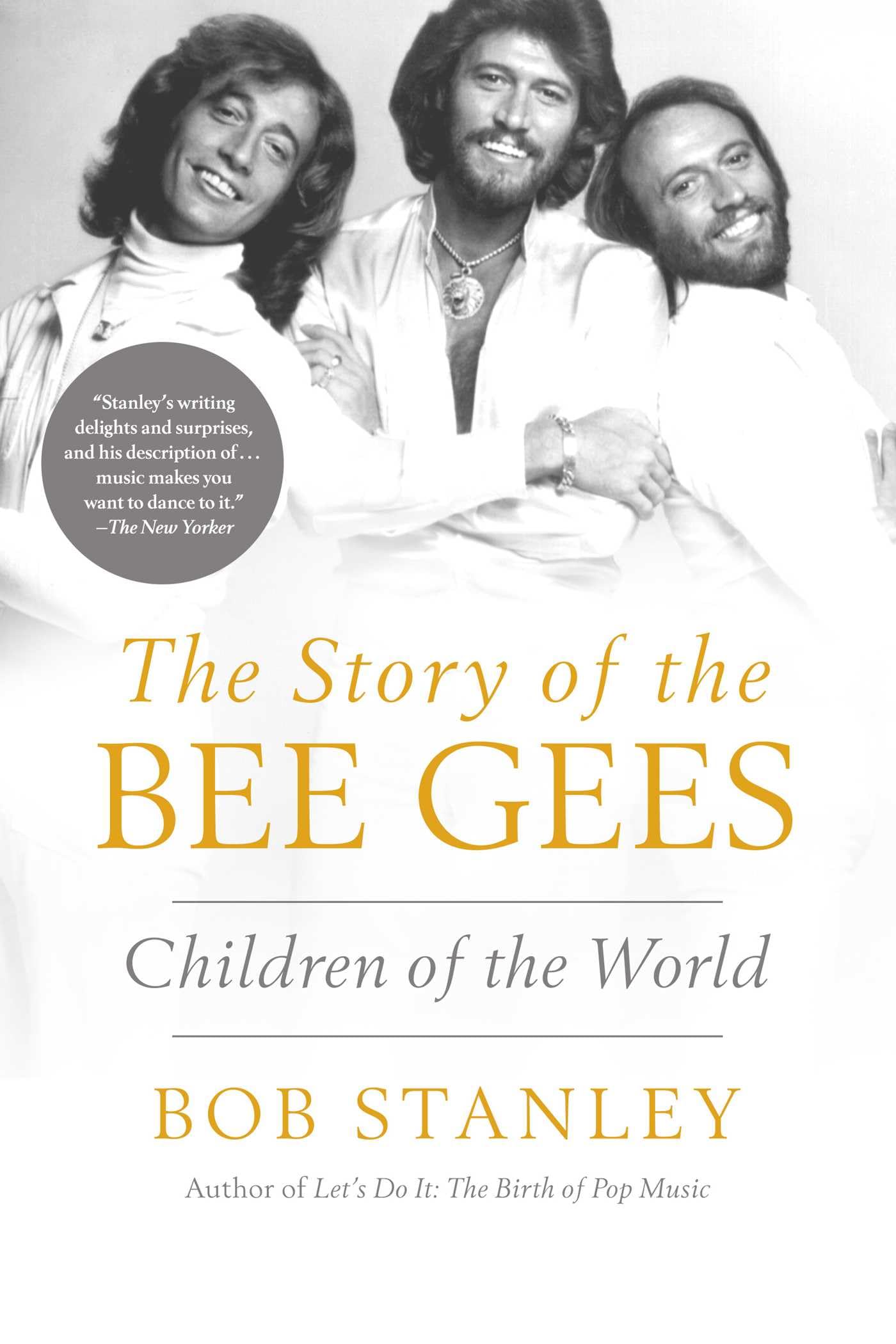
Bob Stanley, The Story of The Bee Gees: Children of the World

Following his two doorstop-sized summations of pop music both rock-era (Yeah Yeah Yeah) and what came before (Let’s Do It), this music journalist/musician (co-founder of Saint Etienne) tackles a single band with one of the richest and most unusual backstories and career trajectories. With the focus of a critic and the enthusiasm of a fan, his relaying of the Gibb Brothers’ accomplishments and quirks (they really were weirdos) ends up a nifty companion and supplement to the fine 2020 documentary The Bee Gees: How Can You Mend a Broken Heart.

Here’s my complete 2024 Booklist, with titles in chronological order of when I finished reading them:

  1. Celeste Ng, Our Missing Hearts
  2. Charles Busch, Leading Lady
  3. Karl Ove Knausgaard, Winter
  4. Derek Jarman, Chroma*
  5. Nathan Hill, Wellness
  6. Michael Cunningham, Day
  7. James Harvey, Movie Love In The Fifties
  8. Michael Palin, Diaries 1969-1979: The Python Years
  9. Barbra Streisand, My Name Is Barbra**
  10. Chris Molanphy, Old Town Road
  11. Will Hermes, Lou Reed: The King of New York
  12. David Thomson, Remotely
  13. Marcello Carlin, The Blue In The Air*
  14. Alan Bennett, Keeping On Keeping On
  15. RuPaul, The House of Hidden Meanings**
  16. Bob Stanley, The Story of The Bee Gees: Children of the World
  17. Ann Patchett, The Patron Saint of Liars
  18. Hanif Abdurraqib, There’s Always This Year: On Basketball and Ascension
  19. Peter Heller, The Dog Stars*
  20. Kurt Vonnegut, Bluebeard
  21. Sloane Crosley, Grief Is For People
  22. Karl Ove Knausgaard, Spring
  23. Justin Torres, Blackouts
  24. Elizabeth Strout, Olive, Again
  25. Jessica Max Stein, Funny Boy: The Richard Hunt Biography
  26. Chuck Klosterman, Sex, Drugs and Cocoa Puffs*
  27. Simon Reynolds, Futuromania
  28. Miranda July, All Fours
  29. Daniel Clowes, Monica
  30. Ann Powers, Travelling: On The Path of Joni Mitchell
  31. Richard Russo, The Risk Pool*
  32. Ruth Reichl, The Paris Novel
  33. Alexander Chee, How To Write an Autobiographical Novel
  34. Jodi Picoult and Jennifer Finney Boylan, Mad Honey
  35. Kate Atkinson, Shrines of Gaiety
  36. Sylvie Simmons, I’m Your Man: The Life of Leonard Cohen*
  37. Haruki Murakami, Novelist As a Vocation
  38. Sarah Thankam Mathews, All This Could Be Different
  39. Carrie Courogen, Miss May Does Not Exist
  40. Steve Wynn, I Wouldn’t Say It If It Wasn’t True
  41. Robyn Hitchcock, 1967: How I Got There and Why I Never Left
  42. Haruki Murakami, The Wind-Up Bird Chronicle*
  43. Matt Foy and Christopher J. Olson, Mystery Science Theater 3000: A Cultural History
  44. Robert A. Caro, The Power Broker
  45. Colson Whitehead, Nickel Boys
  46. Lili Anolik, Hollywood’s Eve
  47. Mary Karr, The Art of Memoir
  48. Rachel Kushner, Creation Lake
  49. Paul Scheer, Joyful Recollections of Trauma
  50. Cheryl Strayed, Wild
  51. Jonathan Rosenbaum, In Dreams Begin Responsibilities
  52. Andy Cowan, B-Side: A Flipsided History of Pop
  53. Dave Hickey, Air Guitar
  54. John S. Garrison, Red Hot + Blue (33 1/3 series)
  55. Barbara Kingsolver, Demon Copperhead

*Re-read. **Audiobook.

2024: Abandon The Crowd

We’ve reached the end of this year-long project where I posted an annual playlist every week in chronological order. I kicked it off acknowledging my uncertainty as to how comprehensively one could sum up a single year in 30 or 40 songs; 50+ weeks later, I don’t have a definitive answer to that question, only confirmation that each year produces a wealth of great tunes—it’s all a matter of seeking them out or, more specifically, remaining open to discovering them.

As noted in my Best Albums of 2024, this year was a particularly taxing and chaotic one (as will most national election years be going forward, I fear.) Music (and art in general) provides, if not a reason to endure it all, at least some comfort and enjoyment. The power of a song you want to play over and over again is not to be denied or underestimated. Thus, the return of simple but utterly transcendental pop music (Sabrina Carpenter, Chappell Roan, even the first Billie Eilish song I’ve unabashedly loved) felt as inevitable as the disco/dance revival from four years before. If some artists couldn’t sustain such a vibe over an entire album, bite-sized highlights such as Jamie xx’s Robyn-starring sonic whirlwind or Aussie jangle-pop outfit Quivers’ precise, invigorating 1980s pastiche provided abundant nourishment.

Increasingly and (given the times) predictably I gravitated towards music that offered relief and a sense of blissful escape: Real Estate expertly channeling Big Star and The Go-Betweens, Kacey Musgraves edging further into folk-rock worthy of prime Sheryl Crow, Michael Kiwanuka reemerging after a five-year absence on a bed of lush and gently effervescent soul. Still, there’s tension in the gap between the pillow-soft soundscapes of Cigarettes After Sex, Hurray For The Riff Raff and Arooj Aftab and the spikier dissonance of Nilufer Yanya, Father John Misty and an ever-musically-evolving Yola. Splitting the difference between these poles is another returning veteran: while Alison Moyet’s reimagining-tracks-from-her-past-catalog project Key yielded enough varied results for it to just miss my top ten albums list, “Such Small Ale”, one of its two new songs offered solace in its arresting melody and Moyet’s undiminished voice but also urgency in its rejection of complacency, compelling us to think about where and how we find (and remain open to finding) meaning and purpose in this crazy, frustrating and occasionally sublime world.

2024: Abandon The Crowd

  1. Hurray For The Riff Raff, “Alibi”
  2. Sabrina Carpenter, “Espresso”
  3. The Last Dinner Party, “The Feminine Urge”
  4. Father John Misty, “She Cleans Up”
  5. The Cure, “A Fragile Thing”
  6. Gossip, “Real Power”
  7. Jamie xx/Robyn, “Life”
  8. Yola, “Future Enemies”
  9. Tindersticks, “New World”
  10. Arooj Aftab, “Raat Ki Rani”
  11. Gillian Welch & David Rawlings, “The Bells and The Birds”
  12. Andrew Bird & Madison Cunningham, “Crying In The Night”
  13. Pernice Brothers, “Who Will You Believe”
  14. Gruff Rhys, “Peace Signs”
  15. Quivers, “Never Be Lonely”
  16. Beabadoobee, “Take a Bite”
  17. Alison Moyet, “Such Small Ale”
  18. Kacey Musgraves, “Cardinal”
  19. Nilufer Yanya, “Like I Say (I Runaway)”
  20. Camera Obscura, “Big Love”
  21. Cigarettes After Sex, “Baby Blue Movie”
  22. Beth Gibbons, “Floating On A Moment”
  23. Laura Marling, “The Shadows”
  24. The The, “Cognitive Dissident”
  25. Cassandra Jenkins, “Clams Casino”
  26. Julia Holter, “These Morning”
  27. Michael Kiwanuka, “Floating Parade”
  28. Waxahatchee, “Bored”
  29. Another Sky, “Playground”
  30. Pet Shop Boys, “Feel”
  31. Billie Eilish, “Birds Of A Feather”
  32. Vampire Weekend, “Prep-School Gangsters”
  33. Brittany Howard, “Prove It To You”
  34. Suzanne Vega, “Rats”
  35. Orville Peck, Kylie Minogue & Diplo, “Midnight Ride”
  36. Real Estate, “Flowers”
  37. Pond, “(I’m) Stung”
  38. Chappell Roan, “Good Luck, Babe!”
  39. Jessica Pratt, “Life Is”
  40. Maggie Rogers, “Don’t Forget Me”

2023: We Won’t Go Quietly

Like the previous year, 2023 was one of returning, seeking some resemblance of “normal”, navigating a post-pandemic world with caution but also hope. A number of artists made literal returns as well, none more spectacularly than Everything But The Girl—on hiatus since the turn of the century, Tracey Thorn and Ben Watt had both foraged solo careers worthy of their past work together. Fuse, their reunion as a duo triumphed by picking off where 1999’s Temperamental left off while also feeling fully attenuated to this moment. Its third single, “Run A Red Light”, was its most striking with an enthralling sense of space and reverberating piano chords, conveying wisdom and maturity without coming off as stodgy.

Other veterans adjusted to the times by either translating past sounds into the present (Christine and the Queens’ channeling trip-hop; Emm Gryner (along with relative newbies Molly Burch and U.S. Girls) finding solace and also inspiration in “yacht-rock”) or taking adventurous leaps into the unknown (PJ Harvey, who hasn’t ever made the same kind of album twice; The Clientele crafting an indie-pop cantata of sorts; Kylie Minogue, genuinely in sync with the latest club culture enough to put Madonna to shame.) Depeche Mode, Ben Folds, Sparks and Blur released their sharpest singles in decades while Robert Forster offered up a late-career gem that could easily serve as an epitaph: “See how far we’ve come,” he concluded in “Tender Years”, rendering it with more resonance and depth than one would ever expect from such a potential cliché.

In trying to remain an active listener, I am still devoted to finding new sounds: Yves Tumor’s hooky, onomatopoeic experimental pop, Bar Italia’s moody-yet-catchy, post-punk/college rock hybrid, Jungle’s postmodern retro-soul, Meg Baird’s dreamy, lingering, sighing extended instrumental, Gabriels’ gender-queer slant on gospel and funk and The Tubs making good old jangle-pop that’s uncommonly crisp and fresh. Corinne Bailey Rae’s Black Rainbows (here represented by the hypnotic, loping “Red Horse”) is a major advance, a challenging, far-reaching collection with a scope her previous work barely hinted at; it’s currently in the running for my favorite album of the decade. Also revelatory: Romy’s “She’s On My Mind”, its house piano hook and samba rhythm an irresistible match for her dancefloor yearning which blossoms, builds and gradually turns euphoric in the end.

2023: We Won’t Go Quietly

  1. Yves Tumor, “Echolalia”
  2. Jamila Woods/duendita, “Tiny Garden”
  3. Robert Forster, “Tender Years”
  4. Gabriels, “Offering”
  5. ANONHI, “It Must Change”
  6. Christine and the Queens, “Tears Can Be So Soft”
  7. The National, “Tropic Morning News”
  8. Bar Italia, “Changer”
  9. Alex Lahey, “The Sky is Melting”
  10. Sparks, “Nothing Is As Good As They Say It Is”
  11. Shamir, “Wandering Through”
  12. Emm Gryner, “Loose Wig”
  13. Jenny Lewis, “Psychos”
  14. Ben Folds, “Winslow Gardens”
  15. Romy, “She’s On My Mind”
  16. Everything But The Girl, “Run A Red Light”
  17. Meg Baird, “Ashes, Ashes”
  18. Slowdive, “Kisses”
  19. Molly Burch, “Heartburn”
  20. The Clientele, “Blue Over Blue”:
  21. Depeche Mode, “Ghosts Again”
  22. Caroline Polachek, “Welcome To My Island”
  23. Lana Del Rey/SYML, “Paris, Texas”
  24. Mitski, “My Love Mine All Mine”
  25. The Tubs, “I Don’t Know How It Works”
  26. Sufjan Stevens, “Will Anybody Ever Love Me?”
  27. Wilco, “Evicted”
  28. U.S. Girls, “Only Daedalus”
  29. PJ Harvey, “Prayer At The Gate”
  30. Jungle, “Back on 74”
  31. Jessie Ware, “Begin Again”
  32. Boygenius, “Not Strong Enough”
  33. CMAT/John Grant, “Where Are Your Kids Tonight?”
  34. Jason Isbell and the 400 Unit, “When We Were Close”
  35. Blur, “The Narcissist”
  36. Arlo Parks, “Purple Phase”
  37. Corinne Bailey Rae, “Red Horse”
  38. Tennis, “Let’s Make a Mistake Tonight”
  39. Kylie Minogue, “Padam Padam”
  40. Jake Shears, “Last Man Dancing”