Favorite Albums of 2020

Opting for a single post rather than a prolonged countdown this year. Also limiting it to a top 10, although I could’ve eked out a list of 15 or possibly even 20 (see “Also Recommended” at the end.)

10. Katie Pruitt, “Expectations”

Debut of the year comes from this 26-year-old singer-songwriter. A kindred spirit of Brandi Carlisle and Kacey Musgraves, she injects ample personality and a powerful voice into a recognizable but ever-shifting folk-rock template. The title track’s Fleetwood Mac-isms are what initially caught my attention, but it’s her lyrical prowess and point of view that really impress: “If loving her is wrong and it’s not right to write this song / Then I’m still not gonna stop and you can shut the damn thing off,” she sings, reigniting a flame for all the queer musicians who couldn’t get away with such lyrics in their mid-20s.
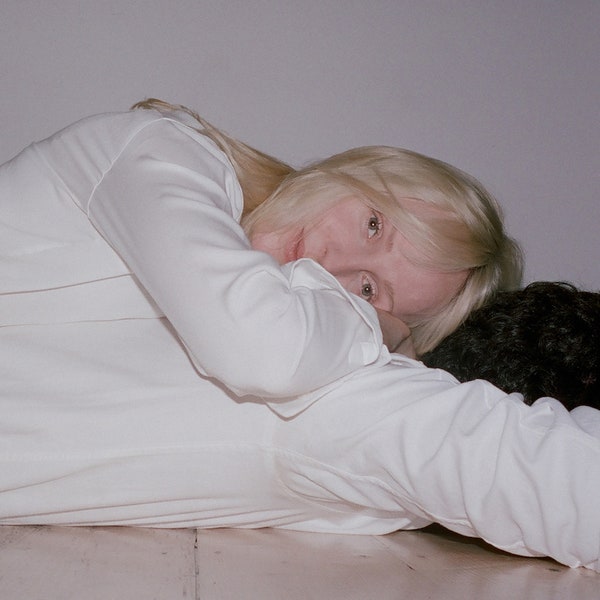
9. Laura Marling, “Song For Our Daughter”

So proficient and consistent throughout her twenties, it became too easy to take this British folkie for granted. On her first LP in her thirties (and first release in three years), she doesn’t much alter her sound or style and thus doesn’t produce anything as striking as past triumphs like “Master Hunter” or “Short Movie”. However, on this collection of tunes written for a daughter she hopes to one day have, her wise-beyond-her-years persona now bespeaks an actual, palpable maturity and an ease insinuating introspection rather than complacency. She’s consistently good, which is no small task to sustain for over a decade and counting.
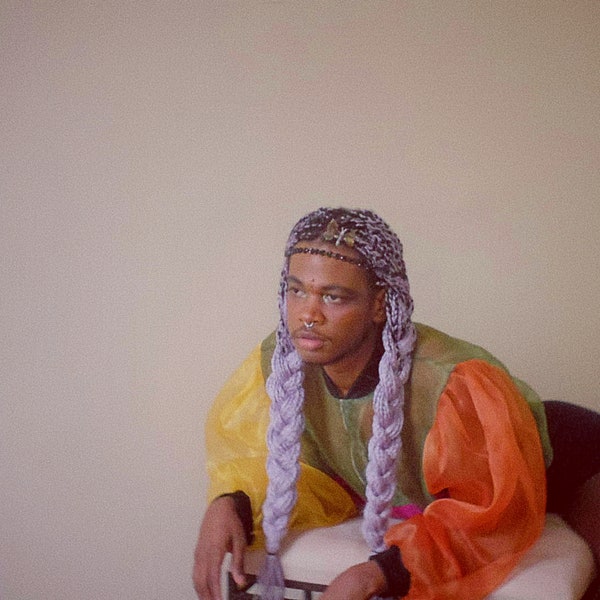
8. Shamir, “Shamir”

Self-titling your seventh album is an undeniable statement and Shamir sure sounds like it could be a confident, solid debut (I admittedly haven’t heard any of his previous work); trilling in a falsetto occasionally threatening to ascend into Tiny Tim territory, this non-binary DIY-er mashes up Prince with The Who (“On My Own”, delectable power-pop anthem “Diet”), does the 80s with more insight and finesse than even The Weeknd (“Running”), attempts some neo-rockabilly (“Other Side” angling for an Orville Peck duet?) and indulges in genuinely majestic dream pop (“I Wonder”). Perhaps my New Year’s resolution should be to check out those other six LPs?
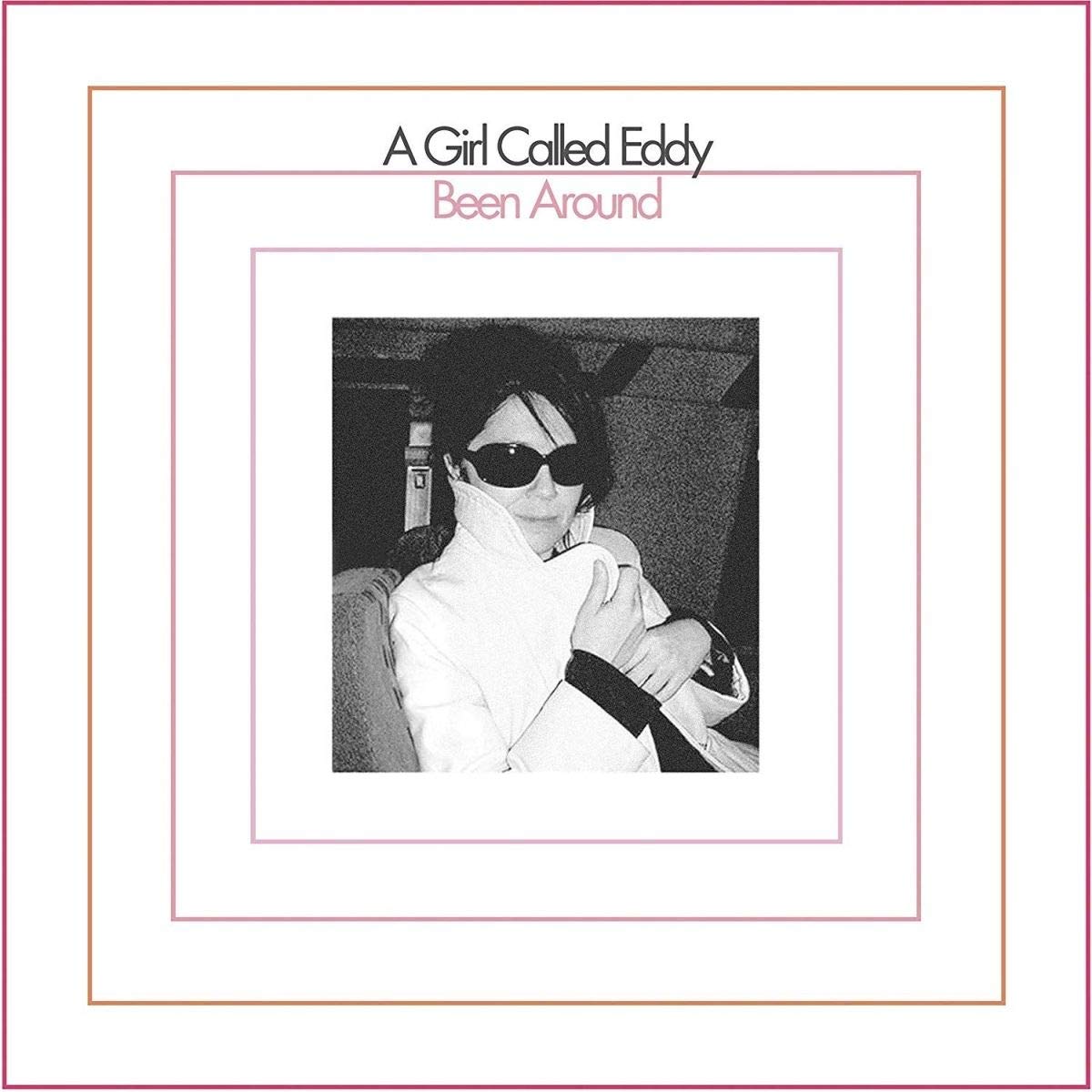
7. A Girl Called Eddy, “Been Around”

It’s been sixteen years since Erin Moran’s last (and debut) record under this moniker, but from the very first spin it feels like no time has passed at all. That’s not to say Been Around is cut entirely from the same cloth, as it trades in a few of A Girl Called Eddy’s Bacharach touches for insouciant Steely Dan-like jazz rock (the title track, “Jody”) and also sports a nifty Chrissie Hynde homage (“Someone’s Gonna Break Your Heart”) and a lovely Paul Williams co-write (“Charity Shop Window”). The constant, of course, remains Moran’s deep, gorgeous, melancholy tone, falling somewhere between Karen Carpenter and Aimee Mann.
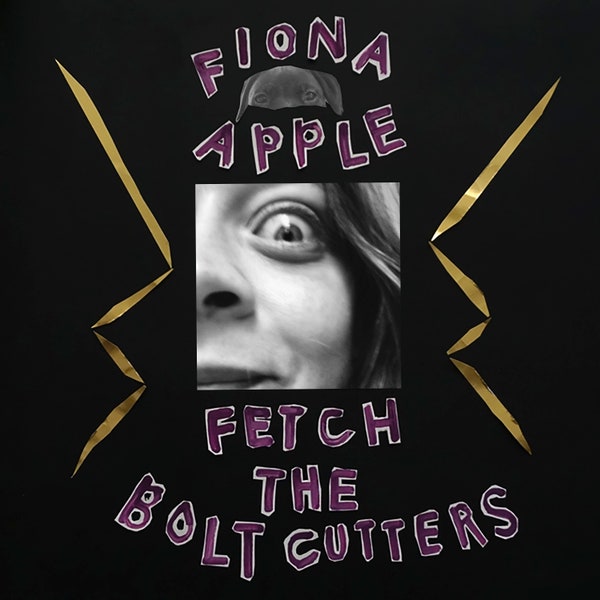
6. Fiona Apple, “Fetch The Bolt Cutters”

Speaking as a longtime fan, you bet this was a rare gift upon its surprise release in April—that is, until the claustrophobic-by-design nature became too much for me within this pandemic. Fortunately, upon revisiting, I can confirm it’s as built to last as Apple’s other four albums—in part because she continues to push her sound forward combined with the feeling that it still resembles nothing else. Although she can still shift from playful (“Under The Table”) to incendiary (“For Her”) on the turn of a dime, it’s difficult to name highlights for the whole thing is of a singular, maddening yet satisfying piece.

5. Nicole Atkins, “Italian Ice”

Atkins follows her great Goodnight Rhonda Lee with another worthy, genre-defying assortment cementing her status as one of the era’s best underheard singer-songwriters. There’s slinky, somewhat sinister rock (“Domino”, “Mind Eraser”), country-ish balladry (“Captain”, “Far From Home”), Bobbie Gentry-style Americana (“Never Going Home Again”), breathlessly surging pop (“Forever”) and of course, plenty of torch songs (“These Old Roses”, “St Dymphna”). Going out on the wailing, cathartic “In The Splinters” like Rufus Wainwright circa Want One, Atkins graciously exudes timelessness even as she remains in thrall to the pleasures (and a few peculiarities) of “AM Gold”.
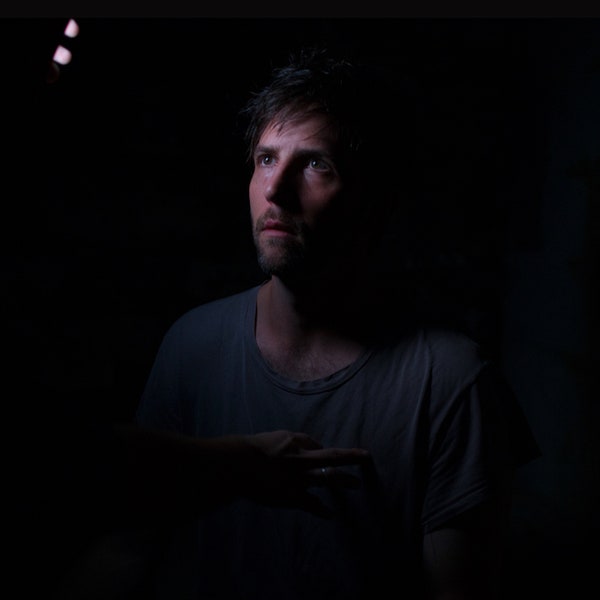
4. Owen Pallett, “Island”

Another surprise release (weeks after # 6 came out), Pallett’s first LP in six years is a sonic departure from its electronic-oriented predecessors. An orchestral/acoustic song cycle recorded at Abbey Road Studios, Island is simultaneously beautiful and chilling, pastoral and anxious, swelling and sighing. Brief instrumental passages punctuate a set of melodies within arrangements that are alternately intimate and contained (the Nick Drake-ish “Polar Vortex”) and convincingly grandiose: “A Bloody Morning”, with its pounding momentum and lyrics referencing drowning could almost slot into “The Ninth Wave” on Hounds of Love. Like that LP and Fetch The Bolt Cutters, it’s a challenging but altogether rewarding work.
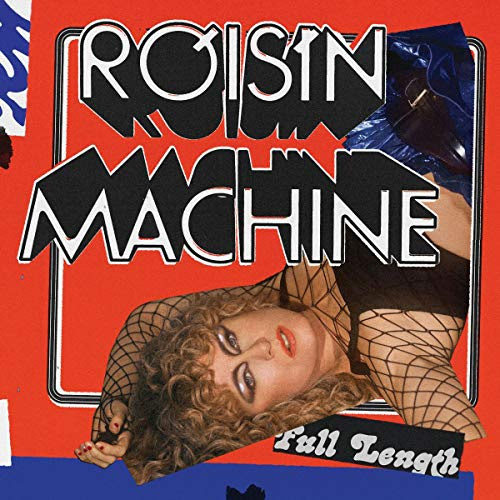
3. Róisín Murphy, “Róisín Machine”

With six of its ten tracks previously released as standalone singles (one going back to 2012!), you’d expect this to resemble a greatest hits album. While an actual Róisín Murphy singles compilation would be sublime, this totally excels as a studio album with new mixes of those six songs coalescing into a DJ-friendly playlist. And while none of the four new tracks are necessarily better than the singles, you can’t argue with an album containing the likes of minimalist wonder “Incapable” or declaration of purpose “Something More”. Marvel at how motifs from epic opener “Simulation” reappear in entrancing theme song “Murphy’s Law” or how masterful disco vamp “Narcissus” builds up to absolute banger of a finale “Jealousy”. Sure, the album title is a bit of a pun, but it’s also perfection.
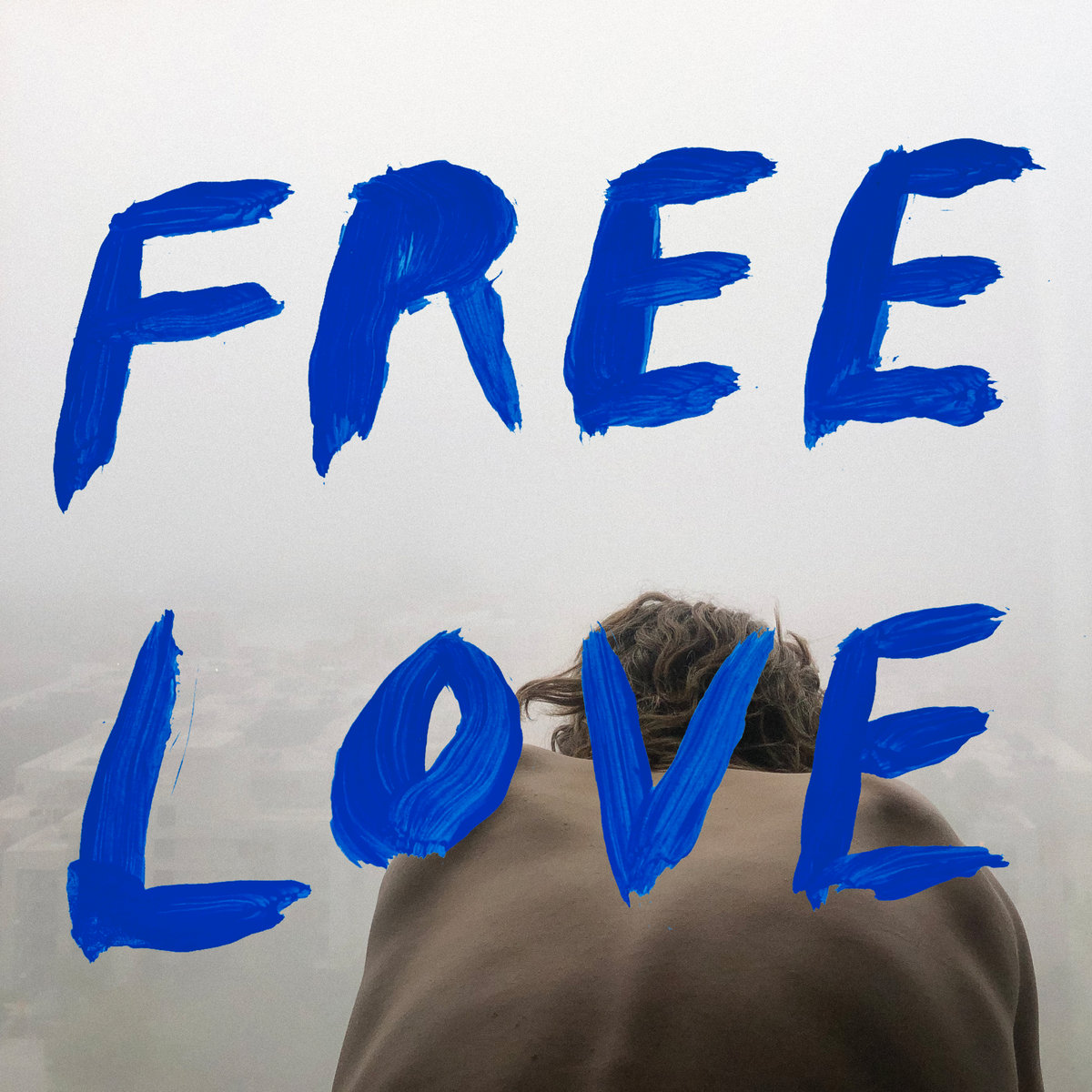
2. Sylvan Esso, “Free Love”

The third studio album from this husband-and-wife electropop duo brings to mind Yaz updated for the laptop age, which is to say sonically, it’s very similar to their first two albums. As for the songwriting however, it’s a big leap forward. Even though half these tunes are under three minutes and the whole thing’s over in less than half an hour, it’s never undeveloped or slight, in part because everything feels like it belongs, whether it’s an invitation to dance (“Runaway”), reflect (“Rooftop Dancing”) or express how it feels to love and be loved (“Free”). With each listen, the melodies sharpen and the songs’ dynamics become more pronounced to the point where even the simple, zen-like lyrics on closer “Make It Easy” accumulate a rare power.
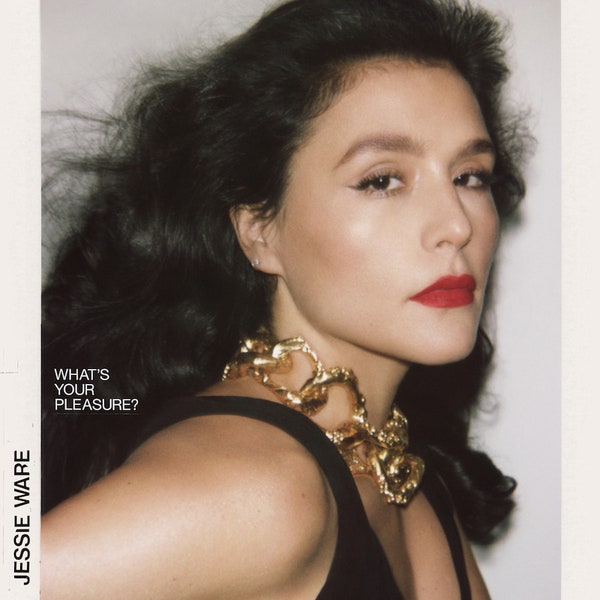
1.  Jessie Ware, “What’s Your Pleasure?”

Like Róisín Machine, multiple tracks preceded this album as standalone singles, only here, each one of these twelve songs sound like they should be singles. On her fourth album, this British diva finally transcends all those Sade comparisons by returning to the dancefloor and indulging in her love for ‘70s disco (elegant opener “Spotlight”, “Mirage (Don’t Stop)”), ‘80s freestyle (“Soul Control”, “Ooh La La”), ‘90s neo-soul (“Step Inside My Life”) and 21st Century Europop (the irresistible “Save A Kiss”.) What’s more, it all segues together almost effortlessly, expertly leading up towards the one-two punch of the dramatic, searing “The Kill” and “Remember Where You Are”, a closing track as expansive and resonant as any by Stevie Wonder, Prince, Radiohead, etc. Simply put, What’s Your Pleasure is the great album I’d always hoped Ware had in her.

Also Recommended:

Ben Watt, “Storm Damage”
Destroyer, “Have We Met”
Erasure, “The Neon”
Fleet Foxes, “Shore”
Haim, “Women In Music, Pt. III”
Kate NV, “Room For The Moon”
Perfume Genius, “Set My Heart On Fire Immediately”
Phoebe Bridgers, “Punisher”
Rolling Blackouts Coastal Fever, “Sideways To New Italy”
Rufus Wainwright, “Unfollow The Rules”
Waxahatchee, “Saint Cloud”

Film Journal: November 2020

Bloody Nose, Empty Pockets

Two new movies this month that will likely make my year-end top ten: Bloody Nose, Empty Pockets, which “captures” the last day of business at a Las Vegas dive bar, and David Byrne’s American Utopia, Spike Lee’s filmed concert that can’t avoid comparisons to Stop Making Sense but in the end transforms into its own thing. Each one represents the spirit of contemporary America in vastly different ways, but both strive to depict the best versions of ourselves—a welcome necessity in these challenging times.

As for the other fourteen new titles viewed, they run the gamut from pleasantly average (Happiest Season, Uncle Frank, Fire Will Come) to pretty-but-disappointing (The Sunlit Night, Little Fish, Coming Home Again) to forgettable (Freeland) and godawful (Holidate, no thank you.) Martin Eden and Monsoon are intriguing if imperfect character studies; Crip Camp is an above-average Netflix doc; at 275(!) minutes, Wiseman’s latest marathon doc City Hall is at least 100 minutes too long, but the remaining 175 are essential.

Begun in October, my “Marlon Mondays” continued through the very end of this month, with the prizes being Riggs’ swan song, Black Is…Black Ain’t and eight-minute music video Anthem, where not one second is wasted within that slender frame. The posthumous documentary on him is a solid overview but no substitution for the work itself, of course.

Only two re-watches, both of them titles expiring on Criterion Channel: Red Road remains a stunning debut feature for Andrea Arnold (with superb work from lead Kate Dickie), who would nonetheless surpass it with Fish Tank; Parting Glances, which I last saw 20+ years ago, is a true curiosity, a pre-New Queer Cinema queer indie (starring a young Steve Buscemi, improbably) whose director, Bill Sherwood, would sadly not live to make another one.

Also, I finally got around to watching Variety, another ‘80s NYC curiosity (co-starring a young Luis Guzman!), Modern Romance (now my favorite Brooks film after Defending Your Life), Smooth Talk (Laura Dern brilliant even as a teenager), Girlfriends (young Melanie Mayron is the anti-Manic Pixie Dream Girl and I love her for it) and Autumn Leaves, which has one of Joan Crawford’s best late-career performances—proof she was good for more than camp at that age.

Films viewed in November in chronological order, with director, year of release and my rating (out of 10); starred titles are re-watches.

Little Fish (Chad Hartigan, 2020) 6
Freeland (Kate McLean, Mario Furloni, 2020) 4
Anthem (Marlon Riggs, 1991) 8
Bloody Nose, Empty Pockets (Turner Ross Bill Ross IV, 2020) 9
Variety (Bette Gordon, 1983) 7
Crip Camp: A Disability Revolution (Nicole Newnham, James Lebrecht, 2020) 8
Borat Subsequent Moviefilm (Jason Woliner, 2020) 7
Long Train Running: A History of the Oakland Blues (Riggs, Peter Webster, 1981) 6
Modern Romance (Albert Brooks, 1981) 8
Coming Home Again (Wayne Wang, 2019) 5
Martin Eden (Pietro Marcello, 2019) 7
Autumn Leaves (Robert Aldrich, 1956) 8
Saving Mr. Banks (John Lee Hancock, 2013) 5
Fisherman’s Friends (Chris Foggin, 2019) 6
Holidate (John Whitesell, 2020) 3
Black Is… Black Ain’t (Riggs, 1994) 9
City Hall (Frederick Wiseman, 2020) 8
Parting Glances (Bill Sherwood, 1986)* 8
Monsoon (Hong Khaou, 2019) 7
Girlfriends (Claudia Weill, 1978) 9
The Sunlit Night (David Wnendt, 2019) 4
Smooth Talk (Joyce Chopra, 1985) 8
I-94 (Gordon, James Benning, 1974) 5
No Regret (Riggs, 1993) 7
Red Road (Andrea Arnold, 2006)* 8
Happiest Season (Clea DuVall, 2020) 6
Uncle Frank (Alan Ball, 2020) 6
Fire Will Come (Oliver Laxe, 2019) 6
David Byrne’s American Utopia (Spike Lee, 2020) 9
I Shall Not Be Removed: The Life Of Marlon Riggs (Karen Everett, 1996) 7

December Will Be Magic Again

This seasonal playlist is for anyone who just can’t bear another round of “All I Want For Christmas Is You” or “Feliz Navidad” or (horrors) “The Chipmunk Song” or even Nat King Cole’s genuinely lovely “The Christmas Song”. It’s not entirely made up of obscurities—in the age of satellite radio and ever-expansive piped-in music to shop to, such tunes as Elton’s “Step Into Christmas”, Eurythmics’ gloriously synthetic “Winter Wonderland”, Saint Etienne’s ‘90s Eurodance “I Was Born On Christmas Day” and The Three Wise Men’s “Thanks For Christmas” (actually XTC in disguise, and surely now their second most-played song after “Dear God”) get much more airplay than they did when they first came out, thanks to your local J. Crew, Whole Foods or Anthropologie.
Instead, this is a selection of personal favorites I keep in rotation every December that some but not all listeners will know. Naturally, there’s a few beloved songs from my childhood like John Denver and The Muppet’s definitive version of “The Twelve Days of Christmas” (Beeker’s verse sums up everything weird and great about Jim Henson) and of course a track from the Best Christmas Album of All Time. However, many of the older recordings here are 21st century discoveries for me, with multiple cuts from a nifty jazz compilation, Jingle Bell Swing, including Duke Ellington’s wry rendition of Tchaikovsky and Lambert, Hendricks and Ross’ insane take on “Deck The Halls”; jazz also surfaces in Art Carney’s (!) be-bop version of “’Twas The Night Before Christmas” and Billie Holiday warbling a song that has nothing specific to do with the holidays but fits anyway.

Plenty of stuff from this century, too. In addition to Pink Martini’s take on a beloved standard (“Do You Hear What I Hear”), you’ll find new original songs that fit right in with all the perennials: the ease and warmth of Rufus Wainwright’s “Spotlight On Christmas”, Aimee Mann’s Bachelor No. 2 worthy “Calling On Mary”, Sufjan Stevens’ epic, shimmering “Star Of Wonder”, Calexico’s new-for-2020 majestic New Year’s anthem “Hear The Bells” and Tracey Thorn’s gorgeous ballad “Joy”.

Also, don’t forget those one-offs by artists you would never expect to delve into holiday music such as Kate Bush, Erasure, John Cale and best of all, The Staple Singers, whose supremely funky “Who Took The Merry Out Of Christmas” never fails to lift my spirits.

Go here to listen to some of my favorite holiday songs – it is meant to be played on shuffle.

  1. Aimee Mann, “Calling On Mary”
  2. Art Carney, “’Twas The Night Before Christmas”
  3. Billie Holiday, “I’ve Got My Love To Keep Me Warm”
  4. Bing Crosby and The Andrews Sisters, “Mele Kalikimaka”
  5. Calexico, “Hear The Bells”
  6. Claudine Longet, ““I Don’t Intend To Spend Christmas Without You”
  7. Duke Ellington, “Sugar Rum Cherry”
  8. Eartha Kitt, “Santa Baby”
  9. Elton John, “Step Into Christmas”
  10. Erasure, “She Won’t Be Home”
  11. Eurythmics, “Winter Wonderland”
  12. Frank Sinatra, “Mistletoe and Holly”
  13. John Cale, “A Child’s Christmas In Wales”
  14. John Denver and the Muppets, “The Twelve Days Of Christmas”
  15. Kate Bush, “December Will Be Magic Again”*
  16. Lambert, Hendricks & Ross, “Deck Us All With Boston Charlie”
  17. Louis Armstrong & The Commanders, “Cool Yule”
  18. Louis Prima, “Shake Hands With Santa Claus”
  19. Peggy Lee, “I Like A Sleighride (Jingle Bells)”
  20. Pink Martini, “Do You Hear What I Hear”
  21. Rufus Wainwright, “Spotlight On Christmas”
  22. Saint Etienne, “I Was Born On Christmas Day”
  23. The Staple Singers, “Who Took The Merry Out Of Christmas”
  24. Sufjan Stevens, “Star Of Wonder”
  25. Teo Macero and His Orchestra, “Deck The Halls”
  26. Tex Beneke and The Glenn Miller Orchestra, “Snowfall”
  27. The Three Wise Men, “Thanks For Christmas”*
  28. Tony Bennett, “My Favourite Things”
  29. Tracey Thorn, “Joy”
  30. Vince Guaraldi Trio, “Christmas Is Coming”

*not available on Spotify in the US at this writing, so here they are below!

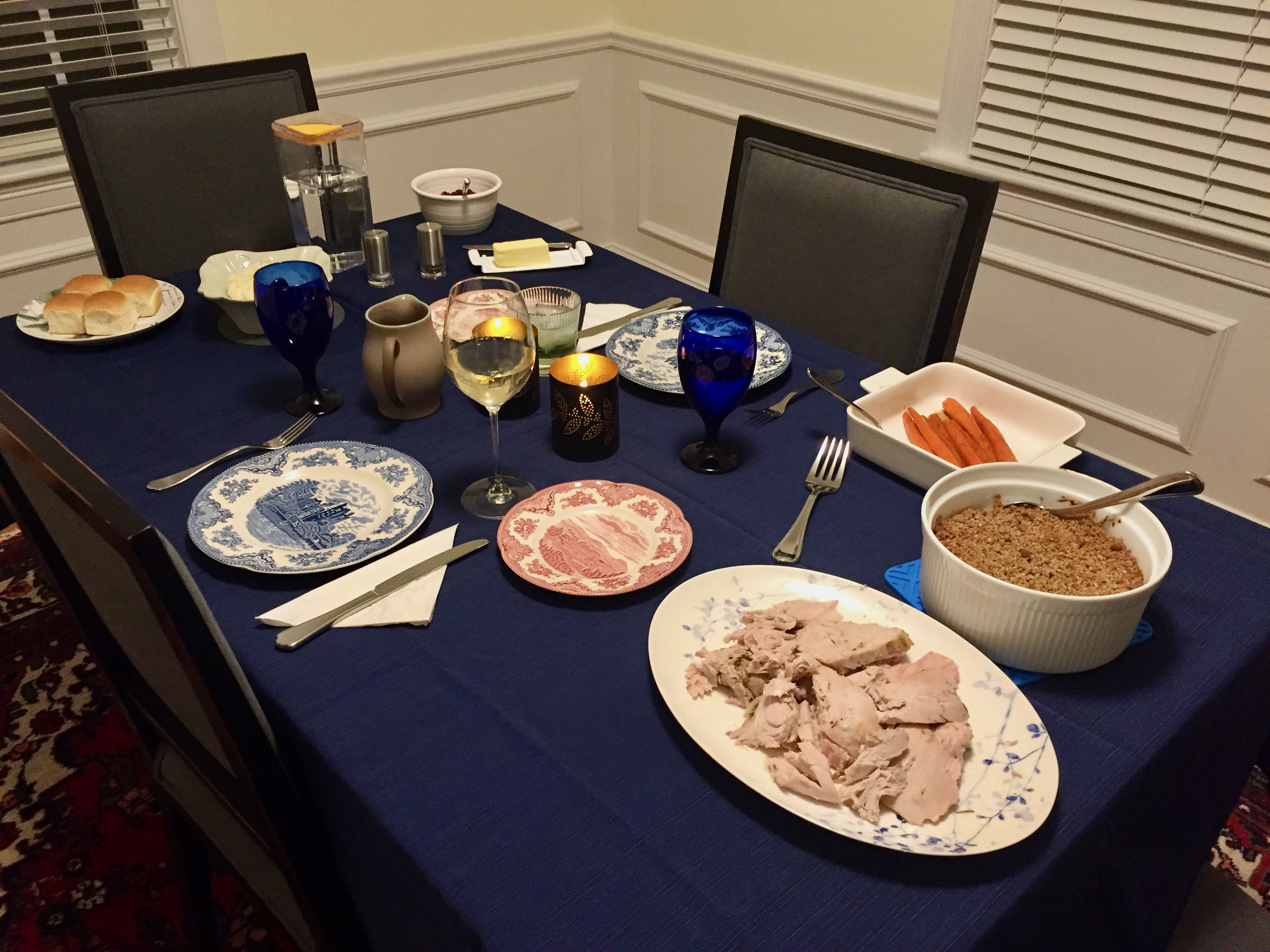
Sweet Potato Bake

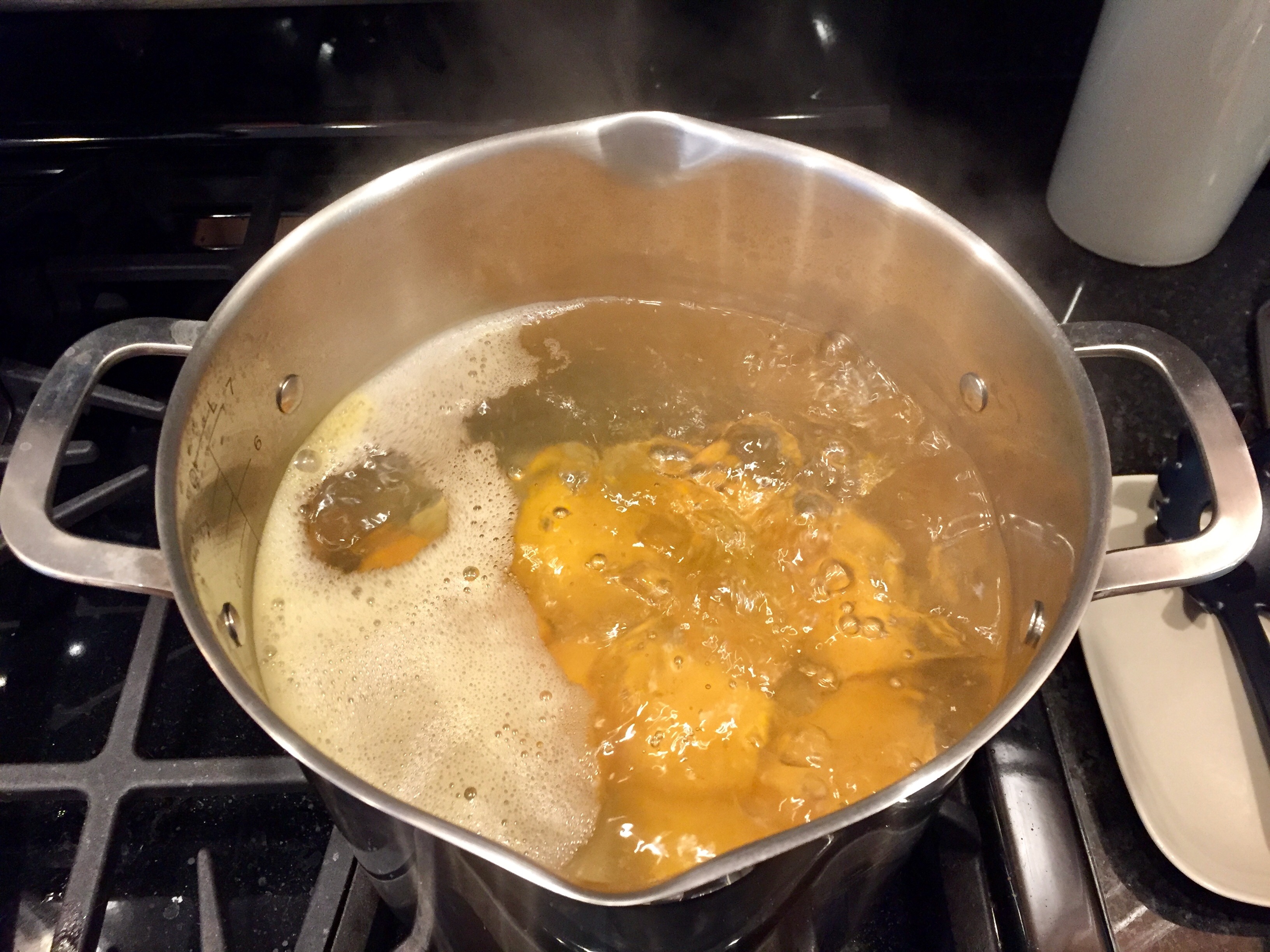
Boiling Sweet Potatoes

Twenty Thanksgivings ago, I had to come up with a potluck dish for a dinner with friends. I didn’t want to go through the trouble of making a Sweet Potato Pie as I had done the previous year (and whose recipe I first attempted for a Potato Party (no, really) five years before.)

I was out of school and working at my first permanent, full-time office job. In response to my dilemma of What To Bring To The Table, Jane, a co-worker, emailed over a recipe for this Sweet Potato Bake (that could also be made with butternut squash if desired.) I tried it out and it was a big hit with everyone (mostly twentysomething gay men, BTW) at that Thanksgiving dinner.

Boiling and mashing fresh sweet potatoes (or yams, if you prefer, though I can never tell the exact difference) is key—never tried it with the canned variety, never will unless there’s an unlikely shortage of fresh taters. However, I think the real secret to the dish’s success is the crumbly topping: equal parts chopped pecans, brown sugar and flour mixed together with melted butter.

I’ve made this dish nearly every Thanksgiving since. Oh, there was that one year I thought I’d try something different, a similar dish involving maple syrup, but we shall not speak of it again. Because the boiling and mashing takes up considerable time, I only make this once a year, and usually the night before so that I can focus on the Turkey on the holiday itself. Here’s the recipe—if you like sweet potatoes, it will never fail you.

Ingredients:

  • 3 cups cooked sweet potatoes mashed
  • ¼ cup sugar*
  • ½ teaspoon salt
  • 2 large eggs
  • ¼ cup butter (softened)
  • ½ teaspoon vanilla
  • ½ cup milk (or 1/3 cup heavy cream)
  • ½ cup light brown sugar
  • ½ cup flour
  • ½ cup chopped pecans
  • 3 tablespoons butter (melted)

(*The recipe originally called for 1 whole cup of sugar (under which Jane wrote in parentheses, “You can tell right here it’s going to be good with a ratio like that!”), which may explain its instant popularity. Over the years, I’ve determined that a ¼ cup is more than sufficient.)

Directions:

  • In a large bowl, blend boiled, mashed potatoes, sugar, salt, eggs, ¼ cup softened butter, vanilla and milk.
  • Place in a greased 1 ½ quart casserole dish (or 9 x 13” pan.)
  • In a small bowl, combine brown sugar, flour, pecans and remaining butter; top casserole with this crumbled mixture.
  • Bake at 350 degrees for 35 minutes.

A Happy Thanksgiving to all.

Sweet Potato Bake is the dish furthest on the right.

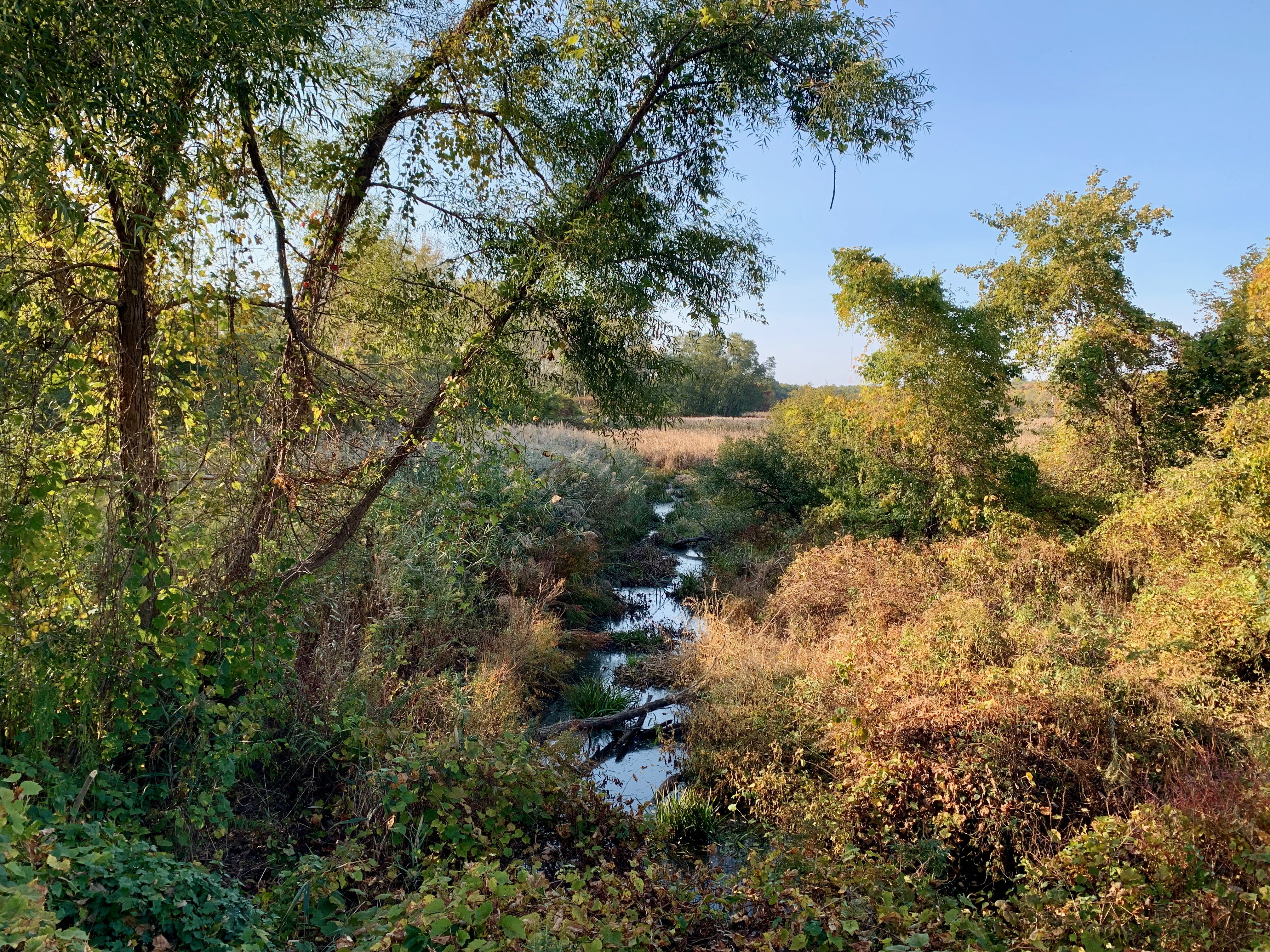
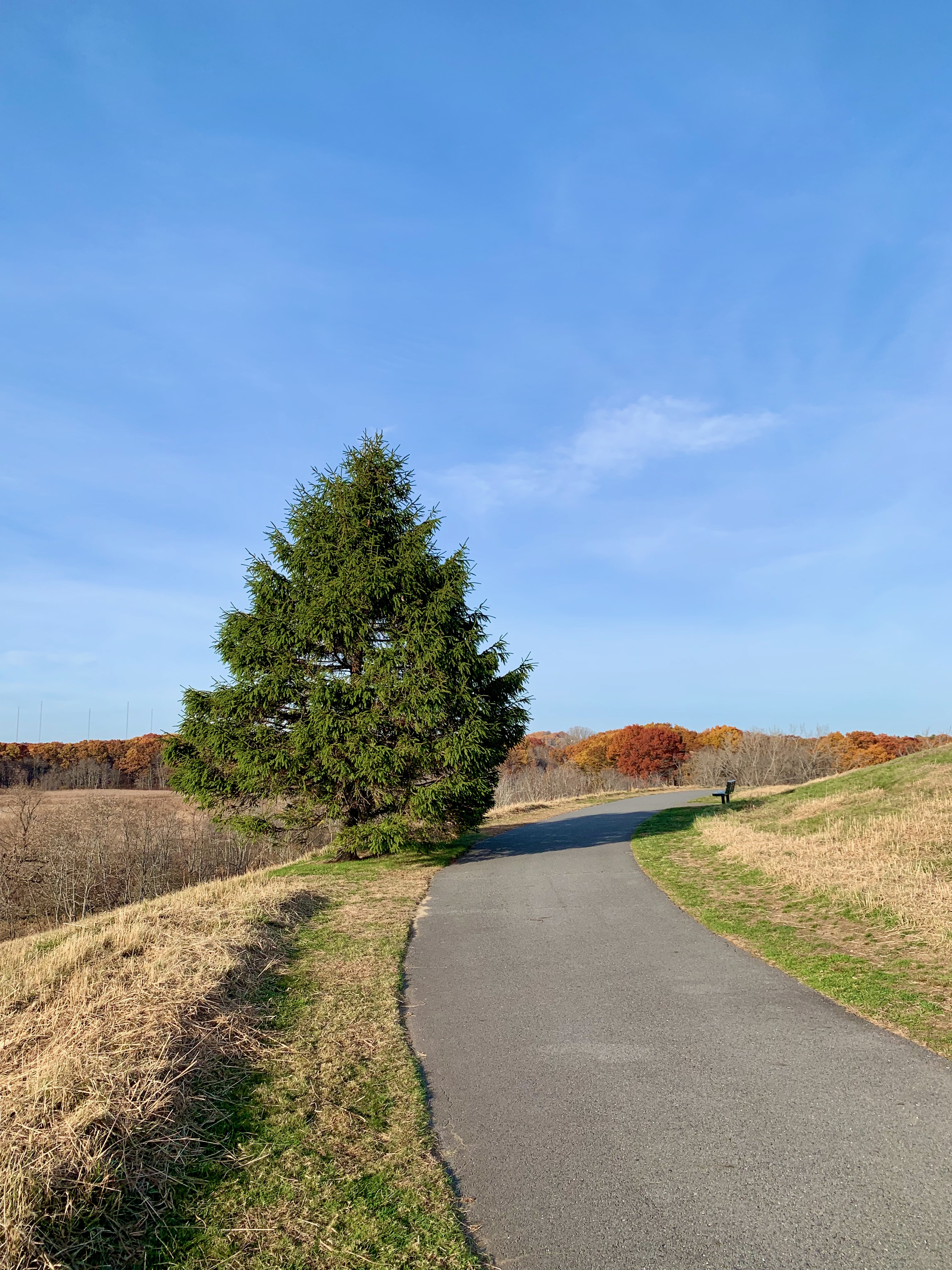
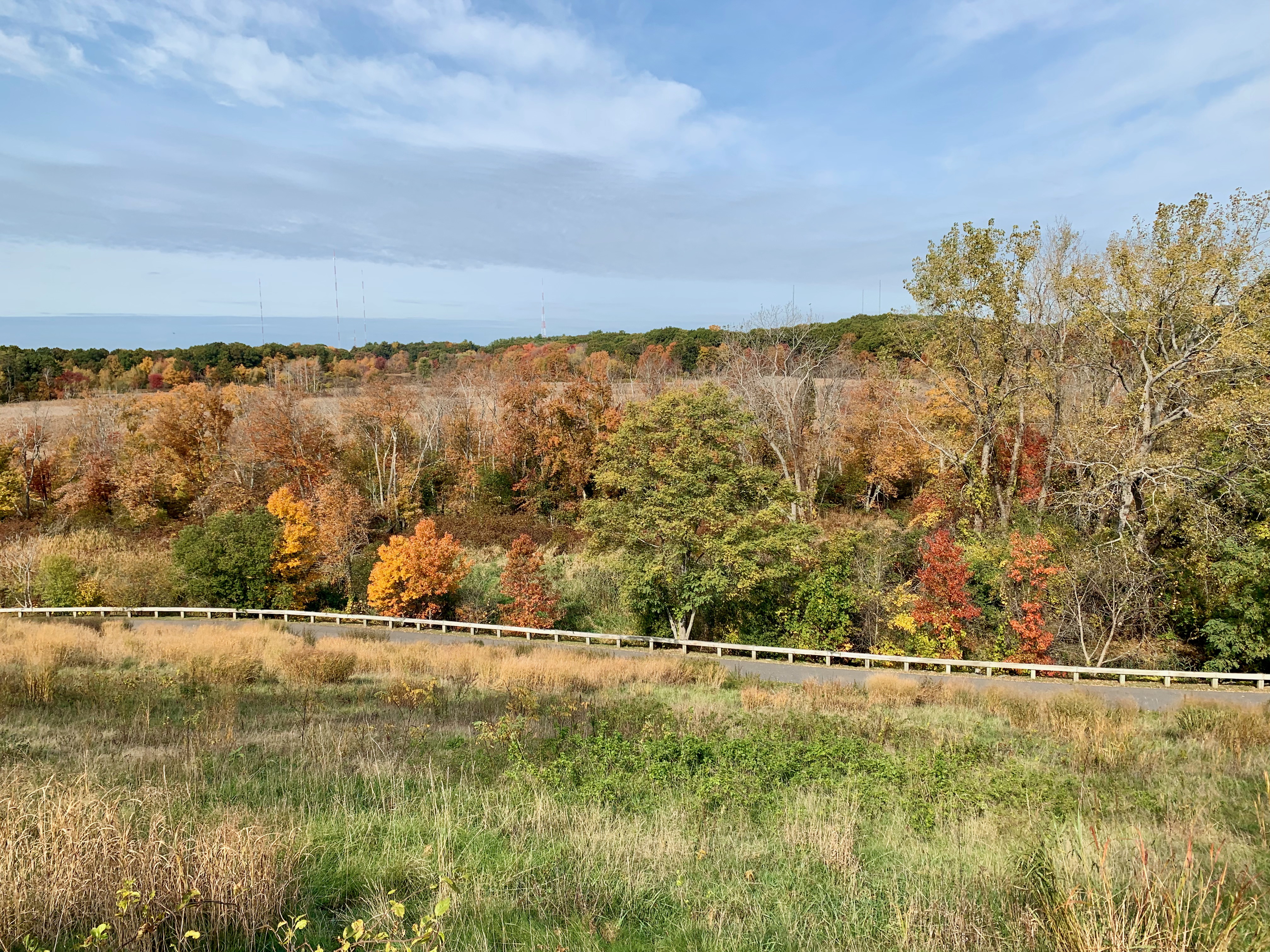
Autumn Color

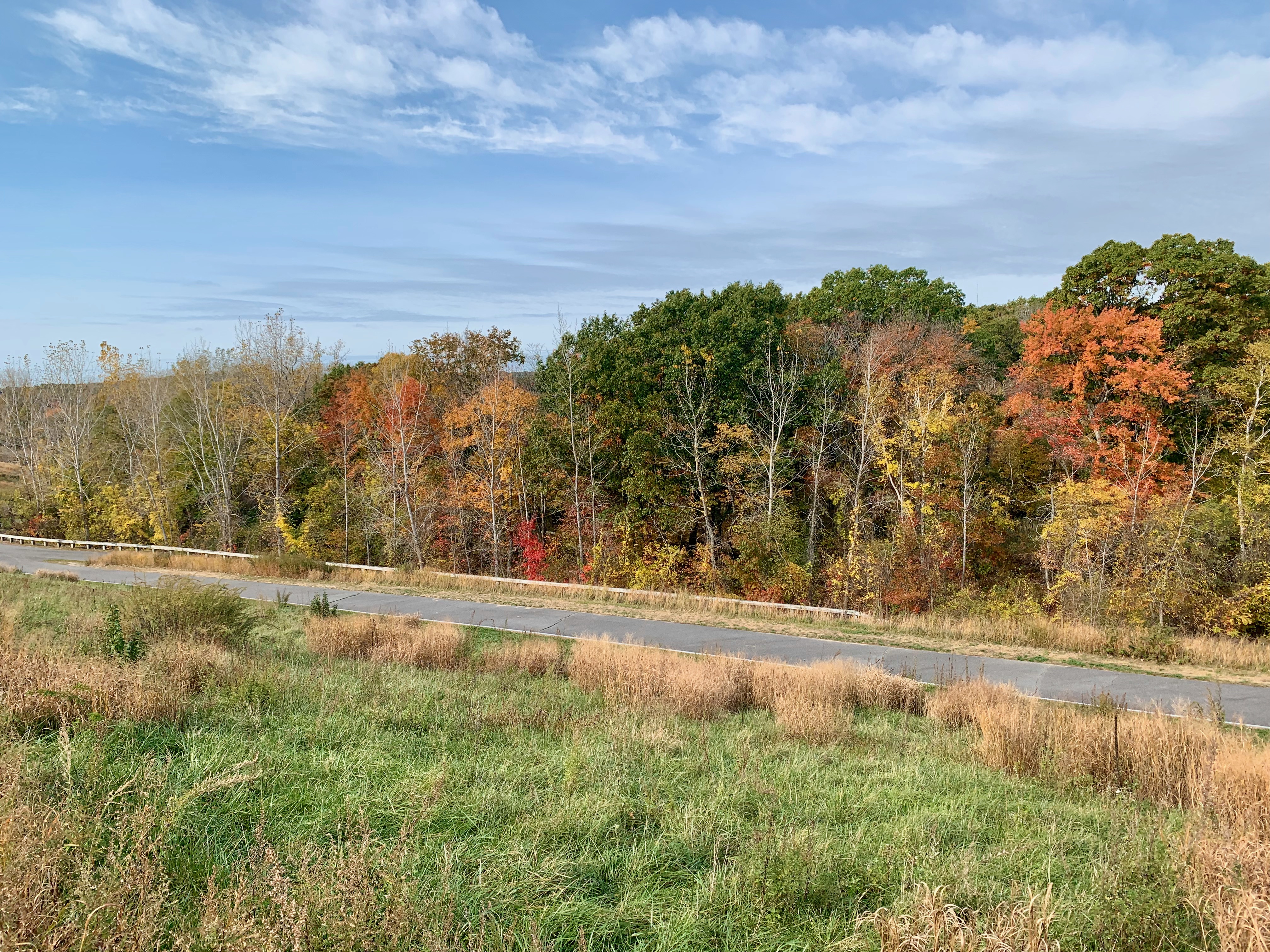
Autumn is my favorite time of year, mostly for the changing leaves and a brief respite of coziness and relative warmth before it gets too cold to do much outdoors except for getting from one place to another.

The foliage isn’t as robust as in past years, thanks to an ongoing lack of rain over the warmer months.

Fortunately, that does not mean no color at all.

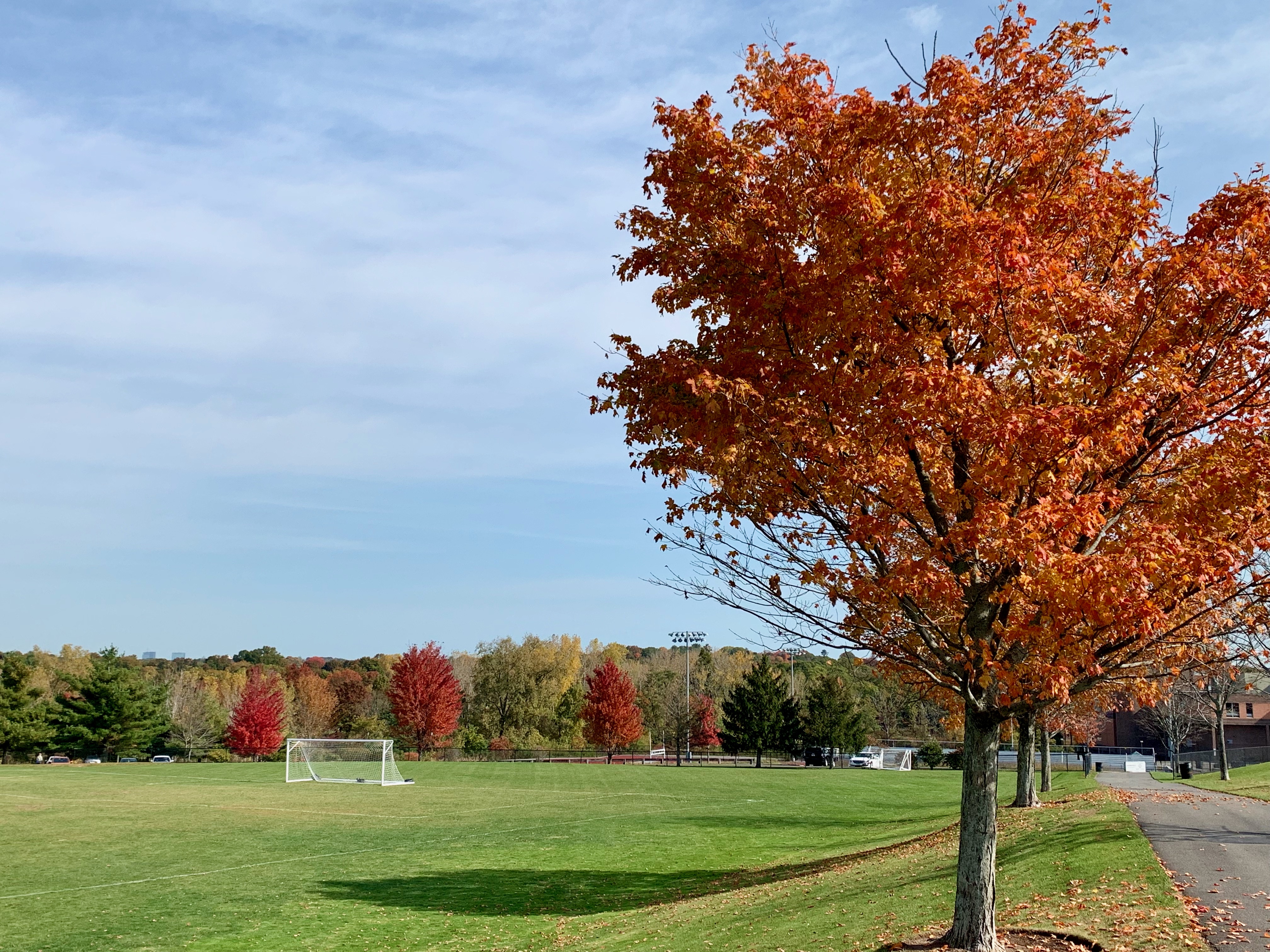
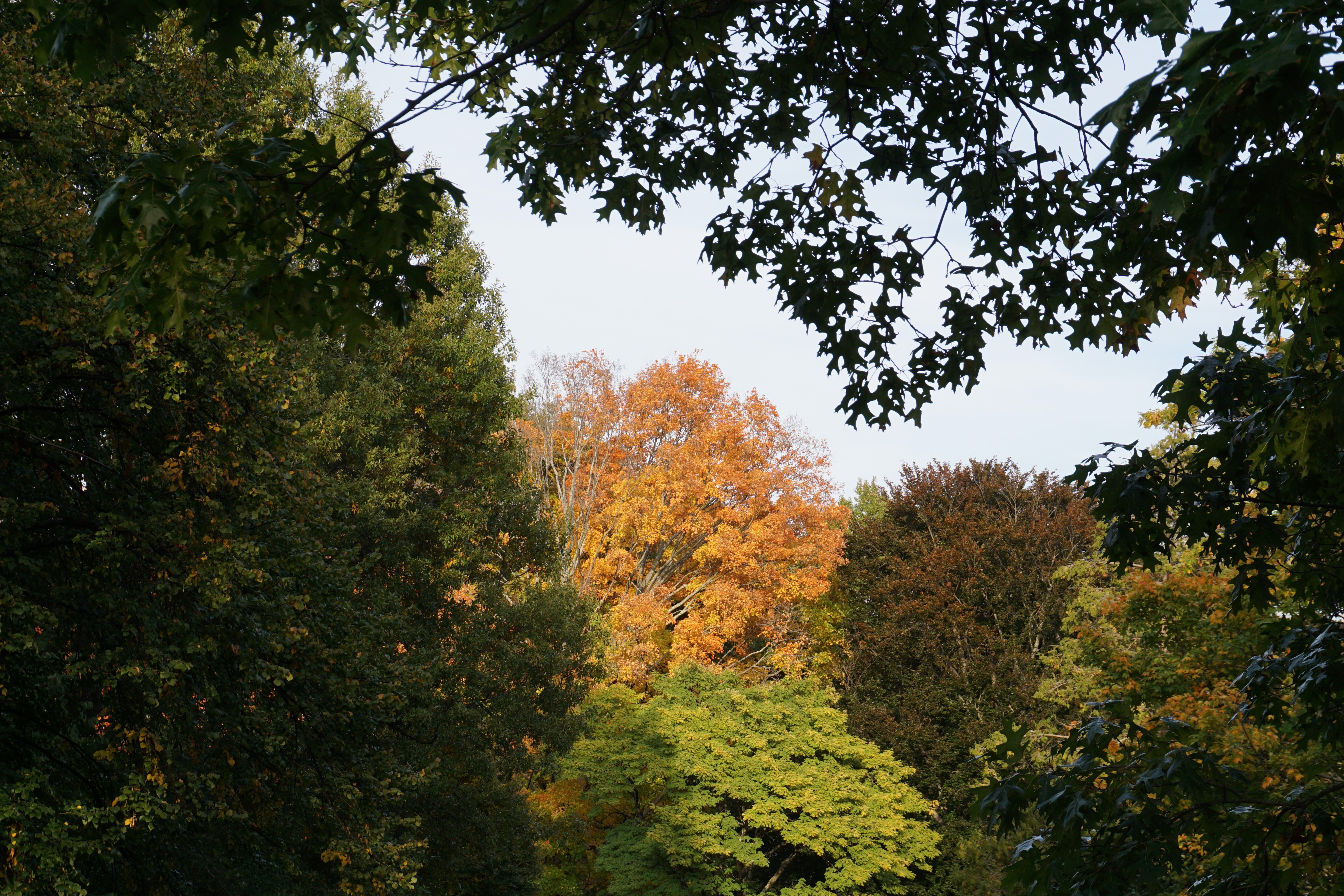
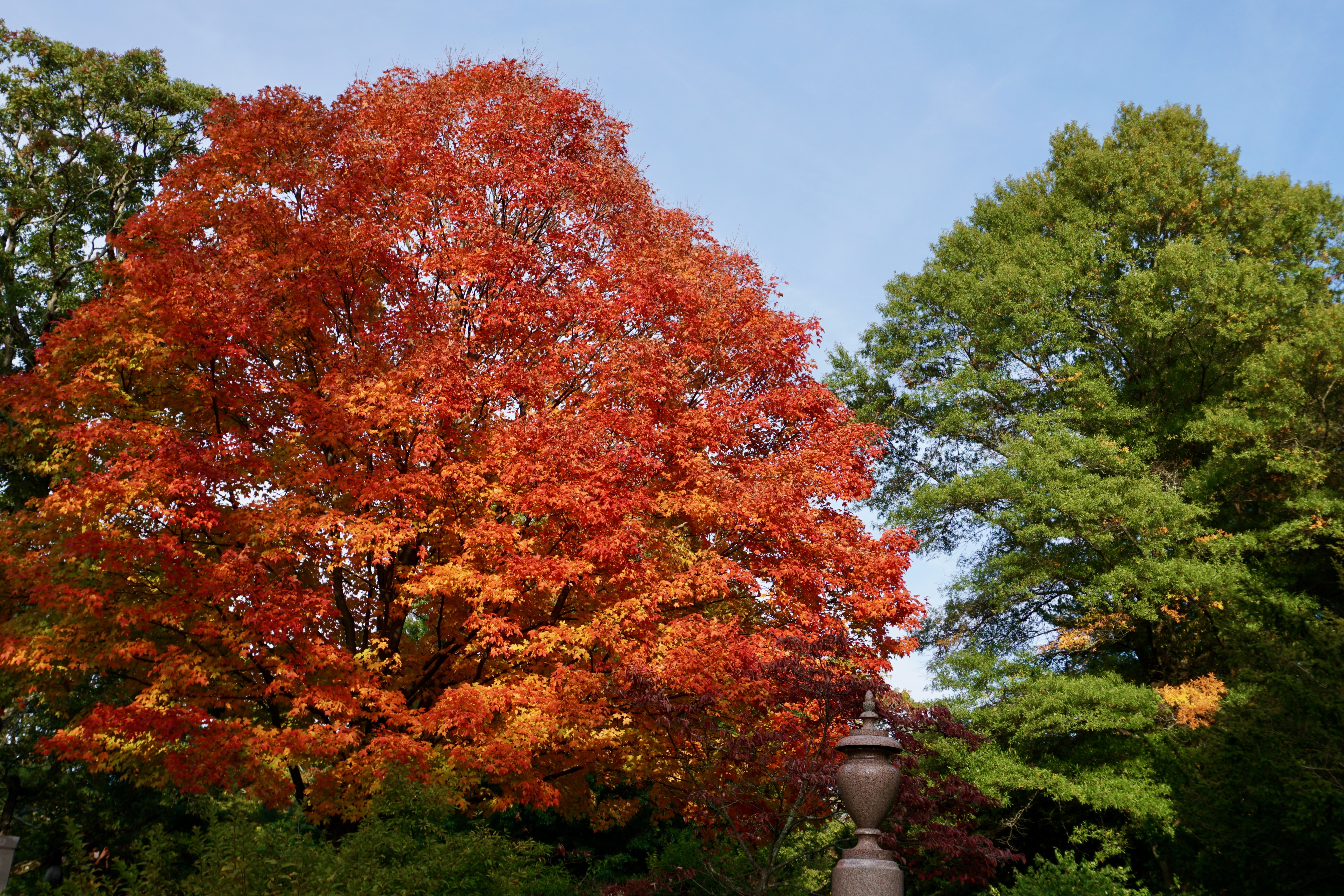
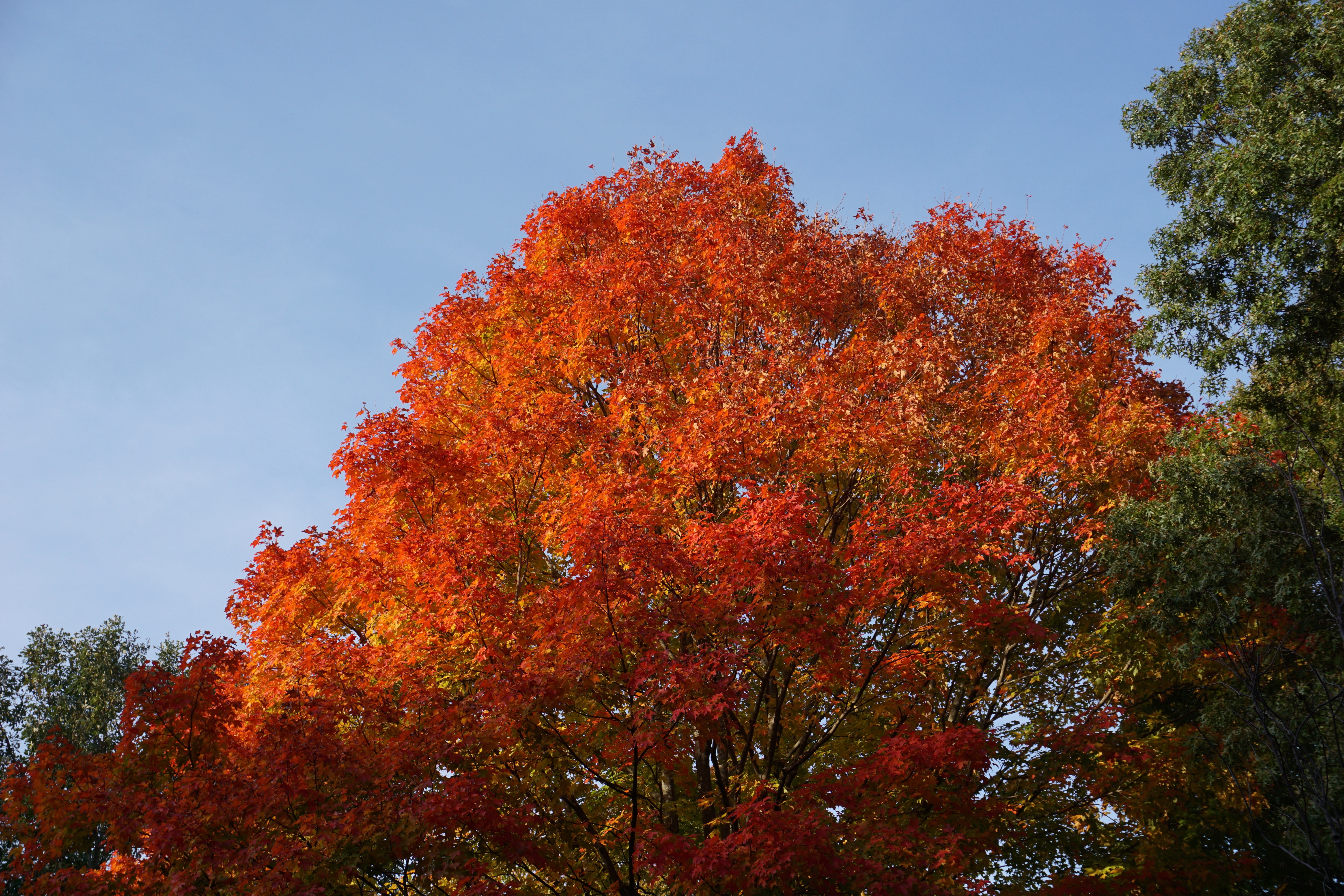
The park near my house in early October is not without at least one burst of red.

Those three trees in the background never fail to transform at least one small section of the park’s landscape every Autumn.

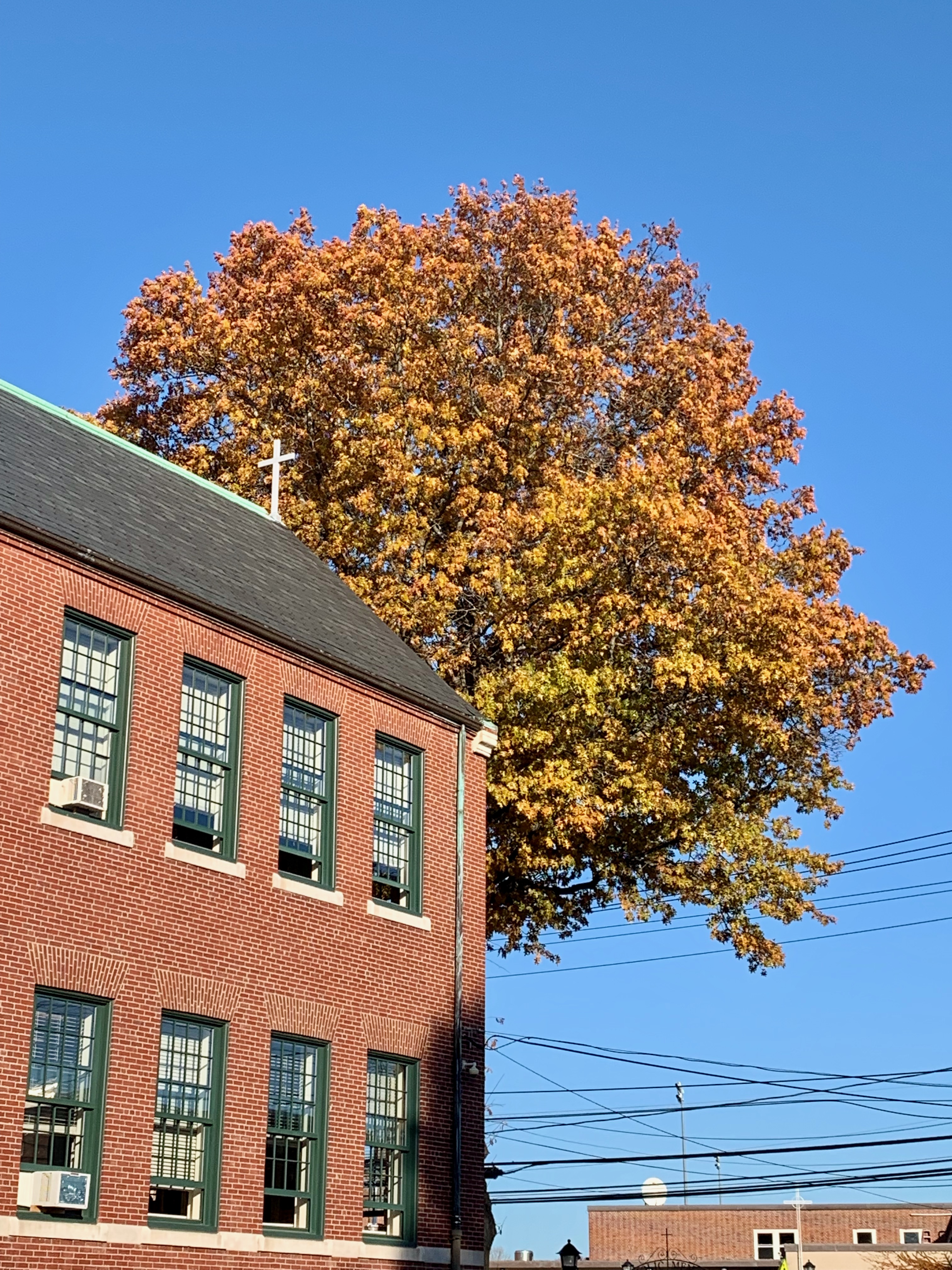
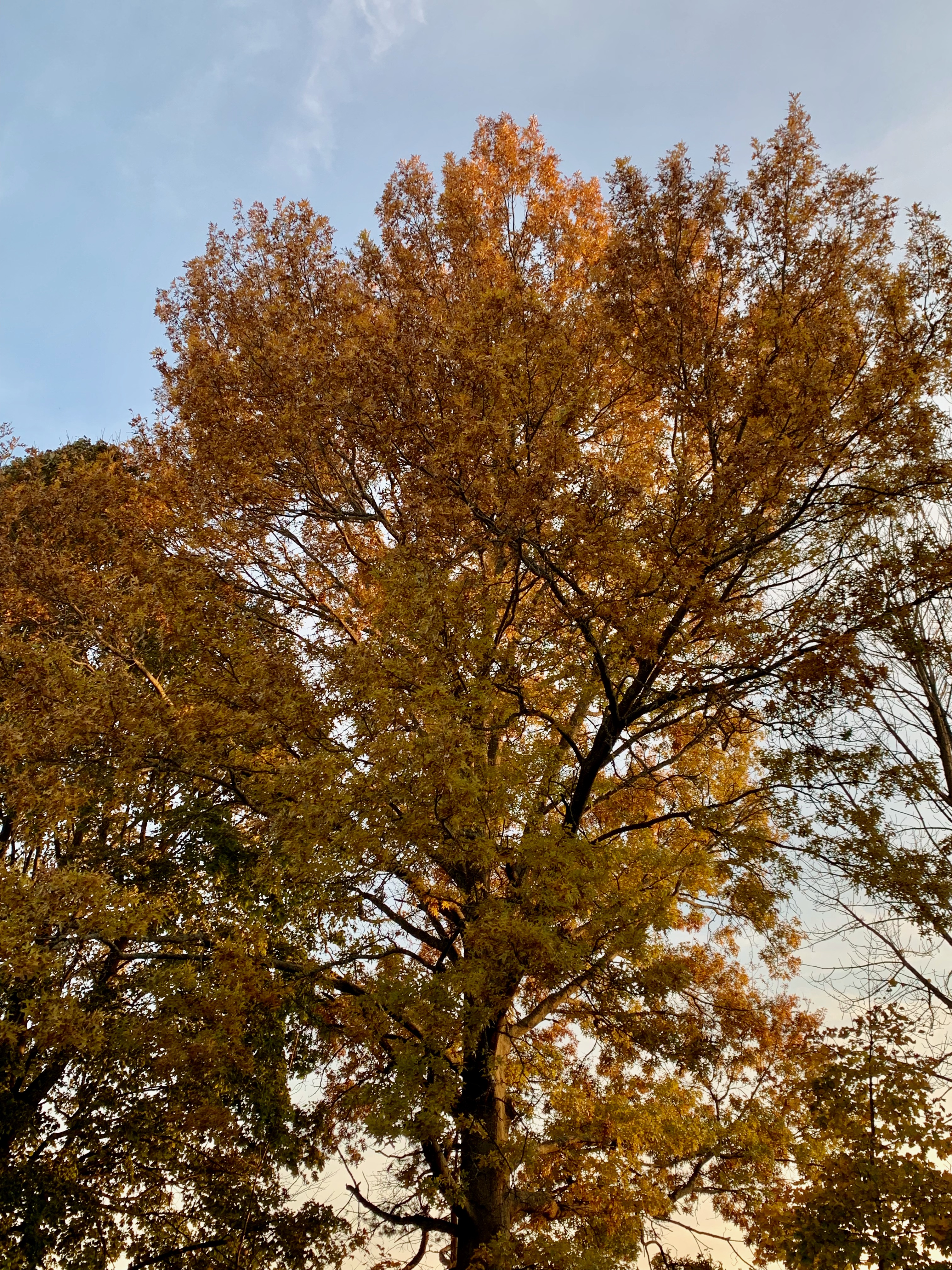
However, for the most part, a burnt, somewhat dingy orange predominates this year.

Granted, this hue is more or less the norm for the tall trees at the edge of my backyard.

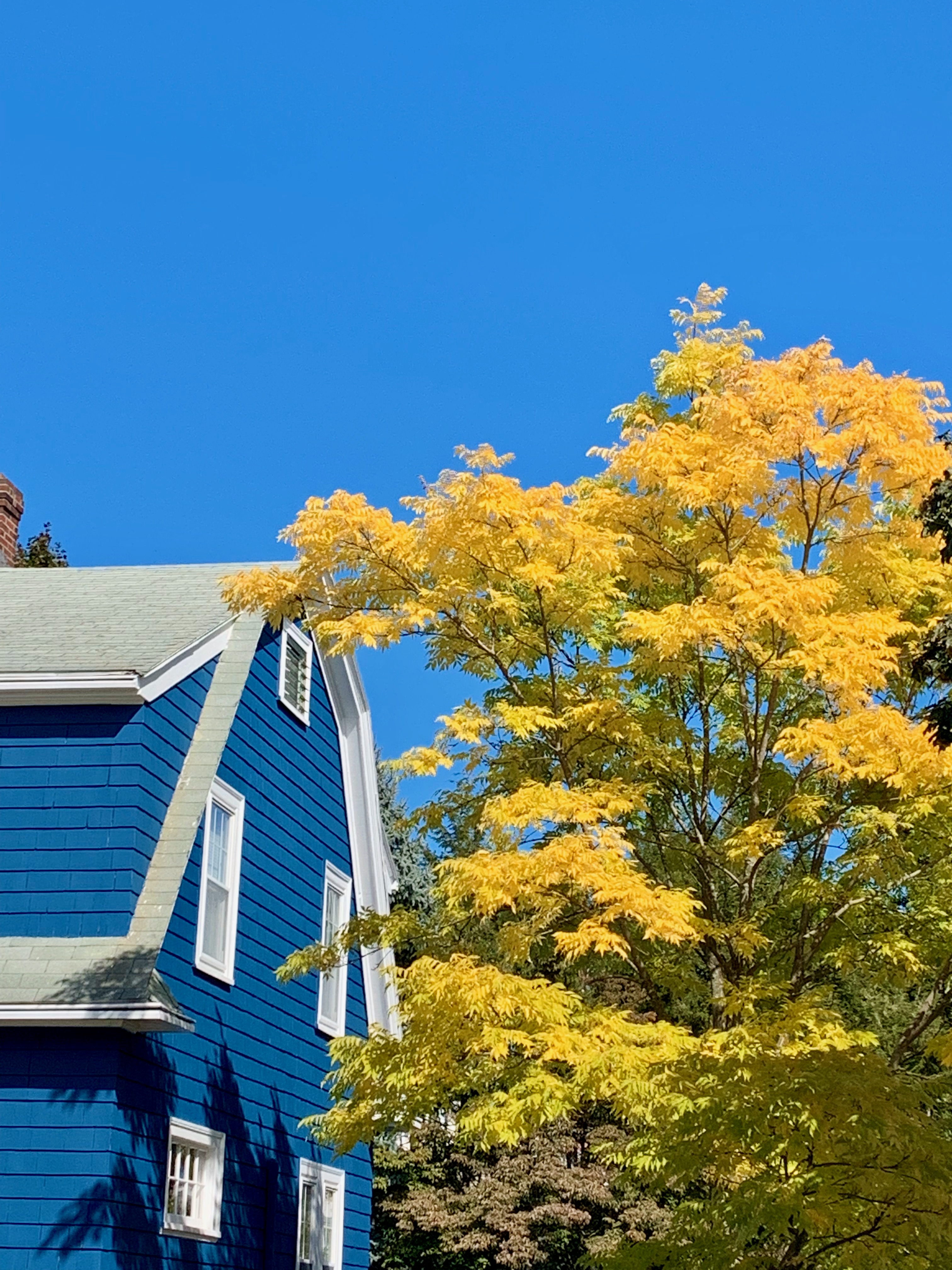
On one of my periodic, two-to-three mile neighborhood walks, I spotted this brilliant yellow, made even more striking by the blue of the house next to it.

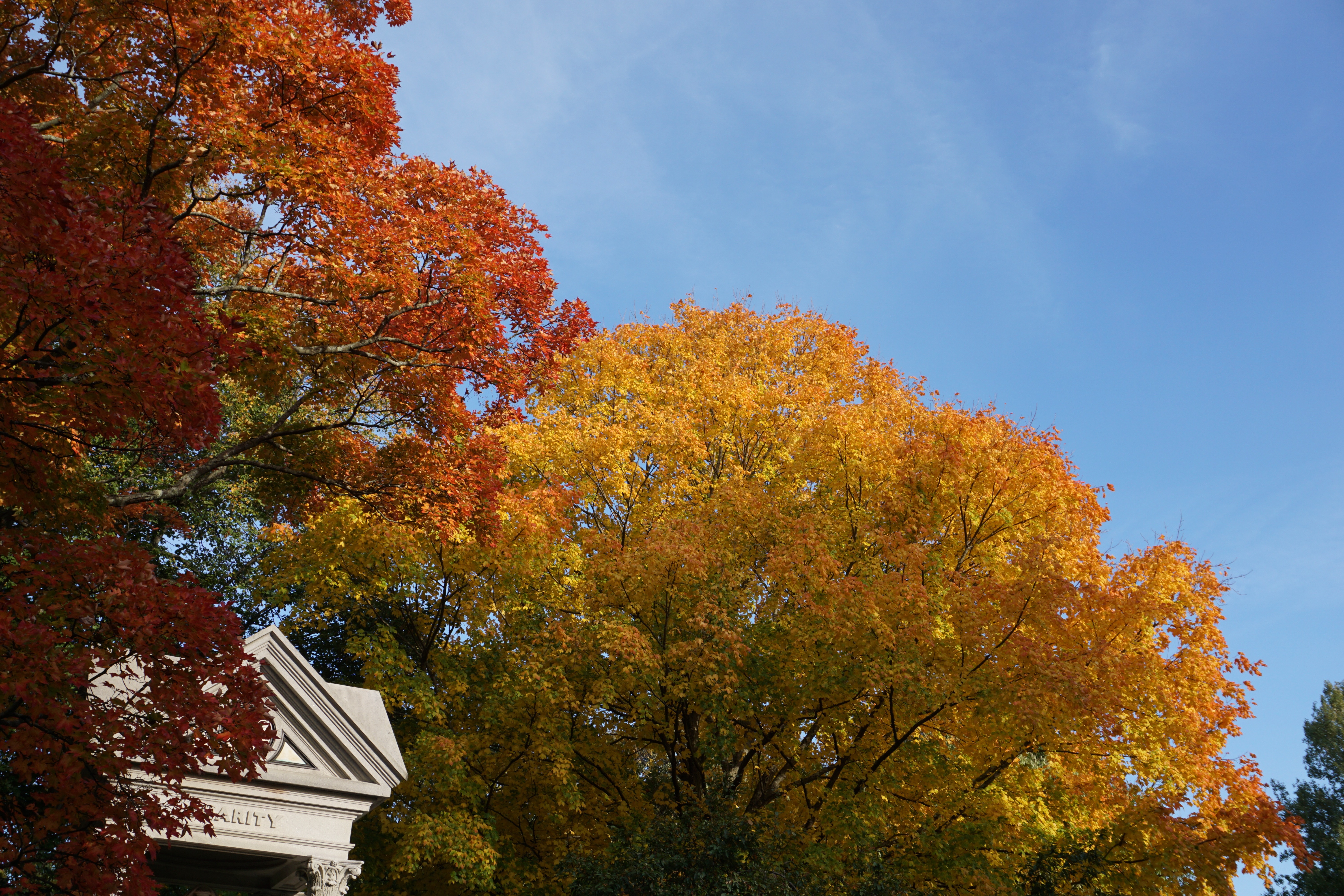
To see ample colors in one place, however, I had to visit Mount Auburn Cemetery in Cambridge.

On the third Sunday in October, I spent an afternoon there, seeking out as many seasonal shades I could find.

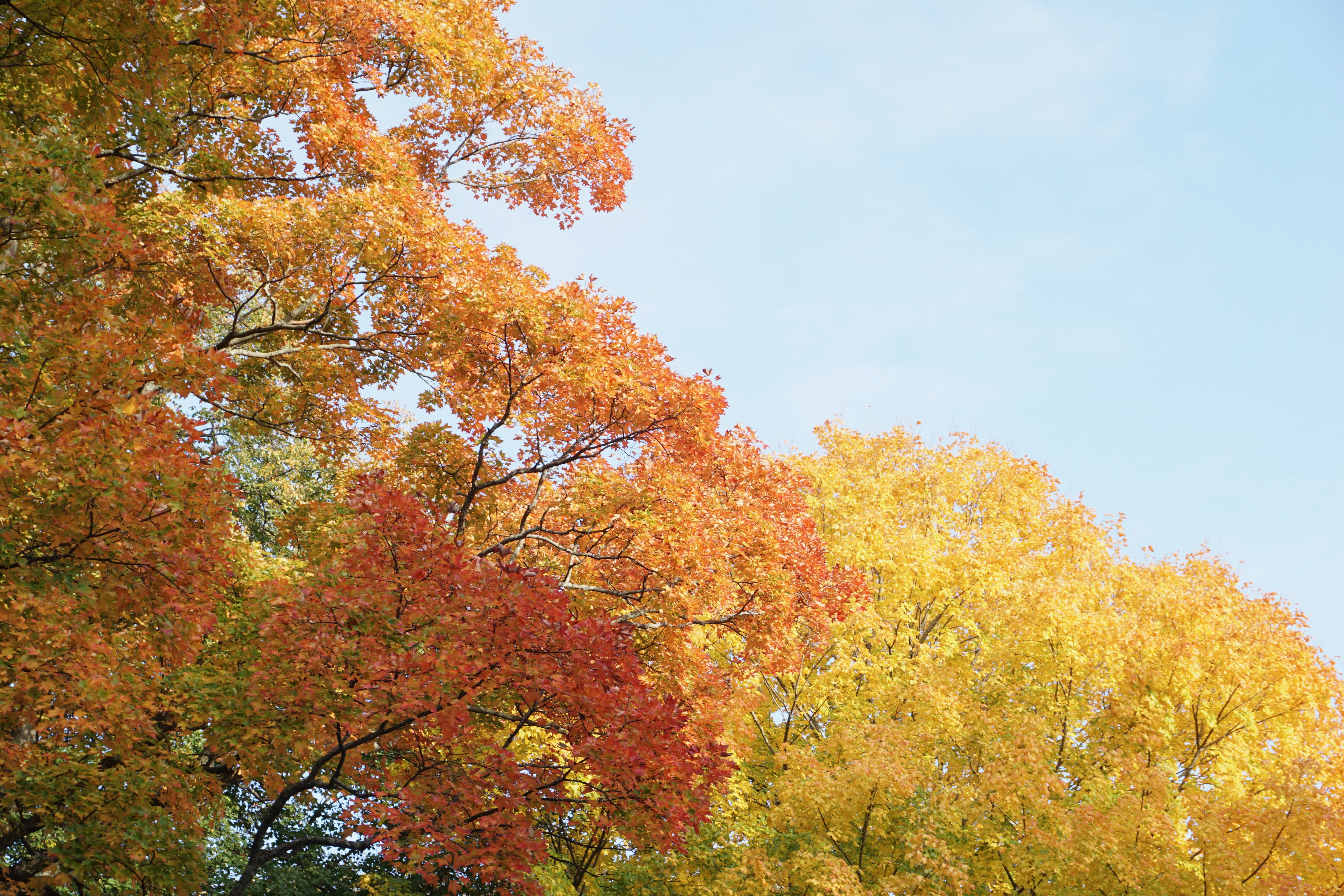
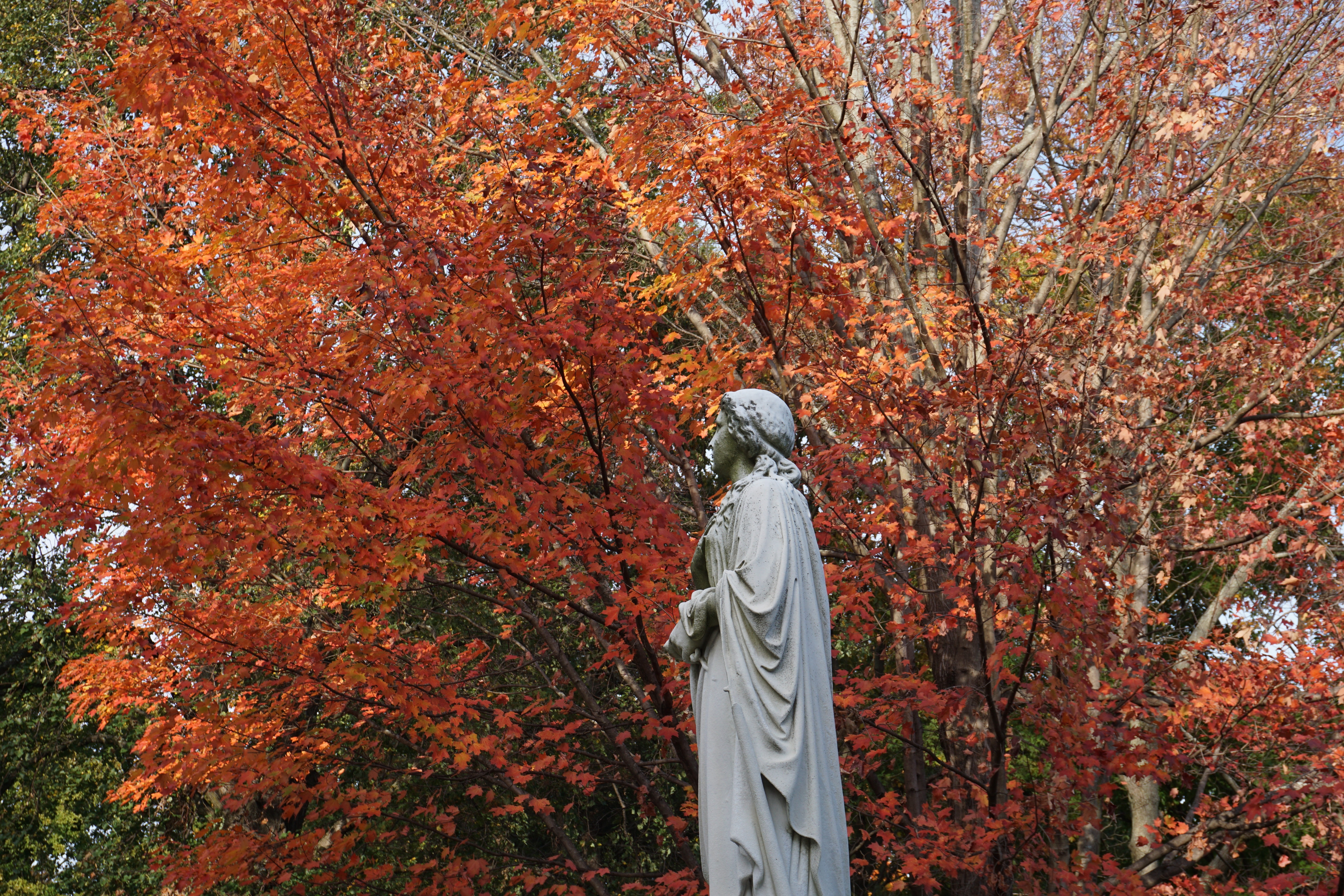
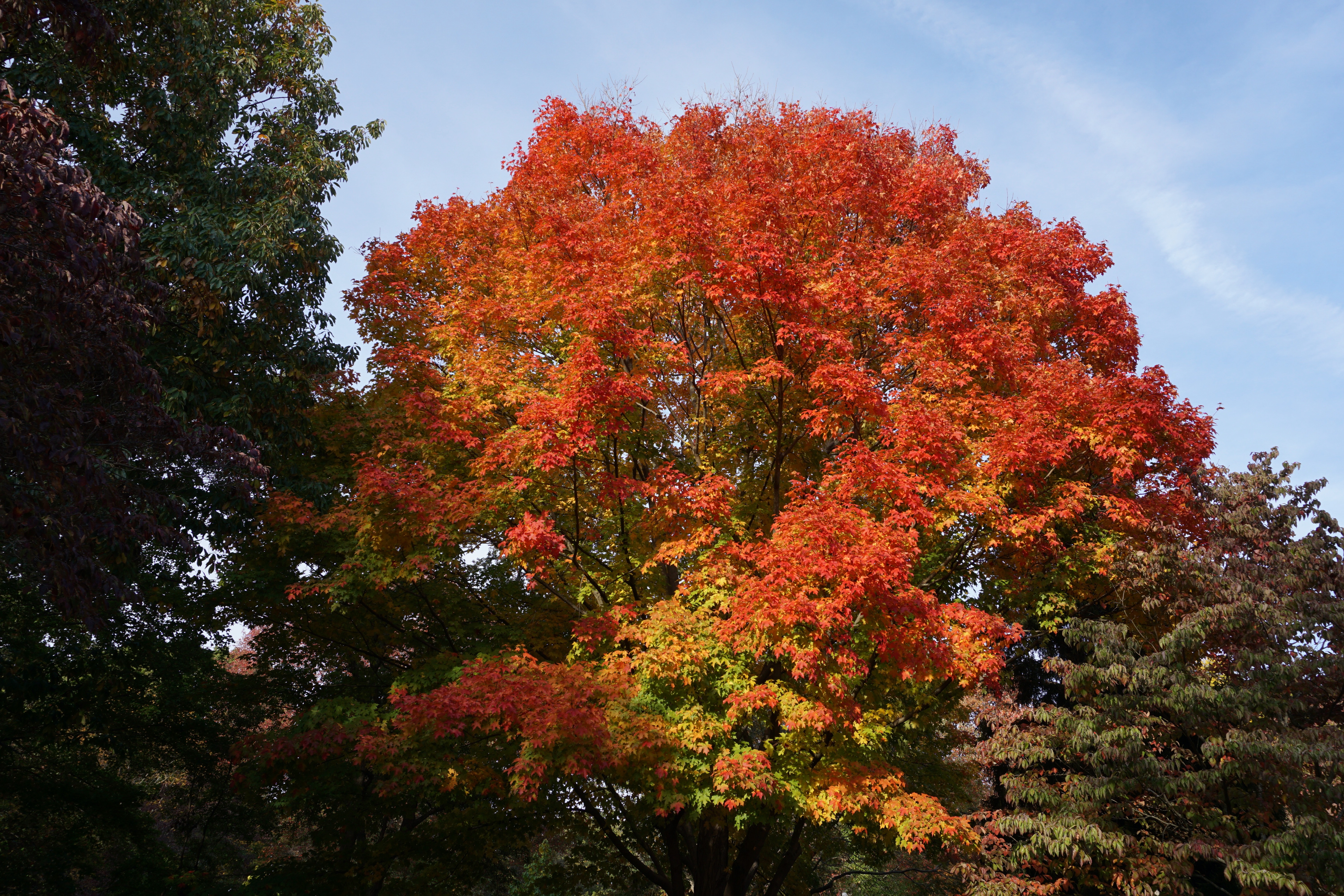
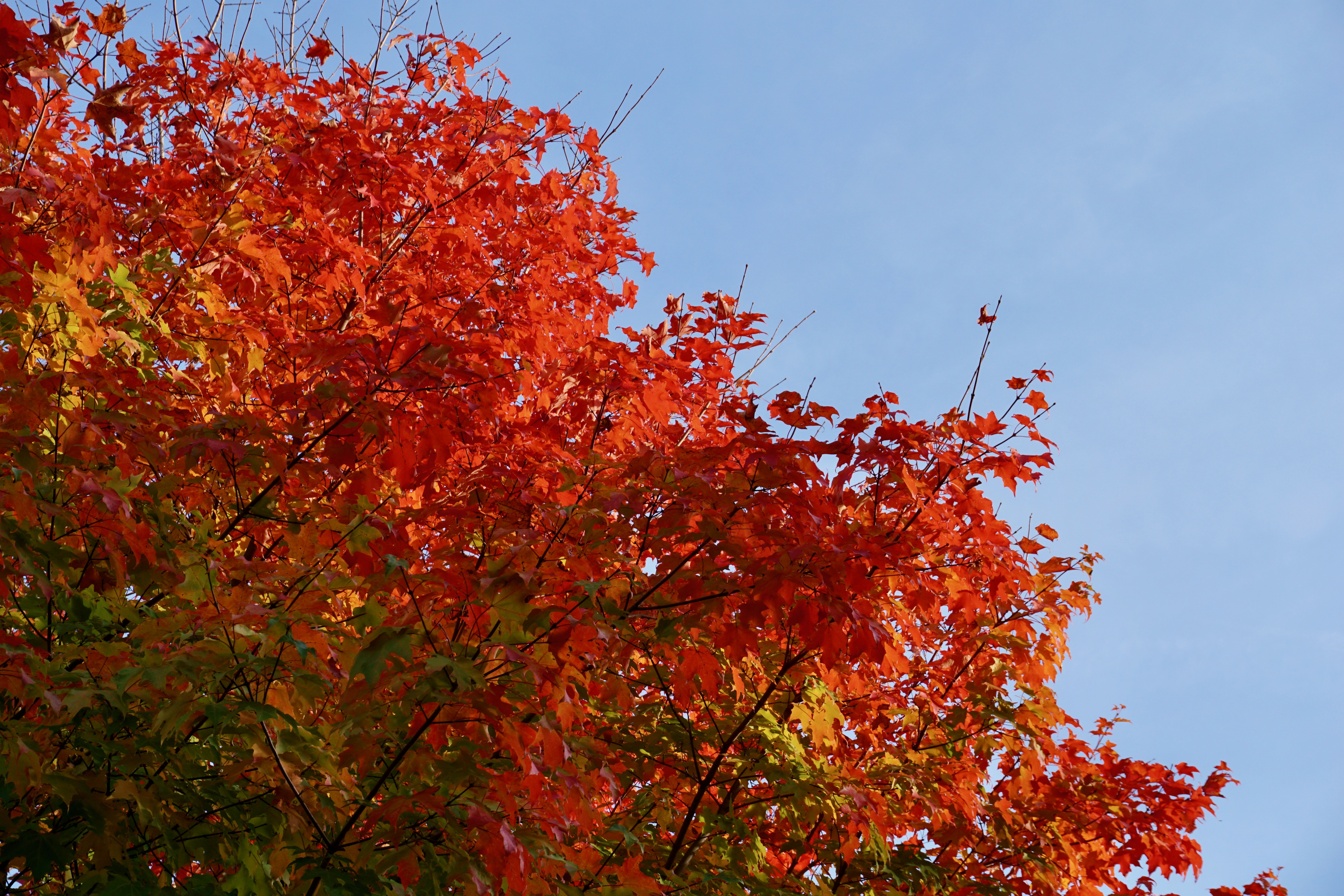
Walking around Mt. Auburn, I was not disappointed. Robust reds, bright oranges, sparkling yellows were all around.

I’m not a religious man, but parks, cemeteries, woods–any kind of green space is the sort of place my soul thrives in.

I remember driving out to Kettle Moraine North in Wisconsin with my parents when I was four or five, collecting pretty fallen leaves to place into a construction paper album.

I held onto that album for most of my childhood, no matter how brown and crinkly the leaves turned.

For those few bright red maple trees I see around Boston, I think fondly of the street I grew up on, which was lined with them. There was a particularly big one in front of our house–I can recall the impossibly massive piles of leaves my dad would rake from everything that fell onto the front yard, the sidewalk, even the street.

Within weeks, the trees will once again be bare. However, I’m genuinely optimistic for the first time in four years. The trees will bud again come April or May, hopefully stronger than ever before as we begin to heal and nourish our collective soul.

Film Journal: October 2020

Ham On Rye

In the tradition of “Marty Mondays”, I did the same for Marlon Riggs this month when his oeuvre became available on The Criterion Channel. A black, gay film essayist who died of AIDS in 1994, I was first aware of Riggs a few years later as a Film Studies grad student. I remember watching the first few minutes of a bootleg VHS of Tongues Untied borrowed from the Harvard Film Archive (where I was an intern) before putting it aside, overwhelmed by my master’s thesis and all the other stuff I was required to watch.

My present overview of his work has been mostly chronological (and will extend into November), though I started with Tongues. An hour-long examination of what it means to be black and gay in the 1980s, it’s arty, layered and inviting, equally adept at exuding sly humor and heartfelt pain. Obviously more personal than his (admittedly solid) television documentaries Ethnic Notions and Color Adjustment, it’s as essential as anything from the New Queer Cinema canon while somewhat standing apart from it.

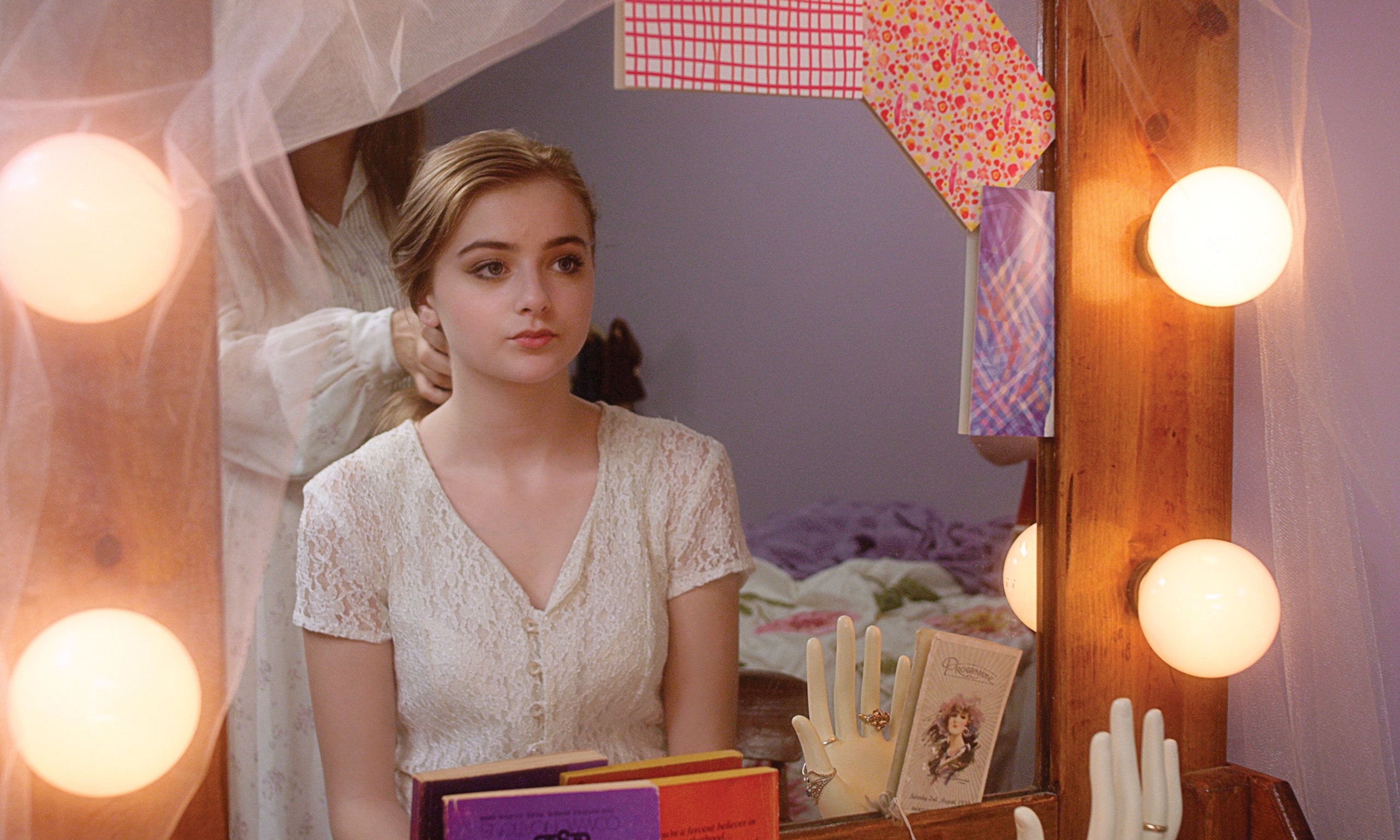
Best new-ish titles this month include Sundance hit doc Dick Johnson is Dead, Josh Melrod’s impressive shot-in-Vermont micro indie Major Arcana, Canadian stage play adaptation Mouthpiece (a return-to-form for director Patricia Rozema) and odd streaming sensation The Vast of Night (like a Spielberg film written by Amy Sherman-Palladino and directed by Andrew Bujalski.) However, the one I can’t get out of my head is Ham On Rye, Tyler Taormina’s audacious, dreamlike debut feature where a cadre of suburban teens meet up for a party at a local deli—to say anything else would lessen the impact it has when it takes an unexpected turn and transforms into something I haven’t really seen before.

More re-watches than usual, mostly because of the season: Young Frankenstein and Close Encounters of the Third Kind (of which The Vast of Night lovingly references) remain all-time favorites, with mid-tier Burton both better (Sleepy Hollow) and lesser (Dark Shadows) than I recall. It was also a kick to see Tsai Ming-liang’s first feature after so many years–it’s definitely an impetus to eventually re-watch them all (for who knows when his new one Days will be available to screen or stream at-large.)

Best first-time watch, however, was Harry and Tonto, recorded off of TCM. I wrote on Letterboxd, “It’s the greatest Hal Ashby film Ashby never made.” While not as special as, say, Harold and Maude, it’s both a great showcase for Art Carney and a neat cross-country time capsule of mid-70s America as illuminating as, well, The United States of America. A touch sentimental but never sappy, it confronts aging and change with honesty and grace.

Films viewed in October in chronological order, with director, year of release and my rating (out of 10); starred titles are re-watches.

Mouthpiece (Patricia Rozema, 2018) 8
The Heiress (William Wyler, 1949) 7
The Boys In The Band (Joe Mantello, 2020) 8
Tongues Untied (Marlon Riggs, 1989) 9
Little Fugitive (Ray Ashley, Morris Engel, Ruth Orkin, 1953) 7
Residue (Merawi Gerima, 2020) 5
Queen Bee (Ranald MacDougall, 1955) 6
Twin Peaks: Fire Walk With Me (David Lynch, 1992)* 7
The Vast Of Night (Andrew Patterson, 2019) 7
Close Encounters Of The Third Kind (Steven Spielberg, 1977)* 10
Dick Johnson Is Dead (Kirsten Johnson, 2020) 8
Mother (Albert Brooks, 1996) 7
Major Arcana (Josh Melrod, 2018) 7
No Home Movie (Chantal Akerman, 2015) 5
Harry and Tonto (Paul Mazursky, 1974) 9
Palm Springs (Max Barbakow, 2020) 6
Ethnic Notions (Riggs, 1986) 7
Affirmations (Riggs, 1990) 7
Uncle Boonmee Who Can Recall His Past Lives (Apichatpong Weerasethakul, 2010)* 9
The Way I See It (Dawn Porter, 2020) 4
The Trip To Greece (Michael Winterbottom, 2020) 6
Rebels Of The Neon God (Tsai Ming-liang, 1992)* 8
Sleepy Hollow (Tim Burton, 1999)* 6
Young Frankenstein (Mel Brooks, 1974)* 10
Color Adjustment (Riggs, 1992) 7
The Devil’s Backbone (Guillermo del Toro, 2001) 7
Ham On Rye (Tyler Taormina, 2019) 9
Invasion of the Body Snatchers (Philip Kaufman, 1978)* 8
Experimenter (Michael Almereyda, 2015) 6
Dark Shadows (Burton, 2012)* 6

DICK JOHNSON IS DEAD

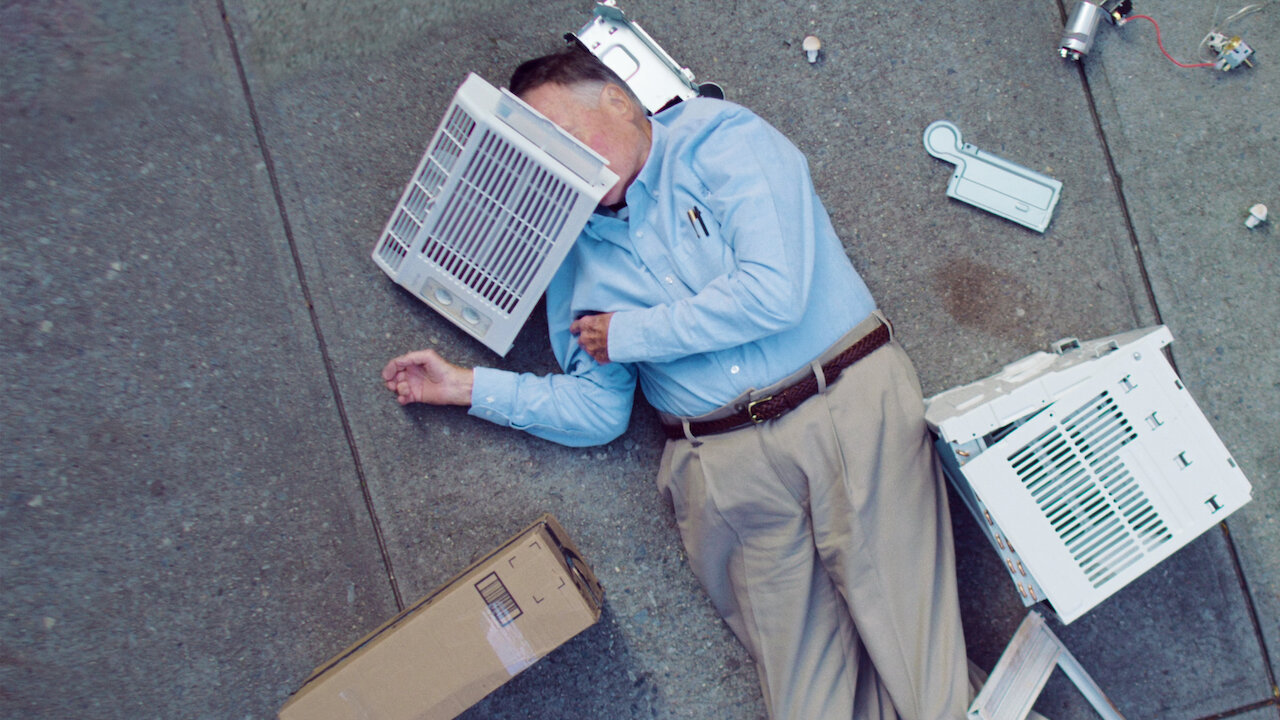
Death is still one of the greatest taboos. On the whole, we don’t talk about it simply because we fear it and for good reason—it will happen to each and every one of us and no one knows what follows. To ponder the oncoming death of a loved one is daunting; to capture that person’s decline on film is too much for most to bear. This is why the moment an air conditioner unit falls out of a window right onto Dick Johnson’s head on the sidewalk below (like a 16-ton weight out of Monty Python) is so jolting, no matter what the film’s title promises.

If you know exactly what Dick Johnson Is Dead is about before going into it, you might laugh out loud like I did when the appliance seems to obliterate Dick. Or, it may take seconds until the subsequent reveal that it’s just a prank, that the director, Johnson’s daughter Kirsten, has fashioned the film as a way of coping with the inevitable: Dick, a retired, widowed psychologist, is slowing down and entering the December of his life. Throughout, Kirsten stages one fake death for Dick after another, ranging from crude sight gags such as the A/C unit to more high-concept spectacles like Dick entering the gates of heaven, complete with costume changes, dance sequences and camera trickery—they often resemble something David Lynch would’ve made in a particularly jocular mood. Happily, for his daughter and for us, the affable Dick is game for seemingly anything. For instance, would your father agree to installing an intricate apparatus that allows a considerable amount of fake blood to seemingly shoot out of his neck?

Kirsten’s previous feature Cameraperson recalibrated the longtime cinematographer as an essayist on the order of Agnes Varda or Ross McElwee; here, she delves into even more personal, thornier territory, facing and dissecting head-on what it means to inch closer to the end of her subject’s life (and also her own.) The fake deaths provide levity but also open up a dialogue between what we can imagine the act of dying and its aftermath to be like versus what actually happens, i.e. what we can’t possibly anticipate. Through this push-and-pull, death is rendered less taboo without becoming trivialized, but its mystery also remains intact and not fully reconcilable.

At the film’s tricky, decidedly meta-conclusion, Kirsten seems to finally, fully confront and elegize her father’s demise while further blurring the difference between what we perceive and what we’re actually witnessing. When that last reveal comes, it’s a kicker on par with suddenly seeing an appliance crashing down from the sky right towards your own head.

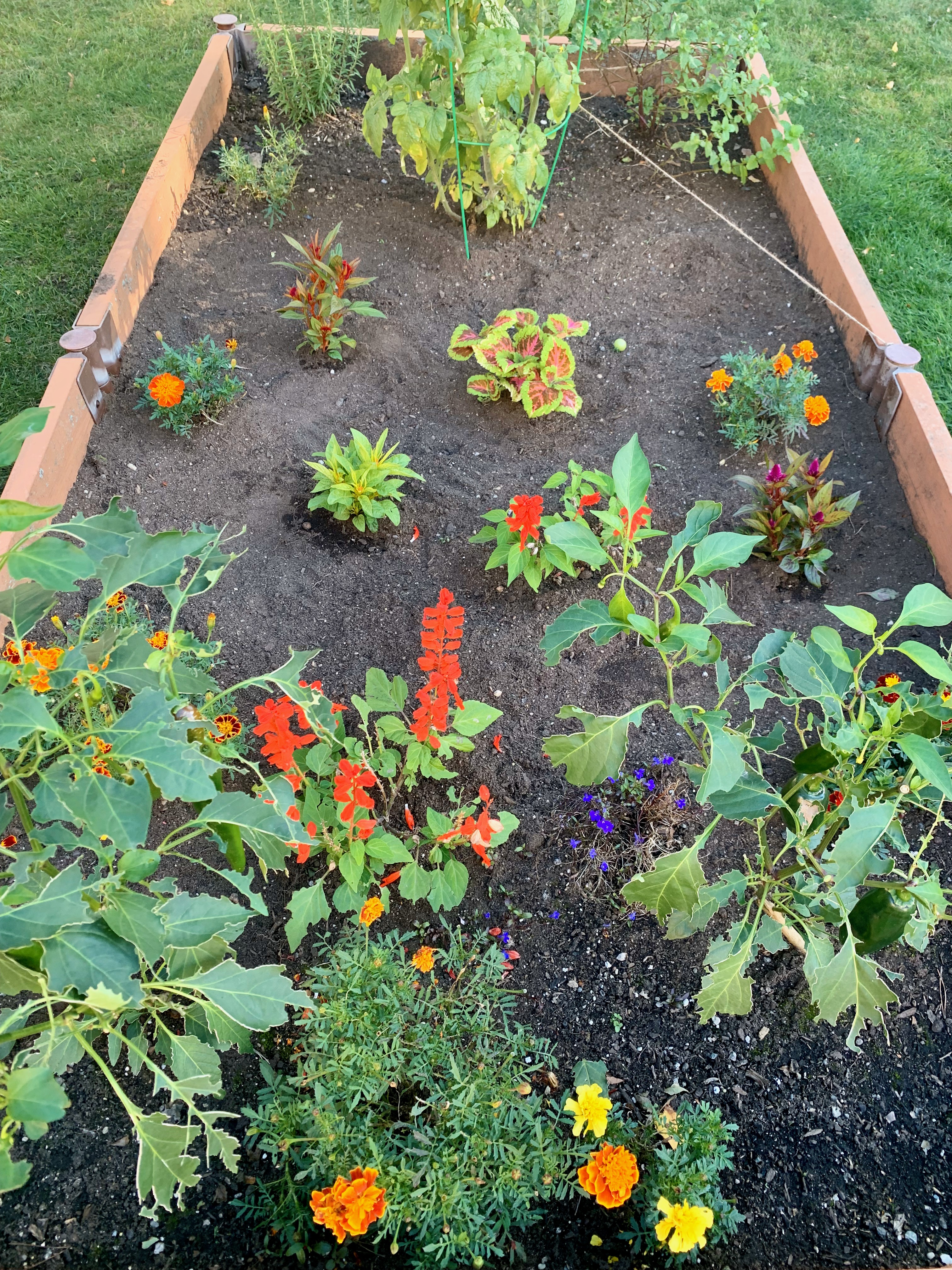
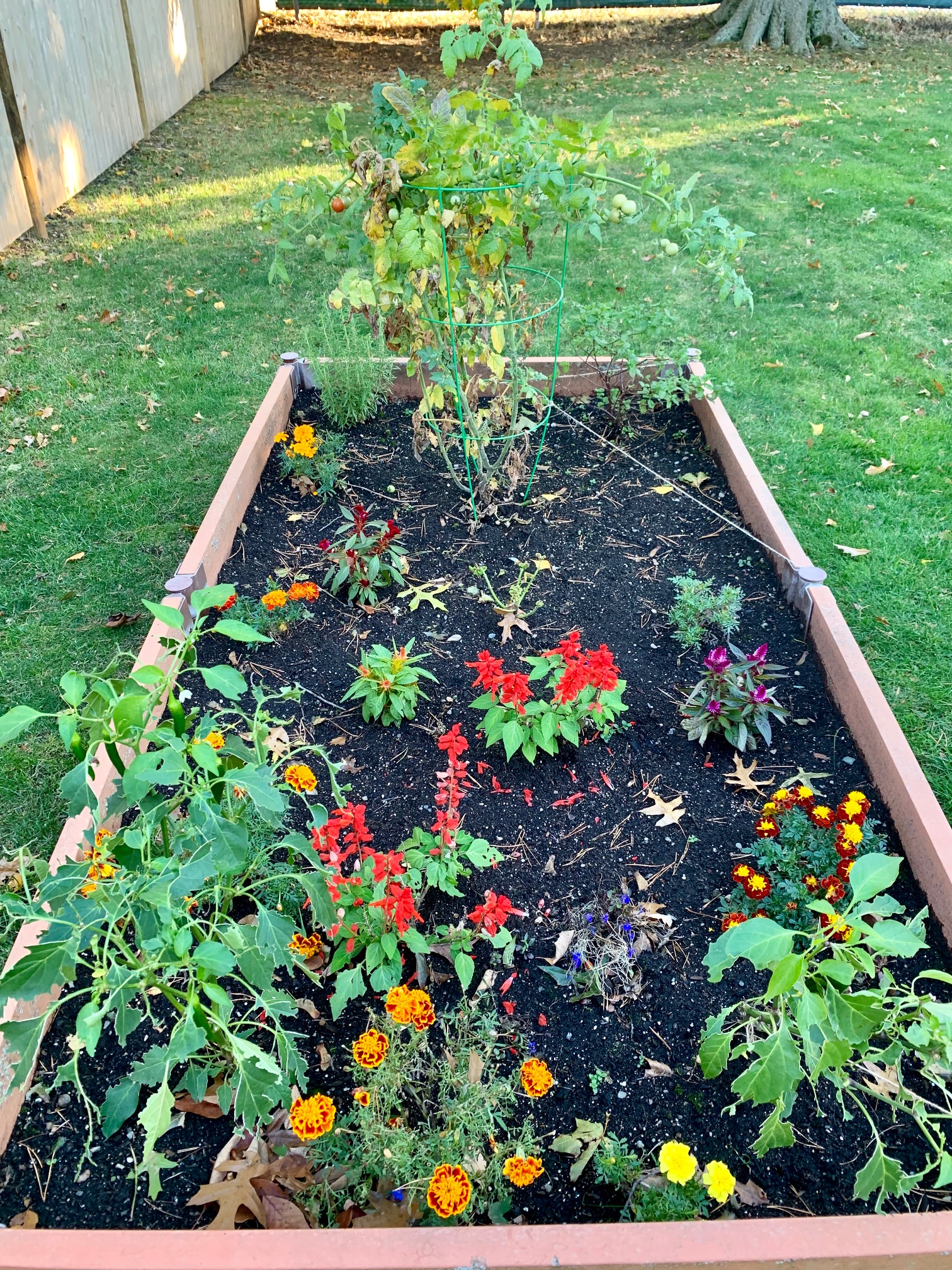
This Year’s Garden

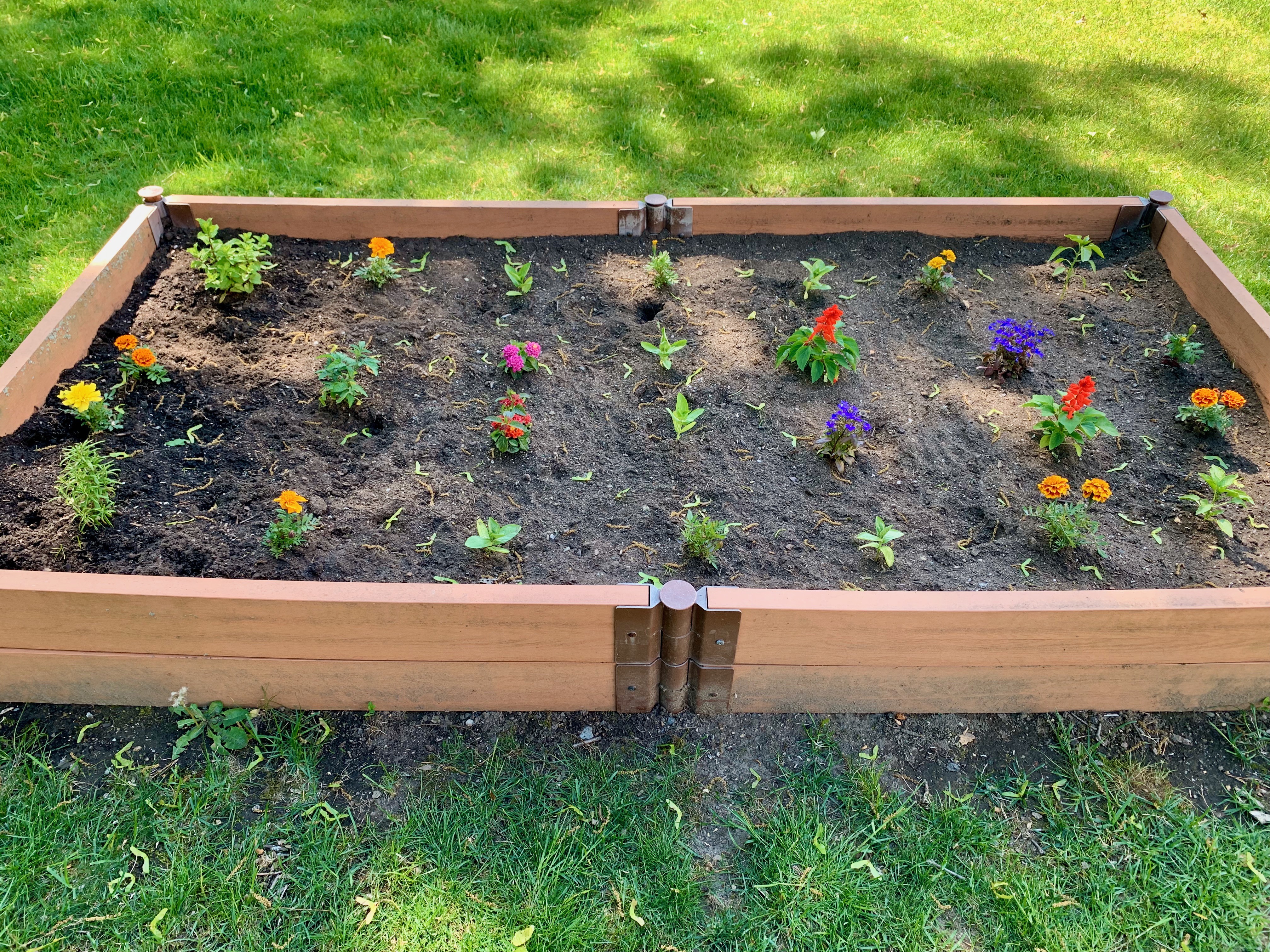
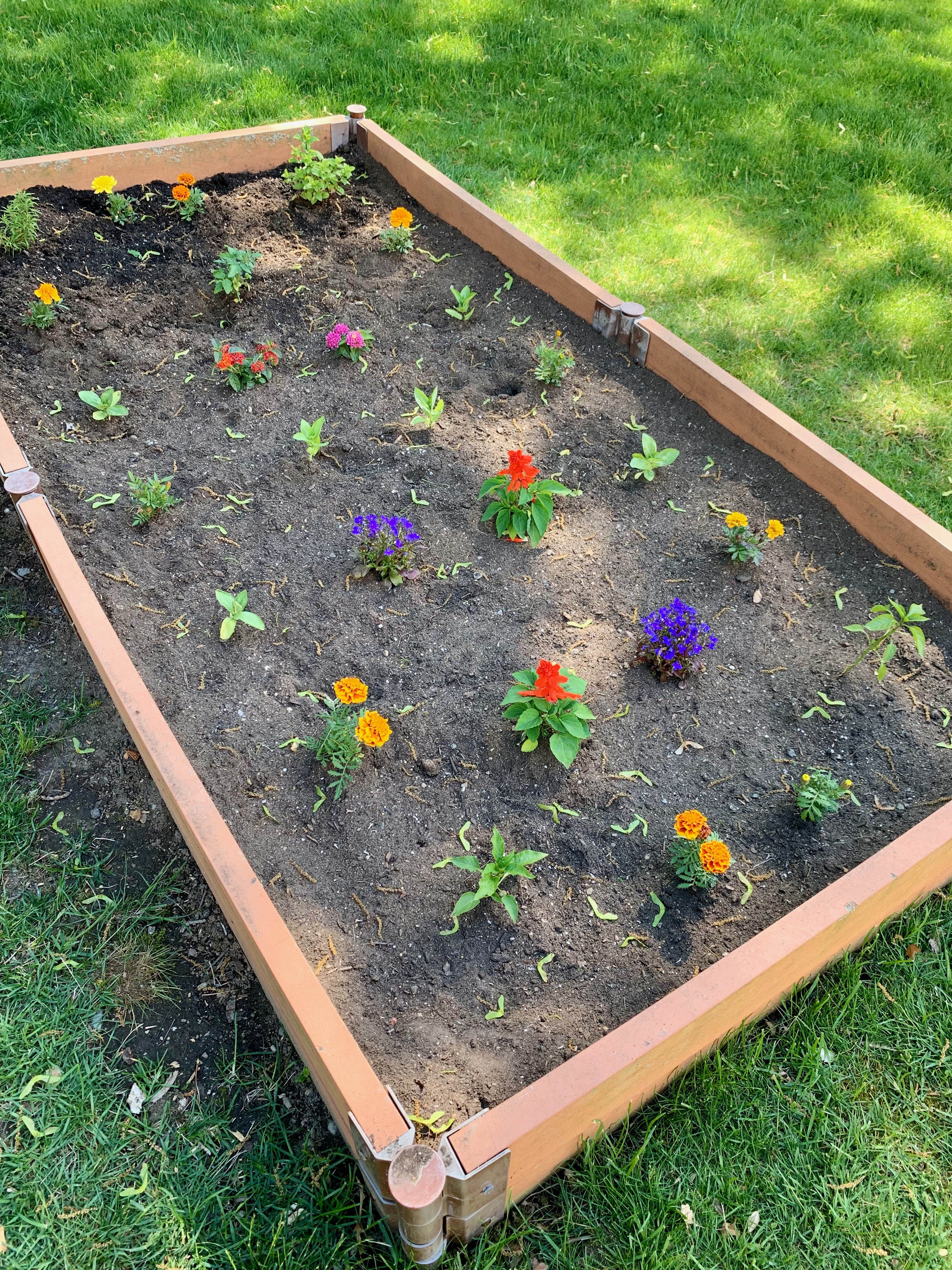
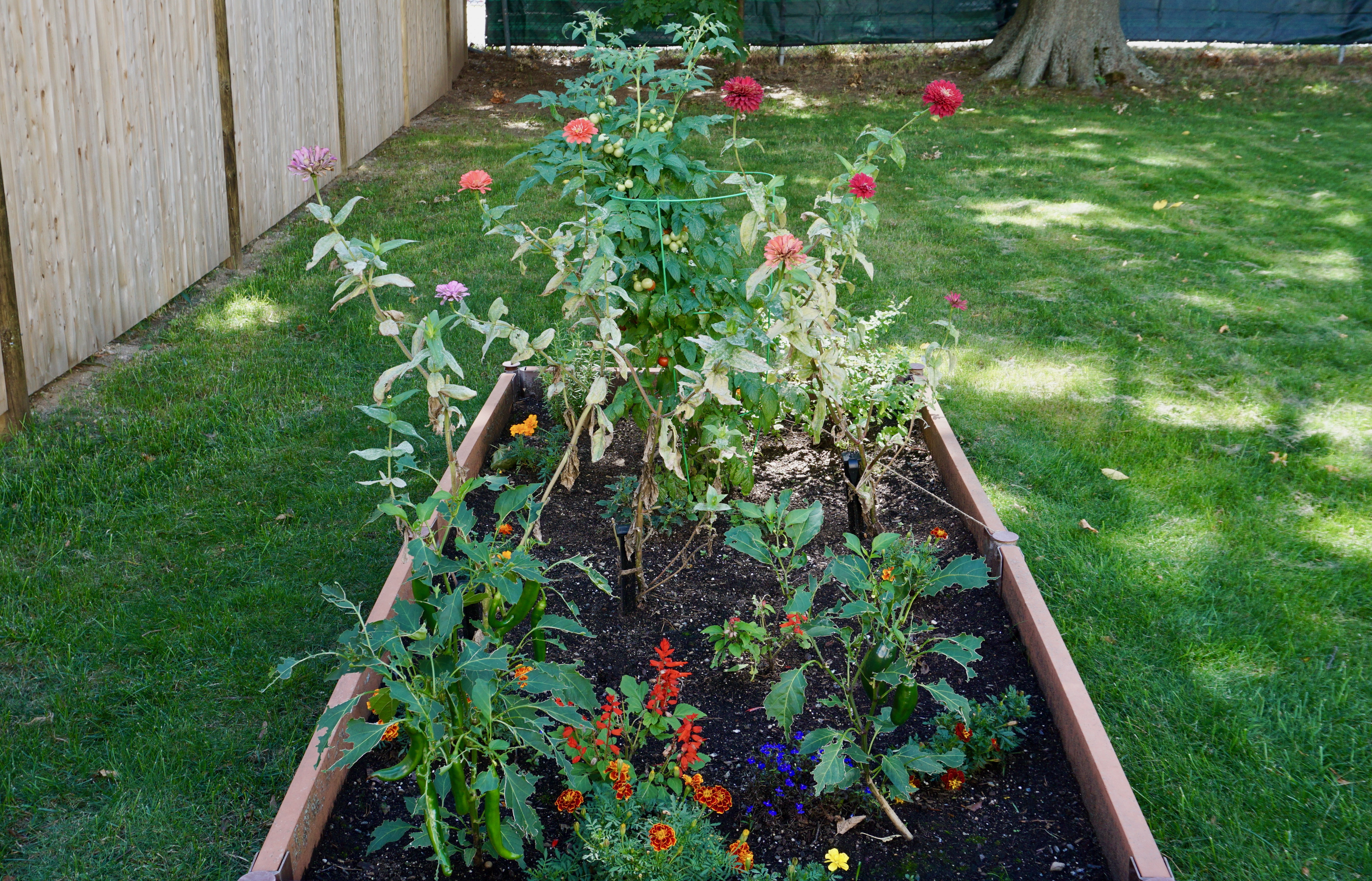
When I moved into my current home four years ago, the best thing the former residents left behind was a garden box in the backyard. Overgrown with weeds and spaghetti-like remnants of long-forgotten plants, I thought to myself, “It’s too late in the season, but next year, I can do something with this.”

May 27

Since then, I’ve cultivated a garden each summer. Growing up, I used to love helping my mom out with her garden–basically two narrow strips, one alongside the house (where we always planted tomatoes); the other next to the garage (chives, radishes and a catnip plant we could never fully exhume.)

June 28

Figuring out what works here has been a matter of trial-and-error. I knew I wanted tomatoes, and put in three plants the first year. Since I’m the only one here who eats them, I went down to two plants last year and only one (a cherry tomato) this year. Marigolds tend to always be bountiful; for 2020, I also put in two of each of the following: blue lobelias, red salvias and multicolored lantanas (the latter were the only real duds.)

July 4

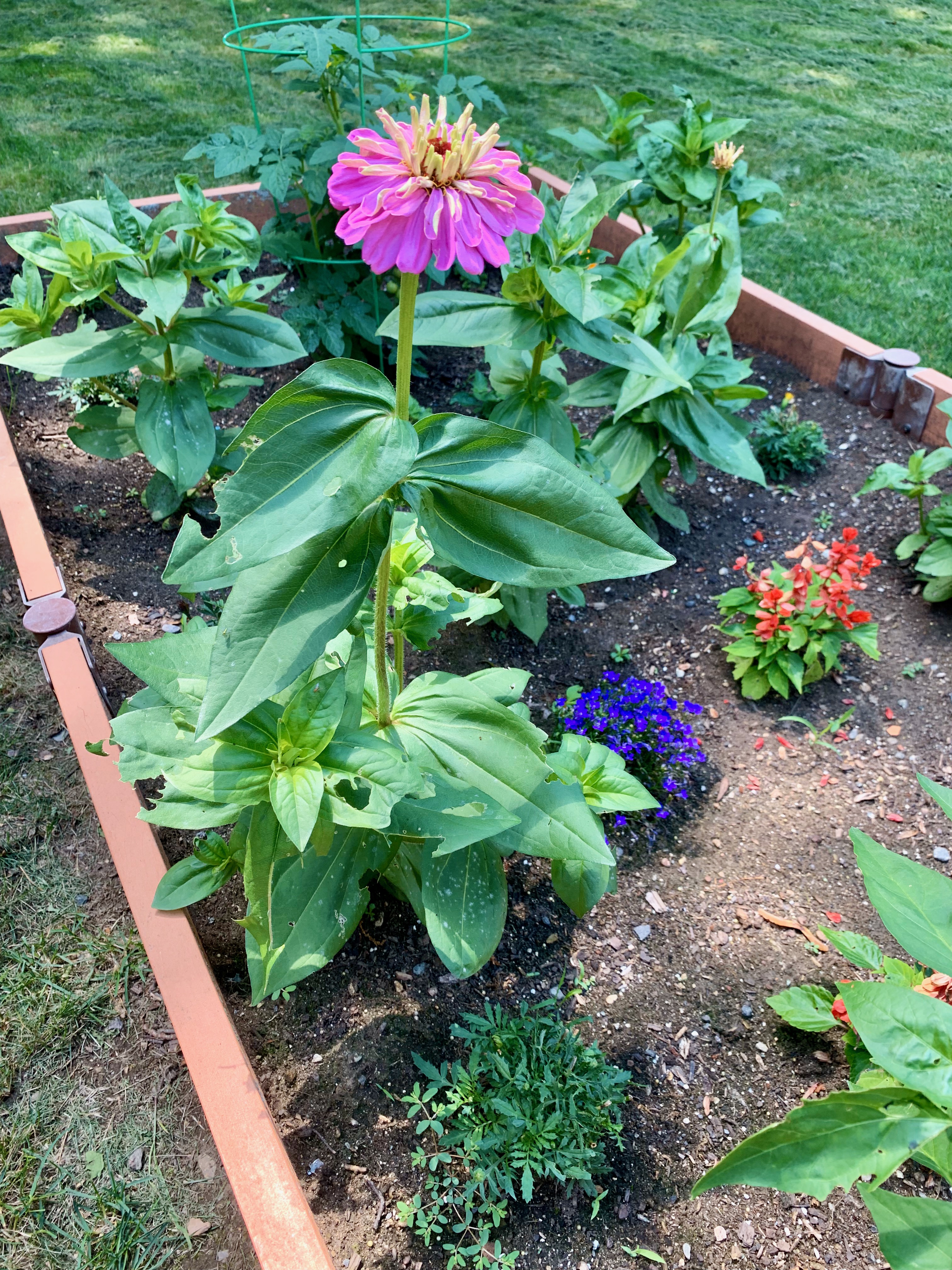
I also tried out a six-pack of multicolored zinnias, which I did not expect to get so tall.

July 16

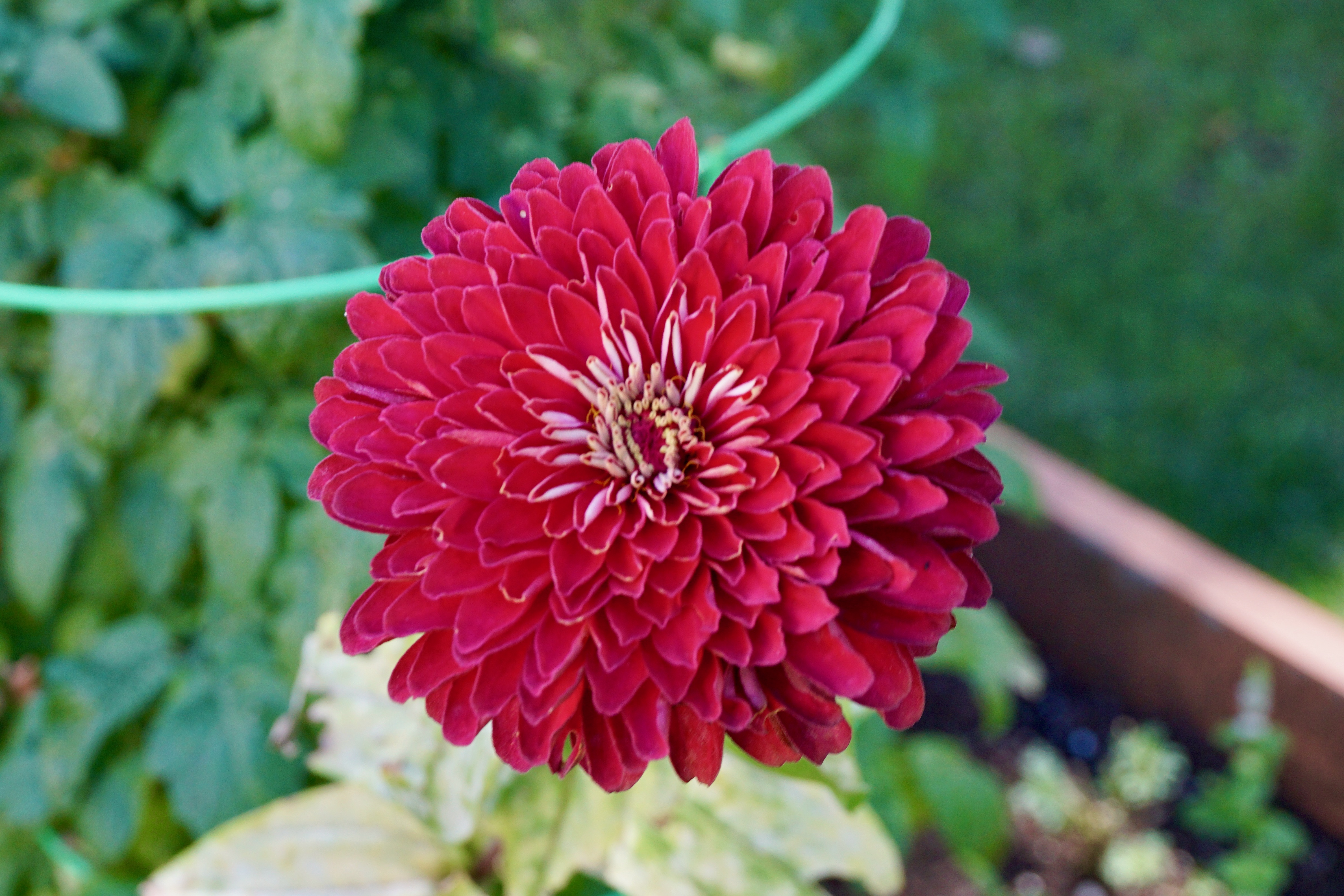
The zinnia’s flowers, however, were worth their domineering overgrowth.

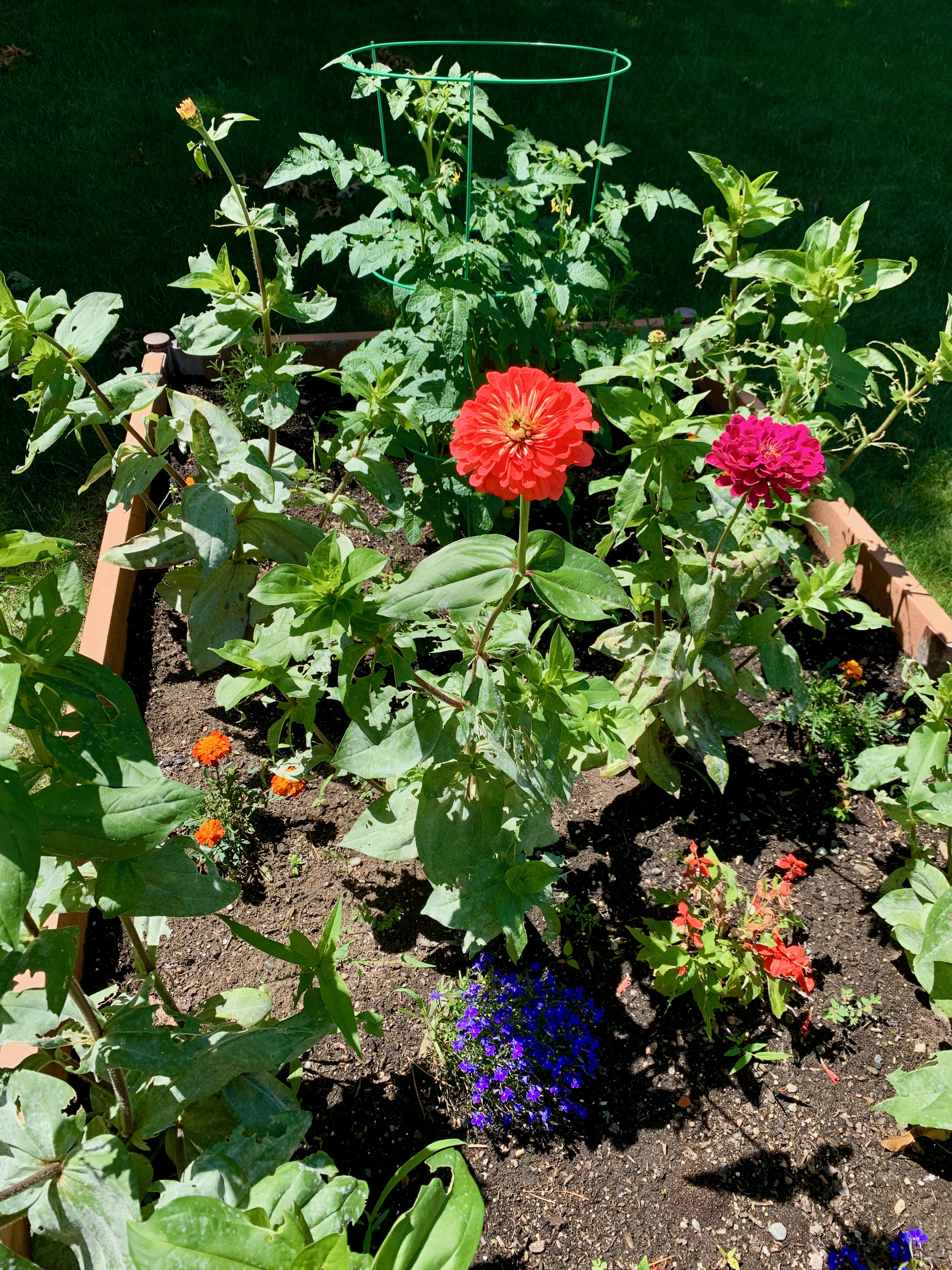
July 24

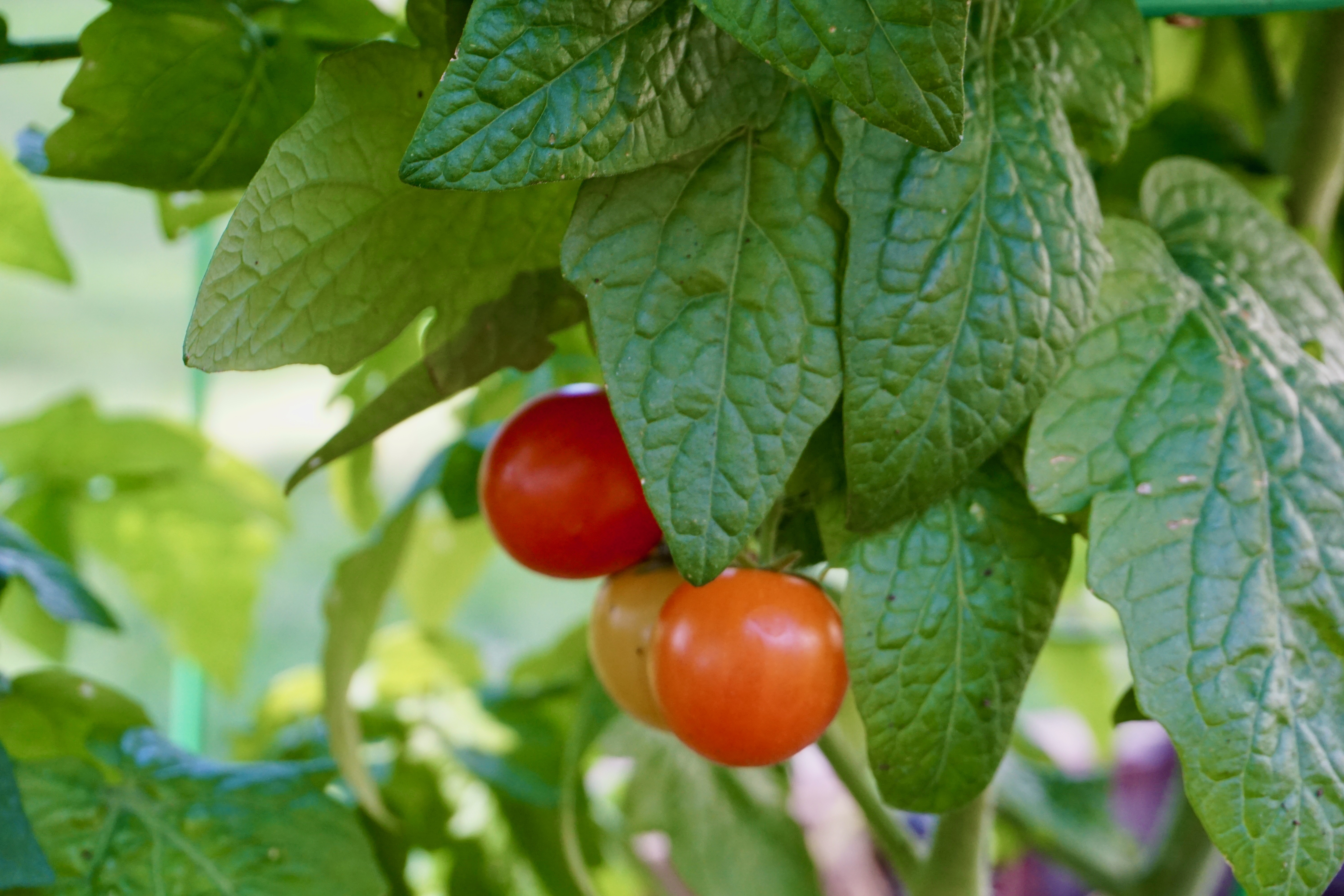
I was concerned about the cherry tomato at first; it was a brash Home Depot purchase at the height of quarantine and took awhile to get going. Fortunately, it came through as the zinnias bloomed.

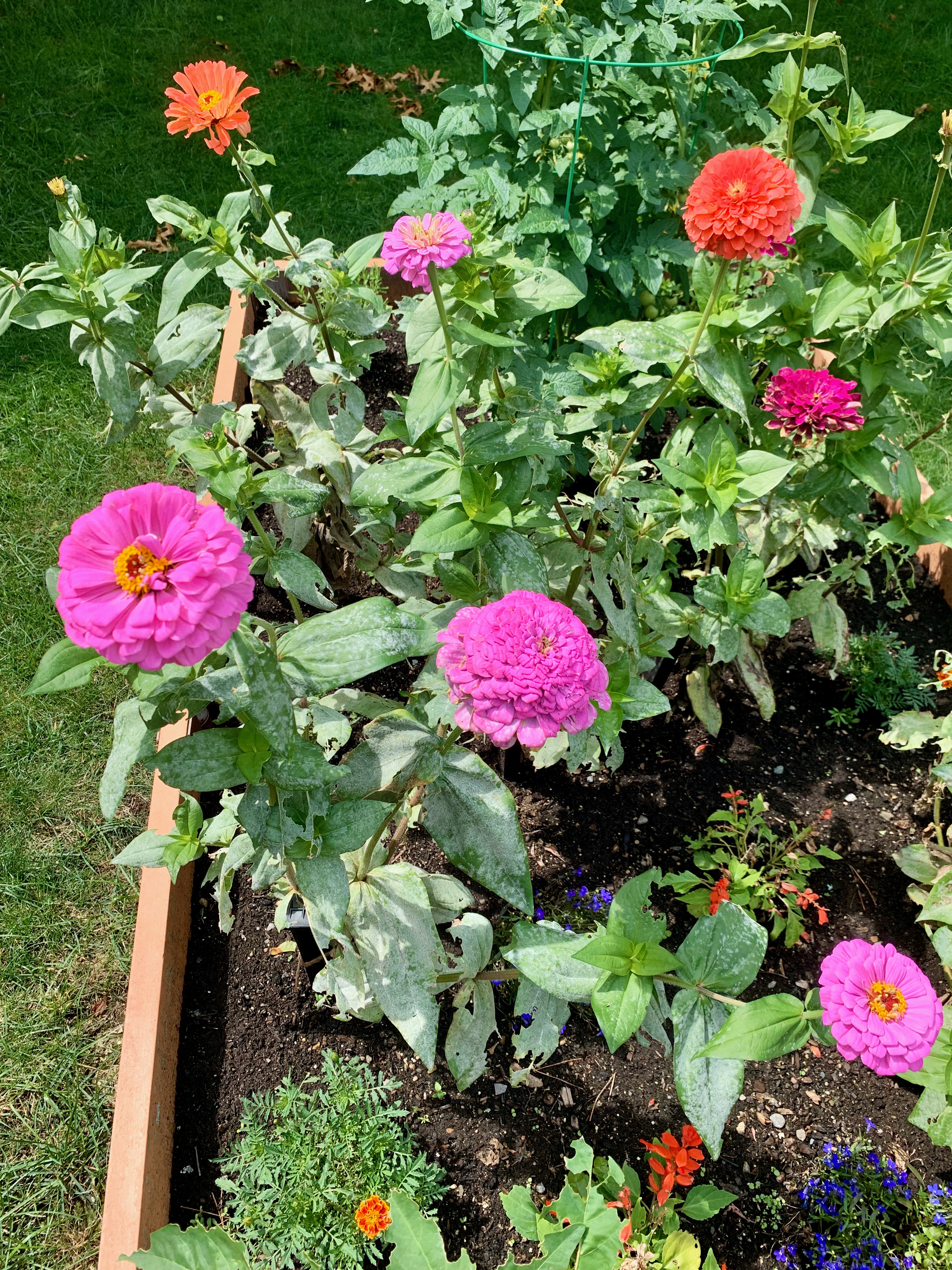
August 30

By August 30, the garden was at its peak. When I planted it back in May, it was by far the most therapeutic activity I had partaken in since quarantine commenced, reminding me why I liked to garden and what serenity and spiritual refreshment I got out of it.

A red zinnia up close.

Fresh cherry tomatoes, a side dish fit for almost every occasion.

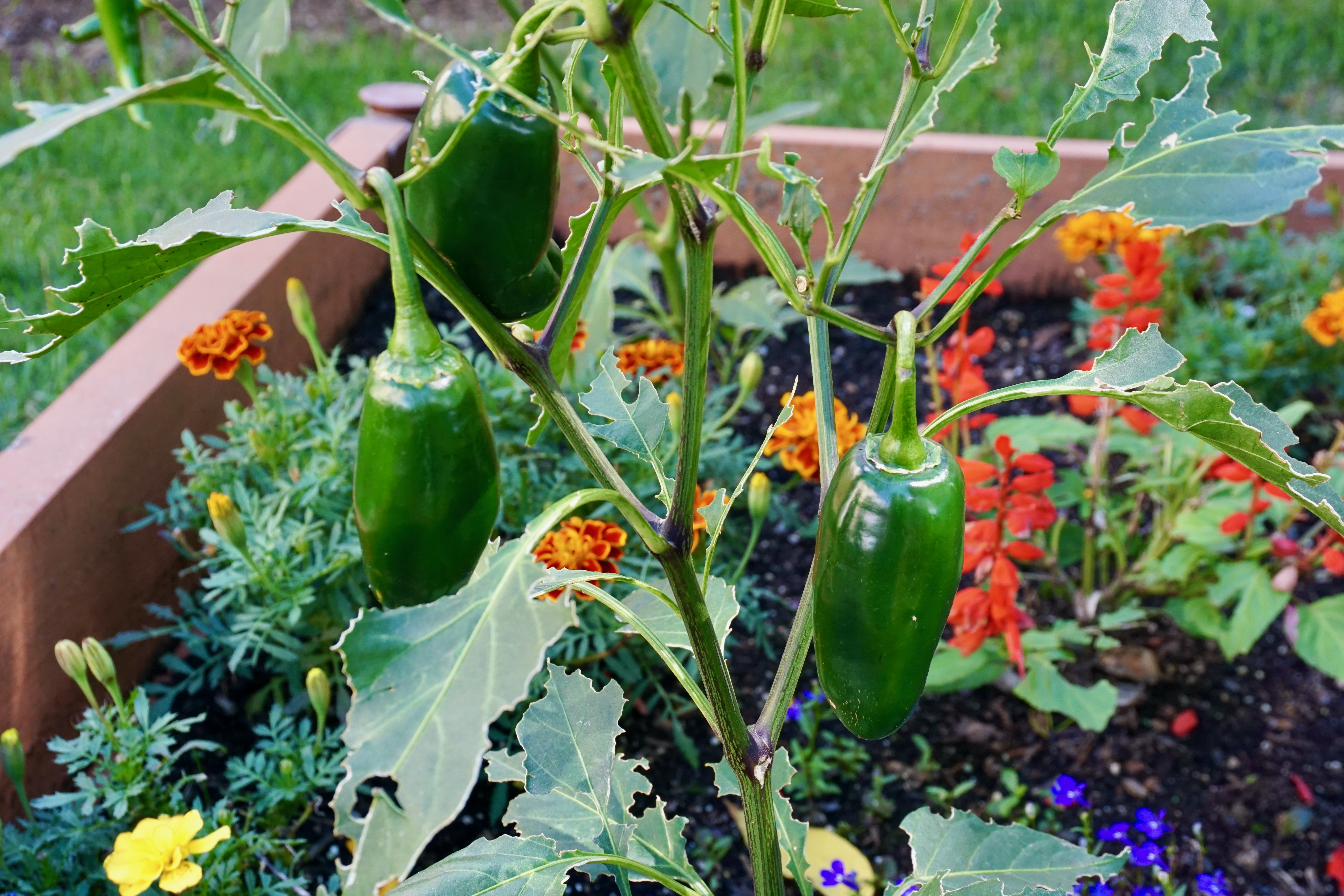
Jalapeños–I also planted another type of chili pepper this year (can’t remember the exact name) that, left unpicked turns nearly candy apple red, becoming *extremely* spicy.

September 20

After Labor Day, I began taking out the zinnias one by one as the flowers lost their petals and brilliant colors. Close to the Autumn Equinox, I replaced them with three gelosias (red, purple and orange) and a hearty pink-and-green coleus. Somewhat late in the season, but I appreciated what they added to the tableaux.

October 17

As of this weekend, the garden is in its last throes. The cherry tomato is mostly dead, though I refuse to remove it until it stops bearing fruit. Marigolds and peppers are still plentiful; the coleus turned out to be not so hearty after all. Considering potting the rosemary (in the rear left) for the winter.

July 20

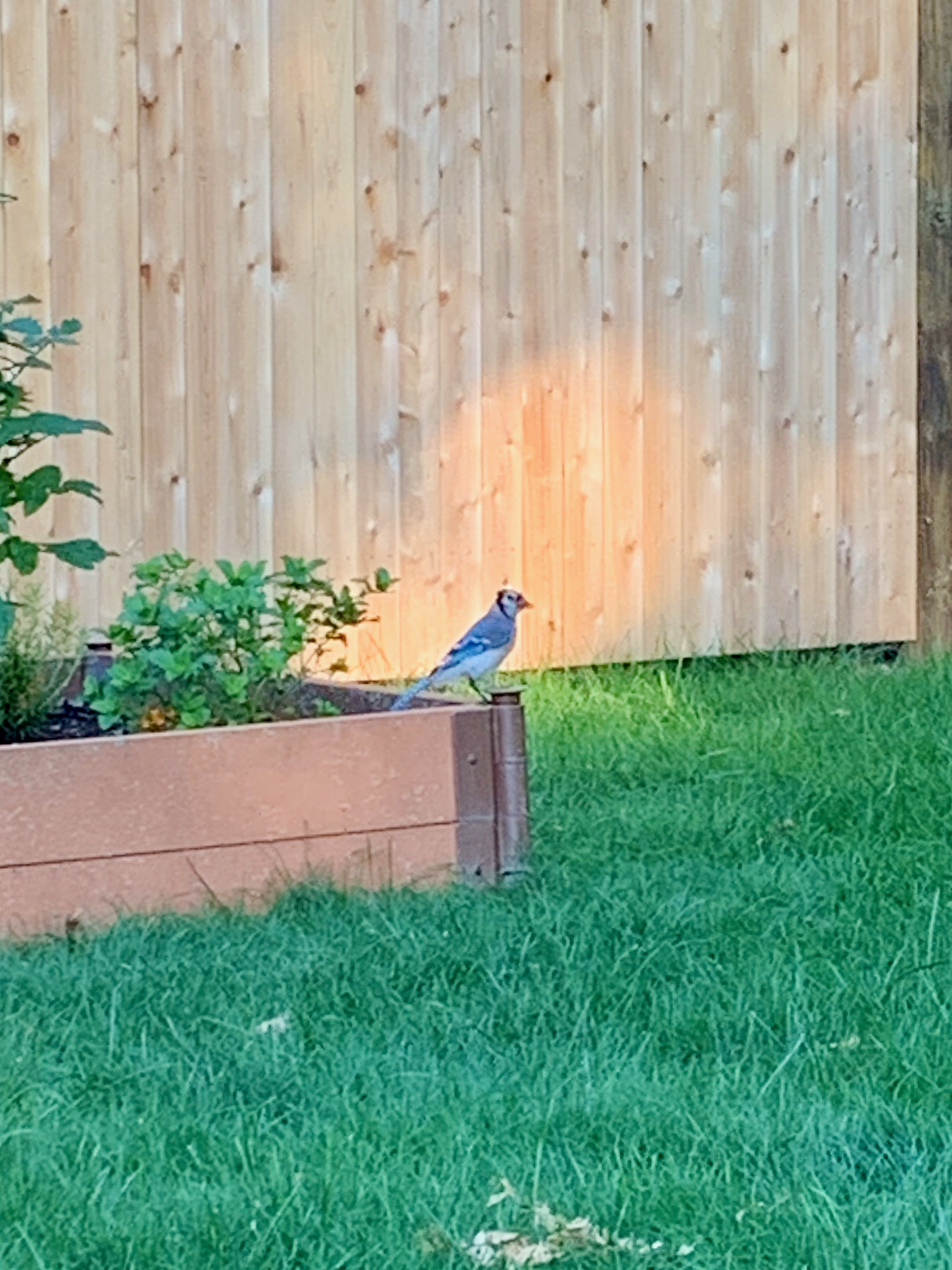
I’d rather remember this year’s garden for its summer brilliance–particularly that one early evening when it attracted a bluebird.

York Harbor and Wiggly Bridge

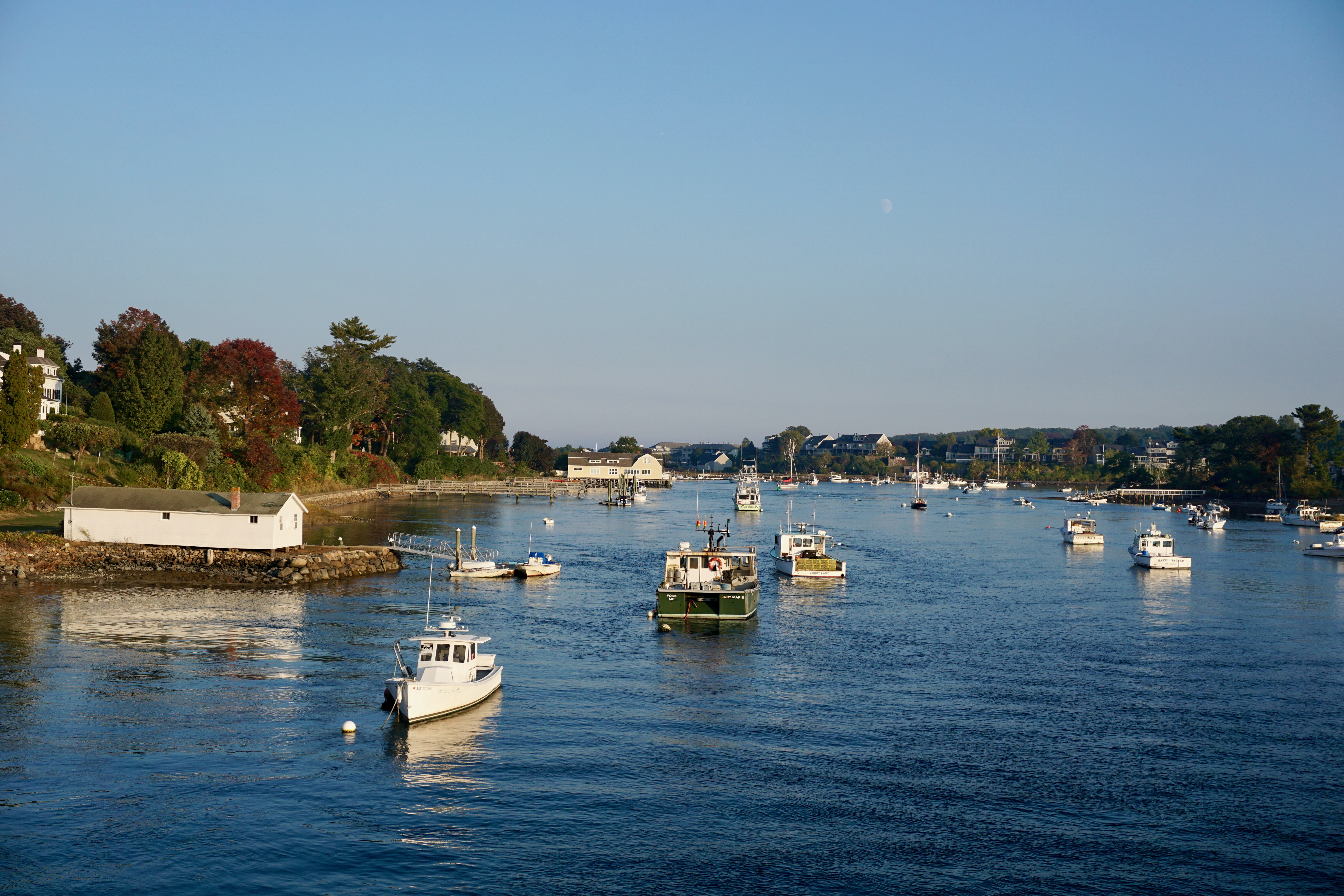
A few weeks ago, prior to a socially-distanced dinner with friends in Kittery, Maine, we made a pitstop in nearby York Harbor.

Slotted in between York Village and York Beach, York Harbor neither has much of a charming Main Street (the former) nor gift shops, restaurants and sandy beaches beholden to tourists (the latter.)  It’s mostly residential and thus much quieter.

We actually met up with my parents for a mini-vacation near here a dozen years ago this month, but haven’t been back since. We must have explored this marina then, although I barely remembered it.

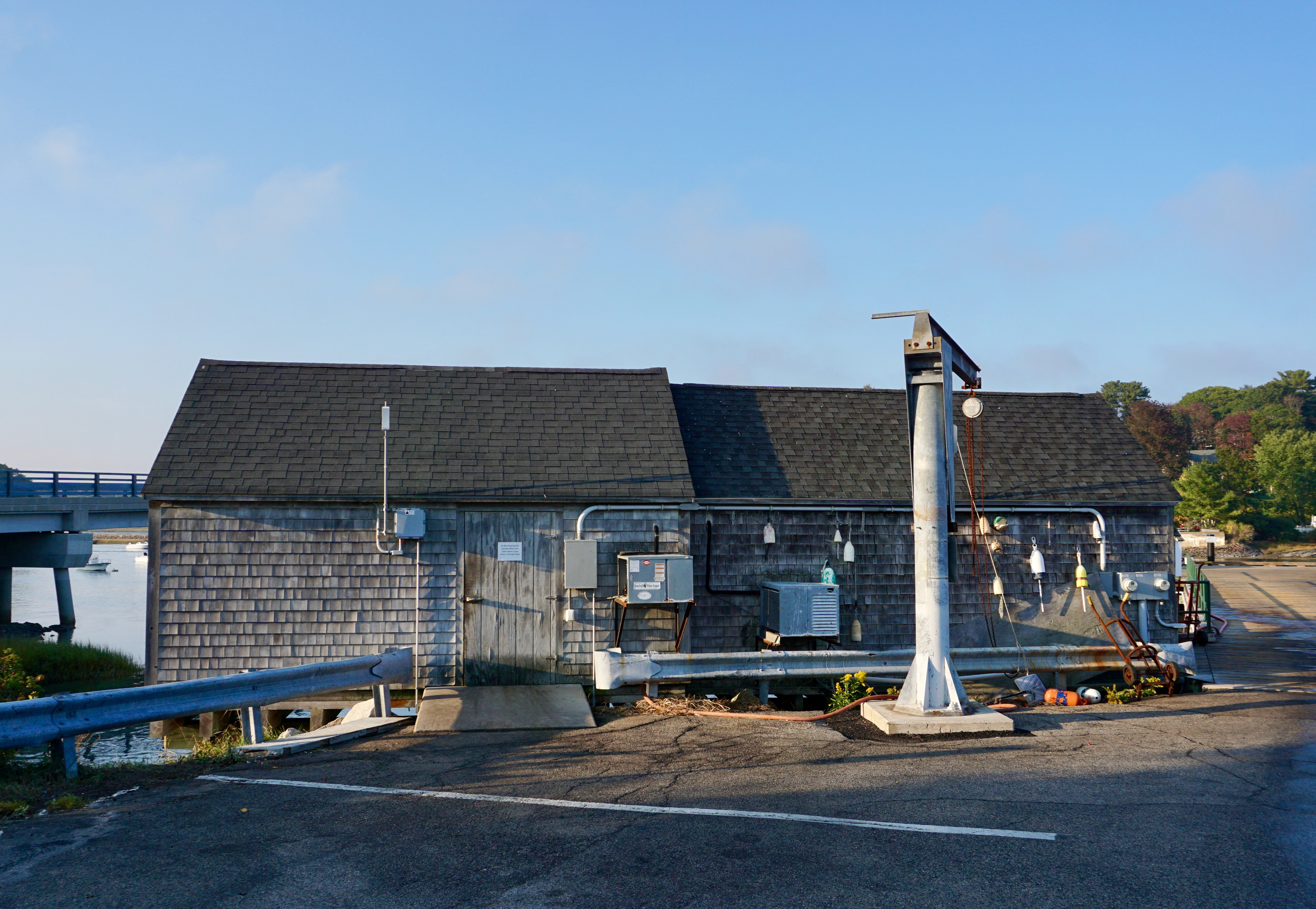
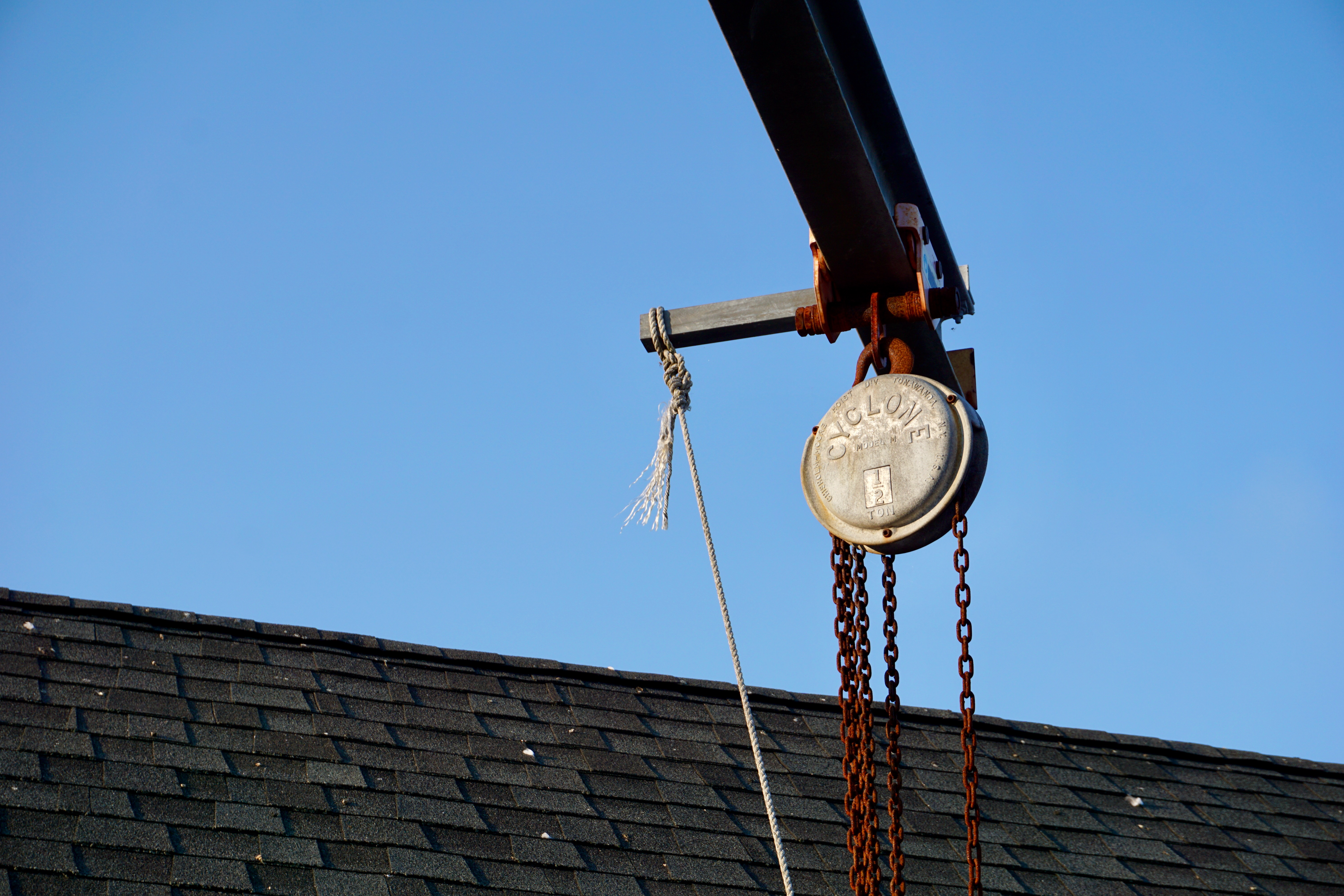
Boaters will know exactly what this doohickey’s for; I just admire the contrast of its colors and textures against the deep blue sky.

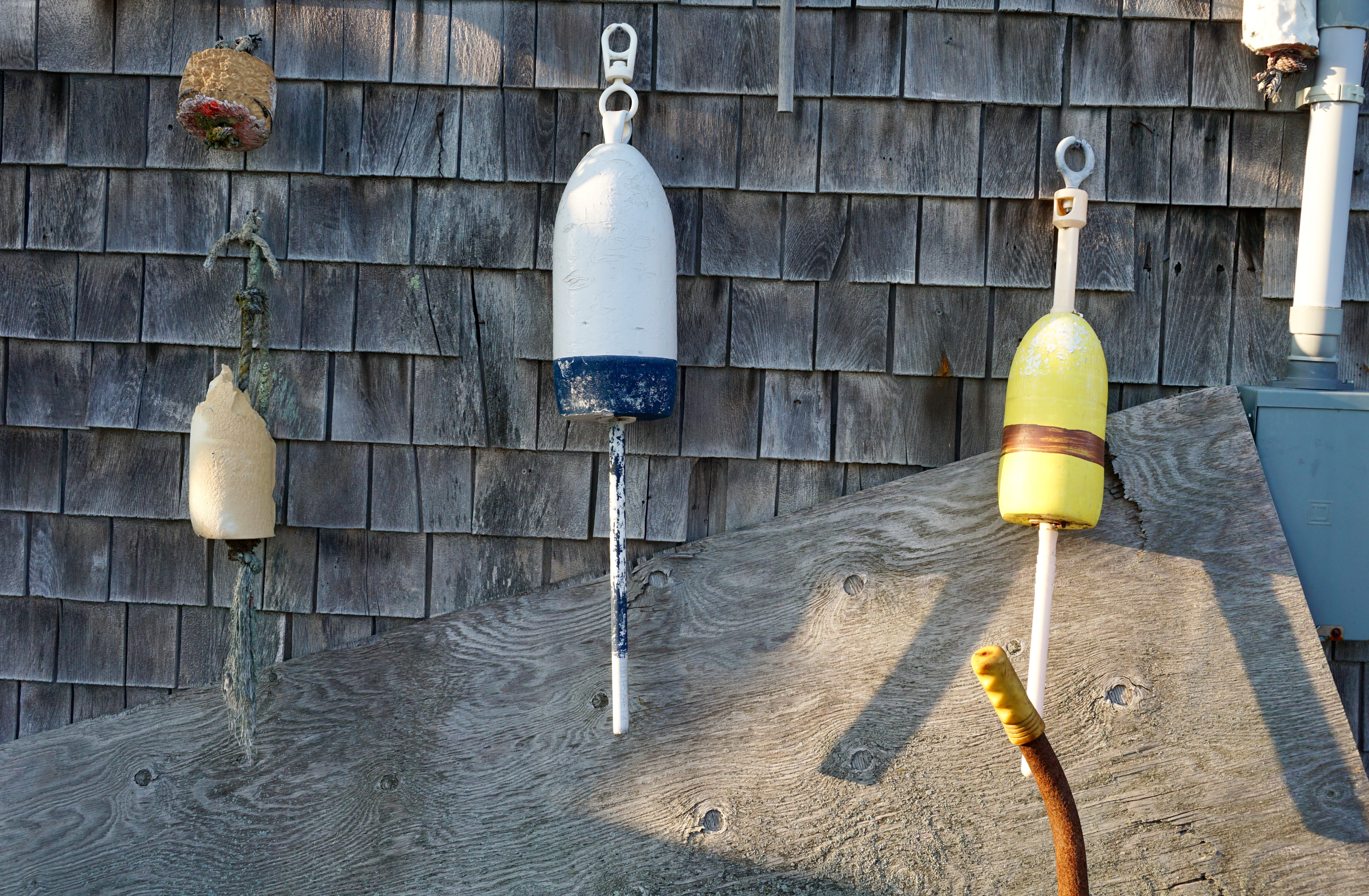
For me, it’s not a trip to coastal Southern Maine if I haven’t taken at least one photo of a hanging buoy.

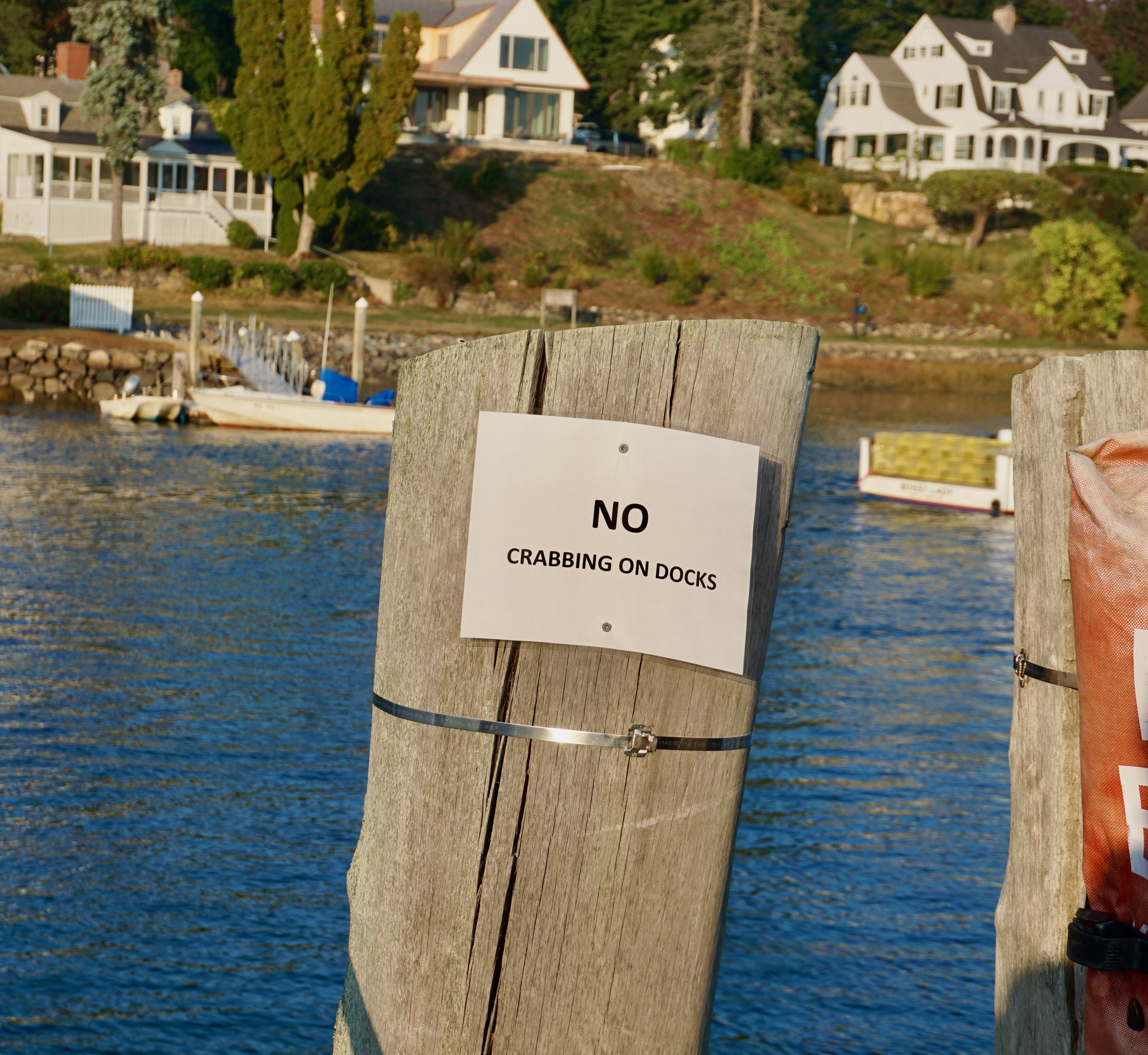
On that mini-vacation I might’ve made a joke about this directed towards my Mom, but in all seriousness, I wasn’t aware crabbing was a thing here; I mostly associate Maine with lobsters and oysters.

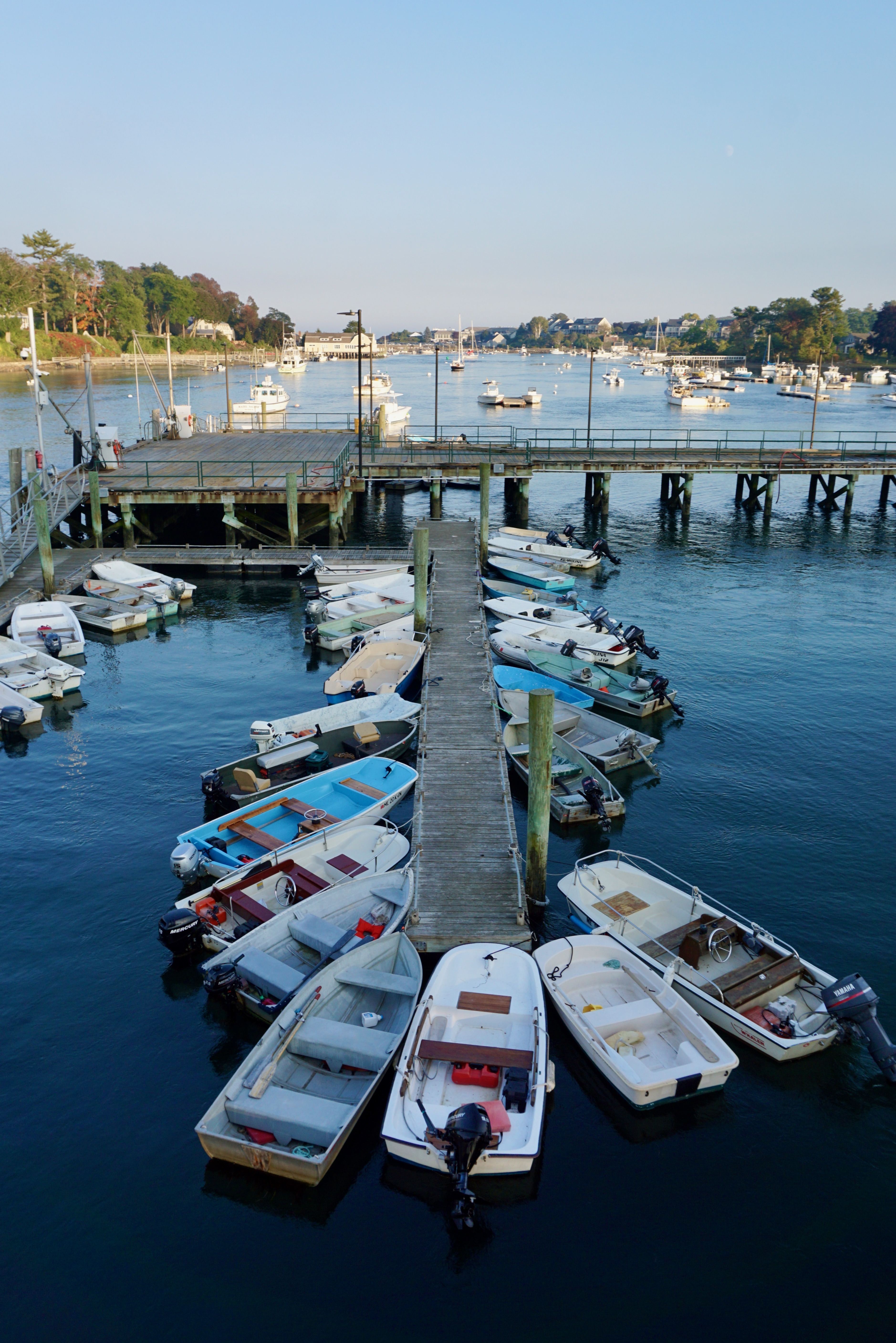
I enjoy taking pictures of little dinghies–the junkier, the better.

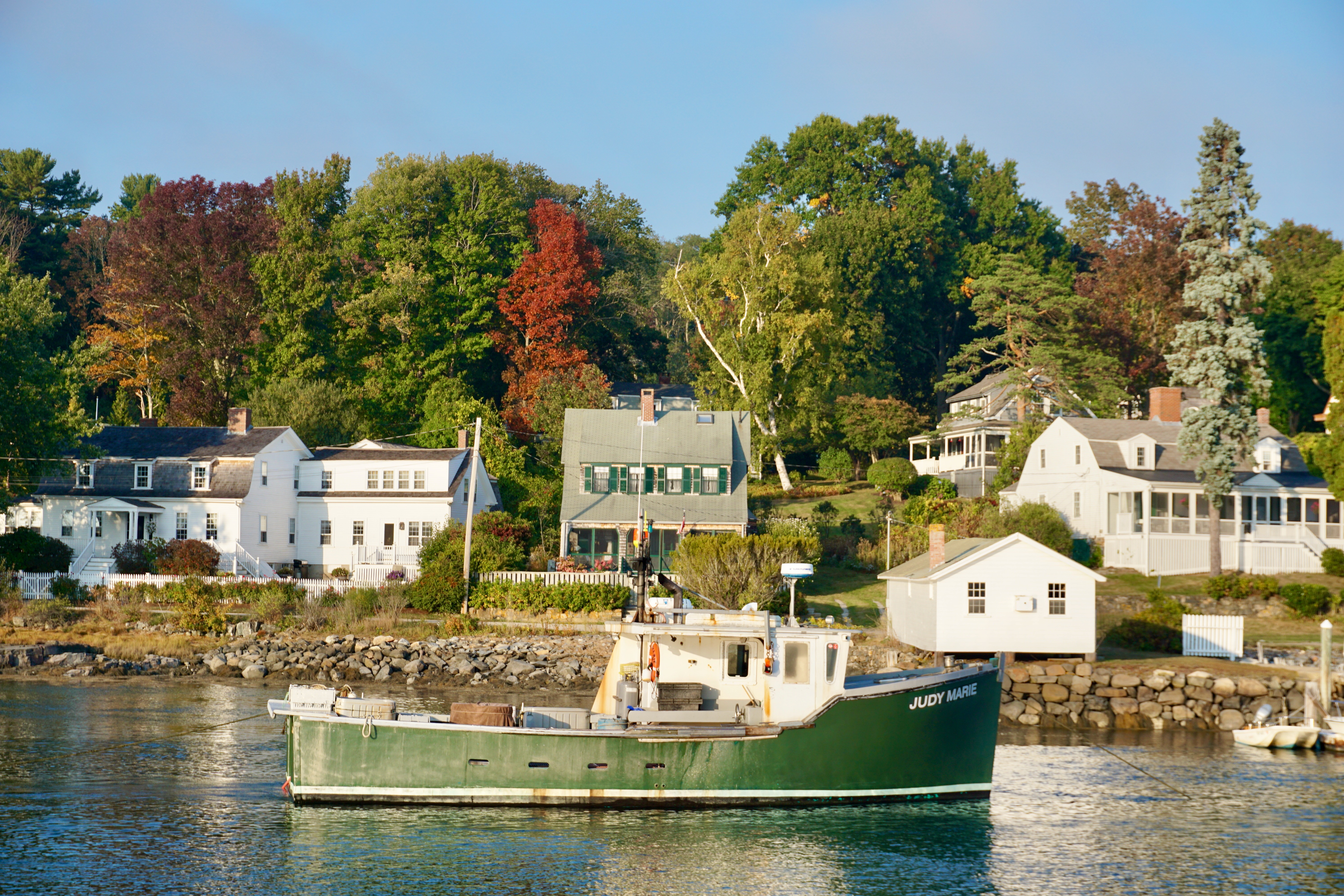
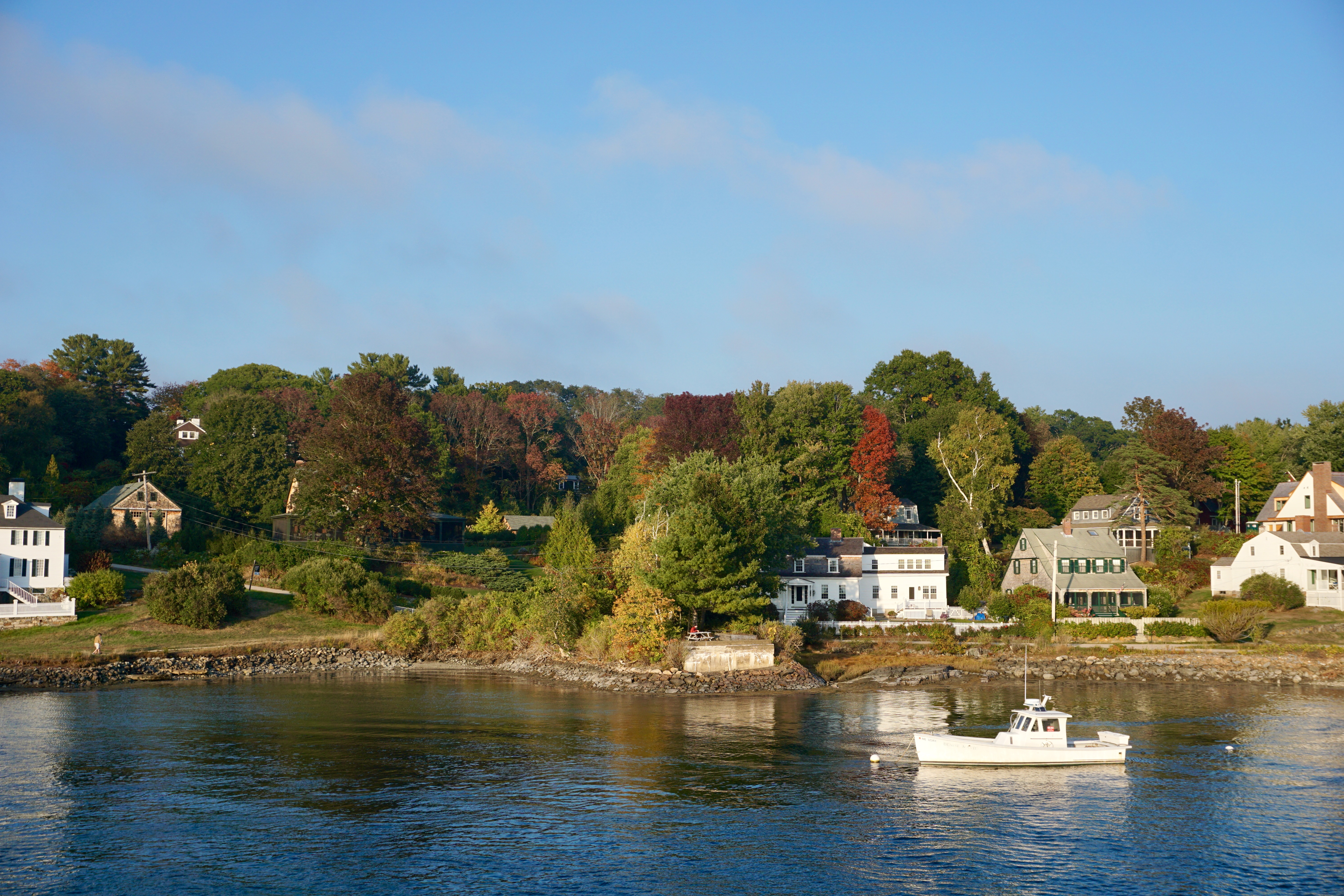
Early Autumn in Maine can be quite lovely.

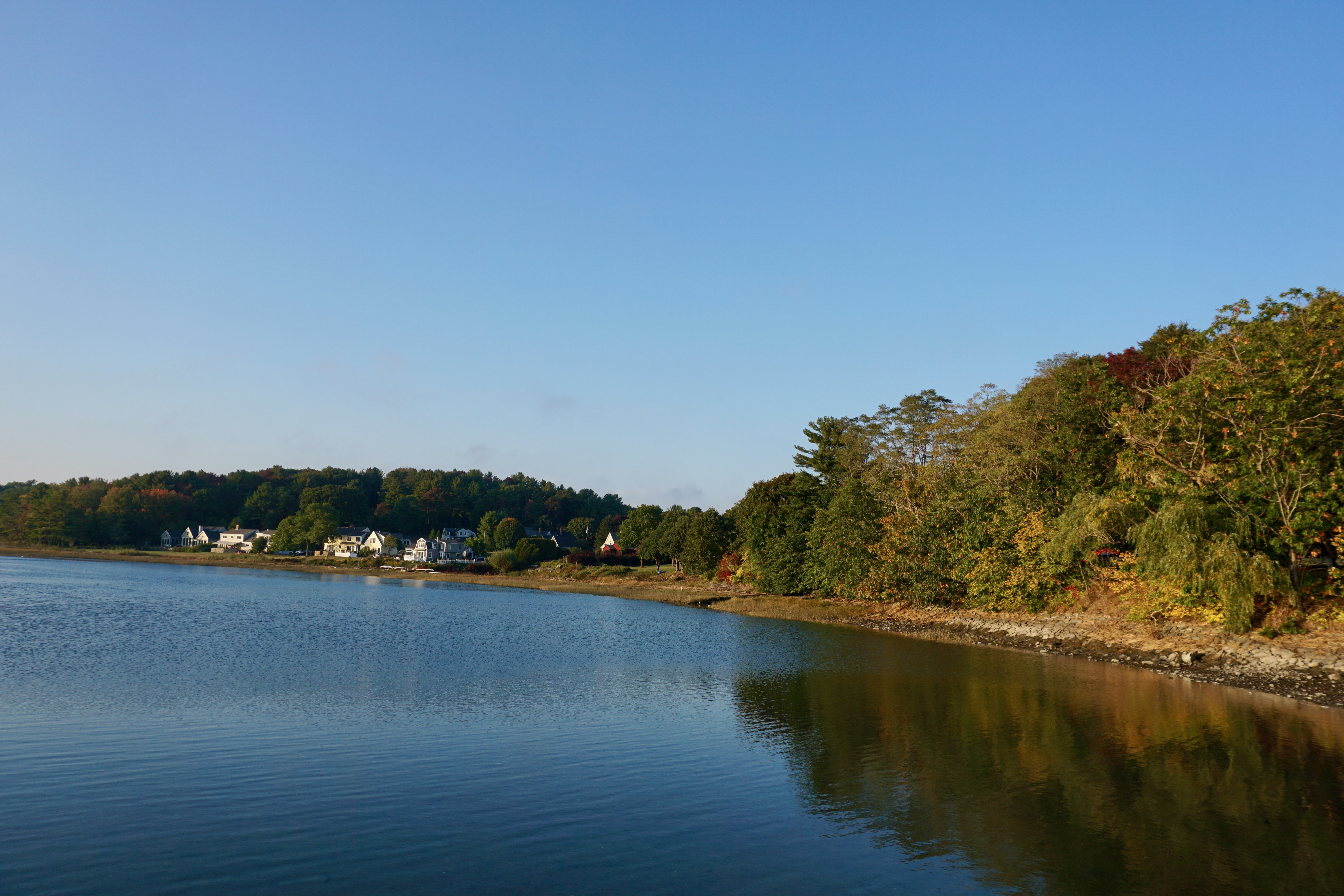
This is along the North Basin of York River.

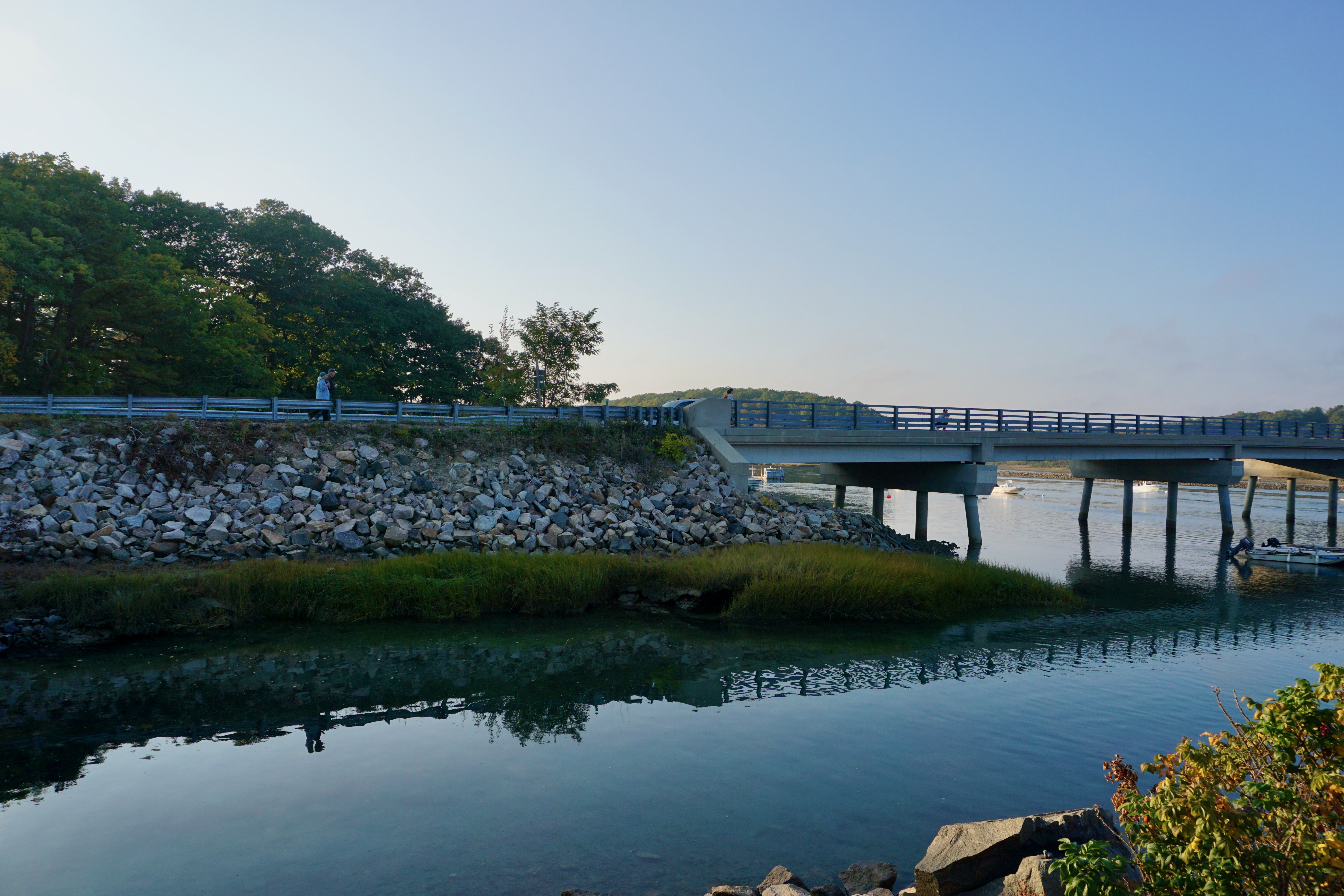
Glance to the West and you’ll see this bridge, Route 103.

Looking West on Route 103 before the bridge…

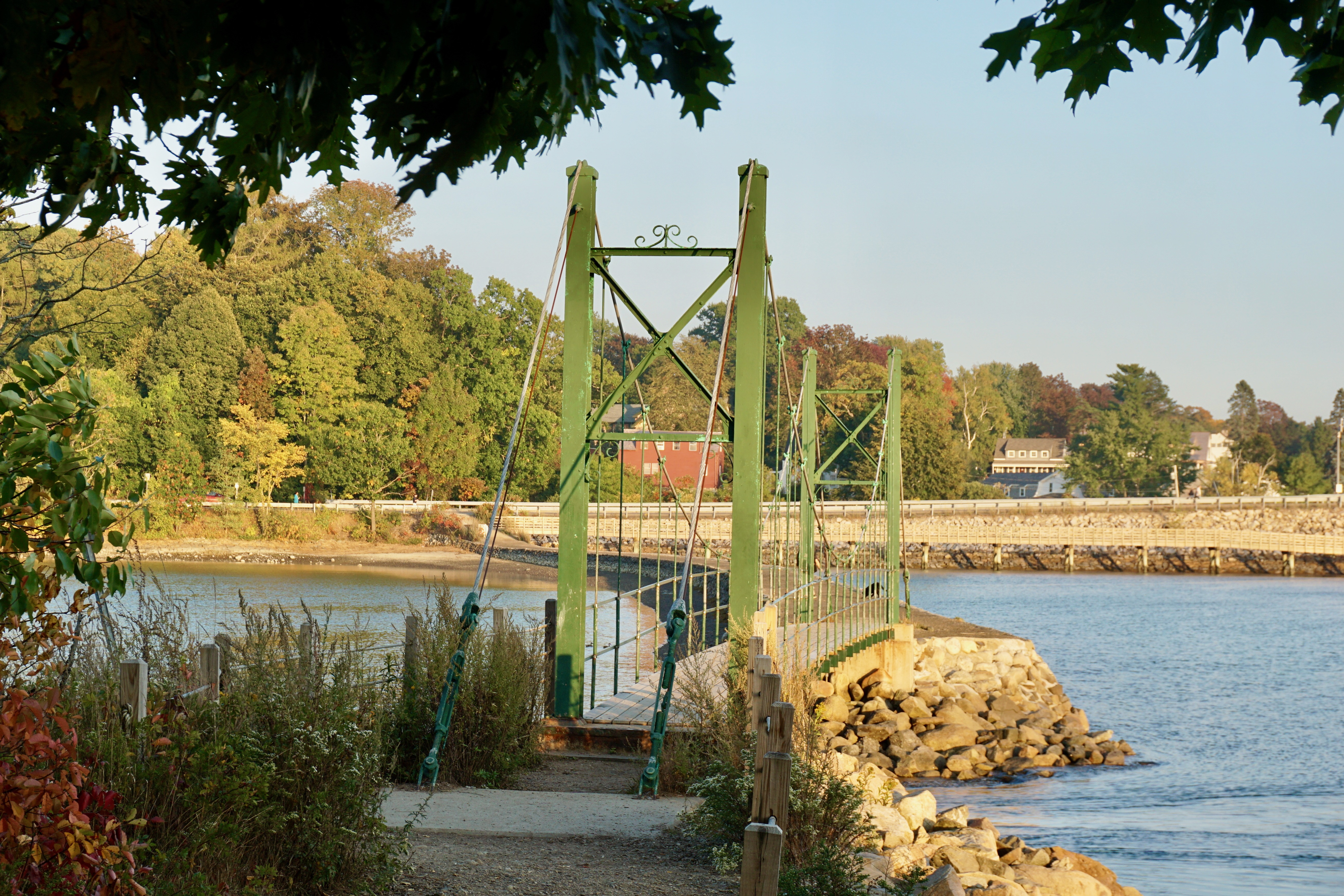
…and on the bridge, where one can spot another, decidedly tinier bridge in the distance:

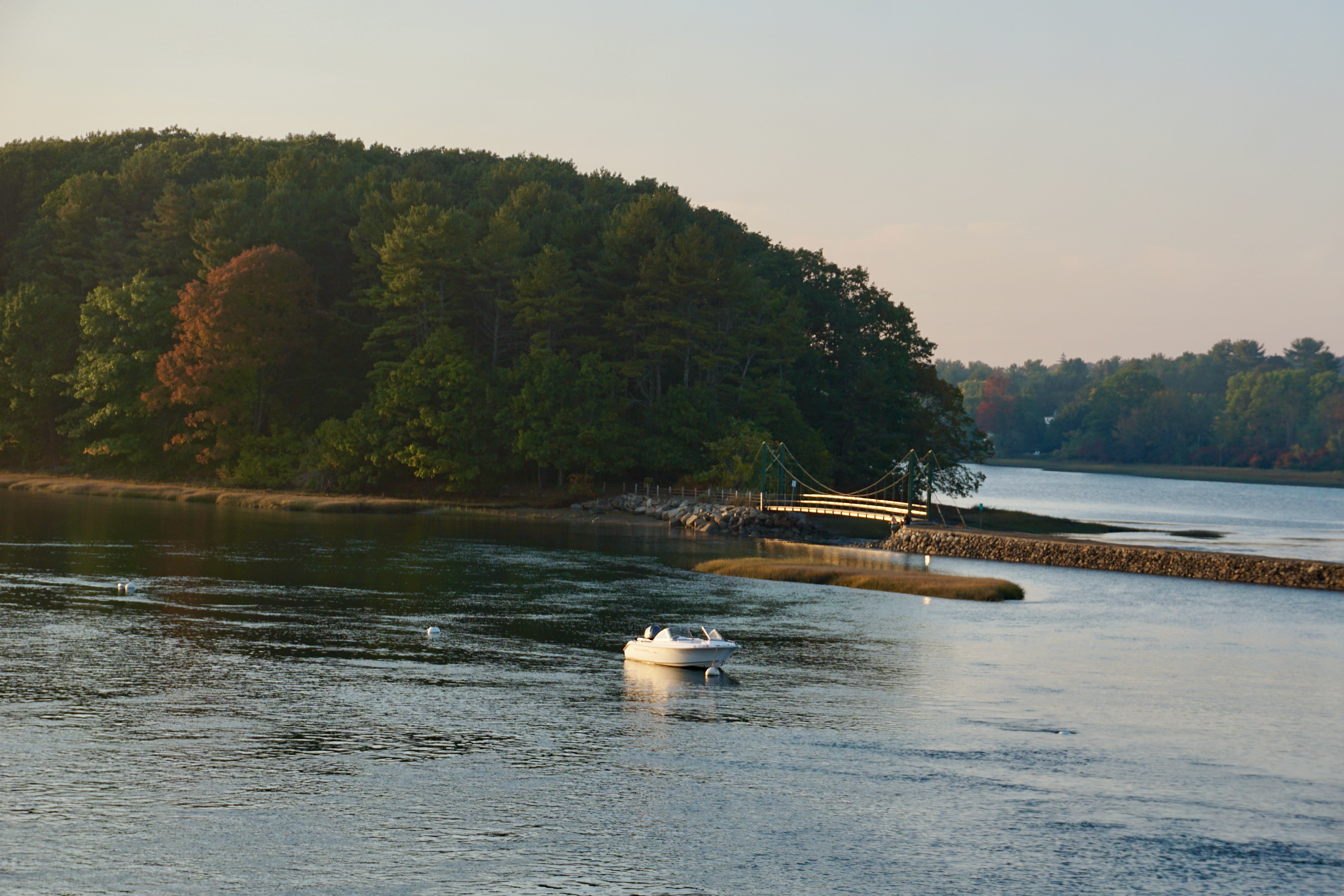
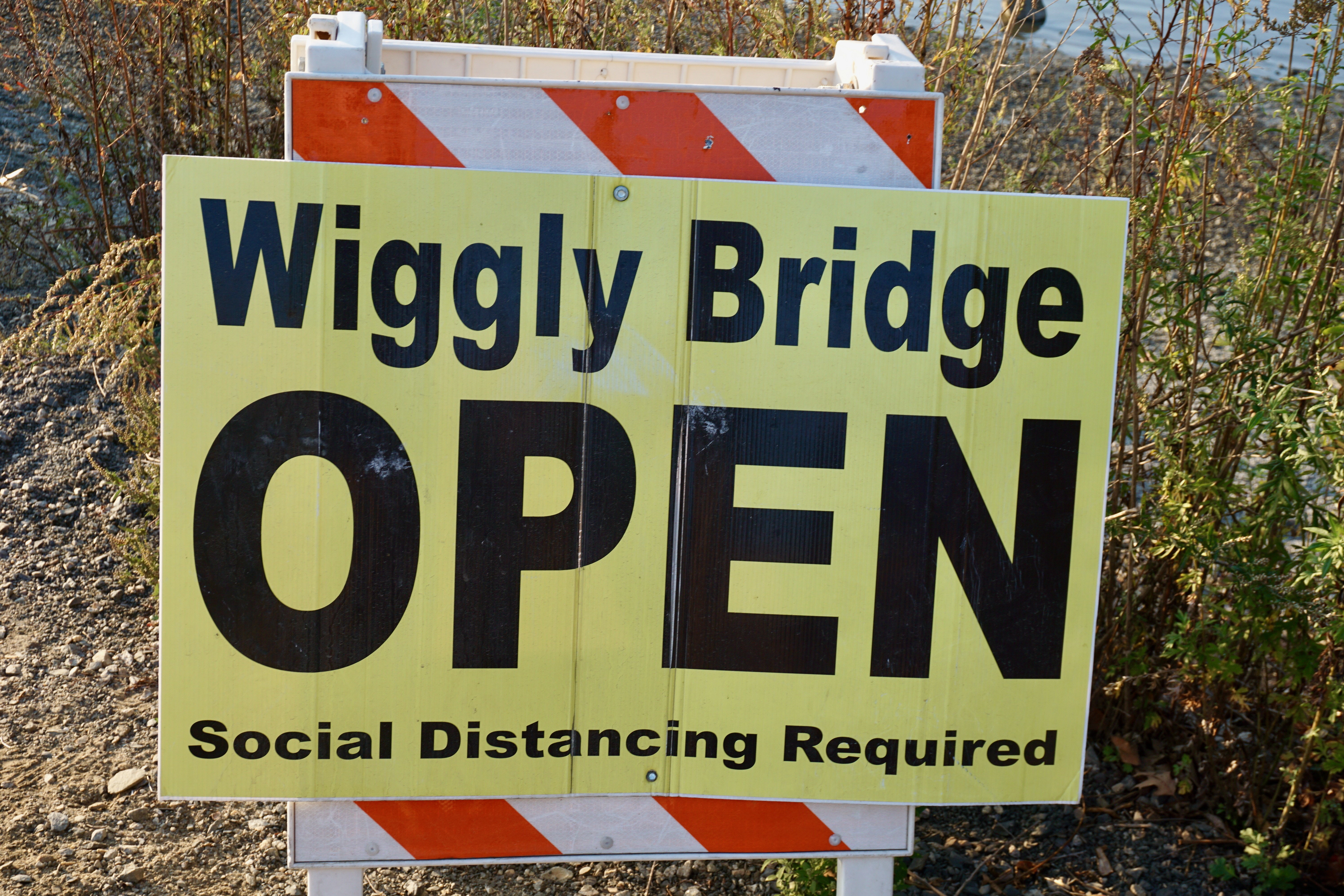
The Wiggly Bridge is famous enough to have its own Atlas Obscura entry. This I remember from that mini-vacation.

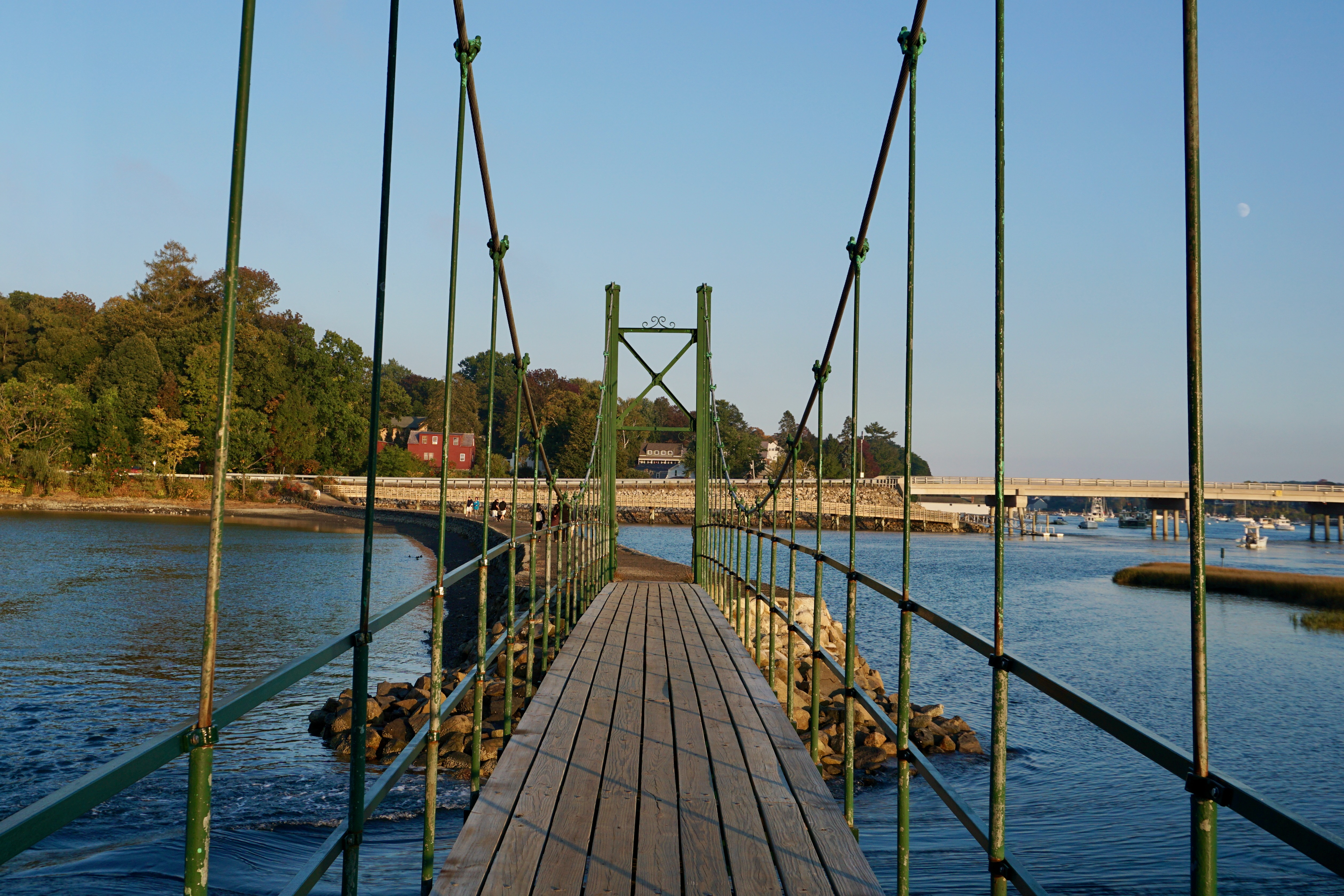
Looking straight-ahead across Wiggly Bridge back towards Route 103.

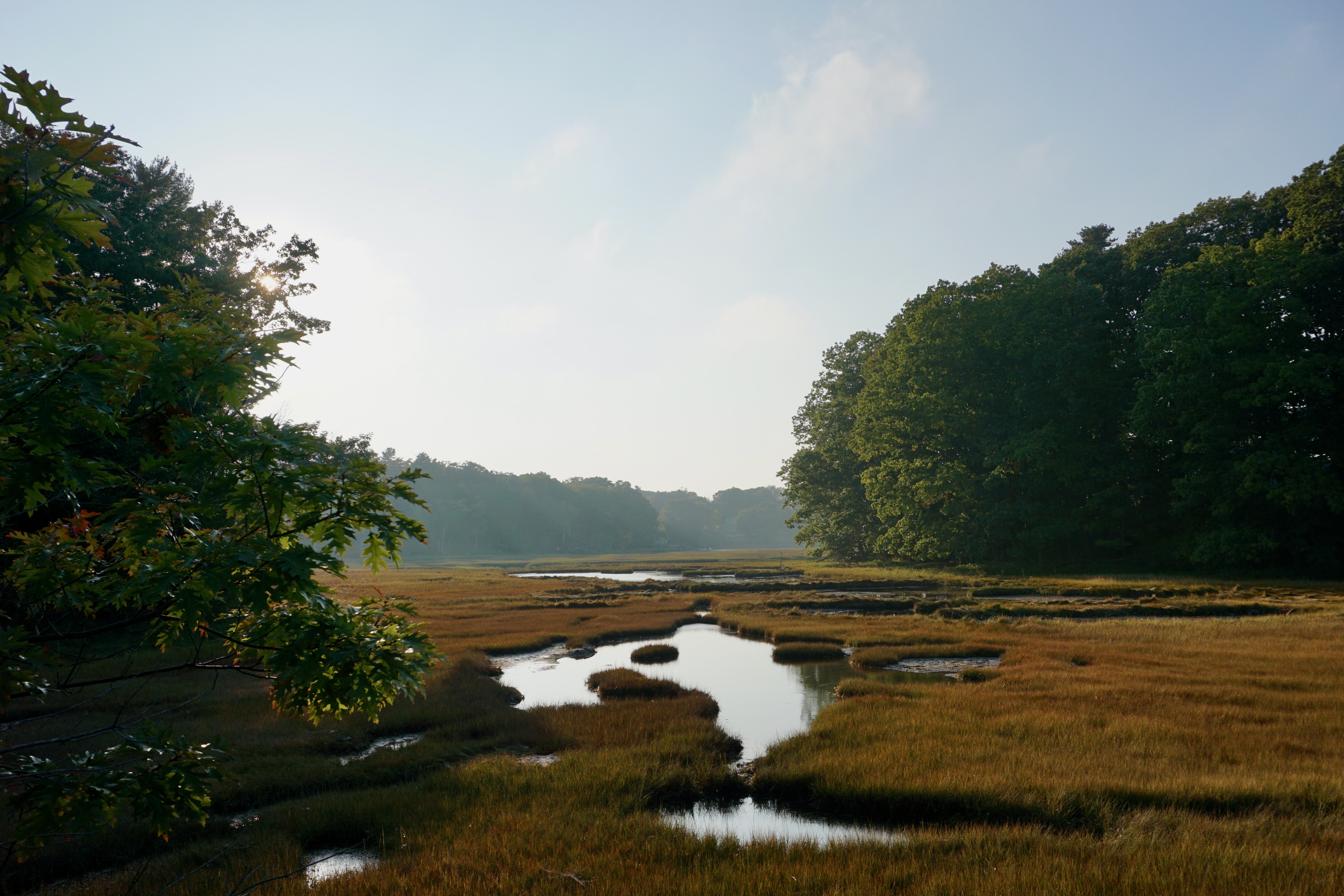
To the right of Wiggly Bridge, it’s Barrells Millpond.

About 45 minutes before sunset.

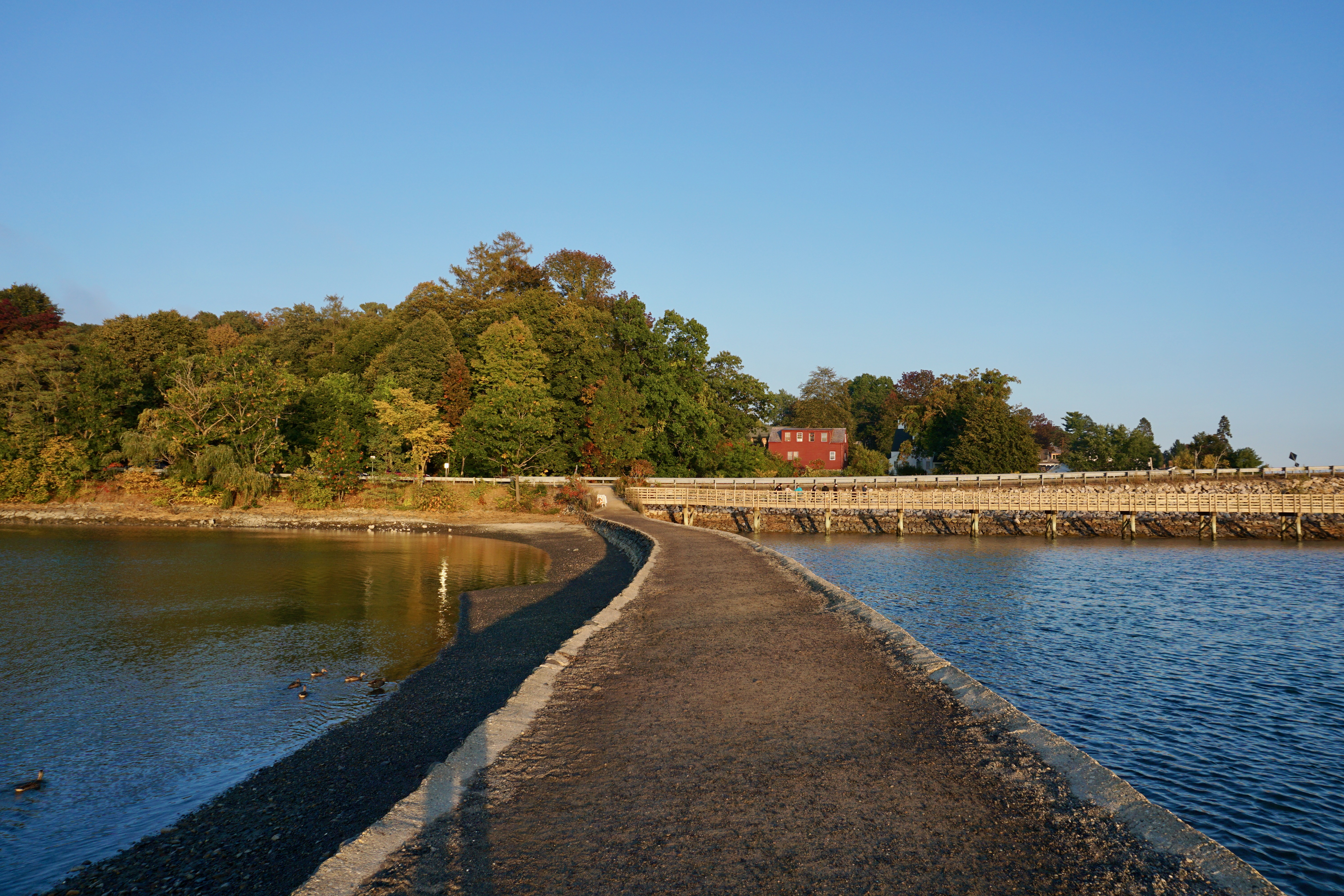
Above and below: a narrow path from Wiggly Bridge back to Route 103.

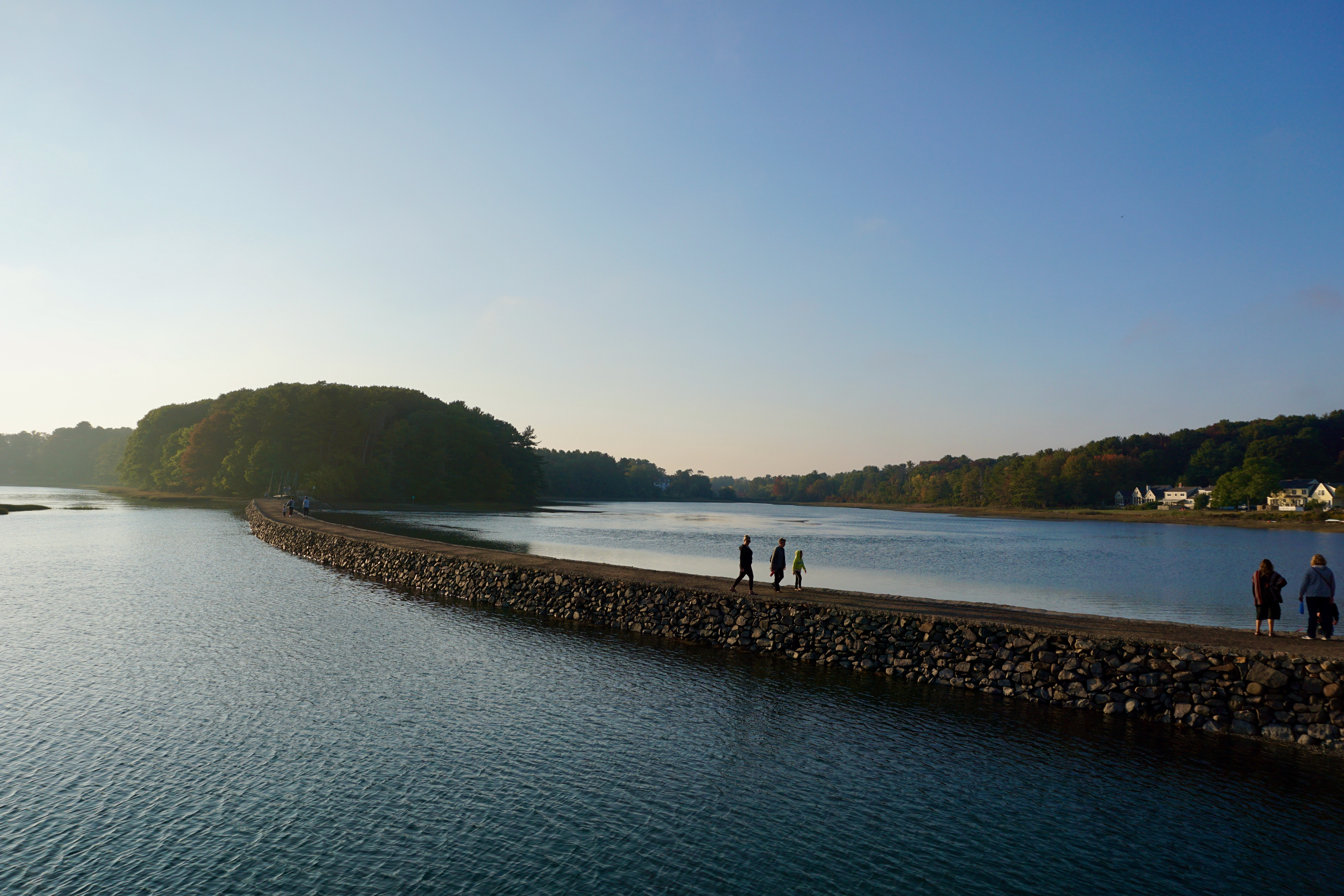
So long, you can barely make out Wiggly Bridge in the distance.

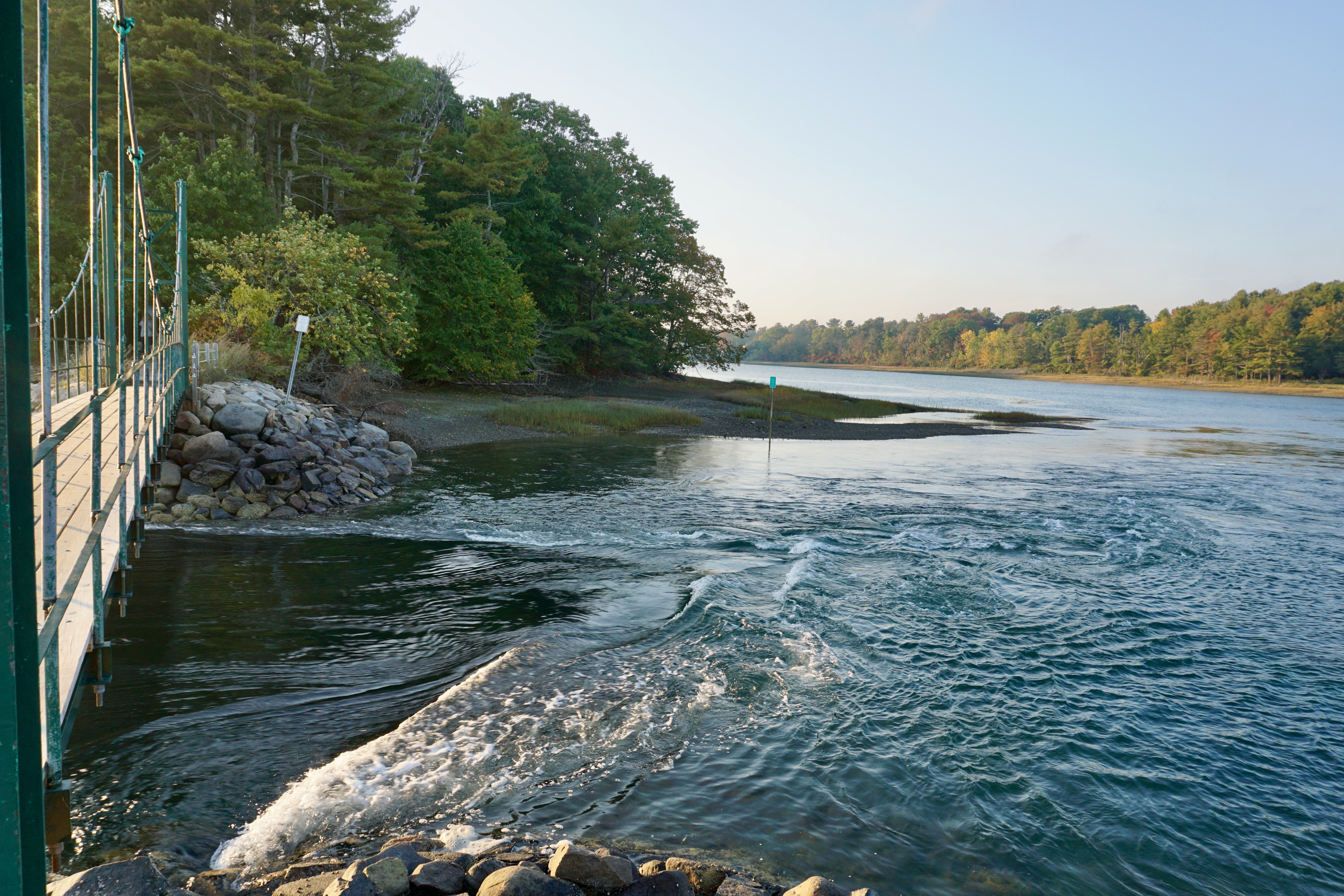
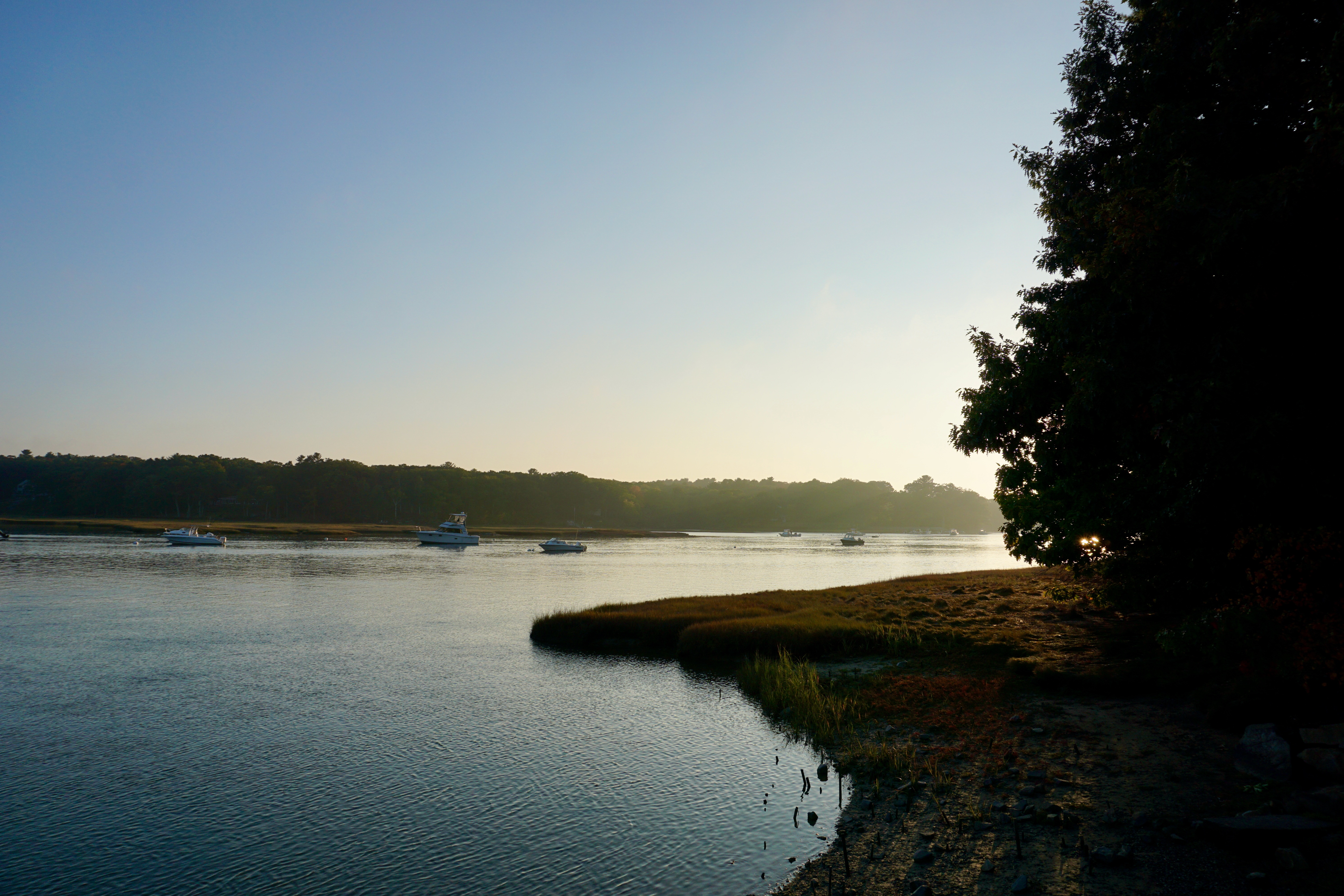
And, if you walk past Wiggly Bridge in the other direction, you’ll find this serene beauty.

Film Journal: September 2020

House Of Hummingbird

So, Toronto International Film Festival—was hoping to attend in person for the first time in six years, but that obviously couldn’t happen. Fortunately, I secured through work an industry pass allowing me to “virtually” attend, streaming from my Macbook an official selection of fifty features. Despite numerous titles frustratingly being unavailable because of my type of pass or country of residence, I still managed to catch 22 features over eight days—the most I’ve ever seen in that short of a stretch, except perhaps when I was a Film Studies grad student.

Needless to say, the real “TIFF” experience is not fully present this way, as half the fun consists of live Q&As, standing in lines, exploring Toronto and scouring the streets for cheap eats between screenings. Still, I’m grateful for even this version of it. My favorite film of the fest was predictably Nomadland and it’s no small thrill that it’s seemingly most other people’s as well. No close second-or-third place contenders, but I was delightfully surprised by Shiva Baby, No Ordinary Man, Limbo, 76 Days and Spring Blossom, and disappointed by Enemies Of The State, Pieces of a Woman and to a lesser extent, Summer of 85. My rankings and reviews are available here.

As for the rest of the month, the best newish title was House of Hummingbird, a South Korean coming-of-age drama that’s a little like Koreeda by way of Mike Leigh, but director Kim Bora clearly has her own voice. The new Charlie Kaufman boasts a great, intimate ensemble and the chances it takes mostly pay off, but it’s a lesser film than Synecdoche, New Yorkor Anomalisa because there is such a thing as being too abstract.

Paused the chronological Egoyan re-watch to take in later work Adoration before it left Criterion Channel—possibly still his best of this century (which isn’t saying much.) A lot of re-watches lately, in fact: Beau Travail (in 4K restoration, looks superb even on a laptop), Staying Vertical (gradually ascending up my best of the ‘10s list), The Gleaners and I (Varda Forever), Support The Girls (let’s all scream!) and Hard Eight, PTA’s least essential feature, but still worth a watch if mostly for a touching lead performance from a never-better Philip Baker Hall.

Films viewed in September in chronological order, with director, year of release and my rating (out of 10); starred titles are re-watches:

Arizona Dream (Emir Kusturica, 1993) 7
Ghost Tropic (Bas Devos, 2019) 7
Hard Eight (Paul Thomas Anderson, 1996)* 8
A Five Star Life (Maria Sole Tognazzi, 2013) 6
Nomad: In The Footsteps of Bruce Chatwin (Werner Herzog, 2019) 6
Beau Travail (Claire Denis, 1999)* 10
I’m Thinking of Ending Things (Charlie Kaufman, 2020) 8

Toronto International Film Festival:
One Night In Miami (Regina King, 2020) 7
The Disciple (Chaitanya Tamhane, 2020) 7
Shiva Baby (Emma Seligman, 2020) 9
No Ordinary Man (Chase Joynt, Aisling Chin-Yee, 2020) 8
Gaza Mon Amour (Tarzan and Arab Nasser, 2020) 6
Enemies Of The State (Sonia Kennebeck, 2020) 5
Limbo (Ben Sharrock, 2020) 8
Pieces of a Woman (Kornel Mundruczo, 2020) 4
Nomadland (Chloe Zhao, 2020) 10
New Order (Michel Franco, 2020) 7
76 Days (Hao Wu, Weixi Chen, 2020) 8
Summer of 85 (Francois Ozon, 2020) 6
MLK/FBI (Sam Pollard, 2020) 6
Concrete Cowboy (Ricky Staub, 2020) 6
Wildfire (Cathy Brady, 2020) 6
Bandar Band (Manijeh Hekmat, 2020) 4
Fauna (Nicolas Pereda, 2020) 6
Fireball: Visitors From Darker Worlds (Herzog, Clive Oppenheimer, 2020) 7
The Water Man (David Oyelowo, 2020) 7
I Am Greta (Nathan Grossman, 2020) 6
Spring Blossom (Suzanne Lindon, 2020) 8
Another Round (Thomas Vinterberg, 2020) 9

House of Hummingbird (Kim Bora, 2018) 9
Adoration (Atom Egoyan, 2008)* 7
Taxi (Jafar Panahi, 2015) 7
A Fistful of Dollars (Sergio Leone, 1964) 7
Studio 54 (Matt Tyrnauer, 2018) 5
Staying Vertical (Alain Guiraudie, 2016)* 10
Support The Girls (Andrew Bujalksi, 2018)* 9
Defending Your Life (Albert Brooks, 1991) 8
The Gleaners and I (Agnes Varda, 2020)* 9
Gregory Go Boom (Janicza Bravo, 2013) 6