An Album A Day: # 61-80

Round Four includes the usual blend of indie pop, classic jazz and disco camp, plus an album from over 50 years ago that may end up my favorite discovery of 2025.

61. The Felice Brothers, “From Dreams to Dust” (2021): I’ve played the heck out of the sly “Jazz on the Autobahn” but never checked out the rest & it’s strong, nearly an American Weakerthans more influenced by folk than punk. Dry humor & wordplay are also constants from “To-Do List” to “Celebrity X”.

62. Duke Ellington, “The Ellington Suites” (1976): Of the three (rather loosely-themed) suites this collects, The Queen’s Suite (1959), made just for QEII is the warmest and most realized (esp. “The Single Petal of a Rose”); the others, recorded in the 70s are fine but decidedly post-peak Duke.

63. Kid Creole & The Coconuts, “Fresh Fruit In Foreign Places” (1981): I suppose the best 8 (out of 12) songs here are as good as the 8 (out of 8) on their next album even if this is more varied. August Darnell sure pivoted from disco to new wave without diluting his essence or breaking a sweat.

64. Roger Nichols & The Small Circle Of Friends, “S/T” (1968): Always a sucker for late ‘60s sunshine pop so of course I was won over by the first trumpet solo (on track one!) A flop at the time, this studio project has enough nifty hooks and harmonies to render the two Beatles covers superfluous.

65. Jason Falkner, “All Quiet On the Noise Floor” (2009): A Japan-only release, it nearly rivals “Can You Still Feel” (1999), at least until peters out a little near the end. Still, Falkner should be a national treasure for having an identifiable sound and executing it better than anyone else.

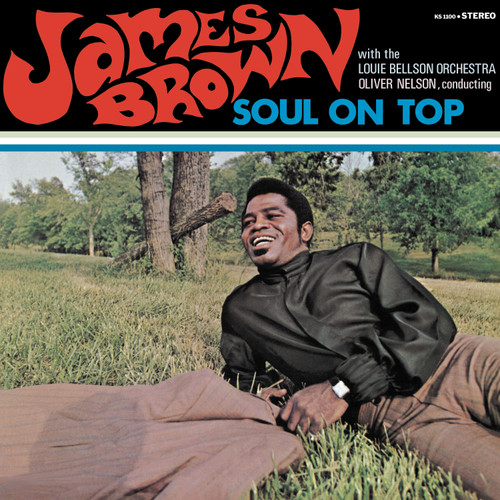
66. James Brown, “Soul on Top” (1970): If it’s perverse for him reverting to big-band arrangements while he was made career-defining vamp-heavy funk, note that this came out the year he began work with the JB’s. Being at his peak, the music’s secondary to Brown himself (though it’s still great.)

67. Susanne Sundfor, “Blomi” (2023): Was expecting far less English (after glancing over the song titles) and weirder song structures as well. We know she’s capable of bangers but by continuing withholding them she offers something unexpected and perhaps more novel in a world of Robyn wannabees.

68. Bill Callahan, “Gold Record” (2020): Spotify’s algorithms kept throwing his stuff my way and I see why although he’s more a personality-and-vibes guy than a man with hooks to spare. Rhymes Mel Torme with Kid and Play & that’s clever but his character sketches (“Ry Cooder”) are actually smart.

69. The Czars, “Best Of” (2014): Less goofy & synthy than his solo work, John Grant’s old band’s still defined by his baritone & lyrics. “Killjoy” & “Paint The Moon” might’ve been fluke hits like “Float On” & “Stacy’s Mom” in an alternate universe; all one could ask of this comp is a better title.

70. Thee Headcoats, “The Kids Are All Square, This Is Hip!” (1990): I’ve nothing against & mostly embrace garage punk of all stripes even as I can detect all the obvious influences from Kinks to Cramps. This could use more feminine energy so I’ll have to put Thee Headcoatees in my listening queue.

71. Daniel Rossen, “You Belong There” (2022): Did not realize how much Rossen contributed vocally to Grizzly Bear; isolated, his Garfunkel resemblance is unignorable but Garfunkel rarely had such heady material to sing over. I suspect this requires dedication and patience to unlock its secrets.

72. Madvillain, “Madvillainy” (2004): Sampledelic hip-hop that’s lean & economical (only 3 of 21 tracks exceed 3 minutes) while also exuding a limitless range of ideas & possibilities. Closer to Since I Left You than Operation: Doomsday although a deeper dive down the rabbit hole than either.

73. Silver Convention, “Madhouse” (1976): Christgau designated this “Protest Disco” but it’s not far from “Fly, Robin, Fly” (“Magic Mountain” affably recalls it). Pales a bit compared to Donna Summer’s concept LPs of the time, except when it’s transcendent camp (“Breakfast In Bed”, not a cover).

74. Terry Callier, “What Color Is Love” (1972): Turns out soul-folk is completely my thing (his resembling a male Dionne Warwick at times also helps.) Everything here is a marvel of warmth, grace and urgency, genuine instead of a grand statement and hopefully a portal to similar records/sounds.

75. The Coral, “The Coral” (2002): Only familiar with this decade’s output, their debut’s far rougher than expected, more beholden to primal boogie than the Beatles-esque touches of Super Furry Animals & their ilk. I guess one had to be there for it didn’t register much on this side of the pond.

76. Sofia Kourtesis, “Madres” (2023): Deep into the night at the club, everything’s kicking in, the music’s a bit of a blur but still registers if only as background noise, it only feels secondary yet you can’t imagine it not being there, it adds something vital even if you can’t articulate it.

77. Laurie Anderson, “Amelia” (2024): A typically idiosyncratic spin on Earhart’s story, embodying both the external & internal chaos that has remained her specialty since “O Superman”. ANONHI’s a welcome addition even if relegated to the mix; still prefer Joni Mitchell’s *song* of the same name.

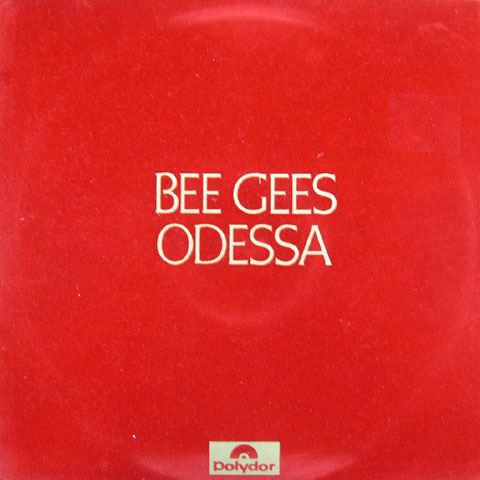
78. Bee Gees, “Odessa” (1969): Long-praised as their pre-disco magnum opus, I was relieved it turned out to be more than lachrymose ballads like single “First of May”. The orchestral stuff conjures up a Beatles trying to top Sgt Pepper’s while a dozen other left turns legitimize their weirdness.

79. Matt Berry, “Gather Up (Ten Years On Acid Jazz)” (2021): He’d be better known for his music if he sang as well as he spoke but at least he doesn’t half-ass it (as L. Cravensworth might remark.) A magpie devoted to post-Beatles, pre-Nirvana pop & this comp’s enough to make me want to hear more.

80. AHI, “The Light Behind The Sun” (2025): If his rousing 2021 single “Danger” was reminiscent of prime Seal, this is closer to the later, adult-contemporary version: tasteful, understated & sadly, bland. The simple song titles also don’t help distinguish this pleasant but unmemorable product.

An Album A Day: # 41-60

Round three includes a few records I’ve been meaning/waiting to hear for years (in some cases, decades) and others from years ago I hadn’t heard of until recently.

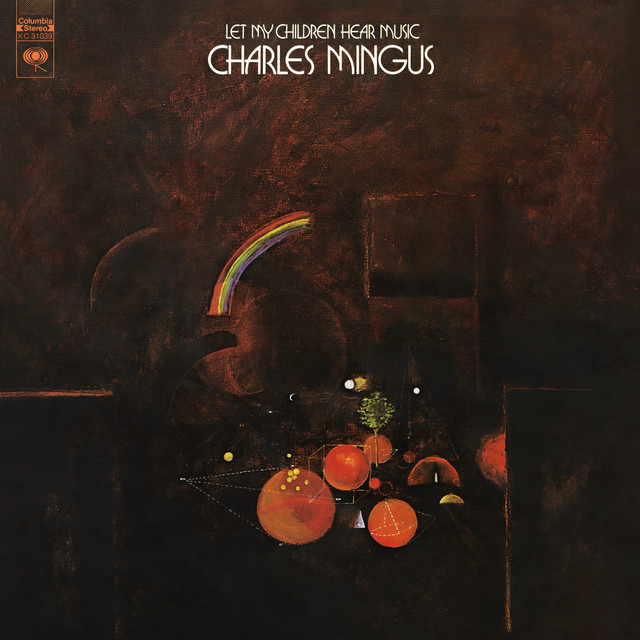
41. Charles Mingus, “Let My Children Hear Music” (1972): Late-period Mingus although you’d never guess since it’s as robust as early or prime-period Mingus (his artistry was that consistent.) The large ensemble allows his intricate arrangements to swell, and breathe, even on the recitation track.

42. Rosali, “No Medium” (2021): I’m far from the first to claim having trouble telling her voice apart from Aimee Mann’s in a blind test; how matter how uncanny the resemblance, her music is its own thing. Love how the acoustic opener gives little inclination to how electric and loud she can be.

43. Madonna, “Evita: The Complete Motion Picture Soundtrack” (1996): Just like JCS (the only Webber/Rice show I know well), the cheesiness gets by on its conviction & verve. An icon playing an icon requires a balancing act here steadied by the vulnerable catch in Madge’s vocals (trained or not.)

44. Bastille, “& (Ampersand)” (2024): Relatively stripped-down arrangements are most encouraging for a band so beholden to bombast & “Blue Sky & The Painter” proves Dan Smith hasn’t lost his knack for hooks (it’s this album’s “Pompeii”); the rest, while thoughtfully crafted tend to blur together.

45. The Auteurs, “After Murder Park” (1996): Third time not the charm as it pales somewhat compared to their first two. Blame Britpop oversaturation or just falling into formula although lyrics (“Unsolved Child Murder”) are still sharp, anticipating Haines’ next project more than the wan music.

46. ELO, “A New World Record” (1976): With such eccentric hit singles (“I’m TAKING / a DIVE!”), of course the deep cuts lean towards orchestral appropriations and operatic flourishes. Lynne could’ve sold out after “Evil Woman”; instead, he crafted a concise distillation of oddball pop, and it sold. 

47. Marika Hackman, “Big Sigh” (2024): I can name numerous singers I like whom Hackman reminds me of but I’m not yet sure what distinguishes her from them. For example, Cassandra Jenkins could craft a blurry, sonic playground like “Vitamins” but would she title one of her catchiest songs “Slime”?

48. Don Armando’s 2nd Ave Rhumba Band, “Deputy of Love” (1979): See, disco can be campy *and* classy. This August Darnell production even quotes the “Bonanza” theme with some subtlety. Happily, there’s nothing restrained about the glorious cover of “I’m An Indian Too” from Annie Get Your Gun.

49. Echobelly, “Lustra” (1997): Follow-up to “On” (an all-time fave) didn’t get a US release at the time which tells you more about record co. hijinks than a dip in quality. While not as brisk or sparkly, Sonya Madan’s still in fine form with guitars occasionally edging closer to shoegaze bliss.

50. Liza Minnelli, “Results” (1989): Like Streisand & Barry Gibb a decade before, Liza & Pet Shop Boys mesh together beautifully covering Sondheim, Tikaram, Elliman and of course Tennant/Lowe (even if “Rent” retains more power when sung by a boy.) A gutsy experiment that shouldn’t work but does.

51. a.s.o., “a.s.o.” (2023): I dug trip-hop in the 90s & still love it now; the prospect of trying to recreate that sound has promise & I wouldn’t necessarily mistake this for Morcheeba, Portishead, etc. but it’s merely pleasant—a sonic bath agreeably wafting overhead but nothing that lingers on.

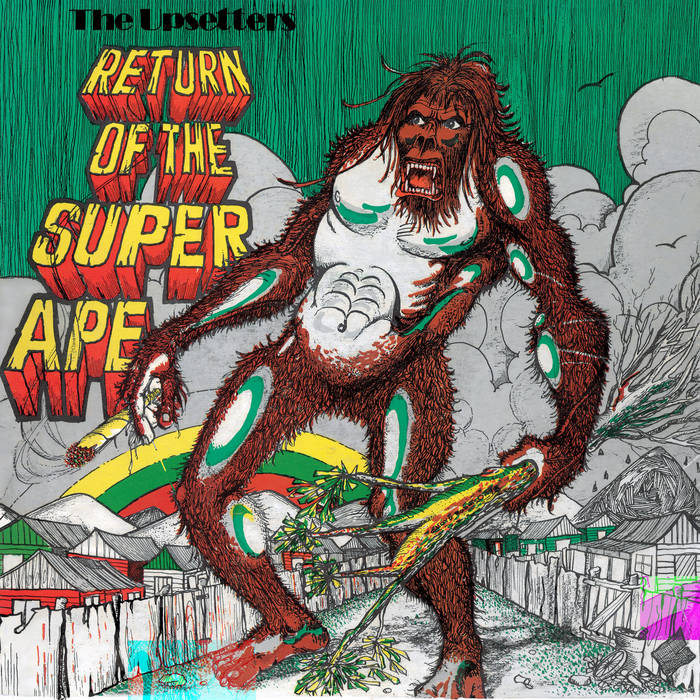
52. The Upsetters, “Return of the Super Ape” (1978): A massive sound that’s also most intimate with each percussive clang and ting nearly synchronizing with heavy basslines, its vocals alternately smooth like a calm breeze and as dense as a clogged drain. The reggae Kinks to the Wailers’ Beatles?

53. Original Cast Recording, “Operation Mincemeat” (2023): As I attempt to appreciate modern musicals more, this British WWII-set one is a prize, conforming to genre conventions & also slyly rewriting them, tempering period swing jazz with newer genres, accentuating story but never obscuring heart.

54. Jens Lekman & Annika Norlin, “CORRESPONDENCE” (2019): A year-long, two-way musical conversation between two Swedes. Mostly acoustic with some orchestral flourishes, he muses on endless beauty and badly-aged movies, she on cults and lengthy winters; they both find solace in each other’s words.

55. Hot Chocolate, “Cicero Park” (1974): Why is top 10 hit “Emma” forgotten but “You Sexy Thing” still gets played up the wazoo? Debut LP from these Brits is almost a Steely Dan informed by funk & soul rather than jazz & irony with nary a weak cut in the bunch—even the one called “Disco Lady” rocks.

56. Arooj Aftab, Vijay Iyer, Shahzad Ismaily, “Love In Exile” (2023): Even though Aftab’s sinuous vocals naturally dominate, this is more a communion between the three artists than singer-with-backup. Often stretched out to nearly fifteen minutes, their “songs” develop into epic, freeform poems.

57. Dory Previn, “Dory Previn” (1974): Less noteworthy for her vocals than her point of view, she’s almost the Shelley Duvall of pop music except not necessarily eccentric; quirky, for sure—even her most conventional tunes emit perspective and feelings that are homegrown rather than manufactured.

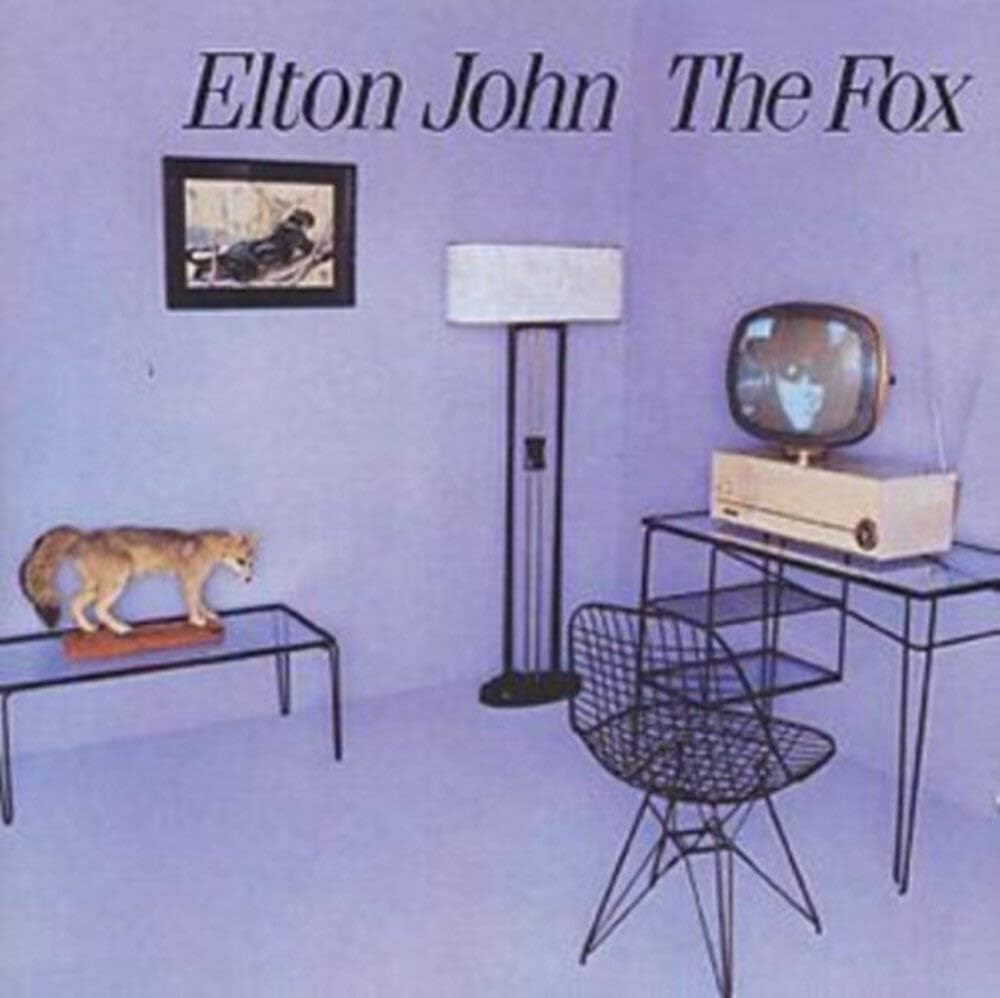
58. Elton John, “The Fox” (1981): Not difficult to see why this flopped as it sounds like little else of its time (apart from the yacht rock of “Chloe”). Since the title track & “Breaking Down Barriers” could fit on any of his prime 70s albums, call this one ambitious, overreaching & underrated.

59. Foxing, “Nearer My God” (2018): If I were 15 years younger this could’ve hit me as directly upon release as Death Cab For Cutie’s “Transatlanticism” did. This is far more experimental and messier but after a few songs one admires their ever-widening scope and refusal to settle for less.

60. The Soundcarriers, “Celeste” (2010): Deftly aims for that precarious spot midway between The Doors & Sergio Mendes & Brasil ’66: plenty of organs, flutes and mind-melting harmonies like a less bro-tastic Fleet Foxes. Somehow both cool & uncool in equal measure, deliberate anachronisms & all.

An Album A Day: # 21-40

Round two includes prog-rock, a contemporary cast recording, a porto-broadway hybrid, Tropicalia, and more.

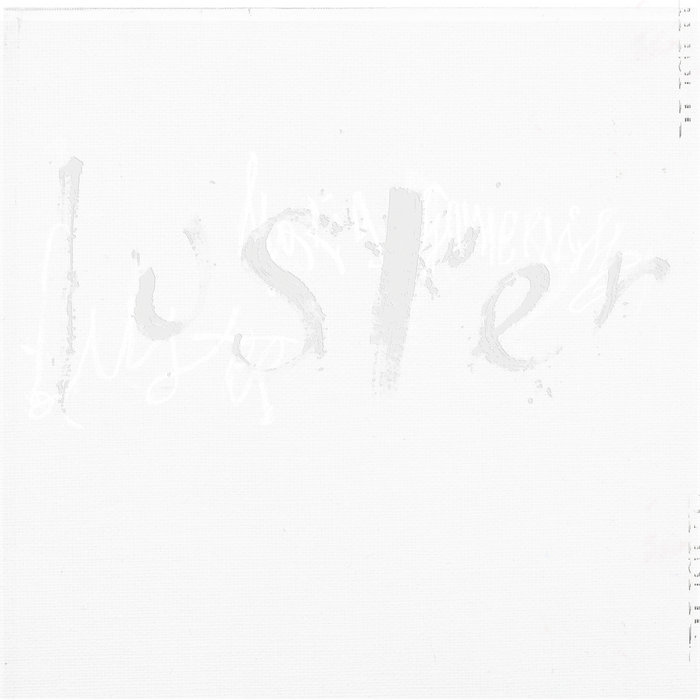
21. Maria Somerville, “Luster” (2025): Gossamer, 1000-thread count dreampop is exactly what I need right now. Like a soothing rush, it comforts but occasionally startles, gracefully delving into realms one wouldn’t expect from a song’s first note, maintaining that thrill of discovery.

22. Stew, “A Midsummer Night’s Dream” (2009): Not extensively Shakespeare-skilled so I can’t say how well this suits the material but these generally lovely miniatures (both instrumental and not) are refreshing in light of his more labored post-“Passing Strange” theatrical efforts.

23. Neil Young, “Sleeps With Angels” (1994): “Safeway Cart” well utilized in Claire Denis’ “Beau Travail” & the rest is as good, sometimes better (“Piece of Crap” isn’t one.) Solid for a CD-length era LP which is impressive considering the man’s, well, lack of consistency post-1979.

24. Aztec Camera, “High Land, Hard Rain” (1983): Frame’s fresh-facedness is his greatest asset but also a potential curse if he ever threatens to turn dour (unlike, say, Jens Lekman who can pull this off.) Crisp tunefulness abounds; at worst, it’s samey over the course of a full LP.

25. Al Stewart, “Modern Times” (1975): The closing title track anticipates his two big hits (title tracks of his next two albums) but the whole LP reminds one he has so many gems beyond those hits. Whether quoting Vonnegut or Marvin Gaye, his heart’s always in it which counts a lot.

26. King Crimson, “In The Court Of The Crimson King” (1969): Neither put off nor enchanted by much prog-rock, I appreciate the skill and creativity of this admittedly seminal work although it doesn’t move me much. “Moonchild” gets a bit lost but the rest exudes dynamism; vision, even.

27. Original Broadway Cast Recording, “Hadestown” (2019): Much to digest in this musical adaptation of the Orpheus myth but the momentum rarely flags and it doesn’t lose the plot. Perhaps some cringey musical theatre tropes but Anais Mitchell’s melodic dexterity often overcomes them.

28. Rob Dickinson, “Fresh Wine For The Horses” (2008): Wouldn’t swap any Catherine Wheel LP out for this (except maybe the last one). Still in great voice even if the tempo’s too mid (among other things.) Predictably, he sounds most comfortable when the guitars are loud (“Handsome”).

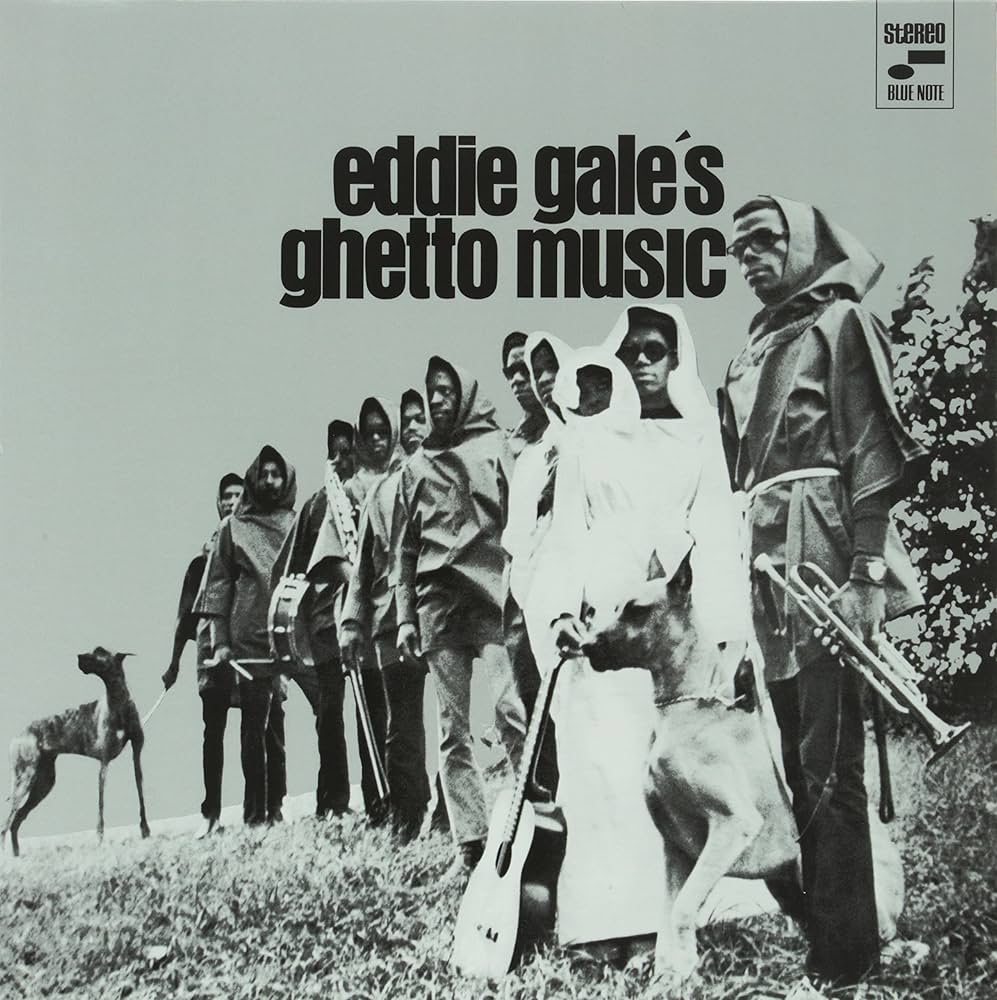
29. Eddie Gale, “Ghetto Music” (1968): Hypnotic “The Rain” should be a standard if it isn’t considered one already; the rest is a cohesion of rumbling & clanking percussion, horns and soulful vocals. Creates a singular, haunted vibe, as if Coltrane had eschewed cacophony and also lived.

30. Eddie Chacon, “Pleasure, Joy and Happiness” (2020): Low-fi, low-key soul, perhaps recorded in (as opposed to for) someone’s bedroom. Concise & a bit slippery, a single listen plants a seed for another five or ten, not to pick up on something missed but to detect all of its nuance.

31. Hiss Golden Messenger, “Quietly Blowing It” (2021): MC Taylor can’t help it if his voice heavily resembles 1970s Dylan but I wouldn’t call this cosplay, exactly when the arrangements are more Van Morrison-ish. Happily, the melodies are strong enough to serve as the focal points.

32. Ennio Morricone, “Ad Ogni Costo” (1967): The *bonkers* main theme moved me to check out the rest of this score, which isn’t nearly as wild (particularly once it moves into “Black Orpheus” territory); still want to see the film to reconcile it with star Janet Leigh’s (!) presence.

33. Bon Iver, “SABLE, fABLE” (2025): I gave up on him when he could no longer string together comprehensible song titles but the first “disc” is a deliberate reminder of why his debut endures; the rest is a less pretentious Coldplay which is preferable to a less douchey John Mayer.

34. MF DOOM, “Operation: Doomsday” (1999): Wouldn’t it be grand if 100 years from now this is what hip-hop scholars studied rather than Drake? Although I wonder if Gen-Z and beyond will get all the junky old cartoon references: “Hey!” is infinitely funnier if you know what it samples.

35. Gordon Jenkins, “Manhattan Tower/California (The Golden State)” (1946): Broadway-style vignettes strung together in suites resembling proto-LP “sides”. Obviously ancient to modern ears but not without ingenuity or even a little satire which leavens the cornier stylistic touches.

36. Caetano Veloso, “Transa” (1972): Talk about a voice that just commands attention, rendering all else near superfluous. Not devaluing the music, though: lithe and intuitive, it’s somehow intimate *and* expansive. This makes me want to delve much deeper into Tropicalia for sure.

37. They Might Be Giants, “Cast Your Pod To The Wind” (2007): Bonus disc with 12th LP “The Else”. Clever title, cleverer tunes (as usual). More of a throwback to the earlier stuff which is always welcome. Uneven, but whenever it lands a hook, you marvel at how simple they make it look.

38. A.R. Kane, “69” (1988): Starts as proto trip-hop, then the titles get weird (“Baby Milk Snatcher”) & the music gets weirder: it’s nearly psychedelia but not exactly how you’d usually describe that genre. Not easy on the ears, but not unpleasant; like unearthing a lost corridor.

39. Marvin Gaye, “Here, My Dear” (1978): D-I-V-O-R-C-E rarely sounds this F-U-N-K-Y. The divine “Is That Enough” at almost 8 minutes could even go on longer. Maybe this didn’t need to be a double LP but my attention rarely drifted and “A Funky Space Reincarnation” is all that & more.

40. Mercury Rev, “Deserter’s Songs” (1998): You don’t often hear this much whimsy in rock (if you can even call it that.) Mewling vocals, tricky time signatures, instrumental passages, occasional misdirection—it’s an acquired taste although I feel like applauding the effort anyway.

An Album A Day: # 1-20

Last month, I looked over my Spotify library and found hundreds of albums I’ve saved but haven’t listened to. Thus, in an attempt to post more on Bluesky, I’ve begun a version of the Music Writers’ Exercise (#mwe) that I used to participate in on the Social Media Site That Shall Not Be Named, listening to 100 albums and posting a small paragraph about each of them. Here are the first twenty which hopefully give a sense of all kinds of music I’m drawn to. Best discoveries include two albums released this year, one from over 30 years ago and another I’ve been meaning to check out since reading about it in Tim Blanchard’s book Like Magic In The Streets.

1. Malcolm Middleton, “Into The Woods” (2005): From this title & cover, was expecting something more pastoral (suppose “Monday Night Nothing” nearly fits the bill). Has a “better” (if less distinct) voice than his Arab Strap bandmate Aidan Moffat although his brogue’s nearly as robust. 

2. Tony Bennett, “Hometown, My Town” (1956): Just as silent cinema’s artistry peaked near the advent of sound, the Great American Songbook was never more expansive than at Rock’s dawn. Tapers off near the end but begins strongly with the melancholy, searching “The Skyscraper Blues”. 

3. Michael Hurley, et al. “Have Moicy!” (1976): Once acclimated to Stampfel’s vocal style (did he sing the 70s Armour Hot Dog jingle?), I much enjoyed this goofy, sincere, more-than-a-jam session amongst some folk revivalists (and it’s where Yo La Tengo got “Griselda” from to boot.) 

4. Lou Christie, “I’m Gonna Make You Mine” (1969): Title track’s ebullient bubblegum is almost as snappy as the same year’s “Sugar Sugar”; most of the rest is better than filler with “It’ll Take Time” and “She Sold Me Magic” lost gems. RIP to a great American weirdo pop singer. 

5. SPRINTS, “Letter to Self” (2024): Karla Chubb’s vocal resemblance to Pylon’s Vanessa Briscoe Hay got my attention but this Irish band’s more-melodic-than-abrasive punk (rather than Pylon’s post-punk) is winning in drive and dynamic even if they could ease up on the minor-key tunes. 

6. The Pale Fountains, “Pacific Street” (1983): The Clientele of their time? More obscure than The Go-Betweens at any rate. Swelling strings and trumpet fanfares enliven brisk strums and yearning vocals with all of these components arrestingly coalescing in closer “Thank You”. 

7. Nina Simone, “Emergency Ward!” (1972): Eighteen minutes of “My Sweet Lord”, eleven of “Isn’t It A Pity” both are as different as could be from Harrison’s originals and Simone’s genius is to make them effortlessly transcendent with aid of gospel choir and her own piano, respectively. 

8. Si Zentner, “The Swingin’ Eye” (1960): Nothing could possibly live up to that LP cover but it swings harder than Glenn Miller (if not Louis Prima). With muted trumpets, nimble piano solos and occasional brass blasts, it’s pleasant but Esquivel’s more my speed for this kind of thing. 

9. Rachel Chinouriri, “What A Devastating Turn of Events” (2024): Her Gen-Z indie pop’s not dissimilar from beabadoobee’s (or early Corinne Bailey Rae), but indelible hooks (the whistling on “It Is What It Is”) and caustic humor (“Dumb Bitch Juice”) both separate her from the pack. 

10. Luther Vandross, “Never Too Much” (1981): More familiar with his later crossover era, this is an impressive debut even beyond the title track & celebrated Bacharach cover. In one word, effervescent: a major talent with infectious ease to spare like a dream come true (his and ours). 

11. Patrick Wolf, “Crying The Neck” (2025): Another triumphant return in an abundant year for them: sumptuous, intricate but never fussy or labored, a layered, dense canvas inviting one to expend time and effort exploring it, promising discovery and even some instant gratification. 

12. The Beach Boys, “Surf’s Up” (1971): I appreciate their ambitious, eccentric stuff (esp. the title track) for how it slyly anticipates even weirder homages to come (hi, The High Llamas!) Still relatively accessible & presumably not a bad place to dip a toe in for this period. 

13. Dennis Parker, “Like An Eagle” (1979): The suitably soaring, impeccably strung out title song comes from the dudes responsible for the Village People, & it’s far less camp than “YMCA” or even ABBA’s own “Eagle”; sadly, the rest is Broadway-ready disco cheese for diehards only. 

14. Nellie McKay, “Bagatelles” (2019): Finally reconciling her transition from subversive songwriter to expert interpreter, this is an ideal way for her to practice the latter: 17 minutes, 8 standards, stripped down to voice & ukelele, coasting on skill and charm; it’s enough. 

15. The KLF, “Come Down Dawn” (2021): Reissue/revision of 1990’s “Chill Out”, an aural travelogue of found sounds, overheard conversations, stray beats, etc. Removed from its initial cultural impact, it’s pleasant rather than stimulating though repeated plays might reveal otherwise. 

16. Faust, “Faust IV” (1973): No wonder the 11-minute “Krautrock” named a genre: hypnotic without ever becoming inert, with a droning simplicity easy to emulate but more difficult to replicate. The rest I probably could not do justice to after a single listen; it’s all over the place. 

17. Giorgio Moroder, “From Here To Eternity” (1977): I suspect this got tons of airplay in sleazy gay discos, particularly side one’s suite. Benefits from its brevity & deadpan humor though the production often feels like a working draft for Sparks’ “No. 1 In Heaven” two years later. 

18. The High Llamas, “Gideon Gaye” (1994): LP #2 an ideal place to start, at least compared to other, denser efforts of theirs. Actual pop (or “pop”) songs sit aside wistful instrumentals and diversions (14-minute “Track Goes By”), O’Hagan exuding confidence in forging his own world. 

19. Stereolab, “Transient Random-Noise Bursts With Announcements” (1993): After this year’s stunning return, going back to the early albums I missed. Almost shocking hearing so much guitar here, though their bossa-nova diversion agreeably sits aside all of the drone/groove set pieces. 

20. Barbra Streisand, “Guilty” (1980): My folks had the vinyl (all of Babs’ LPs from that era, actually) but I didn’t know anything beyond the hits. 4th single “Promises” might’ve been massive had it come out earlier; ballads are meh but Barry’s guidance & ambition are a good fit. 

Mix: Suffocated Love

In midsummer, as the humidity surfaces like a dense soup infiltrating all in its wake, I turn to music that’s languorous and laid back but not prosaic or aural wallpaper. In the mid-90’s, a genre dubbed “Trip-Hop” pleasantly attained this sweet spot: bands such as Massive Attack, Morcheeba, Portishead and the lesser-known-but-just-as-worthy Mono all blended loping beats and samples with chill female vocals into tunes like intoxicating smoothies that at best transcended the “mood/bedroom music for stoners” tag that was often bestowed upon them.

This is not entirely a trip-hop mix despite its title coming from a track off of what remains arguably the genre’s furthest-reaching masterpiece, Tricky’s Maxinquaye (1995). Actually, it began as an overview of modern-day songs in the same spirit (if not quite sound): Lana Del Rey’s groove earworm “Peppers”, The Clientele’s incorporation of breakbeats into their ever-distinct chamber pop, vibrant new songs from artists who were there in the 90’s (an evocative highlight of Everything But The Girl’s reunion album Fuse; Slowdive’s first single from their forthcoming release.) Then, Christine and the Queens’ “Tears Can Be So Soft” ended up successfully emulating/updating that sound, so it was no short leap to include stuff from both eras (among others.)

Since trip-hop could be such a nebulous genre, some songs that don’t really fit there still find their place here. “Love Nobody”, indie singer Jenn Champion’s collab with electropop artist Oyster Kids is a track I rediscovered after saving it to an ongoing folder of new music heard on my Spotify-curated “Discover Weekly” playlist two years ago—more 21st century 80’s (an accidental genre that could warrant its own mix) but an affable entry point into what follows. Speaking of the 80’s, Yacht Rock could be trip-hop’s sideway equivalent of that era, and U.S. Girls’ “Only Daedalus” and Emm Gryner’s “Loose Wig” are nothing if not 21st century yacht rock (and so Steely Dan-influenced I couldn’t help but place one of their old songs in between.) As usual, a vibe mix is more a journey than a destination (Del Rey next to Bill Withers next to Air!) even if it concludes with Stars’ Amy Millan blissfully considering the value of being here now.

Haunted Jukebox Mix #5: Suffocated Love

Mix: Let’s Break Out The Lancers!

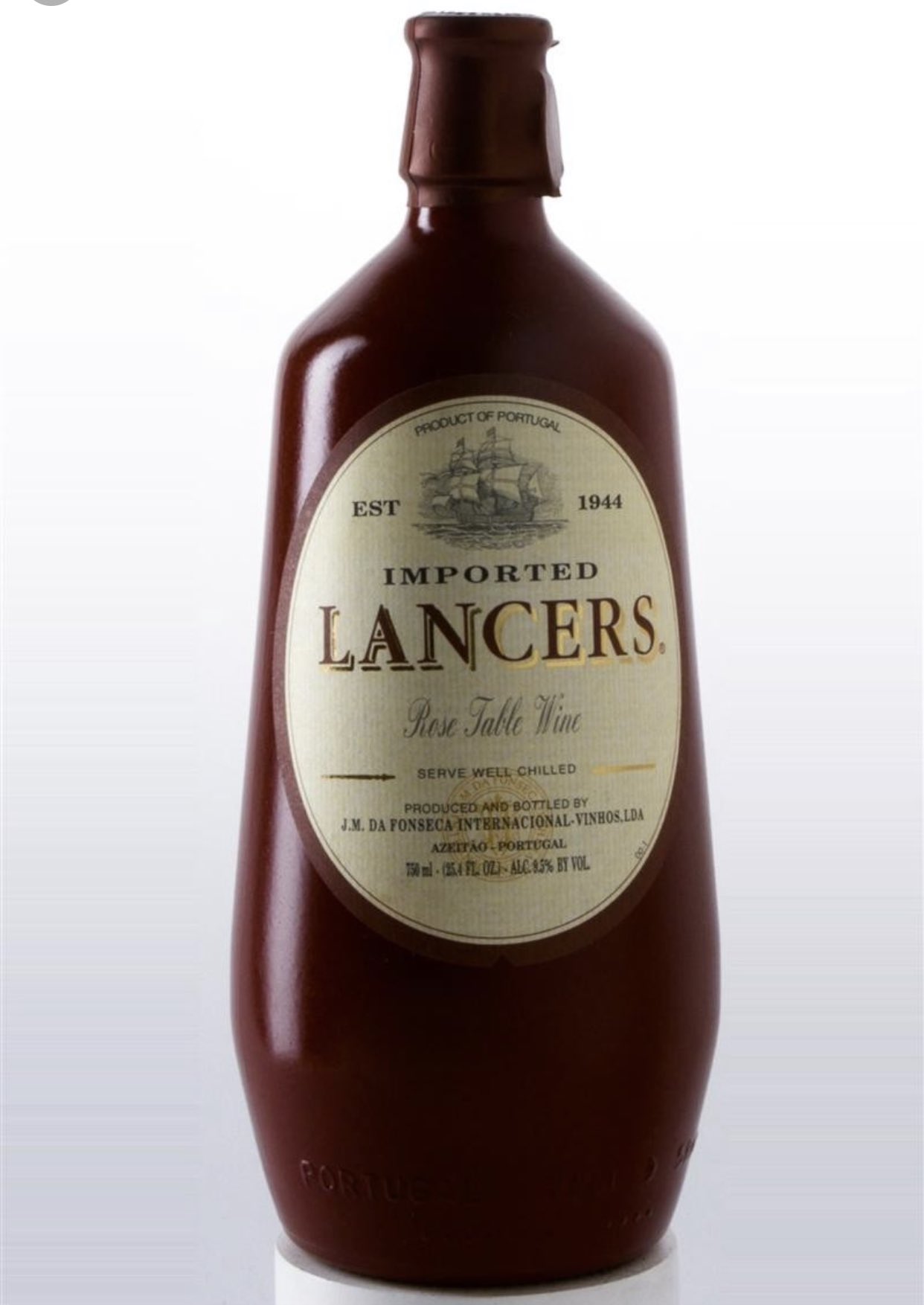
When I was young, my parents weren’t particularly fancy in regard to what they drank (at least before I got them into vodka martinis in my mid-late 20s.) After work, my dad often enjoyed a bottle of Michelob poured into the tall, narrow glass while on holidays and other special occasions, my mom favored an inexpensive table wine—most often, Lancers Rosé, a Portuguese variety which came in an opaque, slightly chunky, burgundy-colored bottle. I recall this as a ubiquitous presence in our house up through the ‘90s when I was considered old enough to imbibe along with my folks. Still, given its classic design, Lancers felt more like a 1970s remnant; I suspect it accompanied many a fondue pot or a helping of Steak Diane sautéed in an electric skillet.

This mix could provide the soundtrack for a Lancers-soaked dinner party my parents or their friends might’ve thrown in the years immediately before my birth. Roughly spanning 1967 to 1973, it conjures a comfortably bourgeoisie, non-rock (or at least soft rock) vibe—unhip, if you’re less charitable, if not positively square. Without fully lapsing into Muzak territory, some of these smooth sounds are directly from my parents’ record collection of the time: Sergio Mendes and Brasil ‘66 (crafting a magic carpet ride out of a Simon and Garfunkel folk-rock standard), The Fifth Dimension (somewhat forgotten gem “Last Night I Didn’t Get To Sleep At All”) and of course Burt Bacharach, both as a solo artist (“Pacific Coast Highway”) and on tunes written with Hal David and made famous by Dusty Springfield (“The Look of Love”), Herb Alpert (“This Guy’s In Love With You”) and Dionne Warwick (“Amanda” from The Love Machine soundtrack is a bit of a deep cut but its arrangement is Burt at his baroque best.) 

Other selections I remember hearing on the radio (in particular, Milwaukee’s still-on-the-air WMYX-FM), albeit a decade or so after their heyday include Mason Williams’ groovy symphonic rock instrumental “Classical Gas”; Todd Rundgren’s “Hello It’s Me” (the classiest singer-songwriter crossover hit this side of vocal-soundalike Carole King); “We’ve Only Just Begun”, arguably The Carpenters’ best, most melodically complex single (written by 1970s mascot Paul Williams); The Spinners’ syncopated-yet-still-like-buttah “I’ll Be Around”.

The title references a lyric in Peggy Lee’s novelty hit “Is That All There Is” which I do not recall hearing in my youth; other selections fit the overall vibe but were likely too quirky (Julie London’s unlikely Ohio Express cover, Minnie Riperton’s psychedelic folk hymn), obscure (Harry Nilsson pre-“Everybody’s Talkin’”, Laura Nyro’s original version of an eventual hit for The Fifth Dimension) or ephemeral (Lalo Schifrin’s soundtrack music) to encounter in the wild back then. By the mid-70s, sophistication of this sort was quickly becoming passe in pop music—Barry White’s breakthrough single “I’m Gonna Love You Just A Little More Baby” is the pivot, anticipating disco excess but not above lacing its seven-minute-long seduction suite with flutes and harpsichord. It’s placed near the end of this mix, late in the evening after the Lancers ran out with a mysterious glass bowl of all the guests’ keyrings perhaps surfacing (though not at one of my parents’ gatherings as far as I know.)

Haunted Jukebox Mix #4: Let’s Break Out The Lancers!

#MWE February 2023

My second year participating in #MWE (Music Writers Exercise) where for the month of February, I listen to an album for the first time every day and tweet about it. A productive way to go through all the albums I’ve added to my Spotify library but haven’t yet made the time to listen to, but if I do it next year, it won’t be on Twitter, which has devolved into a ghost town/shit show since its unfortunate Musk-ification. These days, tweeting almost anything feels like flinging thoughts into a void and I didn’t experience nearly as much engagement as I did last year. Perhaps in 2024 I’ll try Facebook or Instagram or just save everything for here.

Here’s what I posted for February 2023:

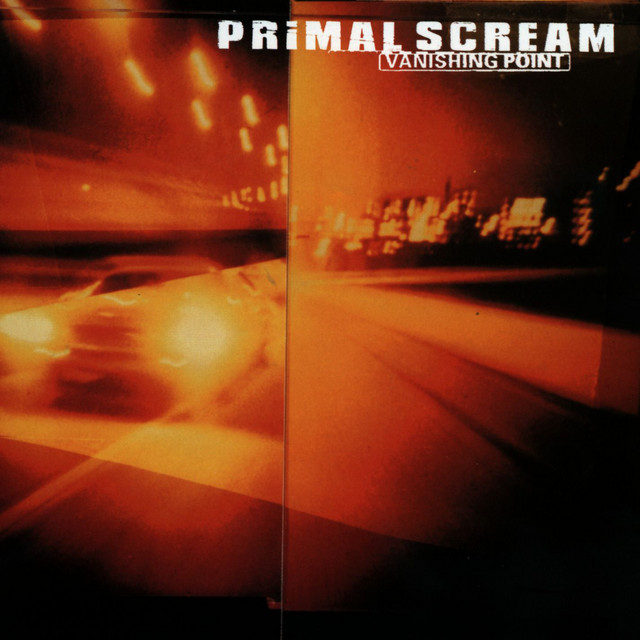
1. Primal Scream, Vanishing Point (1997): Not as highly regarded as Screamadelica but maybe it should be for its sample-heavy, everything-but-the-kitchen-sink approach actually coheres. A close companion to Morcheeba’s debut from the year before, if not exactly trip-hop.

2. Peggy Lee, Sea Shells (1958): In stark contrast to the era’s maximalism, this is simply Lee trilling folk songs over harp and occasional harpsichord. Her readings of “Chinese Love Poems” anticipate the verses of “Is That All There Is?” minus the droll detachment.

3. Broken Social Scene, You Forgot It In People (2002): Harder to get a handle on than that other Canadian supergroup The New Pornographers, call it scrappy “Indie-rock” (for lack of a better term) with unflashy hooks even if “Pacific Theme” could almost be 1970s Chicago.

4. The Wild Tchoupitoulas, S/T (1976): A glorious one-off: Mardi Gras Indians performing Allen Toussaint-produced funk-rock. With songs primary about how much fun it is to be them, it emanates so much pure bliss, deserving a place on the shelf next to Dr. John’s Gris-Gris.

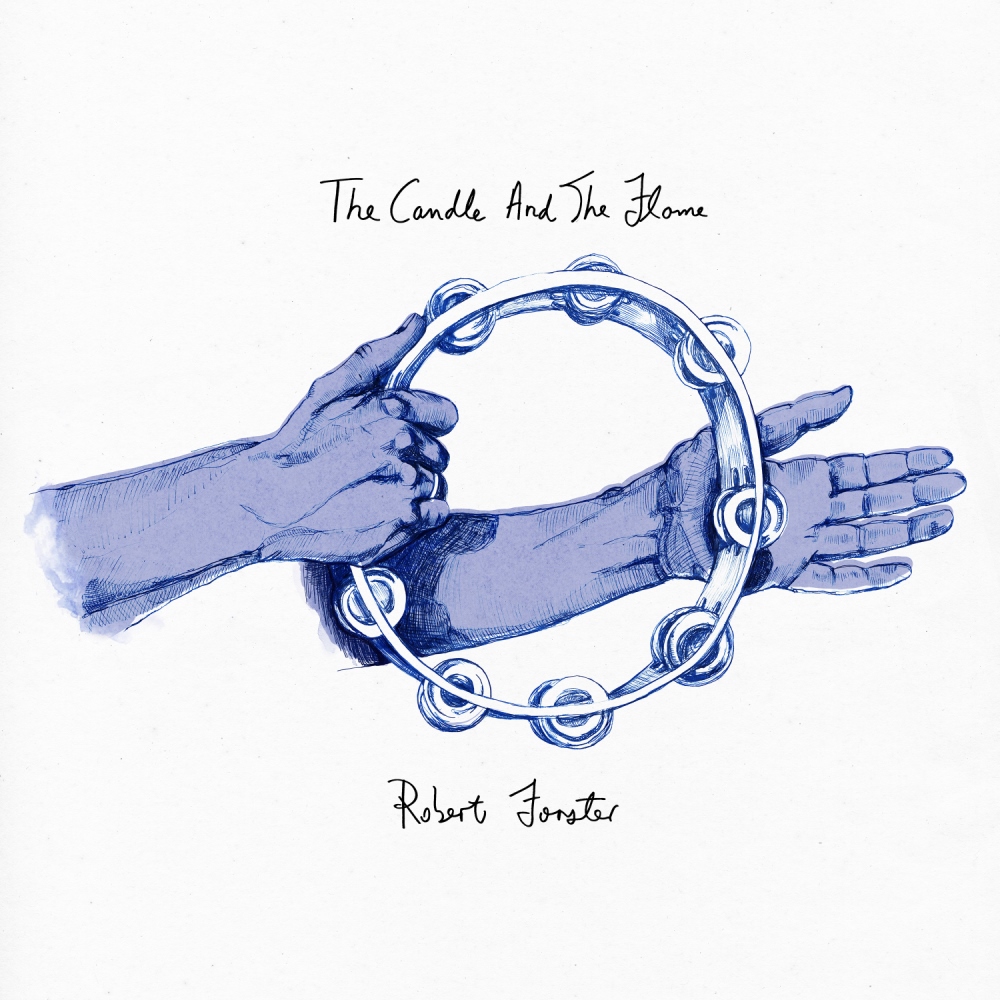
5. Robert Forster, The Candle and The Flame (2023): A beacon of solace in a world we have can’t control. Intimate and direct but rarely ever obvious. Might take weeks or months for some of these hooks to resonate but they’re there and just one facet of the grand design. 

6. Charles Mingus, East Coasting (1957): Less formally radical than what he’d record in the following years but that doesn’t mean less effective or interesting. As always with Mingus, he constructs a nimble but solid foundation that encourages all the players on top to shine.

7. Gem Club, In Roses (2014): Could’ve been recorded in a bedroom or a cathedral. Near-ambient pop that probably needs more than one listen to sink in for all I can recall are the legato, echoing piano chords, occasional strings and Christopher Barnes’ ethereal sigh. 

8. Meshell Ndegeocello, The World Has Made Me The Man Of My Dreams (2007): A groove record that, after caffeinated near-drum-and-bass salvo “The Sloganeer” drifts unpredictably but languorously like an ultra-chill George Clinton. Most revealing song title: “Elliptical”.

9. Neu!, S/T (1972): Today, I learned that Negativland named themselves after a track off this; also learned that (last track aside) this is far more accessible than what I expected of krautrock, so either it seems less radical than it did fifty years ago or I’m just a weirdo. 

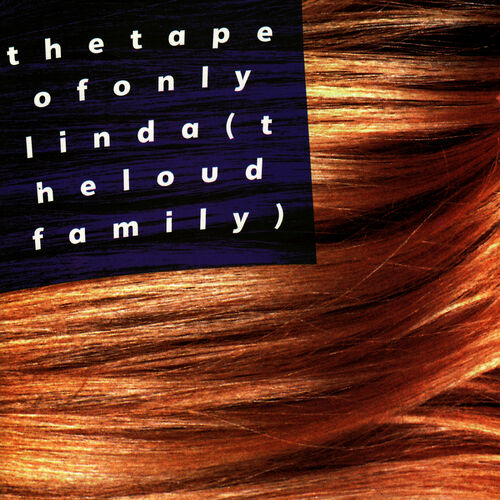
10. The Loud Family, The Tape Of Only Linda (1994): Okay, now I get why Aimee Mann liked Scott Miller enough to make an (unreleased) LP with him. This proves he did have a tight ten-track pop record in him; not that it would ever cross over like even Mann occasionally could.

11. Leonard Cohen, Recent Songs (1979): His only pre-2000 LP I hadn’t heard; coming off his Phil Spector disaster, it’s a model of restraint and consequently a tad boring until the Mariachi horns appear and one can safely resume questioning whether he’s being serious or not.

12. Yo La Tengo, This Stupid World (2023): Could be titled Death, Taxes and Yo La Tengo for all the consistency/dependability it emits. Not much stands out but everything coheres and gently sparkles like a vast starry night. Easy to take them for granted, so listen closely.

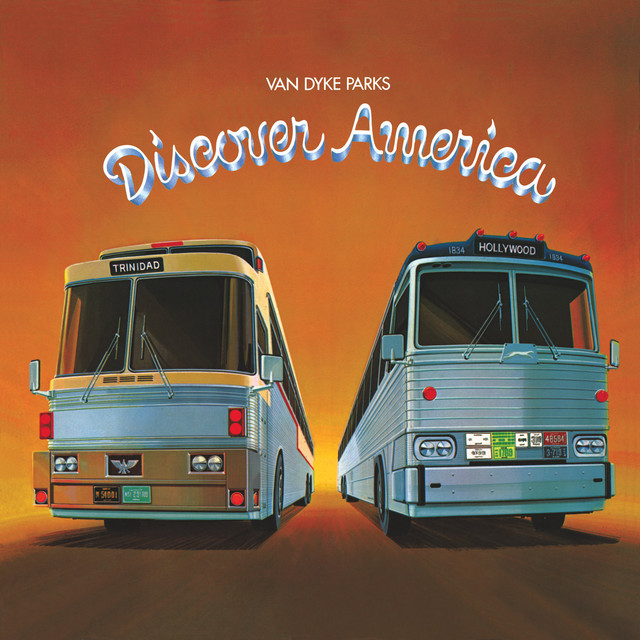
13. Van Dyke Parks, Discover America (1972): One of my more delightful first listens in months. Public domain tunes with a little whimsy, a lot of personality and as usual with Parks, ingenuous arrangements, anticipating those he’d compose with Nilsson for Altman’s Popeye.

14. Various Artists, One Kiss Can Lead To Another (2005): I thought this 52-minute digital distillation of an out-of-print, vintage girl group box set would be sufficient but now I wish I had access to the whole thing. An underrated genre from a not-so-innocent era, really.

15. FKA Twigs, MAGDALENE (2019): Obvious comparisons aside, I can’t get a handle on who she is which I suppose is the point. Acting unknowable can run the risk of obscurity but the production’s so striking it serves partially as a way in rather than just fancy window dressing.

16. Caroline Polachek, Desire, I Want To Turn Into You (2023): Likening her to Dido didn’t occur to me until she popped up on “Fly To You”; actually, this is near-worthy of early, edgier Sarah McLachlan, buffed and shined to a cool gleam other guest Grimes should aspire to.

17. Tennis, Pollen (2023): This couple/duo has raised “staying in one’s lane” to an art form but such interchangeability works when there’s consistency and ample hooks. Might sound better over retail loudspeakers than headphones but that comes down to one’s own preference.

18. Curtis Mayfield, Super Fly (1972): The joy in doing this exercise is to find a classic record you can’t believe you’ve never heard before. I don’t need to tell the world how sublime and definitive this soundtrack is, only to give it another chance if you’re unconvinced.

19. The Teardrop Explodes, Kilimanjaro (1980): On the basis of some of Cope’s solo work, not as wild and surely poppier than contemporaries such as Echo and The Bunnymen or The Soft Boys. Sirius XM’s “First Wave” could stand to play them (and so many other artists) more often.

20. The Upsetters, Blackboard Jungle Dub (1973): Knowing very little about dub reggae, this was exactly what I expected until it quoted both “Pop Goes The Weasel” and “Tijuana Taxi” in the same track. Such mischief broke up the repetition but was it more than just a goof?

21. Tame Impala, “Lonerism” (2012): The real test of a supposed stoner-friendly album is how well it holds up when listened to while sober. Even when favoring texture over melody, this makes the grade, though as a one-man band he might be better off revering Eno than Rundgren.

22. Life Without Buildings, Any Other City (2001): I spent years looking for this in used CD stores based on hype and hearsay; while it lives up to its postpunk-with-quirky-spoken-vocals description, not even that prepared me for Sue Tompkins’ cadences and fizzy demeanor.

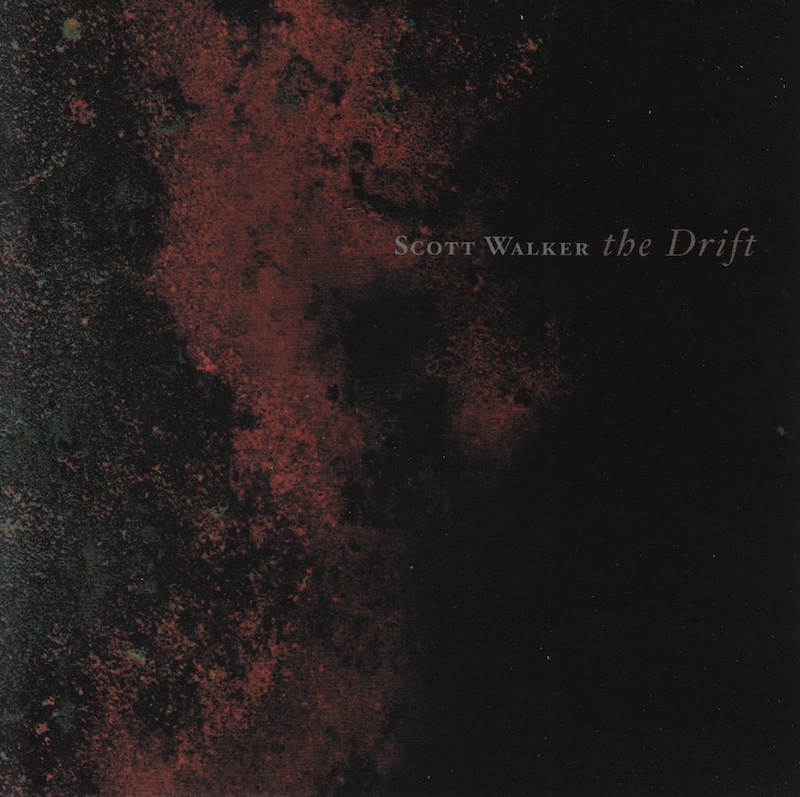
23. Scott Walker, The Drift (2006): Sure, I prefer Walker’s more accessible earlier work, but there’s enough of it and this is purposely something else, pushing beyond accepted parameters of song structure toward a sound that’s compelling and confounding in equal measure.

24. Al Stewart, Past, Present and Future (1973): Of course he’s so much more than his two big hits even if those wistful, mealy vocals all but define him. Unlike fellow 70s art-poppers Supertramp, his wispy Anglo-quirk endures because he leans closer to folk-rock than prog.

25. Phish, The Story of The Ghost (1998): Got off the bus just prior to this one and I might’ve liked it more back then. Same issues as usual with them: heartfelt but patchy (and dorky), dexterous but diminished by studio confinement, insular despite all the genre-blending.

26. U.S. Girls, Bless This Mess (2023): “Fonky” as opposed to funky. Emulates Steely Dan, quotes from Jimi Hendrix and sounds like Daft Punk. Best songs are about monkey suits and the color spectrum. Increasingly slick and exceedingly weird (and enough to hold my attention.)

27. Destroyer, Trouble In Dreams (2008): Barely hints at the big pivot Bejar would make three years later on Kaputt but I’ll give him this: over time, I’ve pivoted from him as that guy w/the annoying voice in The New Pornographers to someone incapable of making a bad record.

28. Robert Wyatt, Shleep (1997): Tuneful and dissonant (often simultaneously), he seems as versed in and enticed by classic rock tropes as with free-floating, sing-song poetic improvisation. Challenging but rarely boring, not one second of it feels wasted or redundant.

#MWE February 2022

This past month on Twitter I participated in the #MWE: Music Writers Exercise. The goal is to tweet about an album you’ve listened to for the first time every day during February. I first heard of this two years ago; I was a little distracted/scattered to attempt it last year but thought I’d try it now. I had no trouble compiling a list of albums to listen to and review; it was also genuinely fun to hear a new album every day and determine how to sum it up in 280 characters or less.

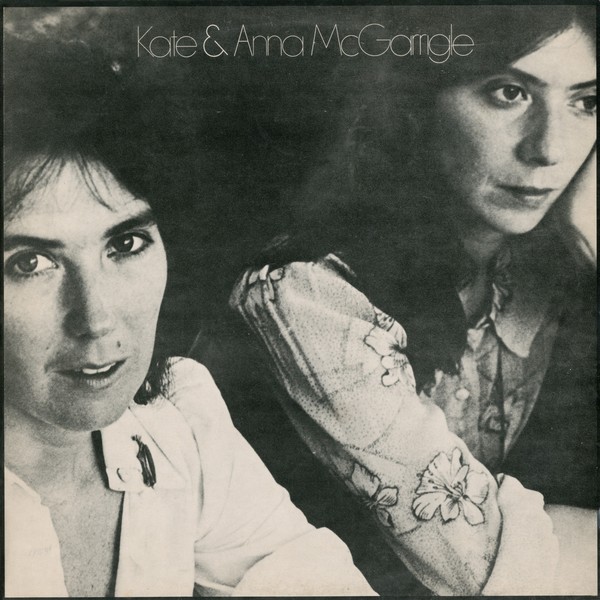
The most rewarding discoveries included the 1976 debut from sisters Kate and Anna McGarrigle (respectively, Rufus and Martha Wainwright’s mother and aunt), the second LP from 90s jangle-popsters The Trashcan Sinatras, Low’s adventurous new record from last year and John Cale’s Fear, which is indeed rougher and rawer than Paris 1919 but not as much as I was led to expect. I got to roughly half of the titles on my initial list, so I hope to do the #MWE again next February.

Here are my 28 #MWE 2022 tweets:

1. Slowdive, Souvlaki (1993): Having only heard their pretty great 2017 S/T reunion LP, this feted second album is less flashy than MBV’s Loveless but also riper for discovery three decades on., esp. when it resembles proto-Radiohead on the ballads (“Here She Comes”).

2. Sharon Jones & The Dap-Kings, Just Dropped In… (2020): Sure, Jones could sing the phone book; this covers comp shows she could also sing disco (“In The Bush”) & Woody Guthrie, and her ad-libs on “What Have You Done For Me Lately” suggest she could’ve done even more (RIP).

3. The Auteurs, New Wave (1993): Imagine a world where this debut was even half as big as Definitely Maybe. Although my favorite Luke Haines songs are those sung by Sarah Nixey, at least here he has the cojones to write a song called “Starstruck” that isn’t a Kinks cover.

4. They Might Be Giants, Book (2021): Their gazillionth album, god bless ‘em; music + book gimmick aside, it’s no different from every non-kid record they’ve made since becoming an actual band with John Henry. Happily, they can still bring the hooks (if not all the quirks.)

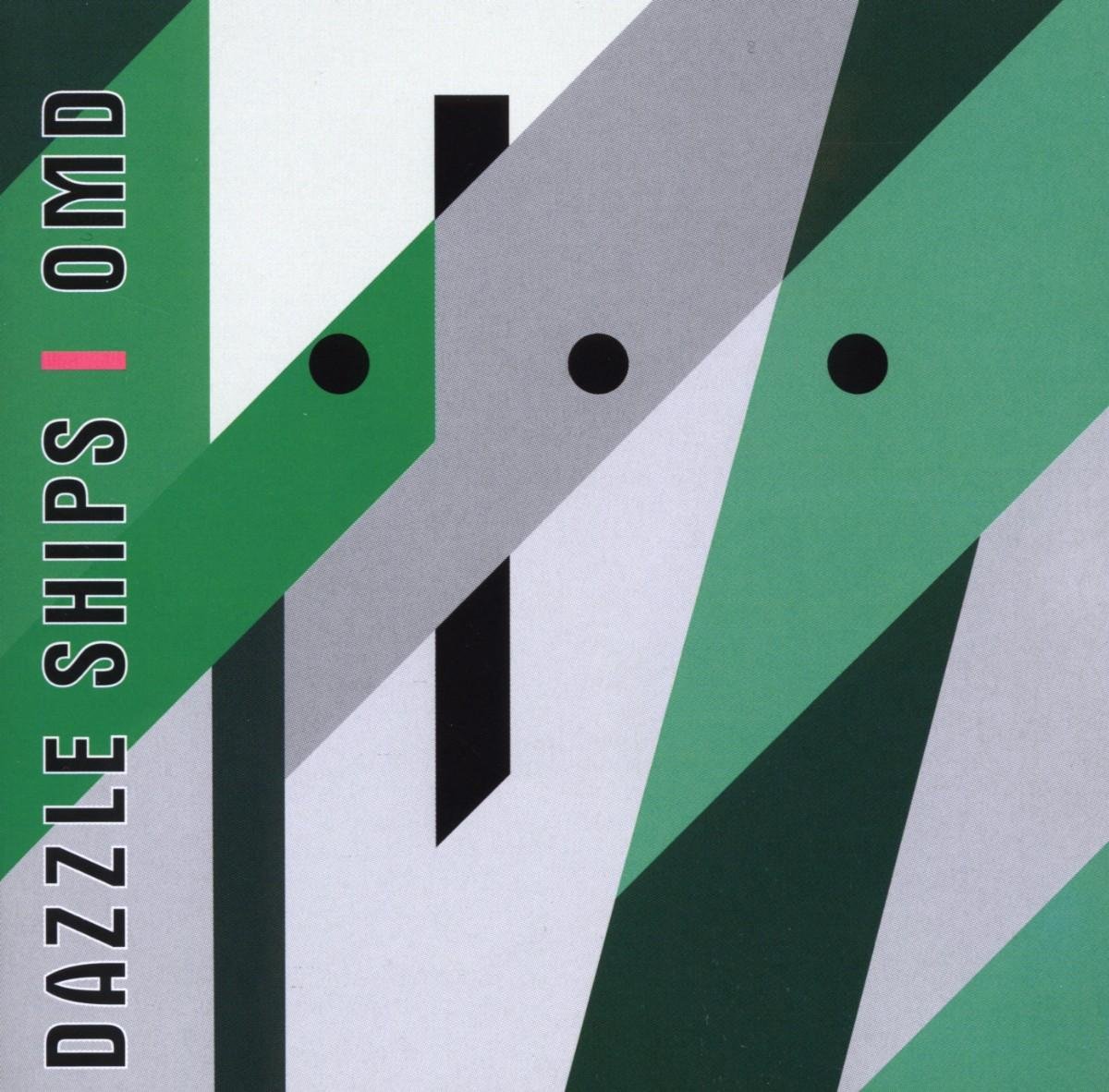
5. OMD, Dazzle Ships (1983): I prefer “Souvenir” to “If You Leave” but their infamous fourth album sounds like neither (although “Silent Running” is not too off from the former.) Andy McCluskey’s weird voice meshes really well with the weird, jarring-but-still-catchy music.

6. Rickie Lee Jones, S/T (1979): A recent convert to her second LP, Pirates, her debut’s a respectable one. At this point, she has more command of the jazzy bop stuff than the ballads (“Coolsville” excepted) and the hit remains one of the more delightfully odd ones of its era.

7. Trashcan Sinatras, I’ve Seen Everything (1993): Nearly every track sounds like a slightly different band, at least musically. It’s a shame I didn’t hear this at the time for it might’ve made as seismic an impact on my 18-year-old self as The Smiths’ Best… 1 had.

8. Mdou Moctar, Afrique Victime (2021): Aware of multiple African musical genres, I only know Afrobeat/Fela Kuti. As for this much-hyped-in-the west Tuareg guitarist, his pyrotechnics serve the melodies more often than not; still, I found the acoustic grooves more compelling.

9. Susanne Sundfør, Music For People In Trouble (2017): Jim Steinman-worthy “Undercover” and climactic “Mountaineers” aside, this eschews Ten Love Songs’ synth-pop anthems for soundscapes far more stripped-down and contained. More musicians should attempt such a bold pivot.

10. Alex Lahey, I Love You Like A Brother (2017): I love Lahey’s second album but her first is the work of someone who set out to make a near-perfect ten track pop punk record and fully understood the assignment. She has the potential to become a 21st-Century Kirsty MacColl.

11. Low, HEY WHAT (2021): Reviews led me to expect something harsher; while abrasive enough, this is more like noisy dream pop, constantly swerving and surprising but also unexpectedly melodic, applying blissful harmonies to unconventional structures. A good headphones album.

12. Frank Sinatra, Watertown (1970): Ambitious adult-pop song cycle that sounds like he’s emulating Scott Walker, of all people. It likely flopped because his voice is often too overbearing for the material; a vocalist such as Dionne Warwick might’ve lent more finesse to it.

13. The Housemartins, The People Who Grinned Themselves To Death (1987): More crisp, clean-cut pop with a subversive streak (title track’s about the Royals) but not much of an advance on their debut. You can hear them turning into The Beautiful South on (great) closer “Build”.

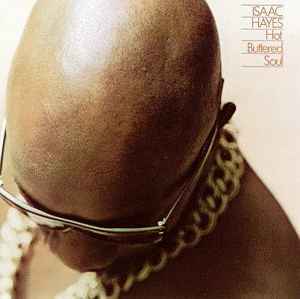
14. Isaac Hayes, Hot Buttered Soul (1969): Alternate title: “Opulence – You Own Everything.” Two years before Shaft, Hayes’ breakthrough is a paean to excess with little precedent; in other words, when you slow James Brown down from 45 to 33 RPM, funk turns into prog (and soul.)

15. Virna Lindt, Shiver (1983): Swedish would-be avant-chanteuse (check out her 2021 single “Once”) has no qualms about placing spoken-word tone poems next to a mostly instrumental piano-pounder called “I Beat the System” and a wonky cover of “Windmills of Your Mind”.

16. Amy Rigby, A One Way Ticket To My Life (2019): Comp culled together to promote her fab memoir “Girl To City”, it has very few duds among its 19 four-track demos; a few (“Housecleaning”, “You’re Getting Old”) are almost worthy of 1996’s classic Diary of a Mod Housewife.

17. Prefab Sprout, I Trawl The Megahertz (2003): Originally released as a McAloon solo LP. Experimental but not inaccessible, it sports his loveliest arrangements and most inscrutable content. Worth hearing, even if you don’t hear his heavenly vocals until the penultimate track.

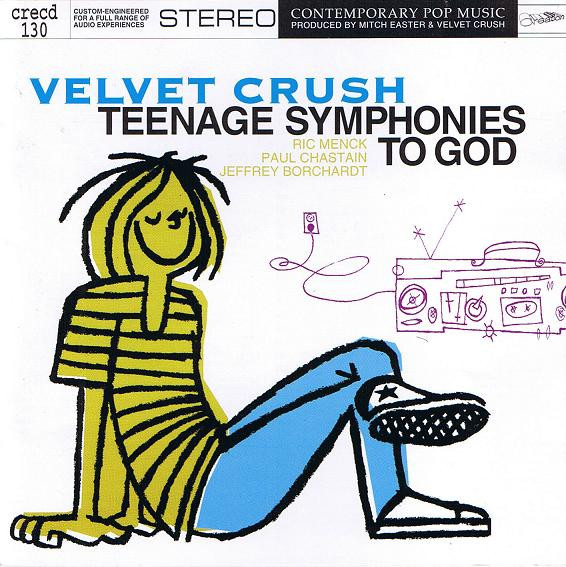
18. Velvet Crush, Teenage Symphonies To God (1994): Assigned to review their last LP, Stereo Blues in 2004, I’m just hearing this one now and yep, they’re the American Teenage Fanclub—power pop more diverse than Bandwagonesque, even, with the quieter stuff an unexpected treat.

19. Roberta Flack, First Take (1969): She’s like a smoothed-out Nina Simone but the latter’s genius was in those jagged edges. Since he put the MacColl song in Play Misty For Me, Eastwood could’ve also added the Cohen cover for Jessica Walter’s supremely unhinged character.

20. Beach House, Once Twice Melody (2022): Lost track of them after Bloom; this is an expansive return. Everything sounds the same but it rarely stagnates & occasionally startles (that instrumental coda at the end.) Between this & Big Thief, is 2022 the year of the double LP? 

21. Kate & Anna McGarrigle, S/T (1976): The word *idiosyncratic* comes to mind, even if it’s not any further out there than Joni or Judee (or Rufus or Martha, no less)—more like Richard and Linda Thompson but with the sibling dynamic rendering it something uniquely their own.

22. Joni Mitchell, Shine (2007): Put off by the Starbucks connection and the covers (both LP and new “Big Yellow Taxi”), I avoided this until now. Not great Joni, but as good as nearly any of her post-Hejira work—that it’s likely her final LP now lends it a sentimental tint.

23. Chris Bell, I Am The Cosmos (1978): It’s tempting to liken this to Big Star’s Third; Bell is less falling apart than struggling to stay afloat. He’s not straining to write decent tunes, fortunately, for at least three or four stand with his best contributions to #1 Record.

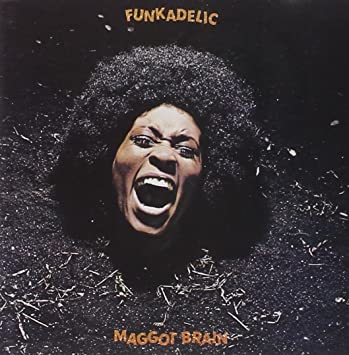
24. Funkadelic, Maggot Brain (1971): Justly celebrated 10-minute-long title cut feels half that length, nine-minute closer feels twice as long as that (but I don’t mind much) and “Can You Get To That” gives off the impression of deceptive politeness but it absolutely SLAMS.

25. Vampyros Lesbos: Sexadelic Dance Party (1971): Groovy horn-and-sitar-laden kitsch that not only lives up to its title but gets progressively more insane. Wanted to say it likely inspired more than a few Tarantino soundtracks and whaddya know, there’s a cut in Jackie Brown.

26. Stan Ridgway, Neon Mirage (2010): Haven’t heard much of his post-1995 output and it’s almost startling how mature and sincere the guy who once sang “Mexican Radio” sounds here. Exotica and reggae pastiches aside, it’s also a bit boring, lacking the picaresque tales of yore.

27. Tears For Fears, The Tipping Point (2022): The middle sags but this begins and ends so strongly I’m gobsmacked to name another legacy act making such vital music now. Of course, the 18-year break probably helps, not to mention how remarkably young Curt Smith still sounds.

28. John Cale, Fear (1974): Thought this wasn’t all that different from its predecessor Paris 1919 until I got to “Gun” which could be a VU cut. I now wanna check out his other mid-70s stuff, for this sleazier rock vibe (“The Man Who Couldn’t Afford To Orgy”(!)) most suits Cale.