This past month on Twitter I participated in the #MWE: Music Writers Exercise. The goal is to tweet about an album you’ve listened to for the first time every day during February. I first heard of this two years ago; I was a little distracted/scattered to attempt it last year but thought I’d try it now. I had no trouble compiling a list of albums to listen to and review; it was also genuinely fun to hear a new album every day and determine how to sum it up in 280 characters or less.
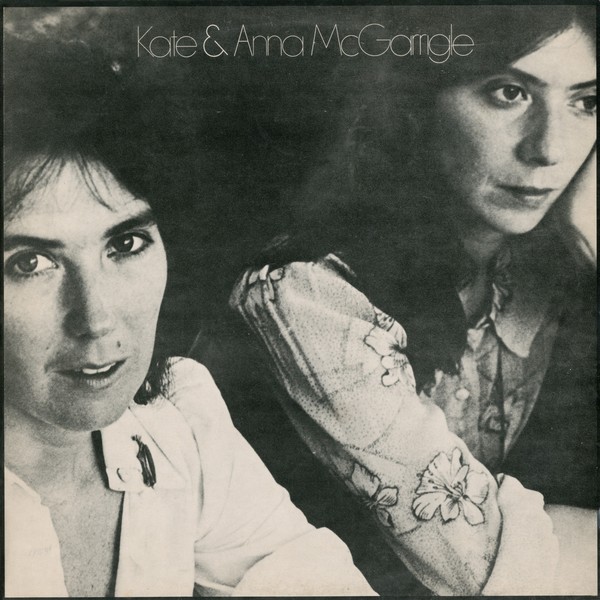
The most rewarding discoveries included the 1976 debut from sisters Kate and Anna McGarrigle (respectively, Rufus and Martha Wainwright’s mother and aunt), the second LP from 90s jangle-popsters The Trashcan Sinatras, Low’s adventurous new record from last year and John Cale’s Fear, which is indeed rougher and rawer than Paris 1919 but not as much as I was led to expect. I got to roughly half of the titles on my initial list, so I hope to do the #MWE again next February.
Here are my 28 #MWE 2022 tweets:
1. Slowdive, Souvlaki (1993): Having only heard their pretty great 2017 S/T reunion LP, this feted second album is less flashy than MBV’s Loveless but also riper for discovery three decades on., esp. when it resembles proto-Radiohead on the ballads (“Here She Comes”).
2. Sharon Jones & The Dap-Kings, Just Dropped In… (2020): Sure, Jones could sing the phone book; this covers comp shows she could also sing disco (“In The Bush”) & Woody Guthrie, and her ad-libs on “What Have You Done For Me Lately” suggest she could’ve done even more (RIP).
3. The Auteurs, New Wave (1993): Imagine a world where this debut was even half as big as Definitely Maybe. Although my favorite Luke Haines songs are those sung by Sarah Nixey, at least here he has the cojones to write a song called “Starstruck” that isn’t a Kinks cover.
4. They Might Be Giants, Book (2021): Their gazillionth album, god bless ‘em; music + book gimmick aside, it’s no different from every non-kid record they’ve made since becoming an actual band with John Henry. Happily, they can still bring the hooks (if not all the quirks.)
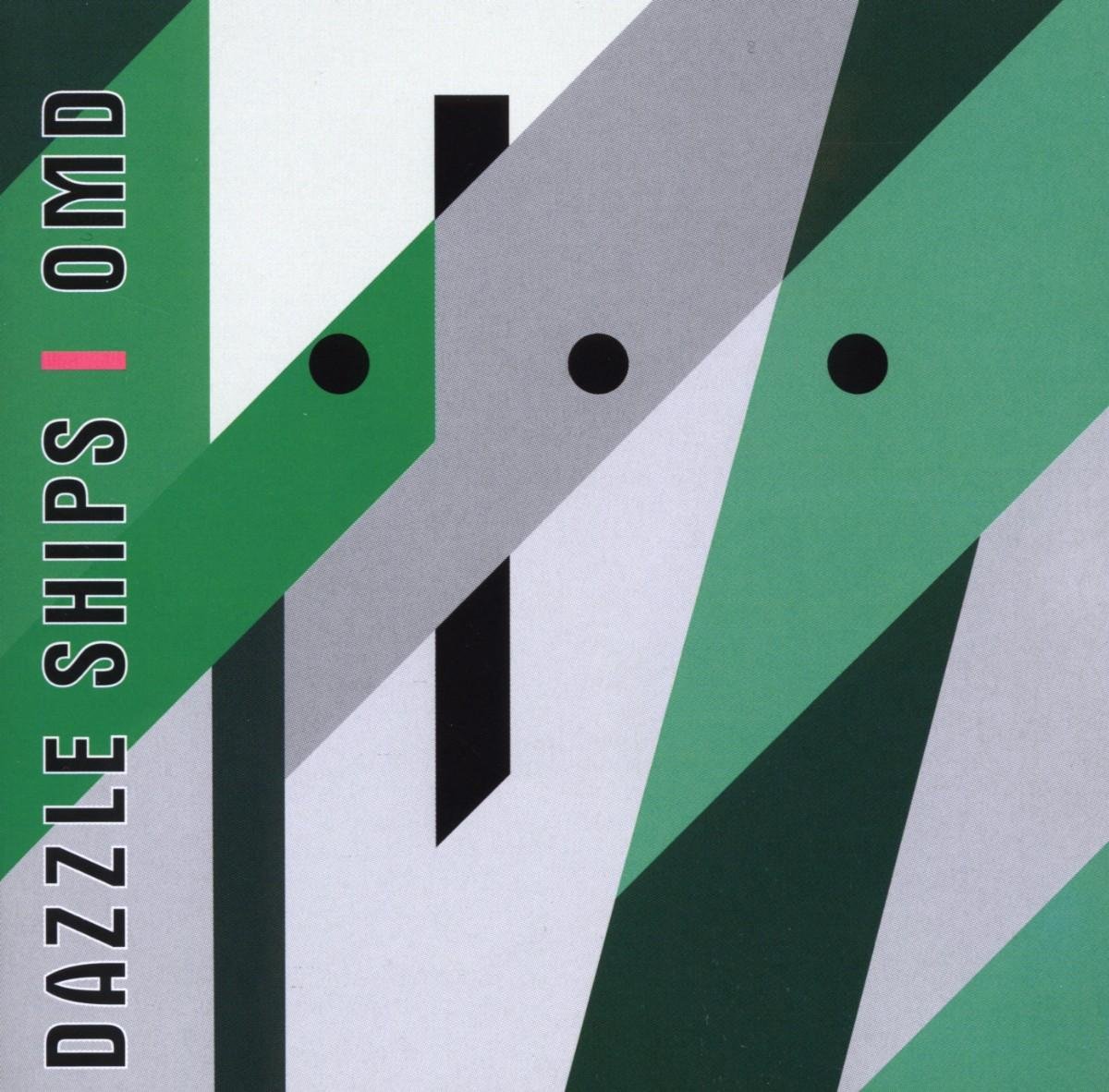
5. OMD, Dazzle Ships (1983): I prefer “Souvenir” to “If You Leave” but their infamous fourth album sounds like neither (although “Silent Running” is not too off from the former.) Andy McCluskey’s weird voice meshes really well with the weird, jarring-but-still-catchy music.
6. Rickie Lee Jones, S/T (1979): A recent convert to her second LP, Pirates, her debut’s a respectable one. At this point, she has more command of the jazzy bop stuff than the ballads (“Coolsville” excepted) and the hit remains one of the more delightfully odd ones of its era.
7. Trashcan Sinatras, I’ve Seen Everything (1993): Nearly every track sounds like a slightly different band, at least musically. It’s a shame I didn’t hear this at the time for it might’ve made as seismic an impact on my 18-year-old self as The Smiths’ Best… 1 had.
8. Mdou Moctar, Afrique Victime (2021): Aware of multiple African musical genres, I only know Afrobeat/Fela Kuti. As for this much-hyped-in-the west Tuareg guitarist, his pyrotechnics serve the melodies more often than not; still, I found the acoustic grooves more compelling.
9. Susanne Sundfør, Music For People In Trouble (2017): Jim Steinman-worthy “Undercover” and climactic “Mountaineers” aside, this eschews Ten Love Songs’ synth-pop anthems for soundscapes far more stripped-down and contained. More musicians should attempt such a bold pivot.

10. Alex Lahey, I Love You Like A Brother (2017): I love Lahey’s second album but her first is the work of someone who set out to make a near-perfect ten track pop punk record and fully understood the assignment. She has the potential to become a 21st-Century Kirsty MacColl.
11. Low, HEY WHAT (2021): Reviews led me to expect something harsher; while abrasive enough, this is more like noisy dream pop, constantly swerving and surprising but also unexpectedly melodic, applying blissful harmonies to unconventional structures. A good headphones album.
12. Frank Sinatra, Watertown (1970): Ambitious adult-pop song cycle that sounds like he’s emulating Scott Walker, of all people. It likely flopped because his voice is often too overbearing for the material; a vocalist such as Dionne Warwick might’ve lent more finesse to it.
13. The Housemartins, The People Who Grinned Themselves To Death (1987): More crisp, clean-cut pop with a subversive streak (title track’s about the Royals) but not much of an advance on their debut. You can hear them turning into The Beautiful South on (great) closer “Build”.
14. Isaac Hayes, Hot Buttered Soul (1969): Alternate title: “Opulence – You Own Everything.” Two years before Shaft, Hayes’ breakthrough is a paean to excess with little precedent; in other words, when you slow James Brown down from 45 to 33 RPM, funk turns into prog (and soul.)
15. Virna Lindt, Shiver (1983): Swedish would-be avant-chanteuse (check out her 2021 single “Once”) has no qualms about placing spoken-word tone poems next to a mostly instrumental piano-pounder called “I Beat the System” and a wonky cover of “Windmills of Your Mind”.
16. Amy Rigby, A One Way Ticket To My Life (2019): Comp culled together to promote her fab memoir “Girl To City”, it has very few duds among its 19 four-track demos; a few (“Housecleaning”, “You’re Getting Old”) are almost worthy of 1996’s classic Diary of a Mod Housewife.
17. Prefab Sprout, I Trawl The Megahertz (2003): Originally released as a McAloon solo LP. Experimental but not inaccessible, it sports his loveliest arrangements and most inscrutable content. Worth hearing, even if you don’t hear his heavenly vocals until the penultimate track.
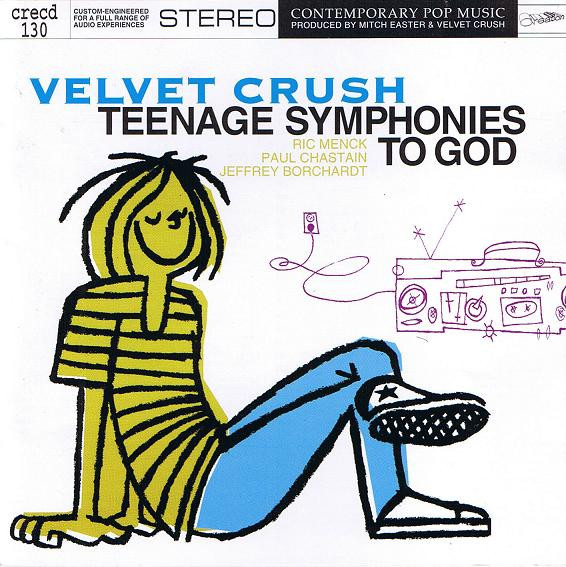
18. Velvet Crush, Teenage Symphonies To God (1994): Assigned to review their last LP, Stereo Blues in 2004, I’m just hearing this one now and yep, they’re the American Teenage Fanclub—power pop more diverse than Bandwagonesque, even, with the quieter stuff an unexpected treat.
19. Roberta Flack, First Take (1969): She’s like a smoothed-out Nina Simone but the latter’s genius was in those jagged edges. Since he put the MacColl song in Play Misty For Me, Eastwood could’ve also added the Cohen cover for Jessica Walter’s supremely unhinged character.
20. Beach House, Once Twice Melody (2022): Lost track of them after Bloom; this is an expansive return. Everything sounds the same but it rarely stagnates & occasionally startles (that instrumental coda at the end.) Between this & Big Thief, is 2022 the year of the double LP?
21. Kate & Anna McGarrigle, S/T (1976): The word *idiosyncratic* comes to mind, even if it’s not any further out there than Joni or Judee (or Rufus or Martha, no less)—more like Richard and Linda Thompson but with the sibling dynamic rendering it something uniquely their own.
22. Joni Mitchell, Shine (2007): Put off by the Starbucks connection and the covers (both LP and new “Big Yellow Taxi”), I avoided this until now. Not great Joni, but as good as nearly any of her post-Hejira work—that it’s likely her final LP now lends it a sentimental tint.
23. Chris Bell, I Am The Cosmos (1978): It’s tempting to liken this to Big Star’s Third; Bell is less falling apart than struggling to stay afloat. He’s not straining to write decent tunes, fortunately, for at least three or four stand with his best contributions to #1 Record.
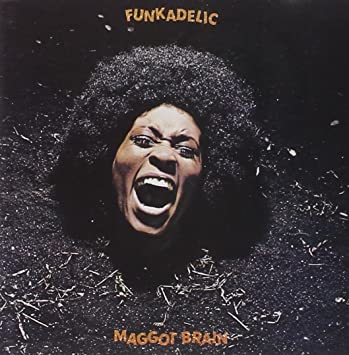
24. Funkadelic, Maggot Brain (1971): Justly celebrated 10-minute-long title cut feels half that length, nine-minute closer feels twice as long as that (but I don’t mind much) and “Can You Get To That” gives off the impression of deceptive politeness but it absolutely SLAMS.
25. Vampyros Lesbos: Sexadelic Dance Party (1971): Groovy horn-and-sitar-laden kitsch that not only lives up to its title but gets progressively more insane. Wanted to say it likely inspired more than a few Tarantino soundtracks and whaddya know, there’s a cut in Jackie Brown.
26. Stan Ridgway, Neon Mirage (2010): Haven’t heard much of his post-1995 output and it’s almost startling how mature and sincere the guy who once sang “Mexican Radio” sounds here. Exotica and reggae pastiches aside, it’s also a bit boring, lacking the picaresque tales of yore.
27. Tears For Fears, The Tipping Point (2022): The middle sags but this begins and ends so strongly I’m gobsmacked to name another legacy act making such vital music now. Of course, the 18-year break probably helps, not to mention how remarkably young Curt Smith still sounds.
28. John Cale, Fear (1974): Thought this wasn’t all that different from its predecessor Paris 1919 until I got to “Gun” which could be a VU cut. I now wanna check out his other mid-70s stuff, for this sleazier rock vibe (“The Man Who Couldn’t Afford To Orgy”(!)) most suits Cale.

