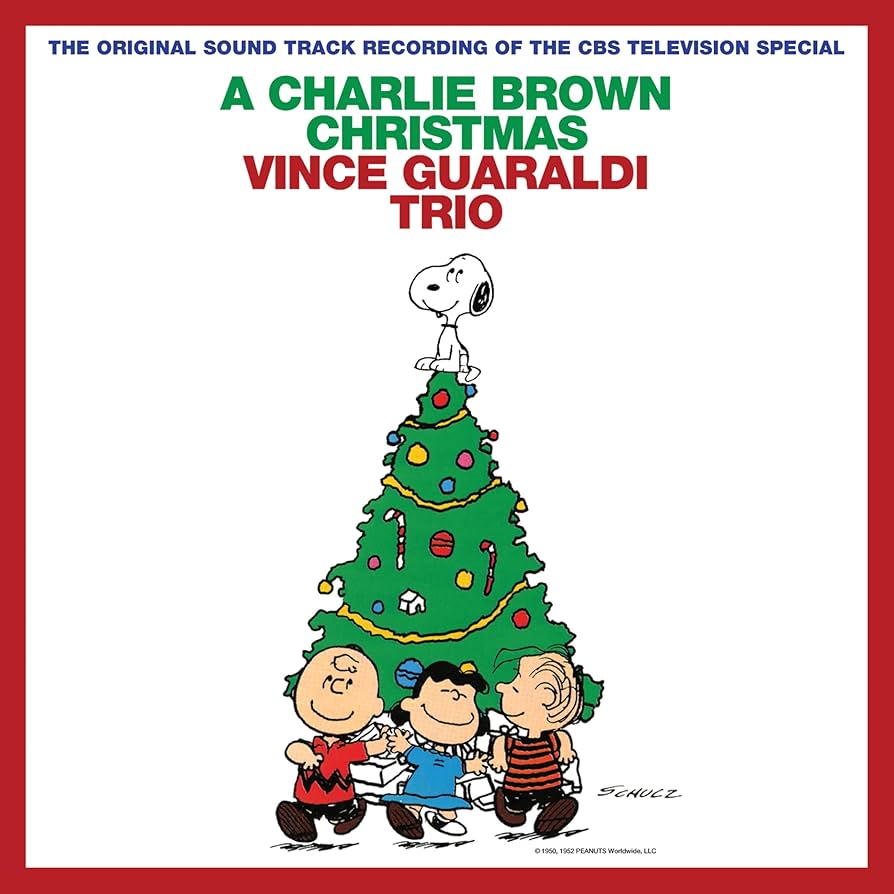
Vince Guaraldi Trio, “A Charlie Brown Christmas”

Reposting this piece originally written in 2014 in honor of this special’s/soundtrack’s 60th anniversary.

I cannot emphasize enough the impact Peanuts has had on my life. Charles Schulz’s comic strip is as important to me as any of the albums or films I’ve ever written about here. His sense of humor and highly singular yet relatable way of observing the world has resonated with me for as long as I can remember. In childhood, instead of playing with Star Wars figurines or watching Transformers after school, I dutifully collected Peanuts reprint books and watched every half-hour animated television special whenever it aired. Those shows, always preceded by that CBS Special Presentation logo with the thrilling percussive roll and orchestral fanfare, must have been my introduction to Schulz’s work. From an early age, I can recall sitting on the floor with my mom right in front of our TV set, watching the charmingly low-budget animation, hearing the identifiable soundtrack of children’s voices (a rarity at a time when adults providing cartoon character voices was the norm), the muted trumpet standing in for all parents/teachers, and of course, Vince Guaraldi’s jazz score.

In recent years, “Charlie Brown Music” has become one of my favorite phrases to utilize in music criticism because it is so obviously made-up and hyper-specific: if you’ve seen one of the fifteen or so Peanuts specials that Guaraldi scored or have even heard “Linus and Lucy” in isolation, you know exactly what that three-word term implies—mid-century instrumental piano jazz exuding equal amounts childlike whimsy and grown-up melancholy, performed with gentleness but also agility. Although Guaraldi had been recording for nearly a decade and had an actual crossover top 40 hit with “Cast Your Fate to the Wind” three years before, his soundtrack for the first Peanuts special, 1965’s A Charlie Brown Christmas exposed him to a considerably larger audience. From then on, until his death from a heart attack at age 47 in 1976, he was known less for his status as one of his era’s most idiosyncratic and talented West coast jazz pianists and more as the man who created “Charlie Brown Music”—a role he obviously relished, as he spent his final decade working primarily with Peanuts.

A Charlie Brown Christmas received instant critical and public acclaim on its first airing and quickly became a perennial, rerunning on prime-time network TV at least once every year since. Nearly a half-century on, the soundtrack album is just as iconic, although this wasn’t always the case. Released a week before the special first aired, it initially missed the Billboard Album chart (not uncommon for a jazz record.) Over the next twenty-five years, it’s hard to say how well it sold as it was not certified Platinum or Gold during that time. However, after a CD reissue in 1988, it began popping up in more store displays every December. Since 1991, when Billboard started using Soundscan (which relies on computer data to track record sales), the album has sold over five million copies—the tenth best-selling Christmas/holiday album in the U.S. during that time period. In 1992, I bought the album on CD and it immediately became a seasonal listening staple in both my parents’ home and practically everywhere I’ve lived since.

As a soundtrack album, A Charlie Brown Christmas is somewhat peculiar. Whereas the special begins with that beautiful, evocative scene of the kids ice skating to the vocal take of “Christmas Time Is Here”, the album kicks off with “O Tannenbaum”, which doesn’t appear until the special’s second half. Not only does the entire album fail to follow the special’s chronology (“Hark, the Herald Angels Sing” which concludes the special, seems randomly dropped in as track eight), it includes a few selections not heard in the special at all (“My Little Drum”, “The Christmas Song”) and misses some of the stuff actually in it—most notably the lounge-y, upbeat incidental music playing when Charlie Brown frets over Snoopy’s participation in a “lights and display contest” for the latter’s doghouse. Of course, only obsessives and completists worry about such things, but after having heard this album about one hundred times in the last 30-odd years, I can’t help but notice its imperfections.

Fortunately, very little else about A Charlie Brown Christmas is less than perfect. I’d like to think one major reason why it has endured for so long and arguably grown in popularity is that it doesn’t sound like much holiday music that preceded it. Guaraldi was far from the first artist to make a Christmas jazz record—everybody from Louis Prima (the swinging “Shake Hands With Santa Claus”) to Duke Ellington (“Sugar Rum Cherry”, a sly takeoff of a song from The Nutcracker) beat him to it—but his melodic, accessible version of cool jazz proved ideal for capturing a very specific hue of the holiday season. These mostly instrumental songs, with their simple piano-bass-drums arrangements emanate as much comfort and joy as they do wistfulness and poignancy. Depending on your own present state of mind, they have the tendency to shift heavily towards either end of this emotional spectrum. However, Guaraldi has no use for grandiose melodrama: nearly every song here bespeaks understatement and intimacy and collectively, the album provides a balm of sorts to what is for many the most stressful time of year.

A Charlie Brown Christmas has its share of covers of holiday standards, roughly split between swing-trio versions of “O Tannenbaum” and “What Child Is This” and more liberal readings like “My Little Drum”, which modifies the melody of “The Little Drummer Boy”, sets it to a shuffling bossa-nova, and adds in some kiddie onomatopoeic vocals. Guaraldi’s original songs, however, have become the album’s real standards over time. Presented in both instrumental and vocal versions, “Christmas Time Is Here” is nearly as well-known as any carol you can name and possibly the epitome of the album’s equation of the season with a kind of sweet sadness. “Skating” is a lovely little tune where Guaraldi’s descending piano trills mimic gently falling snowflakes, only to follow them with ascending chords before they return and the natural cycle repeats itself. “Christmas Is Coming” has an irresistible, up-tempo momentum to it, right from Guaraldi’s opening rhythmic piano licks to its swing interlude mid-way through.

And then, there’s “Linus and Lucy”, as recognizable from its era as “(I Can’t Get No) Satisfaction” or “Strangers in the Night” and the closest thing Peanuts ever had to a theme song. It’s not a Christmas tune, and it wasn’t even written for this special but for a documentary about Schulz made two years before that never aired. It appears in the special during the rehearsal scenes where most of the cast would rather get down to Guaraldi’s catchy number than prepare for the Charlie Brown-directed Christmas pageant. The song’s instrumental primary melody is an instant earworm while the rumble of the bass melody adds complexity without distracting from the main hook. It alternately rocks, swings and sighs (those elongated chords Guaraldi occasionally throws in) and has no precedent as strictly jazz or pop—it’s a true hybrid, much like the rest of Guaraldi’s “Charlie Brown Music”.

Those interested in exploring more of his work should head directly to The Definitive Vince Guaraldi, a comprehensive two-disc career overview, and Vince Guaraldi and the Lost Cues, two volumes of music mostly from the early-mid ‘70s specials, revelatory for being unexpectedly funky, and proof that Guaraldi kept pushing himself creatively to the end. Since originally posting this essay, we’ve seen the release of multiple soundtracks from later Guaraldi-scored specials; most essential are It’s The Great Pumpkin, Charlie Brown (1966), A Charlie Brown Thanksgiving (1973) and It’s The Easter Beagle, Charlie Brown (1974). Still, A Charlie Brown Christmas remains Guaraldi’s most culturally significant achievement: as each holiday season passes, it feels more timeless, ensuring that it will be heard for many Decembers to come.
Top Ten Albums of 2025

An exceptional year for new music, even if much of what follows are late-career triumphs by long-adored artists. Fortunately, there are two entries from singer-songwriters mostly new to me and another by a young Irish musician who seems poised to take over the world. 

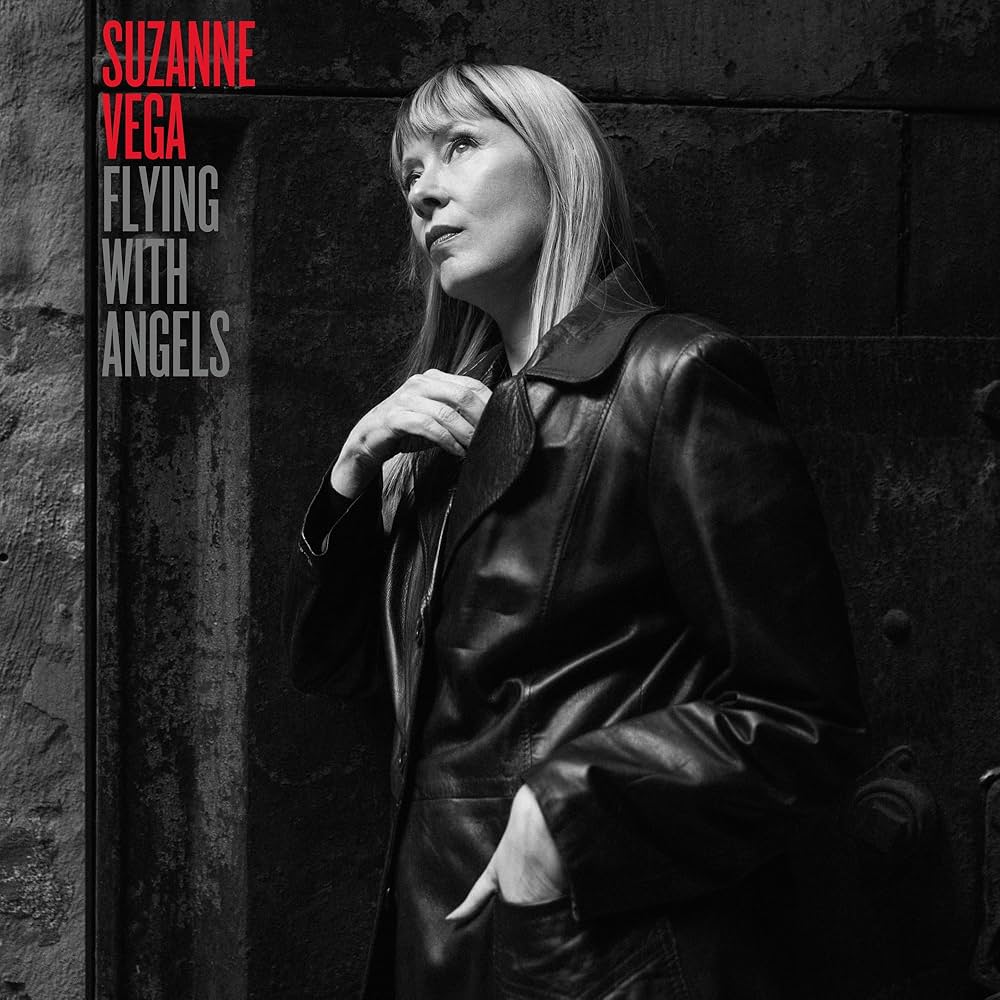
10. Suzanne Vega, Flying With Angels

I’d be shocked if Vega in her mid-sixties scored another surprise hit like “Luka” or “Tom’s Diner” but I also never would’ve guessed that she’d put out her best album in nearly twenty years. It helps that she’s not content to rest on her laurels, essaying new-to-her sounds like jaunty post-punk/new wave (“Rats”) or blue-eyed soul verging on yacht rock (“Love Thief”). Her signature sound is as spirited as ever whether it’s pop (the single “Speakers’ Corner”), folk (interpolating classic Dylan on “Chambermaid”) or something in between (the electric, spare title track.)

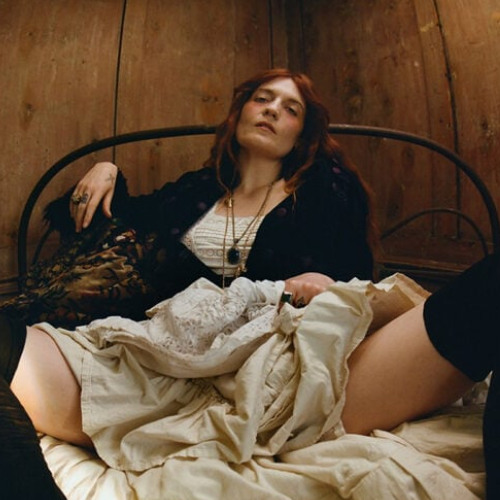
9. Florence + The Machine, Everybody Scream

Just I began losing faith in Florence Welch, she came roaring back with her most interesting album in a decade. It may not have a single track as immediate as her best (from “My Love” to the immortal “Dog Days (Are Over)”) but she appears to be playing the long game, retaining an ever palpable drive but locating and cultivating a sharpened focus that has often eluded her. She acknowledges her elder status but makes artful, witty, candid sense of it: “It must be nice to be a man and make boring music because you can,” she quips in “One of the Greats”, and she’s only half-joking.

8. Hatchie, Liquorice

On her third album, this Brisbane-bred musician dives even further into lush, heavily-reverbed and multitracked guitar-centric dream pop influenced by the Cocteau Twins and an array of 90s shoegaze bands (especially The Darling Buds, who split the difference between those two genres most successfully.) Arguably, she already perfected this balance on her effervescent (and to-date, still best) song, 2022’s “Quicksand”.  However, her songwriting and arrangements still feel fresh rather than frozen in amber, their sparkling hooks cascading on by in one breathless, euphoric rush, especially on “Sage”, “Lose It Again” and “Only One Laughing”.

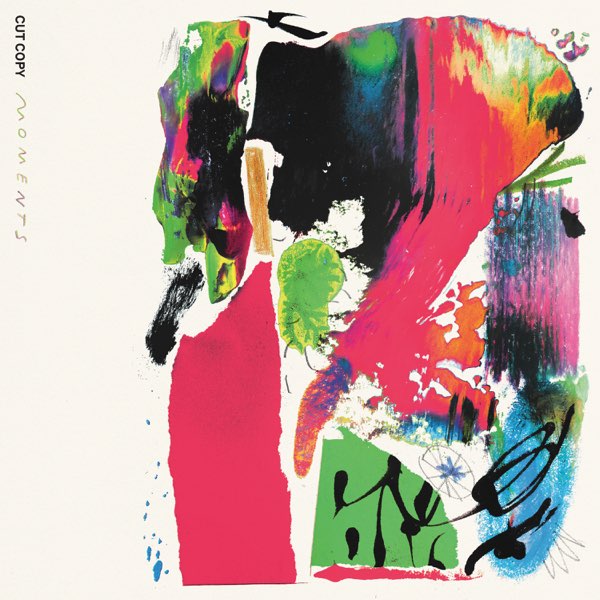
7. Cut Copy, Moments

Like fellow Australian Hatchie, this quartet primarily draws from a distant past—in this case, early 80s synth-pop (vocalist Dan Whitford has always resembled The Human League’s Philip Oakey) but they’ve gradually outgrown coming off a tribute act with pop’s aesthetics across the past few decades slowly melding into a timeless, genre-bending whole. Their latest has some of their catchiest and tightest songs in years (“Belong To You” even manages to fold in some pedal steel!) but it also makes room for experiments like the seven-minute title track which thrillingly transforms midway into a hypnotic, Krautrock (or maybe Kraftwerk?)-derived groove.

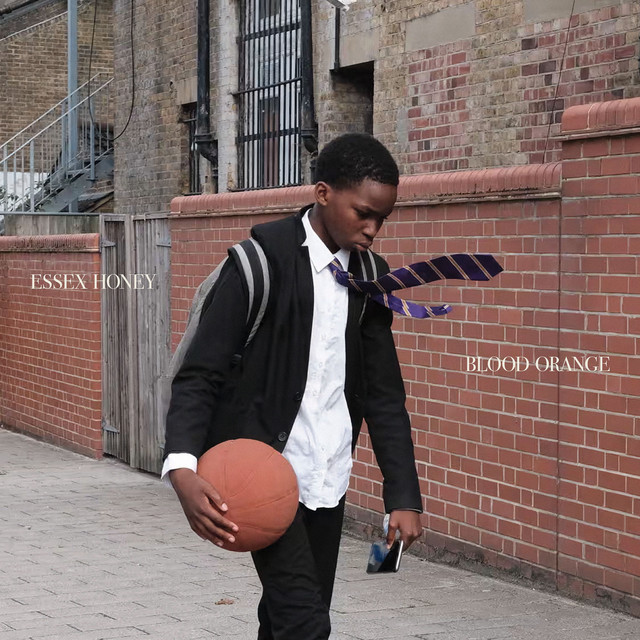
6. Blood Orange, Essex Honey

Aware of but not really familiar with Dev Hynes’ long-running musical project, his first release in seven years got my attention with its ultra-specific tone (elegiac 80s British sophisti-pop such as Prefab Sprout and Scritti Politti) and unusual song structures (tracks are often broken up by fragments of seemingly unrelated tunes and melodies.) The likes of Lorde and Caroline Polachek make guest appearances but they’re unflashy and as fully integrated into the sonic textures as samples from The Durutti Column and Ben Watt. It unfolds like a melancholic dream, evoking scattered childhood memories as it processes longing, loss and grief.

5. Jens Lekman, Songs For Other People’s Weddings

Released in tandem with a David Levithan novel of the same title (featuring Lekman’s lyrics), both the book and this album spin a narrative of “J”, a wedding singer-for-hire based on this Swede’s own side hustle (itself running parallel to being one of the more distinct singer-songwriters of his generation.) Clocking in at eighty minutes, this first solo release in eight years is easily his most ambitious to date, alternating trademark orchestral pop with electronic breakbeats and scene-setting interludes, pulling off a ten-minute epic (“Wedding in Leipzig”) as nimbly as he does impeccably conceived short stories in half that time (“A Tuxedo Sewn For Two”).

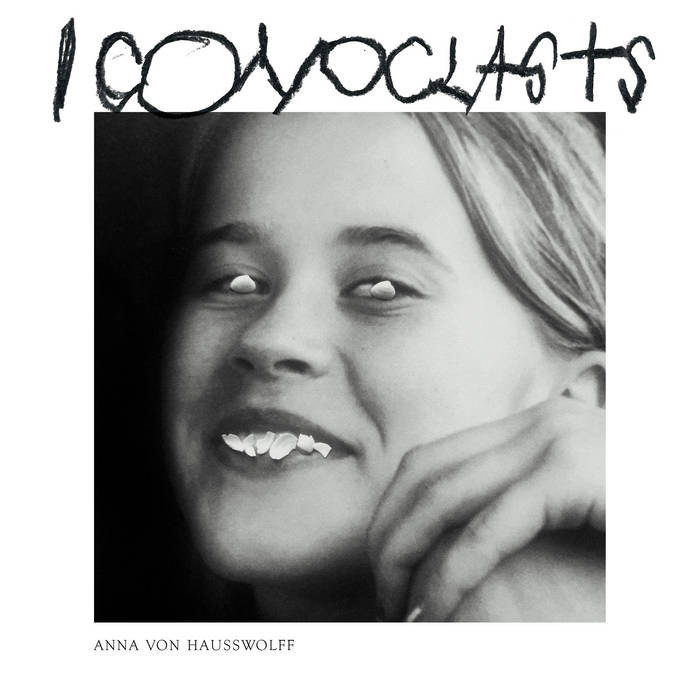
4. Anna Von Hausswolff, ICONOCLASTS

Another Swedish musician, Von Hausswolff’s gothic, cathartic wall of sound couldn’t be further from Lekman’s wistful reveries, even though her first album in five years is nearly as long (and twice as epic) as his latest. Only fleetingly aware of her past output, I immediately took to these loud, dramatic soundscapes (if only she had had the opportunity to work with the late Jim Steinman!) Kindred spirits Ethel Cain and an ever-warbly Iggy Pop show up but the album’s guest MVP is saxophonist Otis Sandsjö whose melodic riffs and raucous squawks unlock seemingly limitless possibilities in Von Hausswolff’s approach, especially on the slippery, startling, propulsive “Struggle With The Beast”.

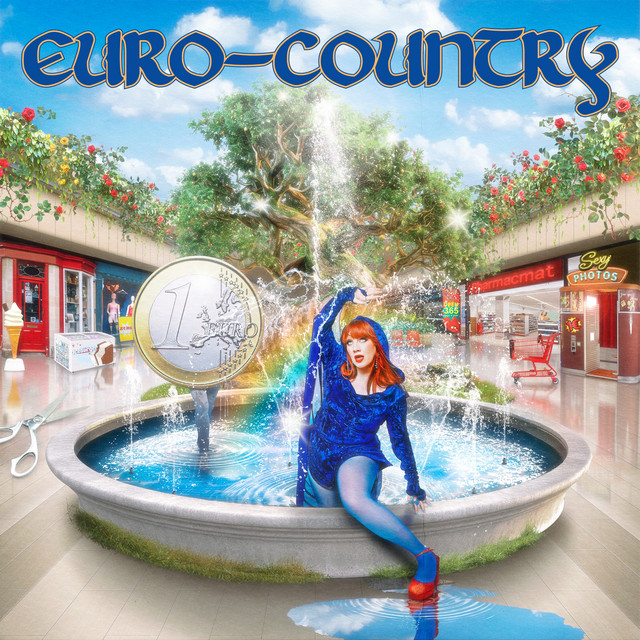
3. CMAT, Euro-Country

Ciara Mary-Alice Thompson’s third album is this year’s great leap forward. I could sense it from the delightful videos she put out for its pre-release singles and as a whole, it’s only collectively grown on me over the past few months. One could deem her an Irish Chappell Roan but she’s closer to a Gen-Z Kirsty MacColl—clever, cheeky, impassioned, someone you can’t help but root for. She excels at tunes not only packed with memorable choruses but verses and bridges, too, plus a deeply felt perspective all her own, suffused with carefully considered snark (“The Jamie Oliver Petrol Station”) cunning wordplay (“Janis Joplining”) and eloquent heartbreak (“Lord, Let That Tesla Crash” and the sweeping title track.)

2. Saint Etienne, International

When this venerable British trio announced their 13th album would be their last, it was unexpected and bittersweet (they’re not breaking up per se but rather “drawing a line in the sand” and recording no more.) Unlike nearly all of their previous long players, International doesn’t really push their sound anywhere new, exactly, serving more as an “Oops! All Bangers” victory lap. Still, even without that added sense of finality, these twelve solid songs are both triumphant and poignant from opener/lead single “Glad” (as fresh-faced and euphoric as anything on Too Young To Die: Singles 1990-1995) to the cumulative resolve of closer “The Last Time”. A lovely bow on top of a singular discography.

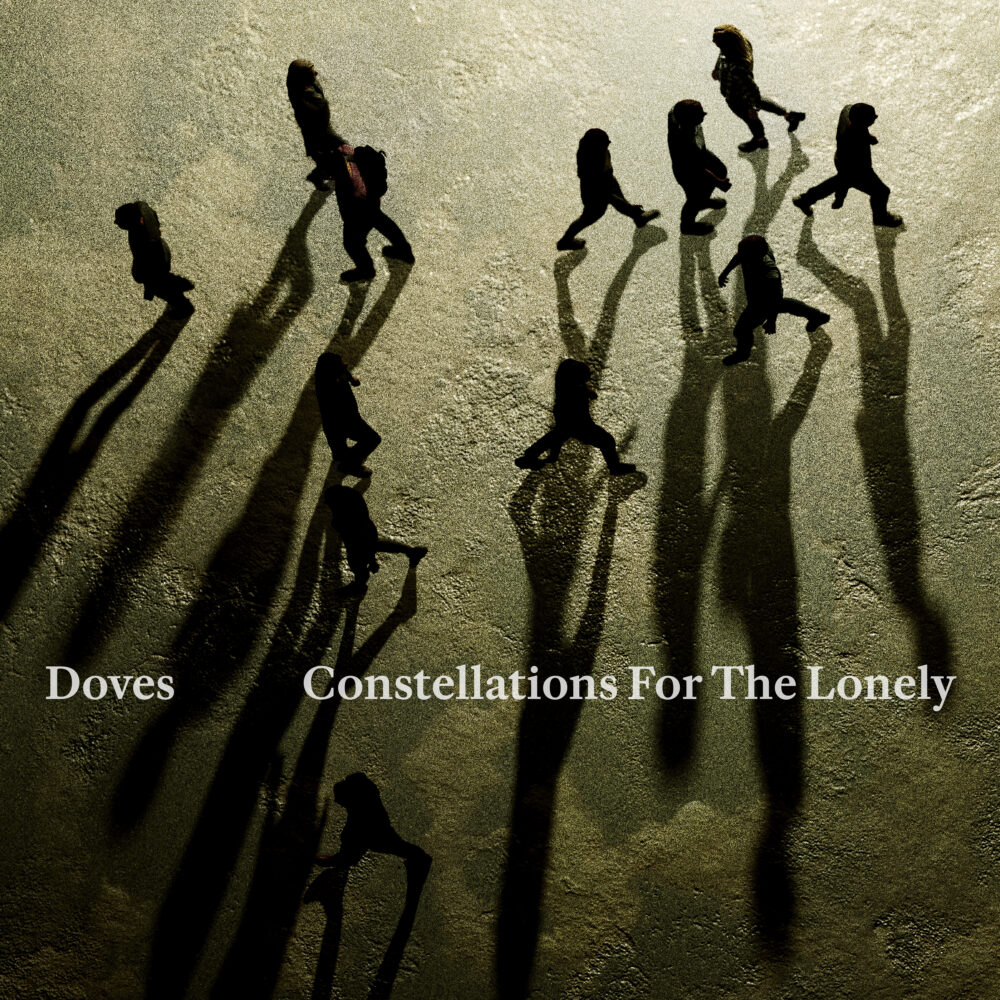
1. Doves, Constellations For The Lonely

It’s awfully rare, but occasionally, upon first listen, you just know you’ve heard what could potentially become one of your all-time favorite albums. After a long absence, this active-in-the-aughts band returned with 2020’s The Universal Want; five years later, they’ve followed it with an astonishing full-length that almost eerily anticipates the chaos and anxiety of how 2025 would play out (or likely was in the air to begin with.) One of the more cinematic, post-Britpop guitar bands to emerge after Radiohead’s OK Computer, they’ve never lacked for ambition, their power-trio dynamics enhanced by their expansive arrangements. Beginning with the supposedly Mad Max-inspired single “Renegade”, each song matches a solid rhythmic foundation with a sense of awe and reaching for transcendence. Even though vocals are now shared between all three members, lead singer Jimi Goodwin still defines them as does the searching and humaneness in their lyrics (“Be careful of those stupid schemes… never let them fill your mind,” Goodwin tenderly warns.) The momentum flows steadily throughout, expertly building in final track “Southern Bell” as it shifts from a mournful lament to a declaration of purpose in its exhilarating, near-apocalyptic second half.

Favorite Albums of 2025: Honorable Mentions

It’s likely a coincidence, but years ending in the number 5 have personally proven fruitful for new music as of late. 2025’s no exception and while I considered doing a top 20 albums list, I’m relegating it to a more digestible top 10. First, however, fifteen additional titles that didn’t make this top ten but would still wholeheartedly recommend (in alphabetical order by artist.)

Cate Le Bon, Michelangelo Dying. Fitting that this Welsh weirdo got John Cale, the biggest Welsh weirdo of them all to appear on her seventh album. Perhaps not as fine as her beguiling sixth full-length but she remains so convincingly herself that Cate’s always worth the wait.

FKA Twigs, EUSEXUA. Sticking with the original version of this released in January as the November redo somehow nixes its best song, “Girl Feels Good”. Quirky, surprising, genre-defying—if she still hasn’t made something as galvanizing or definitive as Brat or Ray of Light, she’s getting closer.

Ivy, Traces of You. A post-Adam Schlesinger effort (though it works his demo recordings into every track), my skepticism vanished upon hearing those inimitable “do-do-do’s” from the apparently ageless Dominique Durand on the opener and also some of the near Apartment Life-level stuff that follows.

Jeff Tweedy, Twilight Override. Not yet ready to say this 30-track is the best pop triple LP since 69 Love Songs but Tweedy is nothing if not a consistent songwriter and I’m unable to detect any real throwaways here. The charming, rocking “Lou Reed Was My Babysitter” sports the song title of the year.

Maria Somerville, Luster. In these times, I lean towards gauzy, meditative dream-pop for comfort. This Irish musician’s third album courts the more ethereal side of this genre. It blurs together for sure but you’re not left wanting for hooks, just blissfully immersed in her soundscapes.

Matt Berninger, Get Sunk. Haven’t recently heard The National’s two 2023 albums in full but my gut says this new solo one from its vocalist is better than both since it can’t deny the arresting sonic palette of “Inland Ocean” or solid melodies of “Bonnet of Pins”, “Frozen Orange” and “Little By Little”.

Mekons, Horror. After nearly 50 years together, it’s fair not to expect anything new from these beloved underdogs but they haven’t seemed so assured or impassioned since 2002’s essential OOOH! (Out of Our Heads). As they’re a band only a curmudgeon would hate, more of the wonderful same is most welcome.

Patrick Wolf, Crying The Neck. Only faintly familiar with his past work but others have cited his first album in 14 years a welcome return. It got my attention from its first spin: expansive, timeless baroque pop in the tradition of Rufus Wainwright, Owen Pallett and other queer singer-songwriters, including…

Perfume Genius, Glory. With each album, Mike Hadreas’ ongoing project finds new ways of expressing and developing his worldview, resulting in hard-to-classify songs like “It’s A Mirror” and “Clean Heart”: pop songs, for sure but full of doors leading to other rooms, not dead ends but open and free.

Pulp, More. A reunion album from Jarvis Cocker & co. shouldn’t work, but this cheekily-titled one mostly does. Sounding positively involved and inspired, Cocker has gracefully grown into wizened elder he’s always aspired to be, from bangers (the tremendous “Got to Have Love”) to ballads (“Farmers Market”).

Robert Forster, Strawberries. A scant two years after The Candle and The Flame, Forster forges some new paths here from the title track’s Donovan-esque bubblegum to tender character studies (“Foolish I Know”, about queer (!) longing) and epic prose poems (the Go-Betweens worthy “Breakfast On The Train”.)

Stereolab, Instant Holograms On Metal Film. One of the most unexpected of 2025’s many returns-to-form. Granted, they sound exactly like they did in 2010 (and 1995, for that matter) and it proves more a blessing than a curse as they’re still capable of crafting sublime melodies and incomprehensible song titles.

The Tubs, Cotton Crown. Call it The Tubs Leave Home which is to say, a twinge more refined than their debut and ever-so-slightly more accomplished (Johnny Marr would kill for the erudite lead riff on “Narcissist”.) A substantial effort but I anticipate seeing how their Rocket to Russia will turn out.

Wet Leg, Moisturizer. Rhian and Hester would like you to know that they don’t wish to be one-hit wonders (lead single “Catch These Fists” affirms it) and that they’re possibly in it for the long haul while keeping their irreverence in check on playful confections with titles like “Mangetout” and “Pokemon”.

Wolf Alice, The Clearing. These indie-rocking Brits diving headfirst into lush 70s-inspired AOR was not on my 2025 bingo card, nor was the crisp, catchy “White Horses” which resembles a woodsier B-52’s, of all things. Call it their pop sellout move but also call it for what it is: an uncommonly good one.

An Album A Day: # 81-100

Fifth and final round of this music library listening exercise finds solace in bop-jazz, goth, power-pop and weirdos from France, UK and even Bulgaria.

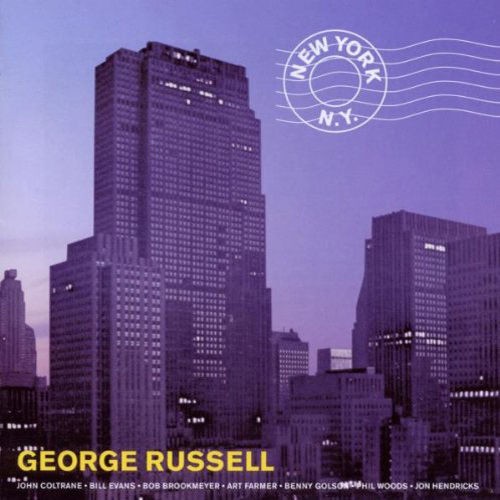
81. George Russell, “New York, N.Y.” (1959): Cool east coast orchestral jazz with peppy spoken interludes from Jon Hendricks, Rodgers’ &Hart’s “Manhattan” fitting in seamlessly alongside the “East Side Medley” (“Autumn In New York/How About You”), ideal for cocktails or strolling through any city.

82. Kendra Smith, “Five Ways of Disappearing” (1995): This surveys the hypnotic drone you’d expect from an ex-Dream Syndicate member so the relatively jaunty stuff (“In Your Head”, “Maggots”) are welcome surprises. Has a bit of that mid-90s CD-era bloat but given her absence since, I’ll take it.

83. Siouxsie and The Banshees, “A Kiss In The Dreamhouse” (1982): They’re more of a singles-than-albums band than even The Cure. This one’s fine but it’s the only place to easily find the great “Fireworks” (as a bonus track) which led off the now deleted singles comp that was my introduction. 

84. The Chills, “Kaleidoscope World” (2016): 24-track version. Early singles comp runs the gamut from DIY postpunk (“Bite”) to lush janglepop (“Doledrums”) and occasional nods to kindred spirits the Soft Boys (“Dream By Dream”) and Go-Betweens (“Pink Frost”). In other words, essential 80’s indie.

85. Bob Dylan, “Rough and Rowdy Ways” (2020): After years of wheezing his way through the standards, he drops this about-face as if to say, “I’m still Dylan, and you’re not.” He does, in fact, contain multitudes & even has something worth saying about JFK. Does he have another one of these in him?

86. Redd Kross, “Redd Kross” (2024): Endearing sloppy, impassioned power pop’s what they’ve always excelled at; a self-titled 18-track edition of it risks being seen as calculated, but whatever, it works to a degree where by the time it reaches “Born Innocent” most listeners should be all grins.

87. Mel Torme, “Mel Torme’s California Suite” (1957): Mel’s in excellent voice here & the whole thing emits a dry-martini cool that renders its earnestness even more palatable. Gets a little snoozy in the second half, perhaps, but I’ll play it whenever I think of Palm Springs & cruising on the PCH.

88. Trio Bulgarka, “Best Of” (2008): They collaborated with Kate Bush & their appearance in Leah Kardos’ 33 1/3 book on Hounds of Love moved me to hear more. The a cappella tracks best display how unique their voices blend but the rest is unobtrusive until going too heavy on synths near the end.

89. Beyonce, “Cowboy Carter” (2024): I long for the restraint of a super-tight single album instead of this CD-length behemoth, but it showcases her range arguably better than “Renaissance” did with inspired covers & at least a half-dozen classic originals (why wasn’t the zippy “Ya Ya” a single?)

90. Gruff Rhys, “The Almond and The Seahorse” (2023): Was expecting a primarily instrumental/orchestral soundtrack (there’s plenty of the former stuff at the end) but the excess of songs w/vocals renders this not far off from yer usual LP from the guy, only flabbier (it’s a soundtrack, after all.)

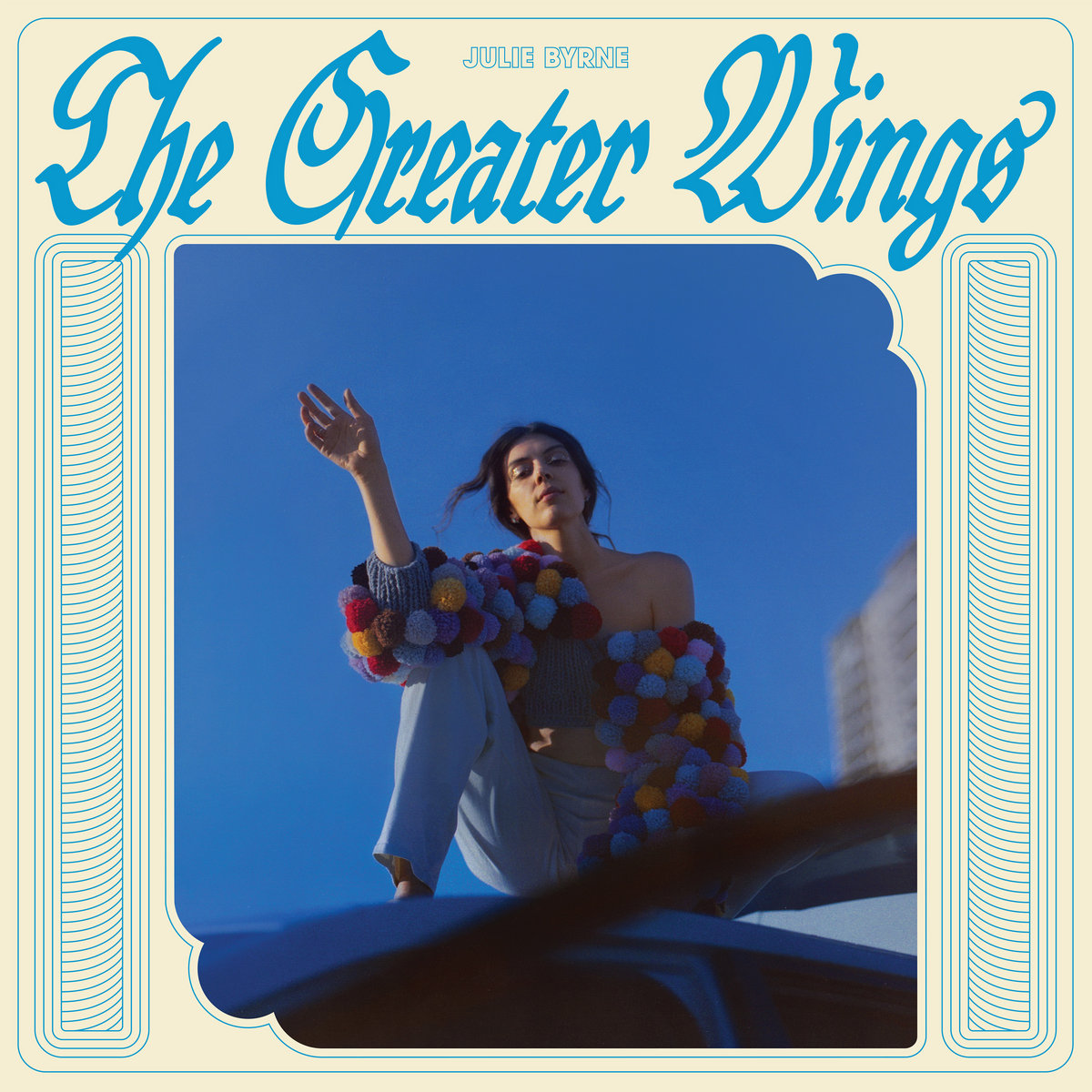
91. Julie Byrne, “The Greater Wings” (2023): Takes as much strength to sing quietly, like another instrument within the arrangement as it does to be the engine powering the song. She’s understated by nature but never overpowered by the music even if it takes a few spins for the whole to connect.

92. Miles Davis, “A Tribute to Jack Johnson” (1971): More compact, accessible & fun than “Bitches Brew” (which I do love.) I tend to pick rock over jazz given the choice but this suggests one doesn’t need to choose just one. Also liked the snippet of “In A Silent Way” from my most listened to Miles LP.

93. Michel Polnareff, “Polnareff’s” (1971): My kind of weirdo: psychedelia w/out trying to be “trippy”, sudden shifts in tempo, many out-of-nowhere diversions (galloping “…Mais Encore” could’ve been arranged for Tom Jones.) He’s nearly a French Os Mutantes & if that odd combo appeals, jump on this.

94. Marine Girls, “Lazy Ways/Beach Party” (1983/1981): Best known as Tracey Thorn’s pre-EBTG band, their two albums of skeletal DIY pop startle for their effort & ingenuity: amateurish but charming, not linked to a scene, emulating the Ramones’ approach w/out sounding like anyone but themselves. 

95. Mark Hollis, “S/T” (1998): As with the last two Talk Talk LPs, this defies categorization & discourages casual listening; it follows that a solo project would feel even sparer although the quantity of ideas present doesn’t render it minimalist. An inevitable farewell but I wish he’d done more.

96. Ghost of Vroom, “Ghost of Vroom 1” (2021): This Mike Doughty project’s the Soul Coughing equivalent of “Garfield w/out Garfield”. A novelty for longtime fans even if so much of it could’ve come out 30 years ago, though towards the end (“John Jesus Angleton”) it begins transcending such confines.

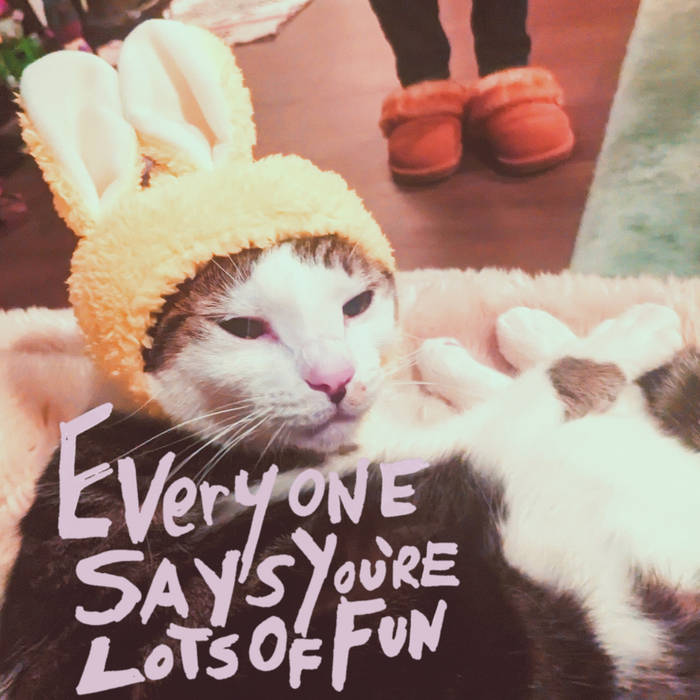
97. Oranger, “Everyone Says You’re A Lot of Fun” (2023): Twenty years after the great “Shutdown The Sun” (I was assigned to review it for a website), their uber-melodic power-pop’s still intact but less dynamic & driven as if to say, “We can still do this (if not as robustly as we once did.”)

98. The Dandy Warhols, “Odditorium Or Warlords of Mars” (2005): Tailored (Taylor-Taylor-ed?) to appease hardcore fans & repulse everyone else. I’m more a periodic admirer & might’ve hated it 20 years ago, but it’s solid except for the lengthy closer & the one where Courtney emulates Robert Smith.

99. Scritti Politti, “Early” (2005): The process of finding one’s self in their art as compiled juvenilia. Skanking bass, angular guitars, a snatch of glockenspiel and Gartside pre-falsetto vocally resembling a post-punk George Harrison. Fairly rough whereas his later output seems endlessly smooth. 

100. Flat Duo Jets, “Introducing” (1993): Neko Case raved about ‘em  in her memoir, the White Stripes arguably wouldn’t exist w/out ‘em & admittedly, 20 tracks in 40 minutes is pretty punk. I can get with their reverb-heavy garage rockabilly though I prefer it was wilder & much weirder than this.

An Album A Day: # 61-80

Round Four includes the usual blend of indie pop, classic jazz and disco camp, plus an album from over 50 years ago that may end up my favorite discovery of 2025.

61. The Felice Brothers, “From Dreams to Dust” (2021): I’ve played the heck out of the sly “Jazz on the Autobahn” but never checked out the rest & it’s strong, nearly an American Weakerthans more influenced by folk than punk. Dry humor & wordplay are also constants from “To-Do List” to “Celebrity X”.

62. Duke Ellington, “The Ellington Suites” (1976): Of the three (rather loosely-themed) suites this collects, The Queen’s Suite (1959), made just for QEII is the warmest and most realized (esp. “The Single Petal of a Rose”); the others, recorded in the 70s are fine but decidedly post-peak Duke.

63. Kid Creole & The Coconuts, “Fresh Fruit In Foreign Places” (1981): I suppose the best 8 (out of 12) songs here are as good as the 8 (out of 8) on their next album even if this is more varied. August Darnell sure pivoted from disco to new wave without diluting his essence or breaking a sweat.

64. Roger Nichols & The Small Circle Of Friends, “S/T” (1968): Always a sucker for late ‘60s sunshine pop so of course I was won over by the first trumpet solo (on track one!) A flop at the time, this studio project has enough nifty hooks and harmonies to render the two Beatles covers superfluous.

65. Jason Falkner, “All Quiet On the Noise Floor” (2009): A Japan-only release, it nearly rivals “Can You Still Feel” (1999), at least until peters out a little near the end. Still, Falkner should be a national treasure for having an identifiable sound and executing it better than anyone else.

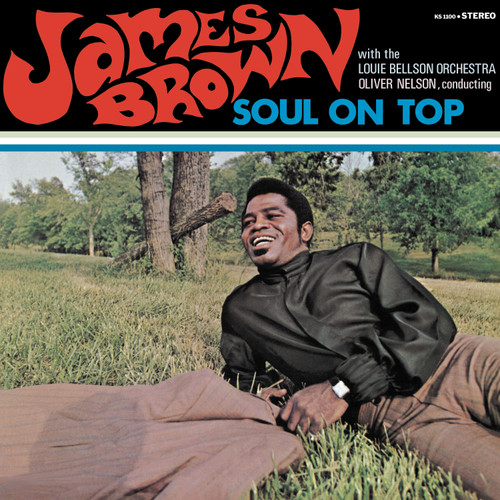
66. James Brown, “Soul on Top” (1970): If it’s perverse for him reverting to big-band arrangements while he was made career-defining vamp-heavy funk, note that this came out the year he began work with the JB’s. Being at his peak, the music’s secondary to Brown himself (though it’s still great.)

67. Susanne Sundfor, “Blomi” (2023): Was expecting far less English (after glancing over the song titles) and weirder song structures as well. We know she’s capable of bangers but by continuing withholding them she offers something unexpected and perhaps more novel in a world of Robyn wannabees.

68. Bill Callahan, “Gold Record” (2020): Spotify’s algorithms kept throwing his stuff my way and I see why although he’s more a personality-and-vibes guy than a man with hooks to spare. Rhymes Mel Torme with Kid and Play & that’s clever but his character sketches (“Ry Cooder”) are actually smart.

69. The Czars, “Best Of” (2014): Less goofy & synthy than his solo work, John Grant’s old band’s still defined by his baritone & lyrics. “Killjoy” & “Paint The Moon” might’ve been fluke hits like “Float On” & “Stacy’s Mom” in an alternate universe; all one could ask of this comp is a better title.

70. Thee Headcoats, “The Kids Are All Square, This Is Hip!” (1990): I’ve nothing against & mostly embrace garage punk of all stripes even as I can detect all the obvious influences from Kinks to Cramps. This could use more feminine energy so I’ll have to put Thee Headcoatees in my listening queue.

71. Daniel Rossen, “You Belong There” (2022): Did not realize how much Rossen contributed vocally to Grizzly Bear; isolated, his Garfunkel resemblance is unignorable but Garfunkel rarely had such heady material to sing over. I suspect this requires dedication and patience to unlock its secrets.

72. Madvillain, “Madvillainy” (2004): Sampledelic hip-hop that’s lean & economical (only 3 of 21 tracks exceed 3 minutes) while also exuding a limitless range of ideas & possibilities. Closer to Since I Left You than Operation: Doomsday although a deeper dive down the rabbit hole than either.

73. Silver Convention, “Madhouse” (1976): Christgau designated this “Protest Disco” but it’s not far from “Fly, Robin, Fly” (“Magic Mountain” affably recalls it). Pales a bit compared to Donna Summer’s concept LPs of the time, except when it’s transcendent camp (“Breakfast In Bed”, not a cover).

74. Terry Callier, “What Color Is Love” (1972): Turns out soul-folk is completely my thing (his resembling a male Dionne Warwick at times also helps.) Everything here is a marvel of warmth, grace and urgency, genuine instead of a grand statement and hopefully a portal to similar records/sounds.

75. The Coral, “The Coral” (2002): Only familiar with this decade’s output, their debut’s far rougher than expected, more beholden to primal boogie than the Beatles-esque touches of Super Furry Animals & their ilk. I guess one had to be there for it didn’t register much on this side of the pond.

76. Sofia Kourtesis, “Madres” (2023): Deep into the night at the club, everything’s kicking in, the music’s a bit of a blur but still registers if only as background noise, it only feels secondary yet you can’t imagine it not being there, it adds something vital even if you can’t articulate it.

77. Laurie Anderson, “Amelia” (2024): A typically idiosyncratic spin on Earhart’s story, embodying both the external & internal chaos that has remained her specialty since “O Superman”. ANONHI’s a welcome addition even if relegated to the mix; still prefer Joni Mitchell’s *song* of the same name.

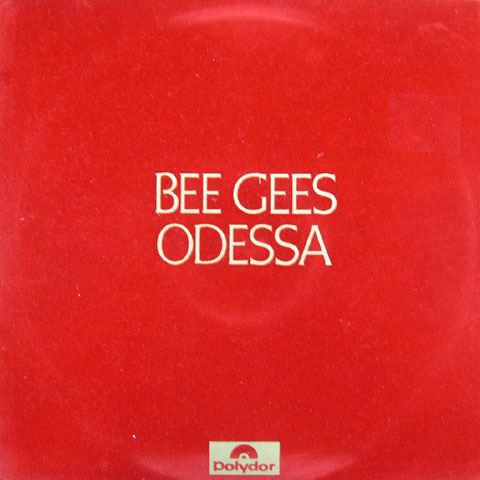
78. Bee Gees, “Odessa” (1969): Long-praised as their pre-disco magnum opus, I was relieved it turned out to be more than lachrymose ballads like single “First of May”. The orchestral stuff conjures up a Beatles trying to top Sgt Pepper’s while a dozen other left turns legitimize their weirdness.

79. Matt Berry, “Gather Up (Ten Years On Acid Jazz)” (2021): He’d be better known for his music if he sang as well as he spoke but at least he doesn’t half-ass it (as L. Cravensworth might remark.) A magpie devoted to post-Beatles, pre-Nirvana pop & this comp’s enough to make me want to hear more.

80. AHI, “The Light Behind The Sun” (2025): If his rousing 2021 single “Danger” was reminiscent of prime Seal, this is closer to the later, adult-contemporary version: tasteful, understated & sadly, bland. The simple song titles also don’t help distinguish this pleasant but unmemorable product.

An Album A Day: # 41-60

Round three includes a few records I’ve been meaning/waiting to hear for years (in some cases, decades) and others from years ago I hadn’t heard of until recently.

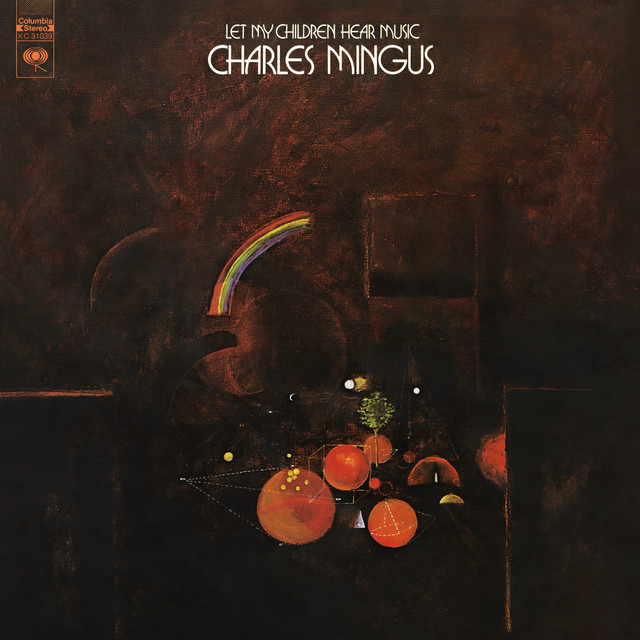
41. Charles Mingus, “Let My Children Hear Music” (1972): Late-period Mingus although you’d never guess since it’s as robust as early or prime-period Mingus (his artistry was that consistent.) The large ensemble allows his intricate arrangements to swell, and breathe, even on the recitation track.

42. Rosali, “No Medium” (2021): I’m far from the first to claim having trouble telling her voice apart from Aimee Mann’s in a blind test; how matter how uncanny the resemblance, her music is its own thing. Love how the acoustic opener gives little inclination to how electric and loud she can be.

43. Madonna, “Evita: The Complete Motion Picture Soundtrack” (1996): Just like JCS (the only Webber/Rice show I know well), the cheesiness gets by on its conviction & verve. An icon playing an icon requires a balancing act here steadied by the vulnerable catch in Madge’s vocals (trained or not.)

44. Bastille, “& (Ampersand)” (2024): Relatively stripped-down arrangements are most encouraging for a band so beholden to bombast & “Blue Sky & The Painter” proves Dan Smith hasn’t lost his knack for hooks (it’s this album’s “Pompeii”); the rest, while thoughtfully crafted tend to blur together.

45. The Auteurs, “After Murder Park” (1996): Third time not the charm as it pales somewhat compared to their first two. Blame Britpop oversaturation or just falling into formula although lyrics (“Unsolved Child Murder”) are still sharp, anticipating Haines’ next project more than the wan music.

46. ELO, “A New World Record” (1976): With such eccentric hit singles (“I’m TAKING / a DIVE!”), of course the deep cuts lean towards orchestral appropriations and operatic flourishes. Lynne could’ve sold out after “Evil Woman”; instead, he crafted a concise distillation of oddball pop, and it sold. 

47. Marika Hackman, “Big Sigh” (2024): I can name numerous singers I like whom Hackman reminds me of but I’m not yet sure what distinguishes her from them. For example, Cassandra Jenkins could craft a blurry, sonic playground like “Vitamins” but would she title one of her catchiest songs “Slime”?

48. Don Armando’s 2nd Ave Rhumba Band, “Deputy of Love” (1979): See, disco can be campy *and* classy. This August Darnell production even quotes the “Bonanza” theme with some subtlety. Happily, there’s nothing restrained about the glorious cover of “I’m An Indian Too” from Annie Get Your Gun.

49. Echobelly, “Lustra” (1997): Follow-up to “On” (an all-time fave) didn’t get a US release at the time which tells you more about record co. hijinks than a dip in quality. While not as brisk or sparkly, Sonya Madan’s still in fine form with guitars occasionally edging closer to shoegaze bliss.

50. Liza Minnelli, “Results” (1989): Like Streisand & Barry Gibb a decade before, Liza & Pet Shop Boys mesh together beautifully covering Sondheim, Tikaram, Elliman and of course Tennant/Lowe (even if “Rent” retains more power when sung by a boy.) A gutsy experiment that shouldn’t work but does.

51. a.s.o., “a.s.o.” (2023): I dug trip-hop in the 90s & still love it now; the prospect of trying to recreate that sound has promise & I wouldn’t necessarily mistake this for Morcheeba, Portishead, etc. but it’s merely pleasant—a sonic bath agreeably wafting overhead but nothing that lingers on.

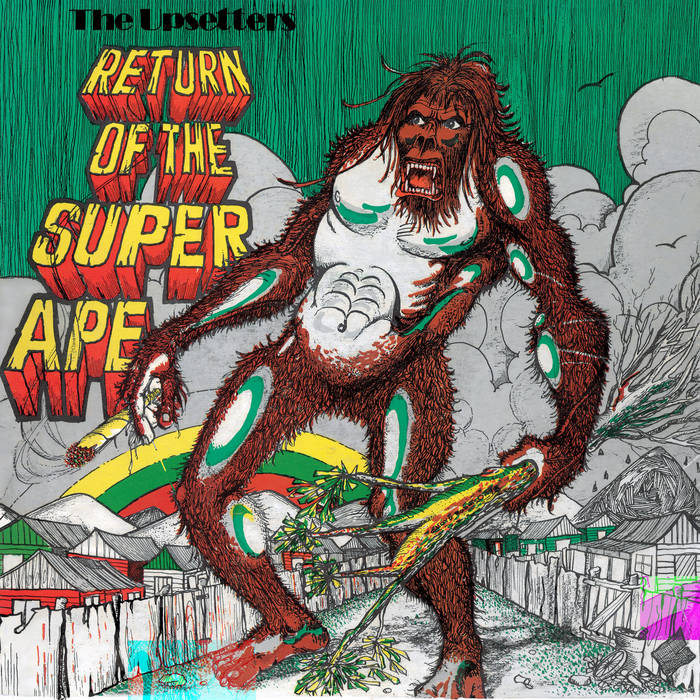
52. The Upsetters, “Return of the Super Ape” (1978): A massive sound that’s also most intimate with each percussive clang and ting nearly synchronizing with heavy basslines, its vocals alternately smooth like a calm breeze and as dense as a clogged drain. The reggae Kinks to the Wailers’ Beatles?

53. Original Cast Recording, “Operation Mincemeat” (2023): As I attempt to appreciate modern musicals more, this British WWII-set one is a prize, conforming to genre conventions & also slyly rewriting them, tempering period swing jazz with newer genres, accentuating story but never obscuring heart.

54. Jens Lekman & Annika Norlin, “CORRESPONDENCE” (2019): A year-long, two-way musical conversation between two Swedes. Mostly acoustic with some orchestral flourishes, he muses on endless beauty and badly-aged movies, she on cults and lengthy winters; they both find solace in each other’s words.

55. Hot Chocolate, “Cicero Park” (1974): Why is top 10 hit “Emma” forgotten but “You Sexy Thing” still gets played up the wazoo? Debut LP from these Brits is almost a Steely Dan informed by funk & soul rather than jazz & irony with nary a weak cut in the bunch—even the one called “Disco Lady” rocks.

56. Arooj Aftab, Vijay Iyer, Shahzad Ismaily, “Love In Exile” (2023): Even though Aftab’s sinuous vocals naturally dominate, this is more a communion between the three artists than singer-with-backup. Often stretched out to nearly fifteen minutes, their “songs” develop into epic, freeform poems.

57. Dory Previn, “Dory Previn” (1974): Less noteworthy for her vocals than her point of view, she’s almost the Shelley Duvall of pop music except not necessarily eccentric; quirky, for sure—even her most conventional tunes emit perspective and feelings that are homegrown rather than manufactured.

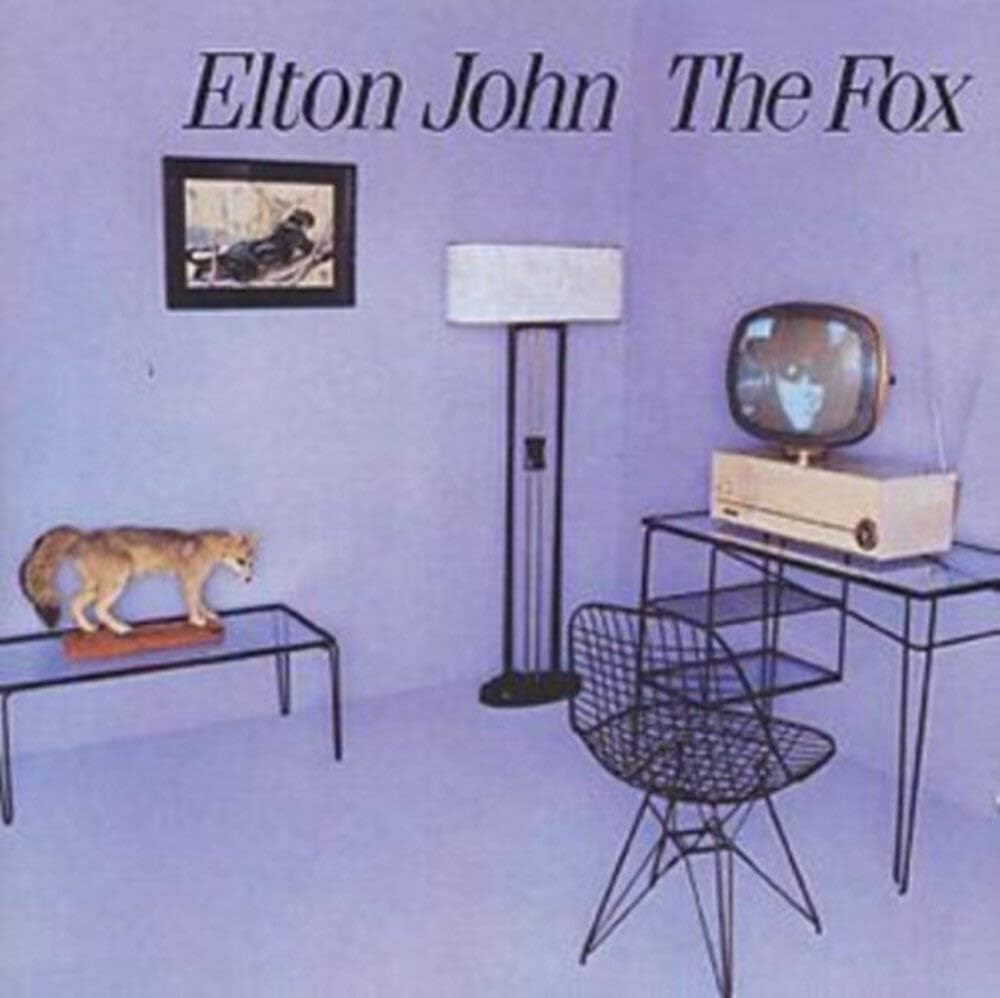
58. Elton John, “The Fox” (1981): Not difficult to see why this flopped as it sounds like little else of its time (apart from the yacht rock of “Chloe”). Since the title track & “Breaking Down Barriers” could fit on any of his prime 70s albums, call this one ambitious, overreaching & underrated.

59. Foxing, “Nearer My God” (2018): If I were 15 years younger this could’ve hit me as directly upon release as Death Cab For Cutie’s “Transatlanticism” did. This is far more experimental and messier but after a few songs one admires their ever-widening scope and refusal to settle for less.

60. The Soundcarriers, “Celeste” (2010): Deftly aims for that precarious spot midway between The Doors & Sergio Mendes & Brasil ’66: plenty of organs, flutes and mind-melting harmonies like a less bro-tastic Fleet Foxes. Somehow both cool & uncool in equal measure, deliberate anachronisms & all.

An Album A Day: # 21-40

Round two includes prog-rock, a contemporary cast recording, a porto-broadway hybrid, Tropicalia, and more.

21. Maria Somerville, “Luster” (2025): Gossamer, 1000-thread count dreampop is exactly what I need right now. Like a soothing rush, it comforts but occasionally startles, gracefully delving into realms one wouldn’t expect from a song’s first note, maintaining that thrill of discovery.

22. Stew, “A Midsummer Night’s Dream” (2009): Not extensively Shakespeare-skilled so I can’t say how well this suits the material but these generally lovely miniatures (both instrumental and not) are refreshing in light of his more labored post-“Passing Strange” theatrical efforts.

23. Neil Young, “Sleeps With Angels” (1994): “Safeway Cart” well utilized in Claire Denis’ “Beau Travail” & the rest is as good, sometimes better (“Piece of Crap” isn’t one.) Solid for a CD-length era LP which is impressive considering the man’s, well, lack of consistency post-1979.

24. Aztec Camera, “High Land, Hard Rain” (1983): Frame’s fresh-facedness is his greatest asset but also a potential curse if he ever threatens to turn dour (unlike, say, Jens Lekman who can pull this off.) Crisp tunefulness abounds; at worst, it’s samey over the course of a full LP.

25. Al Stewart, “Modern Times” (1975): The closing title track anticipates his two big hits (title tracks of his next two albums) but the whole LP reminds one he has so many gems beyond those hits. Whether quoting Vonnegut or Marvin Gaye, his heart’s always in it which counts a lot.

26. King Crimson, “In The Court Of The Crimson King” (1969): Neither put off nor enchanted by much prog-rock, I appreciate the skill and creativity of this admittedly seminal work although it doesn’t move me much. “Moonchild” gets a bit lost but the rest exudes dynamism; vision, even.

27. Original Broadway Cast Recording, “Hadestown” (2019): Much to digest in this musical adaptation of the Orpheus myth but the momentum rarely flags and it doesn’t lose the plot. Perhaps some cringey musical theatre tropes but Anais Mitchell’s melodic dexterity often overcomes them.

28. Rob Dickinson, “Fresh Wine For The Horses” (2008): Wouldn’t swap any Catherine Wheel LP out for this (except maybe the last one). Still in great voice even if the tempo’s too mid (among other things.) Predictably, he sounds most comfortable when the guitars are loud (“Handsome”).

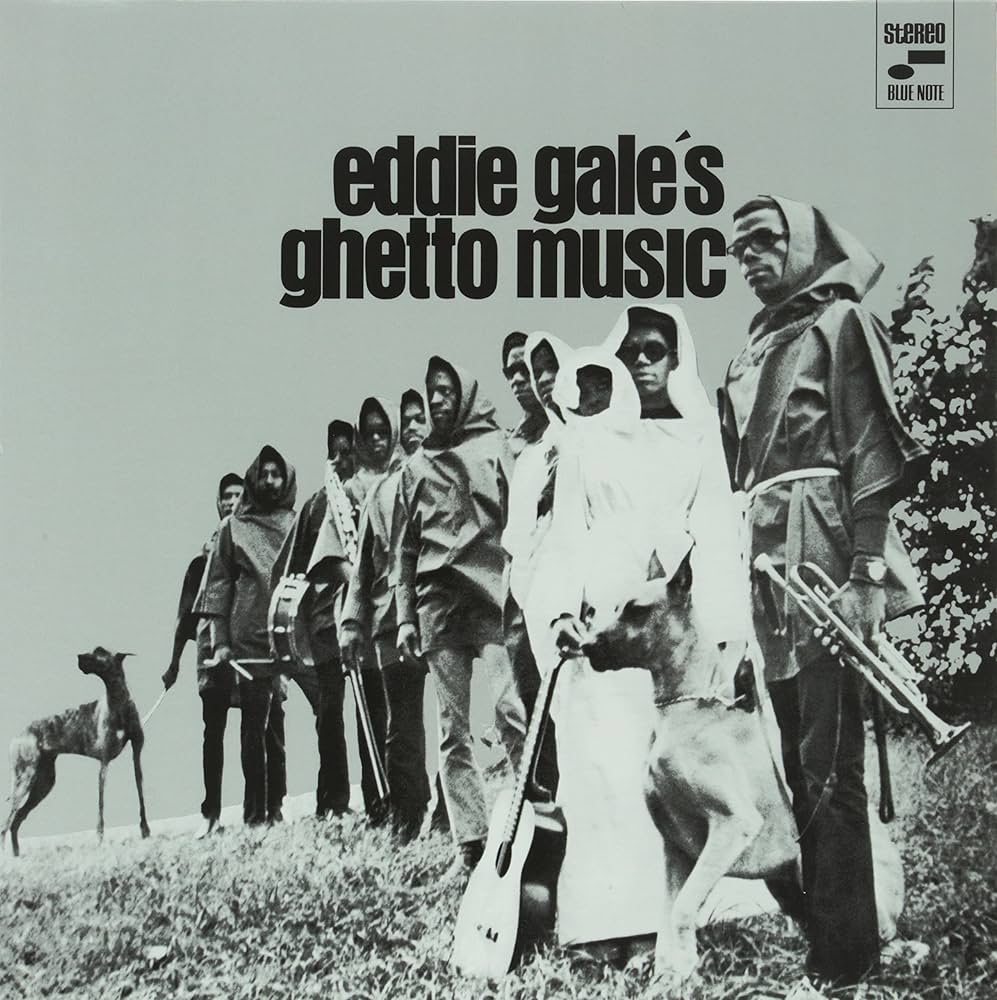
29. Eddie Gale, “Ghetto Music” (1968): Hypnotic “The Rain” should be a standard if it isn’t considered one already; the rest is a cohesion of rumbling & clanking percussion, horns and soulful vocals. Creates a singular, haunted vibe, as if Coltrane had eschewed cacophony and also lived.

30. Eddie Chacon, “Pleasure, Joy and Happiness” (2020): Low-fi, low-key soul, perhaps recorded in (as opposed to for) someone’s bedroom. Concise & a bit slippery, a single listen plants a seed for another five or ten, not to pick up on something missed but to detect all of its nuance.

31. Hiss Golden Messenger, “Quietly Blowing It” (2021): MC Taylor can’t help it if his voice heavily resembles 1970s Dylan but I wouldn’t call this cosplay, exactly when the arrangements are more Van Morrison-ish. Happily, the melodies are strong enough to serve as the focal points.

32. Ennio Morricone, “Ad Ogni Costo” (1967): The *bonkers* main theme moved me to check out the rest of this score, which isn’t nearly as wild (particularly once it moves into “Black Orpheus” territory); still want to see the film to reconcile it with star Janet Leigh’s (!) presence.

33. Bon Iver, “SABLE, fABLE” (2025): I gave up on him when he could no longer string together comprehensible song titles but the first “disc” is a deliberate reminder of why his debut endures; the rest is a less pretentious Coldplay which is preferable to a less douchey John Mayer.

34. MF DOOM, “Operation: Doomsday” (1999): Wouldn’t it be grand if 100 years from now this is what hip-hop scholars studied rather than Drake? Although I wonder if Gen-Z and beyond will get all the junky old cartoon references: “Hey!” is infinitely funnier if you know what it samples.

35. Gordon Jenkins, “Manhattan Tower/California (The Golden State)” (1946): Broadway-style vignettes strung together in suites resembling proto-LP “sides”. Obviously ancient to modern ears but not without ingenuity or even a little satire which leavens the cornier stylistic touches.

36. Caetano Veloso, “Transa” (1972): Talk about a voice that just commands attention, rendering all else near superfluous. Not devaluing the music, though: lithe and intuitive, it’s somehow intimate *and* expansive. This makes me want to delve much deeper into Tropicalia for sure.

37. They Might Be Giants, “Cast Your Pod To The Wind” (2007): Bonus disc with 12th LP “The Else”. Clever title, cleverer tunes (as usual). More of a throwback to the earlier stuff which is always welcome. Uneven, but whenever it lands a hook, you marvel at how simple they make it look.

38. A.R. Kane, “69” (1988): Starts as proto trip-hop, then the titles get weird (“Baby Milk Snatcher”) & the music gets weirder: it’s nearly psychedelia but not exactly how you’d usually describe that genre. Not easy on the ears, but not unpleasant; like unearthing a lost corridor.

39. Marvin Gaye, “Here, My Dear” (1978): D-I-V-O-R-C-E rarely sounds this F-U-N-K-Y. The divine “Is That Enough” at almost 8 minutes could even go on longer. Maybe this didn’t need to be a double LP but my attention rarely drifted and “A Funky Space Reincarnation” is all that & more.

40. Mercury Rev, “Deserter’s Songs” (1998): You don’t often hear this much whimsy in rock (if you can even call it that.) Mewling vocals, tricky time signatures, instrumental passages, occasional misdirection—it’s an acquired taste although I feel like applauding the effort anyway.

An Album A Day: # 1-20

Last month, I looked over my Spotify library and found hundreds of albums I’ve saved but haven’t listened to. Thus, in an attempt to post more on Bluesky, I’ve begun a version of the Music Writers’ Exercise (#mwe) that I used to participate in on the Social Media Site That Shall Not Be Named, listening to 100 albums and posting a small paragraph about each of them. Here are the first twenty which hopefully give a sense of all kinds of music I’m drawn to. Best discoveries include two albums released this year, one from over 30 years ago and another I’ve been meaning to check out since reading about it in Tim Blanchard’s book Like Magic In The Streets.

1. Malcolm Middleton, “Into The Woods” (2005): From this title & cover, was expecting something more pastoral (suppose “Monday Night Nothing” nearly fits the bill). Has a “better” (if less distinct) voice than his Arab Strap bandmate Aidan Moffat although his brogue’s nearly as robust. 

2. Tony Bennett, “Hometown, My Town” (1956): Just as silent cinema’s artistry peaked near the advent of sound, the Great American Songbook was never more expansive than at Rock’s dawn. Tapers off near the end but begins strongly with the melancholy, searching “The Skyscraper Blues”. 

3. Michael Hurley, et al. “Have Moicy!” (1976): Once acclimated to Stampfel’s vocal style (did he sing the 70s Armour Hot Dog jingle?), I much enjoyed this goofy, sincere, more-than-a-jam session amongst some folk revivalists (and it’s where Yo La Tengo got “Griselda” from to boot.) 

4. Lou Christie, “I’m Gonna Make You Mine” (1969): Title track’s ebullient bubblegum is almost as snappy as the same year’s “Sugar Sugar”; most of the rest is better than filler with “It’ll Take Time” and “She Sold Me Magic” lost gems. RIP to a great American weirdo pop singer. 

5. SPRINTS, “Letter to Self” (2024): Karla Chubb’s vocal resemblance to Pylon’s Vanessa Briscoe Hay got my attention but this Irish band’s more-melodic-than-abrasive punk (rather than Pylon’s post-punk) is winning in drive and dynamic even if they could ease up on the minor-key tunes. 

6. The Pale Fountains, “Pacific Street” (1983): The Clientele of their time? More obscure than The Go-Betweens at any rate. Swelling strings and trumpet fanfares enliven brisk strums and yearning vocals with all of these components arrestingly coalescing in closer “Thank You”. 

7. Nina Simone, “Emergency Ward!” (1972): Eighteen minutes of “My Sweet Lord”, eleven of “Isn’t It A Pity” both are as different as could be from Harrison’s originals and Simone’s genius is to make them effortlessly transcendent with aid of gospel choir and her own piano, respectively. 

8. Si Zentner, “The Swingin’ Eye” (1960): Nothing could possibly live up to that LP cover but it swings harder than Glenn Miller (if not Louis Prima). With muted trumpets, nimble piano solos and occasional brass blasts, it’s pleasant but Esquivel’s more my speed for this kind of thing. 

9. Rachel Chinouriri, “What A Devastating Turn of Events” (2024): Her Gen-Z indie pop’s not dissimilar from beabadoobee’s (or early Corinne Bailey Rae), but indelible hooks (the whistling on “It Is What It Is”) and caustic humor (“Dumb Bitch Juice”) both separate her from the pack. 

10. Luther Vandross, “Never Too Much” (1981): More familiar with his later crossover era, this is an impressive debut even beyond the title track & celebrated Bacharach cover. In one word, effervescent: a major talent with infectious ease to spare like a dream come true (his and ours). 

11. Patrick Wolf, “Crying The Neck” (2025): Another triumphant return in an abundant year for them: sumptuous, intricate but never fussy or labored, a layered, dense canvas inviting one to expend time and effort exploring it, promising discovery and even some instant gratification. 

12. The Beach Boys, “Surf’s Up” (1971): I appreciate their ambitious, eccentric stuff (esp. the title track) for how it slyly anticipates even weirder homages to come (hi, The High Llamas!) Still relatively accessible & presumably not a bad place to dip a toe in for this period. 

13. Dennis Parker, “Like An Eagle” (1979): The suitably soaring, impeccably strung out title song comes from the dudes responsible for the Village People, & it’s far less camp than “YMCA” or even ABBA’s own “Eagle”; sadly, the rest is Broadway-ready disco cheese for diehards only. 

14. Nellie McKay, “Bagatelles” (2019): Finally reconciling her transition from subversive songwriter to expert interpreter, this is an ideal way for her to practice the latter: 17 minutes, 8 standards, stripped down to voice & ukelele, coasting on skill and charm; it’s enough. 

15. The KLF, “Come Down Dawn” (2021): Reissue/revision of 1990’s “Chill Out”, an aural travelogue of found sounds, overheard conversations, stray beats, etc. Removed from its initial cultural impact, it’s pleasant rather than stimulating though repeated plays might reveal otherwise. 

16. Faust, “Faust IV” (1973): No wonder the 11-minute “Krautrock” named a genre: hypnotic without ever becoming inert, with a droning simplicity easy to emulate but more difficult to replicate. The rest I probably could not do justice to after a single listen; it’s all over the place. 

17. Giorgio Moroder, “From Here To Eternity” (1977): I suspect this got tons of airplay in sleazy gay discos, particularly side one’s suite. Benefits from its brevity & deadpan humor though the production often feels like a working draft for Sparks’ “No. 1 In Heaven” two years later. 

18. The High Llamas, “Gideon Gaye” (1994): LP #2 an ideal place to start, at least compared to other, denser efforts of theirs. Actual pop (or “pop”) songs sit aside wistful instrumentals and diversions (14-minute “Track Goes By”), O’Hagan exuding confidence in forging his own world. 

19. Stereolab, “Transient Random-Noise Bursts With Announcements” (1993): After this year’s stunning return, going back to the early albums I missed. Almost shocking hearing so much guitar here, though their bossa-nova diversion agreeably sits aside all of the drone/groove set pieces. 

20. Barbra Streisand, “Guilty” (1980): My folks had the vinyl (all of Babs’ LPs from that era, actually) but I didn’t know anything beyond the hits. 4th single “Promises” might’ve been massive had it come out earlier; ballads are meh but Barry’s guidance & ambition are a good fit. 

Mix: Suffocated Love

In midsummer, as the humidity surfaces like a dense soup infiltrating all in its wake, I turn to music that’s languorous and laid back but not prosaic or aural wallpaper. In the mid-90’s, a genre dubbed “Trip-Hop” pleasantly attained this sweet spot: bands such as Massive Attack, Morcheeba, Portishead and the lesser-known-but-just-as-worthy Mono all blended loping beats and samples with chill female vocals into tunes like intoxicating smoothies that at best transcended the “mood/bedroom music for stoners” tag that was often bestowed upon them.

This is not entirely a trip-hop mix despite its title coming from a track off of what remains arguably the genre’s furthest-reaching masterpiece, Tricky’s Maxinquaye (1995). Actually, it began as an overview of modern-day songs in the same spirit (if not quite sound): Lana Del Rey’s groove earworm “Peppers”, The Clientele’s incorporation of breakbeats into their ever-distinct chamber pop, vibrant new songs from artists who were there in the 90’s (an evocative highlight of Everything But The Girl’s reunion album Fuse; Slowdive’s first single from their forthcoming release.) Then, Christine and the Queens’ “Tears Can Be So Soft” ended up successfully emulating/updating that sound, so it was no short leap to include stuff from both eras (among others.)

Since trip-hop could be such a nebulous genre, some songs that don’t really fit there still find their place here. “Love Nobody”, indie singer Jenn Champion’s collab with electropop artist Oyster Kids is a track I rediscovered after saving it to an ongoing folder of new music heard on my Spotify-curated “Discover Weekly” playlist two years ago—more 21st century 80’s (an accidental genre that could warrant its own mix) but an affable entry point into what follows. Speaking of the 80’s, Yacht Rock could be trip-hop’s sideway equivalent of that era, and U.S. Girls’ “Only Daedalus” and Emm Gryner’s “Loose Wig” are nothing if not 21st century yacht rock (and so Steely Dan-influenced I couldn’t help but place one of their old songs in between.) As usual, a vibe mix is more a journey than a destination (Del Rey next to Bill Withers next to Air!) even if it concludes with Stars’ Amy Millan blissfully considering the value of being here now.

Haunted Jukebox Mix #5: Suffocated Love

Mix: Let’s Break Out The Lancers!

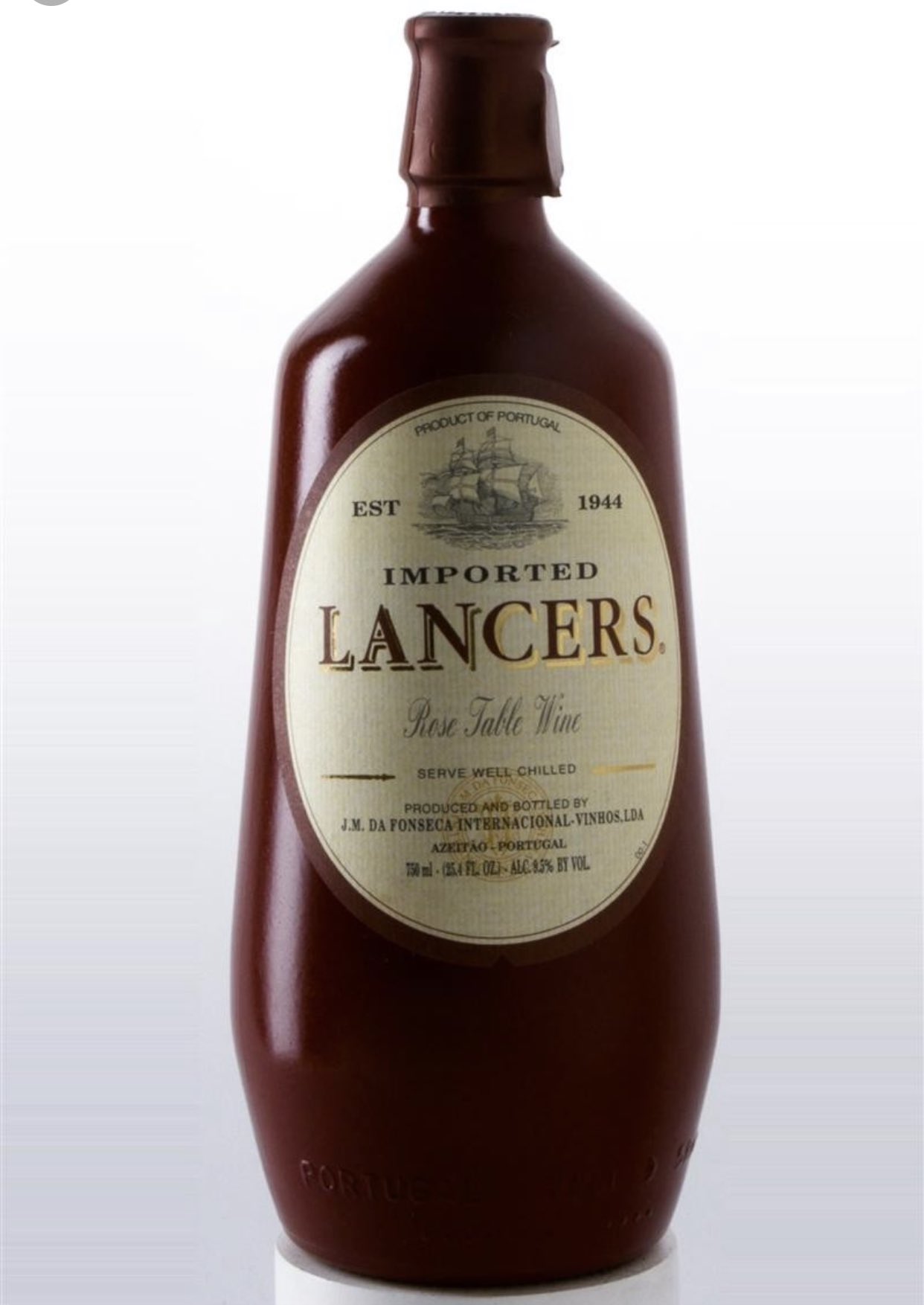
When I was young, my parents weren’t particularly fancy in regard to what they drank (at least before I got them into vodka martinis in my mid-late 20s.) After work, my dad often enjoyed a bottle of Michelob poured into the tall, narrow glass while on holidays and other special occasions, my mom favored an inexpensive table wine—most often, Lancers Rosé, a Portuguese variety which came in an opaque, slightly chunky, burgundy-colored bottle. I recall this as a ubiquitous presence in our house up through the ‘90s when I was considered old enough to imbibe along with my folks. Still, given its classic design, Lancers felt more like a 1970s remnant; I suspect it accompanied many a fondue pot or a helping of Steak Diane sautéed in an electric skillet.

This mix could provide the soundtrack for a Lancers-soaked dinner party my parents or their friends might’ve thrown in the years immediately before my birth. Roughly spanning 1967 to 1973, it conjures a comfortably bourgeoisie, non-rock (or at least soft rock) vibe—unhip, if you’re less charitable, if not positively square. Without fully lapsing into Muzak territory, some of these smooth sounds are directly from my parents’ record collection of the time: Sergio Mendes and Brasil ‘66 (crafting a magic carpet ride out of a Simon and Garfunkel folk-rock standard), The Fifth Dimension (somewhat forgotten gem “Last Night I Didn’t Get To Sleep At All”) and of course Burt Bacharach, both as a solo artist (“Pacific Coast Highway”) and on tunes written with Hal David and made famous by Dusty Springfield (“The Look of Love”), Herb Alpert (“This Guy’s In Love With You”) and Dionne Warwick (“Amanda” from The Love Machine soundtrack is a bit of a deep cut but its arrangement is Burt at his baroque best.) 

Other selections I remember hearing on the radio (in particular, Milwaukee’s still-on-the-air WMYX-FM), albeit a decade or so after their heyday include Mason Williams’ groovy symphonic rock instrumental “Classical Gas”; Todd Rundgren’s “Hello It’s Me” (the classiest singer-songwriter crossover hit this side of vocal-soundalike Carole King); “We’ve Only Just Begun”, arguably The Carpenters’ best, most melodically complex single (written by 1970s mascot Paul Williams); The Spinners’ syncopated-yet-still-like-buttah “I’ll Be Around”.

The title references a lyric in Peggy Lee’s novelty hit “Is That All There Is” which I do not recall hearing in my youth; other selections fit the overall vibe but were likely too quirky (Julie London’s unlikely Ohio Express cover, Minnie Riperton’s psychedelic folk hymn), obscure (Harry Nilsson pre-“Everybody’s Talkin’”, Laura Nyro’s original version of an eventual hit for The Fifth Dimension) or ephemeral (Lalo Schifrin’s soundtrack music) to encounter in the wild back then. By the mid-70s, sophistication of this sort was quickly becoming passe in pop music—Barry White’s breakthrough single “I’m Gonna Love You Just A Little More Baby” is the pivot, anticipating disco excess but not above lacing its seven-minute-long seduction suite with flutes and harpsichord. It’s placed near the end of this mix, late in the evening after the Lancers ran out with a mysterious glass bowl of all the guests’ keyrings perhaps surfacing (though not at one of my parents’ gatherings as far as I know.)

Haunted Jukebox Mix #4: Let’s Break Out The Lancers!