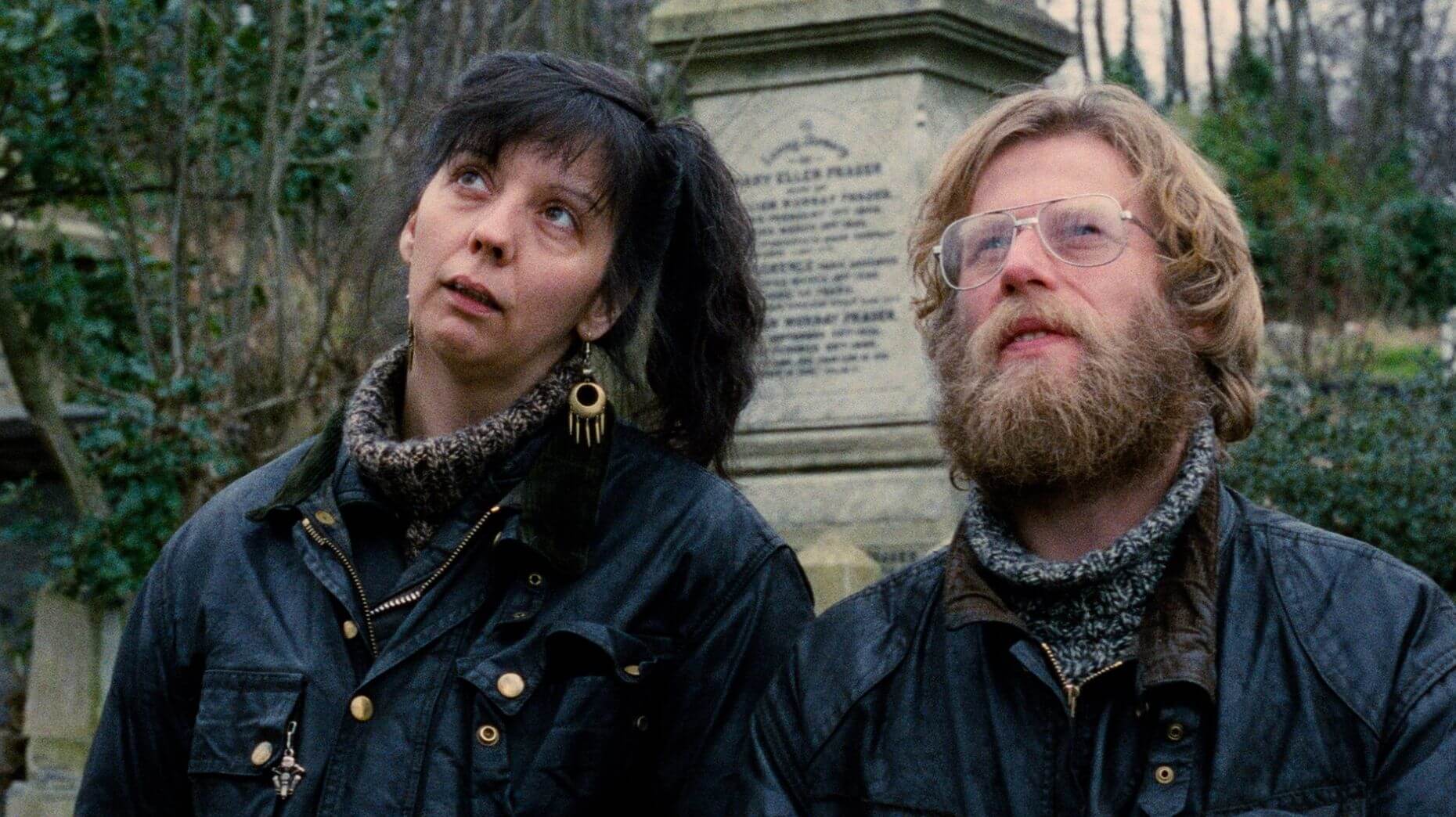
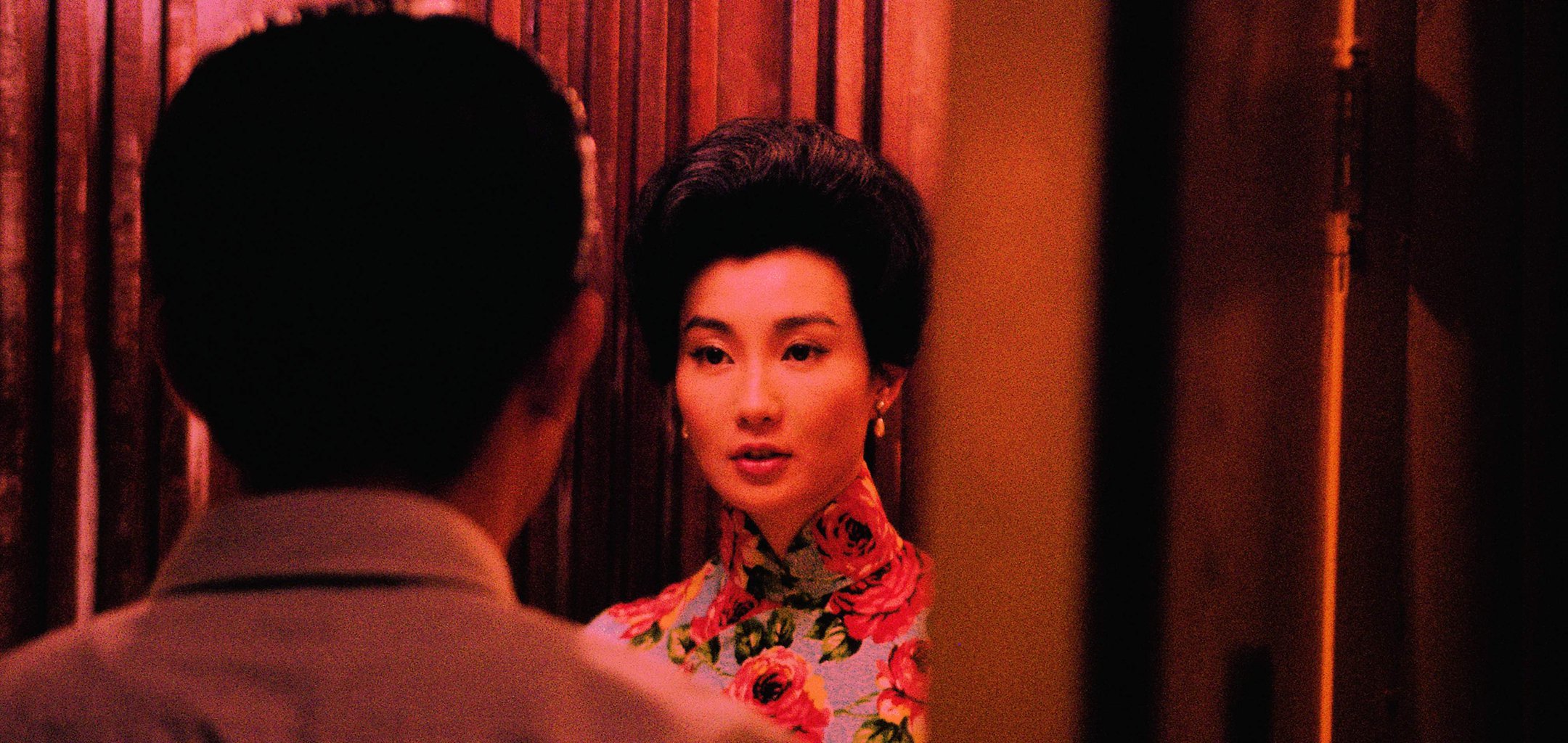
Spent much of the weekend at IFFBoston; reviews to come, but for now, here are some recent brief reviews from other new-ish features originally posted on Letterboxd, roughly in descending order of preference.
Sound of Falling
Still piecing together all of its parallels and connections after a second viewing but can also say this is truly like no other movie I’ve seen. Even the camera roaming through rooms in a house creates a spark of anticipating what could possibly happen next and you still feel a resounding thrill whenever it does.
Pillion
Well, I’d want to push around someone who sings in a barbershop quartet, too. The rare film about going through the process of discovering what you like, both sexually and romantically. Alexander Skarsgaard is well cast as the dom but Henry Melling’s a revelation as the sub.
Sirat
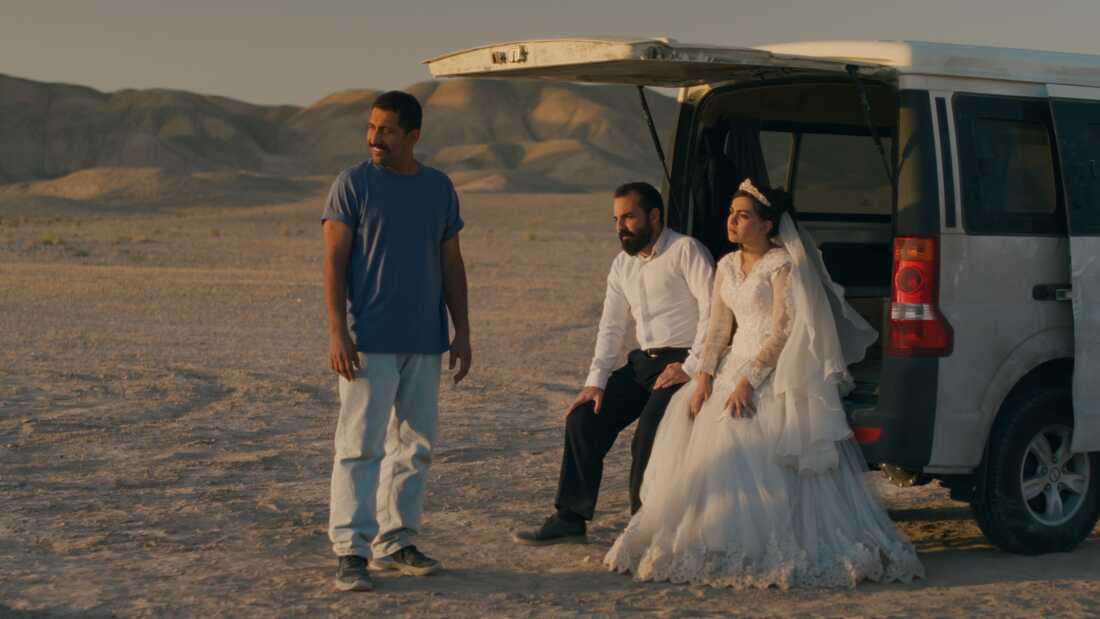
An Arthouse equivalent of a horror or action film “thrill ride” (imagine what William Castle could’ve done with this concept), it gets off on its hallucinatory desert landscapes and nearly relentless EDM score but thankfully, its characters end up more than mere pawns in an apocalyptic scenario.
My Father’s Shadow
A quietly powerful first feature with a great lead performance from Sope Nisiru. While the pacing can be a little sluggish, so many moments linger long after they’ve dissipated and become rather poignant during the turbulent last fifteen minutes.
Father Mother Sister Brother
A solid ensemble does a lot of the heavy lifting in Jarmusch’s return to anthology-style filmmaking although the final third could serve as a nice capstone to the director’s career if this were to end up his last feature.
All That’s Left of You
A multigenerational Palestinian melodrama that profits greatly from its deployment of restraint, strong direction and a solid ensemble cast.
Young Mothers
Like the shelter employees in this film, the Dardennes’ approach is empathetic and optimistic but firm; that their narrative comes off more schematic than natural places this in a lower tier of a filmography with a very high bar.
Pompei: Below The Clouds
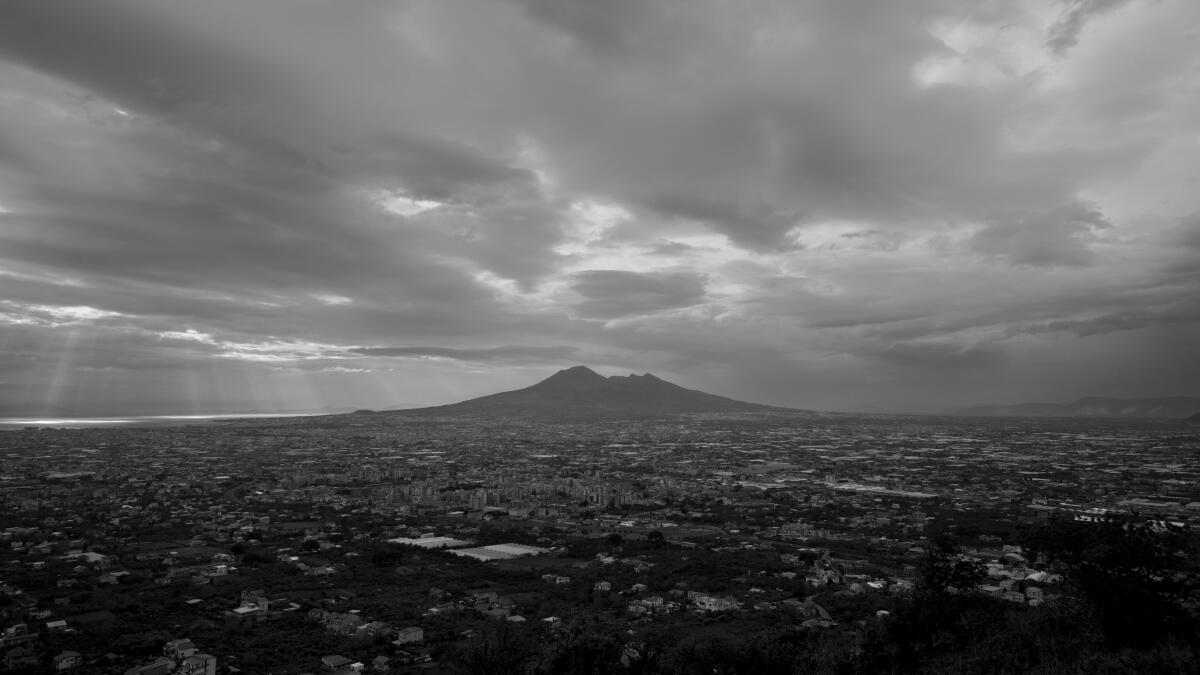
Can’t help but think I missed a considerable portion of the intended impact by not seeing this immersive, sometimes lyrical doc in a cinema even though I appreciated the bold visuals and recognized flashes of genius.
A Useful Ghost
Exceedingly strange and perhaps narratively uneven but I’m grading generously due to its overall chutzpah and meticulous, crazy production design.
Hoppers
Not bad for recent Pixar, I guess, but when peak Pixar was willingly weird like this, it was also far more inspired.
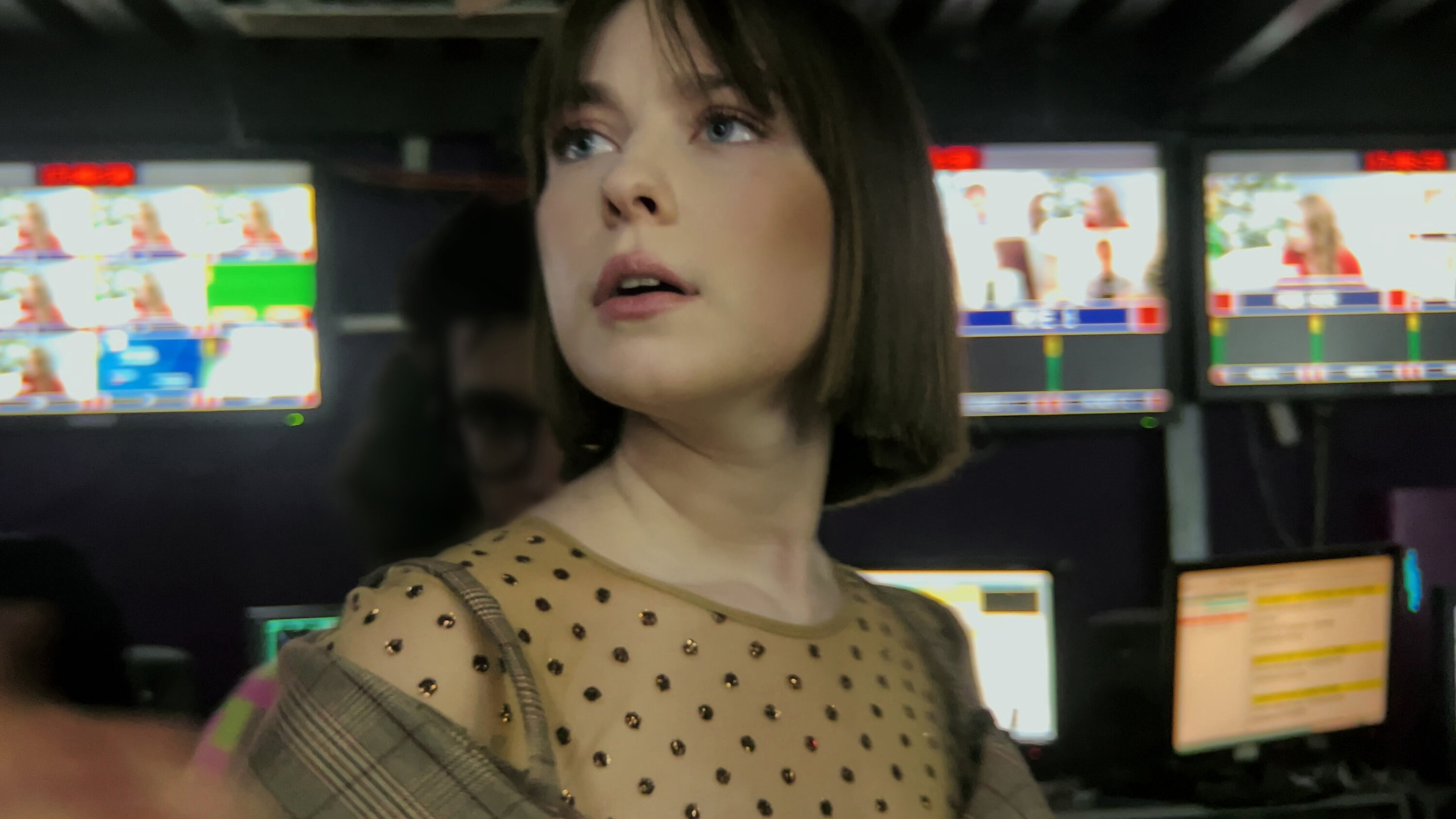
Someone, someday may produce a definitive film about Russia’s war on Ukraine, perhaps a historical drama or a painstakingly researched expose of the country’s corrupt government. It likely won’t be as visceral or affecting as this five-and-a-half hour documentary from director Julia Loktev (her first feature since 2011’s The Loneliest Planet). As seen from the perspective of a collective of young Russian journalists (most of them women), it spans the six or so months leading up to the invasion and the first ten days of the conflict.
The women profiled here mostly work for TV Rain, an independent Russian television news program. Led by Loktev’s friend, Editor-in-Chief Anna Nemzer, both the program and its journalists get labeled “foreign agents” by the government which also slaps a lengthy disclaimer stating such at the start of each broadcast. Civilians with this designation are subject to mandatory audits of their personal expenses and fines and criminal prosecution for non-compliance; they’re often also referred to as “undesirables”.
Divided into five digestible chapters, the first one provides a sampler of TV Rain’s programming and a behind-the-scenes overview into what goes into making it while facing limitations from the “foreign agent” label. The next two chapters focus more closely on the women themselves, among them Ksyusha, whose fiancé is imprisoned for his political beliefs; Ira, who is often seen with her adopted one-eye French bulldog mix; and Alesya, who has a female partner but is not out to her family. Loktev dutifully captures their skills as journalists in an environment that’s unfriendly to the profession but really excels at depicting them as persons dealing with and concerned by what is happening to their country.
The final two chapters unfold over the days leading up to and following Russia’s invasion of Ukraine. The trust Loktev has already established with her subjects pays off here as we see in near-real time how a country closes itself off from the rest of the world and what effect that has on its civilians. The framing of Loktev’s shots becomes tighter, more painfully intimate, emphasizing the confusion and fear her subjects are experiencing. Although the circumstances are extraordinary, they all remain fully relatable as their counterparts would in any country, making references to Harry Potter (Voldemort ends up a prescient stand-in for Vladimir Putin), gathering together for communal dinners and pondering over their unknowable futures.
The long running time is intimidating but it develops into an asset given how much it encompasses and how quickly the action accumulates near the end. The project ultimately works because Loktev uses what is essentially a humane character-study of a documentary to also detail how an ostensible “democracy” gradually, chillingly devolves into what is unquestionably a totalitarian regime. As the title indicates, although war has driven all of Loktev’s subjects to flee the country for their safety, the story’s not over—a second part subtitled “Exiles” is currently in post-production.
A pretty good year for cinema! As always, a film is eligible if it’s first available in my area for theatrical or streaming release during the calendar year.
1. UNIVERSAL LANGUAGE
“What if Canada and in particular, that unloved inland metropolis of Winnipeg was colonized by Iran?” is the jumping-off point for writer/director/actor Matthew Rankin’s second feature, a considerable advance over his first, Twentieth Century while barely resembling it. A deadpan mashup of quirks learned from both Abbas Kiarostami and Guy Maddin, it’s the funniest movie I’ve seen in ages (or at least since Hundreds of Beavers). Also, one of the most original and unexpectedly moving, creating an outrageous mirror world from scratch and unspooling a narrative that concludes with the wisdom and epiphany of, well, a Kiarostami film.
2. RESURRECTION
To craft an ode to cinema itself traversing the entire 20th Century through five different genre-specific segments is a level of ambition all too rare in the streaming age. I knew director Bi Gan was one to watch after 2018’s Long Day’s Journey Into Night and this exceeded even those expectations. Like seeing both The Wizard of Oz and 2001: A Space Odyssey for the first time (if each film were superimposed over the other, perhaps), Resurrection is Gan shooting for the stars and brilliantly firing on all cylinders.
3. DEAF PRESIDENT NOW!
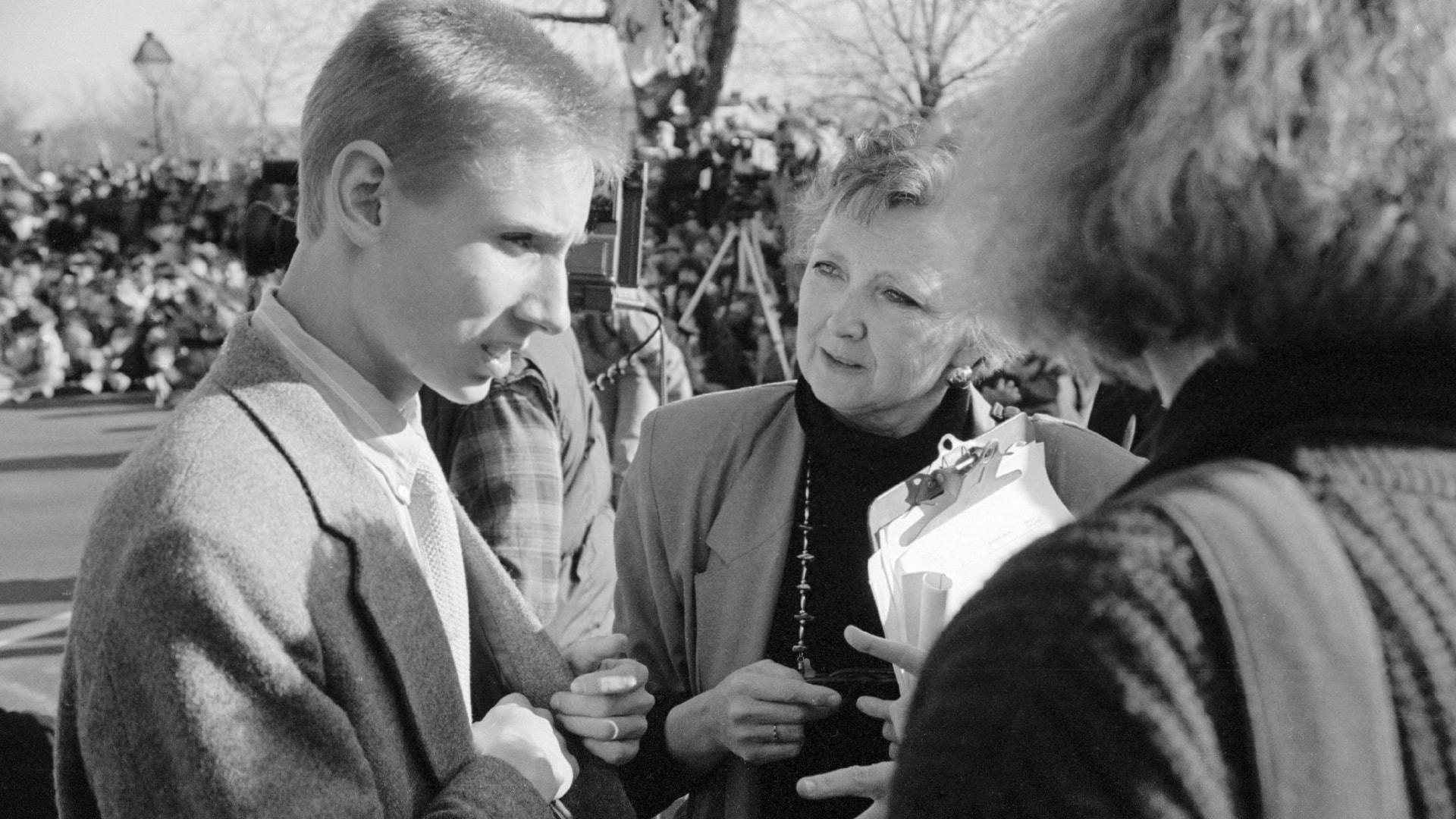
I wasn’t familiar with the 1988 eight-day, student-led protest at Gallaudet University, a Washington DC liberal arts college for the deaf against the appointment of a non-deaf president in lieu of two other deaf candidates. This documentary similarly feels like a bridge constructed to represent the deaf community and educate everyone else. Threading an excess of archival footage with modern day interviews, it emerges a portrait of a mobilized community pushing for change, genuinely inspiring without coming off as cloying. It’s hard not to get caught up in the sheer goodwill it exudes.
4. THE SECRET AGENT
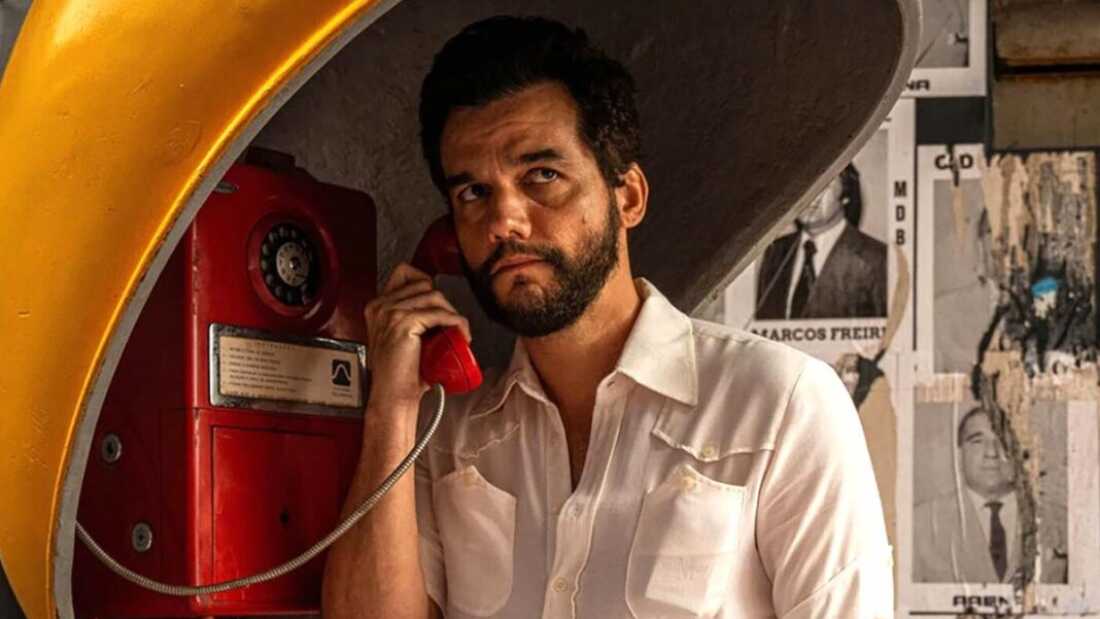
Long worthy of such recent widespread attention, Brazilian filmmaker Kleber Mendonça Filho’s latest draws from some the best parts of Aquarius and Bacurau (along with his great companion doc Pictures of Ghosts) and alchemizes them into a period thriller in love with movies and life itself. Additionally, Wagner Moura’s lead performance nearly transports the film in how he communicates and embodies the ambiguities and slipperiness of Filho’s zig-zagging narrative. Although set in a specific time and place, strong parallels to the here and now make this an essential example of art reflecting life.
5. IT WAS JUST AN ACCIDENT
Jafar Panahi has an enviable filmography (The White Balloon, Offside, No Bears, etc.) but it feels like everything he’s previously done has been building to this, his funniest and also most cathartic effort. Involving a ragtag group of people who believe they’ve stumbled upon their interrogator/torturer when they were imprisoned, It Was Just An Accident is something of a serious farce, carefully balancing its intentions while allowing for a heady, messy convergence of emotions and actions, considering both revenge and forgiveness and whether there’s justification for both.
6. ONE BATTLE AFTER ANOTHER
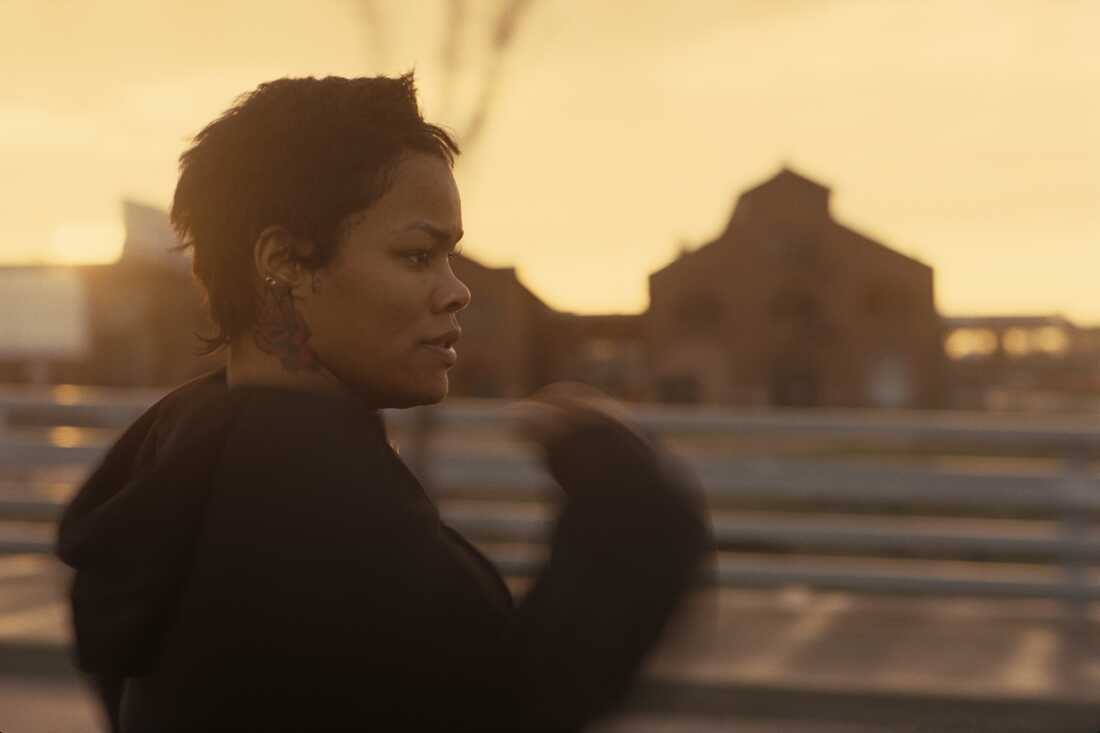
Nearly an ideal of contemporary, auteur-driven studio-made cinema. Of course, one could say the same for many of Paul Thomas Anderson’s films (but not all.) So, what makes this preferable to Licorice Pizza (or his previous Pynchon adaptation Inherent Vice) is tricky to parse; in this case, it comes down to how in tune it is with the current moment (it helps this is his first present-set piece since Punch-Drunk Love), though a sparking ensemble (Leo, Teyana and Benicio at their best with newcomer Chase Infiniti effortlessly commanding the screen) should not be underestimated.
7. CAUGHT BY THE TIDES
Jia Zhangke will never run out of ways to explore rapid change in 21st Century China or roles for his muse Zhao Tao to excel in, thank god. This one literally goes back to some of them, nimbly incorporating scenes and outtakes from his past filmography along with newly-shot footage to track how much China and, in particular, the Northern city of Datong has reconstructed itself between then and now. Also, an immersive, collage-like soundtrack spanning copious genres and traditions vividly amplifies a sense of a world forever in flux.
8. ON BECOMING A GUINEA FOWL
On my first festival viewing of this 15 months ago, I thought it drifted somewhat while finding authenticity in its portrait of an ultra-specific community; after a second watch last summer, I fully gleaned its durability and playful but profound dissection of family and how a secret can fester and explode but ultimately not change a mindset that refuses to accept or even see the truth. As with Bi Gan a few years ago, I can’t wait to see what Zambian director Rungano Nyoni (or her captivating lead Susan Chardy) does next.
9. REBUILDING
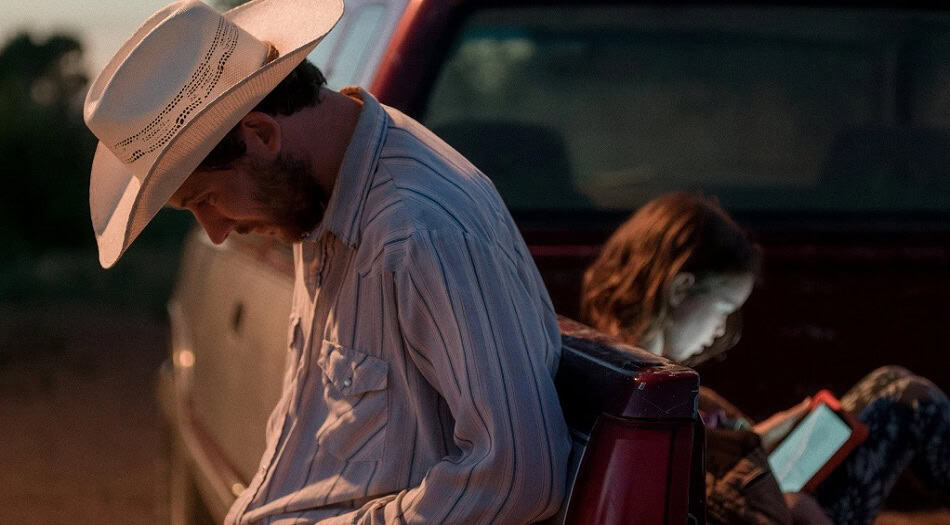
Between this and A Love Song, Max Walker-Silverman has become one of best American indie directors for how he focuses on such low-stakes but high-yielding stories about the human condition. Inspired by the Spring Creek Fire in southern Colorado’s San Luis Valley, Rebuilding is a mostly unsentimental study of loss and the struggle to recenter and focus on what matters and how to move forward. Maybe the best Josh O’Connor performance (out of 100?) this year but newcomer Lily LaTorre and veteran Amy Madigan both match him. (Speaking of which…)
10. WEAPONS
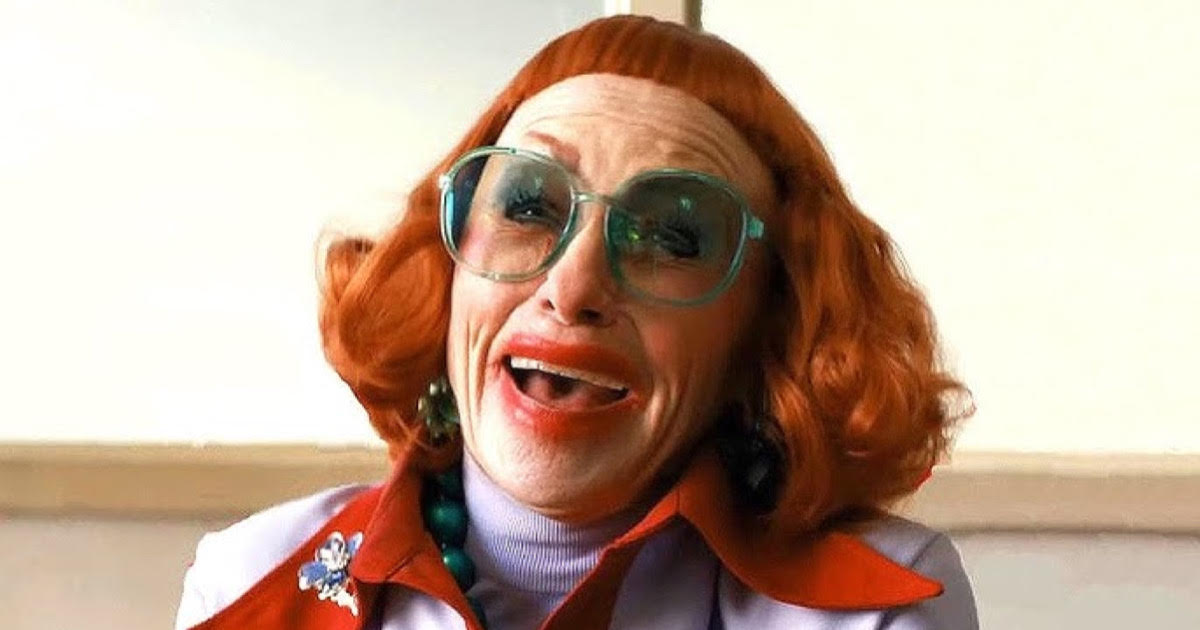
An Oscar for an unrecognizable Amy Madigan’s inspired, demented work would nearly make me as happy as the Emmy for Jeff Hiller last year but the beauty of Zach Cregger’s film extends far beyond his ringer cast member. I’m not all that into horror, but this was my favorite of that genre since Late Night With The Devil and possibly Get Out. With its powerful use of George Harrison’s “Beware of Darkness”, a high-concept narrative skillfully developed and deployed and its invigorating conclusion, it shows there’s hope for studio-made entertainment yet.
11. THE MASTERMIND
A less warm-and-fuzzy companion to the similarly-set The Holdovers; fortunately, Josh O’Connor and Kelly Reichardt are an ideal star/director pair for such a proposition; the period design and percussive-heavy jazz score also complement rather than detract from the film’s socio-economical critique.
12. NO OTHER LAND
Finally widely available to view, this Academy Award-winning doc about a displaced Palestinian village embodies what Roger Ebert said about film serving as an “empathy machine”, its urgency heightened by humanity struggling to persevere in the face of brutality.
13. NEXT SOHEE
The first half of this South Korean drama is almost excruciating to watch but it’s necessary in order for the second half to be effective; Bae Doona’s masterful, almost minimalist performance in the latter is also essential. As our surrogate, we discover the same infuriating hard truths as she does—an understanding of a broken system with no easy fixes.
14. IF I HAD LEGS, I’D KICK YOU
Filmmaker Mary Bronstein knows how to ramp up tension to the breaking point but crucially she also allows for some release without letting her lead off the hook. As much as I generally love Jessie Buckley (she’s no slouch in the uneven Hamnet), this is Rose Byrne’s moment.
15. TRAIN DREAMS
I haven’t read the book but as a film, this was gorgeously shot and edited with agility to the point where I was rarely bored or distracted. Perhaps as close to capturing the essence of a lifetime a single feature can likely reach. Joel Edgerton disappears into another role but enables us to see, feel and fully comprehend the part he plays.
16. TWINLESS
James Sweeney’s latest vindicates the promise of Straight Up, taking a fairly outlandish premise and making a meal out of it. Dylan O’Brien and Aisling Franciosi are both great (esp. the former in a dual role) but it’s Sweeney’s unique voice that powers this messy, yearning, accomplished character study.
17. PLAINCLOTHES
An impressive debut from director Carmen Emmi. Really develops a palpable sense of time and place to give viewers a context for what the characters struggle with and how they seek release; it also has great work from Tom Blyth, Russell Tovey and Maria Dizzia.
18. OCEANS ARE THE REAL CONTINENTS
Gives one such a complete sense of what it’s like to actually be in the backwater of San Antonio de los Baños, Cuba (black-and-white cinematography, slow-cinema rhythms and all) with its minuscule, ultra-specific focus. Plus, you get an extraordinary puppet show near the end.
19. APRIL
An absorbing if curious blend of Tarkovsky-style mysticism and Mungiu-like kitchen-sink realism. The static camera, creepily effective sound design and stark, darkly gorgeous landscapes all evoke a feeling of discomfort and the feminist POV hits its targets without coming off as obvious or sanctimonious.
20. DEAD MAIL
Smart enough to transcend its low-budget limitations, this curiosity blends a Sam Raimi-derived 80s aesthetic with stalker-horror tropes and rabbit-hole like narrative developments to arrive at an unexpected tonal place, a singularity of the sort reminding me why I occasionally seek out movies I know nothing about.
21. MISERICORDIA
22. MY MOM JAYNE
23. WE STRANGERS
24. THE PLAGUE
25. GRAND TOUR
26. FAMILIAR TOUCH
27. PAVEMENTS
28. HEDDA
29. SECRET MALL APARTMENT
30. EEPHUS
31. THE TESTAMENT OF ANN LEE
32. EVERY LITTLE THING
33. VIET AND NAM
34. THANK YOU VERY MUCH
35. BLUE SUN PALACE
36. COME SEE ME IN THE GOOD LIGHT
37. GRIFFIN IN SUMMER
38. LEFT-HANDED GIRL
39. THE BALLAD OF WALLIS ISLAND
40. THE PERFECT NEIGHBOR
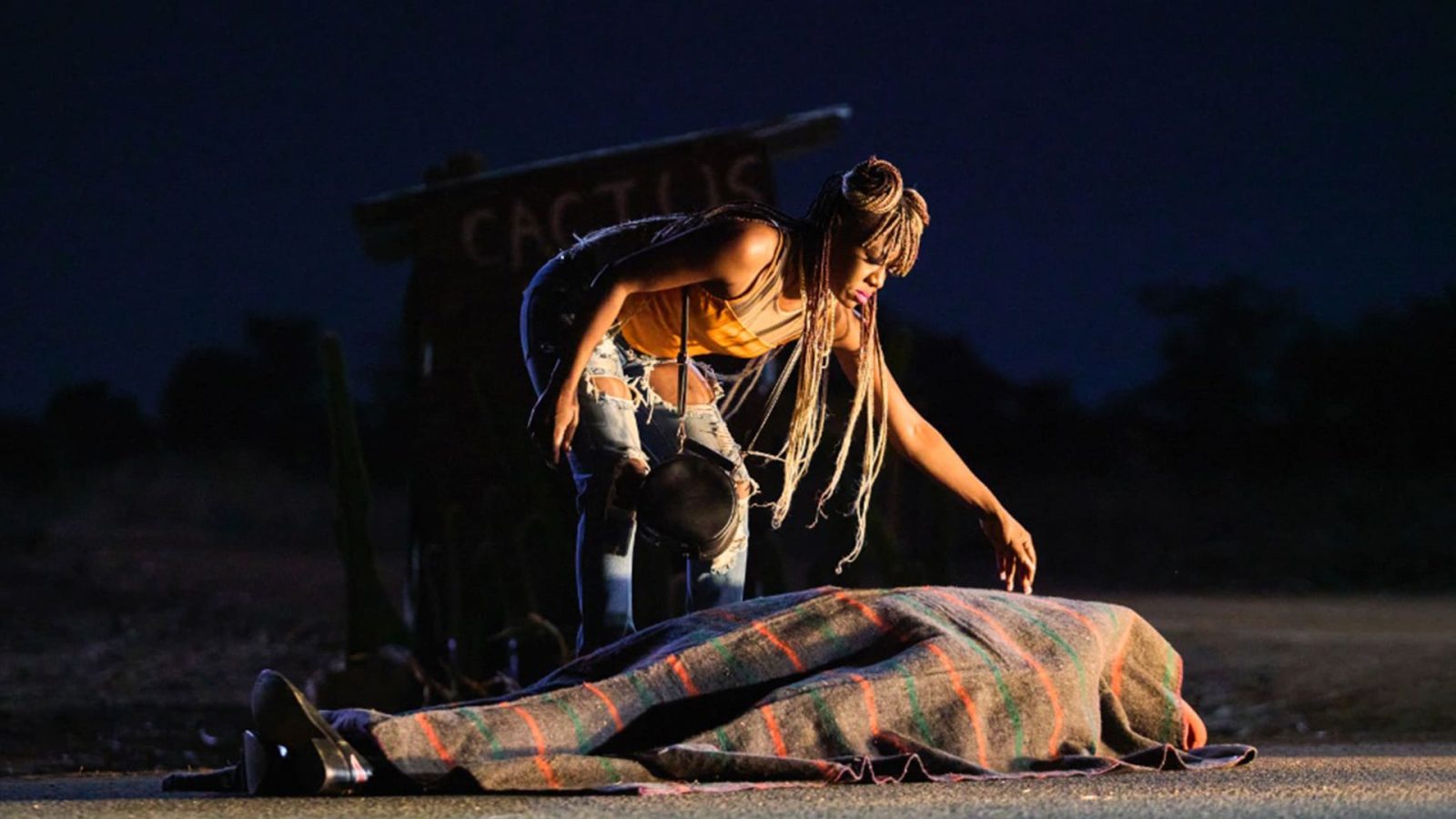
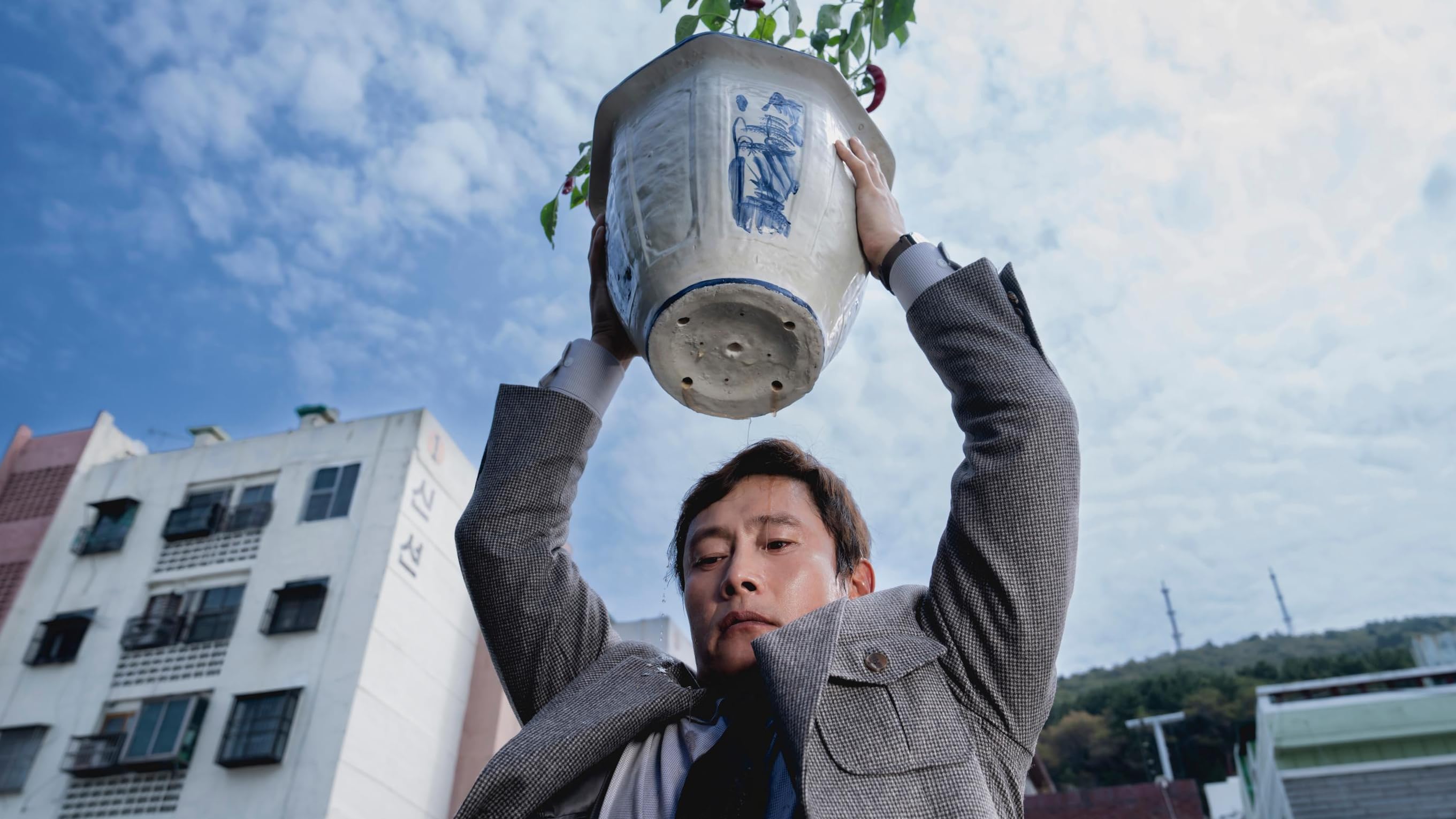
No Other Choice
ALSO RECOMMENDED:
A Nice Indian Boy, A Traveler’s Needs, Bob Trevino Likes It, Julie Keeps Quiet, No Other Choice, Nouvelle Vague, On Swift Horses, Peter Hujar’s Day, Sharp Corner, Sinners, Souleymane’s Story, The Assessment, The History of Sound, The Piano Accident, The Wedding Banquet, Who By Fire
ON MY WATCHLIST:
Blue Moon, Cloud, East of Wall, Eternity, Father Mother Sister Brother, Porcelain War, Splitsville, Swamp Dogg Gets His Pool Painted, The Baltimorons, The Queen of My Dreams, The Voice of Hind Rajab, Wake Up Dead Man
A dozen first-time watches of older films in 2025 that I loved:
Remember My Name (dir: Alan Rudolph, 1978)
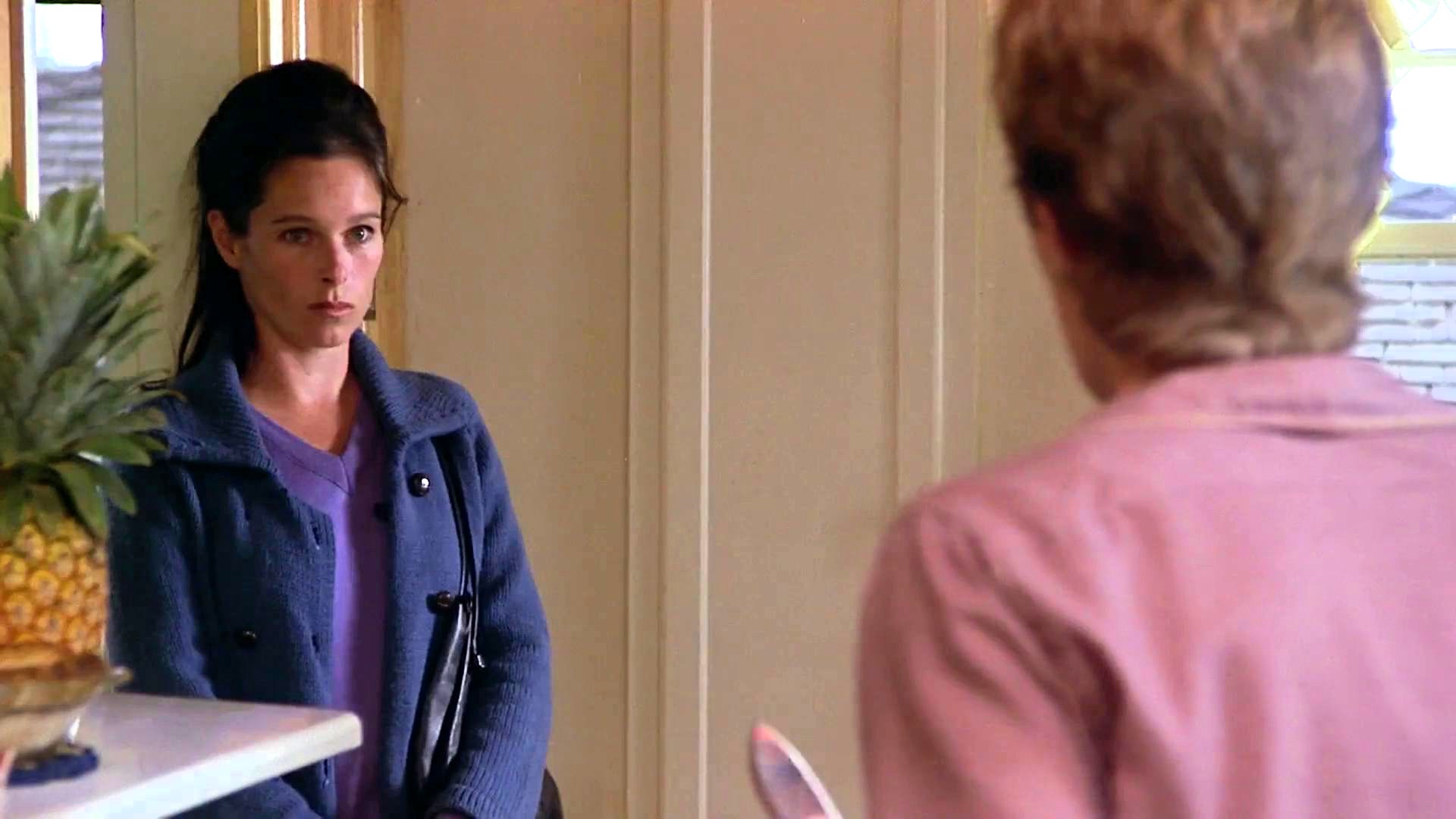
As real, multilayered and uncomfortable an American working-class portrait from its decade as Wanda or Killer of Sheep. Compare Geraldine Chaplin’s mesmerizing dramatic performance here to her comedic work in Nashville to get a sense of her range; compare this to Alan Rudolph’s previous film Welcome To LA to marvel at what an astonishing leap forward this was. It streamed on Criterion Channel for two or three months; be sure to catch it if it’s ever available to watch again.
Dogfight (Nancy Savoca, 1991)
It’s fun to look back on reviews of this at the time and note how many people simply didn’t get it, seemingly more aghast at the notion of these two characters falling for each other than the film’s titular conceit, which was always going to be a tough sell. River Phoenix’s subsequent death makes it challenging to not romanticize his best performances, but when one considers he did this and My Own Private Idaho back to back, how can one not be in awe of such a lost talent? Also, the movies rarely knew what to do with Lili Taylor apart from supporting roles, but this, just as passionately as I Shot Andy Warhol makes the case for her rare talent, too.
Women In Love (Ken Russell, 1969)
I’ve watched a considerable amount of Ken Russell flicks over the past few years and I anticipated none more than this seminal D. H. Lawrence adaptation that kicked off a string of classic provocations for the director. Glenda Jackson’s tremendous performance here is an instant all-time fave and she’s not even in the bonkers scene between Alan Bates and Oliver Reed and that was surely a major influence on Guy Maddin’s Sissy Boy Slap Party.
In Dying, filmmaker Michael Roemer (RIP) made it look so easy, creating an artful, shrewd documentary about death that also managed to be deeply affecting. Four years later, he knocked it out of the park again with a fictional piece about a woman dying of cancer and how irritating and impossible and complicated and exhilarating life can be in face of our demons. I’ve rarely seen Christopher Lloyd play such a “normal” character, and he aced it as well as he did his assorted weirdos.
Matewan (John Sayles, 1987)
I’ve been meaning to watch this for decades; essentially a fictional equivalent to Barbara Kopple’s great documentary Harlan County USA, between the ease of its pacing, expert narrative construction and many of its performances (esp. the always great James Earl Jones, badass Mary McDonnell and baby-faced Bonnie “Prince” Billy), this is one of Sayles’ best and a strong argument for the state of indie cinema in the 1980s (which is often easily overlooked).
Ms. 45 (Abel Ferarra, 1981)
Ferrara’s breakthrough feature screened as part of a “nunsploitation” series on Criterion. Viewing it, I felt the strange, uncommon sensation of going from vehemently hating a film in its first fifteen minutes to absolutely loving it by the end. After all, one doesn’t see a looney tunes feminist revenge picture everyday (nor one this committed.) The sax noise emanating out of the trumpet in the climactic party scene might be the least crazy thing about it.
Once Upon A Time In The West (Sergio Leone, 1968)
Having only seen Leone’s first solely directed feature (A Fistful of Dollars) and his last (Once Upon A Time In America), I wasn’t expecting this to be as much of an art film as it is a classic Western. You could use the whole of this as a primer in a film studies or filmmaking class; also, between this, The Ballad of Cable Houge (another first-time watch this year), A Thousand Clowns and Melvin and Howard, Jason Robards remains an actor we should all be thankful for having existed.
El Sur (Victor Erice, 1983)
The most interesting directors are ones whose particular rhythms are always palpable onscreen. After falling for The Spirit of The Beehive a few years back and appreciating Close Your Eyes when it came out last year, I knew I had to see Victor Erice’s other features (Dream of Light doesn’t seem to be available anywhere), and the fluidity with which this moves while retaining focus is remarkable.
Ganja & Hess (Bill Gunn, 1973)
Good to know I’ve seen nearly 5,000 movies according to my Letterboxd and can still come across something as original, deeply weird and compelling (if confusing) as this Psychedelic Blaxploitation Vampire flick. I swear I watched this one completely sober but kept second-guessing that as it unfolded.
Take Out (Shih-Ching Tsou, Sean Baker, 2004)
An early Baker film co-directed by his longtime colleague/partner Tsou (whose Left-Handed Girl might end up on my shortlist for favorite films of 2025), I was impressed at how this first appeared to be an ordinary, low-budget slog about an immigrant delivery guy that gradually evolved into a profound, near-poetic tragicomedy.
River’s Edge (Tim Hunter, 1986)
On my watchlist for years, what separates this American indie from a score of low-budget exploitation films of its time stems from the uneasy tone it achieves with something resembling grace. I both loathed and kind of loved this group of small town miscreants and how effectively blasé everyone was bouncing off against inimitable wackjob Crispin Hellion Glover.
Vegas In Space (Phillip R. Ford, 1991)
This pieced-together-with-duct-tape oddity of New Queer Cinema starts out slapdash, gradually finds its footing, then gleefully transforms into a fabulous sinus-clearing freakout. Nearly as an important a talisman of its time as Paris is Burning.
ALSO RECOMMENDED:
The Big Clock, The Carabineers, Claire’s Knee, Dead Calm, Hearts of Darkness: A Filmmaker’s Apocalypse, Il Grido, Jamon Jamon, Lourdes, The Magic Christian, May, A Night of Knowing Nothing, A Perfect Couple, Querelle, The Trip (1967), Val, Woman In Chains
FAVORITE RE-WATCHES:
3 Women, Aquarius, Cabaret, Cleo From 5 To 7, The Conversation, A Fish Called Wanda, Happy Together, The Haunting, In The Mood For Love, Late Spring, Linda Linda Linda, The Long Goodbye, Nashville, Pulp Fiction, Remember The Night, Rosemary’s Baby, Stranger By The Lake, Thirty Two Short Films About Glenn Gould, Yi Yi
Honorable Mentions: 12 and Holding*, Brothers Of The Head, Eve and The Fire Horse*, L’Enfant (The Child), The Secret Life Of Words, Three Times*, The Wayward Cloud
For My Watchlist: Lady Vengeance, Leonard Cohen: I’m Your Man, The New World, Takeshis’,Zizek!
*
I created this series with pre-2000 cinema in mind; since beginning to compile annual lists in real time around the turn of the century, I assumed post-2000 stuff didn’t need revisiting. However, something’s drawing me back to 2005 and it’s not just because of the current anniversary. Two decades ago, my moviegoing was at its peak (125 films seen in theaters!); it was also the first Toronto International Film Festival (TIFF) I attended. Among the 16 titles seen there, four of them make my top ten above: Jean-Marc Vallee’s Quebecois coming-of-age chronicle, Michael Haneke’s psychological thriller, Noah Baumbach’s best film until Frances Ha and Wang Xiaoshaui’s own coming of age story: a Cannes Jury Prize winner, the first film I ever saw at TIFF (it set a high bar) and one that’s been difficult to see ever since, not receiving any U.S. distribution. (*Three of my other screenings from that TIFF also make the honorable mentions, all of them relatively obscure today.)
In addition to A History of Violence and Brokeback Mountain (both of which I’d catch later in their theatrical releases days apart; could stand to revisit each of them as their DVDs sit on my shelves), TIFF also screened Linda Linda Linda from Japan, which I would see at the Brattle a little over a year later and revisit at the same theater upon its 20th anniversary re-release last month. One of the all-time best films about being a teenager, its contemplative, day-to-day rhythms are never disingenuous or not relatable, just one moment after another that rewards the viewer’s patience as they gradually add up to an earned triumph.
I watched Grizzly Man at the theater I worked at days before that TIFF; it remains my favorite Herzog film of this century. 49 Up I’d see a year later when it received its U.S. release: one day, I plan on sitting down and watching all the Up films in order (still haven’t seen the last one) but I recall this edition standing out for how it delved deeper into the philosophical implications and psychological effects its subjects experienced by having their lives put on display since childhood.
Just as in 2005, Miranda July’s debut feature remains at the top (I wrote about it extensively here) while C.R.A.Z.Y. (like Shanghai Dreams, it also never got a US theatrical release) is a close second. Since I wrote more about that one here, I’ve chosen to spotlight Cache, which left my friends and I dumbfounded (or at least speechless) after the TIFF screening. Viewing it again two years ago (also at the Brattle!), I noted how Haneke was making movies about White privilege (and guilt) years before it was fashionable. Naturally, there’s more to the film than that—less a puzzle box to solve than another reminder from the director that the past is still present even if we can’t always recognize it as such.
Given the volume of what I’ve viewed from this year, I knew I’d struggle to come up with five unseen titles for my watchlist; honestly, the one I want to see most (Takeshi Kitano’s Takeshis’) is the hardest to find. Somehow, I’ve never gotten around to the Cohen doc despite being a perennial fan or the Park Chan-wook film (although I’ve enjoyed his recent efforts.) The only allure of the Malick film for me is, of course, Malick. As for Zizek!, I should first research whether that or The Pervert’s Guide To Cinema is the best place to begin with the guy.
In 2007, I posted a list of my 25 favorite funniest films; since we need humor more than ever, here’s an updated version with a few new entries.
1. YOUNG FRANKENSTEIN (director: Mel Brooks, 1974): As if anything else could be on top. A gifted cast (from Gene Wilder’s virtuoso, operatic comic performance to Madeline Kahn’s divine, sordid brilliance) and a hilarious, stoopid-cerebral screenplay (from “walk this way… no, this way” to “He… vas… my… BOYFRIEND!”) come together in a service of an irreverent but sympathetic genre tribute.
2. BRINGING UP BABY (Howard Hawks, 1938): Anyone crafting a romantic comedy today should study this smart, breezy one and take note of Cary Grant’s and Katharine Hepburn’s giddy, contagious chemistry, which arguably no pair has topped since.
3. MONTY PYTHON AND THE HOLY GRAIL (Terry Gilliam and Terry Jones, 1974): I loved it for the laughs as a teenager. Now, I just can’t get over how conceptually weird and formally absurd it is–a crowd pleasing, sublimely silly avant-garde comedy.
4. A CHRISTMAS STORY (Bob Clark, 1983): This pitch-perfect adaptation of various essays from master humorist Jean Shepherd endures because of how easily recognizable he made his childhood without diluting its sting.
5. THIS IS SPINAL TAP (Rob Reiner, 1984): Although ALL YOU NEED IS CASH preceded it, this is the grandaddy of most mockumentaries. It works because it gets inside its targets’ skins all too well, and you’ll never see more finely tuned deadpan delivery elsewhere. So good I’m actually hesitant to watch this year’s long-belated sequel.
6. AIRPLANE! (Zucker/Abrahams/Zucker, 1980): This beats anything else on the list for laughs-per-second: no other film comes close. A fine balance of playing it straight and total anarchy, it throws every gag it can possibly think of up on the screen, and it’s remarkable how many of ’em stick.
7. THE LADY EVE (Preston Sturges, 1941): Essential classic slapstick-heavy screwball romantic comedy written and directed by the perfector of it. Fonda and Stanwyck were never funnier and the scenes at the Pike family home are as inspired as anything by the Marx Brothers (see #19 below).
8. NINE TO FIVE (Colin Higgins, 1980): A deliciously dark feminist office comedy, it briefly revived screwball in the irony deficient 80’s, showed that Dolly Parton could hold her own as a comedienne with Lily Tomlin and Jane Fonda, and makes the top ten chiefly for its gleefully wicked fantasy sequences.
9. BEST IN SHOW (Christopher Guest, 2000): I’ve wavered between this and WAITING FOR GUFFMAN as Guest’s quintessential mock-doc (the latter was on this list’s first iteration) but as far as funny goes, for me, his dog show satire now eclipses his community theater one because you expect weirdoes in the latter, not so much here. Lynch, Coolidge, Willard, Levy, Posey—all of them doing hall-of-fame level work.
10. ELECTION (Alexander Payne, 1999): This sharp, nasty, Preston Sturges-worthy comic fable has aged extremely well, wringing laughs from the very painful realization that high school isn’t all that different from adulthood. Matthew Broderick and Reese Witherspoon have never been better.
11. SLEEPER (Woody Allen, 1973): Not his “best” film but certainly the craziest and quickest-paced. Only Allen could get away with a throwaway line about getting beaten up by Quakers or something as wonderfully insane as the climatic cloning (croning?) sequence (and Diane Keaton proves his equal in the funny department.)
12. HAIRSPRAY (John Waters, 1988): Leave it to the risqué Waters to nearly achieve household name status with this PG-rated satire, which features a star turn from a pre-tabloid talk show Ricki Lake, an odd, odd cast (Debbie Harry and Jerry Stiller!), and a sweet, if slightly warped sensibility.
13. THE ROYAL TENENBAUMS (Wes Anderson, 2001): Perhaps more moving a “comedy” than any other film on this list, the comic stuff tempers but never obscures the tragic stuff in Anderson’s endearingly quirky family portrait.
14. FLIRTING WITH DISASTER (David O. Russell, 1996): The closest the 90’s came to a true screwball comedy, it’s a riot packed with armpit licking, baby naming, last name-mispronunciation, and a surprisingly, successfully acidic Mary Tyler Moore.
15. HAROLD AND MAUDE (Hal Ashby, 1971): “Has all the fun and gaiety of a burning orphanage” went one of the original reviews and while not always a laugh riot, the film’s shaggy, disarming (and at times exceedingly black) humor never fails to make me smile.
16. A SERIOUS MAN (Joel and Ethan Coen, 2009): From RAISING ARIZONA to THE BIG LEBOWSKI, the Coens earned their comedy stripes but this is their funniest effort, not to mention their most personal and possibly darkest film. It takes chutzpah to present a fully-formed philosophy summed up as “YOU CAN’T WIN” and find the hilarity in that.
17. OFFICE SPACE (Mike Judge, 1999): Taping into the slacker-cum-office drone zeitgeist, this cult classic would be only a wish fulfillment fantasy if it didn’t hit so uncomfortably close to home for so many.
18. TOOTSIE (Sydney Pollack, 1982): An insightful comedy that transcends its concept (and inevitable datedness), since it evokes a world of issues and ideas that encompasses more than the words, “Dustin Hoffman does drag.”
19. DUCK SOUP (Leo McCarey, 1933): For an act that came from the vaudeville tradition, The Marx Brothers must have seemed incredibly subversive in their cinematic heyday, and they still do today.
20. A NEW LEAF (Elaine May, 1971): Brilliant, not only for casting Walter Matthau as a priggish, trust fund cad or Elaine May directing herself as a proto-Shelley Duvall character, but also for May convincing Matthau to get so thoroughly soaked in the film’s outrageous finale.
21. ALL ABOUT EVE (Joseph L. Mankiewicz, 1950): Packed with at least four iconic characters/performances and endlessly quotable, it’s possibly the funniest Best Picture Academy Award winner ever (and also one of the best, period.)
22. ALL OF ME (Carl Reiner, 1984): Lily Tomlin always brings her A-Game (see #8, #14, THE LATE SHOW, etc.) but here even she’s nearly outshined by Steve Martin whose graceful and deliriously silly physical dexterity practically invents Jim Carrey’s entire shtick on the spot.
23. THE TRIPLETS OF BELLEVILLE (Sylvain Chomet, 2003): This very French animated feature is heavily indebted to silent silver screen clowns from Chaplin and Keaton to Tati, yet it’s one-of-a-kind: rarely has humor derived from the surreal or the grotesque seemed so charming.
24. THE IN-LAWS (Arthur Hiller, 1979): You wouldn’t think so on paper, but Peter Falk and Alan Arkin are an ideal mismatched duo to the point where they could’ve easily starred on a reboot of THE ODD COUPLE. Also, the Richard Libertini sequence makes me laugh harder than anything else I’ve ever seen (even AIRPLANE!)
25. HUNDREDS OF BEAVERS (Mike Cheslik, 2022): I’ve used the trope “like a live-action Warner Bros cartoon” many, many times, but no film has so fully lived up to such a description as this demented effort that, to quote and old tourism campaign, is truly Something Special from Wisconsin.
Honorable Mentions: Burn!, Coming Apart, The Magic Christian, My Night at Maud’s, The Prime of Miss Jean Brodie, Sweet Charity
For My Watchlist: Age of Consent, Boy, Last Summer, Lions Love, The Milky Way, The Passion of Anna, The Sterile Cuckoo
*
That halcyon year before Covid, the theatre I worked at put on a “Summer of ‘69” series spotlighting some of that year’s chestnuts on their fiftieth anniversary (plus the documentary Woodstock, a thrill to take in on the big screen in all its split-screen glory.) As part of this series, for the first time I saw Medium Cool and Butch Cassidy and The Sundance Kid; easy to see why the latter was a phenomenon although it felt a little creaky a half century on while the former was revelatory for its docu-fiction hybrid and Robert Forster’s presence. In this series, I also rewatched Midnight Cowboy, whose Best Picture win remains galvanizing—proof of how quickly the culture was changing—and Sweet Charity, flawed and mawkish but still containing three or four of the all-time best musical sequences in film.
However, Army of Shadows was an easy choice for the top slot. Not officially released in the US until 2006 (I first saw it then at the Kendall Square Cinema), this moody, minimalist account of French resistance fighters during World War II is still my favorite Jean-Pierre Melville film even if the Alain Delon-starring Le Samourai from two years before remains his most popular and iconic. Simone Signoret might have won an Oscar a decade earlier for Room At The Top but had this received a domestic release at the time, she should have been a shoo-in for another one.
Kes and They Shoot Horses, Don’t They? were relatively recentdiscoveries as were Funeral Parade of Roses and Putney Swope though I had no qualms about rating the first two far higher than the others. Z, which originally required three separate viewings for me to stay awake through is one I’d love to revisit, ideally in a cinema. A very recent watch, Ken Russell’s currently non-streaming Women in Love (recorded off of TCM) is one of his best thanks in part to Glenda Jackson’s tremendous performance. Still, if you want the most accurate vision of what 1969 was really like, check out the Maysles brothers’ Salesman, a documentary about door-to-door bible hawkers that plays out like Death of a Salesman (minus the death) in real time.
I have my own reasons for each of my watchlist selections (Agnes Varda, Michael Powell’s obscure last film, one of Liza Minnelli’s first, etc.) and almost caught Last Summer when it appeared on TCM’s schedule a year or two ago but then either failed to record on my DVR or didn’t air at all. If the cable network ever gets really adventurous and screen Milton Moses Ginsberg’s Coming Apart (which I last saw decades ago in grad school with the director in attendance), I wouldn’t mind returning to this single-shot, Rip Torn-starring oddity.
In 2008, I participated in a meme asking one to reveal a dozen unseen films a true film buff should have seen by then; I came up with the twelve below in chronological order (all of them pre-2000).
Happily, 17 years later, I’ve seen all but two! What follows is my original text, plus updates in italics.
1. GONE WITH THE WIND (1939, director: Victor Fleming) Arguably the most popular film of all time, I feel like I’ve seen it without ever having actually seen it–think of all the quotable lines and parodies throughout history unto infinity–and besides, who has four hours to kill? I missed it during its last theatrical release ten years ago; perhaps I’ll soon get another chance to see it on the big screen during its 70th (or 75th) anniversary.
Not Seen! I obviously haven’t found the four hours to kill, although I will soon in my effort to see every Best Picture Oscar winner before the 100th edition in 2028. The recent backlash against this film’s celebration of slavery hasn’t exactly encouraged me to make time for it, either.
2. WILD STRAWBERRIES (1957, dir: Ingmar Bergman) I’ve always admired rather than adored Bergman; I see the greatness in PERSONA and SCENES FROM A MARRIAGE and respect at least a half-dozen other Bergman classics, but I find so much of his work too cold and austere. However, many people I know consider this film about a teacher looking back at his life in existential dread as essential, so it sits waiting patiently for me to move it out of Netflix queue limbo.
Seen at the Brattle Theater in 2015. I’ve since concluded I love nearly all of Bergman’s work starting with PERSONA and everything after but I’m unmoved by most of what came before, this film included.
3. IMITATION OF LIFE (1959, dir: Douglas Sirk) I went on a mini-Sirk kick two years ago, watching WRITTEN ON THE WIND and ALL THAT HEAVEN ALLOWS in quick succession after a viewing of Todd Haynes’ loving, bold homage FAR FROM HEAVEN. I think Rock Hudson’s absence has kept me from making the time to check this one out–after seeing the other two films, Sirk w/out Hudson is in my mind unthinkable.
Seen on DVD in 2009. Hudson’s not missed! Would love to revisit after having viewed the pleasant but inferior 1934 version earlier this year.
4. HIGH AND LOW (1963, dir: Akira Kurosawa) I almost saw this as part of the Friday Night Screening/Speaker series I worked on at BU a decade ago, but it was replaced at the very last minute by a work-in-progress-screening of Errol Morris’ MR. DEATH: THE RISE AND FALL OF FRED A. LEUTCHER, JR. with the director in person. Kurosawa is another auteur I never really “got” until I saw his somewhat atypical IKIRU a few years ago, and I’m ready to sit down and take in this kidnapping thriller.
Seen on Criterion Channel in 2020. One of my most illuminating pandemic watches. Gave it 5 stars on Letterboxd, noting how that late bravura sequence in the nightclub/flophouse was one of the most meticulous and thrilling I’d ever witnessed..
5. THE GODFATHER, PART II (1974, dir: Francis Ford Coppola) During my first year in Boston, I rented on average four movies a week from the now-shuttered Allston Videosmith. “Film Club” members were entitled to two-for-one rentals on Tuesdays, provided you rented from a specific genre chosen every month. That October, it was “widescreen” film (funny to think that was a genre in the pre-DVD age), so that’s how I ended up watching THE GODFATHER for the first (and to date only) time. I liked it well enough, so I don’t know why I never got around to its highly regarded sequel.
Seen on Paramount Plus in 2022. I still like the original more (and have now seen it on the big screen as well), but as sequels go, not too shabby. Still have no desire to see Part III, however.
6. FINGERS (1978, dir: James Toback) The premise intrigues: A young man (Harvey Keitel) is torn between loyalties to the mob and dreams of becoming a famous concert pianist. I probably would have made more of an effort to see Toback’s film by now if not for the very good 2005 French remake, THE BEAT MY HEART SKIPPED with Romain Duris in the Keitel role.
Seen at home in 2011. An underseen classic and surely Keitel’s best performance.
7. THE RIGHT STUFF (1983, dir: Philip Kaufman) I read Tom Wolfe’s account of the U.S. space program’s early years back in 2002. This film adaptation, underrated and a flop at the time of release, has a great cast (Ed Harris, Dennis Quaid, Barbara Hershey) and a three hour running time. Oh, how I used to have a higher tolerance for lengthy flicks–ten years I ago, I remember seeing LA DOLCE VITA, ULYSSES’ GAZE and Tarkovsky’s SOLARIS (all 3 hour flicks) over the course of one Columbus Day weekend!
Seen on TCM in 2023. Gave it 4.5 stars on Letterboxd and wrote, “Maybe the best film about space travel after 2001: A SPACE ODYSSEY? Apart from sections of the score, it might’ve been made yesterday.”
8. LOCAL HERO (1983, dir: Bill Forsyth) I never heard of Forsyth’s comedy before I moved to Boston to study film, but since then, I’ve heard nothing but great things about it. And given that I loved his neat 1987 adaptation of Marilynne Robinson’s novel HOUSEKEEPING (why isn’t that one on DVD?), I have to make time for it soon.
Seen at the Brattle Theater in 2013; rewatched on my own Criterion Collection Blu-Ray in 2019. Now one of my favorite movies, it nearly became an entry in 24 Frames. Every subsequent movie with a similar fish-out-of-water, city-to-rural scenario owes something to it, and none of them have bested it.
9. SCHINDLER’S LIST (1993, dir: Steven Spielberg) I don’t care if it’s his mature masterpiece–I’d rather sit through the horror of CRASH again (Haggis, not Cronenberg even!) than have to watch another film about the holocaust.
Not Seen! As with #1, this will soon be part of my Best Picture Oscar winner watch; the best I can offer is that I’m looking forward to seeing it more than, say, BRAVEHEART, but honestly not by much.Happy I never have to rewatch Haggis’ CRASH, by the way.
10. WHITE (1994, dir: Krzysztof Kieslowski) On the list because I saw BLUE and RED a decade ago but for some reason, I never got around to this one–and it even has the lovely Julie Delpy in it! At this point, I might as well watch all three in order.
Seen on HBO Max in 2021 when I watched the entire THREE COLOURS Trilogy. Easy my least favorite of that trio (Delpy’s barely in it!), but it grew on me, particularly once the narrative mutated into something unexpected.
11. PRINCESS MONONOKE (1997, dir: Hayao Miyazaki) Out of all these unseen films, there’s absolutely no excuse for this one, given how much I love SPIRITED AWAY. Maybe the film’s action/adventure slant has kept me at bay, or maybe I don’t have too strong of a jones for anime and Miyazaki’s an anomaly.
Seen on HBO Max in 2021 a month before the previous entry (I was unemployed and had so much time for movies); a dark, beautiful epic that was pretty much what I expected; maybe it would’ve hit a little harder had I seen it before SPIRITED AWAY.
12. BUENA VISTA SOCIAL CLUB (1999, dir: Wim Wenders) As I repeatedly discovered throughout grad school, Wenders is wildly uneven. For every WINGS OF DESIRE or little-seen masterwork like the epic, demented KINGS OF THE ROAD (another three hour film!), there’s crap like TOKYO-GA or THE END OF VIOLENCE. But this doc about Cuban musicians frequently pops up on best-docs-of-all-time lists.
Seen at home in 2013, weeks after my own trip to Cuba. Good movie, great music but at the time of this watch, Wenders was still a decade away from rehabilitating his career with his out-of-nowhere masterpiece PERFECT DAYS.
The Decline of Western Civilization Part II: The Metal Years
Landscape In The Mist
Honorable Mentions: Chocolat, Crossing Delancey, Distant Voices Still Lives, The Unbearable Lightness of Being, Who Framed Roger Rabbit
For My Watchlist: Dangerous Liaisons, Drowning By Numbers, The Last Temptation of Christ, Married To The Mob, Rain Man
*
I often rag on the 1980s as an underwhelming decade for cinema, and most of its Best Picture Oscar winners have proven me right (with a few exceptions, and yes, I still need to see Rain Man.) This explains why I was particularly drawn to 1988, which seems an anomaly in this period.
Look at this top ten! We have big budget studio pictures that are uncommonly witty (A Fish Called Wanda, Midnight Run), emotionally complex (Running On Empty) and exceptionally weird (Beetlejuice, my second favorite Tim Burton after the one that will likely be #1 for its respective year.) There’s also international auteur-centric filmmaking of the highest order (Almodovar’s most iconic effort, one of Cronenberg’s wildest body horror/character studies) and what remains my top John Waters film, partially because it’s the first one I saw but also for how nimbly it threads the needle between his earlier transgressiveness and his later subversive shadowing of mainstream pop culture. Theo Angelopoulos’ lyrical art film Landscape In The Mist is an outlier here, but not much more than Penelope Spheeris’ frank and entertaining LA hair metal doc (RIP Ozzy Osbourne, whose sequence in it feels like an inspired audition for his later reality show.)
At the top, however, sits the essential Mike Leigh film. Made for the cinema after a decade-and-a-half of mostly productions for British television, it’s where he perfects his long-gestating obsessions on class, family and politics (especially the scourge of Thatcherism) by focusing on three urban couples, one of which, lovingly played by Leigh regulars Ruth Sheen and Phil Davis might be his most detailed and humanist depiction of the proletariat. High Hopes doesn’t shy away from broad humor or the absurd situations often bubbling through his work, but how ever hyper-specific it comes across as a view of its time and place, it’s altogether the defining dramatic record of it.
Perhaps Roger Rabbit or The Unbearable Lightness of Being might’ve cracked the top ten had I seen either of them since the 1990s. Chocolat and Crossing Delancey, both more recent first-time watches are highlights in each of its director’s filmographies (Claire Denis and Joan Micklin Silver, respectively.) The Terence Davies film is an important one but I prefer its 1992 follow-up for how it approaches similar subject matter with more nuance and visual ingenuity. It’s more surprising to me that I’ve never made the time to see Jonathan Demme’s mafia comedy or Dangerous Liaisons than Scorsese’s controversial biblical epic although all three (along with the Peter Greenaway film) are titles I intend to watch someday. Stay tuned to see if any other year from the 1980s proves as robust as this one.
I could not resist submitting my own unranked top ten ballot to New York Times’Top 100 Films of the 21st Century poll last month. Below is that top ten ranked, along with ninety other titles I would place in my own canon for the past 25 years. Below #30 or so, the ranking’s less important and subject to change (as anything ranked is, really.) I will say the order of the top three is also always in flux; given the widespread love for #2 and #3, I went with something more obscure but dear to my heart for #1.
Paul Thomas Anderson has three titles in the top 40; the only other filmmakers with as many in the top 100 are Hirokazu Kore-eda and Richard Linklater, though Wes Anderson came close (The Grand Budapest Hotel perhaps tied for #101 with a few other titles I couldn’t fit on.) I wish I had more female directors on this list (at least four made the top 20) although it speaks volumes about my current taste and interest that half of the top ten comes from Asian directors (with a few more not far behind.)
It might be risky to put the film at #4 so high since it’s so recent, but a second viewing earlier this year confirmed my initial thought that nothing else I’ve seen captures the time we live in so vividly and completely, except arguably the film at #12 which topped the NY Times poll.
I’ve included links for the movies that were part of my 24 Frames project.