Part two features two more movie soundtracks, disco, a hint of new wave and the first of many entries from an artist with the most on this list.
55 – Soundtrack, Phantom of the Paradise (1974)
Arriving a year before The Rocky Horror Picture Show to comparable bewilderment, it never got the midnight movie treatment of its predecessor (outside Winnipeg, anyway). A kaleidoscopic De Palma movie deserves a clever, deliberately pastiche-heavy musical component and elfin singer-songwriter Paul Williams (who also co-starred) surely delivered one.
54 – Supertramp, Breakfast in America (1979)
The least cool band (or at least band name) ever briefly became unlikely superstars with this hit-filled record (“The Logical Song”, “Take The Long Way Home”, Goodbye Stranger”), proving that progressive rock will crossover when stuffed full of blatant pop hooks (and, at this particular cultural moment, saxophones.)
53 – Elton John, Honky Chateau (1972)
Elton’s run from 1970-75 is almost unimpeachable—as a singles artist, that is. However, two albums make the list: this good one (and a great one that will appear much later.) Many gems to pick from here beyond the hits “Rocket Man” and “Honky Cat”: try the irrepressibly jaunty “I Think I’m Gonna Kill Myself” for starters.
52 – XTC, Drums and Wires (1979)
With second guitarist Dave Gregory replacing keyboardist Barry Andrews, this third album is where these punk pop geeks become the recognizably Beatles and Kinks-worshipping XTC, the likes of “Life Begins at the Hop” and “Making Plans for Nigel” laying the foundation for much College/Modern rock of the next decade.
51 – Randy Newman, 12 Songs (1970)
Funny to consider Newman’s later renown as king of the Disney/Pixar theme song for his early records traverse in humor so black Steely Dan might’ve blushed. His second album is the one to get not only for the original (and superior?) version of “Mama Told Me Not To Come” but for eleven other character studies nearly its equal.
50 – Paul McCartney and Wings, Band on the Run (1973)
I once thought his most widely loved solo album was overrated, not much to admire beyond the singles and propulsive closer “Nineteen Hundred and Eighty Five”; now, I love all nearly of it (especially “Let Me Roll It” and “Mrs. Vandebilt”.) Rather than fussing over his craft, Paul seems to be trusting his instincts here and it makes a big difference from previous Wings albums.
49 – Patti Smith, Horses (1975)
No one has ever replicated the impact of this debut much less the sound. Call her pretentious or just plain weird, she had the talent and chutzpah to pull it all off: a deconstruction of garage rock staple “Gloria”, nine-minute whirlwinds (“Birdland” and “Land”) and her own skewed take on pop (“Redondo Beach”, “Kimberly”).
48 – Joni Mitchell, The Hissing of Summer Lawns (1975)
Leave it to an iconoclast like Mitchell to follow her greatest commercial success with a subtle but undeniable swerve. Not so much jazz (that would come later) than a sort-of rock/jazz fusion, it exemplifies her willingness to push her audience and herself even if the former at the time didn’t yet fully comprehend such fine-formed, hazy gems as “Edith and the Kingpin”.
47 – Leonard Cohen, New Skin For The Old Ceremony (1974)
Cohen’s identity crisis in the 1970s mirrored the culture’s own as he worked through a lot in his music. His most accessible effort of the decade (“Lover Lover Lover”, for instance) is also his most mysterious. “Who By Fire” and “Chelsea Hotel No 2” are both blingering question marks that implicate when Cohen sports a rare smile, it masks something far more complex.
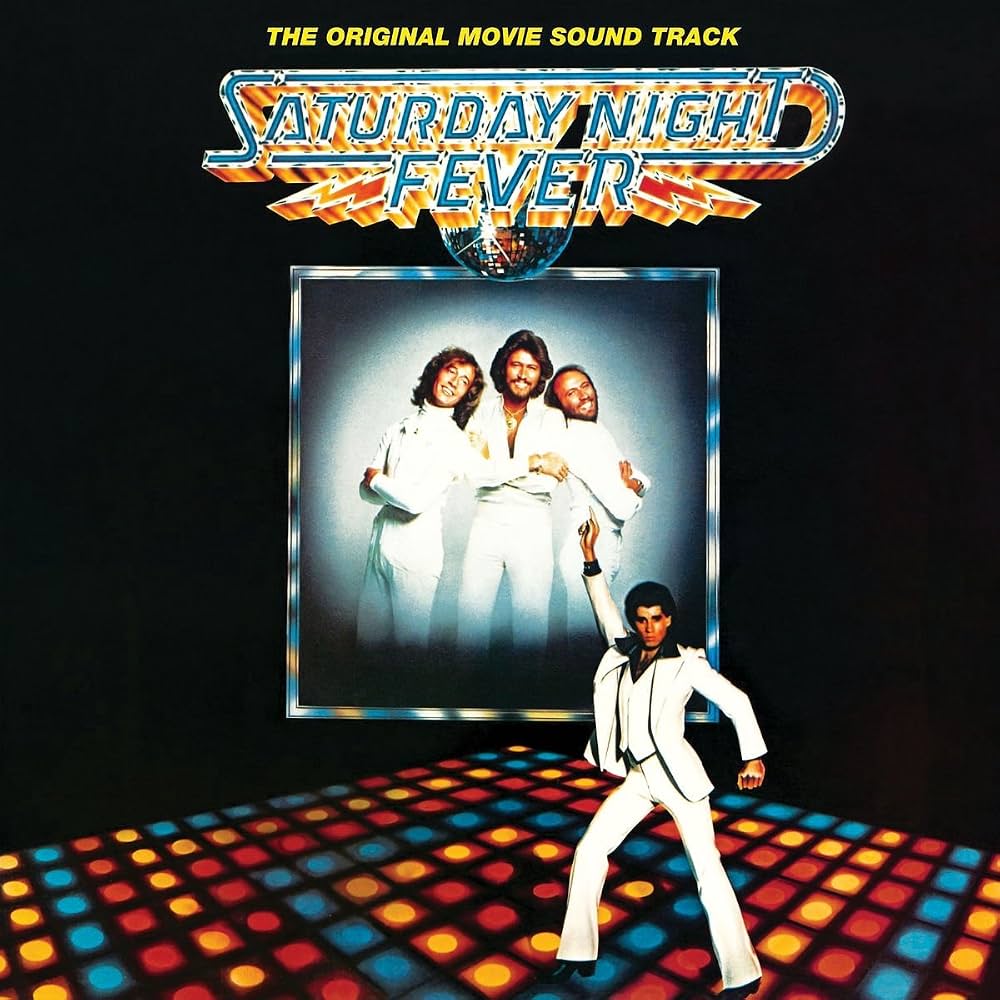
46 – Soundtrack, Saturday Night Fever (1977)
A era-defining blockbuster. The Bee Gees side is their immortal disco ideal while the album tracks and instrumentals from various artists that follow (all the way to the full version of the Trammps “Disco Inferno”) conjure a night at a club so successfully that all one could additionally ask for is a seamless DJ mix (though we’ll get to some of those soon.)
45 – Pink Floyd, Wish You Were Here (1975)
“Shine On You Crazy Diamond” which bookends this album is the prog-rock equivalent of a lengthy Miles Davis improvisation or a classical symphonic suite; the three “songs” in the middle showcase the band’s growing cynicism but also temper it with the title track, probably the only Pink Floyd to date tune one could ever successfully play at a campfire singalong.
44 – Van Morrison, Into The Music (1979)
Emerging from his mid-70s wilderness with the experimental Wavelength, Morrison then returned to his tried-and-true Celtic soul. Older, wiser and reinvigorated, he reprises the celebratory nature of his best work (“Bright Side of the Road”) while searching for redemption and enlightenment (“And The Healing Has Begun”). One of my favorite cheap vinyl buys/discoveries ever.
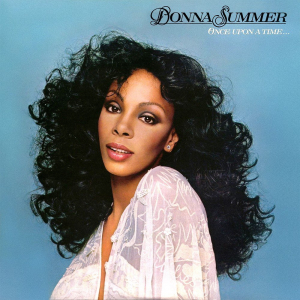
43 – Donna Summer, Once Upon A Time (1977)
Summer and her team cannily crafted concept albums all the way back to Love To Love You Baby but this, her first double record is a tour de force of a four-sided continuous mix, its fairy tale allusions synching up with a narrative that soars and sighs from orchestral splendor to futuristic electronica and seemingly everything in between
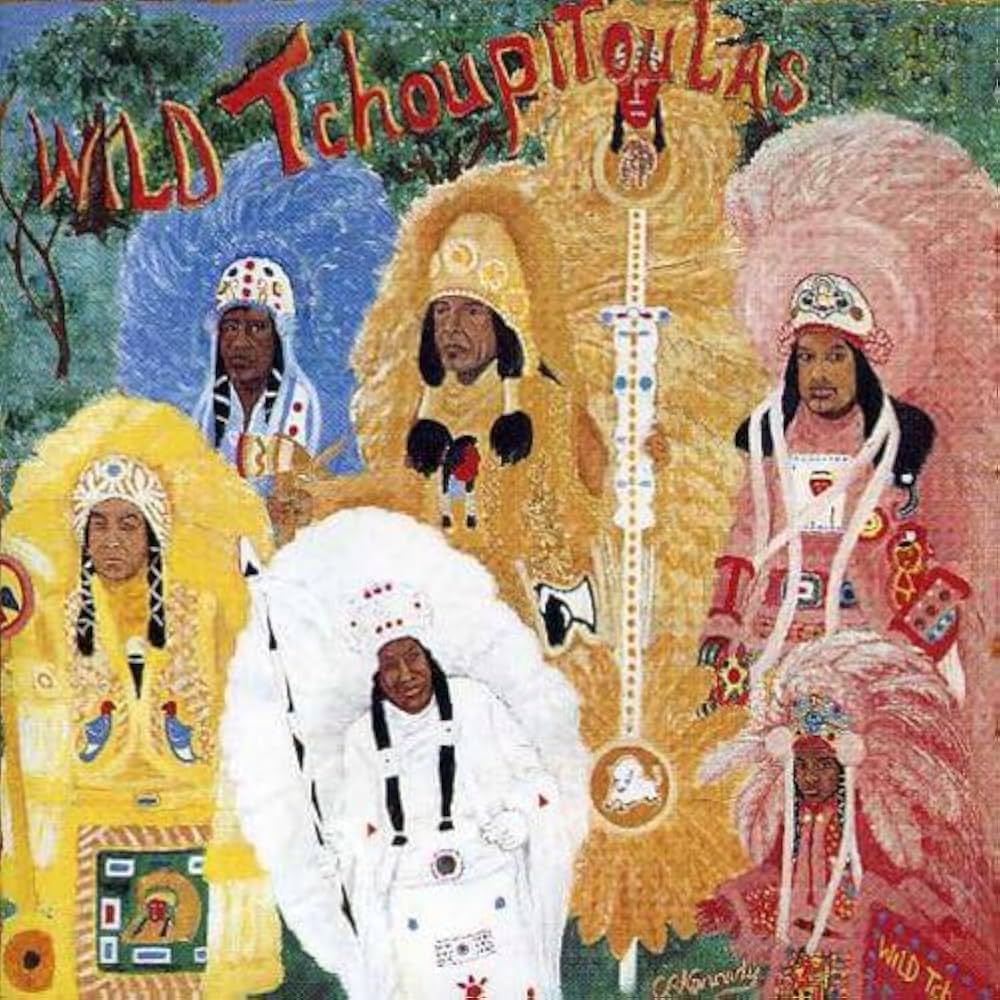
42 – The Wild Tchoupitoulas, The Wild Tchoupitoulas (1976)
Mardi Gras Indians with assistance from the Neville Brothers equals a sound that’s too perky to be swamp funk yet a little too pop to be relegated to the world music wings of Cajun or Creole. A party groove album like no other from a small but fortifying and vibrant corner of the world.
41 – Bryan Ferry, These Foolish Things (1973)
The Roxy Music frontman immediately wins one over by reimagining a staid Dylan folk standard as something Tim Curry-as-Dr. Franknfurter might’ve sung and then puts his own peculiar but inviting stamp on a dozen other covers, remaking “It’s My Party” as the queer pop Lesley Gore only wished it could be and slapping “Sympathy Of The Devil” right out from Mick Jagger’s oversized lips.

