
Following my list of favorite pre-1970 albums, let’s jump head first into my top 70 long players of the 1970s (in five installments.) Unlike my eventual top ten-to-twenty, these are ranked on the wispiest of whims, subject to change from one day to the next, but all remain constants in my music library.
70 – Big Star, #1 Record (1972)
Between this, Radio City and Third, these proto-indie rockers were three for three. I’ve always been partial to the power pop gems (including eventual That 70s Show theme “In The Streets”) on side one of their debut; R.E.M might as well not exist without this Record.
69 – Soundtrack, The Wicker Man (1973)
Freak-folk is a genre and this faintly psychedelic soundtrack is its grandaddy. Acoustic guitars layered with flutes, fiddles and brass and a vaguely sinister undercurrent (completely in line with the film’s trajectory), it comforts and unnerves in equal measure.
68 – Gil Scott-Heron and Brian Jackson, It’s Your World (1976)
Scott-Heron was one of the decade’s most distinctive and, for anticipating hip-hop, most forward-looking artists. Recorded over Bicentennial weekend in Boston and New York, this live/studio hybrid best bottles his essence, his anger, his pain, his warmth.
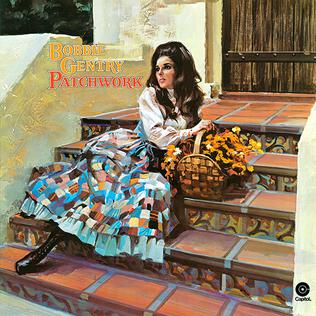
67 – Bobbie Gentry, Patchwork (1972)
Her output continually evolving from one album to the next, Gentry’s seventh and final studio release further pushed her genre-defying sensibilities. For all of its musical detours (such as the nostalgic but biting “Your Number One Fan”), the songs and interludes contained within sort of jaggedly but also undeniably cohere not unlike the album’s namesake.
66 – Nick Drake, Bryter Layter (1970)
As I age, this record’s intricate (but not overly fussy) arrangements and chamber-pop sensibility speak to me more than the sparseness of Drake’s beloved next (and final) album Pink Moon. Two sides of one coin, perhaps, but the likes of “At The Chime of A City Clock” and “Northern Sky” increasingly play like imaginary hits a half-century on.
65 – Lou Christie, Paint America Love (1971)
This 1960s crooner best known for his party trick of a low tenor vocal shifting into a screaming falsetto (“Lightnin’ Strikes”) put out this curiosity two years after his last top ten hit. Protest pop that’s neither zeitgeist-capturing nor square or passe, it resembles nothing less than something a less troubled Brian Wilson might’ve attempted around this time.
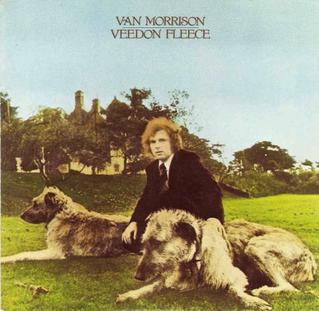
64 – Van Morrison, Veedon Fleece (1974)
The first of three Morrison records on this list and easily the most eccentric. More red-eyed folk than his usual blue-eyed soul, it’s an inspired rabbit-hole burrow alternately breathless (the epic “You Don’t Pull No Punches, But You Don’t Push The River”) and barmy (his inimitable grunts at the end of “Cul De Sac”).
63 – Caetano Veloso, Transa (1972)
I only first heard it last year and already deem the pleading, slow-burning “You Don’t Know Me” to be one of the all-time great album openers; the rest is nearly at that level whether Veloso’s conceiving tunes Cat Stevens wishes he’d written (“Nine Out of Ten”) or stirring the pot with stretched-out jams (“Triste Bahia”) and affable goofs (quickie closer ‘”Nostalgia”).
62 – Marvin Gaye, Here, My Dear (1978)
As Gaye’s 1970s concept albums go, What’s Going On is admittedly a stone-cold classic but I prefer this oddity, a double album about his divorce from his first wife. It probably flopped because from “Ain’t That Enough” to “A Funky Space Reincarnation”, he absolutely gives no fucks to being commercial while also laying down some of his most beguiling and funkiest grooves ever.
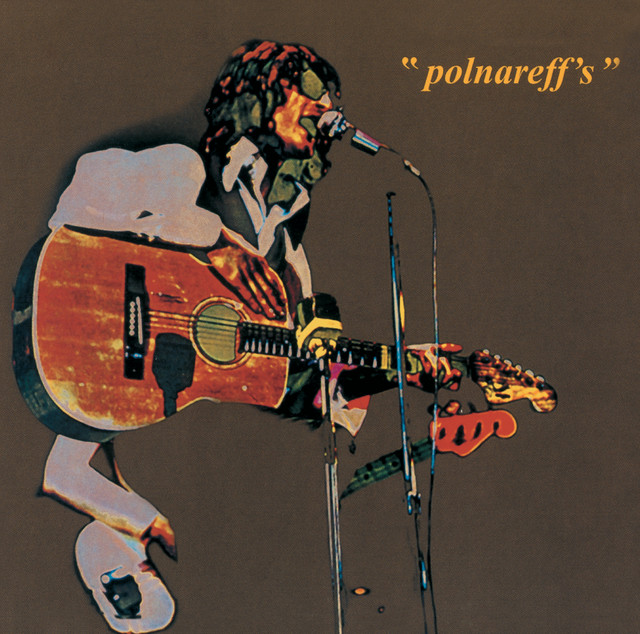
61 – Michel Polnareff, Polnareff’s (1971)
A French pop weirdo and since I don’t speak the language, I can’t always tell whether he’s serious or not (for instance, you can sing the 1960’s TV series “Batman” theme along to parts of “Mais Encore”.) Makes for attention-grabbing music, however and this LP swerves from psychedelia to light entertainment (and a liminal space in between) with ample finesse.
60 – Steely Dan, The Royal Scam (1976)
I’ve always felt sheepish not including anything by the Dan on my 100 Albums list, so they show up three times here, first with their fifth album. It finds Donald and Walter at their most gleefully cynical, with few happy endings for the poor schmucks they elegize in songs touching upon all sorts of degeneracy from drugs and divorce to ultra-specific sexual aids.
59 – Soundtrack, Cabaret (1972)
It took until middle age for me to fully appreciate Liza Minnelli and what a unicorn she was/is despite the obvious traces of/debts to her mom. These songs, mostly performed by her and the also-iconic Joel Grey are of the time period it depicts and also of the time they were record and also somehow timeless when considered today.
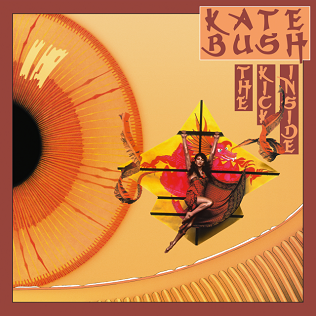
58 – Kate Bush, The Kick Inside (1978)
Her very best albums would materialize in subsequent decades so this has more of a “can you believe that music came from someone this young?” vibe (see also Fiona Apple’s Tidal.) Nothing here matches the immortal “Wuthering Heights” but as first albums go, it remains a key text for future generations to discover and examine.
57 – Brian Eno, Here Come The Warm Jets (1973)
Spoiler alert: all four of Eno’s “pop” albums will appear here and the “worst” of the four pulls off no less of a feat than perfecting glam-rock (“Baby’s On Fire”), sharpening 50s nostalgia (“Cindy Tells Me”) and anticipating much of the post-punk we won’t hear for another five or so years (take your pick; mine is “Dead Finks Don’t Talk”.)
56 – Laura Nyro, Christmas and the Beads of Sweat (1970)
Nyro’s complexity as a singer and songwriter was far ahead of its time; I’m not entirely convinced such a time has yet arrived. Sections of this record are as accessible (her definitive cover of “Up On The Roof”) as others are challenging (the labyrinthine “Map To The Treasure”) but all brilliantly both flicker and glow like the source of light in “Upstairs By A Chinese Lamp”.

