24 Frames: Aftersun

On September 11, 2021, walking up the stairs from the Brattle Theater’s lobby to its auditorium, I felt cautious, perhaps also a spark of excitement. I knew these stairs intimately, having walked them hundreds of times since moving to Boston nearly a quarter-century before. It was my first visit to this single-screen (with balcony seating!) Harvard Square institution since Varda By Agnes on December 11, 2019 (exactly twenty-one months!) and my first movie in a theatre since Covid shut them down eighteen months before. I was there with a good friend and fellow film enthusiast to watch Eyimofe (This is My Desire), a new Nigerian drama and the directorial debut from twin brothers Arie and Chuko Esiri. Today, I don’t remember much about its particulars, only that the Brattle screened it on 35mm film, certainly an incentive for my return to the movies.
Theaters started reopening months earlier as Covid vaccines became widely available. Around the time I was inoculated, the Coolidge Corner Theatre (until the previous December my longtime employer) resumed business; the Brattle soon followed suit, as did The Somerville, Landmark Kendall Square, AMC Boston Common and most suburban multiplexes. I did not yet feel comfortable returning to the Coolidge; despite being vaccinated and masked, the notion of sitting in packed interior space also intimidated me. I eased back into the world gradually, flying to South Carolina that June to see my parents (for the first time in nearly two years), staying at a Maine hotel over an August weekend, going out to favorite restaurants more and ordering takeout less.

Viewing Eyimofe (This is My Desire) marked both a homecoming and a new phase. Altered circumstances meant I would not go back to the movies as often or conveniently as I had for most of my adult life. Potentially large crowds deterred me from seeing anything at IFFBoston’s Fall Focus that October, but that month I did buy a Brattle membership (and have maintained one ever since.) The friend I saw Eyimofe with once again became a consistent moviegoing companion; together, we returned to the Brattle for Tsai Ming-liang’s Days, then met up at the Legacy Place Showcase Cinemas in Dedham for Denis Villeneuve’s Dune. Weeks later, we even saw a limited run of The Power of The Dog at the Coolidge—I could’ve waited another two weeks to watch it on Netflix but Jane Campion’s best film since possibly The Piano on the Coolidge’s glorious, giant main screen was worth the trip.

Eyimofe (This is My Desire)

My theater visits might have trickled to one or two films per month (still higher-than-average than the public at large) but it didn’t feel like much of a loss. I did appreciate each movie I saw outside the house far more now, whether it was a brand-new flick from a favorite director (Paul Thomas Anderson’s Licorice Pizza in 70mm at the Coolidge) or a beloved classic I hadn’t seen on the big screen before (a scratchy 35mm print of Stranger Than Paradise at the Brattle.) I made time to see Memoria (Apichatpong Weerasethakul’s follow-up to Cemetery of Splendour) because I knew it was only screening theatrically—to this date, it has not been available to stream; I also set aside an evening to catch Terence Davies’ ambitious, ingenuously shot and edited Benediction at the Kendall Square, grateful that I did after it ended up the director’s final film. The following April, I attended IFFBoston’s first in-person festival in three years, catching six movies over four nights including A Love Song (starring singular character actress Dale Dickey), charming Finnish coming-of-age feature Girl Picture and the Hawaiian indie Every Day In Kaimuki.

My viewing at home, however, only flagged slightly from the amount I consumed during lockdown. A new job with a hybrid schedule (two days/week onsite, three days at home) allowed more time to stream everything from Elia Kazan’s Splendor In The Grass to Pier Paolo Pasolini’s Pigsty than when I had been commuting to the Coolidge Monday through Friday. While ideally I would have seen such titles on the largest screen available, I had acclimated to a sort of hybrid schedule for movie watching in general. I’ll always recommend seeing a movie in a theater with an audience when possible or feasible but it’s also advantageous to consider any alternative. Streaming schedules are as fleeting and variable as theatrical release windows: titles come and go all the time and while how one sees a film can enhance the experience, what’s more important is just seeing the film, period (often by any means necessary.)

Where I saw movies had shifted as did how I approached them. Writing from a distance of not even five years, I believe we’re all still processing a world radically transformed by the pandemic and lockdown via enormous and obvious changes (such as those hybrid work schedules), but also more infinitesimal ones. I’ve mentioned that studying film had an effect on how I see both the world and my own self but this did not end when I finished school. Since then, I’ve watched movies that continually expand and sometimes challenge such perceptions. When considering something as global and consequential as Covid, one is reminded that the world is always changing. Some of the best films tend to recognize this sense of a world forever being in flux no matter how contained the narrative; the very best of them also offer new ways of viewing and comprehending it.

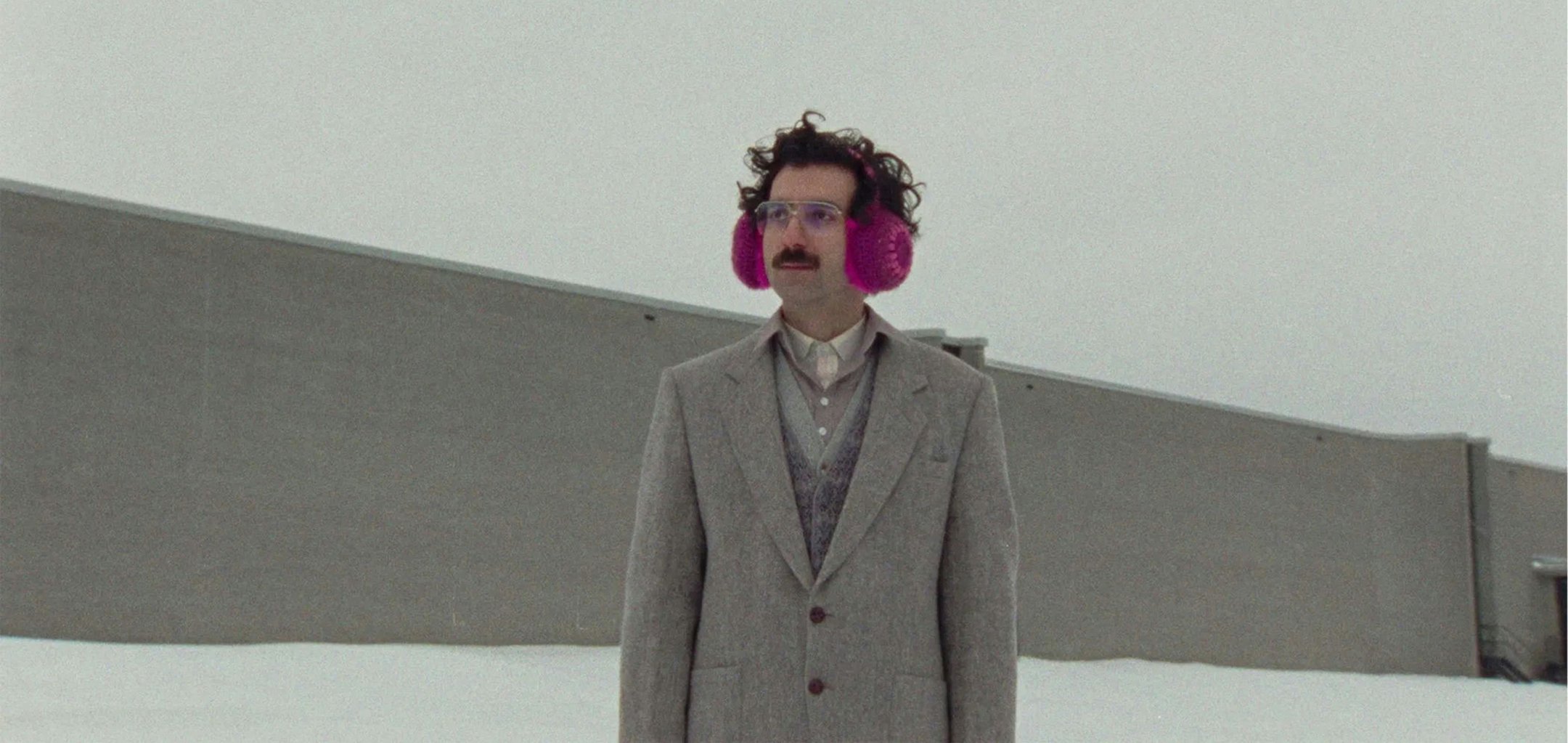
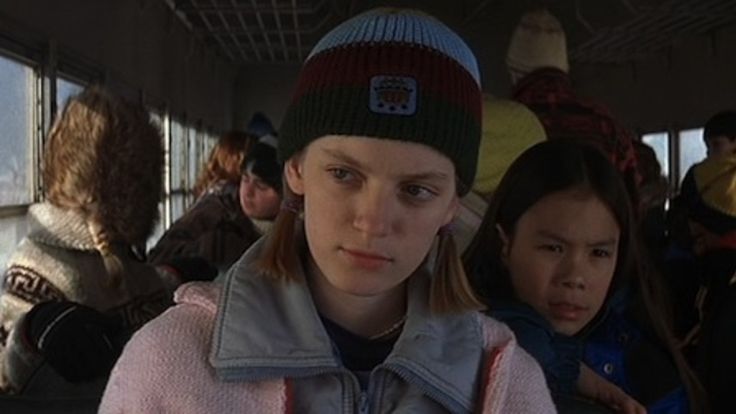
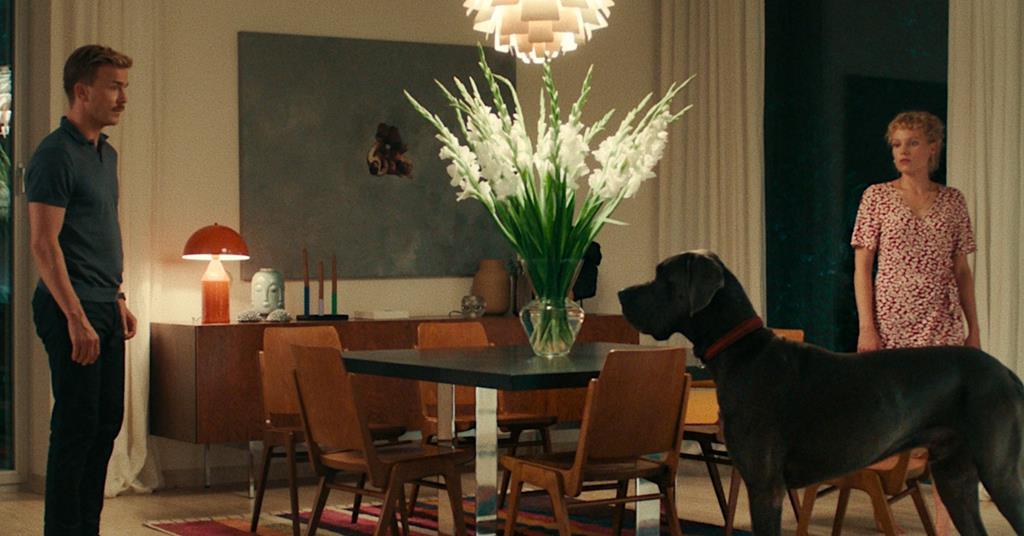
In Aftersun, the debut feature from writer/director Charlotte Wells, a father, Calum (Paul Mescal) and his 11-year-old daughter, Sophie (Frankie Corio) are on holiday at a Turkish resort. Both hail from Scotland but Calum (who had Sophie when he was barely 20) no longer lives with her and her mom but in another unidentified country. On the surface, this is a fairly unremarkable vacation with the two mostly passing the time lounging by the pool, swimming in the Mediterranean Sea and partaking in other tourist-friendly activities; the application of suntan lotion before and after such endeavors is the most literal reference to the film’s title. Throughout, audio clues such as a late 90’s-heavy soundtrack (Blur, The Lightning Seeds, even that once-ubiquitous dance craze “Macarena”!) and subtler visual ones (clothing styles and the absence of smartphones) reveal the time period—not coincidentally, it’s when Wells herself would’ve roughly been Sophie’s age.

Gradually, one sees Calum and Sophie’s relationship as not necessarily estranged but certainly influenced by the time they’ve spent living in separate countries. There’s a longing from each of them towards the other that also seems tentative due to how they’re placed in frame—often at opposing angles, they come off as abstractions as the camera focuses on their backsides or close-ups of body parts (like the cast Calum wears on his right hand for the film’s first half.) It’s not as reductive as telegraphing distance by placing them poles apart in the mise en scene, but the sense persists that something’s left unsaid. The closest Sophie gets occurs when she says to Calum, “I think it’s nice that we share the same sky.” He asks her what she means, and she adds, “I think that the fact that we can both see the sun, so even though we’re not actually in the same place and we’re not actually together… we kind of are in a way, you know?” 

Wells organizes this story not merely as a period piece or even fully a memory piece but almost as the act of someone sifting through their own memories (themselves fleeting things that one doesn’t always recall accurately) and reconciling them with actual remnants of the past—in this case, footage shot by Sophie and Calum of this trip on their camcorder. The film opens with Sophie (heard but not seen) recording Calum standing on their hotel room’s balcony; his back is to the camera through sliding glass doors as he smokes a cigarette and sways a bit, as if casually dancing or perhaps practicing Tai Chi (which he does throughout the film.) The act of recording someone is a motif many other films have utilized (increasingly so given that anyone can now record a video on their phone); in Aftersun, it’s enhanced by scenes of characters watching said footage. Both Calum and Sophie take time to view what they’ve recently recorded of each other; Wells occasionally introduces an additional layer by showing both what’s filmed and who’s watching it simultaneously in the frame. In one instance, Calum turns the video off and we’re left with his reflection in the TV screen. Gradually, one notices reflections of both characters, together but mostly separately in numerous surfaces ranging from the obvious (mirrors all over the place) to the more subtle (the polished surface of a dining table.) The effect jars a little but it also intrigues as both video and reflections sometimes reveal facial expressions and other body language Calum and Sophie might not be consciously aware of coming from themselves.

After that opening camcorder footage, Wells briefly and abruptly cuts to an adult woman in a darkened club, staccato flashes of white light momentarily illuminating her, as if at a rave. She then rewinds back to the beginning of the vacation with Calum and Sophie on their bus from the airport to the resort. Subsequently, the film unspools in more or less linear time but Wells occasionally returns to the rave where we can begin to make out Calum dancing in the crowd. The next time arrives not long after Calum casually confides to another man at the resort who assumes Sophie is Calum’s sibling, “I can’t see myself at 40; surprised I made it to 30.” Later, following an intimate conversation between Calum and Sophie partially about why the former no longer lives in Scotland, the music slows down like a cassette player running out of battery power as Wells returns to the rave. She soon edits in a curious, never before and never again seen image of Calum’s backside as he stands on a railing, possibly the one on their hotel room’s balcony.

Like so much else in this film, it’s purposely abstract and not entirely knowable. Is it a flash-forward to a later scene or perhaps a flashback to a memory? The next time it happens offers some clarity. One evening at the resort, Sophie signs the two of them up for karaoke but Calum flat-out refuses to participate and she performs a charmingly tuneless version of R.E.M.’s “Losing My Religion” by herself. Afterwards, they argue a bit; Calum announces he’s going back to their room. Rather than join him, Sophie stays behind and pals around with some older teens plus one boy her age, Michael with whom she shares her first kiss. Meanwhile, in their room, expressionless, Calum watches one of their videos and then goes back out, gets drunk and walks towards the sea. In a chilling, static long shot, he literally walks right into the sea until he disappears (one could say Calum himself becomes an abstraction.) Locked out of the room, Sophie asks a receptionist to let her in. Upon her return we see Calum, no longer in the sea but lying naked, face down on the bed. His heavy breathing fills the soundtrack and then we’re back at the rave. One begins noticing that these rave scenes seem to arrive at moments of Calum’s heightened anxiety. This time, however,  there’s a cut from the rave to black and then a slow rising pan revealing the adult woman we saw in that first brief rave scene. She’s in bed with another woman and one can hear a baby (presumably her daughter) crying in the distance. The other woman says to her, “Happy Birthday, Sophie.”

All at once, one understands Aftersun as adult Sophie looking back on this holiday with her dad when she was 11. The viewer doesn’t know where Calum is now, only that he’s not present, just someone we see in Sophie’s past. When the film returns to the morning after Calum’s walk-into-the-sea (or did he?), the holiday continues. Calum apologizes for accidentally locking Sophie out; they visit some mud baths and practice Tai Chi together over a scenic view. It’s also Calum’s 31st birthday and Sophie cajoles the rest of their tour group to surprise-sing “He’s a jolly good fellow” to him. He watches them, caught off guard, positively bewildered while Wells slowly cross fades to him from presumably the night before, sitting on the hotel room bed, head bent over, deeply sobbing. It’s the closest she comes to revealing that there’s something going on with him. Maybe he suffers from depression although she leaves things open enough that it’s possible he’s just having a bad day, just as it’s possible he could still be part of adult Sophie’s life or still alive, even. However, the film’s somewhat wistful, mostly melancholic tone portends otherwise.

The rave is a space where adult Sophie can coexist with the Calum of twenty-odd years before. At the film’s climax, the actual “rave” is shown to be a brightly lit outdoor space at the resort. Calum leaps onto the dancefloor, boogieing to Queen and David Bowie’s “Under Pressure” while a bashful but amused young Sophie watches him in wonder. As the scene continues, it shifts back and forth between the actual space and the rave with adult Sophie, the latter as usual rendered in darkness with flashes of white light. The song, one that could potentially suffer from forty years of overexposure is not a random choice. As Bowie and Freddie Mercury fervently sing “This is our last dance” repeatedly, the music becomes isolated, the rhythm section dropping out from this particular mix, the words and vocals urgent, echoing and taking on almost a spectral presence.

As the song climaxes, young Sophie and Calum hold each other on the resort’s dancefloor in one moment, while adult Sophie and Calum do the same at the rave. Then, there’s a cut to camcorder footage of young Sophie waving goodbye to Calum at the airport. A slow pan to the right ends with adult Sophie sitting on her couch, watching this footage on her TV. Another pan shifts the action back to the airport, only from Sophie’s point of view as Calum films her. In this final shot, he stops his camera and stares into Wells’. He then slowly walks away from us down a long corridor. He exits through doors at the corridor’s end into the rave, briefly visible until the doors close and he disappears from Sophie’s life perhaps temporarily, possibly permanently.

I watched Aftersun in a theater on the basis of glowing reviews and also Mescal’s presence. His breakthrough role arrived two years prior with the television miniseries Normal People. Over a dozen half-hour episodes, one witnessed him transform from everyone’s favorite new internet boyfriend into potentially one of the better actors of his generation. Following roles in God’s Creatures and The Lost Daughter, Aftersun gave him ample space to build upon this promise and depth and it earned him an Oscar nomination for Best Lead Actor. However, it also announced a significant new talent in Wells. She could have chosen to tell this story rather conventionally with a more explicit flashback structure, voiceover narration, title cards to place us where and when, etc. Instead, she forged her own cinematic language of sorts, not necessarily telling the whole story of Calum and Sophie but a story nonetheless utilizing different means of disseminating information through words left unsaid, glances and movements, shaping of time and place and presenting images from multiple and often simultaneous perspectives. By the film’s end, one could sense in her a vision as deeply felt as Miranda July’s, a direction of actors as masterful as Wes Anderson’s and as innovate a storyteller as Todd Haynes or Abbas Kiarostami.

Years ago in film school, attending the now-defunct Fine Arts Theatre in downtown Chicago (for a screening of the Jane Horrocks vehicle Little Voice), I saw inscribed on the venue’s lobby wall a quote from French writer Theophile Gautier which I think of often: “All Passes; Art Alone Endures”. Industry strikes and shortfalls in funding aside, people continue making movies and sorting out ways for others to see them. Like all art, cinema will never “die”, just as we haven’t run out of stories to tell or paintings to draw or music to make, etc. Multiple times in this project, I’ve mentioned the notion (possibly now a cliché) or never possibly running out of movies to watch. The thought provides deep solace and stimulation for me, not to mention a sense of fulfillment whenever I see a new film as original, compelling and resonant as Aftersun.

Essay #24 of 24 Frames.

Go back to #23: Ham On Rye

2019: Could This Be… A Forgery?

I tend to romanticize 2019 as a more innocent time, but that’s a trap—even without the global pandemic-to-come, the world was still a mess and I dealt with both civic and personal issues by seeking stimulation and comfort in film, books and music, just as I always had (and continue to do so in an ever-messy world.)

The first two tracks below are my favorites, both by new artists and completely out of left-field: Orville Peck, a queer, fringe-masked Canadian cowboy crooner, and Kelsey Lu, a Charlotte-born, African-American freak-folk original. Peck’s vocal on “Dead of Night” blatantly recalls Roy Orbison, Morrissey and Chris Isaak but when he shifts into his higher register on the chorus, it gives me chills like nothing Roy or few things Chris ever did (and like the Moz hasn’t in decades.) “Poor Fake”, on the other hand, instantly achieves soulful dancefloor splendor when the beat kicks in at 0:34 and approaches Kate Bush-levels of delightful eccentricity in its subject matter (counterfeit art) and bonkers spoken-word section. Peck’s gone on to semi-stardom, recording a duets album this year with the likes of Beck, Kylie Minogue and Willie Nelson; at this writing, I’m still waiting for a follow-up from Lu.

Other discoveries this year: Cate Le Bon’s pleasant/peculiar Avant-pop where at times her vocal recalls no one so much as Patti Smith (!); Weyes Blood’s own brand of Avant-pop, as if Aimee Mann and Brian Eno had a daughter; Steve Lacy’s Prince-meets-Daryl Hall comedown; Maggie Rogers’ compulsively singable declaration of desire; Yola’s retro baroque complete-with-harpsichord-soul (“Faraway Look”, an inspired choice to conclude the rebooted, fourth season of Veronica Mars) and Aussie Alex Lahey’s triumphant power-pop complete with a Clarence Clemons-esque sax solo.

Albums that nearly made my 2019 top ten (Vampire Weekend, Hot Chip, The Divine Comedy) are represented by their best songs, as are spottier full-lengths that were slight let-downs (Jenny Lewis, Marina (now “and the Diamonds”-free, somewhat to her detriment), Carly Rae Jepsen, The New Pornographers.) Also, more tracks not attached to an album at all: Sufjan Stevens’ released-for-Pride-month chillout anthem, an orphaned Florence + The Machine song preferable to anything on the previous year’s High As Hope and another delirious disco epic from Roisin Murphy.

Also, I was delighted to rediscover a few songs I hadn’t listened to much since then: Robert Forster’s consideration of his own status as a semi-semi-popular artist, a track from a reformed, older-and-wiser Dream Syndicate and a lovely, final sigh from the now-defunct Chromatics. 

2019: Could This Be… A Forgery?

  1. Orville Peck, “Dead Of Night”
  2. Kelsey Lu, “Poor Fake”
  3. Jenny Lewis, “Wasted Youth”
  4. Tegan and Sara, “Hold My Breath Until I Die”
  5. Robert Forster, “No Fame”
  6. Bat For Lashes, “Kids In The Dark”
  7. Steve Lacy “Hate CD”
  8. Deerhunter, “What Happens To People?”
  9. Marina, “Handmade Heaven”
  10. Andrew Bird, “Manifest”
  11. Vampire Weekend, “This Life”
  12. Belle & Sebastian, “Sister Buddha”
  13. Cate Le Bon, “Home To You”
  14. Raphael Saadiq, “This World Is Drunk”
  15. DIIV, “Skin Game”
  16. Of Monsters and Men, “Wild Roses”
  17. Calexico/Iron & Wine, “Midnight Sun”
  18. Roisin Murphy, “Narcissus”
  19. Carly Rae Jepsen, “Want You In My Room”
  20. Lana Del Rey, “Norman Fucking Rockwell”
  21. Cigarettes After Sex, “Heavenly”
  22. Chromatics, “You’re No Good”
  23. The New Pornographers, “Falling Down The Stairs Of Your Smile”
  24. Guster, “Don’t Go”
  25. Holy Ghost!, “Anxious”
  26. The Divine Comedy, “Absolutely Obsolete”
  27. Weyes Blood, “Everyday”
  28. The Mountain Goats, “Younger”
  29. Hot Chip, “Spell”
  30. Yola, “Faraway Look”
  31. Alex Lahey, “Don’t Be So Hard On Yourself”
  32. Florence + The Machine, “Moderation”
  33. The Dream Syndicate, “Bullet Holes”
  34. Maggie Rogers, “Burning”
  35. Sufjan Stevens, “Love Yourself”
  36. Michael Kiwanuka, “Piano Joint (This Kind of Love)”
  37. Sharon Van Etten, “Seventeen”
  38. Charly Bliss, “Chatroom”
  39. Imperial Teen, “How To Say Goodbye”
  40. The National, “Light Years”

2018: This Gorgeous Mess

Emm Gryner and Tracey Thorn are as good as any bookends to summarize my musical tastes: in 2018, the former offered yet another in a decades-spanning string of brilliant pop singles, “Imagination” tapping into the neo-psychedelic wonder of Wendy and Lisa (or, to cite someone less cool, prime Bangles); the latter, ex-(and future!) Everything But The Girl vocalist capping off her solo career-to-date with the sort of epiphany all too rare in modern pop: “Someone’s singing and I realize it’s me,” she discovers while spending an evening with friends, drinking, dancing and thriving on the “Dancefloor”.

Plenty of great, late-career triumphs this year: Neneh Cherry, Inara George (of The Bird and The Bee), Robyn’s return, Sam Phillips applying her timelessness to an ever-relevant problem, Chaka Khan still very much the dancing queen, even Paul Frickin’ McCartney, still good for one great song per LP. Some nifty discoveries too, like Tracyanne & Danny (first overheard in a Pier One Imports!), an isolated track from former Vampire Weekend member Rostam, queer odes to losing one’s virginity both jaunty (Ezra Furman) and euphoric (Troye Sivan), crisp, ‘80s-revival jangle-pop from (take a deep breath) Rolling Blackouts Coastal Fever and sharp ’90s-revival alt-rock from the awesomely-named The Beths.

An earlier version of this playlist spotlighted Eleanor Friedberger’s “Make Me A Song” with its simple, indelible hook of “I could love you more” and I could easily do the same for my favorite Lana Del Rey track, dropped nearly a year before it resurfaced on her 2019 album (also my favorite of hers.) However, I can’t deny Twin Shadow’s “Too Many Colors”, an alternate universe number one hit buoyed by a killer hook and a sparkling arrangement. The man also known as George Lewis, Jr. has since branched out into other sounds and influences (reggae in particular on Twin Shadow’s self-titled 2021 LP); I don’t blame him since “Too Many Colors” is a perfect distillation of his previous retro synth-pop aesthetic.

2018: This Gorgeous Mess

  1. Emm Gryner, “Imagination”
  2. Lana Del Rey, “Mariners Apartment Complex”
  3. Rolling Blackouts Coastal Fever, “Talking Straight”
  4. Kacey Musgraves, “High Horse”
  5. Sam Phillips, “American Landfill Kings”
  6. Eleanor Friedberger, “Make Me A Song”
  7. Neneh Cherry, “Kong”
  8. Chaka Khan, “Like Sugar”
  9. Inara George, “Slow Dance”
  10. St. Vincent, “Fast Slow Disco”
  11. Christine and The Queens, “The Walker”
  12. Troye Sivan, “Bloom”
  13. Paul McCartney, “Dominoes”
  14. LUMP, “Curse of the Contemporary”
  15. Amen Dunes, “Believe”
  16. Sunflower Bean, “I Was a Fool”
  17. Jessie Ware, “Overtime”
  18. First Aid Kit, “It’s A Shame”
  19. Janelle Monae, “Make Me Feel”
  20. Gruff Rhys, “Frontier Man”
  21. Twin Shadow, “Too Many Colors”
  22. Florence + The Machine, “Patricia”
  23. Calexico, “Music Box”
  24. Rostam, “In A River”
  25. Natalie Prass, “The Fire”
  26. Lake Street Dive, “Shame, Shame, Shame”
  27. Metric, “Now and Never Now”
  28. The Beths, “Not Running”
  29. Lord Huron, “The Balancer’s Eye”
  30. Ezra Furman, “I Lost My Innocence”
  31. Field Music, “Daylight Savings”
  32. Robyn, “Ever Again”
  33. Neko Case, “Bad Luck”
  34. The Decemberists, “Once In My Life”
  35. Tracyanne & Danny, “Cellophane Girl”
  36. Tracey Thorn, “Dancefloor”

2017: It’s Been A Long, Hard Year

In 2017, for the first time as an adult, I suddenly lost two close friends (one to a heart attack, the other, cancer.) “Try Harder” by Mavis Staples offered some solace. Repeatedly wailing “Don’t do me no good to pretend / I’m as good as I can be,” over a primal, guttural guitar riff, Staples’ (then 78!) catharsis inspired me to keep moving forward in the midst of personal loss (and it must be said, national unrest.) So did Iron & Wine’s slow-building “Call It Dreaming”, The War on Drugs’ shimmering, better-with-every-year “Pain” and Alison Moyet’s declarative late anthem “The Rarest Birds”.

For the first time, I’ve gone up to forty tracks because I just couldn’t leave anything out: not the topical, propulsive anthem from the ever-unpredictable Canadian All-Star indie collective Broken Social Scene (with Metric’s Emily Haines on vocals), Alvvays crafting their own kind of lithe post-punk, Tori Amos proving as durable as ever with a seven-minute walk into the deep dark forest, a gem from Slowdive’s surprisingly durable self-titled reunion album or a song from another British group’s own reunion album, The Clientele’s Music For The Age Of Miracles. I had never knowingly listened to the latter until “Lunar Days” once popped up on shuffle on Spotify; I immediately fell for it and now count them among my favorite bands.

As for Jens Lekman (from whom the world is still waiting for a real follow-up album): only he would ever write a song about a man at a bar showing off a 3-D model of a tumor surgically removed from his back to his friend and a waitress or render it both so jubilant and melancholy, inserting almost ridiculously bubbly “doo-doo-doo’s” within a blue-eyed funk/disco arrangement. And there’s something in the way he sings the lyric I’ve co-opted for this playlist’s title that nearly destroys me every time I hear it.

2017: It’s Been A Long, Hard Year

  1. Iron & Wine, “Call It Dreaming”
  2. The National, “The System Only Dreams In Total Darkness”
  3. Laura Marling, “Soothing”
  4. The Clientele, “Lunar Days”
  5. Grizzly Bear, “Losing All Sense”
  6. Lindsey Buckingham & Christine McVie, “Sleeping Around The Corner”
  7. Perfume Genius, “Wreath”
  8. The War On Drugs, “Pain”
  9. Jessie Ware, “Your Domino”
  10. Sylvan Esso, “Die Young”
  11. Waxahatchee, “Never Been Wrong”
  12. Ted Leo, “Used To Believe”
  13. Charlotte Gainsbourg, “Deadly Valentine”
  14. Carly Rae Jepsen, “Cut To The Feeling”
  15. Tennis, “My Emotions Are Blinding”
  16. Goldfrapp, “Tigerman”
  17. Mavis Staples, “Try Harder”
  18. Aimee Mann, “Patient Zero”
  19. Lana Del Rey, “Love”
  20. Saint Etienne, “Magpie Eyes”
  21. Alvvays, “Plimsoll Punks”
  22. St. Vincent, “MASSeduction”
  23. The xx, “Replica”
  24. Slowdive, “Sugar For The Pill”
  25. Stars, “We Called It Love”
  26. Spoon, “Tear It Down”
  27. Tori Amos, “Reindeer King”
  28. Sufjan Stevens, “Mystery Of Love”
  29. Joe Goddard feat. SLO, “Music Is The Answer”
  30. Lorde, “Perfect Places”
  31. Sparks, “Edith Piaf (Said It Better Than Me)”
  32. The Mountain Goats, “Rain In Soho”
  33. Chromatics, “Shadow”
  34. Nicole Atkins, “If I Could”
  35. Alison Moyet, “The Rarest Birds”
  36. Cigarettes After Sex, “Apocalypse”
  37. Jens Lekman, “Evening Prayer”
  38. Haim, “Little Of Your Love”
  39. Broken Social Scene, “Protest Song”
  40. Destroyer, “Le Regle du Jeu”

2016: I Would Rather Stay Awake

We begin with the lead single from Leonard Cohen’s final album (to be released in his lifetime) which at the time summed up this cursed year aptly; we conclude with a meditative Velvet Underground cover that ended up Brian Eno’s first solo vocal track in over a decade. The year itself started with David Bowie’s death, infamously days after releasing his final album, represented here by “Lazarus” where he ponders his mortality with a directness almost revelatory coming from such an icon; many more high-profile deaths followed, from Prince to George Michael to Sharon Jones (here covering Greg Allman for a car commercial, a definitive version of that song) and Cohen himself.

Compared to 2015, this wasn’t as great a year for albums (except for this one) or singles. While long-awaited records like Tegan and Sara’s Love You to Death or Junior Boys’ Big Black Coat felt a little underwhelming in lieu of what came before from each duo, I played the heck out of both “U-Turn” and “Baby Give Up On It”. The Bastille single ended up as much of an earworm as “Pompeii” was a few years before. The Florence + The Machine song, a soundtrack cut, certainly didn’t feel like filler or a leftover from How Big, How Blue, How Beautiful. Underworld returned with an album that often resembled little of they’d done before while still fully sounding like themselves.

Elsewhere, veterans from Ben Watt and Wilco to Pet Shop Boys and Andrew Bird caught my ear alongside newer acts such as Mitski, Michael Kiwanuka (one of the few singer-songwriters who meshes well with producer Danger Mouse) and The 1975, the latter epitomizing an audaciousness sorely missing in a lot of modern pop (even if it doesn’t always yield positive results.) I’ve chosen to highlight the last song on cult British brother duo Field Music’s fine album Commontime. A lullaby of sorts, rich with ambiguity (it could conceivably be sung to either a child or a romantic partner), it promotes empathy and generosity, the act of putting others first while still reveling in the joy it brings to you both–a feeling its melody practically radiates. Eight years on (and on the heels of another likely contentious election), I’d rather remember 2016 for signs of life than an excess of death.

2016: I Would Rather Stay Awake

  1. Leonard Cohen, “You Want it Darker”
  2. Santigold, “Rendezvous Girl”
  3. Michael Kiwanuka, “One More Night”
  4. The Radio Dept., “Committed to the Cause”
  5. The Avalanches, “If I Were a Folkstar”
  6. Martha Wainwright, “Traveller”
  7. Ben Watt, “Between Two Fires”
  8. Whitney, “No Matter Where We Go”
  9. Parquet Courts, “Berlin Got Blurry”
  10. Bastille, “Good Grief”
  11. KT Tunstall, “Turned a Light On”
  12. Corinne Bailey Rae, “Stop Where You Are”
  13. Pet Shop Boys, “Burn”
  14. The Divine Comedy, “To The Rescue”
  15. John K. Samson, “Prayer For Ruby Elm”
  16. Florence + The Machine, “Wish That You Were Here”
  17. The 1975, “Somebody Else”
  18. Wilco, “Someone to Lose”
  19. Andrew Bird, “Truth Lies Low”
  20. Roisin Murphy, “Ten Miles High”
  21. Junior Boys, “Baby Give Up On It”
  22. Eleanor Friedberger, “Because I Asked You”
  23. case/lang/veirs, “Best Kept Secret”
  24. David Bowie, “Lazarus”
  25. Tegan and Sara, “U-Turn”
  26. PJ Harvey, “The Wheel”
  27. Sharon Jones and the Dap-Kings, “Midnight Rider”
  28. Field Music, “Stay Awake”
  29. Lake Street Drive, “Call Off Your Dogs”
  30. Mitski, “Fireworks”
  31. Bat For Lashes, “Joe’s Dream”
  32. Underworld, “I Exhale”
  33. Brian Eno, “Fickle Sun (iii) I’m Set Free”

2015: There’s Beauty In Every Stumble

A standout year for new music—I know, every year produces its share of great songs, but 2015 was for me another 1992 or 2004. I even sent out an annual mix CD to friends, something I hadn’t done since 2010 (and haven’t again at this writing.) The first half of this playlist mostly replicates that mix: a parade of perennials (Marling, Cracknell, Gryner, Sufjan, Metric, etc.) with a few one-offs and some newbies woven in (Vampire Weekend’s bassist’s side project Baio; Courtney Barnett cannily channeling The New Pornographers while still sounding like her eccentric self.)

The remaining songs are split between good stuff I couldn’t originally fit on an 80-minute CD (Grace Potter’s disco-rock extravaganza, Deerhunter’s cheeriest moment by far, the first good Madonna song in a decade) and, as always, gems I didn’t encounter until the following year or two: Susanne Sundfor’s superior Swedish synth-pop, Grimes’ ethereal, electro-sigh (still best in its “demo” form), Natalie Prass’ classy, out-of-time balladry, and of course, Carly Rae Jepsen’s blissfully, self-assuredly perfect and sophisticated teen-pop.

Mid-decade was a wonderful time for female-driven, left-of-center pop: Marina and the Diamonds referencing Kate Bush at her bubbliest, Florence + The Machine applying their power source to an irresistible Motown stomp, Christine and The Queens effortlessly inserting a rapid rap in French into their song’s bridge, Romy adding warmth and composure to her bandmate in The xx’s sampledelic anthem.

“Nobody’s Empire” deservedly leads off this selection. Released two months before my 40th birthday, hearing it was a shock in that, nearly two decades after If You’re Feeling Sinister, Stuart Murdoch showed he was still capable of greatness: the chiming piano hook, the melody’s immediacy, the organic build-up in the choruses that eventually soar with heavenly choral arrangements worthy of ABBA. He hasn’t come close to topping it since; that as of this writing he’s just published his first novel which is named after it tells you even he recognizes how special it is.

2015: There’s Beauty In Every Stumble

  1. Belle and Sebastian, “Nobody’s Empire”
  2. Marina and the Diamonds, “I’m A Ruin”
  3. Florence + The Machine, “Queen of Peace”
  4. Destroyer, “Times Square”
  5. Laura Marling, “False Hope”
  6. Baio, “Sister of Pearl”
  7. Calexico, “Miles From The Sea”
  8. Robert Forster, “A Poet Walks”
  9. Sarah Cracknell, “Hearts Are For Breaking”
  10. Twin Shadow, “When The Lights Turn Out”
  11. Emm Gryner, “The Race”
  12. Jose Gonzalez, “Let It Carry You”
  13. Roisin Murphy, “Unputdownable”
  14. Sufjan Stevens, “Fourth of July”
  15. Metric, “Fortunes”
  16. Courtney Barnett, “Elevator Operator”
  17. Hot Chip, “Dark Night”
  18. Jamie xx/Romy, “Loud Places”
  19. Susanne Sundfor, “Fade Away”
  20. Lianne La Havas, “Tokyo”
  21. Carly Rae Jepsen, “Boy Problems”
  22. Grimes, “Realiti (Demo)”
  23. Grace Potter, “Alive Tonight”
  24. Deerhunter, “Breaker”
  25. Natalie Prass, “Why Don’t You Believe In Me”
  26. Beirut, “Perth”
  27. Tanlines, “Pieces”
  28. Jason Isbell, “The Life You Chose”
  29. Madonna, “Joan of Arc”
  30. Lord Huron, “The Night We Met”
  31. FFS, “Piss Off”
  32. Christine and The Queens, “Tilted”
  33. The Radio Dept., “This Repeated Sodomy”
  34. Ivan & Alyosha, “It’s All Just Pretend”
  35. Years & Years, “Shine”
  36. Tracey Thorn, “Let Me In”

2014: Just Some Kid From Boston

Look at all the great tracks from this year: Cibo Matto’s (artistically) triumphant return (not to mention Ben Watt’s, and Erasure’s, and Tori Amos’ and even Suzanne Vega’s!), sterling debuts from Betty Who, Lake Street Dive, Alvvays and Sylvan Esso, breakthroughs from Perfume Genius and Owen Pallett, best-songs-yet from Jessie Ware and Lykke Li, a spooky Lana Del Rey gem and even a collaboration from two of my fave artists (The Both = Aimee Mann + Ted Leo) with a leadoff single about my hometown.

However, it’s difficult to predict where an artist’s career will go on the basis of one good song. Future Islands’ monumental, Letterman-impressing leap forward created a template they’d return to again and again (with diminishing results unfortunately, apart from the occasional great single), while slacker extraordinaire Mac DeMarco and Todd Terje (with his splendid Robert Palmer cover aided by an aged Bryan Ferry) have put out little of interest to me since (in the latter’s case, he has barely put out anything, period.) On the other hand, Super Furry Animals frontman Gruff Rhys seemed to crack the code on “American Interior” and his album of the same name while building upon it artfully with each of his subsequent releases, as did Nicole Atkins, whose “Girl You Look Amazing” is catchy fun further deepened by the genre experiments on her next two pretty great albums.

Still, while many of these remain on heavy rotation ten years on at this writing, “Late Bloomer” from Jenny Lewis’ The Voyager endures most convincingly. Clocking in at over five minutes, it’s almost a throwback to classic folk-rock story songs like “Maggie May” or “The Wreck of the Edmund Fitzgerald” but filtered through Lewis’ delicately puckish demeanor; it also sports a melody so inviting and generous I’m surprised the song isn’t more of a standard a decade later.

2014: Just Some Kid From Boston

  1. Future Islands, “Seasons (Waiting On You)”
  2. The New Pornographers, “Champions of Red Wine”
  3. Betty Who, “Somebody Loves You”
  4. Cibo Matto, “10th Floor Ghost Girl”
  5. Mac DeMarco, “Salad Days”
  6. Gruff Rhys, “American Interior”
  7. Perfume Genius, “Queen”
  8. Lykke Li, “Gunshot”
  9. Lake Street Dive, “Bad Self Portraits”
  10. Jill Sobule, “Wedding Ring”
  11. Ben Watt, “Forget”
  12. St. Vincent, “Digital Witness”
  13. Nicole Atkins, “Girl You Look Amazing”
  14. Suzanne Vega, “I Never Wear White”
  15. Stars, “From The Night”
  16. Erasure, “Reason”
  17. First Aid Kit, “My Silver Lining”
  18. Tori Amos, “Trouble’s Lament”
  19. Lana Del Rey, “West Coast”
  20. Sylvan Esso, “Coffee”
  21. Owen Pallett, “The Riverbed”
  22. Leonard Cohen, “Almost Like The Blues”
  23. The War On Drugs, “Under The Pressure”
  24. Spoon, “Inside Out”
  25. Todd Terje with Bryan Ferry, “Johnny and Mary”
  26. Alvvays, “Archie, Marry Me”
  27. La Roux, “Kiss and Not Tell”
  28. Jessie Ware, “Tough Love”
  29. Clean Bandit with Jess Glynne, “Rather Be”
  30. The Both, “Milwaukee”
  31. Broken Bells, “Control”
  32. Jenny Lewis, “Late Bloomer”
  33. Damon Albarn, “Heavy Seas of Love”
  34. Royksopp, “I Had This Thing”
  35. Emm Gryner, “End Of Me”

24 Frames: Ham On Rye

On March 13, 2020, the new film First Cow both opened and closed in Boston, where I worked at a non-profit arthouse theatre that screened it. As was my custom on Friday afternoons, I snuck away from my desk to catch the 2:00 show. I suspected it might be my last chance to see it for a while (at least in a cinema); my fears were affirmed directly afterwards when, over a conference call with other staff and a few board members, we decided to shut down operations as of 6:00 that evening with the intent of possibly reopening by month’s end. This meant First Cow would receive one more screening, the last of three overall—the shortest theatrical “run” I can ever recall at this theatre. What was an anticipated and buzzed-about release of the latest feature from acclaimed independent director Kelly Reichardt ended up almost entirely derailed by COVID-19.

Over the next few weeks, then months, I was increasingly grateful for seeing First Cow when I did—not only for the opportunity to do so theatrically but also in that it was the last cinema screening I would attend for another eighteen months. At the time, I didn’t know that one of my favorite leisure activities would be involuntarily put on hold for so long. In the past two decades, I had watched an average of 75-100 movies in cinemas per year (working at one made this convenient), sometimes more (126 in 2005!). The only time I went more than a week or two without going to the movies was the month I got married and honeymooned in Santa Fe in 2013. Filmgoing was but one of many things the pandemic abruptly changed.

Upon lockdown, I was initially thrilled with all that extra time to catch up on movies at home (along with the privilege of working my mostly administrative job remotely.) With streaming more dominant than ever, I had no (and four+ years later, still have no) shortage of films to pick from. I made a watchlist that I’ve added to and checked off from ever since and used the two+ extra hours in my day (reclaimed from my back-and-forth commute) to begin a valiant but ultimately impossible task in whittling it down.

During those first weeks, I caught up on classics I hadn’t seen (Atlantic CityA Place In The Sun, Czech surrealist piece Daisies) and revisited other ones for the first time in decades (The Swimmer, now resonating more with me after having absorbed seven seasons of Mad Men.) I watched a few relatively recent titles (Mississippi Grind, which I dug and Hale County This Morning This Evening, which I found a slog) and others that I’d been meaning to check out such as The Myth of The American Sleepover (David Robert Mitchell’s pre-It Follows feature), The Last Waltz (I can still picture Van Morrison’s sparkly outfit!), Le Bonheur (an early Agnes Varda narrative that’s nearly as essential as Cleo From 5 To 7) and Day For Night, whose making-of-a-movie narrative struck a deep chord and encouraged me to check out other Francois Truffaut films I had missed (including, eventually, the entire Antoine Doinel cycle post-The 400 Blows.)

Day For Night

By mid-April, it was obvious lockdown wasn’t going away anytime soon. I began anticipating the first of each month mostly to see what new titles had been added to The Criterion Channel (along with what would expire at the end of said month, prioritizing my watchlist so as not to miss anything.) I’d leap from genre to era depending on what was available and what struck my fancy on a particular day. I fell in love with first-time watches like It’s Always Fair WeatherPrivate LifeHigh and Low and The Best Years of Our Lives. I revisited comfort food favorites such as Waiting For GuffmanMoonrise Kingdom and The Out-of-Towners (original Lemmon/Dennis recipe) and headier stuff such as My Own Private Idaho, Derek Jarman’s The Garden and Scenes From a Marriage (Bergman version, naturally.) I’d devour curated series on Criterion such as early Martin Scorsese shorts (Italianamerican a must-see for anyone who adored him mom in Goodfellas), Abbas Kiarostami’s “Koker Trilogy” and Atom Egoyan’s pre-The Sweet Hereafter oeuvre, which I hadn’t watched since the late 90s.

Hopes of my theatre reopening to the public came and went after Christopher Nolan’s Tenet was indefinitely delayed. Gradually, titles that would’ve normally received theatrical releases began showing up directly on streaming services. I watched Josephine Decker’s Shirley the Friday in June it premiered trying to convince myself it was like one of those long-missed opening day shows I’d often attend at work. Spike Lee’s Da 5 Bloods and Charlie Kaufman’s I’m Thinking of Ending Things followed (even if both were on Netflix where a theatrical release would’ve been limited anyway.) Theatres like mine learned to pivot, providing content for viewers to rent online as did film festivals such as PIFF, where I watched Black Bear (still Aubrey Plaza’s greatest film performance to date) and TIFF, which I was able to procure an industry pass for from work, seeing over 20 titles, NomadlandShiva Baby and Another Round among them.

Near summer’s end, a good friend from my film group emailed our discussion list; planning on watching one of these new video-on-demand titles, she asked if we wanted to do the same and then discuss it on Zoom. The movie in question, paranormal love story Burning Ghost was laughingly bad but it did kick off a weekly tradition that endures to this day. Happily, subsequent film picks were far better: South Korean coming-of-age drama House of Hummingbird, low-budget but visionary sci-fi The Vast of Night, ultra-indie gambling thriller Major Arcana and Bas Devos’ lovely work of slow cinema, Ghost Tropic (which could not have been further from Burning Ghost, aesthetically or quality-wise.)

About a month-and-a-half in, we saw a film that has stuck with me arguably longer than any other titles mentioned in the last paragraph. Ham On Rye, the debut feature from writer/director Tyler Taormina was now available to stream through the Brattle Theatre’s VOD service (dubbed “The Brattlite”.) Despite having played the festival circuit in the months leading up to lockdown, it was unfamiliar to me (perhaps IFFBoston might’ve screened it that April.) It had a unique title and intriguing promotional art, however, along with some comparisons to Richard Linklater and David Lynch.

Although filmed in the San Fernando Valley section of Los Angeles, the first half-hour could take place in any sun-drenched idyllic suburb. After a pre-credits sequence of abstract close-ups occurring at some sort of family picnic in a park (such as a handheld sparkler’s fuse burning out right after ignition), Ham On Rye resembles an ongoing, somewhat rambling montage of various teenagers doing ordinary things: painting their nails, pulling up their socks, lifting weights and cruising through neighborhoods blasting music (from classic soul to headbanging power-pop) from their car stereos. 

Gradually, it shifts into focus that these kids are all in one way or another preparing for some kind of event that evening: a ritual not yet clearly defined for the viewer. Taormina inserts potential clues into nearly every scene: a group of girls gather together in long white dresses straight out of The Virgin Suicides while a gang of their male counterparts walk the streets decked out in mostly ill-fitting suits probably borrowed from their fathers. Maybe they’re all headed to a formal dance, like Prom? Whatever they’re anticipating, it’s still shrouded in mystery but also a Big Deal—when one kid gets picked up, heading off for the event, his dad fervently yells as the car pulls away, “Don’t mess it up! DON’T MESS IT UP!!!”

The grand destination in question for all these youth is soon revealed as Monty’s Deli (“relishing the moment since 1952” reads a sign on its front window.) Suddenly, the film’s title seems slightly less incongruous, although I’ll leave possible allusions to the Charles Bukowski tome of the same name to those more familiar with that literary work. Early on at Monty’s, there’s a jump cut of one of the boys signing some sort of official-looking contract to close-ups of various sandwiches, followed by a dining room exclusively populated by dressed up teens eating silently. Once the food is polished off, music appears (to my ears resembling a pastiche of The Association’s 1960s sunshine pop classic “Cherish”) and the kids get up to dance, again rather casually as if at a house party than anything like a formal event.

All of a sudden, the dramatic 1960s girl group sound of The Teardrops’ “Tonight I’m Going To Fall Again” (note the title) loudly begins and all the kids line up in a circle. Each person takes their turn stepping out of the circle and choosing someone by pointing at them. If the recipient offers them an upturned thumb, they go off and dance together. An array of rapidly edited up-turned and down-turned thumbs follows, heightening the tension. It’s all too much for Haley (one of the girls featured in the lead-up to this sequence), who abruptly breaks from the circle and runs out of the deli. Those not given an up-turned thumb are no longer allowed to participate. The chosen ones, however, remain as couples in the shared circle and begin a procession of sorts, clapping incessantly as a short kid wearing a fez and a modified matador-like costume leads the charge.

The mood turns joyful verging on manic, even as the couples fall into a slow dance and the deli becomes suffused with atmospheric lighting and colors that were nowhere to be seen when everyone was simply munching on their sandwiches. Then, a circle of gleaming, bright light appears above the chosen kids. Each couple kisses and the mood grows practically euphoric. The happy couples all leave the deli and blissfully walk down the middle of the street in the direction of the suburban enclaves from which they came. Gorgeously backlit in silhouette as twilight nears, one by one they begin vanishing into thin air! Hold on a minute—is this the rapture? What was in those sandwiches? (Also, is this similar to what happens to Mormons?)

This entire deli sequence is unquestionably the film’s climax, but it arrives at its exact midpoint—there’s another half-hour to go. Everything that follows is a comedown but by design as we spend time with all those left behind, like Haley, who can no longer reach her presumably raptured best friend by phone. Or the boy in the too-small suit whom we next see sharing a glum dinner with his mom at a fast-food joint. Or another kid who didn’t even make it to the deli because he accidentally fell into a pothole on the way there. A floppy-haired runt of a kid asks his fellow rejects, “Do I get a second chance?” and no one says a word as if to explain how numbingly obvious the answer is to such a question.

Even after the film reveals its “purpose”, it remains not entirely knowable. With an eye drawn towards liminal spaces and ambiguous imagery, Taormina not only relays a strange tale but does so rather unconventionally, favoring mood and texture over logic or any sense of narrative fulfillment. The film’s first half is one of anticipation but also dreamy reverie such as the sun-kissed lighting in nearly every shot and stylized touches like the folky, pan flute-heavy score accompanying the white-sheathed girls as they ride their scooters all around their verdant community. What comes after the deli sequence is relentlessly drab, a bit melancholy and often cloaked in darkness. We see the activities the unchosen partake in for what they are: simply unremarkable, such as a “rager” which consists of burnouts lounging around a campfire, swigging beer and dispassionately playing a hand of Uno.

Between these two poles, the deli sequence itself is a marvel. First encountering it six-plus months into lockdown, I got caught up in its sense of awe and mounting excitement unlike anything else I had recently seen. I didn’t really know exactly what I was watching as the couples vanished into nothing but I didn’t care, feeling nearly as blissed out as they appeared to be. The sobering aftermath for those who remained also resonated—it’s not much of a stretch to say it mirrored my own disappointment with no longer being able to do previously taken-for-granted activities such as, um, going out to the movies. I related all too well to this restlessness brought on by the despair of being stuck in limbo, unable to participate in life outside my house. Taormina could not have had any pandemic-specific ideas in mind when devising this film since it entirely preceded the whole shebang, but this hit differently for me than it might have had I seen it a year earlier.

Following Ham On Rye, our discussion group continued Zooming every week, coming together to dissect and debate more new-ish films like Kirsten Johnson’s meta-doc about her ailing father Dick Johnson is Dead, Miranda July’s typically, delightfully odd third feature Kajillionaire, and the meticulously edited and effective documentary Time. Outside the group, I found even more films to love both new (Bloody Nose, Empty PocketsDavid Byrne’s American Utopia) and old (Claudia Weil’s pioneering indie Girlfriends; early Laura Dern vehicle Smooth Talk.) Taormina would follow Ham On Rye with a real pandemic project, the Long Island-shot, 62-minute tone poem Happer’s Comet and eventually, a second narrative feature, the forthcoming Christmas Eve in Miller’s Point.

As for me, at the end of 2020 I abruptly found myself unemployed for the first time in over 15 years. Naturally, I spent the first 90 days of 2021 watching (at least) 90 movies at home—through all of this previously unfathomable change, films remained my refuge, my constant, my church. None of us had any idea when or even if theatres would ever reopen; streaming and physical media would have to suffice until they did.

Essay #23 of 24 Frames

Go back to #22: Cemetery of Splendour

Go ahead to #24: Aftersun

2013: Love Me While It’s Still A Crime

Between the Boston Marathon Bombing in April, a trip to Cuba (via a rare opportunity through work) in December and my getting married in September, this was an exceptionally busy year, though as always I still made time for music. Random Access Memories was easily my favorite LP of the year, but Heartthrob, Tegan and Sara’s aim-for-the-fences dance pop effort wasn’t far behind. While I don’t return to it as frequently today, leadoff track “Closer” is the first song that comes to mind when I think about 2013.

I also recall Haim’s Fleetwood Mac-goodness, Eleanor Friedberger’s disarming ode to being clumsy in love, unusually strong comeback singles from Alison Moyet, Pet Shop Boys and Paul McCartney(!), the loveliest Vampire Weekend song to date (though the later “Harmony Hall” gives it a run for its money), the most blissful melody you’ll ever hear from Washed Out, the year’s best, most idiosyncratic actual number-one hit (“Royals”), a choice cut from Goldfrapp’s better-with-each-year, atypically pastoral Tales Of Us, a Sam Phillips song as classic as anything on Martinis and Bikinis and Laura Marling convincingly staking her claim as a “Master Hunter”. 

This was also a time when happily anonymous pop singles (Atlas Genius, Fitz and the Tantrums, Capital Cities) carried the same weight for me as more eccentric and/or distinct declarations from Jessy Lanza, Sky Ferreira and London Grammar (both with and without Disclosure) and I’m not sure I could make the same claim a decade-plus later.

Speaking of eccentric/distinct, on my first listen of John Grant’s “GMF”, I couldn’t believe what I was hearing (the title is a NSFW acronym), but I knew it was a superb, self-deprecating anthem for the ages before it was over.

2013: Love Me While It’s Still a Crime

  1. Tegan and Sara, “Closer”
  2. Bastille, “Pompeii”
  3. Haim, “If I Could Change Your Mind”
  4. Daft Punk feat. Julian Casablancas, “Instant Crush”
  5. John Grant, “GMF”
  6. Disclosure feat. London Grammar, “Help Me Lose My Mind”
  7. Goldfrapp, “Drew”
  8. Jessy Lanza, “Keep Moving”
  9. Cut Copy, “In Memory Capsule”
  10. Sky Ferreira, “I Blame Myself”
  11. Eleanor Friedberger, “When I Knew”
  12. Alison Moyet, “Love Reign Supreme”
  13. Atlas Genius, “Electric”
  14. Camera Obscura, “This is Love (Feels Alright)”
  15. Pet Shop Boys feat. Example, “Thursday”
  16. Iron & Wine, “The Desert Babbler”
  17. Emma Louise, “Boy”
  18. Neko Case, “Man”
  19. Mavis Staples, “I Like The Things About Me”
  20. Fitz and The Tantrums, “Out Of My League”
  21. Janelle Monae, “We Were Rock and Roll”
  22. Lordes, “Royals”
  23. Paul McCartney, “Queenie Eye”
  24. Jason Isbell, “Traveling Alone”
  25. Yo La Tengo, “Is That Enough”
  26. Washed Out, “All I Know”
  27. Sam Phillips, “You Know I Won’t”
  28. Laura Marling, “Master Hunter”
  29. Yeah Yeah Yeahs, “Mosquito”
  30. Capital Cities, “Safe and Sound”
  31. Holy Ghost!, “Bridge and Tunnel”
  32. Vienna Teng feat. Glen Phillips, “Landsailor”
  33. Vampire Weekend, “Step”
  34. David Bowie, “Valentine’s Day”
  35. Florence + The Machine, “Over The Love”
  36. London Grammar, “Strong”