24 Frames: Epilogue

My life at the movies in 24 Frames:

1. I had to go beyond the local multiplexes or, in fact, any theater to stumble across a movie that, for the first time, expanded my idea of what one could be and also feel like it was somehow made just for me.
2. A glimpse into another world: a bridge between what I liked in my youth and what I would love as a grownup when I eventually worked at a cinema myself.

3. I left the movie feeling blown away by the story, thinking I had never seen anything like it before; now I understand that it was the depiction of a foreign culture that was new to me.
4. It made a seismic impact on my taste and notion of what the world had to offer to someone my age. I was getting closer to leaving those suburban multiplexes and my heretofore provincial worldview (mostly) behind.
5. This notion of a fine line separating life and art was on my mind as I prepared for a major change in my own life and the role art would play in it.
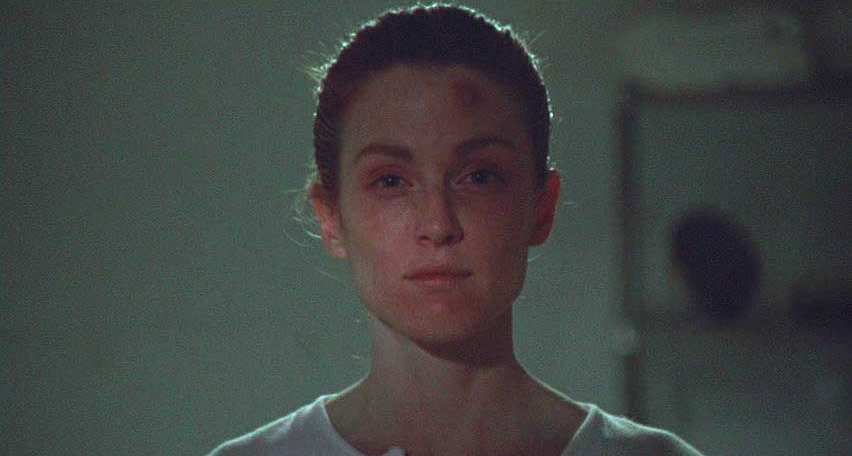
6. It was a film asking its viewers to consider whether the desire to be “safe” was to simply crave comfort or inevitably give oneself over to fear.

7. The thrill of discovery, of opening those new doors encouraging me to pursue Film Studies, vindicating that leap of faith I took in making film central in my life.

8. No matter who or what we are, we look for representation in popular art, to see people onscreen who are recognizable, even similar to us, finding someone we can relate to and that the rest of the culture can also see.
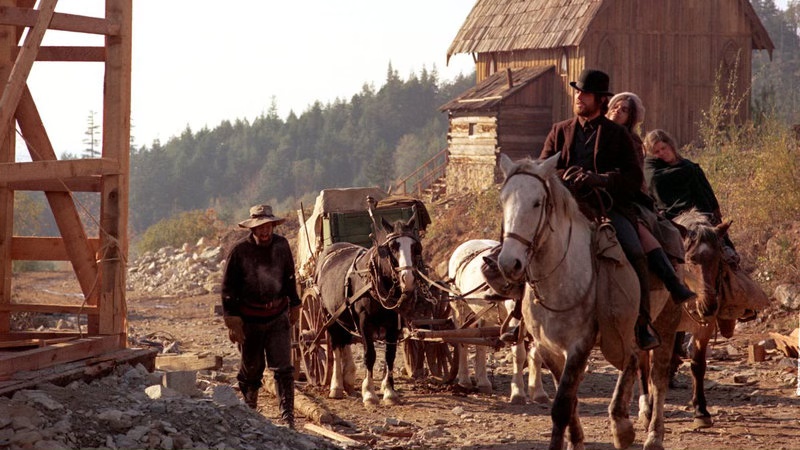
9. I still fondly recall how I got to see it for the first time, but what’s important is not how I saw it, but that I saw it and can still watch it again and again, no matter where I can find it.

10. What if, like real life with all of its nuances and contradictions, a work of art subsisted somewhere in between fiction and nonfiction? What about those filmmakers whose work tends to fall into such margins?

11. How nearly overstimulated yet satiated I felt while piecing together images and sounds, the ways they informed and occasionally contrasted against each other and how tension accumulated throughout, reaching a breaking point only to find an unlikely release at the end.
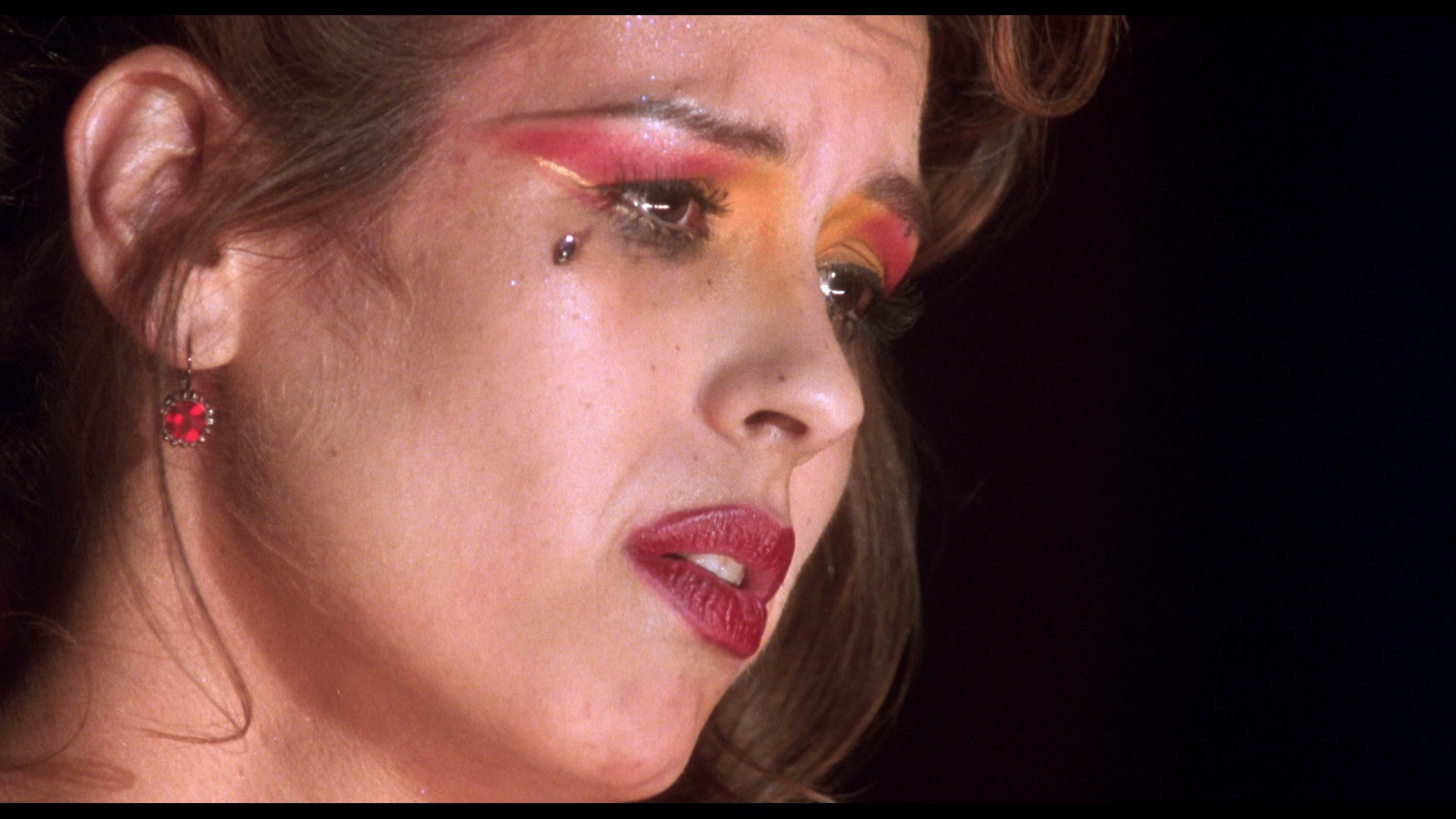
12. A panorama to fearlessly explore connections between dreams, reality and the movies, not to mention all of the wicked, sublime and terrifying possibilities that surface as they overlap.
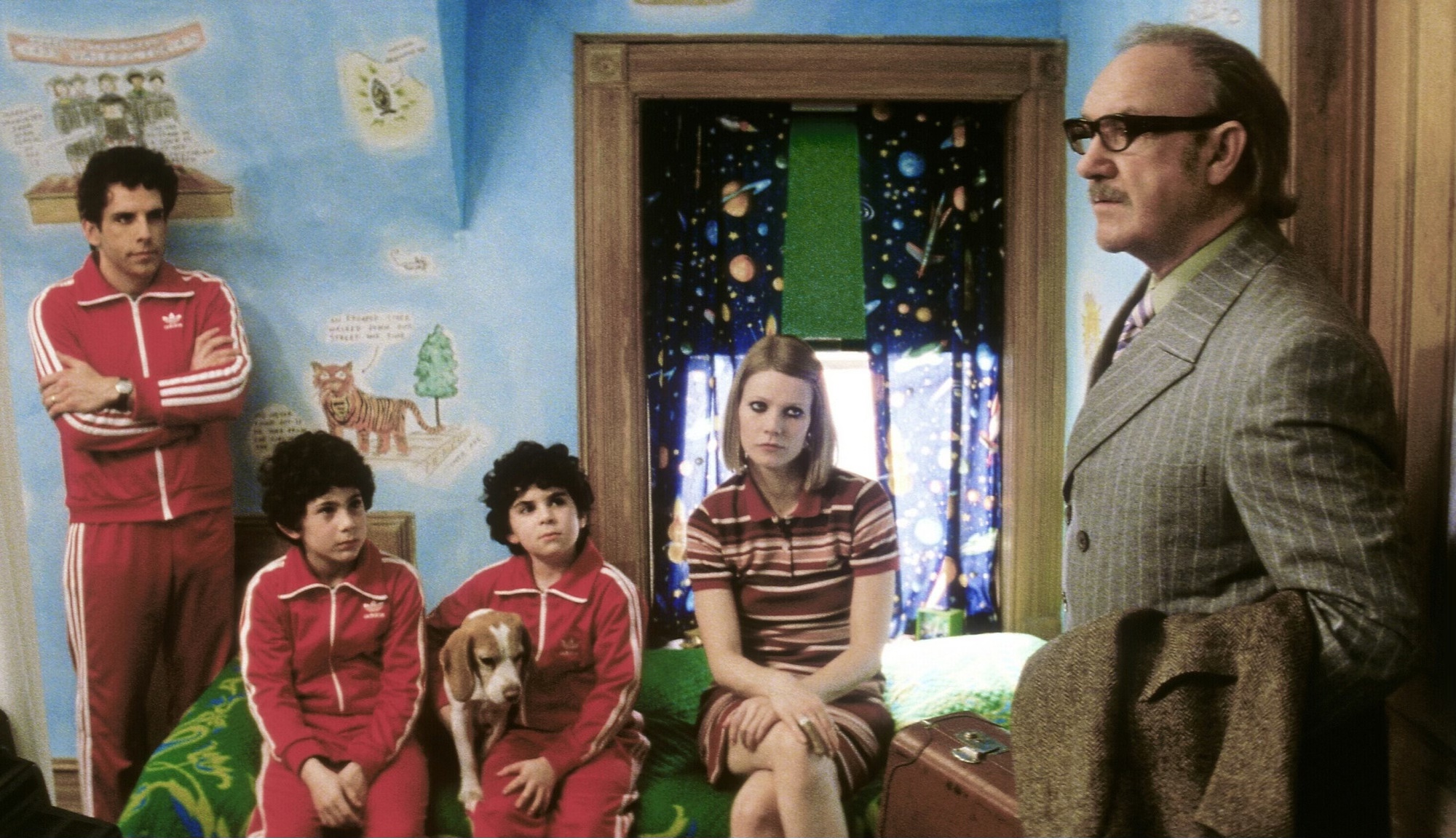
13. We revisit films for the pleasure they provide. Occasionally, we also have a sixth sense, an inclination that there’s more to glean from them than what we can discern after a single viewing.
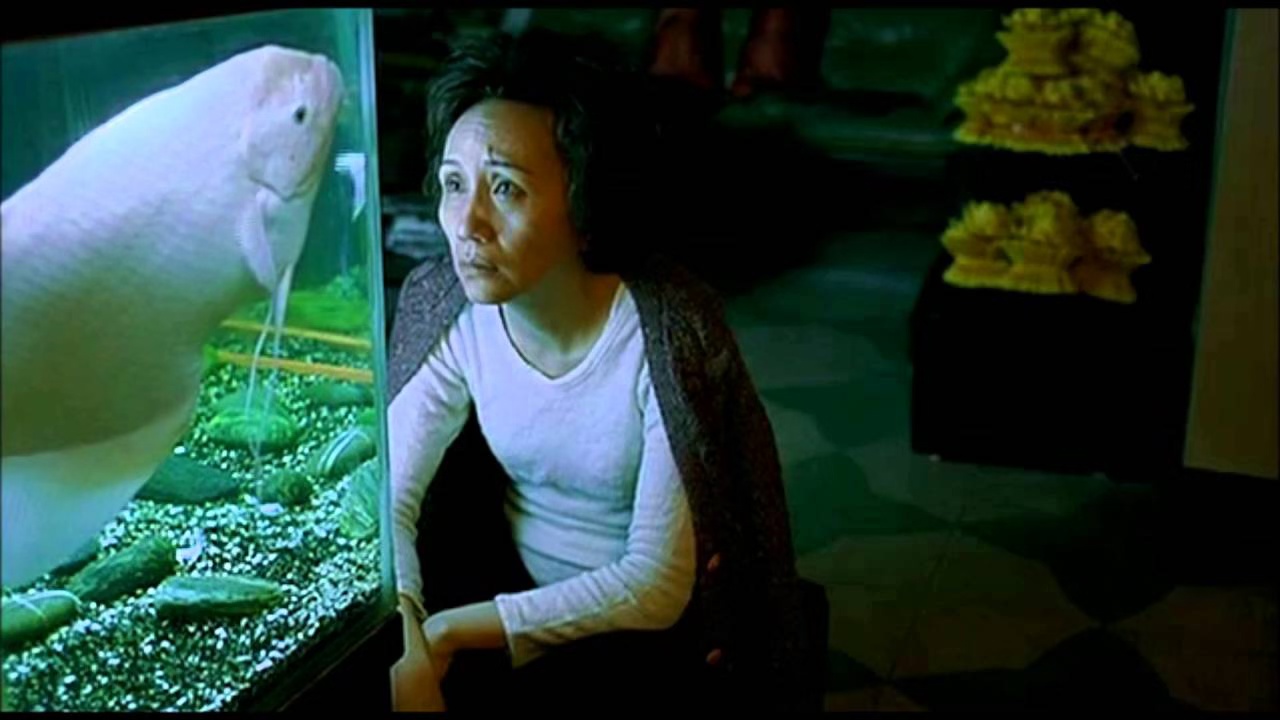
14. For those receptive to such stillness, it can be like sitting on a bench or standing next to a wall, simply observing life play out before one’s own eyes no matter how little action occurs.
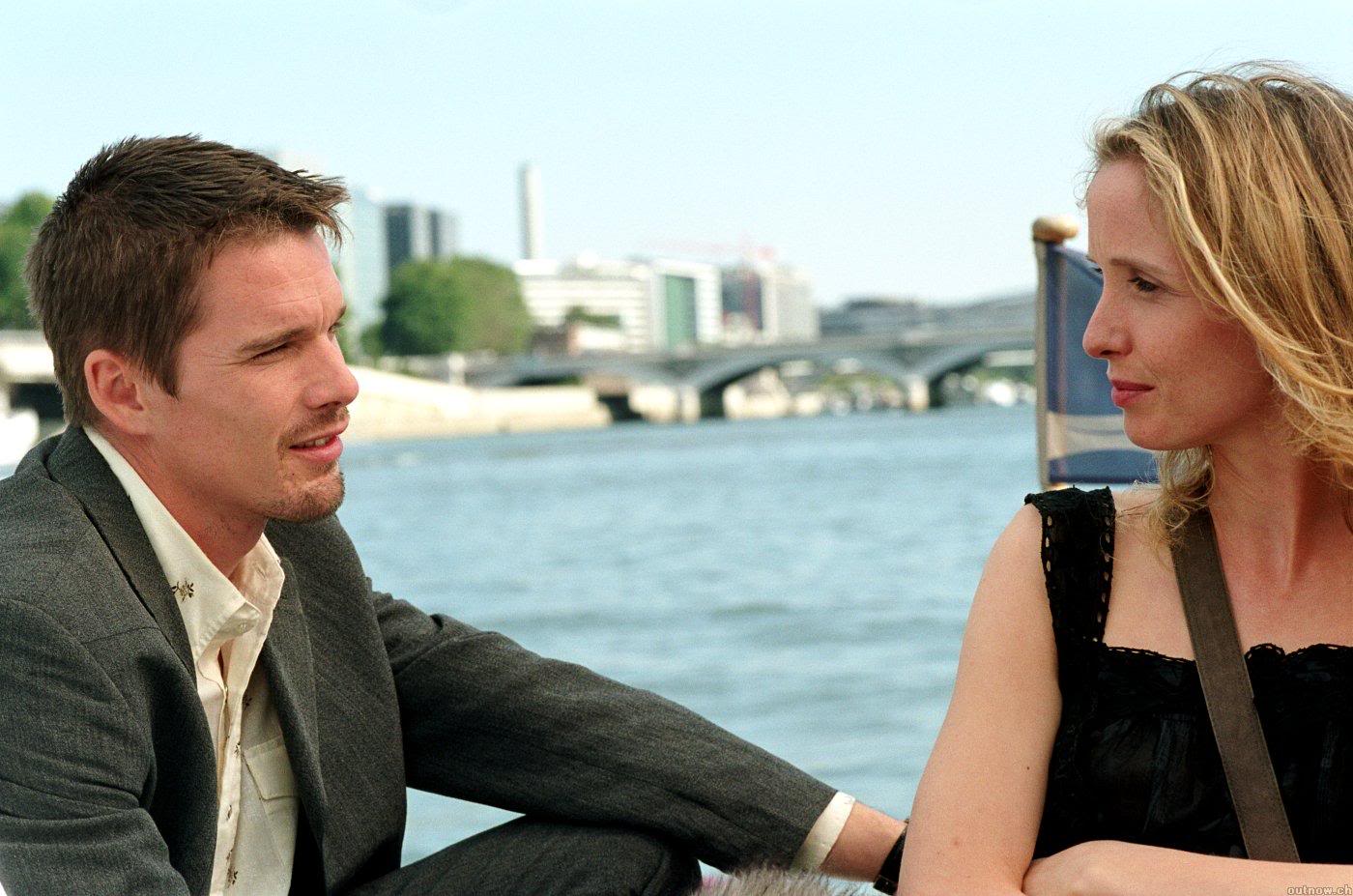
15. The question “Does anyone change?” lingers in their pauses between conservation; as much as either one would like to deny it, their body language often says otherwise.
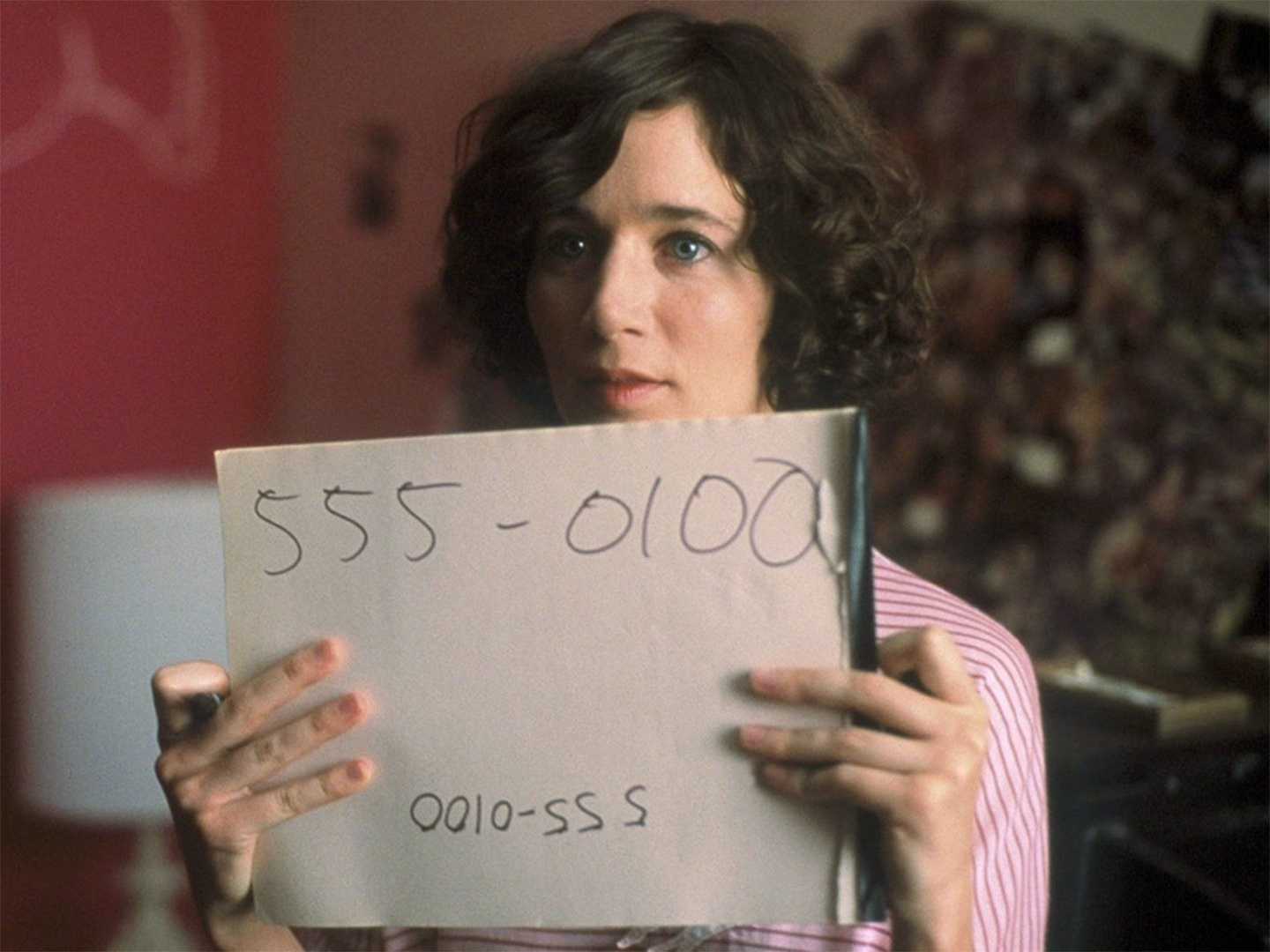
16. That sense of camaraderie and support is really what the film is all about; it’s also what I craved and then experienced once I found my people at the movies—on both sides of the screen.

17. This past as remembered from adulthood is so colorful, vibrant and real one could almost step into the frame and feel what’s it like to be an active part of it.
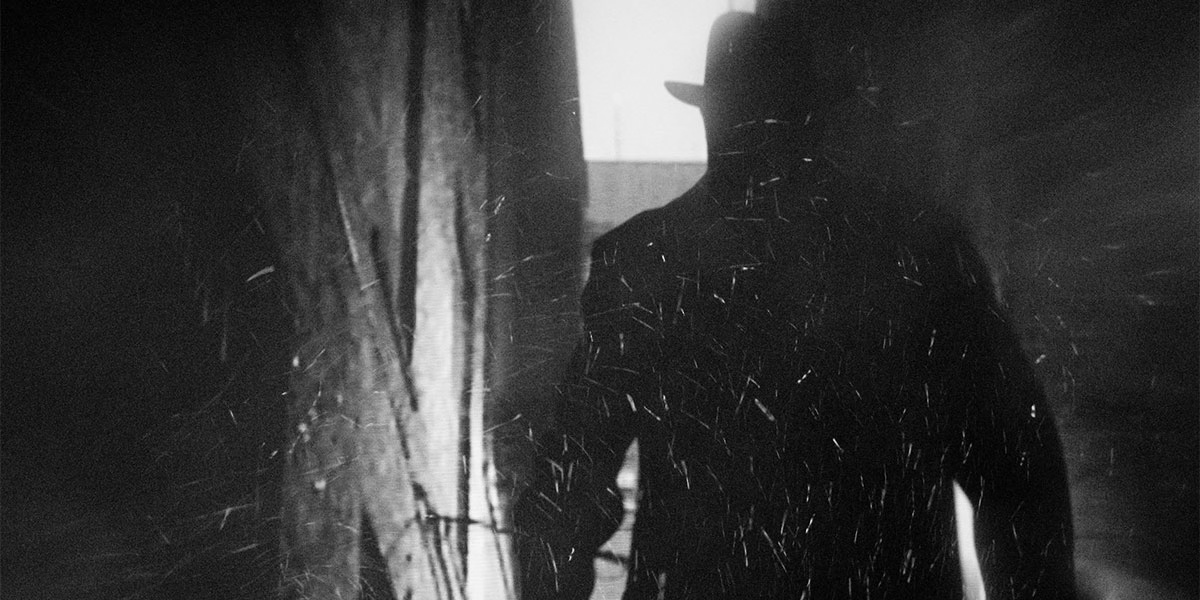
18. “What is a city without its ghosts?” the director’s narration asks and it’s the film’s central thesis, lending weight to what simply could have been a kooky look at a quirky childhood.

19. Whenever I watch a film for the first time, I keep in mind how it makes me feel; the best films, however, also form a deeper connection, one that not only changes our literal view of the world but also challenges it.
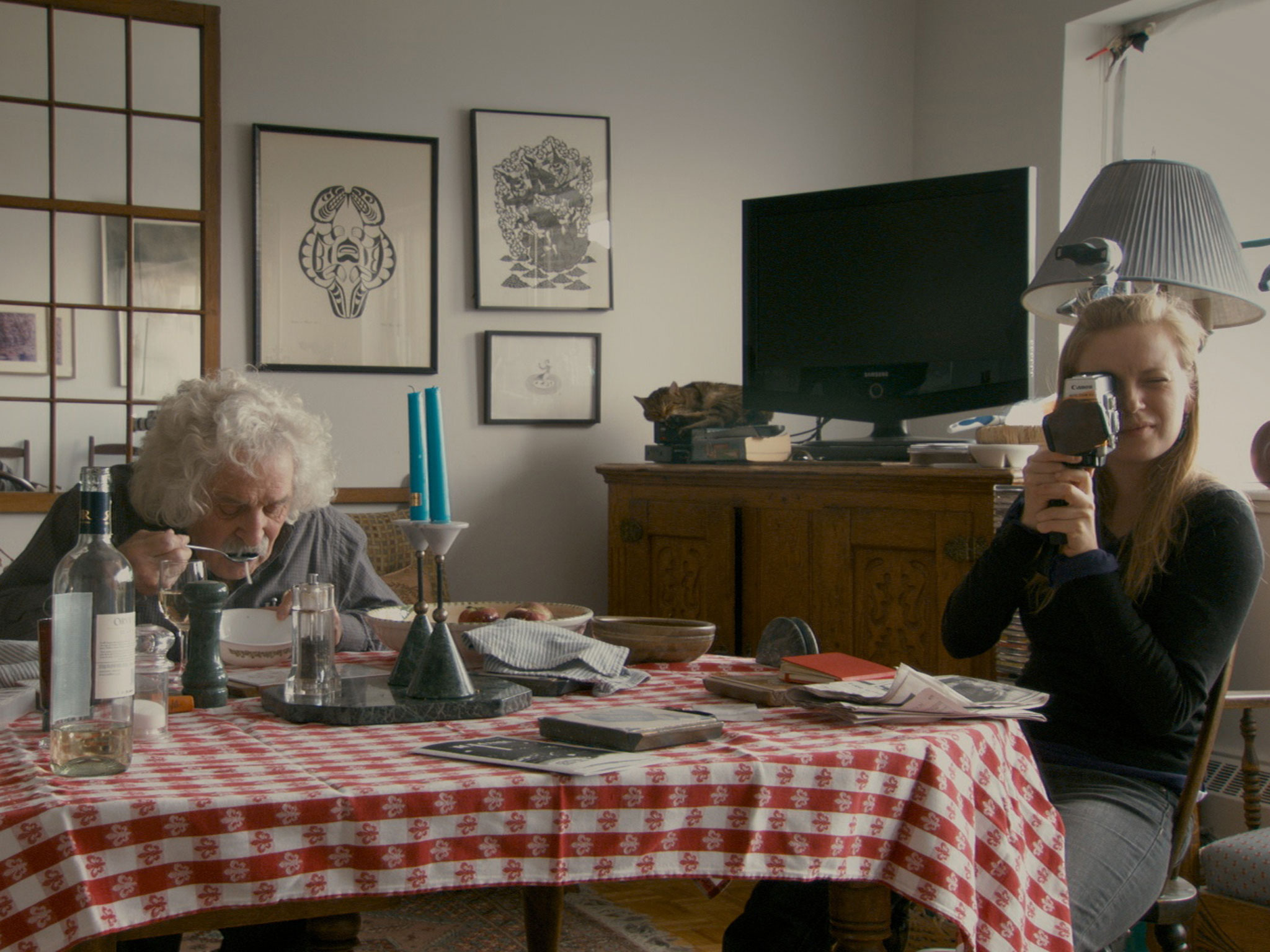
20. It’s deeply affecting for it reminds us not what the story is or necessarily how it was relayed, but why it was told.
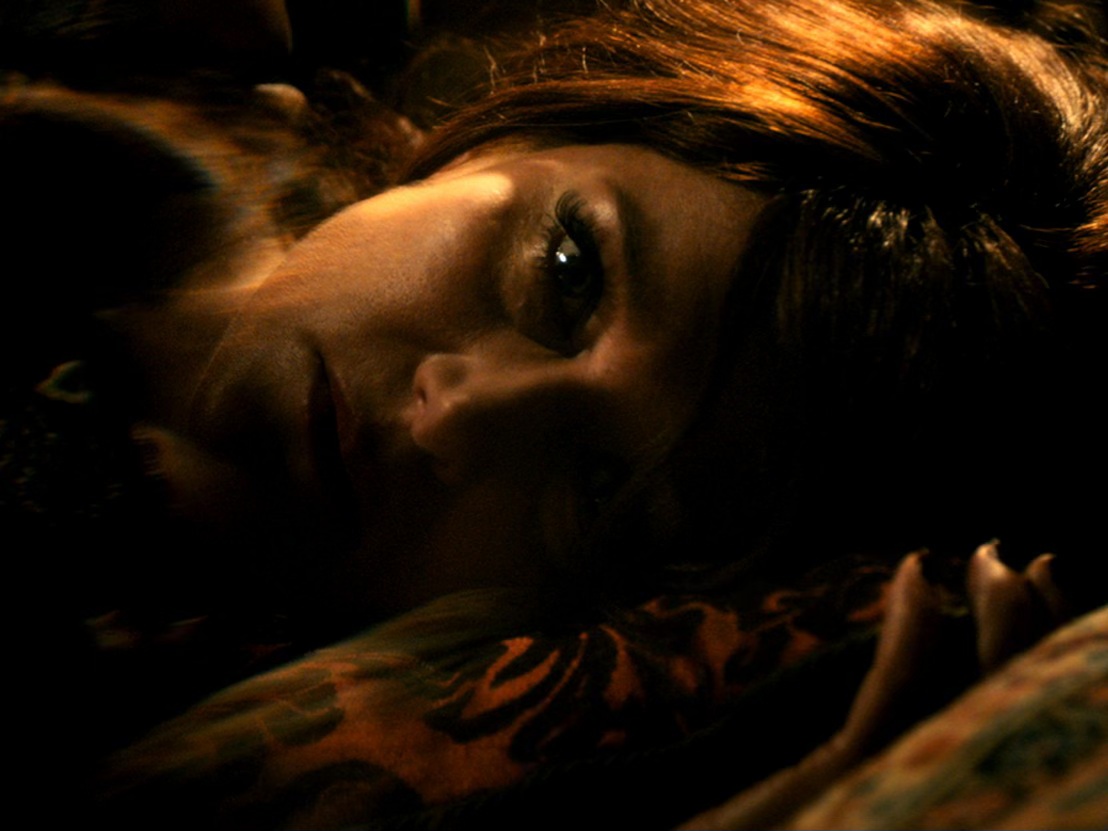
21. Whatever our aspirations may be, humans as individuals are subject to a continual evolution without end; as couples, an end only arrives when one participant or in some cases, both are no longer willing to evolve.
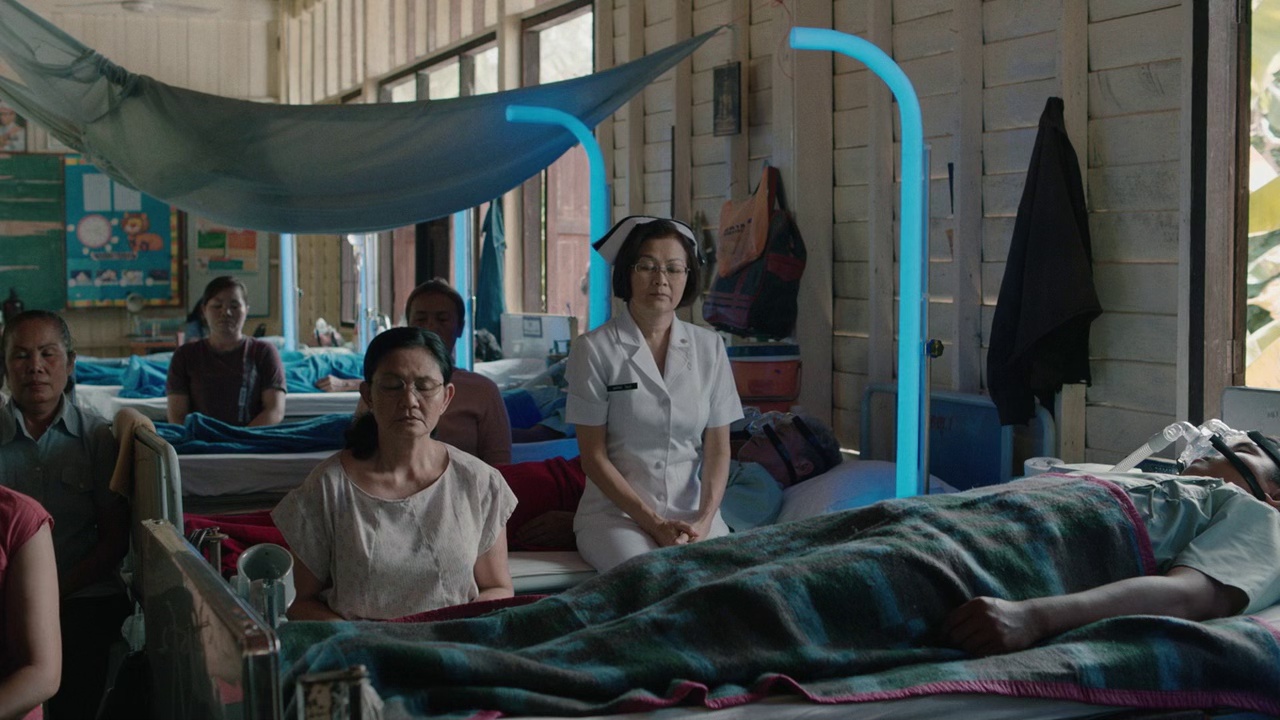
22. Have you ever left a movie in a daze, almost as if your entire world has shifted? Often, when the lead character has been through something over the course of the film, so have we.
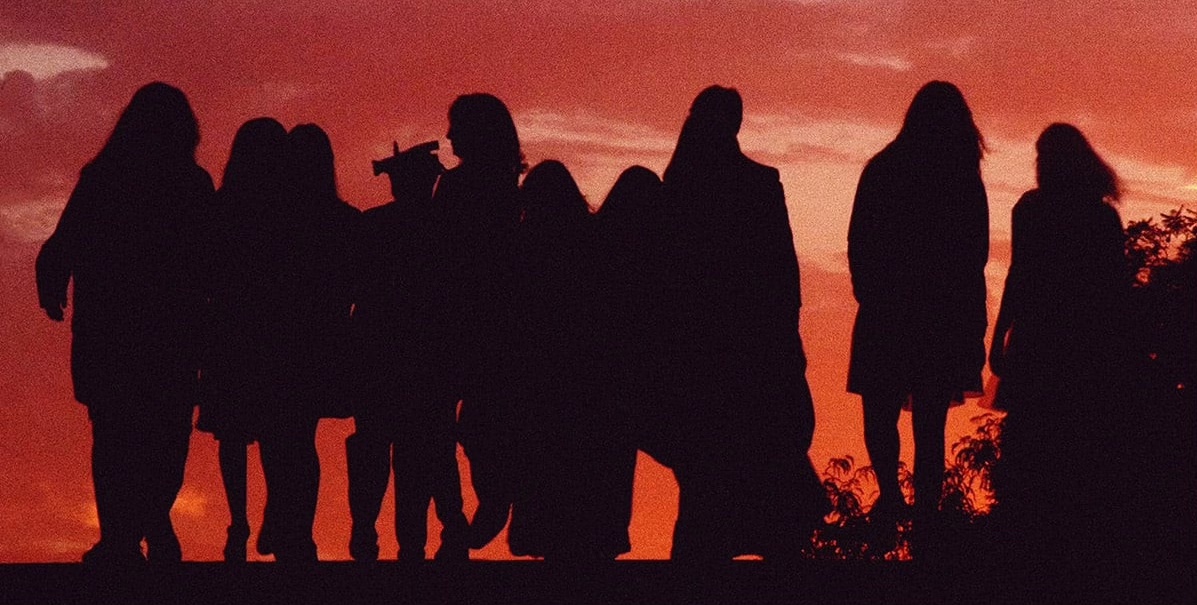
23. Through all of this previously unfathomable change, films remained my refuge, my constant, my church. None of us had any idea when or even if theatres would ever reopen; streaming and physical media would have to suffice until they did.
24. Some of the best films tend to recognize this sense of a world in flux no matter how contained the narrative; the very best of them also offer new ways of viewing and comprehending it.
Favorite Films of 2020

As always, “2020” is relative. Many of these titles have a copyright date of 2019 (a few even go back to 2018!) My #1 film received its initial theatrical release in 2019 but did not play my town until last February; likewise, most people won’t get to see my #3 film until it hits VOD and Hulu this February, although I had the fortune to view it at virtual TIFF last September. With exhibition presently and continually being redefined due to COVID, think of this as a list of the best new movies of the past year, including those that I could not have seen any earlier.

1. PORTRAIT OF A LADY ON FIRE
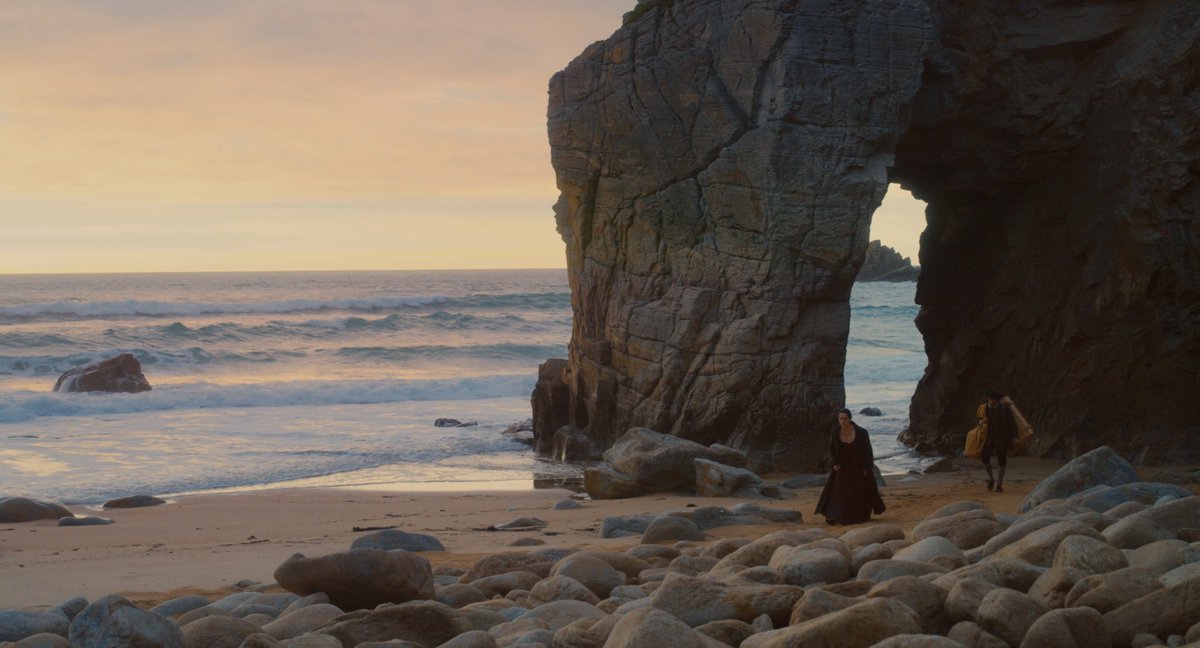
Celine Sciamma’s exquisite 18th century romance between two women, an artist (Noémie Merlant) and her subject (Adèle Haenel) gains so much power from taking the slow burn route, deploying all of its accoutrements sparingly, letting the connection between its two leads develop organically so that when it first reaches a crescendo in the astonishing feast scene midway through, one can’t help but be fully engaged in their fate. And, as that actual fate becomes apparent, it’s near-impossible not to feel and absorb the mad rush of emotions practically emanating from the screen, culminating in a simple but profound, powerful final shot.

2. SOUND OF METAL
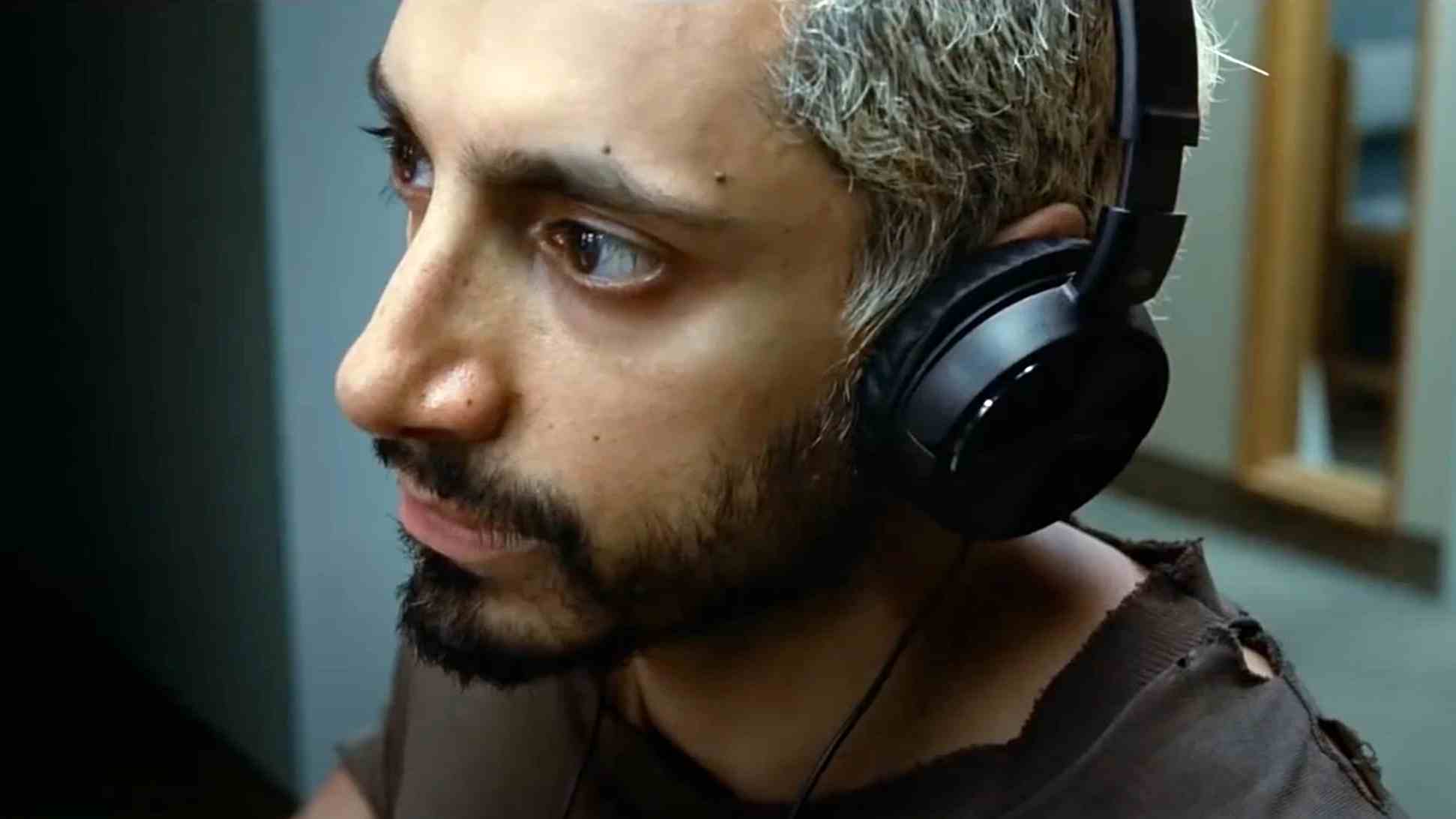
Ruben, a noise-rock drummer (Riz Ahmed) loses his hearing—a succinct, seemingly clear-cut premise that director/co-writer Darius Marder (in an astonishing feature debut) expands and permutates into a far-reaching but compellingly interior study of losing control and the lengths we’ll go in order to retain it. Anchored by Ahmed’s terrific, immersive performance and buoyed by Paul Raci as his unsentimental counselor, Sound of Metal is a journey whose depth you would rarely find in a studio film; it’s also one of the best ever movies about addiction.

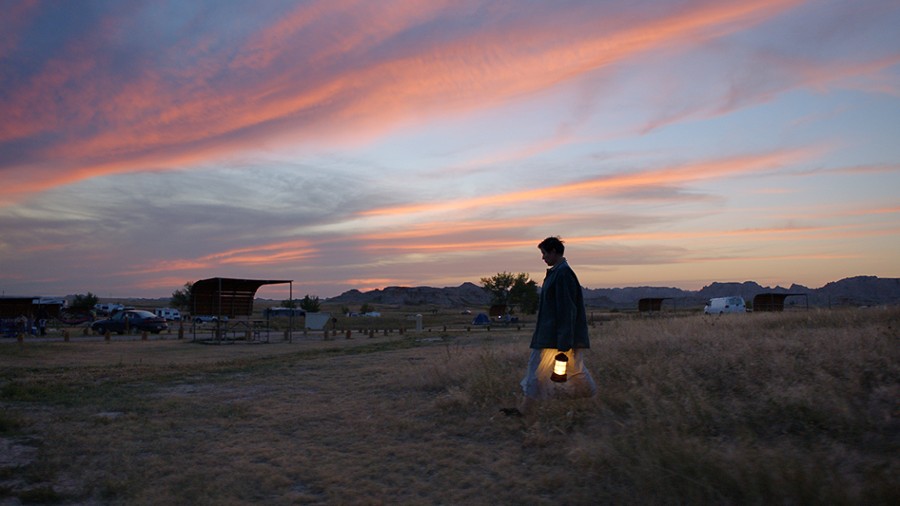
3. NOMADLAND
If anything, an advance on Chloe Zhao’s last film, The Rider, and not necessarily because she’s now working with an Oscar-winning actress (though McDormand is the best possible one for this type of project.) Nomadland retains the earlier film’s willingness to observe and illuminate rather than judge or persuade. Lyrical but not pretty, sorrowful but not miserable, reflective but not static, it may take place in 2012, but it fully embodies an era of American life that’s still with us and continues to unfold.

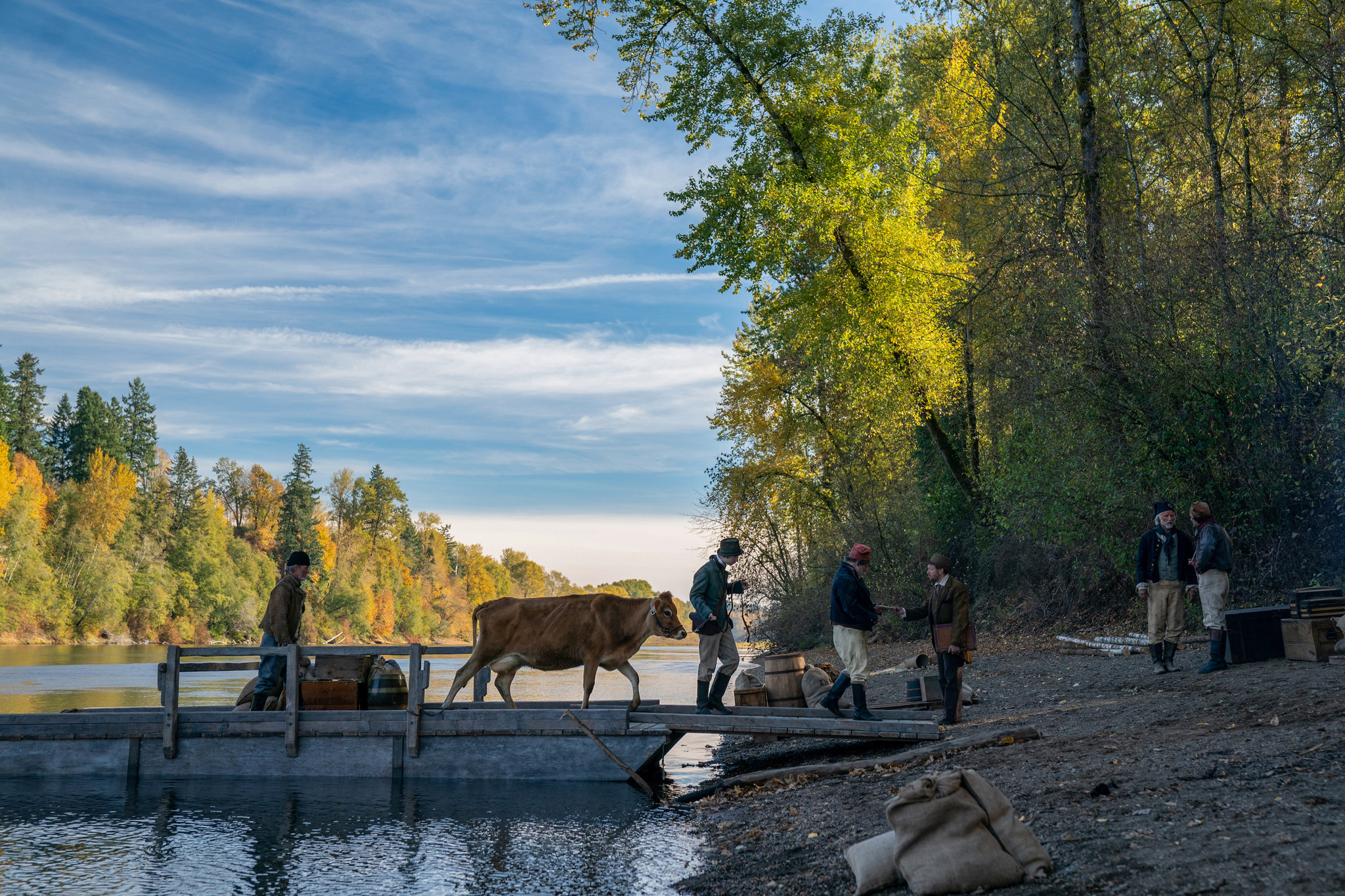
4. FIRST COW
This has a gentle, gestating narrative that requires patience, but it also rewards those who become invested in the fate of a 19th century cook (John Magaro) and a Chinese immigrant (Orion Lee) as they become unlikely friends and form an impromptu business partnership. What they build is forever precariously hanging by a string due to the titular animal that makes their potential fortune possible. By applying such high stakes to such richly detailed “slow” cinema, First Cow ends up filmmaker Kelly Reichardt’s most fully realized effort in years, possibly ever.

5. BLOODY NOSE, EMPTY POCKETS
The Ross Brothers nearly outdo themselves with their latest documentary, a fly-on-the-wall account of the last day of business for a Las Vegas dive bar. Initially resembling a Frederick Wiseman-directed, much seedier version of Cheers, it eventually reveals the all-too-human behavior of the bar’s assorted patrons, for good and for ill. To divulge anything more would spoil what the Ross’s are actually up to here; I will note that, watching this on November 3rd, it confirmed for me the character and compassion that I know my country is capable of.

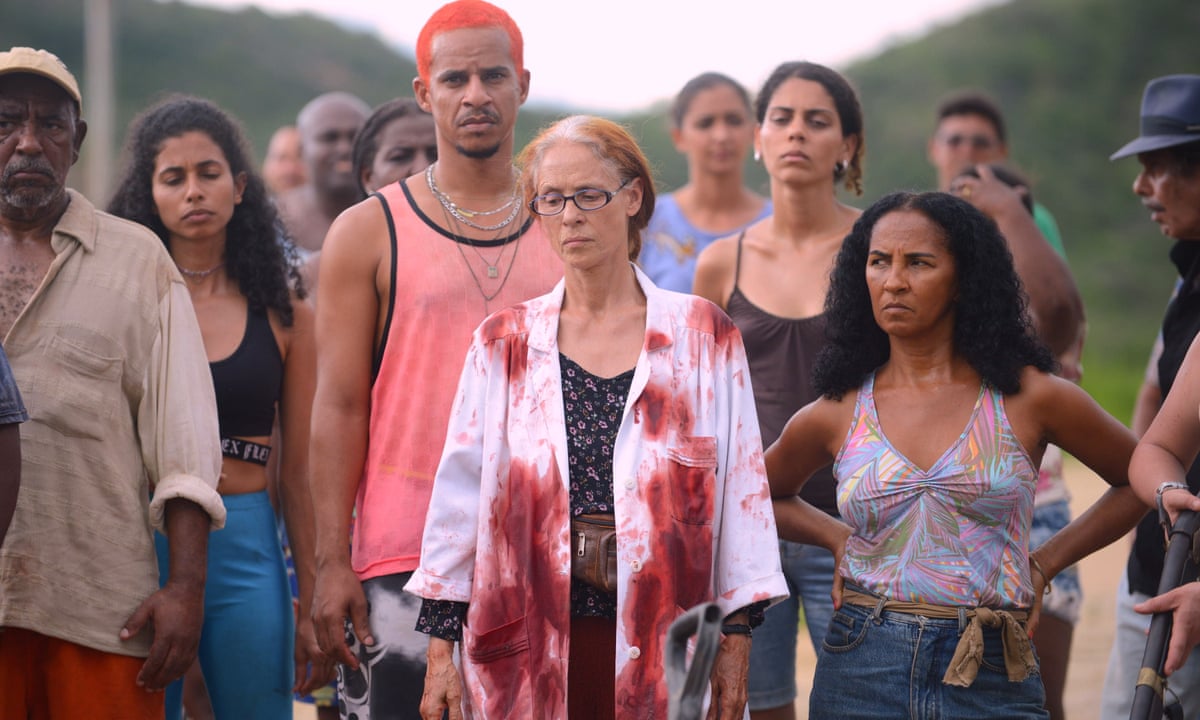
6. BACURAU
Defying categorization, this references a variety of classic films but gradually reveals itself as a neo-take on one particular genre (it’s best to come into it not knowing what that is.) A fervent chaos surfaces in often thrilling ways–a drunken speech at a funeral, an unexpectedly brutal death, a certain 80s pop song on the soundtrack (also too good to give away here.) Bold, slightly erratic, gorgeous and, of all things, nearly as tuned into the modern world and its growing social-economic divide as Parasite.

7. AND THEN WE DANCED
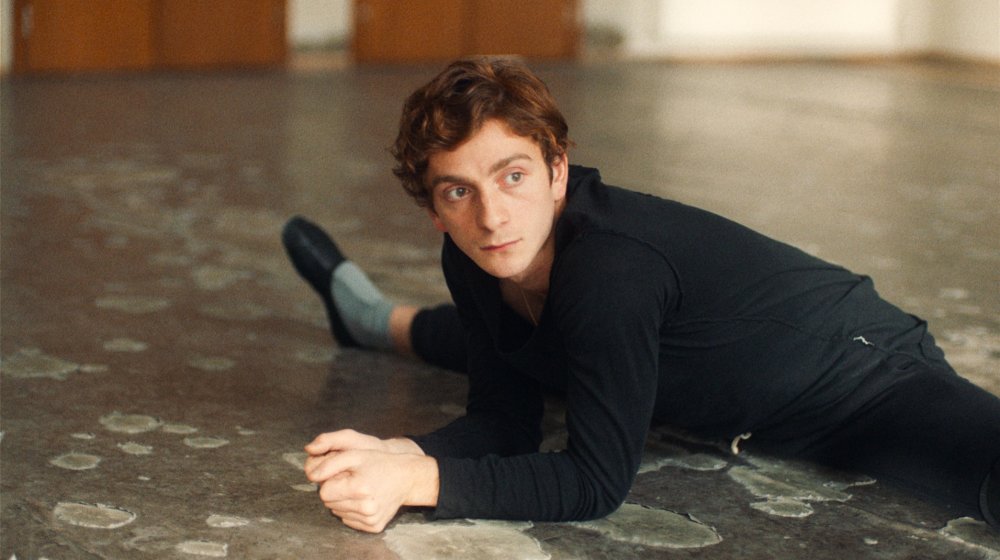
This Georgian import focuses on Merab (Levan Gelbakhiani), an aspiring competitive dancer who falls for a new nonconformist male member of his troupe. It owes a lot to Call Me By Your Name, from the intense flirtation that develops between the two to Merab’s sympathetic faux-girlfriend. Fortunately, And Then We Danced easily transcends homage, not only by nature of telling its particular story in a culture where it is still highly taboo, but also in its Georgian dance sequences and in particular, that rapturous finale.

8. DAVID BYRNE’S AMERICAN UTOPIA
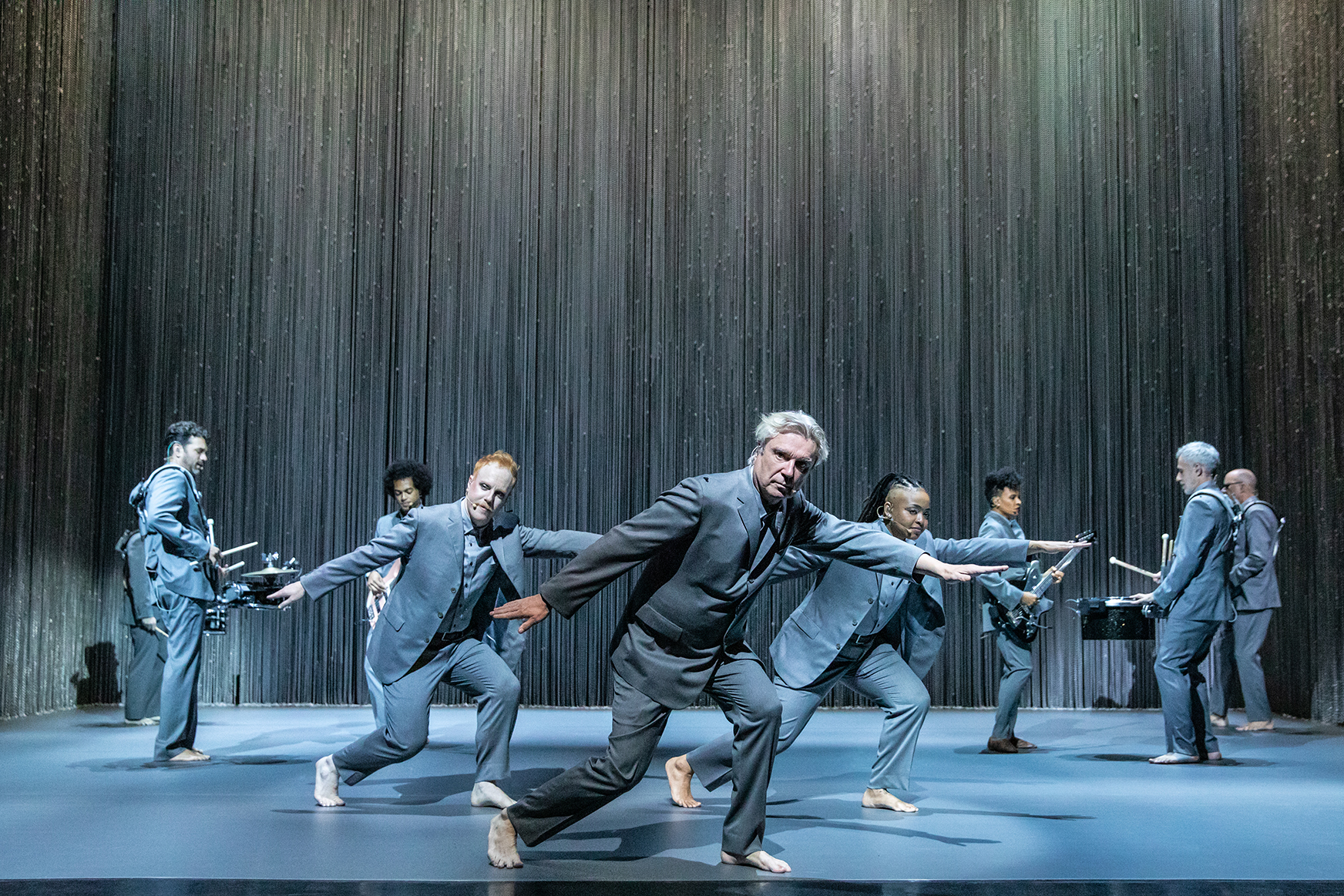
Initially thought this was going to be a lesser Stop Making Sense; while any kind of concert ex-Talking Heads frontman Byrne attempts will always live in its shadow, by the end of this, I was overcome by the same adrenaline rush I felt the first time I saw the Demme film. The humaneness and goodwill on display here may or may not resonate as effectively when viewed ten or twenty years from now; presently, it feels immense, a celebration of rhythm as the great unifier.

9. HAM ON RYE
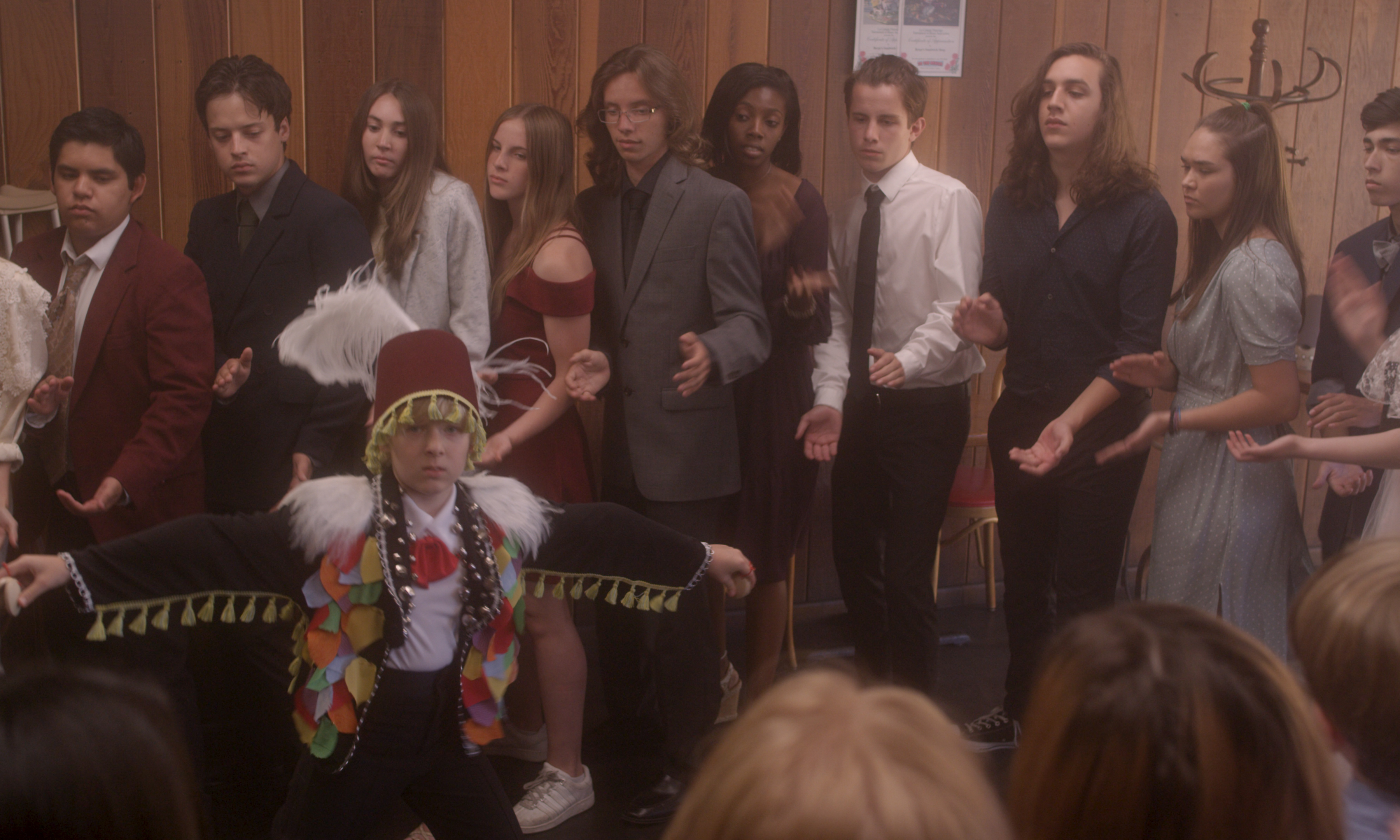
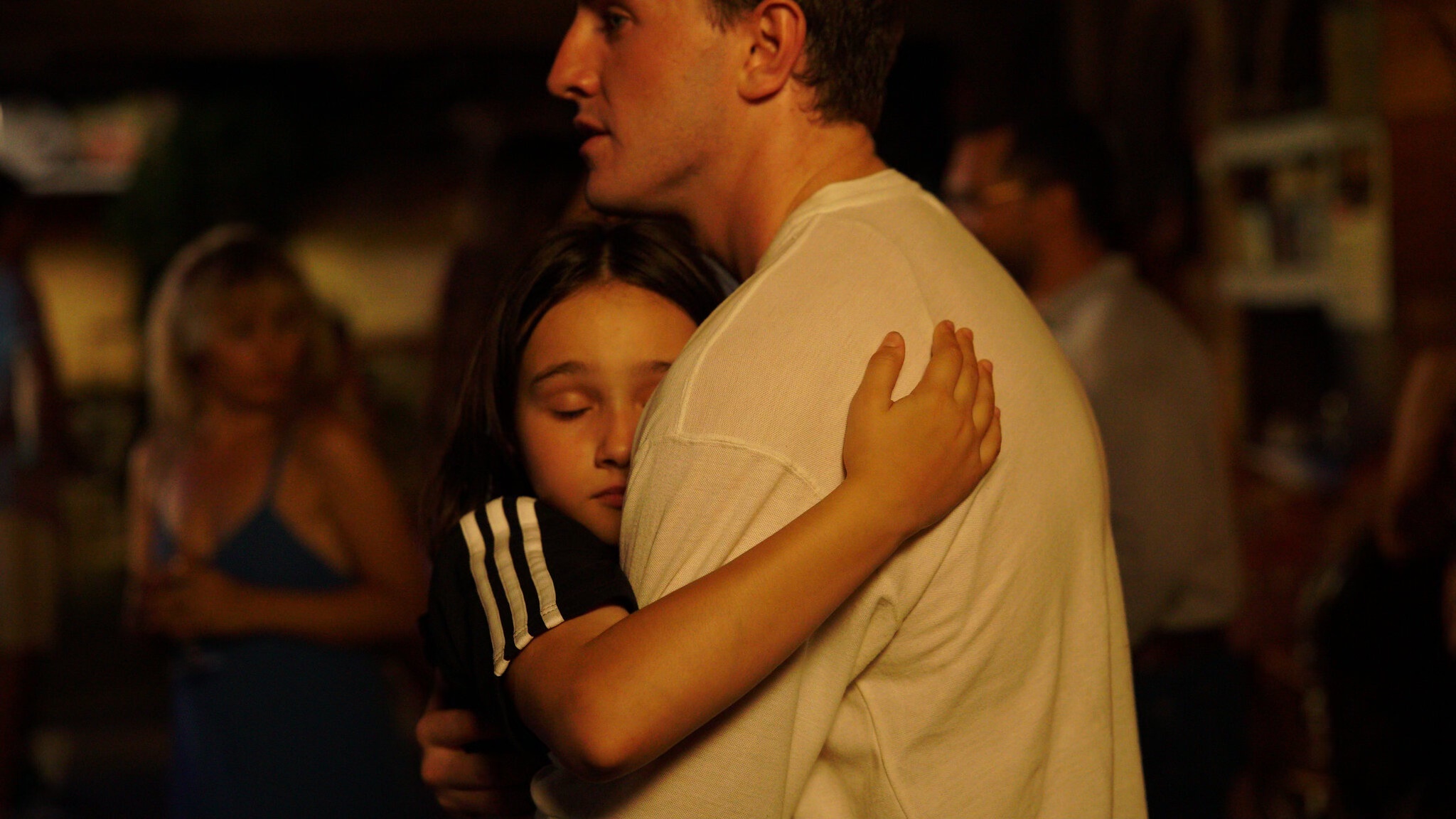
A group of teens converge for a party at a local deli, and that’s arguably the only conventional aspect of Tyler Taormina’s auspicious debut feature. Simultaneously comforting and unnerving, it’s a fully-formed world both carefully resembling and greatly diverging from our own. Nearly as unique as (and far less upsetting than), say, Blue Velvet, it builds towards a ritualistic sequence that filled me with joy while also leaving me with so many questions (What was in those sandwiches? Is this what happens to Mormons?)

10. HOUSE OF HUMMINGBIRD
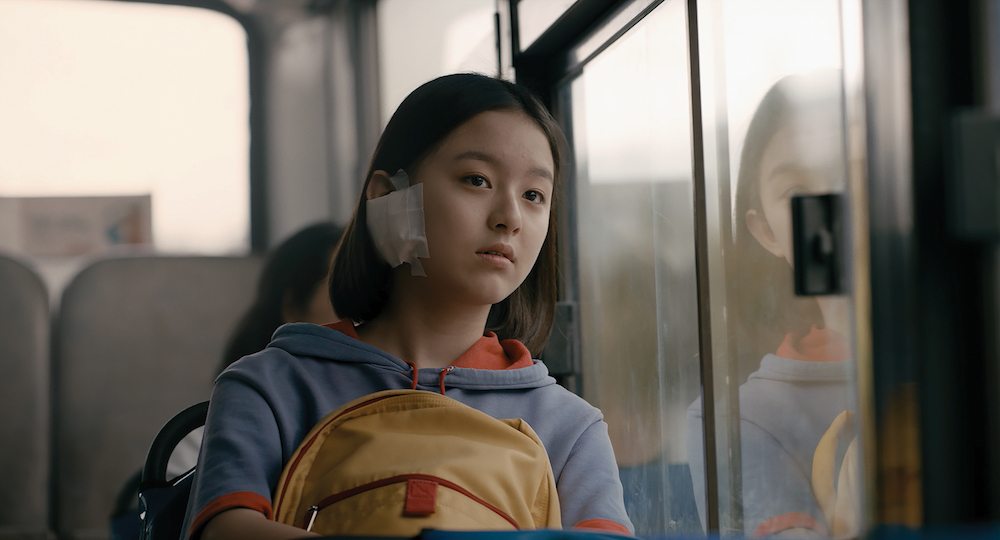
A working class study blessed by both a great lead performance from Ji-hu Park and writer/director Bora Kim’s nuanced, humanistic approach. Set in the ‘90s, it follows a teenage girl going through some ordinary but substantial issues with her family, friends and school—kind of like a South Korean Eighth Grade, only set in pre-internet/social media times. Mixing Mike Leigh-style class critique and Ozu-esque domestic drama with great finesse, this belongs on a short list of essential coming-of-age films.

11. BOYS STATE
This documentary about a conference of a thousand teenage boys from Texas who come together in state capital Austin to build a mock government complete with elected officials is thrillingly a total microcosm of the current American political climate.

12. COLLECTIVE
Can’t remember the last film (or documentary, no less) where I gasped or whispered “wow…” out loud so many times. This alarming level of corruption took place in Romania, but it could also all too easily happen here (and arguably has.)

13. NEVER RARELY SOMETIMES ALWAYS
As for scenes that explain the title of a curiously-titled film, this is one of the best–certainly the most harrowing and effective in recent memory.

14. WOLFWALKERS
A gorgeous, 2D-drawn fantasy set in 17th century Kilkenny, centered around a conflict between the townspeople and a wolfpack. Forgive me for being sappy, but it genuinely warmed my heart like little else I’ve seen in the past year.

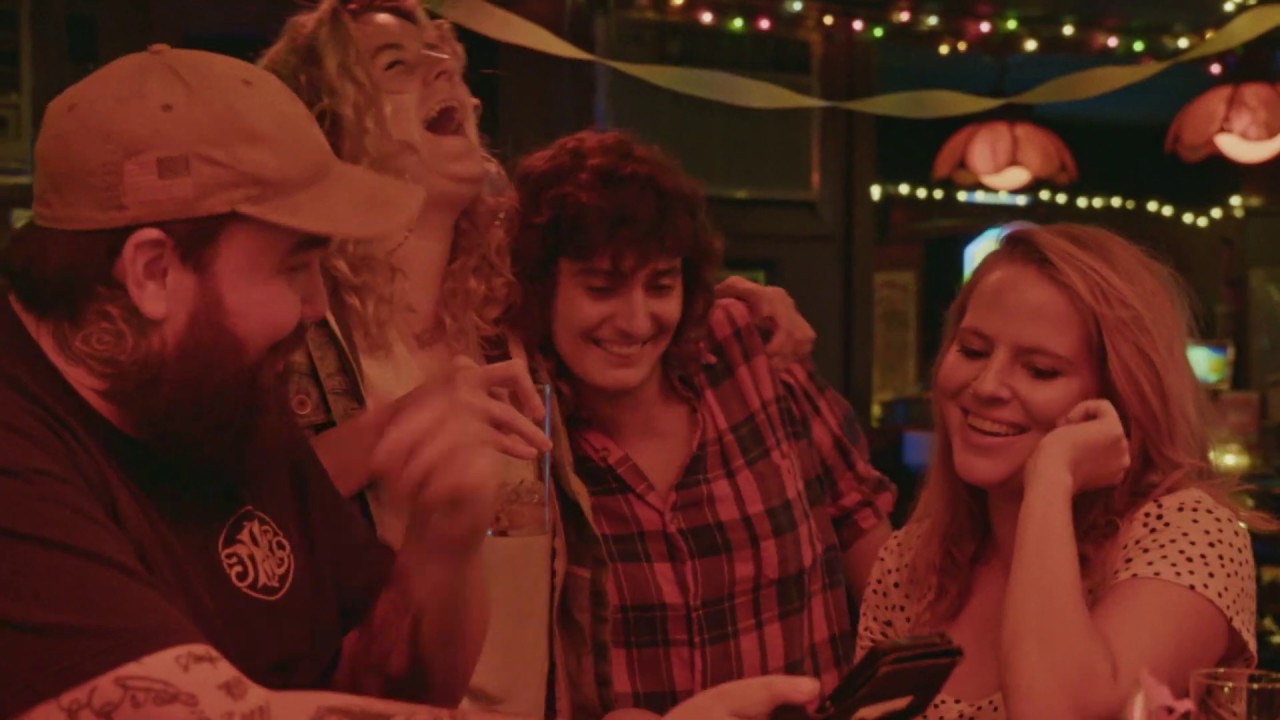
15. KAJILLIONAIRE
Give Miranda July credit for continuing to follow her own peculiar path and not succumb to working-for-hire or diluting her quirks for a mass audience. With a novel hook and a great ensemble, it even resonates in ways one can hardly predict at the onset.

16. STRAIGHT UP
Name-dropping Gilmore Girls in the first fifteen minutes reveals director/writer/actor James Sweeney’s core aesthetic, but he both conceives of and (with his cast) delivers the rapid-fire dialogue superbly without it coming off as secondhand.

17. ANOTHER ROUND
This latest Vinterberg/Mikkelsen pairing nimbly shifts between humor, satire and despair—a funny, sad, engaging and fully dimensional study of male mid-life crises.

18. BLACK BEAR
Aubrey Plaza in this film is not as amazing as Naomi Watts in Mulholland Dr, but she’s really, really close.

19. LOVERS ROCK
So much pure, unadulterated joy in this–certainly more than in any other McQueen film I’ve seen.

20. MR. SOUL!
Stellar, entertaining doc about an old public television show you probably don’t know but should. Ellis Haizlip is an unsung hero of his time; this gives him his due.

ALSO RECOMMENDED:

76 DAYS
BAD EDUCATION
BEANPOLE
CAT IN THE WALL
CITY HALL
CRIP CAMP
DICK JOHNSON IS DEAD
DRIVEWAYS
I’M THINKING OF ENDING THINGS
MOUTHPIECE
THE PAINTER AND THE THIEF
THE PLANTERS
RED, WHITE & BLUE
SORRY WE MISSED YOU
TIME
THE VAST OF NIGHT

Film Journal: October 2020

Ham On Rye

In the tradition of “Marty Mondays”, I did the same for Marlon Riggs this month when his oeuvre became available on The Criterion Channel. A black, gay film essayist who died of AIDS in 1994, I was first aware of Riggs a few years later as a Film Studies grad student. I remember watching the first few minutes of a bootleg VHS of Tongues Untied borrowed from the Harvard Film Archive (where I was an intern) before putting it aside, overwhelmed by my master’s thesis and all the other stuff I was required to watch.

My present overview of his work has been mostly chronological (and will extend into November), though I started with Tongues. An hour-long examination of what it means to be black and gay in the 1980s, it’s arty, layered and inviting, equally adept at exuding sly humor and heartfelt pain. Obviously more personal than his (admittedly solid) television documentaries Ethnic Notions and Color Adjustment, it’s as essential as anything from the New Queer Cinema canon while somewhat standing apart from it.

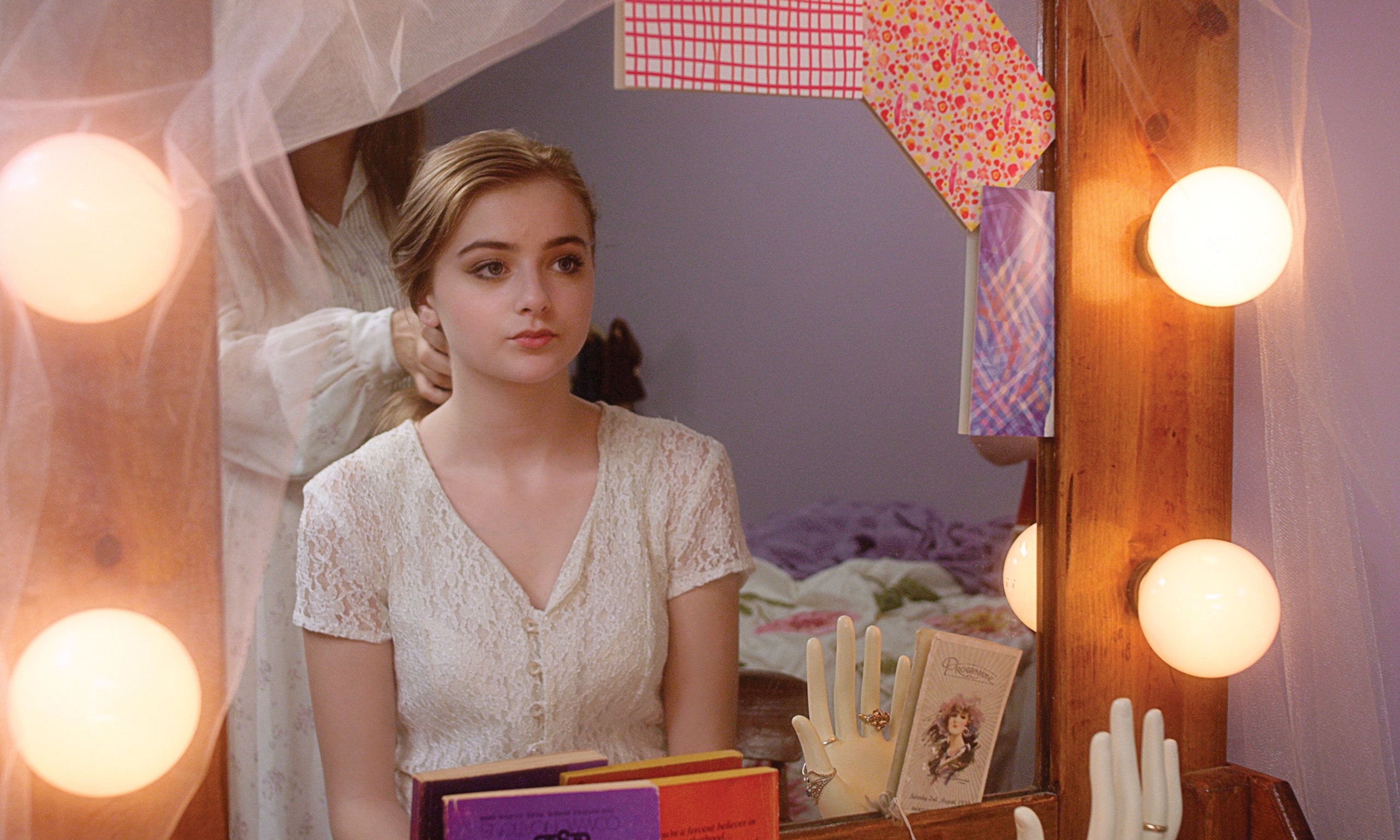
Best new-ish titles this month include Sundance hit doc Dick Johnson is Dead, Josh Melrod’s impressive shot-in-Vermont micro indie Major Arcana, Canadian stage play adaptation Mouthpiece (a return-to-form for director Patricia Rozema) and odd streaming sensation The Vast of Night (like a Spielberg film written by Amy Sherman-Palladino and directed by Andrew Bujalski.) However, the one I can’t get out of my head is Ham On Rye, Tyler Taormina’s audacious, dreamlike debut feature where a cadre of suburban teens meet up for a party at a local deli—to say anything else would lessen the impact it has when it takes an unexpected turn and transforms into something I haven’t really seen before.

More re-watches than usual, mostly because of the season: Young Frankenstein and Close Encounters of the Third Kind (of which The Vast of Night lovingly references) remain all-time favorites, with mid-tier Burton both better (Sleepy Hollow) and lesser (Dark Shadows) than I recall. It was also a kick to see Tsai Ming-liang’s first feature after so many years–it’s definitely an impetus to eventually re-watch them all (for who knows when his new one Days will be available to screen or stream at-large.)

Best first-time watch, however, was Harry and Tonto, recorded off of TCM. I wrote on Letterboxd, “It’s the greatest Hal Ashby film Ashby never made.” While not as special as, say, Harold and Maude, it’s both a great showcase for Art Carney and a neat cross-country time capsule of mid-70s America as illuminating as, well, The United States of America. A touch sentimental but never sappy, it confronts aging and change with honesty and grace.

Films viewed in October in chronological order, with director, year of release and my rating (out of 10); starred titles are re-watches.

Mouthpiece (Patricia Rozema, 2018) 8
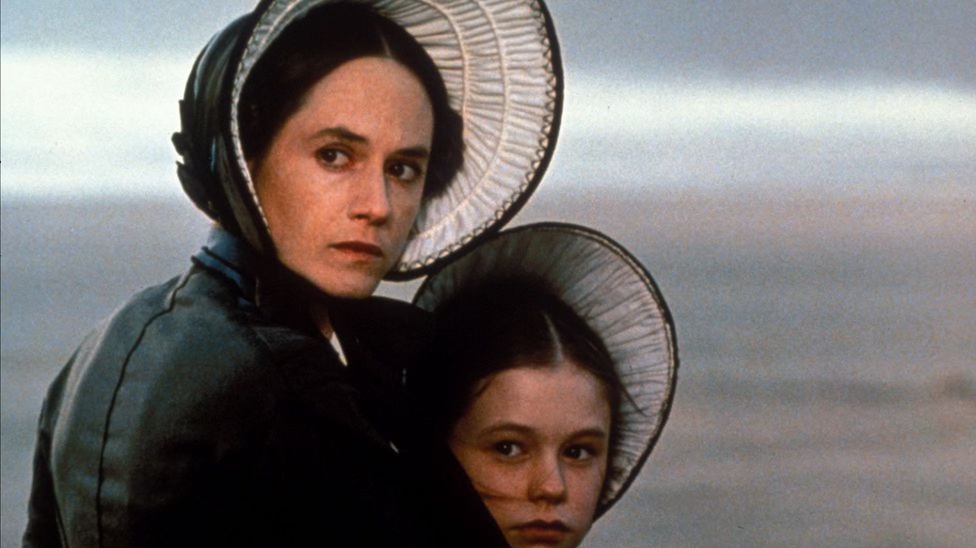
The Heiress (William Wyler, 1949) 7
The Boys In The Band (Joe Mantello, 2020) 8
Tongues Untied (Marlon Riggs, 1989) 9
Little Fugitive (Ray Ashley, Morris Engel, Ruth Orkin, 1953) 7
Residue (Merawi Gerima, 2020) 5
Queen Bee (Ranald MacDougall, 1955) 6
Twin Peaks: Fire Walk With Me (David Lynch, 1992)* 7
The Vast Of Night (Andrew Patterson, 2019) 7
Close Encounters Of The Third Kind (Steven Spielberg, 1977)* 10
Dick Johnson Is Dead (Kirsten Johnson, 2020) 8
Mother (Albert Brooks, 1996) 7
Major Arcana (Josh Melrod, 2018) 7
No Home Movie (Chantal Akerman, 2015) 5
Harry and Tonto (Paul Mazursky, 1974) 9
Palm Springs (Max Barbakow, 2020) 6
Ethnic Notions (Riggs, 1986) 7
Affirmations (Riggs, 1990) 7
Uncle Boonmee Who Can Recall His Past Lives (Apichatpong Weerasethakul, 2010)* 9
The Way I See It (Dawn Porter, 2020) 4
The Trip To Greece (Michael Winterbottom, 2020) 6
Rebels Of The Neon God (Tsai Ming-liang, 1992)* 8
Sleepy Hollow (Tim Burton, 1999)* 6
Young Frankenstein (Mel Brooks, 1974)* 10
Color Adjustment (Riggs, 1992) 7
The Devil’s Backbone (Guillermo del Toro, 2001) 7
Ham On Rye (Tyler Taormina, 2019) 9
Invasion of the Body Snatchers (Philip Kaufman, 1978)* 8
Experimenter (Michael Almereyda, 2015) 6
Dark Shadows (Burton, 2012)* 6