Throughout this blog, I’ve posted annual playlists, at first in accordance with my 100 Albums project (from 1990-on), then rather haphazardly filling in the gaps. Last year, I deleted them all; in 2024, I’ll be posting new, improved versions of them every Sunday in chronological order from my birth year (1975) until the present.
I originally intended to go all the way back to 1965 when the Beatles’ influence fully gelled and pop music evolved into something that one could easily differentiate from early rock and roll, doo-wop, and everything else that came before. Instead, I’m sticking with my own timeline, but preceding it with two playlists each covering a five-year period featuring roughly ten songs from every year (again, in chronological order.)
I’m uncertain as to how comprehensively one can sum up a single year in ten songs, so the only ground rule I implemented below was one song per artist. I’ve selected beloved tracks from all-time favorites (Dionne Warwick, Nina Simone, The Velvet Underground, Stevie Wonder), glorious one-shots (We Five, The Darlettes, Margo Guryan, Mason Williams) and songs that more or less begat seismic shifts in what pop music could be (James Brown’s rhythm-forward soul, The Mothers of Invention practically inventing psych-rock and The Beatles perfecting it, Desmond Dekker importing first-wave ska to the rest of the world.) Subsequent playlists will see examples of all three categories.
Over this particular five-year period, one can detect some evolving trends: although both were ostensibly conceived of as mood-music, there’s a world of difference between something like “Spanish Flea” and “69 année érotique”; similarly, The Miracles and The Supremes represent one golden mean of soul-pop, while Sly & The Family Stone and Dusty Springfield (in Memphis) each exemplify vastly different ones. In later years, there’s as much of a push to innovate via prog (“One Way Glass”), tropicália (“A Minha Menina”) and whatever swamp-rock “Gris Gris Gumbo Ya Ya” is as there’s one to comfort via the good ol’ bubblegum of “Sugar Sugar” and “Quick Joey Small”. Still, 1969’s “Space Oddity” is deliberately placed at the end as a bridge between explaining what the 1960s did to pop culture and anticipating what the next decade might achieve.
Check back next week for a companion playlist for 1970-74!
1965-69: Watch Out, The World’s Behind You
Marvin Gaye, “Ain’t That Peculiar”
James Brown, “Papa’s Got a Brand-New Bag”
Dionne Warwick, “Are You There (With Another Girl)”
Herb Alpert & The Tijuana Brass, “Spanish Flea”
Tom Lehrer, “The Vatican Rag”
We Five, “You Were On My Mind”
Smokey Robinson & The Miracles, “The Tracks of My Tears”
The Darlettes, “Lost”
Unit 4 + 2, “Concrete & Clay”
Vince Guaraldi Trio, “Linus and Lucy”
The Mothers of Invention, “Hungry Freaks, Daddy”
The Beatles, “She Said She Said”
Lou Christie, “Trapeze”
Nancy Sinatra, “These Boots Are Made For Walkin’”
The Rolling Stones, “Under My Thumb”
Nina Simone, “Four Women”
Simon & Garfunkel, “A Hazy Shade of Winter”
The Supremes, “Love Is Like An Itching In My Heart”
The Temptations, “(I Know) I’m Losing You”
Norma Tanega, “You’re Dead”
Cat Stevens, “Matthew & Son”
The Free Design, “I Found Love”
The Kinks, “Waterloo Sunset”
The Monkees, “For Pete’s Sake”
Scott Walker, “Montague Terrace (In Blue)”
The Who, “Pictures of Lily”
Lulu, “To Sir With Love”
The Velvet Underground, “Sunday Morning”
The Zombies, “This Will Be Our Year”
Dr. John, “Gris-Gris Gumbo Ya Ya”
Kasenetz-Katz Singing Orchestral Circus, “Quick Joey Small (Run Joey Run)”
My ten favorite new-ish books I read in 2023 (unranked; in alphabetical order by author’s last name):
Maria Bamford, Sure, I’ll Join Your Cult
She’s such a singular comedian and presence that you go into it hoping it’ll fully capture that voice on the page; it does, even if I almost wish I waited for the audiobook. Still, her delivery’s only a facet of what makes her so unique. While early on, she emphasizes that this parody of self-help books is indeed a parody, it’s not totally lacking in useful advice—a tightrope where she balances laughs and their not-so-funny origins effortlessly, just as she does in much of her standup work.
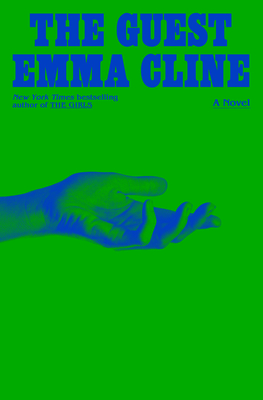
Emma Cline, The Guest
Cline’s second novel is as composed, subtle and biting as any fiction Joan Didion (see below) ever wrote, even if it’s decidedly of today rather than any kind of throwback or homage. Her titular protagonist, a directionless Millennial sponging off of anyone she can find (or trick into aiding her) comes off as a more serious version as one of the characters on the great, late TV series Search Party; Cline’s also shrewd enough to lace some dark humor within her thriller structure.
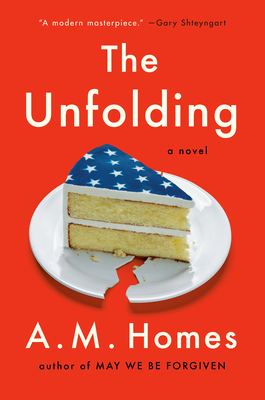
A.M. Homes, The Unfolding
I’ve been waiting nearly a decade for Homes (May We Be Forgiven) to release another novel. I can’t say I was expecting this, a relatively compact what-if about the machinations of a network of conservatives planning to “take back America” after the first Obama election; however, I was not surprised to discover how humane and complex she renders these indefensible characters, presenting an extensive understanding of how they got where they are without at all excusing them for their actions.
Evelyn McDonnell, The World According to Joan Didion
Even more compact, McDonnell sidesteps the usual biographical doorstop for something more closely resembling a critical work about her subject, partially in the way Rob Sheffield did a few years ago for The Beatles. What Didion means to McDonnell and, more significantly to the culture she reported on and invited her readers to view through an ever-distinct lens is what drives these reflections and observations; it was enough to make me want to revisit Slouching Towards Bethlehem immediately.
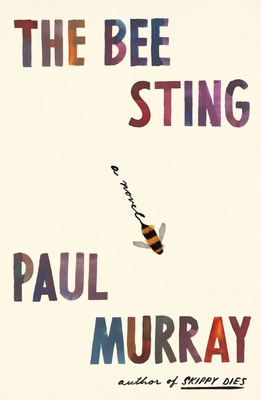
Paul Murray, The Bee Sting
This Irish author’s long-awaited fourth novel is nearly his longest, definitely most ambitious and possibly darkest (a real feat coming from the guy best known for Skippy Dies.) Yes, it’s an epic tome about a dysfunctional family but one where it really does take 600+ pages to peel back all of its layers and arrive at an expertly detailed comprehension of where everything went wrong and the weight of what would be lost if it were to end tragically. Murray’s prose here can be frustrating in its lack of compromise but also admirable for that same reason.
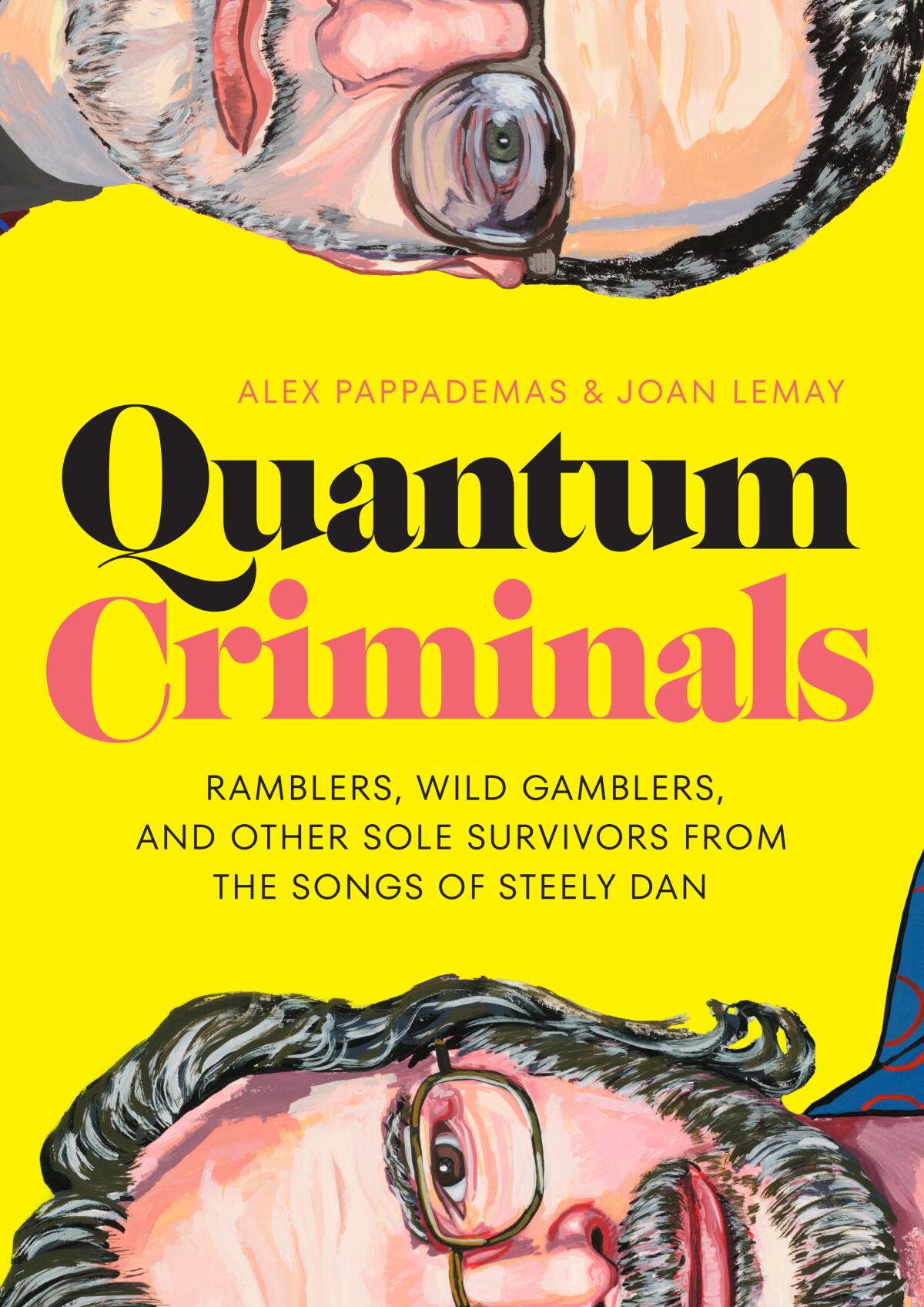
Alex Pappademas and Joan Le May, Quantum Criminals
Not every band warrants a book about them, but one as popular and simultaneously cultish and divisive as Steely Dan surely does. This picks apart their distinct jazz-pop and personal history via short chapters about characters populating their tunes (like “Deacon Blues”, “Peg” and “Josie”, for starters) and the other characters who wrote and performed them: Donald, Walter and a revolving cast of bandmates, session musicians and influential figures. With Le May’s drawings enhancing Pappademas’ insightful prose, it’s a hoot if you’re a fan and might even convert those few listeners on the fence.
Ann Patchett, Tom Lake
Patchett’s latest is another novel whose ambitious structure consists of a series of gradually revealed puzzle pieces where their assemblage is as intriguing as the complete picture they eventually form. As the narrator relays a story from her past as a summer stock actress to her three daughters on their family farm during Covid lockdown, Patchett maintains the momentum of these parallel narratives with a deft hand while also exploring the notion of performance, both onstage and off.
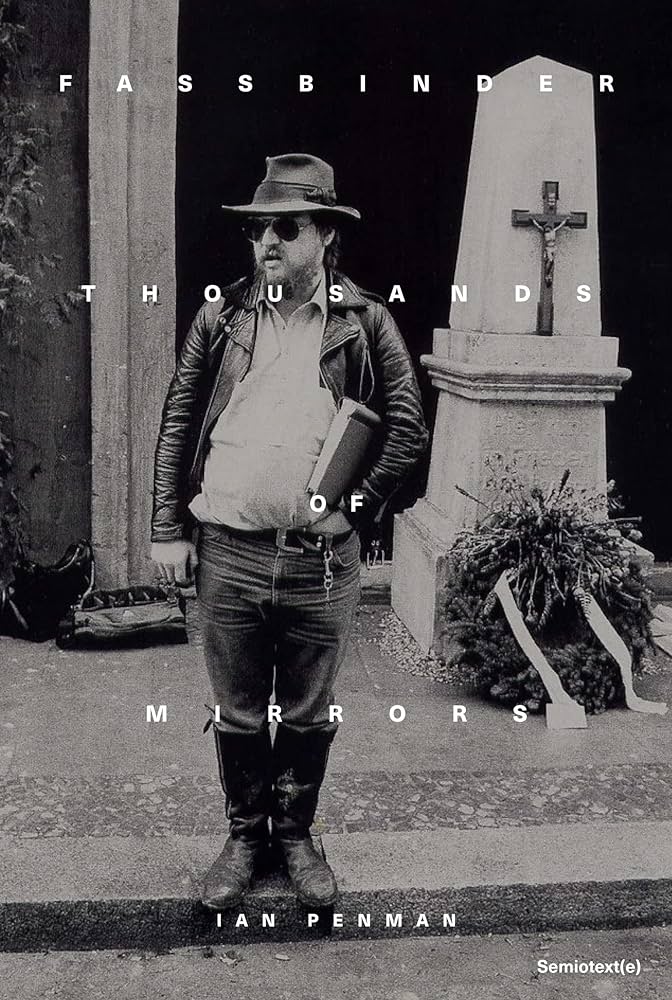
Ian Penman, Fassbinder Thousands of Mirrors
I’ve been looking for a new book (or any old one, for that matter) on New German Cinema director Rainer Werner Fassbinder for some time. Penman’s short but still bountiful mosaic of essays (some of them a sentence or two long) is a new way of viewing this iconoclast: it considers how an artist’s dense body of work (in this case, 40-odd films over a 13 year period) lives on decades after his death and continues to reveal new facets and contexts to those revisiting or for the first time discovering them.
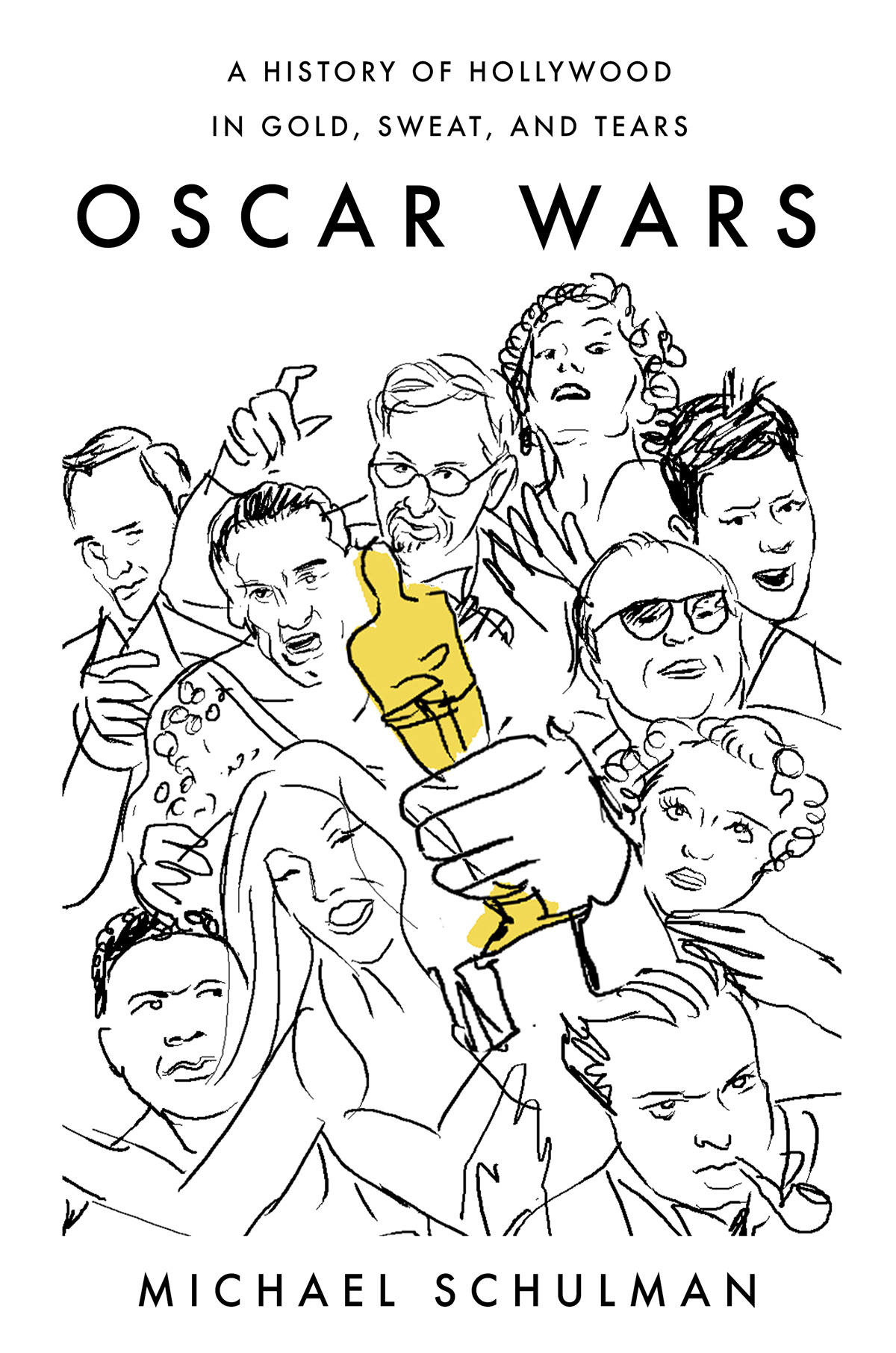
Michael Schulman, Oscar Wars
Just when you think you didn’t need another book about the Academy Awards, this TheNew Yorker contributor comes out with perhaps the best one on them, or at least the most entertaining and relevant as the institution reaches its century mark. Focusing on about a dozen of the most notable editions (Midnight Cowboy’s win, the Snow White/Rob Lowe disaster, the La La Land/Moonlight mixup), it’s a fizzy read acknowledging the utter ridiculous of the Oscars while also making the case for their continued relevance.
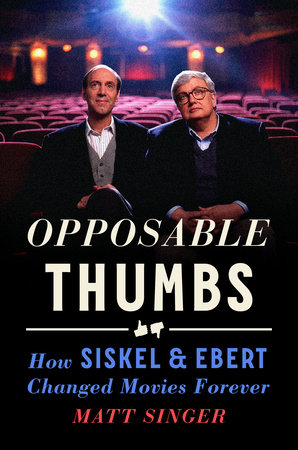
Matt Singer, Opposable Thumbs
In all of its iterations, Siskel & Ebert was both a fun watch and innovative in transforming how we consume cinema and connect with others in talking about it. This book shows that what transpired behind the scenes was just as compelling as the show itself. It seems so simple now, the notion of placing two highly competitive critics, both with outsized personalities in a room together and giving them free reign to argue about movies (and everything else.) Singer reveals the whole story in a compulsively readable account recommended for both film and TV enthusiasts.
Here’s my complete 2023 Booklist, with titles in chronological order of when I finished reading them (starred entries are books I’ve re-read):
Douglas Coupland, Binge
Ramzy Alwakeel, How We Used Saint Etienne To Live
Warren Ellis, Nina Simone’s Gum
Doris Lessing, The Golden Notebook
Paul Murray, The Mark and The Void*
George Saunders, Liberation Day
Larry Widen and Judi Anderson, Silver Screens: A Pictorial History of Milwaukee’s Movie Theaters
David Mitchell, Number 9 Dream
Eve Babitz, Eve’s Hollywood
Matthew Horton, George Michael’s Faith (33 1/3 series)
Andrew Sean Greer, The Impossible Lives of Greta Wells
David Sheppard, On Some Faraway Beach: The Life and Times of Brian Eno*
Tim Blanchard, Like Magic In The Streets
Elizabeth Strout, Olive Kitteridge
Shawn Levy, In On The Joke
Craig Brown, 150 Glimpses of The Beatles
Hanya Yanagihara, To Paradise
Michael Schulman, Oscar Wars
Kurt Vonnegut, Galapagos*
Haruki Murakami, Men Without Women
Charles Bramesco, Colors of Film
Joseph Lanza, Easy Listening Acid Trip
Ian Penman, Fassbinder Thousands of Mirrors
Emma Cline, The Guest
Samantha Irby, Quietly Hostile
Donna Tartt, The Little Friend
Kent Jones (ed.), Olivier Assayas
Ted Gioia, Music: A Subversive History
Bill Bryson, I’m a Stranger Here Myself*
Pauline Kael, The Age of Movies: Selected Writings of…
Elizabeth McCracken, The Hero Of This Book
Geoff Dyer, Yoga For People Who Can’t Be Bothered To Do It
Tracey Thorn, Bedsit Disco Queen*
Anthony Doerr, Cloud Cuckoo Land
Adam Levin, Kodachrome Milwaukee
Curtis Sittenfeld, Romantic Comedy
Alex Pappademas and Joan Le May, Quantum Criminals
Mike Doughty, I Die Each Time I Hear The Sound
John Hodgman, Vacationland*
A.M. Homes, The Unfolding
Joshua Ferris, A Calling For Charlie Barnes
Sara Gruen, Water For Elephants
Karl Ove Knausgaard, Autumn
Ann Patchett, Tom Lake
Sam Wasson and Jeanine Basinger, Hollywood: An Oral History
David Wondrich, Imbibe!
Dale Peck, The Garden of Lost and Found*
Judd Apatow, Sicker In The Head
Guy Maddin, My Winnipeg*
Kenneth Womack, Solid State
Paul Murray, The Bee Sting
Maria Bamford, Sure, I’ll Join Your Cult
Don Lee, Lonesome Lies Before Us
Matt Singer, Opposable Thumbs
Stanley Elkin, Criers and Kibitzers, Kibitzers and Criers
Werner Herzog, Every Man For Himself and God Against All
Evelyn McDonnell, The World According to Joan Didion
Growing up, my parents and I revisited a canon of classic Christmas movies every year: The Bishop’s Wife featuring Cary Grant at the peak of his ineffable charm; Miracle on 34th Street with Edmund Gwenn’s archetypical Santa Claus and nine-year-old Natalie Wood giving her contemporary child actors a run for their money; Going My Way and The Bells of St. Mary’s, both starring Bing Crosby as a cool priest and in the latter sequel, Ingrid Bergman as his nun counterpart; It’s A Wonderful Life, its first three-quarters seemingly interminable to a child until George Bailey wishes he’d never been born and the rest is pure magic that director Frank Capra, James Stewart and Henry Travers (as Clarence the Angel) all sell the heck out of.
The three of us found a new holiday classic via A Christmas Story during its original 1983 theatrical run. In witnessing little Ralphie’s exhaustive efforts to ask for a Red Ryder BB Gun in 1940s Indiana (including the frozen pole licking, copious Bumpus hounds, an alarming department store Santa and his cranky helper elves, etc.), I don’t think my parents or I had ever laughed so much at the movies. An adaptation of humorist Jean Shepherd’s book In God We Trust, All Others Pay Cash, the film was only a minor box office hit (although I recall many commercials for it airing at the time.) The following year, we saw it again at the second-run Times Cinema on Vliet St. It was as riotously funny to us as the first time. A year later, after cable TV finally came to Milwaukee, seemingly everyone had seen the film. At a holiday party that year, numerous kids remarked to bespectacled me, “You look just like that kid from A Christmas Story!”
I can credit Ralphie and company for a newfound desire to find more holiday films to love. When I was 9, my mom and I attempted to watch every version of Charles Dickens’ A Christmas Carol we could see, from the 1938 edition with Reginald Owen to the then-new, made-for-TV one starring George C. Scott (I wonder if I could watch it today without thinking of his performances in Dr. Strangelove or Hardcore.) At the time, I enjoyed the novelty of 1970’s Scrooge, a musical adaptation with Albert Finney; revisiting it last year, it’s still a fizzy take on the oft-told legend with a terrific score, even if the Christmas Future sequence where Scrooge essentially goes to Hell is trippy, cheesy and very much of its time. The 1951 version still has the best Ebenezer, Alistair Sim even if his partial resemblance to Klaus Kinski makes me long for the Werner Herzog version of this story that never was.
Of all of my parents’ beloved holiday perennials, their favorite, 1942’s Holiday Inn, pairs Crosby with Fred Astaire. The former plays a New York City entertainer who retreats to the Connecticut countryside, opening a hotel/nightclub that only operates on holidays; it primarily exists as a vehicle for a selection of seasonally themed Irving Berlin compositions including the debut of what is often cited as the best-selling single of all time, “White Christmas”. My folks usually waited to watch it on Christmas Eve after I had gone to bed. By my teenage years, I began accompanying them, first viewing it on a VHS tape recorded from an airing on local independent WVTV Channel 18, then on a store-bought cassette and eventually on DVD. It soon became one of my favorites, seen so many times that I could probably recite all of its dialogue today. It hasn’t aged entirely well (gratuitous blackface number alert!) and some of the holidays celebrated are a stretch (George Washington’s Birthday?) but those Christmas (and New Year’s Eve) scenes are evergreens. The 1954 sequel titled White Christmas (duh) substitutes an absent Astaire with Danny Kaye; it’s fine but not nearly as affecting as its predecessor.
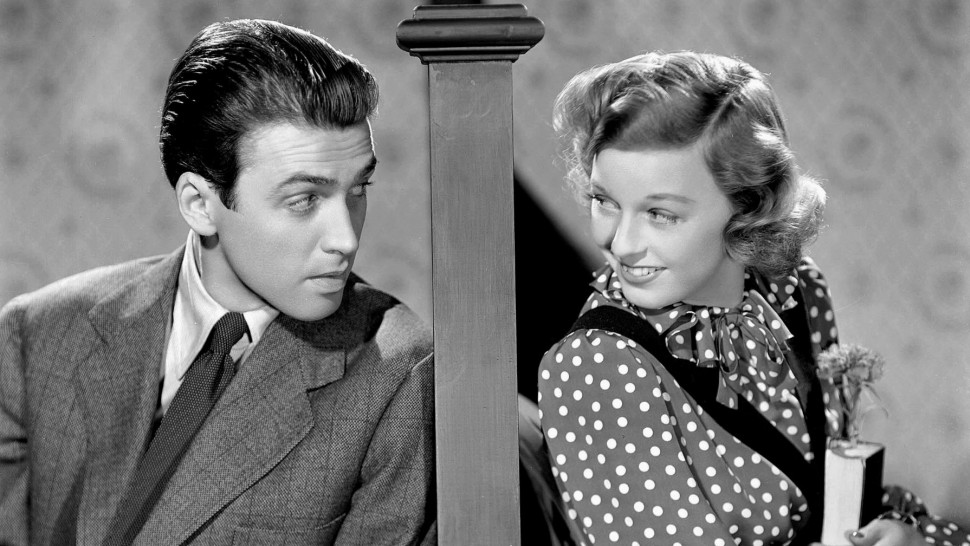
Apart from National Lampoon’s Christmas Vacation (one of my husband’s favorites), Tim Burton’s and Henry Selick’s The Nightmare Before Christmas (not a Halloween film!) and It Happened On Fifth Avenue (a hidden gem from 1947 about a benevolent bum and the kindness of strangers), as an adult I didn’t much seek out other holiday classics (despite no shortage of new ones via The Hallmark Channel) until the pandemic hit three years ago. With time on our hands and the world of streaming at our fingertips, we found a few worthy new candidates for the canon: Remember The Night, written by Preston Sturges and teaming up Fred MacMurray and Barbara Stanwyck (a few years before Double Indemnity) and Holiday Affair, a sort-of-comic noir with Robert Mitchum and a young Janet Leigh. However, the Christmas film I’ve grown to love most in the past decade is Ernst Lubitsch’s The Shop Around The Corner from 1940 with Stewart and Margaret Sullavan as two employees in a Budapest gift shop. Sharp and tender in equal measures, its stellar last twenty minutes is what all romances, comedies and romantic comedies should aspire to be.
In putting together the list below, I considered some excellent Christmas-adjacent titles like The Apartment, Carol, Holiday, Tangerine and Catch Me If You Can. In the end, I selected only films that I felt compelled to actually watch at Christmas and not any other time of year. I did make room for this year’s The Holdovers, which doesn’t entirely comply to these rules (I first saw it in September at TIFF and the time of year did not alter my enjoyment of it); still, it already exudes enough of that elemental seasonal spirit to earn its place here.
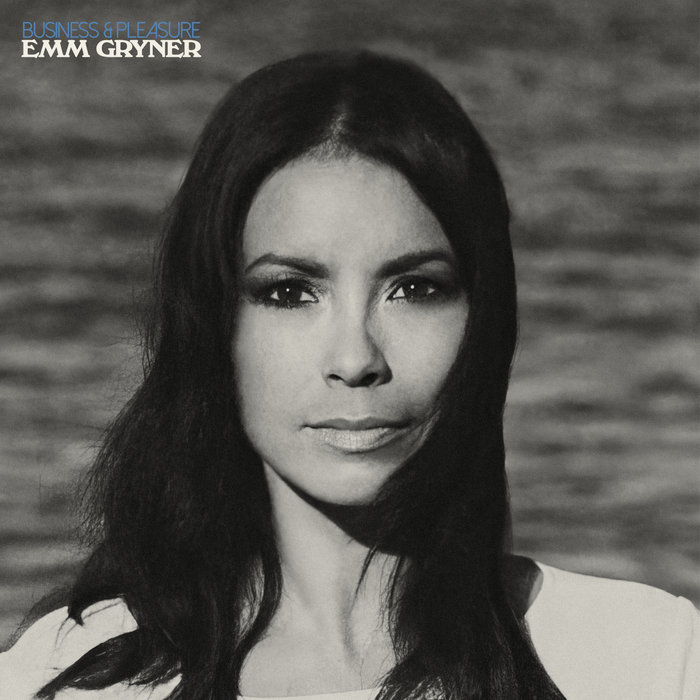
Gryner purposely set out to make a “Yacht-Rock”-inspired record and fully understood the assignment, working with veterans of the constituted-after-the-fact genre (more of a feeling, really) and constructing songs harkening back to another era while somehow remaining contemporary in their outlook (more like timeless, actually.) So, if “Loose Wig” and “Burn The Boats” recall Steely Dan, and “Jack” is in sync with Toto and “The Chance” references Christopher Cross’ “Ride Like The Wind”, her resilience and the newfound joy her craft exudes prevents them from serving as mere homages; as a matter-of-fact, they also sound like Emm Gryner songs—melodic, inviting, yearning and effervescent.
4. Romy, Mid-Air
I was hoping for a good debut solo album from this vocalist of The xx but honestly wasn’t expecting one this good: diving headfirst into electronic dance music (particularly diva house), she manages to sound cool, calm and collected as ever while simultaneously like she’s having the time of her life. Full of paeans to same-sex lust and love, it also liberates her from her past poker-faced ambiguity. On “Enjoy Your Life”, she turns a basic three-word cliche into a code to live by and in turn, a means of salvation, while on the insistent “She’s On My Mind”, her declarations of desire blossom, build and gradually turn euphoric.
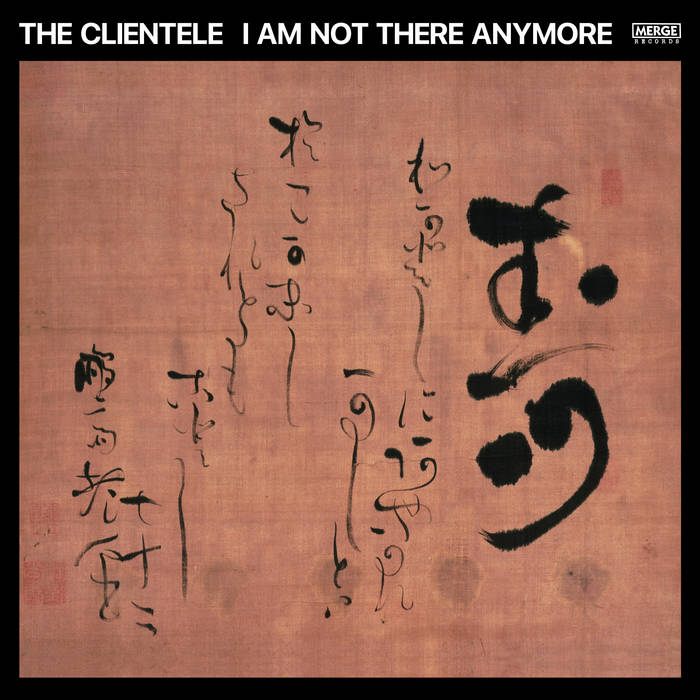
3. The Clientele, I Am Not There Anymore
I fell in love with this mostly-active-in-the-00’s indie British trio on their 2017 return, Music For The Age of Miracles, which became of one my favorites of that decade. On this follow up, they reprise their trademark autumnal chamber pop but suffuse it with more instrumental segues and spoken-word tone poems and even some subtle electronics. Stunning opener “Fables Of The Silverlink” serves as an overture with melodies and motifs reappearing throughout the rest of the album, which soon emerges as a complex, hour-long song cycle about childhood memory and infringing mortality. If that sounds intimidating and arty, it’s just as often embracing as on the crisp, clear pop of “Blue Over Blue” or the absorbing, Middle Eastern-accented “Dying In May”.
2. Everything But The Girl, Fuse
Sonically, this picks right up where their last record, 1999’s Temperamental left off, but only to a point. In the interim, Ben Watt and Tracey Thorn both released multiple solo efforts, some of them pretty accomplished ones, so it follows that this return conveys maturity and wisdom gleaned since then. Although predominantly electronic, these ten songs are encouragingly evolutionary, alternating bangers like “Nothing Left To Lose” and “Caution to The Wind” with more atmospheric, delicate stuff such as “Run A Red Light” with its enthralling sense of space and reverberating piano chords. Thorn’s vocals are also occasionally adjusted and enhanced, revealing new shadings as applied to lyrics charting the passage of time and a tenuous future—perhaps, not so tenuous; is this the beginning of a superb second act?
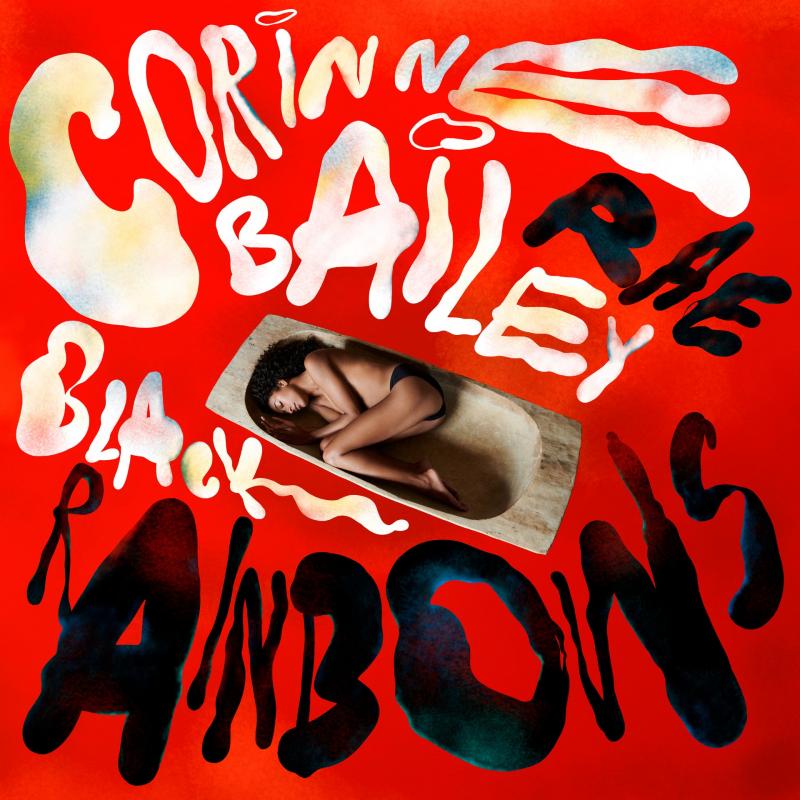
1. Corinne Bailey Rae, Black Rainbows
Best known for her 2006 hit “Put Your Records On”, this Brit’s released only three more albums since that year’s self-titled debut; each one has revealed depth and exhibited growth beyond that pleasant single but her first effort in seven years is something else. Expertly swerving between genres and tones, it’s a tour de force whether essaying Afro-futurism (“Earthlings” beats early Janelle Monae at her own game), heavy, insistent thrash rock (!) (“Erasure”, “New York Transit Queen”), Laura Nyro-esque balladry (!!) (“Peach Velvet Sky”), creeping exotica that turns on a dime into Prince-worthy psychedelia (“He Will Follow You With His Eyes”) or a heady, multipart groove workout (“Put It Down”). Inspired by her residency at Chicago’s Stony Island Arts Bank, Black Rainbows is unwavering in ambition and breathtaking in scope. Although very much its own thing, taking it all in, I can’t help but compare it to another groundbreaking fourth album by one of my favorite artists (whom I could even imagine covering the crystalline “Red Horse”.)
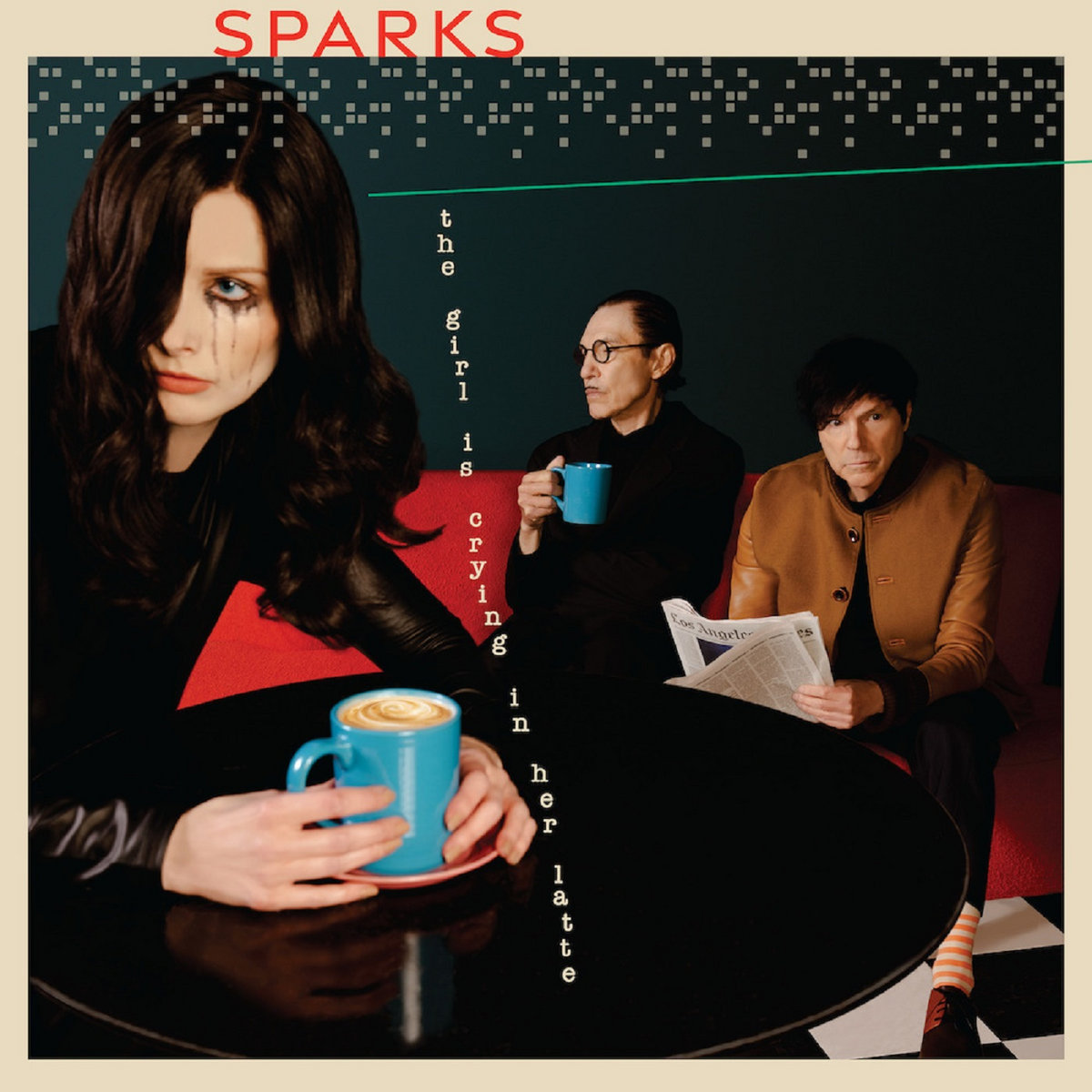
If ever an act was perfectly positioned for a victory lap, it’s the venerable duo of Russell and Ron Mael, more in the spotlight than ever thanks to Edgar Wright’s documentary about them and their divisive musical film Annette. It also doesn’t hurt that this delectably-titled 25th (!) studio album catalogs all of their strengths while continuing to reveal new hues in their art-pop palette, including the anthemic (and typically snarky) “Nothing As Is Good As They Say It Is” and also “It Doesn’t Have To Be That Way”, a lovely summation of the brothers’ philosophy without the snark. Maybe their best since Lil’ Beethoven?
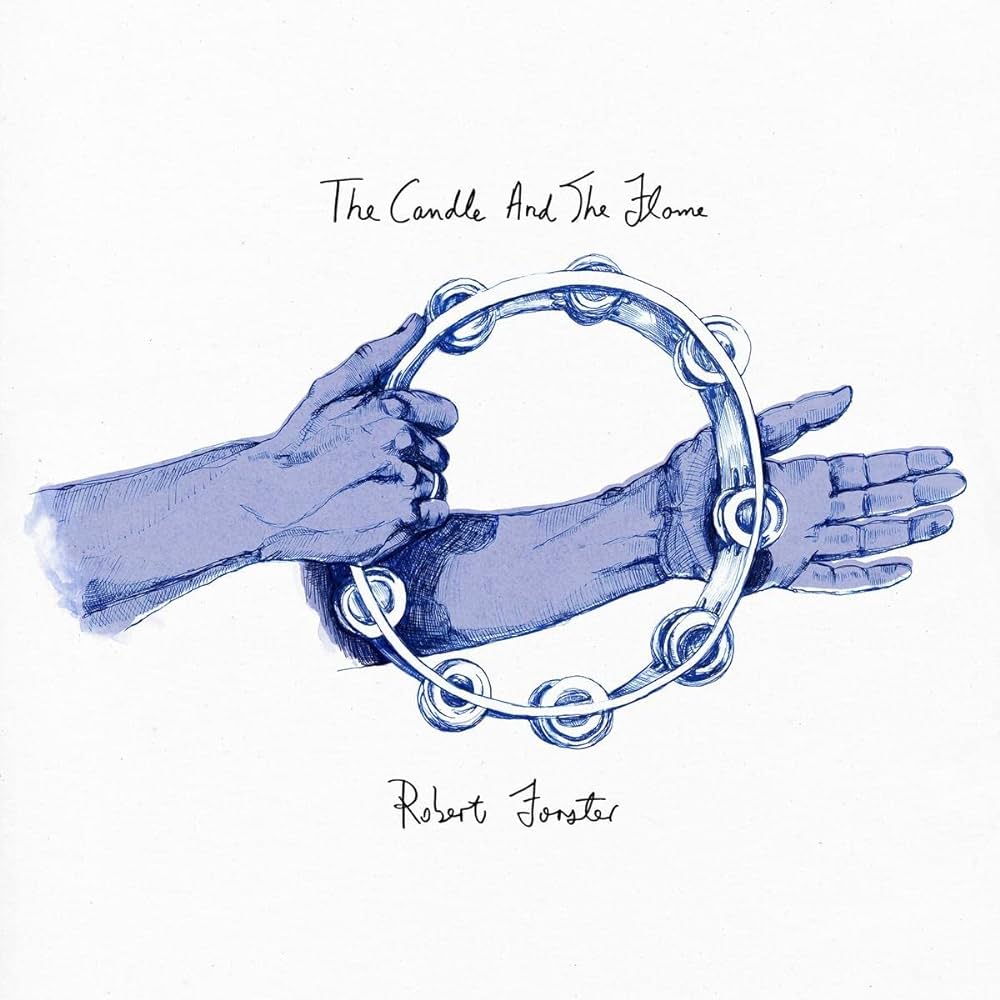
9. Robert Forster, The Candle and The Flame
Forster’s fourth album since Grant McLennan (his partner in The Go-Betweens) passed is his quietest and most domestic-focused, even if all of it apart from opener “She’s A Fighter” preceded his wife’s cancer diagnosis (update: she’s still fighting it.) One expects such maturity and taking stock from a 65-year-old, although Forster was already doing so (rather brilliantly) nearly twenty years ago on Oceans Apart. These nine observations are all of a piece, but “Tender Years” is the key: “See how far we’ve come”, he poignantly sings, and he’s earned the gravitas for it to really mean something.
8. Slowdive, everything is alive
After a solid, self-titled reunion album six years ago, this iconic 90s shoegaze band is consistent as ever but with a hunger to reassess and evolve. The dominance of electronics (nearly half the songs are built on synth riffs) sets it apart from all their past work without obscuring the elements that made them Slowdive. Those tired of waiting for another Cure album may find “kisses” a more-than-adequate substitute; still, alternating the poppier stuff with a pastoral instrumental (“prayer remembered”) and slow-building, eventually shimmering rave-ups like “shanty” and “the slab”, they prove nearly as vital in 2023 as they did with 1993’s Souvlaki.
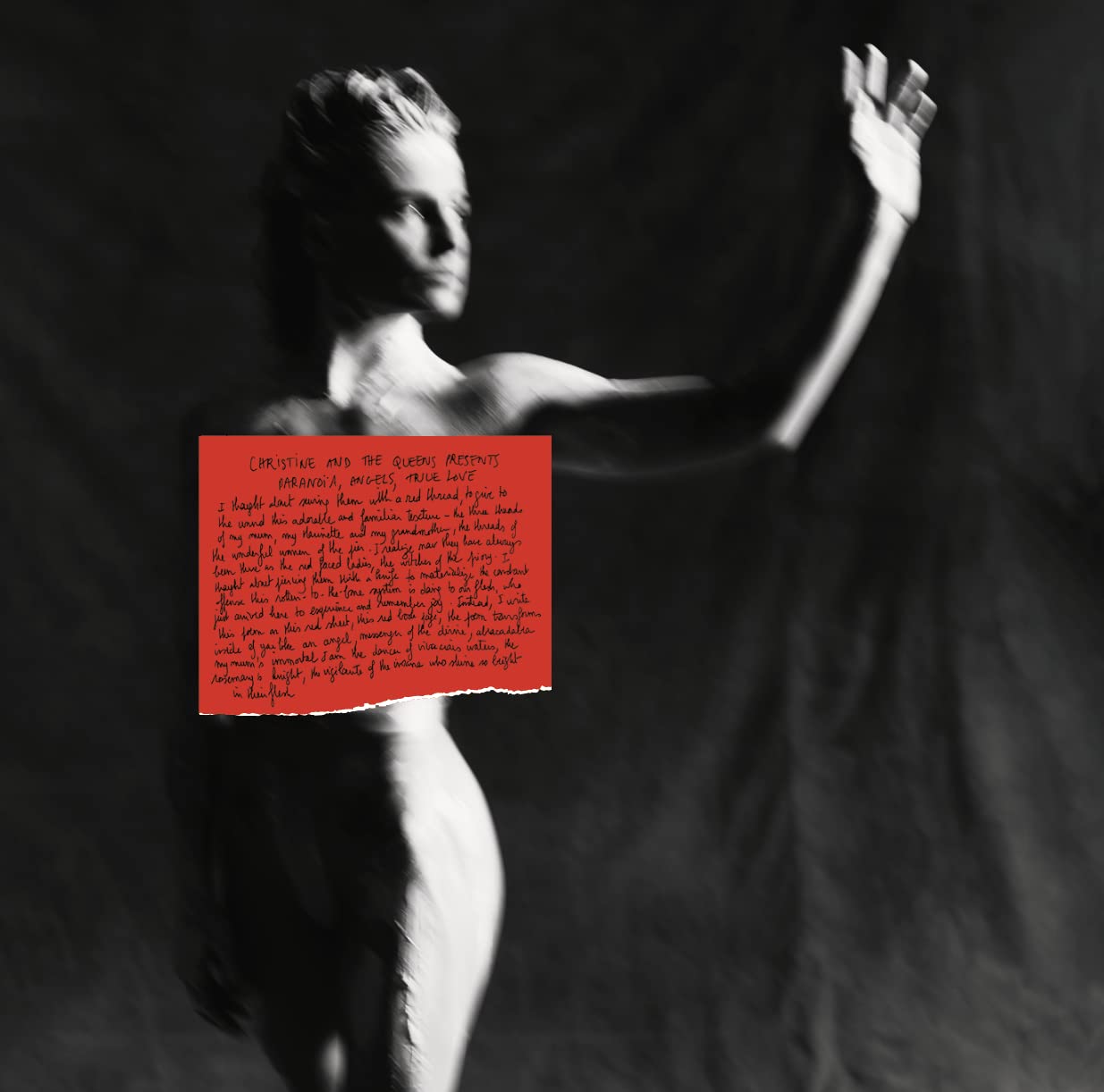
7. Christine and The Queens, Paranoia, Angels, True Love
Leave it to this oddball to attempt an honest-to-god triple album in the streaming era (although at 97 minutes, it could’ve been a double). Having come out as trans-masculine last year, Chris (formerly Héloïse Letissier) nearly goes for broke with an Angels In America-inspired concept LP about shifting identities, spiritual yearning and god knows what else. He seems determined not to repeat himself and everything from the discordant, eleven-minute “Track 10” (actually Track 7) to the lovely, simple “Flowery Days” not only suggests new, intriguing directions but a passion for development and growth which, four albums in, is timed just right.
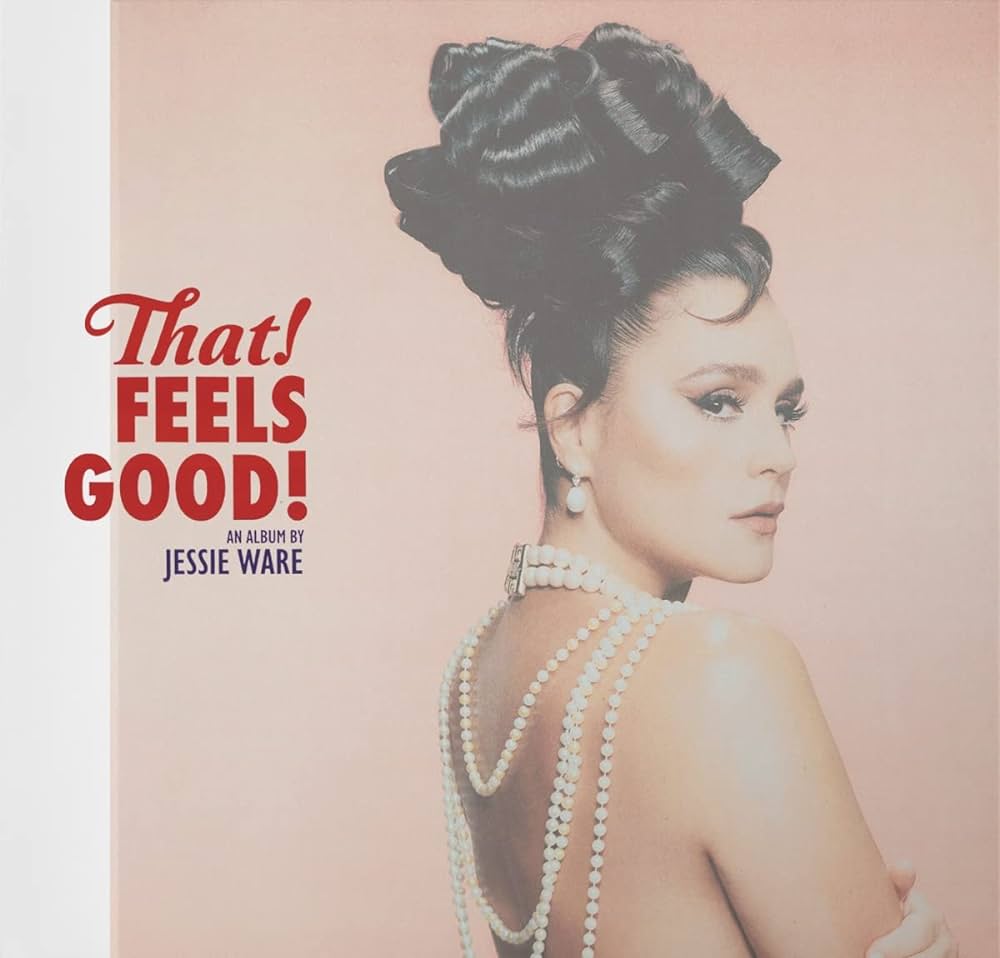
6. Jessie Ware, That! Feels Good!
I don’t envy Ware the task of having to follow up the exceptional What’s Your Pleasure?; her fifth album is more a lateral move than any attempt to top it. Leaning further into the hedonistic pleasures of disco and dancefloor soul, it may come off as a little expedient at times—little here matches last year’s glorious, pre-album single “Free Yourself”, although the samba-inflected “Begin Again” comes close. Regardless, Ware’s effusiveness nearly saves the day whether she’s indulging in a parade of double-entendres (“Shake The Bottle”) or easing on down the road towards some kind of unabashed bliss (“These Lips”, “Hello Love”).
The succinct, Neneh Cherry-worthy “Tiny Garden” is one of this year’s best singles, but Woods’ third album offers a lot more to love. Reallocating her focus from the cultural essaying of 2019’s LEGACY! LEGACY! towards the intimacy and fragility of relationships, she tempers her alternative R&B/folk with nifty poetic interludes (“I Miss All My Exes”, “Let The Cards Fall”) and simple hooks that exude restraint but also undeniable pleasure (“Practice”, “Boomerang”). While not necessarily an innovator nor yet an icon, her natural talent and deeply felt point of view are in ample supply.
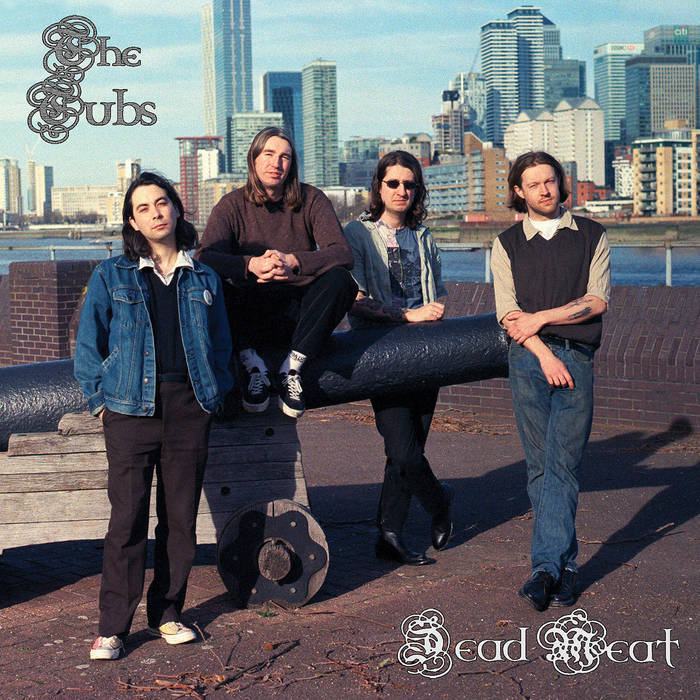
14. The Tubs, Dead Meat
For sure, the vocalist bears a heavy resemblance to Richard Thompson but within thirty seconds of rousing opener “Illusion pt. II” it’s obvious this foursome is no mere homage or tribute act; their welcoming melodies, intricate guitar lines and rarely obvious chord changes all sound effortless like good pop music should but seldom does. I suppose one could argue the originality of things like the spiky riffs of “Sniveller” which conjure up postpunk to a degree bands like Franz Ferdinand have been trading in for decades now, but that doesn’t render it any less of a thrill to hear.
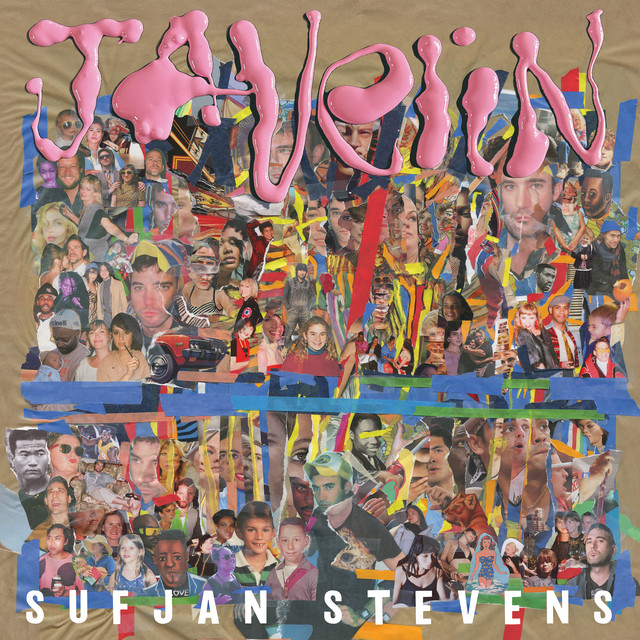
13. Sufjan Stevens, Javelin
Not a return-to-form in the style of Carrie and Lowell, just as that record wasn’t one in relation to Seven Swans. Apart from the uninspired, simplistic lyrics of 2020’s The Ascension, he has never been one to rest on his laurels; what makes Javelin so intriguing is in how it resolutely sounds like a Sufjan Stevens LP while also a push forward to reassess and explore what that means in 2023 (and beyond.) Knowledge that it’s a tribute to a recently deceased partner adds unignorable context but even without that news, this shows him refusing to be complacent and remaining engaged with wherever his muse(s) take him.
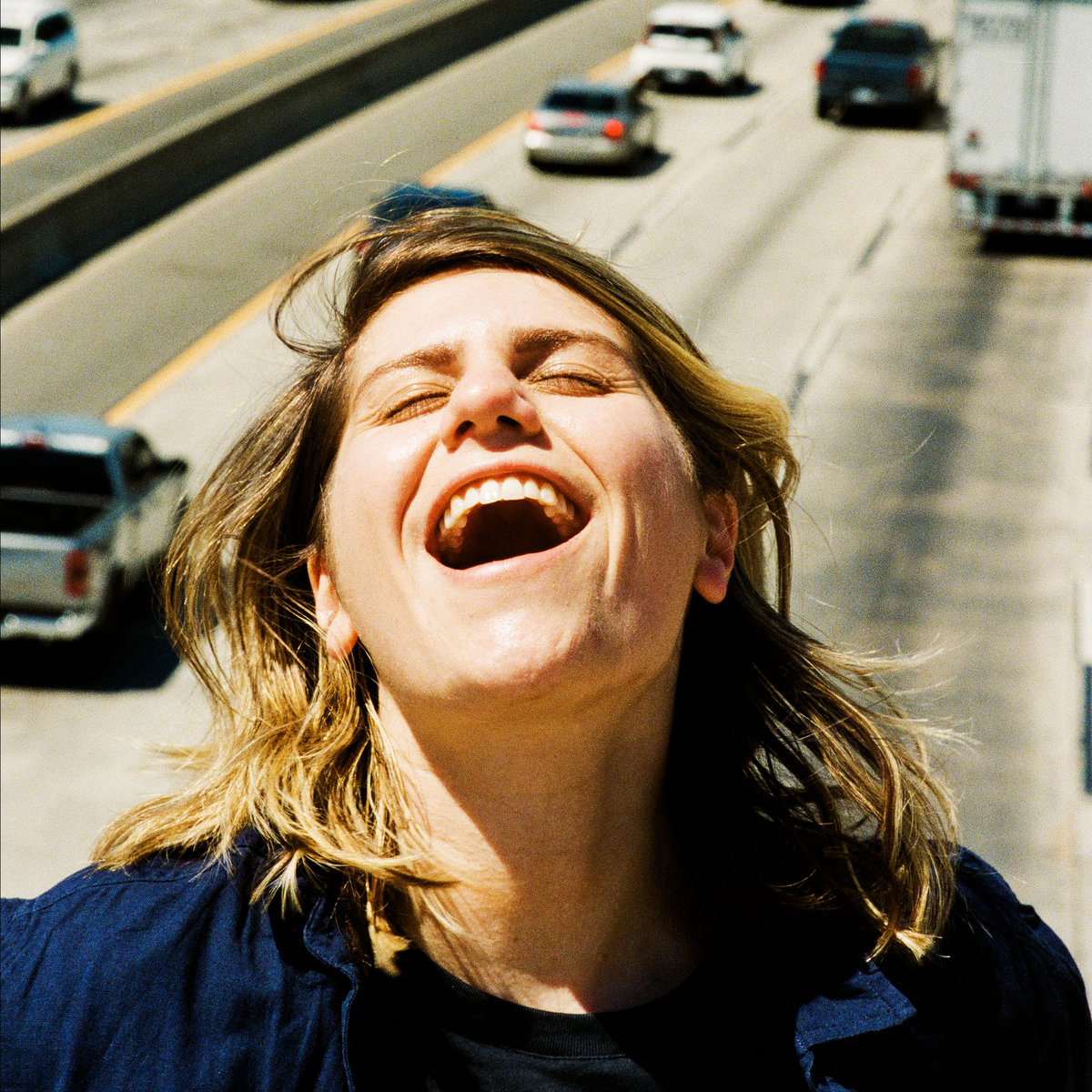
12. Alex Lahey, The Answer Is Always Yes
What can you do after two ten-track, near-perfect power/punk-pop albums? Logically, you’d shoot for a third, but on her first release in four years, this Aussie singer/songwriter takes a slightly different approach, opting for more looseness and impulsivity on introspective, pandemic-era observations like “Permanent” and “The Sky is Melting”. Rest assured, she still brings the hooks (the latter’s ascendant chorus is one of her best) and her never-wavering sense of economy, but from “Good Time” to “Shit Talkin’”, she’s refining her craft while never obscuring a sense of who she is, which is no small feat.
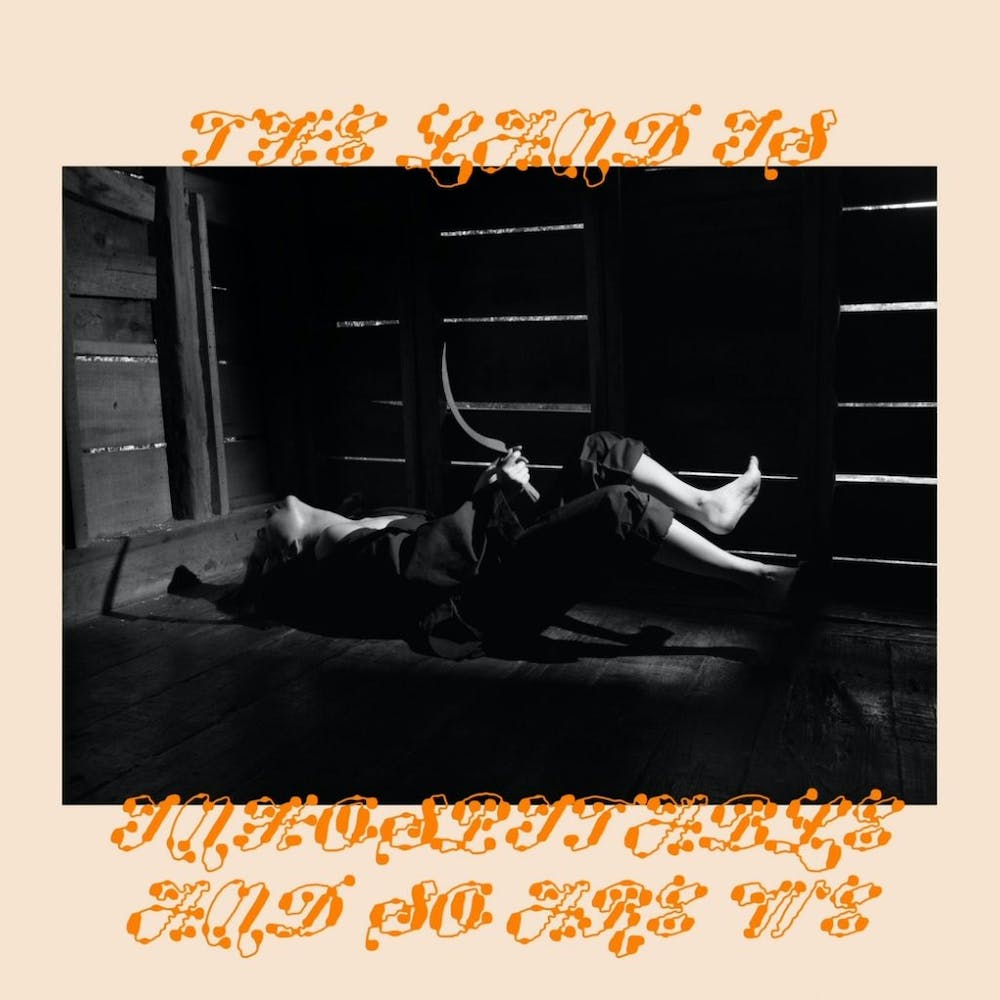
11. Mitski, The Land Is Inhospitable and So Are We
She nearly turned into a more elusive Pat Benatar over her increasingly slick past two records (note: this was not a good thing), so her about-face here is a bit of a relief. It also reminds me of the similar shift Sam Phillips made on Fan Dance two decades ago but far less minimalist, employing choirs and strings, pedal steel guitar and more atmosphere than those last two albums together offered. “My Love Mine All Mine” is one of the least likely fueled-by-Tik Tok crossover hits and that it could’ve easily happened to any of these 11 tracks reveals this collection’s consistency.
20. Yves Tumor, Praise a Lord Who Chews but Which Does Not Consume; (Or Simply, Hot Between Worlds)
According to my Spotify “Wrapped” for this year, my favorite genre was “Art Pop”; thus, it seems right to kick this countdown off with something fully of that description, near Fiona Apple-length LP title and all. I highlighted effusive single “Echolalia” in my mid-year report, but Sean Lee Bowie’s fifth album under this moniker is often as catchy as it weird, spiced with vintage samples, shape-shifting song structures and in “Operator”, a cheerleader chant previously adopted/rendered demented by Faith No More three decades ago (and in this artist’s hands, just as effectively today.)
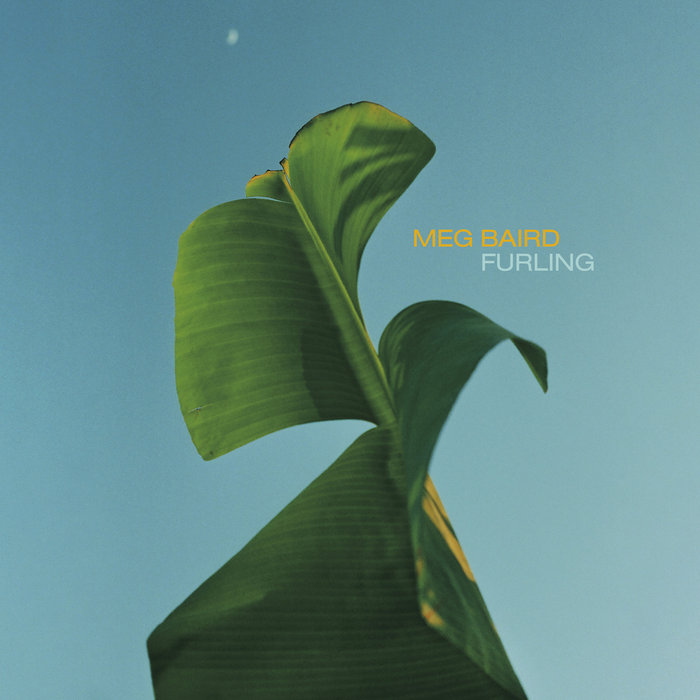
19. Meg Baird, Furling
I felt moved to hear this after Dusted Magazine praised it mid-year and opener “Ashes, Ashes” registered with me in no time. A languorous six-minute comedown of wordless sighs over a piano-and-rhythm-with-vibes vamp, it’s a perfect mood-setter for this gentle, gauzy, occasionally devastating folk opus. Like The Sundays’ Harriet Wheeler, Baird’s breathiness and cheery but sustaining high tone contrast skillfully with the minor chord progressions and pastoral acoustic settings. An affable companion to my top album of last year, Beth Orton’s Weather Alive.
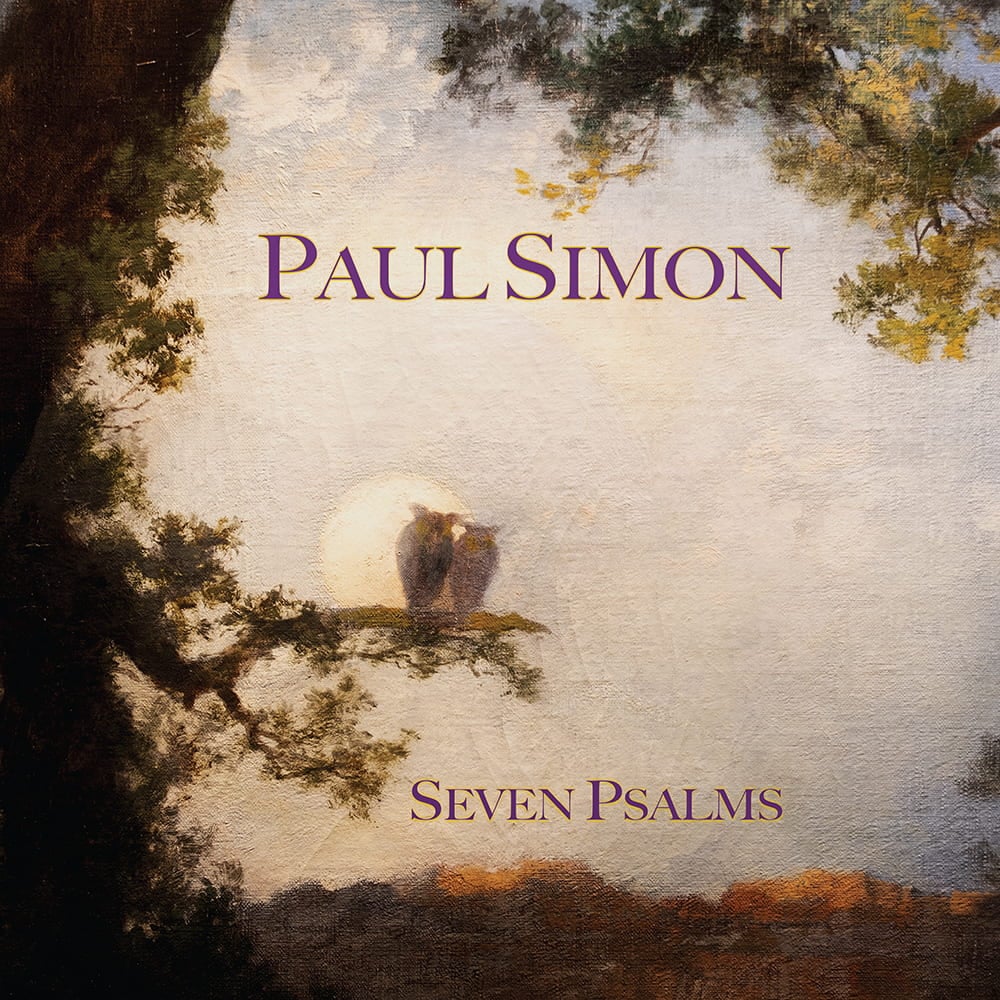
18. Paul Simon, Seven Psalms
Five years into his retirement from touring, octogenarian Simon made an unexpected return with a record unlike anything else he’s done: a 33-minute song cycle inspired by the Book of Psalms featuring seven movements and released both physically and digitally as one unbroken track. Potentially a challenging listen for those looking for another addition to the man’s voluminous songbook, it’s also a reminder of his innate talent, with both words and music continually revealing nuance and something approaching enlightenment on each listen. If this proves his final word, it’s one of his most profound.
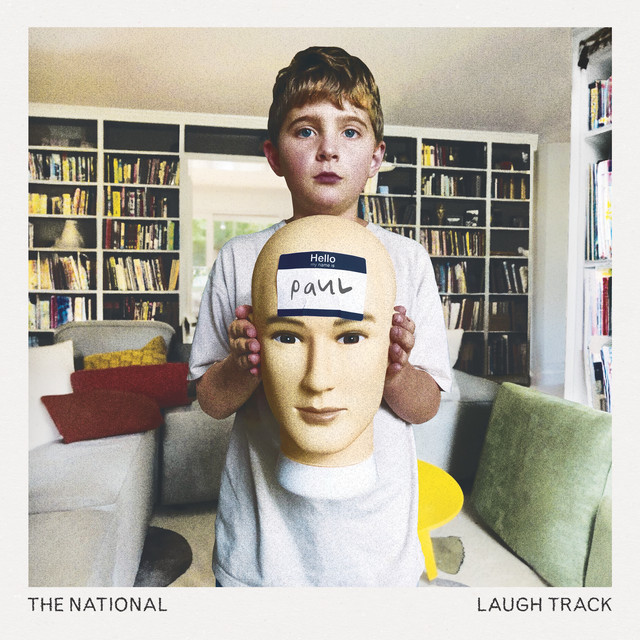
17. The National, Laugh Track
I am among those wondering why these Dad Rock Gods opted to put out two albums six months apart this year instead one killer release. First Two Pages of Frankenstein hit my honorable mentions list (“Tropic Morning News” might end up their deserved legacy hit) but I’ve come to prefer Laugh Track for being a bit roomier and also a whole lot more ambitious. The seven-minute “Space Invader” with its thunderous coda is the peak, but diversions on either side of it (a Bon Iver duet; scrappy, improvised closer “Smoke Detector”) make the case that these are much better than mere leftovers.
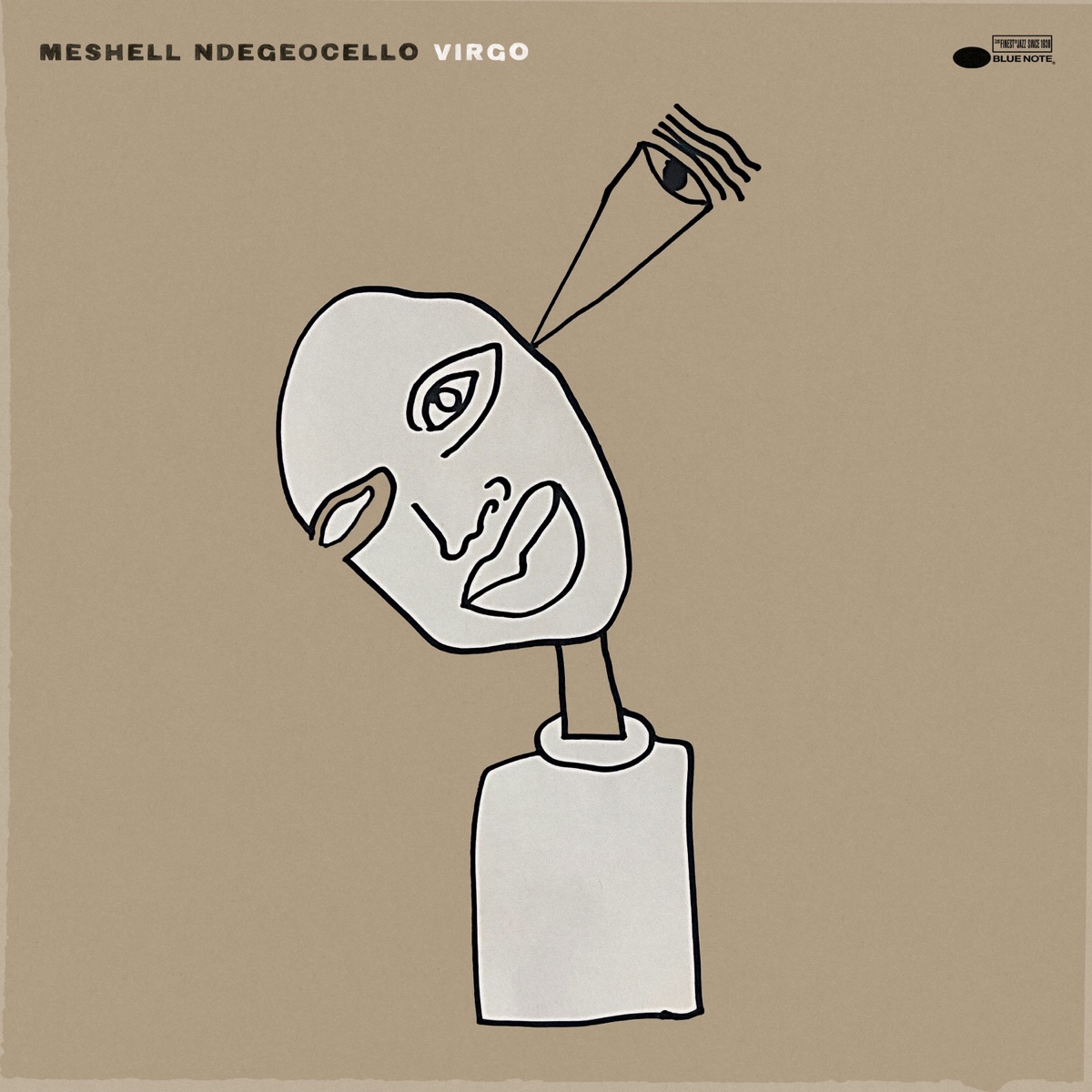
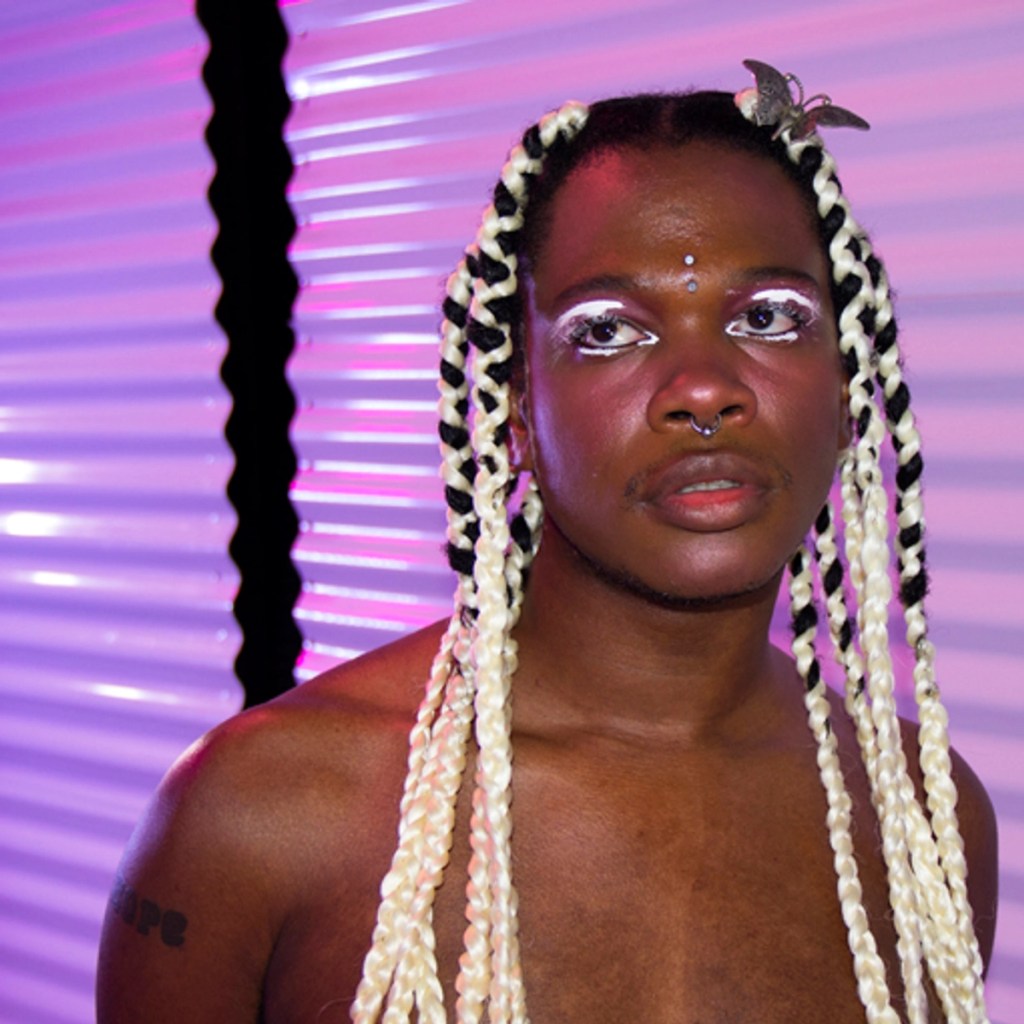
16. Meshell Ndegeocello, The Omnichord Real Book
Thirty years on from her debut album (and nearly ten since her last set of original songs), Ndegeocello returns with a lengthy, typically genre-averse collection. Although the titular electronic instrument is present throughout, it is but one ingredient in a blend of soul, funk, jazz, folk and rock that no matter how spacy or boundary pushing rarely drifts off into the ether or loses focus. She’s endured as an artist not only for her capacity to explore but also for her ability to connect, a distinction that often separates a legend from a flash-in-the-pan.
Regarding my favorite music this year, I’m counting down a Top 20 Albums list (instead of my usual Top 10 or 15) over the next few days. I wouldn’t say that I was necessarily more engaged with new music compared to past years, but I can’t deny the effort I put into looking for it. Spotify provides numerous paths towards finding it (particularly through its personalized “Discover Weekly” playlists) and naturally not everything clicks (I made it one-and-a-half songs through that much-praised Wednesday album before moving on.) To stumble upon a great new song/album or for longtime artists to seemingly emerge with one out of the blue is what keeps me stimulated and also motivated in the pursuit of more.
Here are some albums that didn’t make my Top 20 but are still worth further delving into (with a few footnotes):
Boygenius, The Record
Caroline Polachek, Desire, I Want To Turn Into You
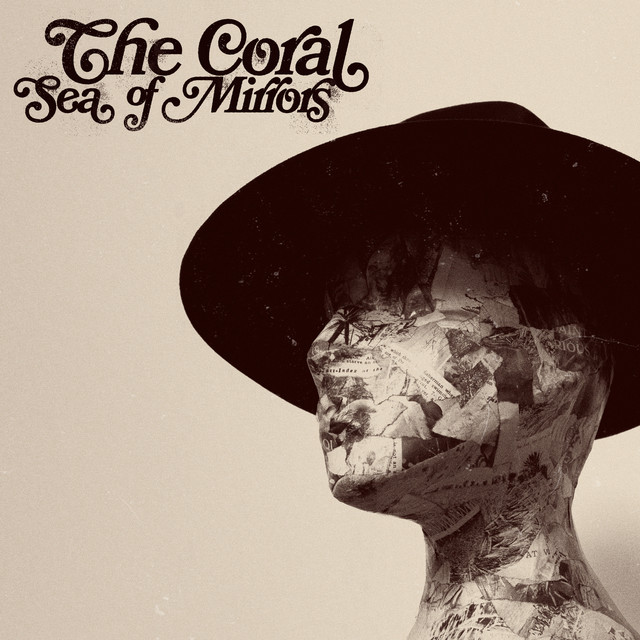
The Coral, Sea of Mirrors*
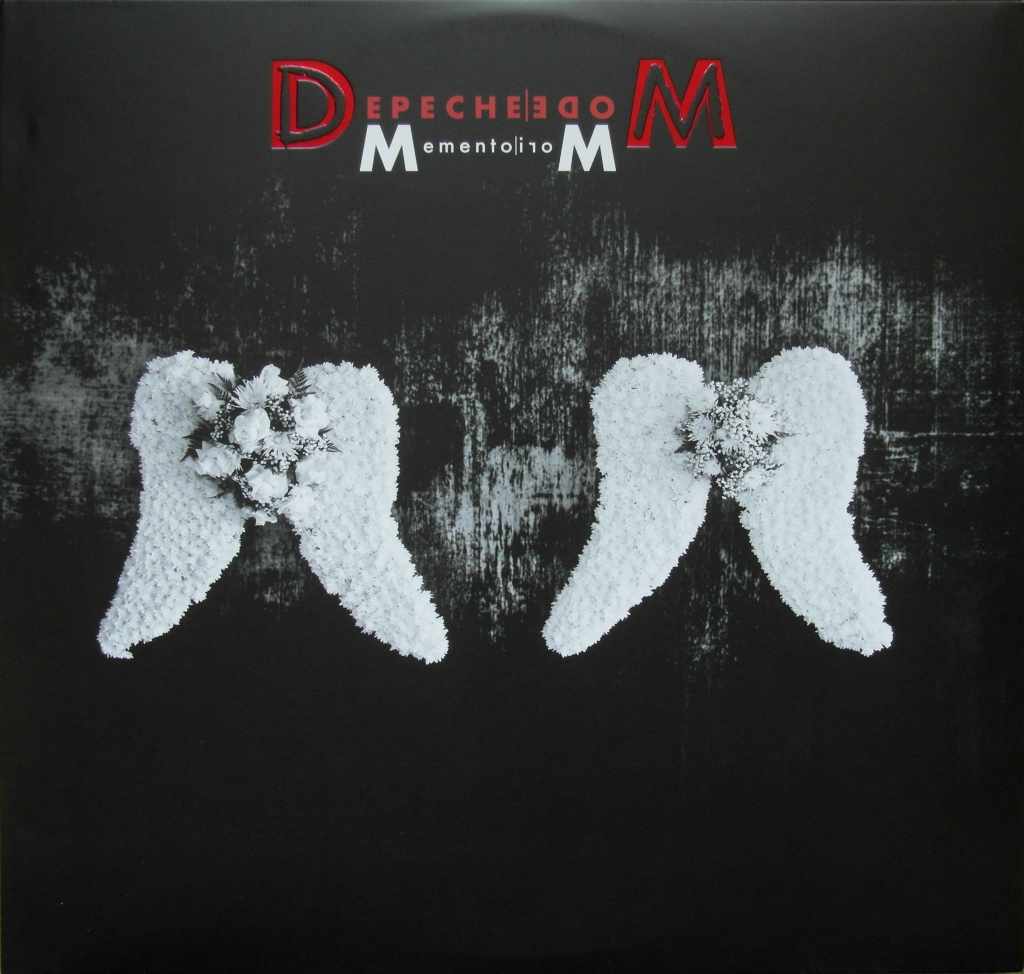
Depeche Mode, Memento Mori**
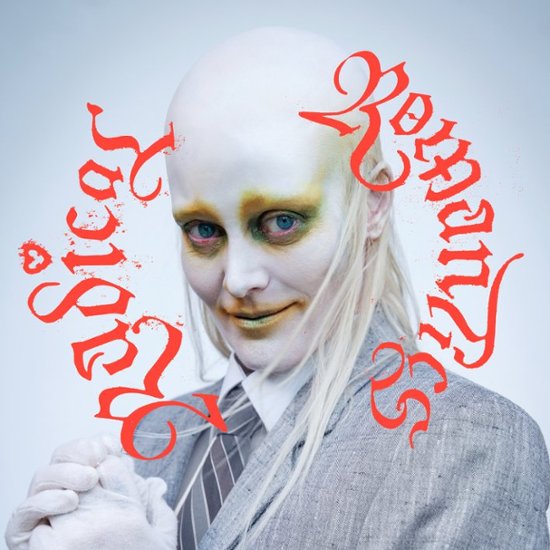
Fever Ray, Radical Romantics
Jake Shears, Last Man Dancing
Jungle, Volcano
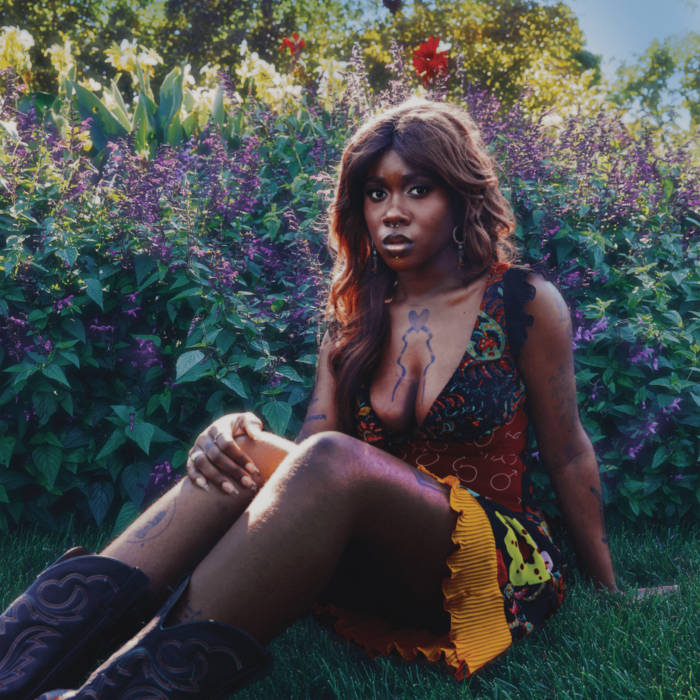
Kara Jackson, Why Does The Earth Give Us People To Love?*
Kate NV, WOW
Kylie Minogue, Tension
MAN ON MAN, Provincetown
Metric, Formentera II
The National, First Two Pages of Frankenstein
Peter Gabriel, i/o***
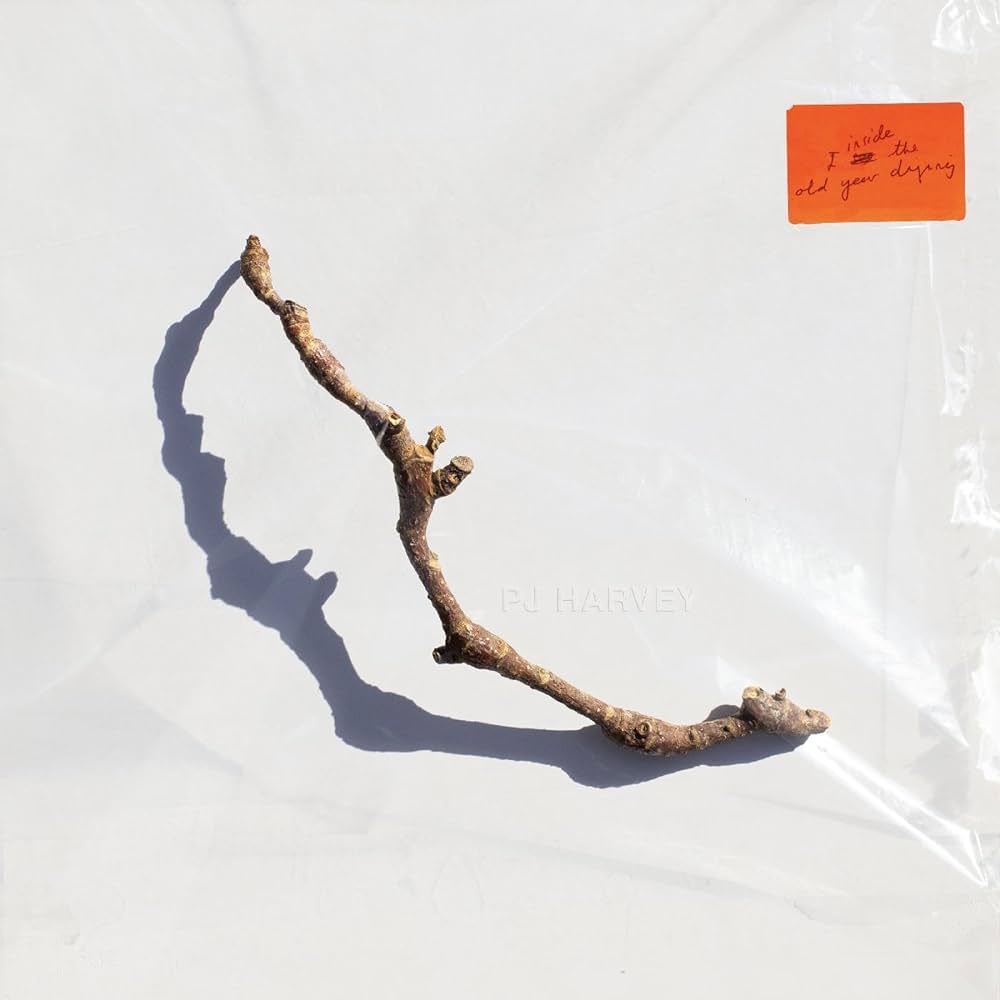
PJ Harvey, I Inside The Old Year Dying
Shamir, Homo Anxietatem
Troye Sivan, Something To Give Each Other
US Girls, Bless This Mess
*Seriously considered placing these two in the Top 20.
**Entirely, unexpectedly their best in over two decades for what it’s worth.
***This came out on 12/1, so I may need more time to absorb it (even if it was released track-by-track throughout the year.)
“Write what you know” is the most basic and profound advice I’ve received as a would-be author. For some, it’s essentially a jumping-off point, an ability to create entirely fictional worlds still informed and inspired by one’s own sensibility and lived experience. For others, the implication is less abstract—an invitation to write directly about yourself and what you’ve experienced without the pretense of hiding behind a pseudonym or a composite. As evidenced by this project and my blog’s pull towards critical writing and memoir, I tend to fall into the latter camp. Nonfiction has just come easier to me even as I’m often influenced by novels as much as autobiographies and books about film and music (among other arts.)
A preference for fiction or nonfiction can also apply to filmmaking. A director may choose to create new worlds aided by an original (or sometimes adapted) screenplay or relay a true story via a documentary or essay film. Some possess the talent or at least the interest and appetite to do both: Jonathan Demme following his iconic Talking Heads concert film Stop Making Sense with the near live-action cartoon fantasy of Something Wild, or Werner Herzog mostly pivoting to documentary in his later career while still making time for the occasional fiction feature such as Bad Lieutenant: Port of Call New Orleans or Rescue Dawn (the latter a fiction remake of his own doc, Little Dieter Needs To Fly.) As regarding anything offering a binary as recognizable as fiction vs nonfiction, one doesn’t necessarily have to choose sides.
Where this becomes tricky and often more fascinating occurs when one blurs the line between these two approaches. Abbas Kiarostami’s Close-Up, for instance, recounts a true-life story by enabling its participants to reenact the events. The end result was by no means a documentary—technically, it was a work of fiction, for a viewer simply couldn’t know if the film’s events all actually happened, whether Kiarostami says they did or not. Some actual documentaries such as Man On Wire and The Act of Killing take a near-opposite approach by including explicit reenactments that are not fully meant to stand in for the real thing; the latter’s assemblage of former members of Indonesian death squads are asked to recreate their genocidal 1960s murders of the country’s communist citizens as if they were scenes in a movie. Also consider mockumentaries like This Is Spinal Tap, which clearly read as fiction… except to those who don’t know that they are and get swept up in their convincing, deadpan approach.
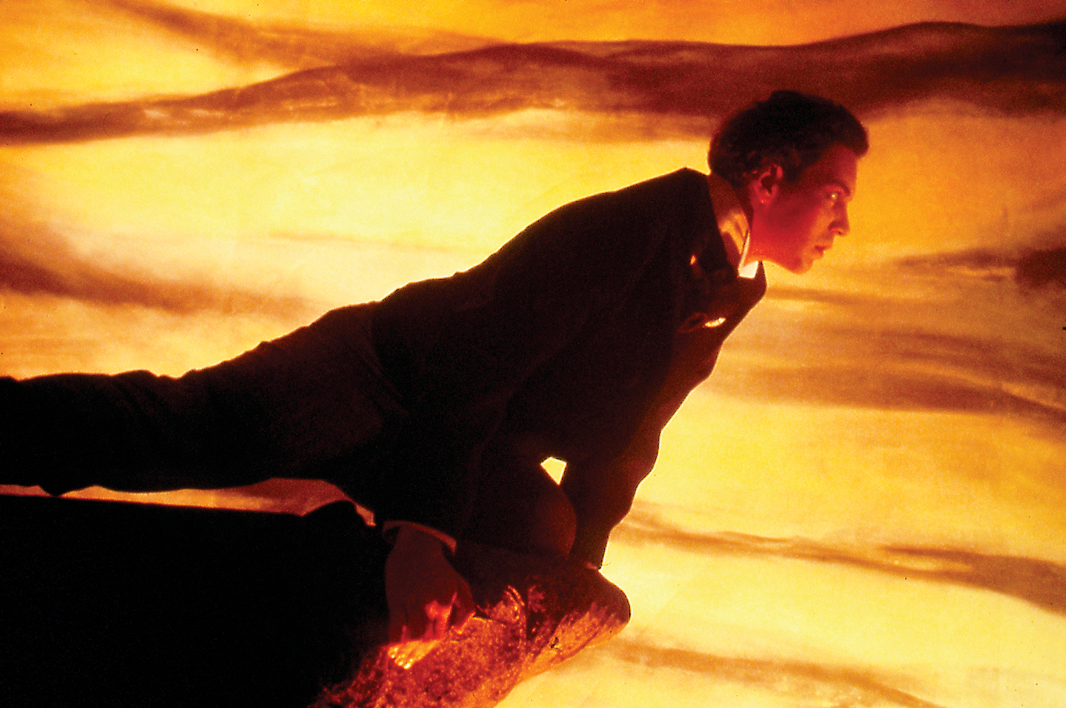
Guy Maddin is not what one would deem a documentarian in the traditional sense. Nearly all of his output is explicitly fantasy—even his works one could describe most as “realistic” and traditionally narrative-driven such as Keyhole (2011) or The Saddest Music In The World (2004) are not too far off from fever dreams (the latter features Isabella Rossellini as a beer baroness whose prosthetic leg is literally a glass boot full of her product!) Emerging from the ultra-indie Winnipeg film scene with his 1988 debut feature Tales From the Gimli Hospital, he had his peculiar, specific style already in place. Heavily influenced by silent film aesthetics (black-and-white cinematography, intertitles, archaic techniques such as iris-in, iris-out transitions between scenes), Gimli would appear to be a silent cinema pastiche except that there is sound (some occasional dialogue, even!) and an overarching surrealist sensibility that, while not at all modern, is something one would rarely mistake for being just from the silent era—contrarily, it’s more out of time and very much its own thing.
Maddin made three more features and a smattering of shorts over the next decade, but I did not even hear of him until 1998. He was in Boston for a career-to-date retrospective at the Museum of Fine Arts and visited my Avant-Garde Cinema class at Boston University for a Q&A after a screening of Careful (1992), his first color feature and most dialogue-heavy effort to date. Naturally, it was shot in two-strip technicolor (limiting the palette to two hues (and an occasional smidge of yellow) at all times) and the stilted dialogue had been translated from English to Icelandic and back to English again. In the classroom, Maddin came off as an affable (if somewhat bewildered) Canadian, just as my classmates and I festooned him with questions about his bewildering film. The premise? An isolated town that’s continually threatened by avalanches triggered by either loud noises or outwardly expressed emotions!
Careful
Like much of what I saw in that class, I didn’t fully know what to make of Careful, though it was unique without being obscure or off-putting; I duly rented the rest of Maddin’s features from my local VideoSmith. Two years later, his produced-for-TIFF short The Heart of The World won ample acclaim including the Genie Award (Canadian Oscars-equivalent) for Best Live Action Short Film plus accolades at film festivals from San Francisco to Brussels. Relaying a love triangle/end times/cinema-as-savior chronicle in the style of early 20th Century art movement Russian Constructivism (a precursor to Dziga Vertov’s Man With A Movie Camera and the films of Sergei Eisenstein), the short’s exhilarating, rapid-fire editing encompasses a dizzying amount of plot in just six minutes.
From there, Maddin was on a roll. With Dracula: Pages From A Virgin’s Diary (2002) he transformed a filmed ballet adaptation of Bram Stoker’s iconic novel into an experimental tone poem in his phantasmagorical style, while the aforementioned The Saddest Music In The World, featuring such marquee names as Rossellini and Mark McKinney not only received widespread acclaim but became something of an indie “hit”. These features were interspersed with a slew of shorts ranging from My Dad Is 100 Years Old (made with Rossellini about her famous filmmaker father Roberto) to Sissy Boy Slap Party (everything the title says it is and somehow more.) Cowards Bend The Knee (2005) and Brand Upon The Brain! (2006) kept the momentum going while also finding Maddin, perhaps influenced by his short with Rossellini turning inward and ostensibly autobiographical: both films had characters named after himself and took inspiration from his own memories (no matter how distorted.)
My Winnipeg felt like a natural progression from those self-referential works. Commissioned by the Documentary Channel (a now-defunct cable network), Maddin was given one directive for the project from his producer: “Don’t give me the frozen hellhole everyone knows that Winnipeg is.” Maddin gleefully obliged, crafting an unusual hybrid of an essay film that he described as a “docu-fantasia”. Filmed almost entirely in black-and-white, the final product is a mélange of archival footage, re-creations and new material shot to appear like it’s from the past (or some unspecified limbo) continually shepherded by Maddin’s voiceover narration. In other words, he made a Maddin film—a bittersweet love letter to his hometown like past cine-essayists such as Chris Marker or Agnes Varda might’ve conceived but full of potential tall tales and a liberal dose of magical realism. Did “Man Pageants” actually occur at the Paddlewheel Room in The Bay department store? Did “If Day”—a World War II-era demonstration involving a simulated Nazi invasion of the city (covertly serving as a cover to buy Canadian war bonds) really happen? “What if, what if…” ponders Maddin’s narration as a reoccurring refrain throughout; like Kiarostami in Close-Up, he leaves it to the viewer to decide what to believe and/or dismiss.
Brand Upon The Brain! implemented voiceover narration from Rossellini in its theatrical release, though alternate audio tracks featured other narrators, among them oddballs like Crispin Glover, Laurie Anderson, Eli Wallach, Louis Negin (a member of Maddin’s stock players who appears in My Winnipeg as Mayor Cornish) and Maddin himself. For this immediate follow-up, however, Maddin was pretty much the only narrator (even if some screenings purportedly substituted him with live readings from British “Scream Queen” Barbara Steele and the inimitable cult legend Udo Kier(!)) I was lucky to first see the film at one of its premiere screenings at TIFF in 2007 with Maddin himself narrating live on stage at the Winter Garden Theatre. While not as distinct a vocal performer as Rossellini or Glover, it only seemed right to hear these intensely personal words spoken by the man who wrote them, no matter how much “truth” they contained.
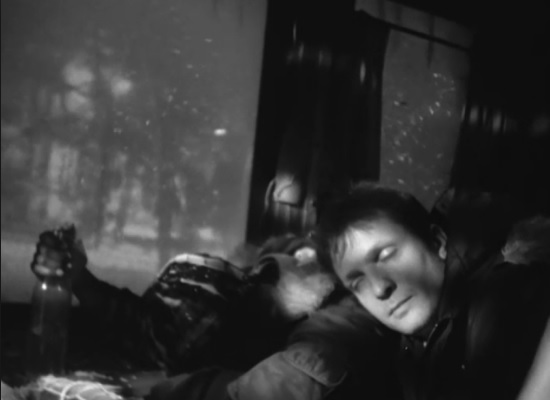
Guy/Darcy
“Guy Maddin” also appears onscreen in the guise of actor Darcy Fehr (who played another version of the director in Cowards Bend The Knee.) In the world of My Winnipeg, as a throughline narrative, a drowsy Guy/Darcy, slumped in this seat on a moving train looks to escape his hometown (“What if I film my way out of here?,” asks Maddin’s narrator at one point.) The city as blurred imagery through the train windows emerges as a dreamscape of memories that do not fully coalesce; the whole thing is made further bizarre by a few sausages inexplicably hanging from the train car’s ceiling on strings, gently bobbing back and forth over Guy’s/Darcy’s head. Maddin’s fragmented phrasing provides unsentimental but near-lyrical reverie acknowledging “The Forks (of intersecting rivers)… The Lap (of the land)… The Heart of the Heart of the Continent” that establish geographically-centrally-located-but-still-isolated Manitoba capital Winnipeg, a place where it’s “Always winter, always sleepy.”
Whereas some other filmmakers might confine themselves to Winnipeg lore and landmarks constituting a shared experience (The 1919 General Strike, Happyland amusement park, the saga of the doomed effort to save the Wolseley Elm), for Maddin, his own personal experience is inextricable from the whole (hence the declarative “My” in the film’s title.) Not only does he delve deep into places and events that had a formative effect on his psyche (such as the three-story Sherbrook Pool, one public pool stacked upon another and another with the bottom, subterranean level restricted to boys), he goes so far as to sublet his childhood home, a “white block house” connected to what was once his Aunt Lil’s beauty parlor. As part of a drive to “properly recreate the archetypal episodes” of his family history, he casts actors to portray his three older siblings, circa-1963 (when he would’ve been seven years old); his father is excluded, but not Mother.
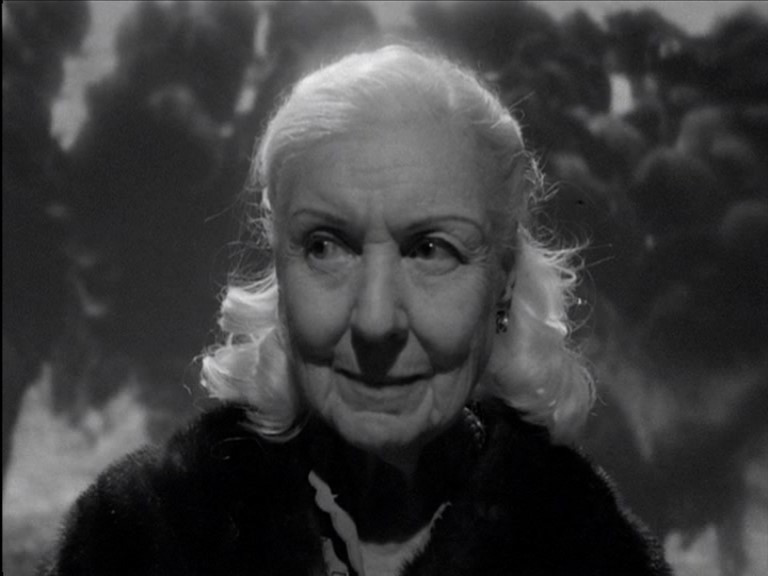
For her, Maddin travels further down the rabbit hole in clouding the real with the imagined. The Mother we see on screen is to all intents and purposes for Maddin his mother. However, she’s actually octogenarian Ann Savage, an actress best known for portraying arguably the most frightening film femme fatale of all time in Edgar G. Ulmer’s 1945 poverty row classic Detour. Maddin actually gives the game away at the onset: My Winnipeg opens with footage of an off-camera Maddin directing Savage as she rehearses some dialogue. That he drops the pretense of filming his actual mother vs. casting a professional actress to play her sets an expectation that what follows is a fusion of facts and legends. It’s in line with Maddin’s long-running tendency to present modern day films as if they were remnants from the past or for that matter, casting other people to play versions of himself and his siblings (though he notes of the latter, they do “bear uncanny resemblances to the originals.”)
Ann Savage in Maddin’s homage to Ed Wood.
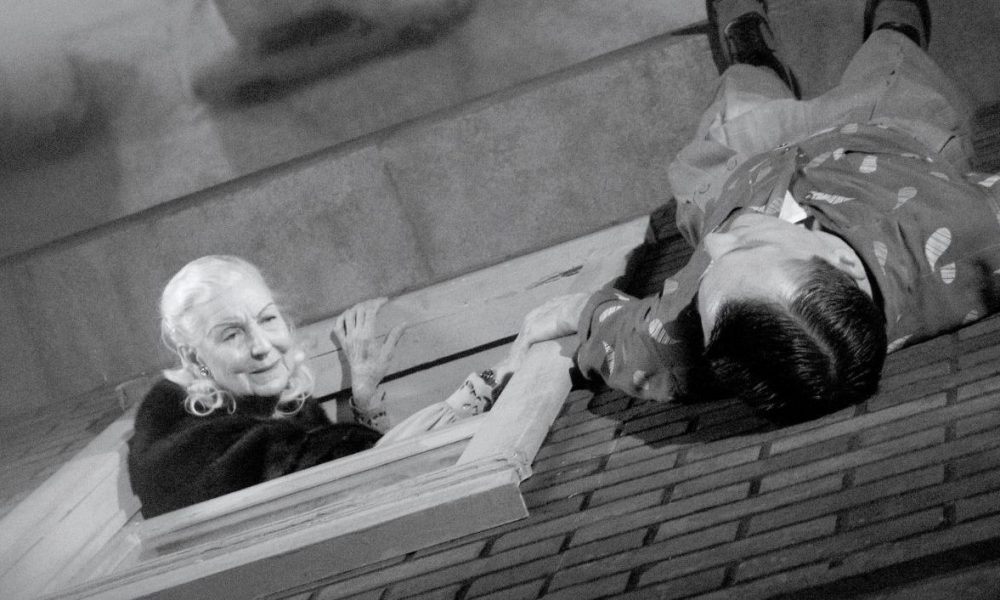
In Maddin’s accompanying book of the film, he says of Savage, “I knew there was only one person alive, who had ever lived, who could play the role of my mother.” He was fortunate to get her, as she’d retired from acting in the 1950s. The idea of casting the terrifying succubus from Detour as your mom is a twisted, brilliant joke viewers familiar with that film will immediately get, but Maddin doesn’t relegate her to a punchline. In one of the film’s more outrageous and entertaining fabrications, we do see how Mother made a living starring in Ledgeman, “the only TV drama ever produced in Winnipeg,” on the air since 1956 (Maddin’s birth year.) Every day at noon, viewers could watch Mother talking her son out of threatening to jump off a window ledge he had just climbed out on, driven by some sensitive fear or malady (usually instigated by Mother, naturally.) It neatly sums up a perceived dynamic between Maddin and his mother as depicted by an actress playing a mother who is also an actress.
However, the set piece that places Savage’s performance in nearly the same league as her Detour work arrives later with the scene she rehearsed at the beginning—a re-creation of the time after Maddin’s older sister Janet hit a deer on the highway coming back from a trip. As Janet confesses her accident to Mother, the old woman is not buying any of it. She suspects her daughter’s tardiness was due to something more sinister, more sexual. To watch Savage-as-Mother snarl accusations at Janet (“Where did it happen? In the back seat?… Did he pin you down, or did you just lie back and let nature take its course?”) is to see her young, dangerous Detour spirit flicker back to life. No matter how outrageous the exchange may seem, one immediately detects why Maddin cast Savage for the part and how her spitfire and dominance vividly embody his own idea of his mother (if not how the actual person might’ve appeared to us strangers.)
Citizen Girl!
As with many essay films about one’s own past, My Winnipeg is a pining for the way things used to be and what’s been lost. Nostalgia is perhaps unavoidable in such explorations, even if the ambiguity with which Maddin presents what’s real and what’s fabricated is a tonic revealing how layered and complex such thoughts can be. He spends the whole of the film thinking about release and moving on, but he has good reasons as to why he continues to live and work in Winnipeg to this day. One is a modicum of hopefulness, even if it means conjuring up a figure called “Citizen Girl”, a bold, beautiful warrior who with the touch of her wand could triumphantly restore the city to its former glory (including turning on the neon sign at Clifford’s, a defunct ladies’ apparel store that is a well-beloved piece of iconicity for certain generations of Winnipeggers.)
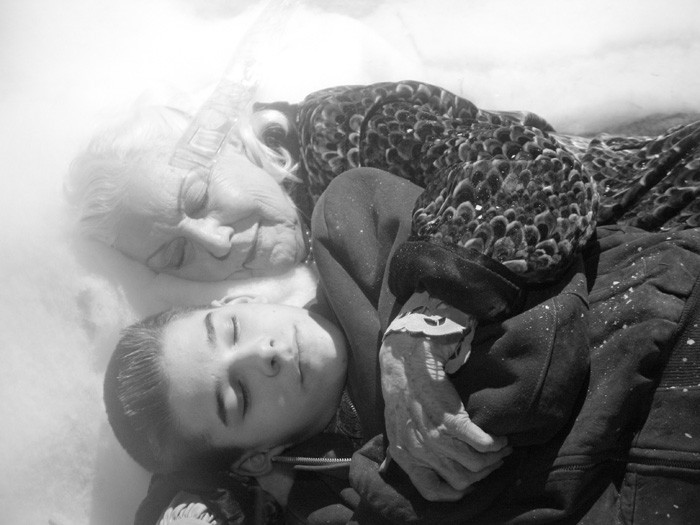
Still, one senses Maddin knows such conceits are just wishful thinking. Some things can never come back, like his teenaged brother Cameron whom we’re told died of some undisclosed cause not long after the period re-created with Savage. My Winnipeg ends rather wistfully with Savage and the actor playing Cameron in a surprisingly intimate, tender mother/son embrace. “What is a city without its ghosts?” Maddin’s narration asks and it’s the film’s central thesis. It lends weight to what simply could have been a kooky look at a quirky childhood. Indeed, the fluidity of ghosts and shifting, occasionally unreliable memories in this “docu-fantasia” hybrid seem to contain (as Maddin notes Sherlock Holmes creator Sir Arthur Conan Doyle once said of Winnipeg) the “greatest psychic possibilities.”
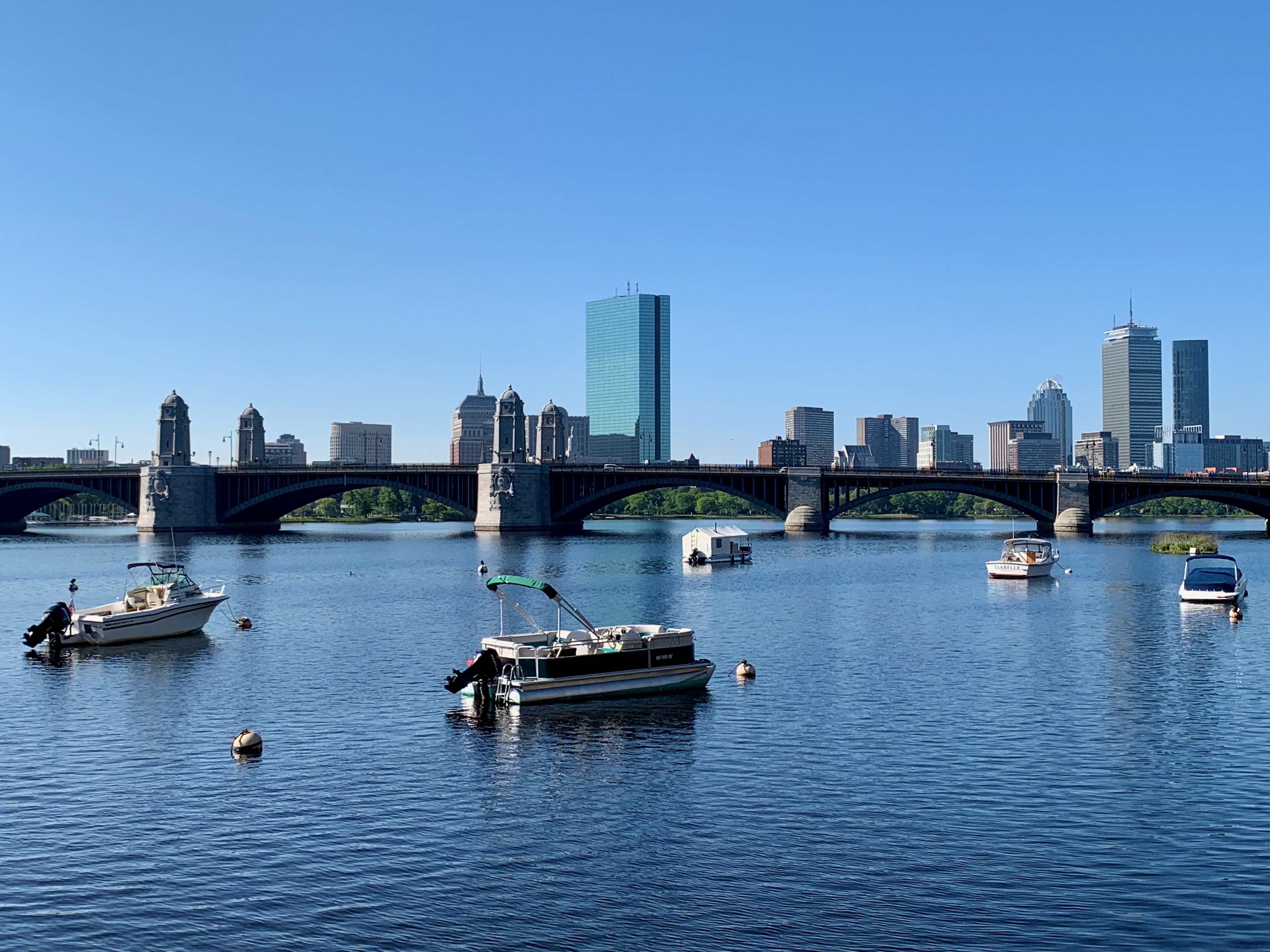
At the start of 2022, a new job gave me a reason to cross the Longfellow Bridge across the Charles River in Boston on a regular basis.
I often prefer walking it to taking the ever-more undependable Red Line T along it, except when it’s too cold, of course.
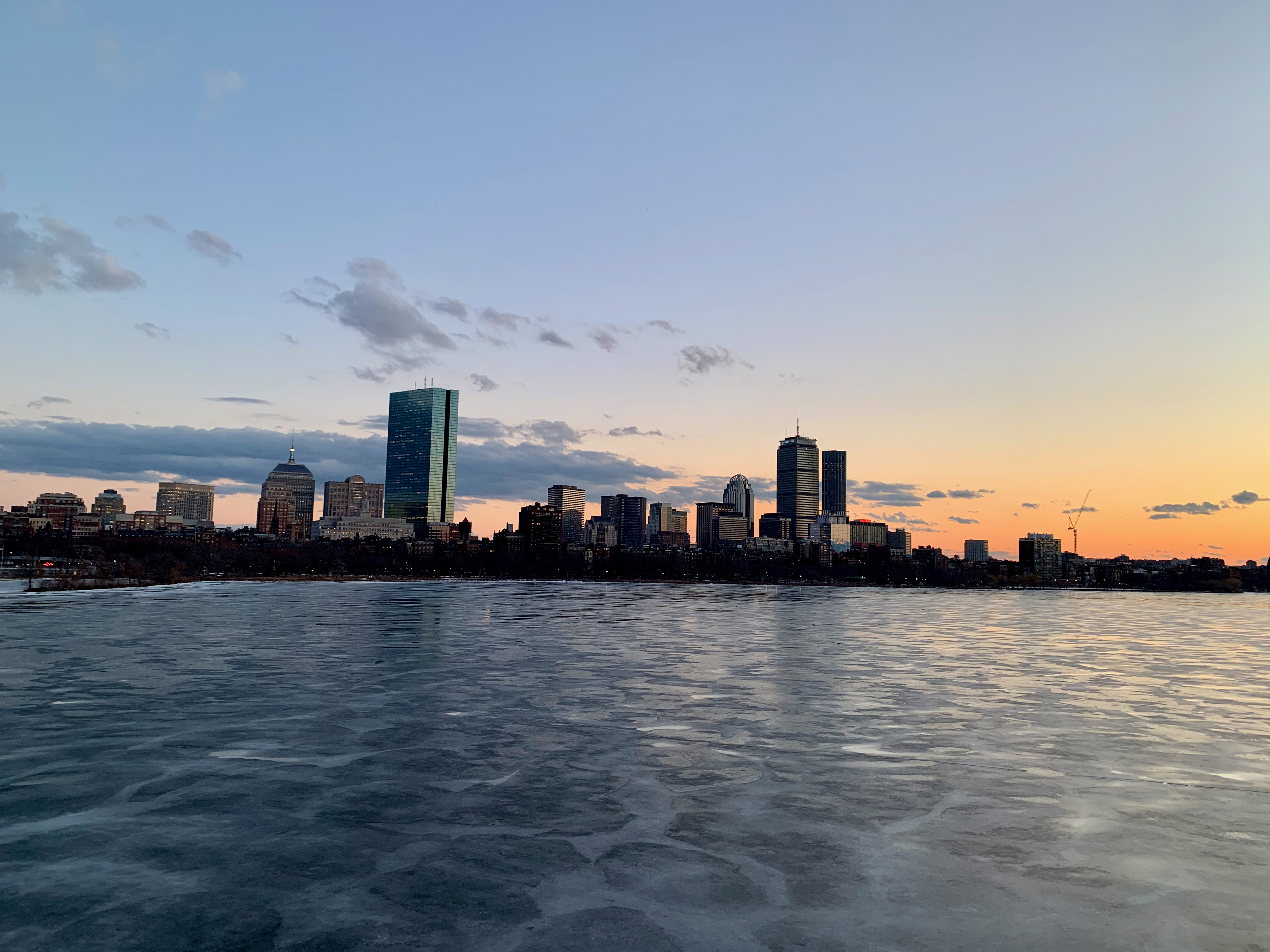
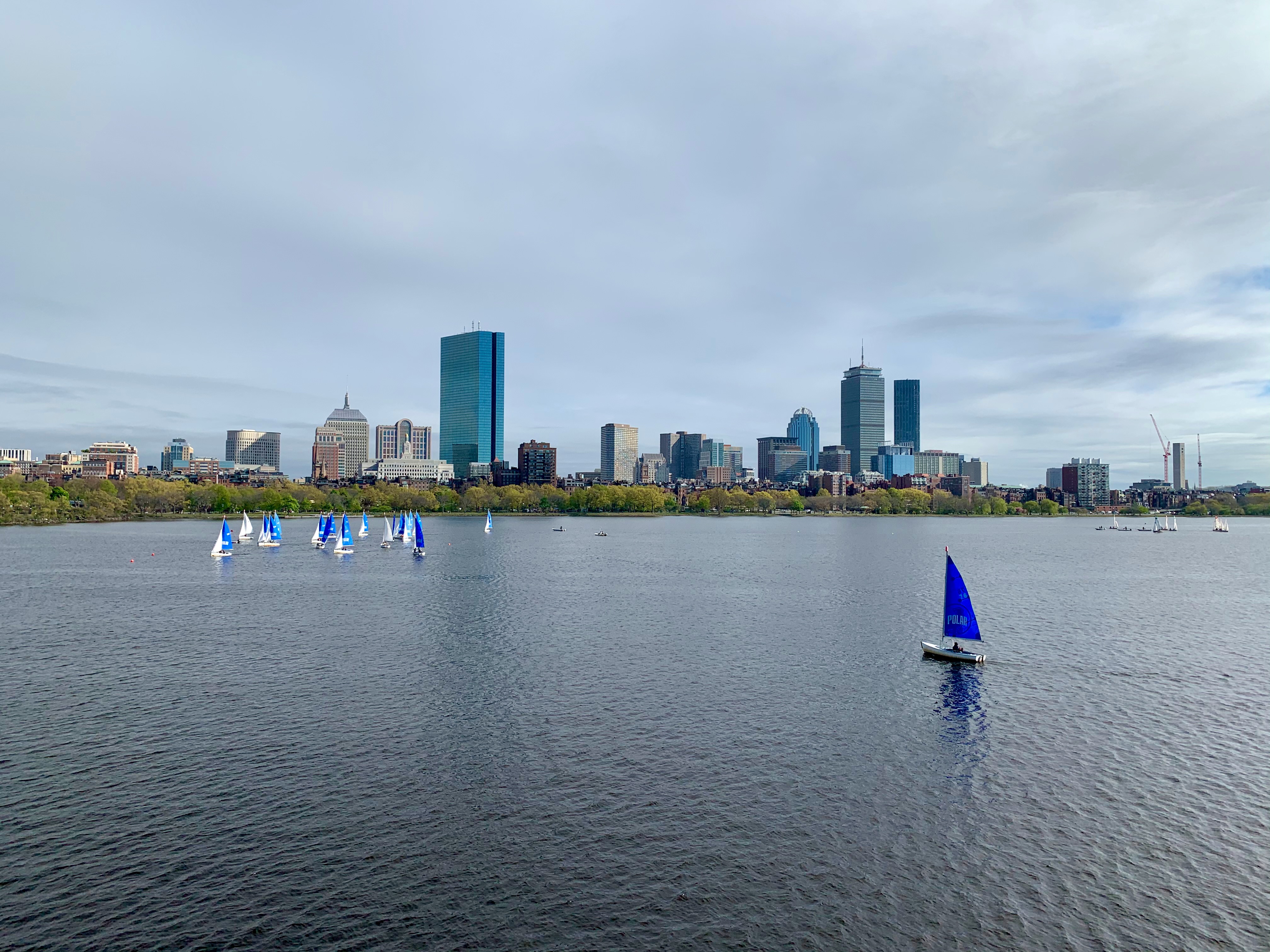
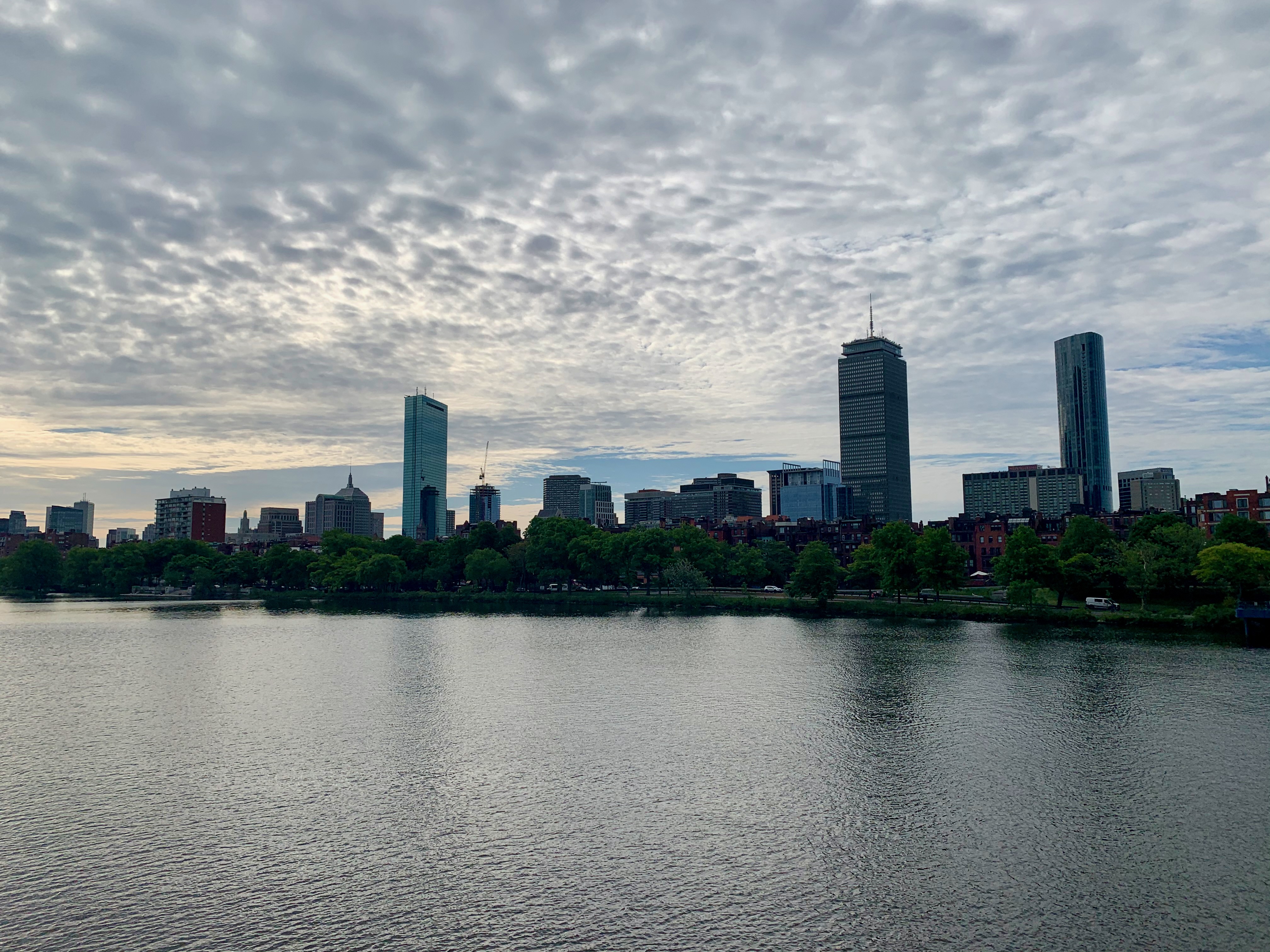
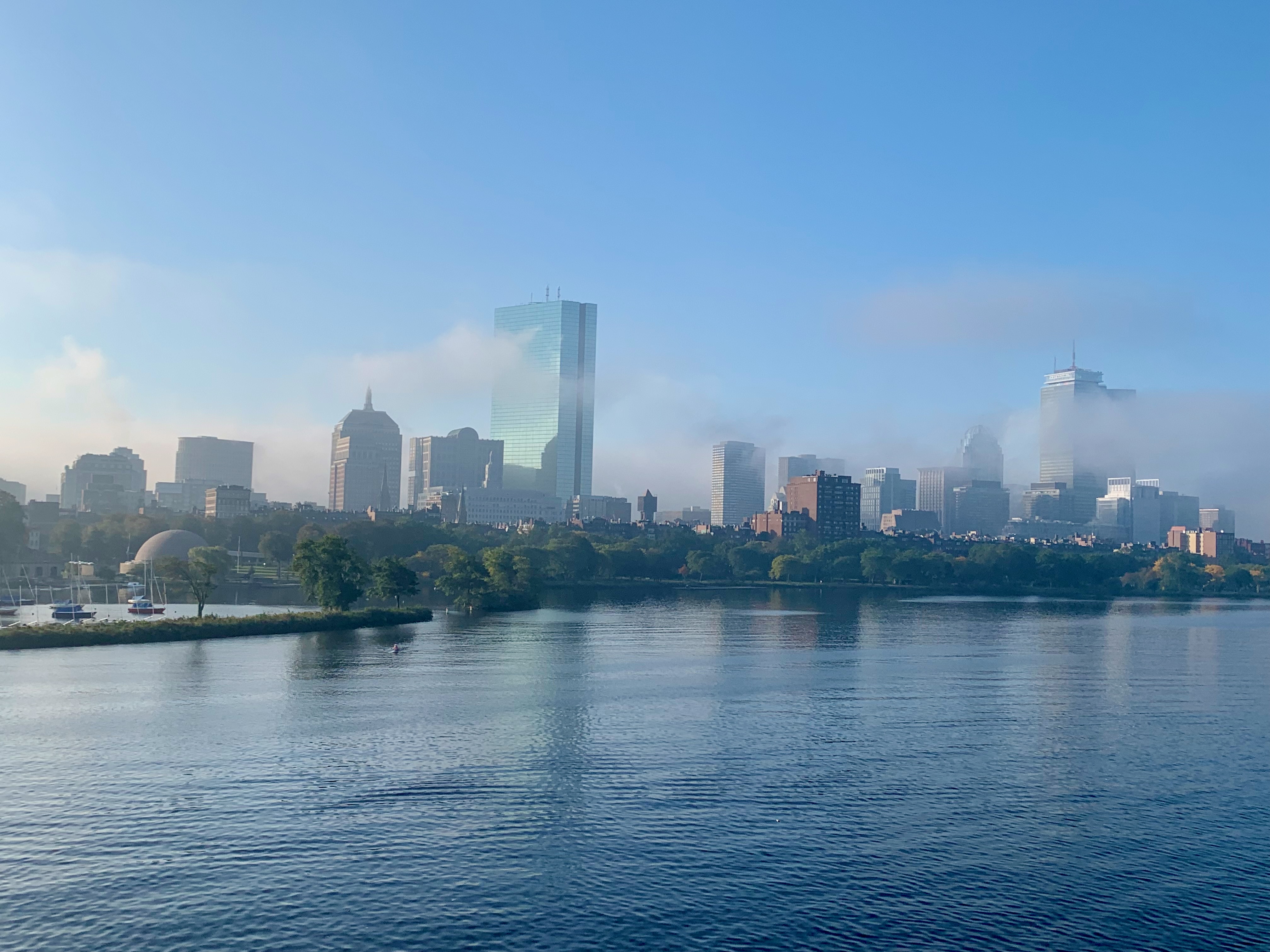
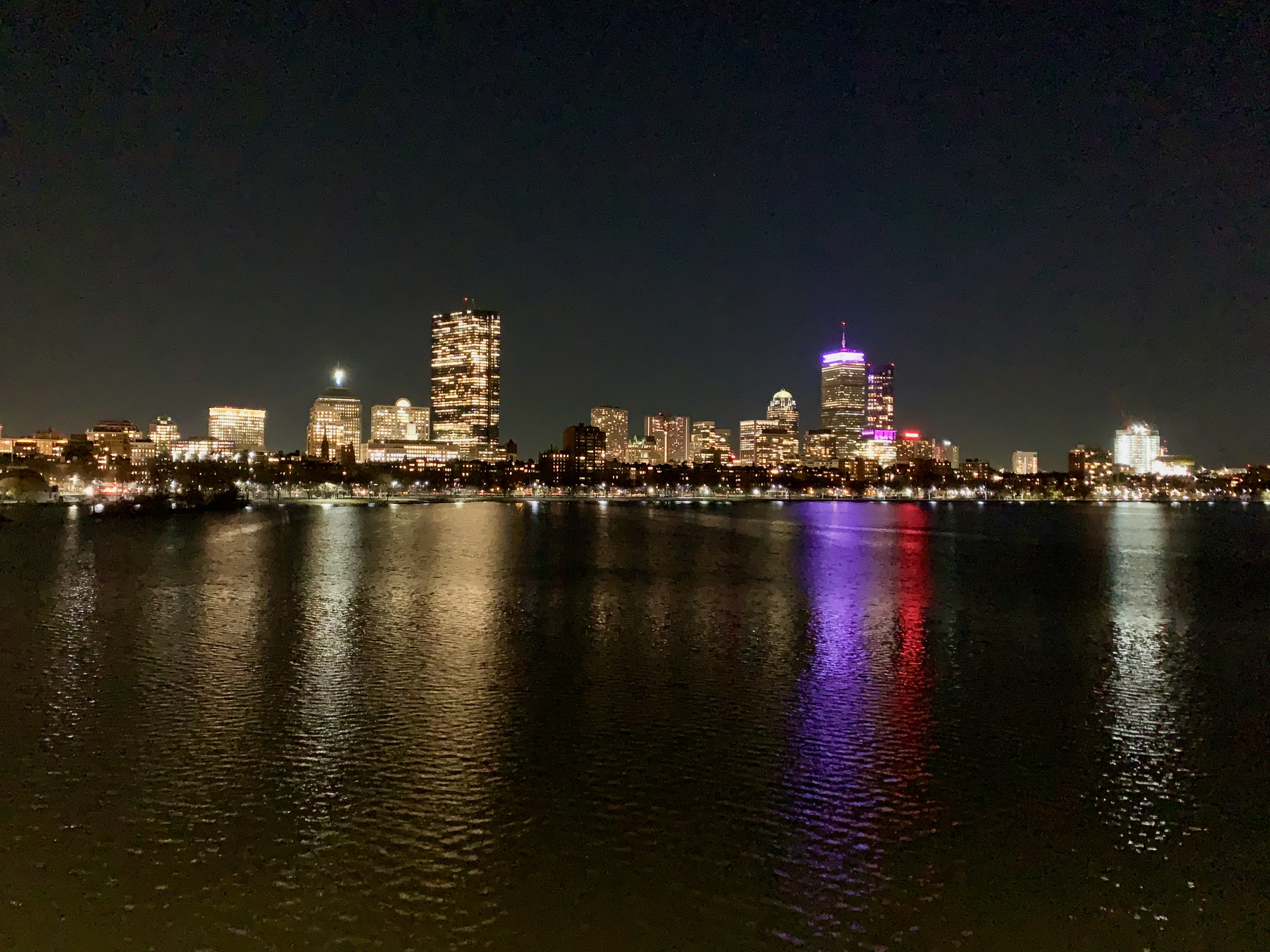
In the warmer months, however, it’s a treat. I often feel moved to take a few shots of the Back Bay skyline.
Granted, I can also see the skyline along Memorial Drive on the Cambridge side of the river.
Still, this angle from the Longfellow Bridge, with its particular composition is one of the city’s best, even in the morning as a rare fog gradually lifts.
I’ve usually left the area before dark, but on one unseasonably warm evening last December, I found myself impulsively walking across the bridge before catching the T home at Charles/MGH station. Sometimes I grumble about having to cross this bridge; more often, I’m just happy to revel in the beauty of my adopted city.







 Haunted Jukebox