As with Paul McCartney in June, Madonna’s celebrating a birthday today, six weeks after releasing Confessions II, her best-received album in over two decades. Let’s see where it falls among her other 15 studio albums (I’ve omitted compilations and soundtracks apart from the one of the latter where she’s the sole artist.)
16 – Madame X (2019)
At 61, Madonna revealed herself as the Tracy Flick of pop, too overeager for praise and recognition. One appreciates such effort at her spinning some sort of extended concept about an international woman of mystery but it’s mostly a dead end—the music rarely makes the case as to why she bothered. It’s telling that the highlight is the sole disco song (“I Don’t Search I Find”).
15 – MDNA (2012)
A perfectly fine Katy Perry album; with a few exceptions, I don’t like Katy Perry.
14 – Hard Candy (2008)
I also loathe this record’s Timbaland/Timberlake hit “4 Minutes” and the ridiculous cover art put me off checking it out until now. Certainly a big step down from its immediate predecessor but unlike the bottom two, I can imagine wanting to hear this again, especially the run from “Heartbeat” to “She’s Not Me”.
13 – I’m Breathless (1990)
I originally had her “inspired by” Dick Tracy soundtrack at the bottom as it’s easily her most ephemeral long-player; it also has two (out of three) great Sondheim originals (“Sooner or Later”, “More”) and the monumental “Vogue” (even if it’s obviously tacked on at the end) along with a whole lot of pastiche, some of it interminable, some of it basic, breezy fun.
12 – American Life (2003)
Her first real flop sounds good on paper—a (more so than usual) guitar-driven, singer-songwriter confessional (note that last word), like Ray of Light without most of the electro-dressings. Fascinating for Madonna obsessives, I guess, but it doesn’t reveal anything profound behind an icon’s façade. The tacked-on Bond theme is no “Vogue”.
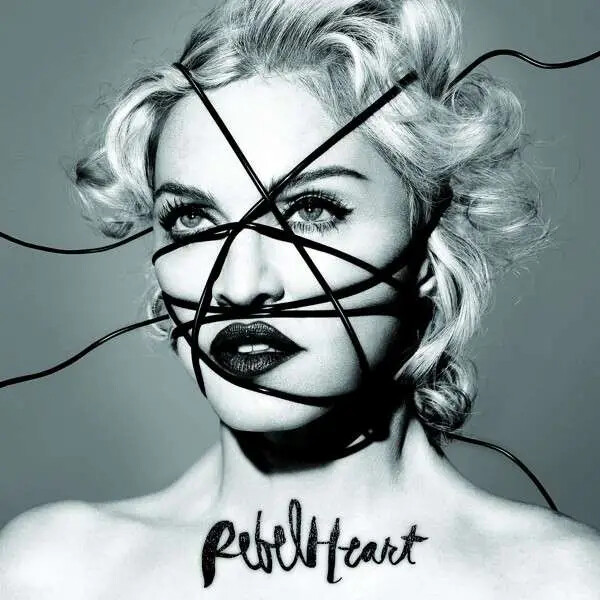
11 – Rebel Heart (2015)
Her best effort between the two Confessions albums. The melodic prowess of “Joan of Arc” and playfulness and ease of “Body Shop” create enough goodwill to nearly forgive strained smut talk like “Holy Water”. Perhaps she could’ve fully pulled off “Bitch, I’m Madonna” two decades earlier (and done so without a pre-heel turn Nicki Minaj.)
10 – Like A Virgin (1984)
Her second album elevated her to icon status, thanks in no small part to the title track and all-time opener/thesis statement “Material Girl”. However, beyond peppy, lesser singles “Angel” and “Dress You Up” and the driving “Over and Over”, it’s her patchiest long player until American Life.
9 – Music (2000)
I remember how gleefully the title hit (her last number one pop single) subverted expectations following Ray of Light and also how much of an incessant earworm it became over time. The auto-tune experiments (on the heels of Cher’s “Believe”) don’t convince me of her need for them, but the vulnerable “What It Feels Like For A Girl” is one of her great, somewhat lost tunes, its impact diminished at the time by a lamebrained dance remix and adjoining Guy Ritchie music video.
8 – Bedtime Stories (1994)
The closest she ever came to Adult Contemporary (my mom even bought a copy.) To her credit, it’s hardly a snooze, particularly with such left turns as the sumptuous title track (as forward-looking as Massive Attack, Portishead and other trip-hop from that year) and the ballsy, not-a-mea culpa “Human Nature”. Benefits from her not having gone further in this direction, though.
7 – True Blue (1986)
The last two songs are among her most forgettable but the five (!) singles proceeding them are all good-to-great with torch ballad “Live To Tell” and the one-act play “Papa Don’t Preach” anticipating where she’d head next. Also, the exuberant “Where’s The Party” would have been a worthy sixth single.
6 – Erotica (1992)
Generally misunderstood at its release, this deep dive into club culture might’ve been the last time she was fully ahead of the zeitgeist. “Deeper and Deeper” is an arresting culmination of her career up until that point and few other artists surveyed such vulnerability within this icy of an aesthetic. Perhaps a little too long but worth absorbing over time.
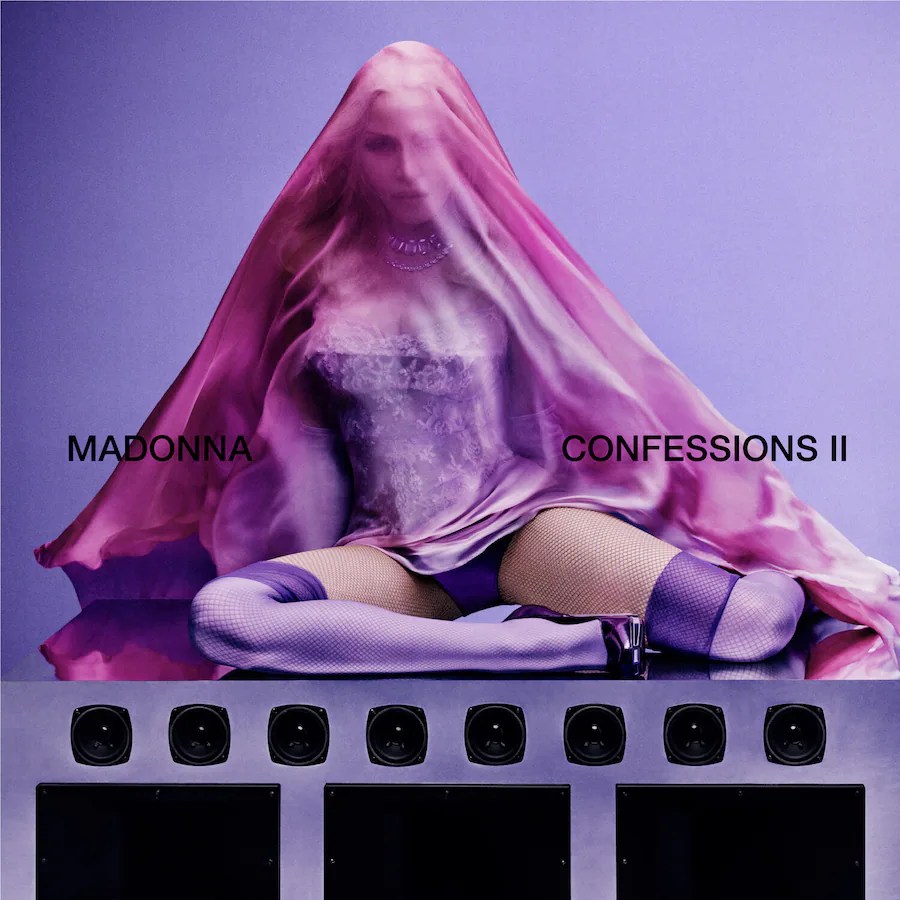
5 – Confessions II (2026)
An unexpected and thus thrilling return-to-form. After a decade-plus of attempted innovation at the expense of obscuring her strengths, she remembers why she’s an icon. Ostensibly a sequel to #4 below, this reprises its continuous mix format with invention and agility but also brings the hooks, the warmth, the personality, the chutzpah—all the reasons why we loved her in the first place. Best listened to as an album, although “One Step Away”, “School” and especially “Danceteria” are of a piece with her best work.
4 – Confessions On A Dancefloor (2005)
I dismissed this at the time, not too into club music for personal reasons and also finding the ABBA sample a little obvious. I’ve come around since then, admiring the craft and care that went into this, even feeling quite moved by its melodies and beats, especially on “Sorry”, “Hung Up” (the ABBA sample rules, actually) and the superlative “Jump”. Depeche Mode could even convincingly cover closer “Like It or Not”. Still, don’t be surprised if the “sequel” surpasses it someday.
3 – Madonna (1983)
I once wrote that the best Madonna was early Madonna which may be dismissive of everything she accomplished after but I kind of stand by it. She’d work with better collaborators and expand the very notion of what dance-pop could contain but her debut remains a unicorn, so yearning and pure a distillation of her persona that one immediately gets her whether she’s relentlessly coursing with lust (“Burning Up”, Physical Fascination”) or experiencing heartbreak in real time (the exquisite, unmatched “Borderline”).
2 – Like A Prayer (1989)
Either of my top two could be at number one, really. Her fourth album was an undeniable advance, the moment when she most successfully translated her iconicity and ambition into her music thus reinventing our perception of her. The soulful, bridge-first title track might be her greatest hit while the finale “Act of Contrition” is surely her weirdest/funniest goof. In between, she assesses her divorce, duets with no less titanic a figure than Prince, examines her parental relationships, dips into psychedelia and acknowledges AIDS with deep feeling rather than proselytization.
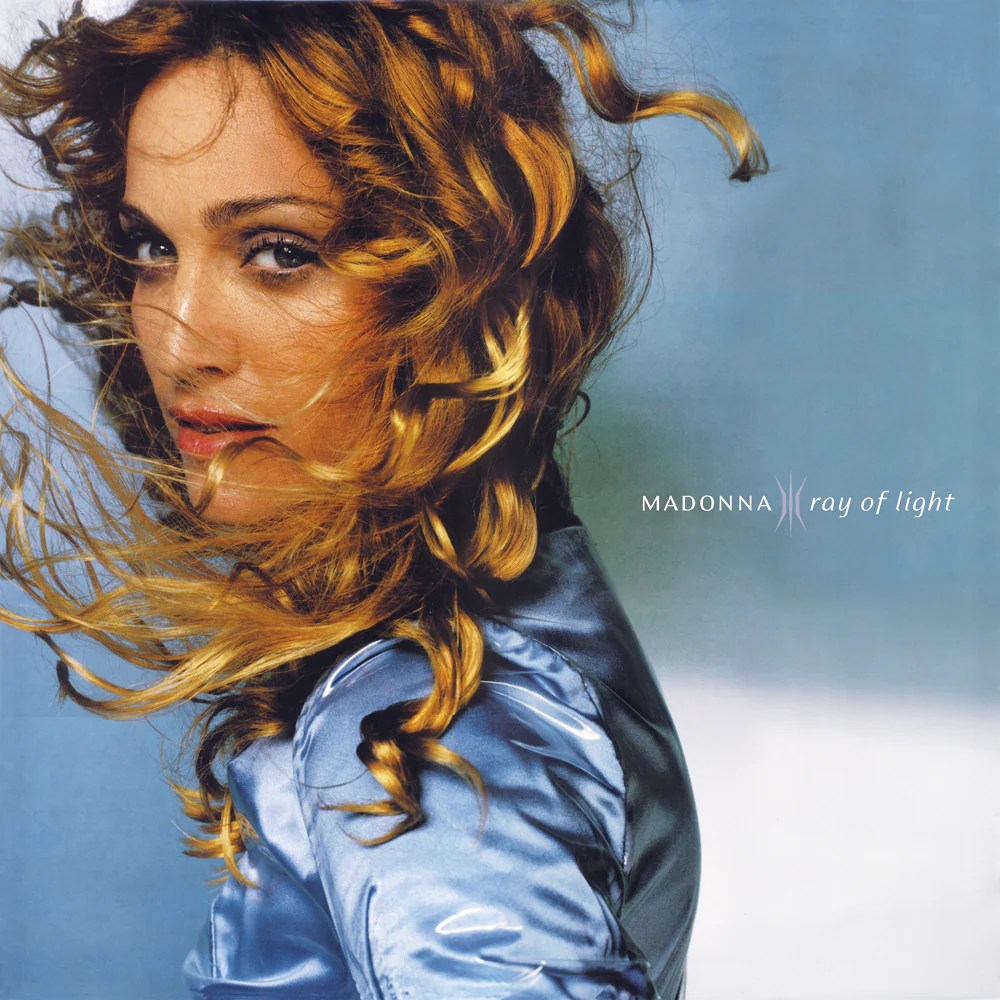
1 – Ray of Light (1998)
If Like A Prayer is a platonic ideal of a Madonna album, then Ray of Light is its spiritual sequel. Although she’s never sounded better due to that vocal training for Evita, and William Orbit’s (RIP) techno production fits her like a glove, what pushes it to the top for me is an unprecedented self-awareness. Opening lyric, “I traded fame for love without a second thought” sets the tone for a mask-removing work of art where fame, love, aging and motherhood are reflected upon in a simple but searching language made flesh by the propulsive sonic landscapes surrounding them. As a performer, she’s rarely gone with the flow so convincingly, her ease and urgency delicately intertwined throughout. When she throws caution to the wind and lets loose at the title track’s euphoric climax (her second greatest hit), it’s a moment of transcendence—something her many imitators were never capable of.
Bonus: Seven Essential Non-Album Madonna Singles (without notes; just listen to them!):
“Into The Groove”
“Vogue”
“Beautiful Stranger”
“Crazy For You”
“Causing A Commotion”
“Justify My Love”
“Rescue Me”