1979: Please Tell Me Who I Am

One of my earliest memories is hearing “The Logical Song” in my parents’ car, not once but multiple times, to the point where it was likely one of the first pop songs I ever consciously liked. Of course, its words were gibberish to a four-year-old, but its melody and somewhat unique structure (that key-changing coda, with the stuttered “d-d-d-digital” followed by an electronic ringing phone noise) were sounds I took note of and began anticipating whenever the song reappeared.

Still, this is an odd, transitional year as a whole, with disco fading, post-punk ascendant and very little else on this list untouched by either. Even the catchiest song on Tusk differentiated itself from Rumours by latching onto a sort of power-pop that would flourish in the coming decade. Meanwhile, veterans from Marianne Faithfull (I should’ve included Broken English in 100 Albums) and Bowie (of course) to Giorgio Moroder-produced Sparks adapted to the times while displaying enough insight to help define them. Of these selections, only Herb Alpert (with an unlikely number one hit thanks to General Hospital!) and Wings (with a B-side that should’ve been a hit) remained mostly unencumbered by the new, now sounds (although I’m sure the former played well in mainstream discos.)

1979 might be the precise moment that catch-all term new wave expanded to include all sorts of new mutations, from second wave ska (The Specials) to retro girl group-isms (Kirsty MacColl’s debut single and maybe her most perfect still); the best dance music, on the other hand, understood a need to push its limits. Note how rock-friendly (Donna Summer), shamelessly campy (Don Armando’s Annie Get Your Gun cover) and sublime and sophisticated (the Chic organization, represented here by two cuts) it could be.

A few songs convincingly brought a familiar sound seamlessly into the present (XTC’s first British Invasion pastiche, The B-52s’ surf/trash rock nirvana), while others now scan as thrillingly ahead of their time: Gino Soccio’s “Dancer” could be a ’80s or ’90s house music spectacular if you toned down the disco specifics a bit; “Video Killed the Radio Star” is predominantly thought of as an ’80s tune due to its first-ever-video-played-on-MTV status, but it fully fits the bill. Although the Village People infamously declared they were “Ready For The ‘80s” in the closing months of this year, they honestly weren’t—the likes of Blondie and later, Prince, would rapidly supplant them as cultural bellwethers.

1979: Please Tell Me Who I Am

  1. Blondie, “Dreaming”
  2. David Bowie, “DJ”
  3. Prince, “Why You Wanna Treat Me So Bad?”
  4. XTC, “Life Begins At The Hop”
  5. The Flying Lizards, “Money”
  6. Marianne Faithfull, “The Ballad of Lucy Jordan”
  7. Patti Smith, “Dancing Barefoot”
  8. The Specials, “A Message To You Rudy”
  9. Lene Lovich, “Lucky Number”
  10. Donna Summer, “Bad Girls”
  11. Herb Alpert, “Rise”
  12. Wings, “Daytime Nightime Suffering”
  13. Roxy Music, “Still Falls The Rain”
  14. The Cure, “10:15 Saturday Night”
  15. The B-52’s, “Rock Lobster”
  16. Dave Edmunds, “Girls Talk”
  17. Sniff ‘n’ The Tears, “Driver’s Seat”
  18. Chic, “My Feet Keep Dancing”
  19. Elvis Costello & the Attractions, “Accidents Will Happen”
  20. Gino Soccio, “Dancer”
  21. Supertramp, “The Logical Song”
  22. Talking Heads, “I Zimbra”
  23. Sister Sledge, “Lost In Music”
  24. Kirsty MacColl, “They Don’t Know”
  25. The Buggles, “Video Killed the Radio Star”
  26. Don Armando’s 2nd Avenue Rumba Band, “I’m An Indian Too”
  27. Sparks, “Tryouts For The Human Race”
  28. Patrice Rushen, “Haven’t You Heard”
  29. The Clash, “The Card Cheat”
  30. The Jam, “Strange Town”
  31. Fleetwood Mac, “Think About Me”

1978: Let Me In Your Window

It’s the golden age of New Wave, from heavy hitters like Blondie (“Picture This”, while not a US hit encapsulates everything great about them) and Elvis Costello to emerging artists such as Nick Lowe (a year away from his only US hit) and Talking Heads (opted for their elegiac single rather than the obvious one from that year) and a few true weirdos: XTC, Siouxsie and the Banshees, Devo (whose chaotic Stones cover is the very definition of smashing “post” and “punk” together.)

Still, those selections comprise but a small portion of what the year had to offer—you can make ’78 look especially cool by spotlighting The Undertones, The Ramones, even a reformed Walker Brothers (with the wondrous, Bowie-aping “Nite Flights”), but it’s not the whole story. Far more telling is Olivia Newton-John, the only artist who appears more than once here with the John Travolta duet “You’re The One That I Want” (honestly the only thing I love about Grease) and her late-in-the-year, less-remembered smash “A Little More Love”, which nearly rivals ABBA (don’t worry, they’re here too) in ultra-catchy power-rock shlock.

Actually, let’s talk about schlock (some might alternately describe it as “trash”.) I suppose I’m more susceptible to it from this period for it includes the first songs I’d remember hearing on the radio in the immediate years to come. The epic sax solos of “Baker Street” and “Time Passages”, Michael McDonald’s inimitable backing vocals on “You Belong To Me”, the faux-exotic, extra-cheese samba that is “Copacabana”—all of them talismans from my early childhood, none of them at odds of ever seeming remotely hip (at least until Yacht Rock became a recognized, categorized thing in the 2000s.)

Disco only further plays into this: sure, one can unironically praise the crisp, gleaming funk of “Every 1’s A Winner” or lush elegance of “I Want Your Love” or unstoppable drive of “You Make Me Feel (Mighty Real)”; however, one then must also consider “I Love The Nightlife (Disco ‘Round)” where Alicia Bridges’ campy intonation surely inspired generations of drag performers or (speaking of camp) Boney M’s inexplicable “Rasputin” (aka, “Russia’s Greatest Love Machine”), which threads both the ridiculous and the sublime more seamlessly than even Santa Esmeralda did in ’77.

As usual, Kate Bush is an entirely different matter. If you listen to her debut single “Wuthering Heights” (not the ’86 remake on The Whole Story, my own introduction to it) or watch the music video above, you might be tempted to lump her in with all that schlock (and camp) and call it a day. But no, there’s something present within the song, within her essence, even, that transcends the very notion of schlock—an ingenuity projecting sincerity even in the most theatrical of presentations. It blows my mind that this was a four-weeks-at-number-one-hit in the UK and yet, it makes total sense that so many listeners could instantly give themselves over to it. Bush’s salvo is one-of-a-kind in how it simultaneously looks forwards and backwards, utilizing elements from the past to formulate what still feels like a whole new language.

1978: Let Me In Your Window

  1. Elvis Costello & The Attractions, “Pump It Up”
  2. ABBA, “Angeleyes”
  3. Patti Smith, “Because The Night”
  4. Kate Bush, “Wuthering Heights”
  5. Gerry Rafferty, “Baker Street”
  6. Olivia Newton-John, “A Little More Love”
  7. Blondie, “Picture This”
  8. Siouxsie and the Banshees, “Hong Kong Garden”
  9. Boney M., “Rasputin”
  10. Alicia Bridges, “I Love The Nightlife (Disco ‘Round)”
  11. Nick Lowe, “I Love The Sound of Breaking Glass”
  12. XTC, “This Is Pop?”
  13. Neil Diamond, “Forever In Blue Jeans”
  14. Warren Zevon, “Werewolves of London”
  15. Toto, “Georgy Porgy”
  16. Carly Simon, “You Belong To Me”
  17. Al Stewart, “Time Passages”
  18. The Walker Brothers, “Nite Flights”
  19. Sylvester, “You Make Me Feel (Mighty Real)”
  20. Chic, “I Want Your Love”
  21. Sweet, “Love Is Like Oxygen”
  22. Devo, “(I Can’t Get No) Satisfaction”
  23. John Travolta & Olivia Newton-John, “You’re The One That I Want”
  24. The Undertones, “Teenage Kicks”
  25. Talking Heads, “The Big Country”
  26. Barry Manilow, “Copacabana”
  27. Hot Chocolate, “Every 1’s A Winner”
  28. Cheap Trick, “Surrender”
  29. Ramones, “I Wanna Be Sedated”
  30. Exile, “Kiss You All Over”
  31. Donna Summer, “Last Dance”

1977: Can’t You See It’s Burning Out Of Control?

The year of RumoursStar WarsSaturday Night Fever (all represented!) and more. In addition to OG punks The Ramones putting out their second and third albums, you can also hear stirrings of this new genre bubbling up in fellow yanks Talking Heads and Television; France also has its say with Plastic Bertrand’s cheeky one-off, which smashes the 50s, 60s and 70s together until it resembles punk.

Still, even before Travolta transformed into a silver screen, white-suited icon at year’s end, disco was arguably at its creative peak. The extended dance remix, popularized by Donna Summer the previous year nearly dominates this playlist, from Santa Esmeralda’s epic flamenco-disco take on an Animals song to Belle Epoque’s quirky fiddle-laced take on the genre (when I first heard those intro vocals, I thought I’d put on Joan Jett or Suzi Quatro by mistake) and of course, Summer’s own synthetic, predicting-the-‘80s-and-beyond masterpiece “I Feel Love”.

And yet, by a hair, “Marquee Moon” remains the longest track here, for the post-punkers and prog-rockers felt more comfortable taking their time as well. By then, you expected six-minute mood pieces from the likes of Brian Eno (“Julie With…” serenely drifts in and gradually coalesces only to gently fade into the ether.) But Steely Dan? Making the title track of their best-selling LP an eight-minute tone poem almost jazzy enough for fusion-era Miles Davis? And endurable enough for me to first hear on classic rock radio on a chilly Saturday afternoon in early 1993?

Balancing out other big hits from rockers (ELO, Heart), MOR-ers (Jimmy Buffett, Commodores, ABBA) and dancers (Chic, KC, Marvin Gaye and the most perfect disco single of all time from Thelma Houston) are relatively lesser-known gems: Joan Armatrading’s rhythmic folk, ex-Beach Boy Dennis Wilson’s attempt to make his own Nilsson Schmilsson and Bobbie Gentry, who recorded a few tracks around this time that didn’t see the light of the day until much later. “Thunder In The Afternoon” sounds very little like her 1967-74 catalog but it’s so full of promise it leaves one wondering what else she could’ve done had she kept releasing albums well into the next decade or three.

1977: Can’t You See It’s Burning Out of Control?

  1. Joan Armatrading, “Show Some Emotion”
  2. KC and the Sunshine Band, “I’m Your Boogie Man”
  3. Bee Gees, “More Than A Woman”
  4. Chic, “Dance, Dance, Dance (Yowsah, Yowsah, Yowsah)”
  5. Boney M., “Ma Baker”
  6. Bobbie Gentry, “Thunder In The Afternoon”
  7. The Brothers Johnson, “Strawberry Letter 23”
  8. Brian Eno, “Julie With…”
  9. Dennis Wilson, “Dreamer”
  10. Thelma Houston, “Don’t Leave Me This Way”
  11. Marvin Gaye, “Got To Give It Up (Part 1)”
  12. Climax Blues Band, “Couldn’t Get It Right”
  13. Iggy Pop, “Lust For Life”
  14. Belle Epoque, “Miss Broadway”
  15. Donna Summer, “I Feel Love”
  16. Ramones, “Teenage Lobotomy”
  17. ELO, “Turn To Stone”
  18. Plastic Bertrand, “Ca Plane Pour Moi”
  19. Television, “Marquee Moon”
  20. Talking Heads, “Psycho Killer”
  21. Althea and Donna, “Uptown Top Ranking”
  22. Steely Dan, “Aja”
  23. Fleetwood Mac, “The Chain”
  24. Heart, “Barracuda”
  25. Abba, “The Name of the Game”
  26. Santa Esmeralda, “Don’t Let Me Be Misunderstood”
  27. Cerrone, “Supernature”
  28. Meco, “Star Wars Theme/Cantina Band”
  29. Jimmy Buffet, “Margaritaville”
  30. Commodores, “Easy”
  31. David Bowie, “Sound and Vision”

1976: It’s The Best I Can Do

With no firsthand memory of it (being one year old at the time), for me, 1976 will always evoke the US Bicentennial, disco’s ascendancy and Stevie Wonder’s monumental (if not best) album Songs In The Key Of Life, whose still-dazzling first single leads off this year’s playlist. Another prime ’76 totem remains Wings’ sublimely daft “Silly Love Songs”, over which I’ve chosen its follow-up hit “Let ‘Em In” if only for its sheer weirdness—the precise moment Paul truly began (to paraphrase critic Robert Christgau) making pop directly geared towards potheads (give or take a “Hi, Hi, Hi”.)

Rather than blending everything together like a fruit salad (or this being the ‘70s, a health shake laced with alfalfa sprouts and some ‘ludes because why not), the first dozen or so tracks gradually shift from funk to disco, finding common ground between Boz Scaggs and ELO, or squeaky-clean Tavares and real-life porn actress Andrea True. While disco nears its artistic summit (but doesn’t quite reach it—check back next year) with extended jams from The Spinners, Dr. Buzzard’s Original Savannah Band and Diana Ross (her best single of the ’70s), there’s also new sounds to behold: punk via The Ramones (albeit at their cuddliest here), new wave from Blondie and The Modern Lovers (I don’t know where else to slot the latter; Jonathan Richman is more defiant dweeb than mere punk) and the newfound resilience of their forebears (Lou Reed, Bryan Ferry, David Bowie.) 

ABBA’s “Knowing Me, Knowing You” is not only peak ’76 (from Arrival, but a hit the next year) but also the Swedish foursome’s crowning achievement (“Dancing Queen” a close second): it encompasses infinite shades of heartbreak in an immaculate pop song where the cracks still show but never fully give way to chaos amidst the steady beat and melodic hooks. Not even Elton and Kiki’s impassioned duet can top it. The lingering ennui of “Year of the Cat” by Al Stewart (the proto-Stuart Murdoch) is as good a place as any to go out on, although I debated placing The Langley Schools Music Project version of “Rhiannon” at the end: when those kids suddenly go loud at the chorus, it’s spookier than anything even Stevie Nicks could’ve come up with.

1976: It’s The Best I Can Do

  1. Stevie Wonder, “I Wish”
  2. Parliament, “Give Up the Funk (Tear the Roof Off The Sucker)”
  3. Boz Scaggs, “Lowdown”
  4. Electric Light Orchestra, “Livin’ Thing”
  5. Candi Staton, “Young Hearts Run Free”
  6. Maxine Nightingale, “Right Back Where We Started From”
  7. Tavares, “Heaven Must Be Missing An Angel”
  8. Andrea True Connection, “More, More, More”
  9. Diana Ross, “Love Hangover”
  10. Bee Gees, “You Should Be Dancing”
  11. Walter Murphy, “A Fifth of Beethoven”
  12. ABBA, “Knowing Me, Knowing You”
  13. Blue Oyster Cult, “(Don’t Fear) The Reaper”
  14. Cliff Richard, “Devil Woman”
  15. Wings, “Let ‘Em In”
  16. Elton John & Kiki Dee, “Don’t Go Breaking My Heart”
  17. Bryan Ferry, “Let’s Stick Together”
  18. AC/DC, “Dirty Deeds Done Dirt Cheap”
  19. Ramones, “I Wanna Be Your Boyfriend”
  20. Blondie, “Rip Her To Shreds”
  21. David Bowie, “TVC15”
  22. Lou Reed, “Coney Island Baby”
  23. The Langley Schools Music Project, “Rhiannon”
  24. The Modern Lovers, “I’m Straight”
  25. James Brown, “Get Up Offa That Thing”
  26. The Spinners, “The Rubberband Man”
  27. Dr. Buzzard’s Original Savannah Band, “Cherchez La Femme / Se Si Bon”
  28. Lou Rawls, “You’ll Never Find Another Love Like Mine”
  29. Steely Dan, “The Royal Scam”
  30. Joan Armatrading, “Down To Zero”
  31. Joni Mitchell, “Hejira”
  32. Al Stewart, “Year Of The Cat”

1975: Such A Crazy High

I’ve often heard my birth year described as the absolute nadir of the 1970s: after all, the year’s top-selling US single was The Captain and Tennille’s “Love Will Keep Us Together”, as deathless an encapsulation of mid-seventies kitsch as one could imagine. Easy listening, in addition to prog-rock and earnest singer/songwriter stuff seemed to dominate. Punk and new wave were still a year or two off from creating seismic change (in the UK, at least.)

Still, scanning through this year’s number-one singles, look beyond the likes of Olivia Newton John, John Denver, Barry Manilow, etc. and you’ll find imperial phase Elton John (for good (“Philadelphia Freedom”) and for ill (his pointless Beatles cover)), Earth, Wind and Fire (somehow their only Hot 100 number-one) and even David Bowie (with help from arguably the coolest Beatle.)

You also have The Bee Gees thrillingly reinventing themselves with “Jive Talkin’”, reflecting how disco, not yet entirely dominant, started seeping into the mainstream. This mix’s first third is made for dancing, bouncing between instrumental funk (Average White Band–the number one song when I was born), orchestral splendor (ELO) and pure camp (Disco Tex and His Sex-O-Lettes). It shows how disco gradually spread across the globe, from Philly (The Spinners) to Miami (KC and the Sunshine Band) and over to Munich, with Silver Convention’s remedial but transcendent simplicity setting the stage for Donna Summer’s 16-minute-long orgasmic aria, truly like nothing preceding it in the clubs or on the charts.

Perhaps another innovative single, 10cc’s “I’m Not In Love” evokes the era more vividly, its watery electric piano and overdubbed expressionist vocals suffusing the air like pea soup; both its era-specificity and peculiarity anticipate the weird assortment of songs that follow. On one hand, the artists everyone knows: Fleetwood Mac, Paul Simon, Heart, Steely Dan (albeit with an (admittedly catchy) album track about a pedophile!); on the other, the cultish stuff my contemporaries will lionize decades later—Sparks, Roxy Music, The Rocky Horror Picture Show and even some proto-punk/new wave stuff like Patti Smith and Brian Eno.

Going forward, these annual playlists will feature at least thirty songs and occasionally a few more if I can’t justify leaving anything off.

1975: Such A Crazy High

  1. Average White Band, “Pick Up The Pieces”
  2. Silver Convention, “Fly Robin Fly”
  3. Earth, Wind & Fire, “Shining Star”
  4. LaBelle, “Lady Marmalade”
  5. Bee Gees, “Jive Talkin’”
  6. Disco Tex and His Sex-O-lettes, “Get Dancin’ (Part 1)”
  7. KC & The Sunshine Band, “That’s The Way (I Like It)”
  8. Donna Summer, “Love To Love You Baby”
  9. Electric Light Orchestra, “Evil Woman”
  10. The Spinners, “They Just Can’t Stop It The (Games People Play)”
  11. Dionne Warwick, “Once You Hit The Road”
  12. Elton John, “Philadelphia Freedom”
  13. Shirley & Company, “Shame, Shame, Shame”
  14. David Bowie, “Fame”
  15. 10cc, “I’m Not In Love”
  16. War, “Low Rider”
  17. Paul Simon, “50 Ways To Leave Your Lover”
  18. ABBA, “Hey, Hey Helen”
  19. Joni Mitchell, “Edith and the Kingpin”
  20. Fleetwood Mac, “Say You Love Me”
  21. Tim Curry, “Sweet Transvestite”
  22. Sparks, “Looks, Looks, Looks”
  23. Teach In, “Ding-A-Dong”
  24. Pink Floyd, “Wish You Were Here”
  25. Steely Dan, “Everyone’s Gone To The Movies”
  26. Patti Smith, “Gloria: In Excelsis Deo”
  27. Brian Eno, “The Big Ship”
  28. Heart, “Crazy On You”
  29. Roxy Music, “Just Another High”
  30. Steve Harley & Cockney Rebel, “Make Me Smile (Come Up and See Me)”
  31. Queen, “Bohemian Rhapsody”

1970-74: Keep On Keepin’ On

When asking what the absolute worst era for music actually was, most Boomers and Gen-X-ers will probably answer the 1970s and the early 70s in particular. A time immediately predating me, I have no authority on what it was really like or how things turned so… brown coming out of the comparatively Day-Glo 1960s. Browsing through a list of the era’s number one hits, one finds support to back up this notion: “Tie A Yellow Ribbon ‘Round the Ole Oak Tree”, “The Candy Man”, “My Ding-A-Ling”—all easy targets for sure, but don’t forget when bad hits happened to good people like Paul McCartney’s putrid “My Love”. On the other hand, “It’s Too Late”, “You’re So Vain”, “Papa Was a Rollin’ Stone” and Macca’s own “Band On The Run” also topped the charts. No matter the era or the year (as we’ll see here), there was always plenty of excellent pop music to go with all the bad stuff.

Scan through the following list of fifty songs and you’ll see there’s a lot going on: the golden age of the singer/songwriter with figures as disparate as Randy Newman, Todd Rundgren and Cat Stevens; the last great gasps of Top 40 AM radio (The Fortunes, George Baker Selection); truly new sounds from other lands (CAN’s krautrock, the peculiar, Polish vocalese of the Novi Singers); psychedelic hangovers (the Martyn’s, Linda Perhacs); perennial, titanic figures at their peaks (Stevie Wonder, Van Morrison, Elton John, Paul Simon); UK glam-pop (T. Rex, Sweet) and UK art-rock (Pink Floyd, Roxy Music and their ex-member Brian Eno.)

Arguably, the creative leaps in music made by African-American artists most crucially defines this period. While Dionne Warwick and James Brown each push their aesthetic (baroque pop-soul and relentless funk, respectively) as far as they reasonably can, an upstart such as Gil Scott-Heron heavily anticipates hip-hop, another like Bill Withers writes songs rivaling Newman’s own and Curtis Mayfield, a relative veteran redefines the times by singing explicitly of them. The Pointer Sisters recontextualize the past for the present, The Fifth Dimension convey how sophisticated the latter could be and Barry White and Gladys Knight & The Pips thrillingly look ahead towards what would later become disco.

All that and novelties (Redbone), Broadway (Pippin), the rock movie musical (Paul Williams, more convincing there than as a singer-songwriter) and of course, the inaugural international smash from Eurovision-winning ABBA, whom we’ll see plenty of in the next couple of years. We officially begin next week with 1975!

1970-74: Keep On Keepin’ On

  1. Al Stewart, “A Small Fruit Song”
  2. Rodriguez, “Crucify Your Mind”
  3. Novi Singers, “Torpedo”
  4. John Martyn & Beverly Martyn, “Auntie Aviator”
  5. George Baker Selection, “Little Green Bag”
  6. Tom Jones, “Daughter of Darkness”
  7. Linda Perhacs, “Parallelograms”
  8. Van Morrison, “Into The Mystic”
  9. George Harrison, “What Is Life”
  10. Randy Newman, “Have You Seen My Baby?”
  11. Cat Stevens, “Don’t Be Shy”
  12. Harry Nilsson, “Jump Into The Fire”
  13. Redbone, “The Witch Queen Of New Orleans”
  14. Gil Scott-Heron, “The Revolution Will Not Be Televised”
  15. Bill Withers, “Harlem”
  16. Serge Gainsbourg, “Melody”
  17. Dionne Warwick, “Amanda”
  18. James Brown, “Hot Pants”
  19. The Fortunes, “Here Comes That Rainy Day Feeling Again”
  20. The Who, “My Wife”
  21. Ben Vereen/Pippin Original Cast, “Magic To Do”
  22. Big Star, “The Ballad of El Goodo”
  23. CAN, “Spoon”
  24. Carly Simon, “You’re So Vain”
  25. Curtis Mayfield, “Superfly”
  26. The Fifth Dimension, “(Last Night) I Didn’t Get To Sleep At All”
  27. Paul Simon, “Mother and Child Reunion”
  28. Lou Reed, “Satellite of Love”
  29. T. Rex, “Telegram Sam”
  30. Todd Rundgren, “I Saw The Light”
  31. Barry White, “I’m Gonna Love You Just A Little More Babe”
  32. Bryan Ferry, “A Hard Rain A-Gonna Fall”
  33. Elton John, “Grey Seal”
  34. Gladys Knight & The Pips, “I’ve Got To Use My Imagination”
  35. Sweet, “Little Willy”
  36. The Pointer Sisters, “Yes We Can Can”
  37. Stevie Wonder, “Don’t You Worry ‘Bout A Thing”
  38. John Cale, “Paris 1919”
  39. Pink Floyd, “The Great Gig In The Sky”
  40. Al Green, “Here I Am (Come and Take Me)”
  41. ABBA, “Waterloo”
  42. Brian Eno, “Mother Whale Eyeless”
  43. Steely Dan, “Any Major Dude Will Tell You”
  44. Richard & Linda Thompson, “I Want to See The Bright Lights Tonight”
  45. Kiki Dee, “I’ve Got The Music In Me”
  46. Leonard Cohen, “Who By Fire”
  47. Sparks, “Hasta Manana, Monsieur”
  48. The Staple Singers, “City In The Sky”
  49. Roxy Music, “Prairie Rose”
  50. Paul Williams, “The Hell Of It”

1965-69: Watch Out, The World’s Behind You

Throughout this blog, I’ve posted annual playlists, at first in accordance with my 100 Albums project (from 1990-on), then rather haphazardly filling in the gaps. Last year, I deleted them all; in 2024, I’ll be posting new, improved versions of them every Sunday in chronological order from my birth year (1975) until the present.

I originally intended to go all the way back to 1965 when the Beatles’ influence fully gelled and pop music evolved into something that one could easily differentiate from early rock and roll, doo-wop, and everything else that came before. Instead, I’m sticking with my own timeline, but preceding it with two playlists each covering a five-year period featuring roughly ten songs from every year (again, in chronological order.)

I’m uncertain as to how comprehensively one can sum up a single year in ten songs, so the only ground rule I implemented below was one song per artist. I’ve selected beloved tracks from all-time favorites (Dionne Warwick, Nina Simone, The Velvet Underground, Stevie Wonder), glorious one-shots (We Five, The Darlettes, Margo Guryan, Mason Williams) and songs that more or less begat seismic shifts in what pop music could be (James Brown’s rhythm-forward soul, The Mothers of Invention practically inventing psych-rock and The Beatles perfecting it, Desmond Dekker importing first-wave ska to the rest of the world.) Subsequent playlists will see examples of all three categories.

Over this particular five-year period, one can detect some evolving trends: although both were ostensibly conceived of as mood-music, there’s a world of difference between something like “Spanish Flea” and “69 année érotique”; similarly, The Miracles and The Supremes represent one golden mean of soul-pop, while Sly & The Family Stone and Dusty Springfield (in Memphis) each exemplify vastly different ones. In later years, there’s as much of a push to innovate via prog (“One Way Glass”), tropicália (“A Minha Menina”) and whatever swamp-rock “Gris Gris Gumbo Ya Ya” is as there’s one to comfort via the good ol’ bubblegum of “Sugar Sugar” and “Quick Joey Small”. Still, 1969’s “Space Oddity” is deliberately placed at the end as a bridge between explaining what the 1960s did to pop culture and anticipating what the next decade might achieve.

Check back next week for a companion playlist for 1970-74!

1965-69: Watch Out, The World’s Behind You

  1. Marvin Gaye, “Ain’t That Peculiar”
  2. James Brown, “Papa’s Got a Brand-New Bag”
  3. Dionne Warwick, “Are You There (With Another Girl)”
  4. Herb Alpert & The Tijuana Brass, “Spanish Flea”
  5. Tom Lehrer, “The Vatican Rag”
  6. We Five, “You Were On My Mind”
  7. Smokey Robinson & The Miracles, “The Tracks of My Tears”
  8. The Darlettes, “Lost”
  9. Unit 4 + 2, “Concrete & Clay”
  10. Vince Guaraldi Trio, “Linus and Lucy”
  11. The Mothers of Invention, “Hungry Freaks, Daddy”
  12. The Beatles, “She Said She Said”
  13. Lou Christie, “Trapeze”
  14. Nancy Sinatra, “These Boots Are Made For Walkin’”
  15. The Rolling Stones, “Under My Thumb”
  16. Nina Simone, “Four Women”
  17. Simon & Garfunkel, “A Hazy Shade of Winter”
  18. The Supremes, “Love Is Like An Itching In My Heart”
  19. The Temptations, “(I Know) I’m Losing You”
  20. Norma Tanega, “You’re Dead”
  21. Cat Stevens, “Matthew & Son”
  22. The Free Design, “I Found Love”
  23. The Kinks, “Waterloo Sunset”
  24. The Monkees, “For Pete’s Sake”
  25. Scott Walker, “Montague Terrace (In Blue)”
  26. The Who, “Pictures of Lily”
  27. Lulu, “To Sir With Love”
  28. The Velvet Underground, “Sunday Morning”
  29. The Zombies, “This Will Be Our Year”
  30. Dr. John, “Gris-Gris Gumbo Ya Ya”
  31. Kasenetz-Katz Singing Orchestral Circus, “Quick Joey Small (Run Joey Run)”
  32. Lalo Schifrin, “Bride Of the Wind”
  33. Laura Nyro, “Eli’s Comin’”
  34. Leonard Cohen, “Winter Lady”
  35. Margo Guryan, “What Can I Give You”
  36. Bobbie Gentry, “Casket Vignette”
  37. Os Mutantes, “A Minha Menina”
  38. Sly & The Family Stone, “M’Lady”
  39. The Association, “Everything That Touches You”
  40. Van Morrison, “The Way Young Lovers Do”
  41. Mason Williams, “Classical Gas”
  42. Desmond Dekker, “Israelites”
  43. The Archies, “Sugar, Sugar”
  44. Stevie Wonder, “My Cherie Amour”
  45. Dusty Springfield, “Don’t Forget About Me”
  46. Manfred Mann Chapter Three, “One Way Glass”
  47. Serge Gainsbourg, “69 année érotique”
  48. Donovan with Jeff Beck, “Barabajagal”
  49. Nick Drake, “Cello Song”
  50. David Bowie, “Space Oddity”

Best Albums of 2023: # 5 – 1

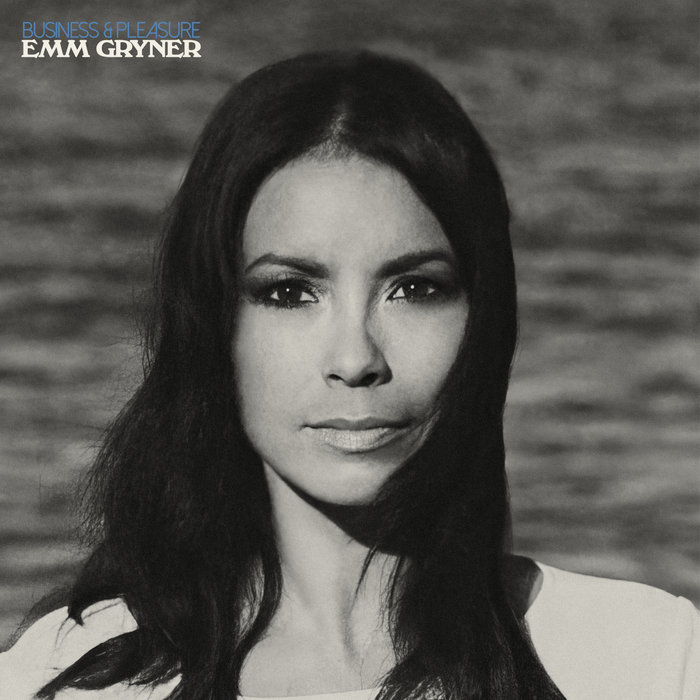
5. Emm Gryner, Business & Pleasure

Gryner purposely set out to make a “Yacht-Rock”-inspired record and fully understood the assignment, working with veterans of the constituted-after-the-fact genre (more of a feeling, really) and constructing songs harkening back to another era while somehow remaining contemporary in their outlook (more like timeless, actually.) So, if “Loose Wig” and “Burn The Boats” recall Steely Dan, and “Jack” is in sync with Toto and “The Chance” references Christopher Cross’ “Ride Like The Wind”, her resilience and the newfound joy her craft exudes prevents them from serving as mere homages; as a matter-of-fact, they also sound like Emm Gryner songs—melodic, inviting, yearning and effervescent.

4. Romy, Mid-Air

I was hoping for a good debut solo album from this vocalist of The xx but honestly wasn’t expecting one this good: diving headfirst into electronic dance music (particularly diva house), she manages to sound cool, calm and collected as ever while simultaneously like she’s having the time of her life. Full of paeans to same-sex lust and love, it also liberates her from her past poker-faced ambiguity. On “Enjoy Your Life”, she turns a basic three-word cliche into a code to live by and in turn, a means of salvation, while on the insistent “She’s On My Mind”, her declarations of desire blossom, build and gradually turn euphoric.

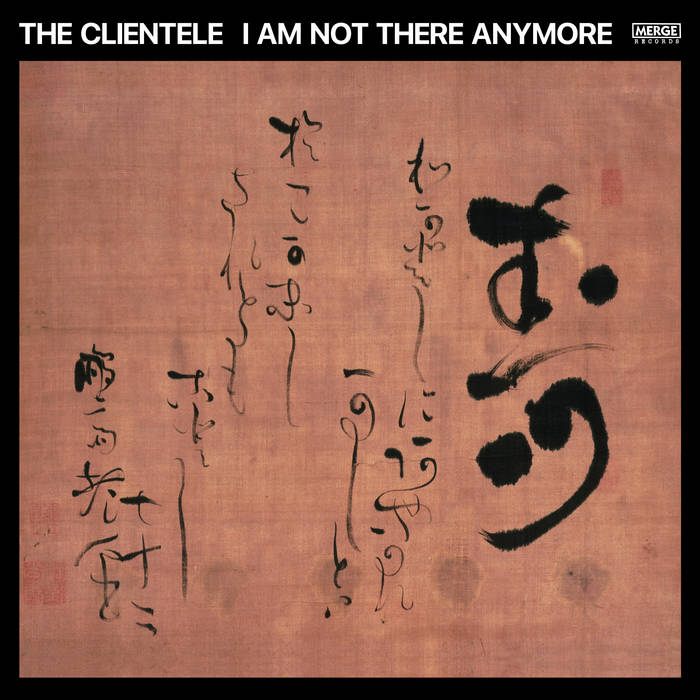
3. The Clientele, I Am Not There Anymore

I fell in love with this mostly-active-in-the-00’s indie British trio on their 2017 return, Music For The Age of Miracles, which became of one my favorites of that decade. On this follow up, they reprise their trademark autumnal chamber pop but suffuse it with more instrumental segues and spoken-word tone poems and even some subtle electronics. Stunning opener “Fables Of The Silverlink” serves as an overture with melodies and motifs reappearing throughout the rest of the album, which soon emerges as a complex, hour-long song cycle about childhood memory and infringing mortality. If that sounds intimidating and arty, it’s just as often embracing as on the crisp, clear pop of “Blue Over Blue” or the absorbing, Middle Eastern-accented “Dying In May”. 

2. Everything But The Girl, Fuse

Sonically, this picks right up where their last record, 1999’s Temperamental left off, but only to a point. In the interim, Ben Watt and Tracey Thorn both released multiple solo efforts, some of them pretty accomplished ones, so it follows that this return conveys maturity and wisdom gleaned since then. Although predominantly electronic, these ten songs are encouragingly evolutionary, alternating bangers like “Nothing Left To Lose” and “Caution to The Wind” with more atmospheric, delicate stuff such as “Run A Red Light” with its enthralling sense of space and reverberating piano chords.  Thorn’s vocals are also occasionally adjusted and enhanced, revealing new shadings as applied to lyrics charting the passage of time and a tenuous future—perhaps, not so tenuous; is this the beginning of a superb second act?

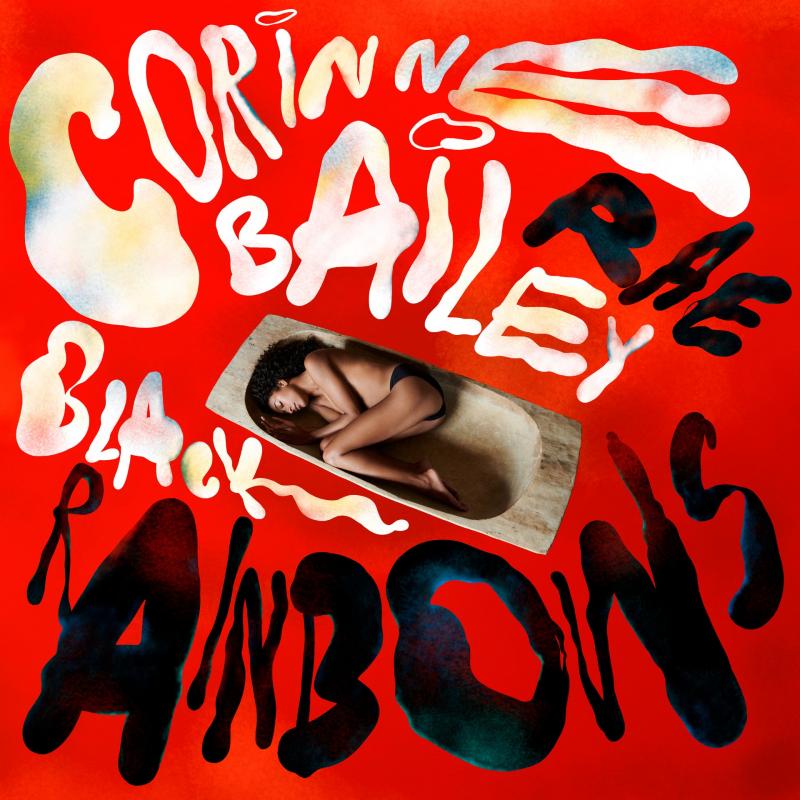
1. Corinne Bailey Rae, Black Rainbows

Best known for her 2006 hit “Put Your Records On”, this Brit’s released only three more albums since that year’s self-titled debut; each one has revealed depth and exhibited growth beyond that pleasant single but her first effort in seven years is something else. Expertly swerving between genres and tones, it’s a tour de force whether essaying Afro-futurism (“Earthlings” beats early Janelle Monae at her own game), heavy, insistent thrash rock (!) (“Erasure”, “New York Transit Queen”), Laura Nyro-esque balladry (!!) (“Peach Velvet Sky”), creeping exotica that turns on a dime into Prince-worthy psychedelia (“He Will Follow You With His Eyes”) or a heady, multipart groove workout (“Put It Down”). Inspired by her residency at Chicago’s Stony Island Arts Bank, Black Rainbows is unwavering in ambition and breathtaking in scope. Although very much its own thing, taking it all in, I can’t help but compare it to another groundbreaking fourth album by one of my favorite artists (whom I could even imagine covering the crystalline “Red Horse”.)

Best Albums of 2023: # 10 – 6

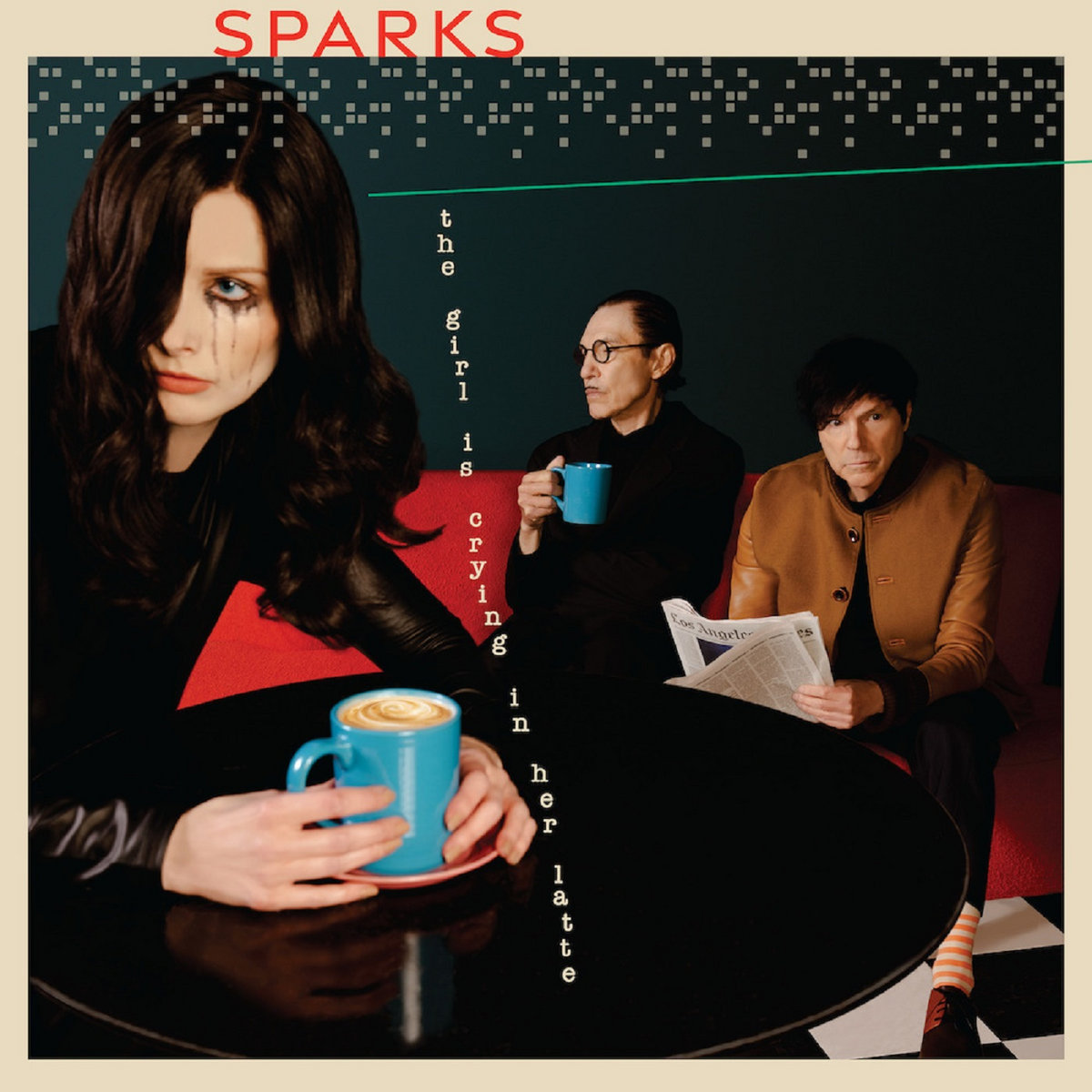
10. Sparks, The Girl Is Crying In Her Latte

If ever an act was perfectly positioned for a victory lap, it’s the venerable duo of Russell and Ron Mael, more in the spotlight than ever thanks to Edgar Wright’s documentary about them and their divisive musical film Annette. It also doesn’t hurt that this delectably-titled 25th (!) studio album catalogs all of their strengths while continuing to reveal new hues in their art-pop palette, including the anthemic (and typically snarky) “Nothing As Is Good As They Say It Is” and also “It Doesn’t Have To Be That Way”, a lovely summation of the brothers’ philosophy without the snark. Maybe their best since Lil’ Beethoven?

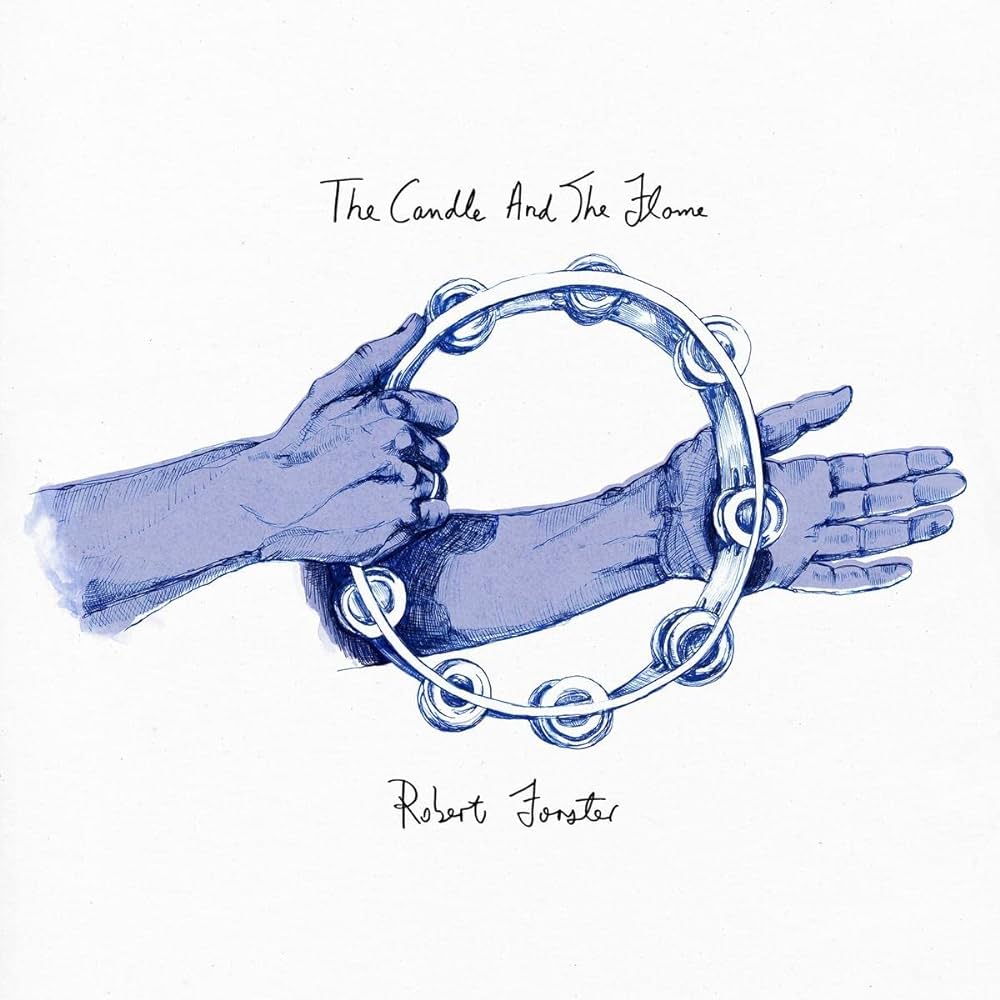
9. Robert Forster, The Candle and The Flame

Forster’s fourth album since Grant McLennan (his partner in The Go-Betweens) passed is his quietest and most domestic-focused, even if all of it apart from opener “She’s A Fighter” preceded his wife’s cancer diagnosis (update: she’s still fighting it.) One expects such maturity and taking stock from a 65-year-old, although Forster was already doing so (rather brilliantly) nearly twenty years ago on Oceans Apart. These nine observations are all of a piece, but “Tender Years” is the key: “See how far we’ve come”, he poignantly sings, and he’s earned the gravitas for it to really mean something.

8. Slowdive, everything is alive

After a solid, self-titled reunion album six years ago, this iconic 90s shoegaze band is consistent as ever but with a hunger to reassess and evolve. The dominance of electronics (nearly half the songs are built on synth riffs) sets it apart from all their past work without obscuring the elements that made them Slowdive. Those tired of waiting for another Cure album may find “kisses” a more-than-adequate substitute; still, alternating the poppier stuff with a pastoral instrumental (“prayer remembered”) and slow-building, eventually shimmering rave-ups like “shanty” and “the slab”, they prove nearly as vital in 2023 as they did with 1993’s Souvlaki.

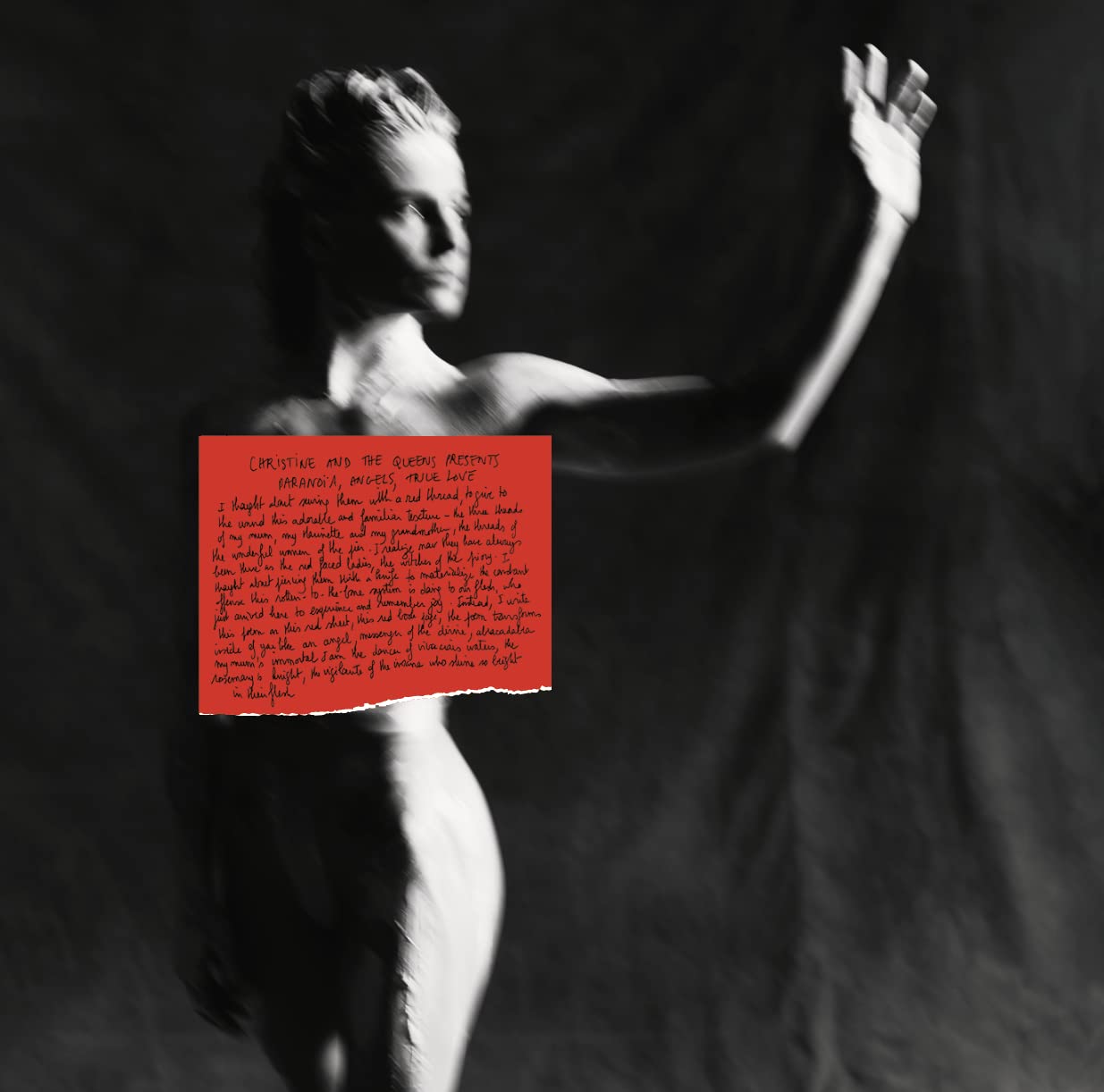
7. Christine and The Queens, Paranoia, Angels, True Love

Leave it to this oddball to attempt an honest-to-god triple album in the streaming era (although at 97 minutes, it could’ve been a double). Having come out as trans-masculine last year, Chris (formerly Héloïse Letissier) nearly goes for broke with an Angels In America-inspired concept LP about shifting identities, spiritual yearning and god knows what else. He seems determined not to repeat himself and everything from the discordant, eleven-minute “Track 10” (actually Track 7) to the lovely, simple “Flowery Days” not only suggests new, intriguing directions but a passion for development and growth which, four albums in, is timed just right.

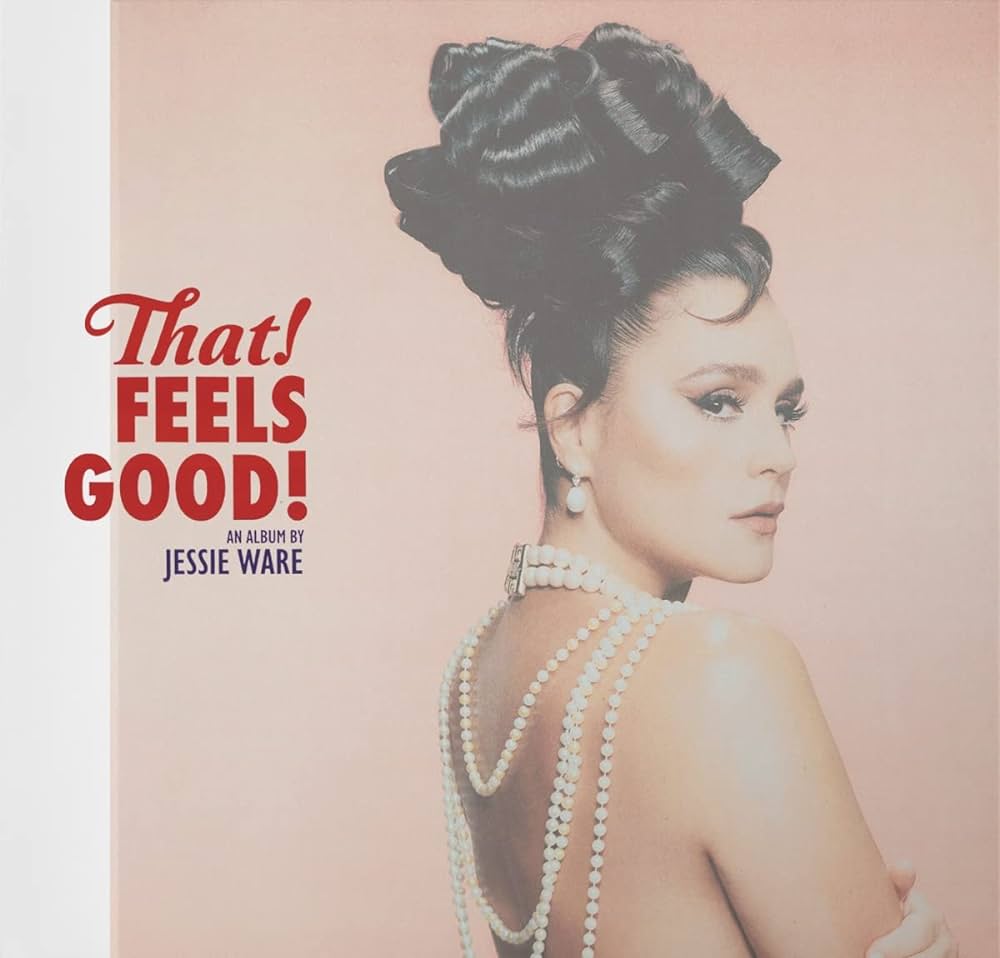
6. Jessie Ware, That! Feels Good!

I don’t envy Ware the task of having to follow up the exceptional What’s Your Pleasure?; her fifth album is more a lateral move than any attempt to top it. Leaning further into the hedonistic pleasures of disco and dancefloor soul, it may come off as a little expedient at times—little here matches last year’s glorious, pre-album single “Free Yourself”, although the samba-inflected “Begin Again” comes close. Regardless, Ware’s effusiveness nearly saves the day whether she’s indulging in a parade of double-entendres (“Shake The Bottle”) or easing on down the road towards some kind of unabashed bliss (“These Lips”, “Hello Love”).

Best Albums of 2023: # 15 – 11

15. Jamila Woods, Water Made Us

The succinct, Neneh Cherry-worthy “Tiny Garden” is one of this year’s best singles, but Woods’ third album offers a lot more to love. Reallocating her focus from the cultural essaying of 2019’s LEGACY! LEGACY! towards the intimacy and fragility of relationships, she tempers her alternative R&B/folk with nifty poetic interludes (“I Miss All My Exes”, “Let The Cards Fall”) and simple hooks that exude restraint but also undeniable pleasure (“Practice”, “Boomerang”). While not necessarily an innovator nor yet an icon, her natural talent and deeply felt point of view are in ample supply.

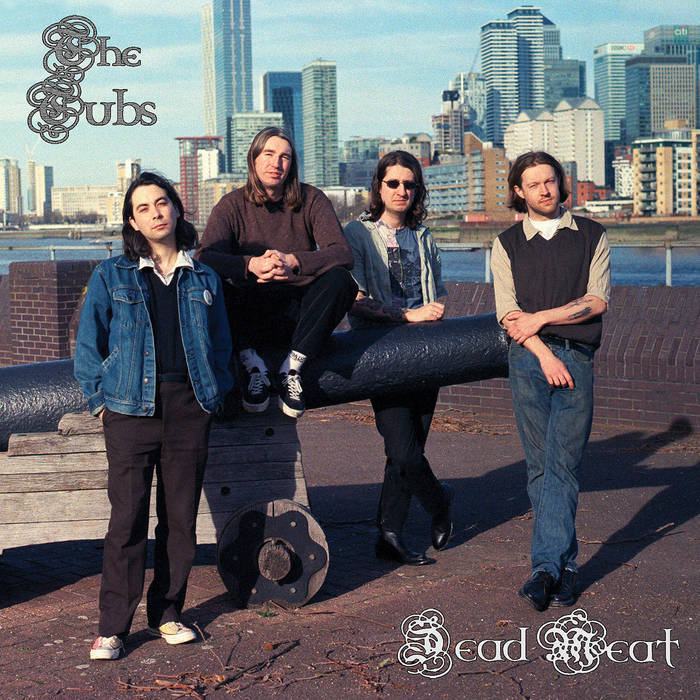
14. The Tubs, Dead Meat

For sure, the vocalist bears a heavy resemblance to Richard Thompson but within thirty seconds of rousing opener “Illusion pt. II” it’s obvious this foursome is no mere homage or tribute act; their welcoming melodies, intricate guitar lines and rarely obvious chord changes all sound effortless like good pop music should but seldom does. I suppose one could argue the originality of things like the spiky riffs of “Sniveller” which conjure up postpunk to a degree bands like Franz Ferdinand have been trading in for decades now, but that doesn’t render it any less of a thrill to hear.

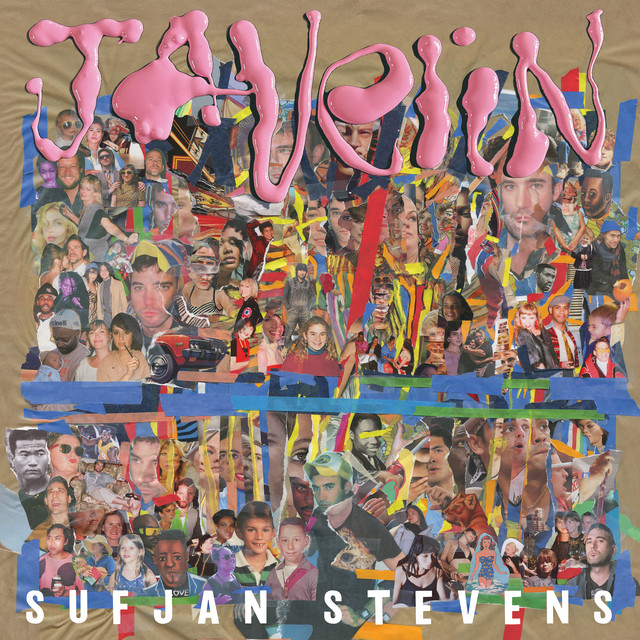
13. Sufjan Stevens, Javelin

Not a return-to-form in the style of Carrie and Lowell, just as that record wasn’t one in relation to Seven Swans. Apart from the uninspired, simplistic lyrics of 2020’s The Ascension, he has never been one to rest on his laurels; what makes Javelin so intriguing is in how it resolutely sounds like a Sufjan Stevens LP while also a push forward to reassess and explore what that means in 2023 (and beyond.) Knowledge that it’s a tribute to a recently deceased partner adds unignorable context but even without that news, this shows him refusing to be complacent and remaining engaged with wherever his muse(s) take him.

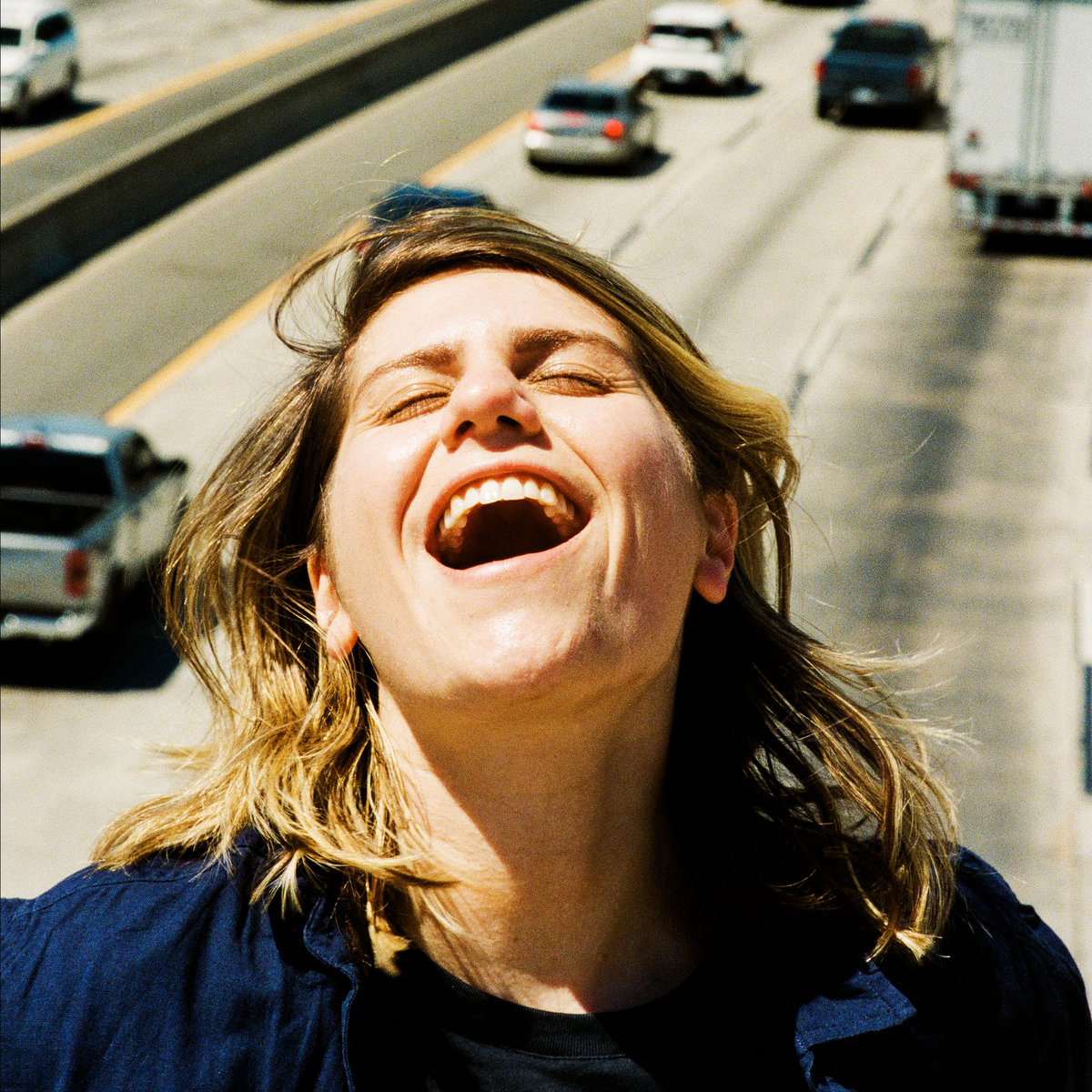
12. Alex Lahey, The Answer Is Always Yes

What can you do after two ten-track, near-perfect power/punk-pop albums? Logically, you’d shoot for a third, but on her first release in four years, this Aussie singer/songwriter takes a slightly different approach, opting for more looseness and impulsivity on introspective, pandemic-era observations like “Permanent” and “The Sky is Melting”. Rest assured, she still brings the hooks (the latter’s ascendant chorus is one of her best) and her never-wavering sense of economy, but from “Good Time” to “Shit Talkin’”, she’s refining her craft while never obscuring a sense of who she is, which is no small feat.

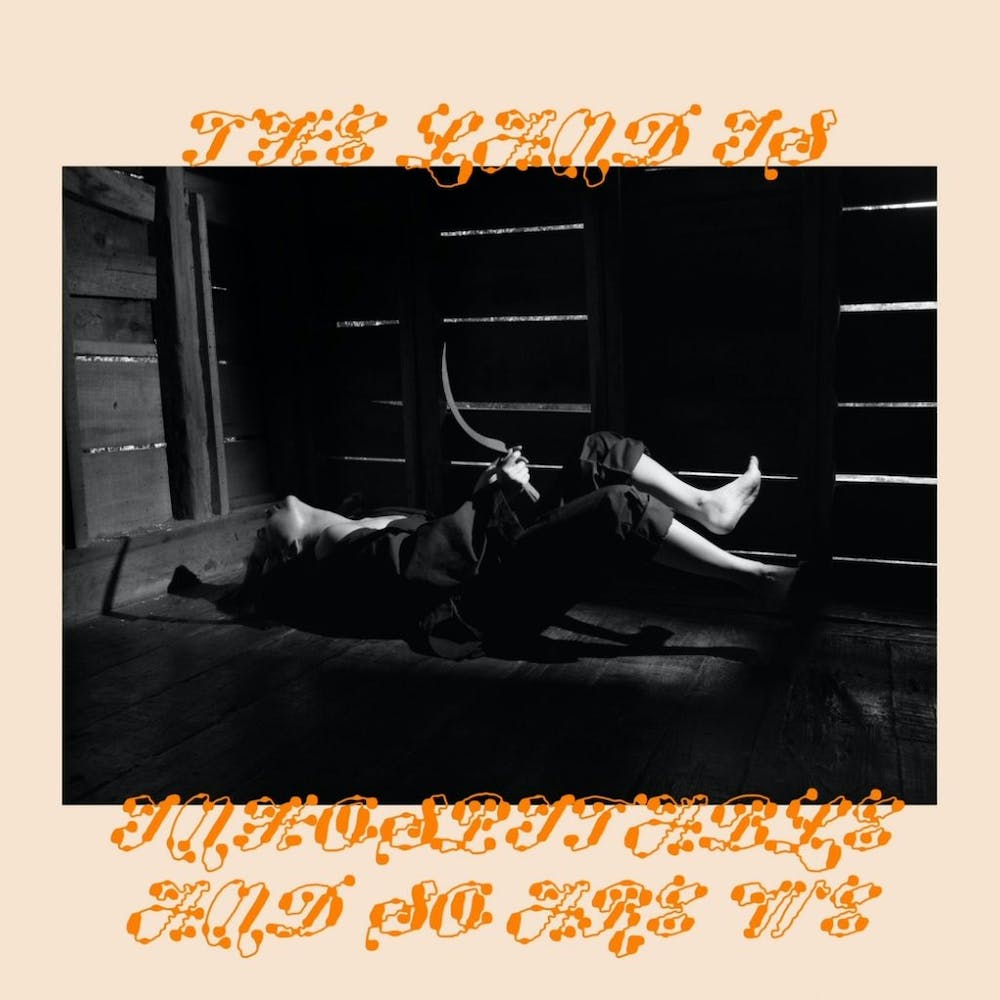
11. Mitski, The Land Is Inhospitable and So Are We

She nearly turned into a more elusive Pat Benatar over her increasingly slick past two records (note: this was not a good thing), so her about-face here is a bit of a relief. It also reminds me of the similar shift Sam Phillips made on Fan Dance two decades ago but far less minimalist, employing choirs and strings, pedal steel guitar and more atmosphere than those last two albums together offered. “My Love Mine All Mine” is one of the least likely fueled-by-Tik Tok crossover hits and that it could’ve easily happened to any of these 11 tracks reveals this collection’s consistency.