An Album A Day: # 1-20

Last month, I looked over my Spotify library and found hundreds of albums I’ve saved but haven’t listened to. Thus, in an attempt to post more on Bluesky, I’ve begun a version of the Music Writers’ Exercise (#mwe) that I used to participate in on the Social Media Site That Shall Not Be Named, listening to 100 albums and posting a small paragraph about each of them. Here are the first twenty which hopefully give a sense of all kinds of music I’m drawn to. Best discoveries include two albums released this year, one from over 30 years ago and another I’ve been meaning to check out since reading about it in Tim Blanchard’s book Like Magic In The Streets.

1. Malcolm Middleton, “Into The Woods” (2005): From this title & cover, was expecting something more pastoral (suppose “Monday Night Nothing” nearly fits the bill). Has a “better” (if less distinct) voice than his Arab Strap bandmate Aidan Moffat although his brogue’s nearly as robust. 

2. Tony Bennett, “Hometown, My Town” (1956): Just as silent cinema’s artistry peaked near the advent of sound, the Great American Songbook was never more expansive than at Rock’s dawn. Tapers off near the end but begins strongly with the melancholy, searching “The Skyscraper Blues”. 

3. Michael Hurley, et al. “Have Moicy!” (1976): Once acclimated to Stampfel’s vocal style (did he sing the 70s Armour Hot Dog jingle?), I much enjoyed this goofy, sincere, more-than-a-jam session amongst some folk revivalists (and it’s where Yo La Tengo got “Griselda” from to boot.) 

4. Lou Christie, “I’m Gonna Make You Mine” (1969): Title track’s ebullient bubblegum is almost as snappy as the same year’s “Sugar Sugar”; most of the rest is better than filler with “It’ll Take Time” and “She Sold Me Magic” lost gems. RIP to a great American weirdo pop singer. 

5. SPRINTS, “Letter to Self” (2024): Karla Chubb’s vocal resemblance to Pylon’s Vanessa Briscoe Hay got my attention but this Irish band’s more-melodic-than-abrasive punk (rather than Pylon’s post-punk) is winning in drive and dynamic even if they could ease up on the minor-key tunes. 

6. The Pale Fountains, “Pacific Street” (1983): The Clientele of their time? More obscure than The Go-Betweens at any rate. Swelling strings and trumpet fanfares enliven brisk strums and yearning vocals with all of these components arrestingly coalescing in closer “Thank You”. 

7. Nina Simone, “Emergency Ward!” (1972): Eighteen minutes of “My Sweet Lord”, eleven of “Isn’t It A Pity” both are as different as could be from Harrison’s originals and Simone’s genius is to make them effortlessly transcendent with aid of gospel choir and her own piano, respectively. 

8. Si Zentner, “The Swingin’ Eye” (1960): Nothing could possibly live up to that LP cover but it swings harder than Glenn Miller (if not Louis Prima). With muted trumpets, nimble piano solos and occasional brass blasts, it’s pleasant but Esquivel’s more my speed for this kind of thing. 

9. Rachel Chinouriri, “What A Devastating Turn of Events” (2024): Her Gen-Z indie pop’s not dissimilar from beabadoobee’s (or early Corinne Bailey Rae), but indelible hooks (the whistling on “It Is What It Is”) and caustic humor (“Dumb Bitch Juice”) both separate her from the pack. 

10. Luther Vandross, “Never Too Much” (1981): More familiar with his later crossover era, this is an impressive debut even beyond the title track & celebrated Bacharach cover. In one word, effervescent: a major talent with infectious ease to spare like a dream come true (his and ours). 
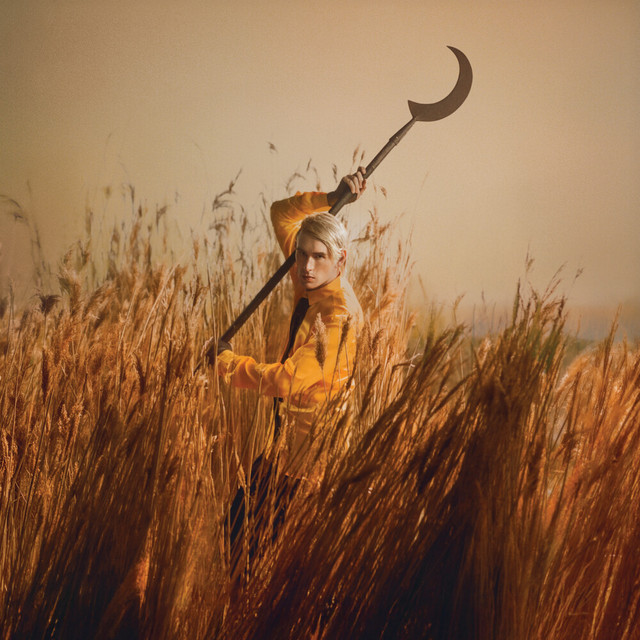
11. Patrick Wolf, “Crying The Neck” (2025): Another triumphant return in an abundant year for them: sumptuous, intricate but never fussy or labored, a layered, dense canvas inviting one to expend time and effort exploring it, promising discovery and even some instant gratification. 

12. The Beach Boys, “Surf’s Up” (1971): I appreciate their ambitious, eccentric stuff (esp. the title track) for how it slyly anticipates even weirder homages to come (hi, The High Llamas!) Still relatively accessible & presumably not a bad place to dip a toe in for this period. 

13. Dennis Parker, “Like An Eagle” (1979): The suitably soaring, impeccably strung out title song comes from the dudes responsible for the Village People, & it’s far less camp than “YMCA” or even ABBA’s own “Eagle”; sadly, the rest is Broadway-ready disco cheese for diehards only. 

14. Nellie McKay, “Bagatelles” (2019): Finally reconciling her transition from subversive songwriter to expert interpreter, this is an ideal way for her to practice the latter: 17 minutes, 8 standards, stripped down to voice & ukelele, coasting on skill and charm; it’s enough. 

15. The KLF, “Come Down Dawn” (2021): Reissue/revision of 1990’s “Chill Out”, an aural travelogue of found sounds, overheard conversations, stray beats, etc. Removed from its initial cultural impact, it’s pleasant rather than stimulating though repeated plays might reveal otherwise. 

16. Faust, “Faust IV” (1973): No wonder the 11-minute “Krautrock” named a genre: hypnotic without ever becoming inert, with a droning simplicity easy to emulate but more difficult to replicate. The rest I probably could not do justice to after a single listen; it’s all over the place. 

17. Giorgio Moroder, “From Here To Eternity” (1977): I suspect this got tons of airplay in sleazy gay discos, particularly side one’s suite. Benefits from its brevity & deadpan humor though the production often feels like a working draft for Sparks’ “No. 1 In Heaven” two years later. 

18. The High Llamas, “Gideon Gaye” (1994): LP #2 an ideal place to start, at least compared to other, denser efforts of theirs. Actual pop (or “pop”) songs sit aside wistful instrumentals and diversions (14-minute “Track Goes By”), O’Hagan exuding confidence in forging his own world. 

19. Stereolab, “Transient Random-Noise Bursts With Announcements” (1993): After this year’s stunning return, going back to the early albums I missed. Almost shocking hearing so much guitar here, though their bossa-nova diversion agreeably sits aside all of the drone/groove set pieces. 

20. Barbra Streisand, “Guilty” (1980): My folks had the vinyl (all of Babs’ LPs from that era, actually) but I didn’t know anything beyond the hits. 4th single “Promises” might’ve been massive had it come out earlier; ballads are meh but Barry’s guidance & ambition are a good fit. 
Halfway Through 2025

Universal Language

Taking assessment of my favorite films and albums so far at a year’s midpoint might seem like an irrelevant if not entirely futile exercise, although I’ve done so annually for as long as I can remember. While often interesting and occasionally amusing to look back and see what did or did not eventually make the cut at year’s end six months later, this is above all an opportunity to take stock (and an excuse for another blog post.)

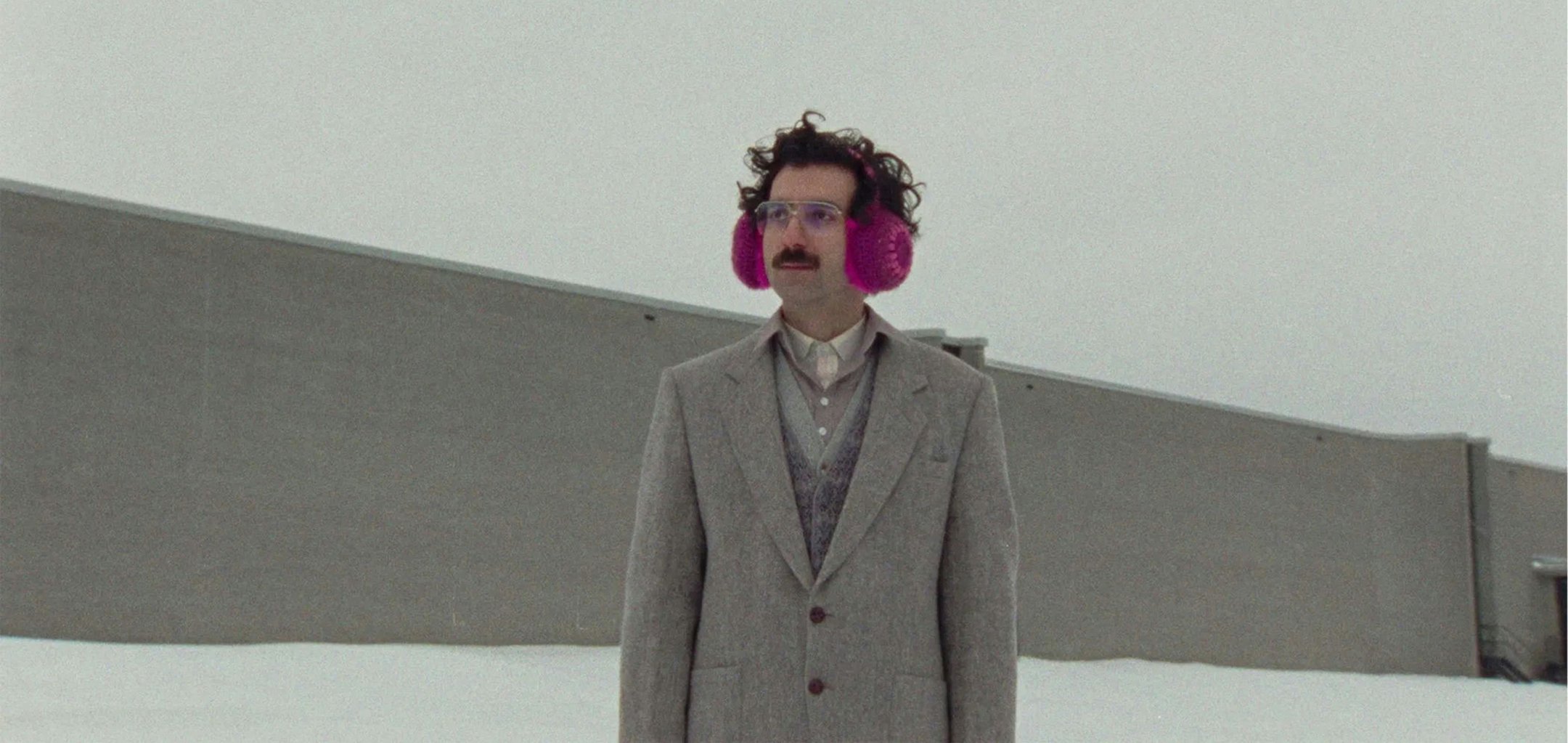
I usually see a few films at local (and sometimes international) festivals that make this cut: I’ve already written on three from this spring’s IFF Boston (see links below); On Becoming A Guinea Fowl I viewed at IFF’s Fall Focus last November and I appreciated it more after a second viewing earlier this month. Thank You Very Much is an underrated Andy Kaufman documentary that could have benefited from a wider release; Grand Tour and Universal Language are both admirably unique concoctions that I won’t forget about come year-end.

As for albums, it shouldn’t come as a surprise that at 50, many of my current faves are from artists my age or older (British jangle-pop quartet The Tubs are the youngest here by a considerable margin.) I would argue that most of these “legacy” acts are churning out some of their best work, a few of which I alluded to in the mix I posted last week. I’ll add that Doves’ Constellations For The Lonely might end up my favorite single new album since my number one of 2023. Even though following their debut Haim has made a stronger case as a singles than albums act, after two full spins, I Quit is cohering better than I anticipated it to.

Favorite Films of 2025 so far (alphabetical by title):

Favorite Albums of 2025 so far (alphabetical by artist):

  • Destroyer, Dan’s Boogie
  • Doves, Constellations For The Lonely
  • Haim, I Quit
  • Mekons, Horror
  • Perfume Genius, Glory
  • Pulp, More
  • Robert Forster, Strawberries
  • Stereolab, Instant Holograms On Metal Film
  • Suzanne Vega, Flying With Angels
  • The Tubs, Cotton Crown

Mix: The Edge Of The World

I won’t ever stop making annual playlists but going forward, I’m hoping to curate one of newish songs every three months or so (if I were more ambitious, perhaps this could end up a monthly thing.)

Looking at 2025 thus far, it’s not entirely coincidental that two of my most played new tracks have titles that contain the words giving this playlist its title: newcomer Brooke Combe’s sharp retro-soul and the latest from Destroyer which in the tradition of 2022’s ”June” smashes together a ridiculously catchy hook with near-stream of consciousness lyrics (“My life’s a giant lid closing on an eye”, okay, Dan.) Elsewhere, fellow weirdo Bartees Strange folds something approaching Yacht Rock into his ever-unclassifiable genre-blend, FKA Twigs agreeably harkens back to the moodier stuff off of Madonna’s Ray of Light and nearly 50-year-old postpunk collective Mekons is still kicking with the anthemic “Mudcrawlers” (whose quality bodes well for their forthcoming LP Horror.)

The Tubs’ effortless jangle-pop and Perfume Genius’ venerable art-pop also make welcome returns, each previewing solid albums that may make my year-end top ten; so does Doves, who follow their 2020 reunion with an even better dive into psychedelic textures and sonics on Constellations For The Lonely, here represented by the expansive lead track “Renegade”. Empire of the Sun and Lindsey Buckingham make for natural compadres as much as Robert Forster and wife Karin Bäumler do on the uncommonly jaunty, Lovin’ Spoonful-esque “Strawberries”. 

I’m still tickled that even in this cynical age, a great novelty like Joshua Idehen’s cheeky, spoken-word “Mum Does The Washing” can still emerge from the seemingly endless interchangeable dross one has to wade through (algorithms be damned) in uncovering refreshing new music. It nearly lends credence to the relief that this playlist’s title contains the word “edge” and not “end”.

The Edge of the World:

  1. Japanese Breakfast, “Orlando In Love”
  2. Brooke Combe, “Dancing At The Edge of the World”
  3. Bartees Strange, “Sober”
  4. The Tubs, “Narcissist”
  5. FKA Twigs, “Girl Feels Good”
  6. Perfume Genius, “It’s A Mirror”
  7. Twin Shadow, “Good Times”
  8. Lucy Dacus, “Ankles”
  9. Morcheeba, “Call For Love”
  10. Doves, “Renegade”
  11. Sam Fender, “Arm’s Length”
  12. Empire Of The Sun & Lindsey Buckingham, “Somebody’s Son”
  13. Mekons, “Mudcrawlers”
  14. Hurray For The Riff Raff, “Pyramid Scheme”
  15. The Weather Station, “Mirror”
  16. Beirut, “Guericke’s Unicorn”
  17. Sharon Van Etten, “Trouble”
  18. Robert Forster, “Strawberries”
  19. Joshua Idehen, “Mum Does The Washing”
  20. Destroyer, “Hydroplaning Off The Edge Of The World”

Five Turkeys of 1980

I could write an entire book about why 1980 stands out as a fascinatingly strange year for pop culture—below is something I first posted on Thanksgiving 2013, along with some 2025 footnotes.

1980 was a weird year for pop culture: it desperately tried leaving the 1970s behind though was still not entirely transformed into what we now recall as “Eighties”. It did produce as much great, timeless art as any year: Talking Heads’ Remain In LightAirplane!, Nine To Five, this playlist, etc., Still, one generally senses a temporary lapse in good taste. If you disagree, well, take a look at the following five clips:

1. XANADU

I won’t argue that Xanadu is as “great” a film as, say, The Shining, but compared to the other stuff on this list, it’s fairly benign unless you HATE Olivia Newton-John and roller disco and ELO and Gene Kelly (and would you really want to spend time with someone who hates two or more of those things?) It’s rife with contradictions: a futuristic extravaganza somewhat beholden to ’70s aesthetics and a commercial flop that produced a hit soundtrack. I think what sinks it for some is that it takes itself just a little too seriously while still reveling in its own bad taste.*

2. THE JAZZ SINGER

This “very special happening” (quoted from another trailer I can no longer find) is the one thing on this list that I haven’t seen.** Apparently, film studios of that time were desperate to turn pop singers into movie stars, via Bette Midler in The Rose (if you need another example of a flop, there’s Paul Simon in One Trick Pony.) In theory, the gloriously hambone Neil Diamond should have made the transition as easily as Midler. Unfortunately, he chose what looks like a real stinker, a preposterous, anachronistic remake no one was asking for with a wooden female lead, gratuitous blackface (!) and a rube of a main character who doesn’t know what palm trees are. Oh well, as with Xanadu, at least the soundtrack was a hit.

3. PINK LADY AND JEFF

Long an easy punch line for the inquiry, “What’s the worst television show ever made?”, Pink Lady and Jeff*** has an egregiously bad premise: a variety show starring a female Japanese disco duo (each of whom speak precious little English) and an unctuous American comedian sidekick (who sadly talks too much.) Brought to you by those crazy czars of bad 70s TV, Sid and Marty Krofft, whose Brady Bunch Variety Hour from three years before is officially the Worst Variety Show of All Time. In comparison, this one was almost The Carol Burnett Show, but instead of an ear tug and “I’m So Glad We Had This Time Together”, each episode ended with a hot tub party–this clip features a pre-senility Hugh Hefner; I’ve seen another with Larry Hagman and Teddy Pendergrass in the tub, whom with Jeff unintentionally resemble the “stars” of our next selection…

4. CAN’T STOP THE MUSIC

Grease producer Allan Carr’s^ “musical extravaganza that launched the ’80s” (Carr biography Party Animals  is a must-read, BTW) takes the rock-star-into-movie-star approach of The Jazz Singer and lets it run rampant like a bratty child on a sugar high (or an indulgent auteur with unlimited access to cocaine.) The Village People were obviously past their prime by 1980, and you can practically taste the flop sweat dripping off this trailer. The whole project’s  inexplicable, really–watch Steve Guttenberg as the band’s Svengali, a pre-Kardashian, pre-trans Caitlyn Jenner decked out in a teeny tiny t-shirt and daisy dukes and special guest stars Tammy Grimes, June Havoc and The Ritchie Family, all of it directed by Rosie the Bounty Paper Towel Lady. That Can’t Stop The Music got made when disco was already “dead” is a testament to Carr’s chutzpah. Still, it’s almost Cabaret compared to…

5. THE APPLE

The Apple defies any notion of good taste and all logic, for that matter. Like Brian De Palma’s infinitely superior Phantom of the Paradise, it’s a rock-and-roll take on the legend of Faust, only this one’s set in the oh-so-futuristic-dystopia of 1994 and contains more sparkly sequins than even the opening credits of Can’t Stop The Music can manage. There are few words for how awful and bizarre this film is. You won’t know whether to laugh, cringe or hurl stuff at the screen (like audiences supposedly did at a preview screening with copies of the soundtrack album) when viewing any of the musical numbers (thankfully, most of ’em are on YouTube.) Instead of the trailer, I’ve singled out perhaps the film’s most demented (and that’s saying a lot) sequence. “Speed” (or rather, “SPEEEEEEED!”) pushes 1980’s questionable aura to an everything-but-the-kitchen-sink extreme and comes off like an unholy combination of Billy Idol video directed by Rainer Werner Fassbinder and Richard Simmons workout. It could be a lost musical number from another infamous motion picture of 1980, Cruising.^^ In the decades since my first viewing, nothing else I’ve seen has topped it in sheer WTF-ness.

*****

*And yet, my personal rating of Xanadu rises just a bit on every rewatch—a time capsule for sure, but an intriguing one.

** Still haven’t!

***For more on Pink Lady, check out this Decoder Ring episode.

^ Also infamous for the 1989 Snow White/Rob Lowe Academy Awards fiasco, Carr’s delirious if dubious legacy is further preserved by the 2017 documentary The Fabulous Allan Carr.)

^^ I’ve since seen Cruising, and it is definitely worth seeing if only for Paul Sorvino asking Al Pacino if he’s ever been “porked”.

Requiem For A Used Record Store (Revisited)

Will be posting some old essays from former blogs of mine over the next few weeks as I take a hiatus from new writing; this piece was fun to revisit two decades on.

On January 1, 2005, another used-record store bit the dust: Disc Diggers in Davis Square, Somerville, Mass. While never my favorite recycled music shop, I’d pop in once every couple of months (grudgingly handing over my backpack to someone behind the counter) and occasionally find just what I was looking for.

I made my last Disc Diggers purchase on the last Saturday of the previous September. I had taken my bike across town on the T to ride the Minuteman Trail from Alewife Station to Bedford Depot and back. Exhausted and sweaty, I entered the store thinking, “OK, I’ll only buy something if they have Sally Timms’ In the World of Him or Tegan and Sara’s So Jealous.” When I spotted the former after running my fingers through racks and racks of new releases, dust-covered castaways and pitiable also-rans, I felt a rush of adrenalin–maybe not enough to take another ride on the Minuteman, but a sufficient reminder as to why I obsessively rummaged through one used-record store after another. It’s not just the goal of finding that particular CD I didn’t want to pay full price for or potentially unearth a buried treasure that could change my life. The challenge, the chase, the pursuit was just as essential.

The prototypical used-record store straight out of Nick Hornby’s novel High Fidelity endured for decades. I wasn’t aware of them until I turned eighteen. That year, CD Exchange, a three-store chain opened in the Milwaukee suburbs. As the name suggested, they didn’t traffic in vinyl or cassettes. The whole concept was foreign and questionable to me–selling CDs you no longer wanted… and buying other CDs someone no longer wanted… and hearing them right there in the store, at one of eight personal listening stations! It seemed too good to be true, and I approached the establishment with timid adolescent caution. However, the burgeoning bargain hunter in me (spurred on by working at a detestable, low-wage food service job) soon conceded, and I eventually made the rounds at the CD Exchange near Southridge Mall more often than Best Buy or local indie chain The Exclusive Company.

Alas, CD Exchange was an anomaly, a young upstart, a business perfectly suited for a mini-mall; nothing at all like Second Hand Tunes, my first real used-record store. Nestled on the corner of Murray and Thomas in Milwaukee’s East Side (and technically part of a chain that included a few Chicago locations), it was exactly like the store in High Fidelity only smaller, more condensed. At both windows sat wooden bins jammed with rows of plastic slipcases holding hundreds (thousands?) of CD booklets–all discs were kept behind the counter to discourage/prevent shoplifting. Tall, vertical see-through cases of cassette tapes made up the elevated employee counter at the other two ends of the square-shaped room, and in the store’s center, a giant, double-decker, C-shaped bin held most of the vinyl. Naturally, the windows and walls were plastered with cultish film and music posters of the Jimi Hendrix/A Clockwork Orange variety.

I spent many a Saturday afternoon in the mid-90s at that place, often flipping through every last slipcase, picking up used copies of stuff like They Might Be Giants’ Apollo 18, The Clash’s London Calling, and the Dukes of Stratosphear’s Chips From the Chocolate Fireball. Given their immense selection and my tenacity and dedication, I always found at least one thing to buy, if not two or five. I regularly saw guys (customers at these places were predominantly male) with teetering stacks of fifteen or twenty discs in their hands, and I couldn’t imagine getting together the funds to make such a weighty purchase.

Before long, I began thumbing through the neglected dollar vinyl that sat in a wooden crate on the floor beneath the CDs. At that point, it had been four or five years since you could find any vinyl in most new record stores. At the height of my wannabe urban hipster phase, vinyl was uncool in most mainstream circles, thus cool to me. I loved the comparatively life-sized cover art and the cheap thrill of picking up something I’d been secretly itching to hear (like Missing Persons’ Spring Session M) for only a buck.

I acquired a cheap-ass table-top stereo with turntable and amassed a collection of about 50 or so vinyl records with a year. I drove all over the city and the outlying ‘burbs, habitually visiting likeminded businesses such as Rush-Mor, Prospect Music and national chain Half-Price Books (they sold music, too.) Between that and continuing to buy new CDs at the big stores and through at least three of those “Buy 12 CDs for the price of one!” deals you used to always find inserted in Rolling Stone, for the first time in my life, I had more stuff to listen to than I knew what to do with.

Whenever people ask me (sometimes contemptuously) how in the world I’ve ever heard of band X or know of singer Y, I guess this partially explains how I became such a music geek. Kinda like a chain reaction, really: you discover something you like, and then it encourages you to check out something else (or, if you’re as fervent as I am, five or ten other things) and so on.

I had nearly as much difficulty leaving Second Hand Tunes behind as I did my family and friends when I moved to Boston in 1997. You’d expect to find an adequate replacement in every other neighborhood in the most college-friendly metropolis on the East Coast, but I’m not sure I fully did. The closest I came was Record Hog, a triangular corner shop steps away from the Cambridge/Somerville town line near Porter Square. They didn’t carry cassette tapes (by 1999, precious few places did) but everything else was perfectly, warmly familiar. More often than not, two cats sprawled their lazy selves across the centerpiece CD case and you’d have to gently lift them off the row of the discs you wanted to look through. This was where I made my greatest on-a-whim purchase ever (Ivy’s Apartment Life), in addition to fabulous buys like a promo copy of Stew’s The Naked Dutch Painter… and Other Songs (stumbled upon a week before you could buy it at Newbury Comics!), Gordon Gano’s Hitting the Ground and Bellavista Terrace: The Best of the Go-Betweens, among many others.

Alas, Record Hog closed in early 2003 and supposedly moved to a small town in Western Mass (I can’t remember which town and a Google search for “Record Hog” brings up little but costly pork prices). I continued acquiring a lot of used CDs every year, most of them from the local chain CD Spins, a true successor to CD Exchange. In each location, discs literally lined the walls from ceiling to floor. A CD Spins visit more or less satisfied my used-music jones, but it was like trying to get high off a pack of Marlboro Lights. I couldn’t possibly ever take in each store’s massive stock at once (at least half of it obscure $1.99 crap), so I skimmed through a mental list of stuff I’d like to get, which made it shopping with a goal in mind instead of a free-form stress-relieving act of discovery. A few used-music establishments with potential still lurked within various corners of Boston and Cambridge (and a handful even carried vinyl), but most of them were either too expensive or limited in their selection.

My last visit to Second Hand Tunes was in October 2000. In town briefly for a friend’s wedding, I had an extra day to visit a few hangouts that were once so dear to me: Kopp’s Frozen Custard, Klode Park in Whitefish Bay, and Second Hand Tunes. I hadn’t set foot in the store in more than two years and was surprised to find it haphazardly rearranged. The discs sat where the vinyl used to be, and they now even carried DVDs. Two employees I didn’t know talked loudly to each other behind the counter, watching clips of a training video for the Bronx police department. I made a customary run through the slipcases, briefly considered purchasing Bebel Gilberto’s Tanto Tempo, and then left without doing so. On my next trip two years later, the windows were papered up and a pitiful “Office Space for Lease” sign sat in one of them. Around the time I moved out East, one of the store’s old managers opened up his own used-vinyl/CD haven two blocks away. I made an effort to visit it every time I was back in town.

I missed Second Hand Tunes, Record Hog and all the rest. I no longer bought vinyl but still had enough disposable income to justify the hours I spent feeding my used CD fix. I wasn’t against buying music on Amazon or iTunes, although I knew that to an extent, both were doing their part to put the oldfangled High Fidelity stores out of business. I’d just about given up on finding a replacement that captured the personable, homey feel of those places. Thankfully, none of that distracted from the pleasure I still received from a newly acquired album, particularly one that resonated on the first spin.

2025 POSTSCRIPT:

Most remaining used CD stores went kaputt in the five-to-ten years after I wrote the above essay. I’ll never forget a depressing visit to an on-its-last-legs CD Spins which seemed packed to the gills with dozens of copies of the same, unloved used product, a far cry from when I spotted a rare copy of the import-only The Misadventures of Saint Etienne for thirteen bucks there a few months after posting this piece. Overall, I dealt with the demise of used CDs miserably, reduced to downloading entire albums from iTunes, patiently awaiting the convenience (if not the same sort of thrill) that streaming music would provide.

I certainly did not see the vinyl revival coming. By late 2016, I said fuck it and purchased an affordable but not cheap-sounding Audio-Technica turntable, hooked it up to my Bose stereo (with CD player!) and learned to love vinyl again—not always an affordable pastime in its own right (especially given the hike in pricing since Covid). Fortunately, it does scratch that music-purchasing itch, especially at such fine stores as Sonic Boom in Toronto, Irving Place Records in Milwaukee (owned by a former associate of the guy who managed Second Hand Tunes) and Lost Padre Records in Santa Fe, where on a visit in 2023 I picked up used, reasonably-priced vinyl copies of both the Starstruck soundtrack and Stevie Wonder’s Journey Through The Secret Life of Plants.

Fifty for 50

As I reach another milestone birthday this coming week, I’ve added a postscript to the annual playlists I posted throughout 2024, selecting one song from each for a Franken-Mix that spans my entire life to date. I often included the track originally featured with a YouTube link in each playlist, but made the occasional substitution (starting off the entire mix with ideal album closer “Just Another High” just felt wrong).

Taken together, there’s no rhyme or reason apart from the concept itself. Even by not repeating any artists, I still couldn’t find room for *all* of my favorites (apologies to Sam Phillips, Leonard Cohen, Pet Shop Boys, Concrete Blonde, Erasure, Emm Gryner, Donna Summer, etc.) If anything emerges, it’s a rough snapshot of my taste in music cultivated over a half century. One could argue “Upside Down” sort of anticipates “Poor Fake” or that “Don’t Leave Me This Way” and “Free Yourself” are kindred spirits, but that was not the intention of including them here.

From the landmark Mermaid Avenue, an album where Billy Bragg and Wilco crafted music for Woody Guthrie lyrics, enjoy “California Stars”, a song my husband and I have bonded over and a tune that stands the test of time, not sounding exactly like 1998, 1968 or potentially 2028 for that matter.

Fifty for 50:

  1. 1975: Bee Gees, “Jive Talkin’”
  2. 1976: ABBA, “Knowing Me, Knowing You”
  3. 1977: Thelma Houston, “Don’t Leave Me This Way”
  4. 1978: Kate Bush, “Wuthering Heights”
  5. 1979: Supertramp, “The Logical Song”
  6. 1980: Diana Ross, “Upside Down”
  7. 1981: Grace Jones, “Walking In The Rain”
  8. 1982: The B-52s, “Mesopotamia”
  9. 1983: The The, “This Is The Day”
  10. 1984: Rubber Rodeo, “Anywhere With You”
  11. 1985: Kirsty MacColl, “He’s On The Beach”
  12. 1986: Prince, “Kiss”
  13. 1987: New Order, “Temptation (Substance version)”
  14. 1988: Sade, “Paradise”
  15. 1989: Neneh Cherry, “Buffalo Stance”
  16. 1990: Deee-Lite, “Groove Is In The Heart”
  17. 1991: The KLF Feat. Tammy Wynette, “Justified and Ancient”
  18. 1992: 10,000 Maniacs, “Noah’s Dove”
  19. 1993: The Judybats, “Ugly On The Outside”
  20. 1994: Freedy Johnston, “Bad Reputation”
  21. 1995: Jen Trynin, “Better Than Nothing”
  22. 1996: Cibo Matto, “Know Your Chicken”
  23. 1997: Catherine Wheel, “Satellite”
  24. 1998: Billy Bragg & Wilco, “California Stars”
  25. 1999: Fiona Apple, “Paper Bag”
  26. 2000: The Avalanches, “Frontier Psychiatrist”
  27. 2001: Ivy, “Edge of the Ocean”
  28. 2002: Sleater-Kinney, “Step Aside”
  29. 2003: Stars, “Elevator Love Letter”
  30. 2004: Sufjan Stevens, “To Be Alone With You”
  31. 2005: Saint Etienne, “Stars Above Us”
  32. 2006: Marit Bergman, “No Party”
  33. 2007: The Shins, “Australia”
  34. 2008: Martha Wainwright, “You Cheated Me”
  35. 2009: Florence + The Machine, “Rabbit Heart (Raise It Up)
  36. 2010: Robyn, “Dancing On My Own”
  37. 2011: Destroyer, “Kaputt”
  38. 2012: Of Monsters and Men, “Dirty Paws”
  39. 2013: John Grant, “GMF”
  40. 2014: Future Islands, “Seasons (Waiting On You)”
  41. 2015: Belle and Sebastian, “Nobody’s Empire”
  42. 2016: The Radio Dept., “Committed To The Cause”
  43. 2017: Jens Lekman, “Evening Prayer”
  44. 2018: Twin Shadow, “Too Many Colors”
  45. 2019: Kelsey Lu, “Poor Fake”
  46. 2020: Christine and the Queens with Caroline Polachek, “La Vita Nuova”
  47. 2021: Cassandra Jenkins, “Hard Drive”
  48. 2022: Jessie Ware, “Free Yourself”
  49. 2023: Everything But The Girl, “Run A Red Light”
  50. 2024: Alison Moyet, “Such Small Ale”

2024: Abandon The Crowd

We’ve reached the end of this year-long project where I posted an annual playlist every week in chronological order. I kicked it off acknowledging my uncertainty as to how comprehensively one could sum up a single year in 30 or 40 songs; 50+ weeks later, I don’t have a definitive answer to that question, only confirmation that each year produces a wealth of great tunes—it’s all a matter of seeking them out or, more specifically, remaining open to discovering them.

As noted in my Best Albums of 2024, this year was a particularly taxing and chaotic one (as will most national election years be going forward, I fear.) Music (and art in general) provides, if not a reason to endure it all, at least some comfort and enjoyment. The power of a song you want to play over and over again is not to be denied or underestimated. Thus, the return of simple but utterly transcendental pop music (Sabrina Carpenter, Chappell Roan, even the first Billie Eilish song I’ve unabashedly loved) felt as inevitable as the disco/dance revival from four years before. If some artists couldn’t sustain such a vibe over an entire album, bite-sized highlights such as Jamie xx’s Robyn-starring sonic whirlwind or Aussie jangle-pop outfit Quivers’ precise, invigorating 1980s pastiche provided abundant nourishment.

Increasingly and (given the times) predictably I gravitated towards music that offered relief and a sense of blissful escape: Real Estate expertly channeling Big Star and The Go-Betweens, Kacey Musgraves edging further into folk-rock worthy of prime Sheryl Crow, Michael Kiwanuka reemerging after a five-year absence on a bed of lush and gently effervescent soul. Still, there’s tension in the gap between the pillow-soft soundscapes of Cigarettes After Sex, Hurray For The Riff Raff and Arooj Aftab and the spikier dissonance of Nilufer Yanya, Father John Misty and an ever-musically-evolving Yola. Splitting the difference between these poles is another returning veteran: while Alison Moyet’s reimagining-tracks-from-her-past-catalog project Key yielded enough varied results for it to just miss my top ten albums list, “Such Small Ale”, one of its two new songs offered solace in its arresting melody and Moyet’s undiminished voice but also urgency in its rejection of complacency, compelling us to think about where and how we find (and remain open to finding) meaning and purpose in this crazy, frustrating and occasionally sublime world.

2024: Abandon The Crowd

  1. Hurray For The Riff Raff, “Alibi”
  2. Sabrina Carpenter, “Espresso”
  3. The Last Dinner Party, “The Feminine Urge”
  4. Father John Misty, “She Cleans Up”
  5. The Cure, “A Fragile Thing”
  6. Gossip, “Real Power”
  7. Jamie xx/Robyn, “Life”
  8. Yola, “Future Enemies”
  9. Tindersticks, “New World”
  10. Arooj Aftab, “Raat Ki Rani”
  11. Gillian Welch & David Rawlings, “The Bells and The Birds”
  12. Andrew Bird & Madison Cunningham, “Crying In The Night”
  13. Pernice Brothers, “Who Will You Believe”
  14. Gruff Rhys, “Peace Signs”
  15. Quivers, “Never Be Lonely”
  16. Beabadoobee, “Take a Bite”
  17. Alison Moyet, “Such Small Ale”
  18. Kacey Musgraves, “Cardinal”
  19. Nilufer Yanya, “Like I Say (I Runaway)”
  20. Camera Obscura, “Big Love”
  21. Cigarettes After Sex, “Baby Blue Movie”
  22. Beth Gibbons, “Floating On A Moment”
  23. Laura Marling, “The Shadows”
  24. The The, “Cognitive Dissident”
  25. Cassandra Jenkins, “Clams Casino”
  26. Julia Holter, “These Morning”
  27. Michael Kiwanuka, “Floating Parade”
  28. Waxahatchee, “Bored”
  29. Another Sky, “Playground”
  30. Pet Shop Boys, “Feel”
  31. Billie Eilish, “Birds Of A Feather”
  32. Vampire Weekend, “Prep-School Gangsters”
  33. Brittany Howard, “Prove It To You”
  34. Suzanne Vega, “Rats”
  35. Orville Peck, Kylie Minogue & Diplo, “Midnight Ride”
  36. Real Estate, “Flowers”
  37. Pond, “(I’m) Stung”
  38. Chappell Roan, “Good Luck, Babe!”
  39. Jessica Pratt, “Life Is”
  40. Maggie Rogers, “Don’t Forget Me”

2023: We Won’t Go Quietly

Like the previous year, 2023 was one of returning, seeking some resemblance of “normal”, navigating a post-pandemic world with caution but also hope. A number of artists made literal returns as well, none more spectacularly than Everything But The Girl—on hiatus since the turn of the century, Tracey Thorn and Ben Watt had both foraged solo careers worthy of their past work together. Fuse, their reunion as a duo triumphed by picking off where 1999’s Temperamental left off while also feeling fully attenuated to this moment. Its third single, “Run A Red Light”, was its most striking with an enthralling sense of space and reverberating piano chords, conveying wisdom and maturity without coming off as stodgy.

Other veterans adjusted to the times by either translating past sounds into the present (Christine and the Queens’ channeling trip-hop; Emm Gryner (along with relative newbies Molly Burch and U.S. Girls) finding solace and also inspiration in “yacht-rock”) or taking adventurous leaps into the unknown (PJ Harvey, who hasn’t ever made the same kind of album twice; The Clientele crafting an indie-pop cantata of sorts; Kylie Minogue, genuinely in sync with the latest club culture enough to put Madonna to shame.) Depeche Mode, Ben Folds, Sparks and Blur released their sharpest singles in decades while Robert Forster offered up a late-career gem that could easily serve as an epitaph: “See how far we’ve come,” he concluded in “Tender Years”, rendering it with more resonance and depth than one would ever expect from such a potential cliché.

In trying to remain an active listener, I am still devoted to finding new sounds: Yves Tumor’s hooky, onomatopoeic experimental pop, Bar Italia’s moody-yet-catchy, post-punk/college rock hybrid, Jungle’s postmodern retro-soul, Meg Baird’s dreamy, lingering, sighing extended instrumental, Gabriels’ gender-queer slant on gospel and funk and The Tubs making good old jangle-pop that’s uncommonly crisp and fresh. Corinne Bailey Rae’s Black Rainbows (here represented by the hypnotic, loping “Red Horse”) is a major advance, a challenging, far-reaching collection with a scope her previous work barely hinted at; it’s currently in the running for my favorite album of the decade. Also revelatory: Romy’s “She’s On My Mind”, its house piano hook and samba rhythm an irresistible match for her dancefloor yearning which blossoms, builds and gradually turns euphoric in the end.

2023: We Won’t Go Quietly

  1. Yves Tumor, “Echolalia”
  2. Jamila Woods/duendita, “Tiny Garden”
  3. Robert Forster, “Tender Years”
  4. Gabriels, “Offering”
  5. ANONHI, “It Must Change”
  6. Christine and the Queens, “Tears Can Be So Soft”
  7. The National, “Tropic Morning News”
  8. Bar Italia, “Changer”
  9. Alex Lahey, “The Sky is Melting”
  10. Sparks, “Nothing Is As Good As They Say It Is”
  11. Shamir, “Wandering Through”
  12. Emm Gryner, “Loose Wig”
  13. Jenny Lewis, “Psychos”
  14. Ben Folds, “Winslow Gardens”
  15. Romy, “She’s On My Mind”
  16. Everything But The Girl, “Run A Red Light”
  17. Meg Baird, “Ashes, Ashes”
  18. Slowdive, “Kisses”
  19. Molly Burch, “Heartburn”
  20. The Clientele, “Blue Over Blue”:
  21. Depeche Mode, “Ghosts Again”
  22. Caroline Polachek, “Welcome To My Island”
  23. Lana Del Rey/SYML, “Paris, Texas”
  24. Mitski, “My Love Mine All Mine”
  25. The Tubs, “I Don’t Know How It Works”
  26. Sufjan Stevens, “Will Anybody Ever Love Me?”
  27. Wilco, “Evicted”
  28. U.S. Girls, “Only Daedalus”
  29. PJ Harvey, “Prayer At The Gate”
  30. Jungle, “Back on 74”
  31. Jessie Ware, “Begin Again”
  32. Boygenius, “Not Strong Enough”
  33. CMAT/John Grant, “Where Are Your Kids Tonight?”
  34. Jason Isbell and the 400 Unit, “When We Were Close”
  35. Blur, “The Narcissist”
  36. Arlo Parks, “Purple Phase”
  37. Corinne Bailey Rae, “Red Horse”
  38. Tennis, “Let’s Make a Mistake Tonight”
  39. Kylie Minogue, “Padam Padam”
  40. Jake Shears, “Last Man Dancing”

Best Albums of 2024

Limiting this to a top ten, although I’ve included eighteen more recommended albums at the end (in alphabetical order by artist); as these things tend to shift over time, a few may end up on a future iteration of this list.

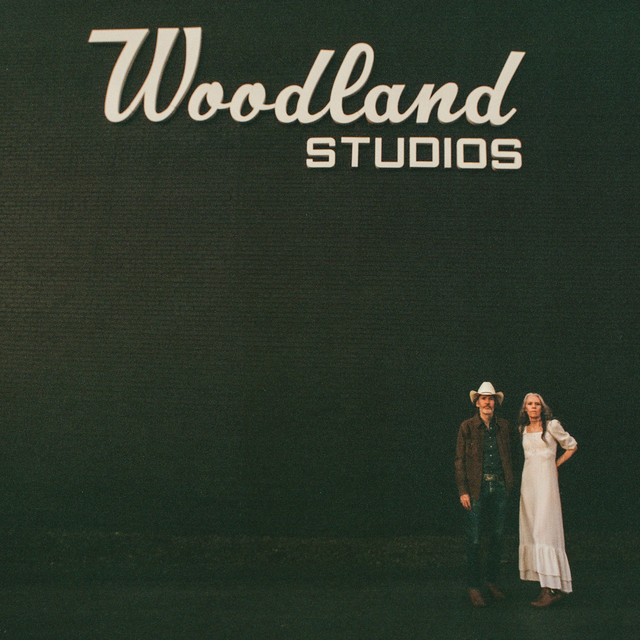
10. Gillian Welch and David Rawlings, Woodland

One advantage of creating timeless-sounding music is that as long as the songwriting remains sharp and inspired, a venerable career is nearly guaranteed. Granted, this is Welch’s first new album under her own name in well over a decade (and also the first to co-credit longtime partner/collaborator Rawlings) but it’s also the most vital she’s come across since 2001’s Time (The Revelator). It doesn’t reinvent the wheel but it doesn’t necessarily have to as Welch and Rawling’s acoustic folk feels both as out-of-time and relevant as ever.

9. Jessica Pratt, Here In The Pitch

Similarly out-of-time, Pratt’s fourth album (and the first of hers I’ve heard) sonically resembles a world securely preserved in amber (in this case, one from the mid-1960s) but here’s the catch—I wouldn’t go so far to call it retro. Rather than trying to fully recreate a past aesthetic (such as a Bacharach/David pastiche), she crafts songs that resemble transmissions from an interior plane or at least something only known to her. Never musty nor obscure, her miniatures, like the disarming, haunting “Life Is” are occasionally striking enough to stop one in one’s tracks.

8. Julia Holter, Something In The Room She Moves

More than five years on from her ambitious, often intimidating double-LP Aviary, Holter re-emerges with something seemingly crafted for these uncertain times, a gentle fever dream serving as a balm but also as a stimulant. “Celestial” feels like an apt description of the vibe it often goes for (the less charitable might say “spacy” or just plain “strange”.) If one gravitates towards music that’s by nature obscure or unknown, Holter’s your god and while I have trouble retaining her melodies (“These Morning” a notable exception), there’s enough going on in her sonic palette to hold my interest.

7. Hurray For The Riff Raff, The Past Is Still Alive

Having spent years confused and intrigued by the moniker of Alynda Segarra’s long-running project, they first captured my attention with the propulsive, anthemic “Pierced Arrows” from 2022’s Life On Earth; this follow-up is a different proposition, a concept/road trip album centered on Segarra’s recently deceased father that delves into an Americana as vivid as it is divergent from what Welch and Rawlings offered this year. Despite the immediacy of opener “Alibis”, it’s a slow-grower of a record, kind of like the last Big Thief album only arguably more focused. 

6. Beth Gibbons, Lives Outgrown

Sixteen years after Portishead’s third (and apparently last) record, vocalist Gibbons’ first solo album is a totally unexpected gift: apart from her ever-distinct vocals, it’s like little her band ever did, opting for acoustic and/or orchestral arrangements that sometimes recall Out of Season (her 2002 collaboration with Rustin Man), but only slightly. As one would hope for from such an iconoclast, this feels nearly as fresh as Dummy did in 1994 in how it often surprises the listener: the not-cloying child’s choir in “Floating On A Moment” for instance, or the percussive momentum driving the thunderous “Reaching Out”. 

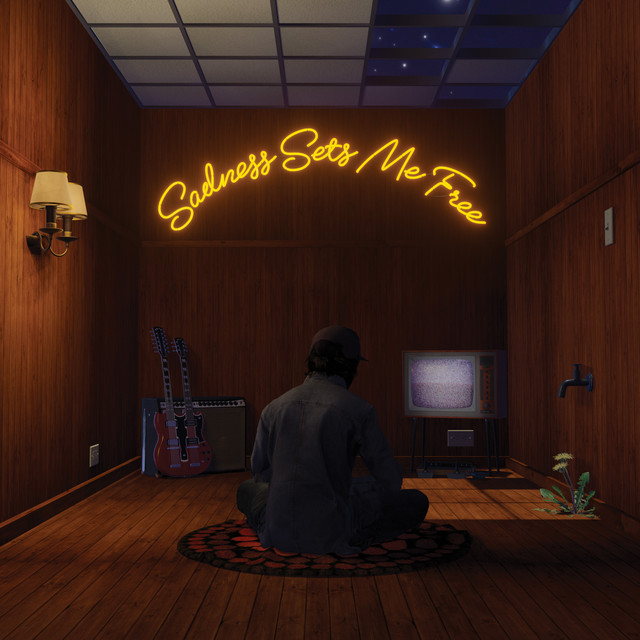
5. Gruff Rhys, Sadness Sets Me Free

Fifteen years after their last album, I no longer pine for a Super Furry Animals reunion as vocalist Gruff Rhys has produced a back catalog as nourishing as his old band’s. Sonically, this is not wildly different from 2021’s Seeking New Gods, carrying on that record’s orchestral sweep and pastoral climate. What’s new is a melancholia that Rhys communicates eloquently and defends convincingly, from the opener title track to closer “I’ll Keep Singing” (which cunningly reprises the former.) Also, delicately soaring non-single and hidden gem “Peace Signs” is (for what it’s worth) one of my most-played songs on Spotify this year.

4. Laura Marling, Patterns In Repeat

Arriving four years after Songs For Our Daughter which was crafted in anticipation of having a child, Marling’s latest is about actually becoming a mother. While such a concept risks preciousness, her gimlet-eyed view has only softened slightly. With her arrangements stripped down to percussion-less, near Fan Dance-levels, the resultant song cycle is her most complete-sounding album since 2015’s Short Movie or maybe even 2010’s landmark I Speak Because I Can. “Child of Mine” could be a future standard, while the extraordinary “The Shadows” relays Marling’s rare talent as beautifully as anything she’s done since her first recordings as a teenager.

3. Arooj Aftab, Night Reign

As with Jessica Pratt above, this Pakistani-American vocalist’s fourth album snuck up on me and offered considerable solace during an exhausting year. With a deep tone occasionally reminiscent of Sade, one could categorize her music (much of it sung in her native tongue) as a jazz/world music fusion, maybe a cross between Natacha Atlas and Cassandra Wilson. Still, Aftab’s unique blend of genres and cultures is arguably her own. “Raat Ki Rani” even has something approaching a hook but much of Night Reign scans like a velvet-smooth burrowing into a subterranean, way-after hours dreamscape—an enchanting place to let go and get lost in.

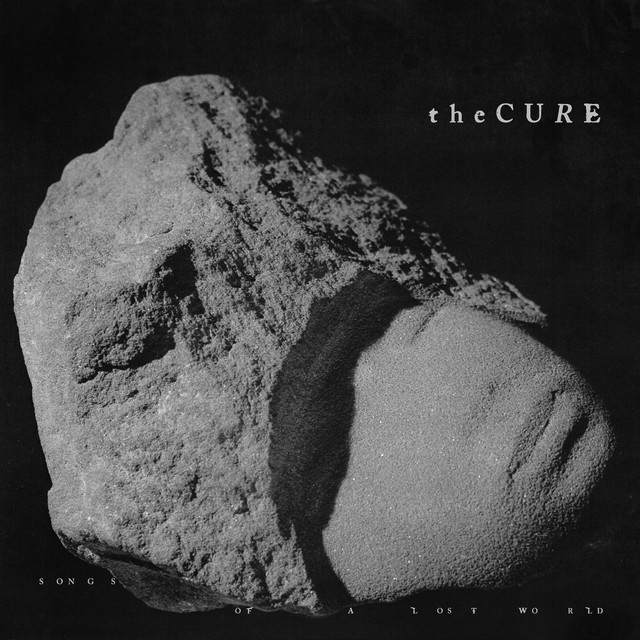
2. The Cure, Songs Of A Lost World

Long-anticipated, The Cure’s first release in sixteen years fully lives up to the promise suggested by hearing at least half of these songs in concert eighteen months ago. Remembering most of his strengths and qualities that no one else could ever hope to replicate, Robert Smith makes it sound so easy (even though the last four Cure albums would suggest otherwise.) Perhaps adhering to a rather narrow aesthetic this time (there’s nothing like “Friday I’m In Love” here) helped center him to make such a commonly focused, solid work. It won’t replace Disintegration or even Wish as anyone’s favorite Cure LP, but like the shockingly strong Tears For Fears reunion album two years ago, this is, against all odds or good reason, a “legacy artist” at the top of their game.

1. Cassandra Jenkins, My Light, My Destroyer

In large part because of her brilliant single “Hard Drive”, Jenkin’s previous album nearly ended up my favorite of 2021 before Aimee Mann unexpectedly dropped her own return-to-form. It was for the best as Jenkins’ follow-up is a real advance. Not that she could ever top “Hard Drive”, a singular creation that first appeared at a crucial moment, but My Light, My Destroyer makes an altogether more persuasive case for her as an artist. On paper, it appears to be a jumble, mixing catchy rockers (“Clams Casino”, “Petco”) with introspective ballads (“Only One”, “Omakase”), short instrumentals and conversational snippets (“Shatner’s Theme”, “Betelgeuse”) and unclassifiable combinations of some or all of the above (the gorgeous, mysterious “Delphinium Blue”.) And yet, I’m enchanted every time I put it on, compelled to consume all 37 minutes of it at once—not an easy feat in an age where there’s just so much music to pick from and pay close attention to. Happily, spending ample time with Jenkins reaps considerable rewards.

ALSO RECOMMENDED:

  • Alison Moyet, Key
  • Andrew Bird & Madison Cunningham, Cunningham Bird
  • Another Sky, Beach Day
  • Brittany Howard, What Now
  • Father John Misty, Mahashmashana
  • High Llamas, Hey Panda
  • Katie Pruitt, Mantras
  • Maggie Rogers, Don’t Forget Me
  • Michael Kiwanuka, Small Changes
  • Nilufer Yanya, My Method Actor
  • Pet Shop Boys, Nonetheless
  • Quivers, Oyster Cuts
  • Real Estate, Daniel
  • SUSS, Birds & Beasts
  • The The, Ensoulment
  • Tindersticks, Soft Tissue
  • Wand, Vertigo
  • Waxahatchee, Tigers Blood

2022: Extraordinary Colors

The year I came back, heck, we all came back from the dead even if the pandemic wasn’t technically over. Still, with such irrevocable change, all we could do was go forward. In that regard, Jessie Ware’s “Free Yourself” best summed up 2022: an invitation to the dancefloor (among other activities), a commandment more than a request, it pleaded for renewal, self-expression and cathartic release. An advance preview of her 2023 album That! Feels Good!, it was also a natural progression from 2021’s best song, “Like I Used To”: “Keep on moving up that mountaintop,” indeed.

Even if their albums didn’t crack my top ten, a number of veteran acts put out exceptional singles this year: Beach House fine-tuning their dream-pop gauze with “Superstar”, Alison Goldfrapp returning as a guest on Royksopp’s burbling epic “Impossible”, Hurray For The Riff Raff’s searing, anthemic “Pierced Arrows”, Regina Spektor still a delightful weirdo on the tip-top whimsy of “Up The Mountain”, even The Dream Syndicate, having now released as many albums in the past decade as in their original 1980s incarnation proving their continued worth with “Damian”—as brisk and cool as an evening wind.

Among artists new to me in 2022: Hatchie, whose “Quicksand” pays homage to late Cocteau Twins and gets away with it for being as precise and pleasurable as late Siouxsie and the Banshees; Alex G, an indie weirdo crafting jingle-worthy jangle pop on “Runner” while managing to turn the lyric, “Load it up, know your trigger like the back of my hand” into a sing-along hook; Anais Mitchell, composer of Broadway smash Hadestown returning to her roots as an incisive yet ethereal folk-pop singer-songwriter, and The xx’s Oliver Sim in his solo debut, a sly, queer commentary too jaunty and droll to fit in his band’s discography (and presented to best effect in Yann Gonzalez’s short film Hideous.)

Also: Tears For Fears reunited and made an album that didn’t suck, Yeah Yeah Yeahs reunited and made an album that was at best inconsequential save for the dramatic, searing “Burning”, Junior Boys returned with Waiting Game which lacked actual tunes expect for the evocative closer of a title track and First Aid Kit showed they’re ready for world domination even if the Fleetwood Mac-worthy “Out of My Head” wouldn’t actually accomplish it. Both venerable Canadians (Alvvays, Stars, Destroyer) and Australians (Rolling Blackouts Coastal Fever, Darren Hayes) alike contributed solid additions to their catalogues, as did American Father John Misty whose “The Next 20th Century” posited the flipside of Ware’s rejuvenation—a quietly sinister, panoramic and prescient view of a radically changed world.

2022: Extraordinary Colors

  1. Jessie Ware, “Free Yourself”
  2. Hurray For The Riff Raff, “Pierced Arrows”
  3. The Dream Syndicate, “Damian”
  4. First Aid Kit, “Out of My Head”
  5. Alvvays, “Belinda Says”
  6. Hatchie, “Quicksand”
  7. Beth Orton, “Fractals”
  8. Destroyer, “June”
  9. Beabadoobee, “Talk”
  10. Andrew Bird, “Inside Problems”
  11. Stars, “Capelton Hill”
  12. Big Thief, “Simulation Swarm”
  13. Alex G, “Runner”
  14. Cate Le Bon, “Remembering Me”
  15. Regina Spektor, “Up The Mountain”
  16. Arctic Monkeys, “Body Paint”
  17. Jenny Hval, “Year of Love”
  18. Yeah Yeah Yeahs, “Burning”
  19. Orville Peck, “C’mon Baby, Cry”
  20. Carly Rae Jepsen, “Talking To Yourself”
  21. Tears For Fears, “The Tipping Point”
  22. Calexico, “Harness The Wind”
  23. Hot Chip, “Guilty”
  24. FKA Twigs, “Killer”
  25. Wet Leg, “Wet Dream”
  26. Sylvan Esso, “Alarm”
  27. Sharon Van Etten, “Mistakes”
  28. Royksopp/Alison Goldfrapp, “Impossible”
  29. Angel Olsen, “Go Home”
  30. Father John Misty, “The Next 20th Century”
  31. Steve Lacy, “Bad Habit”
  32. Rolling Blackouts Coastal Fever, “Bounce Off The Bottom”
  33. Florence + The Machine, “My Love”
  34. Beach House, “Superstar”
  35. Junior Boys, “Waiting Game”
  36. Spoon, “Lucifer On The Sofa”
  37. Darren Hayes, “Let’s Try Being In Love”
  38. Metric, “All Comes Crashing”
  39. Anais Mitchell, “Brooklyn Bridge”
  40. Oliver Sim, “Run The Credits”