Requiem For A Used Record Store (Revisited)

Will be posting some old essays from former blogs of mine over the next few weeks as I take a hiatus from new writing; this piece was fun to revisit two decades on.

On January 1, 2005, another used-record store bit the dust: Disc Diggers in Davis Square, Somerville, Mass. While never my favorite recycled music shop, I’d pop in once every couple of months (grudgingly handing over my backpack to someone behind the counter) and occasionally find just what I was looking for.

I made my last Disc Diggers purchase on the last Saturday of the previous September. I had taken my bike across town on the T to ride the Minuteman Trail from Alewife Station to Bedford Depot and back. Exhausted and sweaty, I entered the store thinking, “OK, I’ll only buy something if they have Sally Timms’ In the World of Him or Tegan and Sara’s So Jealous.” When I spotted the former after running my fingers through racks and racks of new releases, dust-covered castaways and pitiable also-rans, I felt a rush of adrenalin–maybe not enough to take another ride on the Minuteman, but a sufficient reminder as to why I obsessively rummaged through one used-record store after another. It’s not just the goal of finding that particular CD I didn’t want to pay full price for or potentially unearth a buried treasure that could change my life. The challenge, the chase, the pursuit was just as essential.

The prototypical used-record store straight out of Nick Hornby’s novel High Fidelity endured for decades. I wasn’t aware of them until I turned eighteen. That year, CD Exchange, a three-store chain opened in the Milwaukee suburbs. As the name suggested, they didn’t traffic in vinyl or cassettes. The whole concept was foreign and questionable to me–selling CDs you no longer wanted… and buying other CDs someone no longer wanted… and hearing them right there in the store, at one of eight personal listening stations! It seemed too good to be true, and I approached the establishment with timid adolescent caution. However, the burgeoning bargain hunter in me (spurred on by working at a detestable, low-wage food service job) soon conceded, and I eventually made the rounds at the CD Exchange near Southridge Mall more often than Best Buy or local indie chain The Exclusive Company.

Alas, CD Exchange was an anomaly, a young upstart, a business perfectly suited for a mini-mall; nothing at all like Second Hand Tunes, my first real used-record store. Nestled on the corner of Murray and Thomas in Milwaukee’s East Side (and technically part of a chain that included a few Chicago locations), it was exactly like the store in High Fidelity only smaller, more condensed. At both windows sat wooden bins jammed with rows of plastic slipcases holding hundreds (thousands?) of CD booklets–all discs were kept behind the counter to discourage/prevent shoplifting. Tall, vertical see-through cases of cassette tapes made up the elevated employee counter at the other two ends of the square-shaped room, and in the store’s center, a giant, double-decker, C-shaped bin held most of the vinyl. Naturally, the windows and walls were plastered with cultish film and music posters of the Jimi Hendrix/A Clockwork Orange variety.

I spent many a Saturday afternoon in the mid-90s at that place, often flipping through every last slipcase, picking up used copies of stuff like They Might Be Giants’ Apollo 18, The Clash’s London Calling, and the Dukes of Stratosphear’s Chips From the Chocolate Fireball. Given their immense selection and my tenacity and dedication, I always found at least one thing to buy, if not two or five. I regularly saw guys (customers at these places were predominantly male) with teetering stacks of fifteen or twenty discs in their hands, and I couldn’t imagine getting together the funds to make such a weighty purchase.

Before long, I began thumbing through the neglected dollar vinyl that sat in a wooden crate on the floor beneath the CDs. At that point, it had been four or five years since you could find any vinyl in most new record stores. At the height of my wannabe urban hipster phase, vinyl was uncool in most mainstream circles, thus cool to me. I loved the comparatively life-sized cover art and the cheap thrill of picking up something I’d been secretly itching to hear (like Missing Persons’ Spring Session M) for only a buck.

I acquired a cheap-ass table-top stereo with turntable and amassed a collection of about 50 or so vinyl records with a year. I drove all over the city and the outlying ‘burbs, habitually visiting likeminded businesses such as Rush-Mor, Prospect Music and national chain Half-Price Books (they sold music, too.) Between that and continuing to buy new CDs at the big stores and through at least three of those “Buy 12 CDs for the price of one!” deals you used to always find inserted in Rolling Stone, for the first time in my life, I had more stuff to listen to than I knew what to do with.

Whenever people ask me (sometimes contemptuously) how in the world I’ve ever heard of band X or know of singer Y, I guess this partially explains how I became such a music geek. Kinda like a chain reaction, really: you discover something you like, and then it encourages you to check out something else (or, if you’re as fervent as I am, five or ten other things) and so on.

I had nearly as much difficulty leaving Second Hand Tunes behind as I did my family and friends when I moved to Boston in 1997. You’d expect to find an adequate replacement in every other neighborhood in the most college-friendly metropolis on the East Coast, but I’m not sure I fully did. The closest I came was Record Hog, a triangular corner shop steps away from the Cambridge/Somerville town line near Porter Square. They didn’t carry cassette tapes (by 1999, precious few places did) but everything else was perfectly, warmly familiar. More often than not, two cats sprawled their lazy selves across the centerpiece CD case and you’d have to gently lift them off the row of the discs you wanted to look through. This was where I made my greatest on-a-whim purchase ever (Ivy’s Apartment Life), in addition to fabulous buys like a promo copy of Stew’s The Naked Dutch Painter… and Other Songs (stumbled upon a week before you could buy it at Newbury Comics!), Gordon Gano’s Hitting the Ground and Bellavista Terrace: The Best of the Go-Betweens, among many others.

Alas, Record Hog closed in early 2003 and supposedly moved to a small town in Western Mass (I can’t remember which town and a Google search for “Record Hog” brings up little but costly pork prices). I continued acquiring a lot of used CDs every year, most of them from the local chain CD Spins, a true successor to CD Exchange. In each location, discs literally lined the walls from ceiling to floor. A CD Spins visit more or less satisfied my used-music jones, but it was like trying to get high off a pack of Marlboro Lights. I couldn’t possibly ever take in each store’s massive stock at once (at least half of it obscure $1.99 crap), so I skimmed through a mental list of stuff I’d like to get, which made it shopping with a goal in mind instead of a free-form stress-relieving act of discovery. A few used-music establishments with potential still lurked within various corners of Boston and Cambridge (and a handful even carried vinyl), but most of them were either too expensive or limited in their selection.

My last visit to Second Hand Tunes was in October 2000. In town briefly for a friend’s wedding, I had an extra day to visit a few hangouts that were once so dear to me: Kopp’s Frozen Custard, Klode Park in Whitefish Bay, and Second Hand Tunes. I hadn’t set foot in the store in more than two years and was surprised to find it haphazardly rearranged. The discs sat where the vinyl used to be, and they now even carried DVDs. Two employees I didn’t know talked loudly to each other behind the counter, watching clips of a training video for the Bronx police department. I made a customary run through the slipcases, briefly considered purchasing Bebel Gilberto’s Tanto Tempo, and then left without doing so. On my next trip two years later, the windows were papered up and a pitiful “Office Space for Lease” sign sat in one of them. Around the time I moved out East, one of the store’s old managers opened up his own used-vinyl/CD haven two blocks away. I made an effort to visit it every time I was back in town.

I missed Second Hand Tunes, Record Hog and all the rest. I no longer bought vinyl but still had enough disposable income to justify the hours I spent feeding my used CD fix. I wasn’t against buying music on Amazon or iTunes, although I knew that to an extent, both were doing their part to put the oldfangled High Fidelity stores out of business. I’d just about given up on finding a replacement that captured the personable, homey feel of those places. Thankfully, none of that distracted from the pleasure I still received from a newly acquired album, particularly one that resonated on the first spin.

2025 POSTSCRIPT:

Most remaining used CD stores went kaputt in the five-to-ten years after I wrote the above essay. I’ll never forget a depressing visit to an on-its-last-legs CD Spins which seemed packed to the gills with dozens of copies of the same, unloved used product, a far cry from when I spotted a rare copy of the import-only The Misadventures of Saint Etienne for thirteen bucks there a few months after posting this piece. Overall, I dealt with the demise of used CDs miserably, reduced to downloading entire albums from iTunes, patiently awaiting the convenience (if not the same sort of thrill) that streaming music would provide.

I certainly did not see the vinyl revival coming. By late 2016, I said fuck it and purchased an affordable but not cheap-sounding Audio-Technica turntable, hooked it up to my Bose stereo (with CD player!) and learned to love vinyl again—not always an affordable pastime in its own right (especially given the hike in pricing since Covid). Fortunately, it does scratch that music-purchasing itch, especially at such fine stores as Sonic Boom in Toronto, Irving Place Records in Milwaukee (owned by a former associate of the guy who managed Second Hand Tunes) and Lost Padre Records in Santa Fe, where on a visit in 2023 I picked up used, reasonably-priced vinyl copies of both the Starstruck soundtrack and Stevie Wonder’s Journey Through The Secret Life of Plants.
On David Lynch

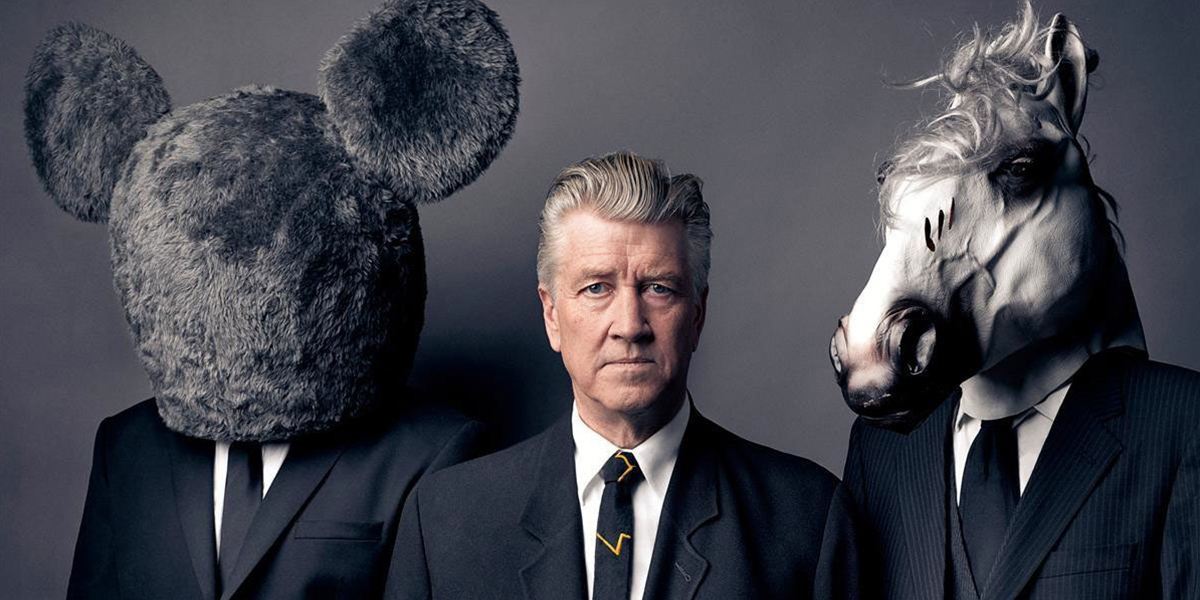
At 15, I wasn’t ready for David Lynch, who passed away at age 78 last week. Forced to watch The Elephant Man in an English class called “Modes of Literature” (film I suppose being one of the “modes”), it thoroughly freaked me out, not in a scary-horror way but as art then-waaaay beyond my comprehension. My response was that of an average adolescent: condescending disbelief to its merit, later earning easy laughs at a party with my lazy John Merrick impression. Twin Peaks first aired the same year; maybe I knew that it was co-created by the same person who directed The Elephant Man, but it was off my radar, only witnessed through media sound bites and Kyle McLachlan’s hosting stint on Saturday Night Live featuring the obligatory parody of the show.

Twin Peaks: Fire Walk With Me would end up the second Lynch feature I saw at the urging of a girlfriend; having not seen the show, it didn’t resonate with me at all. That same year, when Lynch appeared on the cover of Rolling Stone to promote Lost Highway, I had no idea who this odd, middle-aged, wavy-haired man was standing off to the side and behind a particularly dopey-looking Trent Reznor, composer of the film’s score (the latter would go on to do much, much better work of this sort.)

I moved to Boston for film school later that year and finally saw Blue Velvet on a rented VHS tape. By then, I was ready. While not as life-changing as other cinema masterworks I was regularly exposed to at the time, this was the first Lynch I appreciated and at least thought I understood even as it exposed me to ideas and types of characters I hadn’t seen before (I mean, where did Dennis Hopper’s unhinged but also ultra-specific monster come from?) Two years later, I also rented The Straight Story—perhaps the most anomalous Lynch feature, but effective in conveying how many different shades he could paint in while still resembling no one else.

Another two years after that, Mulholland Drive cracked open my world. The first Lynch I saw in a theater, it was such a visceral, spellbinding experience that I watched it again at a second-run house three months later and bought the DVD upon release. I’ve written extensively about it here and will add that it not only transformed the way I viewed Lynch’s art, it was also one of those “life-changing” movies I referred to earlier; some days, it is my favorite film of this still-young century.

Viewings of Eraserhead and the first season of Twin Peaks followed (like many, I drifted through the second season save for the startling finale), along with a rewatch of The Elephant Man at age 30 (this time in a cinema) which moved me profoundly. Not everything Lynch made was golden (Lost Highway feels like a failed attempt at what he’d perfect with Mulholland Drive), but my increasing familiarity with his oddball perspective, the sometimes-bizarre cadences his characters would speak in, and his use of the surreal not as a means to an end but a portal into the previously unimaginable all rendered him more essential in my mind. His work was the artistic expression of a mind that had little precedent, which is what all great, groundbreaking art aspires to.

He kept pushing boundaries: Inland Empire, a deep (and deeply weird) down-the-rabbit role psychodrama and a vehicle for everything Laura Dern could do as an actress and a muse; and Twin Peaks: The Return, a radical reboot that subverted expectations and further expanded the original series’ mythology while also wildly turning it inside out. Most of us hoped Lynch would make another feature or perhaps even more Twin Peaks, but The Return is almost a perfect career apotheosis, its final words (“What year is it?”) a question one could apply to the ever-shifting worlds his art delved into.

I did see Lynch in person at the Boston premiere of Inland Empire at the Brattle Theater. During a Q&A following the screening, Lynch was sui generis, refusing to provide concrete A’s to any of the audience’s Q’s. Towards the end, while conversing back-and-forth with a woman unable to clearly articulate what she wanted to ask him, he affably but firmly (and loudly) asked her in his inimitable, flat near-drawl, “WHAT’S YOUR PROBLEM?” Regardless of whether one loved or hated Inland Empire that night, those three words in that voice made the evening transcendent.

2024: Abandon The Crowd

We’ve reached the end of this year-long project where I posted an annual playlist every week in chronological order. I kicked it off acknowledging my uncertainty as to how comprehensively one could sum up a single year in 30 or 40 songs; 50+ weeks later, I don’t have a definitive answer to that question, only confirmation that each year produces a wealth of great tunes—it’s all a matter of seeking them out or, more specifically, remaining open to discovering them.

As noted in my Best Albums of 2024, this year was a particularly taxing and chaotic one (as will most national election years be going forward, I fear.) Music (and art in general) provides, if not a reason to endure it all, at least some comfort and enjoyment. The power of a song you want to play over and over again is not to be denied or underestimated. Thus, the return of simple but utterly transcendental pop music (Sabrina Carpenter, Chappell Roan, even the first Billie Eilish song I’ve unabashedly loved) felt as inevitable as the disco/dance revival from four years before. If some artists couldn’t sustain such a vibe over an entire album, bite-sized highlights such as Jamie xx’s Robyn-starring sonic whirlwind or Aussie jangle-pop outfit Quivers’ precise, invigorating 1980s pastiche provided abundant nourishment.

Increasingly and (given the times) predictably I gravitated towards music that offered relief and a sense of blissful escape: Real Estate expertly channeling Big Star and The Go-Betweens, Kacey Musgraves edging further into folk-rock worthy of prime Sheryl Crow, Michael Kiwanuka reemerging after a five-year absence on a bed of lush and gently effervescent soul. Still, there’s tension in the gap between the pillow-soft soundscapes of Cigarettes After Sex, Hurray For The Riff Raff and Arooj Aftab and the spikier dissonance of Nilufer Yanya, Father John Misty and an ever-musically-evolving Yola. Splitting the difference between these poles is another returning veteran: while Alison Moyet’s reimagining-tracks-from-her-past-catalog project Key yielded enough varied results for it to just miss my top ten albums list, “Such Small Ale”, one of its two new songs offered solace in its arresting melody and Moyet’s undiminished voice but also urgency in its rejection of complacency, compelling us to think about where and how we find (and remain open to finding) meaning and purpose in this crazy, frustrating and occasionally sublime world.

2024: Abandon The Crowd

  1. Hurray For The Riff Raff, “Alibi”
  2. Sabrina Carpenter, “Espresso”
  3. The Last Dinner Party, “The Feminine Urge”
  4. Father John Misty, “She Cleans Up”
  5. The Cure, “A Fragile Thing”
  6. Gossip, “Real Power”
  7. Jamie xx/Robyn, “Life”
  8. Yola, “Future Enemies”
  9. Tindersticks, “New World”
  10. Arooj Aftab, “Raat Ki Rani”
  11. Gillian Welch & David Rawlings, “The Bells and The Birds”
  12. Andrew Bird & Madison Cunningham, “Crying In The Night”
  13. Pernice Brothers, “Who Will You Believe”
  14. Gruff Rhys, “Peace Signs”
  15. Quivers, “Never Be Lonely”
  16. Beabadoobee, “Take a Bite”
  17. Alison Moyet, “Such Small Ale”
  18. Kacey Musgraves, “Cardinal”
  19. Nilufer Yanya, “Like I Say (I Runaway)”
  20. Camera Obscura, “Big Love”
  21. Cigarettes After Sex, “Baby Blue Movie”
  22. Beth Gibbons, “Floating On A Moment”
  23. Laura Marling, “The Shadows”
  24. The The, “Cognitive Dissident”
  25. Cassandra Jenkins, “Clams Casino”
  26. Julia Holter, “These Morning”
  27. Michael Kiwanuka, “Floating Parade”
  28. Waxahatchee, “Bored”
  29. Another Sky, “Playground”
  30. Pet Shop Boys, “Feel”
  31. Billie Eilish, “Birds Of A Feather”
  32. Vampire Weekend, “Prep-School Gangsters”
  33. Brittany Howard, “Prove It To You”
  34. Suzanne Vega, “Rats”
  35. Orville Peck, Kylie Minogue & Diplo, “Midnight Ride”
  36. Real Estate, “Flowers”
  37. Pond, “(I’m) Stung”
  38. Chappell Roan, “Good Luck, Babe!”
  39. Jessica Pratt, “Life Is”
  40. Maggie Rogers, “Don’t Forget Me”

1999: When It Costs Too Much To Love

I kicked off 1999 not with that Prince song (the Chicago bar I attended that New Year’s Eve played the intro before its patrons verbally demanded a cease-and-desist) but by falling deep into 1996’s If You’re Feeling Sinister, a premonition. This was one of the more disjointed and new music-deficient years of my life. Between stumbling across the finish line of grad school and desperately seeking steady employment, I took a four month long mental health break from doing much of anything (“A Summer Wasting”, if you will), leaving me with no money to spend on music. I adapted accordingly, raiding a plethora of suburban libraries to acquire previously unheard (i.e.—old) stuff ripe for discovery (Nina Simone, Serge Gainsbourg, Os Mutantes, etc.) Still, even if I had had the cash, it’s not like I’d have been rushing out to buy any of the year’s best-sellers.

What endures from this transitional period is something of a grab bag. We have tracks from both long-beloved artists—a sweet sigh from Everything But The Girl’s last album (until 2023!), Aimee Mann’s Magnolia soundtrack triumph, another indelibly-titled Pet Shop Boys single—and good stuff I didn’t hear until much later: Le Tigre’s unstoppable party anthem (not fully appreciated by me until its inclusion in the 2006 film Reprise), Super Furry Animals’ Tropicalia-by-way-of-Wales, The Negro Problem essaying a heavenly ballad leader Stew would include in his Tony-winning musical nearly a decade later. And yet, I recognize selections I knew and loved at the time, like the lead-off track to Beth Orton’s mostly forgotten second album, Ben Folds Five’s flop follow-up to “Brick” (how did their label think that could be a hit in the mook-rock era?!), Blondie’s underrated (in the US, anyway) reunion single and an Indigo Girls tune that didn’t trouble the pop charts but received heavy rotation on Boston’s WBOS (then a decent Triple-A station).

Of course, I was never going to hear The Magnetic Fields or Sleater-Kinney without actively seeking them out. Same goes for Jason Falkner, whose second LP Can You Still Feel was a lucky library find not long after its release. As for Fiona Apple’s impossibly-titled second album (which I picked up in early 2000), today it less resembles 1999 than an ongoing future/past/present, even on such heavily indebted-to-the-past (in this case, the Beatles and the Great American Songbook) three-minute masterworks like “Paper Bag”.

1999: When It Costs Too Much To Love

  1. Le Tigre, “Deceptacon”
  2. Beth Orton, “Stolen Car”
  3. Jason Falkner, “The Plan”
  4. Everything But The Girl, “No Difference”
  5. Supergrass, “Moving”
  6. Fiona Apple, “Paper Bag”
  7. Pet Shop Boys, “You Only Tell Me You Love Me When You’re Drunk”
  8. Tom Waits, “Hold On”
  9. Tori Amos, “Bliss”
  10. Aimee Mann, “Save Me”
  11. Steve Wynn, “Cats and Dogs”
  12. Ben Folds Five, “Army”
  13. The Magnetic Fields, “All My Little Words”
  14. Hedwig and the Angry Inch, “Wicked Little Town”
  15. Blur, “Coffee and TV”
  16. Indigo Girls, “Peace Tonight”
  17. Fountains of Wayne, “Red Dragon Tattoo”
  18. Meshell Ndegeocello, “Bitter”
  19. Moby, “Why Does My Heart Feel So Bad?”
  20. Sleater-Kinney, “Don’t Talk Like”
  21. Blondie, “Maria”
  22. Super Furry Animals, “Northern Lites”
  23. Guster, “Fa Fa”
  24. Ani DiFranco, “Everest”
  25. Roxette, “Wish I Could Fly”
  26. Delirium feat. Sarah McLachlan, “Silence”
  27. Cibo Matto, “Spoon”
  28. Emm Gryner, “Disco Lights”
  29. Dido, “Here With Me”
  30. The Negro Problem, “Come Down Now”
  31. Madonna, “Beautiful Stranger”
  32. The Chemical Brothers, “Let Forever Be”
  33. R.E.M., “The Great Beyond”

1998: I Am Not Jesus, Though I Have The Same Initials

Pulp’s This is Hardcore was a hangover of a follow-up to their celebrated LP Different Class from two years before, and it’s emblematic of the time when it came out. Although never a single, “Dishes” instantly impressed me, and not just for its indelible opening lyric quoted above (only Jarvis Cocker would dare to make such a comparison.) Later, he sings, “A man once told me, beware of 33 / He said, ‘It was a not an easy time for me.’” I was 23 in 1998, but I could still relate—it was my first full year in Boston and I spent all of it in the graduate student interzone, with my life almost entirely focused on academia. Apart from my classes, I was alone most of the time.

As a film studies student, movies admittedly supplanted music as an art form to obsess over, although the latter barely diminished as a presence in my life. Not having cable/MTV and deliberately avoiding the top 40, I relied on Boston’s WFNX (by far the more diverse of the city’s two alt-rock stations) to discover some new music—I first heard “History Repeating”, “Lights are Changing” and “Slimcea Girl” there (and would likely never know the last one otherwise.) And with that, I was off on my own, feverishly awaiting new recordings from artists I already adored (Saint Etienne, PJ Harvey, Morcheeba, Tori Amos) and looking beyond commercial radio for new-to-me sounds from the past in the guise of college radio stations like WERS (an entirely different animal from what it is today) and WMBR.

Looking over this list now, I can’t find any rhyme or reason to it. I’ve gone on about alt-rock entering a rapid decline in the late ’90s, but this might be one of the last great years for top 40 pop as well: REM, Seal, Madonna and Sheryl Crow, as well as endearing electronica (remember that term?) novelties (Fatboy Slim, Stardust.) Note all the great one-offs too, from Komeda’s Stereolab-gone-pop to Billy Bragg and Wilco’s historic Woody Guthrie collab. I can even spot a few first-timers that will heavily figure into these playlists over the next decade and beyond: Canadian singer-songwriter Emm Gryner with an anthem from her only major label album; fellow Canadian singer-songwriter Rufus Wainwright making quite the splash on his attention-getting debut; Calexico’s mariachi-inflected noir solidifying on a highlight from their second full-length.

Finally, one day I will write a longer essay on Massive Attack’s Mezzanine as I currently listen to it more than any other album from this year except for Good Humor

1998: I Am Not Jesus, Though I Have The Same Initials

  1. Propellerheads feat. Miss Shirley Bassey, “History Repeating”
  2. Emm Gryner, “Summerlong”
  3. Rufus Wainwright, “April Fools”
  4. Pernice Brothers, “Clear Spot”
  5. Mary Lou Lord, “Lights are Changing”
  6. Saint Etienne, “Sylvie”
  7. Pulp, “Dishes”
  8. Calexico, “Stray”
  9. Lucinda Williams, “Right in Time”
  10. PJ Harvey, “A Perfect Day Elise”
  11. Depeche Mode, “Only When I Lose Myself”
  12. Billy Bragg and Wilco, “California Stars”
  13. Air, “You Make It Easy”
  14. Morcheeba, “Part of the Process”
  15. Komeda, “It’s Alright, Baby”
  16. Black Box Recorder, “Child Psychology”
  17. Tori Amos, “Black-Dove (January)”
  18. Massive Attack, “Dissolved Girl”
  19. Madonna, “Ray of Light”
  20. Liz Phair, “Polyester Bride”
  21. Amy Rigby, “All I Want”
  22. Stardust, “Music Sounds Better With You”
  23. Soul Coughing, “St. Louise Is Listening”
  24. Mono, “Slimcea Girl”
  25. Bonnie Raitt, “Spit of Love”
  26. The Divine Comedy, “The Certainty of Chance”
  27. Ani DiFranco, “Little Plastic Castle”
  28. P.M. Dawn, “Art Deco Halos”
  29. Garbage, “I Think I’m Paranoid”
  30. Fatboy Slim, “Praise You”
  31. Belle & Sebastian, “Slow Graffiti”
  32. Seal, “Lost My Faith”
  33. New Radicals, “Gotta Stay High”
  34. R.E.M., “At My Most Beautiful”
  35. Sheryl Crow, “My Favorite Mistake”

1996: One Was Magenta, The Other Was Blue

By this year, music permeated my life more than it ever had before. Between regular used record store visits (including dollar vinyl bin dives), library CDs dubbed onto blank cassettes and “Ten Albums for the Price of One” record clubs (Columbia House, BMG, CD-HQ—I did ‘em all), I amassed a collection of more product than I could ever absorb. I stopped at a record store that September after a few weeks of deliberately avoiding them to save up some cash, about to burst at the seams with joy upon seeing all the new records I wanted to buy. I selected six of that year’s releases for my 100 Albums project and just as easily could’ve picked at least four more (Diary of A Mod Housewife, Viva! La Woman, Endtroducing… and Nine Objects of Desire, for starters) if I didn’t feel weird about including ten for a single year.

As with 1995, my age obviously factored into this. Everything at 21 still felt so new and limitless to me where music was concerned. While the alt-rock bubble had burst, it had not yet fully soured into the dubious mutations (nu-metal, mook rock and Smashmouth) that overtook it in the late ‘90s. Like any other year, this one had its share of pedestrian (311), overplayed (oh, I don’t know, “Macarena”?) and just plain godawful (hello, Bush!) hits. But look at Primitive Radio Gods topping the modern rock airplay chart for six weeks! Or agreeable novelty hits from Fountains of Wayne, Beck and Geggy Tah! Not to mention all the wonderful stuff not on your radio, from Sloan’s Chicago (the band)-gone-indie-pop gem to an improbable but divine duet between Nick Cave and Kylie Minogue!

The relative lack of real obscurities here (even Cibo Matto got on MTV) suggests indie’s infiltration of the mainstream was at one of its intermittent peaks though I suspect many listeners have never heard “Percolator”, “Power World” or even “I Wanna Be Your Joey Ramone”. I myself did not hear DJ Shadow’s expansive, sample-built mood collage or Belle and Sebastian’s version of indie-pop more informed by Vince Guaraldi than Tom Verlaine until later (though in the latter’s case, not too much later) but both influenced particular musical genre strands that remain in heavy rotation through this day, even if I don’t care too much about recent work by either artist.

1996: One Was Magenta, The Other Was Blue

  1. Beck, “Devil’s Haircut”
  2. Aimee Mann, “Choice In The Matter”
  3. Belle and Sebastian, “Seeing Other People”
  4. Fountains of Wayne, “Radiation Vibe”
  5. Super Furry Animals, “Something 4 The Weekend”
  6. Nick Cave & The Bad Seeds with Kylie Minogue, “Where The Wild Roses Grow”
  7. Pet Shop Boys, “Se a Vida E (That’s The Way Life Is)”
  8. Cowboy Junkies, “Something More Besides You”
  9. Morcheeba, “Small Town”
  10. Jason Falkner, “I Live”
  11. Suzanne Vega, “World Before Columbus”
  12. Sam Phillips, “Power World”
  13. Amy Rigby, “20 Questions”
  14. Fiona Apple, “Sleep To Dream”
  15. Squirrel Nut Zippers, “Put A Lid On It”
  16. Gillian Welch, “Pass You By”
  17. Cibo Matto, “Know Your Chicken”
  18. Patti Smith, “Summer Cannibals”
  19. Sloan, “Everything You’ve Done Wrong”
  20. R.E.M., “Binky the Doormat”
  21. Luscious Jackson, “Naked Eye”
  22. The Divine Comedy, “Becoming More Like Alfie”
  23. DJ Shadow, “Stem/Long Stem”
  24. Stereolab, “Percolator”
  25. Sheryl Crow, “Home”
  26. Ani DiFranco, “Adam and Eve”
  27. Tori Amos, “Hey Jupiter”
  28. Pulp, “Mile End”
  29. Suede, “Trash”
  30. Sleater-Kinney, “I Wanna Be Your Joey Ramone”
  31. Geggy Tah, “Whoever You Are”
  32. Steve Wynn, “Shelly’s Blues (Pt. 2)”
  33. Tom Petty, “Walls (Circus)”
  34. Primitive Radio Gods, “Standing Outside a Broken Phone Booth With Money in My Hand”
  35. Everything But The Girl, “Mirrorball”
  36. Soul Coughing, “Super Bon Bon”

On Christmas Movies

Growing up, my parents and I revisited a canon of classic Christmas movies every year: The Bishop’s Wife featuring Cary Grant at the peak of his ineffable charm; Miracle on 34th Street with Edmund Gwenn’s archetypical Santa Claus and nine-year-old Natalie Wood giving her contemporary child actors a run for their money; Going My Way and The Bells of St. Mary’s, both starring Bing Crosby as a cool priest and in the latter sequel, Ingrid Bergman as his nun counterpart; It’s A Wonderful Life, its first three-quarters seemingly interminable to a child until George Bailey wishes he’d never been born and the rest is pure magic that director Frank Capra, James Stewart and Henry Travers (as Clarence the Angel) all sell the heck out of.

The three of us found a new holiday classic via A Christmas Story during its original 1983 theatrical run. In witnessing little Ralphie’s exhaustive efforts to ask for a Red Ryder BB Gun in 1940s Indiana (including the frozen pole licking, copious Bumpus hounds, an alarming department store Santa and his cranky helper elves, etc.), I don’t think my parents or I had ever laughed so much at the movies. An adaptation of humorist Jean Shepherd’s book In God We Trust, All Others Pay Cash, the film was only a minor box office hit (although I recall many commercials for it airing at the time.) The following year, we saw it again at the second-run Times Cinema on Vliet St. It was as riotously funny to us as the first time. A year later, after cable TV finally came to Milwaukee, seemingly everyone had seen the film. At a holiday party that year, numerous kids remarked to bespectacled me, “You look just like that kid from A Christmas Story!”

I can credit Ralphie and company for a newfound desire to find more holiday films to love. When I was 9, my mom and I attempted to watch every version of Charles Dickens’ A Christmas Carol we could see, from the 1938 edition with Reginald Owen to the then-new, made-for-TV one starring George C. Scott (I wonder if I could watch it today without thinking of his performances in Dr. Strangelove or Hardcore.) At the time, I enjoyed the novelty of 1970’s Scrooge, a musical adaptation with Albert Finney; revisiting it last year, it’s still a fizzy take on the oft-told legend with a terrific score, even if the Christmas Future sequence where Scrooge essentially goes to Hell is trippy, cheesy and very much of its time. The 1951 version still has the best Ebenezer, Alistair Sim even if his partial resemblance to Klaus Kinski makes me long for the Werner Herzog version of this story that never was.

Of all of my parents’ beloved holiday perennials, their favorite, 1942’s Holiday Inn, pairs Crosby with Fred Astaire. The former plays a New York City entertainer who retreats to the Connecticut countryside, opening a hotel/nightclub that only operates on holidays; it primarily exists as a vehicle for a selection of seasonally themed Irving Berlin compositions including the debut of what is often cited as the best-selling single of all time, “White Christmas”. My folks usually waited to watch it on Christmas Eve after I had gone to bed. By my teenage years, I began accompanying them, first viewing it on a VHS tape recorded from an airing on local independent WVTV Channel 18, then on a store-bought cassette and eventually on DVD. It soon became one of my favorites, seen so many times that I could probably recite all of its dialogue today. It hasn’t aged entirely well (gratuitous blackface number alert!) and some of the holidays celebrated are a stretch (George Washington’s Birthday?) but those Christmas (and New Year’s Eve) scenes are evergreens. The 1954 sequel titled White Christmas (duh) substitutes an absent Astaire with Danny Kaye; it’s fine but not nearly as affecting as its predecessor.

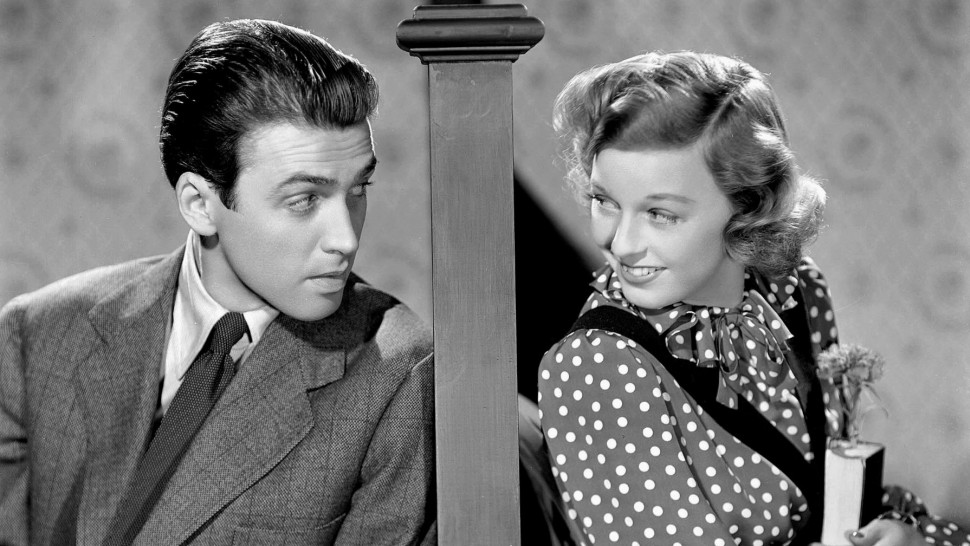
Apart from National Lampoon’s Christmas Vacation (one of my husband’s favorites), Tim Burton’s and Henry Selick’s The Nightmare Before Christmas (not a Halloween film!) and It Happened On Fifth Avenue (a hidden gem from 1947 about a benevolent bum and the kindness of strangers), as an adult I didn’t much seek out other holiday classics (despite no shortage of new ones via The Hallmark Channel) until the pandemic hit three years ago. With time on our hands and the world of streaming at our fingertips, we found a few worthy new candidates for the canon: Remember The Night, written by Preston Sturges and teaming up Fred MacMurray and Barbara Stanwyck (a few years before Double Indemnity) and Holiday Affair, a sort-of-comic noir with Robert Mitchum and a young Janet Leigh. However, the Christmas film I’ve grown to love most in the past decade is Ernst Lubitsch’s The Shop Around The Corner from 1940 with Stewart and Margaret Sullavan as two employees in a Budapest gift shop. Sharp and tender in equal measures, its stellar last twenty minutes is what all romances, comedies and romantic comedies should aspire to be.

In putting together the list below, I considered some excellent Christmas-adjacent titles like The ApartmentCarolHolidayTangerine and Catch Me If You Can. In the end, I selected only films that I felt compelled to actually watch at Christmas and not any other time of year. I did make room for this year’s The Holdovers, which doesn’t entirely comply to these rules (I first saw it in September at TIFF and the time of year did not alter my enjoyment of it); still, it already exudes enough of that elemental seasonal spirit to earn its place here.

15 Favorite Christmas Films:

  1. The Shop Around The Corner
  2. A Christmas Story
  3. The Bishop’s Wife
  4. Holiday Inn
  5. It Happened On Fifth Avenue
  6. It’s A Wonderful Life
  7. Remember The Night
  8. Miracle On 34th Street
  9. National Lampoon’s Christmas Vacation
  10. A Christmas Carol (1951 version)
  11. The Bells of St. Mary’s
  12. The Holdovers
  13. White Christmas
  14. The Nightmare Before Christmas
  15. Holiday Affair

Mix: Feels Like Summer (2003)

Twenty summers ago, I made my last ever mixtape—that is, a music mix on a C-90 cassette as opposed to a blank compact disc. A few months earlier, I had acquired my very first laptop computer (dude, I got a Dell) which allowed me to make the move from analog to digital.

By late July 2003, I had a few mix CDs under my belt but circumstance gave me an excuse to make one more mixtape. In my hometown of Milwaukee, I met up with my parents (who then lived in Iowa) for three nights; then, I spent another six nights with my friend Laura, a Chicago native whom I met as a student at Marquette University some years before. I’d moved to Boston shortly after graduation but she stayed on. Between her job at a nursery and other family commitments, I was left alone roughly half of that time to apartment-sit, see other old friends and explore the city I’d left behind. Laura lived on the East Side just off Oakland Ave and I had a blast visiting all the old haunts, from the Oriental and Downer Theatres to Bradford Beach, Atomic Records and even Klode Park out in Whitefish Bay.

With ample time on my hands, I curated a mixtape for Laura as a thankful gesture for putting me up. I had brought an entire Case Logic 128-capacity CD wallet with me stuffed with all-time faves, recent purchases and a few discs I had to review for Splendid!, a music website I wrote for at the time; I may have also schlepped a blank tape with me purposely for this task. Laura was (and continues to be) a friend I make mixes for on an annual basis, going all the way back to our senior year at MU when we first bonded as friends and I crafted her a tape she dubbed the “Kriofske Mix” (a moniker I lent to two of my (now former) blogs.)

Revisiting this mix two decades on, I feel transported back to my late 20’s, an primordial era where I apparently thought nothing of including two songs by Ani DiFranco, two tracks from the Punch-Drunk Love soundtrack, an album cut from The White Stripes’ then-new Elephant (my #2 album of that year, I haven’t listened to it in at least 15) and the gauzy opener from Blur’s then-new Think Thank (also not heard in full in a long, long time.) I had also recently gotten into The Go-Betweens, The New Pornographers and Mary Lou Lord—hearing what I selected from each again reminds me what it was like to discover an artist one connected with so instantly you’d rush out and devour their back catalog piece by piece depending on what you could find in (for me, mostly used) record stores.

Among these twenty tracks, six are from albums I reviewed for Splendid! Required to write about everything from obnoxious prog-rock to near-ambient mood music, they’re scattered across that range: Paul Brill’s genre-expanding take on Americana, Natacha Atlas doing the same for world music (and sounding entirely different), Northern State (a clever and disarmingly low-fi distaff Beastie Boys), two cuts from a compilation for a record label helmed by a member of the Cocteau Twins (including the title track above) and an a capella cover of a Pixies song on TV On The Radio’s debut EP, so new-sounding and exceptional I wasn’t surprised by the mass-acclaim their second LP Return To Cookie Mountain received three years later.

True to titular form, there’s a loose and fairly obvious summer theme going on here. My favorite section is the last five songs—“You Had Time” sets the pensive, reflective mood (much better than the other DiFranco selection, anyway) and Jeff Buckley’s dreamy, ethereal cover of Leonard Cohen’s “Hallelujah” (which I listened to about 100 times that summer) runs with it, sustained by another old-school Stuart Murdoch reverie. Somehow, the contrasting tones of Shelley Duvall and Tunde Adebimpe just fit right in. I often cringe at mixes I made decades ago, but at least the last quarter of this one hit nicely when I revisited it a few weeks back, walking under the overgrow trees of the Commonwealth Mall on an idyllic mid-summer late afternoon.

Haunted Jukebox Mix #6: Feels Like Summer (2003)

24 Frames: Me And You And Everyone We Know

In your twenties, you tend to find your people, especially if it’s in a place other than where you grew up or came of age. In my twenties, life beyond higher education was inconceivable to me until I had no other choice but to confront it. As my grad school colleagues dispersed to other cities and states, I met people through roommates, co-workers and before long, my first serious boyfriend. Most of these connections, however, proved fleeting, born of circumstance and destined to end once irrelevant. With a few exceptions (I met the boyfriend at a club on a night when I was determined to meet someone), I was drifting, waiting for things to happen rather than actively seeking them out.

Literally days before that boyfriend and I broke up two years later, I had (coincidentally or not) taken a crucial first step towards a new, more satisfying chapter of my life when I inquired about volunteering for the Brattle Theatre, a single-screen (with a balcony!), freshly non-for-profit arthouse and repertory cinema in Harvard Square. My first activity was assisting with the folding, labelling and stamping of their film calendar mailers at Ned and Ivy’s (the organization’s co-directors) apartment on a Saturday afternoon. The sort of tedious but necessary grassroots support work not uncommon to struggling non-profits, it was also a kind of social gathering—a dozen volunteers of various ages casually sprawled out around an open concept living/family room on the second floor of a Cambridge triple decker, cooperating to get the task done while a Miyazaki film or an episode of Fishing With John played on TV.

Soon a regular at this every-other-month activity, I also began volunteering a two-hour shift at the Brattle’s shoebox-sized administrative office Monday evenings after work. I assisted Ned and Ivy with any task they had for me, from stuffing envelopes to data entry of old paper box office reports. Eighteen months later, when I mentioned in passing that I had gotten abruptly laid off from my day job, Ivy notified me of an open Office Manager position at the Coolidge Corner Theatre across town in Brookline. A somewhat larger operation than the Brattle (with three screens at time), the Coolidge was/is the Boston area’s other preeminent arthouse non-profit. I got the Coolidge job but likely would not have without the inside information and encouragement I received via my Brattle volunteering. I ended up working at the Coolidge for over sixteen years until Covid put an abrupt end to that (as it did for so many other things.)

Brattle Theatre

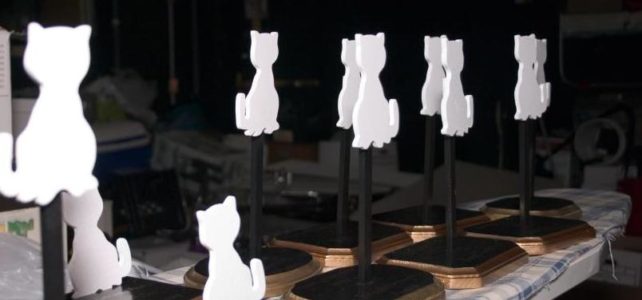
Still, my career in film exhibition is not the only opportunity I have to thank the Brattle for. At that first calendar-folding session, one of the other participants, an enthusiastic man named Michael introduced himself, asking me, “Do you see at least twenty-five indie films a year?” I certainly did, so he handed me a business card for the Chlotrudis Society For Independent Film, a local non-profit (of which he is president and co-founder) that holds an annual awards ceremony—sort of an alternative Oscars, like the Independent Spirit Awards—and also met up for weekly screenings at the Brattle, the Coolidge and other nearby cinemas. I had actually heard of the group: two years earlier when I worked part-time for a local film industry magazine, I spotted the Chlotrudis Awards as I copy-edited event listings, having to carefully scan it multiple times to comprehend/correctly spell such an unusual moniker (it’s a portmanteau of the co-founders’ two cats, Chloe and Gertrudis.) I placed the card in my wallet and promptly forgot about it.

After a full year of Brattle volunteering (and a fair amount of personal healing and growth), I finally signed up for a Chlotrudis membership online: “Why not at least check it out?,” I thought to myself. The first meet-up I attended was Catherine Hardwicke’s intense teens-gone-wild drama Thirteen at the Coolidge, followed by a group cocktail party at a member’s apartment weeks later. Within two months, I went to the High Falls Film Festival in Rochester, New York with Michael and a few other members; before long, I joined the organization’s Board of Directors. Chlotrudis provided opportunities to view with other people the independent and foreign films I more often than not had been seeing on my own; in time, I also had a new circle of friends—not only to see movies with but also engage in sometimes feisty, often engrossing discussions with via the group’s email list. Although cinema was the one thing we all had in common, we naturally discovered other shared interests such as books, music, television etc. In time, thanks to all three of these film-centered organizations, I felt part of a community in ways that I really hadn’t previously, at least not as an adult. Just a few years earlier, I was seriously considering moving back to the Midwest, at the time a place I still knew more comfortably (and which had a lower cost of living to boot.) Now, I felt firmly entrenched in Boston with a real support system I wouldn’t have had if I’d made another move and started all over again.

Along with these social benefits, actively participating in Chlotrudis also exposed me to films I might have never otherwise seen or thought to check out. While the organization honored well-known indie hits of the day such as Lost in TranslationThe Station Agent and American Splendor, it would just as likely name Lucas Belvaux’s The Trilogy as Best Picture or award Sarah Polley Best Actress for her work in the little-seen My Life Without Me. While Chlotrudis Awards’ categories generally mirror those of other ceremonies, its signature prize, the Buried Treasure, is their centerpiece: bestowed upon a film with a US gross under $250K that also never played wide (i.e., above 1,000 screens), it was purposely created to make people aware of an excellent movie that might’ve flown under the radar for most. At my first Chlotrudis Awards in 2004, this prize was given to Marion Bridge, an adaptation of a Canadian play starring Molly Parker and featuring a teenaged Elliot Page (a big fan of Canadian cinema, Michael’s championing of it over the years has exposed me to far more of it than most people south of the border ever get to see); the following year, it went to Nosey Parker, a whimsical, micro-budgeted Vermont feature. While I would’ve heard of other concurrent Buried Treasure nominees such as Infernal Affairs (later remade as The Departed) or Abbas Kiarostami’s Ten outside of Chlotrudis, it’s unlikely I would’ve thought to watch the documentary Love & Diane or the charming, low-key Uruguayan film Whiskey.

Chlotrudis Awards = cats on sticks!

Me And You And Everyone We Know is not one of those discovered-through-Chlotrudis obscurities—after premiering at the 2005 Sundance Film and winning the Camera d’Or (best first feature) at Cannes, IFC Films released it in June of that year. With a US gross of $8 million on a budget of $800,000, it was unquestionably an indie hit and a critical darling. Writer/director/star Miranda July was already well-known in performance art circles, but this feature debut reestablished her as a filmmaker first and foremost. Chances are I still would’ve seen it had I never joined the group. However, watching it with my Chlotrudis friends at the Coolidge in their 45-seat screening room was a blast. July’s gently quirky demeanor, the handmade feel of its relatively low-budget aesthetics (especially Michael Andrews’ vintage PBS-inspired electronic score), the sharp yet humane screenplay, the presence of a beloved (if unknown to most American audiences) Canadian character actor like Tracy Wright—all of it cinematic catnip as far as Chlotrudis’ sensibilities were concerned. I don’t remember if everyone in our group loved the film that evening but I can’t deny that we bonded over the shared experience which is at least one thing that fortified (and still enhances) the act of moviegoing for me.

The film is essentially a romantic comedy where one hopes the two leads will get together in the end after their meet-cute. They are Christine Jesperson (July), a video performance artist/July alter-ego whose day job is driving for an elder cab service and Richard Swersey (John Hawkes), a department store shoe salesman and recently divorced father of two. The odd (and unusually specific) surnames provide a peek into July’s trademark whimsy while the ways in which she introduces these characters (Christine in the midst of creating one of her let’s-just-say-unique art pieces, Richard when he lights his hand on fire as a desperate gesture to hold on to his marriage) feel too genuine and fully thought out to come off as just quirky for quirk’s sake. After their initial meeting at Richard’s workplace (where Christine takes a client shopping), she returns by herself to purchase a pair of shoes from him that he had previously recommended to her (“You think you deserve this pain, but you don’t,” he says of her current, inferior footwear.) They end up walking to their parked cars together where one can instantly detect their chemistry but also some hesitation. Christine likens the length of their stroll to an entire relationship (speaking of the distance from the store to the cars, “This is our whole life together”) but pushes it too far when, after they separate, she shows up again at Richard’s car and invites herself in for a ride over to her vehicle. Still sore from his recent divorce, Richard reacts negatively, instantly disintegrating Christine’s impulsively constructed rom-com facade.

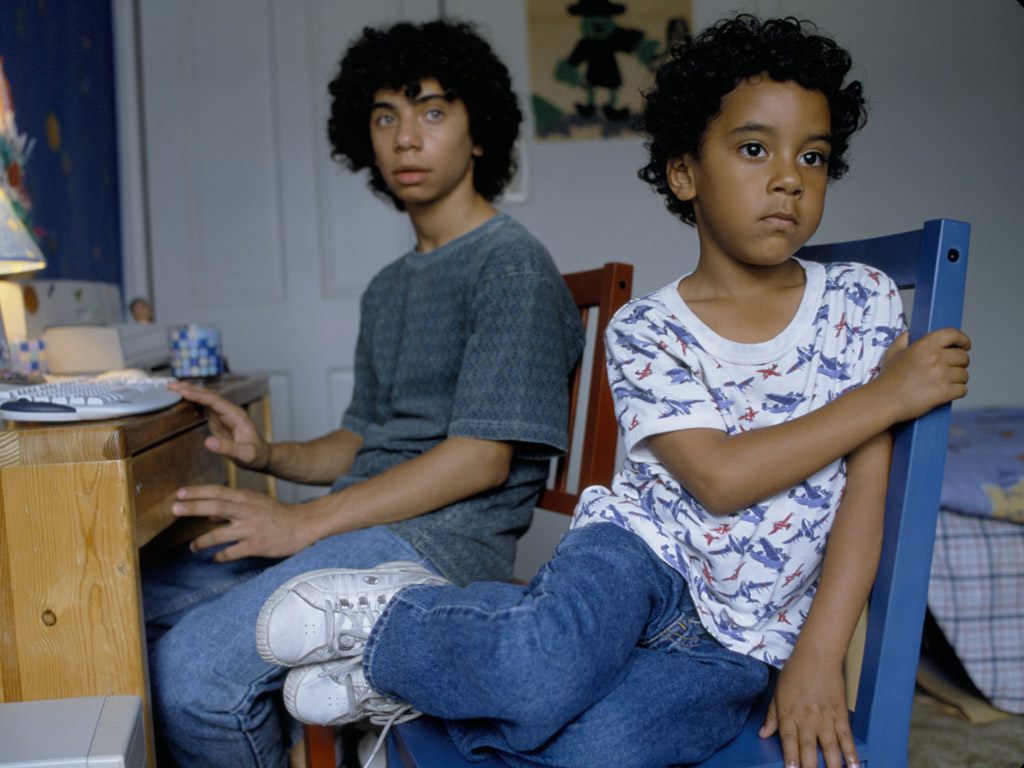
While Christine and Richard’s will-they-or-won’t-they trajectory is the film’s key narrative thread, it is far from the only one pushing it forward. Me and You… is more of an ensemble piece, almost a micro-scale version of, say, Magnolia where numerous characters intersect in alternately predictable and unexpected ways. Richard’s somewhat oafish co-worker Andrew (Brad William Henke) develops a playful, if caustic relationship with two 14-year-old girls, Heather (Natasha Slayton) and Rebecca (Najarra Townsend). The girls go to school with Richard’s older son Peter (Miles Thompson) who is often seen taking care of his six-year-old brother Robby (Brandon Ratcliff). Both Peter (and, to a lesser extent Robby) befriend Sylvie (Carlie Westerman), a thoughtful, precocious neighbor girl somewhere in age between the brothers. Also figuring in are Richard’s estranged wife (and Peter and Robby’s mom) Pam (JoNell Kennedy), Christine’s elder-cab client Michael (Hector Elias) and Nancy Herrington (Tracy Wright), a stoic gallery curator whom Christine submits her artwork to.

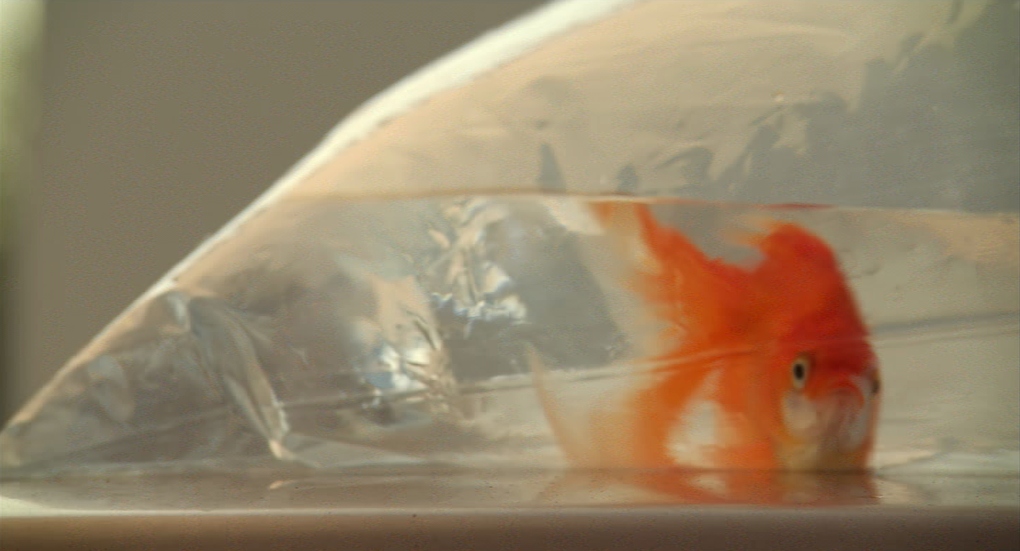
Your average indie ensemble comedy-drama would emphasize and gather momentum on the strength and timing of its connections (and disconnections); Me and You… instead fixates on more personal, idiosyncratic motifs. Set in an unglamorous-verging-on-seedy Los Angeles residential neighborhood, it takes what could be ordinary, everyday situations and swiftly turns them inside out: a father and his young daughter buy a goldfish in a plastic bag filled with water from a pet store, but he accidentally leaves the bag on top of his car and drives off with only Christine and Michael initially witnessing it. Robby hears a mysterious tapping noise every day outside his mom’s house; she dismisses it as the sound the streetlights make when they turn on, but he remains unconvinced and obsessed. Sylvie plays with neighborhood kids Robby’s age as if she were their mother but takes this tendency to obsessive heights when she shows Peter her secret hope chest, lovingly layered with items she’ll use as a wife and mom one day (“It’s my dowry,” she states matter-of-factly.)

As in Magnolia, nearly every character here is lonely to some degree. While depiction of such an emotional state could lead to inertia (or alternately, desperation), July utilizes loneliness as an impetus for a myriad of activities people of varying ages pursue in order to combat it. Often, the impulse is sexually charged: Heather and Rebecca flirt with Andrew but keep their distance (particularly once their playacting threatens to have real consequences); they also attempt to work out their frustration and curiosity by first tormenting, then fooling around with Peter. When someone is too young to fully understand sex, they seek release in less conventional ways, such as Sylvie’s very-real-to-her fantasy world of monogrammed towel sets and fresh crisp shower curtains—itself  momentarily derailed in her mind when she watches Heather and Rebecca’s rendezvous with Peter through her bedroom window.

Meanwhile, Robby regularly spends time in an online chatroom that Peter showed him how to use; the two of them begin chatting with an anonymous, presumed adult engaging in sex talk. Peter laughs it away but young Robby is intrigued and returns to the chat room on his own, his six-year-old ideas of what sex might be both hilariously off-the-mark and touchingly innocent (and scatological!) Conceived in an era directly before smartphones, the film, with its desktop setup and the clunky chime of messages received back-and-forth (forever!) might now feel tame and nostalgic. As with the girls and Andrew, however, Robby’s playing a potentially dangerous game, one whose implications are still years ahead of him. When he eventually meets in real life the other cast member he’s been chatting with, the reveal is both ridiculous and sublime: lovingly scored to Spiritualized’s slow-building, in due course rousing “Any Way That You Want Me”, it’s poignant and bittersweet rather than embarrassed or full of shame. Credit July’s direction of her ensemble and in particular, her child actors: not everyone could coax such an uncommonly natural and believable performance out of someone as young as Ratcliff.

I get that July’s sensibility is not for everyone—the sudden callback of Christine receiving a phone call where the person on the other end of the line says a single word (“Macaroni”) and hangs up, Robby casually drawing on a piece of art on the wall as Richard and Peter sit on the couch in front of it, numbly ignoring him, Pam’s “self-affirming” nightgown, Nancy’s “I’ve Got Cat-itude!” mug—such quirks will easily delight or repulse a viewer depending on one’s taste (though this letter-perfect Onion article from 2012 gets it.) It may be tempting to regard Me and You… as a stereotypically navel-gazing indie, but one shouldn’t ignore the considerable feeling July suffuses her work with. Watch for how Nancy’s face slowly transforms when she’s watching the video Christine has submitted to her gallery at the moment Christine begins talking directly to her. Look at Richard’s growth throughout the film: “I am prepared for amazing things to happen; I can handle it,” he tells Andrew early on only to show how unprepared he is when Christine gets into his car. Midway through, he realizes that when he lit his hand on fire, “I was trying to save my life and it didn’t work.” By the end, he quietly, willingly gives himself over to chance as July illustrates, via him and Christine tenderly embracing the beauty of being open and receptive to making things up as one goes along.

That goldfish-left-on-top-of-a-car scene from earlier plays no crucial part from a narrative perspective but Me and You…wouldn’t be the same without it. As Christine and Michael drive along the highway, following the car as the goldfish unceremoniously slides off its roof, over its windshield and onto the trunk of another car ahead of it, Michael reassures a distraught Christine, perhaps indirectly evoking the film’s title, “At least we’re all together in this.” That sense of camaraderie and support is really what the film is all about; it’s also what I craved and then experienced once I found my people at the movies—on both sides of the screen.

Essay #16 of 24 Frames.

Go back to #15: Before Sunset.

Go ahead to #17: C.R.A.Z.Y.

Christmas Is For Cookies

As kids, we learned to define a holiday by its traditions: a neighborhood parade and fireworks for Independence Day, costumes and trick-or-treating for Halloween, turkey dinner on Thanksgiving. Christmas might have had more traditions than all the other holidays put together. I’ve previously written about such hallowed activities as purchasing and trimming a fresh tree, putting up lights and displays and, as an adult, braving blizzards and state lines to visit my folks.

Such rituals, however, barely graze the bottomless cornucopia of what makes Christmas complete. Not only did we schlep home a fresh tree every year, Mom would also handcraft a distinct set of ornaments (albeit usually from a kit): wooden painted Disney figures, painstakingly cross-stitched trinkets, little “people” constructed from clothespins and felt (I was always partial to the lady cellist because her eyes ended up a bit googly.) She’d also lay out my grandmother’s nativity on the dining room’s built-in buffet shelf while Dad and I put up the vintage Lionel train set I inherited from my Great Uncle Eugene around the tree. We’d watch nearly all the television specials that, in those pre-cable, pre-VCR days you had but one chance to view in real time when they aired, from the unimpeachable A Charlie Brown Christmas to whatever was trendy that year (even Pac-Man was deemed worthy of one.) Mugs of hot chocolate, glasses of eggnog, the brass angel display that spun when the heat from a lit candle was applied underneath, the red (or green) bulb Dad would place in the front porch light fixture—it simply wasn’t Christmas without each and every one of these traditions.

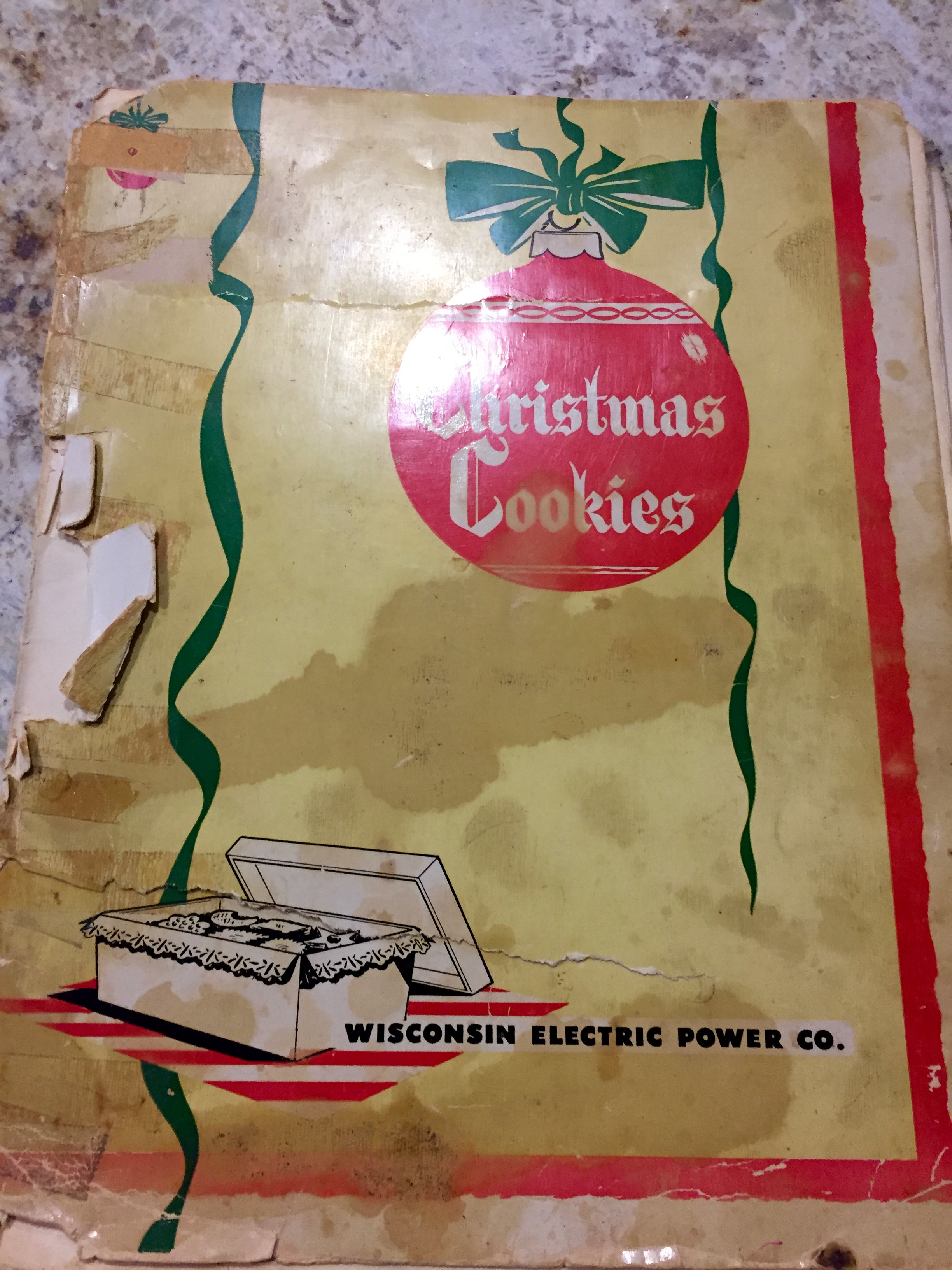
The most anticipated and certainly tastiest of them all were the many batches of cookies Mom made (and still makes to this day.) The rest of the year, we’d have your standard Nestle Tollhouse Chocolate Chip and Peanut Butter varieties, perhaps Oatmeal Raisin if mom was so moved. December was strictly for the season, even if it was as elemental as changing the chips from milk to mint chocolate or sprinkling colored sugar on the peanut butter ones. Actually, even those somewhat paled next to the extra special varieties, the ones that took more effort. Many came from ten-to-thirty-year-old cookbooks my mom wouldn’t consult for anything else—some of them were even exclusively devoted to Christmas cookies, published by and made available for free from the Wisconsin Gas Company every season. I was astonished a few years back to discover my mom had hung onto a book from 1953 that appeared to have been run through the dishwasher multiple times.

From such tomes came recipes for delicacies like Pecan Fingers, Rum Balls and that famous holiday staple, the Gingerbread Man. I believe this is also where the beloved, dreaded Pinwheels came from—adored for their complex taste and texture of chocolate and vanilla dough swirled together as its name dictates, abhorred because it was a particularly difficult, time-intensive cookie to make (even my grandmother, a masterful baker often groused about the process.) Much simpler (but no less delicious) were Almond Shortbreads topped with apricot or raspberry jam and Cream Cheese “Spritz” cookies, their dough (often enhanced with red or green food coloring) stuffed into a tube in a machine that would emit perfect spheres onto the baking sheet while unnervingly making a noise resembling a protracted, if finite scream.

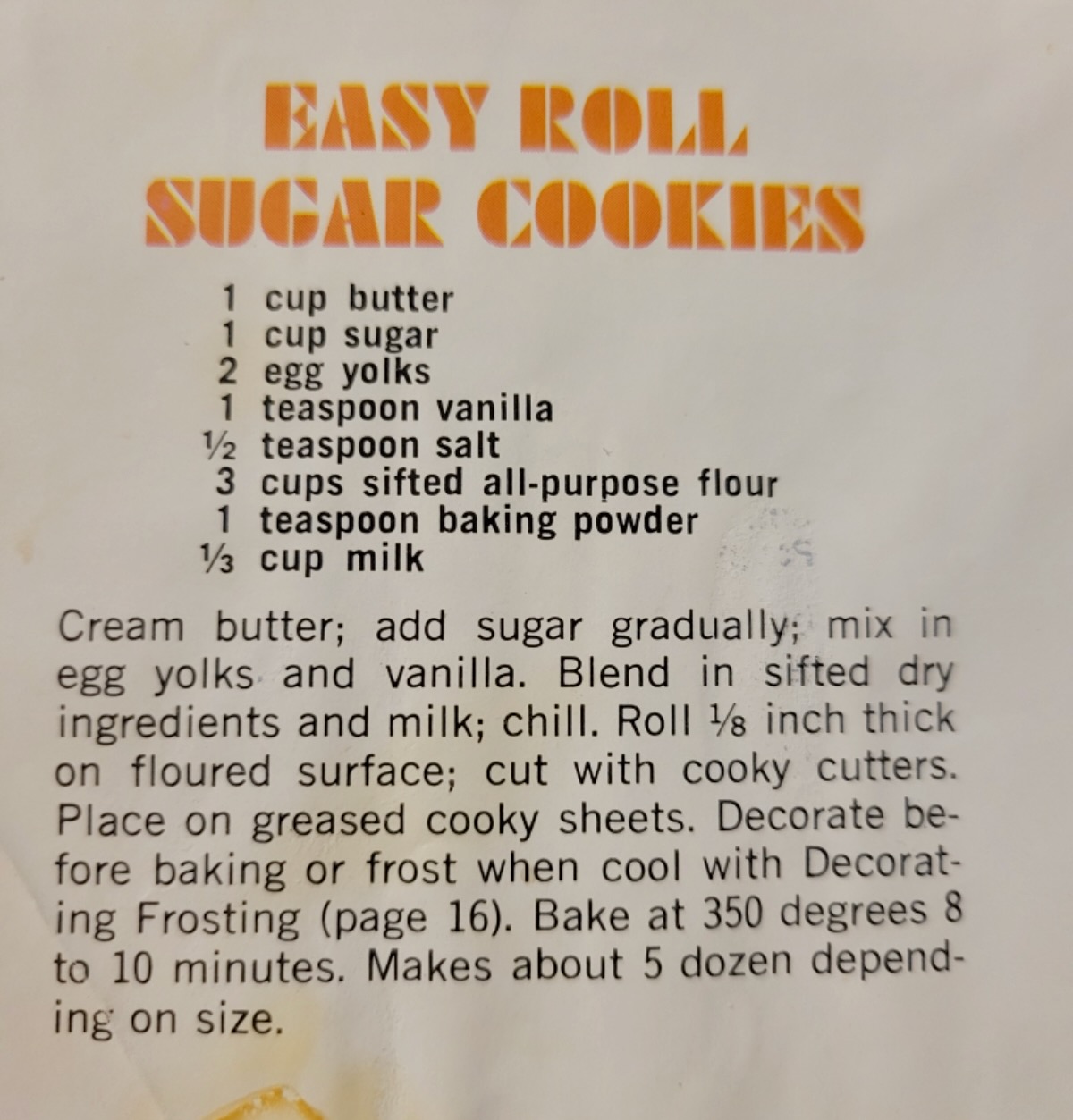
Even without any of these varieties, it’d still be Christmas as long as we had a few batches of iced and decorated sugar cookies, so essential that as a child I simply referred to them as “Christmas Cookies” (as if everything else was ancillary.) A week or two before the 25th, Mom would mix together two batches of the dough and refrigerate them overnight to allow for hardening. The next afternoon, she’d remove them from the cold to briefly thaw, then bring out her massive plastic rolling pin usually filled with water to give it some weight. She’d clear off and clean the kitchen table, sprinkle it with a fistful of flour, then roll out the dough to the perfect width—not too thick or thin. Then, out came the cookie cutters, seasonal shapes such as bells, trees, candy canes (which could also double for the letter J), angels, wreaths, stars and of course, Santa Claus himself. She’d cut the shapes, lay them out on baking sheets and place in the oven for eight to ten minutes.

The fun began once the baked shapes cooled. We’d set up a mini-assembly line of sorts: mom would spread white icing on each cookie, then hand it to me for decorating. I’d sit at the table with a large spread of aluminum foil or plastic wrap before me and an array of shakers and plastic containers with spoons. What a smorgasbord I had to choose from: chocolate and multi-colored sprinkles (or “jimmies” as we called them), a rainbow of sugars (definitely green and red, but also yellow, blue and occasionally pink), tiny cinnamon candies, even tinier crunchy, crystalized multicolored dots of sugar, walnut pieces and, if we had any leftover, some chocolate chips. It was my job to make sure we had a suitable variety of different colors and textures on various shapes. As the excess sugar and sprinkles accumulated on the foil or plastic, I’d occasionally place a cookie on top of the mess, generating a baked good equivalent of the zombie concoction one could devise at a restaurant’s do-it-yourself soda stand, mixing together all available flavors simply because you could. Mom wasn’t a fan of my zombie décor but she preferred it to those times when I’d place two chocolate chips on an angel shape, anticipating that infamous cone bra Madonna would adorn years later.

I was allowed to enjoy a cookie here and there in the days leading up to Christmas Eve when Mom would bring out her loaded, multi-tiered dessert display stand and all bets were off. The next 48 hours and beyond were for eating cookies day and night, along with boxes of chocolate covered cherries and, when I was a bit older, fancy petit fours my parents would procure from a mail order catalog. We’d also make sure to put some out for Santa (along with an obligatory bowl of sugar for his reindeer); I recall earnestly asking my parents one year if he’d like any Rum Balls, a bit uncertain whether it was appropriate to bequeath him something with a presumed alcohol content.  We always had enough cookies to last us through New Year’s Eve. By then, the three of us, close to crashing from our extended sugar high, my folks struggling to make it to Midnight (but enjoying a few Brandy Alexanders regardless), would finish off whatever was left and resign ourselves to a bright New Year of diets and other resolutions, quietly anticipating Valentine’s Day where cards and chocolates and perhaps some store-bought cookies would have to suffice.