Top Ten Films: 2005

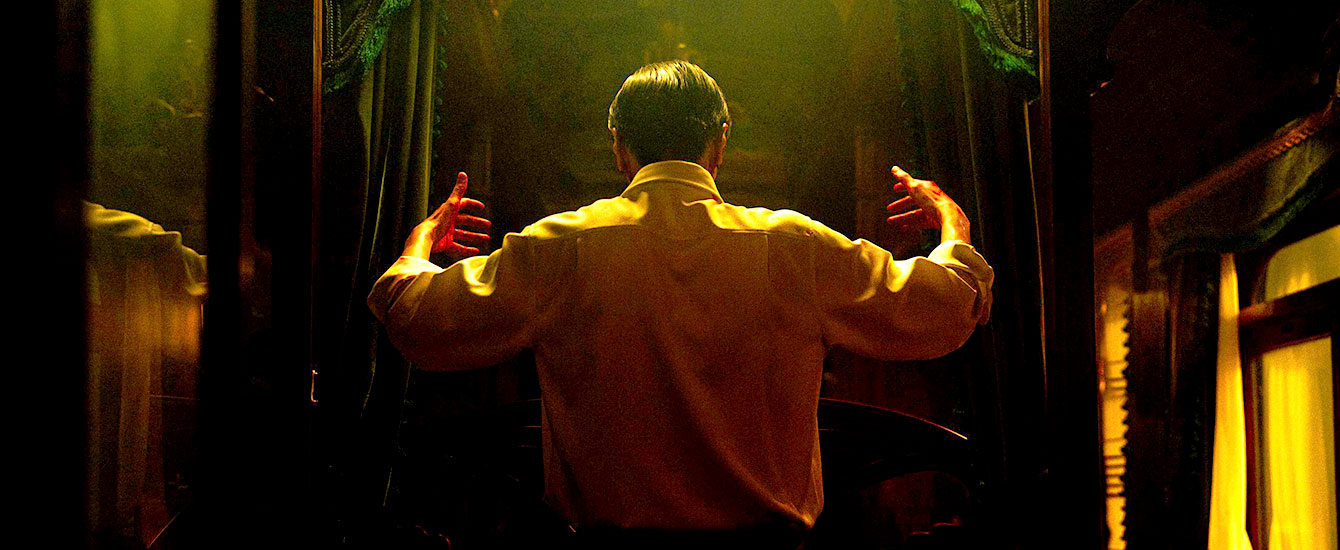
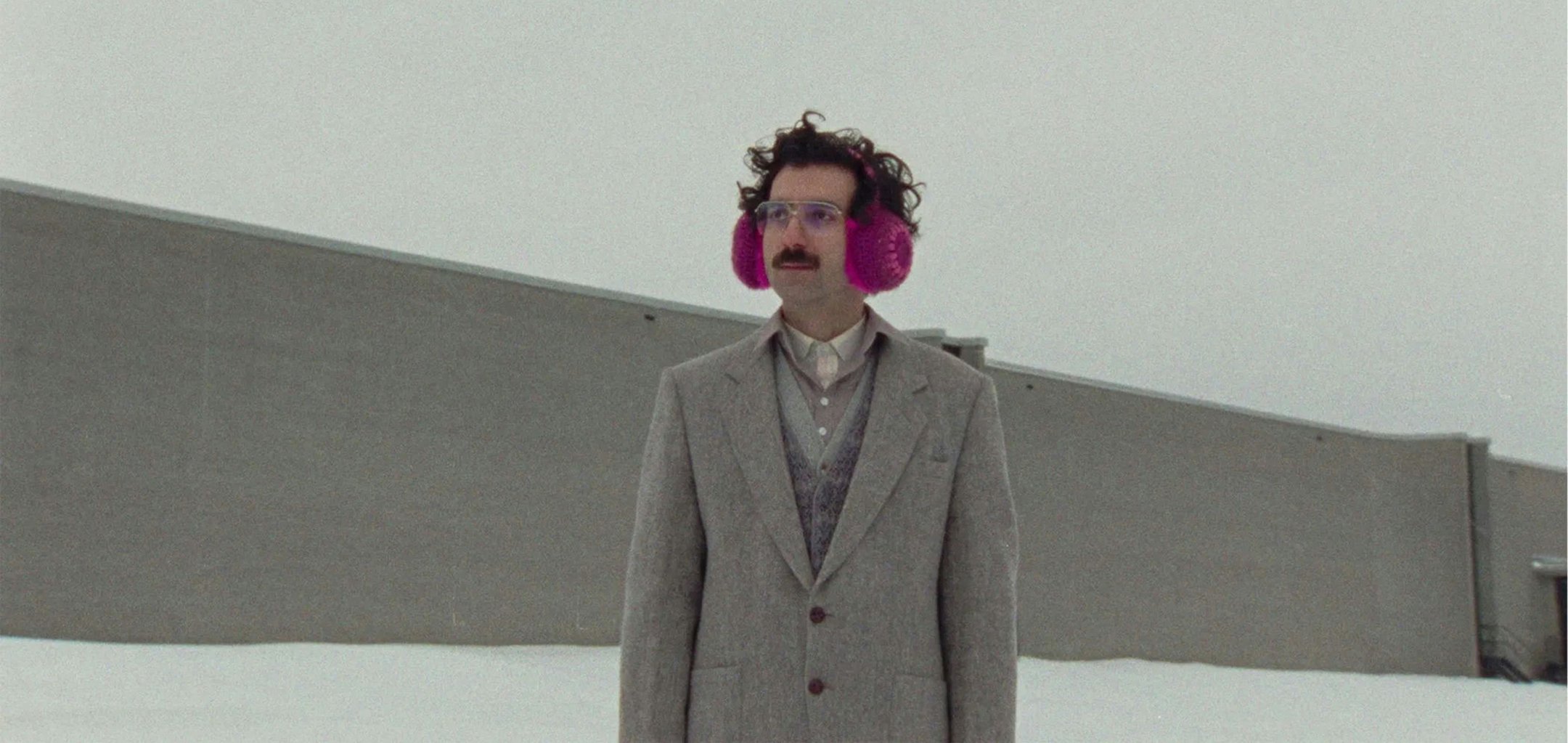
Cache

My Top Ten Films of 2005:

  1. Me and You and Everyone We Know
  2. C.R.A.Z.Y.
  3. Cache
  4. Grizzly Man
  5. Linda Linda Linda
  6. A History of Violence
  7. 49 Up
  8. The Squid and The Whale
  9. Brokeback Mountain
  10. Shanghai Dreams

Honorable Mentions: 12 and Holding*, Brothers Of The Head, Eve and The Fire Horse*, L’Enfant (The Child), The Secret Life Of Words, Three Times*, The Wayward Cloud

For My Watchlist: Lady Vengeance, Leonard Cohen: I’m Your Man, The New World, Takeshis’, Zizek!

*

I created this series with pre-2000 cinema in mind; since beginning to compile annual lists in real time around the turn of the century, I assumed post-2000 stuff didn’t need revisiting. However, something’s drawing me back to 2005 and it’s not just because of the current anniversary. Two decades ago, my moviegoing was at its peak (125 films seen in theaters!); it was also the first Toronto International Film Festival (TIFF) I attended. Among the 16 titles seen there, four of them make my top ten above: Jean-Marc Vallee’s Quebecois coming-of-age chronicle, Michael Haneke’s psychological thriller, Noah Baumbach’s best film until Frances Ha and Wang Xiaoshaui’s own coming of age story: a Cannes Jury Prize winner, the first film I ever saw at TIFF (it set a high bar) and one that’s been difficult to see ever since, not receiving any U.S. distribution. (*Three of my other screenings from that TIFF also make the honorable mentions, all of them relatively obscure today.)

In addition to A History of Violence and Brokeback Mountain (both of which I’d catch later in their theatrical releases days apart; could stand to revisit each of them as their DVDs sit on my shelves), TIFF also screened Linda Linda Linda from Japan, which I would see at the Brattle a little over a year later and revisit at the same theater upon its 20th anniversary re-release last month. One of the all-time best films about being a teenager, its contemplative, day-to-day rhythms are never disingenuous or not relatable, just one moment after another that rewards the viewer’s patience as they gradually add up to an earned triumph.

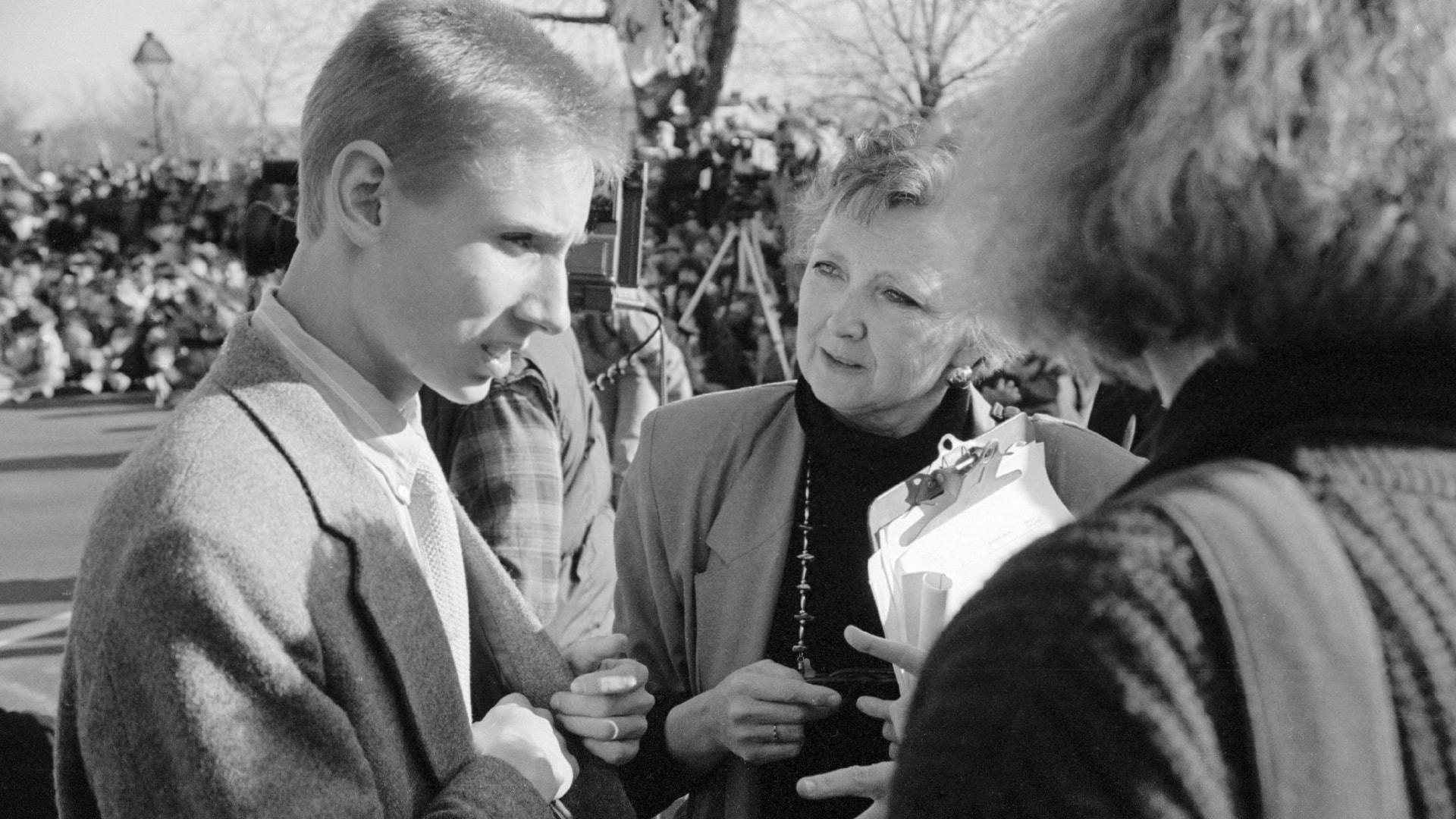
I watched Grizzly Man at the theater I worked at days before that TIFF; it remains my favorite Herzog film of this century. 49 Up I’d see a year later when it received its U.S. release: one day, I plan on sitting down and watching all the Up films in order (still haven’t seen the last one) but I recall this edition standing out for how it delved deeper into the philosophical implications and psychological effects its subjects experienced by having their lives put on display since childhood.

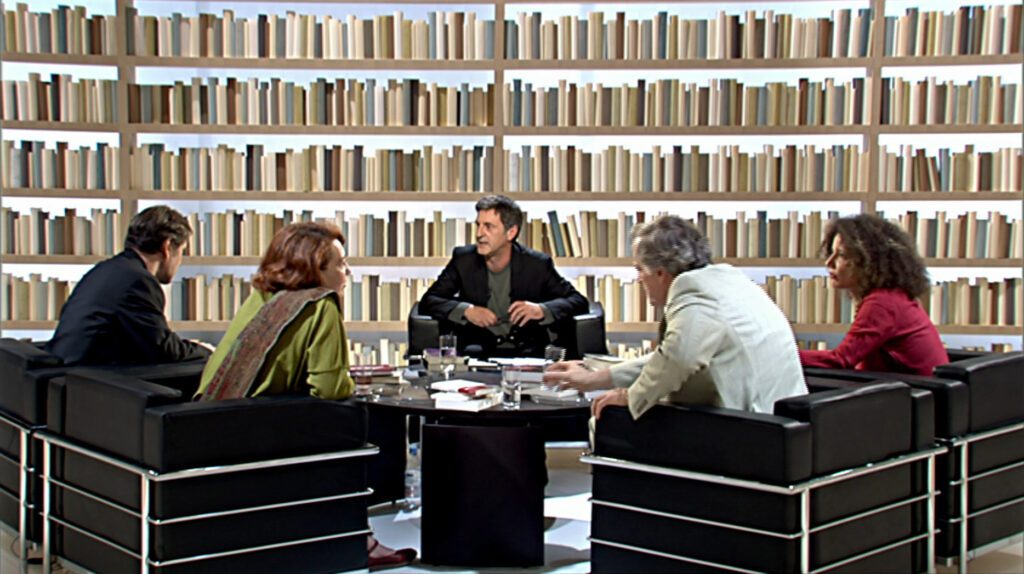
Just as in 2005, Miranda July’s debut feature remains at the top (I wrote about it extensively here) while C.R.A.Z.Y. (like Shanghai Dreams, it also never got a US theatrical release) is a close second. Since I wrote more about that one here, I’ve chosen to spotlight Cache, which left my friends and I dumbfounded (or at least speechless) after the TIFF screening. Viewing it again two years ago (also at the Brattle!), I noted how Haneke was making movies about White privilege (and guilt) years before it was fashionable. Naturally, there’s more to the film than that—less a puzzle box to solve than another reminder from the director that the past is still present even if we can’t always recognize it as such.

Given the volume of what I’ve viewed from this year, I knew I’d struggle to come up with five unseen titles for my watchlist; honestly, the one I want to see most (Takeshi Kitano’s Takeshis’) is the hardest to find. Somehow, I’ve never gotten around to the Cohen doc despite being a perennial fan or the Park Chan-wook film (although I’ve enjoyed his recent efforts.) The only allure of the Malick film for me is, of course, Malick. As for Zizek!, I should first research whether that or The Pervert’s Guide To Cinema is the best place to begin with the guy.

25 Funniest Films

The Lady Eve

In 2007, I posted a list of my 25 favorite funniest films; since we need humor more than ever, here’s an updated version with a few new entries.

1. YOUNG FRANKENSTEIN (director: Mel Brooks, 1974): As if anything else could be on top. A gifted cast (from Gene Wilder’s virtuoso, operatic comic performance to Madeline Kahn’s divine, sordid brilliance) and a hilarious, stoopid-cerebral screenplay (from “walk this way… no, this way” to “He… vas… my… BOYFRIEND!”) come together in a service of an irreverent but sympathetic genre tribute.

2. BRINGING UP BABY (Howard Hawks, 1938): Anyone crafting a romantic comedy today should study this smart, breezy one and take note of Cary Grant’s and Katharine Hepburn’s giddy, contagious chemistry, which arguably no pair has topped since.

3. MONTY PYTHON AND THE HOLY GRAIL (Terry Gilliam and Terry Jones, 1974): I loved it for the laughs as a teenager. Now, I just can’t get over how conceptually weird and formally absurd it is–a crowd pleasing, sublimely silly avant-garde comedy.

4. A CHRISTMAS STORY (Bob Clark, 1983): This pitch-perfect adaptation of various essays from master humorist Jean Shepherd endures because of how easily recognizable he made his childhood without diluting its sting.

5. THIS IS SPINAL TAP (Rob Reiner, 1984): Although ALL YOU NEED IS CASH preceded it, this is the grandaddy of most mockumentaries. It works because it gets inside its targets’ skins all too well, and you’ll never see more finely tuned deadpan delivery elsewhere. So good I’m actually hesitant to watch this year’s long-belated sequel.

6. AIRPLANE! (Zucker/Abrahams/Zucker, 1980): This beats anything else on the list for laughs-per-second: no other film comes close. A fine balance of playing it straight and total anarchy, it throws every gag it can possibly think of up on the screen, and it’s remarkable how many of ’em stick.

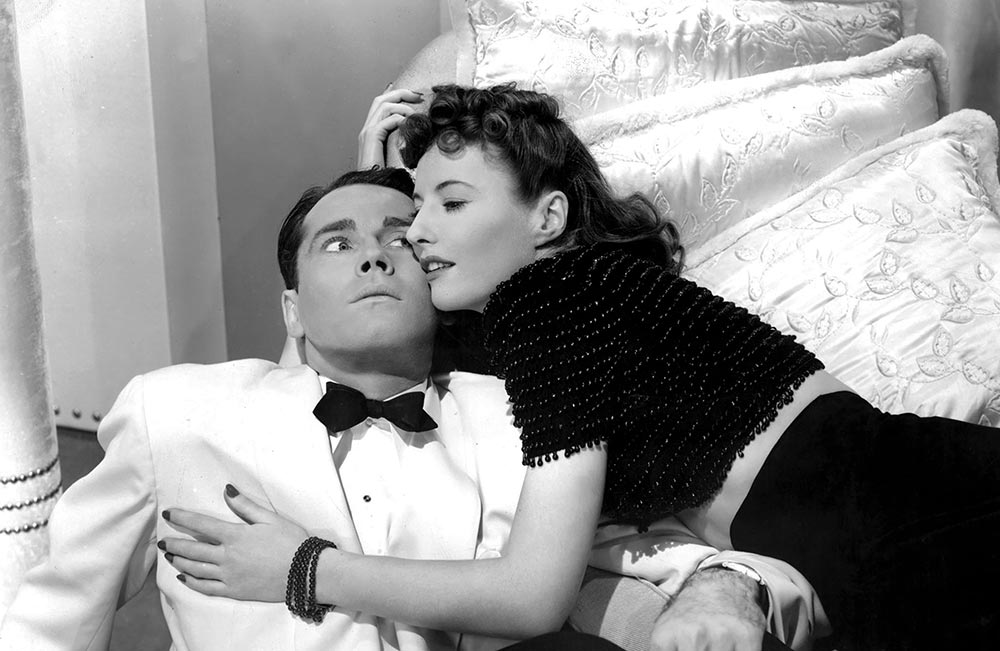
7. THE LADY EVE (Preston Sturges, 1941): Essential classic slapstick-heavy screwball romantic comedy written and directed by the perfector of it. Fonda and Stanwyck were never funnier and the scenes at the Pike family home are as inspired as anything by the Marx Brothers (see #19 below).

8. NINE TO FIVE (Colin Higgins, 1980): A deliciously dark feminist office comedy, it briefly revived screwball in the irony deficient 80’s, showed that Dolly Parton could hold her own as a comedienne with Lily Tomlin and Jane Fonda, and makes the top ten chiefly for its gleefully wicked fantasy sequences.

9. BEST IN SHOW (Christopher Guest, 2000): I’ve wavered between this and WAITING FOR GUFFMAN as Guest’s quintessential mock-doc (the latter was on this list’s first iteration) but as far as funny goes, for me, his dog show satire now eclipses his community theater one because you expect weirdoes in the latter, not so much here. Lynch, Coolidge, Willard, Levy, Posey—all of them doing hall-of-fame level work.

10. ELECTION (Alexander Payne, 1999): This sharp, nasty, Preston Sturges-worthy comic fable has aged extremely well, wringing laughs from the very painful realization that high school isn’t all that different from adulthood. Matthew Broderick and Reese Witherspoon have never been better.

11. SLEEPER (Woody Allen, 1973): Not his “best” film but certainly the craziest and quickest-paced. Only Allen could get away with a throwaway line about getting beaten up by Quakers or something as wonderfully insane as the climatic cloning (croning?) sequence (and Diane Keaton proves his equal in the funny department.)

12. HAIRSPRAY (John Waters, 1988): Leave it to the risqué Waters to nearly achieve household name status with this PG-rated satire, which features a star turn from a pre-tabloid talk show Ricki Lake, an odd, odd cast (Debbie Harry and Jerry Stiller!), and a sweet, if slightly warped sensibility.

13. THE ROYAL TENENBAUMS (Wes Anderson, 2001): Perhaps more moving a “comedy” than any other film on this list, the comic stuff tempers but never obscures the tragic stuff in Anderson’s endearingly quirky family portrait.

14. FLIRTING WITH DISASTER (David O. Russell, 1996): The closest the 90’s came to a true screwball comedy, it’s a riot packed with armpit licking, baby naming, last name-mispronunciation, and a surprisingly, successfully acidic Mary Tyler Moore.

15. HAROLD AND MAUDE (Hal Ashby, 1971): “Has all the fun and gaiety of a burning orphanage” went one of the original reviews and while not always a laugh riot, the film’s shaggy, disarming (and at times exceedingly black) humor never fails to make me smile.

16. A SERIOUS MAN (Joel and Ethan Coen, 2009): From RAISING ARIZONA to THE BIG LEBOWSKI, the Coens earned their comedy stripes but this is their funniest effort, not to mention their most personal and possibly darkest film. It takes chutzpah to present a fully-formed philosophy summed up as “YOU CAN’T WIN” and find the hilarity in that.

17. OFFICE SPACE (Mike Judge, 1999): Taping into the slacker-cum-office drone zeitgeist, this cult classic would be only a wish fulfillment fantasy if it didn’t hit so uncomfortably close to home for so many.

18. TOOTSIE (Sydney Pollack, 1982): An insightful comedy that transcends its concept (and inevitable datedness), since it evokes a world of issues and ideas that encompasses more than the words, “Dustin Hoffman does drag.”

19. DUCK SOUP (Leo McCarey, 1933): For an act that came from the vaudeville tradition, The Marx Brothers must have seemed incredibly subversive in their cinematic heyday, and they still do today.

20. A NEW LEAF (Elaine May, 1971): Brilliant, not only for casting Walter Matthau as a priggish, trust fund cad or Elaine May directing herself as a proto-Shelley Duvall character, but also for May convincing Matthau to get so thoroughly soaked in the film’s outrageous finale.

21. ALL ABOUT EVE (Joseph L. Mankiewicz, 1950): Packed with at least four iconic characters/performances and endlessly quotable, it’s possibly the funniest Best Picture Academy Award winner ever (and also one of the best, period.)

22. ALL OF ME (Carl Reiner, 1984): Lily Tomlin always brings her A-Game (see #8, #14, THE LATE SHOW, etc.) but here even she’s nearly outshined by Steve Martin whose graceful and deliriously silly physical dexterity practically invents Jim Carrey’s entire shtick on the spot.

23. THE TRIPLETS OF BELLEVILLE (Sylvain Chomet, 2003): This very French animated feature is heavily indebted to silent silver screen clowns from Chaplin and Keaton to Tati, yet it’s one-of-a-kind: rarely has humor derived from the surreal or the grotesque seemed so charming.

24. THE IN-LAWS (Arthur Hiller, 1979): You wouldn’t think so on paper, but Peter Falk and Alan Arkin are an ideal mismatched duo to the point where they could’ve easily starred on a reboot of THE ODD COUPLE. Also, the Richard Libertini sequence makes me laugh harder than anything else I’ve ever seen (even AIRPLANE!)

25. HUNDREDS OF BEAVERS (Mike Cheslik, 2022): I’ve used the trope “like a live-action Warner Bros cartoon” many, many times, but no film has so fully lived up to such a description as this demented effort that, to quote and old tourism campaign, is truly Something Special from Wisconsin.

Top Ten Films: 1969

My Top Ten Films of 1969:

  1. Army Of Shadows
  2. Kes
  3. Salesman
  4. Midnight Cowboy
  5. Women In Love
  6. They Shoot Horses, Don’t They?
  7. Z
  8. Medium Cool
  9. Funeral Parade of Roses
  10. Putney Swope

Honorable Mentions: Burn!, Coming Apart, The Magic Christian, My Night at Maud’s, The Prime of Miss Jean Brodie, Sweet Charity

For My Watchlist: Age of Consent, Boy, Last Summer, Lions Love, The Milky Way, The Passion of Anna, The Sterile Cuckoo

*

That halcyon year before Covid, the theatre I worked at put on a “Summer of ‘69” series spotlighting some of that year’s chestnuts on their fiftieth anniversary (plus the documentary Woodstock, a thrill to take in on the big screen in all its split-screen glory.) As part of this series, for the first time I saw Medium Cool and Butch Cassidy and The Sundance Kid; easy to see why the latter was a phenomenon although it felt a little creaky a half century on while the former was revelatory for its docu-fiction hybrid and Robert Forster’s presence. In this series, I also rewatched Midnight Cowboy, whose Best Picture win remains galvanizing—proof of how quickly the culture was changing—and Sweet Charity, flawed and mawkish but still containing three or four of the all-time best musical sequences in film.

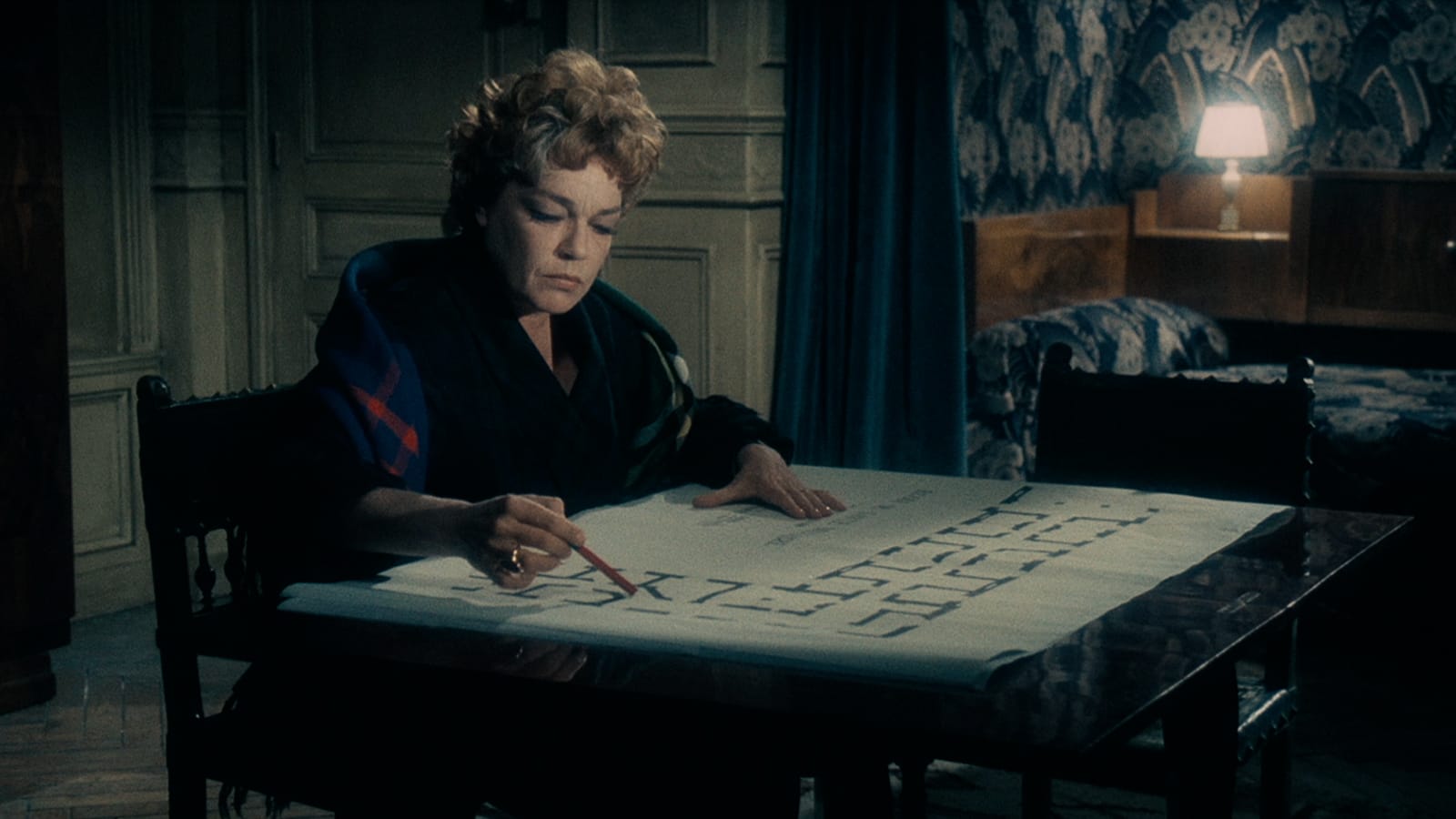
However, Army of Shadows was an easy choice for the top slot. Not officially released in the US until 2006 (I first saw it then at the Kendall Square Cinema), this moody, minimalist account of French resistance fighters during World War II is still my favorite Jean-Pierre Melville film even if the Alain Delon-starring Le Samourai from two years before remains his most popular and iconic. Simone Signoret might have won an Oscar a decade earlier for Room At The Top but had this received a domestic release at the time, she should have been a shoo-in for another one.

Kes and They Shoot Horses, Don’t They? were relatively recent discoveries as were Funeral Parade of Roses and Putney Swope though I had no qualms about rating the first two far higher than the others. Z, which originally required three separate viewings for me to stay awake through is one I’d love to revisit, ideally in a cinema. A very recent watch, Ken Russell’s currently non-streaming Women in Love (recorded off of TCM) is one of his best thanks in part to Glenda Jackson’s tremendous performance. Still, if you want the most accurate vision of what 1969 was really like, check out the Maysles brothers’ Salesman, a documentary about door-to-door bible hawkers that plays out like Death of a Salesman (minus the death) in real time.

I have my own reasons for each of my watchlist selections (Agnes Varda, Michael Powell’s obscure last film, one of Liza Minnelli’s first, etc.) and almost caught Last Summer when it appeared on TCM’s schedule a year or two ago but then either failed to record on my DVR or didn’t air at all. If the cable network ever gets really adventurous and screen Milton Moses Ginsberg’s Coming Apart (which I last saw decades ago in grad school with the director in attendance), I wouldn’t mind returning to this single-shot, Rip Torn-starring oddity.

12 Films… Revisited

Local Hero

In 2008, I participated in a meme asking one to reveal a dozen unseen films a true film buff should have seen by then; I came up with the twelve below in chronological order (all of them pre-2000).

Happily, 17 years later, I’ve seen all but two! What follows is my original text, plus updates in italics.

1. GONE WITH THE WIND (1939, director: Victor Fleming)
Arguably the most popular film of all time, I feel like I’ve seen it without ever having actually seen it–think of all the quotable lines and parodies throughout history unto infinity–and besides, who has four hours to kill? I missed it during its last theatrical release ten years ago; perhaps I’ll soon get another chance to see it on the big screen during its 70th (or 75th) anniversary.

Not Seen! I obviously haven’t found the four hours to kill, although I will soon in my effort to see every Best Picture Oscar winner before the 100th edition in 2028. The recent backlash against this film’s celebration of slavery hasn’t exactly encouraged me to make time for it, either.

2. WILD STRAWBERRIES (1957, dir: Ingmar Bergman)
I’ve always admired rather than adored Bergman; I see the greatness in PERSONA and SCENES FROM A MARRIAGE and respect at least a half-dozen other Bergman classics, but I find so much of his work too cold and austere. However, many people I know consider this film about a teacher looking back at his life in existential dread as essential, so it sits waiting patiently for me to move it out of Netflix queue limbo.

Seen at the Brattle Theater in 2015. I’ve since concluded I love nearly all of Bergman’s work starting with PERSONA and everything after but I’m unmoved by most of what came before, this film included.

3. IMITATION OF LIFE (1959, dir: Douglas Sirk) 
I went on a mini-Sirk kick two years ago, watching WRITTEN ON THE WIND and ALL THAT HEAVEN ALLOWS in quick succession after a viewing of Todd Haynes’ loving, bold homage FAR FROM HEAVEN. I think Rock Hudson’s absence has kept me from making the time to check this one out–after seeing the other two films, Sirk w/out Hudson is in my mind unthinkable.

Seen on DVD in 2009. Hudson’s not missed! Would love to revisit after having viewed the pleasant but inferior 1934 version earlier this year.

4. HIGH AND LOW (1963, dir: Akira Kurosawa)
I almost saw this as part of the Friday Night Screening/Speaker series I worked on at BU a decade ago, but it was replaced at the very last minute by a work-in-progress-screening of Errol Morris’ MR. DEATH: THE RISE AND FALL OF FRED A. LEUTCHER, JR. with the director in person. Kurosawa is another auteur I never really “got” until I saw his somewhat atypical IKIRU a few years ago, and I’m ready to sit down and take in this kidnapping thriller.

Seen on Criterion Channel in 2020. One of my most illuminating pandemic watches. Gave it 5 stars on Letterboxd, noting how that late bravura sequence in the nightclub/flophouse was one of the most meticulous and thrilling I’d ever witnessed..

5. THE GODFATHER, PART II (1974, dir: Francis Ford Coppola)
During my first year in Boston, I rented on average four movies a week from the now-shuttered Allston Videosmith. “Film Club” members were entitled to two-for-one rentals on Tuesdays, provided you rented from a specific genre chosen every month. That October, it was “widescreen” film (funny to think that was a genre in the pre-DVD age), so that’s how I ended up watching THE GODFATHER for the first (and to date only) time. I liked it well enough, so I don’t know why I never got around to its highly regarded sequel.

Seen on Paramount Plus in 2022. I still like the original more (and have now seen it on the big screen as well), but as sequels go, not too shabby. Still have no desire to see Part III, however.

6. FINGERS (1978, dir: James Toback) 
The premise intrigues: A young man (Harvey Keitel) is torn between loyalties to the mob and dreams of becoming a famous concert pianist. I probably would have made more of an effort to see Toback’s film by now if not for the very good 2005 French remake, THE BEAT MY HEART SKIPPED with Romain Duris in the Keitel role.

Seen at home in 2011. An underseen classic and surely Keitel’s best performance. 

7. THE RIGHT STUFF (1983, dir: Philip Kaufman)
I read Tom Wolfe’s account of the U.S. space program’s early years back in 2002. This film adaptation, underrated and a flop at the time of release, has a great cast (Ed Harris, Dennis Quaid, Barbara Hershey) and a three hour running time. Oh, how I used to have a higher tolerance for lengthy flicks–ten years I ago, I remember seeing LA DOLCE VITA, ULYSSES’ GAZE and Tarkovsky’s SOLARIS (all 3 hour flicks) over the course of one Columbus Day weekend!

Seen on TCM in 2023. Gave it 4.5 stars on Letterboxd and wrote, “Maybe the best film about space travel after 2001: A SPACE ODYSSEY? Apart from sections of the score, it might’ve been made yesterday.”

8. LOCAL HERO (1983, dir: Bill Forsyth) 
I never heard of Forsyth’s comedy before I moved to Boston to study film, but since then, I’ve heard nothing but great things about it. And given that I loved his neat 1987 adaptation of Marilynne Robinson’s novel HOUSEKEEPING (why isn’t that one on DVD?), I have to make time for it soon.

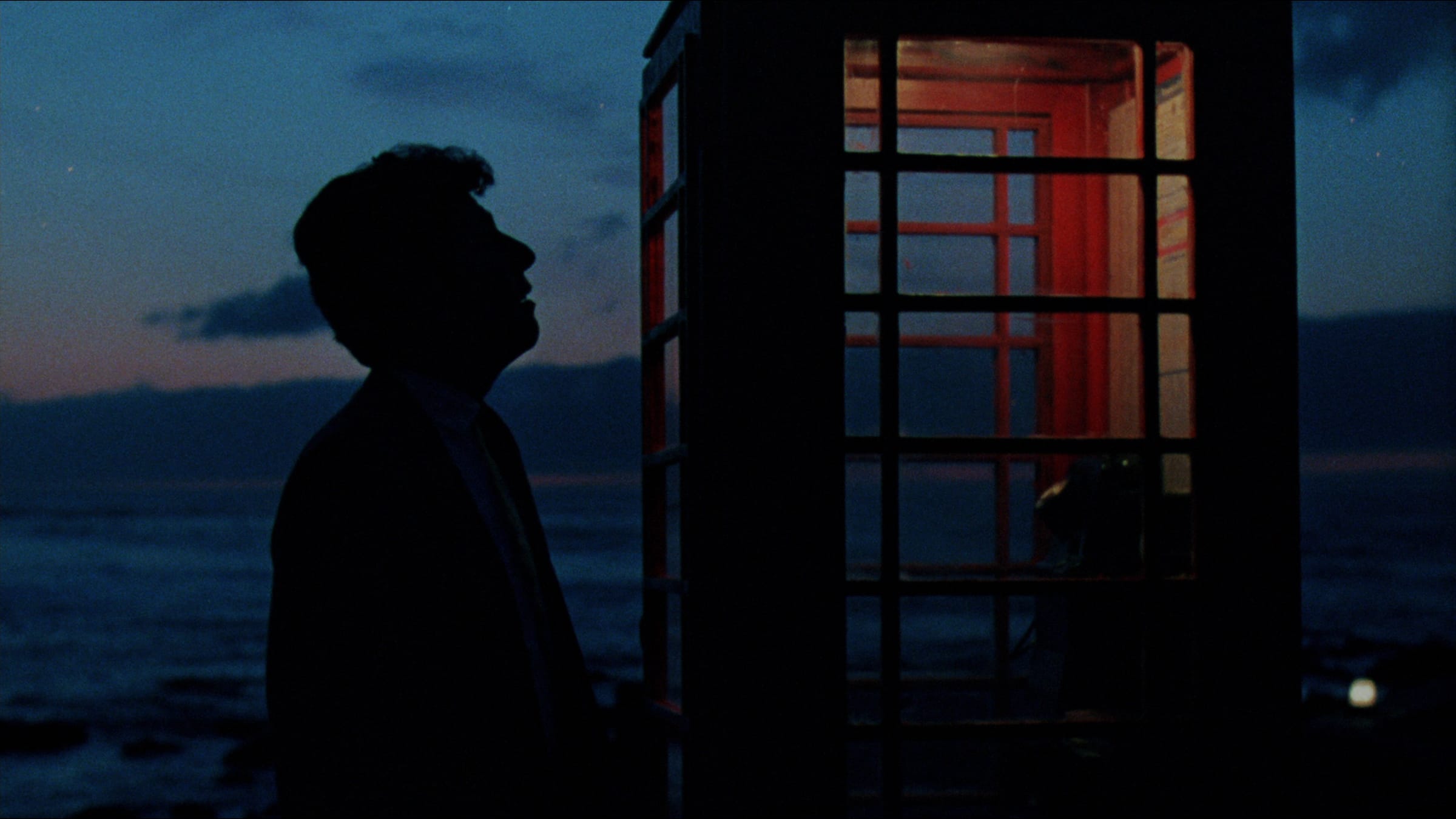
Seen at the Brattle Theater in 2013; rewatched on my own Criterion Collection Blu-Ray in 2019. Now one of my favorite movies, it nearly became an entry in 24 Frames. Every subsequent movie with a similar fish-out-of-water, city-to-rural scenario owes something to it, and none of them have bested it.

9. SCHINDLER’S LIST (1993, dir: Steven Spielberg)
I don’t care if it’s his mature masterpiece–I’d rather sit through the horror of CRASH again (Haggis, not Cronenberg even!) than have to watch another film about the holocaust.

Not Seen! As with #1, this will soon be part of my Best Picture Oscar winner watch; the best I can offer is that I’m looking forward to seeing it more than, say, BRAVEHEART, but honestly not by much. Happy I never have to rewatch Haggis’ CRASH, by the way.

10. WHITE (1994, dir: Krzysztof Kieslowski)
On the list because I saw BLUE and RED a decade ago but for some reason, I never got around to this one–and it even has the lovely Julie Delpy in it! At this point, I might as well watch all three in order.

Seen on HBO Max in 2021 when I watched the entire THREE COLOURS Trilogy. Easy my least favorite of that trio (Delpy’s barely in it!), but it grew on me, particularly once the narrative mutated into something unexpected.

11. PRINCESS MONONOKE (1997, dir: Hayao Miyazaki)
Out of all these unseen films, there’s absolutely no excuse for this one, given how much I love SPIRITED AWAY. Maybe the film’s action/adventure slant has kept me at bay, or maybe I don’t have too strong of a jones for anime and Miyazaki’s an anomaly.

Seen on HBO Max in 2021 a month before the previous entry (I was unemployed and had so much time for movies); a dark, beautiful epic that was pretty much what I expected; maybe it would’ve hit a little harder had I seen it before SPIRITED AWAY.

12. BUENA VISTA SOCIAL CLUB (1999, dir: Wim Wenders)
As I repeatedly discovered throughout grad school, Wenders is wildly uneven. For every WINGS OF DESIRE or little-seen masterwork like the epic, demented KINGS OF THE ROAD (another three hour film!), there’s crap like TOKYO-GA or THE END OF VIOLENCE. But this doc about Cuban musicians frequently pops up on best-docs-of-all-time lists.

Seen at home in 2013, weeks after my own trip to Cuba. Good movie, great music but at the time of this watch, Wenders was still a decade away from rehabilitating his career with his out-of-nowhere masterpiece PERFECT DAYS.

Top Ten Films: 1988

My Top Ten Films of 1988:

  1. High Hopes
  2. Beetlejuice
  3. Hairspray
  4. Women On The Verge Of A Nervous Breakdown
  5. Running On Empty
  6. A Fish Called Wanda
  7. Dead Ringers
  8. Midnight Run
  9. The Decline of Western Civilization Part II: The Metal Years
  10. Landscape In The Mist

Honorable Mentions: Chocolat, Crossing Delancey, Distant Voices Still Lives, The Unbearable Lightness of Being, Who Framed Roger Rabbit

For My Watchlist: Dangerous Liaisons, Drowning By Numbers, The Last Temptation of Christ, Married To The Mob, Rain Man

*

I often rag on the 1980s as an underwhelming decade for cinema, and most of its Best Picture Oscar winners have proven me right (with a few exceptions, and yes, I still need to see Rain Man.) This explains why I was particularly drawn to 1988, which seems an anomaly in this period.

Look at this top ten! We have big budget studio pictures that are uncommonly witty (A Fish Called WandaMidnight Run), emotionally complex (Running On Empty) and exceptionally weird (Beetlejuice, my second favorite Tim Burton after the one that will likely be #1 for its respective year.) There’s also international auteur-centric filmmaking of the highest order (Almodovar’s most iconic effort, one of Cronenberg’s wildest body horror/character studies) and what remains my top John Waters film, partially because it’s the first one I saw but also for how nimbly it threads the needle between his earlier transgressiveness and his later subversive shadowing of mainstream pop culture. Theo Angelopoulos’ lyrical art film Landscape In The Mist is an outlier here, but not much more than Penelope Spheeris’ frank and entertaining LA hair metal doc (RIP Ozzy Osbourne, whose sequence in it feels like an inspired audition for his later reality show.)

At the top, however, sits the essential Mike Leigh film. Made for the cinema after a decade-and-a-half of mostly productions for British television, it’s where he perfects his long-gestating obsessions on class, family and politics (especially the scourge of Thatcherism) by focusing on three urban couples, one of which, lovingly played by Leigh regulars Ruth Sheen and Phil Davis might be his most detailed and humanist depiction of the proletariat. High Hopes doesn’t shy away from broad humor or the absurd situations often bubbling through his work, but how ever hyper-specific it comes across as a view of its time and place, it’s altogether the defining dramatic record of it.

Perhaps Roger Rabbit or The Unbearable Lightness of Being might’ve cracked the top ten had I seen either of them since the 1990s. Chocolat and Crossing Delancey, both more recent first-time watches are highlights in each of its director’s filmographies (Claire Denis and Joan Micklin Silver, respectively.) The Terence Davies film is an important one but I prefer its 1992 follow-up for how it approaches similar subject matter with more nuance and visual ingenuity. It’s more surprising to me that I’ve never made the time to see Jonathan Demme’s mafia comedy or Dangerous Liaisons than Scorsese’s controversial biblical epic although all three (along with the Peter Greenaway film) are titles I intend to watch someday. Stay tuned to see if any other year from the 1980s proves as robust as this one.

My Top 100 Films of the 21st Century

In The Mood For Love

I could not resist submitting my own unranked top ten ballot to New York Times’ Top 100 Films of the 21st Century poll last month. Below is that top ten ranked, along with ninety other titles I would place in my own canon for the past 25 years. Below #30 or so, the ranking’s less important and subject to change (as anything ranked is, really.) I will say the order of the top three is also always in flux; given the widespread love for #2 and #3, I went with something more obscure but dear to my heart for #1.

Paul Thomas Anderson has three titles in the top 40; the only other filmmakers with as many in the top 100 are Hirokazu Kore-eda and Richard Linklater, though Wes Anderson came close (The Grand Budapest Hotel perhaps tied for #101 with a few other titles I couldn’t fit on.) I wish I had more female directors on this list (at least four made the top 20) although it speaks volumes about my current taste and interest that half of the top ten comes from Asian directors (with a few more not far behind.)

It might be risky to put the film at #4 so high since it’s so recent, but a second viewing earlier this year confirmed my initial thought that nothing else I’ve seen captures the time we live in so vividly and completely, except arguably the film at #12 which topped the NY Times poll.

I’ve included links for the movies that were part of my 24 Frames project.

  1. Cemetery of Splendour (Apichatpong Weerasethakul, 2015)
  2. Mulholland Drive (David Lynch, 2001)
  3. The Royal Tenenbaums (Wes Anderson, 2001)
  4. Do Not Expect Too Much from the End of the World (Radu Jude, 2023)
  5. In The Mood For Love (Wong Kar-wai, 2000)
  6. Before Sunset (Richard Linklater, 2004)
  7. What Time Is It There? (Tsai Ming-liang, 2001)
  8. Yi Yi (Edward Yang, 2000)
  9. Stories We Tell (Sarah Polley, 2012)
  10. Still Walking (Hirokazu Kore-eda, 2008)
  11. 35 Shots of Rum (Claire Denis, 2008)
  12. Parasite (Bong Joon-ho, 2019)
  13. There Will Be Blood (Paul Thomas Anderson, 2007)
  14. Y Tu Mama Tambien (Alfonso Cuaron, 2001)
  15. Happy Hour (Ryusuke Hamaguchi, 2015)
  16. My Winnipeg (Guy Maddin, 2007)
  17. Aftersun (Charlotte Wells, 2022)
  18. Spirited Away (Hayao Miyazaki, 2001)
  19. Me And You And Everyone We Know (Miranda July, 2005)
  20. Cache (Michael Haneke, 2005)
  21. Ghost World (Terry Zwigoff, 2001)
  22. Memoria (Apichatpong Weerasethakul, 2021)
  23. Shoplifters (Hirokazu Kore-eda, 2018)
  24. The Master (Paul Thomas Anderson, 2012)
  25. C.R.A.Z.Y. (Jean-Marc Vallee, 2005)
  26. Best In Show (Christopher Guest, 2000)
  27. Frances Ha (Noah Baumbach, 2012)
  28. Moonrise Kingdom (Wes Anderson, 2012)
  29. The Duke of Burgundy (Peter Strickland, 2014)
  30. Under The Skin (Jonathan Glazer, 2013)
  31. Staying Vertical (Alain Guiraudie, 2016)
  32. A Serious Man (Ethan Coen, Joel Coen, 2009)
  33. Waking Life (Richard Linklater, 2001)
  34. Carol (Todd Haynes, 2015)
  35. Phantom Thread (Paul Thomas Anderson, 2017)
  36. Tár (Todd Field, 2022)
  37. Portrait Of A Lady On Fire (Celine Sciamma, 2019)
  38. Gosford Park (Robert Altman, 2001)
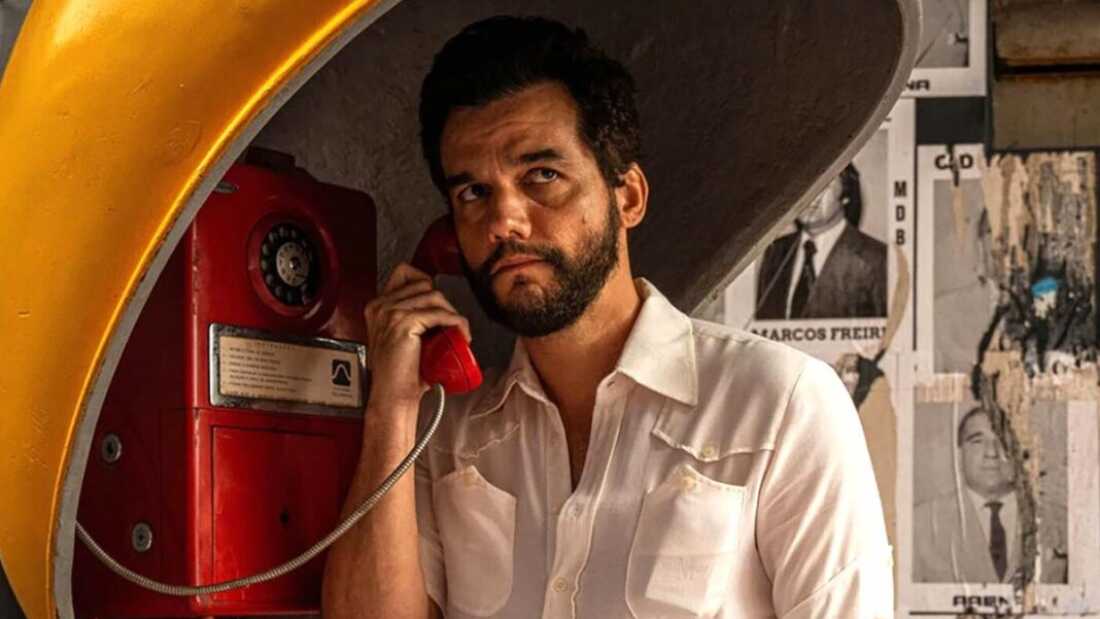
  39. Aquarius (Kleber Mendonça Filho, 2016)
  40. Los Angeles Plays Itself (Thom Andersen, 2003)
  41. Holy Motors (Leos Carax, 2012)
  42. Paterson (Jim Jarmusch, 2015)
  43. Far From Heaven (Todd Haynes, 2022)
  44. Marwencol (Jeff Malmberg, 2010)
  45. Clean (Olivier Assayas, 2004)
  46. Duck Season (Fernando Eimbcke, 2004)
  47. Burning (Lee Chang-dong, 2018)
  48. The Return (Andrey Zvyagintsev, 2003)
  49. The Act of Killing (Joshua Oppenheimer, 2012)
  50. A Bread Factory (Patrick Wang, 2018)
  51. Oslo, August 31st (Joachim Trier, 2011)
  52. Grizzly Man (Werner Herzog, 2005)
  53. Synecdoche, New York (Charlie Kaufman, 2008)
  54. Volver (Pedro Almodovar, 2006)
  55. Dig! (Ondi Timoner, 2004)
  56. Morvern Callar (Lynne Ramsay, 2002)
  57. Exit Through The Gift Shop (Banksy, 2010)
  58. Kumiko, The Treasure Hunter (David Zellner, 2014)
  59. Man On Wire (James Marsh, 2008)
  60. Hedwig and The Angry Inch (John Cameron Mitchell, 2001)
  61. The Case Of The Grinning Cat (Chris Marker, 2004)
  62. After Yang (Kogonada, 2021)
  63. Amelie (Jean-Pierre Jeunet, 2001)
  64. Call Me By Your Name (Luca Guadagnino, 2017)
  65. Drive My Car (Ryusuke Hamaguchi, 2021)
  66. The Heart of The World (Guy Maddin, 2000)
  67. Quo Vadis, Aida? (Jasmila Žbanić, 2020)
  68. Let The Right One In (Tomas Alfredson, 2008)
  69. Our Song (Jim McKay, 2000)
  70. Away From Her (Sarah Polley, 2006)
  71. May December (Todd Haynes, 2023)
  72. First Reformed (Paul Schrader, 2017)
  73. How To Survive A Plague (David France, 2012)
  74. Minding The Gap (Bing Liu, 2018)
  75. Donnie Darko (Richard Kelly, 2001)
  76. Pictures of Ghosts (Kleber Mendonça Filho, 2023)
  77. Can You Ever Forgive Me? (Marielle Heller, 2018)
  78. The Holdovers (Alexander Payne, 2023)
  79. 4 Months, 3 Weeks and 2 Days (Cristian Mungiu, 2007)
  80. Lost In Translation (Sofia Coppola, 2003)
  81. Talk To Her (Pedro Almodovar, 2002)
  82. Boyhood (Richard Linklater, 2014)
  83. Moonlight (Barry Jenkins, 2016)
  84. All Of Us Strangers (Andrew Haigh, 2023)
  85. Dogville (Lars Von Trier, 2003)
  86. The Power of The Dog (Jane Campion, 2021)
  87. In The Loop (Armando Iannucci, 2009)
  88. Bad Lieutenant: Port of Call New Orleans (Werner Herzog, 2009)
  89. Sword of Trust (Lynn Shelton, 2019)
  90. Ham On Rye (Tyler Taormina, 2019)
  91. Mysterious Skin (Gregg Araki, 2005)
  92. Reprise (Joachim Trier, 2006)
  93. First Cow (Kelly Reichardt, 2019)
  94. Fish Tank (Andrea Arnold, 2009)
  95. Songs from the Second Floor (Roy Andersson, 2000)
  96. Perfect Days (Wim Wenders, 2023)
  97. The Happiness Of The Katikuris (Takashi Miike, 2001)
  98. Monster (Hirokazu Kore-eda, 2023)
  99. Limbo (Ben Sharrock, 2020)
  100. The Beast (Bertrand Bonello, 2023)

Top Ten Films: 1955

My Top Ten Films of 1955:

  1. The Night Of The Hunter
  2. Pather Panchali
  3. All That Heaven Allows
  4. It’s Always Fair Weather
  5. Rebel Without a Cause
  6. The Phenix City Story
  7. Les Diaboliques
  8. The Trouble With Harry
  9. Kiss Me Deadly
  10. Lola Montes

Honorable Mentions: Bad Day At Black Rock, The Desperate Hours, Marty, Ordet, Rififi

For My Watchlist: Floating Clouds, Mr. Arkadin, Picnic, The Seven Year Itch, To Catch A Thief

*

Going back to the year of Back To The Future and it feels as transitional a time as it was for music, with cinema from all corners of the globe increasingly giving Hollywood product a run for its money. I’ve previously written about recent discoveries of the former (a revelatory 35mm screening of Pather Panchali late last year) and the latter (a viewing of It’s Always Fair Weather at home during peak lockdown when a scheduled screening was supposed to have occurred in normal times.)

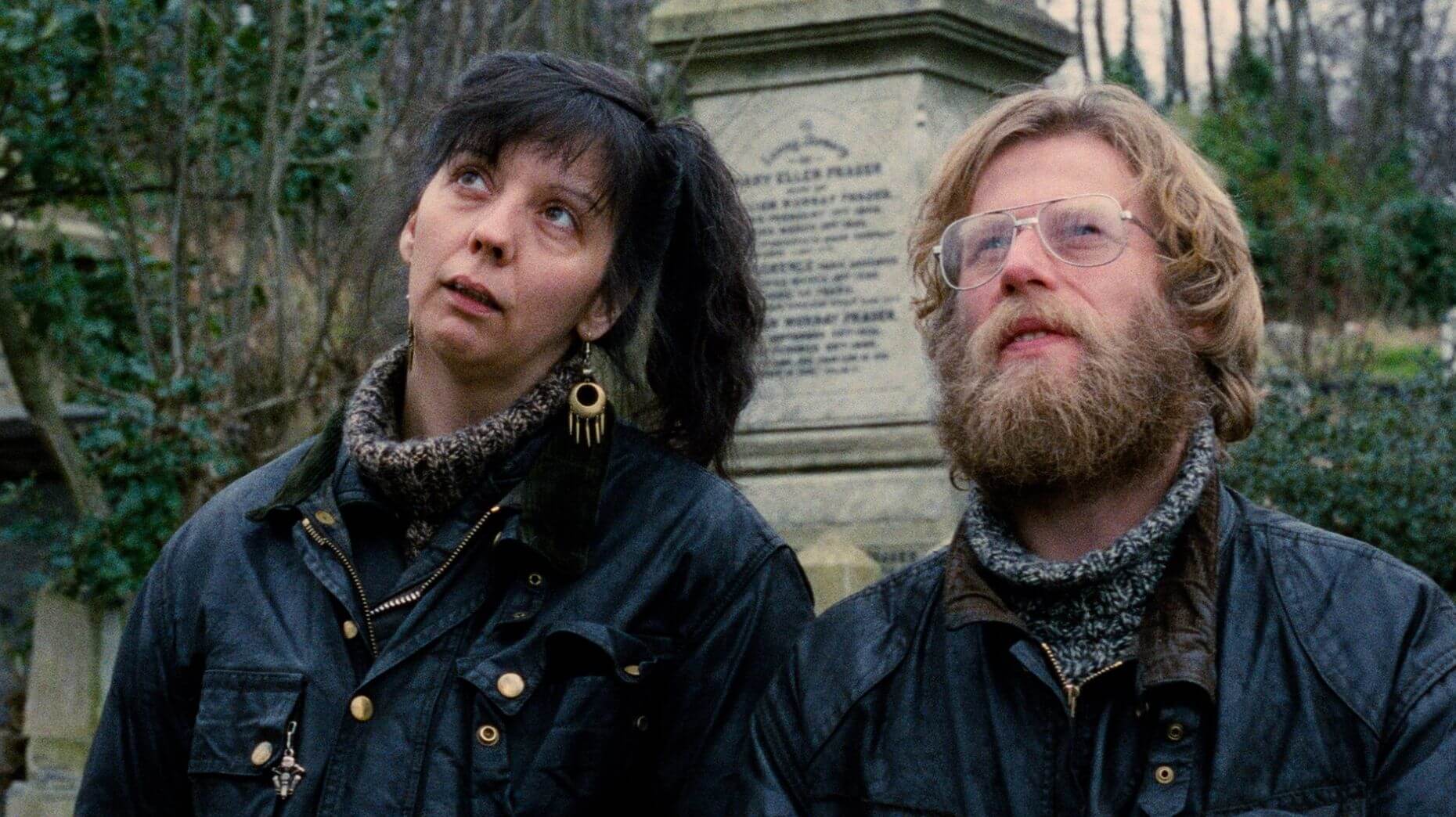
Still, masterpiece that Satyajit Ray’s film is, the pole position goes to actor Charles Laughton’s sole directorial effort, a gothic thriller that flopped upon release but is now rightfully revered. Robert Mitchum’s “Preacher” (note quotation marks) is a delectably sinister and chilling character and performance. One could easily imagine a version of this made by Alfred Hitchcock, but Laughton imbues a tenderness that often seems beyond the former’s grasp (though his mordant comedy from the same year, The Trouble With Harry has faint traces of it); the film’s expressionistic style (particularly the high contrast black-and-white cinematography) also sets it apart from Hitch’s contemporaneous efforts (though I can’t say why To Catch A Thief is one of the few peak-period Hitchcocks I have yet to see.)

All That Heaven Allows is my second-favorite Sirk (my number one will likely top its year’s list) and perhaps his most quintessential Rock Hudson melodrama. The Phenix City Story is a startling obscurity that feels all too relevant seventy years on. It’s been too long since I revisited Rebel Without a Cause or Kiss Me Deadly but I firmly recall how iconic they are as, respectively, a teen angst character study and the hardest boiled of film noirs. Les Diaboliques could also use a revisit given my renewed appreciation of Henri-Georges Clouzot since seeing The Wages of Fear for the first time in 2023.

Given what it was competing with, I’m not mad at Marty winning the Best Picture Oscar, though it feels decidedly minor now. Not sure how high my hopes are for Picnic, though it has the enticing prospect of Kim Novak and William Holden as anchors. The Seven Year Itch is one of the few major Marilyn Monroe films I have yet to see, Mr. Arkadin one of the few minor Orson Welles ones. As for Floating Clouds, the only Naruse I’ve watched is Ugetsu which I should rewatch as well—unlike Ozu or Kurosawa, I don’t have a strong impression of him yet.

Halfway Through 2025

Universal Language

Taking assessment of my favorite films and albums so far at a year’s midpoint might seem like an irrelevant if not entirely futile exercise, although I’ve done so annually for as long as I can remember. While often interesting and occasionally amusing to look back and see what did or did not eventually make the cut at year’s end six months later, this is above all an opportunity to take stock (and an excuse for another blog post.)

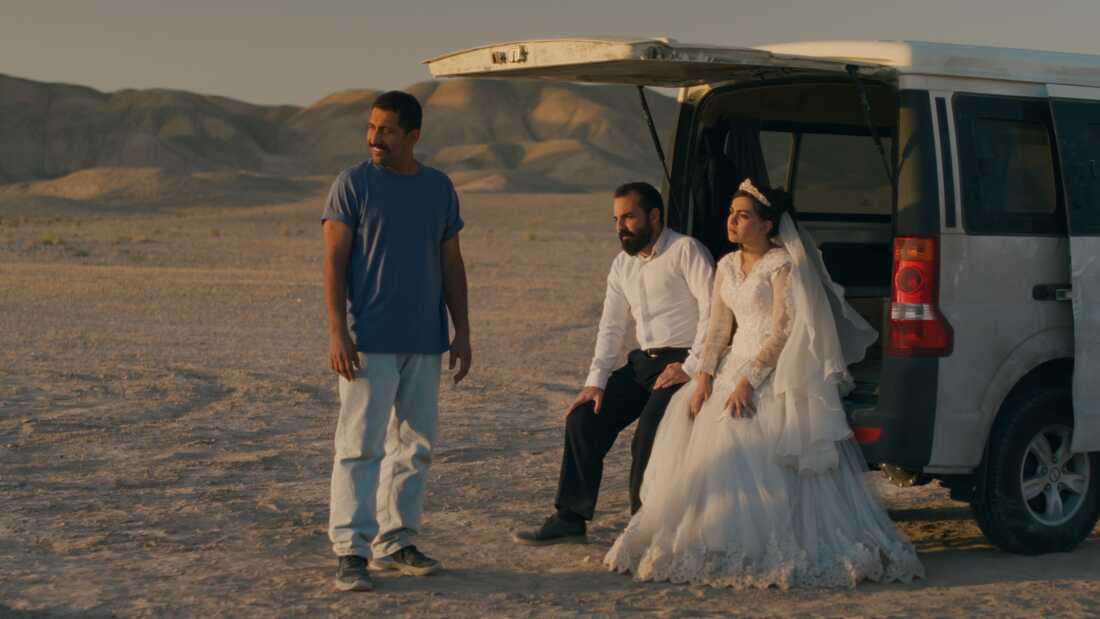
I usually see a few films at local (and sometimes international) festivals that make this cut: I’ve already written on three from this spring’s IFF Boston (see links below); On Becoming A Guinea Fowl I viewed at IFF’s Fall Focus last November and I appreciated it more after a second viewing earlier this month. Thank You Very Much is an underrated Andy Kaufman documentary that could have benefited from a wider release; Grand Tour and Universal Language are both admirably unique concoctions that I won’t forget about come year-end.

As for albums, it shouldn’t come as a surprise that at 50, many of my current faves are from artists my age or older (British jangle-pop quartet The Tubs are the youngest here by a considerable margin.) I would argue that most of these “legacy” acts are churning out some of their best work, a few of which I alluded to in the mix I posted last week. I’ll add that Doves’ Constellations For The Lonely might end up my favorite single new album since my number one of 2023. Even though following their debut Haim has made a stronger case as a singles than albums act, after two full spins, I Quit is cohering better than I anticipated it to.

Favorite Films of 2025 so far (alphabetical by title):

Favorite Albums of 2025 so far (alphabetical by artist):

  • Destroyer, Dan’s Boogie
  • Doves, Constellations For The Lonely
  • Haim, I Quit
  • Mekons, Horror
  • Perfume Genius, Glory
  • Pulp, More
  • Robert Forster, Strawberries
  • Stereolab, Instant Holograms On Metal Film
  • Suzanne Vega, Flying With Angels
  • The Tubs, Cotton Crown

Top Ten Films: 1997

  1. The Sweet Hereafter
  2. Boogie Nights
  3. Happy Together
  4. Jackie Brown
  5. Grosse Pointe Blank
  6. Taste of Cherry
  7. L.A. Confidential
  8. Fireworks
  9. Henry Fool
  10. The River

Honorable Mentions: The Hanging Garden, The Ice Storm, Nowhere, Princess Mononoke, Romy and Michele’s High School Reunion

For My Watchlist: The Butcher Boy, Gattaca, The Life of Jesus, Public Housing, Xiao Wu

*

During this great transitional year (got my BA from Marquette, moved across the country to attend grad school at Boston University), The Sweet Hereafter was a revelation. Already drawn in by all of its glowing reviews, I saw at the Oriental Theatre in Milwaukee when home for Christmas break with a friend whose motivation to watch it with me was solely due to its enigmatic poster. As eye-opening as anything I’d seen in my first semester of studying film, I watched all of Atom Egoyan’s previous six features within the next six months. Briefly a candidate for 24 Frames (I ended up writing a little about it in my essay on star Sarah Polley’s own film Stories We Tell), it still stands (along with 1994’s Exotica) as Egoyan’s peak, the place where all of his obsessions coalesced into one of the best book-to-film adaptations of all time.

Paul Thomas Anderson went on to direct at least five features I’d rank above his second one, Boogie Nights, but what a breakthrough, the real fulfillment of auteur-driven studio pictures that Pulp Fiction promised a few years earlier. To express the visceral charge of being in love with cinema and also being able to back that up with the level of your craft is still a rare accomplishment; perhaps due to its length, I don’t revisit it as often as I should (speaking of Tarantino, Jackie Brown, in my mind his last great film until Once Upon A Time in Hollywood, also applies here.)

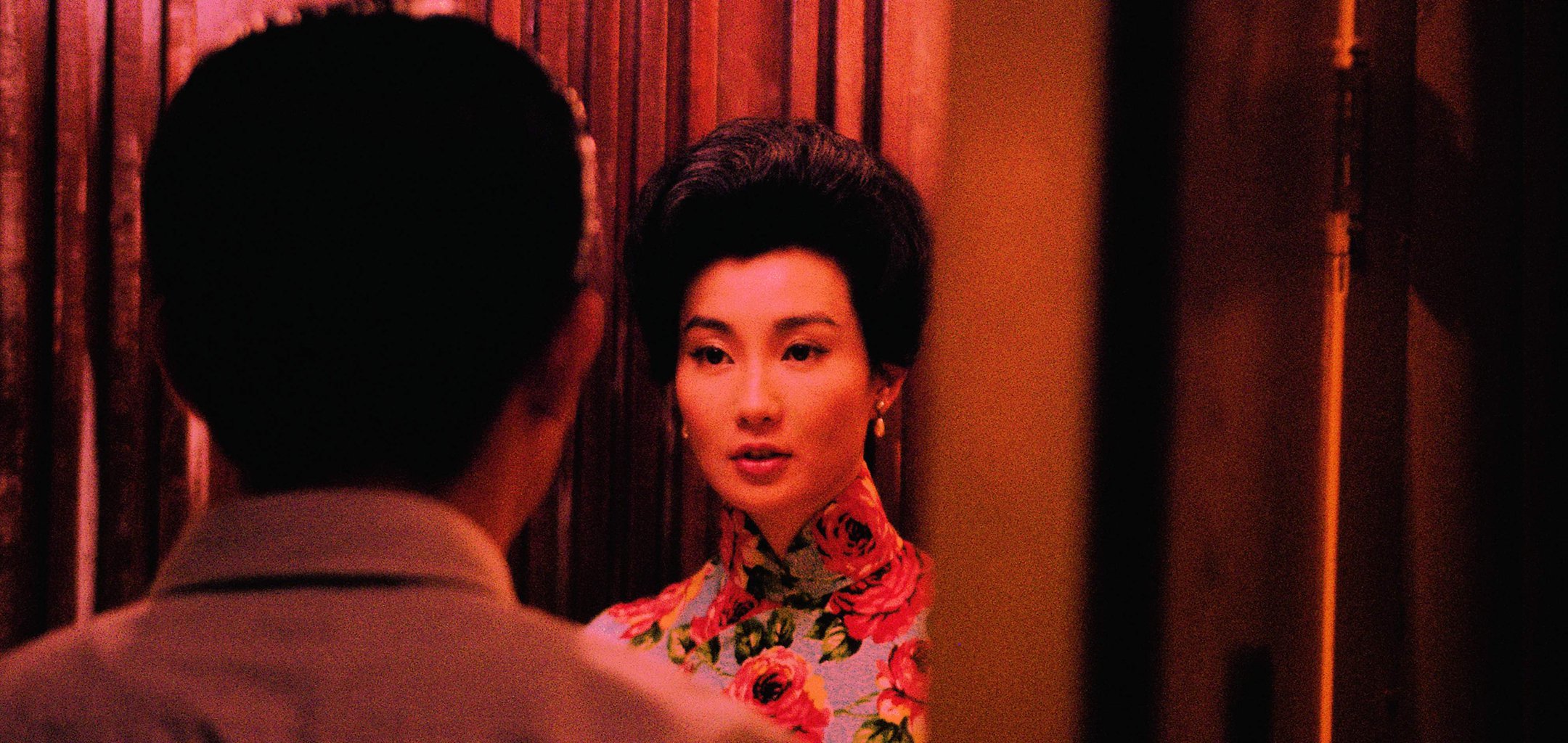
While making my way through the Wong Kar-wai box set a few years ago, Happy Together, which I hadn’t seen since its original release was the nicest surprise, intriguingly looking forward to his masterpiece In The Mood For LoveHenry Fool, rewatched in late 2023 when nearly all of Hal Hartley’s work was streaming on the Criterion Channel is by far the best of that trilogy (and maybe his last great work?) Grosse Pointe Blank and Romy and Michele remain solid comfort-food watches (I suspect L.A. Confidential would as well); I should also revisit Taste of Cherry since I now understand its cryptic ending (on first watch, my reaction was, “Wait, what did I miss? It just… ends, like that?”) As for Tsai Ming-liang’s long-unavailable The River, at this writing it’s streaming (with commercials!) on something called Plex which may be my best option to see it again (not holding out for hope for a public screening on 35mm anytime soon.)

Somehow, I never got around to The Butcher Boy or Public Housing despite having numerous opportunities to do so (I might’ve taped the latter, one of Frederick Wiseman’s marathon-length documentaries off of PBS at one point.) Hoping to see Xiao Wu soon in kicking off a chronological watch of Jia Zhangke’s back catalog inspired by his latest, Caught By The Tides.

Top Ten Films: 1975

Dog Day Afternoon

Time for a new occasional feature! Enhanced by the increase in movie watching at home I’ve undergone in the past five years, I’ll pick a year from the last century (not in chronological order), list my ten favorite films, a few honorable mentions and five titles I haven’t seen but want to watch. Kicking this off by turning back the clock to my birth year—1975’s often seen as a nadir of pop culture, but as a possible refutation, look at this list:

  1. Monty Python and The Holy Grail
  2. Dog Day Afternoon
  3. Nashville
  4. Grey Gardens
  5. Night Moves
  6. The Passenger
  7. Picnic At Hanging Rock
  8. Fox and His Friends
  9. The Rocky Horror Picture Show
  10. Smile

Honorable Mentions: Jaws, Jeanne Dielman, Mirror, Mother Kusters Goes To Heaven, One Flew Over The Cuckoo’s Nest

For My Watchlist: The Adventure of Sherlock Holmes’ Smarter Brother, At Long Last Love, A Boy and His Dog, Cooley High, The Story of Adele H.

*

Of course Monty Python and The Holy Grail would always end up my number one given the impact it had on my film vocabulary but Dog Day Afternoon is a close second. I revisited it about two years ago and noted that anyone looking to make a heist picture or a character study should retain all of it for future reference. Al Pacino should have also won the Oscar that year (Jack Nicholson, winner for One Flew Over The Cuckoo’s Nest arguably gave a worthier performance in The Passenger, possibly my favorite Antonioni after Red Desert) and the film’s handling of his character’s fluid sexuality is decades ahead of its time.

Nashville could’ve also been a serious contender for #2 but unlike Dog Day Afternoon, I haven’t seen it in nearly two decades. I could also stand to revisit Grey Gardens although I’m staunch (S-T-A-U-N-C-H!) in the feeling that I could remember it by heart. Night Moves, a more recent first-time watch was nearly Royal Tenenbaum, PI and I hope it’s becoming more widely seen given Gene Hackman’s recent passing. May Michael Ritchie’s perceptive beauty pageant satire Smile achieve the same status once Bruce Dern inevitably kicks the bucket.

Some may scoff at Rocky Horror’s inclusion but I’ve come to appreciate it as a genuinely good film with great music and iconic performances whose only sin is that it can’t sustain such more-ness all the way through to its somewhat ridiculous final act. It’s certainly classier than the two go-for-broke stinkers Ken Russell (whose other work from this period will likely make some of my top tens!) released this year: the overrated kitsch-fest Tommy and the justly obscure Lisztomania.

Someday I’ll give Sight and Sound grande dame Jeanne Dielman another viewing; I’ve recognized its worth but have also struggled with its endurance-test construction;  I’ll likely check out Francois Truffaut’s The Story of Adele H. first or even Gene Wilder’s directorial debut which I have measured expectations for despite his singularity as a performer.