1. I had to go beyond the local multiplexes or, in fact, any theater to stumble across a movie that, for the first time, expanded my idea of what one could be and also feel like it was somehow made just for me.
2. A glimpse into another world: a bridge between what I liked in my youth and what I would love as a grownup when I eventually worked at a cinema myself.
3. I left the movie feeling blown away by the story, thinking I had never seen anything like it before; now I understand that it was the depiction of a foreign culture that was new to me.
4. Itmade a seismic impact on my taste and notion of what the world had to offer to someone my age. I was getting closer to leaving those suburban multiplexes and my heretofore provincial worldview (mostly) behind.
5. This notion of a fine line separating life and art was on my mind as I prepared for a major change in my own life and the role art would play in it.
6. It was a film asking its viewers to consider whether the desire to be “safe” was to simply crave comfort or inevitably give oneself over to fear.
7. The thrill of discovery, of opening those new doors encouraging me to pursue Film Studies, vindicating that leap of faith I took in making film central in my life.
8. No matter who or what we are, we look for representation in popular art, to see people onscreen who are recognizable, even similar to us, finding someone we can relate to and that the rest of the culture can also see.
9. I still fondly recall how I got to see itfor the first time, but what’s important is not how I saw it, but that I saw it and can still watch it again and again, no matter where I can find it.
10. What if, like real life with all of its nuances and contradictions, a work of art subsisted somewhere in between fiction and nonfiction? What about those filmmakers whose work tends to fall into such margins?
11. How nearly overstimulated yet satiated I felt while piecing together images and sounds, the ways they informed and occasionally contrasted against each other and how tension accumulated throughout, reaching a breaking point only to find an unlikely release at the end.
12. A panorama to fearlessly explore connections between dreams, reality and the movies, not to mention all of the wicked, sublime and terrifying possibilities that surface as they overlap.
13. We revisit films for the pleasure they provide. Occasionally, we also have a sixth sense, an inclination that there’s more to glean from them than what we can discern after a single viewing.
14. For those receptive to such stillness, it can be like sitting on a bench or standing next to a wall, simply observing life play out before one’s own eyes no matter how little action occurs.
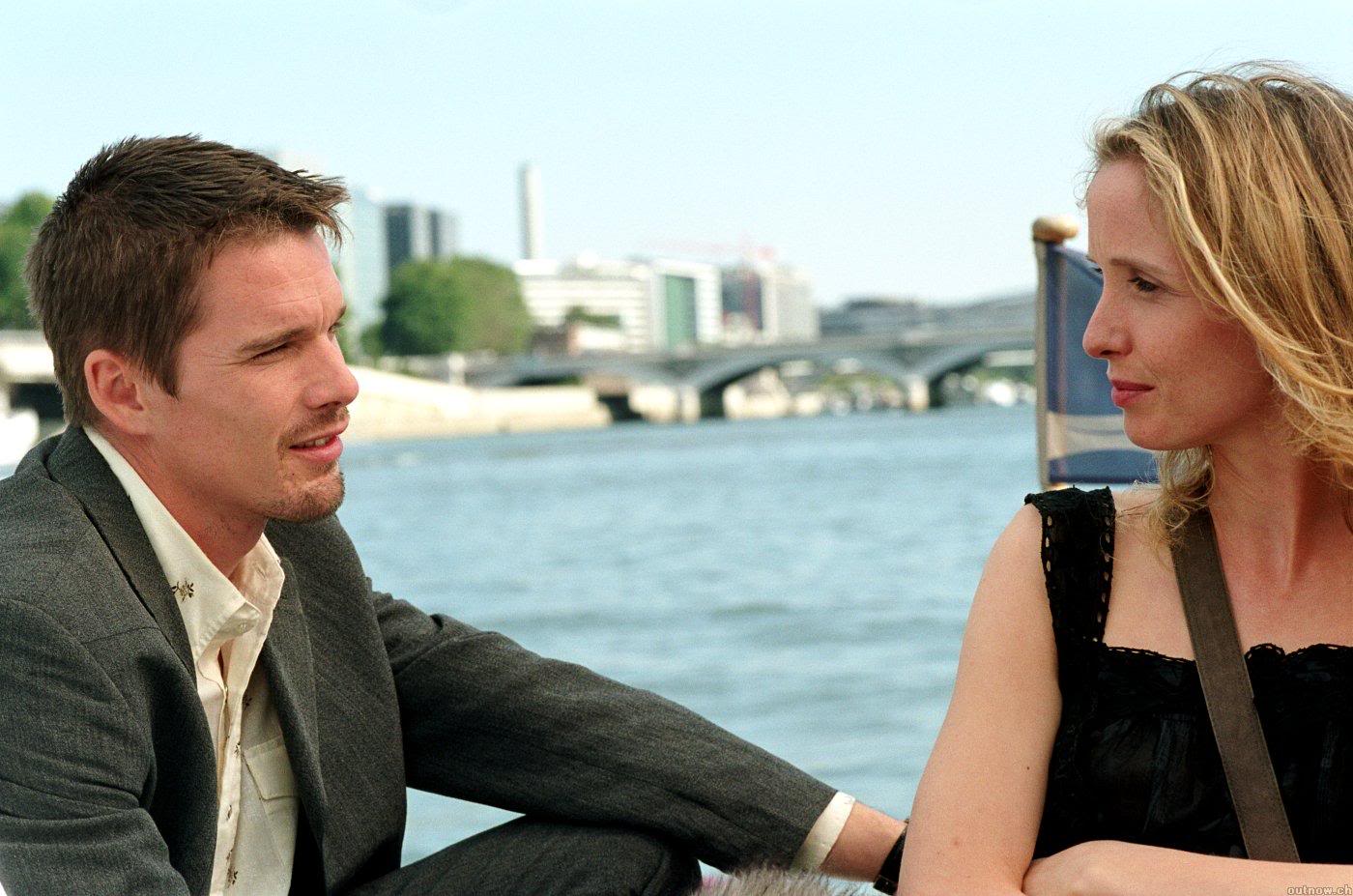
15. The question “Does anyone change?” lingers in their pauses between conservation; as much as either one would like to deny it, their body language often says otherwise.
16. That sense of camaraderie and support is really what the film is all about; it’s also what I craved and then experienced once I found my people at the movies—on both sides of the screen.
17. This past as remembered from adulthood is so colorful, vibrant and real one could almost step into the frame and feel what’s it like to be an active part of it.
18. “What is a city without its ghosts?” the director’s narration asks and it’s the film’s central thesis, lending weight to what simply could have been a kooky look at a quirky childhood.
19. Whenever I watch a film for the first time, I keep in mind how it makes me feel; the best films, however, also form a deeper connection, one that not only changes our literal view of the world but also challenges it.
20. It’s deeply affecting for it reminds us not what the story is or necessarily how it was relayed, but why it was told.
21. Whatever our aspirations may be, humans as individuals are subject to a continual evolution without end; as couples, an end only arrives when one participant or in some cases, both are no longer willing to evolve.
22. Have you ever left a movie in a daze, almost as if your entire world has shifted? Often, when the lead character has been through something over the course of the film, so have we.
23. Through all of this previously unfathomable change, films remained my refuge, my constant, my church. None of us had any idea when or even if theatres would ever reopen; streaming and physical media would have to suffice until they did.
24. Some of the best films tend to recognize this sense of a world in flux no matter how contained the narrative; the very best of them also offer new ways of viewing and comprehending it.
In the last entry, I stressed how content and form can both complement and enhance each other in a film. One of my more important takeaways from studying the art in grad school was the importance of good writing (content) and acting (form)—the absence of either one often an automatic blemish on the final product. Obviously, not only performances determine form, even if they’re the most crucial component of it. However, one should not value a film’s style any less in establishing its overall worth. In particular, a sense of place via its production and sound design can be just as crucial in making a great film as its screenplay or actors (as long as they don’t overshadow either one.)
Roughly a decade after grad school, entering my mid-late 30s, I had by then seen literally thousands of movies (probably closer to around 2,000, but that qualifies.) As with any medium, the more one absorbs, the better one can critically assess. I reached a point where I began responding more strongly to qualities I hadn’t seen before, as opposed to those which had become tropes or rendered stale through repetition. Woody Allen, for instance, grew less interesting to me (controversy/cancellation aside): his 21st Century work offered little variation on what had come before (give or take a Match Point), rendering him irrelevant and mechanical (I took to dubbing him the “Wood-bot”.) Why waste time on someone obviously past their prime with so much new (and unseen old) stuff attempting something different or at least advancing a fresh perspective?
Naturally, I praised unique, innovative performances: Daniel Day-Lewis’ ultra-specific persona and accent in Paul Thomas Anderson’s There Will Be Blood, Lesley Manville burrowing deep as an unglamorous but sympathetic lush in Mike Leigh’s Another Year; Nicolas Cage going for broke and director Werner Herzog expertly guiding him in Bad Lieutenant: Port of Call New Orleans. I also valued screenplays that either told stories I hadn’t heard before (Charlie Kaufman’s Synecdoche, New York pushing his trademark meta-ness to an extreme in exploring mortality vs. the permanence of art) or told in a way I hadn’t seen before (Leos Carax’s Holy Motors orchestrating an extended metaphor for what it entails to partake in a performance and inhabit many roles.)
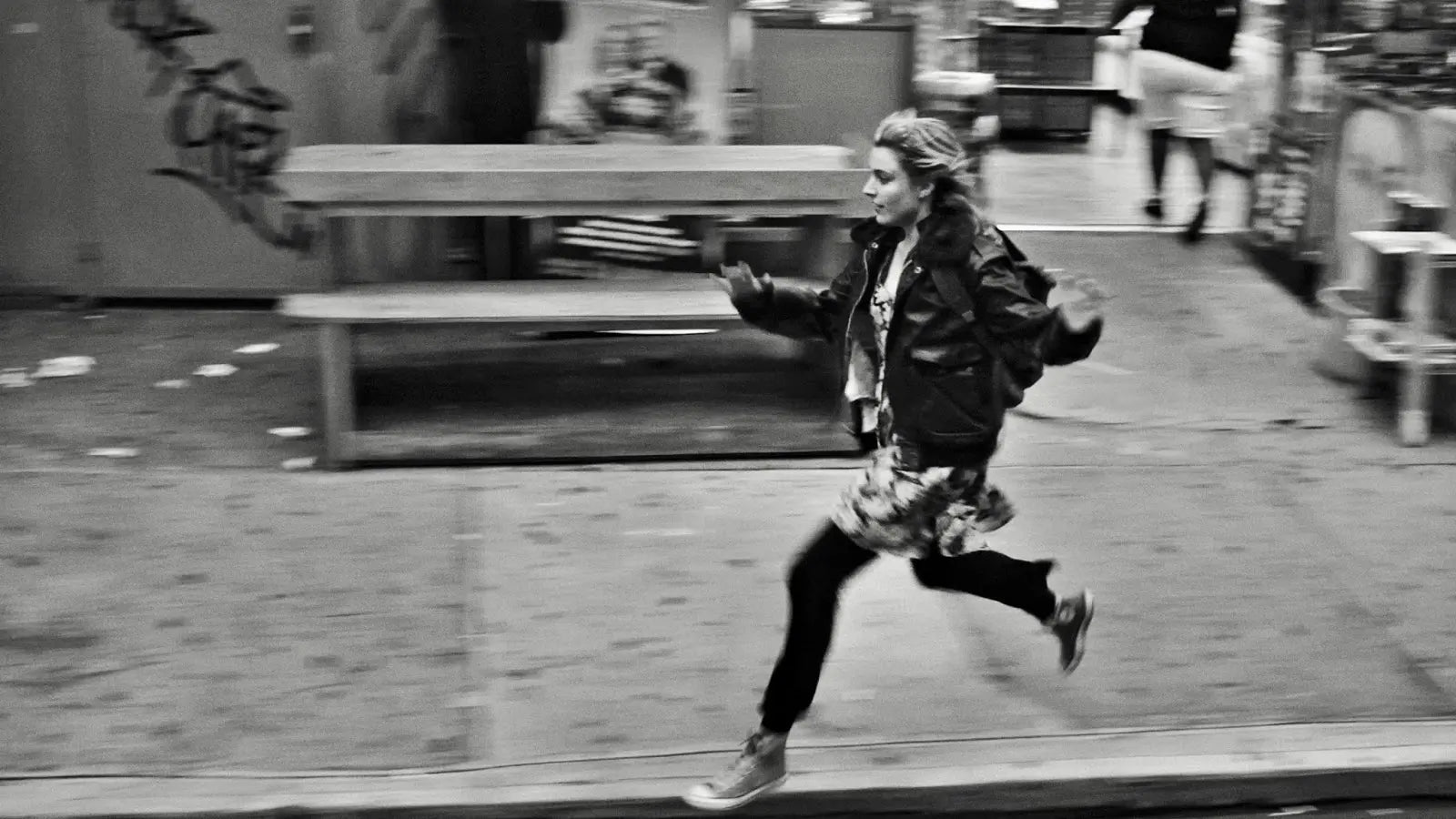
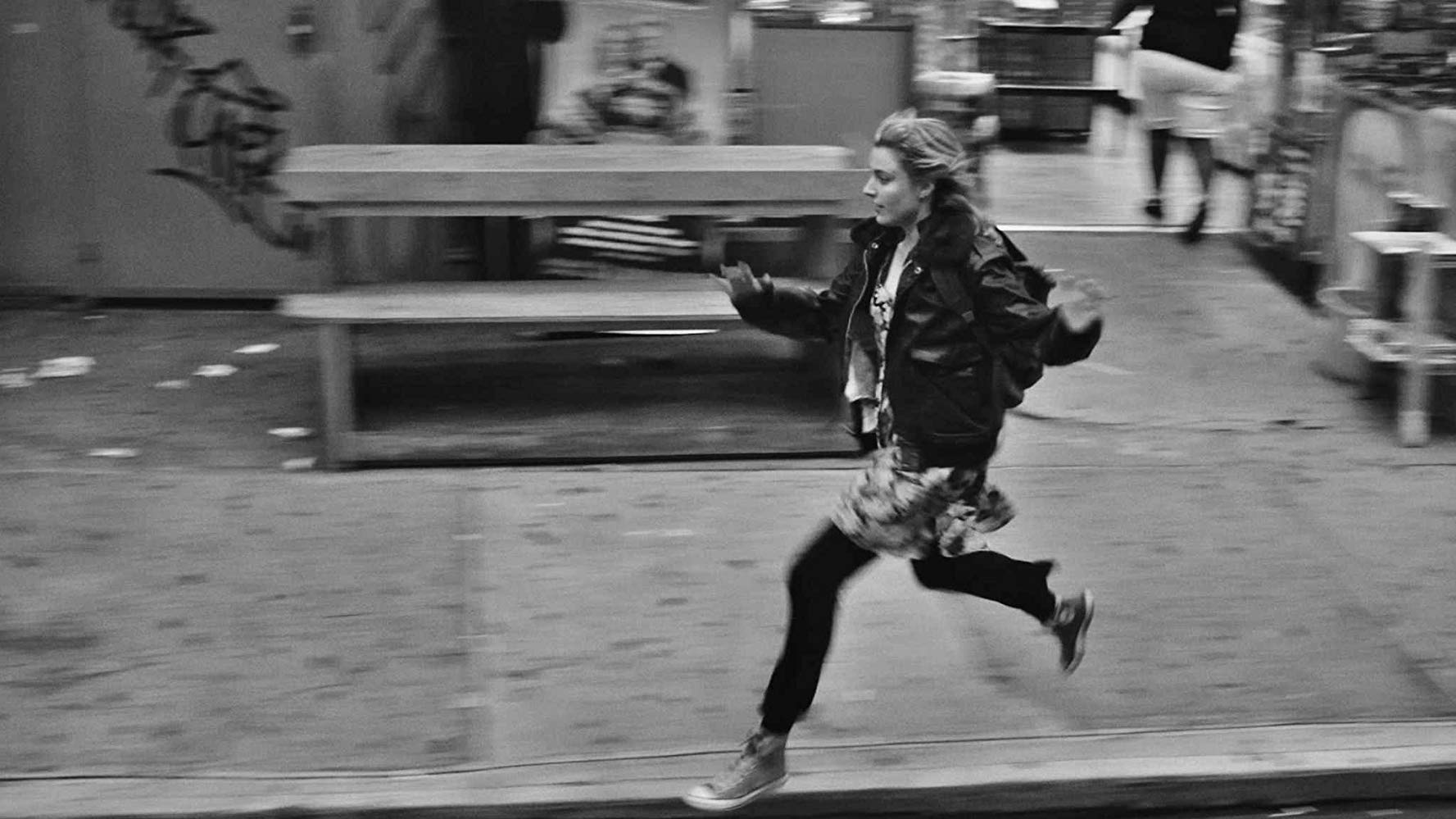
Just as often, the look and/or sound of a film got my attention. I fell head over heels for Nicolas Winding Refn’s Driveand its deep dive into a Los Angeles milieu by way of its opening, splashy pink-font credits scored to Kavinsky and Lovefoxx’s seductive, retro-electropop “Nightcall”; I also found the throwback, low-budget, black-and-white New York of Noah Baumbach’s Frances Ha incessantly charming. I instantly loved the near-magical conjuring of 1965 coastal Rhode Island Wes Anderson crafted for Moonrise Kingdom and the melancholy, concrete greys of Greenwich Village set just a few years before in Joel and Ethan Coens’ Inside Llewyn Davis. Of course, each of these titles also had exceptional screenplays and performances (Frances Ha is unimaginable with anyone other than Greta Gerwig as the titular character) but their visual tableaux and soundtracks were beautifully in sync with them, creating multi-dimensional experiences one couldn’t replicate solely on the page.
Frances Ha
Of the new filmmakers to emerge in the 2010s, Peter Strickland was one of the most driven by an uber-particular sense of style. Born in Britain in 1973, he broke through with his second feature, Berberian Sound Studio (2012). Toby Jones (then best known for starring in the Truman Capote film that was not Capote) plays a meek sound engineer working on a 1970s Italian horror film (the subgenre, giallo, is best exemplified by Dario Argento’s 1977 masterpiece Suspiria.) Strickland’s work is more of a psychological horror film, with Jones’ character’s sanity gradually ebbing as his personality fractures and real life becomes indistinguishable from the movie he’s working on. Rather than keeping tabs on an ever-more-convoluted plot, the film is most striking for its style, heavily drawing on giallo tropes (bold colors, intrusive music, graphic violence, an enveloping feeling of dread and the macabre) and also painstakingly recreating the look and feel of a period long since passed.
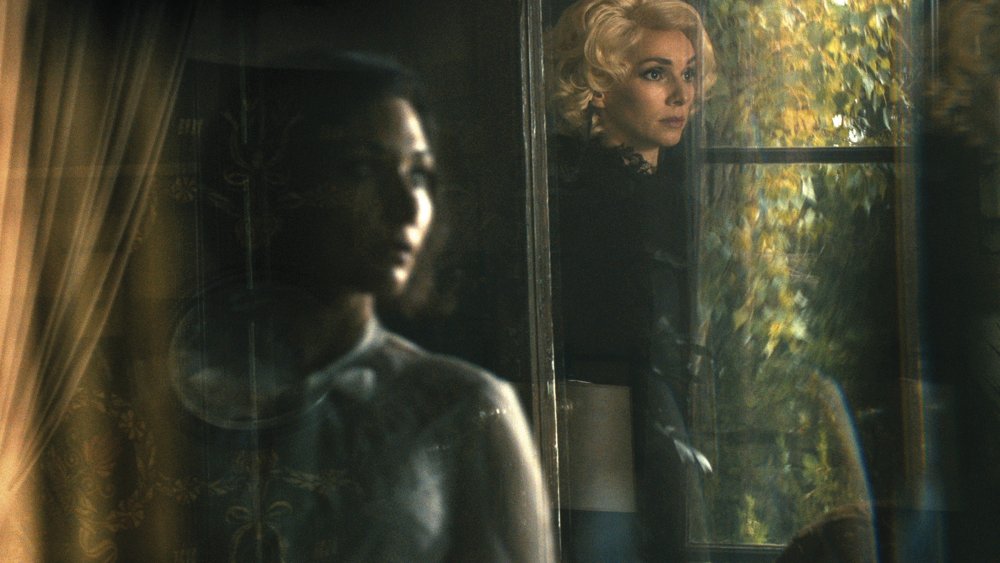
Berberian Sound Studio makes a formidable impression but its obtuseness doesn’t fully satisfy—by the end, while dazzled by its style and impressed by Jones (a gifted and consistently great character actor), I didn’t feel much of an emotional connection to what had transpired. Thankfully, Strickland avoids this trap with his next feature, The Duke of Burgundy (2014). Ostensibly set in what appears to be a small European village (it was shot on location in Hungary but its location is never explicitly identified onscreen), it has a style and sense of place as richly textured, realized and dominant as its predecessor; it’s also a big step forward in how he expertly utilizes these facets in service of his narrative, which is nearly as complex but far more resonant in how it invites the viewer to respond to its characters within this environment.
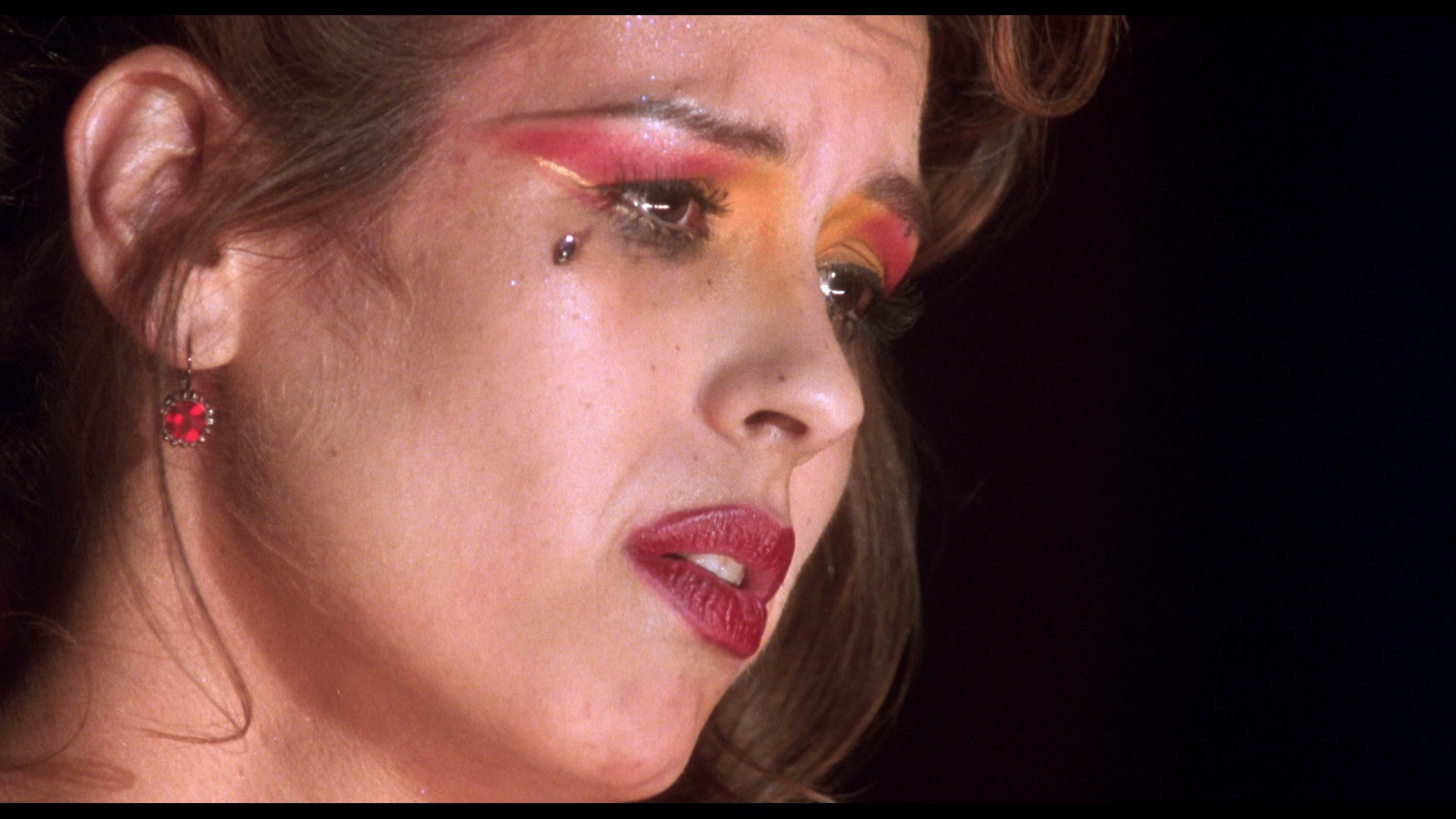
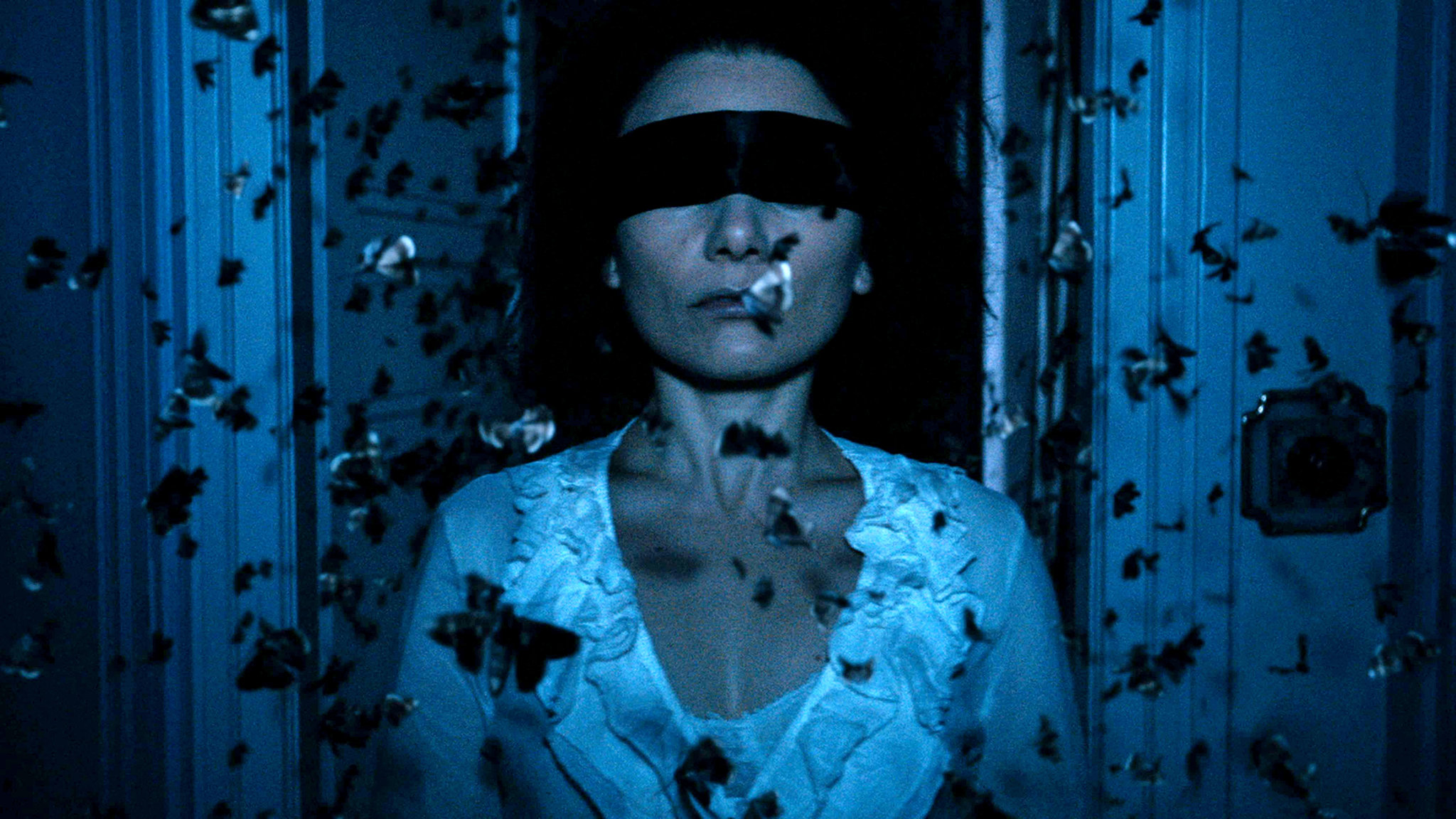
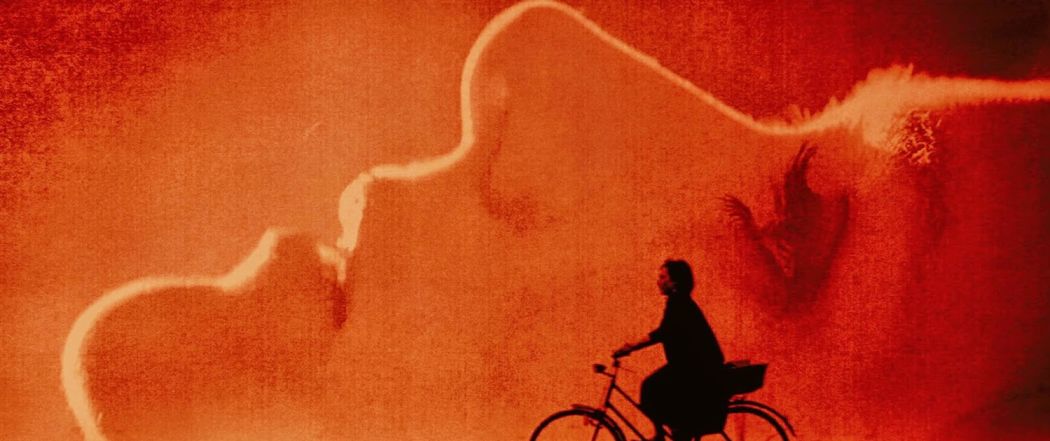
The film opens with Evelyn (Chiara D’Anna), a younger, pixie-like woman kneeling at a bucolic stream in what resembles an enchanted forest out of a fairy tale. She looks up longingly at the sky and then takes to her bicycle, riding through the woods as the opening credits commence. Scored, like the rest of the film to the baroque chamber pop of duo Cat’s Eyes (with breathy, Francoise Hardy-esque vocalist Rachel Zeffira), the credits resemble a picture book or perhaps a procession of twee, self-knowing The Smiths or Belle and Sebastian album covers, employing freeze frames, matte effects and various animation techniques (including fluttering butterflies—remember them.) It concludes once Evelyn reaches her destination: the posh home of Cynthia (Sidse Babett Knudsen).
A single, middle-aged lepidopterist (one who studies butterflies and moths), Cynthia greets Evelyn with a curt, “You’re late” before letting her into the house. One immediately detects how curated the place is, as eloquently considered and conceived as anything out of Architectural Digest. Between the furnishings and the characters’ hairstyles and clothing, it also easily looks like it could be the 1970s, yet there’s something not-quite-restricted to that period suggesting this could be reasonably set during any time since that decade (it’s also devoid of devices such as cell phones or computers that would render the palette a deliberate anachronism.) Certainly, such an environment feels like a deliberate provocation, meant to invoke something retro without placing it in a concrete context. It fascinates not because it necessarily begs us to ask when is this actually taking place but more like why does it look like the past frozen in amber?
It’s a question that surfaces in nearly all of Strickland’s work, especially his next feature In Fabric (2018), which delves deep into home furnishings, fashions and department store interiors straight out of the 1970s and 1980s while not necessarily tied to either of those decades beyond their looks (really, the tale of a dress that murders people can be set anytime, anyplace!) In The Duke of Burgundy, however, it’s a tad more subtle. One could simply chalk it up to the director’s preference for era-specific stylistic choices—a love for visual motifs from the years constituting his own childhood. It surely distinguishes itself from an alternate universe version of the film explicitly set in the present where Cynthia and Evelyn post on social media and include slick PowerPoint presentations in the former’s lepidoptery lectures.
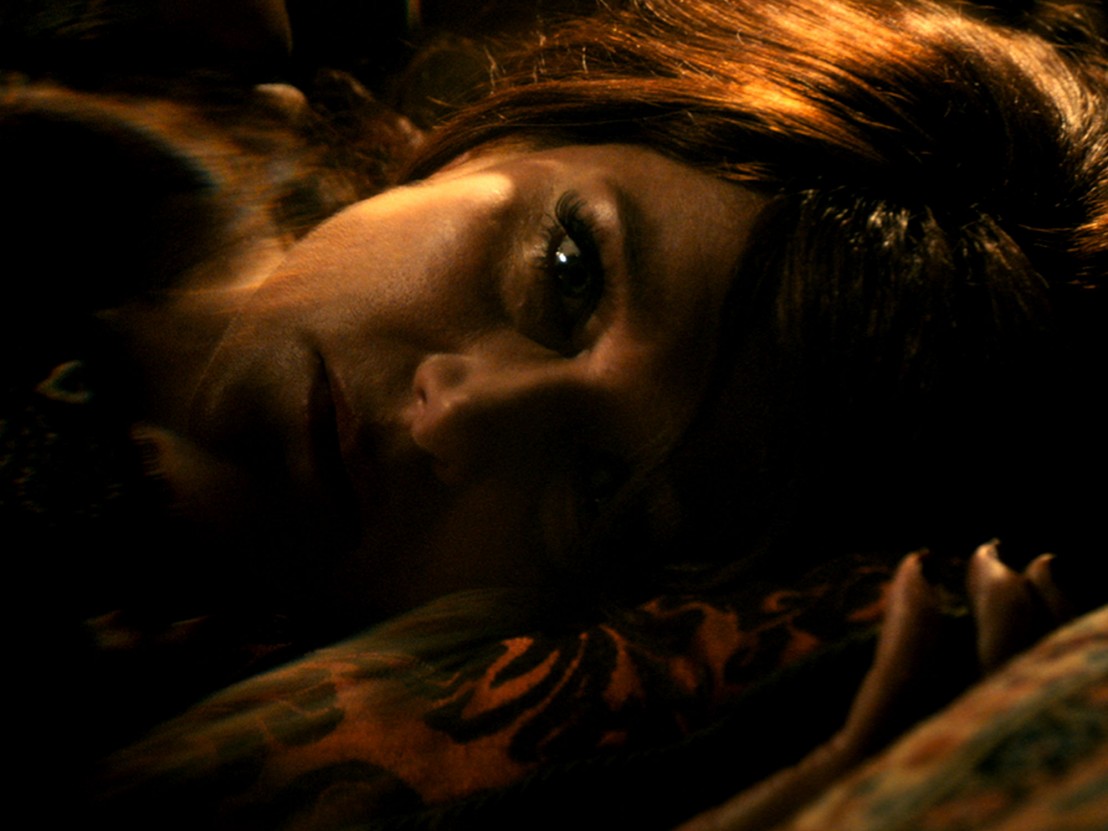
While unignorable, however, Strickland’s stylistic choices primarily help to set an overall tone—an off-kilter one, for sure, as The Duke of Burgundy occasionally shifts into experimental, dreamlike sequences that do not so much move the narrative forward as offer peeks into Evelyn’s and especially Cynthia’s subconsciouses. In direct contrast to heightening this overall sense that something’s just a tad awry, these visuals also end up exuding a sense of coziness, maybe even some warmth. Cynthia has obviously put a lot of thought and care into designing her home and every consideration from its mood lighting to the textures of its furniture and knickknacks feels welcoming: a real, lived-in home rather than a sterile museum. The idyllic, heavily forested and sun-kissed (even when perpetually rainy, somehow) village settings are similarly pastoral and inviting.
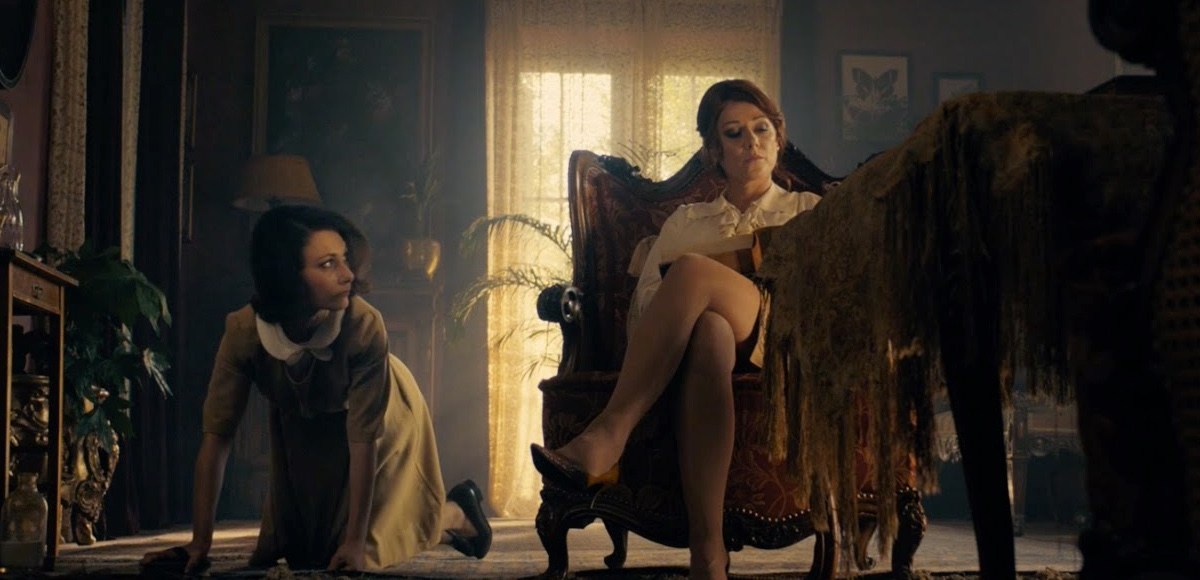
This blend of peculiarity and familiarity is also palpable after Evelyn enters Cynthia’s home and the later commands of her, “You can start by cleaning the study.” It initially appears that Evelyn is Cynthia’s cleaning lady, and not a sterling one at that. Cynthia comes off as a stuffy taskmaster, sitting in her chair and reading while ignoring Evelyn as she scrubs the floor beneath on her hands and knees. Cynthia remains unsatisfied, ordering Evelyn to rub her feet and then wash her underwear by hand in the bathroom sink. Still disappointed by Evelyn’s work, Cynthia announces that it’s time for “A little punishment.” She takes her by the hand, dragging her into the bedroom where, behind a closed door, we hear what sounds like Evelyn being repeatedly spanked, or perhaps whipped.
Evelyn scrubs, Cynthia ignores.
However, the next shot reveals what’s really going on: as the two women lie in bed together, lovingly caressing each other, we see that Evelyn is more than just Cynthia’s maid (or perhaps not one at all.) The whole thing is a charade, an act, a BDSM relationship between the two women with defined dom and sub roles. Suddenly, Cynthia’s brusque demeanor makes perfect sense, as does much of her odd behavior—for instance, exactly why she drinks copious amounts of water before one of Evelyn’s subsequent visits is never shown but discreetly implied that it has something to do with urination as a sexual act. That it’s all a performance is a clever twist; had this been a short rather than a feature, it would’ve been a neat place to end on.
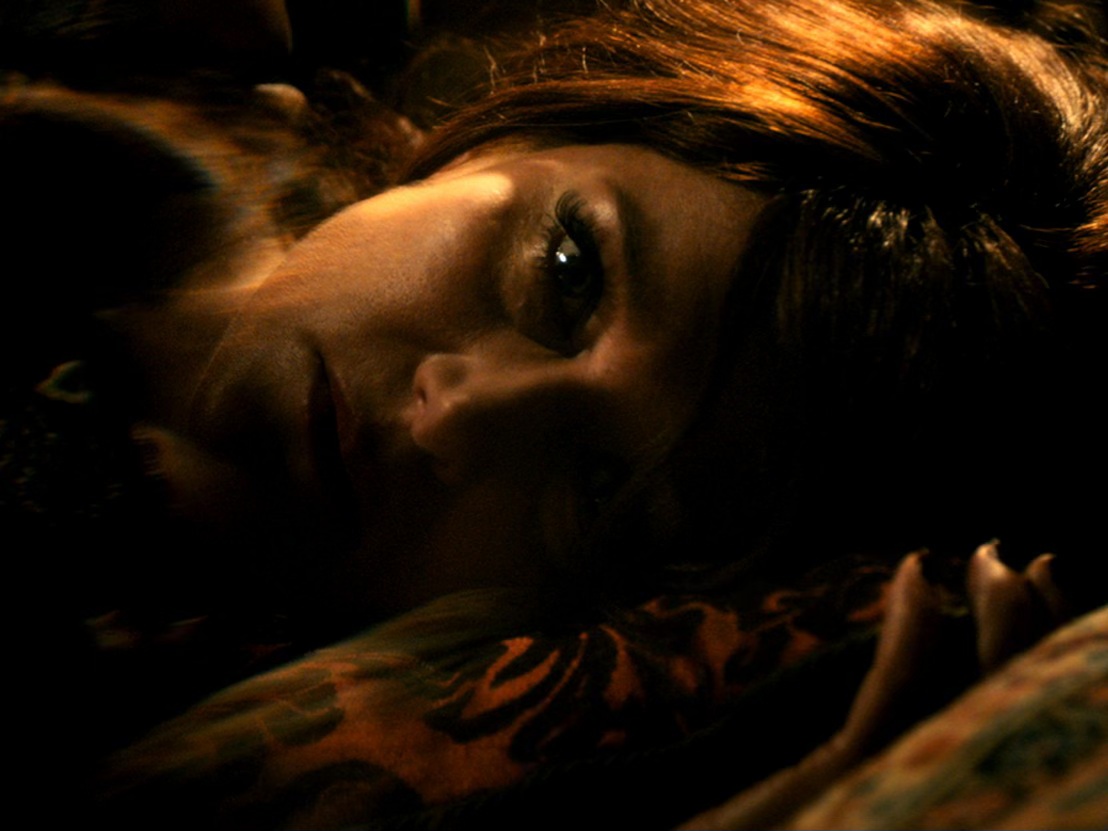
Fortunately, Strickland takes this further by gradually revealing another turn: while Cynthia plays the part of the dom, it’s clearly Evelyn calling the shots in their relationship, making suggestions and writing down what Cynthia should be doing and saying when playacting with her. Increasingly, Cynthia can’t help but relay her discomfort with her role, which as an actress Knudsen expresses beautifully to the point where it’s heartbreaking to view her growing distress. At one point, a platinum blonde and potential femme-fatale only known as The Carpenter (Strickland regular Fatma Mohamed) visits them to provide measurements for a coffin-like container which Evelyn could sleep in under Cynthia’s bed. Once determined this object could not possibly be completed in time for Evelyn’s birthday (it’s a gift!), the carpenter suggests an alternative present called a ”human toilet”: note the childlike glee on Evelyn’s face at this mention and, in contrast, the utter bewilderment on Cynthia’s, who abruptly leaves the room, citing another appointment as an excuse for her brash departure.
Real, unignorable emotions increasingly invade the performative aspects of Cynthia and Evelyn’s relationship. Cynthia finds herself unable to recite her lines with conviction while Evelyn, tempted by The Carpenter, becomes impatient, telling her love, “It would be nice if you did it without having to be asked.” If it sounds like pure soap opera, rest assured stylistically it is far removed from that genre. As the relationship becomes strained, the score is less melodic with electronic droning noises threatening to completely smother the strings, harpsichord and cor anglais from before. Similarly, the lighting gets darker and opaquer while the camera moves ever-more-deliberately with copious slow-as-molasses vertical pans nearly rendering both interiors and bodies as abstractions.
Evelyn and The Carpenter
The film’s title refers not to European royalty but the English term for a species of butterfly, Hamearis Lucina. Why Strickland chose this particular species is best left to lepidopterists, but his use of butterflies as a motif is more relevant. When considering this insect, one can’t help but think of the notion of transformation—how a caterpillar passes through multiple stages to become something radically different (from a ground dweller to a flier with colorful wings.) In that sense, both Cynthia and Evelyn struggle (to varying degrees) in transforming themselves and each other. A stark reminder of this is omnipresent in Cynthia’s home: cases and cabinets teeming with pinned butterflies, all of them transformations that eventually hit a dead end, preserved as memories but not ongoing entities like our heroines. The two women reach a cathartic moment, Evelyn consoling Cynthia about their playacting, “If this is what it does to you, I can change.” Rather than evolving like a successful transformation, however, this relationship more resembles a Mobius strip—following this confrontation, the film ends as it begins with Cynthia once again drinking her water and reviewing her notecards as Evelyn shows up at her front door.
Still, the butterfly motif is not just there for the benefit of the film’s central relationship. In the lecture scenes, one learns that Evelyn herself is a budding lepidopterist, her desire to dominate made flesh as she asks a lecturer pointed questions seemingly to bring attention to herself while a vaguely embarrassed Cynthia looks on. As the camera slowly pans across the lecture’s audience, not one man is present, only women. Further heightening the film’s off-kilter sensibility, some of the women are so extensively made-up they resemble men in drag (much like a Roxy Music album cover); the gleeful presence of the occasional mannequin in the background of said audience pushes this off-ness even further. Gradually, one realizes there are no actual men in the entire film! The Duke of Burgundy is itself a transformative realm, a society of women playing all parts. The butterflies themselves are remnants of a completed evolution; its central love story conveys that whatever our aspirations may be, humans as individuals are subject to a continual evolution without end; as couples, an end only arrives when one participant or in some cases, both are no longer willing to evolve.
We leave Cynthia and Evelyn at an impasse—their relationship is intact, for now, but who is to say what potential it has when it appears to be stuck in a cocoon? Similarly, one can appreciate new films for their familiarity, but when do they start seeming stale? Like The Duke of Burgundy, the remaining titles in this project will emphasize new ways of seeing and storytelling as recent examples of the medium’s continued evolution.
10. BOYHOOD
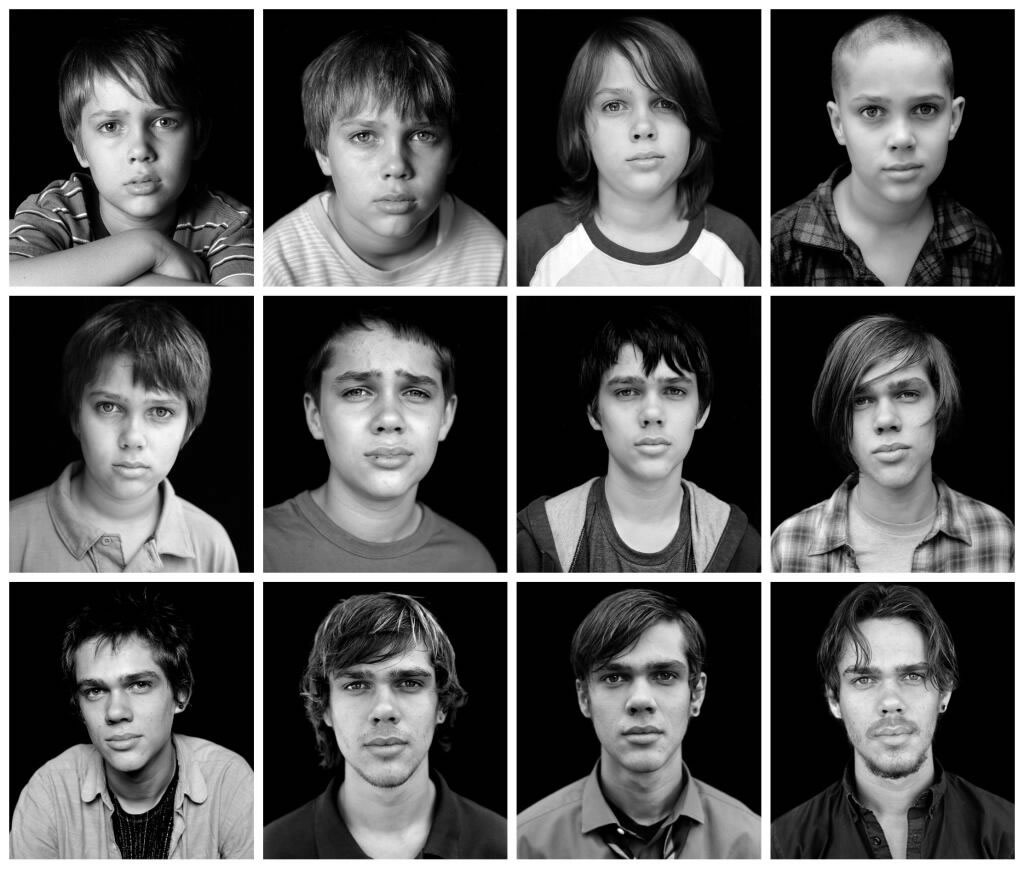
Richard Linklater’s best films dissect how the passage of time shapes our perception of narrative (Dazed and Confused,The Before Trilogy, Slacker); this is arguably more ambitious than all of them, and even more blatantly driven by a gimmick. But the cumulative effect of Boyhood is unprecedented, realizing a new way of seeing and storytelling only possible via the moving image; through his deft use of this structure, Linklater enables us to witness something both so singular and universal.
9. THE MASTER
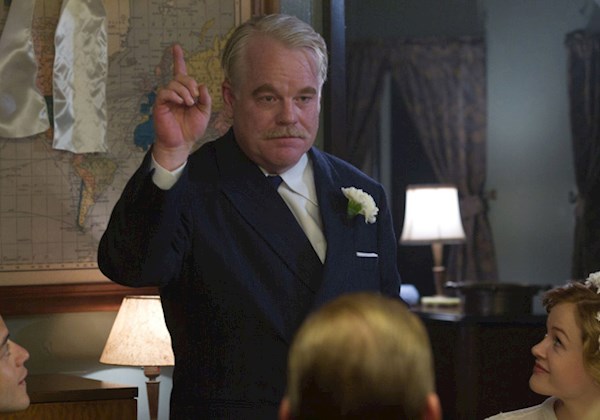
As innovative as Kubrick and enigmatic as Malick, The Master builds on the sharp turn Paul Thomas Anderson took with There Will Be Blood, scrutinizing post-World War II America while often playing like a fever dream come down to earth. Joaquin Phoenix’s meticulous, intriguing performance is but one of many he gave this decade, so look to one of the last great ones from the late Philip Seymour Hoffman—his L. Ron Hubbard-esque figure perhaps the key to this film’s slippery, near-unknowable soul.
8. SHOPLIFTERS
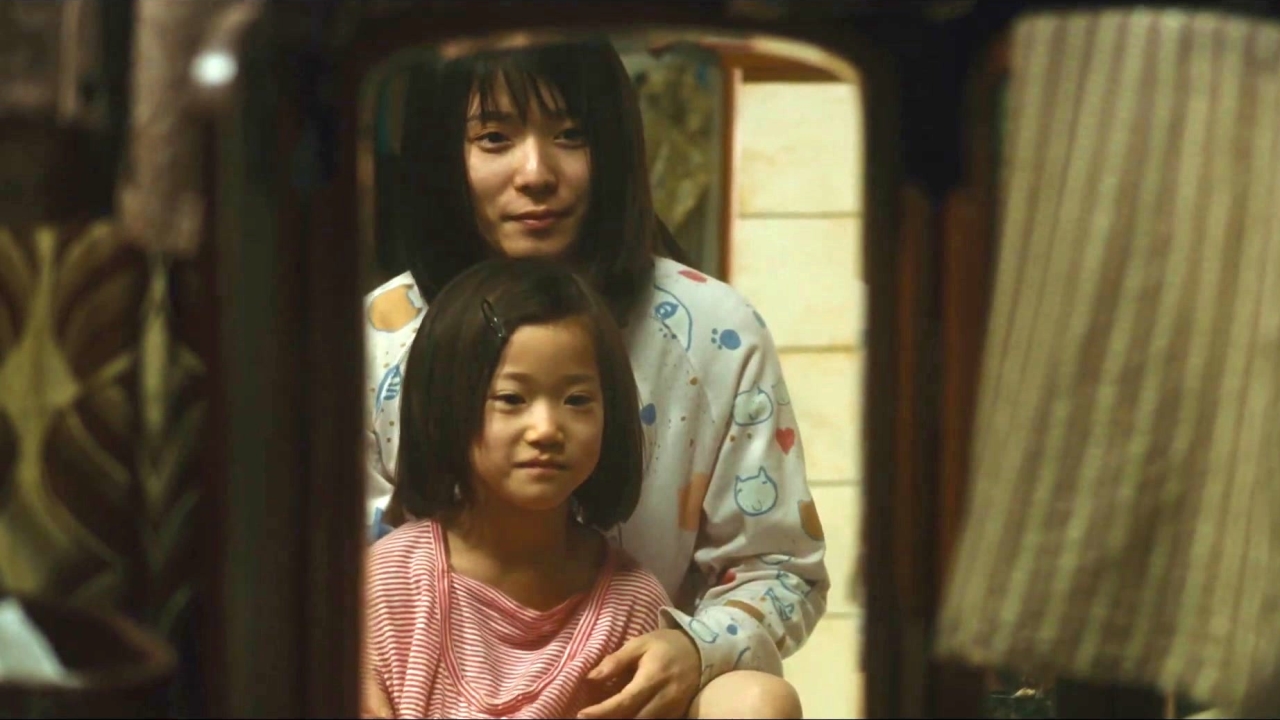
As with his great forebear Yasujiro Ozu, Hirokazu Kore-eda returns to familiar, familial themes across his discography with a rare consistency. So, place this well-deserved Cannes Palme D’or winner about a family of sorts up there with Nobody Knows and Still Walking and admire his ever-present humanism and kindhearted but fair depiction of what ordinary, flawed people do in order to survive while also seeking solace in each other (whether they’re able or even willing to reciprocate.)
7. THE DUKE OF BURGUNDY
Peter Strickland’s strange, arresting film is not just a kinky parade of verbal abuse, face-sitting, being tied and locked up and other unmentionables alluded to behind closed doors; it’s also a profound, intriguing, complicated love story. Come for the dizzying homage to Italian horror and soft-core erotica and stay for a fascinating, eloquent exploration of what it means to play a role in a loving, sexual relationship—and how not fulfilling your partner’s expectations throws everything out of whack.
6. OSLO, AUGUST 31
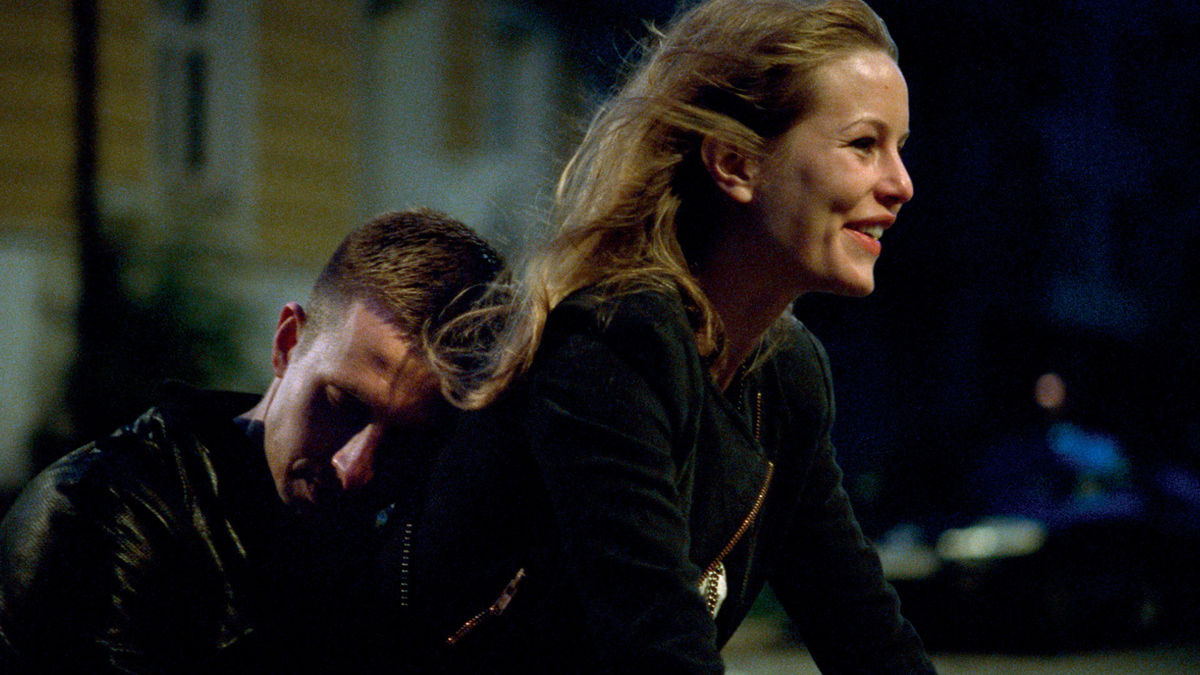
This film follows a man on a one-day leave from rehab. We see him drift through a city (and traces of a former existence) teeming with life and pleasures running the gamut from the mundane to the sublime. And yet, director Joachim Trier never makes light of the conundrum of addiction and how effusively it colors both one’s surroundings and perceptions. Cold and unsentimental, yet affirmative and at times unexpectedly buoyant, Oslo, August 31 is a one-of-a-kind meditation on life itself.
5. STORIES WE TELL
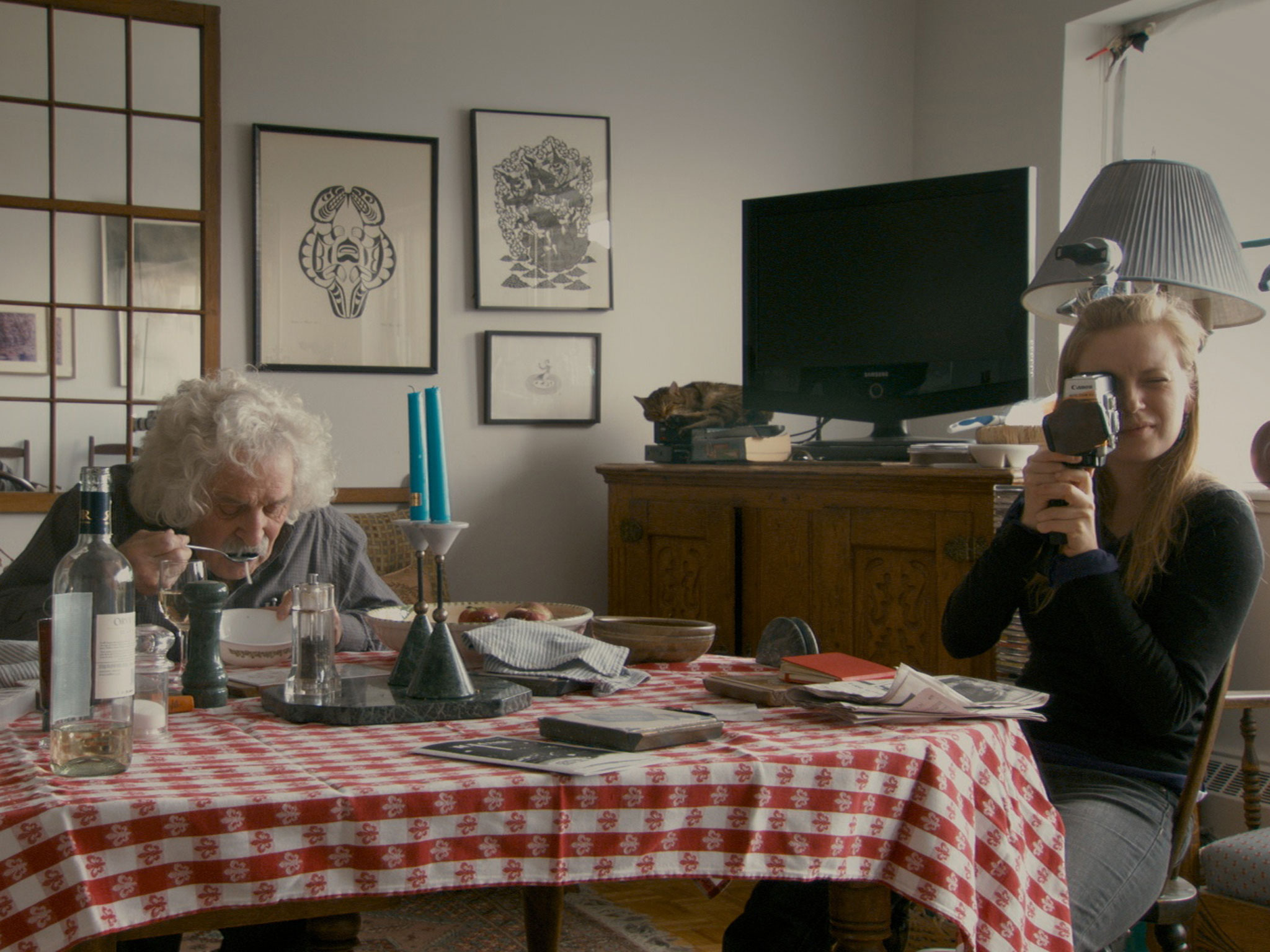
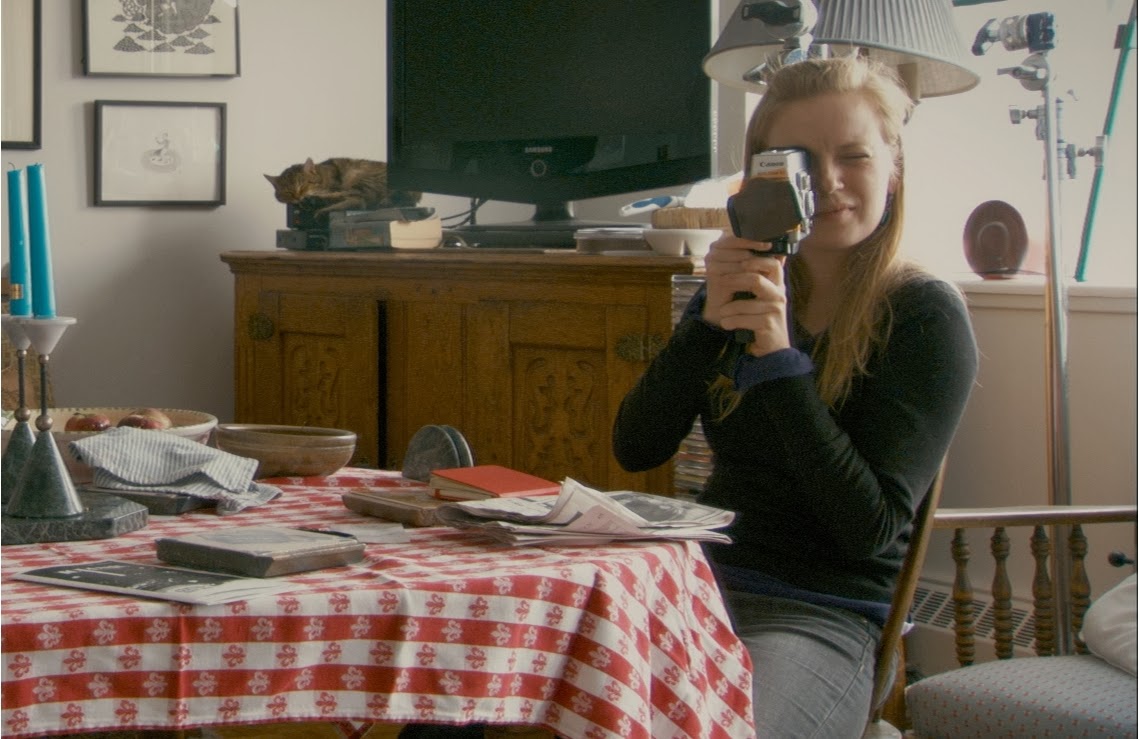
Anyone can make a documentary about one’s own family; for her first nonfiction feature, actress/filmmaker Sarah Polley does just that, but she also explores how such a story can be told, considering differing points of view from each family member, the abundance (or absence) of found documentation available and how all that information is shaped into a narrative (what’s emphasized, what’s left out). As these details accumulate and overlap, Polley crafts a hybrid that does nothing less than open up and redefine what the genre’s capable of.
4. PARASITE
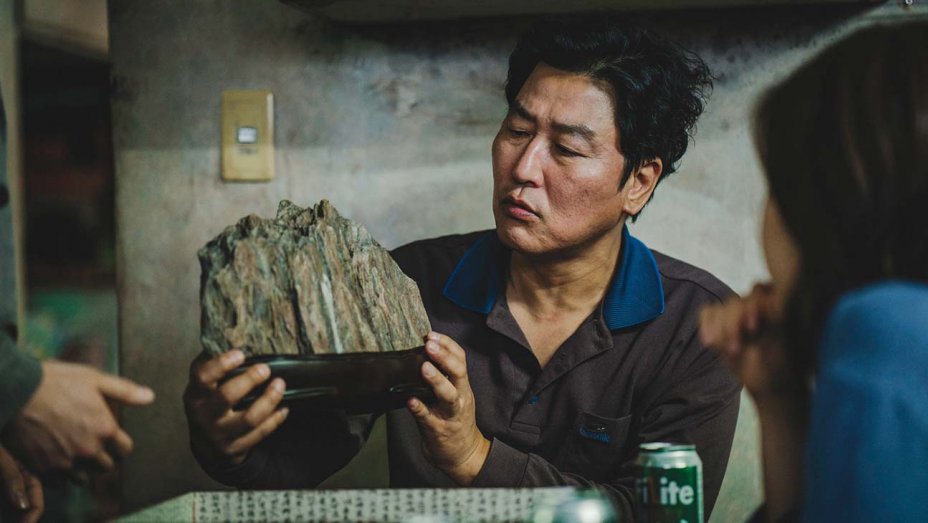
What more is there to say about Parasite? That it genuinely lives up to all the hype and then some? That it’s so well-constructed, you believe every facet of it even as it threatens to spiral out of control? Is it a class-conscious satire, a race-against-the-clock thriller or a revenge-driven horror story? Why not all of these things, and simultaneously at that? I won’t be surprised when I revisit this in another five or ten years if it feels more like a definitive record of its time than any documentary.
3. FRANCES HA
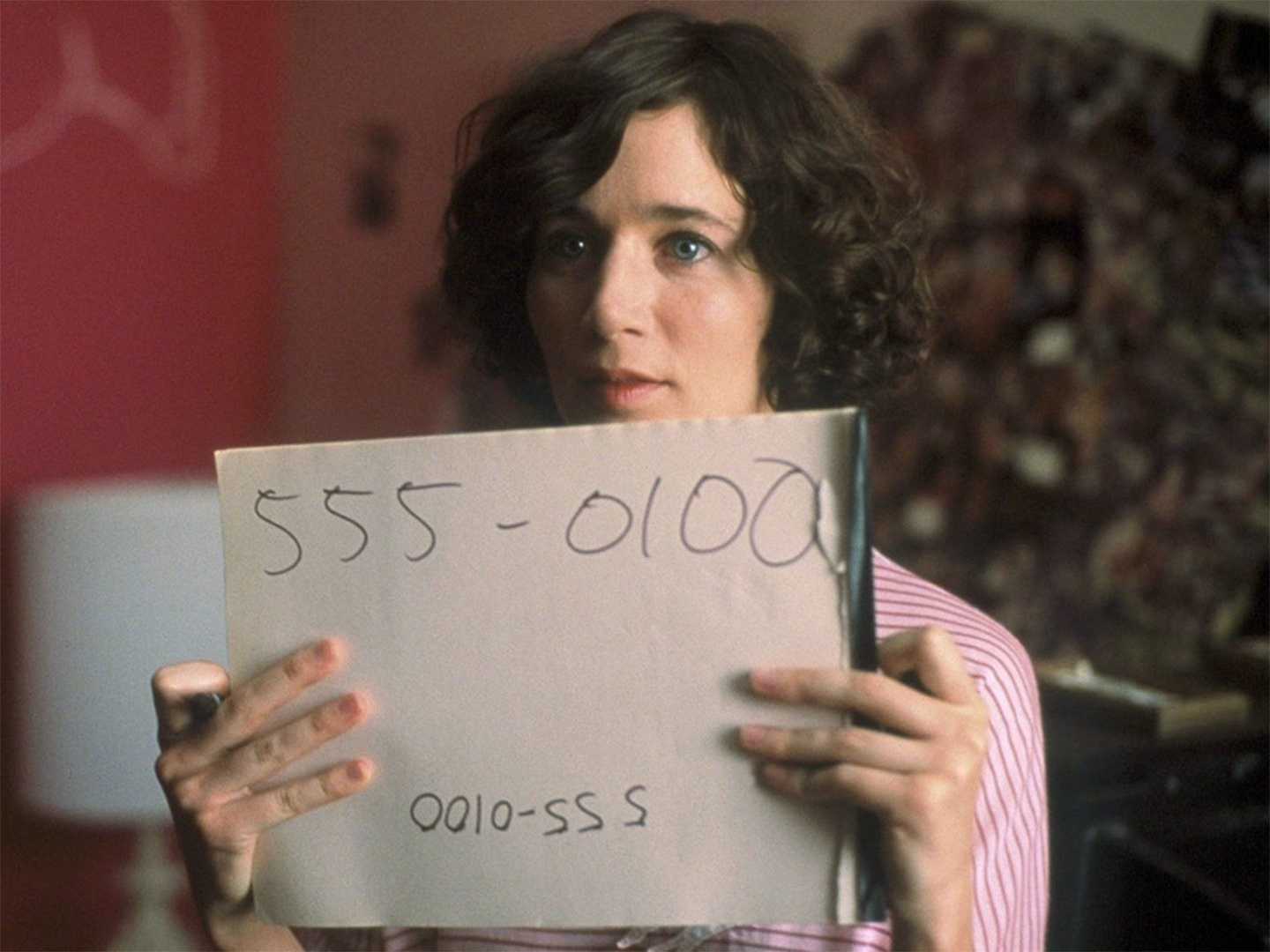
At first glance, Frances Ha shouldn’t work. It’s full of precious anachronisms like black-and-white cinematography, deliberately old-fashioned opening titles and a jarring soundtrack. Besides, the world did not need another tale of a single 27-year-old white woman in New York. And yet, for all of its quirks, actor Greta Gerwig (prefiguring her subsequent work as a filmmaker) and director Noah Baumbach’s collaboration is an utter delight—especially whenever Frances/Gerwig is paired with Sophie (Mickey Sumner), transforming the film into a closely observed study of female friendship.
2. CALL ME BY YOUR NAME
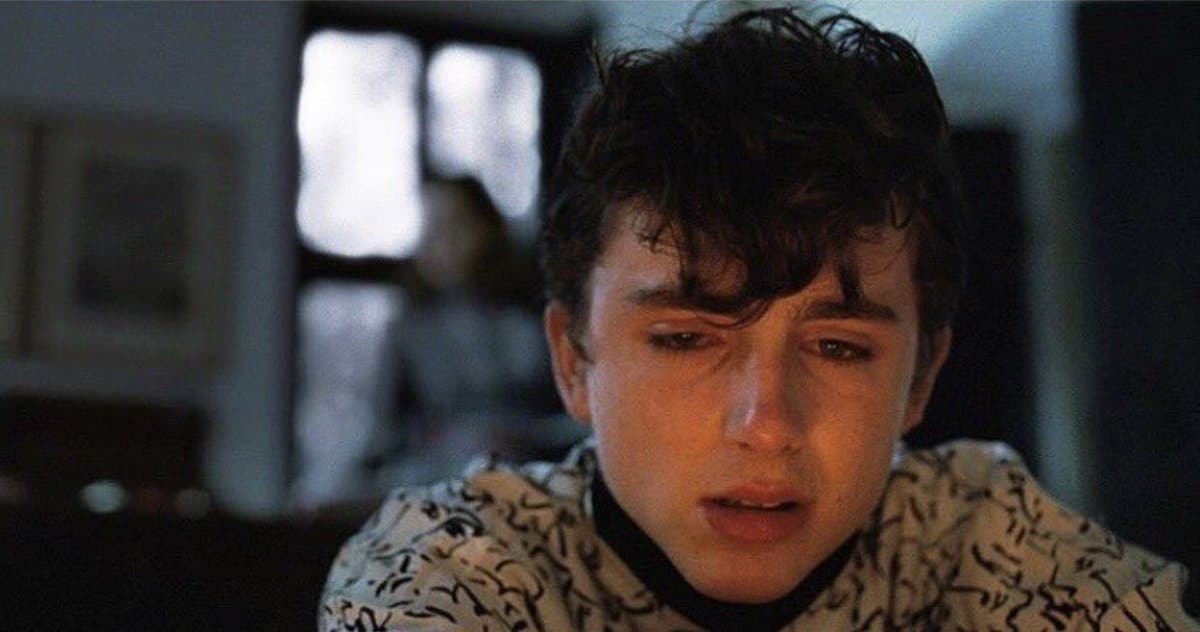
Reining in the excess that sometimes cheapened his earlier work while retaining his passion and drive, director Luca Guadagnino crafts almost an embarrassment of riches, from a monologue for the ages for the great character actor Michael Stuhlbarg to the exquisite modern classical/Sufjan Stevens score to Armie Hammer’s solid presence to Timothée Chalamet, whose breakthrough here is iconic as, if nothing at all like Dustin Hoffman’s in The Graduate. Beyond that, however, this film locates something vital and deeply affecting at the core of giving yourself completely over to love, and also loss.
1. CEMETERY OF SPLENDOUR
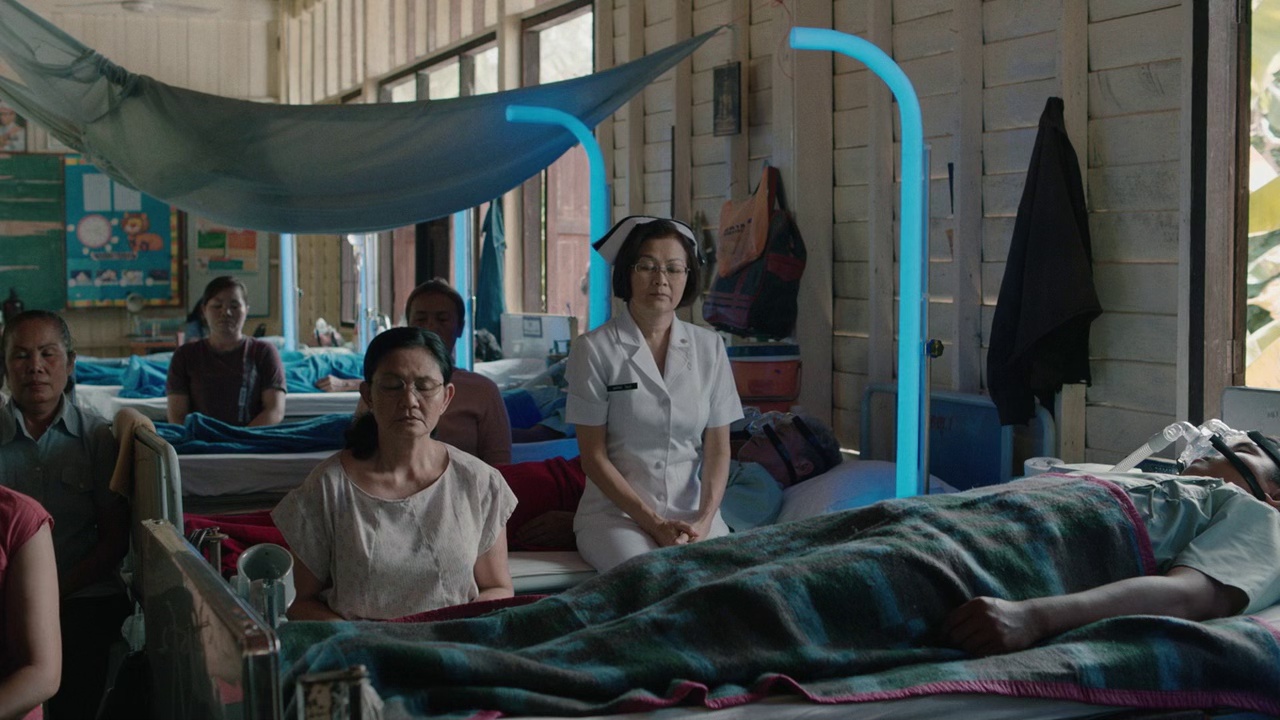
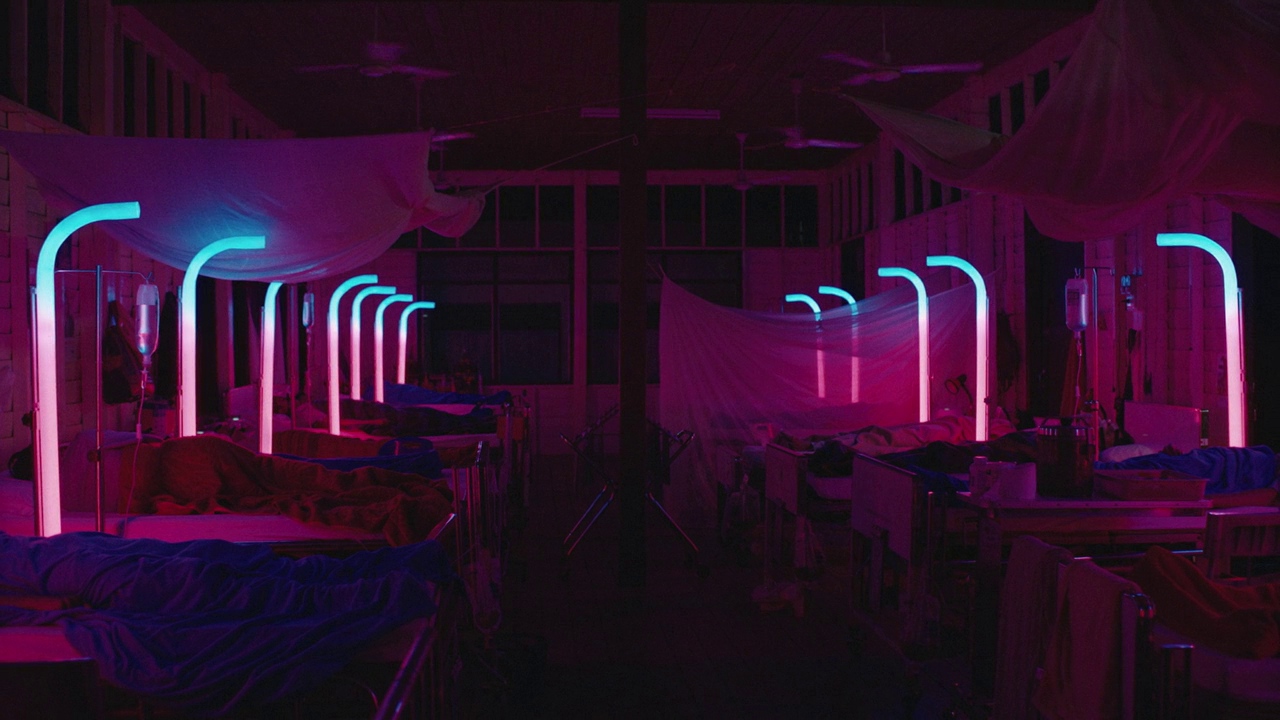
I’ve loved all of Apichatpong Weerasethakul’s films since Tropical Malady, but none have stayed with me like this one. Set in a military hospital in the director’s rural hometown, which he positions as a sort of purgatorial waystation for sleep-prone soldiers, it’s another magical realist mood piece. He draws connections between psychic mediums, ghosts, mythic sites and dreams, feeling both familiar and otherworldly. The film practically glides from scene to scene, concerned with such ephemera as the light in the sky or the unusual therapy provided by symmetrical rows of glowing neon tubes at the foot of the soldiers’ beds. Seductive and inscrutable in equal measure, it’s like nothing else I saw this decade.









 Haunted Jukebox