1. I had to go beyond the local multiplexes or, in fact, any theater to stumble across a movie that, for the first time, expanded my idea of what one could be and also feel like it was somehow made just for me.
2. A glimpse into another world: a bridge between what I liked in my youth and what I would love as a grownup when I eventually worked at a cinema myself.
3. I left the movie feeling blown away by the story, thinking I had never seen anything like it before; now I understand that it was the depiction of a foreign culture that was new to me.
4. Itmade a seismic impact on my taste and notion of what the world had to offer to someone my age. I was getting closer to leaving those suburban multiplexes and my heretofore provincial worldview (mostly) behind.
5. This notion of a fine line separating life and art was on my mind as I prepared for a major change in my own life and the role art would play in it.
6. It was a film asking its viewers to consider whether the desire to be “safe” was to simply crave comfort or inevitably give oneself over to fear.
7. The thrill of discovery, of opening those new doors encouraging me to pursue Film Studies, vindicating that leap of faith I took in making film central in my life.
8. No matter who or what we are, we look for representation in popular art, to see people onscreen who are recognizable, even similar to us, finding someone we can relate to and that the rest of the culture can also see.
9. I still fondly recall how I got to see itfor the first time, but what’s important is not how I saw it, but that I saw it and can still watch it again and again, no matter where I can find it.
10. What if, like real life with all of its nuances and contradictions, a work of art subsisted somewhere in between fiction and nonfiction? What about those filmmakers whose work tends to fall into such margins?
11. How nearly overstimulated yet satiated I felt while piecing together images and sounds, the ways they informed and occasionally contrasted against each other and how tension accumulated throughout, reaching a breaking point only to find an unlikely release at the end.
12. A panorama to fearlessly explore connections between dreams, reality and the movies, not to mention all of the wicked, sublime and terrifying possibilities that surface as they overlap.
13. We revisit films for the pleasure they provide. Occasionally, we also have a sixth sense, an inclination that there’s more to glean from them than what we can discern after a single viewing.
14. For those receptive to such stillness, it can be like sitting on a bench or standing next to a wall, simply observing life play out before one’s own eyes no matter how little action occurs.
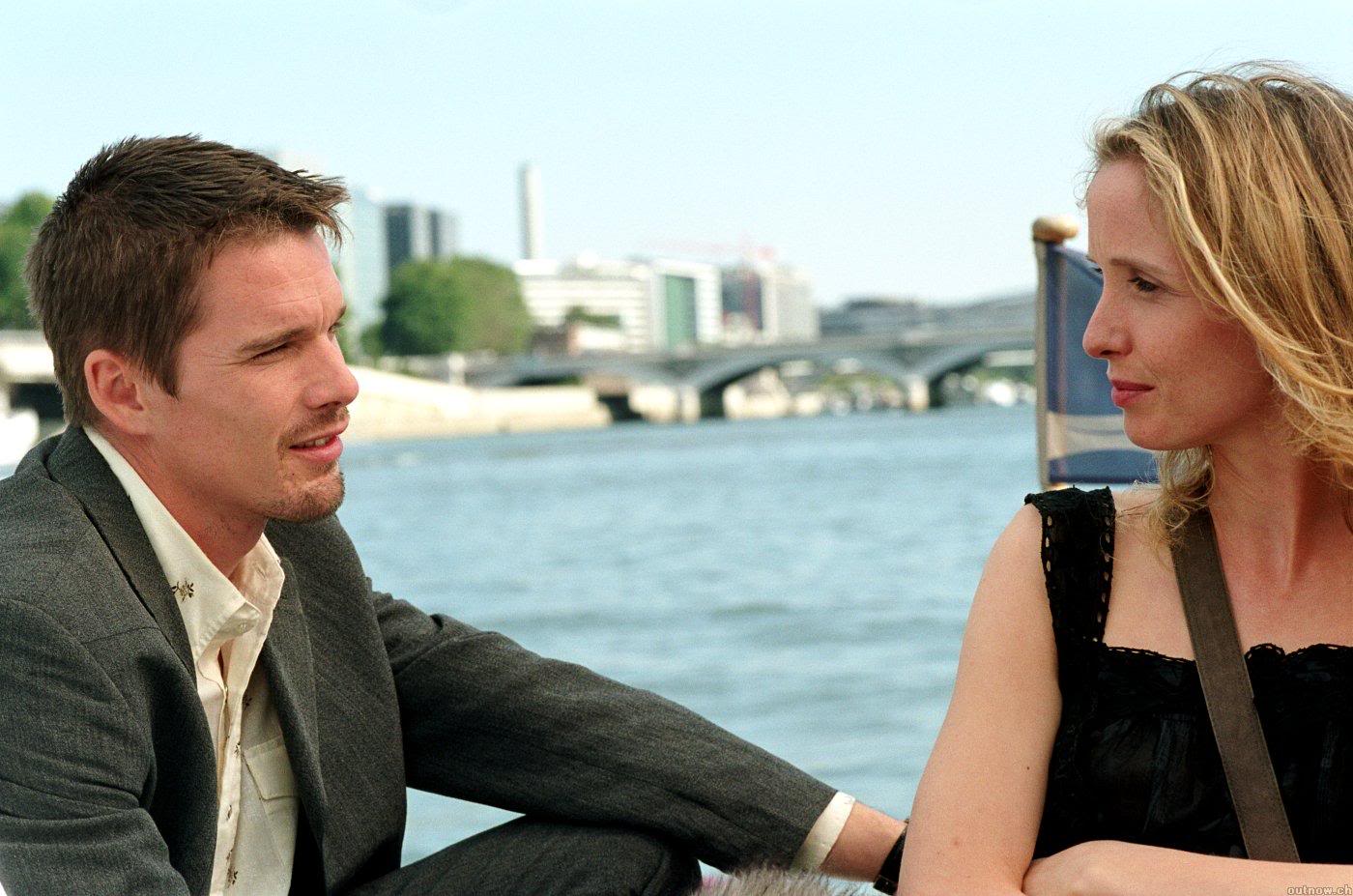
15. The question “Does anyone change?” lingers in their pauses between conservation; as much as either one would like to deny it, their body language often says otherwise.
16. That sense of camaraderie and support is really what the film is all about; it’s also what I craved and then experienced once I found my people at the movies—on both sides of the screen.
17. This past as remembered from adulthood is so colorful, vibrant and real one could almost step into the frame and feel what’s it like to be an active part of it.
18. “What is a city without its ghosts?” the director’s narration asks and it’s the film’s central thesis, lending weight to what simply could have been a kooky look at a quirky childhood.
19. Whenever I watch a film for the first time, I keep in mind how it makes me feel; the best films, however, also form a deeper connection, one that not only changes our literal view of the world but also challenges it.
20. It’s deeply affecting for it reminds us not what the story is or necessarily how it was relayed, but why it was told.
21. Whatever our aspirations may be, humans as individuals are subject to a continual evolution without end; as couples, an end only arrives when one participant or in some cases, both are no longer willing to evolve.
22. Have you ever left a movie in a daze, almost as if your entire world has shifted? Often, when the lead character has been through something over the course of the film, so have we.
23. Through all of this previously unfathomable change, films remained my refuge, my constant, my church. None of us had any idea when or even if theatres would ever reopen; streaming and physical media would have to suffice until they did.
24. Some of the best films tend to recognize this sense of a world in flux no matter how contained the narrative; the very best of them also offer new ways of viewing and comprehending it.
Like songs, poems, books and the live stage, films are another medium for storytelling. Even the most simplistic (Arrival of a Train at La Ciotat, The Lumiere Brothers, 1896) or experimental (Wavelength, Michael Snow, 1967) cinema communicates something to its audience, no matter how straightforward (the former a 50-second shot of exactly what its title promises) or abstract (the latter a 45-minute zoom shot directed towards a window in a room.) Arguably the best films either relay a story like none other or do so in ways few (if any) other films have tried. One might regard this as a challenge given the sheer amount of work this relatively young medium has already produced; even accounting for the small fraction of it that’s truly great (on Letterboxd, for example, I’ve given only about 250 out of 4500 movies (6%) a five-star rating), it’s easy to be critical/skeptical of finding new films that surpass or at least measure up to one’s favorites.
Still, I’d argue the notion that “it’s all been done” actually sustains an interest in filmgoing: one rarely knows when you will find something new to enter into your own canon of great movies. To develop a critical eye is to recognize when something is a rare gem, a work presenting a world clearly distinguishing itself from others while also meaningful in how it accomplishes this. Consider the titles I’ve included in this project so far: An irreverent, satirical take on the Arthurian legend that resolves itself via anarchy? A transgressive, phantasmagorical autobiographical sketch that contains as much razzle-dazzle as it does sober self-actualization? A revisionist Western, an idiosyncratic, kinetic extrapolation of a Herman Melville novel, a near tone-poem sculpted from the textures of an urban environment, even a war-tinged romance turned fantasy pondering the afterlife—all of these have singular narratives presented in equally original ways, even if they occasionally allow one to spot allusions to other works. All That Jazz, for instance, might not have existed without the influence of Fellini’s 8 ½, though most viewers would likely find more differences than similarities between the two; casual ones might not even pick up on them at all.
Through the years, I’ve shifted stances between whether form or content carries more weight in determining a film’s greatness. In film school, after taking a class on Avant Garde cinema and another called “Ways of Seeing”, I edged towards valuing the shape of a film rather than its story (no matter how conventional or nonlinear.) I’d chalk that up to my exposure to many different ways of making a film over a short period of time. When asked by family or friends if I ever thought I’d direct any films of my own, my stock response was usually, “If I do, they’ll be experimental ones”; obviously, I perceived myself as somehow beneath becoming a more conventional filmmaker, not realizing how difficult it is to craft anything on either side of the commercial spectrum (at least in this time before anyone could make a movie with their smartphone.)
Of course, while studying film, I was exposed to just as wide a variety of narratives as I were stylistic approaches. It’s easy to focus on the plot but also let it dictate how you feel about the imagery, sound, editing, production design, etc. For instance, I was so sickened by some of the content in Darren Aronofsky’s bold, numbing Hubert Selby Jr. adaptation Requiem For A Dream that I couldn’t appreciate its style one whit. In turn, the deliberately unpleasant way it often presented said content (my god, the unflattering lighting!) altered my perception of the material and may have influenced why I had such a negative reaction to it. For better and worse, form and content are equally crucial for a film to register and connect with me—as one should expect of all great art, it constitutes a delicate balance, a confluence of all of its parts coming together to somehow form a satisfying whole.
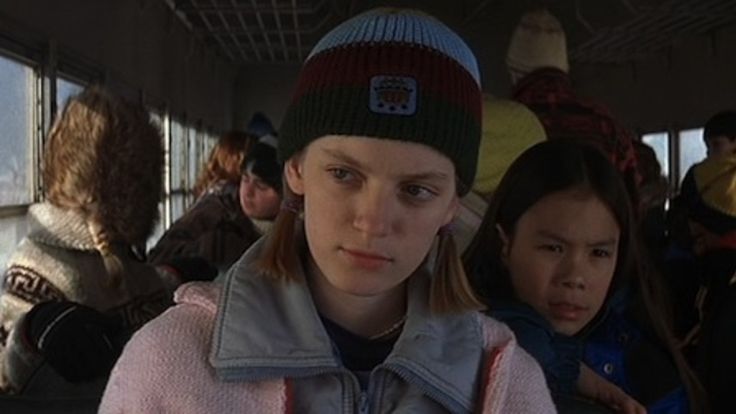
At one point in this project, I was going to include an entry on The Sweet Hereafter, Atom Egoyan’s 1997 adaptation of a Russell Banks novel about a remote community ravaged by the aftermath of a fatal school bus accident. Seen when it was first released during the holiday break between my first two semesters of film school, it had a substantial impact in how it played with time and perspective, its narrative generally nonlinear, certain information intentionally missing until strategically revealed as if sifting through puzzle pieces and attempting to piece them all together. It was the Toronto-based Egoyan’s seventh feature; I’d end up renting the previous six from various video stores over the next six months.
Sarah Polley in The Sweet Hereafter
Perhaps I’ll will write more about The Sweet Hereafter one day (it’s far from the only title I considered for this project but ultimately passed over); I mention it here because of its central performance from then 18-year-old Sarah Polley, a Canadian child actress who had appeared in such projects as The Adventures of Baron Munchausen, TV series Ramona (based on Beverly Cleary’s beloved children’s novels) and Road to Avonlea and Egoyan’s sixth feature Exotica. Nicole, her character in The Sweet Hereafter, however, was a turning point. With a naturalness and steel-eyed reserve, Polley had undeniable presence—magnetic without coming off as showy, thoughtful but not opaque. As the lone survivor of the crash, she’s thrust into a situation where she holds a rare power. As her backstory comes to light, she mesmerizes in how she wields such power while not letting us forget, heroine or anti-heroine, she’s still just a teenager, flaws and all.
The film raised Polley’s profile considerably outside her home country. Over the next few years she starred in a number of pictures from big Hollywood productions (Go, The Weight of Water, Zack Snyder’s Dawn of The Dead remake) to indieplex staples (Guinevere, David Cronenberg’s eXistenZ) and smaller, more intimate pictures like My Life Without Me and Hal Hartley’s No Such Thing. During this period, Polley began writing and directing her own short films, which led to an impressive feature debut with 2006’s Away From Her, an Alice Munro adaptation that earned its star, Julie Christie an Academy Award nomination. Along with its follow-up Take This Waltz (2011), Polley suggested that her skills as a filmmaker were up there with her acting, approaching material with a tangible point of view and a nuanced understanding of human behavior.
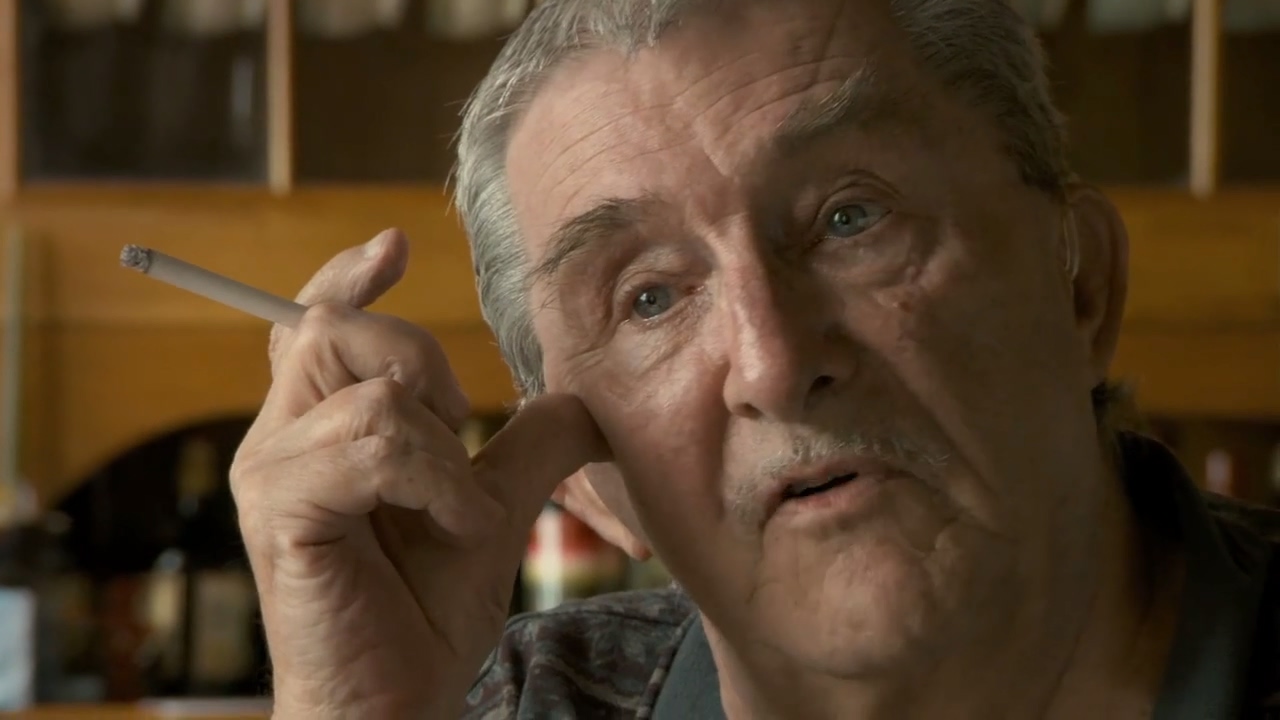
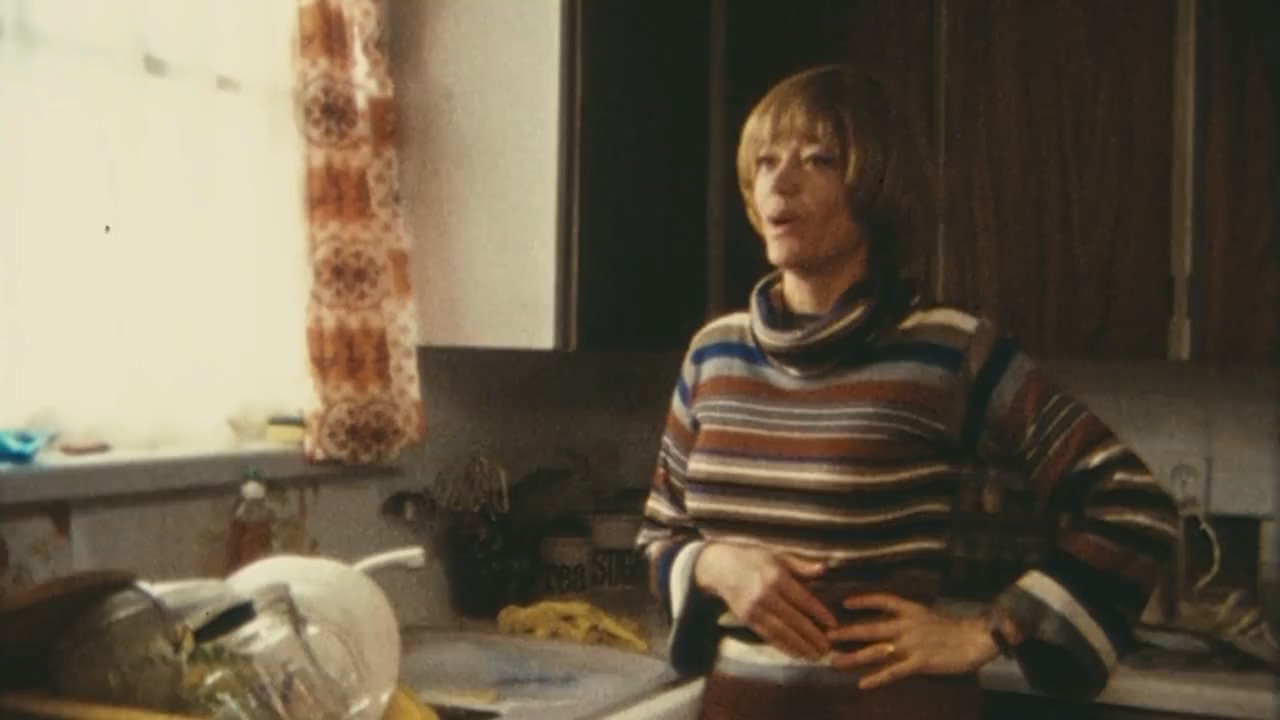
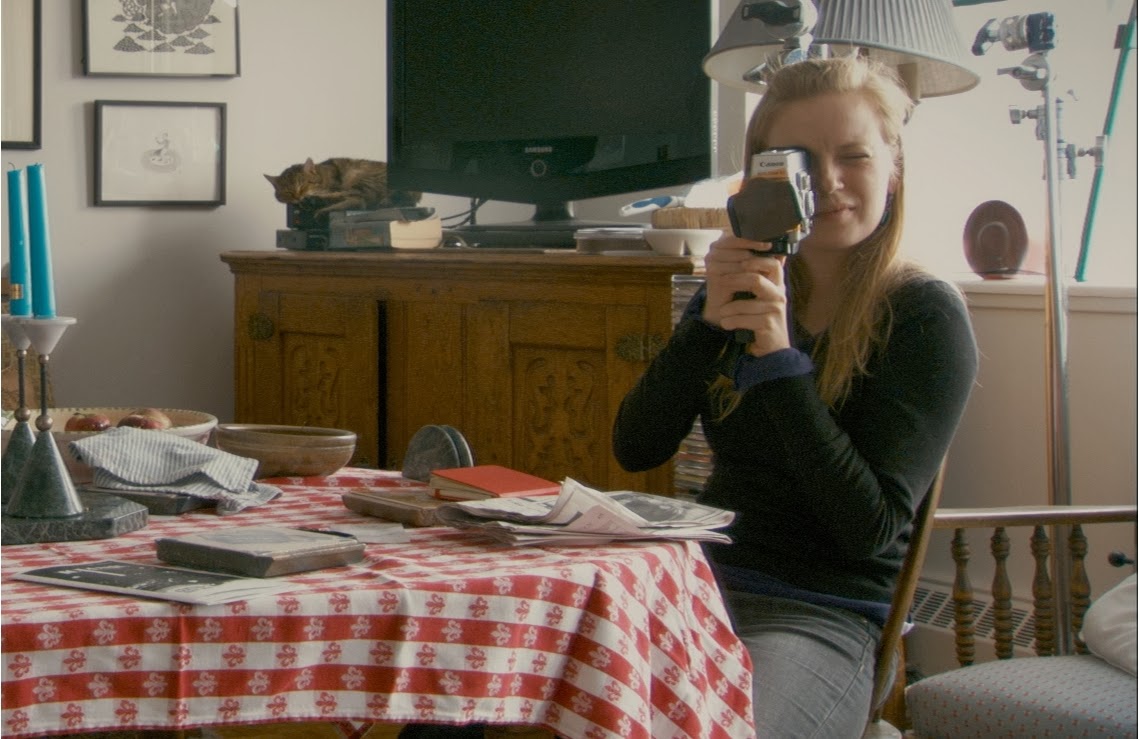
One can apply the same attributes to her third feature and first documentary, 2012’s Stories We Tell. It’s a personal essay film about her family and although accurate, such a simplistic description doesn’t do it justice. At least on the surface, it’s a template for Polley to interview her father, Michael, her older siblings and stepsiblings and an extended network of people who all knew her mother, Diane, who died of cancer in 1990 when Sarah was eleven. She accompanies these interviews with silent home movie footage and Michael (himself an actor) reading his account of the family’s story; in doing so, she explores in-depth the various ways of telling a story, considering multiple points of view, the abundance or absence of found documentation, and how all that information is shaped into a narrative, bearing in mind what’s emphasized and also what’s left out.
Polley commences by asking her subjects variations of the following directive: “Tell me the whole story (of our family) as if I don’t know the whole story.” To pose this instruction is a neutral way of building a story drawing from various perspectives, to see what details reoccur in each person’s version of the story and, more significantly, which ones conflict and contrast with each other. From there, the viewer can piece together a throughline narrative: Diane (also a Toronto-based actor) met Michael in 1965. They married, had kids and both mostly left their chosen professions behind to raise their family. In 1978, craving a return to acting, Diane relocated to Montreal for a few weeks to be in a stage play (called Toronto (!)); not long after her return, she found out she was pregnant with Sarah. After Diane’s early death, child actress Sarah, significantly younger than her siblings would become even closer to her father.
It seems a fairly straightforward trajectory until one hears numerous people talk about how, leading up to her time in Montreal, Diane and Michael had grown apart—she was frustrated with having given up her career to become a housewife and not fully getting the love and attention she needed from him. However, it’s not the whole story. 45 minutes in, the viewer learns that before meeting Michael, Diane was previously married to another man. Two of Sarah’s four siblings are actually step-siblings from that marriage; one of them describes their birth father as “controlling”. Deeply unhappy, Diane leaves him for Michael and as a result, loses custody of her two children.
Michael Polley
In the course of their interviews, multiple siblings and friends of the family remind Sarah that they used to tease her as a child because she didn’t much resemble her father, physically, stoking speculation that Diane might have slept with another man during her time in Montreal. After some detective work as an adult, Sarah discovers her biological father is actually Harry, a filmmaker Diane met while acting in Montreal. A DNA test proves it, enabling Sarah to forge a relationship with Harry while also figuring out how to break the news to the rest of the family, and in particular, Michael. Us knowing that Diane lost custody of her two eldest children also illuminates why she didn’t leave Michael and her two kids with him after meeting, falling for and becoming pregnant by Harry.
In unspooling this ever-more complex trajectory and keeping it afloat, Stories We Tell is a marvel of editing. Often, the film stitches together phrases from numerous interviewees with a swift fluidity where one could almost believe they came about as a mass conversation, like all the subjects were sitting together in the same room. Even if this were the case, however, it would sound more disjointed, like a Robert Altman film where words overlap due to the natural messiness of most conversations. Again, deciding what to include and where to put it is a conscious decision made by Sarah and her editor, Mike Munn. That it doesn’t come off as stilted but remains engrossing is the key to effective storytelling.
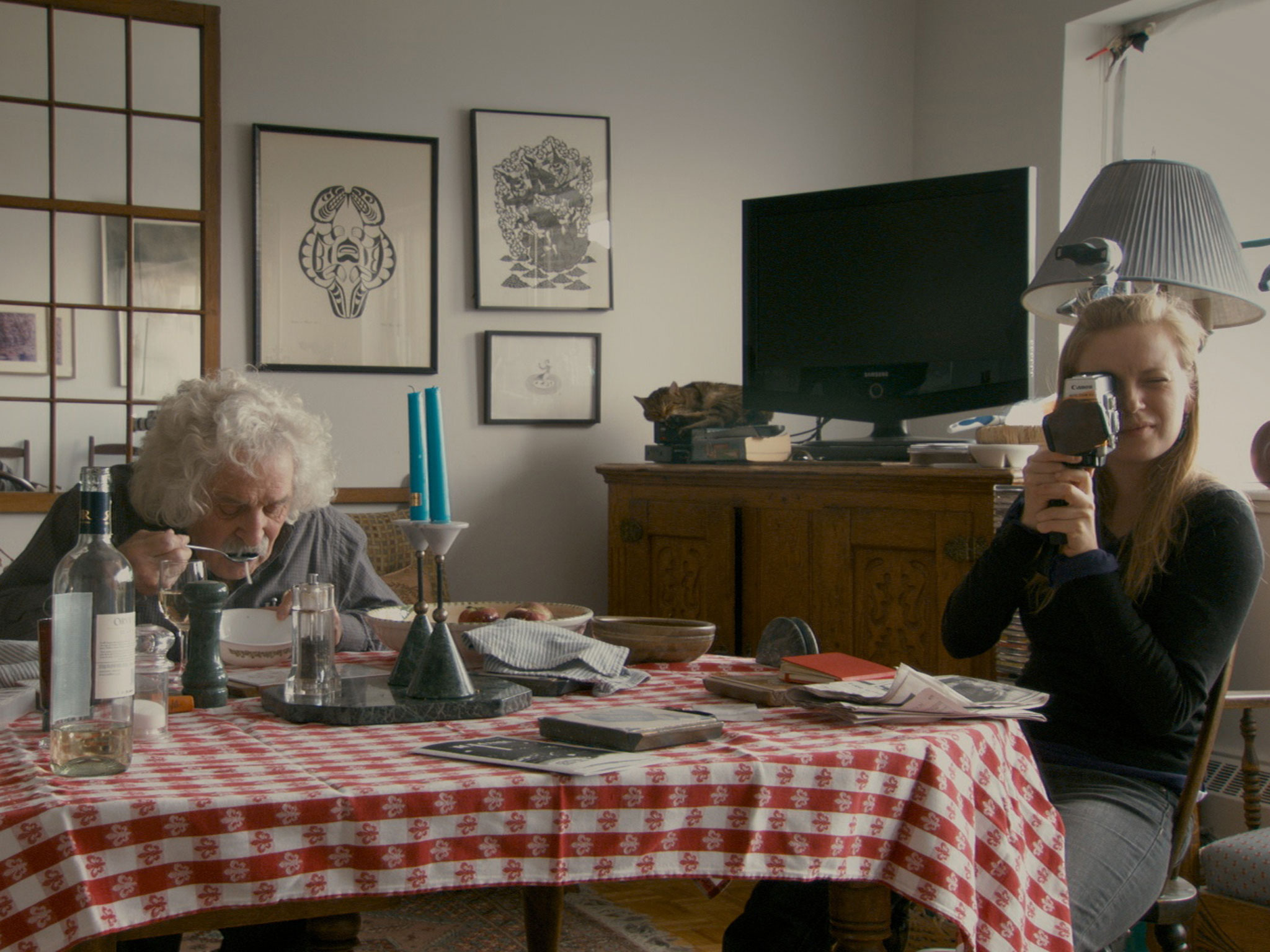
Regarding home movie footage of Diane and Michael, much of it is concentrated from their first few years together and the time immediately before and after Sarah’s birth; we also see scenes from Diane’s funeral and the years following it when young Sarah most closely bonded with Michael. They’re meant to accompany the story told by all the narrators and they often correspond neatly with what’s being said. It’s a seemingly excessive amount of footage and all reasonably convincing until, more than three-quarters of the way through, there’s some vintage footage of Diane and Michael where the camera tracks to the left to reveal a modern-day Sarah filming and directing them (as played by actors Rebecca Jenkins and Peter Evans.) At that moment, her voiceover notes, “I’m interested in the way we tell stories about our lives; the past is often ephemeral and hard to pin down.”
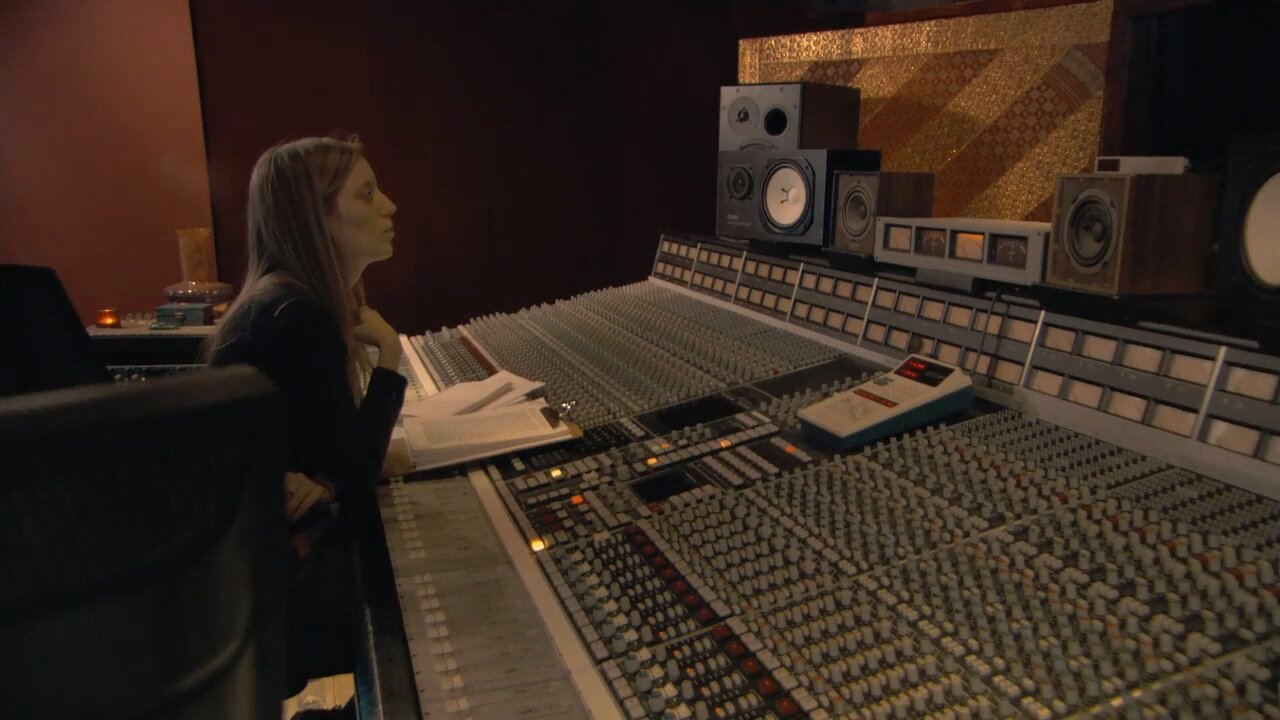
This late-in-the game reveal to exactly how Sarah’s been telling the story audaciously transforms the film. Suddenly, we’re encouraged to question whether any of the non-interview footage is real or a reenactment. Sarah’s initial correspondence and meetings with Harry, shot in the same fuzzy, silent, super-8 grain are surely the latter as are the Montreal rehearsal scenes of Toronto or the footage Diane’s funeral (who shoots home movies of those?), about which one sibling reminisces, “It was some kind of production; I felt like I was at a big play.” The stuff of Michael as a young child or time he spent with Sarah after Diane’s death, however, are more likely the genuine articles. Then again, we now no longer know for sure, and here’s the thing—it doesn’t entirely matter. Even beyond the “home movies”, Sarah infuses the film with deliberate artifice, whether it’s still shots and scenes of her acting (in caveperson garb!) in the film Mr. Nobody at the time of her first contact with Harry, or footage from the 1964 Sophia Loren film Marriage, Italian Style whose plot about questionable paternity provides an analogue to this film’s narrative or, most notably, all the scenes of Sarah directing her father in a studio as he records his own written narration/side of the story (multiple times we see her ask him, “Dad, could you go back over that one line?”, looking for the best “take” of his performance.) As Michael notes earlier in the film, “It’s all done with mirrors, mate,” a seemingly tossed-off comment suddenly more resonant after the reveal.
Rebecca Jenkins as “Diane” (or is it?)
Stories We Tell is the third film in this project that blurs fiction and non-fiction to a fine point. The other two, Close-Up and My Winnipeg arguably do so as narrative films exceedingly resembling documentaries to different ends: the former is a feature-length recreation of real-life events, while the latter is ostensibly a documentary suffused with fantastical elements to the point where the “My” in its title is crucial to understanding its idiosyncratic approach. Polley’s film is more explicitly a documentary in that it relays events that all purportedly happened, even if its subjects have varying accounts of such (for instance, Harry remembers attending Diane’s funeral, but Michael is nearly adamant that his wife’s lover was not there.) It’s no docu-fantasia such as My Winnipeg, but it does feature a slew of recreations that, like the events of Close-Up are presented as apparently factual (if in the end, unprovable.)
Films muddling this real/fake line fascinate me. After all, how can art connect if it doesn’t draw from some semblance of real-life experience? In my master’s thesis on Derek Jarman, I concluded that his art’s greatness depended on its inseparableness from his own life; such ambiguity has provided fodder for many films, from the deliberate, recontexualized performances in The Act of Killing and the more subtle, intentionally convincing ones of Bloody Nose, Empty Pockets to a prankster delving deep into the meta-ness of constructing what may (or may not) be one resounding prank in the guise of an entire documentary in Banksy’s Exit Through The Gift Shop. Reenactments often get a bad rap for their failure to convince or the level of artifice their mere presence suggests. Still, are they less pure than any other decisions Polley makes in telling this story? What’s left out or kept in or de-emphasized or brought to the fore can be just as calculating and indicative, documentary or not.
Midway through the film, Sarah recalls an argument with Harry where he wanted to write his own version of this story but she did not want him to publish it, hoping to give “equal weight to everyone’s version” (a lodestar for many documentarians.) Harry counters this by saying, “The crucial function of art is… to find out the truth of a situation.” Despite the facetiousness inherently unavoidable in any documentary (no matter how intentionally applied, like the “home movies”), to Sarah’s credit, Stories We Tell arrives at an unerring truth about the situation—one of its main participants, the long-deceased Diane, is unable to tell her version of this story. After Harry notes this, a montage follows of nearly all of the film’s interviewees one by one, each person silent, their faces consumed with grief, presumably thinking of Diane as a wistful, melancholic folk-pop song plays on the soundtrack. It’s deeply affecting for it reminds us not what the story is or necessarily how it was relayed, but why it was told.
Stories We Tell would end up Sarah’s last film for a decade as she struggled with a brain injury, eloquently outlined in her 2022 memoir Run Towards The Danger. She’d recuperate and make a triumphant return that year with Women Talking, an adaptation of a Miriam Toews novel that won her an Academy Award for Best Adapted Screenplay. It retains some of the thoughtfulness and innovation of her past work; hopefully, its success will enable Sarah to continuing making exactly the projects she wants to; preferably, they will look back to her third feature for a sense of inspiration and purpose.
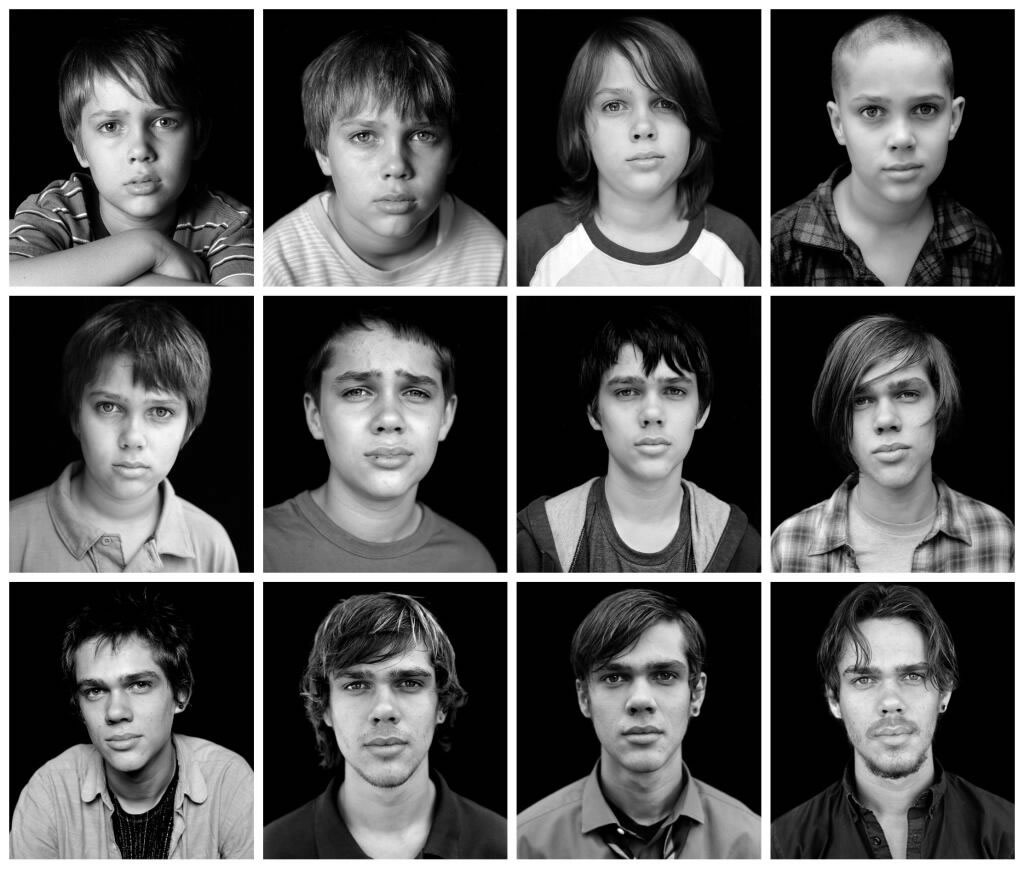
10. BOYHOOD
Richard Linklater’s best films dissect how the passage of time shapes our perception of narrative (Dazed and Confused,The Before Trilogy, Slacker); this is arguably more ambitious than all of them, and even more blatantly driven by a gimmick. But the cumulative effect of Boyhood is unprecedented, realizing a new way of seeing and storytelling only possible via the moving image; through his deft use of this structure, Linklater enables us to witness something both so singular and universal.
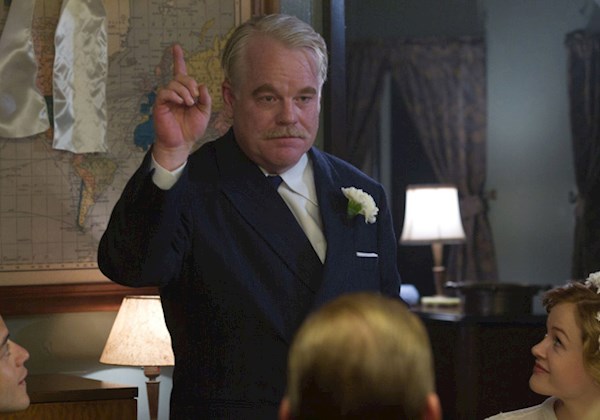
9. THE MASTER
As innovative as Kubrick and enigmatic as Malick, The Master builds on the sharp turn Paul Thomas Anderson took with There Will Be Blood, scrutinizing post-World War II America while often playing like a fever dream come down to earth. Joaquin Phoenix’s meticulous, intriguing performance is but one of many he gave this decade, so look to one of the last great ones from the late Philip Seymour Hoffman—his L. Ron Hubbard-esque figure perhaps the key to this film’s slippery, near-unknowable soul.
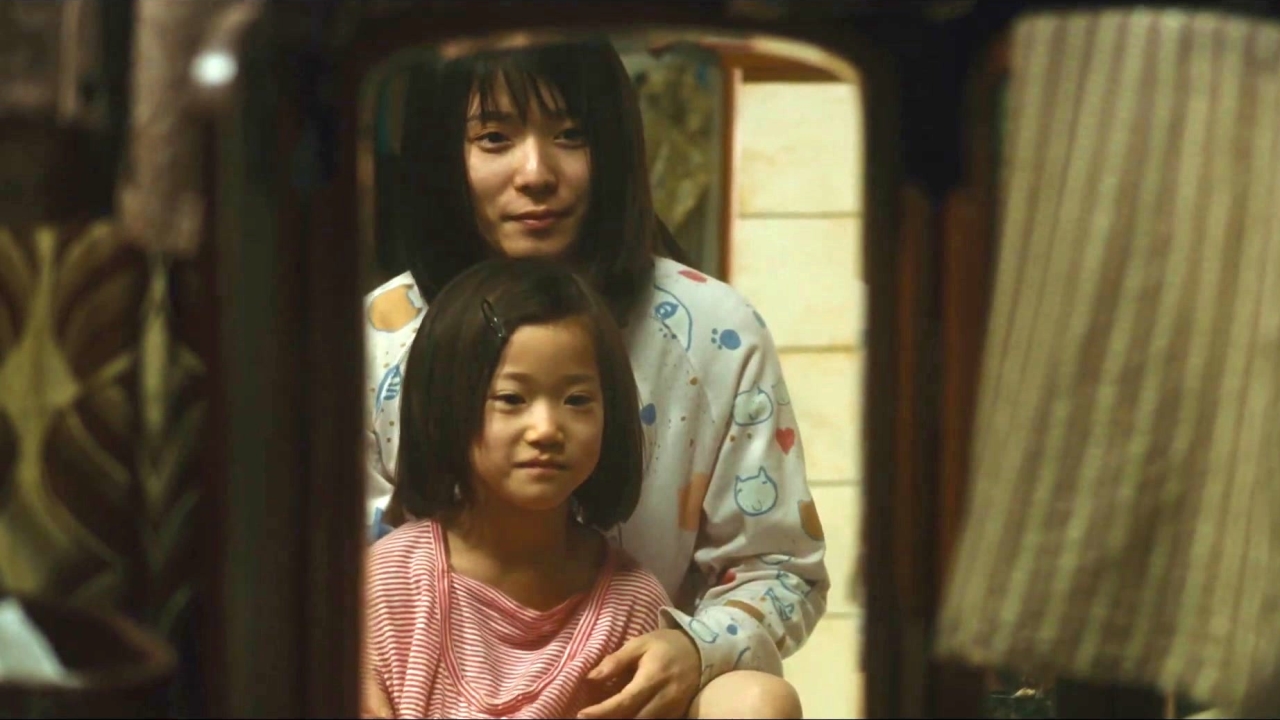
8. SHOPLIFTERS
As with his great forebear Yasujiro Ozu, Hirokazu Kore-eda returns to familiar, familial themes across his discography with a rare consistency. So, place this well-deserved Cannes Palme D’or winner about a family of sorts up there with Nobody Knows and Still Walking and admire his ever-present humanism and kindhearted but fair depiction of what ordinary, flawed people do in order to survive while also seeking solace in each other (whether they’re able or even willing to reciprocate.)
7. THE DUKE OF BURGUNDY
Peter Strickland’s strange, arresting film is not just a kinky parade of verbal abuse, face-sitting, being tied and locked up and other unmentionables alluded to behind closed doors; it’s also a profound, intriguing, complicated love story. Come for the dizzying homage to Italian horror and soft-core erotica and stay for a fascinating, eloquent exploration of what it means to play a role in a loving, sexual relationship—and how not fulfilling your partner’s expectations throws everything out of whack.
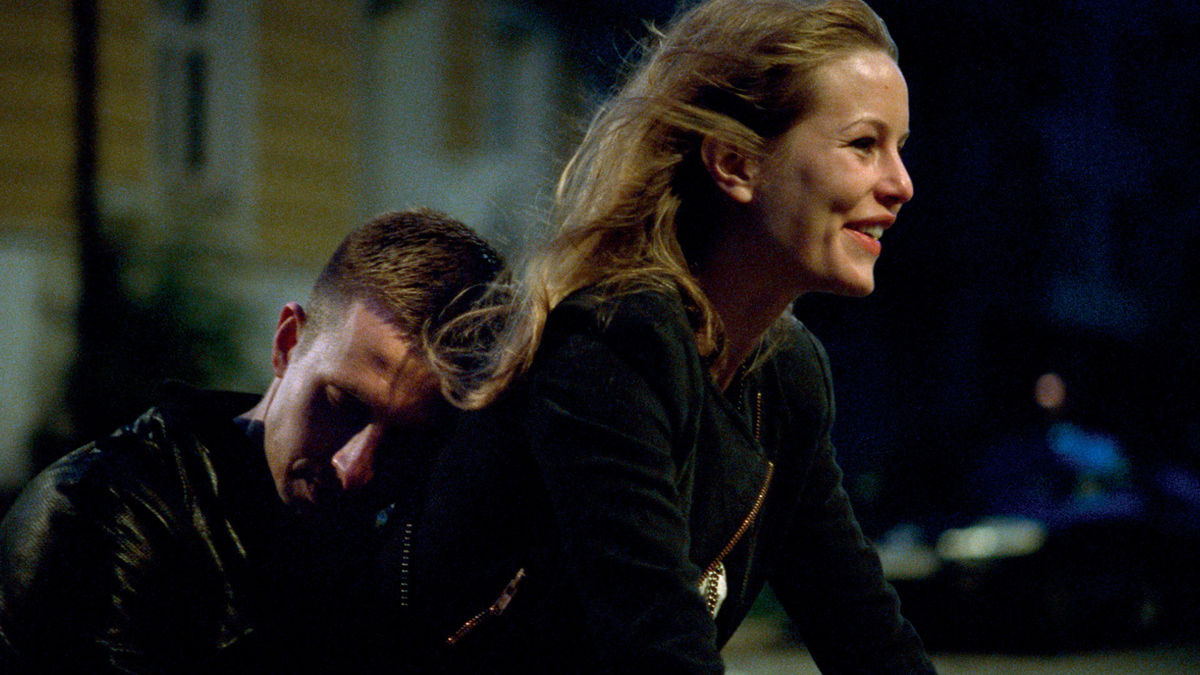
6. OSLO, AUGUST 31
This film follows a man on a one-day leave from rehab. We see him drift through a city (and traces of a former existence) teeming with life and pleasures running the gamut from the mundane to the sublime. And yet, director Joachim Trier never makes light of the conundrum of addiction and how effusively it colors both one’s surroundings and perceptions. Cold and unsentimental, yet affirmative and at times unexpectedly buoyant, Oslo, August 31 is a one-of-a-kind meditation on life itself.
5. STORIES WE TELL
Anyone can make a documentary about one’s own family; for her first nonfiction feature, actress/filmmaker Sarah Polley does just that, but she also explores how such a story can be told, considering differing points of view from each family member, the abundance (or absence) of found documentation available and how all that information is shaped into a narrative (what’s emphasized, what’s left out). As these details accumulate and overlap, Polley crafts a hybrid that does nothing less than open up and redefine what the genre’s capable of.
4. PARASITE
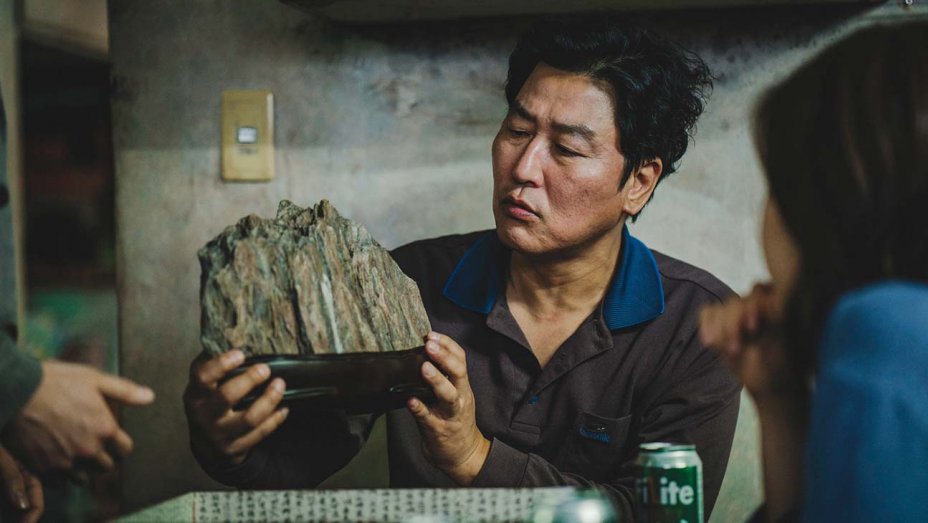
What more is there to say about Parasite? That it genuinely lives up to all the hype and then some? That it’s so well-constructed, you believe every facet of it even as it threatens to spiral out of control? Is it a class-conscious satire, a race-against-the-clock thriller or a revenge-driven horror story? Why not all of these things, and simultaneously at that? I won’t be surprised when I revisit this in another five or ten years if it feels more like a definitive record of its time than any documentary.
3. FRANCES HA
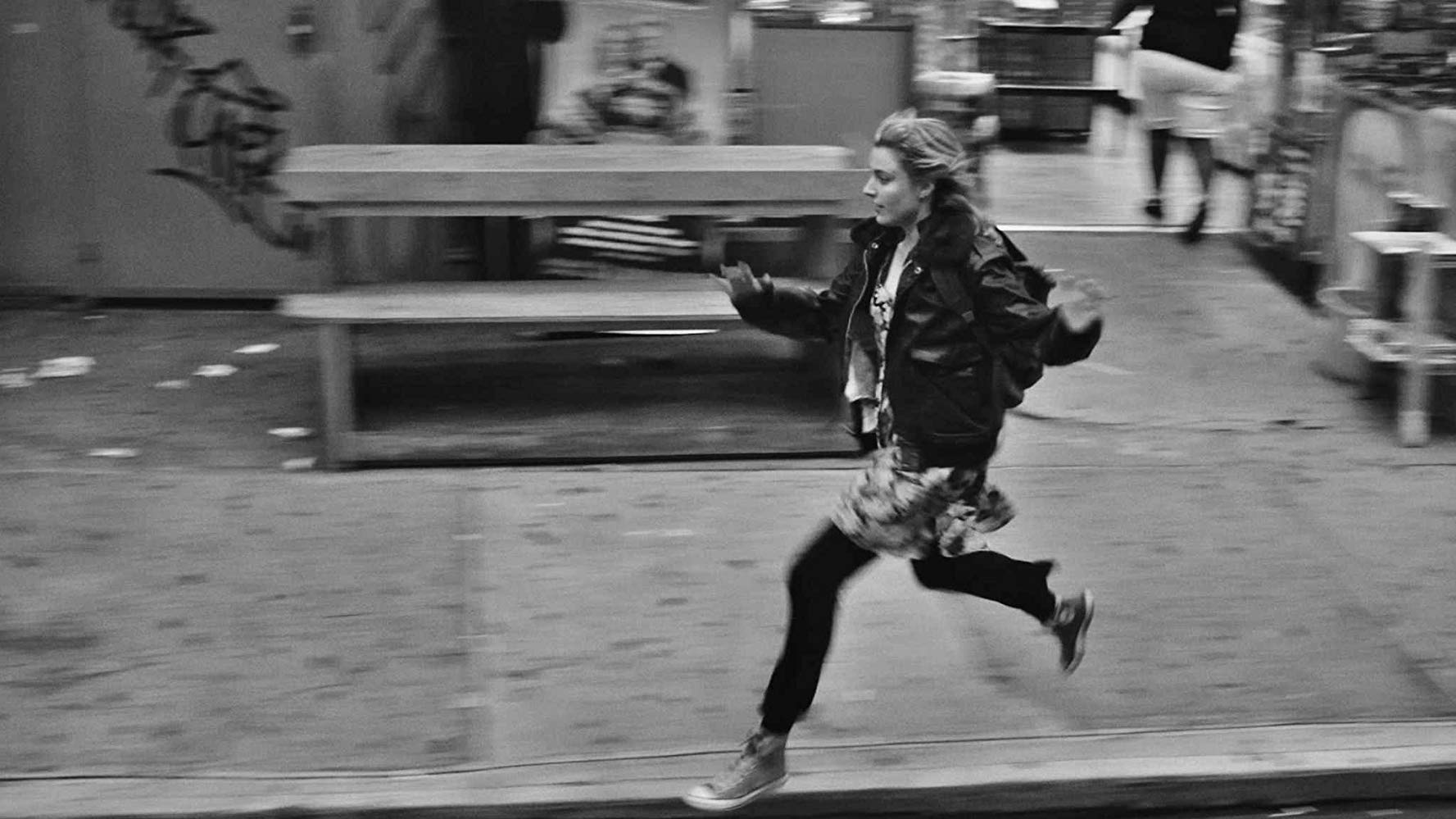
At first glance, Frances Ha shouldn’t work. It’s full of precious anachronisms like black-and-white cinematography, deliberately old-fashioned opening titles and a jarring soundtrack. Besides, the world did not need another tale of a single 27-year-old white woman in New York. And yet, for all of its quirks, actor Greta Gerwig (prefiguring her subsequent work as a filmmaker) and director Noah Baumbach’s collaboration is an utter delight—especially whenever Frances/Gerwig is paired with Sophie (Mickey Sumner), transforming the film into a closely observed study of female friendship.
2. CALL ME BY YOUR NAME
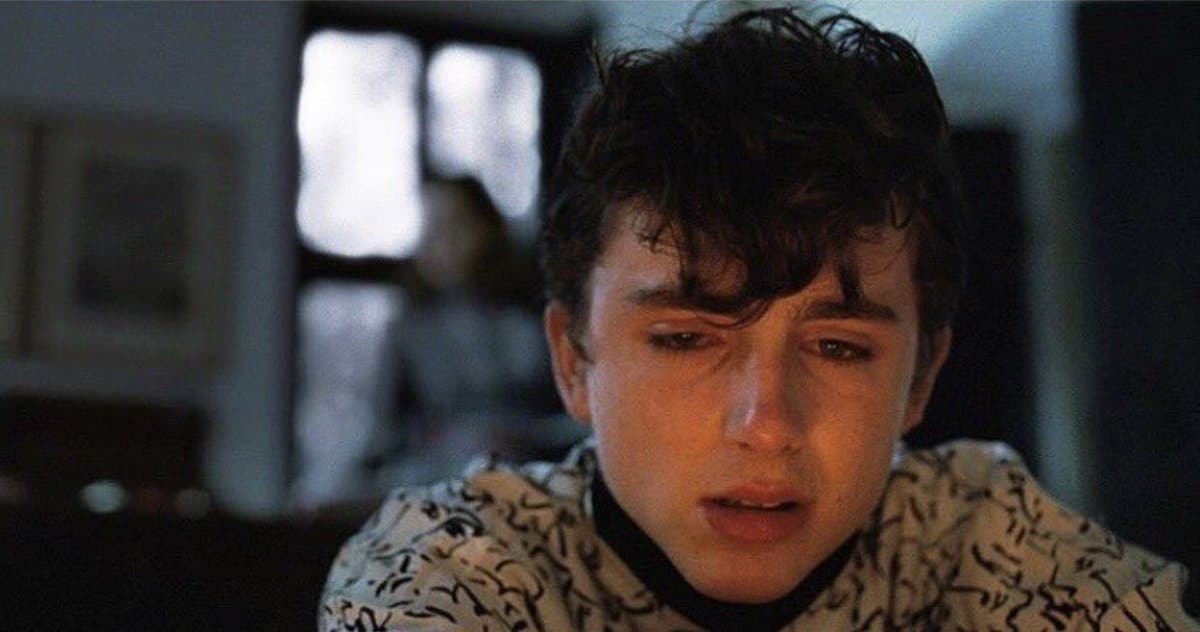
Reining in the excess that sometimes cheapened his earlier work while retaining his passion and drive, director Luca Guadagnino crafts almost an embarrassment of riches, from a monologue for the ages for the great character actor Michael Stuhlbarg to the exquisite modern classical/Sufjan Stevens score to Armie Hammer’s solid presence to Timothée Chalamet, whose breakthrough here is iconic as, if nothing at all like Dustin Hoffman’s in The Graduate. Beyond that, however, this film locates something vital and deeply affecting at the core of giving yourself completely over to love, and also loss.
1. CEMETERY OF SPLENDOUR
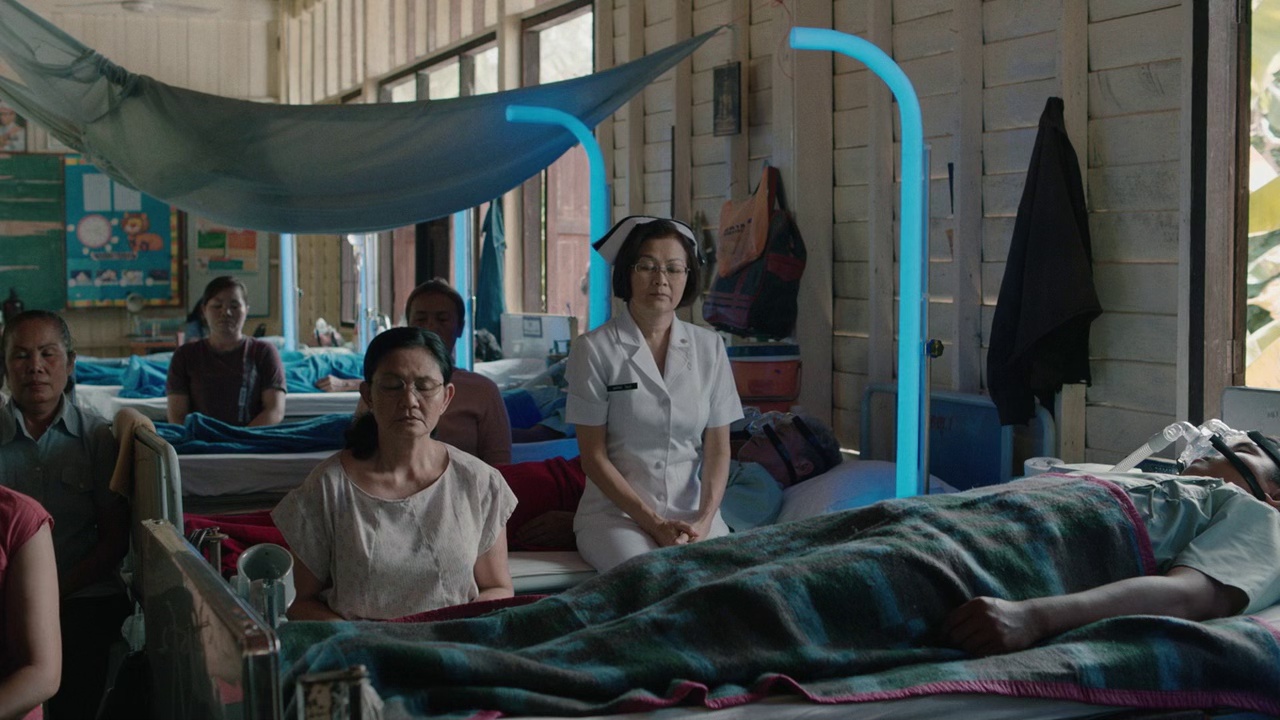
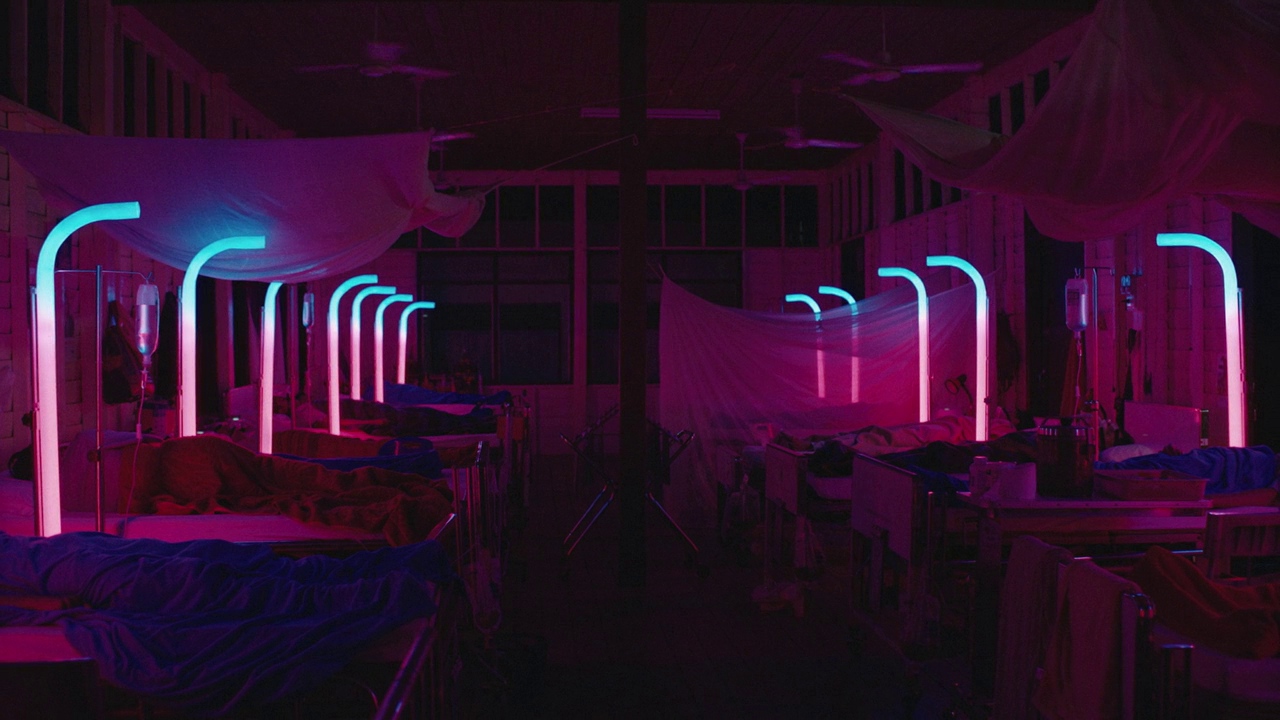
I’ve loved all of Apichatpong Weerasethakul’s films since Tropical Malady, but none have stayed with me like this one. Set in a military hospital in the director’s rural hometown, which he positions as a sort of purgatorial waystation for sleep-prone soldiers, it’s another magical realist mood piece. He draws connections between psychic mediums, ghosts, mythic sites and dreams, feeling both familiar and otherworldly. The film practically glides from scene to scene, concerned with such ephemera as the light in the sky or the unusual therapy provided by symmetrical rows of glowing neon tubes at the foot of the soldiers’ beds. Seductive and inscrutable in equal measure, it’s like nothing else I saw this decade.









 Haunted Jukebox