Honorable Mentions: 12 and Holding*, Brothers Of The Head, Eve and The Fire Horse*, L’Enfant (The Child), The Secret Life Of Words, Three Times*, The Wayward Cloud
For My Watchlist: Lady Vengeance, Leonard Cohen: I’m Your Man, The New World, Takeshis’,Zizek!
*
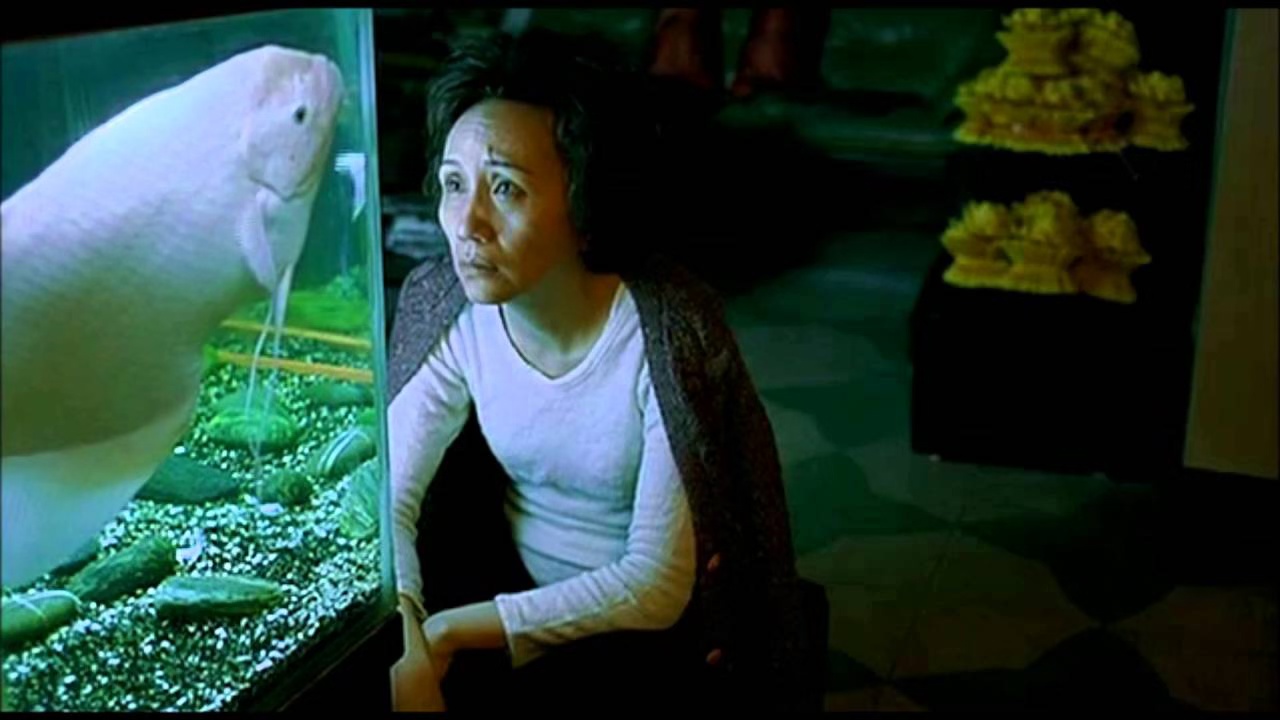
I created this series with pre-2000 cinema in mind; since beginning to compile annual lists in real time around the turn of the century, I assumed post-2000 stuff didn’t need revisiting. However, something’s drawing me back to 2005 and it’s not just because of the current anniversary. Two decades ago, my moviegoing was at its peak (125 films seen in theaters!); it was also the first Toronto International Film Festival (TIFF) I attended. Among the 16 titles seen there, four of them make my top ten above: Jean-Marc Vallee’s Quebecois coming-of-age chronicle, Michael Haneke’s psychological thriller, Noah Baumbach’s best film until Frances Ha and Wang Xiaoshaui’s own coming of age story: a Cannes Jury Prize winner, the first film I ever saw at TIFF (it set a high bar) and one that’s been difficult to see ever since, not receiving any U.S. distribution. (*Three of my other screenings from that TIFF also make the honorable mentions, all of them relatively obscure today.)
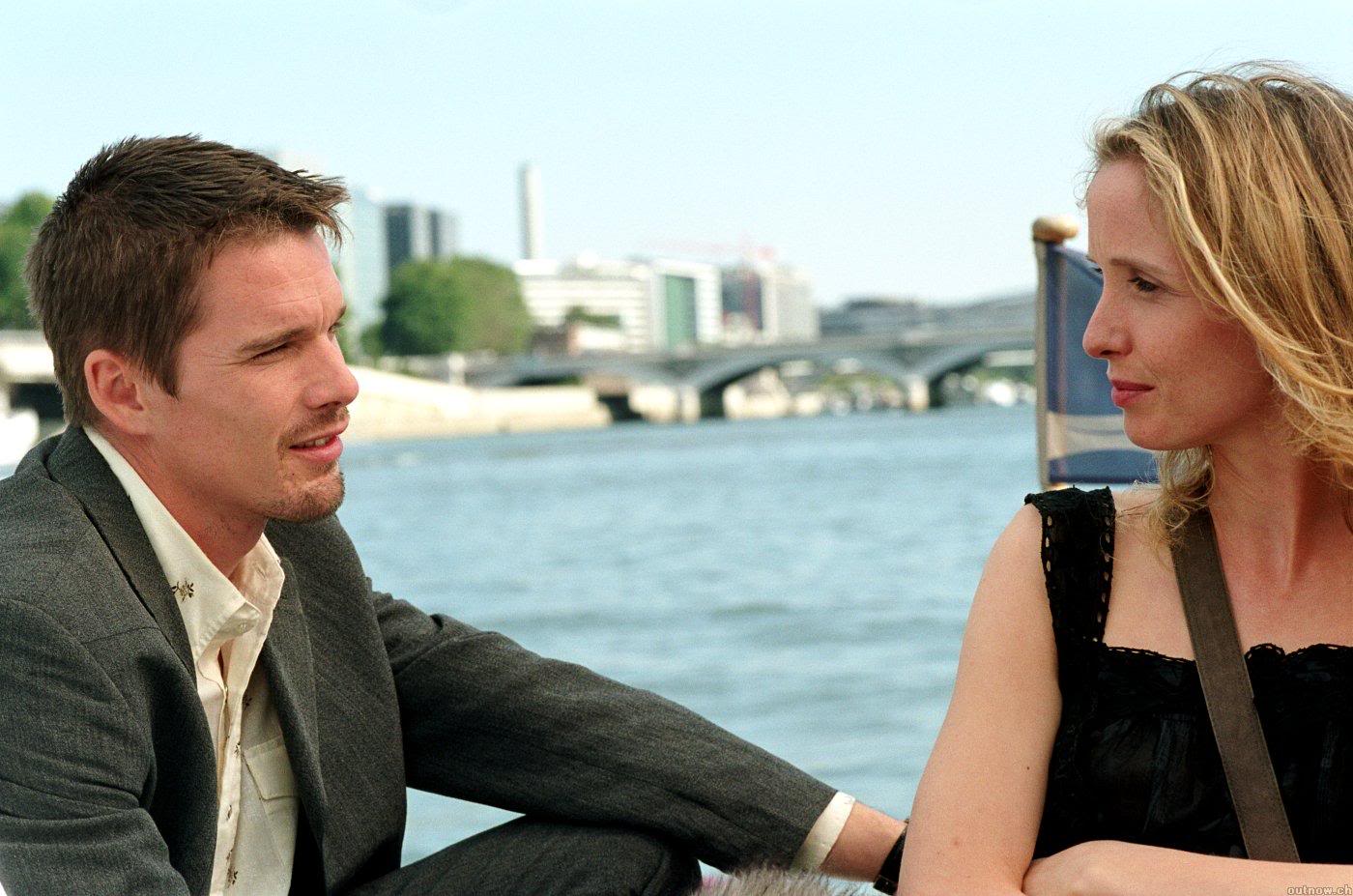
In addition to A History of Violence and Brokeback Mountain (both of which I’d catch later in their theatrical releases days apart; could stand to revisit each of them as their DVDs sit on my shelves), TIFF also screened Linda Linda Linda from Japan, which I would see at the Brattle a little over a year later and revisit at the same theater upon its 20th anniversary re-release last month. One of the all-time best films about being a teenager, its contemplative, day-to-day rhythms are never disingenuous or not relatable, just one moment after another that rewards the viewer’s patience as they gradually add up to an earned triumph.
I watched Grizzly Man at the theater I worked at days before that TIFF; it remains my favorite Herzog film of this century. 49 Up I’d see a year later when it received its U.S. release: one day, I plan on sitting down and watching all the Up films in order (still haven’t seen the last one) but I recall this edition standing out for how it delved deeper into the philosophical implications and psychological effects its subjects experienced by having their lives put on display since childhood.
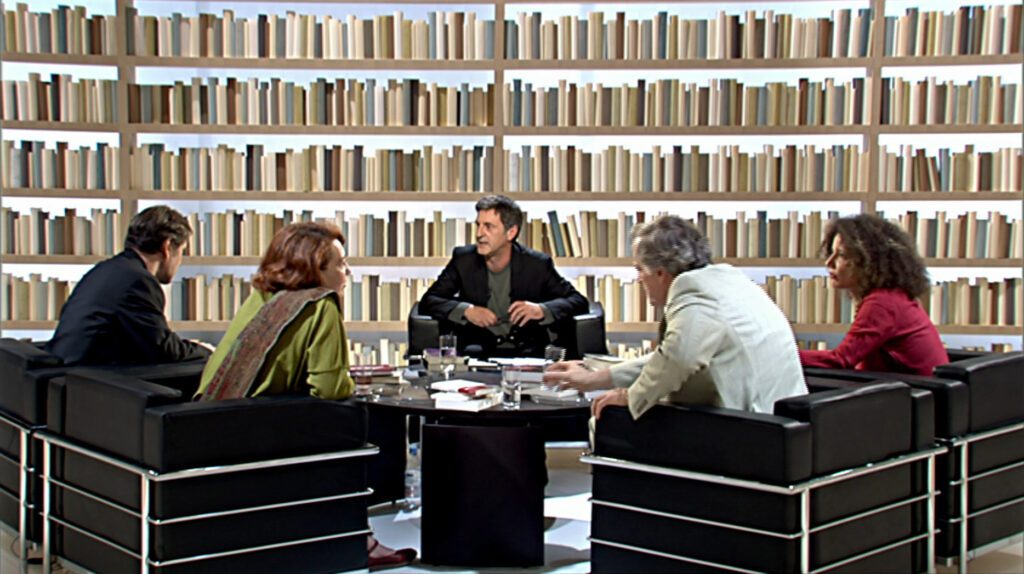
Just as in 2005, Miranda July’s debut feature remains at the top (I wrote about it extensively here) while C.R.A.Z.Y. (like Shanghai Dreams, it also never got a US theatrical release) is a close second. Since I wrote more about that one here, I’ve chosen to spotlight Cache, which left my friends and I dumbfounded (or at least speechless) after the TIFF screening. Viewing it again two years ago (also at the Brattle!), I noted how Haneke was making movies about White privilege (and guilt) years before it was fashionable. Naturally, there’s more to the film than that—less a puzzle box to solve than another reminder from the director that the past is still present even if we can’t always recognize it as such.
Given the volume of what I’ve viewed from this year, I knew I’d struggle to come up with five unseen titles for my watchlist; honestly, the one I want to see most (Takeshi Kitano’s Takeshis’) is the hardest to find. Somehow, I’ve never gotten around to the Cohen doc despite being a perennial fan or the Park Chan-wook film (although I’ve enjoyed his recent efforts.) The only allure of the Malick film for me is, of course, Malick. As for Zizek!, I should first research whether that or The Pervert’s Guide To Cinema is the best place to begin with the guy.
1. I had to go beyond the local multiplexes or, in fact, any theater to stumble across a movie that, for the first time, expanded my idea of what one could be and also feel like it was somehow made just for me.
2. A glimpse into another world: a bridge between what I liked in my youth and what I would love as a grownup when I eventually worked at a cinema myself.
3. I left the movie feeling blown away by the story, thinking I had never seen anything like it before; now I understand that it was the depiction of a foreign culture that was new to me.
4. Itmade a seismic impact on my taste and notion of what the world had to offer to someone my age. I was getting closer to leaving those suburban multiplexes and my heretofore provincial worldview (mostly) behind.
5. This notion of a fine line separating life and art was on my mind as I prepared for a major change in my own life and the role art would play in it.
6. It was a film asking its viewers to consider whether the desire to be “safe” was to simply crave comfort or inevitably give oneself over to fear.
7. The thrill of discovery, of opening those new doors encouraging me to pursue Film Studies, vindicating that leap of faith I took in making film central in my life.
8. No matter who or what we are, we look for representation in popular art, to see people onscreen who are recognizable, even similar to us, finding someone we can relate to and that the rest of the culture can also see.
9. I still fondly recall how I got to see itfor the first time, but what’s important is not how I saw it, but that I saw it and can still watch it again and again, no matter where I can find it.
10. What if, like real life with all of its nuances and contradictions, a work of art subsisted somewhere in between fiction and nonfiction? What about those filmmakers whose work tends to fall into such margins?
11. How nearly overstimulated yet satiated I felt while piecing together images and sounds, the ways they informed and occasionally contrasted against each other and how tension accumulated throughout, reaching a breaking point only to find an unlikely release at the end.
12. A panorama to fearlessly explore connections between dreams, reality and the movies, not to mention all of the wicked, sublime and terrifying possibilities that surface as they overlap.
13. We revisit films for the pleasure they provide. Occasionally, we also have a sixth sense, an inclination that there’s more to glean from them than what we can discern after a single viewing.
14. For those receptive to such stillness, it can be like sitting on a bench or standing next to a wall, simply observing life play out before one’s own eyes no matter how little action occurs.
15. The question “Does anyone change?” lingers in their pauses between conservation; as much as either one would like to deny it, their body language often says otherwise.
16. That sense of camaraderie and support is really what the film is all about; it’s also what I craved and then experienced once I found my people at the movies—on both sides of the screen.
17. This past as remembered from adulthood is so colorful, vibrant and real one could almost step into the frame and feel what’s it like to be an active part of it.
18. “What is a city without its ghosts?” the director’s narration asks and it’s the film’s central thesis, lending weight to what simply could have been a kooky look at a quirky childhood.
19. Whenever I watch a film for the first time, I keep in mind how it makes me feel; the best films, however, also form a deeper connection, one that not only changes our literal view of the world but also challenges it.
20. It’s deeply affecting for it reminds us not what the story is or necessarily how it was relayed, but why it was told.
21. Whatever our aspirations may be, humans as individuals are subject to a continual evolution without end; as couples, an end only arrives when one participant or in some cases, both are no longer willing to evolve.
22. Have you ever left a movie in a daze, almost as if your entire world has shifted? Often, when the lead character has been through something over the course of the film, so have we.
23. Through all of this previously unfathomable change, films remained my refuge, my constant, my church. None of us had any idea when or even if theatres would ever reopen; streaming and physical media would have to suffice until they did.
24. Some of the best films tend to recognize this sense of a world in flux no matter how contained the narrative; the very best of them also offer new ways of viewing and comprehending it.
In your twenties, you tend to find your people, especially if it’s in a place other than where you grew up or came of age. In my twenties, life beyond higher education was inconceivable to me until I had no other choice but to confront it. As my grad school colleagues dispersed to other cities and states, I met people through roommates, co-workers and before long, my first serious boyfriend. Most of these connections, however, proved fleeting, born of circumstance and destined to end once irrelevant. With a few exceptions (I met the boyfriend at a club on a night when I was determined to meet someone), I was drifting, waiting for things to happen rather than actively seeking them out.
Literally days before that boyfriend and I broke up two years later, I had (coincidentally or not) taken a crucial first step towards a new, more satisfying chapter of my life when I inquired about volunteering for the Brattle Theatre, a single-screen (with a balcony!), freshly non-for-profit arthouse and repertory cinema in Harvard Square. My first activity was assisting with the folding, labelling and stamping of their film calendar mailers at Ned and Ivy’s (the organization’s co-directors) apartment on a Saturday afternoon. The sort of tedious but necessary grassroots support work not uncommon to struggling non-profits, it was also a kind of social gathering—a dozen volunteers of various ages casually sprawled out around an open concept living/family room on the second floor of a Cambridge triple decker, cooperating to get the task done while a Miyazaki film or an episode of Fishing With John played on TV.
Soon a regular at this every-other-month activity, I also began volunteering a two-hour shift at the Brattle’s shoebox-sized administrative office Monday evenings after work. I assisted Ned and Ivy with any task they had for me, from stuffing envelopes to data entry of old paper box office reports. Eighteen months later, when I mentioned in passing that I had gotten abruptly laid off from my day job, Ivy notified me of an open Office Manager position at the Coolidge Corner Theatre across town in Brookline. A somewhat larger operation than the Brattle (with three screens at time), the Coolidge was/is the Boston area’s other preeminent arthouse non-profit. I got the Coolidge job but likely would not have without the inside information and encouragement I received via my Brattle volunteering. I ended up working at the Coolidge for over sixteen years until Covid put an abrupt end to that (as it did for so many other things.)
Brattle Theatre
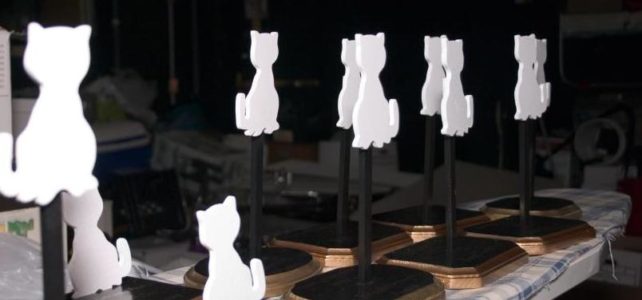
Still, my career in film exhibition is not the only opportunity I have to thank the Brattle for. At that first calendar-folding session, one of the other participants, an enthusiastic man named Michael introduced himself, asking me, “Do you see at least twenty-five indie films a year?” I certainly did, so he handed me a business card for the Chlotrudis Society For Independent Film, a local non-profit (of which he is president and co-founder) that holds an annual awards ceremony—sort of an alternative Oscars, like the Independent Spirit Awards—and also met up for weekly screenings at the Brattle, the Coolidge and other nearby cinemas. I had actually heard of the group: two years earlier when I worked part-time for a local film industry magazine, I spotted the Chlotrudis Awards as I copy-edited event listings, having to carefully scan it multiple times to comprehend/correctly spell such an unusual moniker (it’s a portmanteau of the co-founders’ two cats, Chloe and Gertrudis.) I placed the card in my wallet and promptly forgot about it.
After a full year of Brattle volunteering (and a fair amount of personal healing and growth), I finally signed up for a Chlotrudis membership online: “Why not at least check it out?,” I thought to myself. The first meet-up I attended was Catherine Hardwicke’s intense teens-gone-wild drama Thirteen at the Coolidge, followed by a group cocktail party at a member’s apartment weeks later. Within two months, I went to the High Falls Film Festival in Rochester, New York with Michael and a few other members; before long, I joined the organization’s Board of Directors. Chlotrudis provided opportunities to view with other people the independent and foreign films I more often than not had been seeing on my own; in time, I also had a new circle of friends—not only to see movies with but also engage in sometimes feisty, often engrossing discussions with via the group’s email list. Although cinema was the one thing we all had in common, we naturally discovered other shared interests such as books, music, television etc. In time, thanks to all three of these film-centered organizations, I felt part of a community in ways that I really hadn’t previously, at least not as an adult. Just a few years earlier, I was seriously considering moving back to the Midwest, at the time a place I still knew more comfortably (and which had a lower cost of living to boot.) Now, I felt firmly entrenched in Boston with a real support system I wouldn’t have had if I’d made another move and started all over again.
Along with these social benefits, actively participating in Chlotrudis also exposed me to films I might have never otherwise seen or thought to check out. While the organization honored well-known indie hits of the day such as Lost in Translation, The Station Agent and American Splendor, it would just as likely name Lucas Belvaux’s The Trilogy as Best Picture or award Sarah Polley Best Actress for her work in the little-seen My Life Without Me. While Chlotrudis Awards’ categories generally mirror those of other ceremonies, its signature prize, the Buried Treasure, is their centerpiece: bestowed upon a film with a US gross under $250K that also never played wide (i.e., above 1,000 screens), it was purposely created to make people aware of an excellent movie that might’ve flown under the radar for most. At my first Chlotrudis Awards in 2004, this prize was given to Marion Bridge, an adaptation of a Canadian play starring Molly Parker and featuring a teenaged Elliot Page (a big fan of Canadian cinema, Michael’s championing of it over the years has exposed me to far more of it than most people south of the border ever get to see); the following year, it went to Nosey Parker, a whimsical, micro-budgeted Vermont feature. While I would’ve heard of other concurrent Buried Treasure nominees such as Infernal Affairs (later remade as The Departed) or Abbas Kiarostami’s Ten outside of Chlotrudis, it’s unlikely I would’ve thought to watch the documentary Love & Diane or the charming, low-key Uruguayan film Whiskey.
Chlotrudis Awards = cats on sticks!
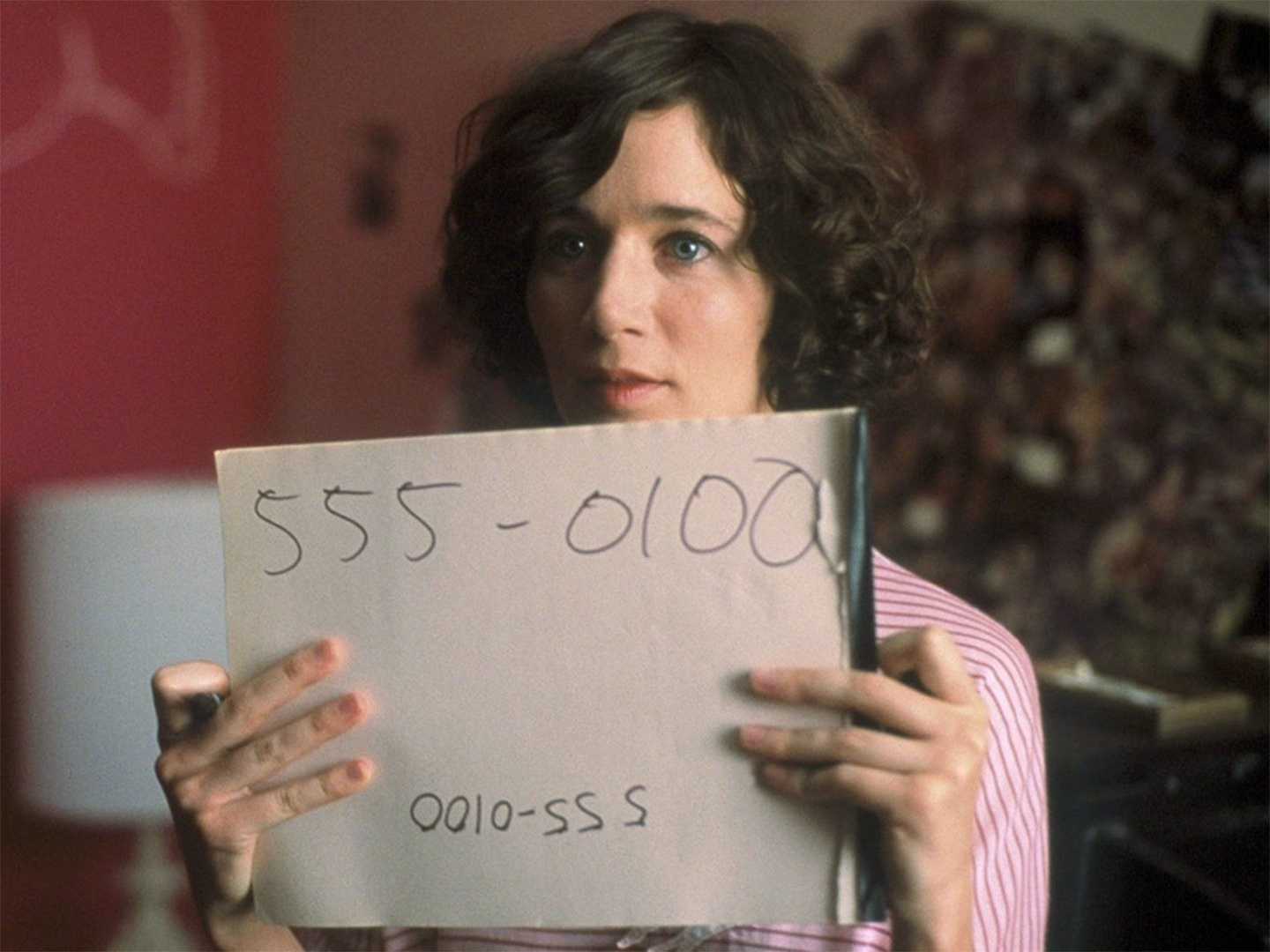
Me And You And Everyone We Know is not one of those discovered-through-Chlotrudis obscurities—after premiering at the 2005 Sundance Film and winning the Camera d’Or (best first feature) at Cannes, IFC Films released it in June of that year. With a US gross of $8 million on a budget of $800,000, it was unquestionably an indie hit and a critical darling. Writer/director/star Miranda July was already well-known in performance art circles, but this feature debut reestablished her as a filmmaker first and foremost. Chances are I still would’ve seen it had I never joined the group. However, watching it with my Chlotrudis friends at the Coolidge in their 45-seat screening room was a blast. July’s gently quirky demeanor, the handmade feel of its relatively low-budget aesthetics (especially Michael Andrews’ vintage PBS-inspired electronic score), the sharp yet humane screenplay, the presence of a beloved (if unknown to most American audiences) Canadian character actor like Tracy Wright—all of it cinematic catnip as far as Chlotrudis’ sensibilities were concerned. I don’t remember if everyone in our group loved the film that evening but I can’t deny that we bonded over the shared experience which is at least one thing that fortified (and still enhances) the act of moviegoing for me.
The film is essentially a romantic comedy where one hopes the two leads will get together in the end after their meet-cute. They are Christine Jesperson (July), a video performance artist/July alter-ego whose day job is driving for an elder cab service and Richard Swersey (John Hawkes), a department store shoe salesman and recently divorced father of two. The odd (and unusually specific) surnames provide a peek into July’s trademark whimsy while the ways in which she introduces these characters (Christine in the midst of creating one of her let’s-just-say-unique art pieces, Richard when he lights his hand on fire as a desperate gesture to hold on to his marriage) feel too genuine and fully thought out to come off as just quirky for quirk’s sake. After their initial meeting at Richard’s workplace (where Christine takes a client shopping), she returns by herself to purchase a pair of shoes from him that he had previously recommended to her (“You think you deserve this pain, but you don’t,” he says of her current, inferior footwear.) They end up walking to their parked cars together where one can instantly detect their chemistry but also some hesitation. Christine likens the length of their stroll to an entire relationship (speaking of the distance from the store to the cars, “This is our whole life together”) but pushes it too far when, after they separate, she shows up again at Richard’s car and invites herself in for a ride over to her vehicle. Still sore from his recent divorce, Richard reacts negatively, instantly disintegrating Christine’s impulsively constructed rom-com facade.
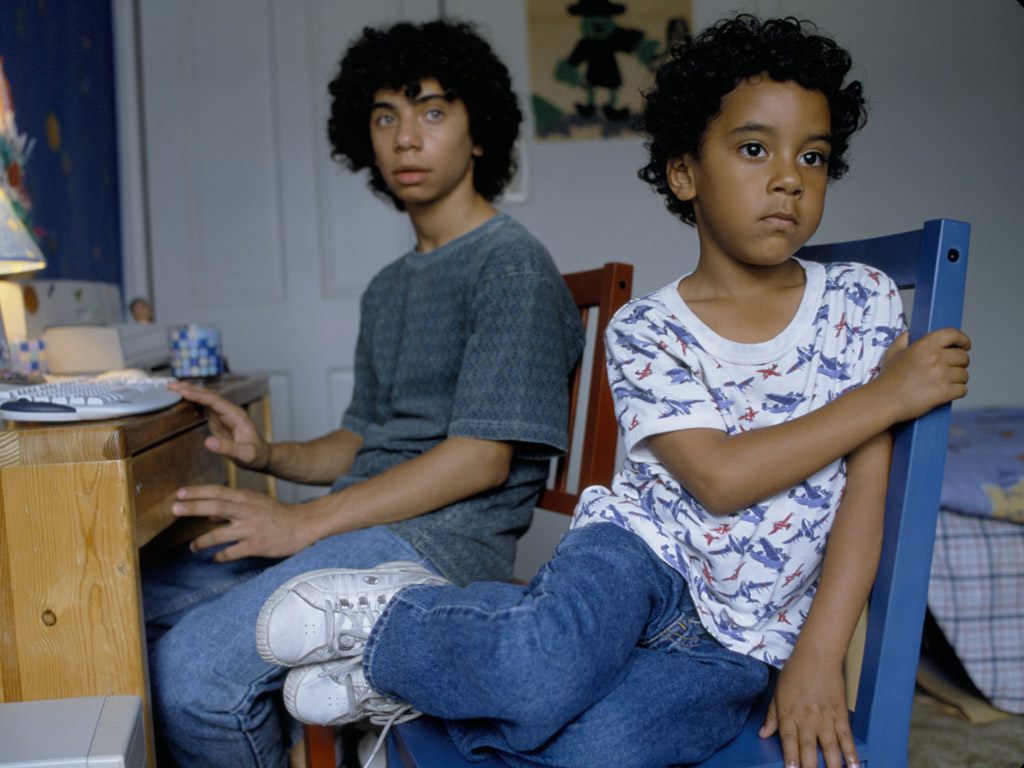
While Christine and Richard’s will-they-or-won’t-they trajectory is the film’s key narrative thread, it is far from the only one pushing it forward. Me and You… is more of an ensemble piece, almost a micro-scale version of, say, Magnolia where numerous characters intersect in alternately predictable and unexpected ways. Richard’s somewhat oafish co-worker Andrew (Brad William Henke) develops a playful, if caustic relationship with two 14-year-old girls, Heather (Natasha Slayton) and Rebecca (Najarra Townsend). The girls go to school with Richard’s older son Peter (Miles Thompson) who is often seen taking care of his six-year-old brother Robby (Brandon Ratcliff). Both Peter (and, to a lesser extent Robby) befriend Sylvie (Carlie Westerman), a thoughtful, precocious neighbor girl somewhere in age between the brothers. Also figuring in are Richard’s estranged wife (and Peter and Robby’s mom) Pam (JoNell Kennedy), Christine’s elder-cab client Michael (Hector Elias) and Nancy Herrington (Tracy Wright), a stoic gallery curator whom Christine submits her artwork to.
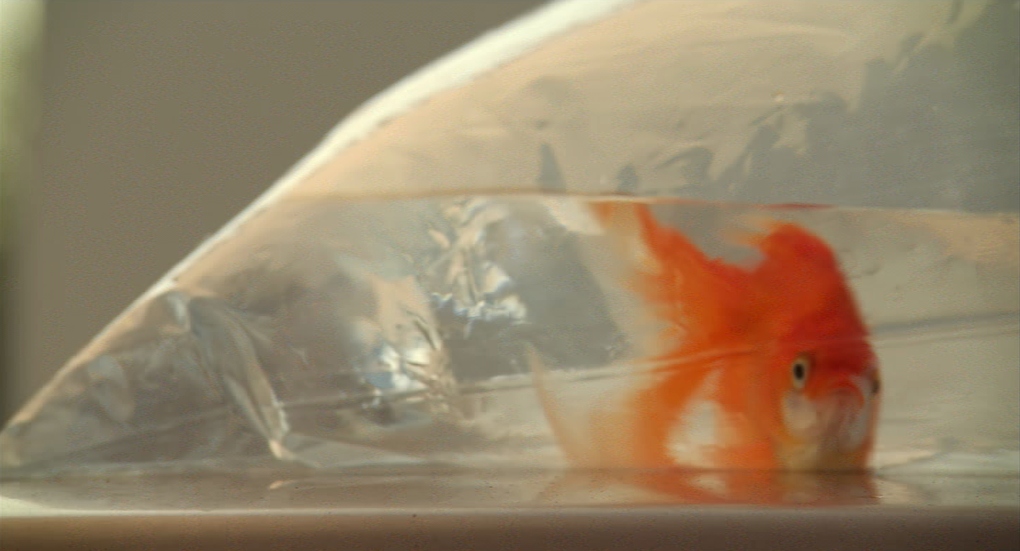
Your average indie ensemble comedy-drama would emphasize and gather momentum on the strength and timing of its connections (and disconnections); Me and You… instead fixates on more personal, idiosyncratic motifs. Set in an unglamorous-verging-on-seedy Los Angeles residential neighborhood, it takes what could be ordinary, everyday situations and swiftly turns them inside out: a father and his young daughter buy a goldfish in a plastic bag filled with water from a pet store, but he accidentally leaves the bag on top of his car and drives off with only Christine and Michael initially witnessing it. Robby hears a mysterious tapping noise every day outside his mom’s house; she dismisses it as the sound the streetlights make when they turn on, but he remains unconvinced and obsessed. Sylvie plays with neighborhood kids Robby’s age as if she were their mother but takes this tendency to obsessive heights when she shows Peter her secret hope chest, lovingly layered with items she’ll use as a wife and mom one day (“It’s my dowry,” she states matter-of-factly.)
As in Magnolia, nearly every character here is lonely to some degree. While depiction of such an emotional state could lead to inertia (or alternately, desperation), July utilizes loneliness as an impetus for a myriad of activities people of varying ages pursue in order to combat it. Often, the impulse is sexually charged: Heather and Rebecca flirt with Andrew but keep their distance (particularly once their playacting threatens to have real consequences); they also attempt to work out their frustration and curiosity by first tormenting, then fooling around with Peter. When someone is too young to fully understand sex, they seek release in less conventional ways, such as Sylvie’s very-real-to-her fantasy world of monogrammed towel sets and fresh crisp shower curtains—itself momentarily derailed in her mind when she watches Heather and Rebecca’s rendezvous with Peter through her bedroom window.
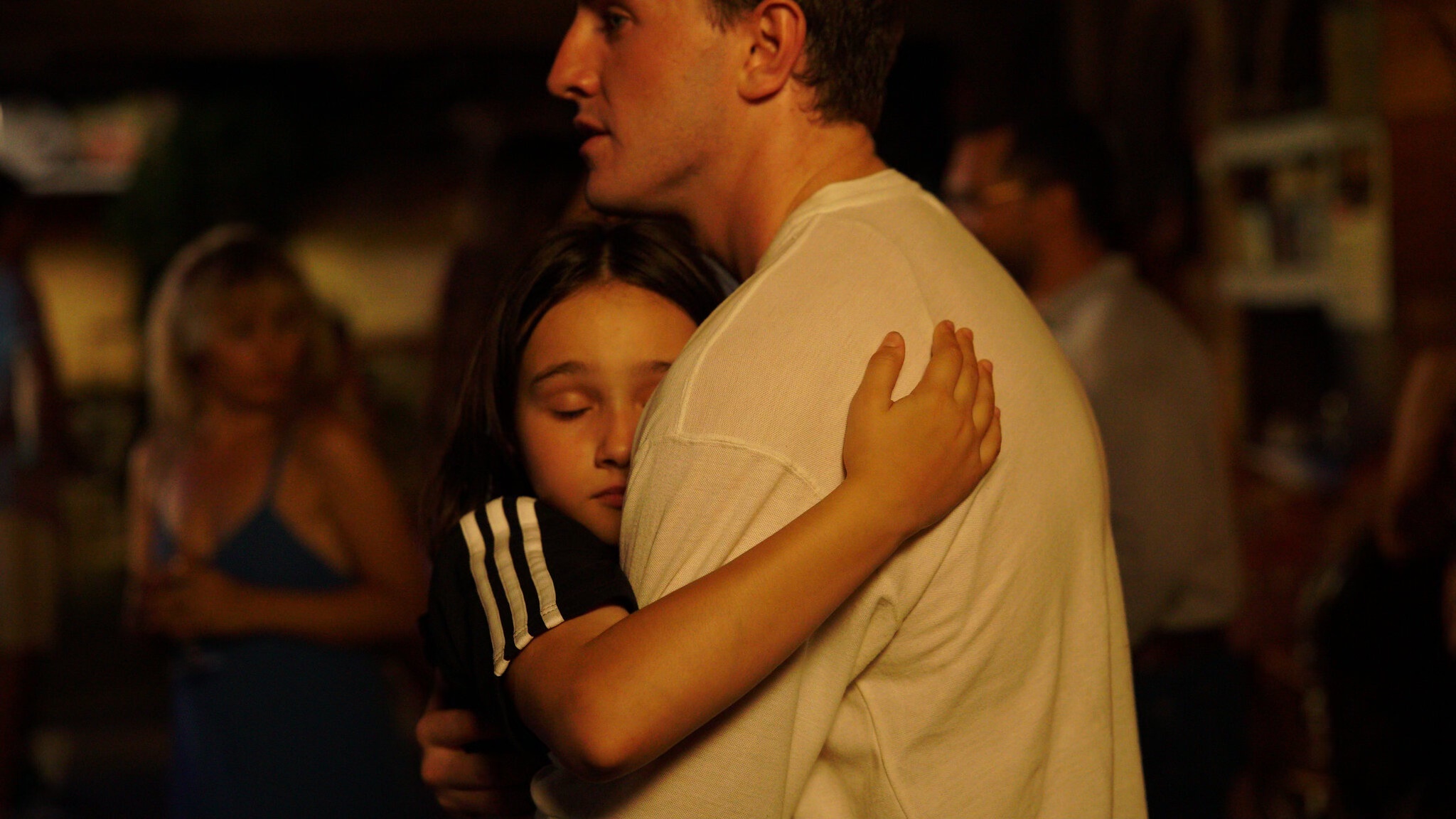
Meanwhile, Robby regularly spends time in an online chatroom that Peter showed him how to use; the two of them begin chatting with an anonymous, presumed adult engaging in sex talk. Peter laughs it away but young Robby is intrigued and returns to the chat room on his own, his six-year-old ideas of what sex might be both hilariously off-the-mark and touchingly innocent (and scatological!) Conceived in an era directly before smartphones, the film, with its desktop setup and the clunky chime of messages received back-and-forth (forever!) might now feel tame and nostalgic. As with the girls and Andrew, however, Robby’s playing a potentially dangerous game, one whose implications are still years ahead of him. When he eventually meets in real life the other cast member he’s been chatting with, the reveal is both ridiculous and sublime: lovingly scored to Spiritualized’s slow-building, in due course rousing “Any Way That You Want Me”, it’s poignant and bittersweet rather than embarrassed or full of shame. Credit July’s direction of her ensemble and in particular, her child actors: not everyone could coax such an uncommonly natural and believable performance out of someone as young as Ratcliff.
I get that July’s sensibility is not for everyone—the sudden callback of Christine receiving a phone call where the person on the other end of the line says a single word (“Macaroni”) and hangs up, Robby casually drawing on a piece of art on the wall as Richard and Peter sit on the couch in front of it, numbly ignoring him, Pam’s “self-affirming” nightgown, Nancy’s “I’ve Got Cat-itude!” mug—such quirks will easily delight or repulse a viewer depending on one’s taste (though this letter-perfect Onion article from 2012 gets it.) It may be tempting to regard Me and You… as a stereotypically navel-gazing indie, but one shouldn’t ignore the considerable feeling July suffuses her work with. Watch for how Nancy’s face slowly transforms when she’s watching the video Christine has submitted to her gallery at the moment Christine begins talking directly to her. Look at Richard’s growth throughout the film: “I am prepared for amazing things to happen; I can handle it,” he tells Andrew early on only to show how unprepared he is when Christine gets into his car. Midway through, he realizes that when he lit his hand on fire, “I was trying to save my life and it didn’t work.” By the end, he quietly, willingly gives himself over to chance as July illustrates, via him and Christine tenderly embracing the beauty of being open and receptive to making things up as one goes along.
That goldfish-left-on-top-of-a-car scene from earlier plays no crucial part from a narrative perspective but Me and You…wouldn’t be the same without it. As Christine and Michael drive along the highway, following the car as the goldfish unceremoniously slides off its roof, over its windshield and onto the trunk of another car ahead of it, Michael reassures a distraught Christine, perhaps indirectly evoking the film’s title, “At least we’re all together in this.” That sense of camaraderie and support is really what the film is all about; it’s also what I craved and then experienced once I found my people at the movies—on both sides of the screen.











 Haunted Jukebox