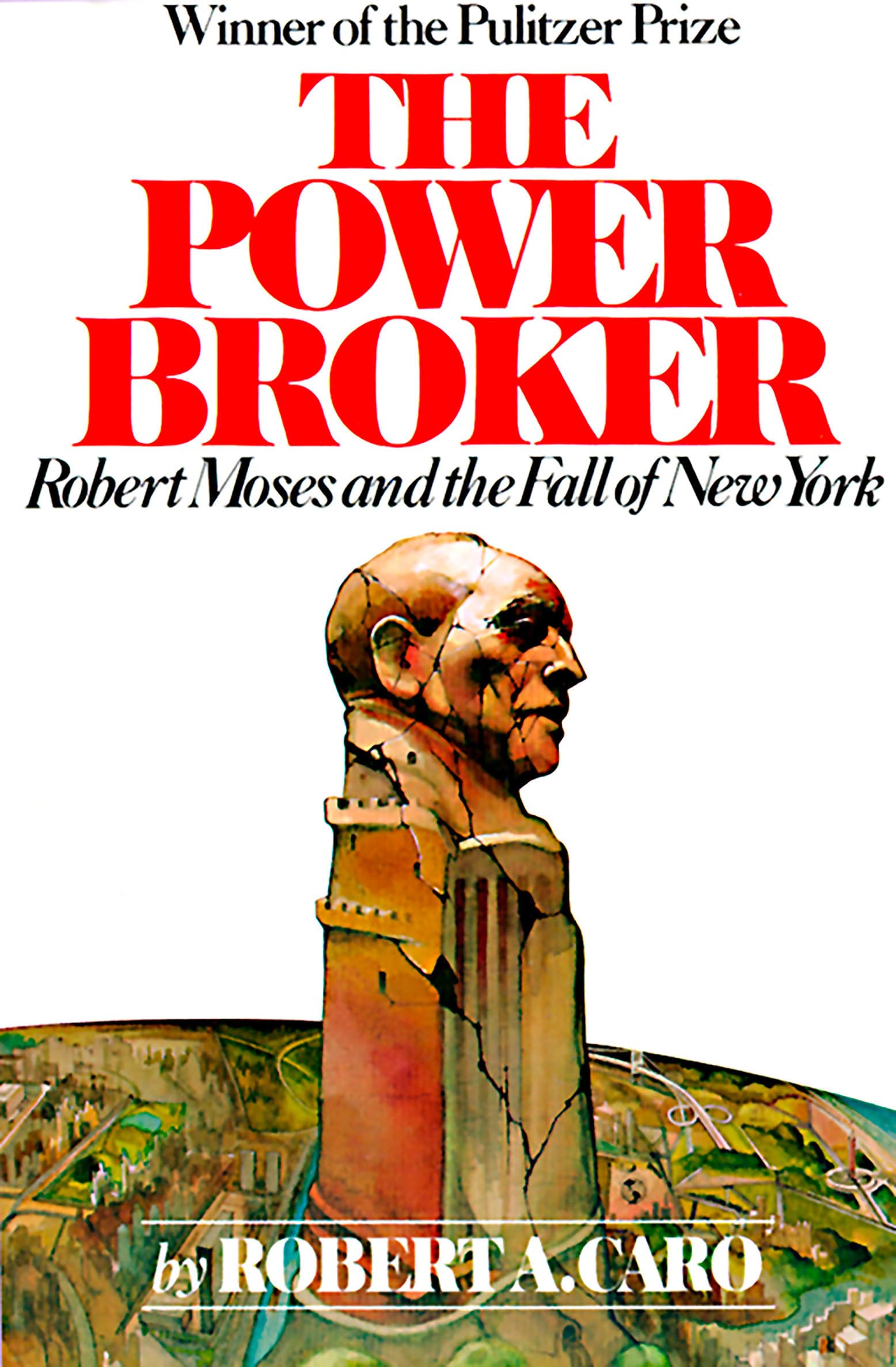
I read Robert A. Caro’s The Power Broker this year; I admit I did not know it existed until late 2023 when I saw Turn Every Page, the insightful documentary about Caro and his longtime editor Robert Gottlieb. Along with news that the 99% Invisible podcast would be spending all of 2024 reading the book and discussing it in monthly installments, there was no better time to tackle this 1100+ page biography of city planner Robert Moses. I began it in mid-January, consuming anywhere from 20 to 120 pages at a time, roughly keeping pace with the podcast until October, when I hunkered down and finished the last 250 or so pages.
It’s a great book provided one is actually into learning about city planning and receptive to lengthy reads. Although Caro (very) occasionally drives deep into the minutiae of government law and procedure, The Power Broker endures mostly because of its readability (I know, what a concept) which for Caro translates into a beautiful command of language and pacing, even structuring chapters to end on cliffhangers (no matter how mild.) Fifty years after publication, his thesis—that power not only corrupts but has an often negative effect on all those coming into contact with the corrupted remains relevant, particularly in the past decade where politics and power are concerned.
Still, I read 54 other books this year! Here are ten newish favorites in alphabetical order by the author’s last name.
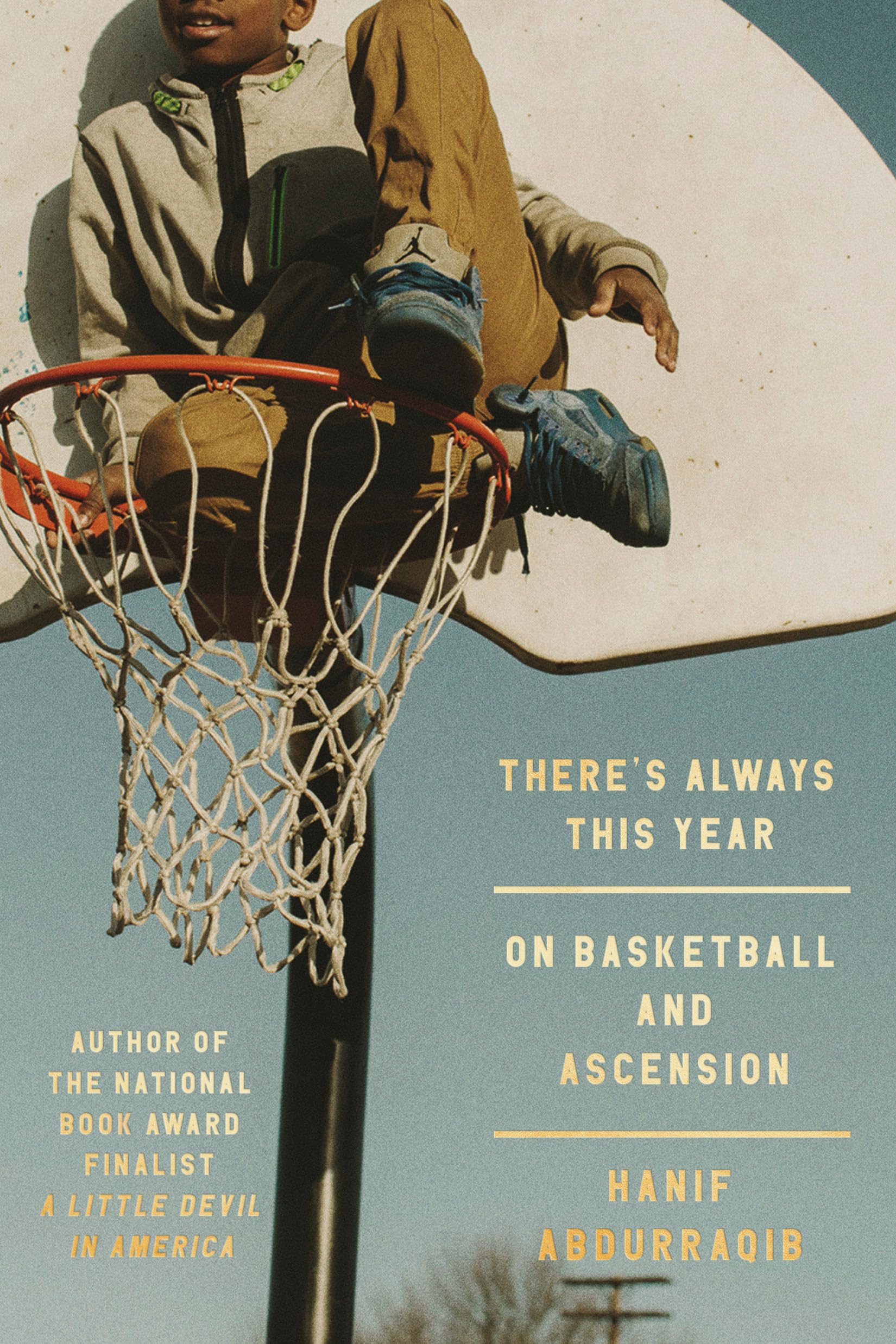
Hanif Abdurraqib, There’s Always This Year: On Basketball and Ascension
Abudrraqib’s stunning track record places him in that rarefied air of seemingly being able to write and publish anything he pleases no matter how oblique or unlikely a premise. This latest memoir utilizes basketball (and, in particular his own cultural relationship to the sport) as a jumping off point for a myriad of subjects that, no matter how far-reaching or intensely personal never scans as oblique.
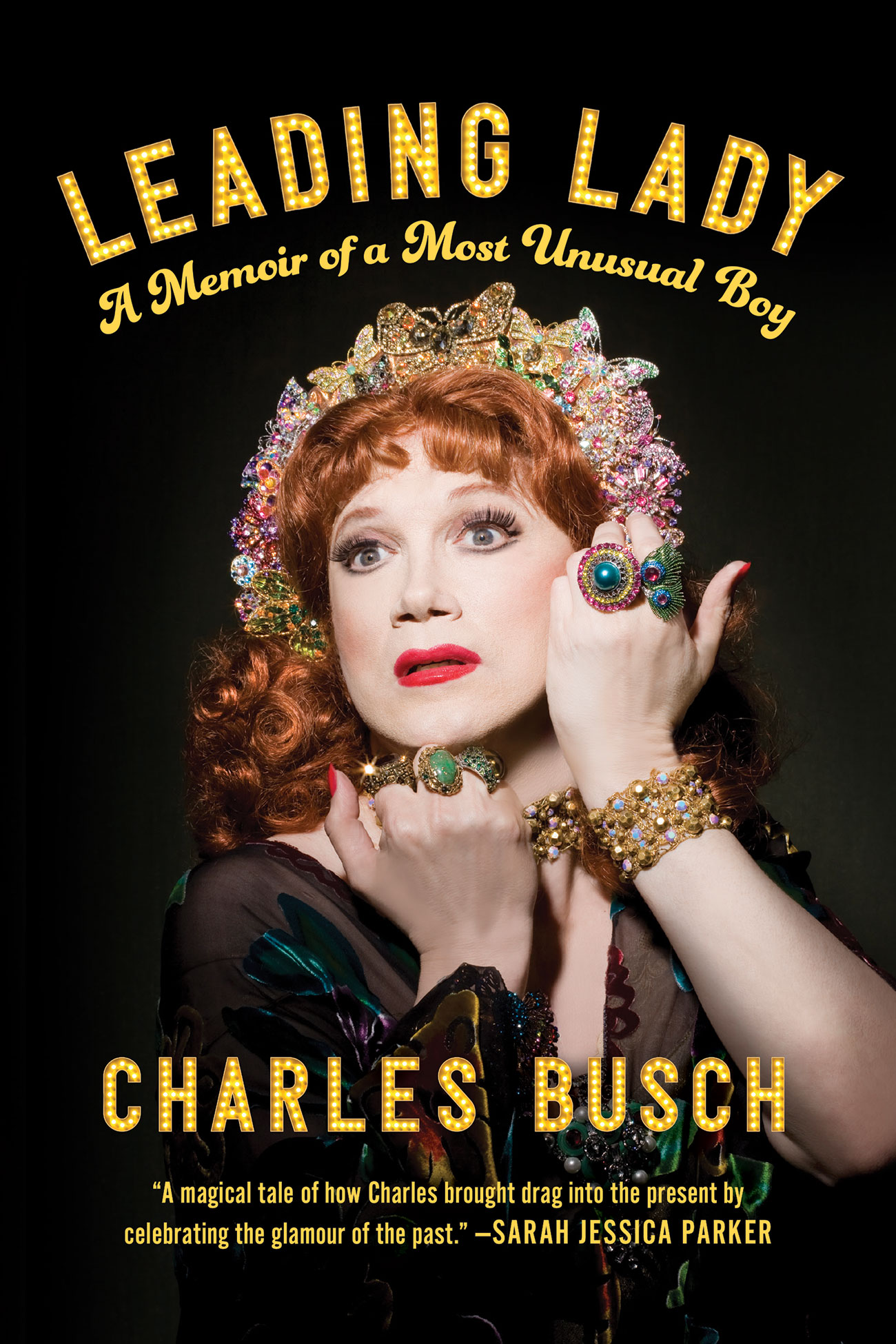
Charles Busch, Leading Lady
Drag performer extraordinaire Busch is a figure one always hoped for a memoir from and this one doesn’t disappoint. In addition to relaying a fascinating life story and career, the camp auteur behind Die, Mommie Die! lovingly dissects his origins and development as an actor. Coming from someone who has always taken his craft seriously, this is invaluable both as a drag testimonial and as a performer’s manual.
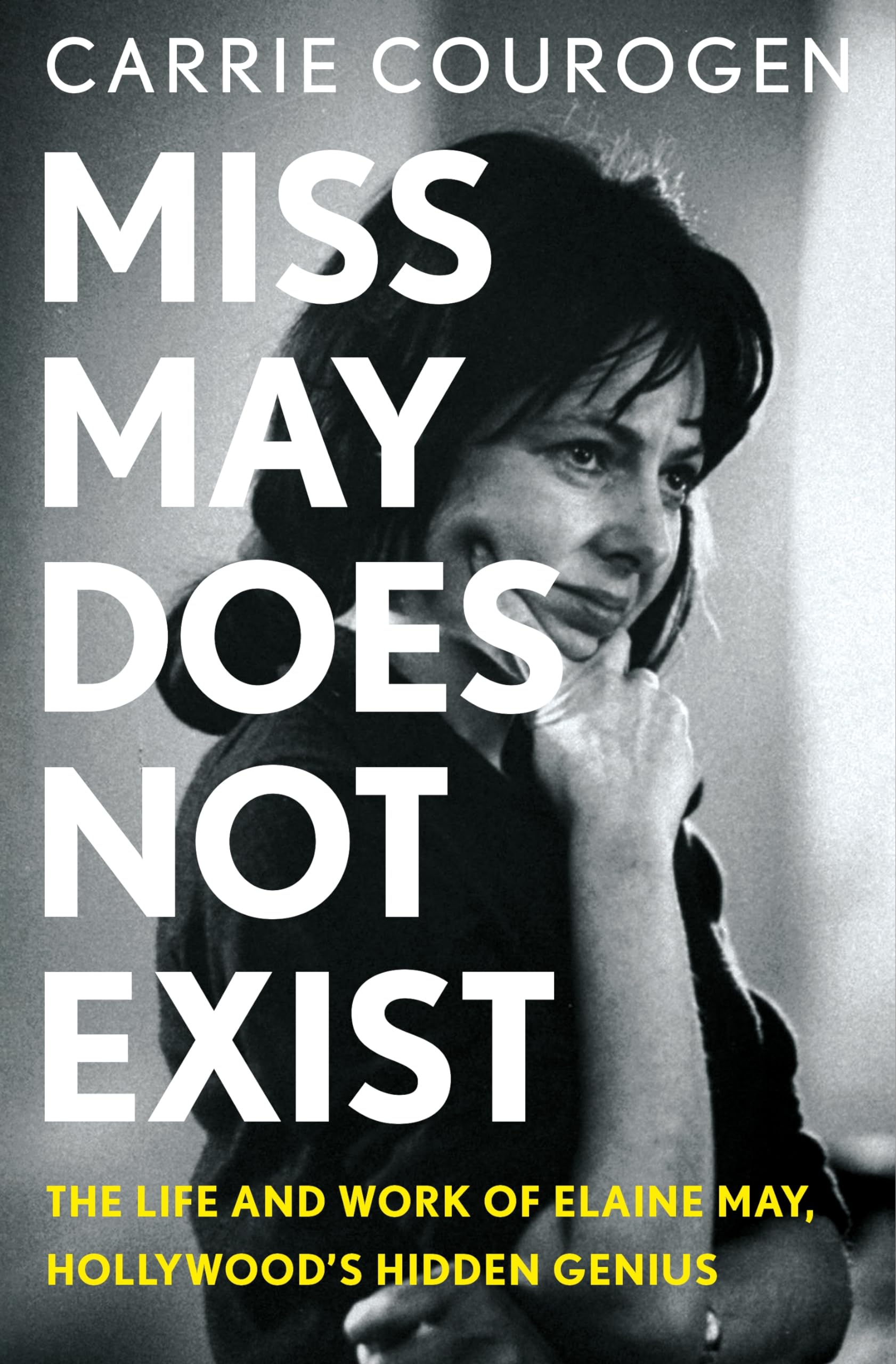
Carrie Courogen, Miss May Does Not Exist
An essential companion to Mark Harris’ Mike Nichols: A Life that, like its infamous, iconoclast subject stands apart on its own. One would think Elaine May’s elusiveness would prove challenging for any biographer, but Courogen approaches it from a more-critical-than-celebratory perspective that is exactly right (even if it didn’t make me further appreciate Ishtar.) May contained multitudes (and continues to do so) in service of an ultra-specific talent.
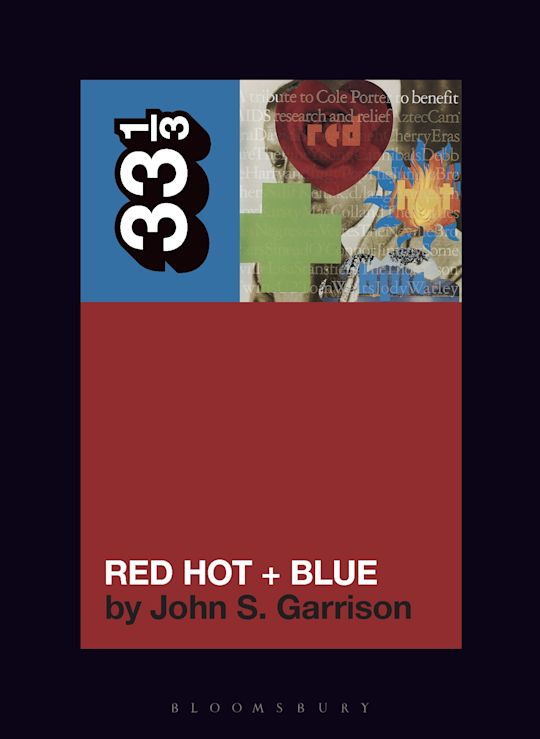
John S. Garrison, Red Hot + Blue (33 1/3 series)
I’ve loved Red Hot + Blue, a compilation of modern artists covering Cole Porter songs since it came out in 1990; Garrison’s entry in this ever-valuable series of mini-books about a single album highlights the project’s AIDS-charitable origins and purpose, recognizing it as a cultural bellwether of queer-friendly art and expression across generations. With him examining how it fit into the culture of its time (the height of the AIDS epidemic) it also reminded me of how profoundly it impacted my own taste and nascent identity.
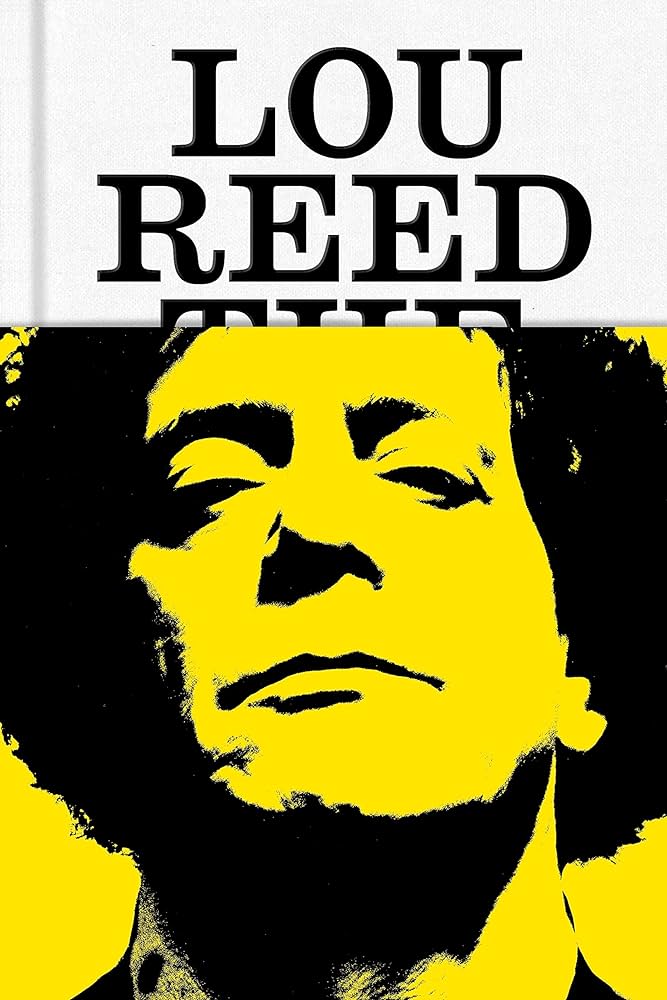
Will Hermes, Lou Reed: The King of New York
Lou Reed warrants a biography that captures him at his best and his worst; Hermes’ immensely entertaining attempt, with chapter headings chronologically referencing all the places its subject lived and worked mostly within New York itself is buoyed by not shying away from Reed’s inconsistencies and faults; it also gradually builds enough momentum to make a solid case for his genius in his spite of (and often because of) all that.
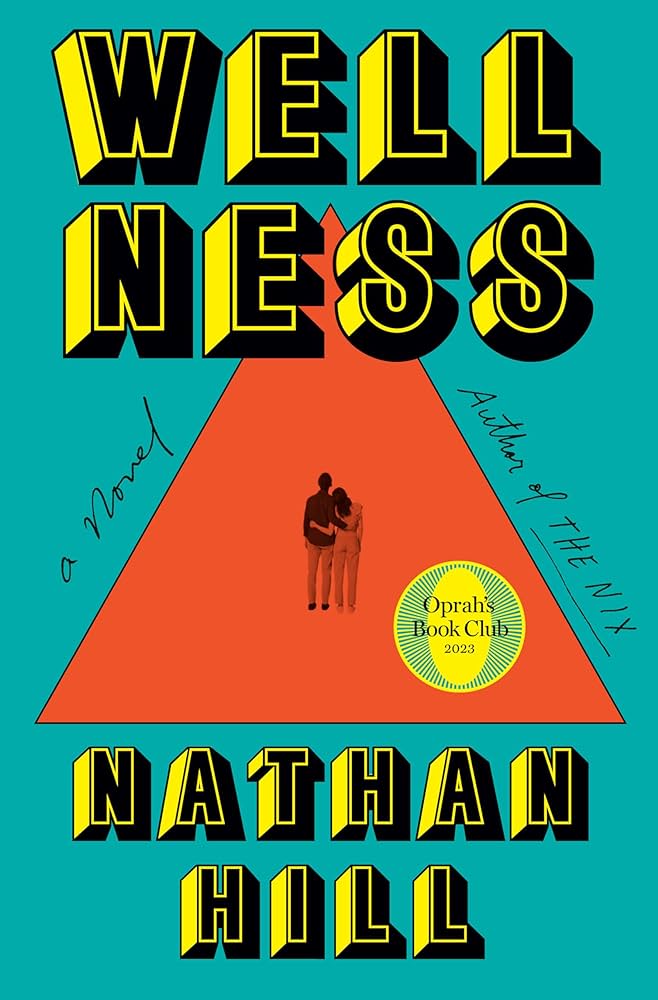
Nathan Hill, Wellness
Hill’s long-anticipated follow-up to The Nix proves it was no fluke, adding new hues and an innovative structure to one of the novel’s most-used scenarios, the gradual dissolution but also potential endurance of a marriage. He writes as wittily and perceptively about the early 90s (when his protagonists first meet) as the near-present where they confront/attempt to make sense of midlife, to a point where this 600+ page epic rarely ever drags or falters.
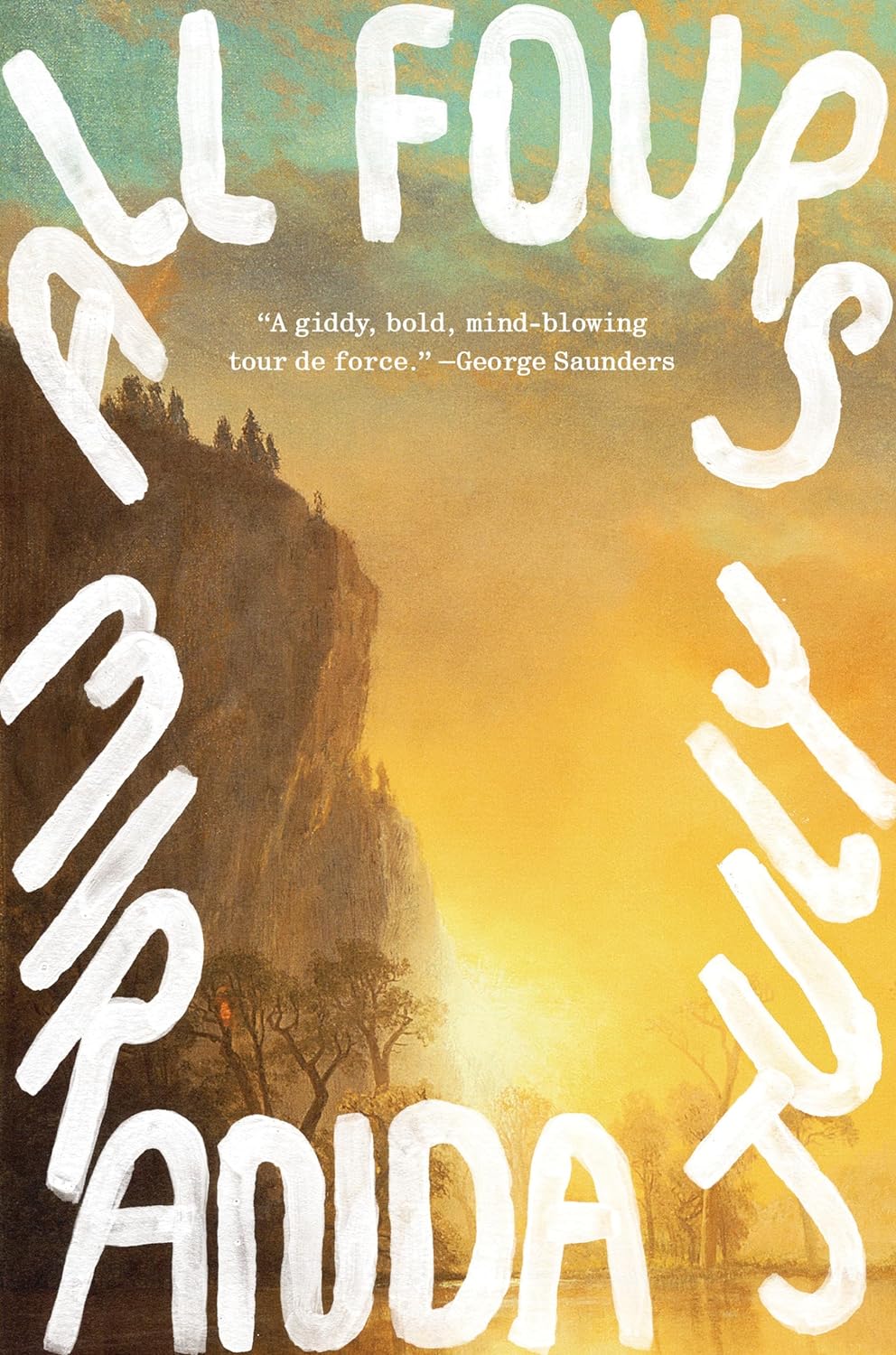
Miranda July, All Fours
As July approaches fifty, her particular aesthetic feels anything but tired. One can track palpable growth and change through her film and literary works and her latest of the latter emits a bold willingness to go out on a limb and into the unknown. It begins as a deceptively simple story about an artist headed off on a solo road trip and then takes a hard left swerve… and then another, and another, with the reader ending up nearly as transformed as the story’s heroine.
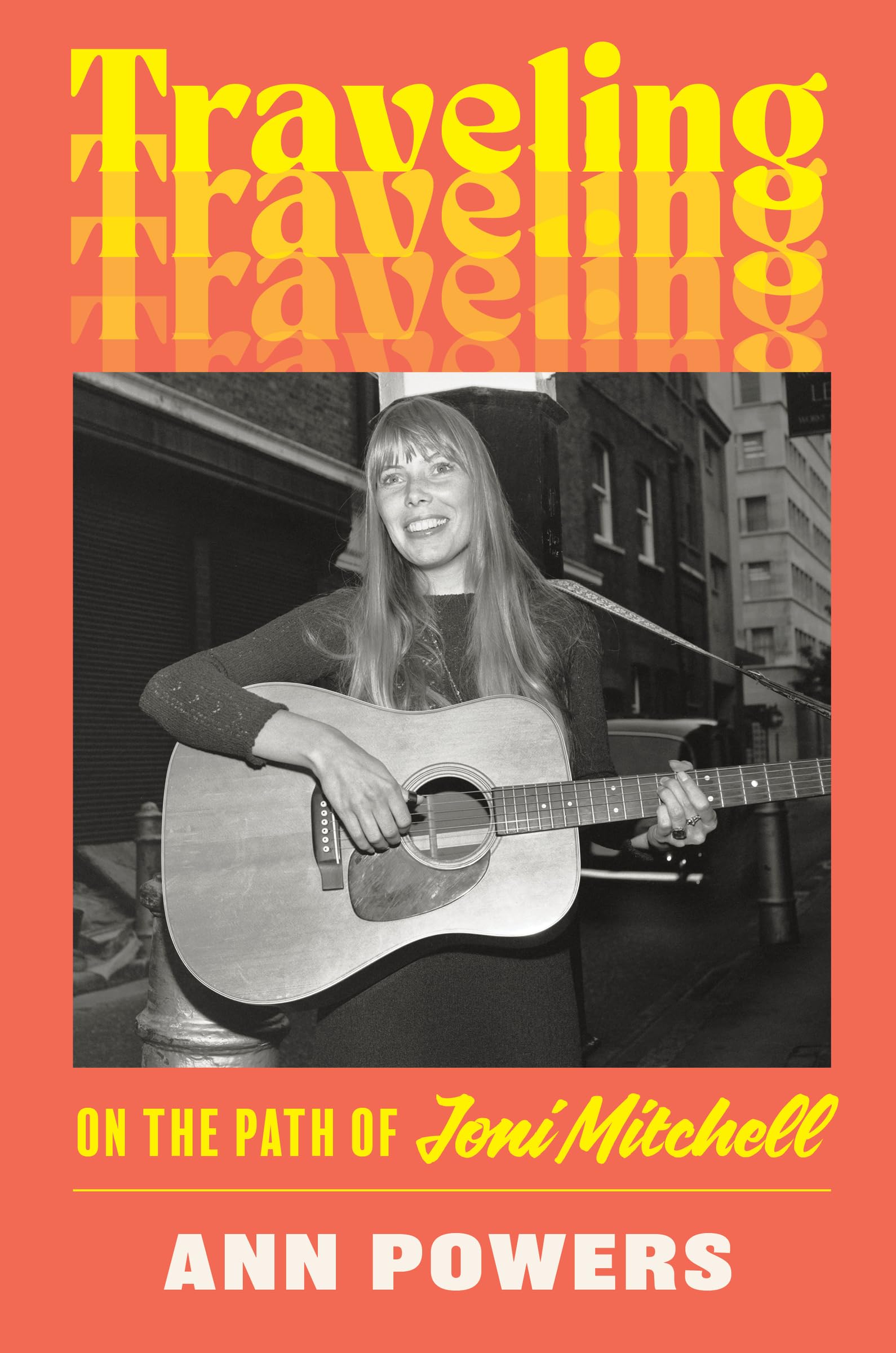
Ann Powers, Travelling: On The Path of Joni Mitchell
It’s not the first book about Joni Mitchell I’ve read, but it’s likely the best. Instead of the usual chronological biography/career assessment, Powers takes a more personal approach. Less a of throughline than an intricate echo chamber, she confronts the music and myth of Mitchell like Rob Sheffield did in his great Beatles book, but Powers is less generous, more skeptical. The tension she creates wrestling with both admiration and criticism of her subject is nearly as sustaining a journey as the one Mitchell documented on her album Hejira.
Jonathan Rosenbaum, In Dreams Begin Responsibilities
If the collected writings of Roger Ebert and Pauline Kael are decent starter kits in understanding how film criticism works, Rosenbaum’s prose is the advanced, graduate level text. Collecting essays on film, music and literature across his career (but with an emphasis on work since his retirement from The Chicago Reader in 2007), these essays are reminders of his openness, his idiosyncrasy and his mastery of forgoing academic jargon, writing for a would-be mass audience without pandering or dumbing it down.
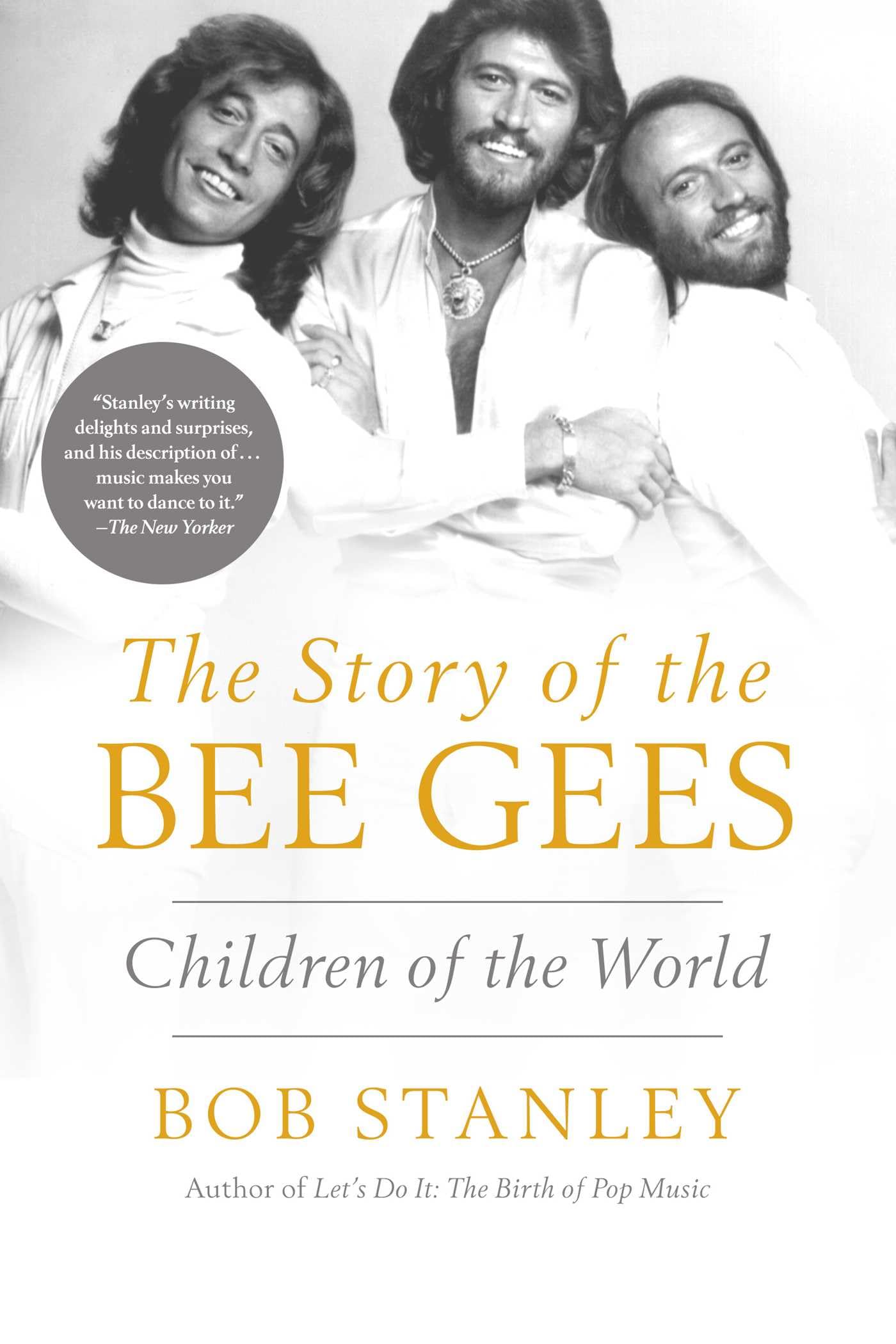
Bob Stanley, The Story of The Bee Gees: Children of the World
Following his two doorstop-sized summations of pop music both rock-era (Yeah Yeah Yeah) and what came before (Let’s Do It), this music journalist/musician (co-founder of Saint Etienne) tackles a single band with one of the richest and most unusual backstories and career trajectories. With the focus of a critic and the enthusiasm of a fan, his relaying of the Gibb Brothers’ accomplishments and quirks (they really were weirdos) ends up a nifty companion and supplement to the fine 2020 documentary The Bee Gees: How Can You Mend a Broken Heart.
Here’s my complete 2024 Booklist, with titles in chronological order of when I finished reading them:
- Celeste Ng, Our Missing Hearts
- Charles Busch, Leading Lady
- Karl Ove Knausgaard, Winter
- Derek Jarman, Chroma*
- Nathan Hill, Wellness
- Michael Cunningham, Day
- James Harvey, Movie Love In The Fifties
- Michael Palin, Diaries 1969-1979: The Python Years
- Barbra Streisand, My Name Is Barbra**
- Chris Molanphy, Old Town Road
- Will Hermes, Lou Reed: The King of New York
- David Thomson, Remotely
- Marcello Carlin, The Blue In The Air*
- Alan Bennett, Keeping On Keeping On
- RuPaul, The House of Hidden Meanings**
- Bob Stanley, The Story of The Bee Gees: Children of the World
- Ann Patchett, The Patron Saint of Liars
- Hanif Abdurraqib, There’s Always This Year: On Basketball and Ascension
- Peter Heller, The Dog Stars*
- Kurt Vonnegut, Bluebeard
- Sloane Crosley, Grief Is For People
- Karl Ove Knausgaard, Spring
- Justin Torres, Blackouts
- Elizabeth Strout, Olive, Again
- Jessica Max Stein, Funny Boy: The Richard Hunt Biography
- Chuck Klosterman, Sex, Drugs and Cocoa Puffs*
- Simon Reynolds, Futuromania
- Miranda July, All Fours
- Daniel Clowes, Monica
- Ann Powers, Travelling: On The Path of Joni Mitchell
- Richard Russo, The Risk Pool*
- Ruth Reichl, The Paris Novel
- Alexander Chee, How To Write an Autobiographical Novel
- Jodi Picoult and Jennifer Finney Boylan, Mad Honey
- Kate Atkinson, Shrines of Gaiety
- Sylvie Simmons, I’m Your Man: The Life of Leonard Cohen*
- Haruki Murakami, Novelist As a Vocation
- Sarah Thankam Mathews, All This Could Be Different
- Carrie Courogen, Miss May Does Not Exist
- Steve Wynn, I Wouldn’t Say It If It Wasn’t True
- Robyn Hitchcock, 1967: How I Got There and Why I Never Left
- Haruki Murakami, The Wind-Up Bird Chronicle*
- Matt Foy and Christopher J. Olson, Mystery Science Theater 3000: A Cultural History
- Robert A. Caro, The Power Broker
- Colson Whitehead, Nickel Boys
- Lili Anolik, Hollywood’s Eve
- Mary Karr, The Art of Memoir
- Rachel Kushner, Creation Lake
- Paul Scheer, Joyful Recollections of Trauma
- Cheryl Strayed, Wild
- Jonathan Rosenbaum, In Dreams Begin Responsibilities
- Andy Cowan, B-Side: A Flipsided History of Pop
- Dave Hickey, Air Guitar
- John S. Garrison, Red Hot + Blue (33 1/3 series)
- Barbara Kingsolver, Demon Copperhead
*Re-read. **Audiobook.
 Haunted Jukebox