My Top Ten Films of 1988:
- High Hopes
- Beetlejuice
- Hairspray
- Women On The Verge Of A Nervous Breakdown
- Running On Empty
- A Fish Called Wanda
- Dead Ringers
- Midnight Run
- The Decline of Western Civilization Part II: The Metal Years
- Landscape In The Mist
Honorable Mentions: Chocolat, Crossing Delancey, Distant Voices Still Lives, The Unbearable Lightness of Being, Who Framed Roger Rabbit
For My Watchlist: Dangerous Liaisons, Drowning By Numbers, The Last Temptation of Christ, Married To The Mob, Rain Man
*
I often rag on the 1980s as an underwhelming decade for cinema, and most of its Best Picture Oscar winners have proven me right (with a few exceptions, and yes, I still need to see Rain Man.) This explains why I was particularly drawn to 1988, which seems an anomaly in this period.
Look at this top ten! We have big budget studio pictures that are uncommonly witty (A Fish Called Wanda, Midnight Run), emotionally complex (Running On Empty) and exceptionally weird (Beetlejuice, my second favorite Tim Burton after the one that will likely be #1 for its respective year.) There’s also international auteur-centric filmmaking of the highest order (Almodovar’s most iconic effort, one of Cronenberg’s wildest body horror/character studies) and what remains my top John Waters film, partially because it’s the first one I saw but also for how nimbly it threads the needle between his earlier transgressiveness and his later subversive shadowing of mainstream pop culture. Theo Angelopoulos’ lyrical art film Landscape In The Mist is an outlier here, but not much more than Penelope Spheeris’ frank and entertaining LA hair metal doc (RIP Ozzy Osbourne, whose sequence in it feels like an inspired audition for his later reality show.)
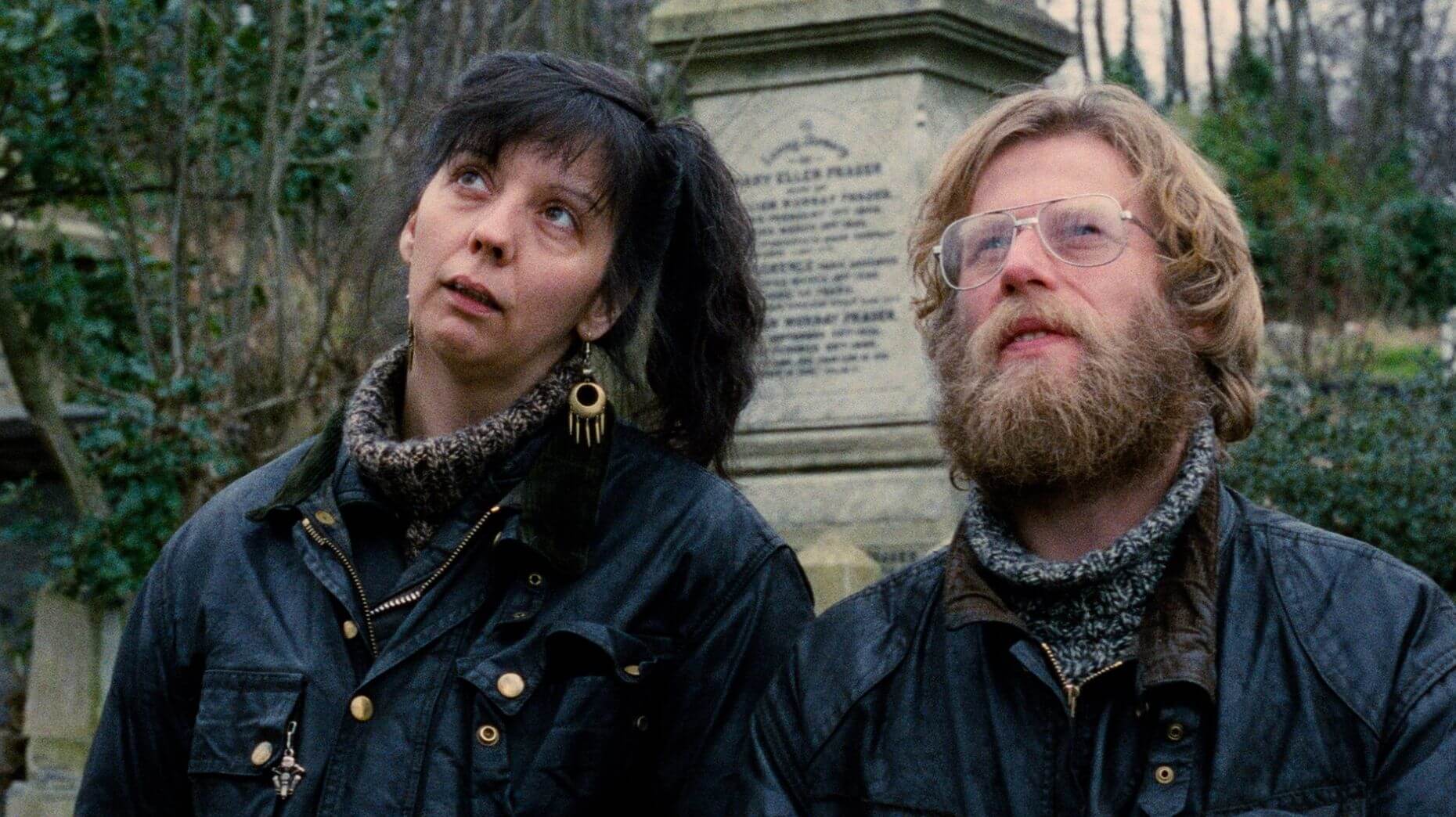
At the top, however, sits the essential Mike Leigh film. Made for the cinema after a decade-and-a-half of mostly productions for British television, it’s where he perfects his long-gestating obsessions on class, family and politics (especially the scourge of Thatcherism) by focusing on three urban couples, one of which, lovingly played by Leigh regulars Ruth Sheen and Phil Davis might be his most detailed and humanist depiction of the proletariat. High Hopes doesn’t shy away from broad humor or the absurd situations often bubbling through his work, but how ever hyper-specific it comes across as a view of its time and place, it’s altogether the defining dramatic record of it.
Perhaps Roger Rabbit or The Unbearable Lightness of Being might’ve cracked the top ten had I seen either of them since the 1990s. Chocolat and Crossing Delancey, both more recent first-time watches are highlights in each of its director’s filmographies (Claire Denis and Joan Micklin Silver, respectively.) The Terence Davies film is an important one but I prefer its 1992 follow-up for how it approaches similar subject matter with more nuance and visual ingenuity. It’s more surprising to me that I’ve never made the time to see Jonathan Demme’s mafia comedy or Dangerous Liaisons than Scorsese’s controversial biblical epic although all three (along with the Peter Greenaway film) are titles I intend to watch someday. Stay tuned to see if any other year from the 1980s proves as robust as this one.
 Haunted Jukebox