2024 Booklist

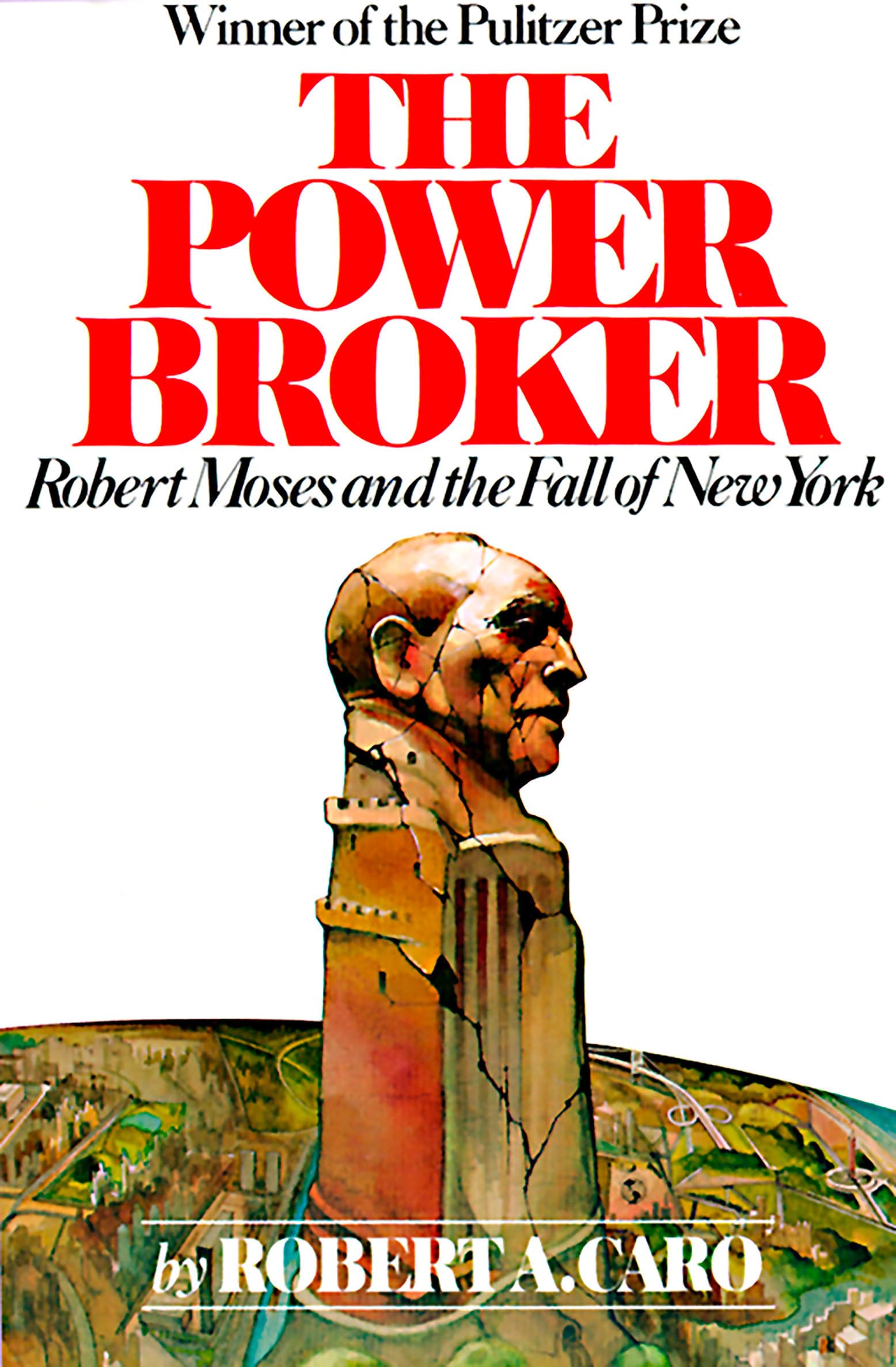
I read Robert A. Caro’s The Power Broker this year; I admit I did not know it existed until late 2023 when I saw Turn Every Page, the insightful documentary about Caro and his longtime editor Robert Gottlieb. Along with news that the 99% Invisible podcast would be spending all of 2024 reading the book and discussing it in monthly installments, there was no better time to tackle this 1100+ page biography of city planner Robert Moses. I began it in mid-January, consuming anywhere from 20 to 120 pages at a time, roughly keeping pace with the podcast until October, when I hunkered down and finished the last 250 or so pages.

It’s a great book provided one is actually into learning about city planning and receptive to lengthy reads. Although Caro (very) occasionally drives deep into the minutiae of government law and procedure, The Power Broker endures mostly because of its readability (I know, what a concept) which for Caro translates into a beautiful command of language and pacing, even structuring chapters to end on cliffhangers (no matter how mild.) Fifty years after publication, his thesis—that power not only corrupts but has an often negative effect on all those coming into contact with the corrupted remains relevant, particularly in the past decade where politics and power are concerned.

Still, I read 54 other books this year! Here are ten newish favorites in alphabetical order by the author’s last name.
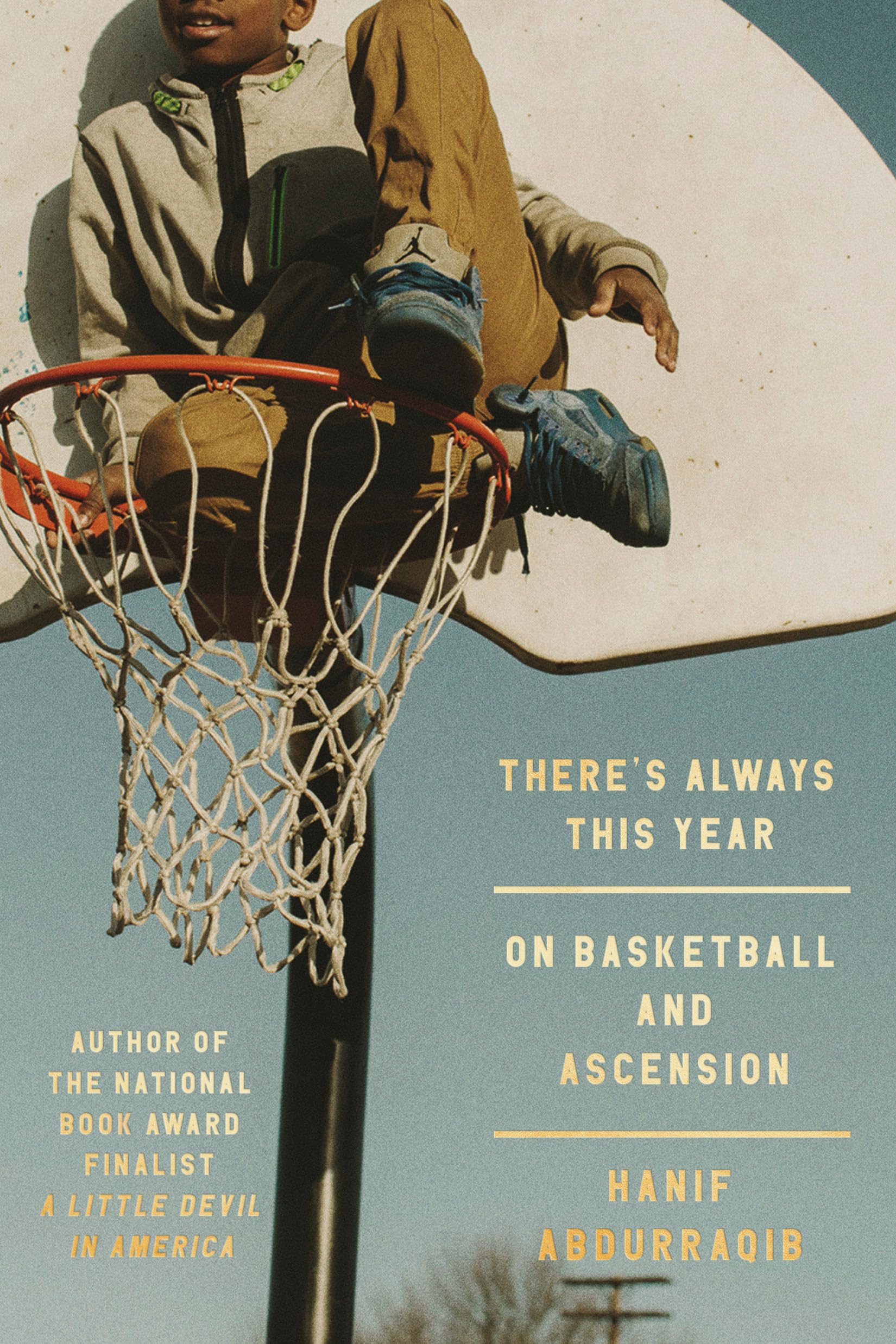
Hanif Abdurraqib, There’s Always This Year: On Basketball and Ascension

Abudrraqib’s stunning track record places him in that rarefied air of seemingly being able to write and publish anything he pleases no matter how oblique or unlikely a premise. This latest memoir utilizes basketball (and, in particular his own cultural relationship to the sport) as a jumping off point for a myriad of subjects that, no matter how far-reaching or intensely personal never scans as oblique.
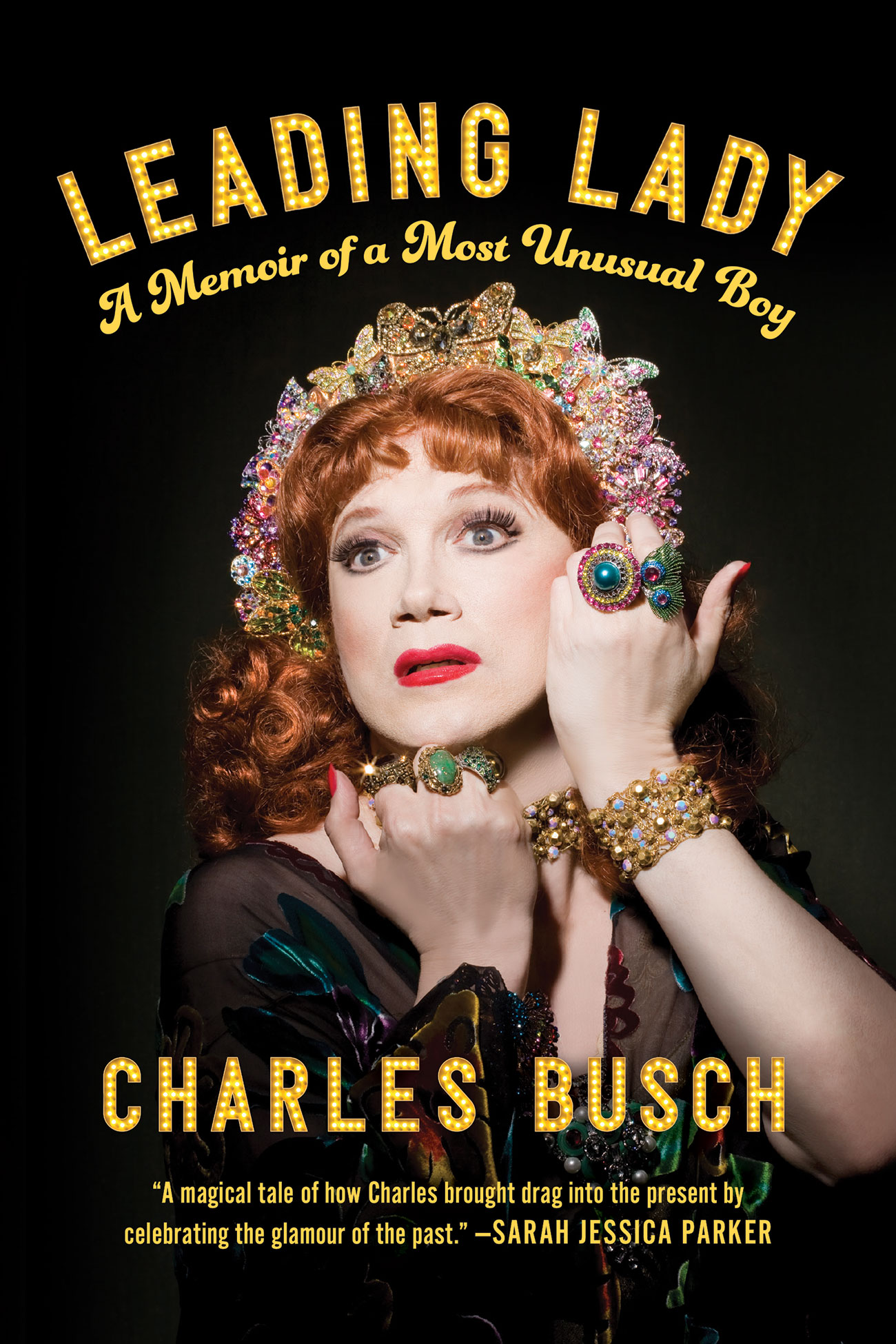
Charles Busch, Leading Lady

Drag performer extraordinaire Busch is a figure one always hoped for a memoir from and this one doesn’t disappoint. In addition to relaying a fascinating life story and career, the camp auteur behind Die, Mommie Die! lovingly dissects his origins and development as an actor. Coming from someone who has always taken his craft seriously, this is invaluable both as a drag testimonial and as a performer’s manual.
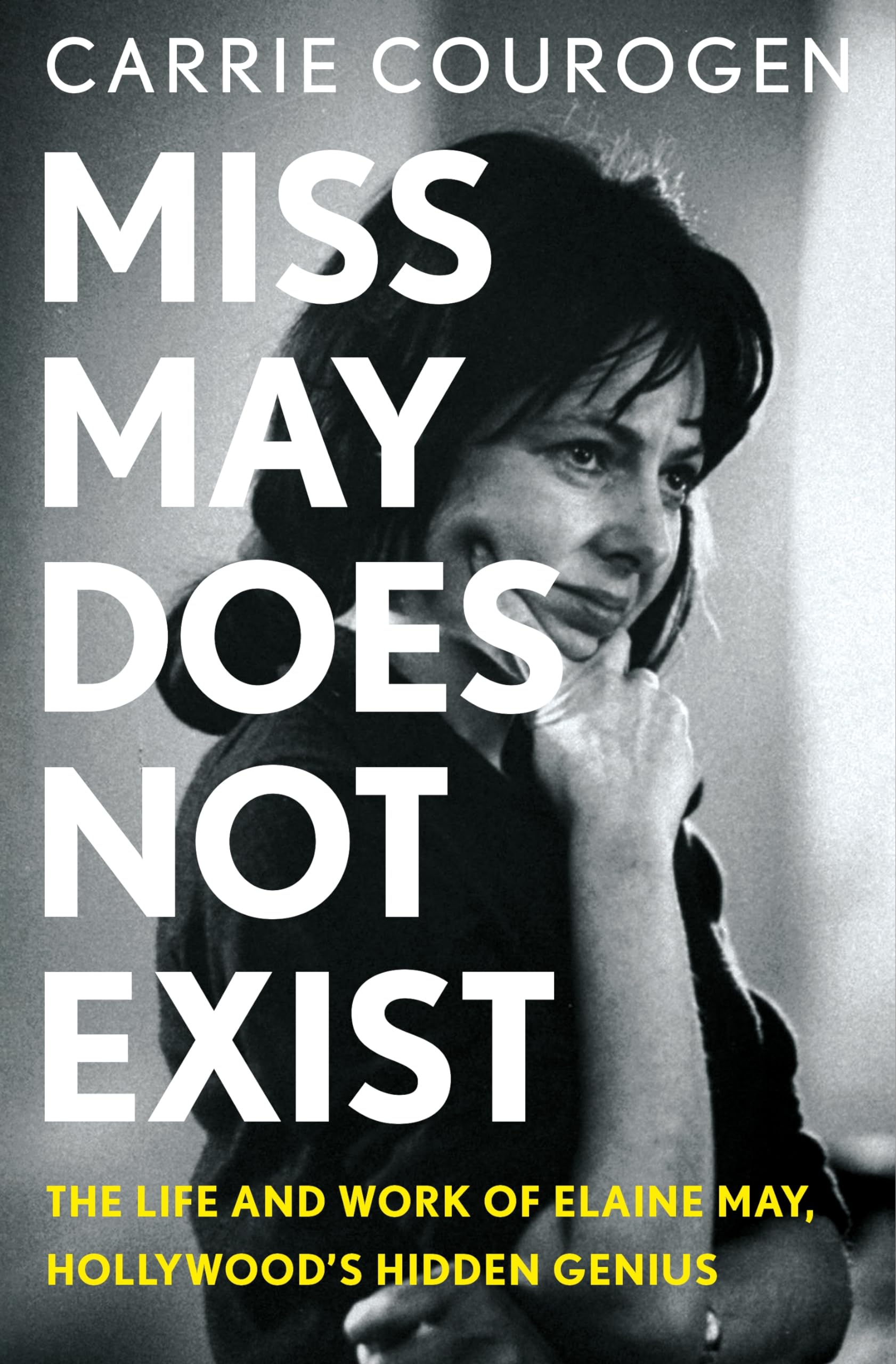
Carrie Courogen, Miss May Does Not Exist

An essential companion to Mark Harris’ Mike Nichols: A Life that, like its infamous, iconoclast subject stands apart on its own. One would think Elaine May’s elusiveness would prove challenging for any biographer, but Courogen approaches it from a more-critical-than-celebratory perspective that is exactly right (even if it didn’t make me further appreciate Ishtar.) May contained multitudes (and continues to do so) in service of an ultra-specific talent.
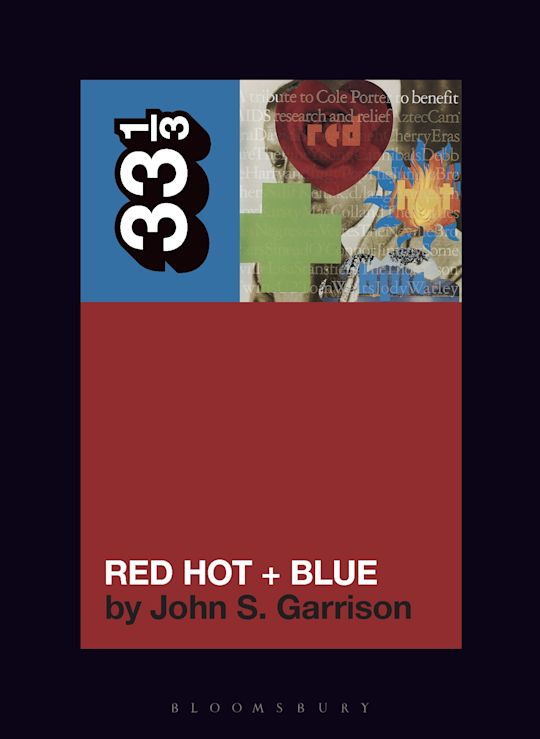
John S. Garrison, Red Hot + Blue (33 1/3 series)

I’ve loved Red Hot + Blue, a compilation of modern artists covering Cole Porter songs since it came out in 1990; Garrison’s entry in this ever-valuable series of mini-books about a single album highlights the project’s AIDS-charitable origins and purpose, recognizing it as a cultural bellwether of queer-friendly art and expression across generations. With him examining how it fit into the culture of its time (the height of the AIDS epidemic) it also reminded me of how profoundly it impacted my own taste and nascent identity.
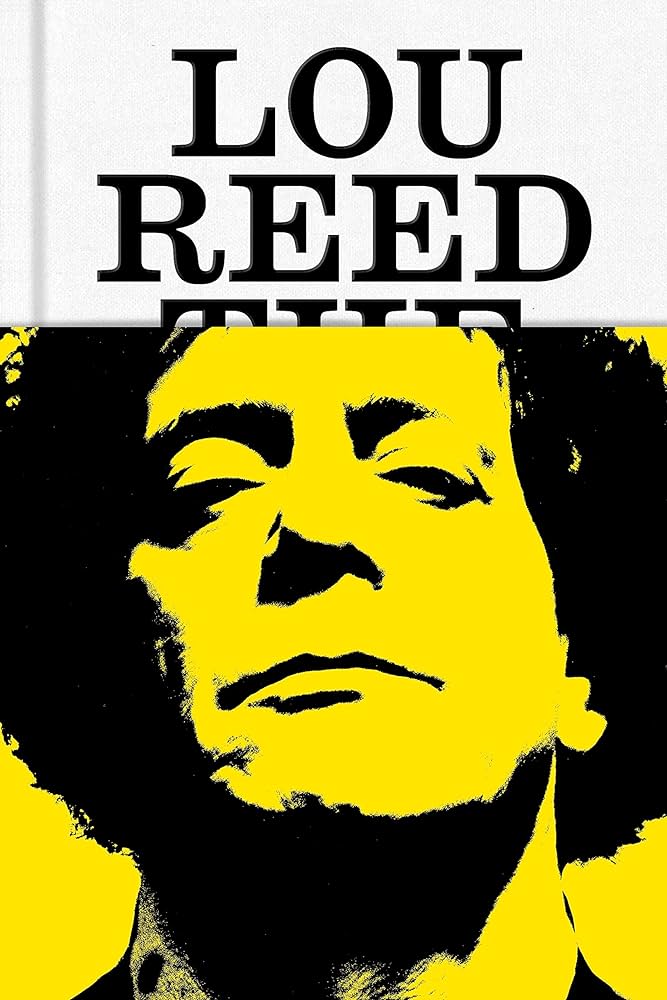
Will Hermes, Lou Reed: The King of New York

Lou Reed warrants a biography that captures him at his best and his worst; Hermes’ immensely entertaining attempt, with chapter headings chronologically referencing all the places its subject lived and worked mostly within New York itself is buoyed by not shying away from Reed’s inconsistencies and faults; it also gradually builds enough momentum to make a solid case for his genius in his spite of (and often because of) all that. 
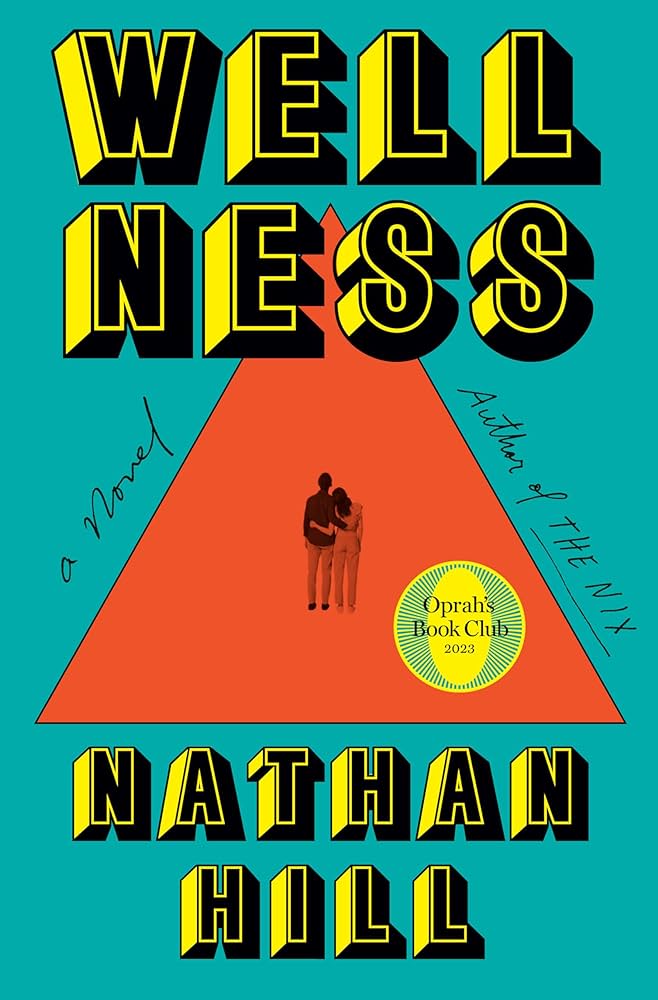
Nathan Hill, Wellness

Hill’s long-anticipated follow-up to The Nix proves it was no fluke, adding new hues and an innovative structure to one of the novel’s most-used scenarios, the gradual dissolution but also potential endurance of a marriage. He writes as wittily and perceptively about the early 90s (when his protagonists first meet) as the near-present where they confront/attempt to make sense of midlife, to a point where this 600+ page epic rarely ever drags or falters.
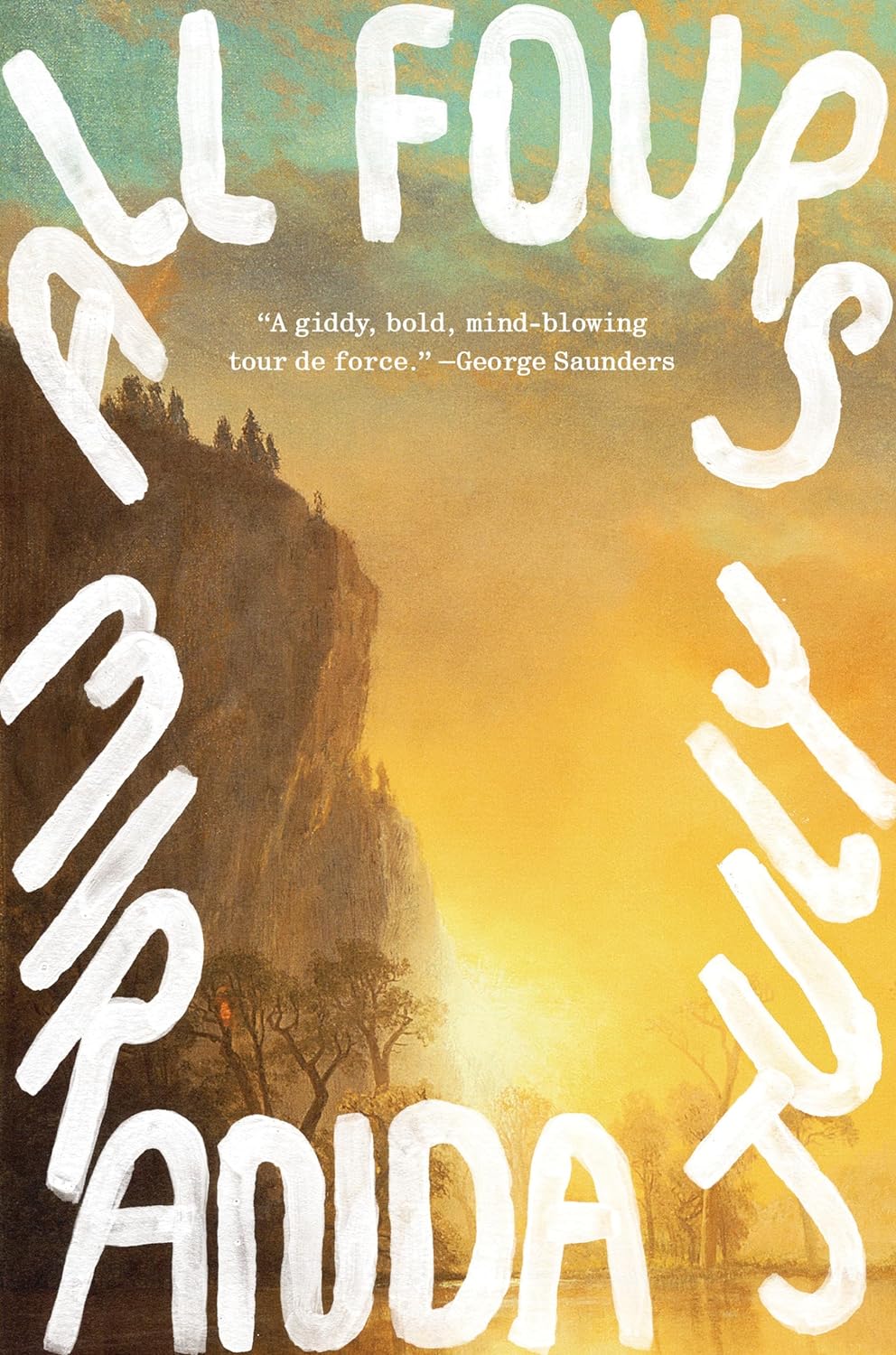
Miranda July, All Fours

As July approaches fifty, her particular aesthetic feels anything but tired. One can track palpable growth and change through her film and literary works and her latest of the latter emits a bold willingness to go out on a limb and into the unknown. It begins as a deceptively simple story about an artist headed off on a solo road trip and then takes a hard left swerve… and then another, and another, with the reader ending up nearly as transformed as the story’s heroine.
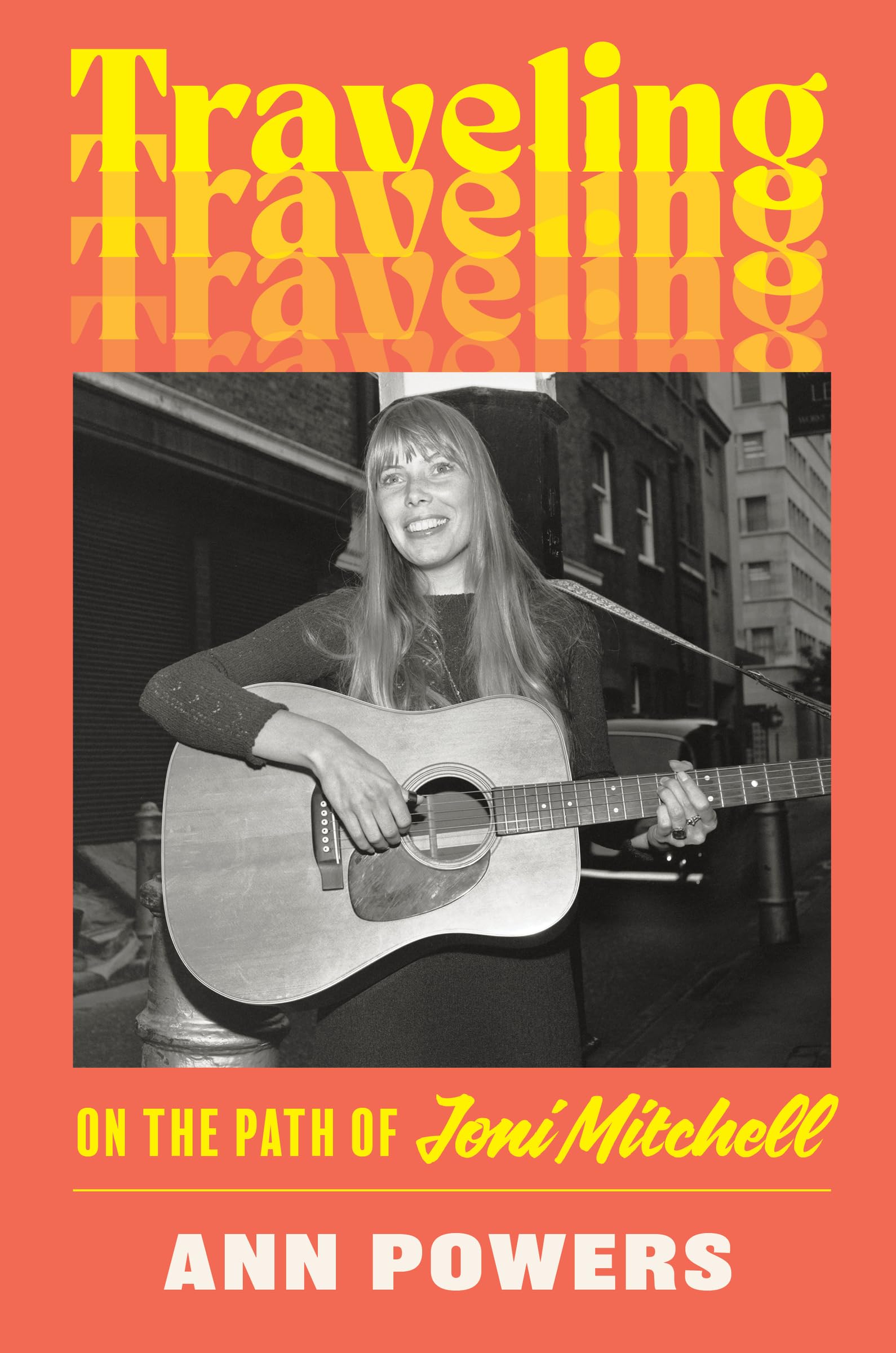
Ann Powers, Travelling: On The Path of Joni Mitchell

It’s not the first book about Joni Mitchell I’ve read, but it’s likely the best. Instead of the usual chronological biography/career assessment, Powers takes a more personal approach. Less a of throughline than an intricate echo chamber, she confronts the music and myth of Mitchell like Rob Sheffield did in his great Beatles book, but Powers is less generous, more skeptical. The tension she creates wrestling with both admiration and criticism of her subject is nearly as sustaining a journey as the one Mitchell documented on her album Hejira.
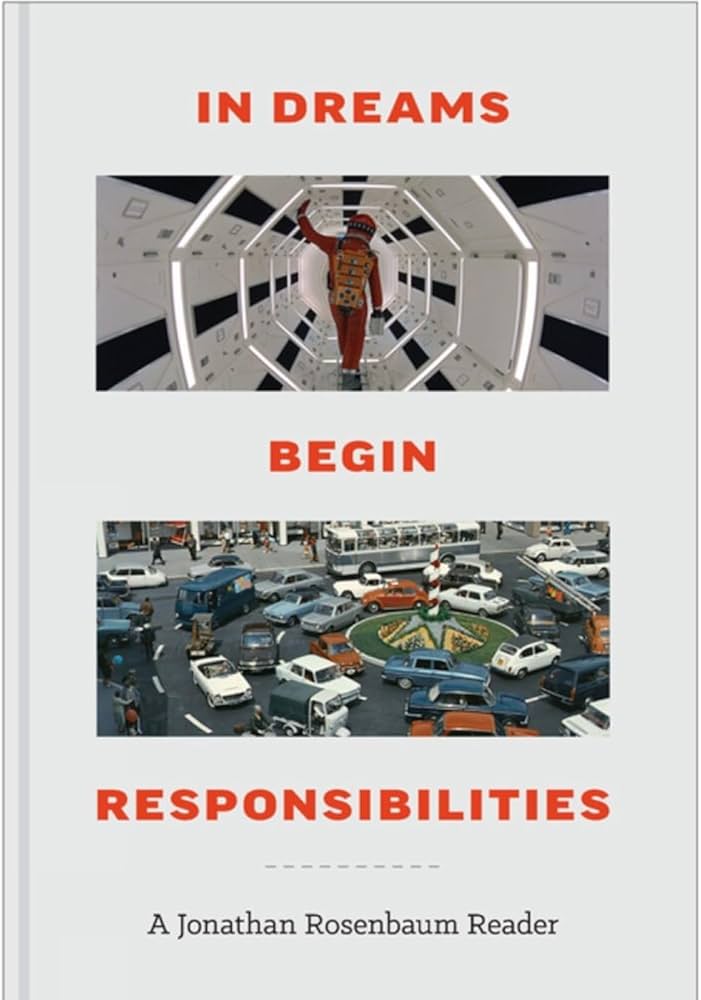
Jonathan Rosenbaum, In Dreams Begin Responsibilities

If the collected writings of Roger Ebert and Pauline Kael are decent starter kits in understanding how film criticism works, Rosenbaum’s prose is the advanced, graduate level text. Collecting essays on film, music and literature across his career (but with an emphasis on work since his retirement from The Chicago Reader in 2007), these essays are reminders of his openness, his idiosyncrasy and his mastery of forgoing academic jargon, writing for a would-be mass audience without pandering or dumbing it down.
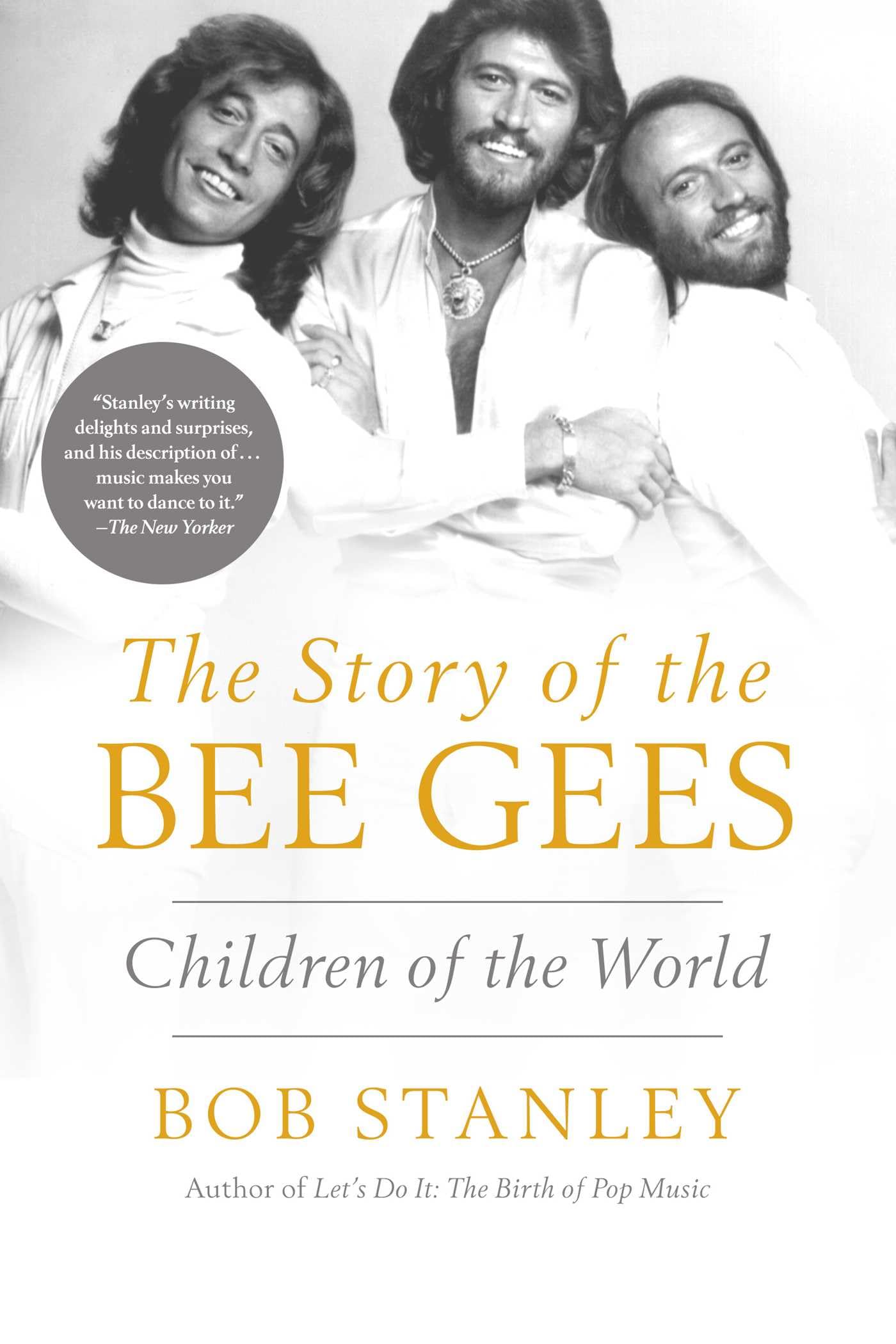
Bob Stanley, The Story of The Bee Gees: Children of the World

Following his two doorstop-sized summations of pop music both rock-era (Yeah Yeah Yeah) and what came before (Let’s Do It), this music journalist/musician (co-founder of Saint Etienne) tackles a single band with one of the richest and most unusual backstories and career trajectories. With the focus of a critic and the enthusiasm of a fan, his relaying of the Gibb Brothers’ accomplishments and quirks (they really were weirdos) ends up a nifty companion and supplement to the fine 2020 documentary The Bee Gees: How Can You Mend a Broken Heart.

Here’s my complete 2024 Booklist, with titles in chronological order of when I finished reading them:

  1. Celeste Ng, Our Missing Hearts
  2. Charles Busch, Leading Lady
  3. Karl Ove Knausgaard, Winter
  4. Derek Jarman, Chroma*
  5. Nathan Hill, Wellness
  6. Michael Cunningham, Day
  7. James Harvey, Movie Love In The Fifties
  8. Michael Palin, Diaries 1969-1979: The Python Years
  9. Barbra Streisand, My Name Is Barbra**
  10. Chris Molanphy, Old Town Road
  11. Will Hermes, Lou Reed: The King of New York
  12. David Thomson, Remotely
  13. Marcello Carlin, The Blue In The Air*
  14. Alan Bennett, Keeping On Keeping On
  15. RuPaul, The House of Hidden Meanings**
  16. Bob Stanley, The Story of The Bee Gees: Children of the World
  17. Ann Patchett, The Patron Saint of Liars
  18. Hanif Abdurraqib, There’s Always This Year: On Basketball and Ascension
  19. Peter Heller, The Dog Stars*
  20. Kurt Vonnegut, Bluebeard
  21. Sloane Crosley, Grief Is For People
  22. Karl Ove Knausgaard, Spring
  23. Justin Torres, Blackouts
  24. Elizabeth Strout, Olive, Again
  25. Jessica Max Stein, Funny Boy: The Richard Hunt Biography
  26. Chuck Klosterman, Sex, Drugs and Cocoa Puffs*
  27. Simon Reynolds, Futuromania
  28. Miranda July, All Fours
  29. Daniel Clowes, Monica
  30. Ann Powers, Travelling: On The Path of Joni Mitchell
  31. Richard Russo, The Risk Pool*
  32. Ruth Reichl, The Paris Novel
  33. Alexander Chee, How To Write an Autobiographical Novel
  34. Jodi Picoult and Jennifer Finney Boylan, Mad Honey
  35. Kate Atkinson, Shrines of Gaiety
  36. Sylvie Simmons, I’m Your Man: The Life of Leonard Cohen*
  37. Haruki Murakami, Novelist As a Vocation
  38. Sarah Thankam Mathews, All This Could Be Different
  39. Carrie Courogen, Miss May Does Not Exist
  40. Steve Wynn, I Wouldn’t Say It If It Wasn’t True
  41. Robyn Hitchcock, 1967: How I Got There and Why I Never Left
  42. Haruki Murakami, The Wind-Up Bird Chronicle*
  43. Matt Foy and Christopher J. Olson, Mystery Science Theater 3000: A Cultural History
  44. Robert A. Caro, The Power Broker
  45. Colson Whitehead, Nickel Boys
  46. Lili Anolik, Hollywood’s Eve
  47. Mary Karr, The Art of Memoir
  48. Rachel Kushner, Creation Lake
  49. Paul Scheer, Joyful Recollections of Trauma
  50. Cheryl Strayed, Wild
  51. Jonathan Rosenbaum, In Dreams Begin Responsibilities
  52. Andy Cowan, B-Side: A Flipsided History of Pop
  53. Dave Hickey, Air Guitar
  54. John S. Garrison, Red Hot + Blue (33 1/3 series)
  55. Barbara Kingsolver, Demon Copperhead

*Re-read. **Audiobook.
2021 Booklist

My ten favorite new-ish books I read in 2021 (unranked; in alphabetical order by author’s last name):

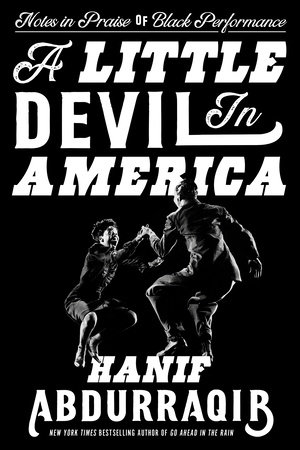
Hanif Abdurraqib, A Little Devil In America: Notes In Praise of Black Performance

Abdurraqib’s latest essay collection is unified by its focus on 20th century black artists: from Josephine Baker and Ben Vereen to Merry Clayton and Michael Jackson, he approaches each subject with a modern, personal angle that often comes off as if this is the first thing you’ve ever read about the person.

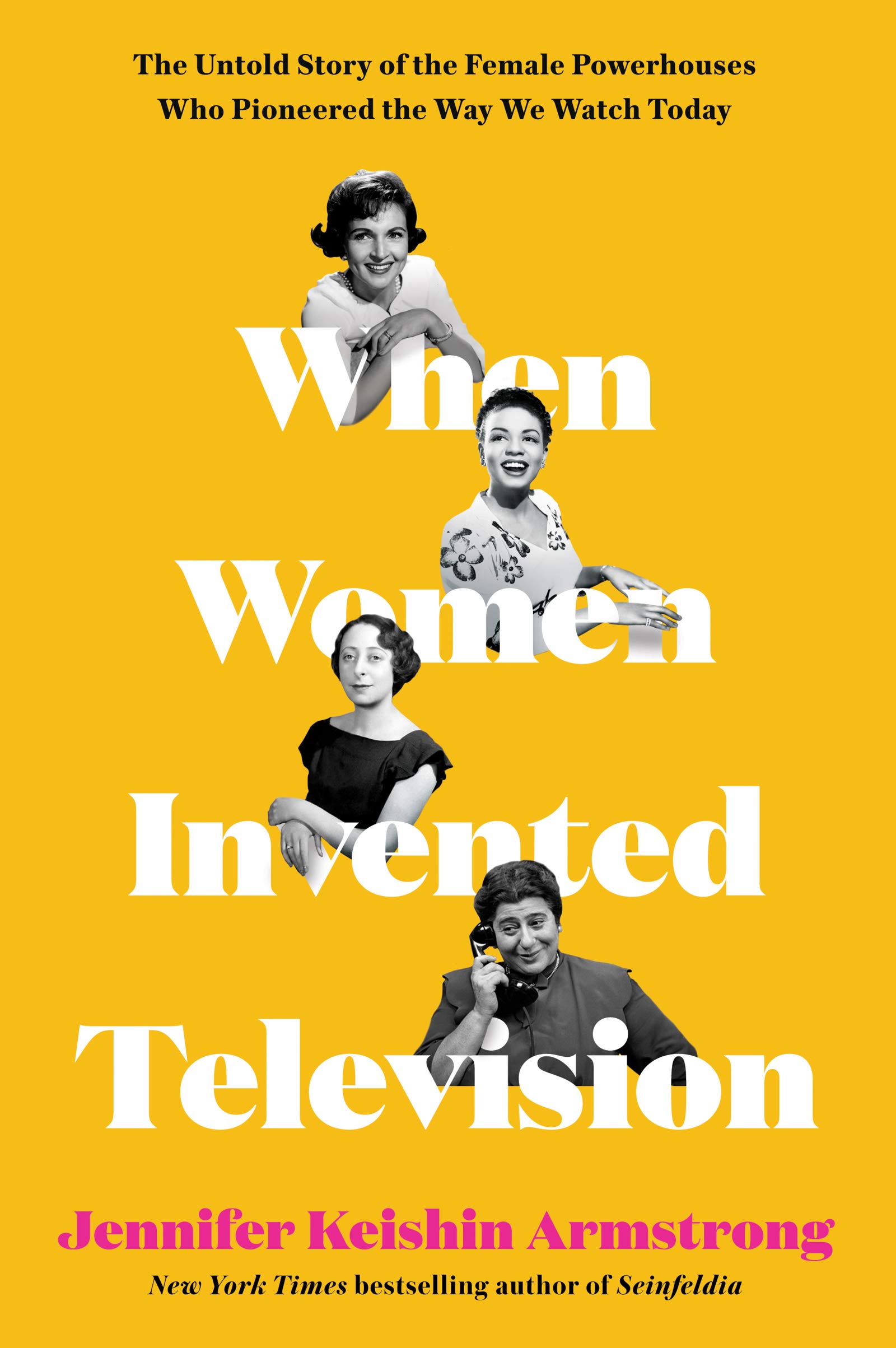
Jennifer Keishin Armstrong, When Women Invented Television

Armstrong’s written books about Seinfeld, The Mary Tyler Moore Show and Sex and The City; this one jumps back to the very early days of television, profiling four women whom as content creators, producers and personalities (one of them Betty White, R.I.P.) laid the groundwork to make such later shows possible.

Emm Gryner, The Healing Power of Singing

Longtime indie Canadian singer/songwriter Gryner blends the process and encouragement of a self-help guide (in this case, becoming a better singer) with anecdotes and recollections from her own life (often delving deep into how to make a living as a musician) to the point where it reads more like a philosophy than just a mere instructional guide.

Mark Harris, Mike Nichols: A Life

Harris’ long-awaited Nichols biography does not disappoint: highly readable, it masterfully weaves together all the strands of its subject’s extraordinary life and accomplishments yet also retains a critical eye that Nichols himself might’ve appreciated. Most filmmakers should be so lucky to receive such a thorough, entertaining and incisive overview.

Patricia Lockwood, No One Is Talking About This

I picked this up not long after reading Lockwood’s hilarious memoir Priestdaddy, whose intricate, sly wordplay carries over to this, her first novel. Few authors capture the feeling, the serotonin rush of infinite scrolling through social media as well as Lockwood but the kicker is how her narrator gradually disentangles herself away from it and back into the real world.

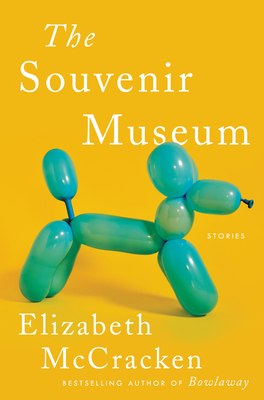
Elizabeth McCracken, The Souvenir Museum: Stories

Her ambitious 2019 novel Bowlaway went over my head a bit, but McCracken’s latest short story collection sustains her predilection towards charming oddballs in more digestible installments. Five of the twelve stories revolve around the same two characters (Jack and Sadie), but each one approaches them from different angles and time periods so that they all individually feel complete.

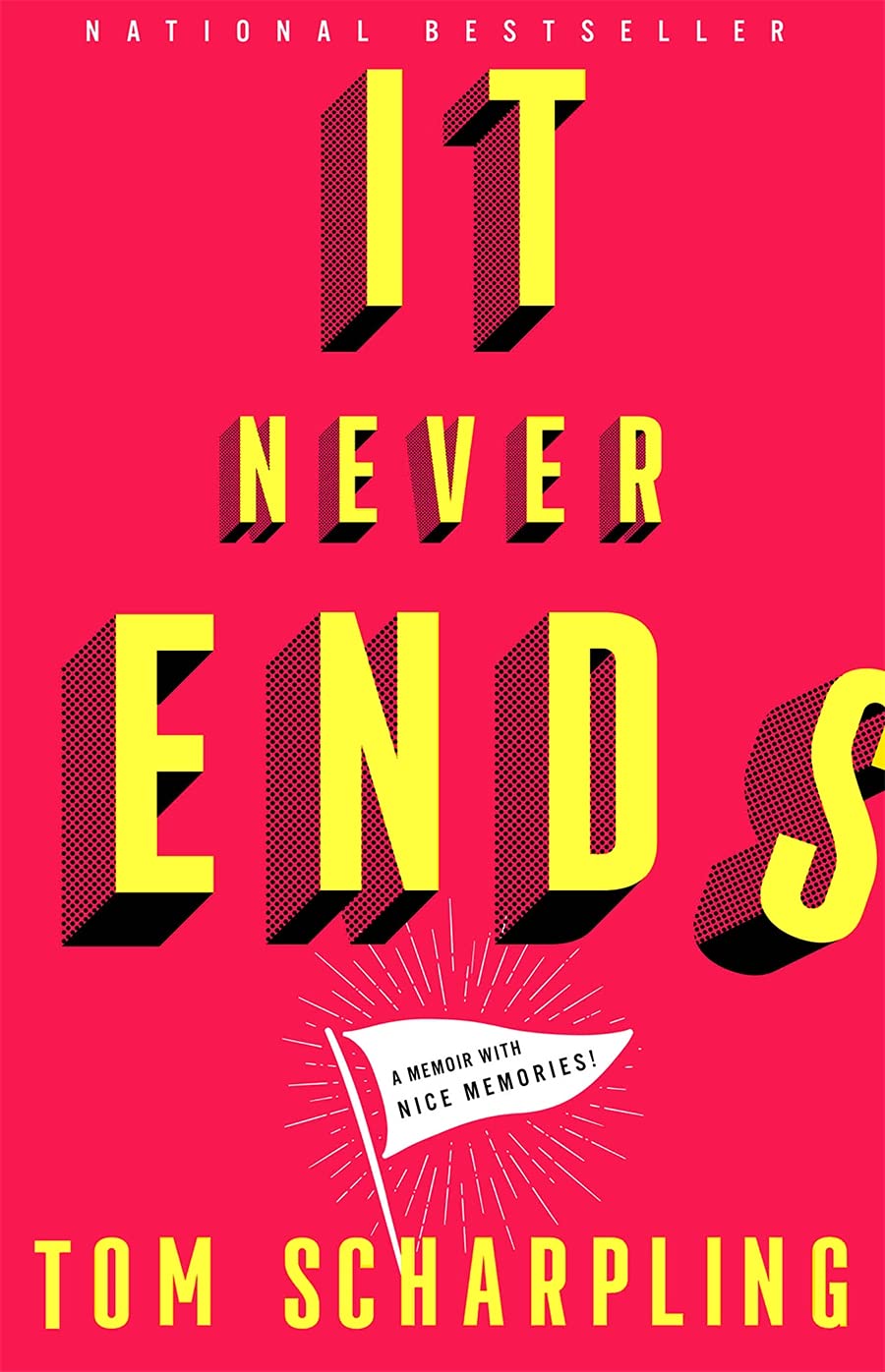
Tom Scharpling, It Never Ends

Veteran comedic radio host/podcasting pioneer Scharpling often comes off as a likable smartass over the air; while his persona successfully translates into print, what’s more notable about this memoir is in how candidly he opens up about his mental health issues, rendering them in the same urgent, crackling language as such anecdotes as his failed audition for the cast of The New Monkees.

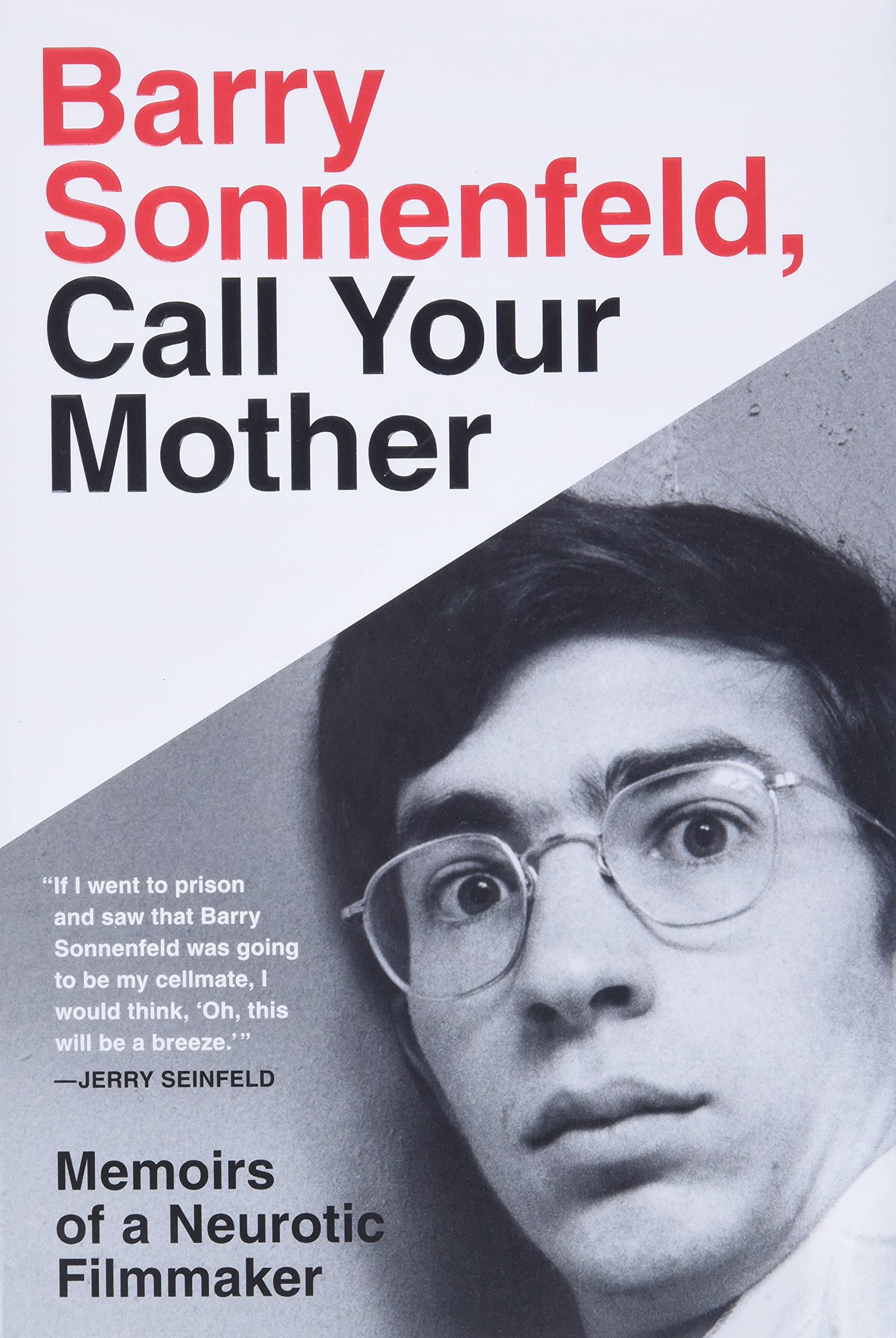
Barry Sonnenfeld, Barry Sonnenfeld, Call Your Mother

Cinematographer-turned-director Sonnenfeld is either secretly a humorist at heart or just a very funny person. This might be the most loving, damning and self-deprecating book written about neuroses passed down from one’s parents since Gary Shteyngart’s Little Failure—rendered so vividly at times that one can imagine the hilarious feature film (or streaming series) Sonnenfeld could easily adapt it into.

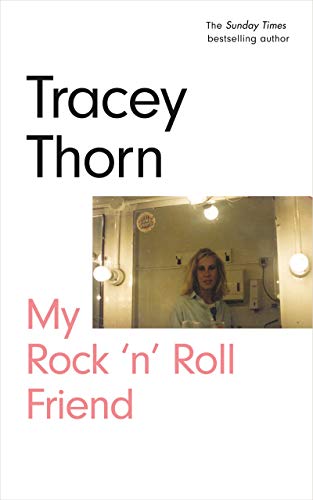
Tracey Thorn, My Rock ‘n’ Roll Friend

Her most candid and searing book since her first, 2013’s Bedsit Disco Queen, Thorn’s fourth memoir focuses nearly entirely on Lindy Morrison, former drummer for the Australian cult band The Go-Betweens. As someone often written out of that band’s story, Morrison is reclaimed by Thorn as a musician, a feminist and most importantly, an artist while she also charts their decades-long friendship within a male-dominated industry.  

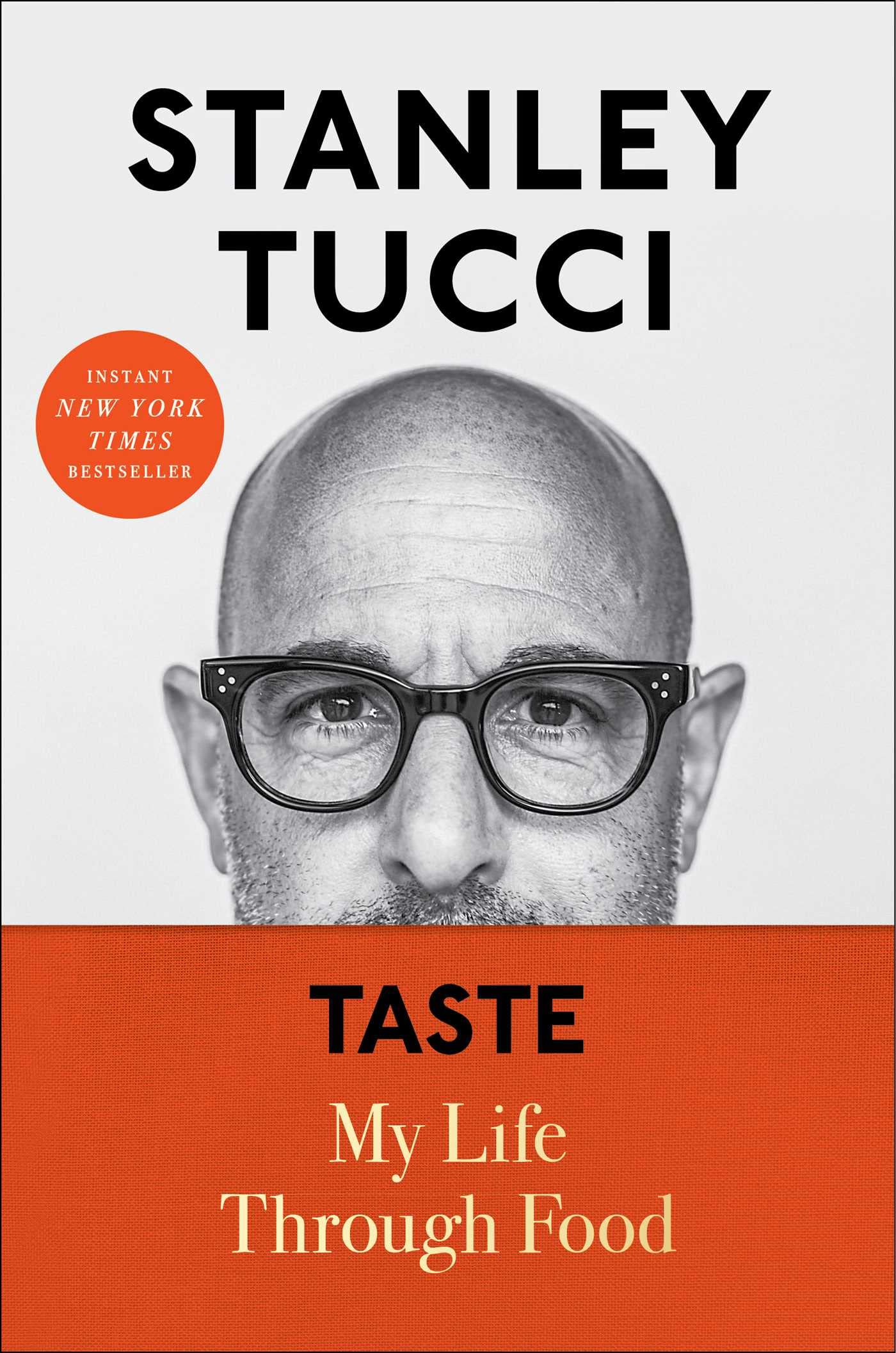
Stanley Tucci, Taste: My Life Through Food

Tucci’s 1996 film Big Night, a celebration of food as a design for living manifests itself in this memoir, which, like Ruth Reichl’s books combines reminiscences with recipes, the latter spanning from the Perfect Martini to the intricate, days long preparation of a Timpano (as seen in Big Night.) The son of Italian immigrants, Tucci also relays with wit and grace his family’s story by way of the food they cooked and cherished.

***

I had ample time to read this year but I didn’t break any personal records: 55 books, same as in 2019. Granted, I spent much of 2021 gradually consuming two 1,000+ page tomes: the final, supersized-compared-to-the-others volume of Knausgard’s six-part magnum opus, and Don Quixote, which I’ve always wanted to tackle despite having long since given away my used paperback copy acquired in my 20s. I feel like I never need to re-read either again but that doesn’t mean I didn’t enjoy them. Both exemplified the notion “the journey outweighs the destination” that Infinite Jest and 1Q84 had for me previously.

My complete 2021 Booklist, with titles in chronological order of when I finished reading them (starred entries are books I’ve re-read):

  1. Michaelangelo Matos, Can’t Slow Down
  2. Jennifer Lewis, The Mother Of Black Hollywood: A Memoir
  3. Merrill Markoe, We Saw Scenery: The Early Diaries Of…
  4. Emma Cline, Daddy: Stories
  5. Mo Rocca, Mobituaries
  6. Jill Lepore, The Secret History of Wonder Woman
  7. Rachel Bloom, I Want To Be Where The Normal People Are
  8. Mark Harris, Mike Nichols: A Life
  9. Patricia Lockwood, Priestdaddy
  10. Hanif Abdurraqib, A Little Devil In America: Notes In Praise of Black Performance
  11. Karl Ove Knausgard, My Struggle, Book Six
  12. Jonathan Lethem, The Arrest
  13. Lockwood, No One Is Talking About This
  14. Kurt Vonnegut, Palm Sunday*
  15. Bill Cunningham, Fashion Climbing
  16. Ann Patchett, The Magician’s Assistant
  17. Jenny Lawson, Broken (In the Best Possible Way)
  18. Christopher Finch, Jim Henson: The Works
  19. Dave Holmes, Party Of One: A Memoir In 21 Songs*
  20. Elizabeth Hardwick, Sleepless Nights
  21. Alison Bechdel, The Secret To Superhuman Strength
  22. Dale Peck, What Burns: Stories
  23. Dylan Jones (ed.), Sweet Dreams: From Club Culture to Club Style
  24. Donna Tartt, A Secret History
  25. Haruki Murakami, First Person Singular
  26. Kate Atkinson, Transcription
  27. Tom Scharpling, It Never Ends
  28. Barry Sonnenfeld, Barry Sonnenfeld, Call Your Mother
  29. Karen Tongson, Why Karen Carpenter Matters
  30. Ian Bourland, 33 1/3: Blue Lines
  31. Joseph Lanza, Elevator Music
  32. Greil Marcus, Real Life Rock
  33. Rob Sheffield, Dreaming The Beatles*
  34. Francine Prose, The Vixen
  35. Michelle Zauner, Crying In H Mart: A Memoir
  36. Jennifer Finney Boylan, She’s Not There: A Life in Two Genders*
  37. Marilynne Robinson, Lila
  38. Jonathan Ames, A Man Named Doll
  39. Douglas Coupland, The Gum Thief
  40. Rachel Kushner, The Hard Crowd: Essays 2000-2020
  41. Richard Russo, Chances Are
  42. John Dos Passos, The 42nd Parallel
  43. Dana Spiotta, Wayward
  44. Jennifer Keishin Armstrong, When Women Invented Television
  45. Emm Gryner, The Healing Power of Singing
  46. Tracey Thorn, My Rock ‘n’ Roll Friend
  47. Peter Heller, The Guide
  48. Elizabeth McCracken, The Souvenir Museum: Stories
  49. George Saunders, Tenth of December
  50. Geoff Dyer, But Beautiful: A Book About Jazz*
  51. Michael Cunningham, The Hours*
  52. Miguel de Cervantes, Don Quixote
  53. Stanley Tucci, Taste: My Life Through Food
  54. Susan Orlean, On Animals
  55. David Sedaris, A Carnival of Snackery: Diaries 2003-2020

2019 Booklist

My ten favorite books I read in 2019; naturally, given recent tendencies, more than half are memoirs:

10. Tracey Thorn, Another Planet: A Teenager in Suburbia
Thorn’s third memoir reconciles her past and present, with her teenaged diaries serving as a revealing jumping-off point. Ever perceptive, relatable and just a little wry, she details how she initially rejected a provincial life in favor of urban bohemia, only to eventually find a solid middle ground while also remaining a pop star (albeit a most unconventional one.)

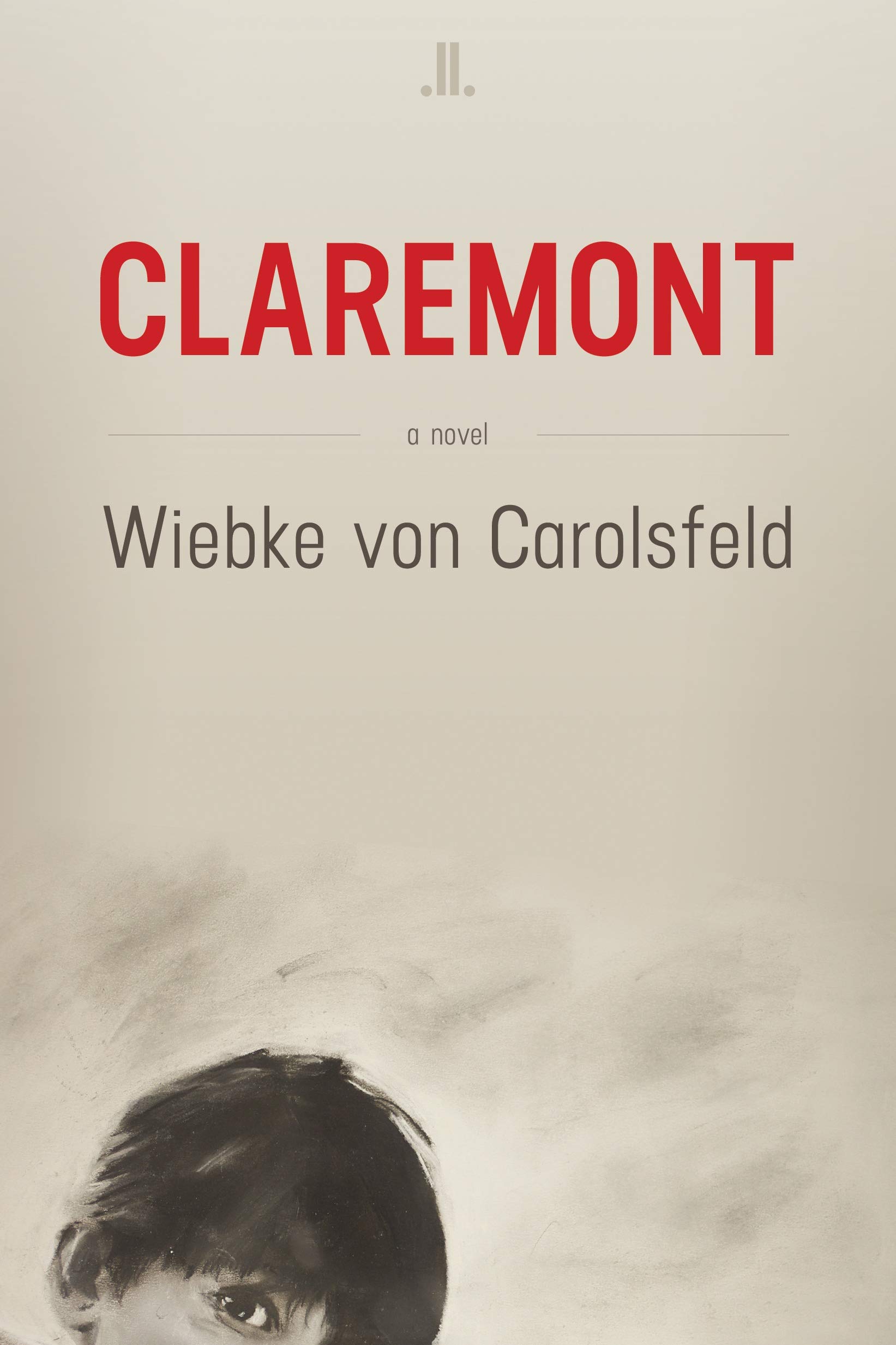
9. Wiebke von Carolsfeld, Claremont
Full disclosure: I’m friends with the author, a German-born, Canadian-based filmmaker (Marion Bridge, The Saver). Her debut novel has all of the intuitiveness and empathy of her films; it also excels and engages both as a family kitchen-sink dramedy and via the rich sense of place in which she depicts downtown Toronto.

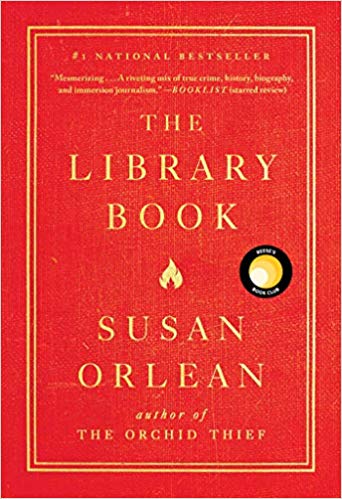
8. Susan Orlean, The Library Book
Only Orlean would probably think to write an entire book about the main branch of the Los Angeles Public Library, and only in her hands would it come off so personable and far-reaching. Anyone who’s spent time in a library whether as an employee or a patron will appreciate the lyricism Orlean locates in an underrated but vital municipal institution.

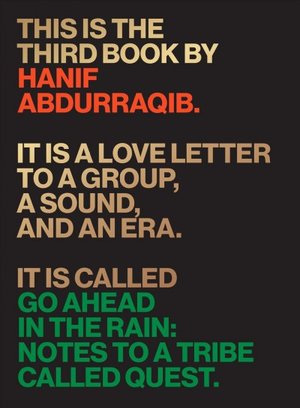
7. Hanif Abdurraqib, Go Ahead In The Rain
Following last year’s great collection of essays, Abdurraqib tightens his focus to an entire book about legendary rap group A Tribe Called Quest. Such is his talent and original approach to criticism/memoir that, even if you’re not familiar with the music here (like me), it’s not difficult to get wrapped up in the twin tales being laid out of artist and fan and how each one informs the other.

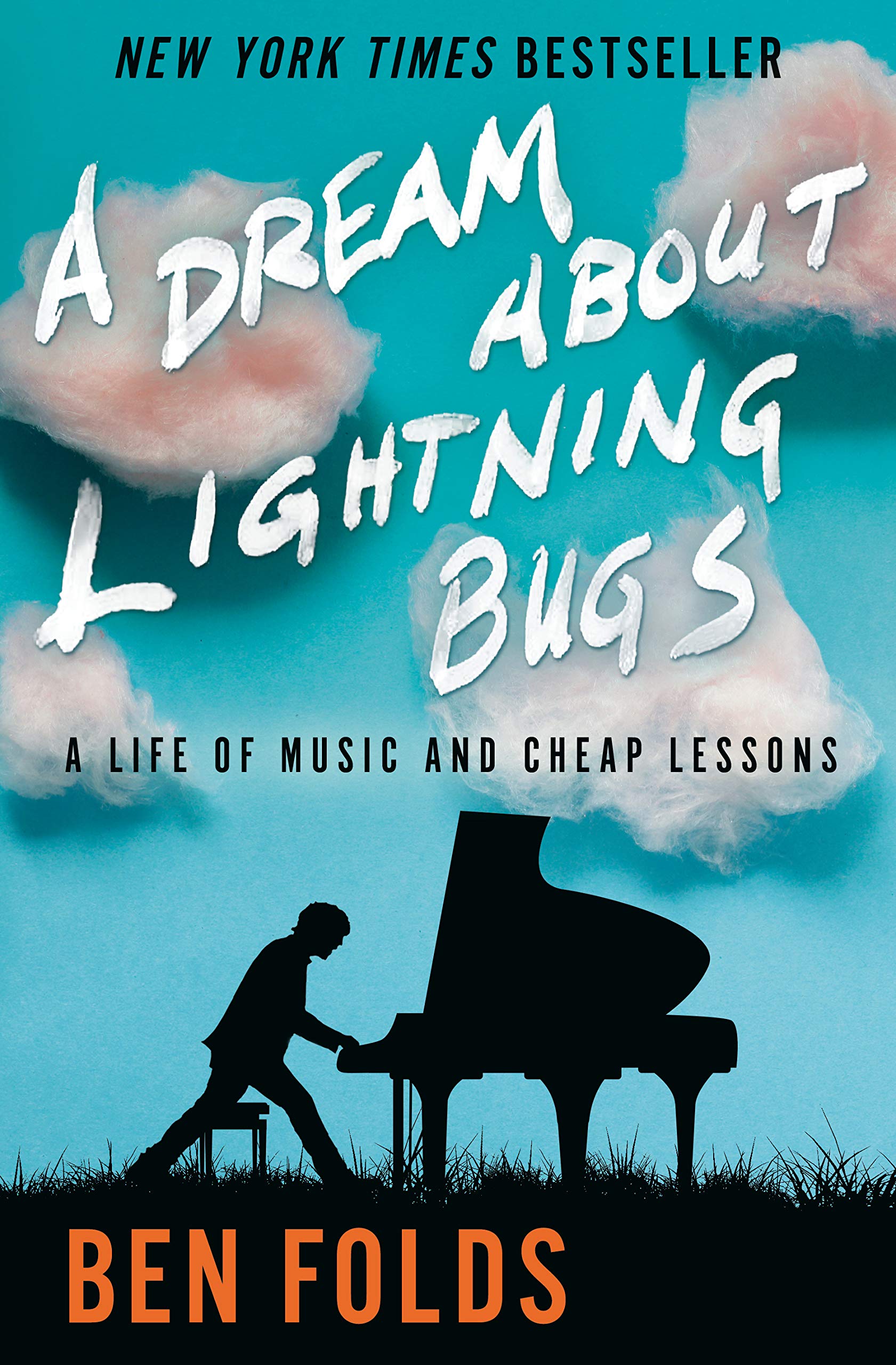
6. Ben Folds, A Dream About Lightning Bugs
Folds is so utterly himself—musical prodigy, everyman iconoclast, thoughtful goofball—that his own, often rollicking account of his gradual and relatively unusual rise to semi-stardom never plays a false note. Recommended to aging Gen-X-ers, power-pop admirers, recovering workaholics, divorced parents and terminal smartasses.

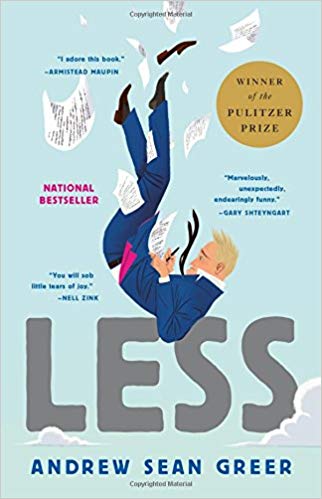
5. Andrew Sean Greer, Less
A witty comedy of errors that subtly reaches back to such luminaries as Wilde, Waugh and Wodehouse, it also somehow feels of the moment. Following his hero across several continents, Greer’s light touch, combined with an ever-so-slightly acidic demeanor proves irresistible—as complete and satisfying as, say, a Carson McCullers novel, only more generous.

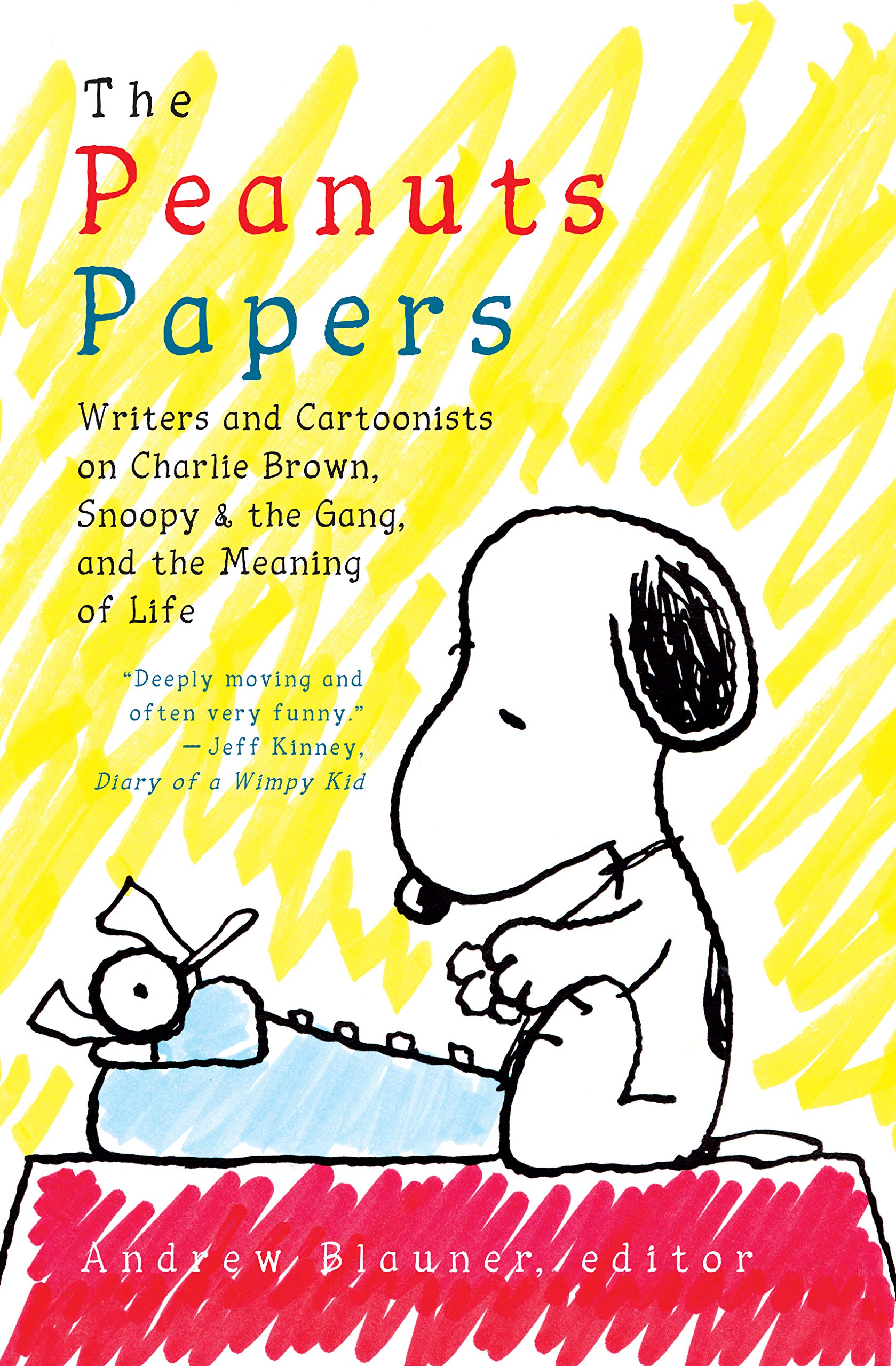
4. Andrew Blauner (Ed.), The Peanuts Papers
How could a collection of essays about Peanuts, one of my favorite things ever, not end up in my top five? These thirty-odd pieces dissect Charles Schulz’s work in a myriad of directions, from comic precedents and critical analysis to memoir and even stylistic parody. All of it conveys that, twenty years on from its creator’s death, the potential Peanuts contains remains endless.

3. Guy Branum, My Life As A Goddess
Branum does not suffer fools gladly, which always makes for a refreshing, readable memoir; that he mostly avoids archness and navel-gazing makes for an uncommonly honest one as well. Whether dishing about former boss Chelsea Handler or writing frankly about obesity, he’s curious and stimulating instead of settling for bitter and bitchy.

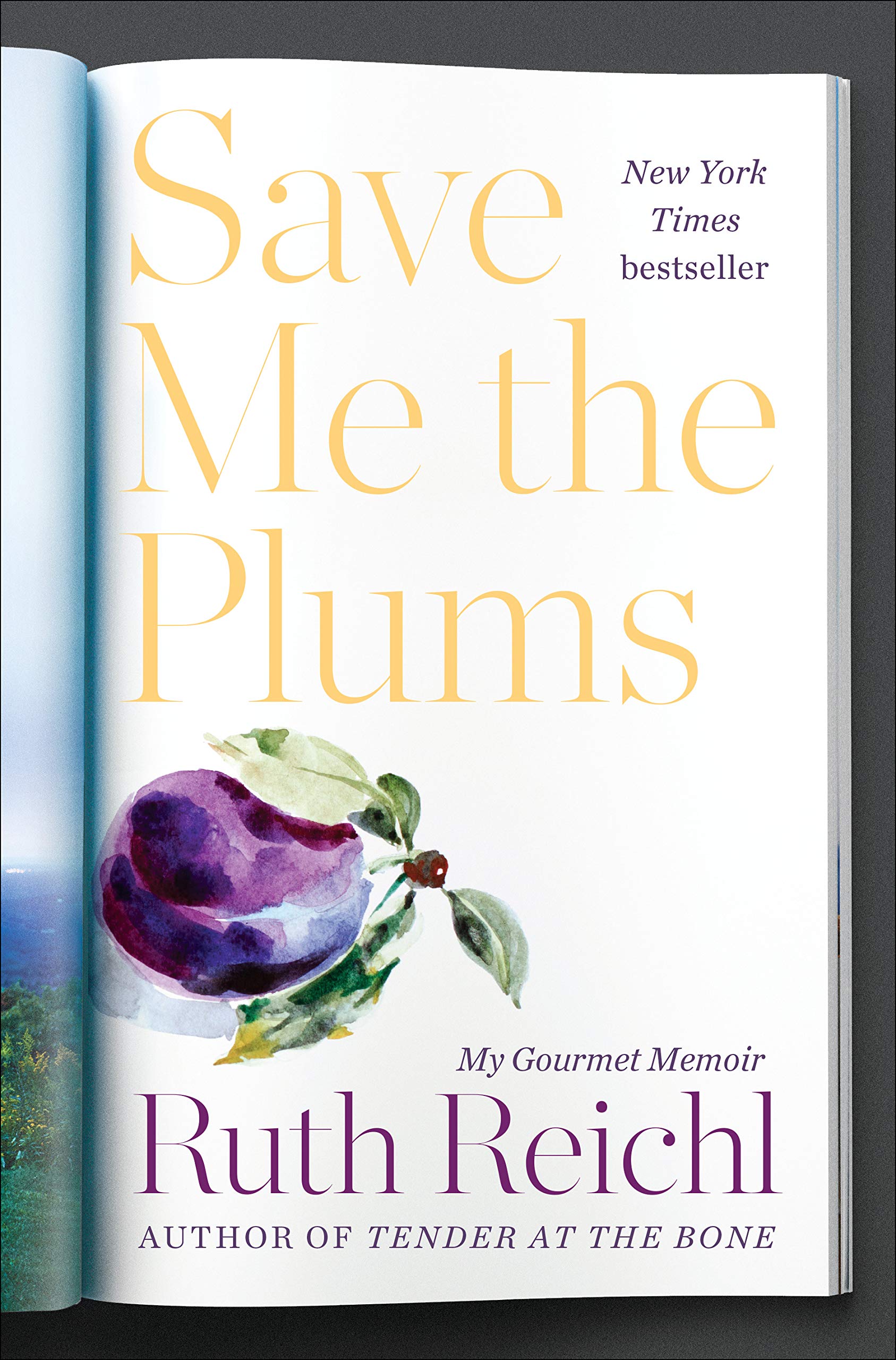
2. Ruth Reichl, Save Me The Plums: My Gourmet Memoir
Reichl’s best book since Garlic and Sapphires, which also happens to be her last work-centric memoir, this is her long-awaited account of her ’00s stint as a editor-in-chief of the now shuttered magazine Gourmet. Previously an outsider to the industry, she provides a fascinating assessment of its politics and inner workings that, over time, turns into a requiem for a fading profession—with recipes, of course.

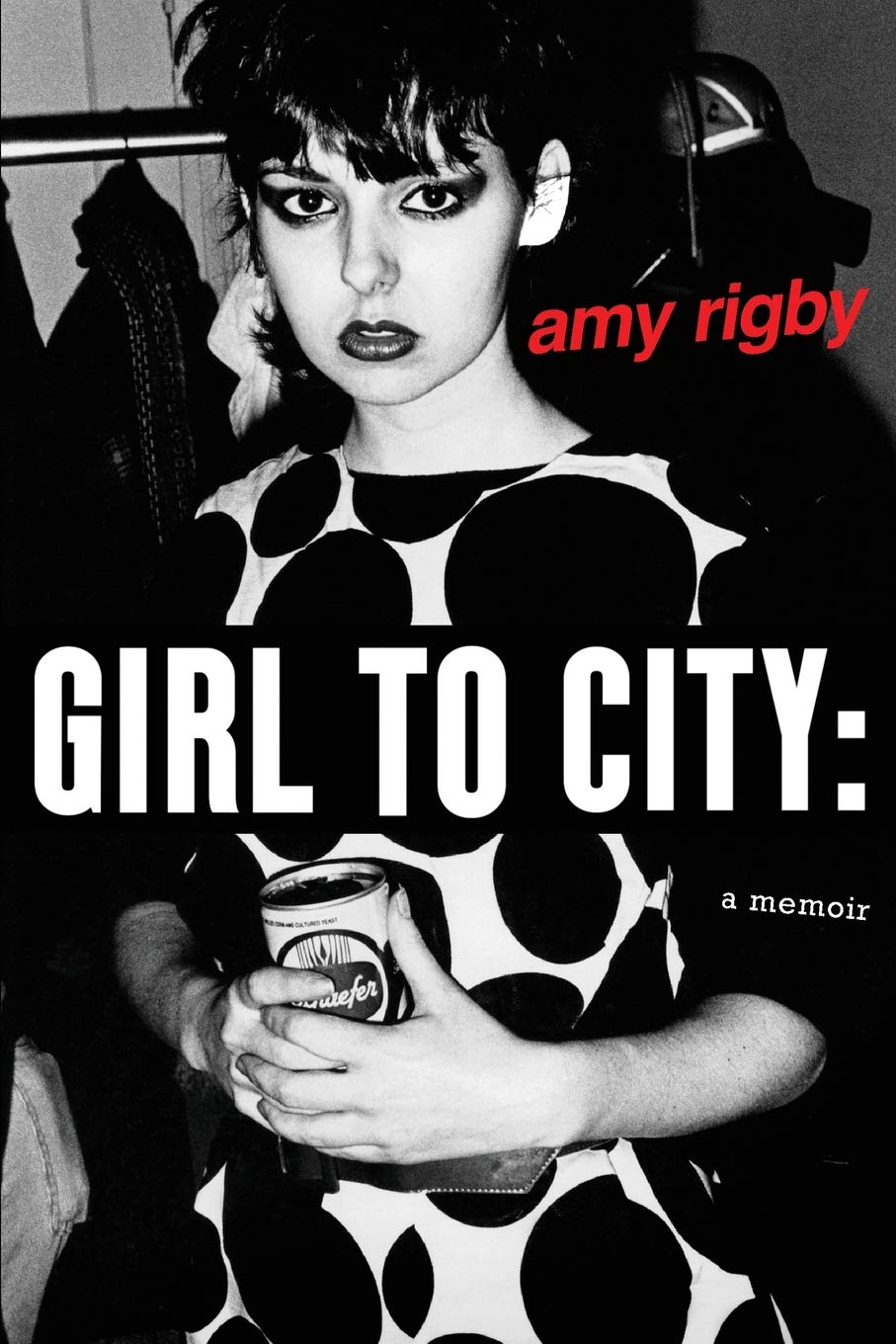
1. Amy Rigby, Girl To City: A Memoir
I didn’t even know this singer/songwriter, best known for her plucky 1996 solo debut Diary of a Mod Housewife, had written a memoir until I checked her blog a few weeks after it came out. And like Diary did for her music, this proves she’s a natural writer as well. Spanning mostly from her move to Manhattan from Pittsburgh at age 17 in the late ’70s to Diary’s release, Rigby both depicts a lost New York and completely nails the exhilaration and anxiety of being young and on your own and desperately wanting to create art and partake in culture when the everyday world makes it challenging to do so. It gets the top spot here because, more than any musician’s memoir I’ve read in the past few years, I’d recommend it to anyone, even if they’ve never heard a note of Rigby’s music.

Honorable Mentions: Ottessa Moshfegh, My Year of Rest and Relaxation; A.M. Homes, Days of Awe; Emily Nussbaum, I Like To Watch; Kate Atkinson, Life After Life; John Hodgman, Medallion Status; Rachel Kushner, The Mars Room

Here’s my complete 2019 Booklist, with titles in chronological order of when I finished reading them (starred entries are books I’ve re-read–8 this year, which is twice as many as in 2018!):

  1. Susan Orlean, The Library Book
  2. Kate Atkinson, Case Histories
  3. Abbi Jacobson, I Might Regret This
  4. Rachel Kushner, Telex From Cuba
  5. Jon Ronson, The Psychopath Test
  6. Robert Christgau, Does It Feel Good To Ya?
  7. Geoff Dyer, Otherwise Known As The Human Condition
  8. Fredric Dannen, Hit Men
  9. Hanif Abdurraqib, Go Ahead In The Rain
  10. Merrill Markoe, What The Dogs Have Taught Me
  11. Bill Bryson, The Lost Continent*
  12. Ottessa Moshfegh, My Year of Rest and Relaxation
  13. Elizabeth McCracken, Bowlaway
  14. Curtis Sittenfeld, You Think It, I’ll Say It
  15. Michelle McNamara, I’ll Be Gone In The Dark
  16. Tracey Thorn, Another Planet: A Teenager in Suburbia
  17. A.M. Homes, Days of Awe
  18. David Sedaris, Dress The Family In Corduroy and Denim*
  19. Paul Myers, The Kids In The Hall: One Dumb Guy
  20. Ruth Reichl, Save Me The Plums: My Gourmet Memoir
  21. Guy Branum, My Life As A Goddess
  22. Peter Heller, The River
  23. Clarice Lispector, Complete Stories
  24. Tim Kreider, We Learn Nothing
  25. Brian Raftery, Best. Movie. Year. Ever.
  26. Frank DeCaro, Drag: Combing Through The Big Wigs of Show Business
  27. Celeste Ng, Little Fires Everywhere
  28. Ani DiFranco, No Walls and the Reoccurring Dream
  29. John Waters, Mr. Know-It-All: The Tarnished Wisdom of a Filth Elder
  30. Emily Nussbaum, I Like To Watch
  31. Rob Sheffield, Love is A Mixtape*
  32. Haruki Murakami, The Elephant Vanishes
  33. H. Jon Benjamin, Failure Is An Option
  34. Andrew Sean Greer, Less
  35. Ramin Setoodeh, Ladies Who Punch
  36. Bob Stanley, Sleevenotes
  37. Leslie Marmon Silko, Almanac of The Dead*
  38. Douglas Coupland, Eleanor Rigby
  39. Kurt Vonnegut, Slapstick, or, Lonesome No More!*
  40. Kate Atkinson, Life After Life
  41. Ben Folds, A Dream About Lightning Bugs
  42. Tom Spanbauer, The Man Who Fell In Love With The Moon*
  43. David Crabb, Bad Kid: A Memoir*
  44. Wiebke von Carolsfeld, Claremont
  45. Richard Brautigan, So The Wind Won’t Blow It All Away
  46. Andrew Blauner (Ed.), The Peanuts Papers
  47. Patti Smith, Year Of The Monkey
  48. Amy Rigby, Girl To City: A Memoir
  49. John Hodgman, Medallion Status
  50. Marilynne Robinson, Housekeeping*
  51. Lindy West, Shrill: Notes From A Loud Woman
  52. Rachel Kushner, The Mars Room
  53. McDonnell/O’Connell/de Havenon, Krazy Kat: The Art of George Herriman
  54. Vince Aletti, The Disco Files
  55. Alan Bennett, Untold Stories