As usual, I go by what was released theatrically in Boston and/or made available to stream in the US in 2024 even if I saw at least two of my top ten at TIFF 2023 (which also played at least four others that I couldn’t score tickets to then.)
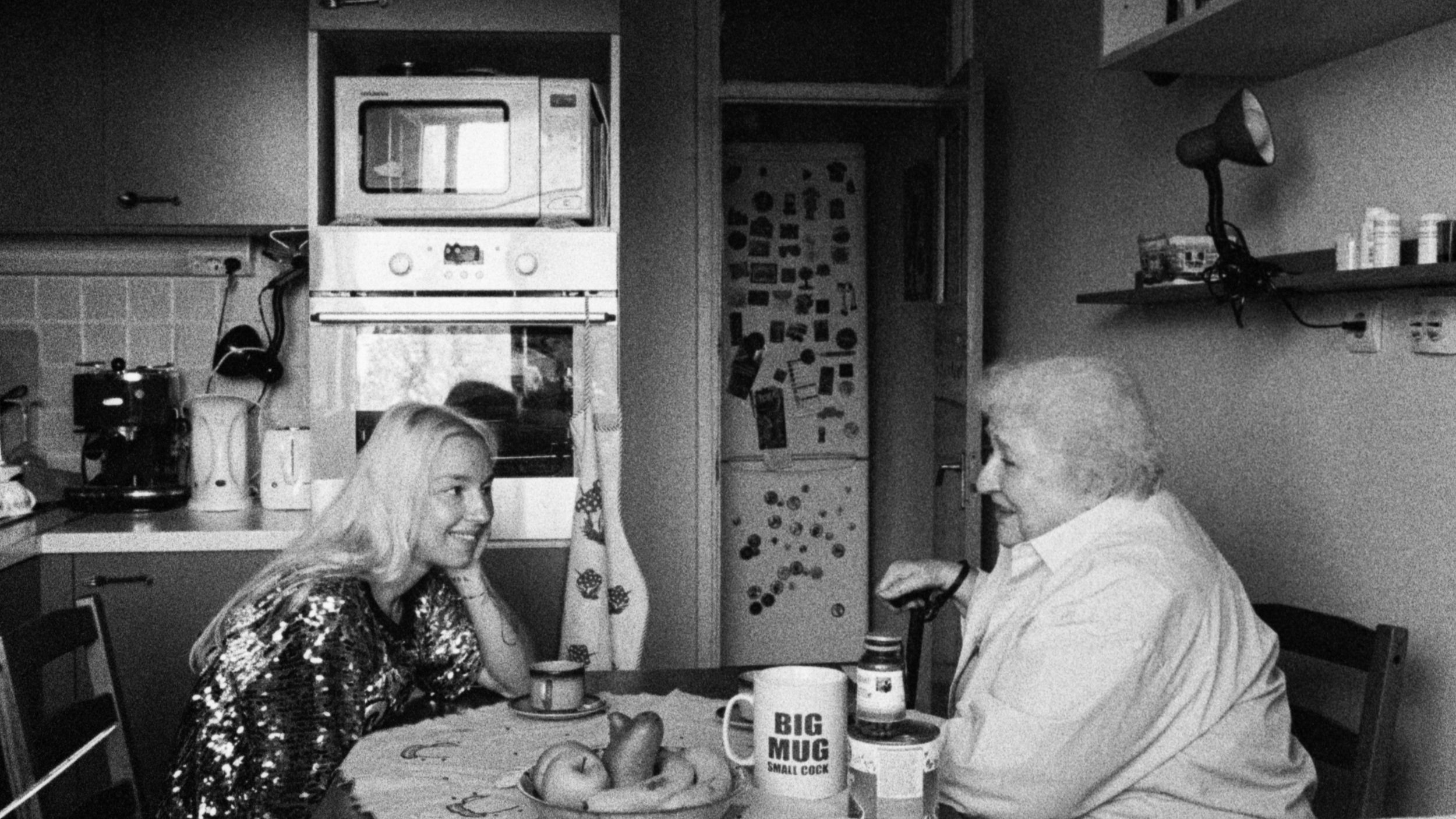
1. DO NOT EXPECT TOO MUCH FROM THE END OF THE WORLD
I know, most viewers might not have the patience for a 163-minute, mostly black-and-white Romanian film about a production assistant (Ilinca Manolache) expending copious effort on a myriad of lowly tasks for what amounts to a public service announcement, spliced in with scenes of a 1981 film about a female Budapest taxi driver. But you should—a satire and a critique of film production, social media and Romania itself, Radu Jude’s singular achievement (and this is the man whose previous feature was called BAD LUCK BANGING, OR LOONY PORN) is to wickedly utilize humor as a balm in expressing outrage at a world gone off the rails.
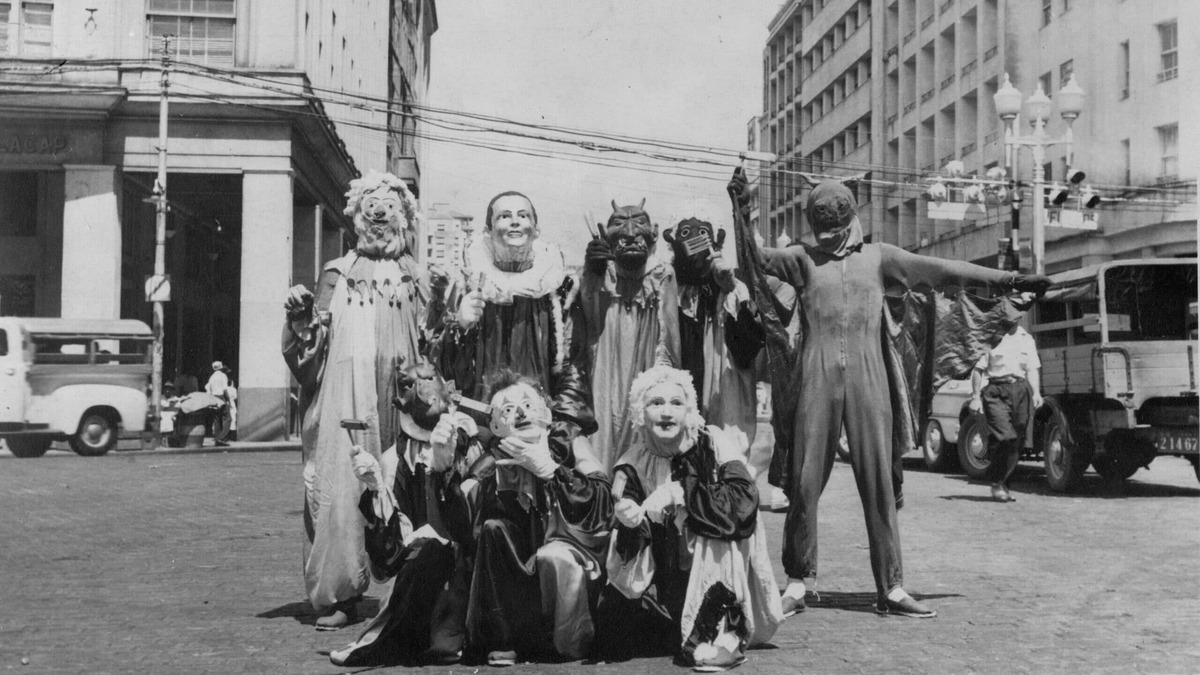
2. PICTURES OF GHOSTS
Kleber Mendonça Filho (BACURAU) utilizes the essay film to both celebrate and scrutinize his coastal hometown of Recife, Brazil. Abetted by his own narration, the film is a marvel of editing as the present day often mirrors and occasionally contrasts with archival footage he and his family shot of his home, the cinemas he once worked in as a projectionist and other imagery of Recife throughout the past five decades from a cornucopia of sources—all the way to a playful finale that not only re-emphasizes the meaning of the film’s title but also comes to life with an unlikely but evocative needle drop for the ages.
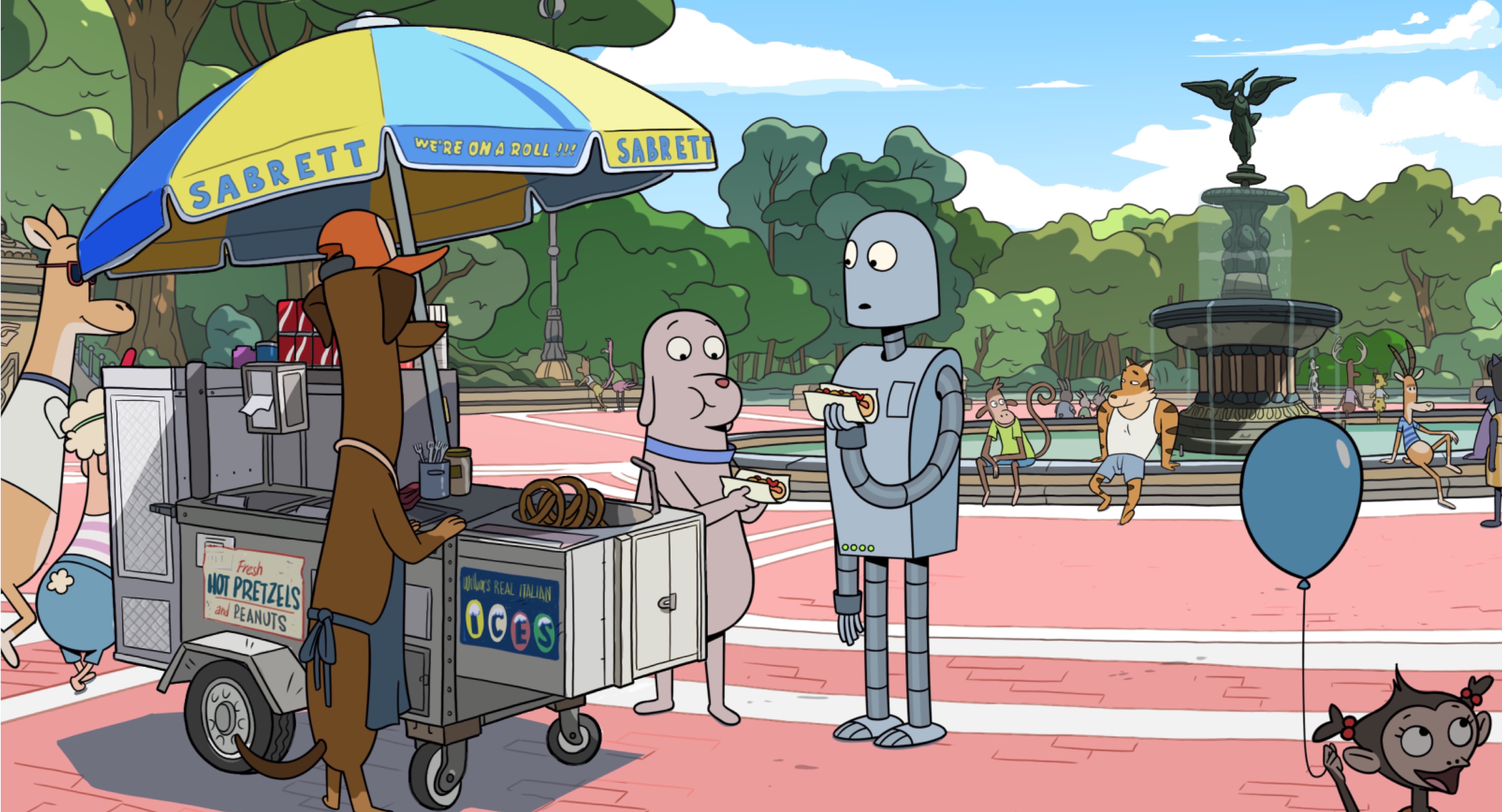
3. ROBOT DREAMS
From the Spanish director of TORREMOLINOS 73 (of all people), this animated feature adapted from a graphic novel is an unexpected gem. Telling of the fractured friendship between a Dog and a Robot (no other names are given and/or needed), its whimsy and warmth is sharpened by real emotional stakes and conflict, offering up a fun-house mirror version of the world where animals and machines are able to form deep, vulnerable connections. Sweet, funny and unexpectedly one of the best ever films about friendship (and New York City), I can’t even imagine a feature-length version of BOJACK HORSEMAN turning out this well.
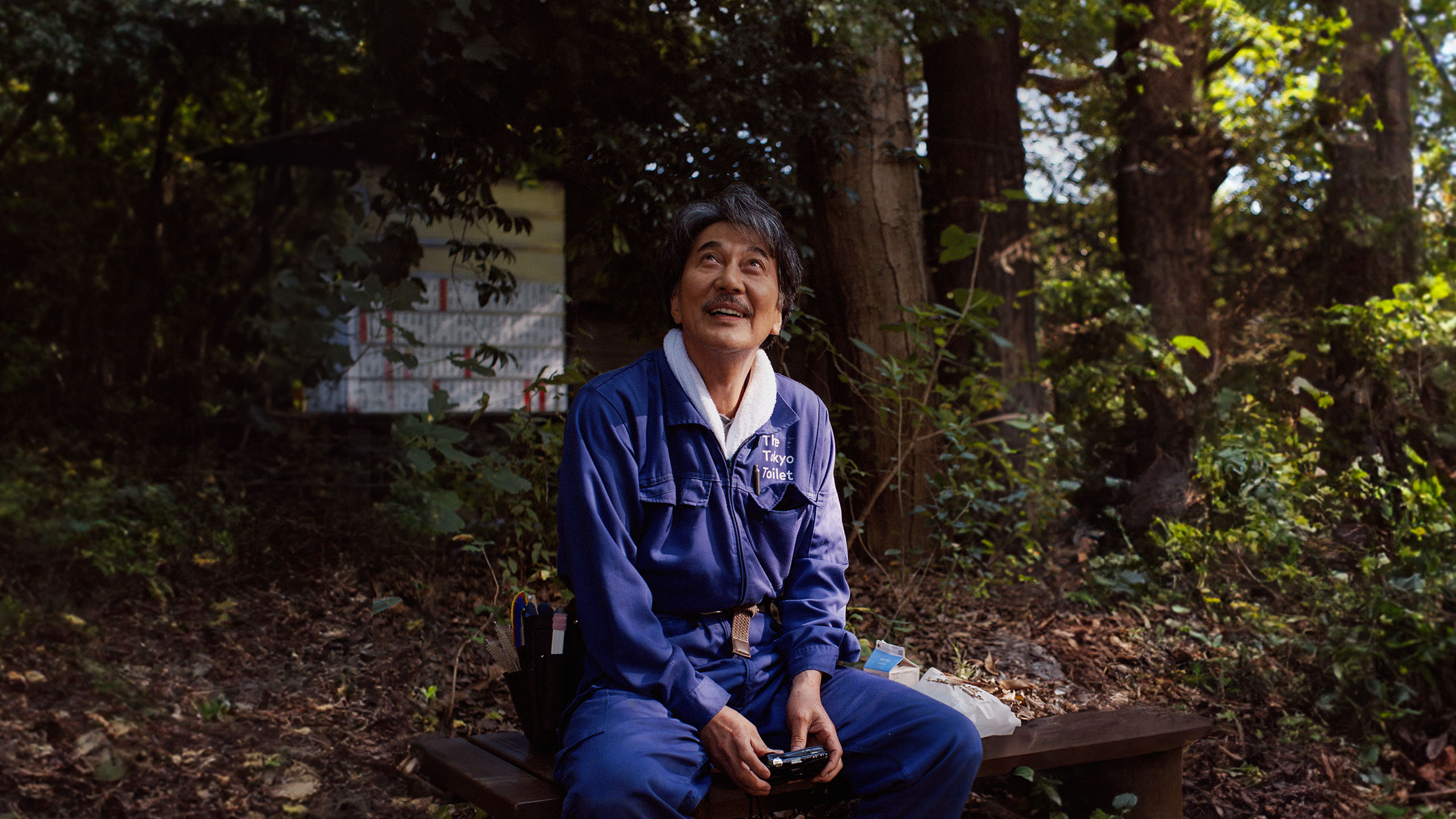
4. PERFECT DAYS
An unexpected late-career triumph from Wim Wenders; that it’s simply a character study about Hirayama (a superb Kōji Yakusho), an aging man who cleans Tokyo public toilets for a living only adds to its allure. This might be the closest Wenders has come to successfully making “slow cinema” with scene after scene of Hirayama methodically doing his work with pauses for bicycling, picking up paperbacks from his favorite bookstore, and listening to music on cassette tapes while driving through greater Tokyo. I’ve rarely seen such an extensive depiction of a character’s relationship to music and how it informs and fortifies his well-being and also his environment.
5. HARD TRUTHS
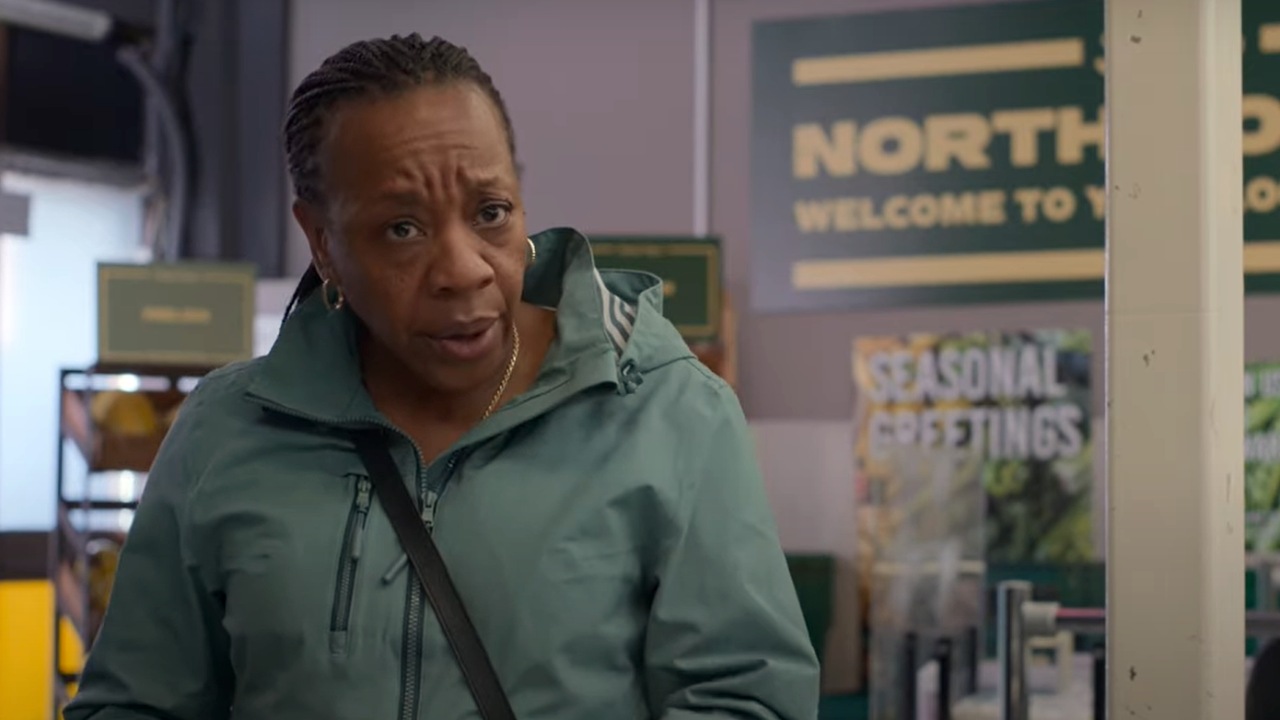
Welcome back, Mike Leigh. His first contemporary film since 2010’s ANOTHER YEAR is also his most brutal since ALL OR NOTHING and maybe his most aptly titled since BLEAK MOMENTS. Marianne Jean-Baptiste, rudely snubbed of an Academy Award nomination gives a towering performance as one of the rudest, most irritable, broken and heartbreaking characters since maybe Jane Fonda in THEY SHOOT HORSES, DON’T THEY? It’s hilarious, then harrowing; when it nearly gets to be all too much, it offers not so much relief as it does perspective and something approaching grace without pulling any punches.

6. THE BEAST
The first Bertrand Bonello film I’ve loved is very loosely adapted from a Henry James novella pairing Gabrielle (Lea Seydoux) with Louis (George MacKay) across three time periods: 1904 France, 2014 Los Angeles and a near-future heavily shaped by artificial intelligence. They inhabit different personas (Mackay especially effective as he transforms from a European aristocrat to a 21st Century incel) but can never fully connect with each other for reasons not fully apparent until the end of the film. A real strange trip rewarded by multiple viewings, I would’ve never previously thought to compare Bonello to David Lynch (RIP) but here we are.
7. JANET PLANET
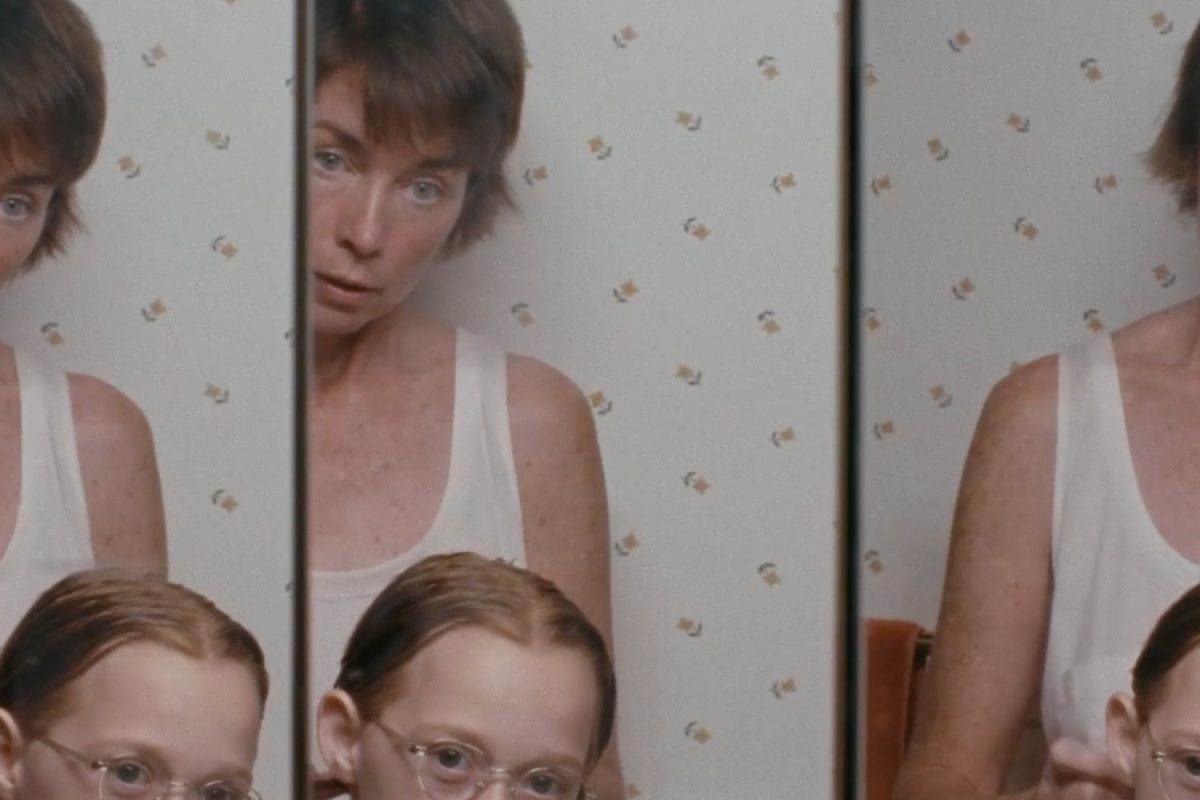
Pre-teen angst has served bespectacled, mousy 11-year-old Lacy (Zoe Zeigler) well, or at least to the point where she has her single mother (Julianne Nicholson) delicately wrapped around her finger during a pivotal summer in her life. Set in 1991, esteemed playwright Annie Baker’s directorial debut inevitably feels like it could be autobiographical but what’s striking is how it uncovers so much nuance in its internal, seeking, near-deadpan approach. Little about the film feels forced or false and yet it doesn’t feel like many other films, allowing for hints of magical realism deployed with an unusually subtle touch.
8. FLOW
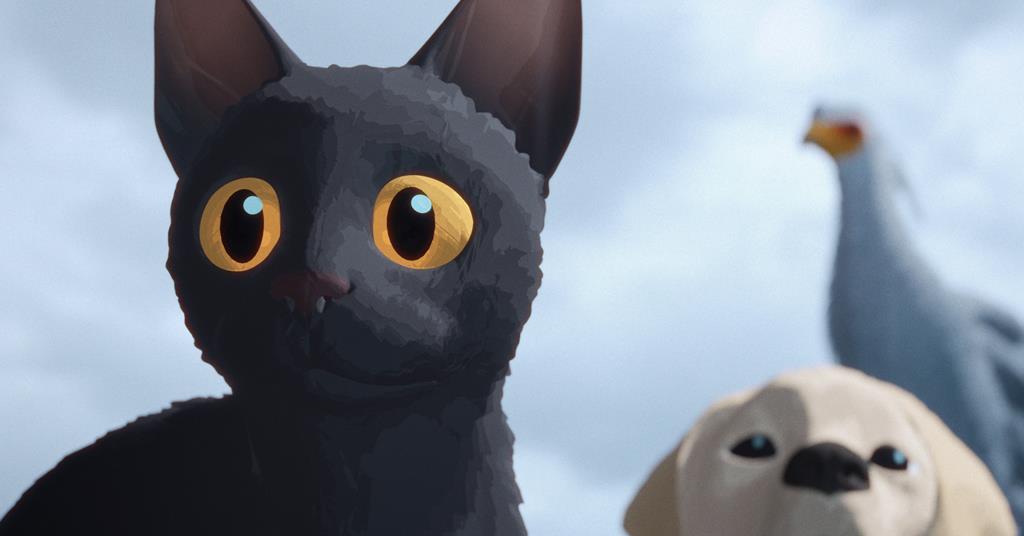
I don’t recall having two animated features in a year-end top ten before (although ROBOT DREAMS, a 2023 film received a delayed release); like #3, this Latvian production has no dialogue, conjuring a world out of movement, facial expressions and textured sound. Still, I was not expecting the full, expansive and wonderfully bizarre journey this goes on. As a flood sweeps through the landscape, a lone cat and various other animals fight to survive and encounter near-spiritual and metaphysical realms. Stirring and just a little trippy, it deserves to become this generation’s FANTASTIC PLANET.

9. BIRD
Andrea Arnold (AMERICAN HONEY) returns with what feels like an ideal of homegrown, personal cinema: searching, dreamlike, wild, a world in perpetual motion that’s chaotic and sometimes dangerous yet yearning for and occasionally capable of beauty. Brashly combining kitchen-sink realism with that of the magical kind is a new wrinkle for Arnold; some would argue she really goes for it and not all will know what to make of the Franz Rogowski’s character. Fortunately, her cast is up to that challenge—in particular, real find Nykiya Adams, as idiosyncratic and fully developed as Katie Jarvis was in Arnold’s FISH TANK.
10. EVIL DOES NOT EXIST
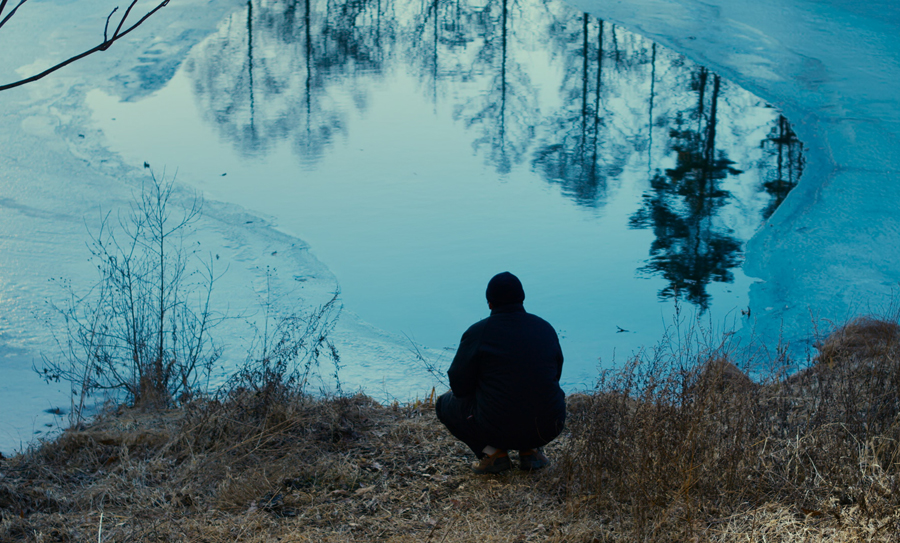
So, Ryusuke Hamaguchi, what are you doing now after all that acclaim for DRIVE MY CAR? A study of an environmental threat towards a remote community where a corporation wants to open a glamping (i.e., glamorous camping) site, you say? Far more Tarkovsky than Kore-eda, this is leisurely paced, visually stunning and in the end, near-impenetrable. Still, arguably no other filmmaker would so totally depict the utter futility of “information meetings” where the concerns of said community are both heard and blithely dismissed or take two characters who initially seem buffoonish and unexpectedly flesh them out until they’re nearly as sympathetic as the two protagonists.
11. THE FEELING THAT THE TIME FOR DOING SOMETHING HAS PASSED
The peculiar way writer/director/often-naked star Joanna Arnow views the world will inevitably seem off-putting to some but enchanting to others for how she finds the humor in absurdities and indignities without taking herself too seriously or losing focus of what makes them seem so real. After all, who can’t relate to the mounting pressure of being asked to bring an unwanted piece of fruit home with them?
12. THE OLD OAK
Ken Loach’s supposed final film is one of the more socio-politically relevant titles you’ll see in these challenging times, taking a fairly straightforward premise (clash between natives and Syrian immigrants on the eve of the Brexit vote) and suffusing it warmth and pain and seemingly every other emotion in-between.
13. BETWEEN THE TEMPLES
Although firmly set in the present, this feels more like a throwback to shaggy ’70s New Hollywood style but the humanity with which Nathan Silver depicts his two main characters (Jason Schwartzman and national treasure Carol Kane) is lived-in and not hackneyed (which also goes for their chemistry).
14. HERE
In Belgium, as a Romanian construction worker and a Chinese doctoral student (specializing in the study of moss) circle around each other, it’s not so much a trajectory of gaining momentum as it is becoming attuned to one’s environment, going with the flow and savoring each step at a time.
15. THE BRUTALIST
A Great American Epic like no one makes anymore, only it’s about weirdos, probably made by a weirdo himself. When you consider all the art that reflects the triumphant, the noble, the mainstream, it’s thrilling to see something so deeply felt and also transgressive in its furthest-reaching moments when it continually threatens to come undone.
16. INSIDE THE YELLOW COCOON SHELL
Chill-out Cinema: beautiful, languorous, not altogether impenetrable but mysterious, serene without seeming blank. Seven months later, I can’t entirely recall everything that happened within its 179 minutes but I would gladly watch it again.
17. HIS THREE DAUGHTERS
This evolves from pretty ordinary to something unexpected and deep but not without lightness or lyricism. A real breakthrough for filmmaker Azazel Jacobs, though he might not have pulled it off without such a strong cast, especially Natasha Lyonne in a role both seemingly written for her and in the end, unexpected.
18. ANORA
Sean Baker’s films tend to thrive on his direction and the performances rather than the screenplays, so ignoring a few structural faults is easy enough. Reserve most praise, however, for Mikey Madison who not only tackles a challenging role, her gloriously profane, full-bodied bravura turn has nearly no precedent.
19. CHALLENGERS
Welcome back, Luca Guadagnino, though I don’t think this audacious, excessively entertaining triangle film might’ve worked as well with anyone other than Zendaya.
20. CROSSING
Levan Akin showing that AND THEN WE DANCED was no fluke with Mzia Arabuli giving off some rare, prime Suzanne Pleshette energy here.
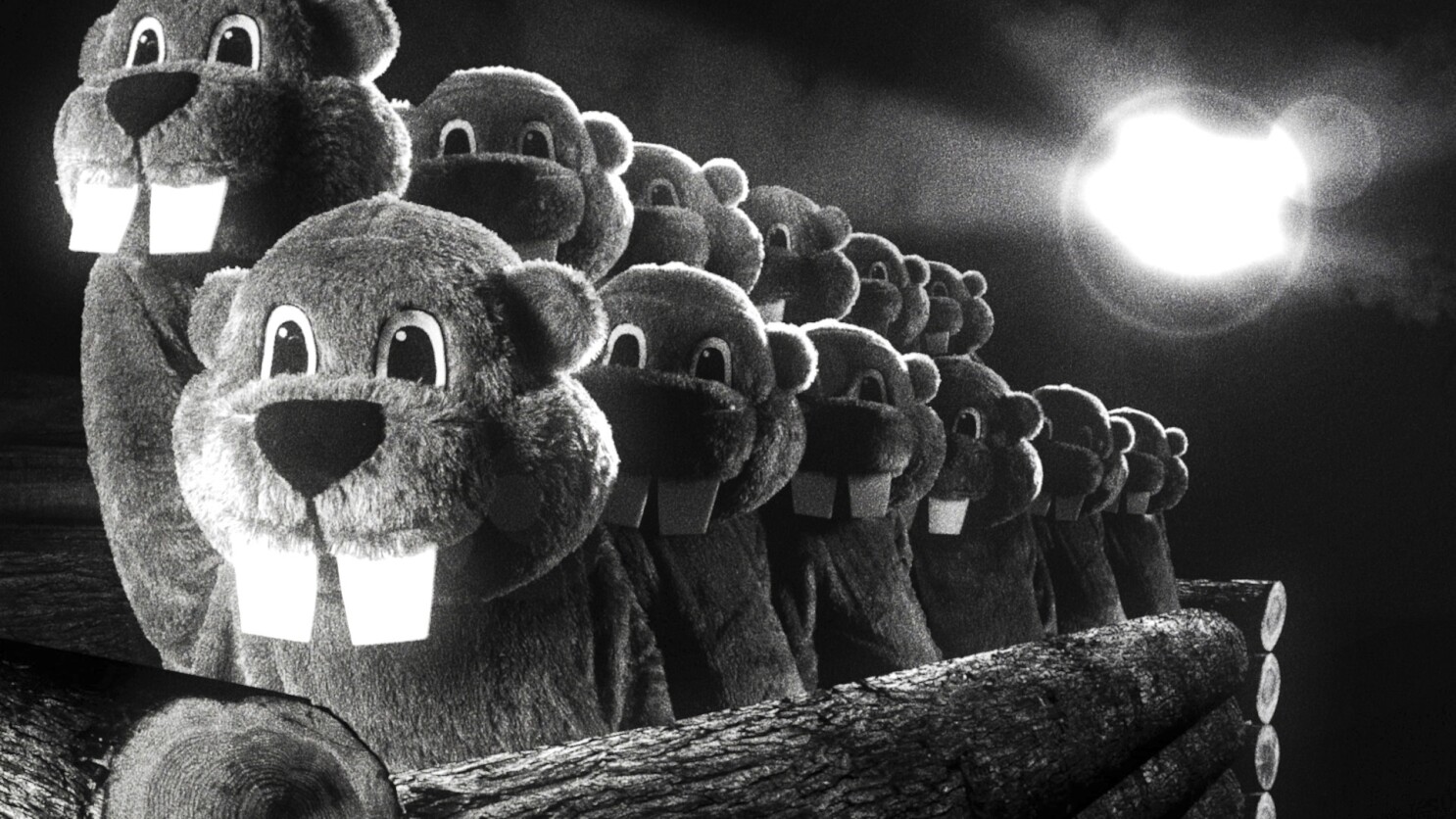
ALSO RECOMMENDED:
A Real Pain, About Dry Grasses, Beetlejuice Beetlejuice, Christmas Eve In Miller’s Point, Close Your Eyes, Flipside, Ghostlight, Good One, Hundreds of Beavers, Indigo Girls: It’s Only Life After All, La Chimera, Late Night With The Devil, Mother Couch, Rumors, Seagrass, Soundtrack to a Coup d’Etat, Sugarcane, The Bikeriders, The Remarkable Life of Ibelin, The Seed of The Sacred Fig, The Teachers’ Lounge, The Taste of Things, Thelma, This Closeness

 Haunted Jukebox