Most years, my film group conducts a poll amongst its members. In the past, we’ve determined our all-time favorite films of a particular genre (horror, documentary, animation) or other categorical distinction (remakes and sequels, foreign language, black-and-white.) For the first time, this year’s list is centered on people rather than films. One would think it a breeze to curate a list of just 25 or 50 directors; my original long list ended up past the 150-mark. We were allowed to include up to 100, which is what my ballot below has. The first 30 or so are the most important; the placement of almost anyone beneath is a little more arbitrary.
In curating my list, I thought about whom I’d most like to see on the group’s list which is chiefly why Agnes Varda ended up at #3 – French, female, equally adept at documentary and fiction, she’s the sort of revered talent (that might not necessarily be a household name) that the group was created to promote and highlight. I also wanted to talk up my favorite LGBT directors which accounts for half of my top ten. My first draft placed the ever-dependable, ever-unique Tsai Ming-liang at top but in the end, I couldn’t deny giving it to the artist I wrote my Master’s thesis in Film Studies on.
The thing with all-time-best-of lists is that they could credibly go on for days. What favorite filmmakers of yours missing from the 100 below would you have included?
Moving to Boston for graduate school coincided with my coming out as gay. I didn’t plan it that way, or perhaps I did so subconsciously, seizing on a physical move to make another big change. It wasn’t an easy or swift process. Until then, I’d been deep in the closet to the point where, just a year before, I seriously considered asking out a young woman who, like me, was also pursuing a Film minor at Marquette. I never worked up the courage, although I did fall into a misguided straight relationship with someone else for a few months before facing up to my true self, breaking it off weeks before I left my hometown behind.
I expected I’d easily attain a new identity as an out gay man freshly arrived in Boston, but it didn’t happen like that. Not necessarily wanting to be defined by my sexuality, I didn’t tell anyone about it. At least I no longer tried presenting as straight or thinking it a viable option. Those first few weeks in a new city, I’d often play a private game where I’d consider all the strangers I saw in a restaurant or on the T and ask myself of each one, “Honestly, do I find this person attractive?” Every single time I spotted someone I liked, it was a guy. I could no longer deny who I was.
My classes and work-study employment provided decent excuses for not actively pursuing much of an exterior social life. I was so preoccupied with film and writing about it that I simply did not have the time to go to gay bars and clubs or check out the campus’ LGBT organization (the primary letters then considered for that since-expanding acronym), or at least that’s what I told myself. Looking back, I admit I just wasn’t ready to pursue such activities, even though I wanted to partake in them. Being over 1,000 miles away from home was enough of a tremendous adjustment to navigate.
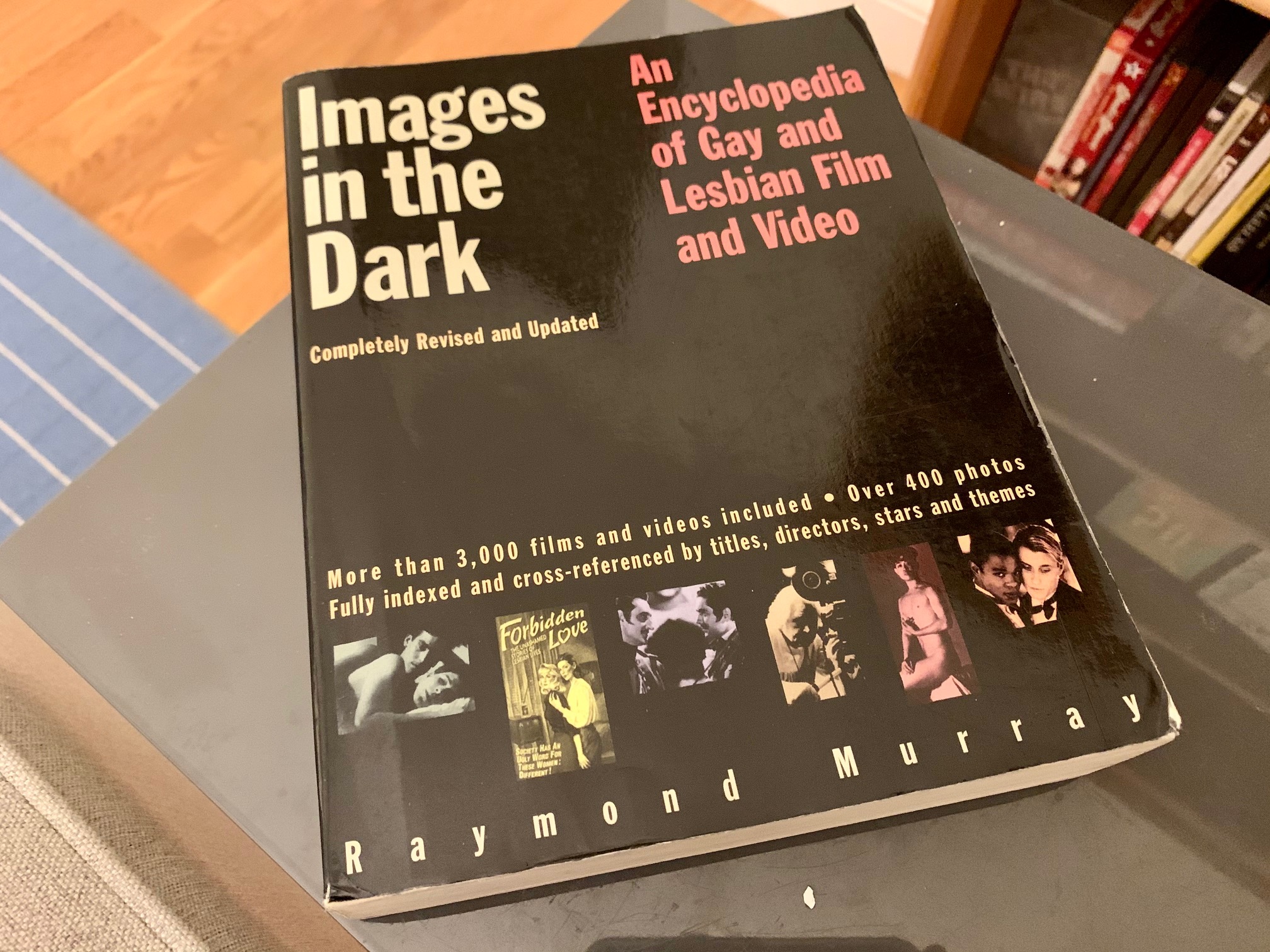
I eventually began dating and socializing with other gay men to the point where I couldn’t imagine it not being elemental to my identity. However, that would mostly happen after completing my degree. As a Film Studies student, I explored my freshly acknowledged sexuality through films. I cannot undervalue seeing other queer people depicted onscreen in an era where Ellen DeGeneres had just come out but with few other celebs quick to follow. Even though Boston University did not offer a course specifically on queer cinema, I was exposed to the work of such directors as Rainer Werner Fassbinder, Chantal Akerman, Andy Warhol and Todd Haynes. Even more significant was Raymond Murray’s Images In The Dark: An Encyclopedia of Gay and Lesbian Film On Video. Its second edition published the previous year, it proved a vital resource, cataloging the work of the filmmakers above in addition to many others. Accessing Murray’s tome was like entering another door, one leading me to artists as dissimilar as Pedro Almodovar and Terence Davies, Jean Cocteau and Piers Paolo Pasolini, Barbara Hammer and Ulrike Ottinger.
Given my age and the period, New Queer Cinema had the strongest impact on my worldview. A term coined by critic B. Ruby Rich in 1992, it encompassed recent work from gay and lesbian independent filmmakers, most of which dealt with transgressive themes and situations that offered alternatives to heterosexual culture. In other words, New Queer Cinema was proudly, unapologetically gay, fixated on such subjects as hustlers (My Own Private Idaho), AIDS (The Living End) and ballroom drag culture (Paris Is Burning). It could propose unconventional depictions of historical figures (Swoon, a take on the Leopold and Loeb murders) and serve as a medium for autobiography (essayists like Marlon Riggs and Su Friedrich.)
Murray’s book also introduced me to Derek Jarman, a British painter-turned-filmmaker whose cinema alternated between revisionist histories and experimental memoir. On a June Saturday afternoon, instead of checking out my first Pride Parade in the South End (which ended up postponed due to flooding rains), I watched Jarman’s 1987 feature The Last of England, rented from the Hollywood Express in Cambridge’s Central Square where one could get five films for five nights for ten bucks. After the closing credits rolled following a young Tilda Swinton cutting herself free from a wedding dress against the maelstrom of Diamanda Galas’ otherworldly siren song, I suspected I’d found a subject for my master’s thesis. I was just astonished by this perplexing, sensory-overload barrage of cross-cutting, dystopian landscapes, queer imagery (an early scene where a male hustler humps a Renaissance painting certainly imprinted itself on me) and the director’s own childhood home movies, all of it cohering into a savage indictment of Thatcherism, nationalism and a decaying empire.
Jarman had died from AIDS a few years before at the age of 52; The Last of England was the first film he completed after receiving his diagnosis and it’s a turning point in his oeuvre. Up until then, he oscillated between arty home movies and larger-scale features like Caravaggio and a gloss on Shakespeare’s The Tempest that ended with veteran chanteuse Elisabeth Welch serenading a chorus of sailors with the 1933 torch song “Stormy Weather”. The Last of England synthesized these motifs into something bolder, angrier, more political yet intensely personal. From there, knowing he was living on borrowed time, Jarman worked at a furious pace, completing five features in as many years comprising some of his most urgent and innovative work.
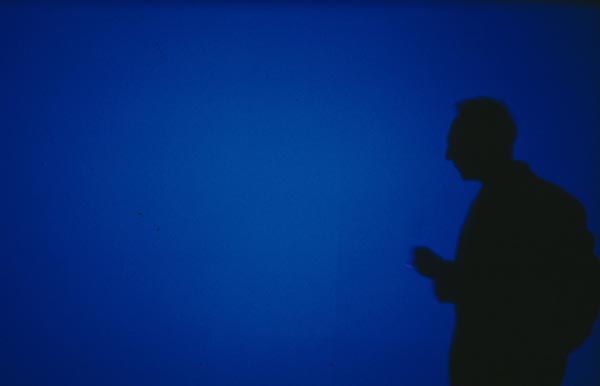
I thought of making The Last of England this essay’s focal point, but I already covered it in exhaustive detail for my master’s thesis, which considered it, along with The Garden (1990) and his final film Blue (1993) as an informal trilogy where fiction and memoir intersect, blurring the notions of one’s art and life until they appear inseparable. Rather than go back to that well, I’ll consider Edward II (1991), fittingly the second Jarman film I watched and one I have not previously written about in any great detail. If The Last of England was an introduction to an entire filmography I immediately wanted to devour, Edward II vindicated this desire with its unusual, inventive approach to literary adaptation.
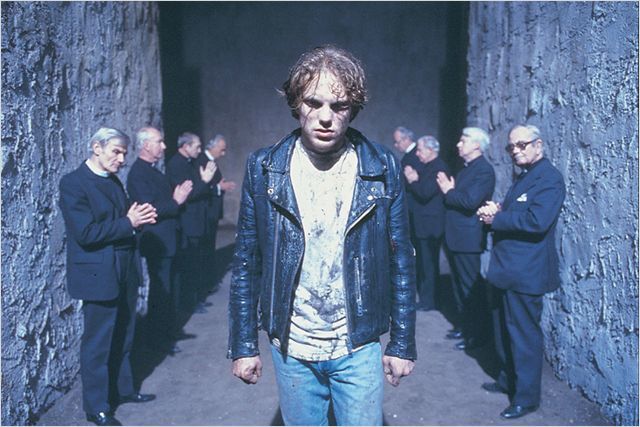
One of 16th century English playwright Christopher Marlowe’s major and final works, Edward II focuses on the relationship between the titular King and his favorite nobleman, Piers Gaveston and how it led to both of their murders at the arrangement of military head Roger Mortimer. It had endured as a stage production up through the present, but Jarman was the first (and to date, only person) to attempt a feature film of it. While Marlowe’s prose subtly acknowledged the intimacy between Edward and Gaveston, Jarman’s adaptation places it at the forefront—gleefully, defiantly homoerotic, his Edward II is a story of a King (Steven Waddington) and his male lover, Gaveston (Andrew Tiernan), the threat it poses to the straight establishment headed by Mortimer (Nigel Terry) and Queen Isabella (Swinton) and the ensuing seizure of the throne by said establishment, whose murders of Edward and Gaveston are equated to hate crimes.
The notion of lending an explicitly queer slant to Marlowe’s prose is expected coming from an openly gay filmmaker/activist in 1991. From his casting of hunky actors to play his two queer leads to the inclusion of such imagery as two naked men engaged in sexual intercourse in the background of one scene for no reason germane to the plot, Jarman holds nothing back in this regard; in an era where the sight of two men lying in bed together on the TV series Thirtysomething provoked mass indignation, being so out, loud and proud felt more daring and radical than it might now.
Where Jarman goes beyond the shock of queerness is in his fearless deployment of anachronism. Present in his work all the way back to “Stormy Weather” and the contemporary dress in Caravaggio (to mirror that artist’s use of anachronism in depicting biblical figures), Jarman is not a slave to period or text. Purists and traditionists likely decried Edward II for sheathing its characters in white muscle T’s, pajamas, leather jackets and World War II-era fatigues. In one scene, Edward and Gaveston appear to be dressed for the set of Reservoir Dogs (sans sunglasses) one year early; in another, Edward and his brother Kent (Jerome Flynn) return from a game of tennis, rackets in hand, decked out in white polo shirts with matching towels around their necks.
Edward II’s production design (from longtime Jarman associate Christopher Hobbs) favors a minimalist approach: spare sets consisting of stone walls and dirt floors, its characters bathed in light and shadow. These spaces are strewn with such unexpected contemporaneous objects as a Christmas tree surrounded by presents, an electric hanging lamp, a board meeting table complete with water pitcher and drinking glasses and a battery-powered robot and portable Walkman for young Edward III (Jody Graber) to play with (not to mention a Coke can, its placement intentional unlike the Starbucks cup in Game of Thrones.) Isabella sits in bed with a cold cream mask over her face while Mortimer lies next to her, reading Unholy Babylon: The Secret History of Saddam’s War. The latter is telling, along with the proclamation Edward is coerced into signing to send Gaveston into exile: a quick shot reveals the date on it as 1991 rather than 1311.
Why would Jarman retain Marlowe’s prose and historical figures but essentially set it in the present? Granted, the uproar over Edward and Gaveston’s relationship is all too applicable for 1991. Despite some recently acquired cultural inroads, relatively little had changed since then in terms of public perception of homosexual attraction and companionship. When adapting a historical work, often the most illuminating route one can take is to explore and accentuate its relevance for modern audiences and what they can learn from it. In Edward II, Jarman spotted themes, situations and behaviors with a clear analogue to his own life and his treatment by the press as a homosexual and person with AIDS. Much of his later work is a rebuke to Thatcher and policies born out of that period like Section 28, a legislative designation prohibiting “the promotion of homosexuality by local authorities” that was in effect in the UK from 1988-2000.
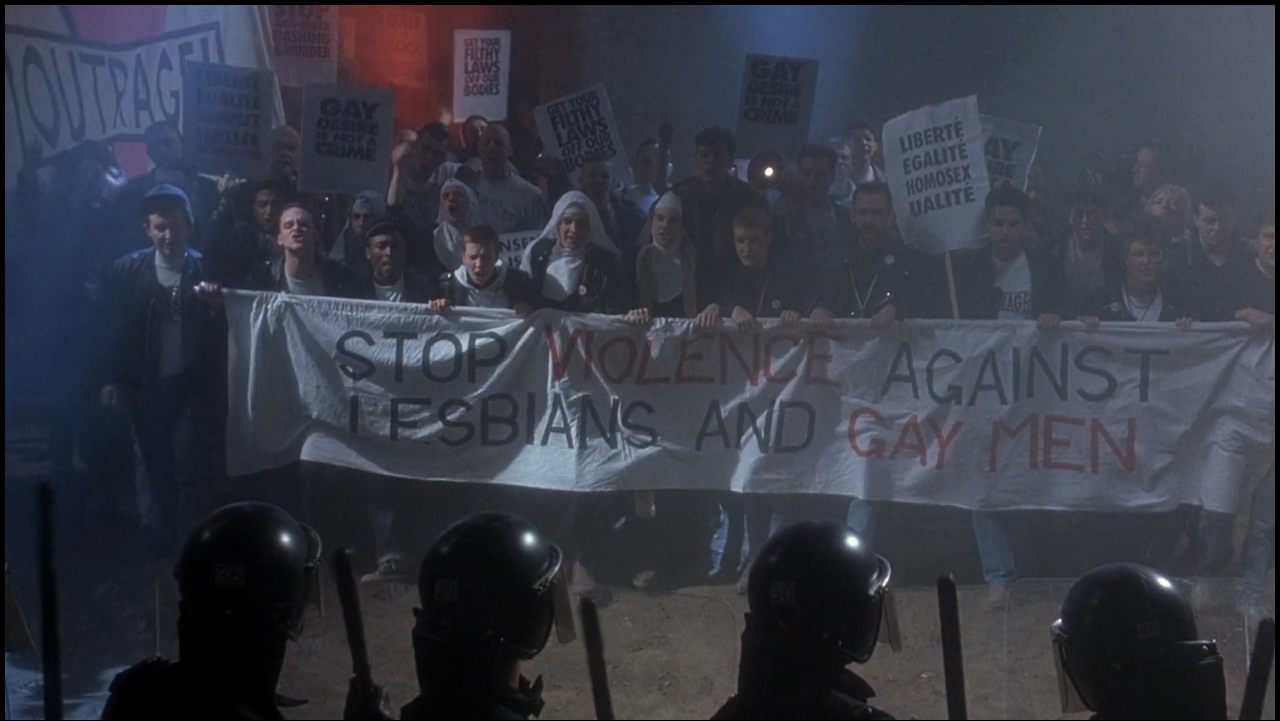
Jarman’s reaction to such oppression and censorship becomes Edward II’s most memorable anachronism. After Mortimer arranges Gaveston’s murder, Edward and his cohorts clash against the nobility in the guise of a gay rights demonstration. The protestors are portrayed by actual members of OutRage!, a UK gay rights group “committed to radical, non-violent direct action and civil disobedience”, fighting for “sexual freedom, choice and self-determination” for all queer people. They are depicted standing up to a riot-gear wearing police force, chanting in solidarity and carrying a big white banner reading “Stop Violence Against Lesbians and Gay Men.” It’s a relatively brief scene but a pivotal one: it bluntly but effectively drives home the close parallels drawn between the present and the past.
Such a big swing could come off as pretentious or dour. Fortunately, Jarman’s predilection towards camp leavens the film’s weightier stuff—see Gaveston and Edward celebrating their reunion by dancing a ramshackle tango or Edward III reclaiming the throne near the film’s end, tromping around to Tchaikovsky’s “Dance of the Sugar Plum Fairies” on top of a giant cage holding a decomposing Mortimer and Isabella. Even darker moments, such as Isabella murdering Kent by literally biting into his neck and sucking his blood, vampire-style (Swinton’s decades-early audition for Only Lovers Left Alive?), while shocking, retain a gallows humor in their absurdity.
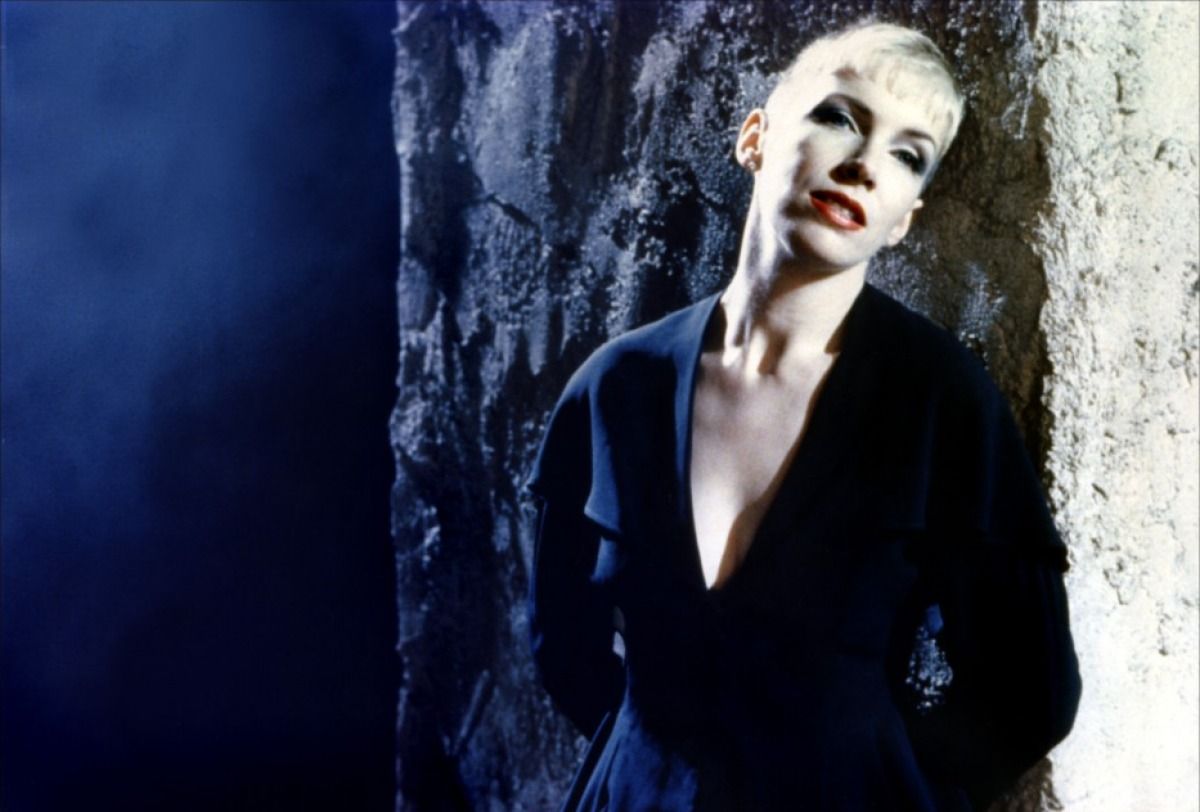
Occasionally, they also prove rather moving. Before Gaveston’s exile, he and Edward meet up. We hear the opening minor piano chords of Annie Lennox’s version of “Ev’ry Time We Say Goodbye”, recorded the year before for the great Cole Porter tribute/AIDS charity album Red Hot + Blue. In time, Lennox herself appears in person, off to the side, serenading the lovers. Hair close-cropped in a pixie cut almost as pale as her skin, she resembles a wraith as the couple embrace and bid each other bittersweet farewells. It’s a scene of pure fantasy but gender-bending icon Lennox’s plaintive appearance complements the song’s spare, piano-and-accordion arrangement, while the occasional tremor in her tone, along the melody and lyrics of Cole’s composition render the proceedings exceedingly poignant.
Jarman’s Edward II concludes by rewriting Marlowe’s ending: instead of death by hot poker from the executioner Lightborn (Keith Collins), whose time guarding Edward is a framing device throughout, he tosses the poker into a pool and gives Edward a tender kiss. We see both scenarios, in that order, with the second a revisionist history akin to Quentin Tarantino’s later work (albeit on a much smaller scale.) However, Edward II’s final shot is a pan across the OutRage! protestors, now silent, frozen in time as Edward’s voiceover reads Marlowe’s prose: “Come, death / and with thy fingers close my eyes / or if I live / let me forget myself.” During the film’s production, Jarman’s health was deteriorating to the point where it was uncertain whether this would be his last feature (he lived to complete two more.) As a potential goodbye to his art and his audience, it drives home the notion that Edward’s fight against homophobia and fear is as relevant and urgent as Jarman’s own and that of his friends and fellow queer people.
No matter who or what we are, we tend to look for representation in popular art, to see people onscreen who are recognizable, even similar to us, finding someone we can relate to and that the rest of the culture can also see. In this phase of my coming out (and coming of age in general), I looked to the work of queer filmmakers as a text and a guide, a way to feel less isolated or alone. Jarman, in particular, was fearless in putting and revealing himself onscreen; he also made a continual effort to show how queer people had been around for centuries, telling stories about their presence and importance, using his “cinema of small gestures” to bring these figures out of the shadows and into the light. While I took a film course the previous year called Ways of Seeing, watching Edward II (and the rest of Jarman’s filmography) for the first time felt to me like being seen.
This month, I decided I’d tackle all five of the Martin Scorsese shorts just made available for streaming on The Criterion Channel; viewing one per week, “Marty Mondays” became one of my few constants in this uncertain time. Italianamerican is far and away the standout of the five, thanks primarily to the charisma and moxie of Marty’s mother (a given if you’ve ever seen Goodfellas), with American Boy (an extended interview with a real character) and The Big Shave (brief, experimental Vietnam protest) also worth a look.
In fact, 2/3 of the titles below are from Criterion Channel, which certainly makes streaming more fun in the time of COVID. I can only imagine what I could’ve gotten out of it had it existed 22 years ago when I was a film student and renting 4-6 tapes a week from the Allston Videosmith. Why, I wouldn’t have had to wait decades to see that one Gregg Araki feature that didn’t seem to be available anywhere (maybe due to that title?) or The United States of America, which finally proved to me that Structuralist Cinema need not always be boring but is occasionally breathtaking.
On Criterion, I also checked out two works by previously-unknown-to-me Khalik Allah, whom, while not always as riveting as you wish he could be, is doing something unlike any other filmmaker right now. I was less taken with Chloe Zhao’s first feature and recent European arthouse flicks such as Synonyms and Zombi Child than I was by Mark Cousins’ sweet coda to his epic The Story of Film series, one of two decent Orson Welles docs I took in. Also, I’m beginning to think Luis Bunuel just isn’t my thing (apart from loving Belle Du Jour when I saw it decades ago.)
Not too many new films: I was annoyed while watching Josephine Decker’s Shirley, which initially felt stilted and precocious until I got to the end and understood the full scope of what she was doing, subverting the biopic in a way I hadn’t seen before; it might end up on my year-end top ten list. Tommaso certainly won’t, despite another intricate Willem Dafoe performance (Ferrara destroys most of the goodwill Dafoe accumulates with a batshit insane last ten minutes.) Leslie Woodhead’s Ella Fitzgerald doc won’t make a best-of list either, but any fan of its subject will find a lot to love in it.
This month’s re-watches provided my highest ratings: what remains my favorite Fassbinder film, what could end up my favorite Soderbergh film, and The Garden, one of three Jarman features I wrote my master’s thesis on. Unavailable digitally in the US until last year, I hadn’t seen it in nearly twenty. It’s challenging and imperfect but also wildly inventive and aesthetically pure—rarely has a filmmaker ever put so much of himself onscreen without censorship or pretense. So happy my fellow Americans can now see it without having to seek out a VHS copy.
Films viewed in June in chronological order, with director, year of release and my rating (out of 10)
What’s A Nice Girl Like You Doing In A Place Like This? (Martin Scorsese, 1963) 6
The United States of America (Bette Gordon and James Benning, 1975) 9
Songs My Brothers Taught Me (Chloe Zhao, 2015) 6
They’ll Love Me When I’m Dead (Morgan Neville, 2018) 7
Totally Fucked Up (Gregg Araki, 1993) 8
Shirley (Josephine Decker, 2020) 8
Tommaso (Abel Ferrara, 2019) 5
The Watermelon Woman (Cheryl Dunne, 1996) 7
It’s Not Just You, Murray! (Scorsese, 1964) 5
Urban Rashomon (Khalik Allah, 2013) 8
Tristana (Luis Bunuel, 1970) 6
Synonyms (Nadav Lapid, 2019) 6
Ali: Fear Eats The Soul (Rainer Werner Fassbinder, 1974)* 10
The Garden (Derek Jarman, 1990)* 10
Bonjour Tristesse (Otto Preminger, 1958) 7
The Big Shave (Scorsese, 1967) 7
Field Niggas (Allah, 2015) 7
Phase IV (Saul Bass, 1974) 5
Ninja III: The Domination (Sam Firstenberg, 1984) 6
Zombi Child (Bertrand Bonello, 2019) 5
Da 5 Bloods (Spike Lee, 2020) 7
Italianamerican (Scorsese, 1974) 8
L’Age d’Or (Bunuel, 1930) 6
The Eyes Of Orson Welles (Mark Cousins, 2018) 8
The Land Of Steady Habits (Nicole Holofcener, 2018) 6
Blow The Man Down (Daniel Krudy and Bridget Savage Cole, 2019) 6
Ella Fitzgerald: Just One Of Those Things (Leslie Woodhead, 2019) 7
The Limey (Steven Soderbergh, 1999)* 9
American Boy: A Profile of Steven Prince (Scorsese, 1978) 7
Valley of The Dolls (Mark Robson, 1967)* 5
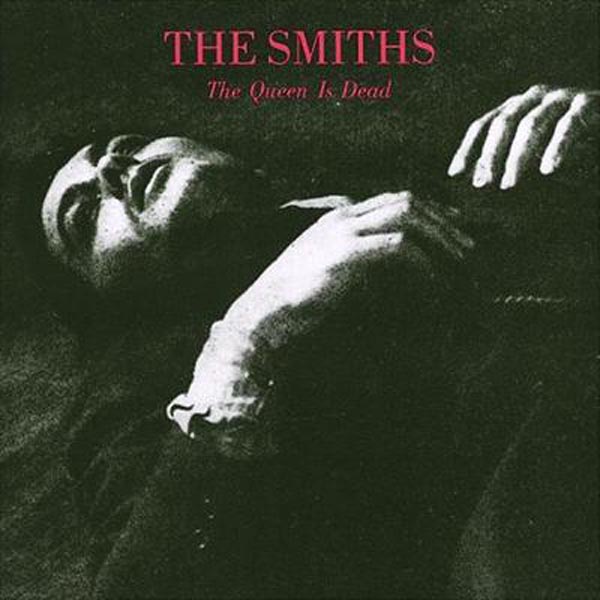
(My 100 favorite albums in chronological order: #23 – released June 16, 1986. Originally posted on Kriofske Mix, 1/23/2015.)
Track listing: The Queen Is Dead (Take Me Back To Dear Old Blighty) / Frankly Mr. Shankly / I Know It’s Over / Never Had No One Ever / Cemetry Gates / Bigmouth Strikes Again / The Boy With The Thorn In His Side / Vicar In A Tutu / There Is A Light That Never Goes Out / Some Girls Are Bigger Than Others
In Tony Fletcher’s exhaustive, entertaining biography of The Smiths, singer Steven Patrick Morrissey and guitarist Johnny Marr don’t even meet each other for the first time until page 191, or roughly one-third of the way through the chronologically ordered book. This would seem to go against a common perception that the band (which also included Andy Rourke on bass and Mike Joyce on drums) arrived fully formed, seemingly from out of nowhere in 1983. Although they never hit the Billboard Hot 100 (or reached higher than #8 on the UK singles chart), their cultural influence was massive, arguably defining British guitar pop for an entire generation. That they achieved this in so little time (breaking up in 1987) still astonishes.
Describing The Smiths to the uninitiated is potentially dicey, for they were both accessible and unique—one’s gut reaction to them may swing wildly in either direction. Chalk up their familiarity to guitar prodigy/hero Marr, who distilled his love of rockabilly, glam and girl group pop into a clean, melodic sound that felt timeless rather than overtly retro or of-the-moment. Morrissey provided their otherworldliness—mopey and shy, unrepentantly fey and with a theatrical voice wavering in and out of tune like a foghorn, he certainly had few precedents as a rock and roll frontman. You could call them a textbook yin/yang combination, but then you’d be overlooking Marr’s occasional experiments with form and texture (one of the band’s most beloved songs is the seven-minute tremolo-heavy epic ‘How Soon Is Now”) and Morrissey’s unconventional charisma and selective appeal—rarely has any other artist inspired one to either instantly retch at the sound of his voice or want to mimic his every word and cadence (and Morrissey songs are nothing if not fun to sing along with.)
Despite their brief lifespan, it’s tough to pinpoint a definitive Smiths album—their relatively small discography carries a high concentration of great songs, but rarely do they all appear on the same record together. A decade ago, I would’ve stumped for Best… 1, a 14-track compilation released five years after they broke up simply because it was my introduction to the band and everything on it was aces. However, it leaves off at least a half-dozen of their very best tunes (a few appear on the sequel, …Best 2). You could opt for Singles, which came out a couple of years later, but many Smiths album tracks are as good as their singles (some are actually better)—heck, there’s even a few classic B-sides scattered throughout. One of them, “Half A Person”, features a crystalline melody that could break hearts as effectively as it could sell coffee, with Morrissey checking himself into the YWCA, dutifully asking if they “have a vacancy for a back-scrubber.” It’s easily in my top five Smiths songs.
That leaves four studio albums: 1983’s self-titled debut suffers from blah production, much of Meat is Murder (1984) is Morrissey at his most offputtingly didactic (if the title didn’t already tip you off) and Strangeways Here We Come (1987) is tentative and time-biding with Marr already halfway checked out (he left the band right before its release, sealing their demise). All three records have a few great songs, but not as many as the band’s third album. An about-face coming off the heels of Meat Is Murder, The Queen is Dead cruciallyturns a corner: while Morrissey hasn’t entirely cheered up, his anger here is newly, refreshingly tart, and even the faint suggestion that he’s now comfortable making fun of himself casts these songs in a far different light. The music’s also much more crisp, not only showcasing the rhythm section’s growing proficiency (Rourke’s bass dominates nearly as much as Marr’s guitar) but how tightly the band were functioning as a unit at this time.
Perhaps taking a cue from the underground success of “How Soon Is Now” (originally a B-side that was eventually re-released as an A-side, albeit too late for it to become a real hit), the album opens with its title track, a six-minute jam that arrives guns ablaze (but not before beginning with a Morrissey-chosen snippet of the World War I-era “Take Me Back To Dear Old Blighty” from the 1962 film The L-Shaped Room). Of course, this is a daring, loaded title for an album and a song, so one would hope for nothing less than this total rave-up careening with pounding drums, furious wah-wah guitar and one of Morrissey’s acidic, first-person narratives where he rhymes “apron” with “castration”, among other clever turns-of-phrase. “Frankly Mr. Shankly” is just as much a manifesto, but with a tighter structure and lighter spirit. The song’s very English music-hall beat is a perfect match for Morrissey’s ironic (or not?) yearning to “go down in musical history” and his rather affecting disaffected sneer about “making Christmas cards for the mentally ILLLL.” Oh, and it’s actually a swipe at their indie record label, somewhat explaining the certainly ironic “give us yer money” ad-libbed at the end.
“I Know It’s Over” is the album’s requisite big melodramatic ballad. With a heavier hand, it could’ve ended up a warped take on your average 1950s/60s heartbroken lament, but the understated, gently layered arrangement avoids any hint of dirge or detachment, the music continually building, retaining all urgency even with Morrissey excessively moaning at the outro. “Never Had No One Ever” suffers a little from sounding like the previous song’s coda—whether it works in sequence or would’ve benefited from isolation depends on how much misery one can withstand in a single listen. Fortunately, “Cemetry Gates” follows with its pleasant, pastoral strum, practically inventing The Sundays. “A dreaded sunny day,” Morrissey sings as if he were a character in a Hitchcock film full of deceptive blue skies, cheerfully name-dropping literary heroes (Keats, Yeats and of course Wilde) in a potentially sullen setting, gently satirizing and celebrating goths and literary geeks alike.
Most of The Queen Is Dead’s best-known songs are on its second half. Along with its mocking title and sped-up backing chipmunk vocals on the chorus, “Bigmouth Strikes Again” has Morrissey’s boldest, funniest and most self-deprecating lyrics to date, referencing Joan of Arc, a Walkman and a hearing aid (the latter a typically daft onstage Morrissey prop). It’s all over a relentlessly-paced minor key strum teeming with rapid bursts of guitar and an exhilarating drum break—if they were so inclined, the band could’ve easily remixed it into a New Order-like dance hit. Released as a stand-alone single the previous year, “The Boy With The Thorn In His Side” fits in effortlessly here. Despite the song’s brilliant title, innate lushness and Marr’s beguiling highlife-style guitar lines, the best thing about it may be Morrissey’s wordless vocals throughout the final minute or so, proof of his actual range and improvisational prowess. “Vicar In A Tutu” is not quite as sublime. More or less a rockabilly retread of “Frankly Mr. Shankly”, it feels like a case of “the title begat the song”, but what a title, and what fun that Morrissey actually defends the fancily frocked man of God rather than fully mock or belittle him.
But then, after “Vicar In A Tutu” abruptly ends, that sudden, thrilling chord comes crashing in, announcing the most beautiful and affecting song in the band’s catalog. I once said that I could write a whole book about “There Is A Light That Never Goes Out” and I’m only exaggerating slightly. Each time I listen to it, I hear more in it, although it’s not so much due to a dense arrangement (it’s actually pretty straightforward) or any hidden subtext. Apart from setting exceptionally morbid lyrics (“If a double-decker bus crashes into us / to die by your side, such a heavenly way to die”) against a wistful yet ebullient melody, the song doesn’t do anything radically different from any other beloved pop standard. And yet, each time I can discern a little more sweetness, serenity and profundity in it. Consider the way Morrissey sings the key line, “Take me out… tonight,” and all the possible intentions his tone and that significant pause suggest: he’s pleading and yearning, but also resolute and almost melancholy, as if he knows both how ridiculous and vital it is to hope for something, perhaps to be loved or adored or even considered. Near the song’s end, he repeats a variation on its title (“There is a light / and it never goes out”) in almost a singsong cadence to the point where it becomes a mantra, gradually fading away into the sumptuous accompaniment of purposely florid fake strings that are nonetheless tinged with sadness and wonder.
It’s an impossible song to top, so rather than even try, The Smiths conclude the album with a joke, albeit a droll one. Musically, “Some Girls Are Bigger Than Others” is nearly as striking as the preceding track with its robust swirl of Rickenbacker guitars circling over a danceable rhythm that all unexpectedly fades out, then back in again. The lyrics are another matter, consisting of not much more than the title, which Morrissey intones as if the thought just came into his head, albeit with a slight roll of the eye more than a Zen koan’s gravitas. Leave it to these guys to leave us on such a sublime, catchy yet purposely silly note. Like the rest of the best of The Smiths, The Queen Is Dead endures due to this alchemy, spinning gold out of so many disparate parts no one previously thought to assemble this way.
Up next: more mid-80s British guitar pop.
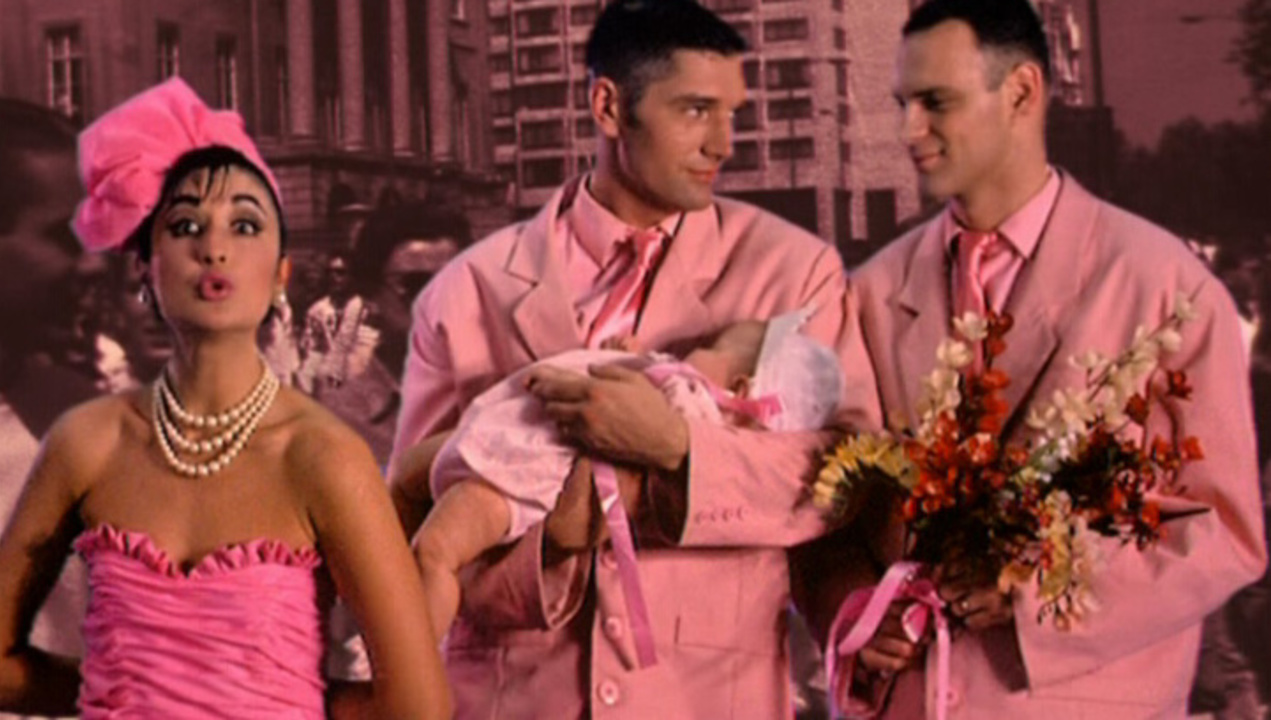
“The Queen Is Dead” (a short film by Derek Jarman, including “The Queen Is Dead”, “There Is A Light That Never Goes Out” and non-album single “Panic”):


 Haunted Jukebox