Sunnylands

On the last full day of our Palm Springs trip in April, we visited Sunnylands.
Located in nearby Rancho Mirage, the property houses the former Annenberg Estate. While we didn’t buy tickets to tour the entire estate (including a historic house), we did spend an hour or so walking around the gardens which are free to the public.
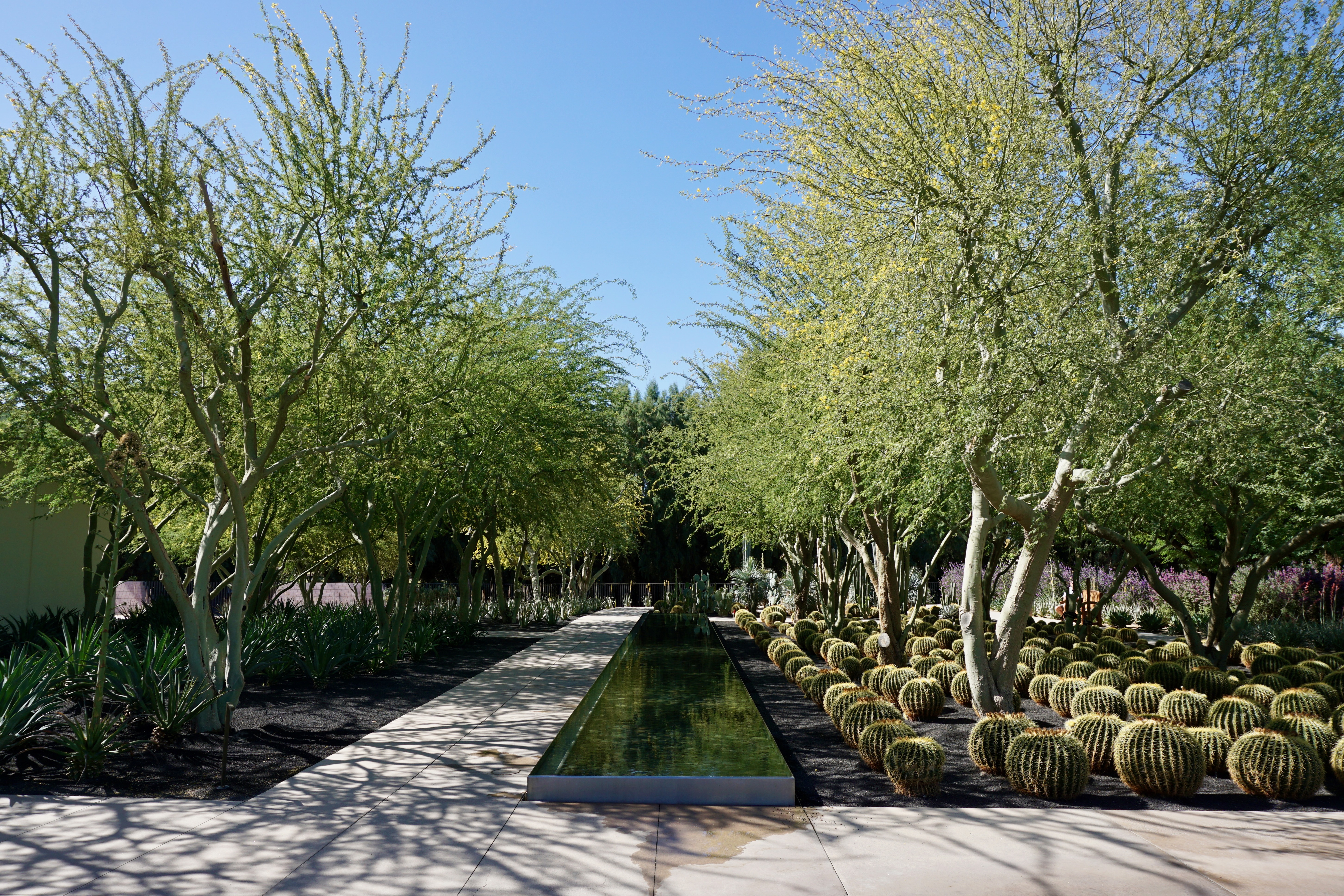
As a longtime fan and supporter of botanical gardens, I hadn’t seen one quite like this.
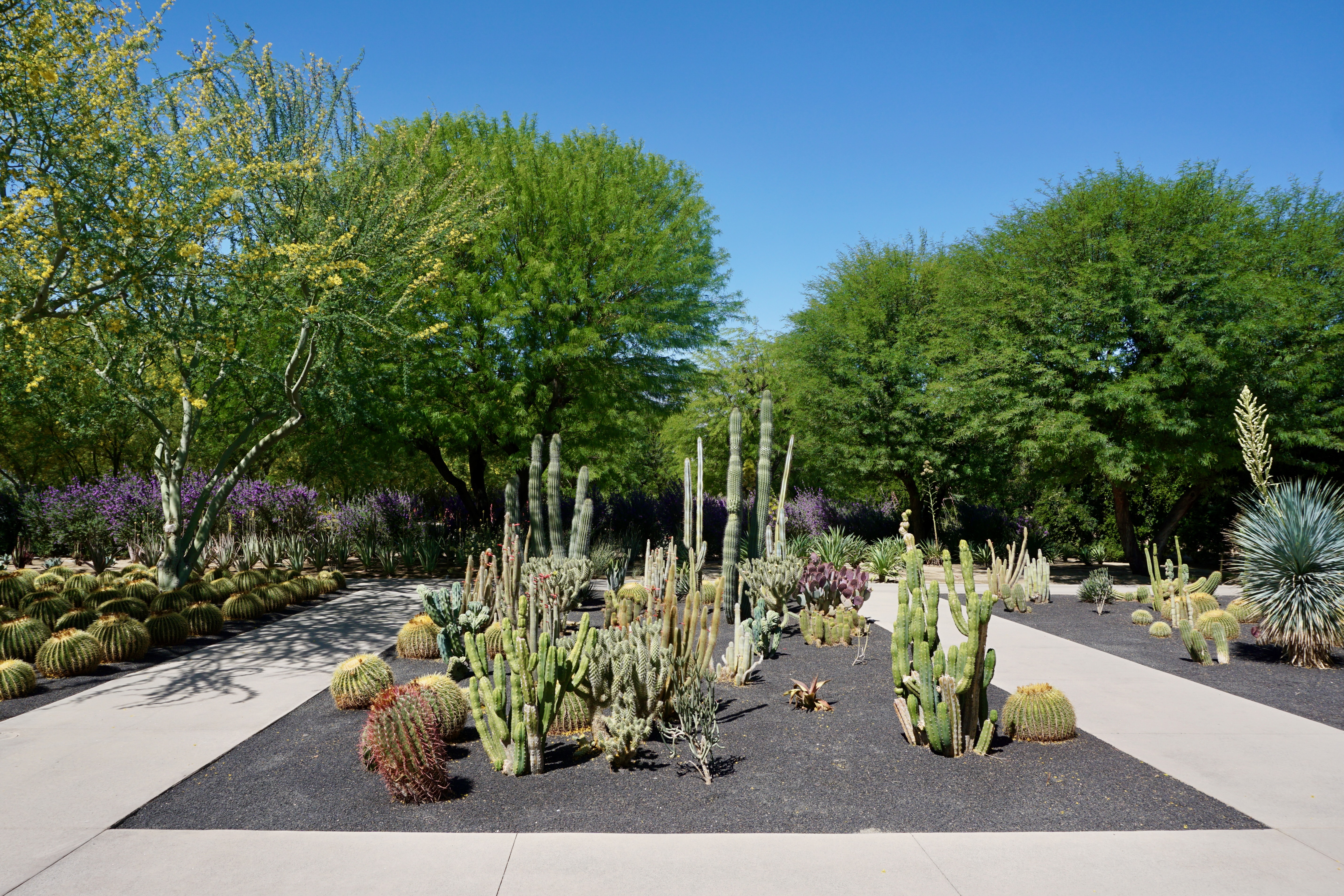
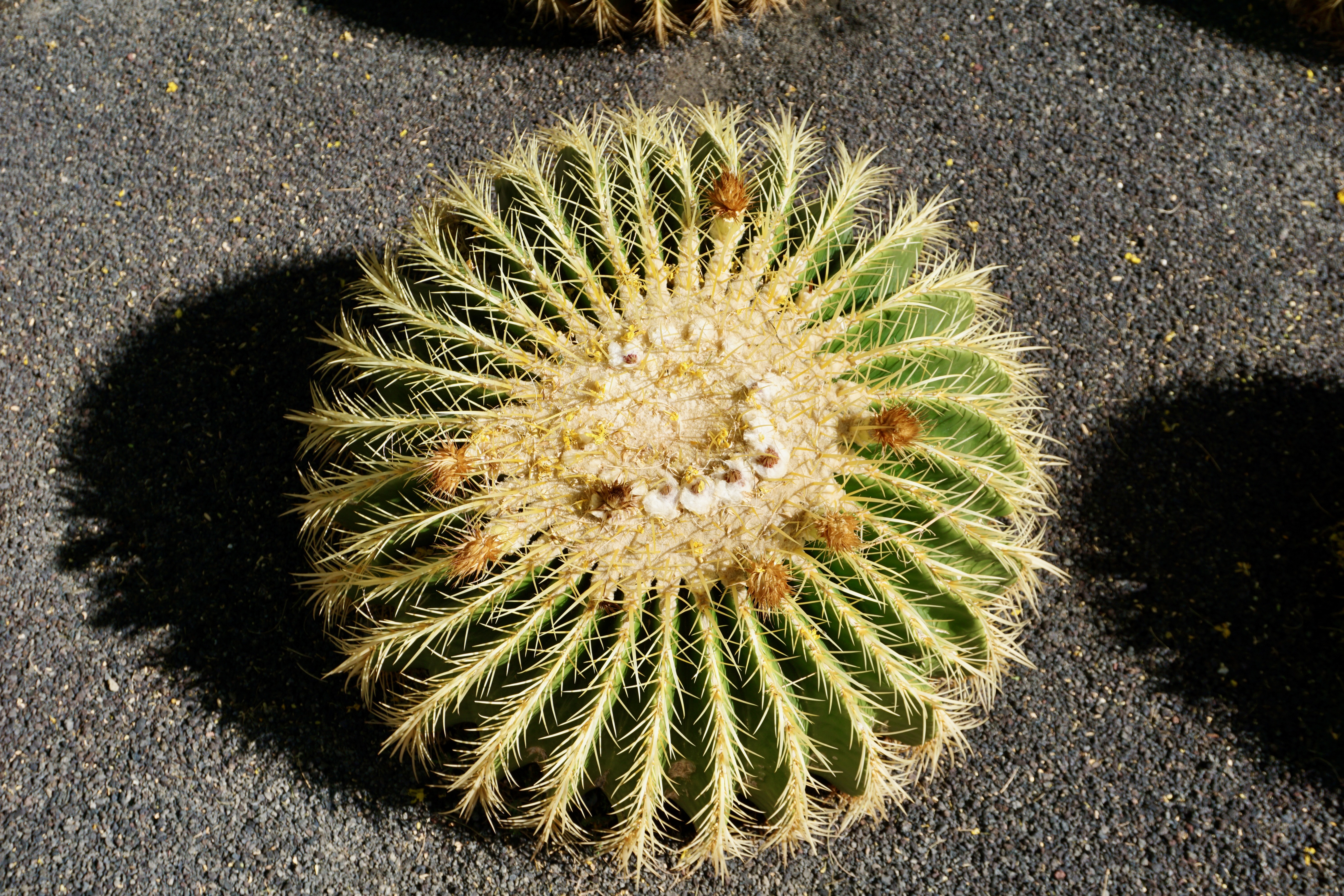
Given the Southern California desert climate, these gardens are heavily succulent-oriented. Here are an array of cacti:
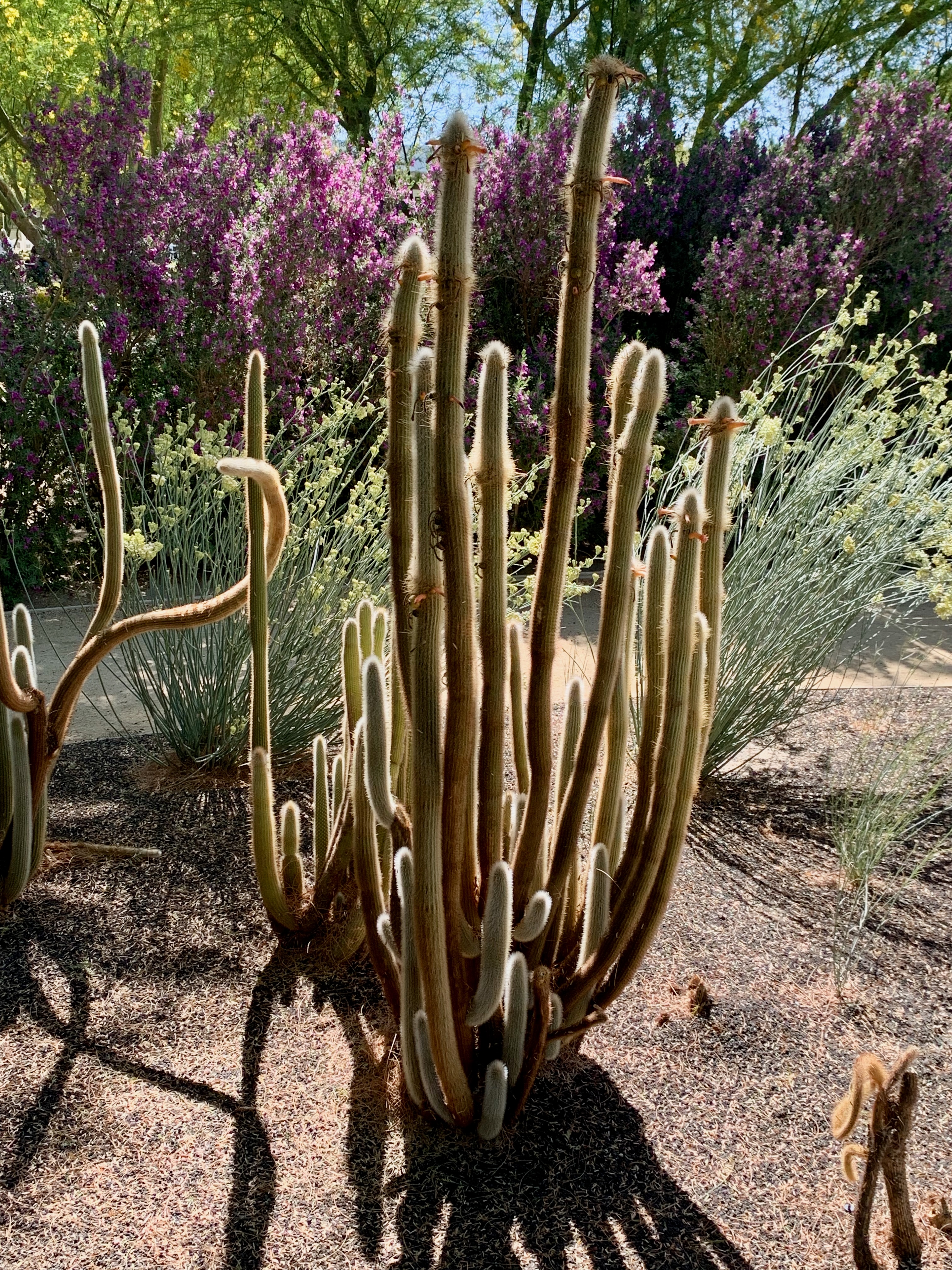
Good Morning!
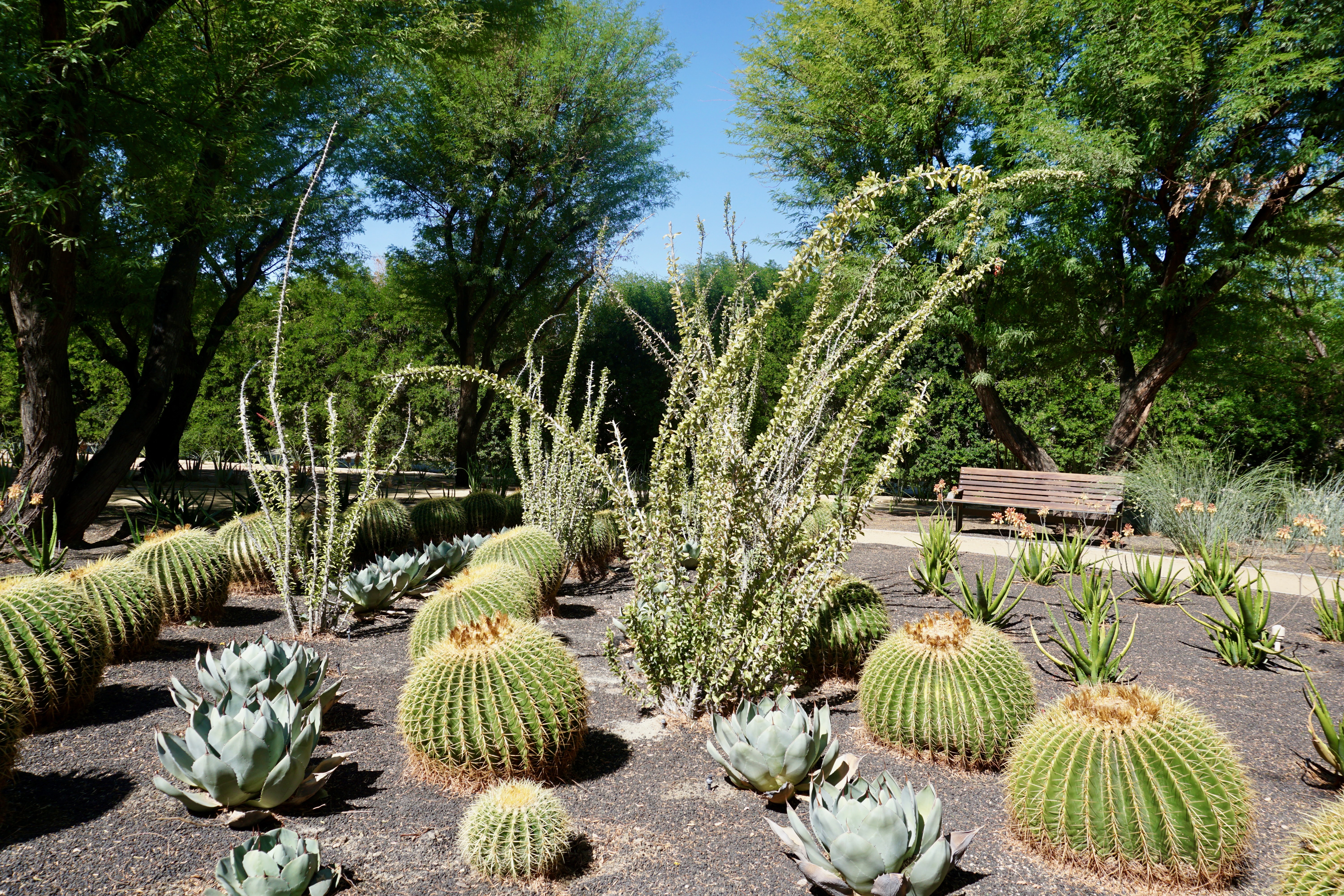
Watch where you sit.
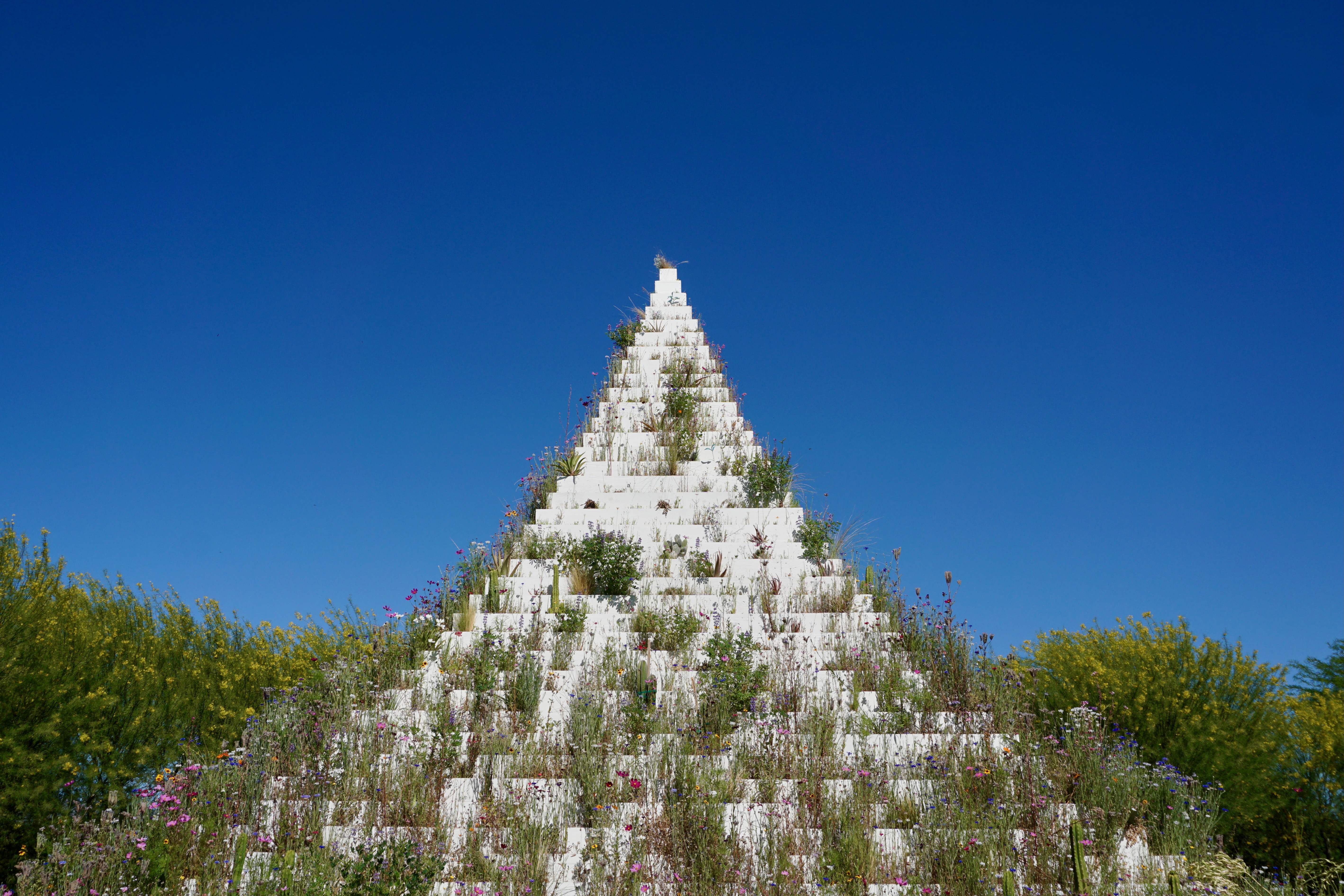
At the time of our visit, as part of Desert X, the gardens housed an outdoor art commission, Agnes Denes’ The Living Pyramid.
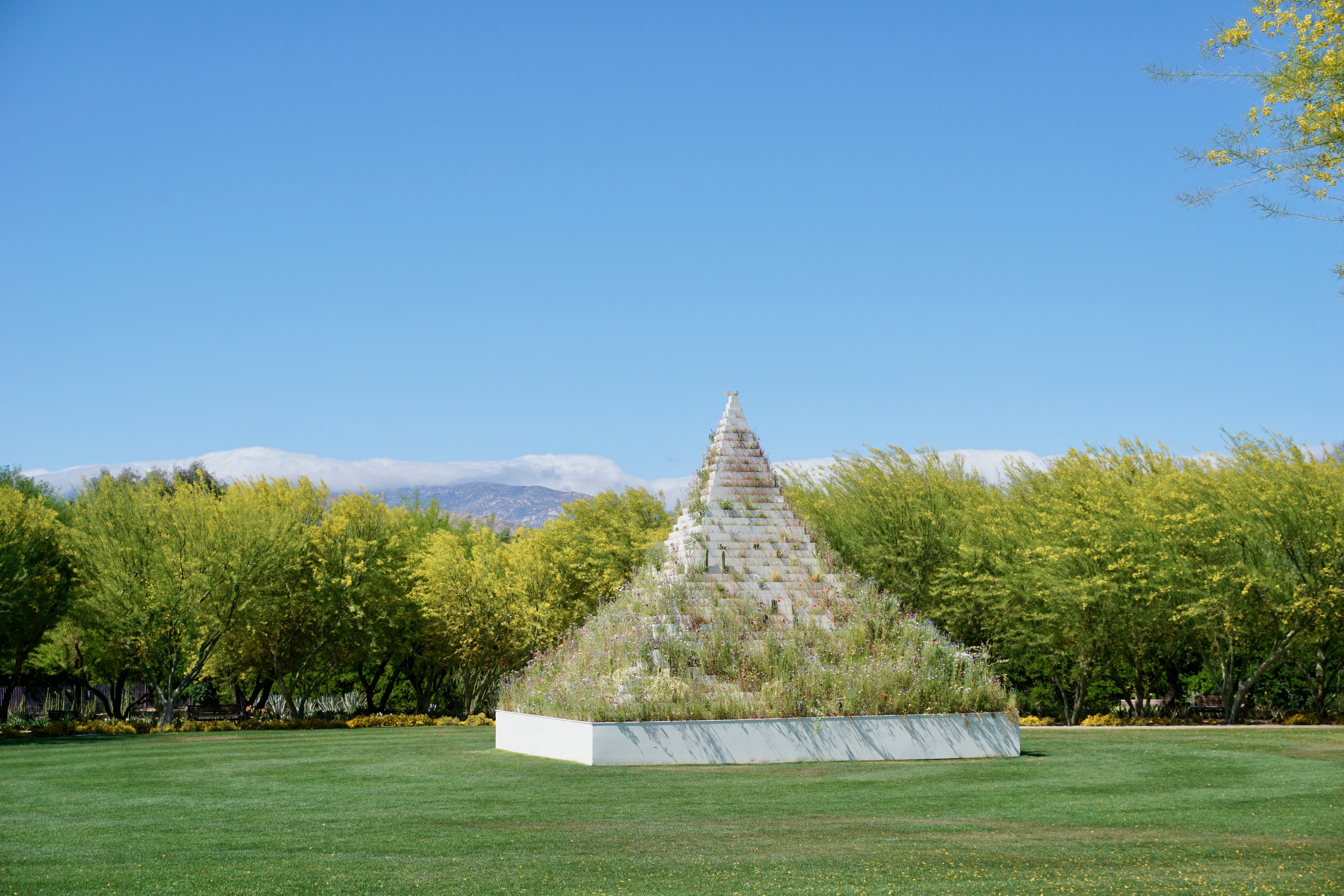
“A monumental step pyramid planted with rows of vegetation native to the region,” it cut a striking figure against the mountains to the east.
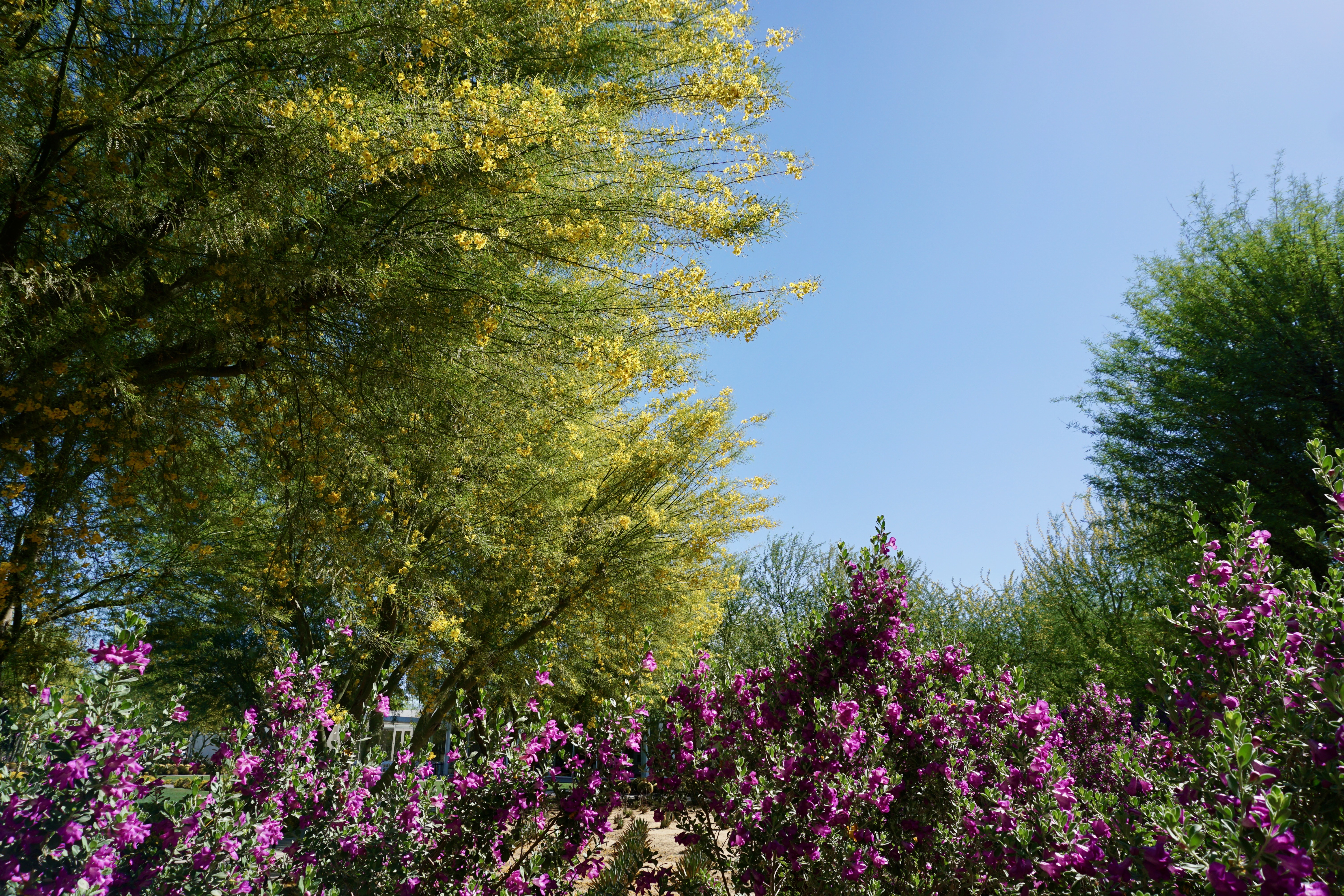
In this arid environment, purple flowers practically glow against all of the surrounding earth tones.

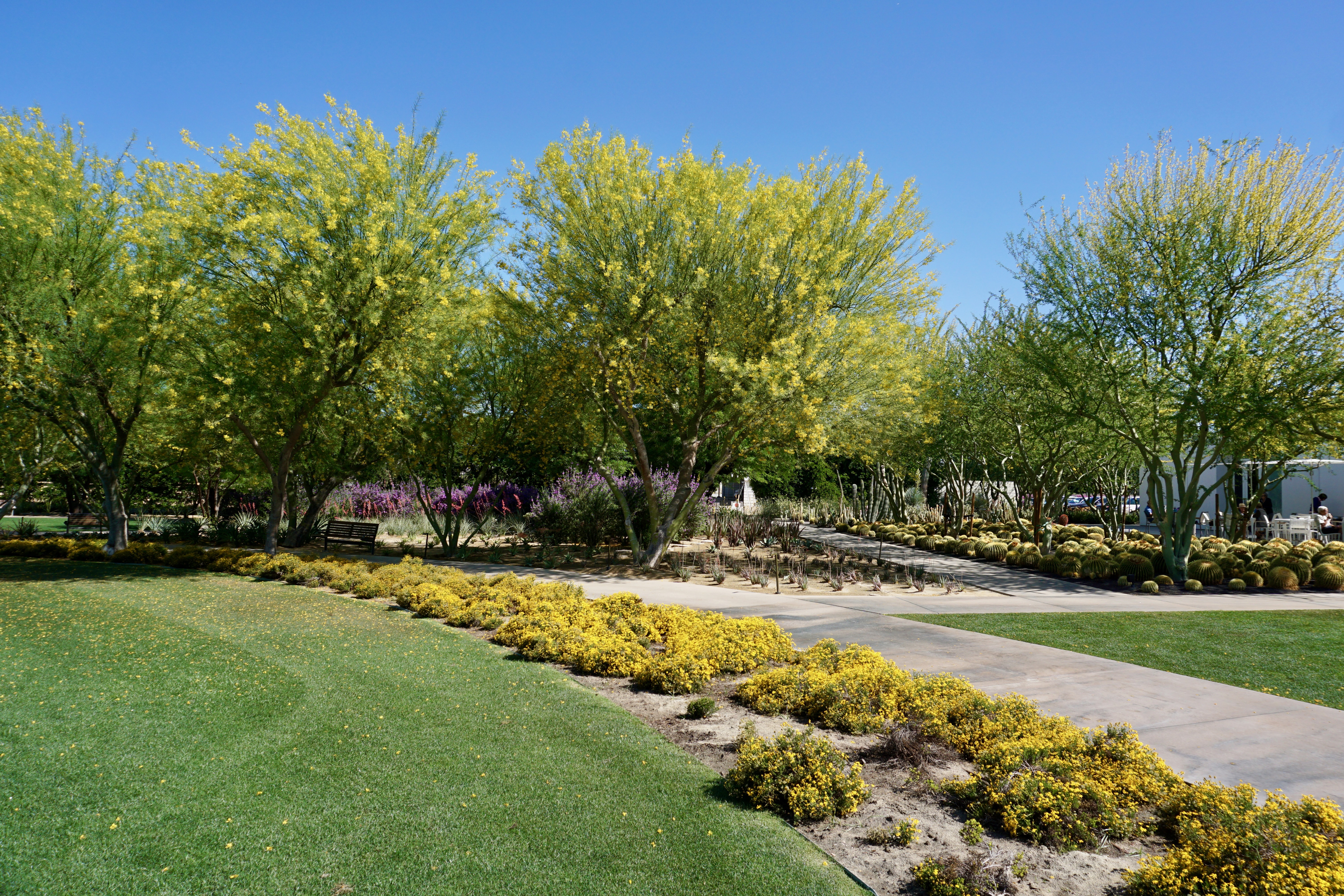
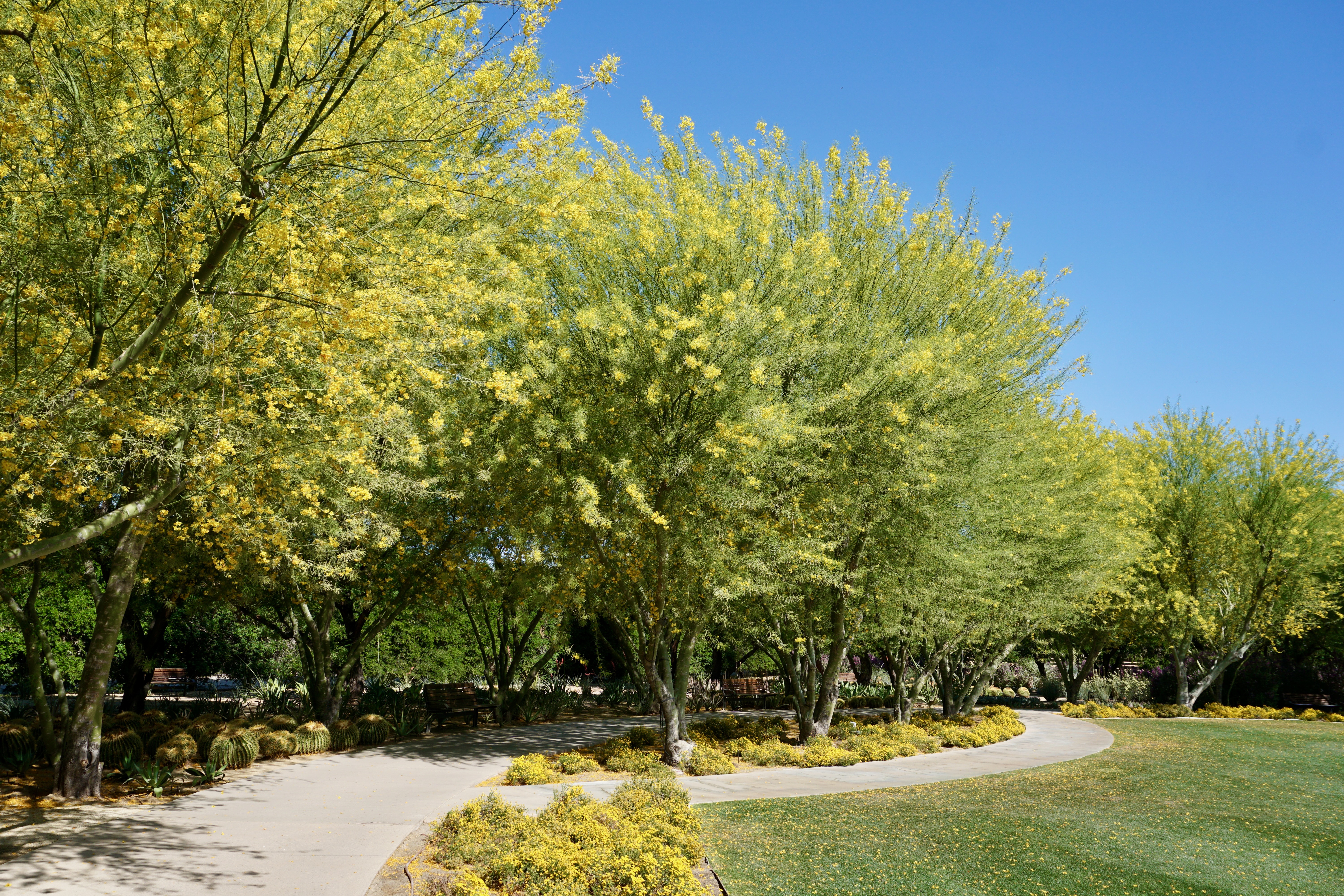
After a week of copious palms, it was almost a palette cleanser to see these trees, the yellows popping next to the greens and the clear blue skies. As much as I loved Palm Springs for its architecture, it was sublime to see some of the area’s natural beauty as well.
Pecos National Historical Park

On the way back from Las Vegas to Santa Fe, we stopped at Pecos National Historical Park.

Located roughly halfway between the two cities, the park covers thousands of acres. 

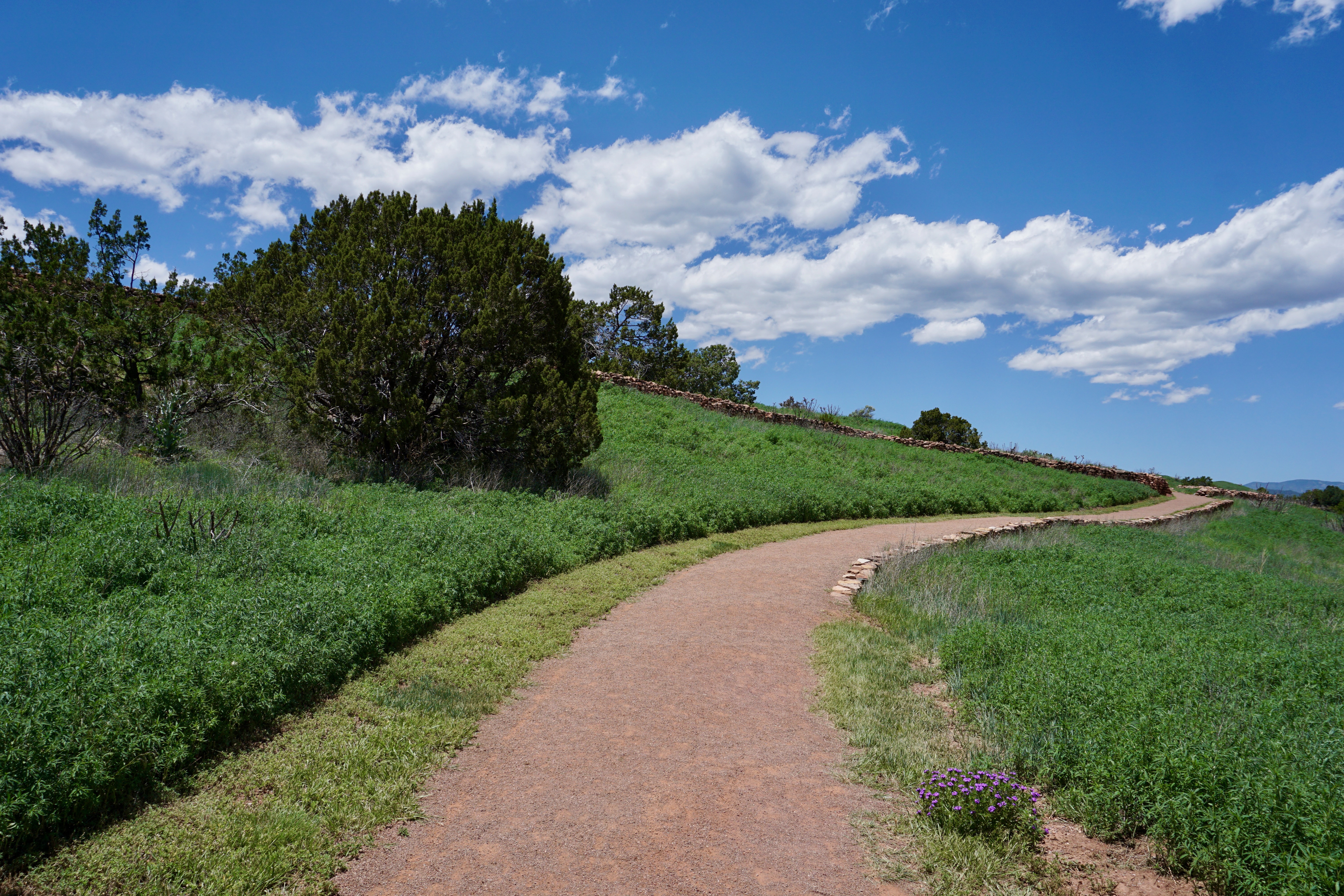
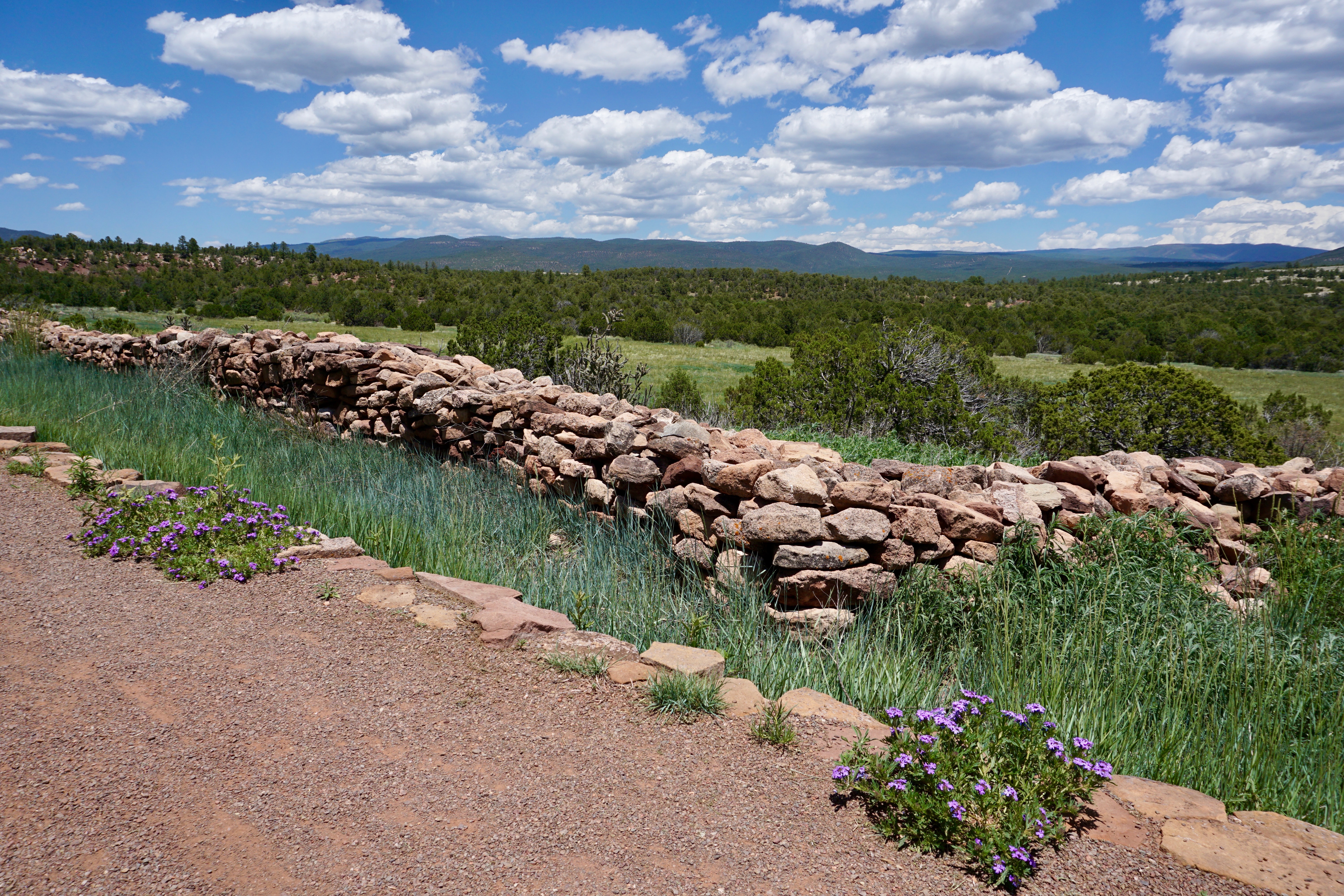
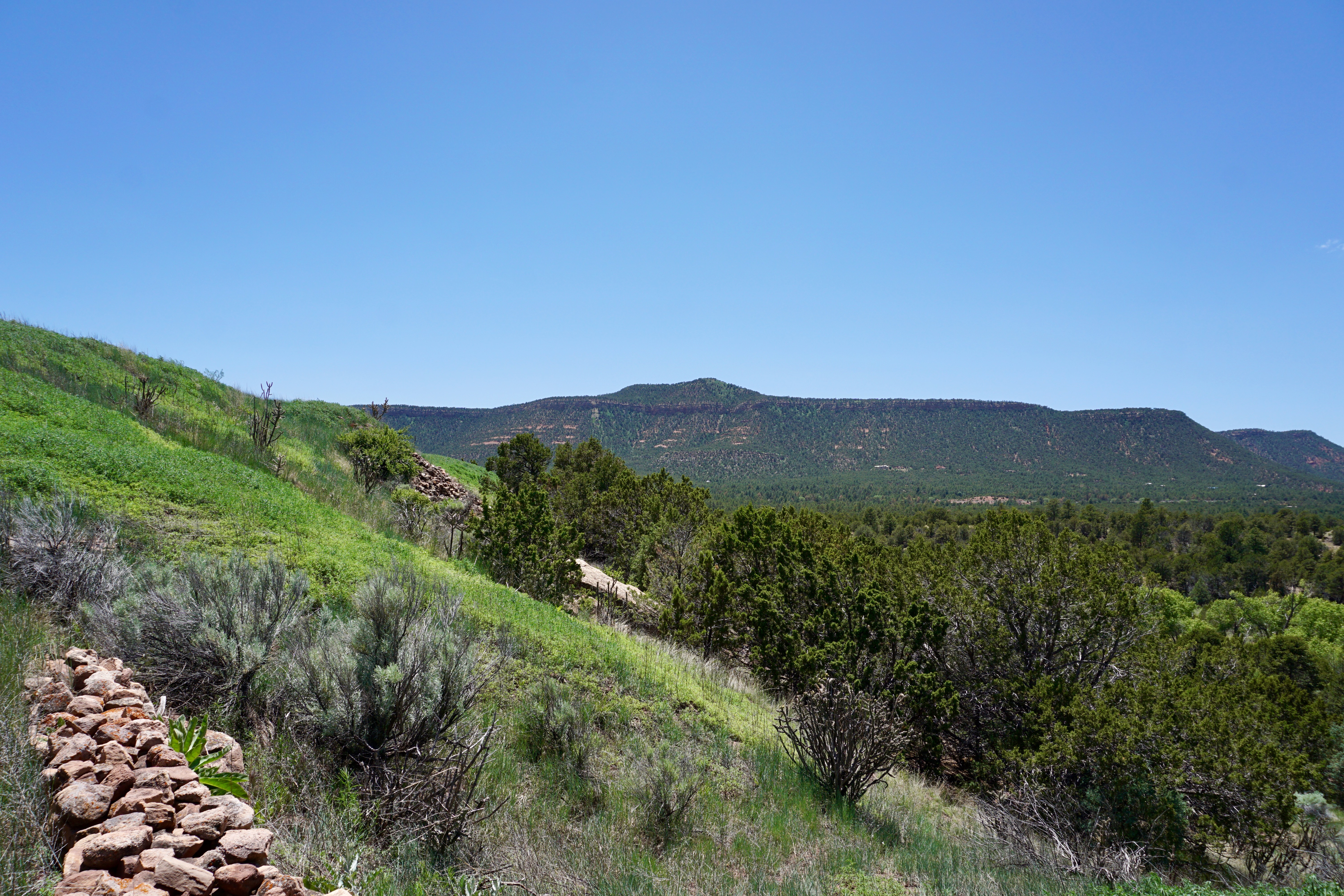
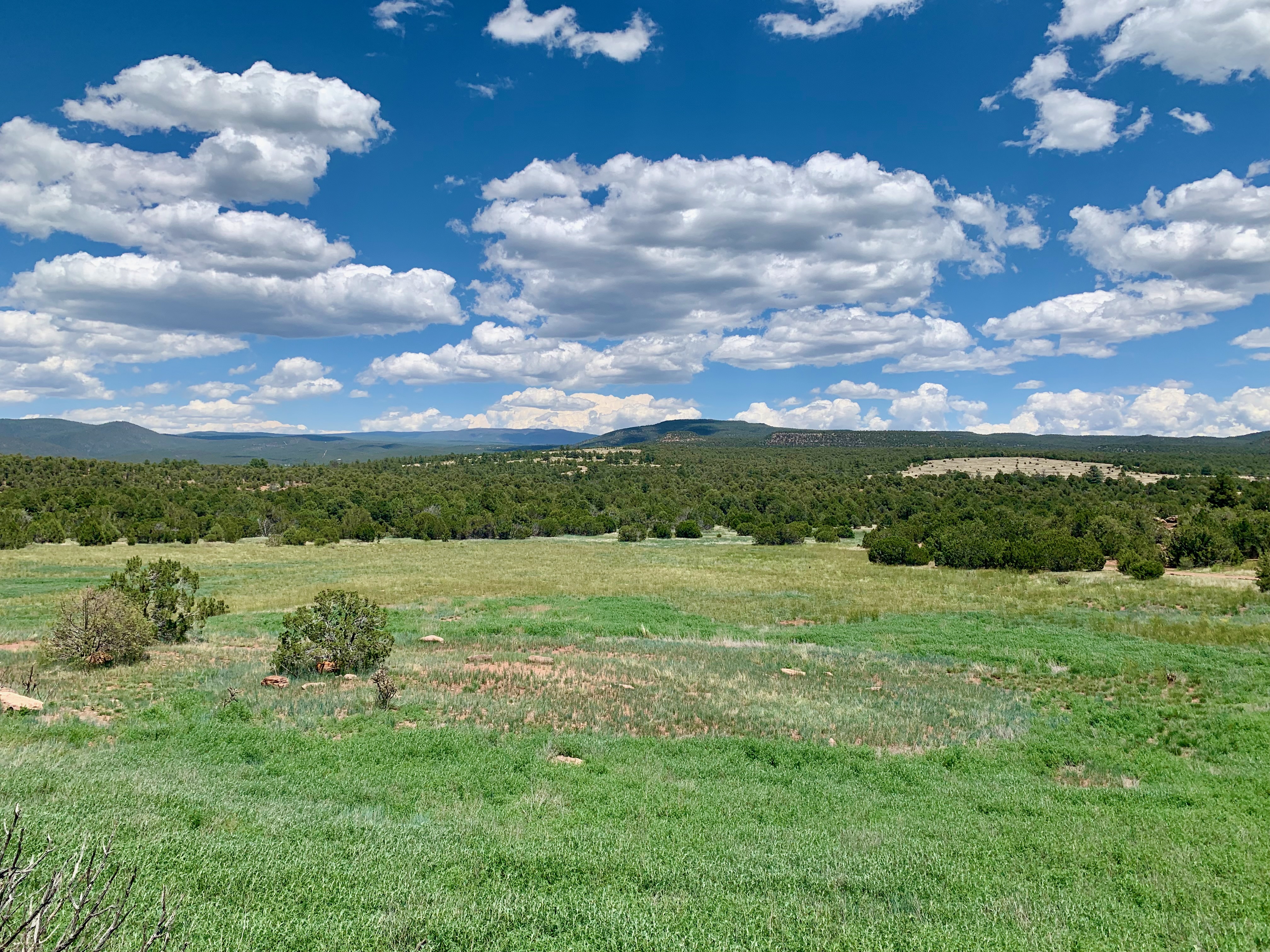
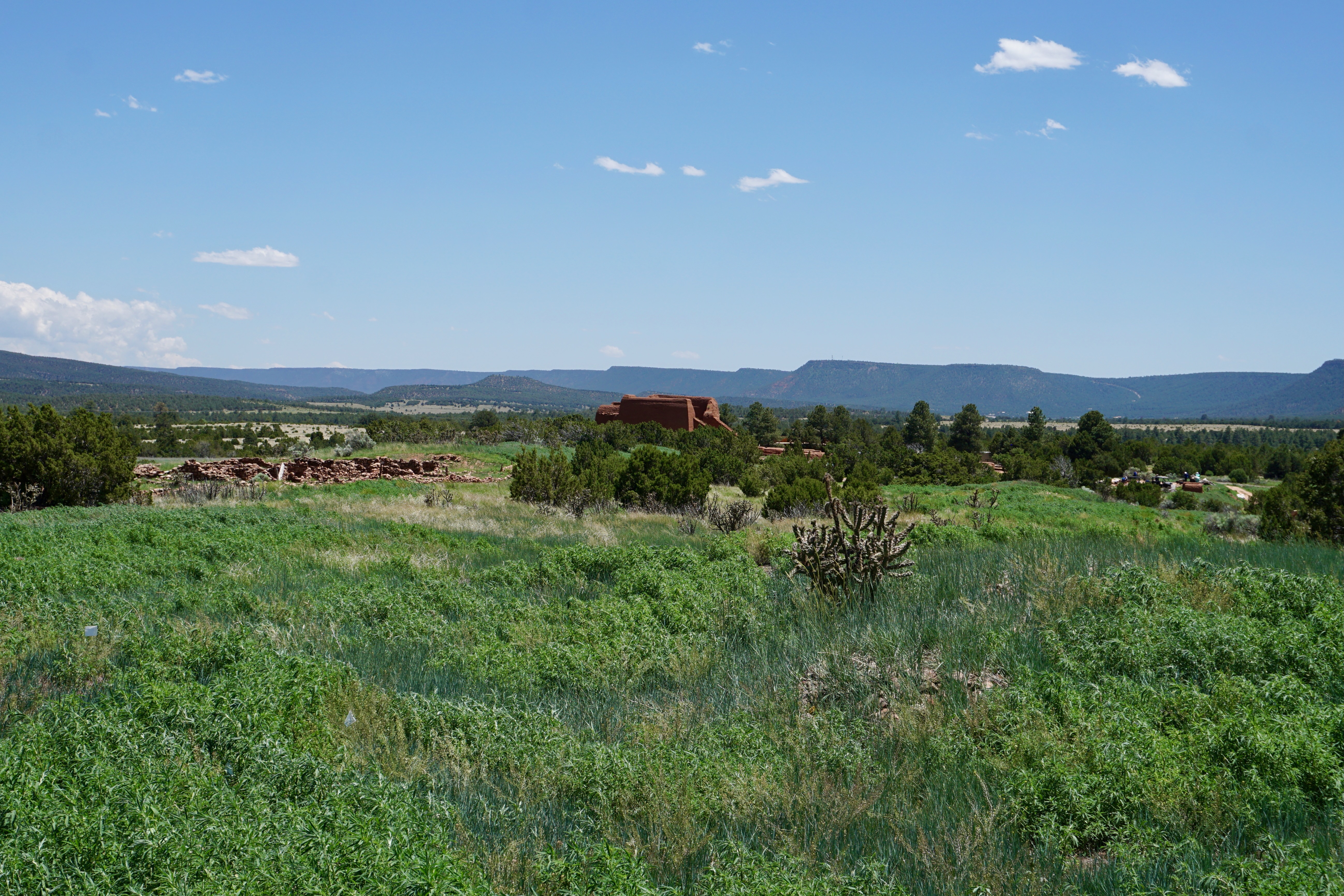
We walked the Ancestral Sites Trail, a 1.25 mile hiking loop with lush greenery and beautiful mountain vistas.

Purple flowers dotted along the trail add a muted but effective splash of color.

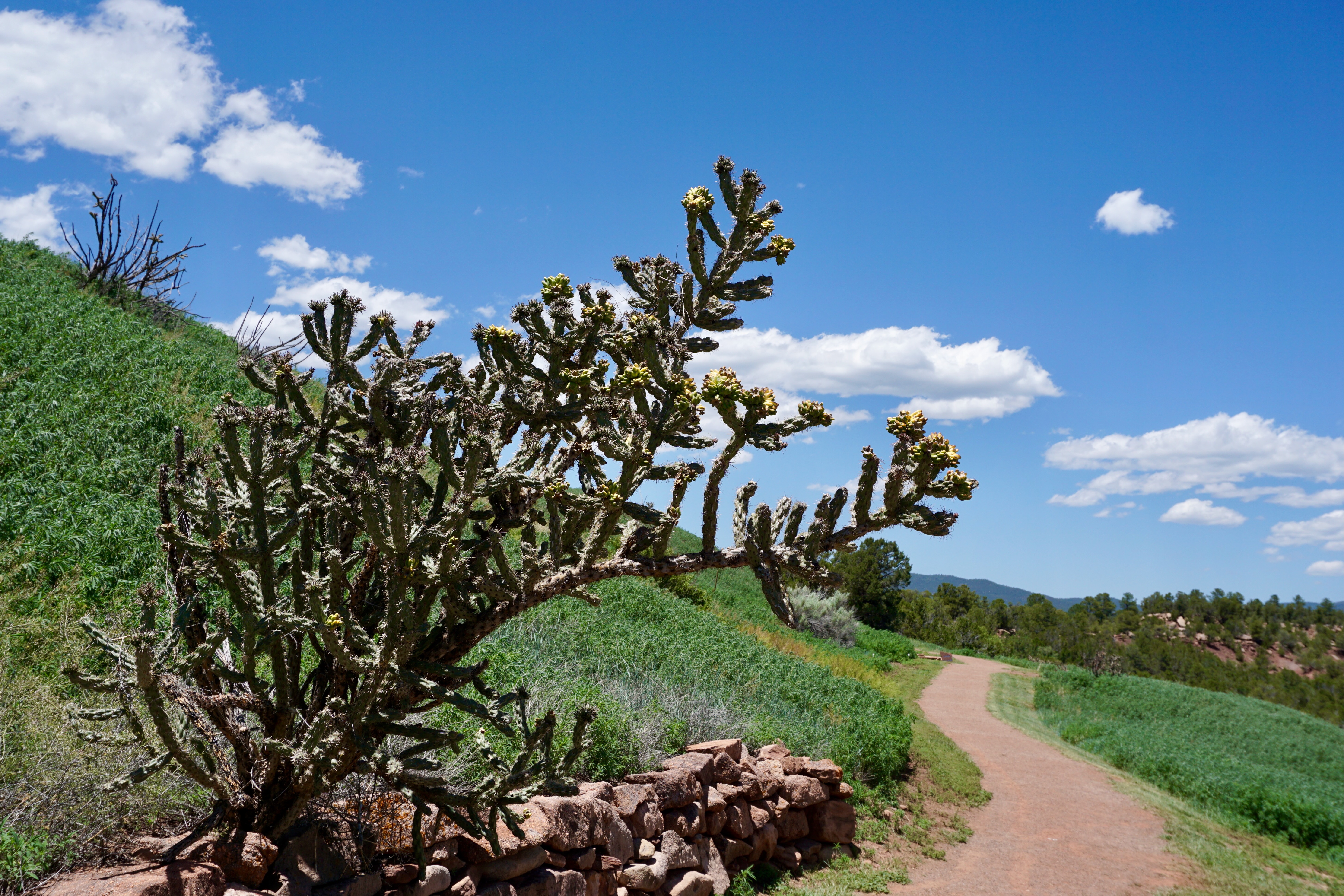
The juxtaposition of cactus trees and green grass is not something you’ll find in every corner of desert-heavy New Mexico.

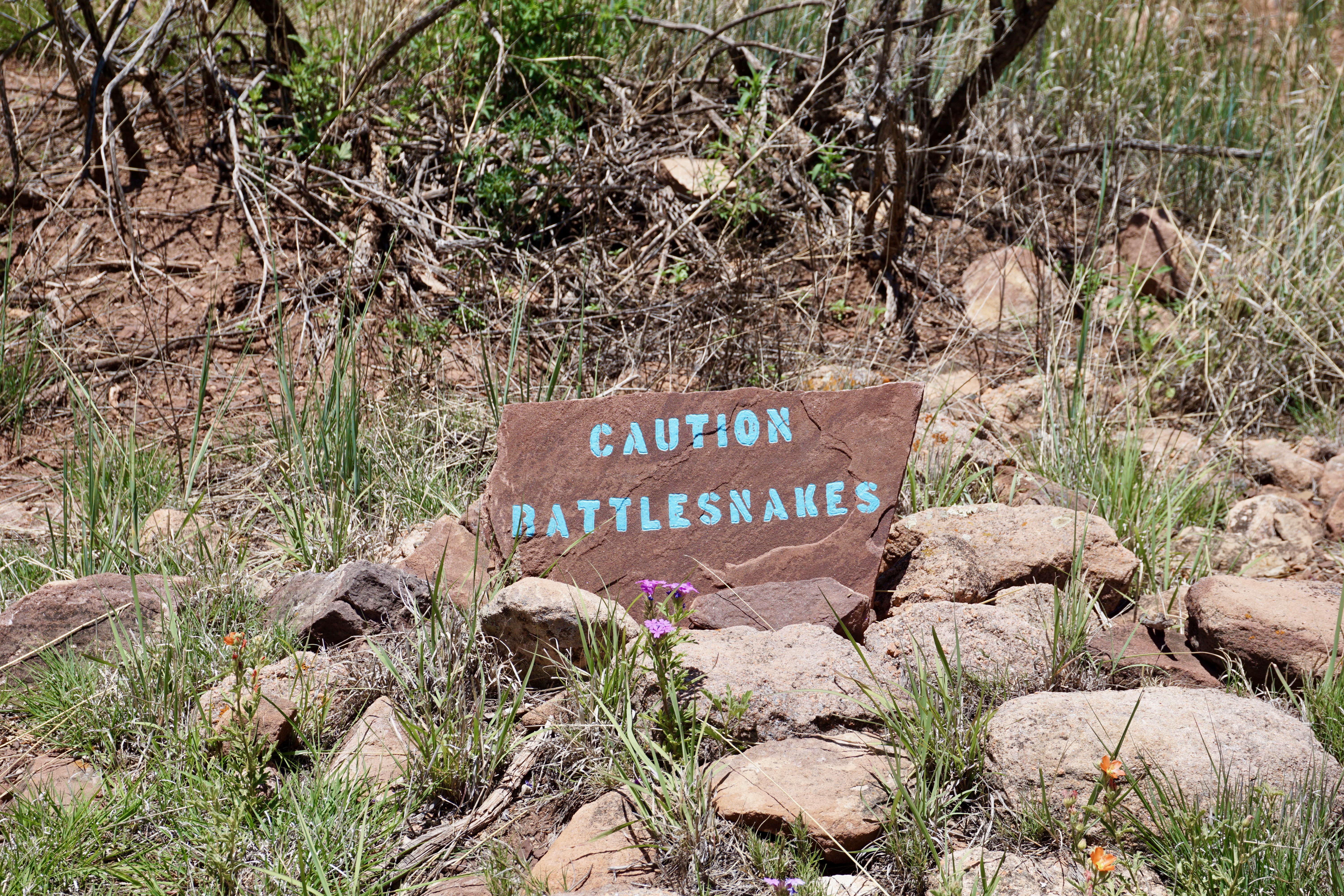
I honestly first read this as “Enter With Carl” (Sandburg? Sagan?), but most made-made holes in the ground do require a certain amount of mindful navigation.

It’s best to stay on the path.

Walking along the trail, I had no shortage of opportunities for taking landscape shots.

However, Pecos is not just limited to scenic nature.

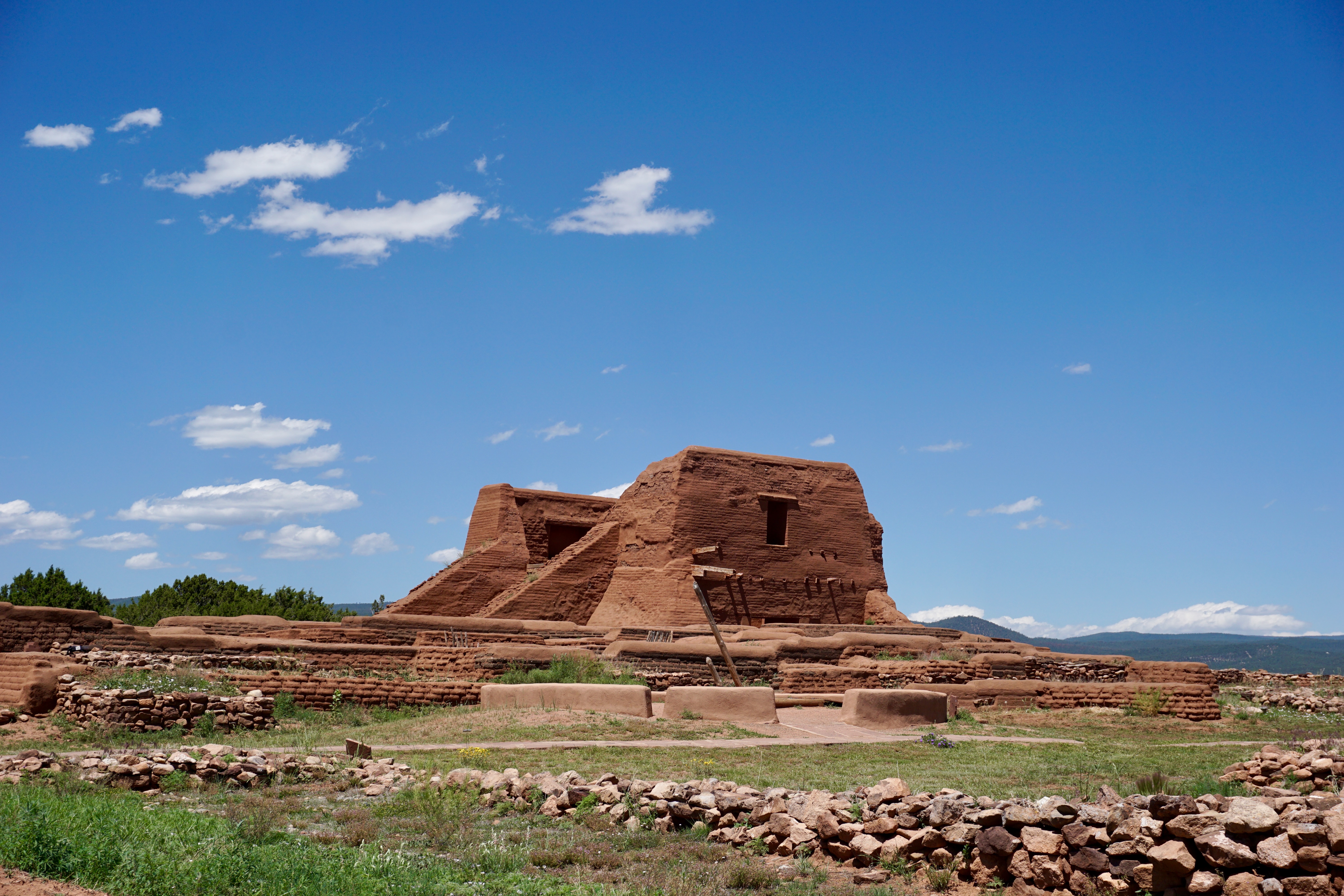
This trail’s centerpiece is the ruins of Pecos Pueblo and the Mission of Our Lady of the Angels of Porciúncula.

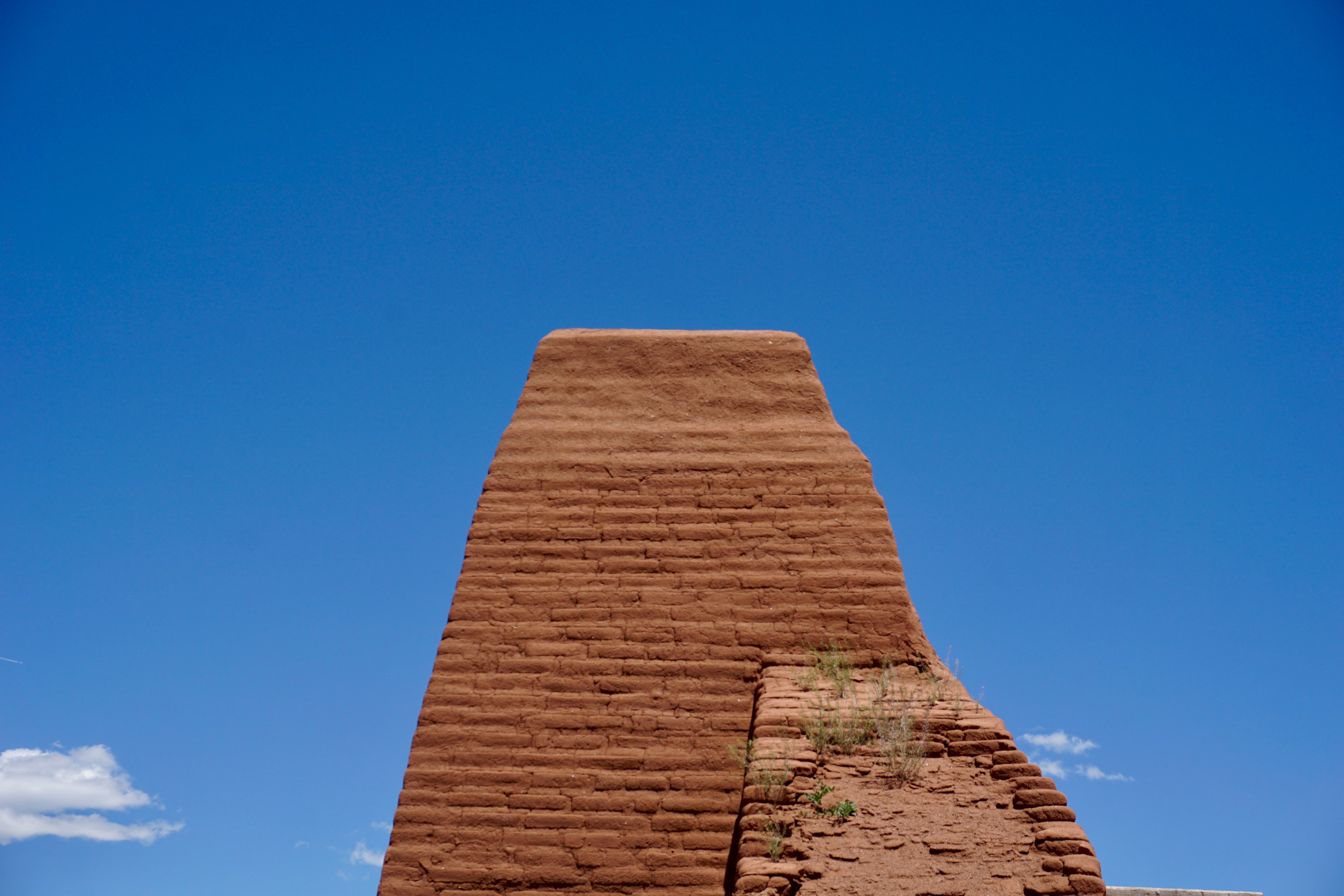
What remains of the Mission itself is relatively substantial.

It cuts a striking figure against New Mexico’s bold, blue, endless skies.

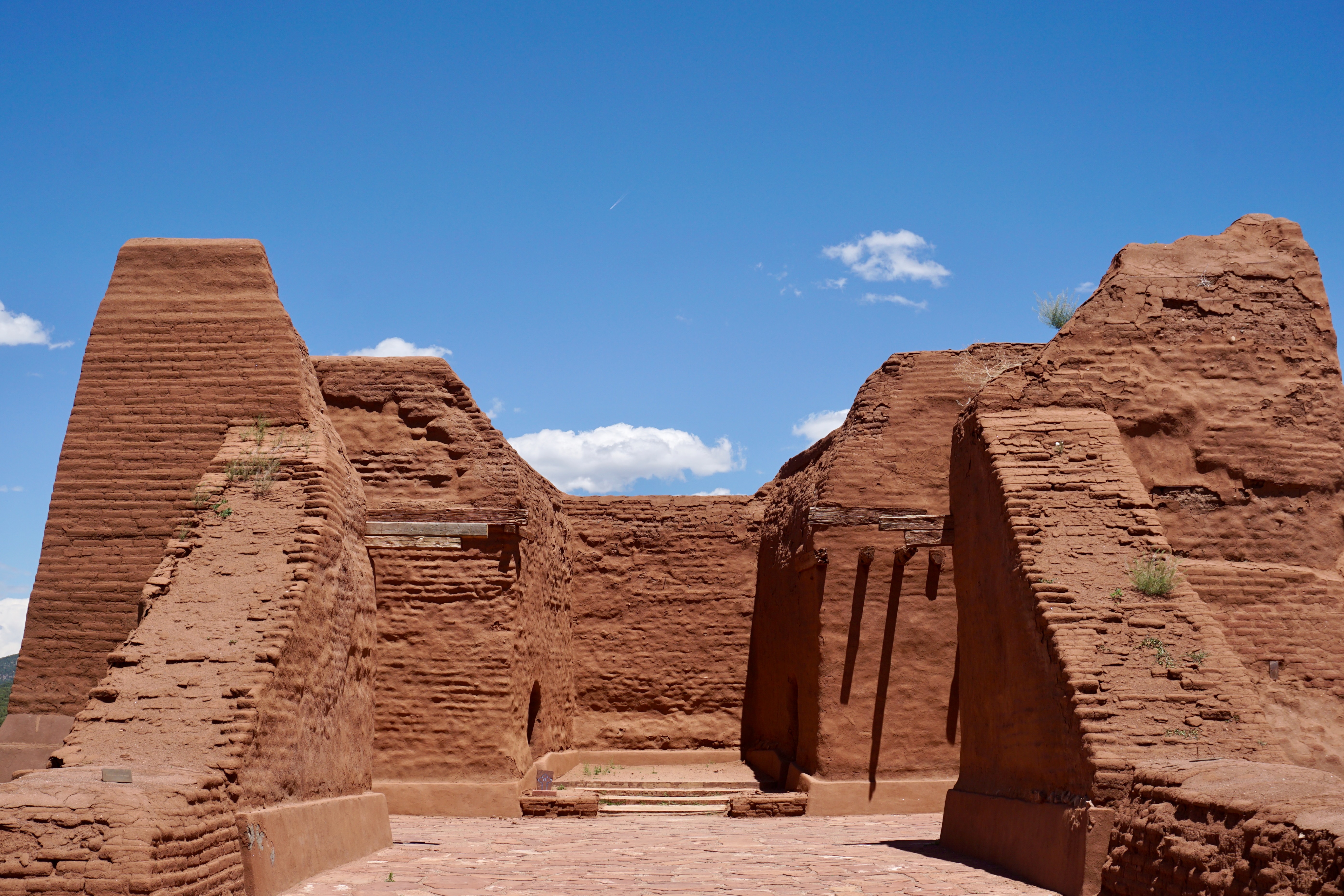
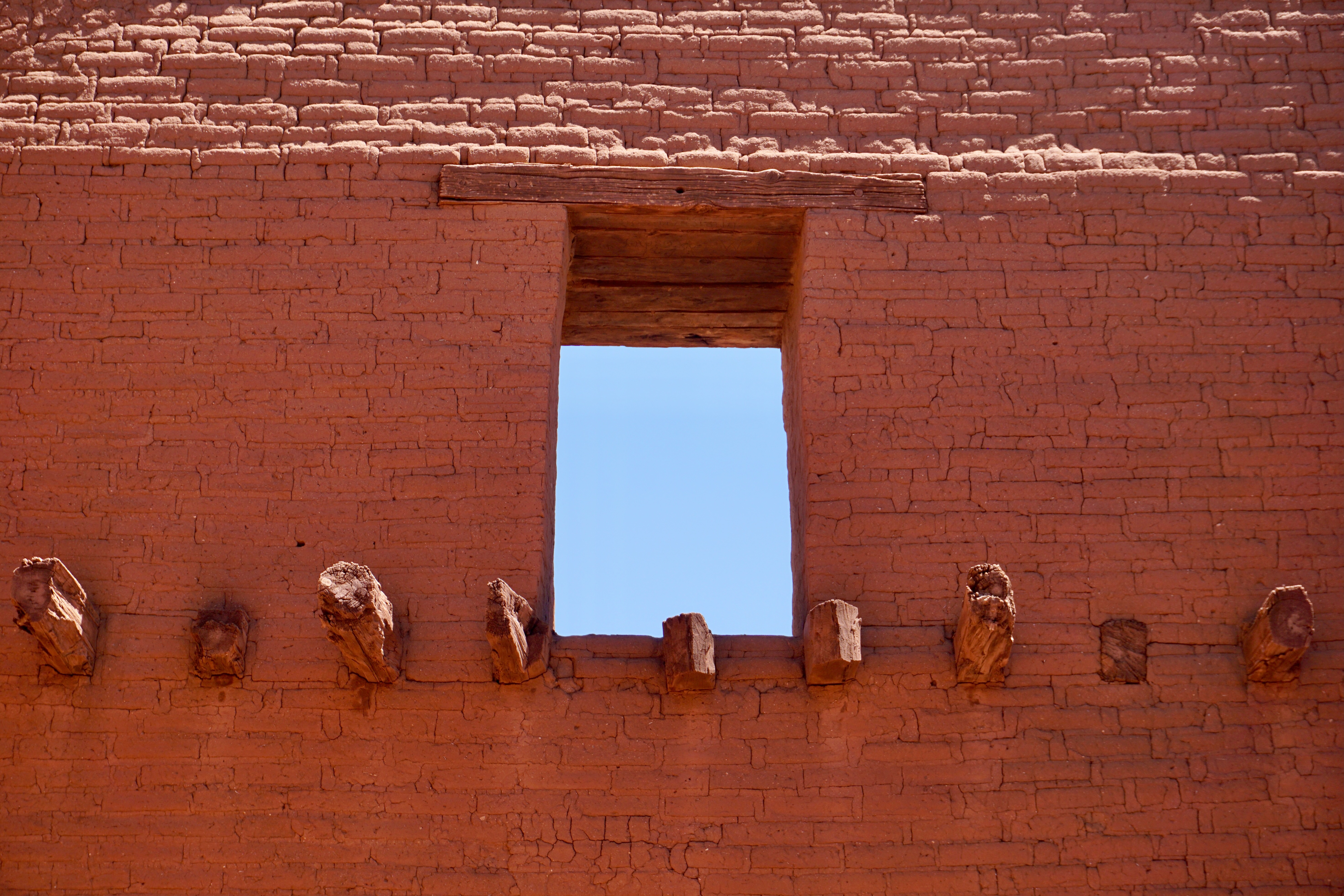
A patch of sky within a fortress of adobe.

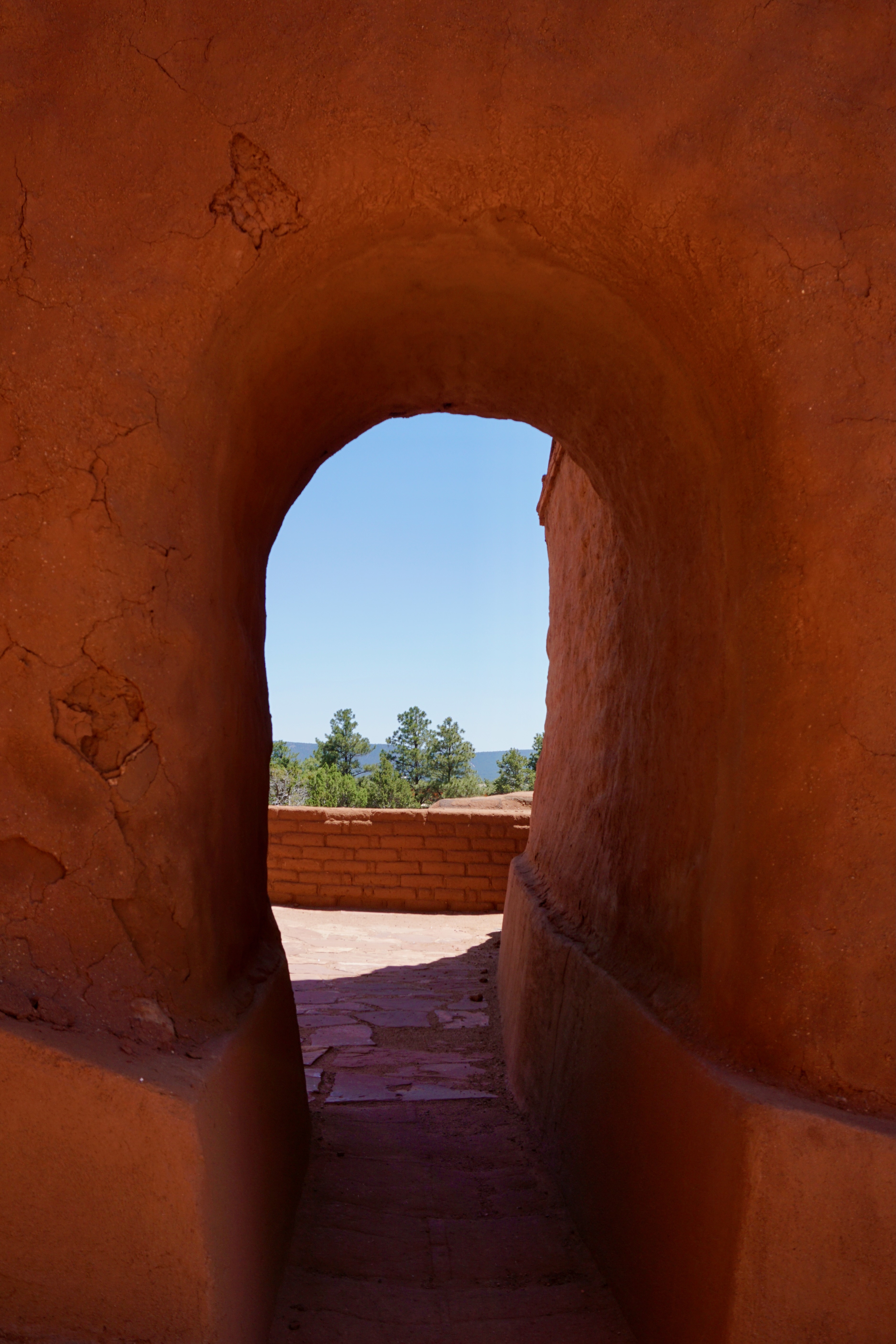
A man-made hallway onto a world of tall trees and mountains.

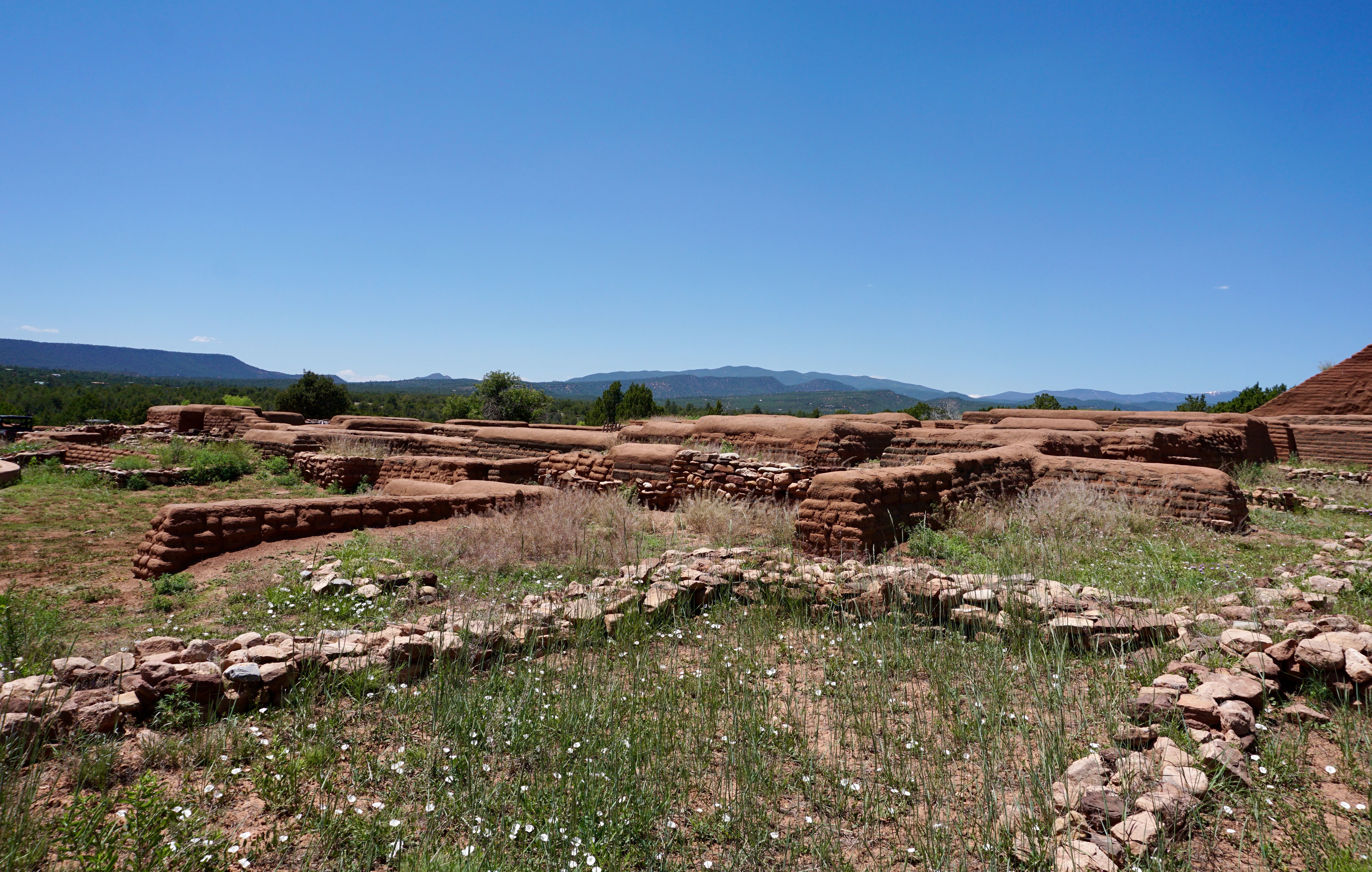
What’s left of the Pueblo, built sometime around 1619.

Although one of the sites of the 1680 Pueblo Revolt against Spanish colonizers, today, Pecos is a somber, peaceful place. A half-hour drive from Santa Fe, it’s one of the more convenient ways to take in the simple, lovely essence of New Mexico.