The title comes from Wilco’s summery ode to (as another song on a Sparks album from that year puts it) Ugly Guys with Beautiful Girls; it’s a reaction to (and nearly an inverse of) last year’s title, and the turnaround speaks volumes of how much had changed for me in that relatively brief time span. I spent the first half of 2002 in a deteriorating relationship which finally, spectacularly collapsed at the end of June; I spent the year’s remainder shellshocked and distressed, but also defiantly impulsive (and, more often than not, carelessly stupid.) I can’t definitively say which half was better or worse but together they permanently color most of my 2002 memories, right down to the art I consumed.
Music was an escape and a healer. I found solace in Sleater-Kinney’s defiant call-to-arms, the Mekons’ razor-sharp reaction to post-9/11 religious fundamentalism (on both sides), Saint Etienne’s revivifying plea to “get the feeling again”, Alison Moyet’s elegant, impassioned inquiry in seeking impossible closure and PJ Harvey lending kickass verve to a great, lost Gordon Gano song that could’ve easily held its own on Violent Femmes. However, I also took comfort in the melancholier hues of Jon Brion’s should’ve-been-nominated-for-an-Oscar Punch Drunk Love theme, the near ethereal wash of Badly Drawn Boy’s About A Boy soundtrack (it should’ve been nominated too), Pet Shop Boys proving that yes, they too can turn out a convincing Dionne Warwick pastiche and the reassurance of tracks by Doves and Emm Gryner, pushing me forward, encouraging me that not all hope was lost.
I began blogging in late 2002, so it was the first instance where I made public my favorite albums of the year. Most of the titles I picked then are represented below (apart from a few: I haven’t listened to Norah Jones or that Ani DiFranco live LP in some time), along with the usual assortment of key tracks (Marianne Faithfull an ideal conduit for Jarvis Cocker’s lyrics; Tegan and Sara making a case for punchy folk rock that doesn’t entirely sound like anything else) and a handful of songs I wouldn’t hear until later (no one knows the late Luna song or Imperial Teen’s banger but everyone should.) Also, for possibly the first time, I do not see one single track here (apart from Kylie’s improbable American comeback) that I would’ve heard on commercial radio at the time—a harbinger of increasingly idiosyncratic, indie-centric listening habits to come.
2002: I Miss The Innocence I’ve Known
Gordon Gano and PJ Harvey “Hitting the Ground”
Frou Frou, “Breathe In”
Kylie Minogue, “Can’t Get You Out Of My Head”
Badly Drawn Boy, “Silent Sigh”
Spoon, “The Way We Get By”
Stew, “Reeling”
Carla Bruni, “Quelqu’un m’a dit”
Tori Amos, “Crazy”
DJ Shadow, “Six Days”
Mekons, “Only You And Your Ghost Will Know”
Marianne Faithfull, “Sliding Through Life On Charm”
Jon Brion, “Here We Go”
Wilco, “Heavy Metal Drummer”
Luna, “Lovedust”
Neko Case, “Deep Red Bells”
Sparks, “Suburban Homeboy”
Imperial Teen, “Ivanka”
Tegan and Sara, “Living Room”
Aimee Mann, “Lost In Space”
Beck, “Paper Tiger”
Alison Moyet, “Do You Ever Wonder”
Emm Gryner, “Symphonic”
Pet Shop Boys, “You Choose”
Future Bible Heroes, “Losing Your Affection”
Ivy, “Say Goodbye”
Morcheeba and Kurt Wagner, “What New York Couples Fight About”
This year was unquestionably transformative regarding world events: on 9/11, after biking home from work, I cocooned myself in my living room, seeking solace in Bjork’s recently released Vespertine. Even before that date, the music I gravitated towards was in flux. After my brief rediscovery of Top 40 and a somewhat shallow dive into club music, by 2001, indie rock (and pop) had become my mainstays. I listened to WERS extensively, which is where I first heard Emm Gryner, Pernice Brothers and The Soundtrack of Our Lives; I also upped my music journalism intake, mostly via The Village Voice, which is where I first read about The Moldy Peaches, Basement Jaxx and Ted Leo (though for the latter, not until 2003’s Hearts of Oak came out.)
A good chunk of this playlist comprises songs by artists I was already familiar with: Ben Folds’ solo debut (still his best solo track, ever), Depeche Mode’s second-last great single (at least until recently), Gillian Welch’s disarming narrative that did more to humanize Elvis than any number of tributes have before or since, a lovely, essential Belle and Sebastian B-side, an expansive gem plucked from a sprawling Ani DiFranco double LP and the happiest, breeziest song Rufus Wainwright will likely ever write.
The 90s as we knew them were definitively over, but with the internet increasingly dominant, nothing tangible had yet surfaced to completely replace them. Some artists explicitly drew from the past (The Shins’ 1960s-derived garage pop, Ladytron’s 1980s-influenced synthpop) while others both referenced and contemporized it: Daft Punk splicing disco with modern breakbeats, Spoon perhaps the first band to combine edgy post-punk with Fleetwood Mac-derived shadings, Kings of Convenience making like Simon and Garfunkel as if they had been influenced by Belle and Sebastian. Occasionally, something truly original would emerge, like Life Without Buildings’ talky vocalist Sue Tompkins, whom I didn’t even hear until the Spotify age.
Very occasionally, something unexpected would threaten to cross over such as Res’ now-all-but-forgotten hypnotic rock/R&B hybrid, or Cousteau’s loving Bacharach pastiche, which I probably heard on a car commercial before it ever played WERS. But even beyond my own particular, often peculiar tastes (a ten-minute Spiritualized come-down extravaganza? Sure, why not?), you had outfits like The Strokes and The White Stripes breaking out of the indie-rock ghetto. Suddenly, you felt the potential for hundreds of other bands to aspire to the same, and it didn’t yet feel played out. Despite plenty of sociopolitical turmoil by world’s end, there was also an unusual sense of possibility in the air. Ivy’s best-known song (and on some days, best ever single) exuded this promise of renewal. I was ready for it.
2001: We Can Start Over Again
Ben Folds, “Annie Waits”
Pernice Brothers, “7:30”
Res, “They-Say Vision”
Daft Punk, “Digital Love”
Spoon, “Believing is Art”
The Soundtrack of Our Lives, “Sister Surround”
Royal City, “Bad Luck”
Ladytron, “Playgirl”
The Moldy Peaches, “Steak For Chicken”
Super Furry Animals, “It’s Not the End of the World?”
Steve Wynn, “Morningside Heights”
Cousteau, “Last Good Day of the Year”
Ted Leo & The Pharmacists, “Under the Hedge”
Depeche Mode, “Dream On”
Basement Jaxx, “Jus 1 Kiss”
Guided By Voices, “Glad Girls”
The Shins, “Know Your Onion!”
Yann Tiersen, “Comptine d’un autre été, l’après-midi”
Bjork, “Pagan Poetry”
The Dirtbombs, “Chains of Love”
Life Without Buildings, “The Leanover”
Ani DiFranco, “Rock Paper Scissors”
Emm Gryner, “Straight to Hell”
Gillian Welch, “Elvis Presley Blues”
Kings of Convenience, “Summer On The Westhill”
New Order, “Close Range”
Belle and Sebastian, “Marx and Engels”
Sam Phillips, “How To Dream”
Rufus Wainwright, “California”
R.E.M., “Imitation of Life”
Roxette, “Real Sugar”
Ivy, “Edge of the Ocean”
Spiritualized, “Won’t Get to Heaven (The State I’m In)”
What an odd era for pop music. Y2K having come and gone with barely a whimper, the last traces of the monoculture collectively shrugged. Teens (and more likely preteens) bought into boy bands by the bushelful, boomers made Carlos Santana into a bigger star than he had ever been before and somehow, the dregs of Creed, Lonestar and Vertical Horizon all topped the Hot 100 (as did to be fair Destiny’s Child, Aaliyah, and for the last time, Madonna.) Few exceptional new talents seemed to emerge—just look at Shelby Lynne’s Grammy win for Best New Artist a full six albums into her career, pop-crossover or not.
I kicked off the year 2000 by falling madly in love with another person for the first time, so titles like “I’m Outta Love” and “Leavin’” feel somewhat ironic now (or perhaps just a then-dormant harbinger of what was to come in 2001-2002.) I’ve left out most of the top 40 hits I strongly associate with this time since I no longer go out of my way to listen to many of them; apart from the flop Madonna single (one of her most underrated), very little of this got any radio airplay, at least in the US—“The Time is Now” hit number two in the UK, “Bohemian Like You” was also huge there thanks to its inclusion in a mobile phone ad, while “Tell Me Why” is still Saint Etienne’s (even as a featured artist) only top ten hit in their homeland (their own insanely ambitious single “How We Used To Live”, also from the same year, did not trouble the charts.)
As usual, in a perfect world so many of these songs would’ve been smashes—The New Pornographers’ clarion call (greatly assisted by the incomparable Neko Case), Sleater-Kinney’s peppy, hipster-bashing anthem, PJ Harvey’s irresistible primal stomp, even weirdo duo Ween’s straightest pop song ever. Speaking of weirdos, they’re well represented here too: Bjork’s Dancer in the Dark duet with the lead singer of Radiohead (who themselves that year released possibly the strangest album-to-date to debut at number one), Yo La Tengo’s stoned-and-slowed down cover of an early song co-written by Henry “KC” Casey, and most of all, The Avalanches’ sui generis cut-and-paste extravaganza which I’d argue no one has since surpassed in terms of pure invention and wit.
It’s worth noting that in 2000, I spent a lot more time clubbing than I have before or since, hence the inclusion of an epic Toni Braxton remix with its unusual but masterful extended flamenco breakdown. This exact version instantly brings back many a Saturday night spent dancing at the old Man Ray in Cambridge’s Central Square, sipping sugary cocktails and shamelessly making out on the dancefloor. Oh, I was so young and innocent back then…
2000: Tighten Your Buttocks, Pour Juice On Your Chin
The Dandy Warhols, “Bohemian Like You”
Anastacia, “I’m Outta Love”
Shelby Lynne, “Leavin’”
Aimee Mann, “Satellite”
Moloko, “The Time is Now”
Sleater-Kinney, “You’re No Rock N’ Roll Fun”
Paul van Dyk with Saint Etienne, “Tell Me Why (The Riddle)”
Bjork and Thom Yorke, “I’ve Seen It All”
Ween, “Even If You Don’t”
Madonna, “What It Feels Like For a Girl”
Toni Braxton, “Spanish Guitar (HQ2 Club Mix)”
Blur, “Music is My Radar”
Yo La Tengo, “You Can Have It All”
Belle and Sebastian, “Don’t Leave the Light On Baby”
Bebel Gilberto, “August Day Song”
Nelly Furtado, “Party”
PJ Harvey, “This is Love”
Badly Drawn Boy, “Bewilderbeast”
The Avalanches, “Frontier Psychiatrist”
Stew, “Cavity”
The Weakerthans, “My Favourite Chords”
Calexico, “Service and Repair”
Air, “Playground Love”
Sade, “By Your Side”
k.d. lang, “When We Collide”
The 6ths feat. Katharine Whalen, “You You You You You”
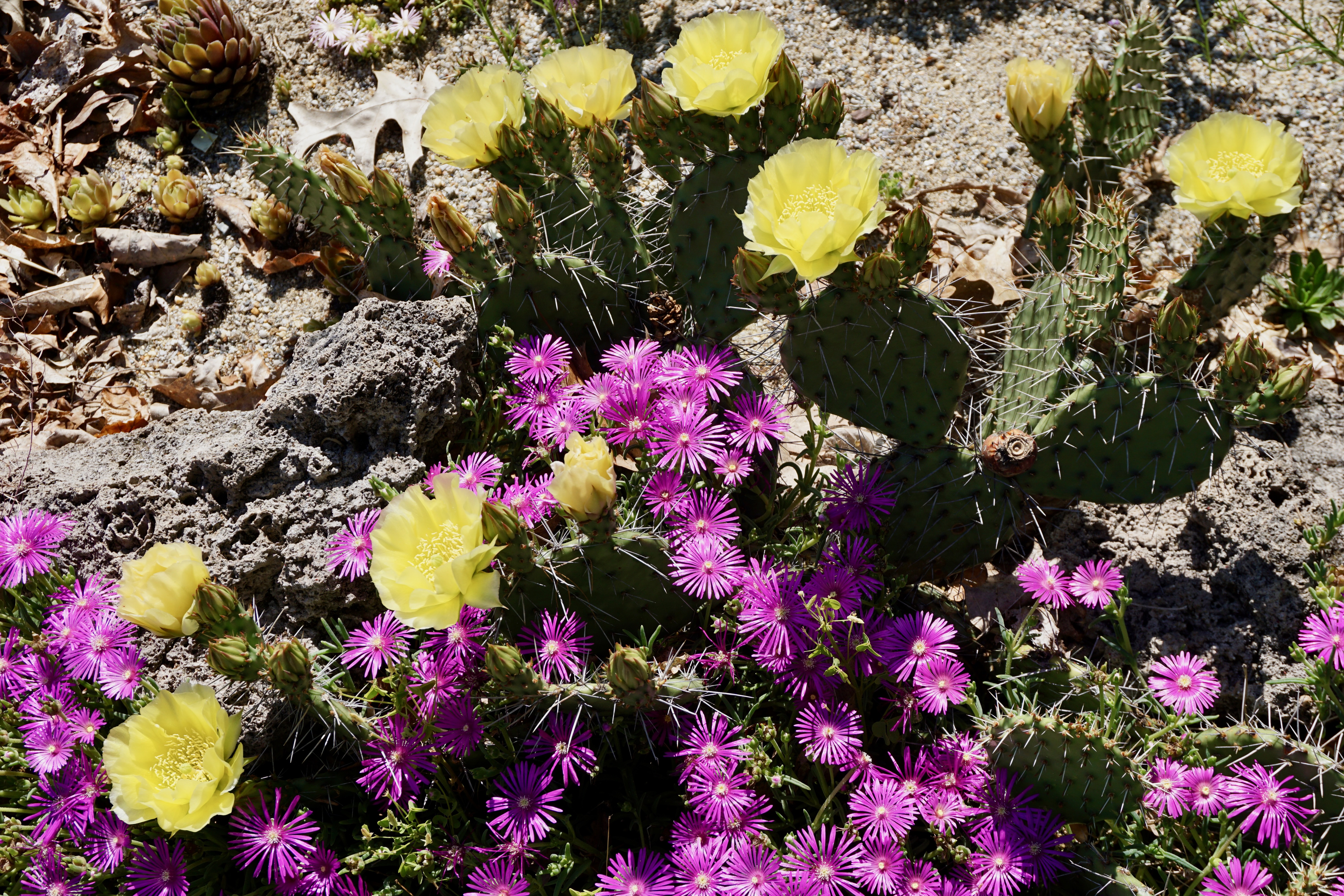
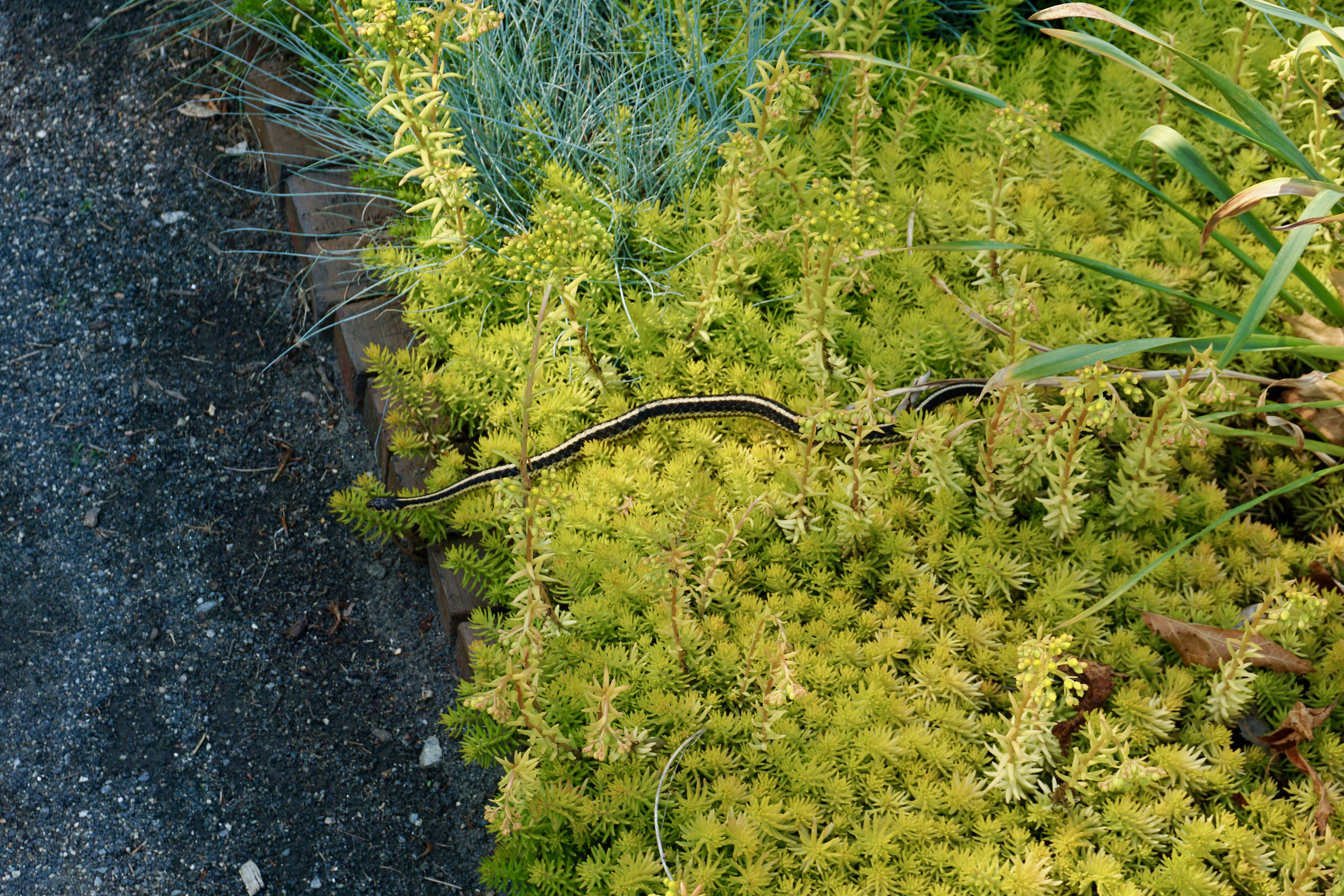
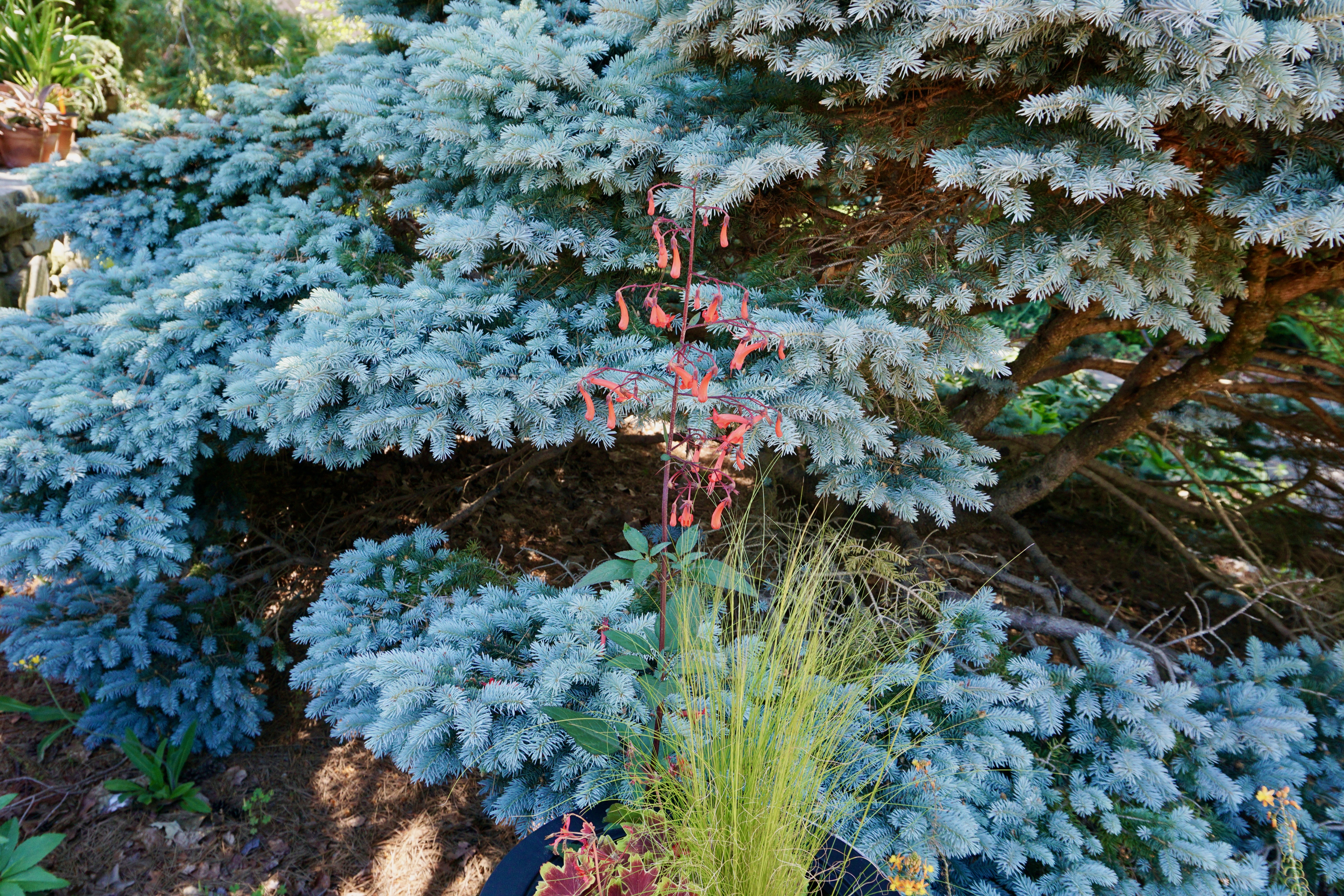
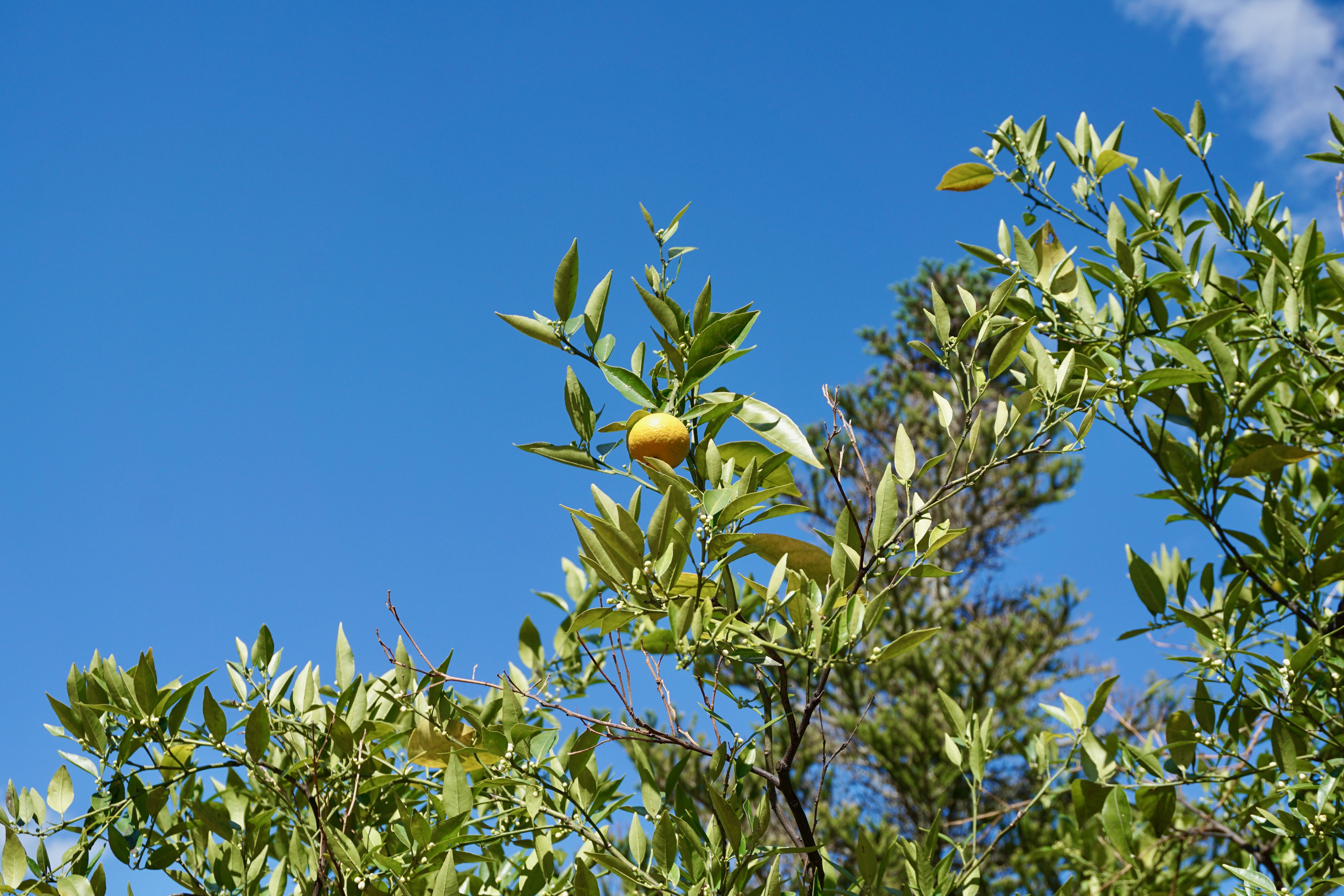
A few Saturdays ago, I broke out my long-dormant Sony camera and made a visit to New England Botanic Garden at Tower Hill for the first time in many years.
Not too much had changed, which was reassuring.
Not that I ever recalled seeing a snake there before. Below are my favorite pix from the trip.
I kicked off 1999 not with that Prince song (the Chicago bar I attended that New Year’s Eve played the intro before its patrons verbally demanded a cease-and-desist) but by falling deep into 1996’s If You’re Feeling Sinister, a premonition. This was one of the more disjointed and new music-deficient years of my life. Between stumbling across the finish line of grad school and desperately seeking steady employment, I took a four month long mental health break from doing much of anything (“A Summer Wasting”, if you will), leaving me with no money to spend on music. I adapted accordingly, raiding a plethora of suburban libraries to acquire previously unheard (i.e.—old) stuff ripe for discovery (Nina Simone, Serge Gainsbourg, Os Mutantes, etc.) Still, even if I had had the cash, it’s not like I’d have been rushing out to buy any of the year’s best-sellers.
What endures from this transitional period is something of a grab bag. We have tracks from both long-beloved artists—a sweet sigh from Everything But The Girl’s last album (until 2023!), Aimee Mann’s Magnolia soundtrack triumph, another indelibly-titled Pet Shop Boys single—and good stuff I didn’t hear until much later: Le Tigre’s unstoppable party anthem (not fully appreciated by me until its inclusion in the 2006 film Reprise), Super Furry Animals’ Tropicalia-by-way-of-Wales, The Negro Problem essaying a heavenly ballad leader Stew would include in his Tony-winning musical nearly a decade later. And yet, I recognize selections I knew and loved at the time, like the lead-off track to Beth Orton’s mostly forgotten second album, Ben Folds Five’s flop follow-up to “Brick” (how did their label think that could be a hit in the mook-rock era?!), Blondie’s underrated (in the US, anyway) reunion single and an Indigo Girls tune that didn’t trouble the pop charts but received heavy rotation on Boston’s WBOS (then a decent Triple-A station).
Of course, I was never going to hear The Magnetic Fields or Sleater-Kinney without actively seeking them out. Same goes for Jason Falkner, whose second LP Can You Still Feel was a lucky library find not long after its release. As for Fiona Apple’s impossibly-titled second album (which I picked up in early 2000), today it less resembles 1999 than an ongoing future/past/present, even on such heavily indebted-to-the-past (in this case, the Beatles and the Great American Songbook) three-minute masterworks like “Paper Bag”.
1999: When It Costs Too Much To Love
Le Tigre, “Deceptacon”
Beth Orton, “Stolen Car”
Jason Falkner, “The Plan”
Everything But The Girl, “No Difference”
Supergrass, “Moving”
Fiona Apple, “Paper Bag”
Pet Shop Boys, “You Only Tell Me You Love Me When You’re Drunk”
According to Letterboxd, I’ve seen nearly forty movies that have had a 2024 release so far (a Boston-area theatrical release or, if there wasn’t one, a streaming debut.) Below are fifteen (in alphabetical order by title) to keep in mind six+ months from now when I’m compiling my year-end list. I viewed fouratTIFF last September, two at IFFBoston in May, plus two more at IFFBoston’s Fall Focus last October. As for the rest, all were streamed at home apart from Challengers and Robot Dreams, the latter perhaps my favorite animated feature in years. Do Not Expect Too Much From the End of the World (which I could not get tickets for at TIFF) is currently on MUBI and worth the price of a subscription; I plan on revisiting it soon, more than willing to take in its 163-minute running time again. As I wrote in my brief review, “(It uses) humor as a balm in expressing outrage at a world gone absurd” and may prove as essential to its own time as Parasite was five years ago.
Challengers
Do Not Expect Too Much From The End Of The World
Egoist
Evil Does Not Exist
The Feeling That The Time For Doing Something Has Passed
Pulp’s This is Hardcore was a hangover of a follow-up to their celebrated LP Different Class from two years before, and it’s emblematic of the time when it came out. Although never a single, “Dishes” instantly impressed me, and not just for its indelible opening lyric quoted above (only Jarvis Cocker would dare to make such a comparison.) Later, he sings, “A man once told me, beware of 33 / He said, ‘It was a not an easy time for me.’” I was 23 in 1998, but I could still relate—it was my first full year in Boston and I spent all of it in the graduate student interzone, with my life almost entirely focused on academia. Apart from my classes, I was alone most of the time.
As a film studies student, movies admittedly supplanted music as an art form to obsess over, although the latter barely diminished as a presence in my life. Not having cable/MTV and deliberately avoiding the top 40, I relied on Boston’s WFNX (by far the more diverse of the city’s two alt-rock stations) to discover some new music—I first heard “History Repeating”, “Lights are Changing” and “Slimcea Girl” there (and would likely never know the last one otherwise.) And with that, I was off on my own, feverishly awaiting new recordings from artists I already adored (Saint Etienne, PJ Harvey, Morcheeba, Tori Amos) and looking beyond commercial radio for new-to-me sounds from the past in the guise of college radio stations like WERS (an entirely different animal from what it is today) and WMBR.
Looking over this list now, I can’t find any rhyme or reason to it. I’ve gone on about alt-rock entering a rapid decline in the late ’90s, but this might be one of the last great years for top 40 pop as well: REM, Seal, Madonna and Sheryl Crow, as well as endearing electronica (remember that term?) novelties (Fatboy Slim, Stardust.) Note all the great one-offs too, from Komeda’s Stereolab-gone-pop to Billy Bragg and Wilco’s historic Woody Guthrie collab. I can even spot a few first-timers that will heavily figure into these playlists over the next decade and beyond: Canadian singer-songwriter Emm Gryner with an anthem from her only major label album; fellow Canadian singer-songwriter Rufus Wainwright making quite the splash on his attention-getting debut; Calexico’s mariachi-inflected noir solidifying on a highlight from their second full-length.
Finally, one day I will write a longer essay on Massive Attack’s Mezzanine as I currently listen to it more than any other album from this year except for Good Humor.
1998: I Am Not Jesus, Though I Have The Same Initials
Propellerheads feat. Miss Shirley Bassey, “History Repeating”
Still making an effort to absorb new albums in 2024, though admittedly my listening as of late defaults to playlists, particularly the annual ones I’ve been posting on a weekly basis all year long. Nonetheless, I can easily name ten albums I will try to keep in rotation throughout the summer and fall. Few of these come close to Black Rainbows, Weather Alive or Queens of the Summer Hotel; then again, none of those came out in the first halves of their respective years, either.
The Great Transitional Year where I upended my life and moved to Boston. Before I did, I heard a lot of Top 40 radio while working a summer retail job (actually, it was an “Adult Top 40” station, which translated as Mostly White Without Rocking Too Hard). I must have listened to Meredith Brooks’ “Bitch”, OMC’s “How Bizarre” and The Wallflowers “One Headlight” (among many others) at least one hundred times each over a three-month period. I’d like to say it soured me off mainstream radio for good, but even without such overexposure, I’m positive those songs still would not have aged well enough to make my playlist below (though I’ve recently come around on the OMC, a harmless novelty when not played to death.)
At this time, I almost entirely stopped putting stock into commercial radio (even mainstream modern rock channels!). Of these 35 songs, the only ones I ever heard on the radio that year were White Town’s brilliant, genderfucked surprise hit, Sarah McLachlan’s last single resembling anything remotely “edgy” and maybe the Cornershop song (the latter probably only on Boston’s then-great indie-rock station WFNX). A few, like “Da Funk”, “Try”, “Stereo” and “She Cries Your Name”, probably came from 120 Minutes. “Smoke” was an exceptional album track from an LP I bought the first week of release, as was Blur’s great “Beetlebum” (number one in the UK but overshadowed in the US by their own surprise novelty hit).
Regardless, I didn’t hear at least one-third of these until post-’97. I’ve already gone on about discovering Ivy four years later; Super Furry Animals, Sleater-Kinney and Teenage Fanclub would also become known to me in that rough period. “Lazy Line Painter Jane” had the most seismic impact in the summer of 2000 when it finally became commercially available in the US, eighteen months after I fell for If You’re Feeling Sinister. ’97 was still mostly pre-internet regarding hearing new music. I can only imagine how different this list might now be if I had YouTube or Spotify at my disposal back then.
On that note, streaming and re-releases are chiefly responsible for bringing the moodier sounds of Luna, Primal Scream, Morphine and Sneaker Pimps back into personal heavy rotation, while current TV series The Bear breathed new life into a standout from Radiohead’s venerated (if not by me at the time) OK Computer. As for former shoegazers Catherine Wheel, their sprightly, sparkling “Satellite” (from their mostly forgotten LP Adam and Eve) wasn’t even a single—not that it would’ve taken airplay away from Third Eye Blind, though one can dream.
In the last entry, I stressed how content and form can both complement and enhance each other in a film. One of my more important takeaways from studying the art in grad school was the importance of good writing (content) and acting (form)—the absence of either one often an automatic blemish on the final product. Obviously, not only performances determine form, even if they’re the most crucial component of it. However, one should not value a film’s style any less in establishing its overall worth. In particular, a sense of place via its production and sound design can be just as crucial in making a great film as its screenplay or actors (as long as they don’t overshadow either one.)
Roughly a decade after grad school, entering my mid-late 30s, I had by then seen literally thousands of movies (probably closer to around 2,000, but that qualifies.) As with any medium, the more one absorbs, the better one can critically assess. I reached a point where I began responding more strongly to qualities I hadn’t seen before, as opposed to those which had become tropes or rendered stale through repetition. Woody Allen, for instance, grew less interesting to me (controversy/cancellation aside): his 21st Century work offered little variation on what had come before (give or take a Match Point), rendering him irrelevant and mechanical (I took to dubbing him the “Wood-bot”.) Why waste time on someone obviously past their prime with so much new (and unseen old) stuff attempting something different or at least advancing a fresh perspective?
Naturally, I praised unique, innovative performances: Daniel Day-Lewis’ ultra-specific persona and accent in Paul Thomas Anderson’s There Will Be Blood, Lesley Manville burrowing deep as an unglamorous but sympathetic lush in Mike Leigh’s Another Year; Nicolas Cage going for broke and director Werner Herzog expertly guiding him in Bad Lieutenant: Port of Call New Orleans. I also valued screenplays that either told stories I hadn’t heard before (Charlie Kaufman’s Synecdoche, New York pushing his trademark meta-ness to an extreme in exploring mortality vs. the permanence of art) or told in a way I hadn’t seen before (Leos Carax’s Holy Motors orchestrating an extended metaphor for what it entails to partake in a performance and inhabit many roles.)
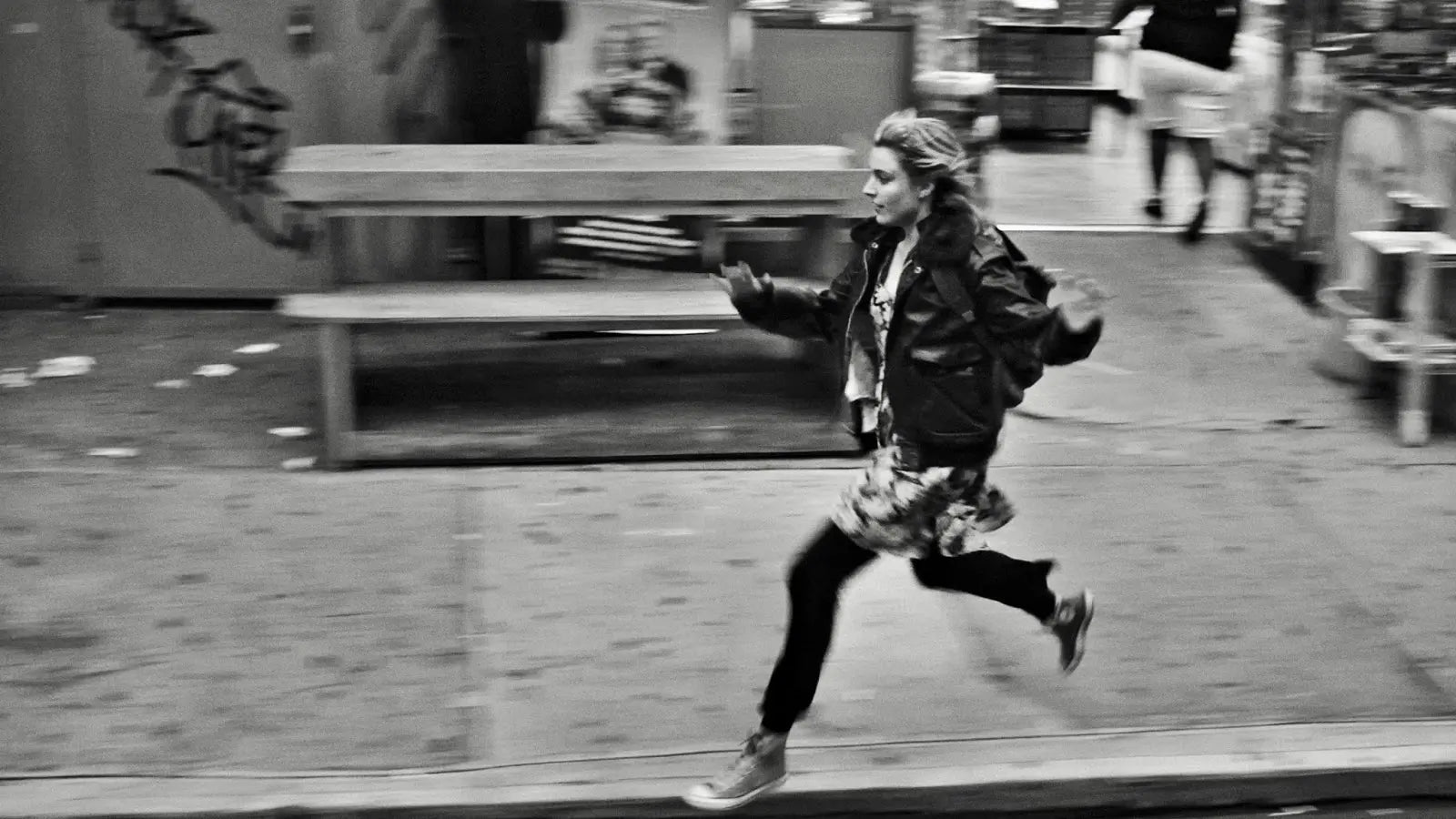
Just as often, the look and/or sound of a film got my attention. I fell head over heels for Nicolas Winding Refn’s Driveand its deep dive into a Los Angeles milieu by way of its opening, splashy pink-font credits scored to Kavinsky and Lovefoxx’s seductive, retro-electropop “Nightcall”; I also found the throwback, low-budget, black-and-white New York of Noah Baumbach’s Frances Ha incessantly charming. I instantly loved the near-magical conjuring of 1965 coastal Rhode Island Wes Anderson crafted for Moonrise Kingdom and the melancholy, concrete greys of Greenwich Village set just a few years before in Joel and Ethan Coens’ Inside Llewyn Davis. Of course, each of these titles also had exceptional screenplays and performances (Frances Ha is unimaginable with anyone other than Greta Gerwig as the titular character) but their visual tableaux and soundtracks were beautifully in sync with them, creating multi-dimensional experiences one couldn’t replicate solely on the page.
Frances Ha
Of the new filmmakers to emerge in the 2010s, Peter Strickland was one of the most driven by an uber-particular sense of style. Born in Britain in 1973, he broke through with his second feature, Berberian Sound Studio (2012). Toby Jones (then best known for starring in the Truman Capote film that was not Capote) plays a meek sound engineer working on a 1970s Italian horror film (the subgenre, giallo, is best exemplified by Dario Argento’s 1977 masterpiece Suspiria.) Strickland’s work is more of a psychological horror film, with Jones’ character’s sanity gradually ebbing as his personality fractures and real life becomes indistinguishable from the movie he’s working on. Rather than keeping tabs on an ever-more-convoluted plot, the film is most striking for its style, heavily drawing on giallo tropes (bold colors, intrusive music, graphic violence, an enveloping feeling of dread and the macabre) and also painstakingly recreating the look and feel of a period long since passed.
Berberian Sound Studio makes a formidable impression but its obtuseness doesn’t fully satisfy—by the end, while dazzled by its style and impressed by Jones (a gifted and consistently great character actor), I didn’t feel much of an emotional connection to what had transpired. Thankfully, Strickland avoids this trap with his next feature, The Duke of Burgundy (2014). Ostensibly set in what appears to be a small European village (it was shot on location in Hungary but its location is never explicitly identified onscreen), it has a style and sense of place as richly textured, realized and dominant as its predecessor; it’s also a big step forward in how he expertly utilizes these facets in service of his narrative, which is nearly as complex but far more resonant in how it invites the viewer to respond to its characters within this environment.
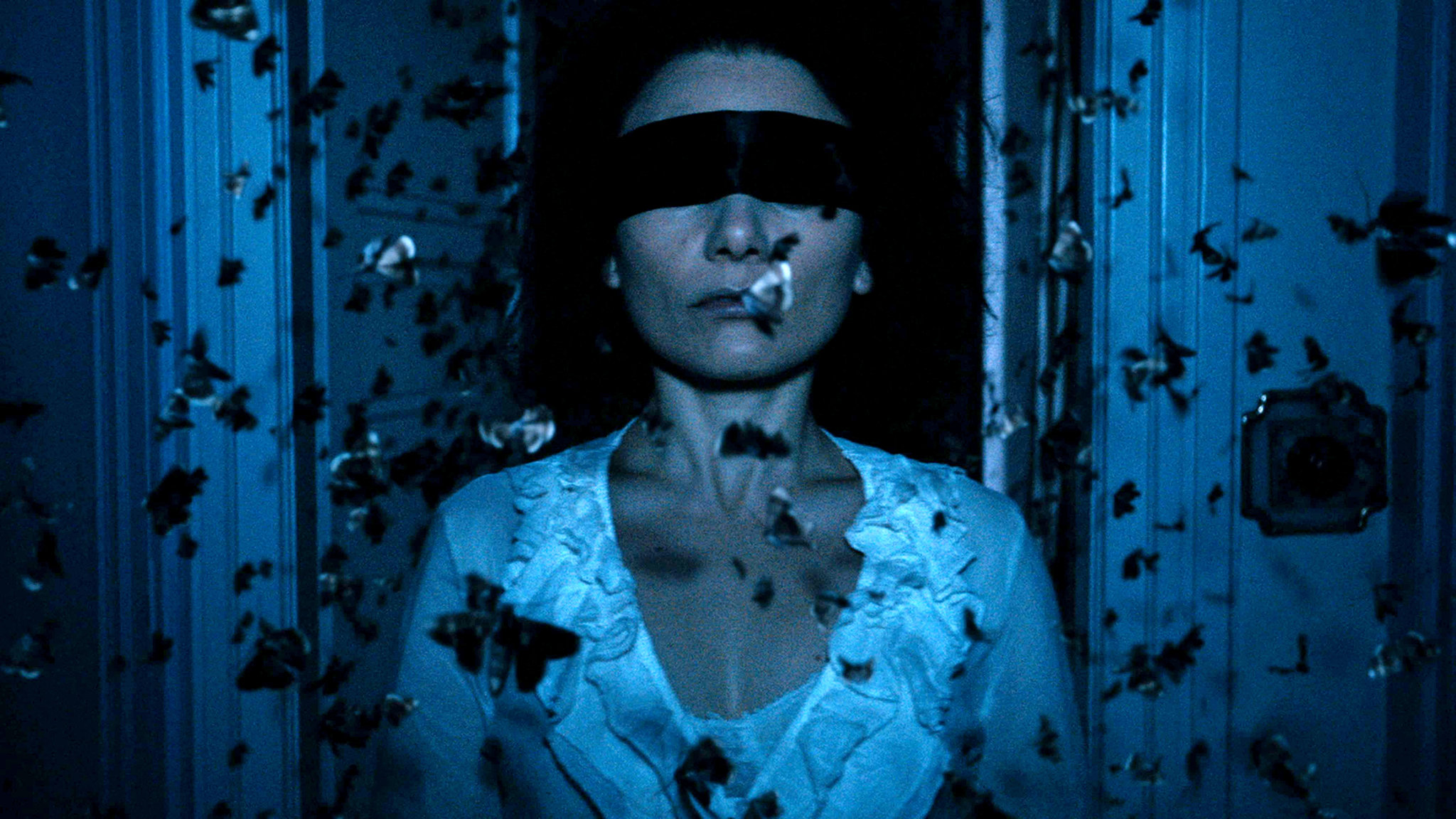
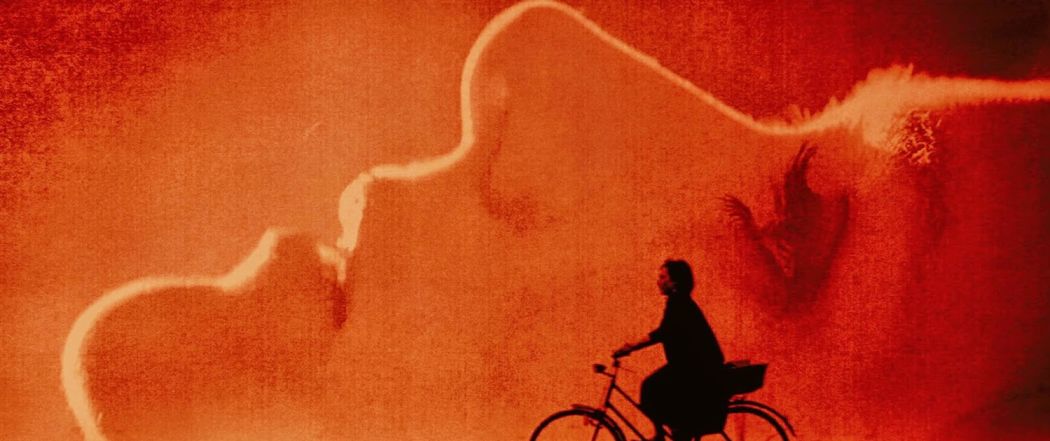
The film opens with Evelyn (Chiara D’Anna), a younger, pixie-like woman kneeling at a bucolic stream in what resembles an enchanted forest out of a fairy tale. She looks up longingly at the sky and then takes to her bicycle, riding through the woods as the opening credits commence. Scored, like the rest of the film to the baroque chamber pop of duo Cat’s Eyes (with breathy, Francoise Hardy-esque vocalist Rachel Zeffira), the credits resemble a picture book or perhaps a procession of twee, self-knowing The Smiths or Belle and Sebastian album covers, employing freeze frames, matte effects and various animation techniques (including fluttering butterflies—remember them.) It concludes once Evelyn reaches her destination: the posh home of Cynthia (Sidse Babett Knudsen).
A single, middle-aged lepidopterist (one who studies butterflies and moths), Cynthia greets Evelyn with a curt, “You’re late” before letting her into the house. One immediately detects how curated the place is, as eloquently considered and conceived as anything out of Architectural Digest. Between the furnishings and the characters’ hairstyles and clothing, it also easily looks like it could be the 1970s, yet there’s something not-quite-restricted to that period suggesting this could be reasonably set during any time since that decade (it’s also devoid of devices such as cell phones or computers that would render the palette a deliberate anachronism.) Certainly, such an environment feels like a deliberate provocation, meant to invoke something retro without placing it in a concrete context. It fascinates not because it necessarily begs us to ask when is this actually taking place but more like why does it look like the past frozen in amber?
It’s a question that surfaces in nearly all of Strickland’s work, especially his next feature In Fabric (2018), which delves deep into home furnishings, fashions and department store interiors straight out of the 1970s and 1980s while not necessarily tied to either of those decades beyond their looks (really, the tale of a dress that murders people can be set anytime, anyplace!) In The Duke of Burgundy, however, it’s a tad more subtle. One could simply chalk it up to the director’s preference for era-specific stylistic choices—a love for visual motifs from the years constituting his own childhood. It surely distinguishes itself from an alternate universe version of the film explicitly set in the present where Cynthia and Evelyn post on social media and include slick PowerPoint presentations in the former’s lepidoptery lectures.
While unignorable, however, Strickland’s stylistic choices primarily help to set an overall tone—an off-kilter one, for sure, as The Duke of Burgundy occasionally shifts into experimental, dreamlike sequences that do not so much move the narrative forward as offer peeks into Evelyn’s and especially Cynthia’s subconsciouses. In direct contrast to heightening this overall sense that something’s just a tad awry, these visuals also end up exuding a sense of coziness, maybe even some warmth. Cynthia has obviously put a lot of thought and care into designing her home and every consideration from its mood lighting to the textures of its furniture and knickknacks feels welcoming: a real, lived-in home rather than a sterile museum. The idyllic, heavily forested and sun-kissed (even when perpetually rainy, somehow) village settings are similarly pastoral and inviting.
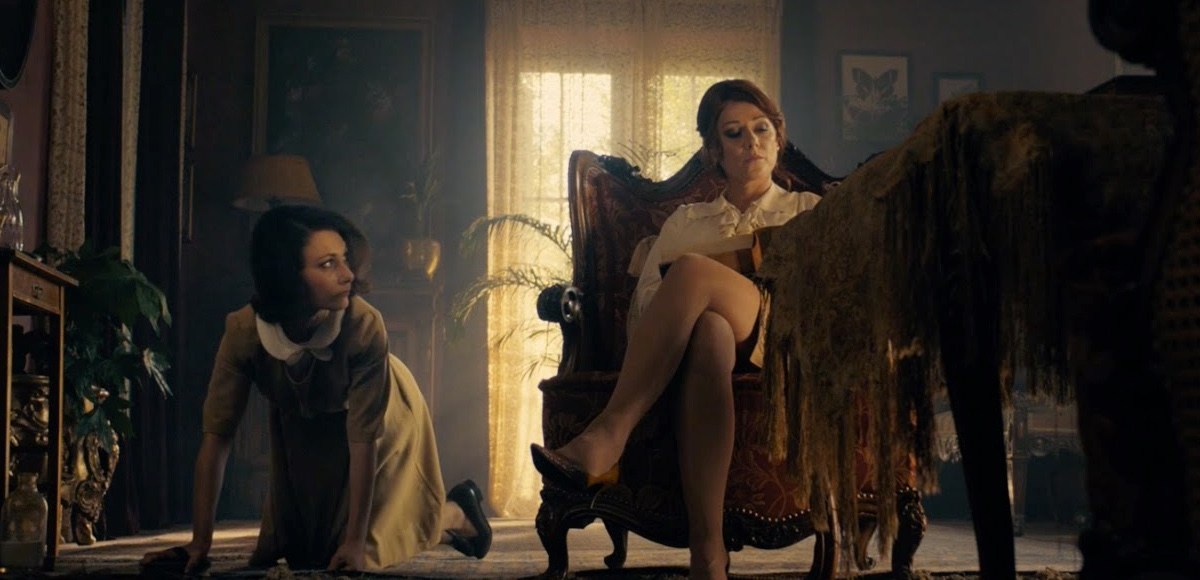
This blend of peculiarity and familiarity is also palpable after Evelyn enters Cynthia’s home and the later commands of her, “You can start by cleaning the study.” It initially appears that Evelyn is Cynthia’s cleaning lady, and not a sterling one at that. Cynthia comes off as a stuffy taskmaster, sitting in her chair and reading while ignoring Evelyn as she scrubs the floor beneath on her hands and knees. Cynthia remains unsatisfied, ordering Evelyn to rub her feet and then wash her underwear by hand in the bathroom sink. Still disappointed by Evelyn’s work, Cynthia announces that it’s time for “A little punishment.” She takes her by the hand, dragging her into the bedroom where, behind a closed door, we hear what sounds like Evelyn being repeatedly spanked, or perhaps whipped.
Evelyn scrubs, Cynthia ignores.
However, the next shot reveals what’s really going on: as the two women lie in bed together, lovingly caressing each other, we see that Evelyn is more than just Cynthia’s maid (or perhaps not one at all.) The whole thing is a charade, an act, a BDSM relationship between the two women with defined dom and sub roles. Suddenly, Cynthia’s brusque demeanor makes perfect sense, as does much of her odd behavior—for instance, exactly why she drinks copious amounts of water before one of Evelyn’s subsequent visits is never shown but discreetly implied that it has something to do with urination as a sexual act. That it’s all a performance is a clever twist; had this been a short rather than a feature, it would’ve been a neat place to end on.
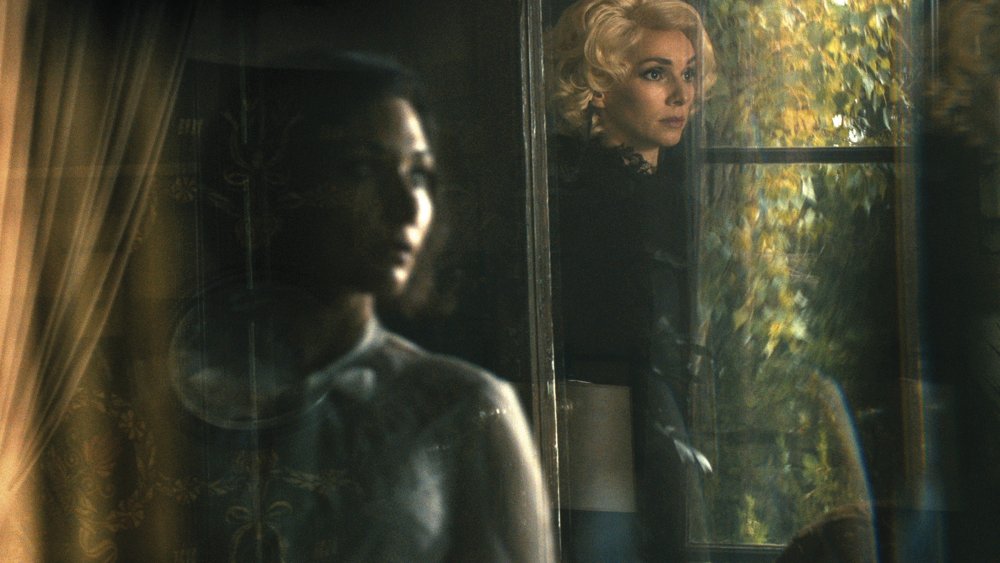
Fortunately, Strickland takes this further by gradually revealing another turn: while Cynthia plays the part of the dom, it’s clearly Evelyn calling the shots in their relationship, making suggestions and writing down what Cynthia should be doing and saying when playacting with her. Increasingly, Cynthia can’t help but relay her discomfort with her role, which as an actress Knudsen expresses beautifully to the point where it’s heartbreaking to view her growing distress. At one point, a platinum blonde and potential femme-fatale only known as The Carpenter (Strickland regular Fatma Mohamed) visits them to provide measurements for a coffin-like container which Evelyn could sleep in under Cynthia’s bed. Once determined this object could not possibly be completed in time for Evelyn’s birthday (it’s a gift!), the carpenter suggests an alternative present called a ”human toilet”: note the childlike glee on Evelyn’s face at this mention and, in contrast, the utter bewilderment on Cynthia’s, who abruptly leaves the room, citing another appointment as an excuse for her brash departure.
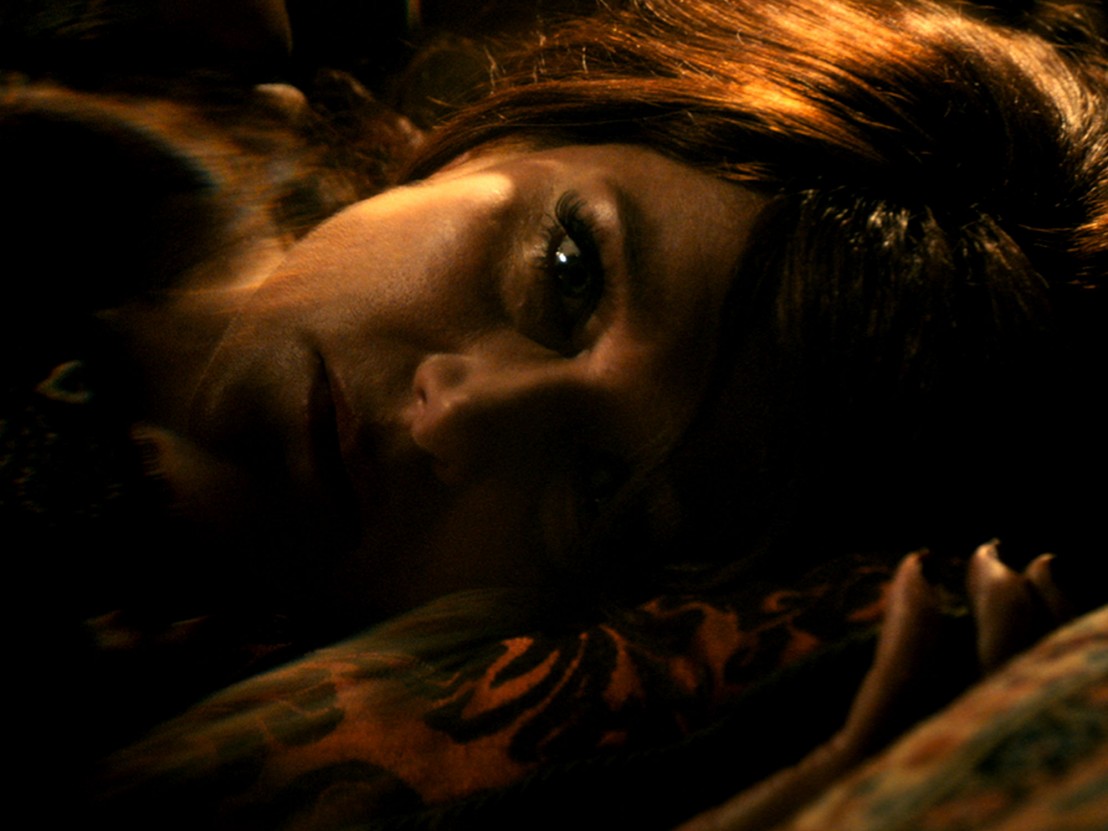
Real, unignorable emotions increasingly invade the performative aspects of Cynthia and Evelyn’s relationship. Cynthia finds herself unable to recite her lines with conviction while Evelyn, tempted by The Carpenter, becomes impatient, telling her love, “It would be nice if you did it without having to be asked.” If it sounds like pure soap opera, rest assured stylistically it is far removed from that genre. As the relationship becomes strained, the score is less melodic with electronic droning noises threatening to completely smother the strings, harpsichord and cor anglais from before. Similarly, the lighting gets darker and opaquer while the camera moves ever-more-deliberately with copious slow-as-molasses vertical pans nearly rendering both interiors and bodies as abstractions.
Evelyn and The Carpenter
The film’s title refers not to European royalty but the English term for a species of butterfly, Hamearis Lucina. Why Strickland chose this particular species is best left to lepidopterists, but his use of butterflies as a motif is more relevant. When considering this insect, one can’t help but think of the notion of transformation—how a caterpillar passes through multiple stages to become something radically different (from a ground dweller to a flier with colorful wings.) In that sense, both Cynthia and Evelyn struggle (to varying degrees) in transforming themselves and each other. A stark reminder of this is omnipresent in Cynthia’s home: cases and cabinets teeming with pinned butterflies, all of them transformations that eventually hit a dead end, preserved as memories but not ongoing entities like our heroines. The two women reach a cathartic moment, Evelyn consoling Cynthia about their playacting, “If this is what it does to you, I can change.” Rather than evolving like a successful transformation, however, this relationship more resembles a Mobius strip—following this confrontation, the film ends as it begins with Cynthia once again drinking her water and reviewing her notecards as Evelyn shows up at her front door.
Still, the butterfly motif is not just there for the benefit of the film’s central relationship. In the lecture scenes, one learns that Evelyn herself is a budding lepidopterist, her desire to dominate made flesh as she asks a lecturer pointed questions seemingly to bring attention to herself while a vaguely embarrassed Cynthia looks on. As the camera slowly pans across the lecture’s audience, not one man is present, only women. Further heightening the film’s off-kilter sensibility, some of the women are so extensively made-up they resemble men in drag (much like a Roxy Music album cover); the gleeful presence of the occasional mannequin in the background of said audience pushes this off-ness even further. Gradually, one realizes there are no actual men in the entire film! The Duke of Burgundy is itself a transformative realm, a society of women playing all parts. The butterflies themselves are remnants of a completed evolution; its central love story conveys that whatever our aspirations may be, humans as individuals are subject to a continual evolution without end; as couples, an end only arrives when one participant or in some cases, both are no longer willing to evolve.
We leave Cynthia and Evelyn at an impasse—their relationship is intact, for now, but who is to say what potential it has when it appears to be stuck in a cocoon? Similarly, one can appreciate new films for their familiarity, but when do they start seeming stale? Like The Duke of Burgundy, the remaining titles in this project will emphasize new ways of seeing and storytelling as recent examples of the medium’s continued evolution.






 Haunted Jukebox