An unexpected and exceptionally weird year for pop culture: on the basis of such stupendous offerings as The Jazz Singer (starring Neil Diamond!) and Pink Lady and Jeff, one detects a higher-than-average collective lapse in good taste. Happily, that’s not the case regarding the year’s music—I had to show restraint in limiting it to three dozen tracks. While not perverse enough to include anything from The Apple or Can’t Stop The Music soundtracks, I’ve made room for two from Xanadu without apology: Olivia Newton-John’s “Magic”, because I retain so many memories of hearing it on road trips to visit extended family out in the boonies, and ELO’s “All Over The World”, arguably the Xanadu song most perfectly capturing the futuristic cheese it was attempting.
Still, I don’t think any of these subsequent annual playlists will have as many actual number-one hits. At its death throes, AM Top 40 radio gave us such glories as Diana Ross’ Chic-produced eleganza, Blondie’s Moroder-produced iconic New Wave sleaze, Streisand’s Gibb-produced immaculate and soaring, melodramatic soft rock, McCartney’s kooky new wave experiment (actually a hit in the US in a less interesting live recording), and, most intriguingly, Lipps Inc.’s midway-between-disco-and-synthpop one-shot whose remedial genius will likely outlive all of its chart-topping cohorts. I didn’t even have room for worthy number ones from Queen (take your pick) or Pink Floyd, instead opting for two from the UK: one of Abba’s least overplayed (and thus, freshest) standards and Bowie’s chilling-but-catchy “Space Oddity” sequel.
As Macca knew, new wave was a big thing at the time, if not always on the charts. The Brits were all over it (The English Beat, The Cure, The Soft Boys, Siouxsie and the Banshees, XTC, etc.) as was Australia (Split Enz), Canada (Martha and the Muffins, Rough Trade), and in the USA, representatives from Akron, Ohio (Devo, Pretenders’ Chrissie Hynde), Athens, Georgia (The B-52’s, Pylon) and, oh, New York City (Talking Heads). Proto post-punk stalwarts Roxy Music effortlessly adjusted to the times (the scintillating “Same Old Scene”); forgoing easy categorization, Prince on his third album crafted a new wave song simply because he could and naturally it was great.
The rest is a typically eclectic assortment of post-disco both mainstream (The Jacksons pushing lessons learned from Michael’s Off The Wall into euphoric overdrive) and esoteric (Cristina’s deranged Peggy Lee cover) brushing up against a bevy of smooth pop that we now call “Yacht Rock”: late Steely Dan, brief superstar Christopher Cross, Rupert Holmes’ slick and drenched-in-irony follow-up to “Escape (The Pina Colada Song)” and George Benson, who pioneered the R&B strain of this with 1976’s Breezin’ and this year brought Quincy Jones on board for Give Me The Night, its title track his biggest and best hit.
After a four year absence, we returned to the Caribbean earlier this month – Punta Cana, to be specific.
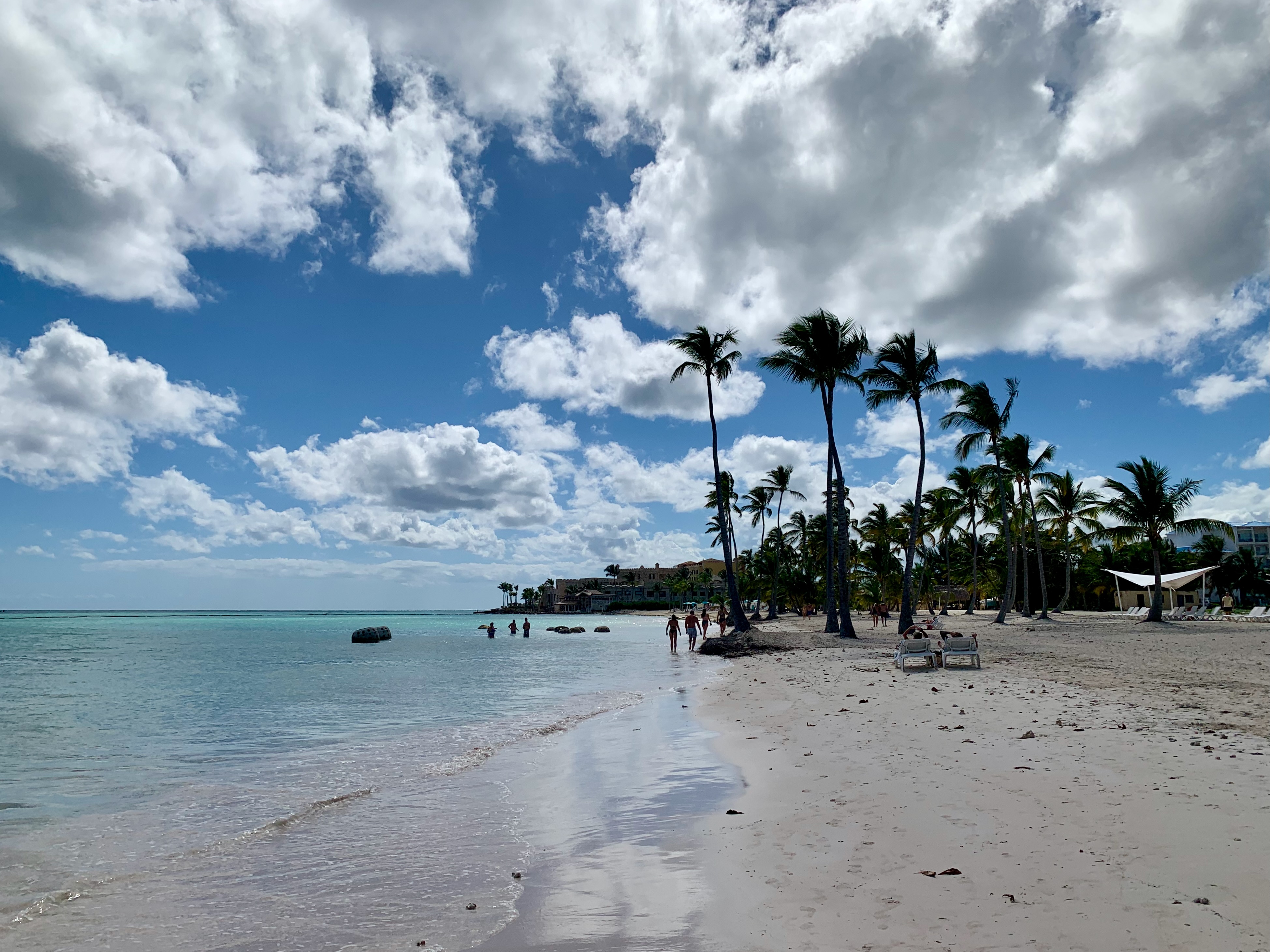
While our location within the area was technically Cap Cana, our resort ended up being a short walk to Juanillo Beach. A day trip there was a highlight of our first visit to the Dominican Republic in 2017.
While I’ve seen nicer white-sand beaches (such as Grace Bay in Providenciales, Turks and Caicos), I wasn’t going to turn my nose up at this.
We walked Juanillo to a point where one could see Cap Cana itself off in the distance.
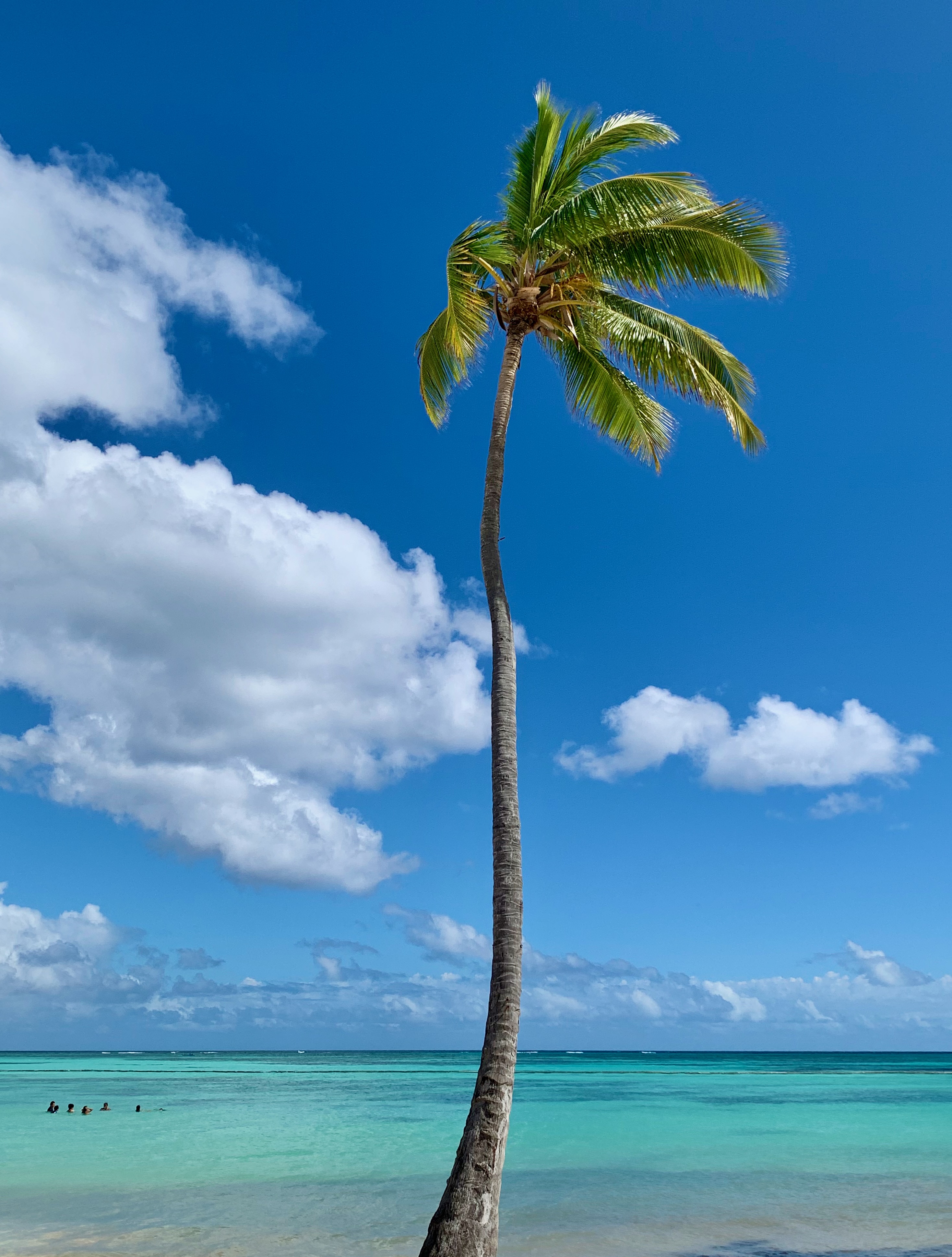
As on that previous trip, tall, lanky palms and piercing aqua blue seas were abundant here.
Assuming it’s one of the area’s lovelier public beaches, with plenty of shaded spaces to suntan and relax along with a bar/grill where we dined on lobster, grouper ceviche and frozen cocktails for lunch.
This little hut further away from the shore caught my eye; it reminds me of something from Gilligan’s Island, even though I believe that was set in the “Pacific” rather than the Caribbean.
Even when strewn with algae, branches and other detritus, the sparkling blue of the skies and water renders this an idyllic view.
Thrown in some leaning palms and the view is arguably even better.
Walking back towards our resort and another horizon.
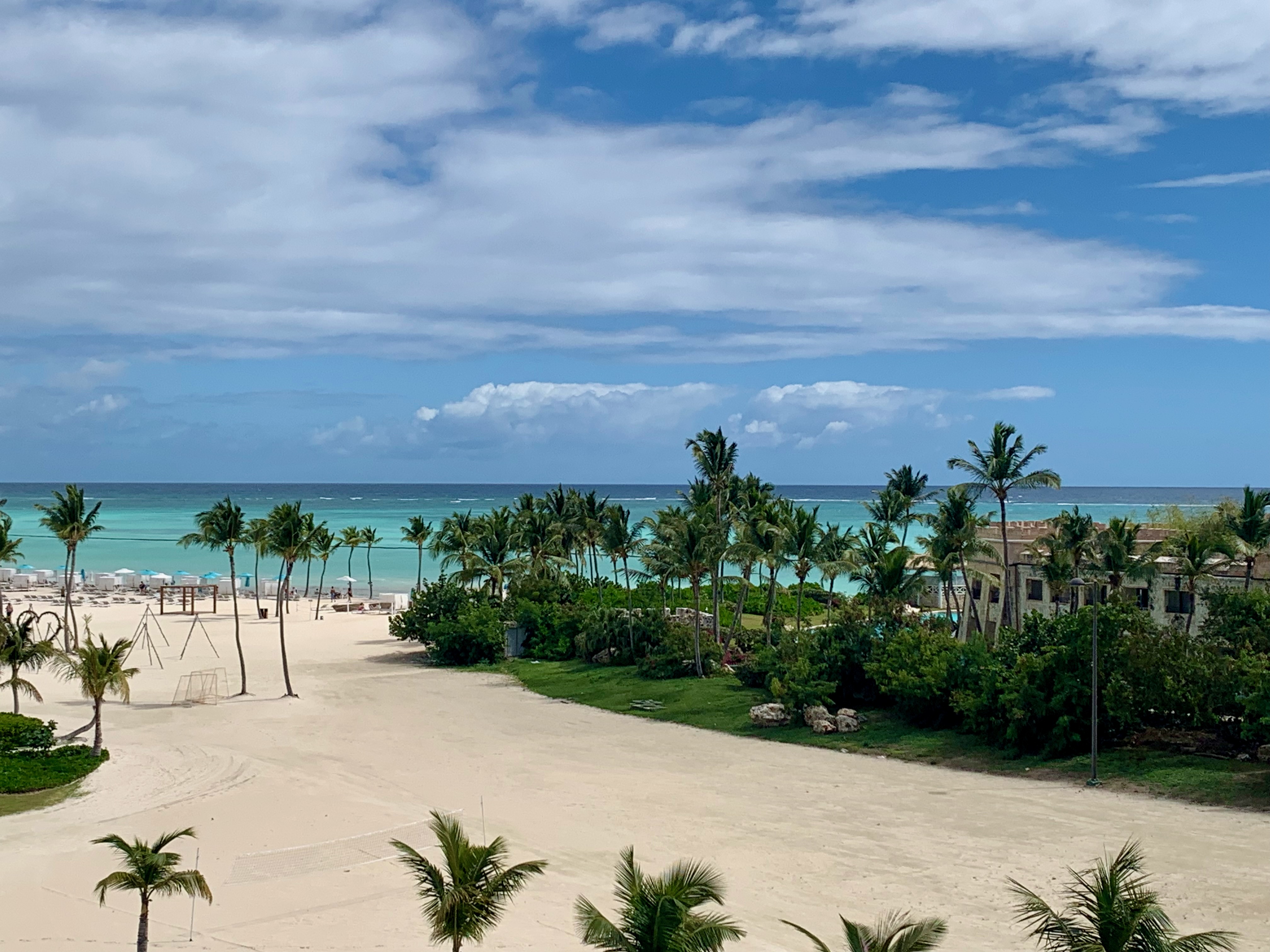
One could see what was technically the southern end of Juanillo Beach from our room’s deck (as well as the odd, castle-like structure to the right, part of the adjacent Sanctuary Cap Cana resort.)
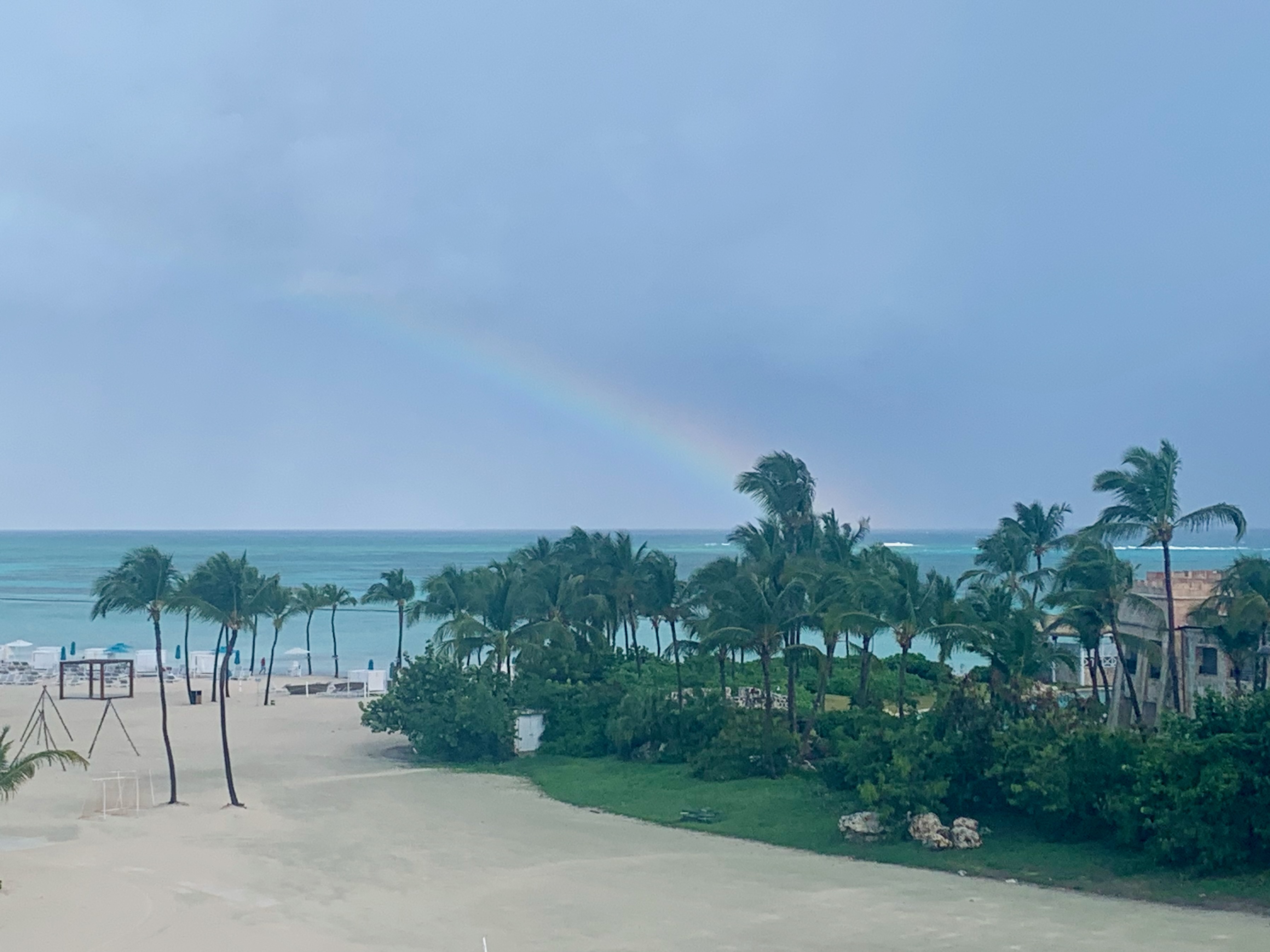
While it’s usually sunny in Punta Cana, there was a passing storm midway through our trip; it was worth it for the brief rainbow afterwards.
One of my earliest memories is hearing “The Logical Song” in my parents’ car, not once but multiple times, to the point where it was likely one of the first pop songs I ever consciously liked. Of course, its words were gibberish to a four-year-old, but its melody and somewhat unique structure (that key-changing coda, with the stuttered “d-d-d-digital” followed by an electronic ringing phone noise) were sounds I took note of and began anticipating whenever the song reappeared.
Still, this is an odd, transitional year as a whole, with disco fading, post-punk ascendant and very little else on this list untouched by either. Even the catchiest song on Tusk differentiated itself from Rumours by latching onto a sort of power-pop that would flourish in the coming decade. Meanwhile, veterans from Marianne Faithfull (I should’ve included Broken English in 100 Albums) and Bowie (of course) to Giorgio Moroder-produced Sparks adapted to the times while displaying enough insight to help define them. Of these selections, only Herb Alpert (with an unlikely number one hit thanks to General Hospital!) and Wings (with a B-side that should’ve been a hit) remained mostly unencumbered by the new, now sounds (although I’m sure the former played well in mainstream discos.)
1979 might be the precise moment that catch-all term new wave expanded to include all sorts of new mutations, from second wave ska (The Specials) to retro girl group-isms (Kirsty MacColl’s debut single and maybe her most perfect still); the best dance music, on the other hand, understood a need to push its limits. Note how rock-friendly (Donna Summer), shamelessly campy (Don Armando’s Annie Get Your Gun cover) and sublime and sophisticated (the Chic organization, represented here by two cuts) it could be.
A few songs convincingly brought a familiar sound seamlessly into the present (XTC’s first British Invasion pastiche, The B-52s’ surf/trash rock nirvana), while others now scan as thrillingly ahead of their time: Gino Soccio’s “Dancer” could be a ’80s or ’90s house music spectacular if you toned down the disco specifics a bit; “Video Killed the Radio Star” is predominantly thought of as an ’80s tune due to its first-ever-video-played-on-MTV status, but it fully fits the bill. Although the Village People infamously declared they were “Ready For The ‘80s” in the closing months of this year, they honestly weren’t—the likes of Blondie and later, Prince, would rapidly supplant them as cultural bellwethers.
1979: Please Tell Me Who I Am
Blondie, “Dreaming”
David Bowie, “DJ”
Prince, “Why You Wanna Treat Me So Bad?”
XTC, “Life Begins At The Hop”
The Flying Lizards, “Money”
Marianne Faithfull, “The Ballad of Lucy Jordan”
Patti Smith, “Dancing Barefoot”
The Specials, “A Message To You Rudy”
Lene Lovich, “Lucky Number”
Donna Summer, “Bad Girls”
Herb Alpert, “Rise”
Wings, “Daytime Nightime Suffering”
Roxy Music, “Still Falls The Rain”
The Cure, “10:15 Saturday Night”
The B-52’s, “Rock Lobster”
Dave Edmunds, “Girls Talk”
Sniff ‘n’ The Tears, “Driver’s Seat”
Chic, “My Feet Keep Dancing”
Elvis Costello & the Attractions, “Accidents Will Happen”
Gino Soccio, “Dancer”
Supertramp, “The Logical Song”
Talking Heads, “I Zimbra”
Sister Sledge, “Lost In Music”
Kirsty MacColl, “They Don’t Know”
The Buggles, “Video Killed the Radio Star”
Don Armando’s 2nd Avenue Rumba Band, “I’m An Indian Too”
It’s the golden age of New Wave, from heavy hitters like Blondie (“Picture This”, while not a US hit encapsulates everything great about them) and Elvis Costello to emerging artists such as Nick Lowe (a year away from his only US hit) and Talking Heads (opted for their elegiac single rather than the obvious one from that year) and a few true weirdos: XTC, Siouxsie and the Banshees, Devo (whose chaotic Stones cover is the very definition of smashing “post” and “punk” together.)
Still, those selections comprise but a small portion of what the year had to offer—you can make ’78 look especially cool by spotlighting The Undertones, The Ramones, even a reformed Walker Brothers (with the wondrous, Bowie-aping “Nite Flights”), but it’s not the whole story. Far more telling is Olivia Newton-John, the only artist who appears more than once here with the John Travolta duet “You’re The One That I Want” (honestly the only thing I love about Grease) and her late-in-the-year, less-remembered smash “A Little More Love”, which nearly rivals ABBA (don’t worry, they’re here too) in ultra-catchy power-rock shlock.
Actually, let’s talk about schlock (some might alternately describe it as “trash”.) I suppose I’m more susceptible to it from this period for it includes the first songs I’d remember hearing on the radio in the immediate years to come. The epic sax solos of “Baker Street” and “Time Passages”, Michael McDonald’s inimitable backing vocals on “You Belong To Me”, the faux-exotic, extra-cheese samba that is “Copacabana”—all of them talismans from my early childhood, none of them at odds of ever seeming remotely hip (at least until Yacht Rock became a recognized, categorized thing in the 2000s.)
Disco only further plays into this: sure, one can unironically praise the crisp, gleaming funk of “Every 1’s A Winner” or lush elegance of “I Want Your Love” or unstoppable drive of “You Make Me Feel (Mighty Real)”; however, one then must also consider “I Love The Nightlife (Disco ‘Round)” where Alicia Bridges’ campy intonation surely inspired generations of drag performers or (speaking of camp) Boney M’s inexplicable “Rasputin” (aka, “Russia’s Greatest Love Machine”), which threads both the ridiculous and the sublime more seamlessly than even Santa Esmeralda did in ’77.
As usual, Kate Bush is an entirely different matter. If you listen to her debut single “Wuthering Heights” (not the ’86 remake on The Whole Story, my own introduction to it) or watch the music video above, you might be tempted to lump her in with all that schlock (and camp) and call it a day. But no, there’s something present within the song, within her essence, even, that transcends the very notion of schlock—an ingenuity projecting sincerity even in the most theatrical of presentations. It blows my mind that this was a four-weeks-at-number-one-hit in the UK and yet, it makes total sense that so many listeners could instantly give themselves over to it. Bush’s salvo is one-of-a-kind in how it simultaneously looks forwards and backwards, utilizing elements from the past to formulate what still feels like a whole new language.
1978: Let Me In Your Window
Elvis Costello & The Attractions, “Pump It Up”
ABBA, “Angeleyes”
Patti Smith, “Because The Night”
Kate Bush, “Wuthering Heights”
Gerry Rafferty, “Baker Street”
Olivia Newton-John, “A Little More Love”
Blondie, “Picture This”
Siouxsie and the Banshees, “Hong Kong Garden”
Boney M., “Rasputin”
Alicia Bridges, “I Love The Nightlife (Disco ‘Round)”
Nick Lowe, “I Love The Sound of Breaking Glass”
XTC, “This Is Pop?”
Neil Diamond, “Forever In Blue Jeans”
Warren Zevon, “Werewolves of London”
Toto, “Georgy Porgy”
Carly Simon, “You Belong To Me”
Al Stewart, “Time Passages”
The Walker Brothers, “Nite Flights”
Sylvester, “You Make Me Feel (Mighty Real)”
Chic, “I Want Your Love”
Sweet, “Love Is Like Oxygen”
Devo, “(I Can’t Get No) Satisfaction”
John Travolta & Olivia Newton-John, “You’re The One That I Want”
The year of Rumours, Star Wars, Saturday Night Fever (all represented!) and more. In addition to OG punks The Ramones putting out their second and third albums, you can also hear stirrings of this new genre bubbling up in fellow yanks Talking Heads and Television; France also has its say with Plastic Bertrand’s cheeky one-off, which smashes the 50s, 60s and 70s together until it resembles punk.
Still, even before Travolta transformed into a silver screen, white-suited icon at year’s end, disco was arguably at its creative peak. The extended dance remix, popularized by Donna Summer the previous year nearly dominates this playlist, from Santa Esmeralda’s epic flamenco-disco take on an Animals song to Belle Epoque’s quirky fiddle-laced take on the genre (when I first heard those intro vocals, I thought I’d put on Joan Jett or Suzi Quatro by mistake) and of course, Summer’s own synthetic, predicting-the-‘80s-and-beyond masterpiece “I Feel Love”.
And yet, by a hair, “Marquee Moon” remains the longest track here, for the post-punkers and prog-rockers felt more comfortable taking their time as well. By then, you expected six-minute mood pieces from the likes of Brian Eno (“Julie With…” serenely drifts in and gradually coalesces only to gently fade into the ether.) But Steely Dan? Making the title track of their best-selling LP an eight-minute tone poem almost jazzy enough for fusion-era Miles Davis? And endurable enough for me to first hear on classic rock radio on a chilly Saturday afternoon in early 1993?
Balancing out other big hits from rockers (ELO, Heart), MOR-ers (Jimmy Buffett, Commodores, ABBA) and dancers (Chic, KC, Marvin Gaye and the most perfect disco single of all time from Thelma Houston) are relatively lesser-known gems: Joan Armatrading’s rhythmic folk, ex-Beach Boy Dennis Wilson’s attempt to make his own Nilsson Schmilsson and Bobbie Gentry, who recorded a few tracks around this time that didn’t see the light of the day until much later. “Thunder In The Afternoon” sounds very little like her 1967-74 catalog but it’s so full of promise it leaves one wondering what else she could’ve done had she kept releasing albums well into the next decade or three.
I suppose Todd Haynes’ latest does for Lifetime TV movies what his 2002 film Far From Heaven did for Douglas Sirk, recreating an aesthetic and carefully tweaking it for postmodern consumption; it’s also a study of what it means to perform or play a role, the self-awareness (or lack thereof) in doing so convincingly and the long-term implications of surrendering to one’s own delusions. Arguably only Todd Haynes (with help from Julianne Moore, Natalie Portman and Charles Melton) could pull off such a tricky balancing act, effortlessly blending camp and melodrama until they seem indistinguishable from one another. His most psychologically complex film since Carol (if not Safe).
2. ALL OF US STRANGERS
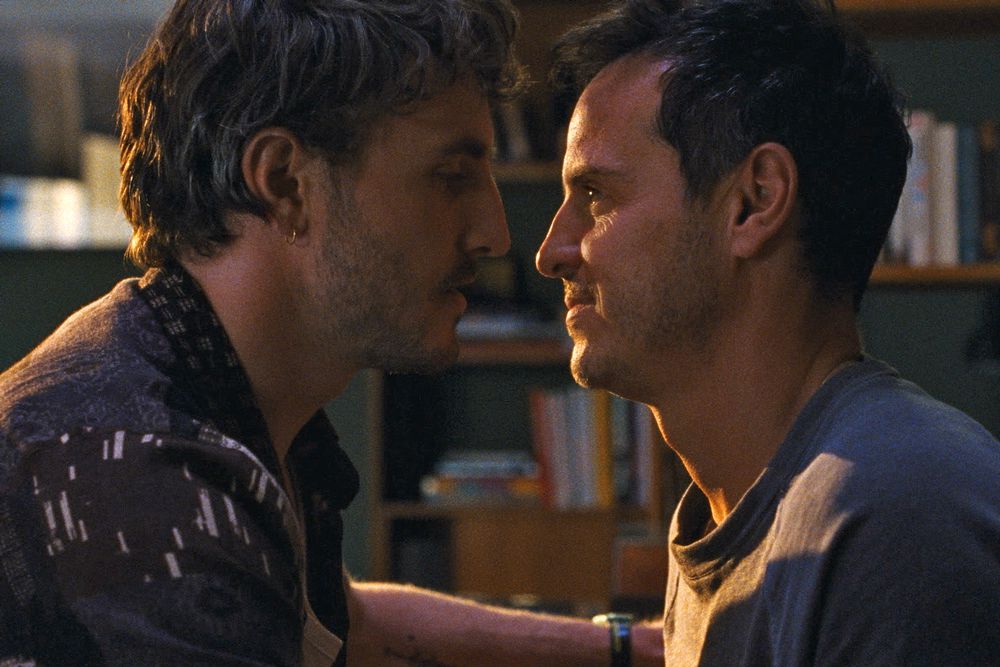
Andrew Haigh’s (Weekend) most ambitious, personal effort, a loose adaptation of a Japanese novel about a man (Andrew Scott) confronting his past in an unusual way (to say the very least in avoiding spoilers here.) With great work from Scott, Paul Mescal, Jamie Bell and Claire Foy, Haigh utilizes a visual and sonic language that feels singular in its focus and drive. Call it a sci-fi tinged, queer mid-life crisis film or a less solipsistic companion to, say, Call Me By Your Name but note the key lyric from a Frankie Goes To Hollywood song (one piece of a brilliant soundtrack) emphasized here: “Make love your goal.”
3. THE HOLDOVERS
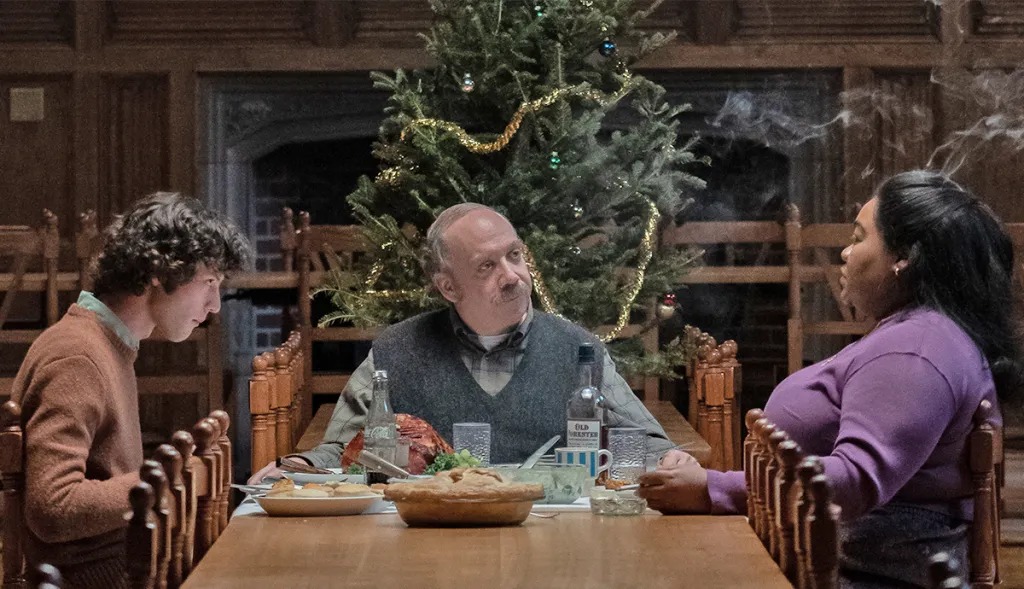
This return to smart, dyspeptic comedy reunites director Alexander Payne with another master of the form, Paul Giamatti. Not only set in 1970, it also looks and feels like something from that period with its painstakingly correct stylistic touches (opening credits font, slow dissolves, winsome folk-rock soundtrack), fully capturing the feeling and substance of a good Hal Ashby film. Still, Giamatti (an ornery all-boys schoolteacher), Da’Vine Joy Randolph (a cafeteria manager whose son was recently killed in Vietnam) and newcomer Dominic Sessa (the belligerent pupil Giamatti’s tasked to look after during holiday break) together give the film its soul.
4. MONSTER
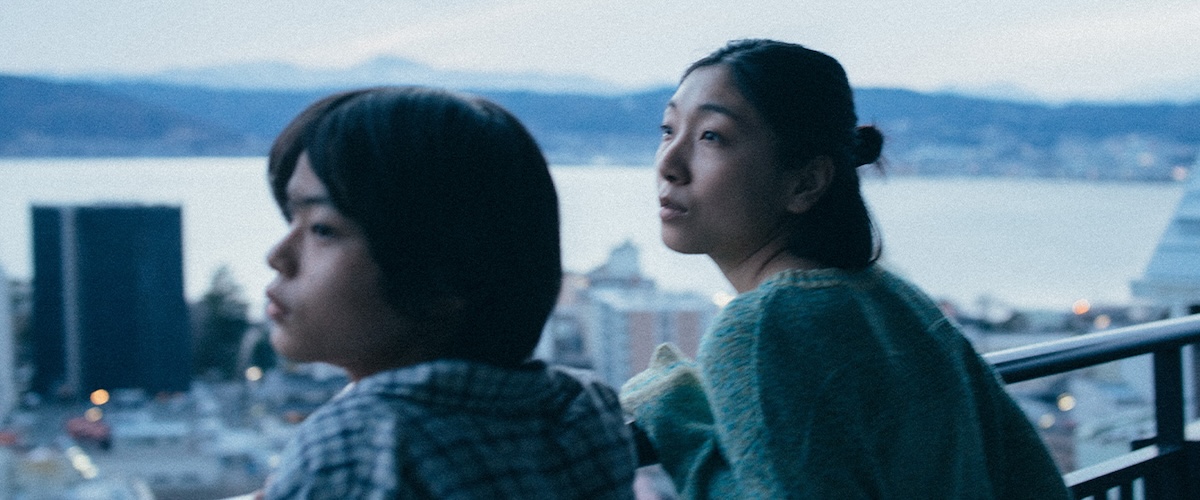
The first third of Hirokazu Kore-eda’s first effort set in his native Japan since Shoplifters comes off as a darkly comic fable about a fifth-grader being bullied by his teacher; what happens next sets the momentum for a narrative only fully revealed one all of its pieces gradually fall into place. One of the director’s most accessible works due in part to its swift pace, the unique structure enhances its rhythms—it also clinches one’s attention with humor and a tricky premise but then extends an invitation to learn the full story and witness how we can instill change in one another.
5. SHOWING UP
Kelly Reichardt’s (First Cow) latest is a reminder as to why I admire films where, while viewing them, my perception slowly, organically shifts from “Why am I watching this?” to “I never want it to end”. I’m also drawn to those that delve into the notion that it’s always best to go with the flow. Naturally, Reichardt’s longtime collaborator Michelle Williams is perfectly cast (as a somewhat cranky but undeniably talented starving artist), but don’t forget Hong Chau once again killing it in a supporting role or the evocative sound design.
6. AFIRE
This might be Christian Petzold’s (Undine) most explicitly comedic film to date. It starts off unassumingly, slowly building its relationships and character arcs as wildfires remain a background threat heard about but only seen via glowing, burnished, distant skies. Like those fires, it’s a slow burn until, all at once, it encompasses everything in its path with dire consequences for some and narrow escapes for others. It’s reminiscent of a Gary Shteyngart novel in that it’s expertly constructed, caustically funny and in the end, tinged with tragedy and the possibility of transformation.
7. GIVE ME PITY!
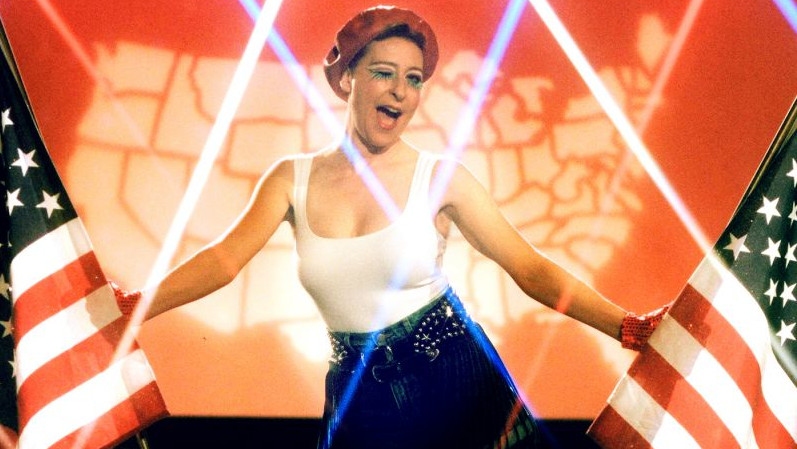
Cheerfully billed as “A Saturday Night Television Special” starring Sissy St. Claire (Sophie von Haselberg), writer/director Amanda Kramer’s art piece may feel as if it’s beaming in from another planet to those unfamiliar with 1970s/80s variety shows. But she understands that if you’re going to make a feature-length pastiche, pinpoint accuracy is required (smeary video in the 4:3 standard definition format, elaborate wigs, neon colors, the requisite hanging mirrorball, vintage-looking graphics, etc.) It also gradually transcends its premise, peeling off layer after layer of everything that goes into a performance and the toll it can take on the performer’s psyche.
8. PAST LIVES
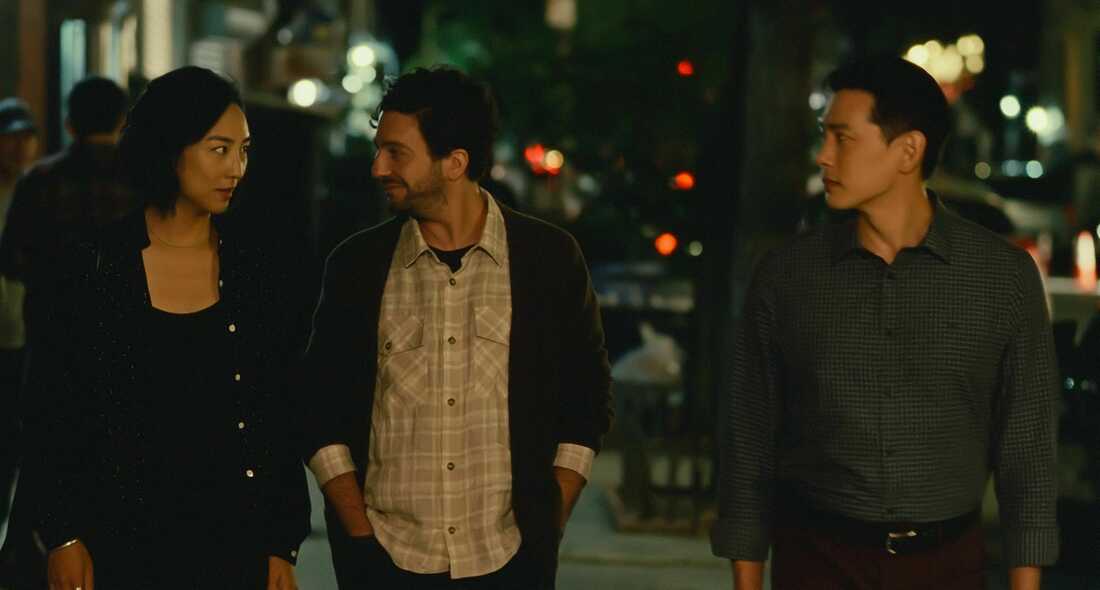
One can easily detect why Celine Song’s debut feature was so celebrated this year. In addition to strong performances from Greta Lee, Teo Yoo and John Magaro, it presents a love triangle setup with rare subtlety: it conveys its dramatic intricacies with grace and an understanding of what it means to be here now, always and forever one of the most relevant personal conflicts that narrative films tend to gloss over or simply ignore. It’s also invaluable as a record of how the present and past began to converge in the age of social media.
9. RYE LANE
British writer-director Raine Allen-Miller’s widely praised debut feature has all the elements a good rom-com should (sharp screenplay, appealing leads w/chemistry, plenty of laughs) but also an actual perspective that’s deeply felt in everything from the visual design and location shooting (South London comes off as vibrant here as it did dystopian in All Of Us Strangers) to the way in which it coaxes and earns its laughs. Acquired by Hulu in the US, it should have had as robust and expansive a theatrical release as Past Lives.
10. ANATOMY OF A FALL
A thriller about a woman (Sandra Hüller) accused of her husband’s murder that could just as easily have been a suicide, Justine Triet’s Cannes Palme d’Or winner is nearly as suspenseful as the best Hitchcock while also considerably more humanist in its depictions of the main character and her son. The trial scenes can be a bit much (e.g. the smug prosecutor) but overall this plays like a riveting page-turner of a novel. As the hearing-impaired son, Milo Machado Graner gives the best child performance in eons next to Lola Campbell (Scrapper).
11. KILLERS OF THE FLOWER MOON
Between the lead performances (Lily Gladstone, we love you) and how masterfully it builds without coming off as awards-bait, this already feels like Scorsese’s best of this century.
12. CLOSE
So much here is communicated through facial expressions and pauses in conversations. Explores the intensity of burgeoning adolescence in a way I haven’t seen done before.
13. ALL THE BEAUTY AND THE BLOODSHED
Maybe my favorite new documentary since the one on David Wojnarowicz, and his presence here doesn’t even distract from Nan Goldin, whose work and life personifies that blur between the two.
14. ROTTING IN THE SUN
The movie that dares to ask, “What is the biggest dick onscreen?” in all senses of the word; pretty ingenious in its use of a meta-narrative (plus Catalina Saaverda, as great here as she was in director Sebastian Silva’s The Maid.)
15. THE NOVELIST’S FILM
My fifth Hong Sang-soo film and easily my favorite for what it withholds and also for what it provides in return.
16. TORI AND LOKITA
Reassuring (if depressing) that cine-activists like the Dardennes will never run out of subjects stoking their outrage at an unjust society; one of their starkest and most effective critiques.
17. FALLEN LEAVES
A strange but charming middle-aged romance between a supermarket worker (Alma Pöysti) and an alcoholic laborer (Jussi Vatanen) that could only come from veteran Finnish purveyor of deadpan humor Aki Kaurismaki.
18. THE UNKNOWN COUNTRY
While it takes a little time to gather momentum, Morrisa Maltz’s narrative-docu-roadtrip hybrid ends up a fresh approach to telling a story of not just one person (Lily Gladstone, great again) but of the worlds she inhabits and intersects with.
19. NO BEARS
Of all the meta-films Jafar Panahi’s made in the past decade-plus since his government began enforcing restrictions preventing him from making another more traditional (so to speak) narrative like Offside, this feels like a summation, a crescendo and hopefully not the final word.
20. THE ZONE OF INTEREST
No atrocities are shown in Jonathan Glazer’s holocaust film but their background presence seems to permeate every scene with the horror of being adjacent to genocide and living with it. What’s tangentially acknowledged and left up to the imagination becomes just as disturbing as if one were to face it head on.
With no firsthand memory of it (being one year old at the time), for me, 1976 will always evoke the US Bicentennial, disco’s ascendancy and Stevie Wonder’s monumental (if not best) album Songs In The Key Of Life, whose still-dazzling first single leads off this year’s playlist. Another prime ’76 totem remains Wings’ sublimely daft “Silly Love Songs”, over which I’ve chosen its follow-up hit “Let ‘Em In” if only for its sheer weirdness—the precise moment Paul truly began (to paraphrase critic Robert Christgau) making pop directly geared towards potheads (give or take a “Hi, Hi, Hi”.)
Rather than blending everything together like a fruit salad (or this being the ‘70s, a health shake laced with alfalfa sprouts and some ‘ludes because why not), the first dozen or so tracks gradually shift from funk to disco, finding common ground between Boz Scaggs and ELO, or squeaky-clean Tavares and real-life porn actress Andrea True. While disco nears its artistic summit (but doesn’t quite reach it—check back next year) with extended jams from The Spinners, Dr. Buzzard’s Original Savannah Band and Diana Ross (her best single of the ’70s), there’s also new sounds to behold: punk via The Ramones (albeit at their cuddliest here), new wave from Blondie and The Modern Lovers (I don’t know where else to slot the latter; Jonathan Richman is more defiant dweeb than mere punk) and the newfound resilience of their forebears (Lou Reed, Bryan Ferry, David Bowie.)
ABBA’s “Knowing Me, Knowing You” is not only peak ’76 (from Arrival, but a hit the next year) but also the Swedish foursome’s crowning achievement (“Dancing Queen” a close second): it encompasses infinite shades of heartbreak in an immaculate pop song where the cracks still show but never fully give way to chaos amidst the steady beat and melodic hooks. Not even Elton and Kiki’s impassioned duet can top it. The lingering ennui of “Year of the Cat” by Al Stewart (the proto-Stuart Murdoch) is as good a place as any to go out on, although I debated placing The Langley Schools Music Project version of “Rhiannon” at the end: when those kids suddenly go loud at the chorus, it’s spookier than anything even Stevie Nicks could’ve come up with.
1976: It’s The Best I Can Do
Stevie Wonder, “I Wish”
Parliament, “Give Up the Funk (Tear the Roof Off The Sucker)”
Boz Scaggs, “Lowdown”
Electric Light Orchestra, “Livin’ Thing”
Candi Staton, “Young Hearts Run Free”
Maxine Nightingale, “Right Back Where We Started From”
Tavares, “Heaven Must Be Missing An Angel”
Andrea True Connection, “More, More, More”
Diana Ross, “Love Hangover”
Bee Gees, “You Should Be Dancing”
Walter Murphy, “A Fifth of Beethoven”
ABBA, “Knowing Me, Knowing You”
Blue Oyster Cult, “(Don’t Fear) The Reaper”
Cliff Richard, “Devil Woman”
Wings, “Let ‘Em In”
Elton John & Kiki Dee, “Don’t Go Breaking My Heart”
Bryan Ferry, “Let’s Stick Together”
AC/DC, “Dirty Deeds Done Dirt Cheap”
Ramones, “I Wanna Be Your Boyfriend”
Blondie, “Rip Her To Shreds”
David Bowie, “TVC15”
Lou Reed, “Coney Island Baby”
The Langley Schools Music Project, “Rhiannon”
The Modern Lovers, “I’m Straight”
James Brown, “Get Up Offa That Thing”
The Spinners, “The Rubberband Man”
Dr. Buzzard’s Original Savannah Band, “Cherchez La Femme / Se Si Bon”
Lou Rawls, “You’ll Never Find Another Love Like Mine”
I’ve often heard my birth year described as the absolute nadir of the 1970s: after all, the year’s top-selling US single was The Captain and Tennille’s “Love Will Keep Us Together”, as deathless an encapsulation of mid-seventies kitsch as one could imagine. Easy listening, in addition to prog-rock and earnest singer/songwriter stuff seemed to dominate. Punk and new wave were still a year or two off from creating seismic change (in the UK, at least.)
Still, scanning through this year’s number-one singles, look beyond the likes of Olivia Newton John, John Denver, Barry Manilow, etc. and you’ll find imperial phase Elton John (for good (“Philadelphia Freedom”) and for ill (his pointless Beatles cover)), Earth, Wind and Fire (somehow their only Hot 100 number-one) and even David Bowie (with help from arguably the coolest Beatle.)
You also have The Bee Gees thrillingly reinventing themselves with “Jive Talkin’”, reflecting how disco, not yet entirely dominant, started seeping into the mainstream. This mix’s first third is made for dancing, bouncing between instrumental funk (Average White Band–the number one song when I was born), orchestral splendor (ELO) and pure camp (Disco Tex and His Sex-O-Lettes). It shows how disco gradually spread across the globe, from Philly (The Spinners) to Miami (KC and the Sunshine Band) and over to Munich, with Silver Convention’s remedial but transcendent simplicity setting the stage for Donna Summer’s 16-minute-long orgasmic aria, truly like nothing preceding it in the clubs or on the charts.
Perhaps another innovative single, 10cc’s “I’m Not In Love” evokes the era more vividly, its watery electric piano and overdubbed expressionist vocals suffusing the air like pea soup; both its era-specificity and peculiarity anticipate the weird assortment of songs that follow. On one hand, the artists everyone knows: Fleetwood Mac, Paul Simon, Heart, Steely Dan (albeit with an (admittedly catchy) album track about a pedophile!); on the other, the cultish stuff my contemporaries will lionize decades later—Sparks, Roxy Music, The Rocky Horror Picture Show and even some proto-punk/new wave stuff like Patti Smith and Brian Eno.
Going forward, these annual playlists will feature at least thirty songs and occasionally a few more if I can’t justify leaving anything off.
1975: Such A Crazy High
Average White Band, “Pick Up The Pieces”
Silver Convention, “Fly Robin Fly”
Earth, Wind & Fire, “Shining Star”
LaBelle, “Lady Marmalade”
Bee Gees, “Jive Talkin’”
Disco Tex and His Sex-O-lettes, “Get Dancin’ (Part 1)”
KC & The Sunshine Band, “That’s The Way (I Like It)”
Donna Summer, “Love To Love You Baby”
Electric Light Orchestra, “Evil Woman”
The Spinners, “They Just Can’t Stop It The (Games People Play)”
Dionne Warwick, “Once You Hit The Road”
Elton John, “Philadelphia Freedom”
Shirley & Company, “Shame, Shame, Shame”
David Bowie, “Fame”
10cc, “I’m Not In Love”
War, “Low Rider”
Paul Simon, “50 Ways To Leave Your Lover”
ABBA, “Hey, Hey Helen”
Joni Mitchell, “Edith and the Kingpin”
Fleetwood Mac, “Say You Love Me”
Tim Curry, “Sweet Transvestite”
Sparks, “Looks, Looks, Looks”
Teach In, “Ding-A-Dong”
Pink Floyd, “Wish You Were Here”
Steely Dan, “Everyone’s Gone To The Movies”
Patti Smith, “Gloria: In Excelsis Deo”
Brian Eno, “The Big Ship”
Heart, “Crazy On You”
Roxy Music, “Just Another High”
Steve Harley & Cockney Rebel, “Make Me Smile (Come Up and See Me)”
Courtesy of The Criterion Channel, I kicked off 2023 re-watching everything Mike Leigh directed up through Four Days In July (except for the presently unstreamable Bleak Moments) and concluded the year viewing every feature and short directed by Hal Hartley up through Henry Fool. In between, I saw lots of good stuff for the first time; here are my ten favorites.
1. STARTING OVER
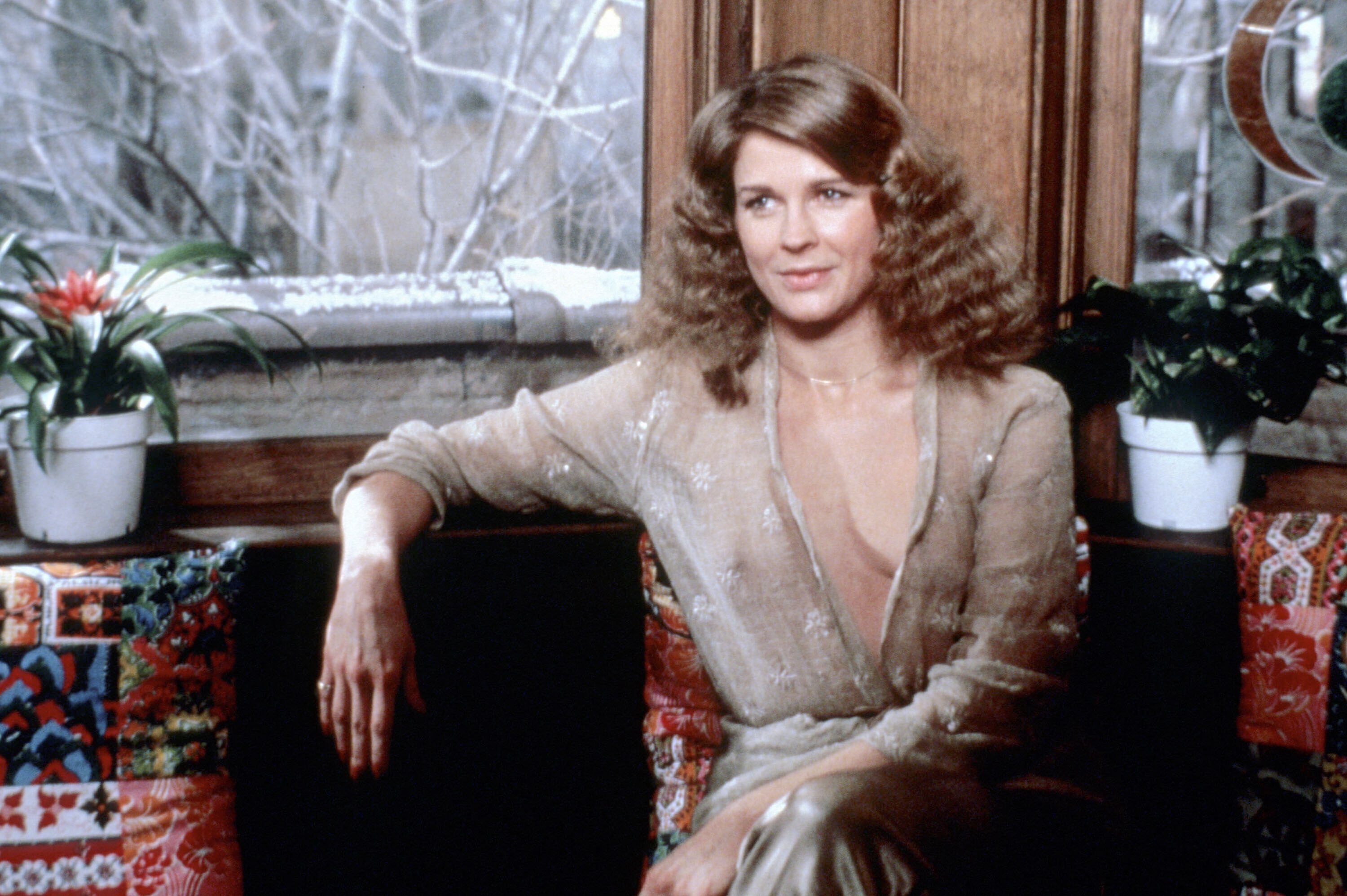
As late-70s divorce films go, there are Kramer Vs. Kramer people and Starting Over people; count me as one of the latter. As a Boston-shot-and-set movie from this era, it’s even better than Between The Lines. Also, you have Burt Reynolds at his best (imagine if he chose to make more intelligent rom-coms like this!), the always engaging Jill Clayburgh and of course a hilarious Candice Bergen, truly “Better Than Ever” (at least until Murphy Brown.)
2. THERE’S ALWAYS TOMORROW
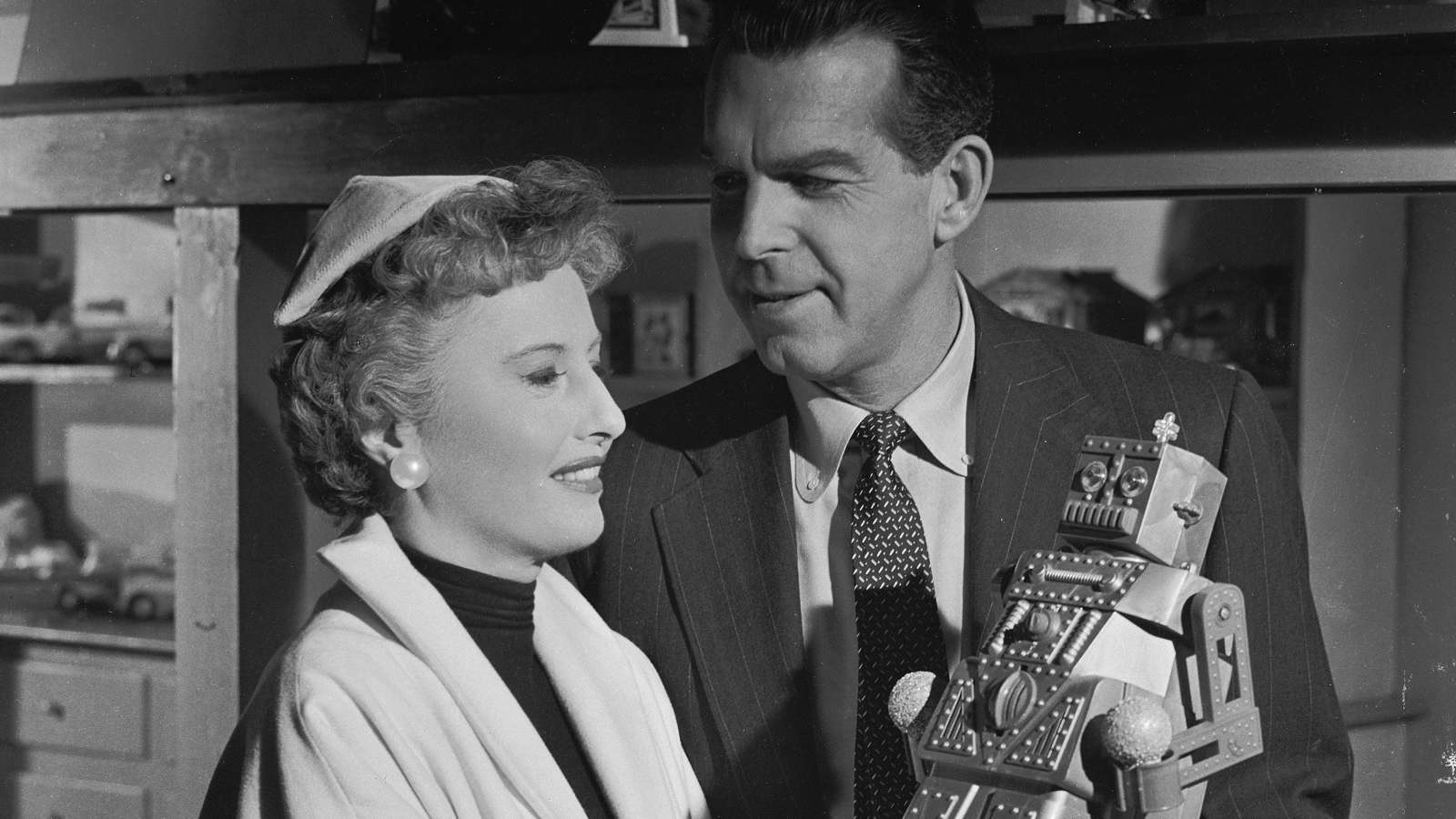
Even “minor” Douglas Sirk is pretty great because he just can’t resist a shot of three creepy clown dolls seconds after the opening credits or dialogue like “It’s just so incredibly atomic!” or weird framing such as placing that unsettling little robot (“Rex”) in the left foreground while relegating star Fred MacMurray to the back. If this were in Technicolor instead of black-and-white it might be as celebrated as All That Heaven Allows.
3. UNFORGIVEN
My attempt to see every single Academy Award Best Picture winner continued this year, with this one from 1992 by far the most revelatory of those I watched. As someone who has often admired but rarely loved Clint Eastwood as a filmmaker, “We all got it coming, kid” is a more vulnerable and profound conclusion than I would have ever expected from him. A revisionist Western nearly up there with McCabe & Ms. Miller, no less.
4. THE WAGES OF FEAR
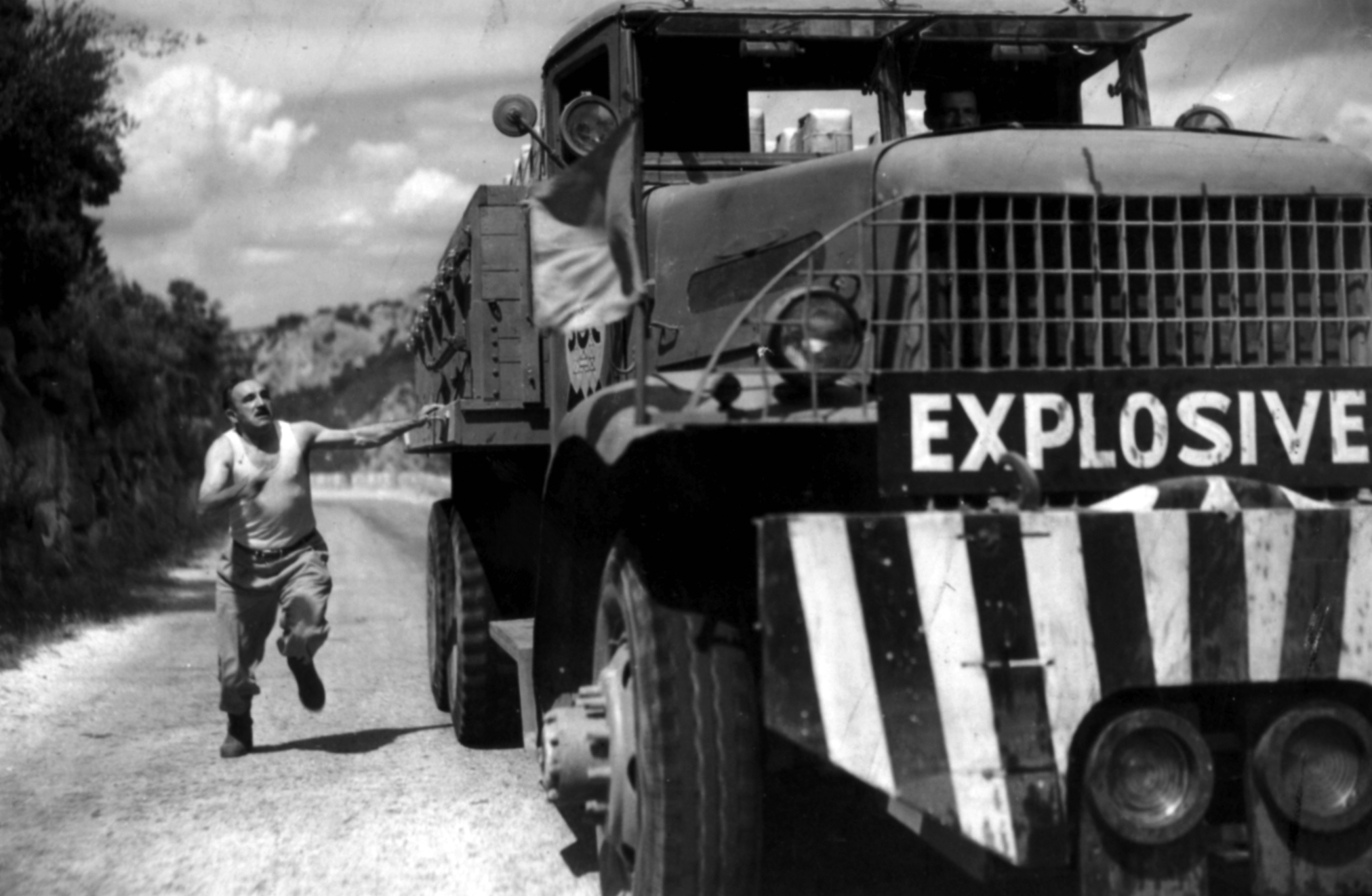
Obviously no one ever told Mario (Yves Montand) (or his pal Luigi (Folco Lulli), LOL) about that old adage, “You Can’t Win.” A thriller barely surpassed in thrills and mounting intensity. Also, perhaps the best movie without a score until The Birds. William Friedkin’s (RIP) 1977 pseudo-remake Sorcerer is near the top of my watchlist, though I’m holding out for a theatrical screening.
5. THE SPIRIT OF THE BEEHIVE
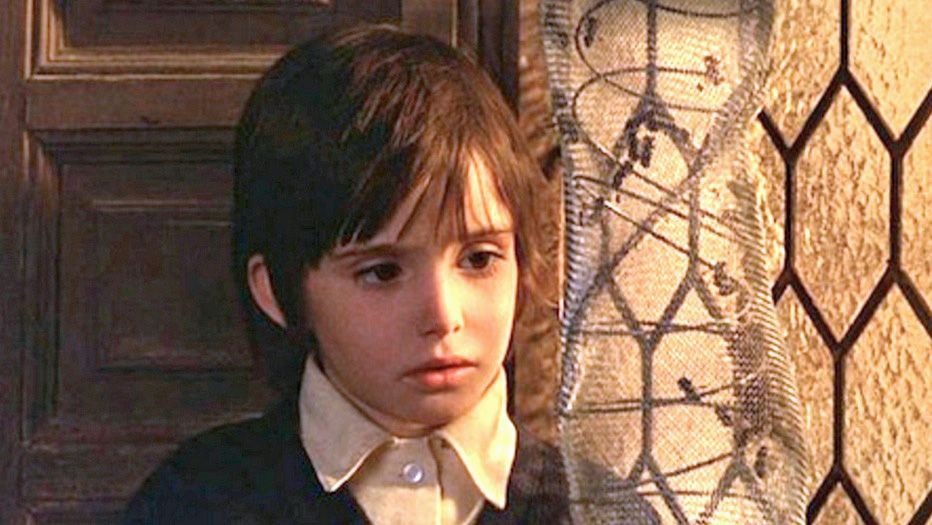
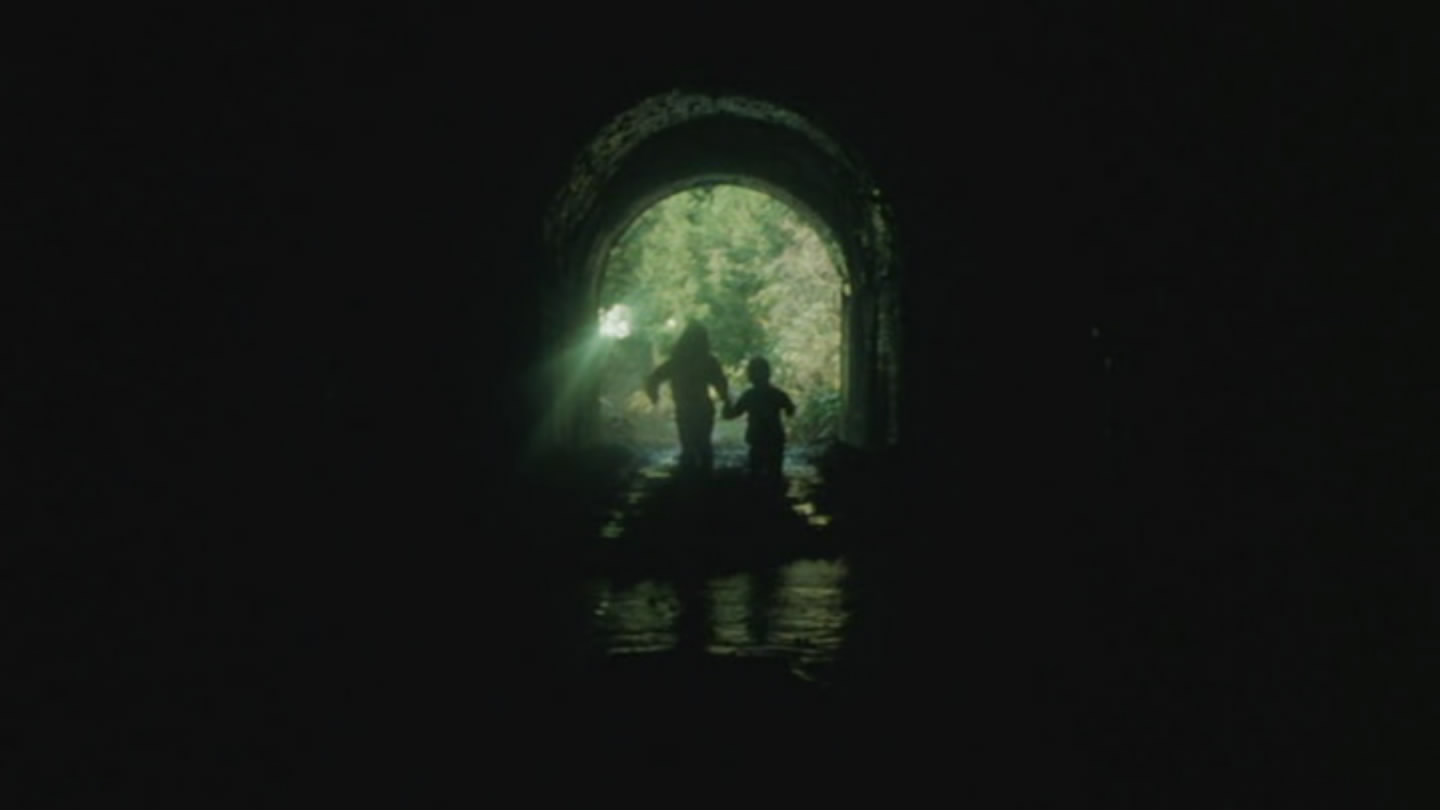
Victor Erice’s memory piece should resonate for those who recall childhood as something approaching a fever dream—it may appear ordinary on the surface, but it teems with mystery and engages in the act of discovery. The kids attending a screening of the 1931 Frankenstein is up there with all-time great scenes of characters in movies watching other movies.
6. THE RIGHT STUFF
Maybe the best film about space travel after 2001: A Space Odyssey? Apart from sections of the score, it might’ve been made yesterday. Of the impressive ensemble and appearances by everyone from Lance Henriksen to Jeff Goldblum, it was most surprising to see how charismatic a young Dennis Quaid was—he lights up every scene he’s in and I can’t help but think his career subsequently did not live up to this potential.
7. MABOROSI
The title translates as “a trick of the light”, which Hirokazu Kore-eda already depicts masterfully in his first narrative feature. The subject matter’s not dissimilar to his subsequent films even if it’s comparatively opaque. Still, the visual language he uses to propel it forward is so inventive and intuitive I hope I can see it in a cinema one day.
8. VIRIDIANA
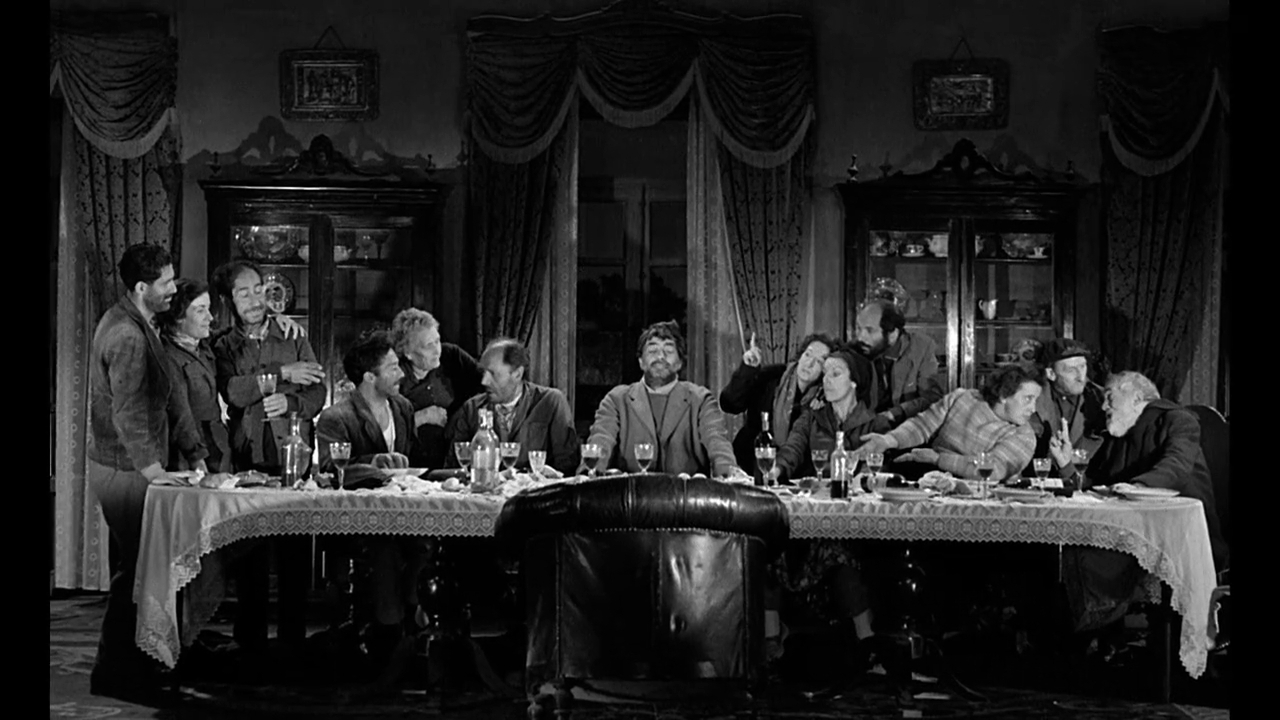
Often entertained but rarely moved by many of his films, Luis Buñuel hits the bullseye on this one—even if the moral now seems quaint, the audacity with how sinuously he blends the comic with the horrific to arrive at it still startles. As a lapsed Catholic myself, I felt both reverence at his depiction of religious iconicity and the wicked glee with which he masterfully dismantles it.
9. HEAT
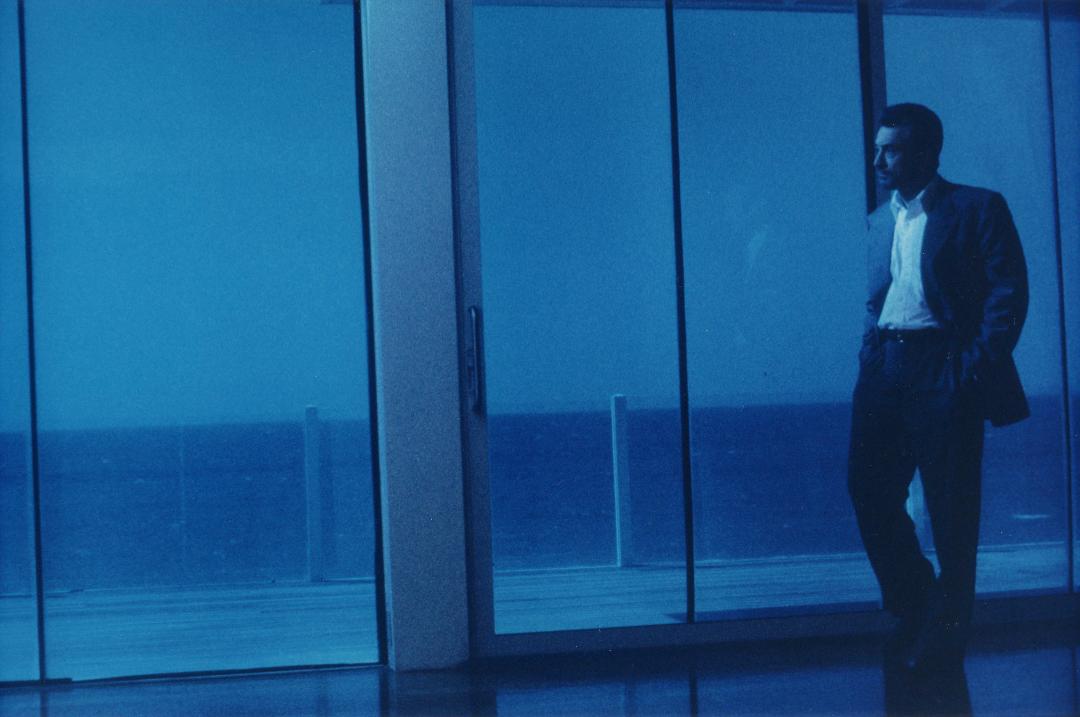
In Michael Mann’s more-revered-with-each-passing-year crime epic, Robert De Niro’s rare stoicism beautifully balances out Al Pacino’s fervent (if inspired) outbursts while Val Kilmer’s groundwork eventually reveals itself as a life-force when he finally flashes that million-dollar smile near the end. A world I would never want to physically exist in but am happy to witness from the other side of the screen.
10. IVANS XTC.
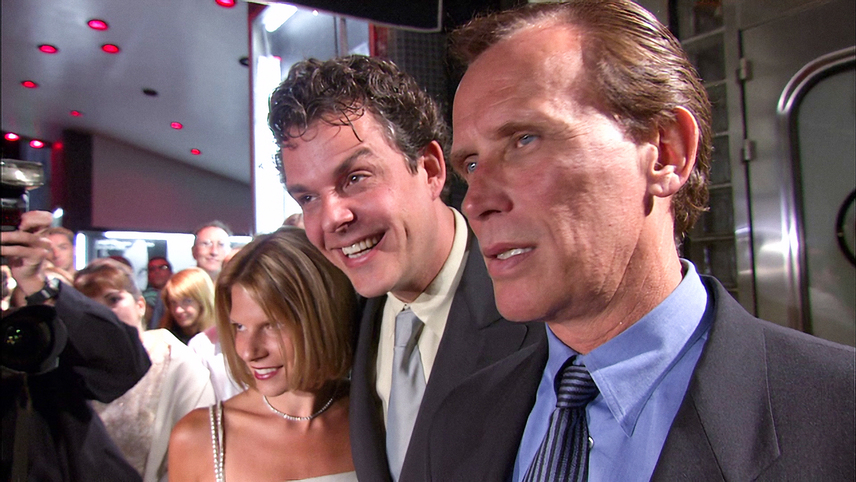
Barely released at the time and long since unavailable, this early digitally-shot feature now plays like an immediate precursor to Mulholland Drive without much of the Lynchian weirdness but all of the gimlet-eyed perception of modern Hollywood. An Academy Award for a tremendous Danny Huston would’ve been much, much more satisfying than the two given to Russell Crowe around this time.
HONORABLE MENTIONS:
All The King’s Men (1949)
Black Girl
The Bridge on the River Kwai
Catch Me If You Can
Deep End
Hour of the Wolf
Kiss Kiss Bang Bang
Lady Macbeth
Rachel, Rachel
The Third Generation
Tricia’s Wedding
Unbreakable
Trust
BEST REWATCHES (not including anything for 24 Frames):
When asking what the absolute worst era for music actually was, most Boomers and Gen-X-ers will probably answer the 1970s and the early 70s in particular. A time immediately predating me, I have no authority on what it was really like or how things turned so… brown coming out of the comparatively Day-Glo 1960s. Browsing through a list of the era’s number one hits, one finds support to back up this notion: “Tie A Yellow Ribbon ‘Round the Ole Oak Tree”, “The Candy Man”, “My Ding-A-Ling”—all easy targets for sure, but don’t forget when bad hits happened to good people like Paul McCartney’s putrid “My Love”. On the other hand, “It’s Too Late”, “You’re So Vain”, “Papa Was a Rollin’ Stone” and Macca’s own “Band On The Run” also topped the charts. No matter the era or the year (as we’ll see here), there was always plenty of excellent pop music to go with all the bad stuff.
Scan through the following list of fifty songs and you’ll see there’s a lot going on: the golden age of the singer/songwriter with figures as disparate as Randy Newman, Todd Rundgren and Cat Stevens; the last great gasps of Top 40 AM radio (The Fortunes, George Baker Selection); truly new sounds from other lands (CAN’s krautrock, the peculiar, Polish vocalese of the Novi Singers); psychedelic hangovers (the Martyn’s, Linda Perhacs); perennial, titanic figures at their peaks (Stevie Wonder, Van Morrison, Elton John, Paul Simon); UK glam-pop (T. Rex, Sweet) and UK art-rock (Pink Floyd, Roxy Music and their ex-member Brian Eno.)
Arguably, the creative leaps in music made by African-American artists most crucially defines this period. While Dionne Warwick and James Brown each push their aesthetic (baroque pop-soul and relentless funk, respectively) as far as they reasonably can, an upstart such as Gil Scott-Heron heavily anticipates hip-hop, another like Bill Withers writes songs rivaling Newman’s own and Curtis Mayfield, a relative veteran redefines the times by singing explicitly of them. The Pointer Sisters recontextualize the past for the present, The Fifth Dimension convey how sophisticated the latter could be and Barry White and Gladys Knight & The Pips thrillingly look ahead towards what would later become disco.
All that and novelties (Redbone), Broadway (Pippin), the rock movie musical (Paul Williams, more convincing there than as a singer-songwriter) and of course, the inaugural international smash from Eurovision-winning ABBA, whom we’ll see plenty of in the next couple of years. We officially begin next week with 1975!
1970-74: Keep On Keepin’ On
Al Stewart, “A Small Fruit Song”
Rodriguez, “Crucify Your Mind”
Novi Singers, “Torpedo”
John Martyn & Beverly Martyn, “Auntie Aviator”
George Baker Selection, “Little Green Bag”
Tom Jones, “Daughter of Darkness”
Linda Perhacs, “Parallelograms”
Van Morrison, “Into The Mystic”
George Harrison, “What Is Life”
Randy Newman, “Have You Seen My Baby?”
Cat Stevens, “Don’t Be Shy”
Harry Nilsson, “Jump Into The Fire”
Redbone, “The Witch Queen Of New Orleans”
Gil Scott-Heron, “The Revolution Will Not Be Televised”
Bill Withers, “Harlem”
Serge Gainsbourg, “Melody”
Dionne Warwick, “Amanda”
James Brown, “Hot Pants”
The Fortunes, “Here Comes That Rainy Day Feeling Again”
The Who, “My Wife”
Ben Vereen/Pippin Original Cast, “Magic To Do”
Big Star, “The Ballad of El Goodo”
CAN, “Spoon”
Carly Simon, “You’re So Vain”
Curtis Mayfield, “Superfly”
The Fifth Dimension, “(Last Night) I Didn’t Get To Sleep At All”
Paul Simon, “Mother and Child Reunion”
Lou Reed, “Satellite of Love”
T. Rex, “Telegram Sam”
Todd Rundgren, “I Saw The Light”
Barry White, “I’m Gonna Love You Just A Little More Babe”
Bryan Ferry, “A Hard Rain A-Gonna Fall”
Elton John, “Grey Seal”
Gladys Knight & The Pips, “I’ve Got To Use My Imagination”
Sweet, “Little Willy”
The Pointer Sisters, “Yes We Can Can”
Stevie Wonder, “Don’t You Worry ‘Bout A Thing”
John Cale, “Paris 1919”
Pink Floyd, “The Great Gig In The Sky”
Al Green, “Here I Am (Come and Take Me)”
ABBA, “Waterloo”
Brian Eno, “Mother Whale Eyeless”
Steely Dan, “Any Major Dude Will Tell You”
Richard & Linda Thompson, “I Want to See The Bright Lights Tonight”















 Haunted Jukebox