Top Ten Films: 2005

Cache

My Top Ten Films of 2005:

  1. Me and You and Everyone We Know
  2. C.R.A.Z.Y.
  3. Cache
  4. Grizzly Man
  5. Linda Linda Linda
  6. A History of Violence
  7. 49 Up
  8. The Squid and The Whale
  9. Brokeback Mountain
  10. Shanghai Dreams

Honorable Mentions: 12 and Holding*, Brothers Of The Head, Eve and The Fire Horse*, L’Enfant (The Child), The Secret Life Of Words, Three Times*, The Wayward Cloud

For My Watchlist: Lady Vengeance, Leonard Cohen: I’m Your Man, The New World, Takeshis’, Zizek!

*

I created this series with pre-2000 cinema in mind; since beginning to compile annual lists in real time around the turn of the century, I assumed post-2000 stuff didn’t need revisiting. However, something’s drawing me back to 2005 and it’s not just because of the current anniversary. Two decades ago, my moviegoing was at its peak (125 films seen in theaters!); it was also the first Toronto International Film Festival (TIFF) I attended. Among the 16 titles seen there, four of them make my top ten above: Jean-Marc Vallee’s Quebecois coming-of-age chronicle, Michael Haneke’s psychological thriller, Noah Baumbach’s best film until Frances Ha and Wang Xiaoshaui’s own coming of age story: a Cannes Jury Prize winner, the first film I ever saw at TIFF (it set a high bar) and one that’s been difficult to see ever since, not receiving any U.S. distribution. (*Three of my other screenings from that TIFF also make the honorable mentions, all of them relatively obscure today.)

In addition to A History of Violence and Brokeback Mountain (both of which I’d catch later in their theatrical releases days apart; could stand to revisit each of them as their DVDs sit on my shelves), TIFF also screened Linda Linda Linda from Japan, which I would see at the Brattle a little over a year later and revisit at the same theater upon its 20th anniversary re-release last month. One of the all-time best films about being a teenager, its contemplative, day-to-day rhythms are never disingenuous or not relatable, just one moment after another that rewards the viewer’s patience as they gradually add up to an earned triumph.

I watched Grizzly Man at the theater I worked at days before that TIFF; it remains my favorite Herzog film of this century. 49 Up I’d see a year later when it received its U.S. release: one day, I plan on sitting down and watching all the Up films in order (still haven’t seen the last one) but I recall this edition standing out for how it delved deeper into the philosophical implications and psychological effects its subjects experienced by having their lives put on display since childhood.

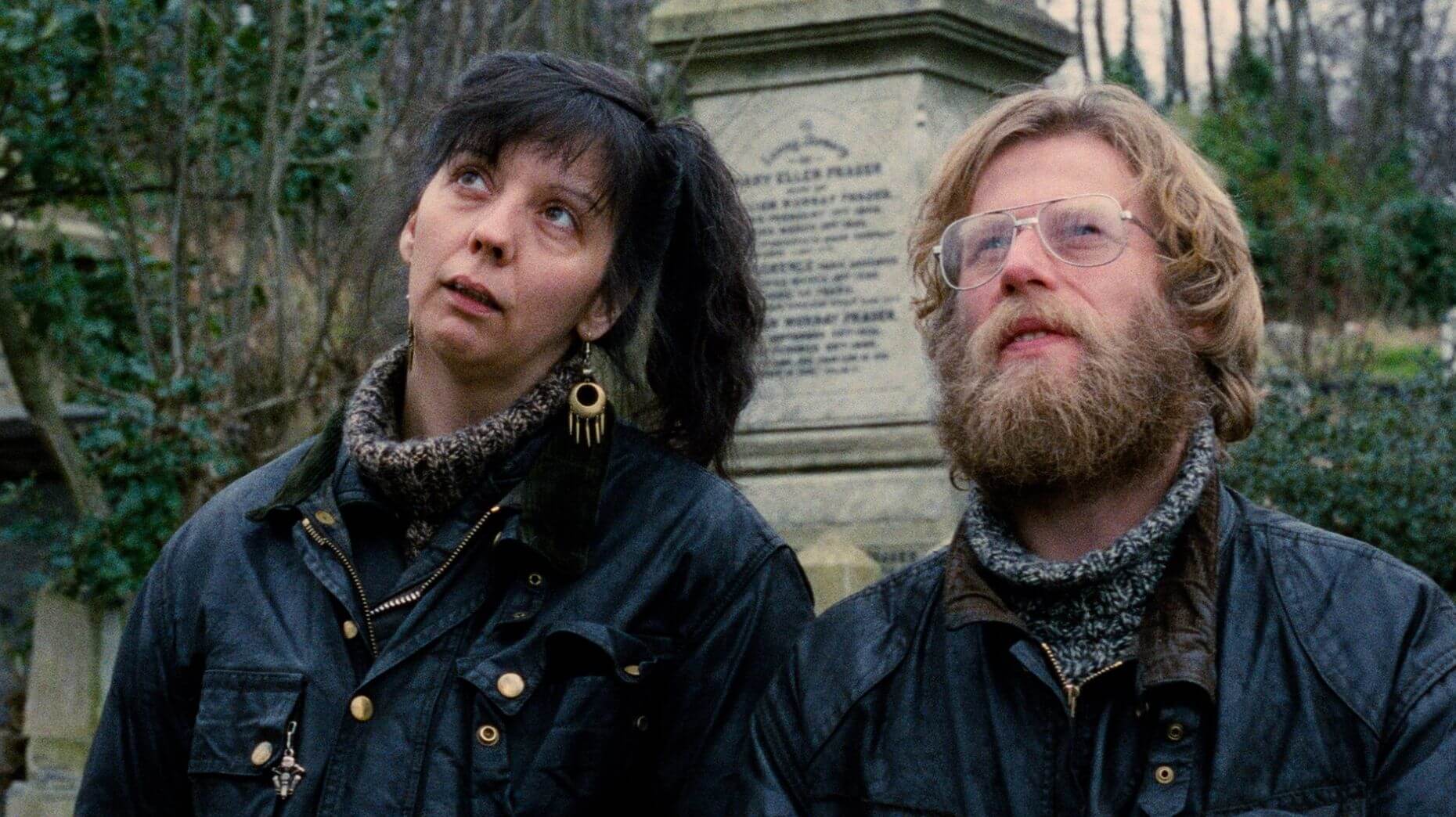
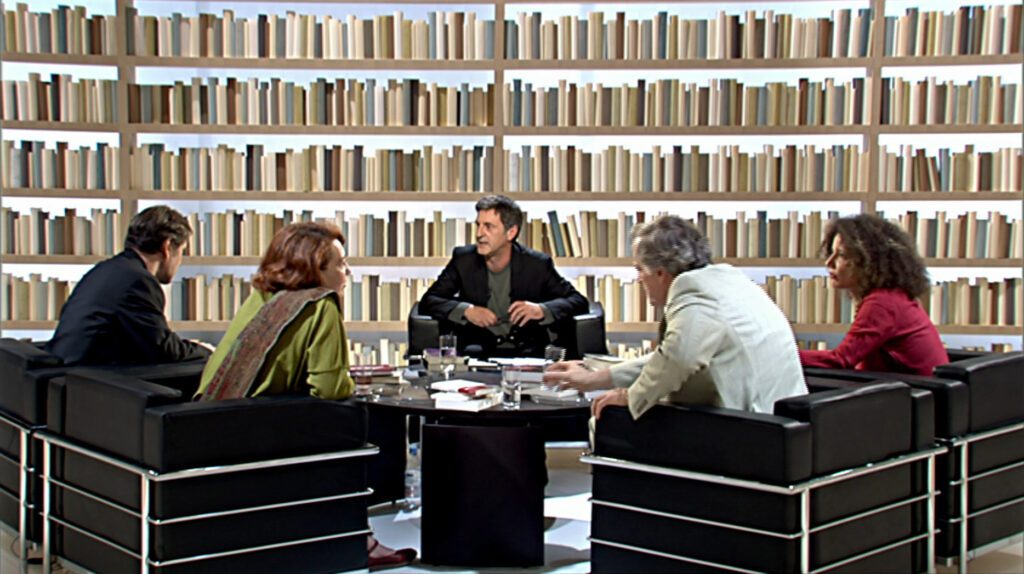
Just as in 2005, Miranda July’s debut feature remains at the top (I wrote about it extensively here) while C.R.A.Z.Y. (like Shanghai Dreams, it also never got a US theatrical release) is a close second. Since I wrote more about that one here, I’ve chosen to spotlight Cache, which left my friends and I dumbfounded (or at least speechless) after the TIFF screening. Viewing it again two years ago (also at the Brattle!), I noted how Haneke was making movies about White privilege (and guilt) years before it was fashionable. Naturally, there’s more to the film than that—less a puzzle box to solve than another reminder from the director that the past is still present even if we can’t always recognize it as such.

Given the volume of what I’ve viewed from this year, I knew I’d struggle to come up with five unseen titles for my watchlist; honestly, the one I want to see most (Takeshi Kitano’s Takeshis’) is the hardest to find. Somehow, I’ve never gotten around to the Cohen doc despite being a perennial fan or the Park Chan-wook film (although I’ve enjoyed his recent efforts.) The only allure of the Malick film for me is, of course, Malick. As for Zizek!, I should first research whether that or The Pervert’s Guide To Cinema is the best place to begin with the guy.
Top Ten Films: 1969

My Top Ten Films of 1969:

  1. Army Of Shadows
  2. Kes
  3. Salesman
  4. Midnight Cowboy
  5. Women In Love
  6. They Shoot Horses, Don’t They?
  7. Z
  8. Medium Cool
  9. Funeral Parade of Roses
  10. Putney Swope

Honorable Mentions: Burn!, Coming Apart, The Magic Christian, My Night at Maud’s, The Prime of Miss Jean Brodie, Sweet Charity

For My Watchlist: Age of Consent, Boy, Last Summer, Lions Love, The Milky Way, The Passion of Anna, The Sterile Cuckoo

*

That halcyon year before Covid, the theatre I worked at put on a “Summer of ‘69” series spotlighting some of that year’s chestnuts on their fiftieth anniversary (plus the documentary Woodstock, a thrill to take in on the big screen in all its split-screen glory.) As part of this series, for the first time I saw Medium Cool and Butch Cassidy and The Sundance Kid; easy to see why the latter was a phenomenon although it felt a little creaky a half century on while the former was revelatory for its docu-fiction hybrid and Robert Forster’s presence. In this series, I also rewatched Midnight Cowboy, whose Best Picture win remains galvanizing—proof of how quickly the culture was changing—and Sweet Charity, flawed and mawkish but still containing three or four of the all-time best musical sequences in film.

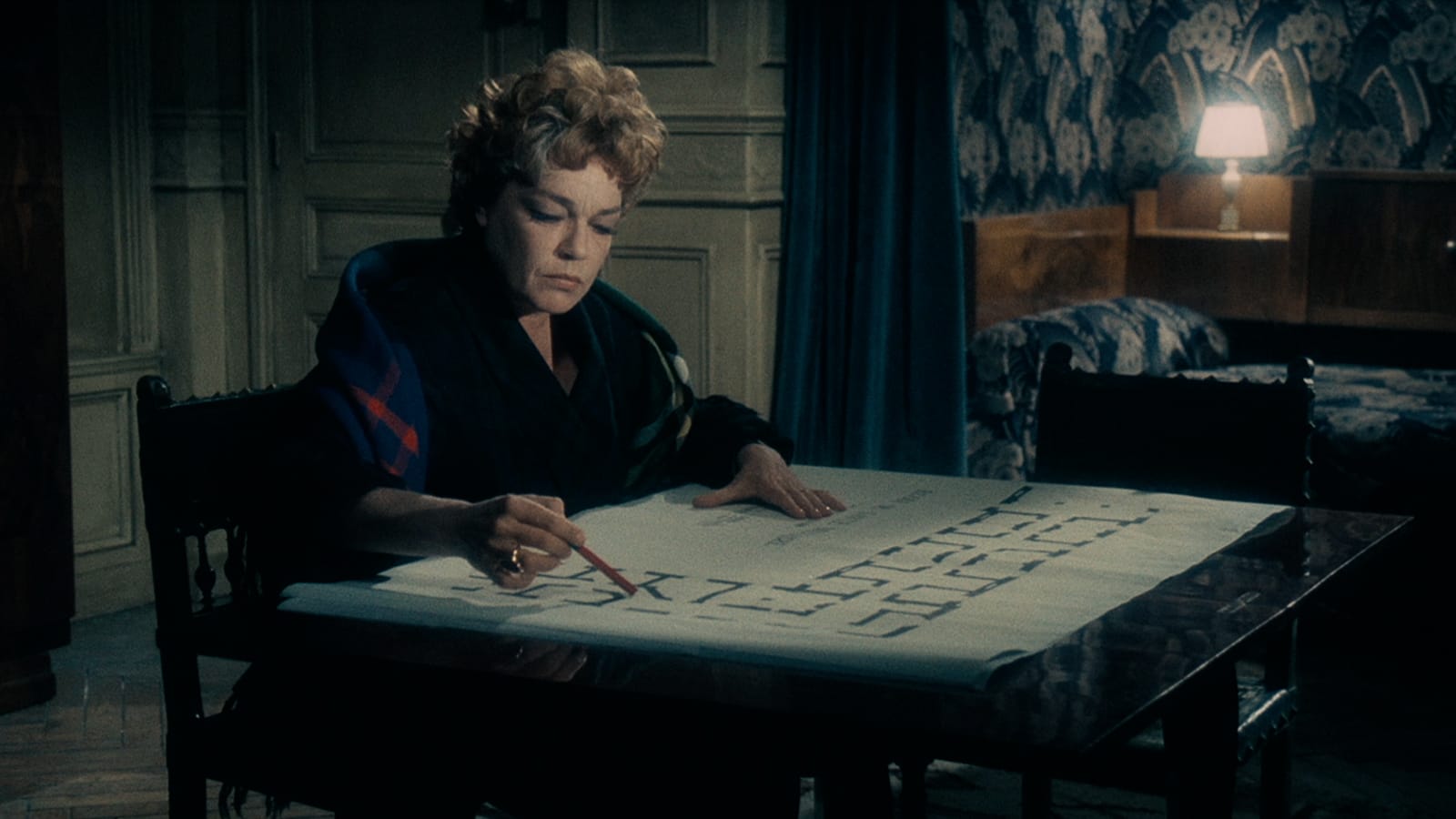
However, Army of Shadows was an easy choice for the top slot. Not officially released in the US until 2006 (I first saw it then at the Kendall Square Cinema), this moody, minimalist account of French resistance fighters during World War II is still my favorite Jean-Pierre Melville film even if the Alain Delon-starring Le Samourai from two years before remains his most popular and iconic. Simone Signoret might have won an Oscar a decade earlier for Room At The Top but had this received a domestic release at the time, she should have been a shoo-in for another one.

Kes and They Shoot Horses, Don’t They? were relatively recent discoveries as were Funeral Parade of Roses and Putney Swope though I had no qualms about rating the first two far higher than the others. Z, which originally required three separate viewings for me to stay awake through is one I’d love to revisit, ideally in a cinema. A very recent watch, Ken Russell’s currently non-streaming Women in Love (recorded off of TCM) is one of his best thanks in part to Glenda Jackson’s tremendous performance. Still, if you want the most accurate vision of what 1969 was really like, check out the Maysles brothers’ Salesman, a documentary about door-to-door bible hawkers that plays out like Death of a Salesman (minus the death) in real time.

I have my own reasons for each of my watchlist selections (Agnes Varda, Michael Powell’s obscure last film, one of Liza Minnelli’s first, etc.) and almost caught Last Summer when it appeared on TCM’s schedule a year or two ago but then either failed to record on my DVR or didn’t air at all. If the cable network ever gets really adventurous and screen Milton Moses Ginsberg’s Coming Apart (which I last saw decades ago in grad school with the director in attendance), I wouldn’t mind returning to this single-shot, Rip Torn-starring oddity.

Top Ten Films: 1988

My Top Ten Films of 1988:

  1. High Hopes
  2. Beetlejuice
  3. Hairspray
  4. Women On The Verge Of A Nervous Breakdown
  5. Running On Empty
  6. A Fish Called Wanda
  7. Dead Ringers
  8. Midnight Run
  9. The Decline of Western Civilization Part II: The Metal Years
  10. Landscape In The Mist

Honorable Mentions: Chocolat, Crossing Delancey, Distant Voices Still Lives, The Unbearable Lightness of Being, Who Framed Roger Rabbit

For My Watchlist: Dangerous Liaisons, Drowning By Numbers, The Last Temptation of Christ, Married To The Mob, Rain Man

*

I often rag on the 1980s as an underwhelming decade for cinema, and most of its Best Picture Oscar winners have proven me right (with a few exceptions, and yes, I still need to see Rain Man.) This explains why I was particularly drawn to 1988, which seems an anomaly in this period.

Look at this top ten! We have big budget studio pictures that are uncommonly witty (A Fish Called WandaMidnight Run), emotionally complex (Running On Empty) and exceptionally weird (Beetlejuice, my second favorite Tim Burton after the one that will likely be #1 for its respective year.) There’s also international auteur-centric filmmaking of the highest order (Almodovar’s most iconic effort, one of Cronenberg’s wildest body horror/character studies) and what remains my top John Waters film, partially because it’s the first one I saw but also for how nimbly it threads the needle between his earlier transgressiveness and his later subversive shadowing of mainstream pop culture. Theo Angelopoulos’ lyrical art film Landscape In The Mist is an outlier here, but not much more than Penelope Spheeris’ frank and entertaining LA hair metal doc (RIP Ozzy Osbourne, whose sequence in it feels like an inspired audition for his later reality show.)

At the top, however, sits the essential Mike Leigh film. Made for the cinema after a decade-and-a-half of mostly productions for British television, it’s where he perfects his long-gestating obsessions on class, family and politics (especially the scourge of Thatcherism) by focusing on three urban couples, one of which, lovingly played by Leigh regulars Ruth Sheen and Phil Davis might be his most detailed and humanist depiction of the proletariat. High Hopes doesn’t shy away from broad humor or the absurd situations often bubbling through his work, but how ever hyper-specific it comes across as a view of its time and place, it’s altogether the defining dramatic record of it.

Perhaps Roger Rabbit or The Unbearable Lightness of Being might’ve cracked the top ten had I seen either of them since the 1990s. Chocolat and Crossing Delancey, both more recent first-time watches are highlights in each of its director’s filmographies (Claire Denis and Joan Micklin Silver, respectively.) The Terence Davies film is an important one but I prefer its 1992 follow-up for how it approaches similar subject matter with more nuance and visual ingenuity. It’s more surprising to me that I’ve never made the time to see Jonathan Demme’s mafia comedy or Dangerous Liaisons than Scorsese’s controversial biblical epic although all three (along with the Peter Greenaway film) are titles I intend to watch someday. Stay tuned to see if any other year from the 1980s proves as robust as this one.

Top Ten Films: 1955

My Top Ten Films of 1955:

  1. The Night Of The Hunter
  2. Pather Panchali
  3. All That Heaven Allows
  4. It’s Always Fair Weather
  5. Rebel Without a Cause
  6. The Phenix City Story
  7. Les Diaboliques
  8. The Trouble With Harry
  9. Kiss Me Deadly
  10. Lola Montes

Honorable Mentions: Bad Day At Black Rock, The Desperate Hours, Marty, Ordet, Rififi

For My Watchlist: Floating Clouds, Mr. Arkadin, Picnic, The Seven Year Itch, To Catch A Thief

*

Going back to the year of Back To The Future and it feels as transitional a time as it was for music, with cinema from all corners of the globe increasingly giving Hollywood product a run for its money. I’ve previously written about recent discoveries of the former (a revelatory 35mm screening of Pather Panchali late last year) and the latter (a viewing of It’s Always Fair Weather at home during peak lockdown when a scheduled screening was supposed to have occurred in normal times.)

Still, masterpiece that Satyajit Ray’s film is, the pole position goes to actor Charles Laughton’s sole directorial effort, a gothic thriller that flopped upon release but is now rightfully revered. Robert Mitchum’s “Preacher” (note quotation marks) is a delectably sinister and chilling character and performance. One could easily imagine a version of this made by Alfred Hitchcock, but Laughton imbues a tenderness that often seems beyond the former’s grasp (though his mordant comedy from the same year, The Trouble With Harry has faint traces of it); the film’s expressionistic style (particularly the high contrast black-and-white cinematography) also sets it apart from Hitch’s contemporaneous efforts (though I can’t say why To Catch A Thief is one of the few peak-period Hitchcocks I have yet to see.)

All That Heaven Allows is my second-favorite Sirk (my number one will likely top its year’s list) and perhaps his most quintessential Rock Hudson melodrama. The Phenix City Story is a startling obscurity that feels all too relevant seventy years on. It’s been too long since I revisited Rebel Without a Cause or Kiss Me Deadly but I firmly recall how iconic they are as, respectively, a teen angst character study and the hardest boiled of film noirs. Les Diaboliques could also use a revisit given my renewed appreciation of Henri-Georges Clouzot since seeing The Wages of Fear for the first time in 2023.

Given what it was competing with, I’m not mad at Marty winning the Best Picture Oscar, though it feels decidedly minor now. Not sure how high my hopes are for Picnic, though it has the enticing prospect of Kim Novak and William Holden as anchors. The Seven Year Itch is one of the few major Marilyn Monroe films I have yet to see, Mr. Arkadin one of the few minor Orson Welles ones. As for Floating Clouds, the only Naruse I’ve watched is Ugetsu which I should rewatch as well—unlike Ozu or Kurosawa, I don’t have a strong impression of him yet.

Top Ten Films: 1997

  1. The Sweet Hereafter
  2. Boogie Nights
  3. Happy Together
  4. Jackie Brown
  5. Grosse Pointe Blank
  6. Taste of Cherry
  7. L.A. Confidential
  8. Fireworks
  9. Henry Fool
  10. The River

Honorable Mentions: The Hanging Garden, The Ice Storm, Nowhere, Princess Mononoke, Romy and Michele’s High School Reunion

For My Watchlist: The Butcher Boy, Gattaca, The Life of Jesus, Public Housing, Xiao Wu

*

During this great transitional year (got my BA from Marquette, moved across the country to attend grad school at Boston University), The Sweet Hereafter was a revelation. Already drawn in by all of its glowing reviews, I saw at the Oriental Theatre in Milwaukee when home for Christmas break with a friend whose motivation to watch it with me was solely due to its enigmatic poster. As eye-opening as anything I’d seen in my first semester of studying film, I watched all of Atom Egoyan’s previous six features within the next six months. Briefly a candidate for 24 Frames (I ended up writing a little about it in my essay on star Sarah Polley’s own film Stories We Tell), it still stands (along with 1994’s Exotica) as Egoyan’s peak, the place where all of his obsessions coalesced into one of the best book-to-film adaptations of all time.

Paul Thomas Anderson went on to direct at least five features I’d rank above his second one, Boogie Nights, but what a breakthrough, the real fulfillment of auteur-driven studio pictures that Pulp Fiction promised a few years earlier. To express the visceral charge of being in love with cinema and also being able to back that up with the level of your craft is still a rare accomplishment; perhaps due to its length, I don’t revisit it as often as I should (speaking of Tarantino, Jackie Brown, in my mind his last great film until Once Upon A Time in Hollywood, also applies here.)

While making my way through the Wong Kar-wai box set a few years ago, Happy Together, which I hadn’t seen since its original release was the nicest surprise, intriguingly looking forward to his masterpiece In The Mood For LoveHenry Fool, rewatched in late 2023 when nearly all of Hal Hartley’s work was streaming on the Criterion Channel is by far the best of that trilogy (and maybe his last great work?) Grosse Pointe Blank and Romy and Michele remain solid comfort-food watches (I suspect L.A. Confidential would as well); I should also revisit Taste of Cherry since I now understand its cryptic ending (on first watch, my reaction was, “Wait, what did I miss? It just… ends, like that?”) As for Tsai Ming-liang’s long-unavailable The River, at this writing it’s streaming (with commercials!) on something called Plex which may be my best option to see it again (not holding out for hope for a public screening on 35mm anytime soon.)

Somehow, I never got around to The Butcher Boy or Public Housing despite having numerous opportunities to do so (I might’ve taped the latter, one of Frederick Wiseman’s marathon-length documentaries off of PBS at one point.) Hoping to see Xiao Wu soon in kicking off a chronological watch of Jia Zhangke’s back catalog inspired by his latest, Caught By The Tides.

Top Ten Films: 1975

Dog Day Afternoon

Time for a new occasional feature! Enhanced by the increase in movie watching at home I’ve undergone in the past five years, I’ll pick a year from the last century (not in chronological order), list my ten favorite films, a few honorable mentions and five titles I haven’t seen but want to watch. Kicking this off by turning back the clock to my birth year—1975’s often seen as a nadir of pop culture, but as a possible refutation, look at this list:

  1. Monty Python and The Holy Grail
  2. Dog Day Afternoon
  3. Nashville
  4. Grey Gardens
  5. Night Moves
  6. The Passenger
  7. Picnic At Hanging Rock
  8. Fox and His Friends
  9. The Rocky Horror Picture Show
  10. Smile

Honorable Mentions: Jaws, Jeanne Dielman, Mirror, Mother Kusters Goes To Heaven, One Flew Over The Cuckoo’s Nest

For My Watchlist: The Adventure of Sherlock Holmes’ Smarter Brother, At Long Last Love, A Boy and His Dog, Cooley High, The Story of Adele H.

*

Of course Monty Python and The Holy Grail would always end up my number one given the impact it had on my film vocabulary but Dog Day Afternoon is a close second. I revisited it about two years ago and noted that anyone looking to make a heist picture or a character study should retain all of it for future reference. Al Pacino should have also won the Oscar that year (Jack Nicholson, winner for One Flew Over The Cuckoo’s Nest arguably gave a worthier performance in The Passenger, possibly my favorite Antonioni after Red Desert) and the film’s handling of his character’s fluid sexuality is decades ahead of its time.

Nashville could’ve also been a serious contender for #2 but unlike Dog Day Afternoon, I haven’t seen it in nearly two decades. I could also stand to revisit Grey Gardens although I’m staunch (S-T-A-U-N-C-H!) in the feeling that I could remember it by heart. Night Moves, a more recent first-time watch was nearly Royal Tenenbaum, PI and I hope it’s becoming more widely seen given Gene Hackman’s recent passing. May Michael Ritchie’s perceptive beauty pageant satire Smile achieve the same status once Bruce Dern inevitably kicks the bucket.

Some may scoff at Rocky Horror’s inclusion but I’ve come to appreciate it as a genuinely good film with great music and iconic performances whose only sin is that it can’t sustain such more-ness all the way through to its somewhat ridiculous final act. It’s certainly classier than the two go-for-broke stinkers Ken Russell (whose other work from this period will likely make some of my top tens!) released this year: the overrated kitsch-fest Tommy and the justly obscure Lisztomania.

Someday I’ll give Sight and Sound grande dame Jeanne Dielman another viewing; I’ve recognized its worth but have also struggled with its endurance-test construction;  I’ll likely check out Francois Truffaut’s The Story of Adele H. first or even Gene Wilder’s directorial debut which I have measured expectations for despite his singularity as a performer.