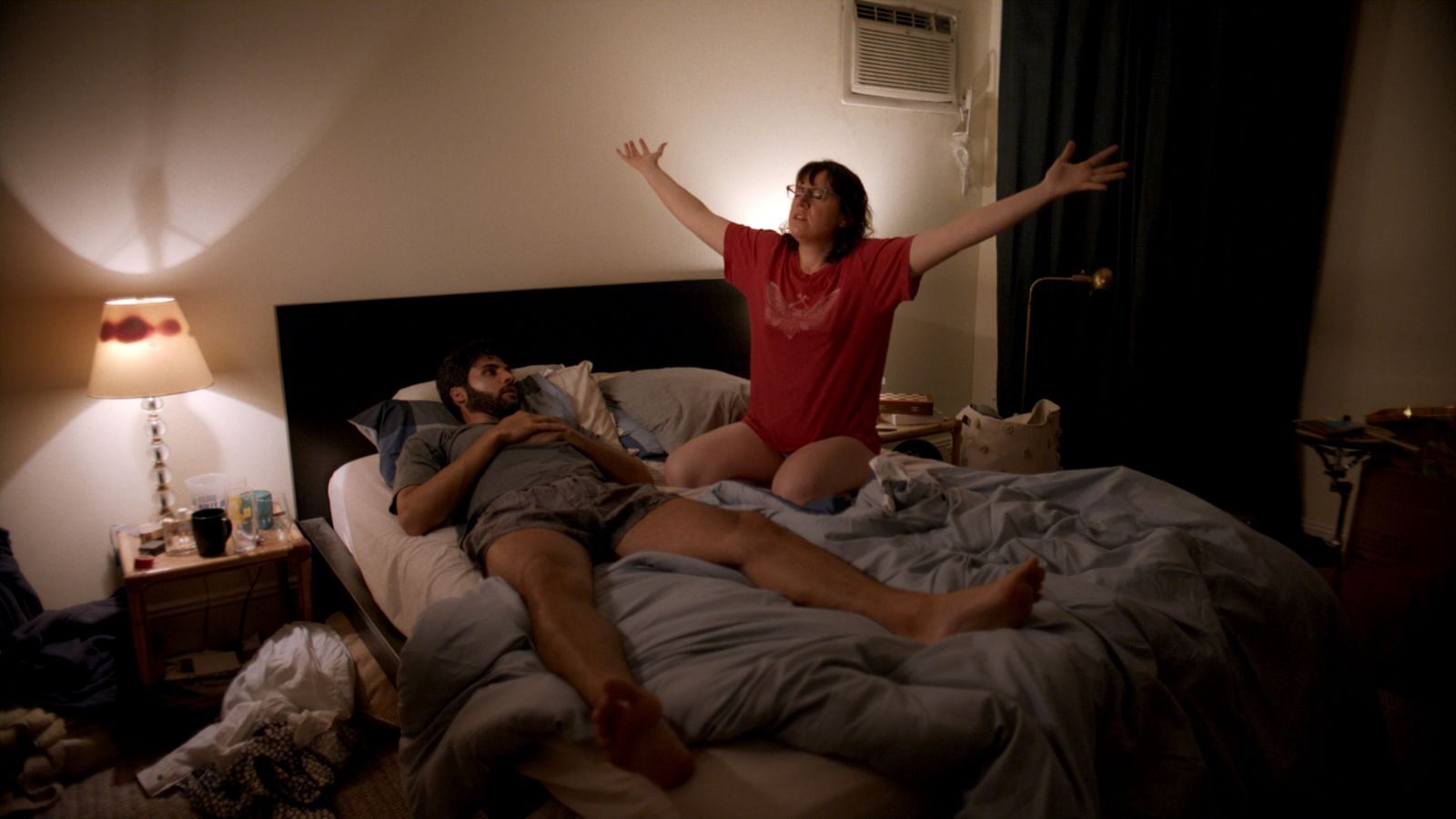
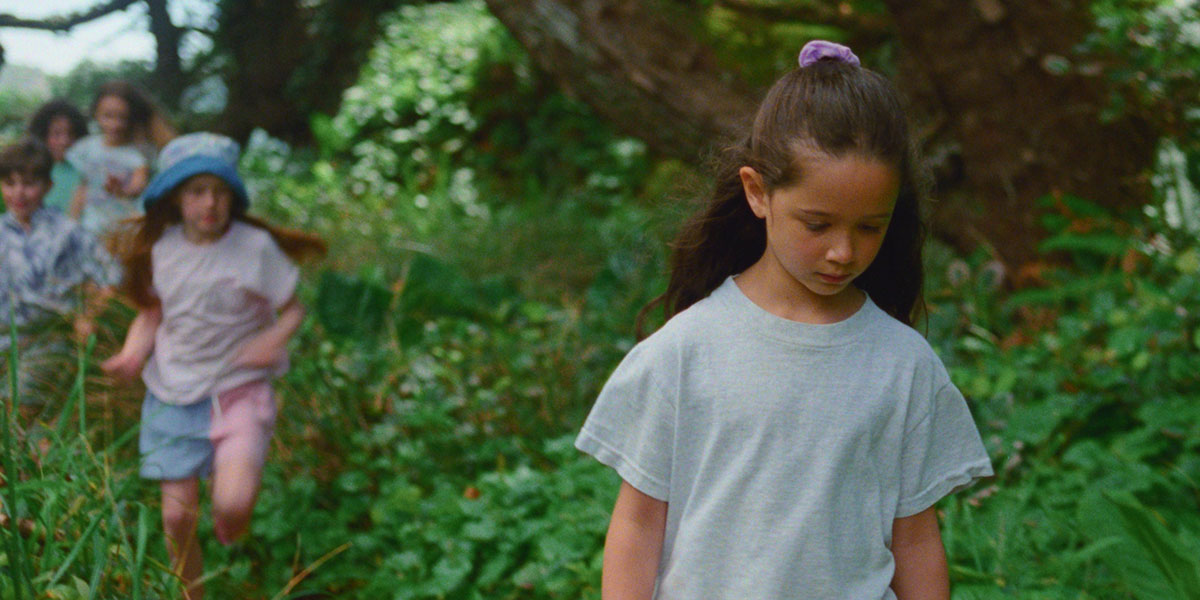
Favorite Films of 2023

1. MAY DECEMBER

I suppose Todd Haynes’ latest does for Lifetime TV movies what his 2002 film Far From Heaven did for Douglas Sirk, recreating an aesthetic and carefully tweaking it for postmodern consumption; it’s also a study of what it means to perform or play a role, the self-awareness (or lack thereof) in doing so convincingly and the long-term implications of surrendering to one’s own delusions. Arguably only Todd Haynes (with help from Julianne Moore, Natalie Portman and Charles Melton) could pull off such a tricky balancing act, effortlessly blending camp and melodrama until they seem indistinguishable from one another. His most psychologically complex film since Carol (if not Safe).
2. ALL OF US STRANGERS

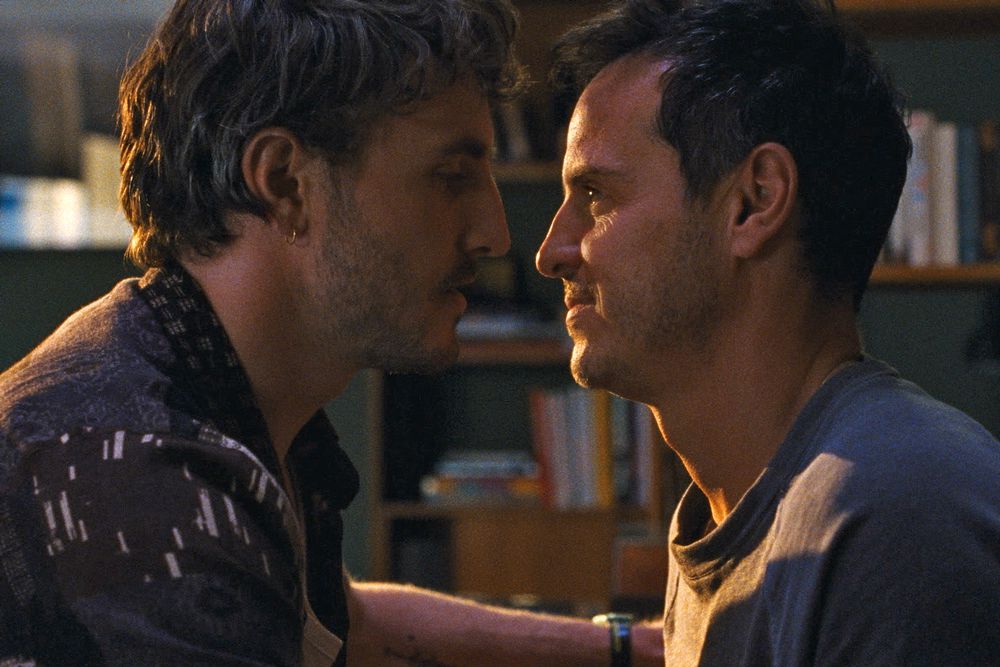
Andrew Haigh’s (Weekend) most ambitious, personal effort, a loose adaptation of a Japanese novel about a man (Andrew Scott) confronting his past in an unusual way (to say the very least in avoiding spoilers here.) With great work from Scott, Paul Mescal, Jamie Bell and Claire Foy, Haigh utilizes a visual and sonic language that feels singular in its focus and drive. Call it a sci-fi tinged, queer mid-life crisis film or a less solipsistic companion to, say, Call Me By Your Name but note the key lyric from a Frankie Goes To Hollywood song (one piece of a brilliant soundtrack) emphasized here: “Make love your goal.”
3. THE HOLDOVERS

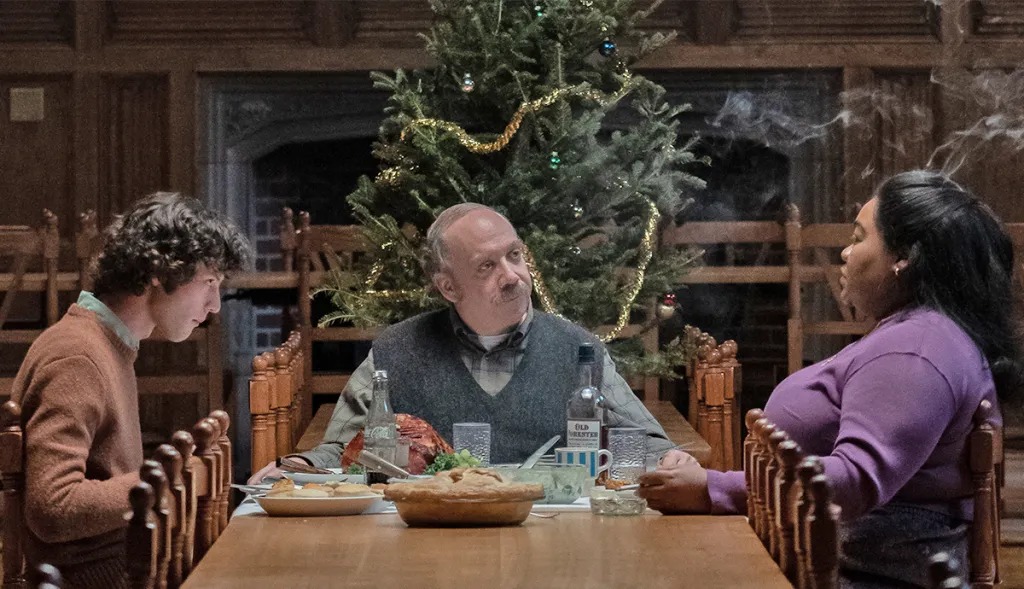
This return to smart, dyspeptic comedy reunites director Alexander Payne with another master of the form, Paul Giamatti. Not only set in 1970, it also looks and feels like something from that period with its painstakingly correct stylistic touches (opening credits font, slow dissolves, winsome folk-rock soundtrack), fully capturing the feeling and substance of a good Hal Ashby film. Still, Giamatti (an ornery all-boys schoolteacher), Da’Vine Joy Randolph (a cafeteria manager whose son was recently killed in Vietnam) and newcomer Dominic Sessa (the belligerent pupil Giamatti’s tasked to look after during holiday break) together give the film its soul. 
4. MONSTER

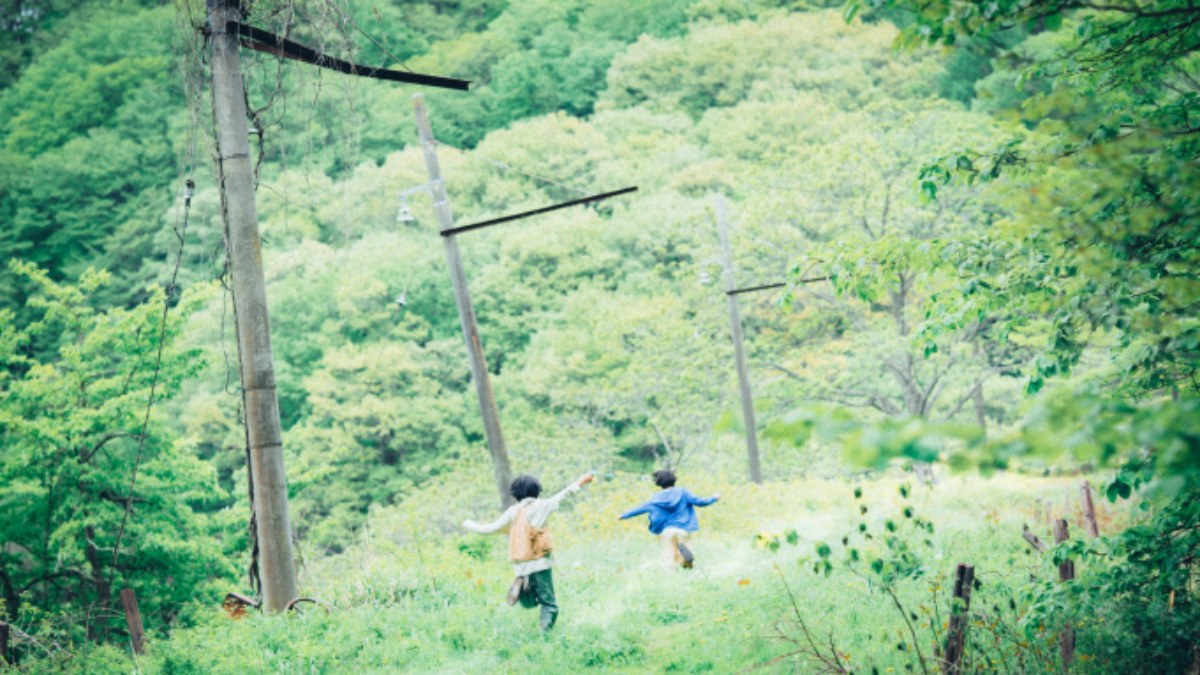
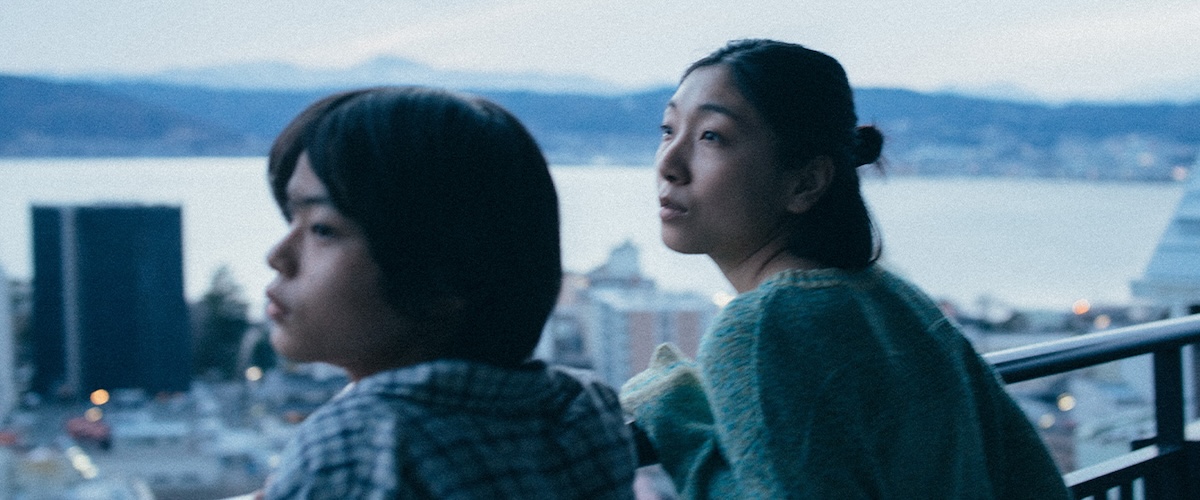
The first third of Hirokazu Kore-eda’s first effort set in his native Japan since Shoplifters comes off as a darkly comic fable about a fifth-grader being bullied by his teacher; what happens next sets the momentum for a narrative only fully revealed one all of its pieces gradually fall into place. One of the director’s most accessible works due in part to its swift pace, the unique structure enhances its rhythms—it also clinches one’s attention with humor and a tricky premise but then extends an invitation to learn the full story and witness how we can instill change in one another.
5. SHOWING UP

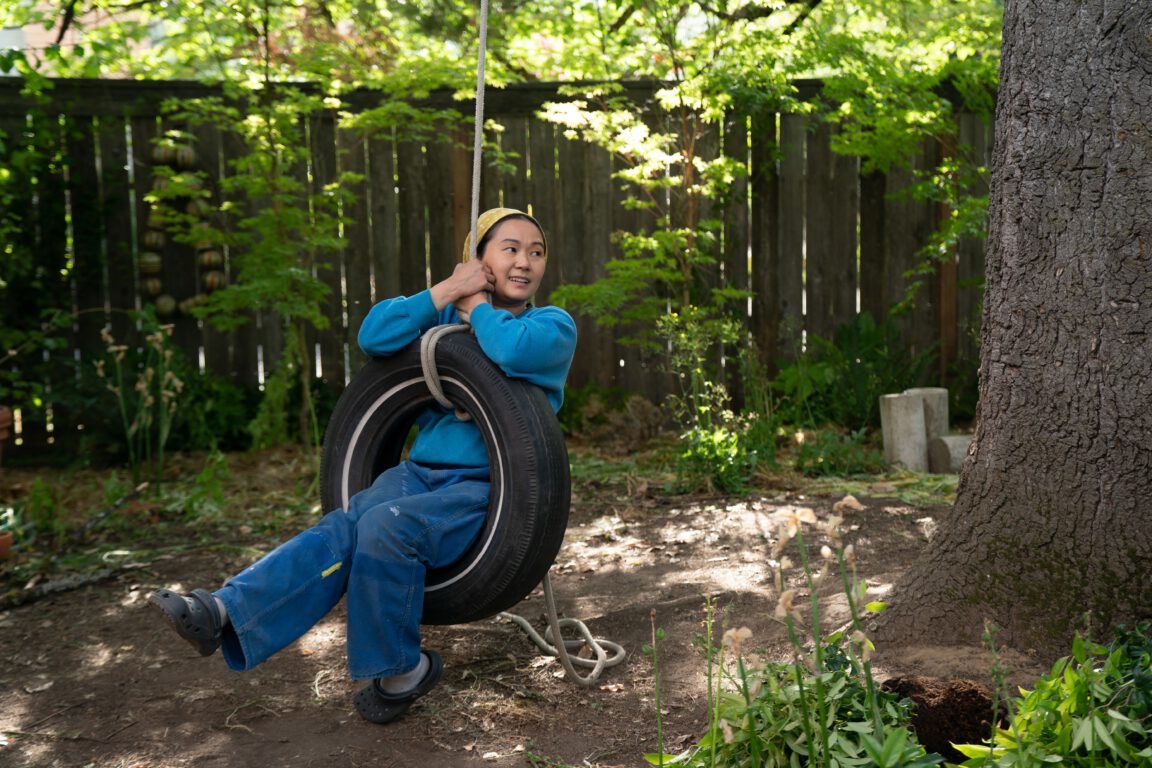
Kelly Reichardt’s (First Cow) latest is a reminder as to why I admire films where, while viewing them, my perception slowly, organically shifts from “Why am I watching this?” to “I never want it to end”. I’m also drawn to those that delve into the notion that it’s always best to go with the flow. Naturally, Reichardt’s longtime collaborator Michelle Williams is perfectly cast (as a somewhat cranky but undeniably talented starving artist), but don’t forget Hong Chau once again killing it in a supporting role or the evocative sound design.

6. AFIRE

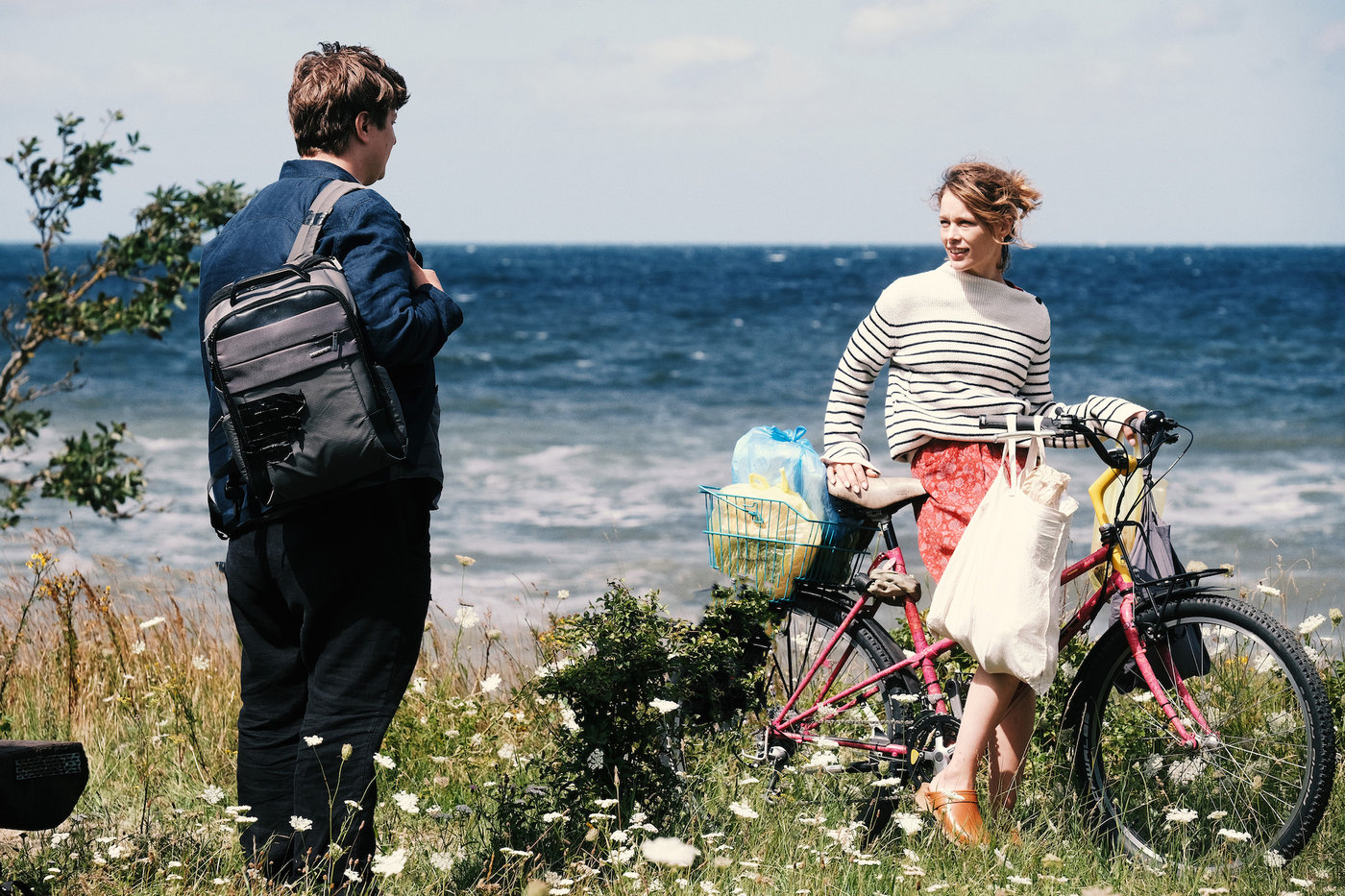
This might be Christian Petzold’s (Undine) most explicitly comedic film to date. It starts off unassumingly, slowly building its relationships and character arcs as wildfires remain a background threat heard about but only seen via glowing, burnished, distant skies. Like those fires, it’s a slow burn until, all at once, it encompasses everything in its path with dire consequences for some and narrow escapes for others. It’s reminiscent of a Gary Shteyngart novel in that it’s expertly constructed, caustically funny and in the end, tinged with tragedy and the possibility of transformation.
7. GIVE ME PITY!

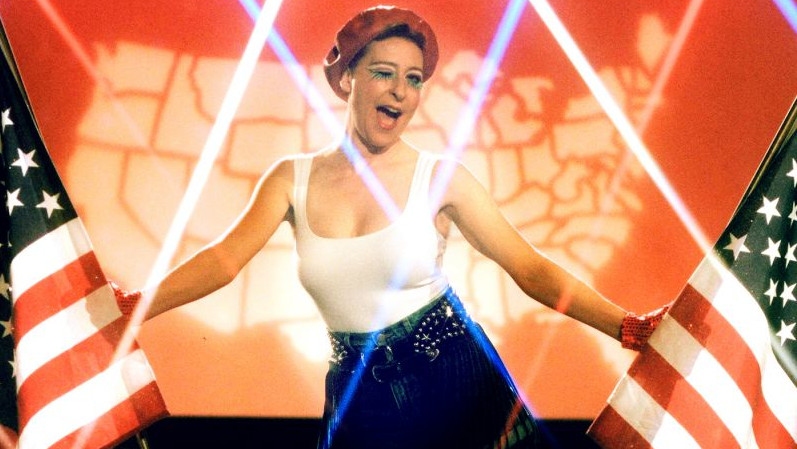
Cheerfully billed as “A Saturday Night Television Special” starring Sissy St. Claire (Sophie von Haselberg), writer/director Amanda Kramer’s art piece may feel as if it’s beaming in from another planet to those unfamiliar with 1970s/80s variety shows. But she understands that if you’re going to make a feature-length pastiche, pinpoint accuracy is required (smeary video in the 4:3 standard definition format, elaborate wigs, neon colors, the requisite hanging mirrorball, vintage-looking graphics, etc.) It also gradually transcends its premise, peeling off layer after layer of everything that goes into a performance and the toll it can take on the performer’s psyche.
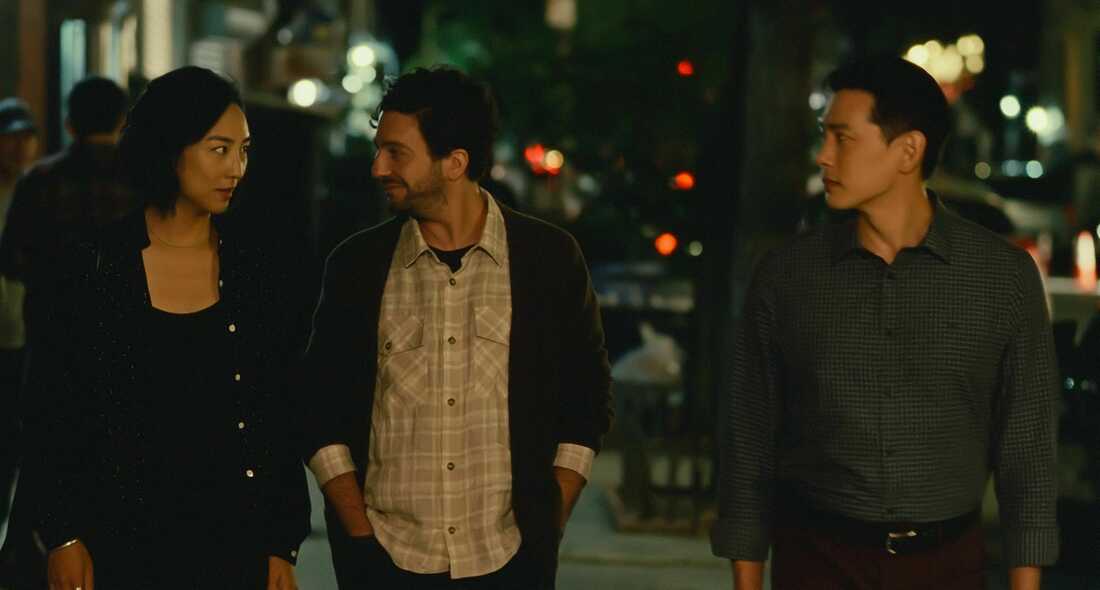
8. PAST LIVES

One can easily detect why Celine Song’s debut feature was so celebrated this year. In addition to strong performances from Greta Lee, Teo Yoo and John Magaro, it presents a love triangle setup with rare subtlety: it conveys its dramatic intricacies with grace and an understanding of what it means to be here now, always and forever one of the most relevant personal conflicts that narrative films tend to gloss over or simply ignore. It’s also invaluable as a record of how the present and past began to converge in the age of social media.

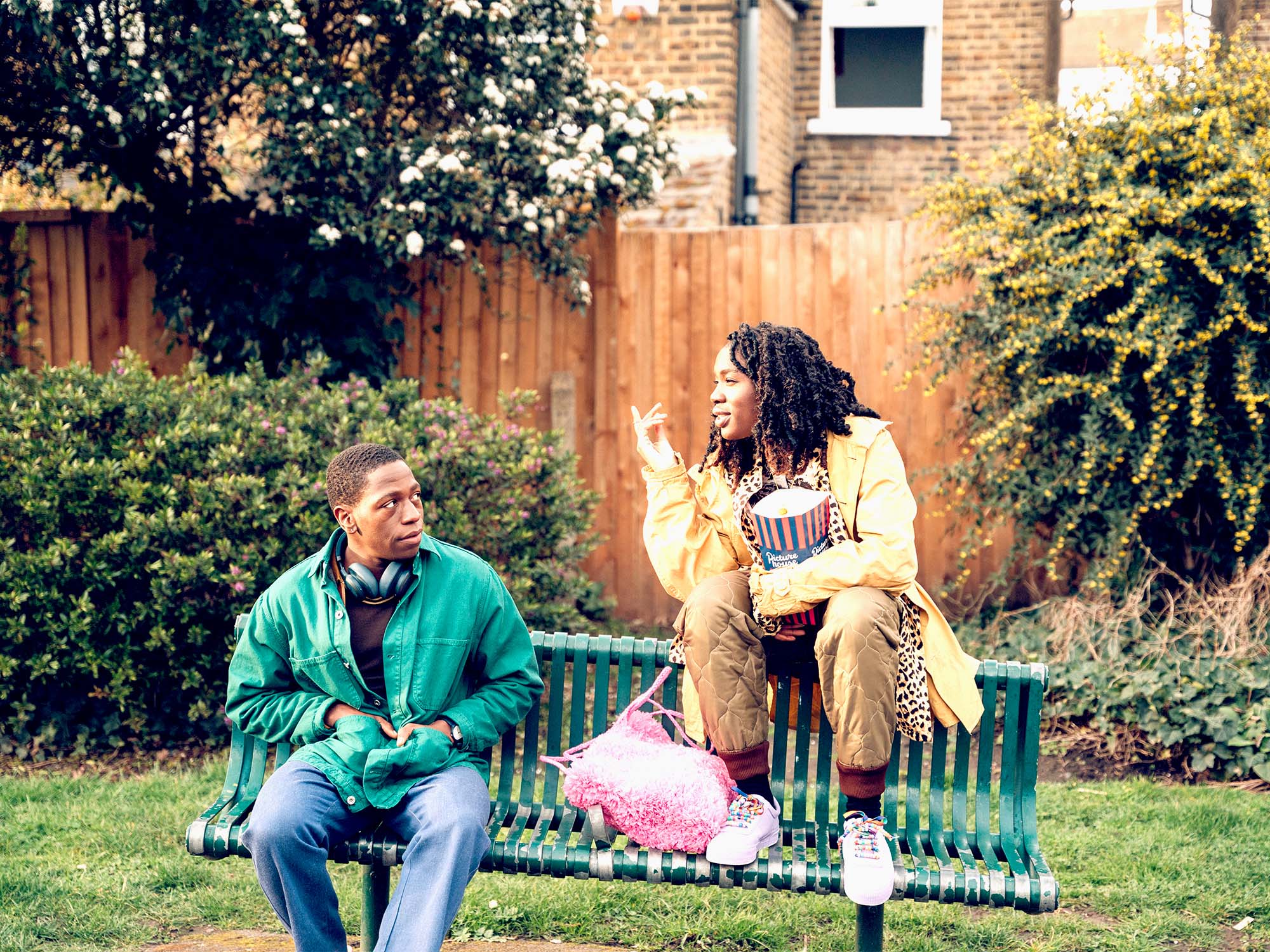
9. RYE LANE

British writer-director Raine Allen-Miller’s widely praised debut feature has all the elements a good rom-com should (sharp screenplay, appealing leads w/chemistry, plenty of laughs) but also an actual perspective that’s deeply felt in everything from the visual design and location shooting (South London comes off as vibrant here as it did dystopian in All Of Us Strangers) to the way in which it coaxes and earns its laughs. Acquired by Hulu in the US, it should have had as robust and expansive a theatrical release as Past Lives.

10. ANATOMY OF A FALL

A thriller about a woman (Sandra Hüller) accused of her husband’s murder that could just as easily have been a suicide, Justine Triet’s Cannes Palme d’Or winner is nearly as suspenseful as the best Hitchcock while also considerably more humanist in its depictions of the main character and her son. The trial scenes can be a bit much (e.g. the smug prosecutor) but overall this plays like a riveting page-turner of a novel. As the hearing-impaired son, Milo Machado Graner gives the best child performance in eons next to Lola Campbell (Scrapper).

11. KILLERS OF THE FLOWER MOON

Between the lead performances (Lily Gladstone, we love you) and how masterfully it builds without coming off as awards-bait, this already feels like Scorsese’s best of this century.

12. CLOSE

So much here is communicated through facial expressions and pauses in conversations. Explores the intensity of burgeoning adolescence in a way I haven’t seen done before.

13. ALL THE BEAUTY AND THE BLOODSHED

Maybe my favorite new documentary since the one on David Wojnarowicz, and his presence here doesn’t even distract from Nan Goldin, whose work and life personifies that blur between the two.

14. ROTTING IN THE SUN

The movie that dares to ask, “What is the biggest dick onscreen?” in all senses of the word; pretty ingenious in its use of a meta-narrative (plus Catalina Saaverda, as great here as she was in director Sebastian Silva’s The Maid.)

15. THE NOVELIST’S FILM

My fifth Hong Sang-soo film and easily my favorite for what it withholds and also for what it provides in return.

16. TORI AND LOKITA

Reassuring (if depressing) that cine-activists like the Dardennes will never run out of subjects stoking their outrage at an unjust society; one of their starkest and most effective critiques.

17. FALLEN LEAVES

A strange but charming middle-aged romance between a supermarket worker (Alma Pöysti) and an alcoholic laborer (Jussi Vatanen) that could only come from veteran Finnish purveyor of deadpan humor Aki Kaurismaki.

18. THE UNKNOWN COUNTRY

While it takes a little time to gather momentum, Morrisa Maltz’s narrative-docu-roadtrip hybrid ends up a fresh approach to telling a story of not just one person (Lily Gladstone, great again) but of the worlds she inhabits and intersects with. 

19. NO BEARS

Of all the meta-films Jafar Panahi’s made in the past decade-plus since his government began enforcing restrictions preventing him from making another more traditional (so to speak) narrative like Offside, this feels like a summation, a crescendo and hopefully not the final word.

20. THE ZONE OF INTEREST

No atrocities are shown in Jonathan Glazer’s holocaust film but their background presence seems to permeate every scene with the horror of being adjacent to genocide and living with it. What’s tangentially acknowledged and left up to the imagination becomes just as disturbing as if one were to face it head on.
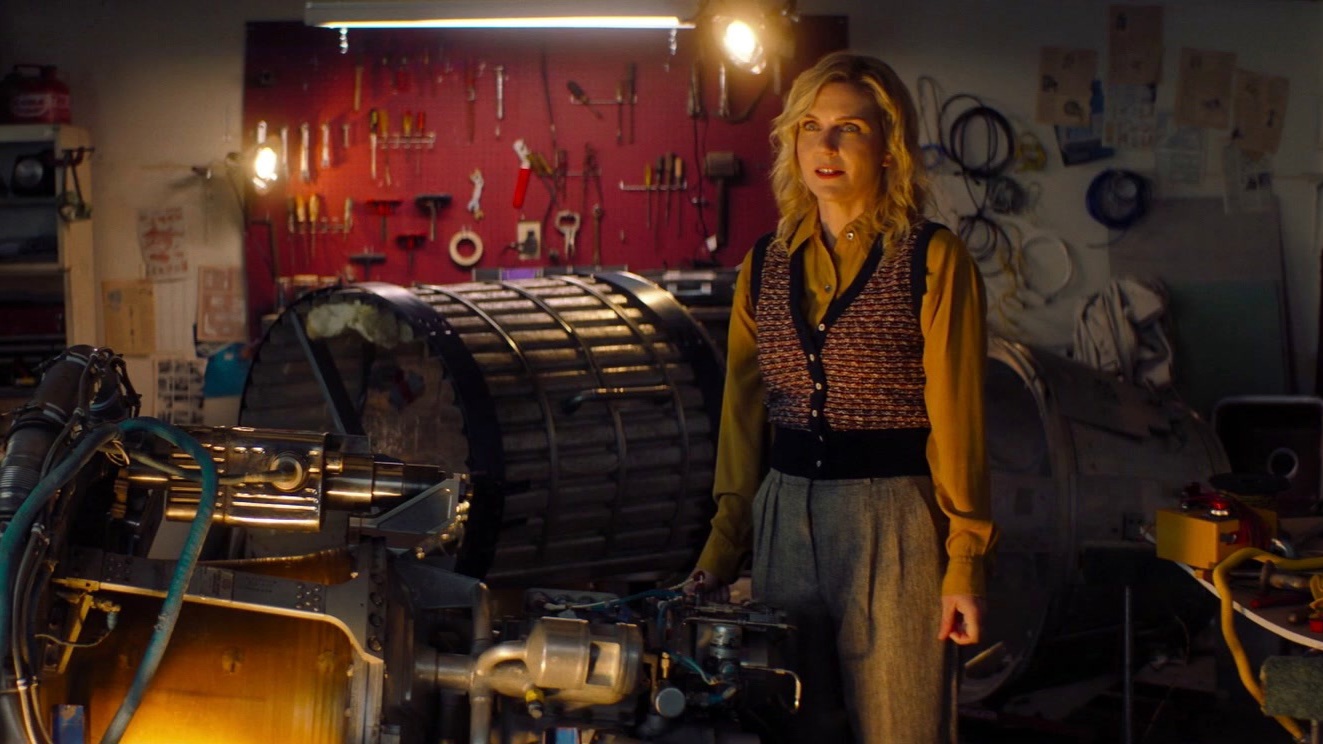
Linoleum

ALSO RECOMMENDED:

  • A Thousand and One
  • All That Breathes
  • Asteroid City
  • Barbie
  • BlackBerry
  • Bottoms
  • Full Time
  • Godland
  • Linoleum
  • Of An Age
  • Orlando, My Political Biography
  • Pacifiction
  • Passages
  • Reality
  • R.M.N.
  • Scrapper
  • The Blue Caftan
  • The Boy and The Heron
  • The Pigeon Tunnel
  • The Quiet Girl
  • You Hurt My Feelings

Four Fall Focus Gems

IFF Boston’s annual Fall Focus is always a good bet: this year, I got to see four movies I couldn’t get tickets to at TIFF, and all of them were good-to-great (and three were filmed in Japan, coincidentally.)

FALLEN LEAVES

From its opening shot, there’s no mistaking this for the work of anyone other than veteran Finnish auteur Aki Kaurismaki. A purveyor of humor so deadpan, less attentive viewers might not even detect it on occasion, he’s influenced many kindred spirits and followers from Roy Andersson to Jim Jarmusch (whom he pays a somewhat twisted yet hilarious tribute to here.) His first film in six years is one of his most deceptively straightforward: a burgeoning middle-aged romance between supermarket worker Ansa (Alma Pöysti) and alcoholic laborer Holappa (Jussi Vatanen). The Helsinki settings look like they’ve been etched in time over the past fifty years, although occasional radio broadcasts reporting the current Russia/Ukraine war are scattered throughout. Happily, this fully plays to Kaurismaki’s strengths: of the handful of his films I’ve viewed, this is easily the funniest, especially the karaoke bar scenes featuring Holappa’s self-assured (if only to a point) co-worker/pal Huotari (Janne Hyytiäinen). As usual with this director, what would often come off as affectations for most filmmakers are in his hands fully realized and seamlessly essential to the entire fabric. (Grade: 8/10)

EVIL DOES NOT EXIST

So, Ryusuke Hamaguchi, what are you doing now after all that acclaim (including the Cannes Palme d’Or and an Oscar) for DRIVE MY CAR? A study of an environmental threat towards a remote community where a corporation wants to open a glamping (ie-glamourous camping) site, you say? Far more Tarkovsky than Ozu, EVIL DOES NOT EXIST is leisurely paced, visually stunning and and in the end, near-impenetrable–not entirely a deficit depending on one’s expectations. Arguably no other filmmaker would so totally depict the utter futility of “information meetings” where the concerns of said community are both heard and blithely dismissed, or take two characters who initially seem buffoonish and unexpectedly flesh them out until they’re nearly as sympathetic as the two protagonists. Those looking for another cathartic wonder like DRIVE MY CAR won’t find it here, but it offers a lot to unpack and ponder; at a mere 106 minutes, it also more conveniently lends itself to a rewatch or two. (8/10)

MONSTER

This is Hirokazu Kore-eda’s first film set in his native Japan since SHOPLIFTERS and also his first that he hasn’t written himself since MABOROSI, his 1995 feature debut. Rest assured, MONSTER is completely in the director’s wheelhouse of domestic dramas, although screenwriter Yuji Sakamoto’s ambitious, RASHOMON-esque structure is something new for the director. The first third or so comes off as a darkly comic fable about a fifth-grader being bullied by his teacher; what happens next sets the momentum for a narrative only fully revealed one all of its pieces gradually fall into place–one that also makes it tough to write about without any spoilers. I’ll just note that the end result is one of Kore-eda’s most accessible works in part due to its swift pace where the rhythms are enhanced by its unique structure, but also one of his warmest and most resonant. You can sense his humanist approach towards nearly every character as the story unfolds. In some ways, it’s a good companion to Alexander Payne’s THE HOLDOVERS as it similarly clinches one’s attention with humor and a tricky premise but then extends an invitation to learn the full story and witness how we can instill change in one another. (10/10)

PERFECT DAYS

Well, this was an unexpected late-career triumph from Wim Wenders, who arguably hasn’t made a good narrative film in over three decades; that it’s simply a character study about Hirayama, an aging man who cleans Tokyo public toilets for a living only adds to its allure. Featuring a powerful lead turn from SHALL WE DANCE star Kōji Yakusho (appearing in nearly every scene), this might be the closest Wenders has come to successfully making “slow cinema”. Scene after scene unfolds of Hirayama methodically cleaning a wide array of the city’s public toilets (many of them built for the delayed 2020 Summer Olympics) with pauses for how he spends his leisure time by bicycling, picking up paperbacks from his favorite book store, reading them as he has lunch in a leafy, secluded spot and listening to music on cassette tapes (!) while driving through greater Tokyo. It’s this last activity that’s most significant–not only does it give an outsider a vivid sense of what the city is really like, the music (mostly English-language rock from the 1960s and 70s) and its curation almost tells a parallel story. I’ve rarely seen such an extensive depiction of a character’s relationship to music and how it informs and fortifies his well being. While overall this could’ve been perhaps 20-30 minutes shorter, it almost feels hypnotic if you stick with it. The last shot, which returns to Hirayama and his music is a great one and also confirmation that this gentle, beatific but wonderfully human and flawed man embodied by Yakusho is a career-best performance. (9/10)

TIFF 2023: Days 6 and 7

Day 6 began with a favorite that was expected, another that wasn’t and a third film that wasn’t in the same league but still deserves to find an audience. I squeezed in one more title on Day 7 before leaving Film Fest Land once again, returning to normal life.

THE HOLDOVERS

If Alexander Payne’s last film, 2017’s sci-fi allegory DOWNSIZING was a big swing and a miss, his latest plays it much safer for the benefit of everyone involved. A return to smart, dyspeptic comedy, THE HOLDOVERS also reunites Payne with another master of the form, Paul Giamatti, the star of his 2004 hit SIDEWAYS. Together, they’re a director/actor pair in sync with one another as much as Scorsese and De Niro or Holofcener and Keener.

The setting is an elite all-boys boarding school in Massachusetts 1970 (it was shot throughout the state, including a side trip to Boston.) Giamatti plays Paul Hunham, an ornery, pompous teacher who, like his Miles in SIDEWAYS is really just another masochistic, insecure underachiever. He gets stuck staying on campus for Christmas break to supervise the few students unable to go home. One of them, Angus (Dominic Sessa) is as intelligent as he is belligerent with a history of antagonizing Paul (and vice-versa.) Also staying on campus for the break is Mary (Da’Vine Joy Randolph), a cafeteria manager whose own son was recently killed in Vietnam. Angus and Paul evolve from being enemies to gradually understanding one another but David Hemingson’s screenplay presents this organically, further made convincing by the three central performances. In addition to Giamatti just doing what he does best, Sessa in his film debut is a great find on the order of, say, Lucas Hedges in MANCHESTER BY THE SEA while Randolph (MY NAME IS DOLEMITE) beautifully inhabits a complex character working through her grief.

Not only set in 1970, THE HOLDOVERS also looks and feels like a film from that period with its painstakingly correct stylistic touches such as its opening credits font, slow dissolves and winsome, period folk-rock soundtrack. At the TIFF Q&A, Payne mentioned that he always thought of himself as a 1970s New Hollywood-influenced director, so why not make a movie set in that decade. The highest praise I can give him is that he fully captures the feeling and substance of a good Hal Ashby film or one of Robert Altman’s smaller ensemble pictures. Though not exactly groundbreaking, it’s a solid, satisfying throwback and also a comeback for Payne as I haven’t liked anything from him this much since, well, SIDEWAYS. (Score: 9/10)

THE TEACHERS’ LOUNGE

A junior high school is as ideal a setting as any for a taut thriller and this German film gets all the little details right as to why—in particular, a mounting, no-going-back pressure of the sort easily egged on by early adolescents, although it comes just as swiftly from their parents and teachers. One of the latter, Carol (Leonie Benesch) has just taken her first job out of teaching school. She’s initially a natural—her control of and engagement with her students is readily apparent and impressive for such a novice. The trouble begins when a thief starts stealing money from various faculty. Carol is vehemently against the interrogation techniques the principal and her colleagues use on suspected (targeted, really) students. As more money goes missing, she decides to take matters into her own hands, making a shocking discovery in the school’s titular space. She’s also left immediately blindsided (and also targeted in a different way) by her action’s consequences.

I didn’t know what to expect coming into THE TEACHER’S LOUNGE, only mildly intrigued by its title and premise. I left it nearly buzzing with excitement from its cunning trajectory: in solving a mystery, good intentions end up backfiring magnificently for all parties involved. Meanwhile, due to opposing, unwavering stances exacerbated by public shaming conducted both in person and over social media, the tension ramps up until it reaches a near-breaking point. Suspicion, paranoia, desperation and hysteria all factor into how a seemingly straightforward conflict gets blown way out of proportion and the film rarely wavers in holding one’s attention. It may even go a little too far for some in the last act, though the final scene satisfyingly offers a modicum of closure for a seemingly unresolvable situation. (8/10)

WE GROWN NOW

Set in a re-creation of the now-demolished high rise towers of the notorious Chicago housing project Cabrini-Green in 1992, Minhal Baig’s film focuses on two 12-year-old boys living there: Malik (Blake Cameron James) and Eric (Gian Knight Ramirez). When not partaking in such activities as pushing a mattress down a dozen flights of stairs to use as a playground implement or playing hooky from school to explore the Loop, they’re faced with the harsher realities of this world: drug-ridden crime, drive-by shootings, reactionary police raids. As Malik’s mother Delores (Jurnee Smollet) looks for a safer environment for her family, what was once an inseparable friendship between the two boys begins to fray. While it doesn’t come close to achieving the rare poetry of obvious influences such as KILLER OF SHEEP or the fourth season of THE WIRE, this evokes a time and place in vivid enough detail (especially in the dimly lit, sparsely furnished apartments); James and Ramirez, both in their film debuts are also well cast. Still, it’s a type of story that’s been told many times before and far less predictably. (6/10)

THE BEAST

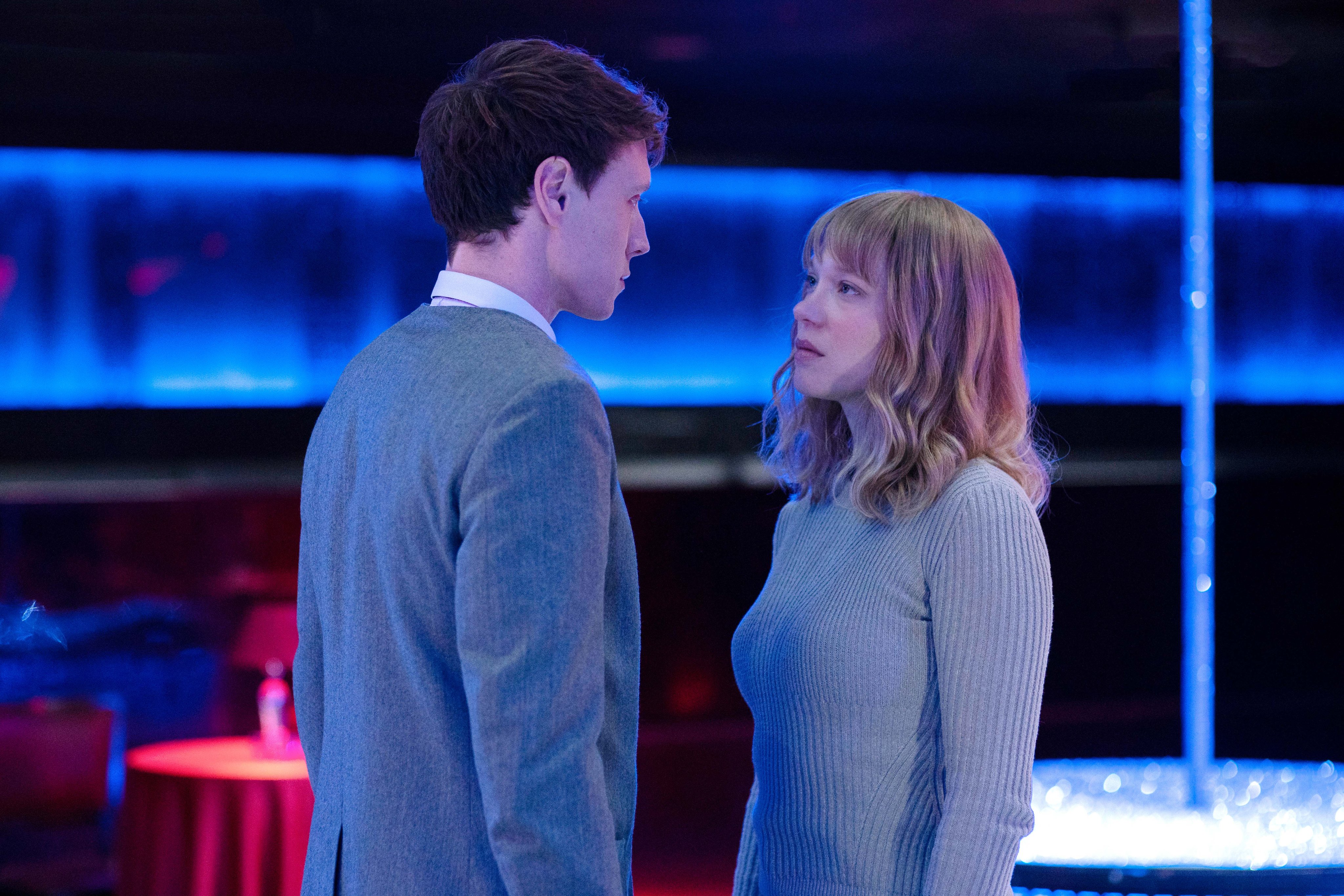
In past films like SAINT LAURENT and NOCTURAMA, I’ve admired director Bertrand Bonello’s approach and elements of his heightened style without finding them complete or entirely convincing. His latest gets closer than ever to feeling whole but that’s primarily due to star Lea Seydoux appearing in nearly every scene. Her Gabrielle is paired with Louis (George MacKay) principally across three time periods: 1904 France, 2014 Los Angeles and a near-future heavily shaped by artificial intelligence. Bonello will also occasionally and briefly shift to 1980 or the mid-1960s for scenes that seem present mostly to indulge in era-appropriate music or fashion. The constant throughout this is how Gabrielle and Louis spin in orbit but can never fully connect with each other for reasons not fully apparent until late in the film.

Very loosely adapted from the Henry James novella THE BEAST IN THE JUNGLE, the film is perhaps overlong but rarely boring. It’s mostly a showcase for Seydoux and MacKay as they inhabit different personas in alternate time periods (the latter especially effective when shifting from a European aristocrat to a 21st Century incel) and, as usual, also one for Bonello’s depiction of worlds only possible through a camera lens. I’m not sure what it all adds up to although its fixation on AI seems especially timely and considered; let’s just hope it doesn’t start an accidental trend by way of its high-concept end credits “roll”. (7/10)

TIFF 2023: Day 5

Day 5 was my one four-film day at TIFF 2023; it’s also when I saw both my favorite and least favorite films of the festival.

PICTURES OF GHOSTS

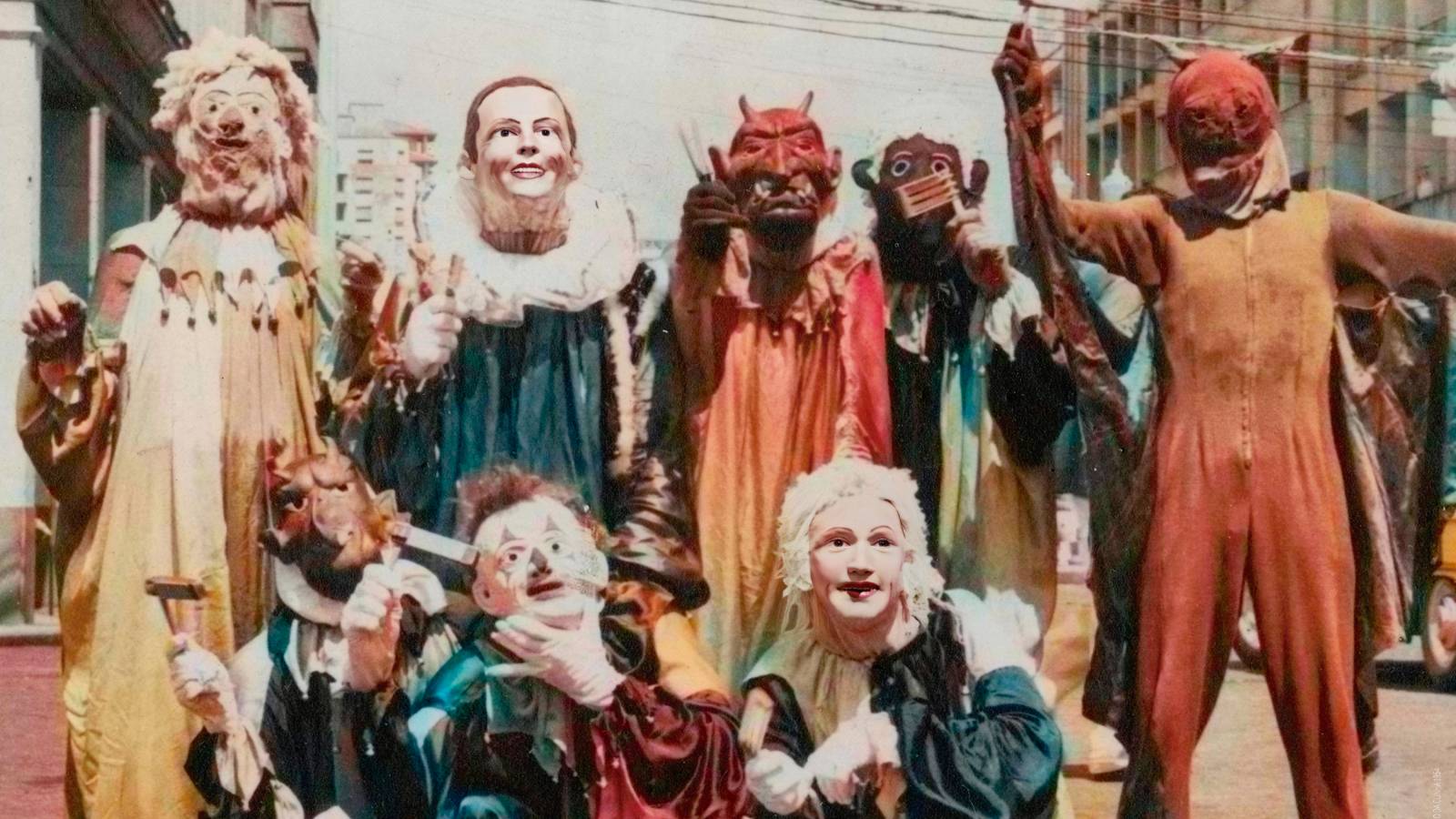
Sifting through and reminiscing about one’s own past is easy; contextualizing these memories and enabling them to resonate with an audience is trickier, as one has likely experienced in many an autobiographical narrative or essay film (Chris Marker and Agnes Varda were the gold standards for pulling the latter format off.) In his follow-up to the phantasmagorical horror epic BACURAU, Kleber Mendonça Filho utilizes the essay film to both celebrate and scrutinize his coastal hometown of Recife, Brazil, the setting for his breakthrough feature AQUARIUS starring Sonia Braga.

Structured as a triptych, the film first considers Mendonça Filho’s childhood family home before shifting to the cinemas (some still standing, others long gone) that were formative in cultivating his love of film (he was a critic before becoming a filmmaker.) The third section builds on the previous two, considering cinema as a church and the symbiotic relationship between the two in a predominantly Catholic country such as Brazil. Abetted by his own narration, the film is a marvel of editing as the present day often mirrors and occasionally contrasts with archival footage he and his family shot of his home, the cinemas he once worked in as a projectionist and other imagery of Recife throughout the past five decades from a cornucopia of sources.

It’s difficult to pinpoint exactly what makes PICTURES OF GHOSTS so effective in inviting the viewer to partake in and comprehend one artist’s own past. In his last two features, Mendonça Filho exhibited an enthusiasm about cinema and proved how bold stylistic choices could enhance a story without distracting from it. In relaying his own story, he’s made his most complete and compelling work yet—all the way to a playful, metaphysical finale that not only re-emphasizes the meaning of the film’s title but also comes to life with an unlikely but evocative needle drop for the ages. (Score: 10/10)

CLOSE TO YOU

When Elliot Page announced his transition, I was curious as to how this might change his acting career; his first major film role since then does suggest a new phase, returning to the small-scale, nuanced indie dramas that showcased his talent before JUNO made him a household name. This Canadian production from British director Dominic Savage gives Page an opportunity to play an out trans character and one immediately senses how at ease he is in the role, more so than anything he’s done since he was a teenager. While his character, Sam, who returns to his small hometown to visit family for the first time since his recent transition is obviously a role written with him in mind, at a post-screening Q&A, Page was quick to point out that while he obviously related to his character, his own coming out and post-transition experiences were entirely different.

In that Q&A, I was also surprised to find out that much of the film was improvised in a Mike Leigh-like fashion, consisting of the best bits of long, unscripted takes. It makes the final product’s apparent seamlessness all the more impressive as the ensemble emits a lived-in familial dynamic. It’s slightly more convincing than the parallel narrative where Sam runs into and deeply reconnects with Katherine (Hilary Baack), a hearing-impaired friend from high school. This could’ve been a separate film, although Savage just gets away with incorporating it beside the main plot. While multiple conflicts and their resolutions are a bit on the nose (to the point where decades from now, I can imagine how simplistic or dated they may come across), this is most significant and effective as a reintroduction to Page and a reminder to why he became such a major onscreen presence to begin with. (8/10)

FRYBREAD FACE AND ME

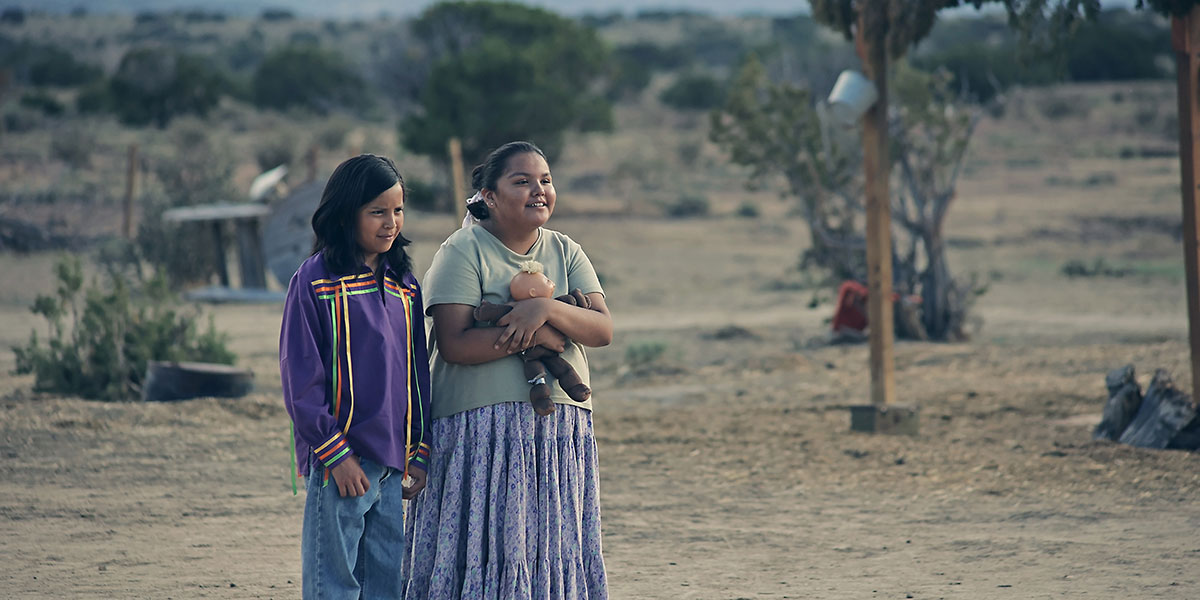
Billy Luther, a Navajo, Hopi, and Laguna Pueblo filmmaker best known for documentaries (MISS NAVAJO) makes his fiction feature debut with this gentle coming-of-age tale. 11-year-old city kid Benny (Keir Tallman) is sent to spend the summer with his relatives living on a ranch in isolated Northern Arizona. A bit of a naïve misfit often cloaked in a Stevie Nicks t-shirt, he gradually befriends his worldlier cousin Dawn (Charley Hogan) the “Frybread Face” of the title who has also been dropped off for the summer. Set in 1990, the film often comes off as something that could’ve been made back then, complete with lessons learned and somewhat overdone narration. If that sounds like faint praise, note that Luther has also crafted an affable, family friendly story with the occasional conflict/melodramatic detour that nonetheless remains pleasantly low-stakes. Tallman and Hogan are both fine, but Sarah H. Natani leaves the most lasting impression as Lorraine, Benny’s beatific, Navajo-speaking grandmother. (6/10)

SOLO

Simon (Théodore Pellerin), a talented young performer in Montreal’s close-knit drag community is immediately smitten by Oliver (Félix Maritaud), a fellow drag queen freshly transplanted from France. They pursue a whirlwind romance while also collaborating together onstage, although their vast differences in temperament cause more conflict and drama than anything resembling a healthy personal or professional relationship. Meanwhile, Simon still courts the attention of his mother Claire (Anne-Marie Cadieux) who long ago left his family behind to become a renowned opera singer. This premise has some potential, but not with such one-dimensional characters (Simon is a doormat, Oliver is a prick.) The more glaring problem, however, is that writer-director Sophie Dupuis brings little new to this type of narrative. It’s set in the present, but SOLO could’ve easily come out twenty or thirty years ago; sure, the costumes and drag performances (Pellerin deserves a better vehicle) are lively and entertaining, but it’s a shame to waste them all on a story so wafer-thin and by now overly familiar—I’ve already seen RUPAUL’S DRAG RACE UNTUCKED, thank you very much. (4/10)

TIFF 2023: Days 3 and 4

I was a little concerned that everything I saw at this year’s TIFF would fall somewhere between good and meh, until I saw the first film reviewed below–the last thing I watched on Day 4.

THE FEELING THAT THE TIME FOR DOING SOMETHING HAS PASSED

It’s not wrong detecting allusions to other directors in Joanna Arnow’s feature debut: Roy Andersson’s static camera and deadpan humor, Miranda July’s gentle, slightly off-kilter whimsy, even Woody Allen’s simple white serif-font title on a black background. One can acknowledge such influences as it’s near-impossible to create something entirely new, even in an art form that’s relatively not so old. Still, it’s tempting to deem Arnow an original talent because she brings something highly distinct to the medium both as a writer-director and as a performer.

Arnow stars as Ann, an office worker in her early 30s whose sex life consists of a series of BDSM relationships where she is the submissive participant. In the very first scene, she’s naked in bed with a fully clothed Allen (Scott Cohen), an older divorcee who is her most prominent dominant. With her very average body type and vulnerable, direct (if near-bored) demeanor, Ann immediately reads as an unconventional protagonist—plain yet with a specific point of view, a little mousy but determined, choosing her words carefully though never in a hurry to stop talking. Absurd humor is laced throughout the film’s brief vignettes which occasionally expand beyond the bedroom to Ann’s corporate workplace (a supervisor chides her for not making good on her promise not to outlast her there as an employee) and her elderly parents. Seamlessly played by Arnow’s own parents, she has arguments and other interactions with them that are simultaneously mundane, nagging and hilarious primarily for being so true-to-life: Who can’t relate to the mounting pressure of being asked to bring an unwanted piece of fruit home with them?

Divided into five chapters, the film tracks Ann as she moves from Allen to a variety of other doms, eventually meeting a guy who might be a candidate for her first “normal” relationship. What Arnow never forgets is that no matter how funny or relatable a situation may come across, “normal” is itself an abstract, almost meaningless concept. The peculiar way she views the world will inevitably seem off-putting to some (that lengthy title!) but enchanting to others for how she finds the humor in these absurdities and indignities without taking herself too seriously or losing focus of what makes them seem so real. (Score: 9/10)

FLIPSIDE

Chris Wilcha, who worked on the TV-version of THIS AMERICAN LIFE has many unfinished projects scattered throughout his career. This documentary, ostensibly about the still-hanging-on small town New Jersey record store he worked in as a teen thirty-odd years ago, nearly ended up as another one, until he noticed a thread running through many of these partially-completed works: the passage of time and what it means to hold on to sentimental talismans from one’s past. Thus, FLIPSIDE resembles a tapestry of sorts, jumping from the record store’s proudly old-fashioned owner to Wilcha’s old boss Ira Glass, jazz-great photographer Herman Leonard, DEADWOOD creator David Milch and even cult kiddie-show host Uncle Floyd.

As a fellow white, middle-aged, NPR listening music obsessive, I am clearly the target audience for this personal essay film and I can imagine some critics older and younger resisting the urge to yell at Wilcha, “Get over it!” And yet, I have to applaud Wilcha for this film’s continually expanding narrative—once you get past the self-indulgence of him examining his own life, you see the interwoven connections between all these subjects and also how each one suggests an alternate but equally viable path to growing older and staying both motivated and stimulated. To retain a fondness for the past but not let it determine (nor hinder) the future is a philosophy he puts in the work to arrive at, and the effort often proves as edifying as the destination. (8/10)

SEAGRASS

A touchy-feely couples retreat with activities that allow you to bring the kids along? What could possibly go wrong? In Meredith Hama-Brown’s mid-90s-set indie drama, husband and wife Judith (Ally Maki) and Steve (Luke Roberts) and their two young girls travel to the British Columbia coast for this vacation of sorts and no one seems very happy about it. As the parents confront their drifting, gradually fractured relationship with opposing tactics that do not prove especially helpful for either of them, 11-year-old Stephanie ((Nyha Breitkreuz) and 6-year-old Emmy (Remy Marthaller) both deal with their own issues: perhaps due to Judith’s mom having passed away six months before, Stephanie exhibits antisocial behavior while Emmy believes her grandmother’s ghost is omnipresent, observing and also haunting them at their resort and the nearby jagged, voluminous ocean caves.

While often a fount of amusing material, new age-y couples therapy is a rather easy and familiar target for satire and this hits all the expected notes: props, trustfall-like exercises, screaming and the like. It’s fortunate, then, that not only is the cast game for it, they all function together as a deeply believable dysfunctional unit, one with a shared, extensive history that’s palpable even before specifics are revealed. What pushes the film even further away from its simple premise is its expansive sound design and sense and manipulation of space. The sequences where Emmy is left to her own devices, letting her imagination and superstition take precedence are gorgeous and eerie, opening up the film to consider the ambience of a world that can seem mysterious and unfamiliar to any six-year-old. Building to a maelstrom of a final act, SEAGRASS evolves from predictable to nearly extraordinary. (8/10)

GREAT ABSENCE

Shot by Yutaka Yamazaki, who has worked on Hirokazu Kore-eda films from AFTER LIFE to AFTER THE SUN, this second feature from Kei Chika-ura is often Kore-eda Lite, although what’s missing is the supple touch the veteran filmmaker usually suffuses his work with. It doesn’t lack for ambition, though—this is a puzzle film of sorts, utilizing flashbacks and abrupt temporal shifts in piecing together the dramatic, present-day action occurring in the film’s first scene. The structure requires active viewing and ample patience from the viewer, but the reveals often end up not resonating in relation to the amount of effort built into them. Fortunately, the acting just about saves it: Tatsuya Fuji, whom some might remember from IN THE REALM OF THE SENSES gives a tremendous and sincere portrait of someone afflicted by Alzheimer’s Disease without ever showing off while Mirai Moriyama (primarily known as a dancer rather than an actor) and Hideko Hara (SHALL WE DANCE) both hold their own as his son and wife, respectively. Although dense and overlong, Chika-ura exhibits enough skill and inspiration that I wouldn’t mind revisiting this to see if I missed anything. (6/10)

VALENTINA OR THE SERENITY

A big draw of TIFF for me is an opportunity to see films from remote corners of the world that might not otherwise be available or on my radar. Sometimes they’re excellent and occasionally they’re atrocious, but this one, from an Indigenous Mixtec village in Oaxaca, Mexico, is neither—just a pleasant little film about a young girl who refuses to believe her father has died in a freak drowning accident, going so far to claim that he has spoken to her from the river where he met his maker. As Valentina, Danae Ahuja Aparicio is the best thing about it—she has a naturalness that can’t be faked or learned. Her optimism is as deeply felt as her stubbornness and through her, the film is a window onto a culture’s distinct rituals and sensibilities. Having said that, Ángeles Cruz’s direction is rarely more than capable and even at a slim 86 minutes, the premise would have been better suited to a short. At the very least, you’ll come away from it knowing the Mixtec body language to summon thunder and lightning at will. (5/10)

TIFF 2023: Days 1 and 2

I returned to the Toronto International Film Festival (TIFF) for the first time in nine years (in person, anyway; attended the virtual 2020 edition from my laptop.) I saw 17 films and will be posting reviews in groups of four (and in one case, five.)

ORLANDO, MY POLITICAL BIOGRAPHY

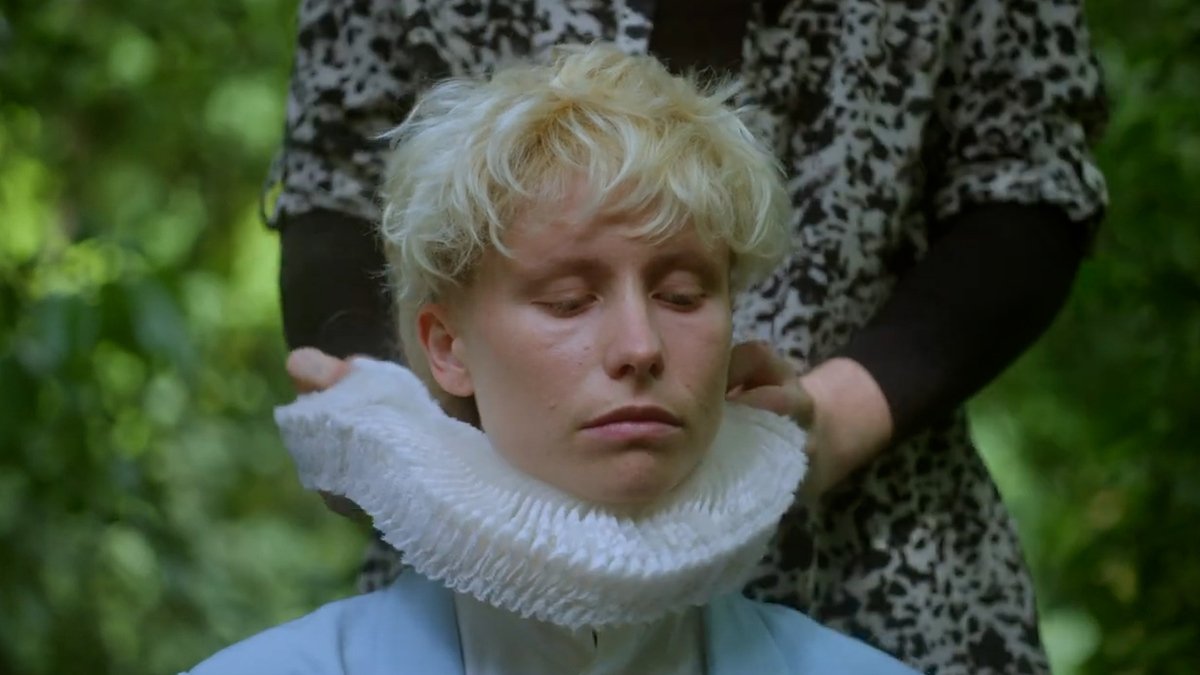
With this unconventional documentary, transgender writer/philosopher/feminist Paul B. Preciado doesn’t so much take Virginia Woolf’s ORLANDO back from the 1992 Sally Potter film starring Tilda Swinton in the title role as he comprehensively shows how her story about a figure living both male and female lives is one decidedly a century ahead of its time. Utilizing the sort of playfulness and defiance once favored by director Derek Jarman (for whom Swinton was a muse), Preciado interviews a score of trans and non-binary persons of all ages and races, each of them wearing the signature ruffled collar favored by Woolf’s character and introducing themselves by proclaiming, “I am (name) and I will be playing the part of Virginia Woolf’s ORLANDO.” 

For a first-time director, it’s arguably uneven: Preciado doesn’t hesitate to confound expectations or startle an audience into submission with a soundtrack swerving between thumping diva house and annihilating thrash metal or phantasmagorical scenarios straight from a particularly wacky Kate Bush music video. No matter how quirky or slapdash he comes across, there’s a sincerity and root-for-the-underdog momentum. His disparate voices coalesce into a Greek chorus where the power of and goodwill executed by individual stories gains focus rather than fixating on the dryness of gender theory or intellectual polemics. ORLANDO becomes a prescient text that’s not necessarily a bible but more of a jumping-off point. What also seemed like sensory overload on first view has had staying power: with time to fully digest all of its thoughts and quirks, this is one of the more innovative and entertaining documentaries I saw at the festival. (Rating: 8/10)

UNICORNS

Luke (Ben Hardy), a working-class straight bloke from Essex, unwittingly wanders into a London gay club and falls hard for Aysha (Jason Patel), a drag queen, making out with him before he realizes he’s not kissing a woman. At first, Luke recoils violently but over time he and Aysha forge a professional relationship that bleeds over into friendship and eventual love.

Co-directed by Sally El-Hosaini (THE SWIMMERS) and screenwriter James Krishna Floyd, UNICORNS is a conventional, slick and unapologetic crowd pleaser. Floyd noted that it takes a “non-binary approach” to a love story for which it’s more commendable than original and yet, despite its calculation and unlikeliness, I found it considerably moving by the end. Much of the credit goes to its two leads, especially Hardy who gives a nuanced, expressive performance that often overrides his inarticulateness and convincingly conveys his internal struggles and growth. Newcomer Patel also excels at delivering the contrast between his flamboyant onstage persona and the far staider version of himself he displays for his conservative parents.

The depiction of an Asian drag culture in the UK is fascinating for how it goes beyond portraying it as a loving but dysfunctional family, ending up in some dark corners that create drama and near-tragic consequences for Aysha. It ultimately brings the two leads closer together but its implications speak of a world where it’s not enough to be who you are, it’s how willing you can be to let others in. Along with Hardy and Patel’s performances, this is what resonated strongly with me at the conclusion. Manipulative? Yes, but also heartfelt. (7/10)

THEY SHOT THE PIANO PLAYER

Bossa Nova music and Jeff Goldblum, together at last. Your mileage may vary depending on either of those things (particularly the latter) but this docu-animation hybrid is a mostly worthy successor to co-directors Fernando Trueba’s and Javier Mariscal’s 2010 Havana-centered feature CHICO AND RITA. Goldblum plays an author (named Jeff, natch) who in a framing device recounts his efforts via a reading at New York City’s famous Strand Bookstore. His goal? To find out what happened to Francisco Tenório Jr., a Brazilian jazz pianist active in the 1950s/60s Bossa Nova scene whom after a few recordings seems to have disappeared. Interviewing an impressive array of living legends from the movement (JoãoGilberto, Caetano Veloso, Gilberto Gil), Jeff gradually pieces together a trajectory of a country that underwent a culture renaissance while also suddenly finding itself subject to totalitarian rule.

As with CHICO AND RITA, the film’s whimsical visual design, Wes Anderson-level attention to detail and vintage music are both delightful and often sublime; Goldblum, himself a musician also feels an apt choice for a narrator. What’s missing here, however, is not only an extensive dive into why Tenório was a great musician but a compelling enough reason to care about his specific disappearance. He comes off as a stand-in for the many so-called dissidents silenced by Brazil’s regime—a collection of fragments rather than a complete portrait. Worth seeing for aficionados of Brazilian jazz and unique animation, but not much of a reach beyond those interests. (6/10)

GONZO GIRL

One of the better-received directed-by-an-actor films populating TIFF this year, this behind-the-camera debut from Patricia Arquette is most notable for another terrific late-career performance from Willem Dafoe. His Walker Reade, a Hunter S. Thompson stand-in works in part because Dafoe doesn’t attempt to emulate the infamous late writer/personality (save for a few sartorial choices). Instead, he embodies his spirit while also coming off as a heightened, drugged up version of, well, himself and does so with such totality and finesse that he almost seems like the protagonist when he isn’t one. That would be Alley (Camila Morrone), the straightlaced college student working as his intern in the summer of 1992.

An adaptation of Cheryl Della Pietra’s memoir of the same name, one can sense what attracted Arquette to making it and also why she’s well-suited for both this material and a smaller role as Reade’s caretaker/drug-runner. It’s best when she doesn’t take the text too seriously and has fun with the more outrageous aspects of Pietra’s shenanigans with Thompson (Alley’s first acid trip is rendered as an endearingly handmade magical mystery tour) and his unconventional writing process. Not as inspirationally zany as, say, FLIRTING WITH DISASTER, the 1996 screwball romp Arquette co-starred in, but for an enticingly screwy first film, more than competent and not at all embarrassing. (7/10)

We Can Play The Part: Halfway Through 2023

Below you’ll find many of the usual suspects when it comes to my favorite albums of the year (so far): Jessie Ware’s looser, wilder (and perhaps slapdash by design) follow-up to the best album of 2020, Robert Forster’s song cycle about aging and resilience, Emm Gryner’s triumphant yacht rock-influenced return and Alex Lahey’s long-awaited third full-length. Others I couldn’t have predicted a year ago: Sparks’ most compelling release since 2006’s Hello Young Lovers, Jake Shears back in action with a second solo album that nearly ranks with the best of his former band Scissor Sisters, supergroup Boygenius reemerging with a record that sounds better with each spin and most of all, a reformed Everything But The Girl, 24 years on from Temperamental and it’s like they haven’t missed a day (or a beat.)

New to me is Yves Tumor’s unclassifiable art-pop, their laboriously-titled fifth album stuffed with vivid neo-psychedelia and chewy (if twisted) hooks (see onomatopoeic earworm “Echolalia”.) Nowhere near ready to claim a favorite of these twelve yet, but Christine and the Queens’ ultra-recent triple(!) album is the one I feel has the most room for exploration and growth.

Favorite 2023 Albums So Far (in alphabetical order by artist):

Alex Lahey, The Answer Is Always Yes

Boygenius, The Record

Christine and The Queens, Paranoia, Angels, True Love

Emm Gryner, Business & Pleasure

Everything But The Girl, Fuse

Fever Ray, Radical Romantics

Jake Shears, Last Man Dancing

Jessie Ware, That! Feels Good!

The National, First Two Pages of Frankenstein

Robert Forster, The Candle and The Flame

Sparks, The Girl Is Crying In Her Latte

Yves Tumor, Praise a Lord Who Chews but Which Does Not Consume; (Or Simply, Hot Between Worlds) 

Rye Lane

So many movies I have yet to see (Asteroid City and Past Lives among them) and a good chunk below are technically 2022 titles that didn’t play Boston or hit streaming until this year (Laura Poitras’ best film to date and Jafar Panahi’s most accomplished in years) or titles I saw at IFF Boston (watch out for Christian Petzold’s amazing Afire.) Perhaps the most obscure title below, Give Me Pity! is the one I’d most encourage people to see, although British rom-com Rye Lane is right there on Hulu and a exquisite way to spend 82 minutes.

Favorite 2023 Films So Far (Alphabetical by title):

Afire

All That Breathes

All The Beauty and the Bloodshed

Give Me Pity!

Godland

Hummingbirds

No Bears

Of An Age

Pacifiction

The Quiet Girl

Return to Seoul

Rye Lane

IFFBoston 2023: 3 Narratives

Afire

Reviews for the three narrative features I saw at IFFBoston 2023. Go here for reviews of the three documentaries I saw there.

AFIRE

Two young Berliners, Leon (Thomas Schubert), a writer struggling to finish his novel and his friend Felix (Langston Uibel), a photographer, take a trip to a cabin in the woods near the Baltic Sea owned by Felix’s mother. Upon arrival, they discover the cabin’s already been rented to Nadja (Paula Beer), whom they first hear having loud sex in the other bedroom with Devid (Enno Trebs), a hunky lifeguard. As they all get to know each other, Leon’s the only one of the four not having much fun. Easily irritated and often unable to see what’s going on (even when—especially when it’s apparent to everyone else including the viewer), he’s fixated on his book. Meanwhile, persistent wildfires threaten to spread closer to their neck of the woods.

Purportedly the second film in a loose trilogy from writer/director Christian Petzold beginning with 2020’s Undine, this seemingly has little in common with it apart from casting some of the same actors (most notably Beer.) Obviously, this is a “fire” film whereas Undine was a “water” film; however, while the earlier film had some humor threaded throughout its sci-fi/magical realism frame, this one might be Petzold’s most explicitly comedic effort to date. Schubert’s Leon is a bumbling, near-exasperating protagonist, but still a protagonist because he ultimately has a good heart (even if his self-sabotaging behavior often obscures this nature.) His chemistry with Beer is palpable as well, even when it feels like they’re sparring partners. Actually, the whole ensemble is strong, with Uibel and Trebs evolving from second chorus members to the leads in their own story. Matthias Brandt rounds out the cast late in the film as Leon’s older, long-suffering (in multiple senses of the word) editor.

Apart from some ambiguous roughhousing between Leon and Felix, Afire starts off unassumingly, slowly building its relationships and character arcs as the wildfires remain a background threat heard about but only seen via glowing, burnished, distant skies. Like those fires, it’s a slow burn until, all at once, it encompasses everything in its path with dire consequences for some and narrow escapes for others. It’s reminiscent of a Gary Shteyngart novel in that it’s expertly constructed, caustically funny and in the end, tinged with tragedy and the possibility of transformation. Petzold’s built up a noteworthy filmography since 2012’s Barbara and Undine is a dazzling addition to it.

THE EIGHT MOUNTAINS

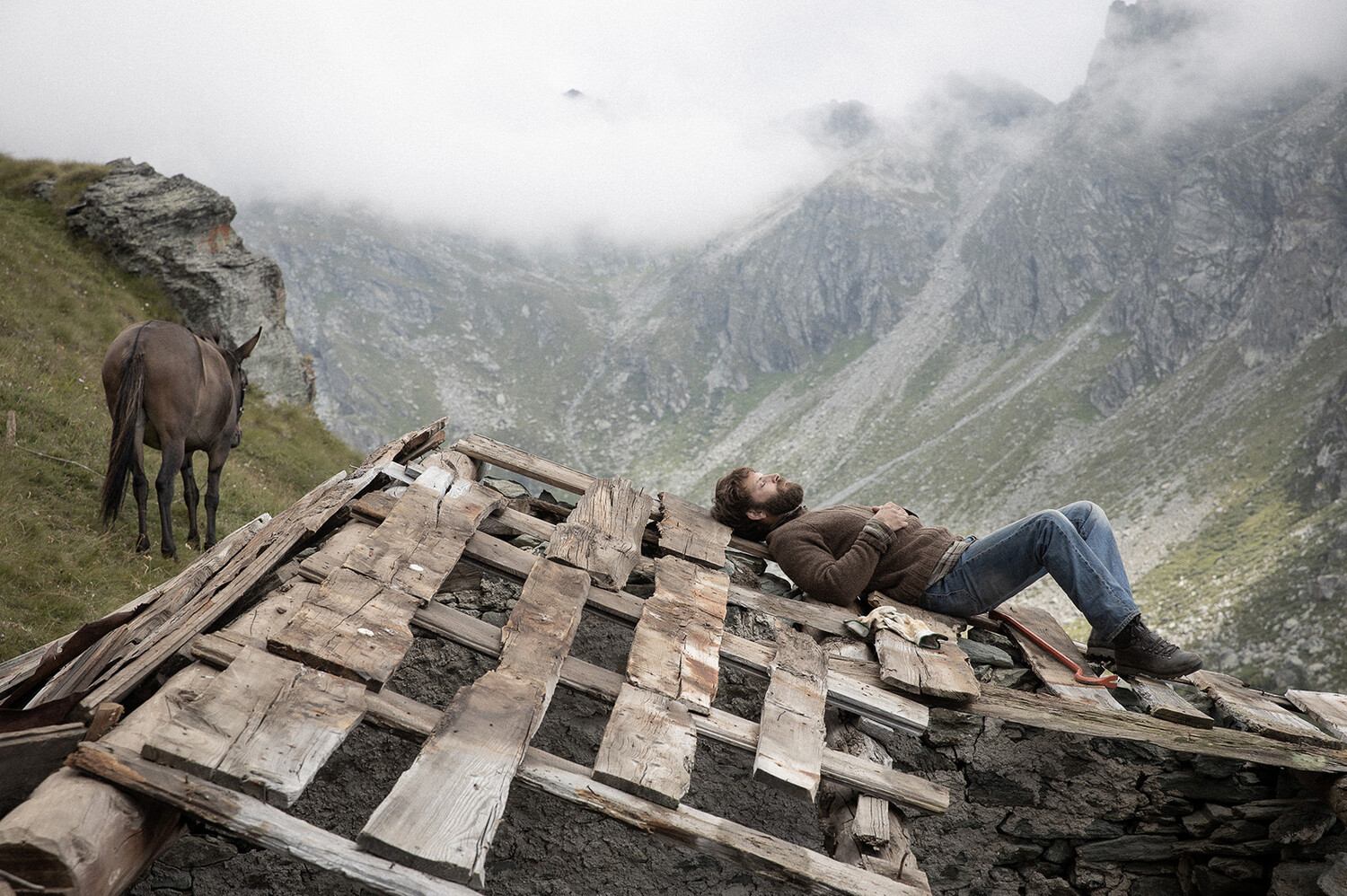
Pietro and Bruno befriend each other as boys in an isolated region of the Italian Alps. For Pietro and his family, it’s a rustic summer vacation spot, a getaway from Turin; for Bruno, it’s the only home he knows. The boys become close but when Pietro’s family attempts (and fails) to provide Bruno with loftier opportunities, they grow apart. Years later, as adults, they meet again following a death, reconnecting over the construction of a home in the mountains. Over time though, it’s increasingly apparent that the two men are on alternate paths. Their class differences and contrasting approaches to overcoming them inevitably leads towards fractures in their relationship.

This Cannes Jury Prize winner, adapted from a novel and co-directed by the filmmaker of The Broken Circle Breakdown benefits greatly from its natural settings, breathtaking cinematography, evocative sound design and as the adult Pietro, Martin Eden star Luca Marinelli (unrecognizable until he shaves off his beard.) Strip all of this away, however, and you’re left with a standard coming-of-age parable. As the adult Bruno, Alessandro Borghi’s performance is far less dynamic than Marinelli’s and the many bluesy rock songs on its soundtrack by Daniel Norgren blur together before long. Still, some of its set pieces are inspired—the nail-biting mountain hike with the boys and Pietro’s father, the change-of-pace Nepal sequences, the sinister splendor of the Alps in the dead of winter. The Eight Mountains is ostensibly about a friendship but its gradually slanted focus on Pietro’s trajectory rather than Bruno’s is what resonates in the end.

MASTER GARDENER

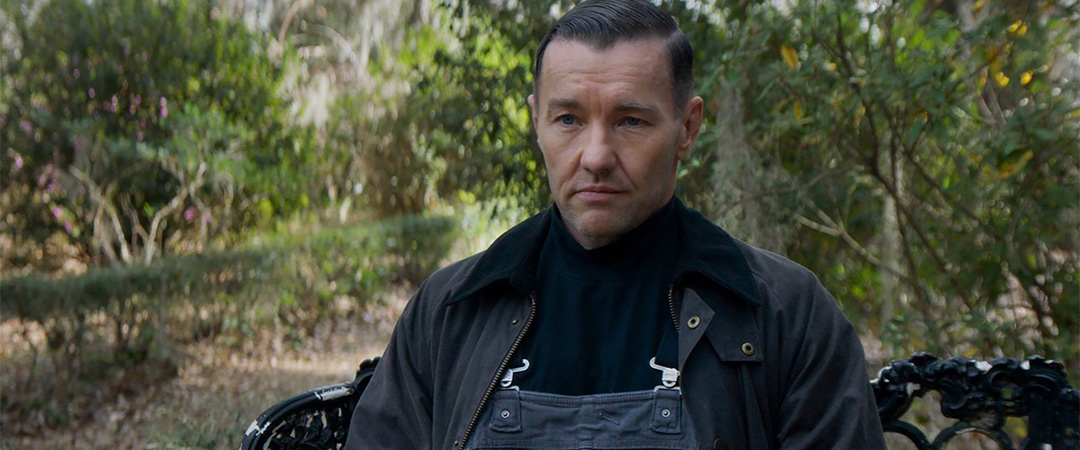
Paul Schrader has long established a reputation for going there, which is a major component of his sensibility and thus his peculiar appeal. Consequently, his movies work best when centered on a performance that understands how nutso the material is and can bring it across convincingly anyway (definitely Ethan Hawke in First Reformed, not so much Willem Dafoe in Light Sleeper.) As impassioned horticulturist Narval Roth, Australian actor Joel Edgerton is a strong choice because he’s so adept at disappearing into a part. As he did in Loving, he convincingly adopts a specific physical appearance and voice (a plebeian, nearly Noo Yawk accent) that immediately defines his character which makes the eventual reveals about him all the more potent and shocking.

Still, Master Gardener can be more than a little silly and calculated. For a while, after the big reveal occurs, there is a jolt in that it could go in a number of directions. The one it chooses is a redemption-for-an-abhorrent-past narrative, which has been done to death although Edgerton’s commitment to the story and the part does some heavy lifting. Quintessa Swindell is adequate as his young mentee, but as her great-aunt and his employer, Sigourney Weaver is something else: a prickly, wealthy matron out of a classic Hollywood picture that might come off as a caricature without Weaver’s authoritative take on and comfort with the role. Ultimately, it’s her and Edgerton’s presence and ease with being a little nuts keeping Schrader afoot on the tightrope he’s walking (if barely.)

IFFBoston 2023: 3 Documentaries

Love To Love You, Donna Summer

I saw three documentaries and three narrative features at the 20th(!) Independent Film Festival Boston; here are reviews of the former; check back here in one week for the latter.

LOVE TO LOVE YOU, DONNA SUMMER

She’s rightly remembered as “The Queen of Disco” but even that royal moniker only hints at Donna Summer’s talent and star-power. Blessed with a stellar voice and physical beauty to match, one could assume her success as a singer was also a case of “right time, right place”, adapting to and then defining a dominant musical genre of her era. This documentary, co-directed by her daughter Brooklyn Sudano celebrates Summer but also works diligently to present her as the multifaceted person she was. Most recall her as the woman who orgiastically moaned “Love to Love You Baby” and belted “Last Dance”, but she was also an innovative artist whose contributions to her hit singles and elaborate concept albums far exceeded that primary impression—cue the footage of her vocally coming up with the mechanical electronic rhythm that would define her seminal synth-pop opus “I Feel Love” or the many transformative live performances which she often approached with the meticulousness of a serious actor.

Constructing the film with an extensive assortment of archival footage (both visual and aural), first-time filmmaker Sudano runs the risk of incoherence; at times, the final product does feel a little scattered, stuffing so much content into a feature-length frame. I suspect her co-director, Roger Ross Williams (an Academy Award winner for Life, Animated) provides crucial support in shaping it into a mostly satisfying trajectory. One of their most distinct and effective decisions is to relegate all modern-day interviews to audio only (similar to the recent docuseries 1971: The Year that Music Changed Everything) which keeps the focus laser-sharp on Summer and also preserves the audience firmly in her own time frame (she passed away from lung cancer in 2012.) The only real glimpses of the present are shots of Sudano sifting through all of her mother’s artifacts—less an indulgence than a loose framing device expressing her personal connection to the material.

In the Q&A after this screening, Sudano mentioned that she didn’t want to make a puff piece or a Behind The Music-style overview; the film certainly doesn’t shy away from darker moments of Summer’s life, nor does it gloss over such controversies as her becoming a born-again Christian at the dawn of the 1980s. Also addressed is the backlash she received from the gay community over homophobic song lyrics that spiraled into rumors distressing not only her fanbase but also herself. But that self was alternately (and often simultaneously) a glitzy, commandeering diva, a campy goofball, a devoted but visibly exhausted mother, an introspective wanderer. Similarly, this ambitious, near-exhaustive portrait is a love letter, a critical assessment, a fanciful but also far-reaching collage. Like its subject, it leaves a mark. (Premieres on HBO May 20.)

HUMMINGBIRDS

Best friends Silva and Estefania (nicknamed “Beba”) are two teenagers in Laredo, Texas. They engage in typical activities for their age: hanging out at the convenience store parking lot, sneaking past the gates of vacant or abandoned homes, sitting at the Rio Grande peering across the border to Mexico. Beba, an aspiring musician, is an illegal immigrant, so the view is bittersweet; if she and Silva were to cross the border it would jeopardize her attempts at getting her work papers. The girls’ pro-abortion activism is also poignant once their personal experience regarding it comes into view.

Co-directed by its subjects, Hummingbirds is purposely casual—lackadaisical, even. Sections of it nearly resemble a video diary, yet the subjects rarely break the fourth wall so it’s closer to cinema verité, albeit a self-reflexive take on that non-narrative subgenre. It took me some time to process how substantial this approach actually was (I wasn’t surprised at this screening when two boomers sitting in front of me walked out early on), but I think I get it—anyone can turn a camera on themselves (now more than ever) and call it “art”, but this approach allows one to observe and absorb specifics of community, camaraderie and causes where the personal and political are deeply linked without getting spoon-fed their implications. With considerable candor and charm (and some open-endedness), Silva and Beba could make a sequel in a few years, potentially turning this into their own take on Michael Apted’s Up series if they so desire.

THE ORDER OF THINGS

Watch repair requires a steady hand and infinitesimal patience; this documentary exudes the latter in spades and also requires it from the viewer. Alexandru, a 90-year-old Romanian clock maker, recalls his time as a political prisoner in forced labor camps of that country’s Soviet and Communist regimes. Scenes of him speaking openly about his harrowing past alternate with nearly meditative footage of him at work, a survivor whose old age is positively bucolic compared to what came before. This mostly plays out in lengthy still shots meant to emphasize a sense of place and the value of time being deeply considered rather than glossed over. It’s a beautiful, admirable documentary, but also a challenging one that I had difficulty fully connecting with. It aims for a sense of the sublime but sometimes (such as when it aspires to Jeanne Dielman-like rigidity), it comes off as pretentious.

Give Me Pity!

Going straight to your heart on demand!

Cheerfully billed as “A Saturday Night Television Special” starring Sissy St. Claire (Sophie von Haselberg), writer/director Amanda Kramer’s film may feel as if it’s beaming in from another planet to those unfamiliar with 1970s/80s variety shows. Devotees of camp classics such as Donny and Marie, The Lynda Carter Special or the finale of Bob Fosse’s All That Jazz will recognize all the genre tropes being lovingly replicated and satirized but even they might feel bewildered (or perhaps transported) by the dark interior spaces an increasingly taxed and frayed Sissy inhabits.

Kramer understands that if you’re going to make a feature-length pastiche, pinpoint accuracy is required. Not only does she shoot on smeary video in the classic 1:33 analog format, stylistically, she replicates everything of the era from the sequined clothing, elaborate wigs, neon colors and piercing lasers to the requisite hanging mirrorball, vintage-looking graphics and Donna Summer-worthy disco anthems including the title track and “Making It” (not a David Naughton cover.) If she left it at that, it would be nothing more than an elaborate tribute to an ultra-specific type of entertainment from a bygone era. However, as with last year’s Please Baby Please, a 1950s-set mashup of West Side Story-style bohemia and genderqueer studies starring Andrea Riseborough (!), this pushes the viewer much further than that.

Not even a few minutes in, Sissy literally faces her demon(s) while the screen glitches and distorts and continues to do so intermittently. Effervescent and hungry for attention, she seems to shrug it off at first, for the show must go on and she’s made it clear she’s giving it her all. As the special moves from one titled set piece to another (“The America Number” answers the question, “What if Laurie Anderson had been given one of these specials circa ‘O Superman’”?), we see the implications and consequences of this. Touches of surrealism such as a literally faceless psychic and an interpretive death-dance with a nurse that climaxes with Sissy declaring, “You will never, never, ever, ever have your own television special, so don’t even DARE to DREAM!” add to the disorientation, burrowing deeper into madness. But you can’t stop ever-resilient Sissy who is dead set on triumphing, even if it means nearly losing what’s left of her sanity while delivering an epic, climactic monologue about a defining, near-traumatic childhood memory and how it made her who she is today.

Whereas Please Baby Please, while fabulous, occasionally muddles its intentions with its many intellectual diversions, this firmly retains its focus (being just 79 minutes helps.) Von Haselberg’s casting is especially inspired—I didn’t even know who her famous mother (someone who might’ve starred in a special like this back in the day) was until afterwards; it’s the type of role that could make her career if it wasn’t such a genuinely strange little film. Regardless, as we get to know Sissy (who appears in nearly every frame) rather intimately, Give Me Pity! gradually transcends its premise, revealing layer after layer of everything that goes into a performance and the toll it can take on the performer’s psyche.